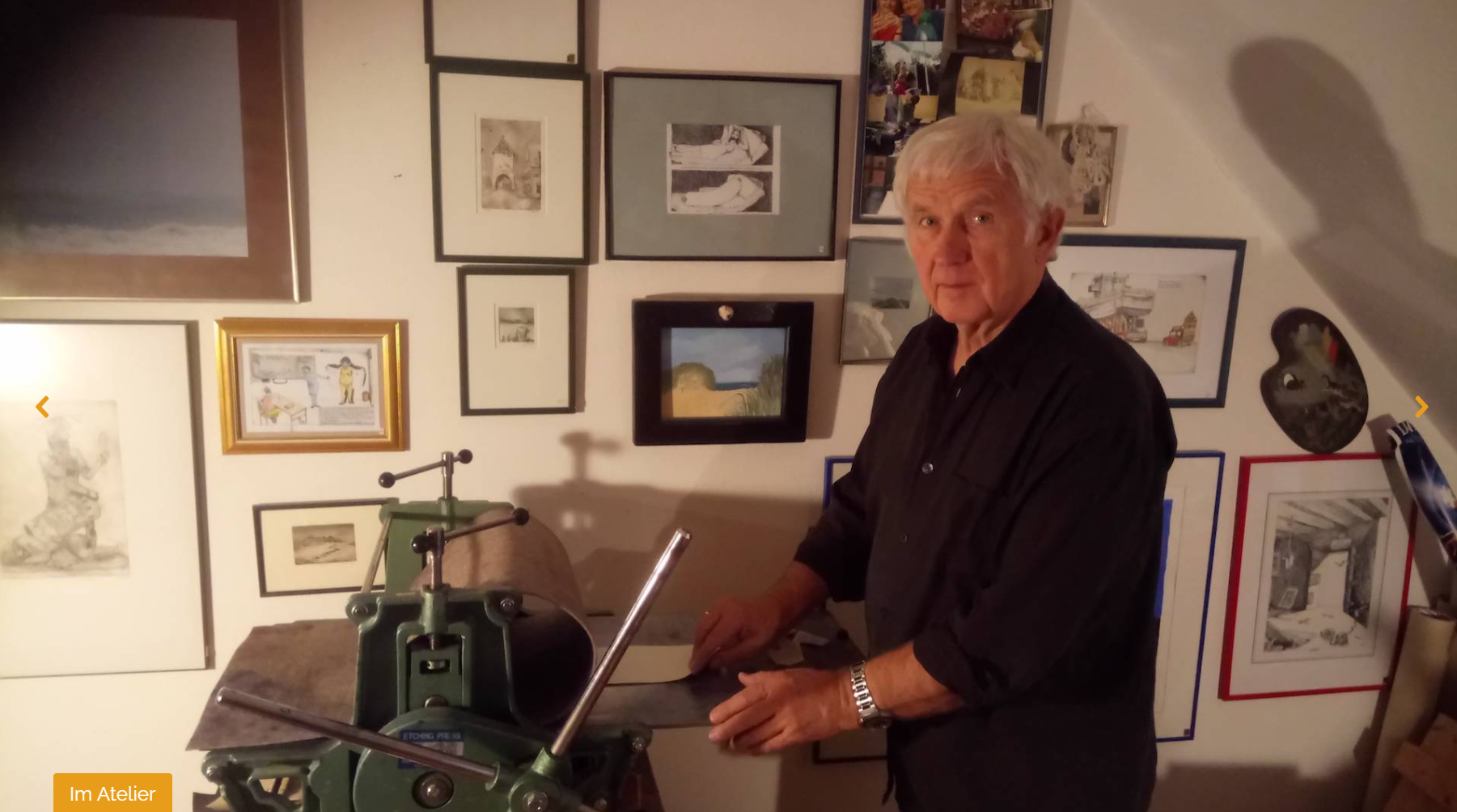
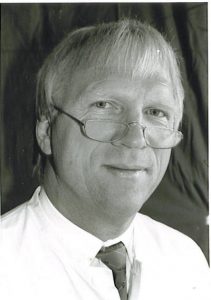
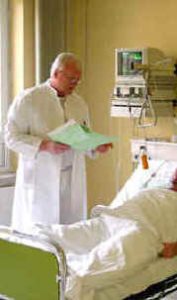
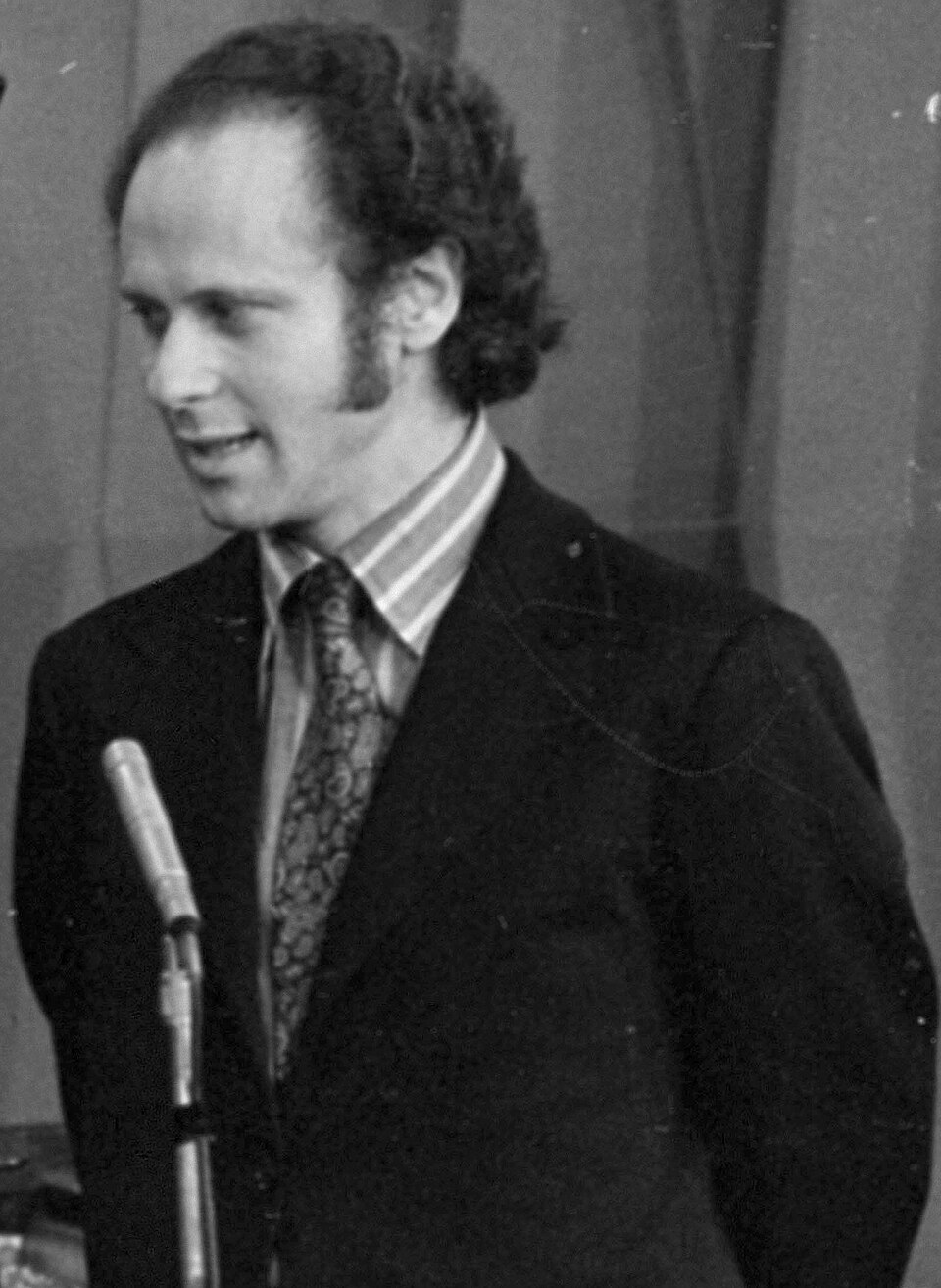
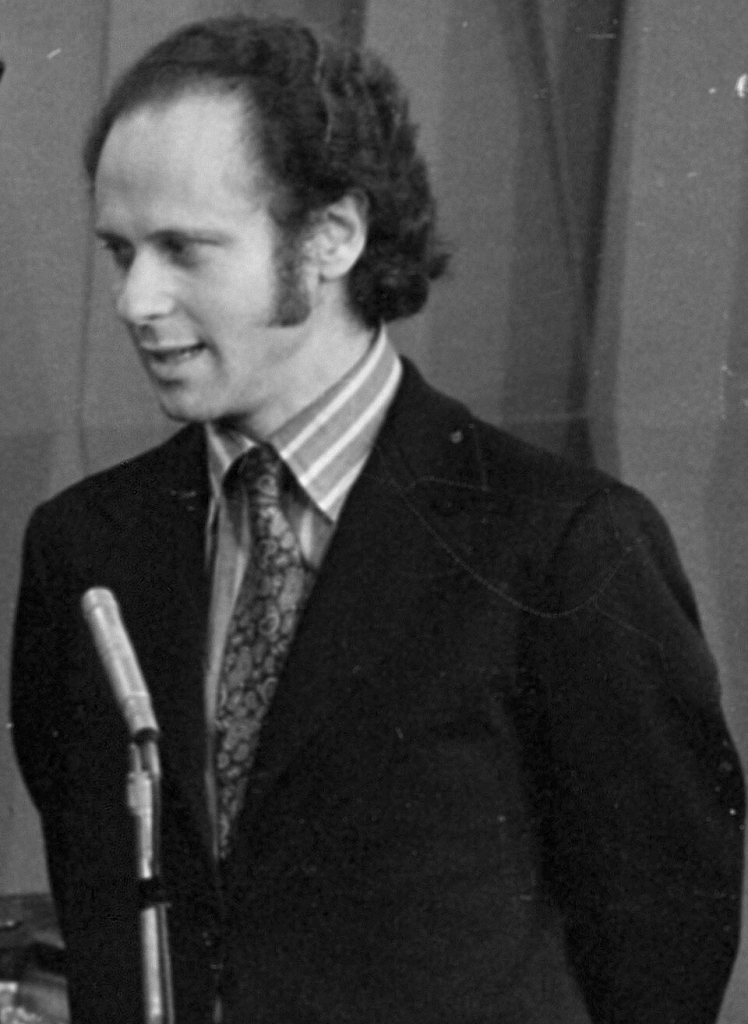
Born in 1944 in Wreschen near Posen Graduated from high school in Lüneburg in 1965 Study of medicine from 1965 to 2010, specialist training (surgery), and rural doctor in Abenberg in 2011 Retired in 2011
Artistic Career
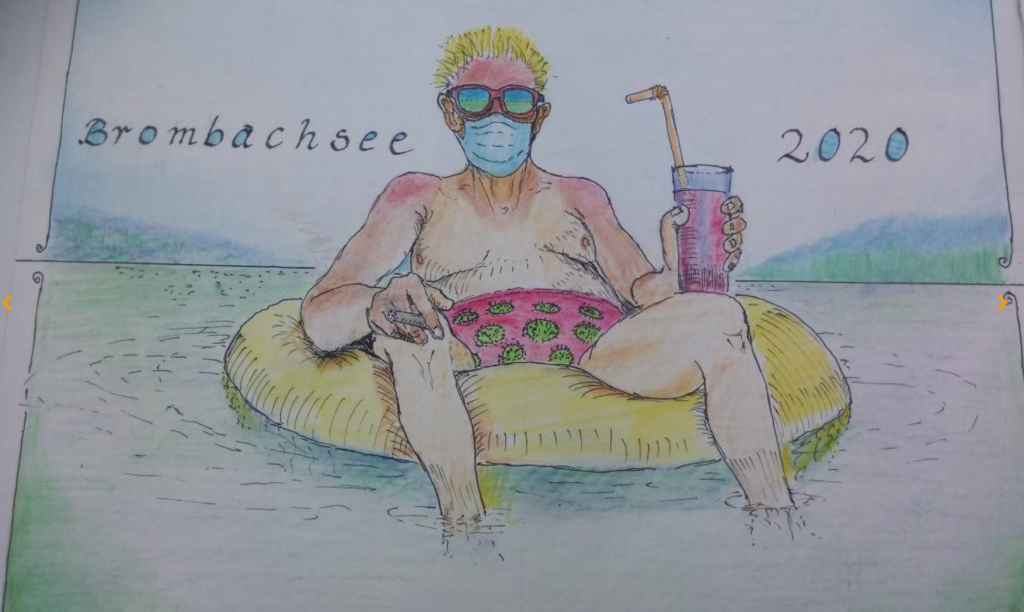
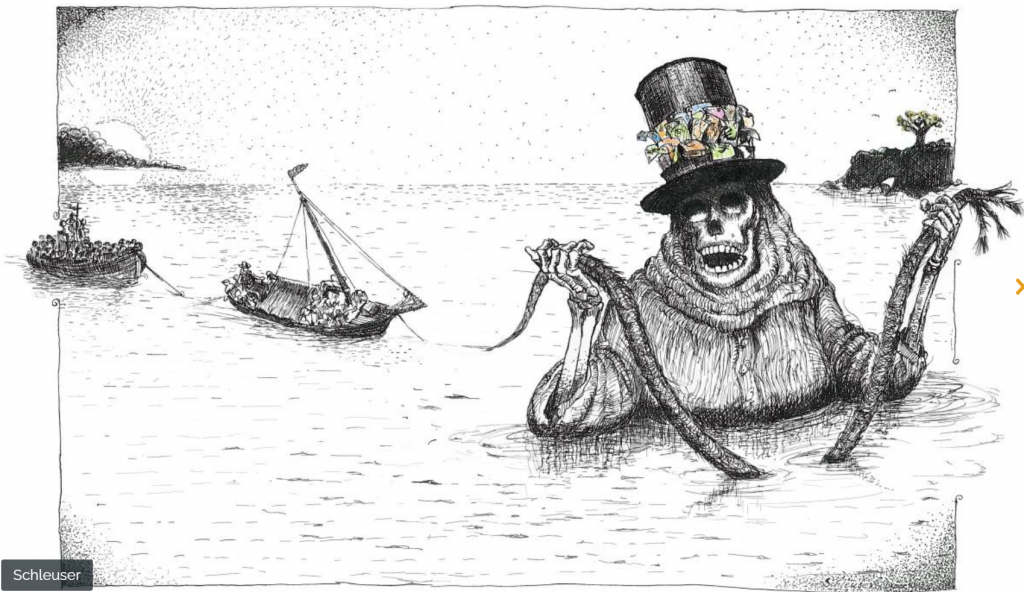
Drawing since childhood. Watercolor course on Sylt, head and figure drawing during his studies in Marburg, and life drawing course at the adult education center in Nuremberg. Experimented with oil painting 30 years ago, and for about 25 years, he has been making drypoint engravings, primarily pen and ink drawings (some colored).
Exhibitions
From the mid-1980s to the mid-1990s, he participated in the annual POHL BOSKAMP painting competition at therapy congresses, first in Karlsruhe and then, after reunification, in Berlin. 2008 Solo exhibition at the Heimathaus Abenberg; VIEW-INSIGHT-PERSPECTIVE-RETROSPECTIVE 2018 Solo exhibition at the Heimathaus Abenberg: THINKING IMAGES-WORD FORMATIONS 2020 Schwabach Artists’ Association, PRESENT, participation with two pen drawings
Awards
1992 First prize (with two other colleagues) at the AESKULAP MALT exhibition organized by POHL BOSKAMP 2001 Audience award at the AESKULAP MALT exhibition
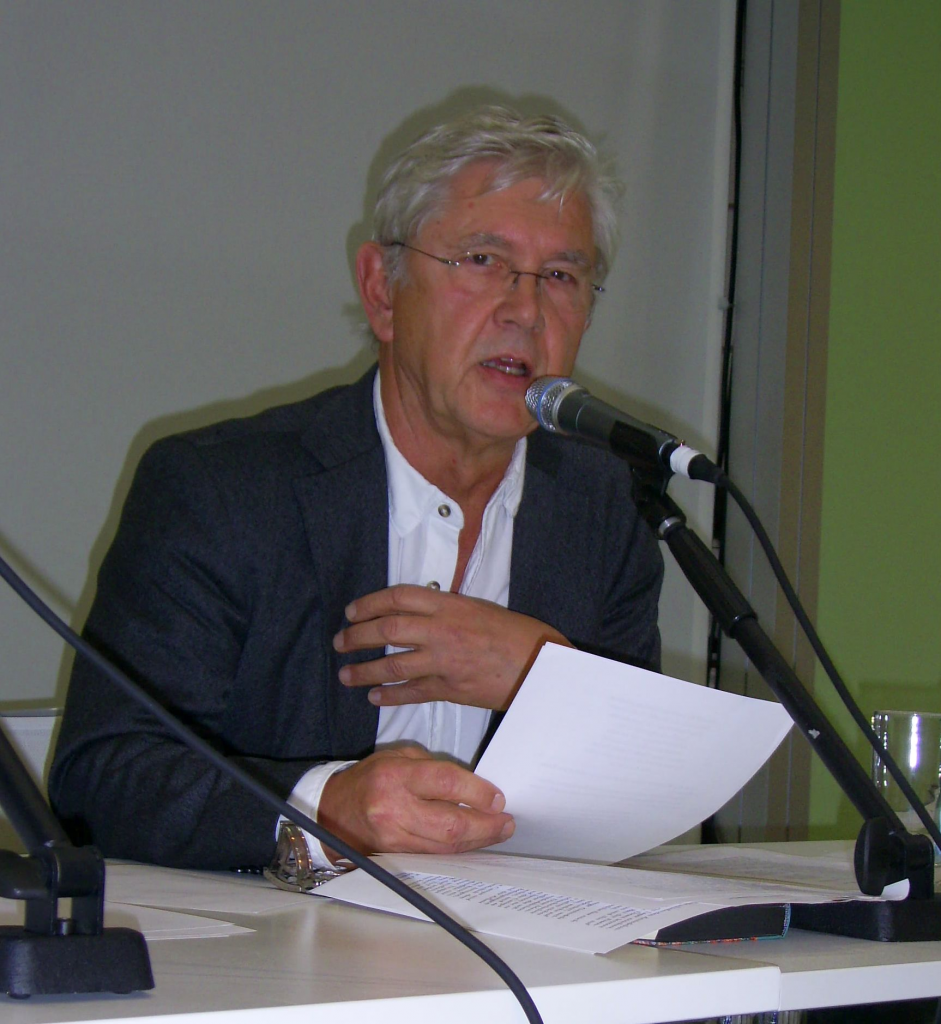
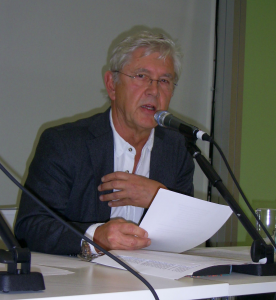
Johannes Zeilinger (* 1948 in Wolfratshausen) is a German sports medicine specialist and author. From 2007 to 2019, he was chairman of the Karl May Society, one of Germany’s largest literary societies.
Zeilinger studied medicine at the universities of Würzburg and Berlin until 1975. Since 1983, he has practiced in a sports medicine group practice in Berlin.
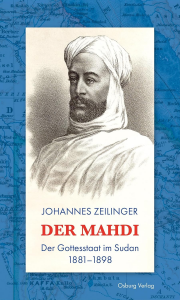
As an author, he publishes primarily on Karl May (1842–1912), still Germany’s best-selling author. In 1999, he caused a stir with his thesis that Karl May was not blind in his early youth.
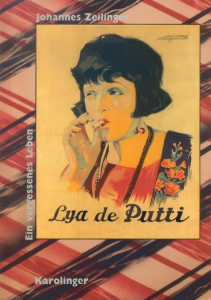
Johannes Zeilinger, born in 1948, studied medicine in Würzburg and Berlin, where he has been a practicing physician since 1983. Doctorate on the psychopathology of Karl May, followed by numerous publications as author and editor on Karl May, but also on the cultural history of Cyprus, on Lya de Putti and on Frederick A. Cook.
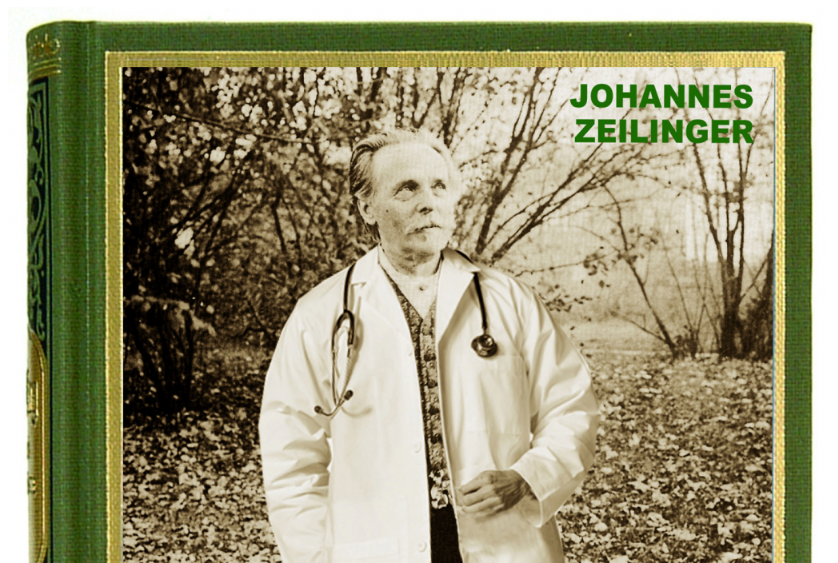
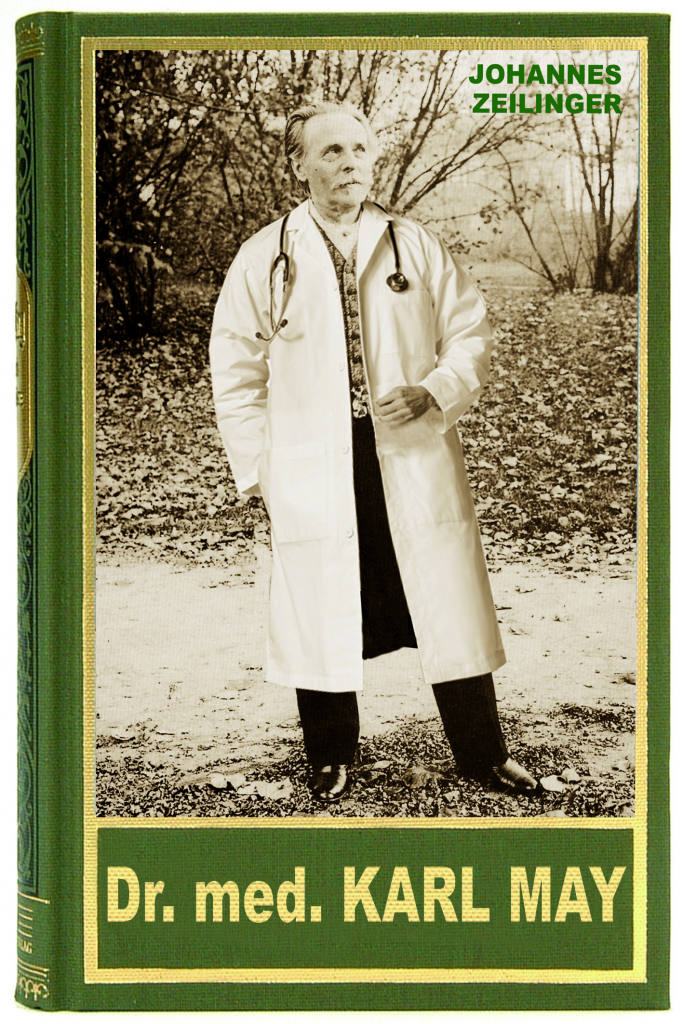
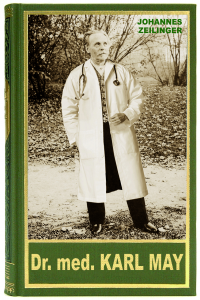
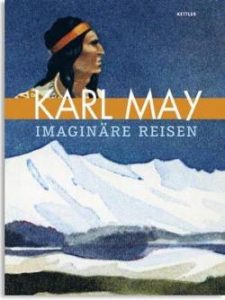
The young Karl May’s unfulfilled wish to become a doctor left numerous traces in his novels. Not only does Karl Sternau shine with his comprehensive medical skills, but Kara Ben Nemsi and Winnetou also astonish with their diverse medical knowledge and successes. Therefore, there are numerous healings, some meticulously researched and others imaginatively conceived. With its listing of all the medical episodes, the volume is ultimately a stroll through the history of medicine and, moreover, incorporates the complex personality of the creative writer into its analytical examination.
“I can’t chew anything out of a pencil.” This is how B. Traven described the authenticity of his novel characters in 1929. “Others might be able to do that, but I can’t. I have to know the people I’m talking about. They must have been my friends or companions or my adversaries or my neighbors or my fellow citizens if I want to portray them.” This postulate also held true when the author presented film agent Paul Kohner with a story in 1948 in which he described the story of a strange personality change. The case of the Mexican woman Mercedes Ortega Lozano, Traven assured him, had actually happened as described; only the name of the affected person was his invention. Johannes Zeilinger analyzes the medical disorders of this character, who has found its way into Mexican film history, and places them in the context of Traven’s biography.
This book is published in the film literature series “Filit,” edited by Rolf Aurich and Wolfgang Jacobsen.
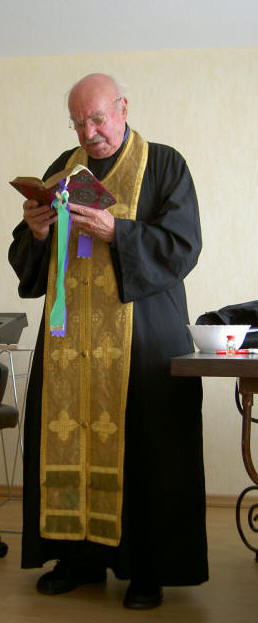
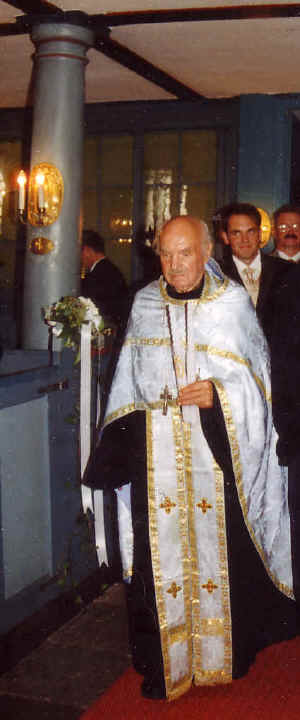
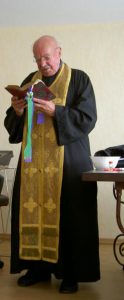
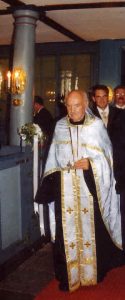
Born on August 23, 1923, in Söcking above Starnberg on Lake Starnberg. Enrolled in elementary school in 1929 in Krusemark in the Altmark region, later in Thielbeer (0-3552) near Arendsee. Enrolled in high school in 1935 at the Walddörferschule in Hamburg-Volksdorf. Graduated from high school in the spring of 1942. Drafted into the army in 1942 and, after four months, sent to the Russian front between Vitebsk and Smolensk. Taken prisoner by the Russians in 1944. Returned to Hamburg-Volksdorf on November 9, 1945. Began studying philosophy in 1946 and medicine in 1948. Ordained a priest of the Russian Orthodox Church in exile in 1950 (April 7; Annunciation, also Good Friday). Married Ruth Domsch on February 12, 1950. As a priest, I first served at St. Prokop’s Episcopal Church in Hamburg, later as a pastor at the Wentorf emigration camp. Since 1975, I have been a pastor in Lübeck at the small church of Blessed Prokop. In Hamburg, I hold services in German on the first weekend of every month. Baptisms, weddings, and funerals in Schleswig-Holstein and Hamburg.
State examination in 1952. Over the next few years, he worked at the Ebenezer Hospital in Hamburg, later as a substitute, and in the surgical and psychiatric university clinics of Eppendorf Hospital.
From February 9, 1961, he worked part-time at the Port and Airport Medical Service in Hamburg, Seewartenstrasse 9a. His contract was extended on October 16, 1962, and again on February 1, 1963. From April 1, 1964, he worked full-time. His contract was extended again on January 1, 1966. He received his doctorate on April 30, 1968 (“Social Hygiene Surveys on the Problem of Seafarers’ Leisure Time”). He was promoted to civil servant on July 1, 1967. In 1968, he visited the North Sea ports on behalf of the WHO: Amsterdam, Rotterdam, London, Liverpool, Oslo, Gothenburg, and Copenhagen. On 1 November 1971, senior medical officer in the port and airport medical service.
December 19, 1978, Medical Director of the Port and Airport Medical Service and the Central Advisory Center for the Monitoring of Prostitution of Both Sexes in the Greater Hamburg Area. Worked there from 1978 to August 31, 1988, simultaneously as Deputy Director of the Port and Airport Medical Service. From August 31, 1988 to August 31, 1990, Director of the Port and Airport Medical Service as a scientific employee. From January 1, 1977, worked in the company medical service of the Hapag-Lloyd Group, partly as head of the company medical service, partly as a doctor in the company medical service, and also continued in the company medical service of Hapag-Lloyd AG beyond August 31, 1990 (until March 31, 1996). To date: As an Orthodox priest, he has held services in Lübeck, Schleswig-Holstein, and Hamburg; Lectures on the world of Orthodoxy in the Federal Republic of Germany and, after 1980, also in Mecklenburg-Western Pomerania. As a doctor, he provided advanced training for ship officers and fumigation technicians on hygiene and current medical issues (organ transplantation, genetic engineering, AIDS). Died 2005
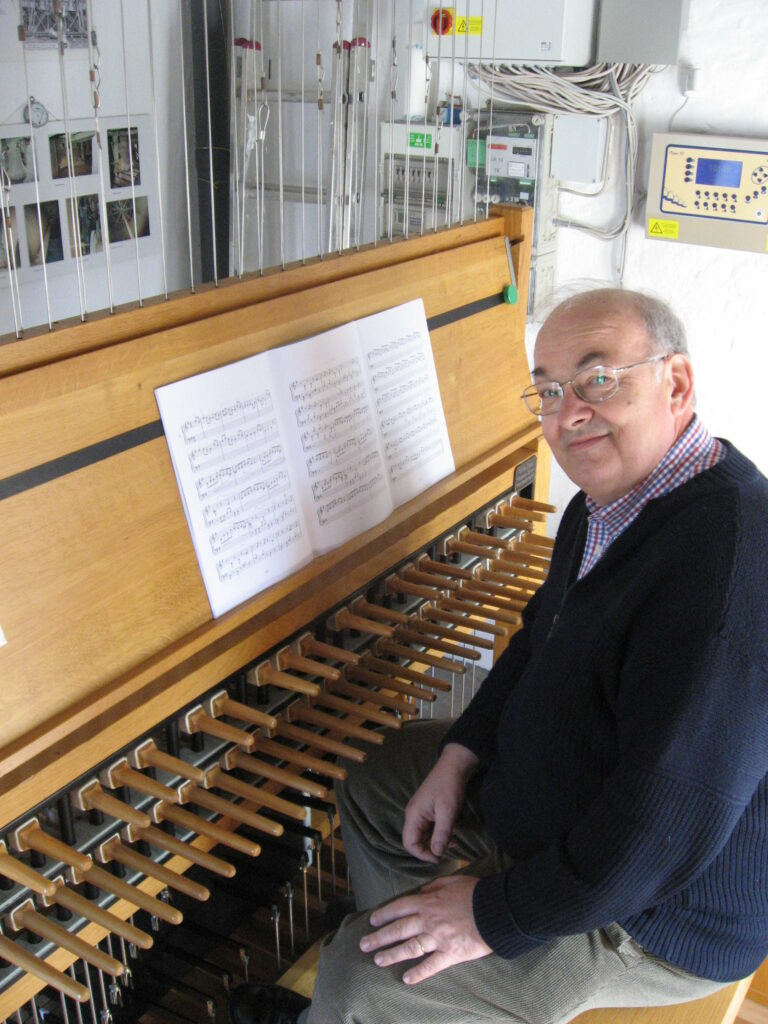
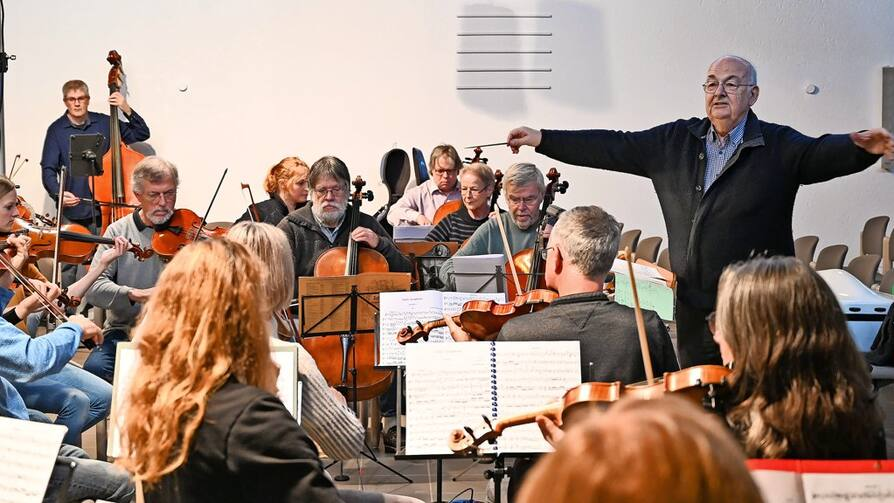
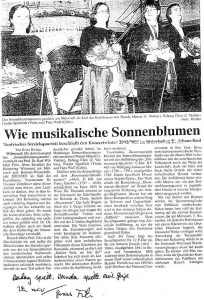
Dr. Gunther Strothmann worked as a doctor in Kiel until the end of 2006. After graduating from high school in Bremen, he took piano, organ, improvisation, and composition lessons from Ernst Hörbe (1921–2012), among others. After studying medicine in Kiel, he began his musical activities as a performing organist. In 1977, he founded the Melsdorf Symphony Orchestra, an amateur ensemble that has since grown to more than 80 players as a project orchestra. In 1999, Strothmann founded the Klassikensemble Kiel, a chamber orchestra, with Michael Stoll, which he directed until 2017. Gunther Strothmann also founded the Melsdorf Symphony Orchestra in 1977. Between 1980 and 2022, he directed the Rachmaninoff Choir Kiel. The Klassik-Ensemble Kiel is also his initiative.
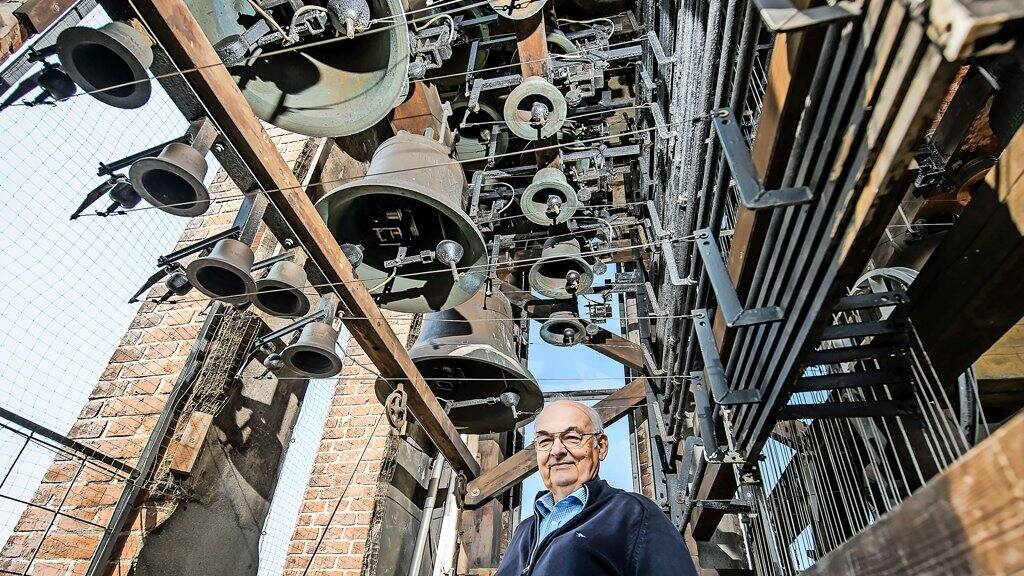
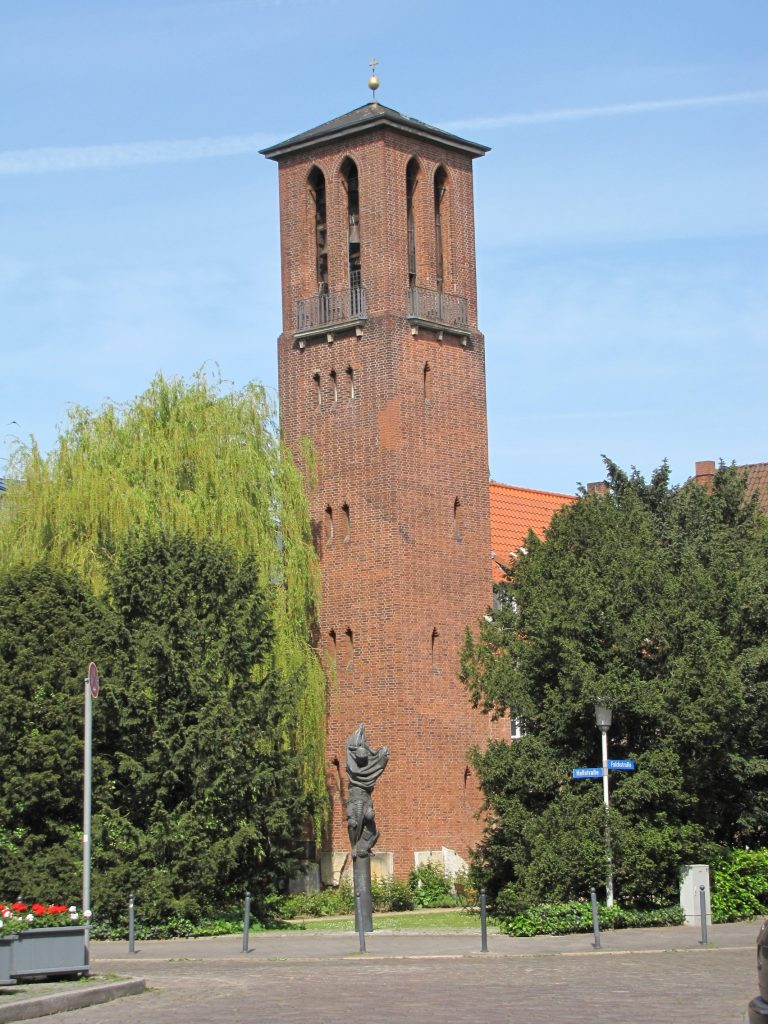
In 1999, the Kiel Carillon, located in the tower of the former Kiel Franciscan monastery, was inaugurated with a public concert. Strothmann was appointed carillonneur and custodian of the Kiel Glockenspiel by the North Elbian Church that same year. Gunther Strothmann has toured Denmark, Sweden, Norway, France, Belgium, the Netherlands, Spain, and the USA.
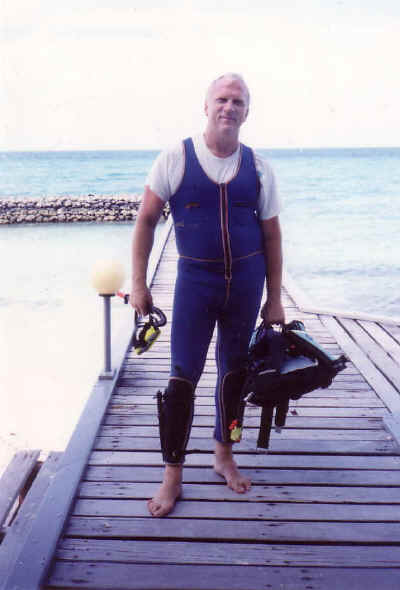
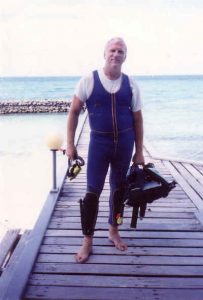
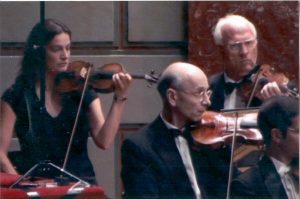
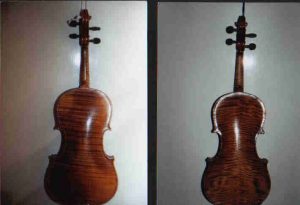
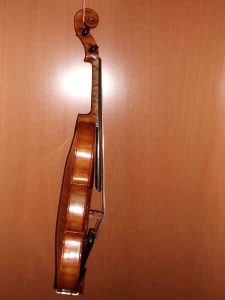
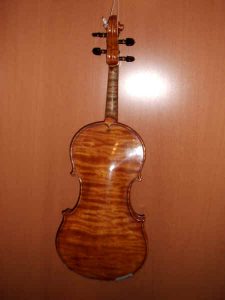
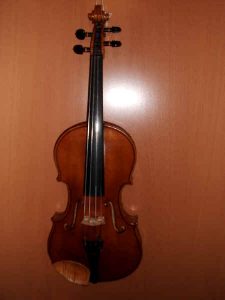
Hobbies: -classical literature -history -politics -classical music (viola and violine in several orchestras: –Gehrdener Chamber Orchestra until 1993-1-31 –New Wilhelmshaven symphony orchestra –Hamburg doctors orchestra –German doctors orchestra — participating at the EDO (European Doctors Orchestra) from Nov 2004 -Sports: surfing, diving (5 times as medical doctor on Maledives for TUI), bicycle
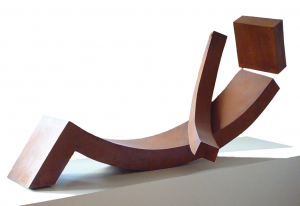
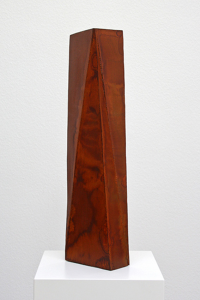
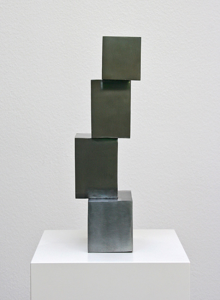
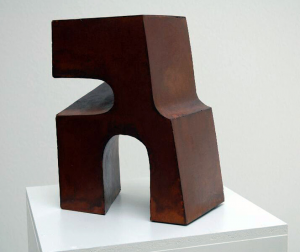
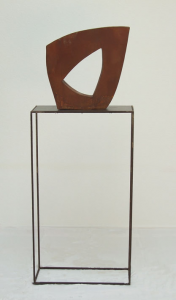
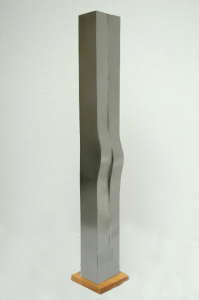
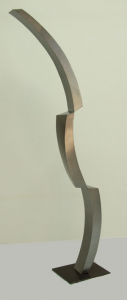
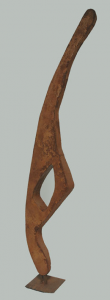
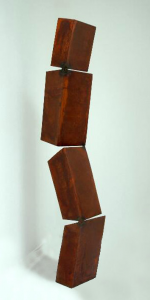
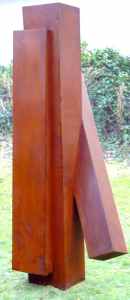
On numerous trips through America, he explored pre-Columbian art, as well as the art of the Aztecs, Incas, and Mayans in Mexico, Peru, and Guatemala. During his travels through the United States and Europe, he studied modern sculpture and sculpture at venues such as the Getty Museum in Los Angeles, the Museum of Modern Art in New York, the Guggenheim Museum in Bilbao, and the Tate Gallery of Modern Art in London.
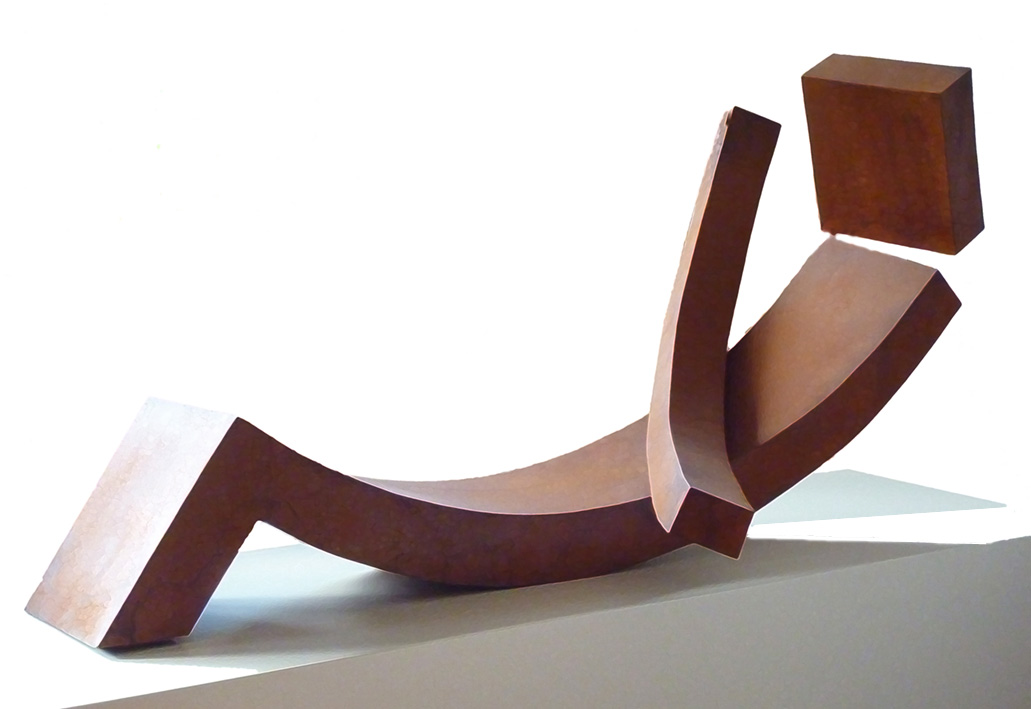
Took a welding course in 1990. First outdoor sculpture in 1993. 2006 Exhibition “Szene Bühl 2006” at Volksbank Bühl. 2008 Exhibition at CUBUS Gallery in Bühl. 2009 Exhibition of Art and Culture at the Baden-Baden Regional Court.
Since 2005, he has shared a studio with Christine Faust in Hasengarten (Bühl).
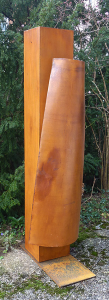
The artist’s iron works are distinguished by their clear formal language, reduction to essential elements, and emphasis on the organic material iron and its interaction between mass and space.
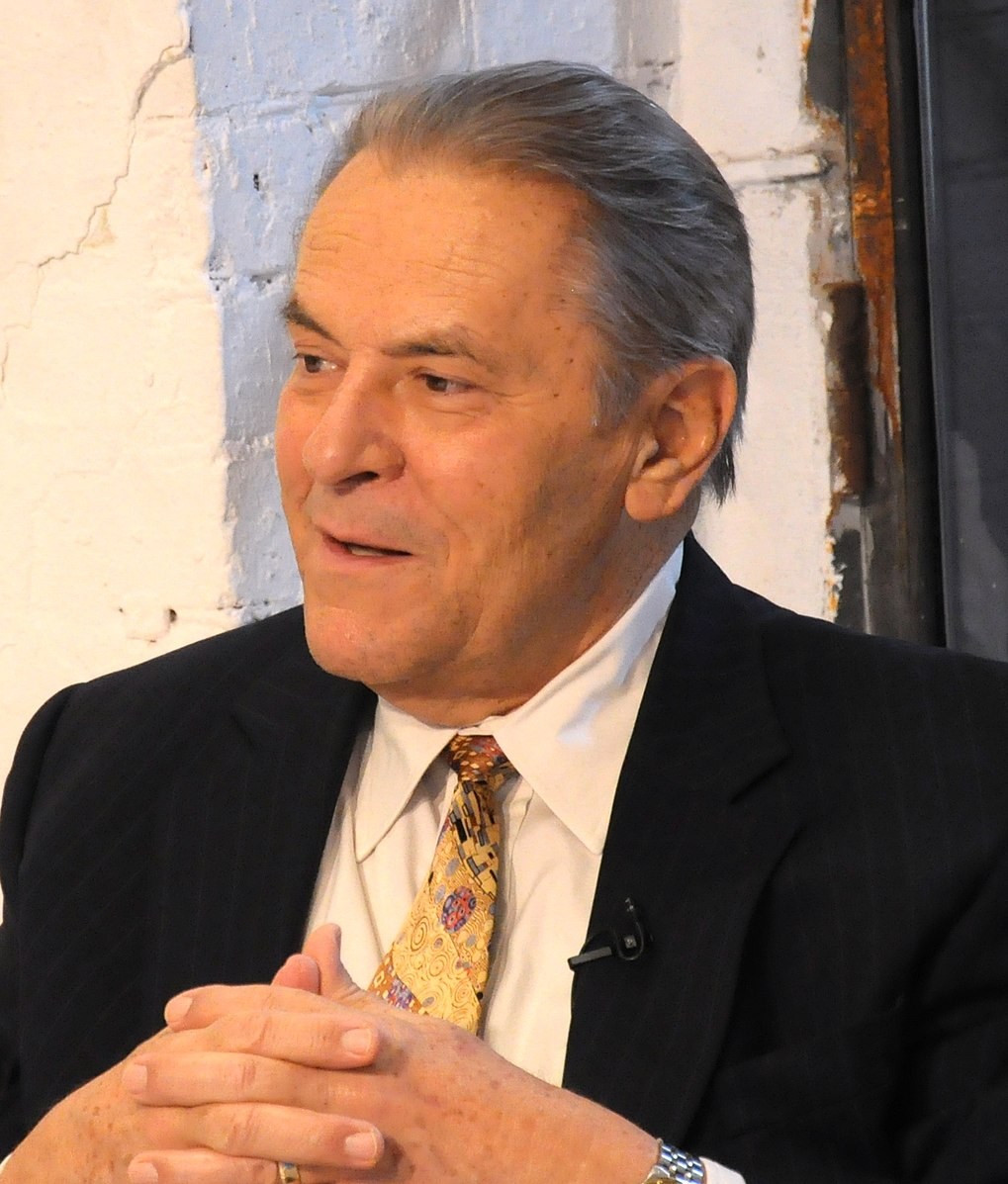
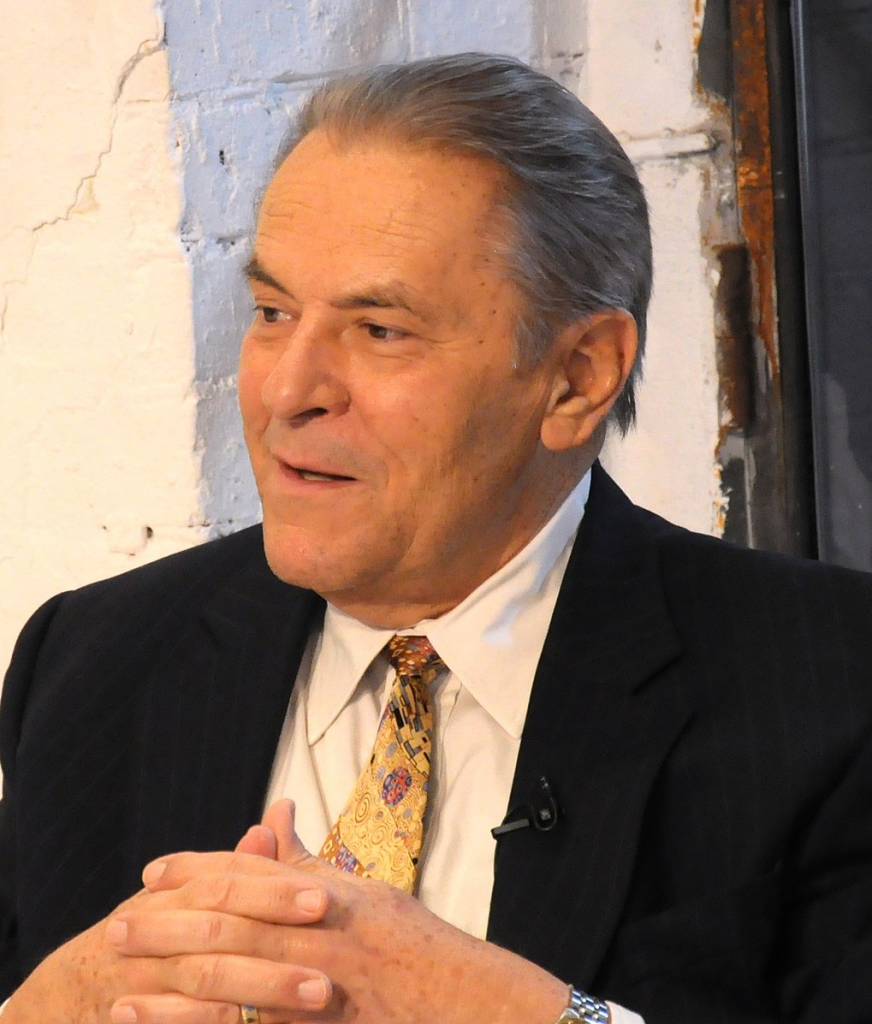
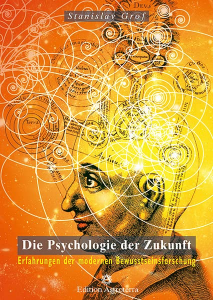
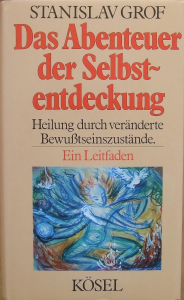
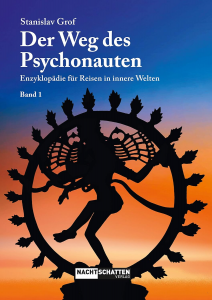
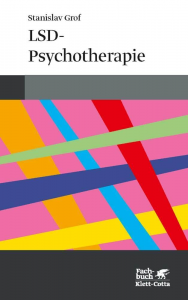
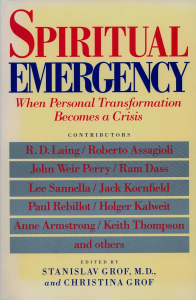
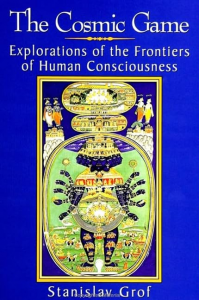
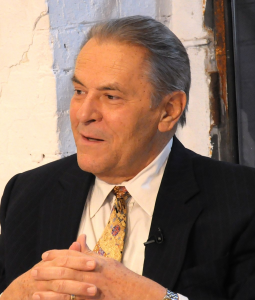
Stanislav Grof (born July 1, 1931) is a Czech-born American psychiatrist. Grof is one of the principal developers of transpersonal psychology and research into the use of non-ordinary states of consciousness for purposes of psychological healing, deep self-exploration, and obtaining growth and insights into the human psyche.
Czechoslovakia was the centre of psychedelic research behind the Iron Curtain during the 1950s and 1960s. Grof’s early research in the clinical uses of psychedelic substances was conducted at the Psychiatric Research Institute in Prague, where he was principal investigator of a program that systematically explored the heuristic and therapeutic potential of LSD and other psychedelic substances.[
In 1973 he was invited to the Esalen Institute in Big Sur, California, and lived there until 1987 as a Scholar-in-Residence, developing his ideas and conducting month-long workshops.[citation needed] In 1977, Grof was the founding president of the International Transpersonal Association, serving as president for several subsequent decades. He went on to become distinguished adjunct faculty member of the Department of Philosophy, Cosmology, and Consciousness at the California Institute of Integral Studies, a position he remained in until 2018.
In May 2020, he launched, with his wife Brigitte Grof, a new training in working with holotropic states of consciousness, the international Grof Legacy Training
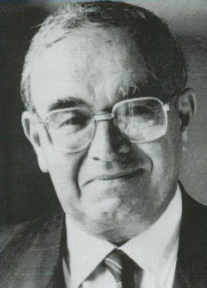
Fereydoon Batmanghelidj (1931 – 15 November 2004) was an Iranian doctor, naturopath, HIV/AIDS denialist and writer. He is best known for believing increased water consumption is the cure for most disease, a view not supported by everybody.
Fereydoon Batmanghelidj was born in Iran in 1931.[4][5] He attended secondary school in the United Kingdom, at Fettes College in Scotland, and later graduated from St Mary’s Hospital Medical School of London University. He then practiced medicine in the United Kingdom, before returning to Iran.[4] There he became a wealthy entrepreneur,[6] helping in the development of hospitals and medical centres, and in sports projects, including the Ice Palace ice skating rink in Tehran.[4]
In 1979, after the Iranian Revolution, he was sent to Evin Prison in Tehran, which housed political prisoners; he was incarcerated there for two years and seven months.[7][4] Following his release in 1982, he moved to the United States.[4]
He married Lucile,[4] a Belgian,[6] and they had four children: Ardeshir, Babak, Camila,[4] and Lila, who died by suicide while he was imprisoned.[8] His first marriage ended in divorce. He later married Xiaopo Huang Batmanghelidj.[4]
Batmanghelidj was trained at St Mary’s Hospital Medical School, and practised medicine in the United Kingdom before his return to Iran.[4]
He claimed that he discovered the medicinal value of water in treating the pain of peptic ulcers during his detention in Evin Prison by treating inmates with water when medication was not available. He advanced this position in a guest editorial in the Journal of Clinical Gastroenterology in 1983.[7]
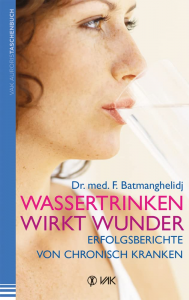
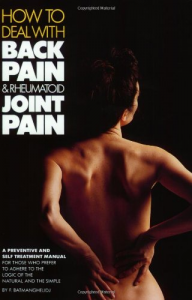
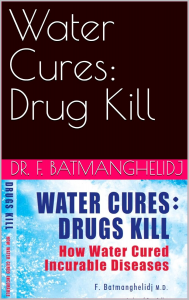
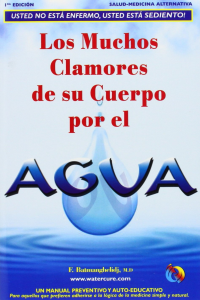
In 1992, he wrote Your Body’s Many Cries for Water.[2] In this book, Batmanghelidj asserts that chronic dehydration is the root cause of most pain and many ailments, opposing the use of drugs to cure conditions that he claimed could instead be addressed by increased water consumption.[4]
He argued that water is an important provider of “hydro-electric” energy for the body and brain, by splitting into its components hydrogen and oxygen.[2] This claim is not supported by scientific evidence.[2]
Tamás Hacki (Budapest, February 18, 1944) is a Hungarian ENT doctor, university professor and art-whistler.
At the age of five, he began whistling, learned to play the violin, and was also a choir member. He shared first prize in “Who Knows What?” in 1962. That same year, he graduated from Kölcsey Ferenc Gymnasium in Budapest. He began university studies and graduated as an ENT specialist in 1970. He then worked in the ear, nose, and throat department of Budapest’s MÁV Hospital and participated in the MIDEM Festival in Cannes that same year. His albums have been released in several countries. In 1983–1984, he went on a phoniatric study trip to Germany and subsequently completed his specialist examination in Budapest. In 1986, one of his German professors called him back, and he taught at the Hanover Medical School for six years. He completed his habilitation in 1990 and became a university professor at the Medical Faculty of the University of Regensburg in 1992. On New Year’s Eve 2007, he performed with the Munich Symphony Orchestra, and on March 20, he gave a concert in Munich with his former backing band, the Ex-Antiquis Band. He currently lives in Regensburg, where he worked at the University Hospital.
He founded the Clinic for Phoniatrics and Pediatric Audiology and the associated Speech Therapist Training Institute, as well as a rehabilitation department that treats voice and swallowing disorders. He is also a frequent guest in Hungary, leads several specialist and speech therapist training courses, organizes conferences, and gives lectures. In 2008, he received the Federal Cross of Merit of the Federal Republic of Germany1 and in 2015, the Pro Cultura Hungarica Award. In 2022, he was elected an external member of the Hungarian Academy of Sciences.