Category Archives: StampDocs

  • -

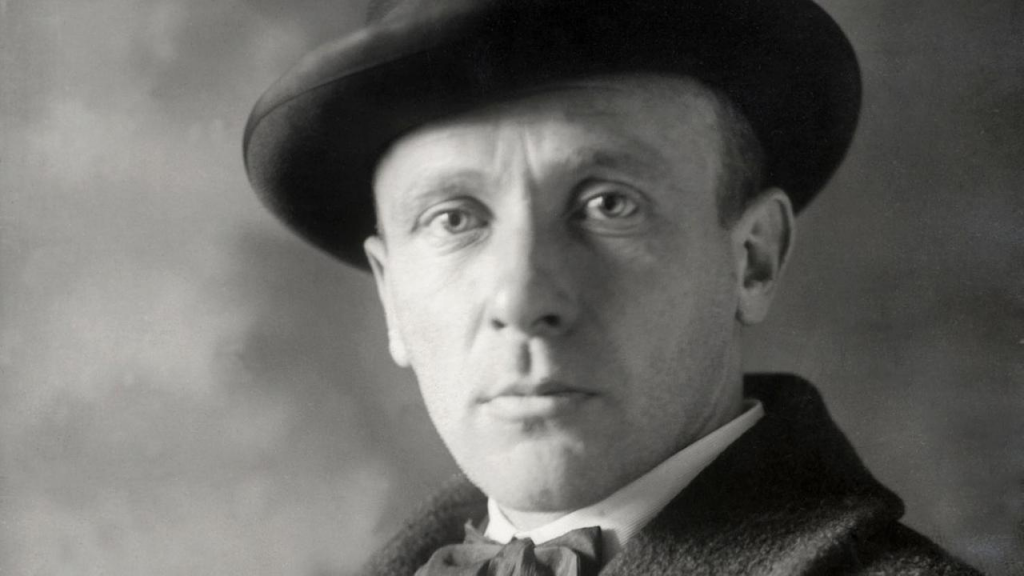
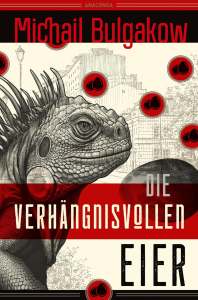
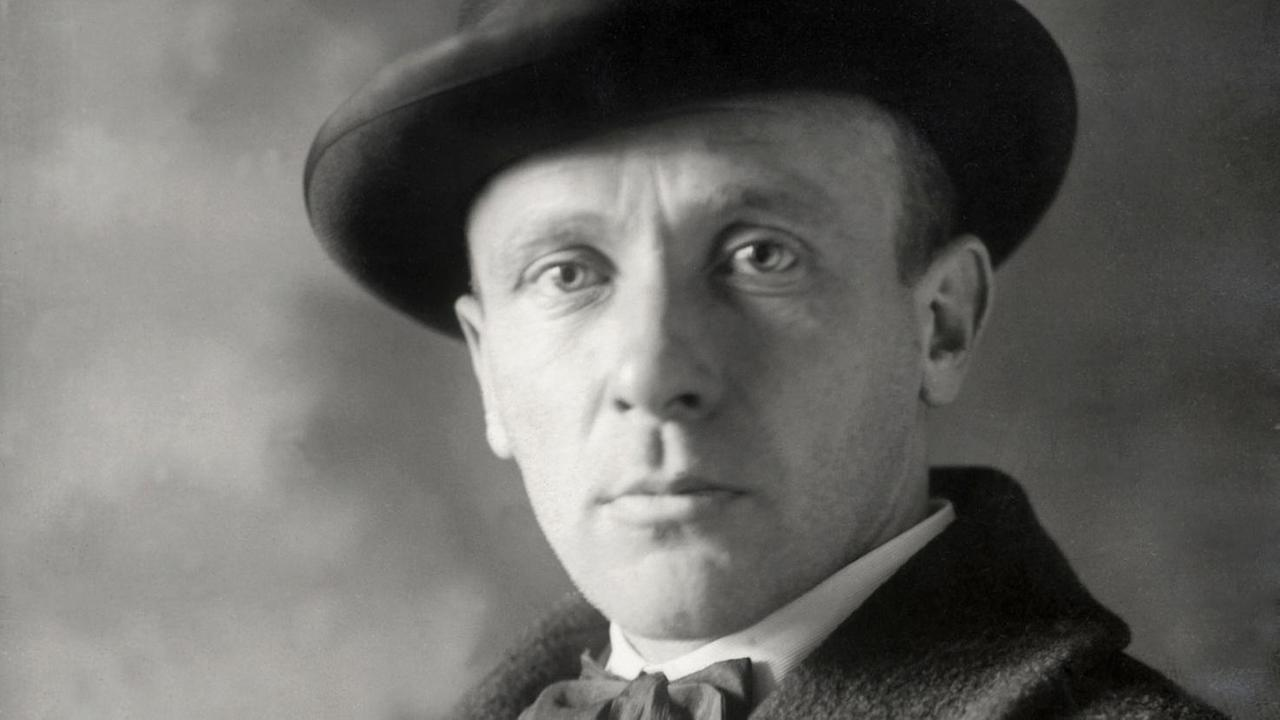
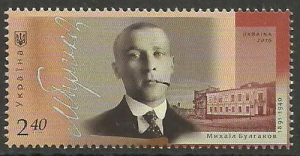
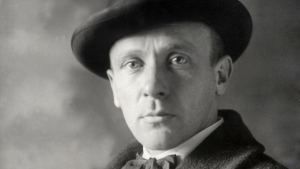
Michail Afanassjewitsch Bulgakow

Mikhail Afanasyevich Bulgakov (Russian: Михаи́л Афана́сьевич Булга́ков, scientific transliteration: Mikhail Afanas’evič Bulgakov; May 3, 1891 in Kiev, Russian Empire – March 10, 1940 in Moscow, Soviet Union) was a Russian and Soviet writer. He is considered one of the great satirists of Russian literature. One of his major works is the novel The Master and Margarita, which was published posthumously in 1966 after heavy censorship. The excerpts were distributed as samizdat and thus contributed to his popularity.

Mikhail Bulgakov was born in 1891 to Afanasy Ivanovich Bulgakov, a lecturer at the Kyiv Theological Academy, and his wife Varvara Mikhailovna (née Pokrovskaya), and was baptized in the Podil Church of the Exaltation of the Holy Cross that same year. After graduating from the Kyiv First Gymnasium in 1909, he enrolled at the Medical Faculty of Kyiv University. In 1916, he received his medical degree and took up a rural position in the Smolensk Region before practicing medicine in the town of Vyazma. In 1913, he married Tatyana Nikolaevna Lappa (Russian: Татьяна Николаевна Лаппа).

At the end of October 1921, Bulgakov moved to Moscow and began working for several newspapers (Siren, Worker) and magazines (The Medical Worker, Russia, Rebirth). During this time, he published occasional prose pieces in the Berlin-based exile newspaper Am Vortag. Between 1922 and 1926, Siren printed more than 120 of his reports, essays, and columns. Bulgakov joined the All-Russian Writers’ Union in 1923.
In 1924, he met Lyubov Yevgenyevna Belozerskaya (Russian: Любовь Евгеньевна Белозёрская), whom he married the following year. In 1928, the couple toured the Caucasus, visiting the cities of Tbilisi, Batumi, Vladikavkaz, and Gudermes. The premiere of Bagrovsky Island (Blood-Red Island) took place in Moscow that same year. During this time, the author developed the first ideas for The Master and Margarita and began work on a play about Molière entitled Cabal Svyatosh (Slavery of the Bigots). In 1929, he met Yelena Sergeyevna Shilovskaya, who became his third wife in 1932.

In the partly autobiographical novel The White Guard from 1924, Bulgakov uses the example of the Turbin family from Kyiv to describe the chaotic period of upheaval that followed the October Revolution and the collapse of the Russian Empire. Bulgakov’s play The Days of the Turbins, which premiered in Moscow on October 5, 1926, is also based on the novel. However, Bulgakov is better known for his grotesque depictions of everyday life in the young Soviet Union, often with fantastical or absurd elements—a typical form of social criticism in Russian-language literature since Gogol. The story “Heart of a Dog” was written in 1925 but was not published in the Soviet Union until 1987.
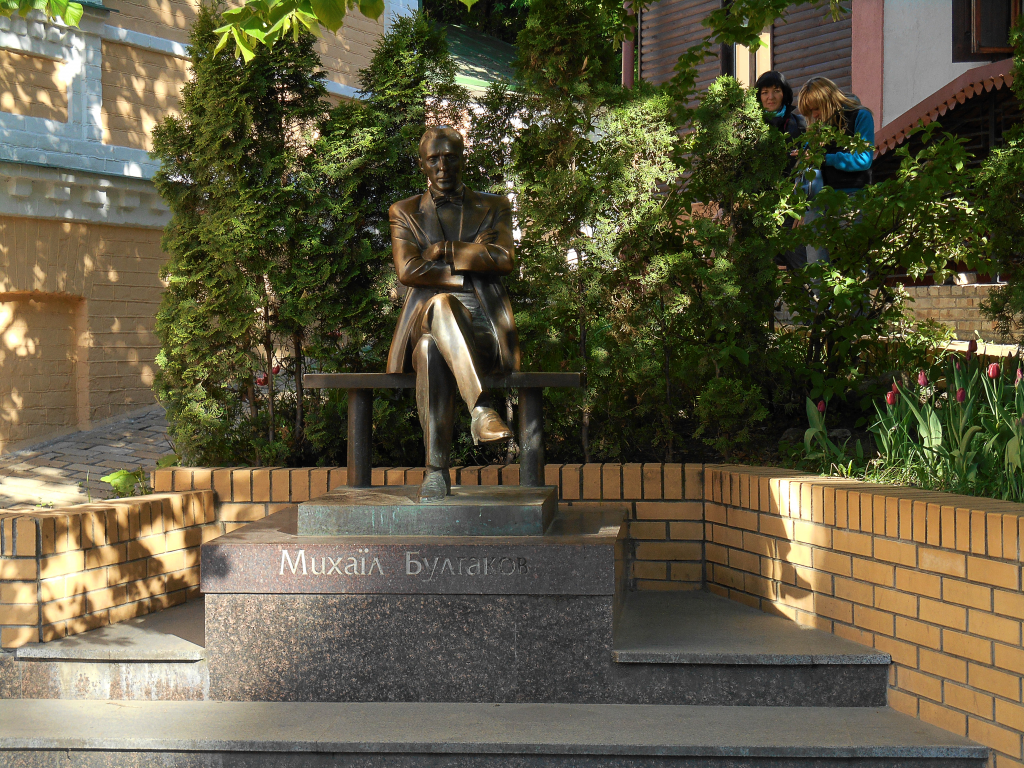
The Master and Margarita

Bulgakov’s best-known work is The Master and Margarita, a satirical and grotesque take on the Faust motif, a journey through time. The work first appeared in print in 1966/67 in serialized form in the literary magazine Moskva, almost 30 years after the author’s death, in an abridged version. The unabridged version first appeared in book form in 1973. Shortly after its initial Soviet publication, the novel was published in 1968 in the German translation by Thomas Reschke in the GDR. In protest against Stalinism, during which the novel was written, he criticizes the dialectical materialism and militant atheism expressed in the Soviet Union.[3]

Some critics consider the book the best Russian novel of the 20th century. It was number 1 on the Spiegel bestseller list from April 29 to May 5, 1968.

https://www.deutschlandfunk.de/vor-125-jahren-geboren-der-sowjetische-schriftsteller-100.html

https://de.wikipedia.org/wiki/Michail_Afanassjewitsch_Bulgakow
https://en.wikipedia.org/wiki/Mikhail_Bulgakov


  • -

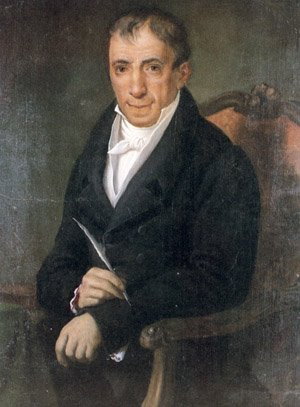
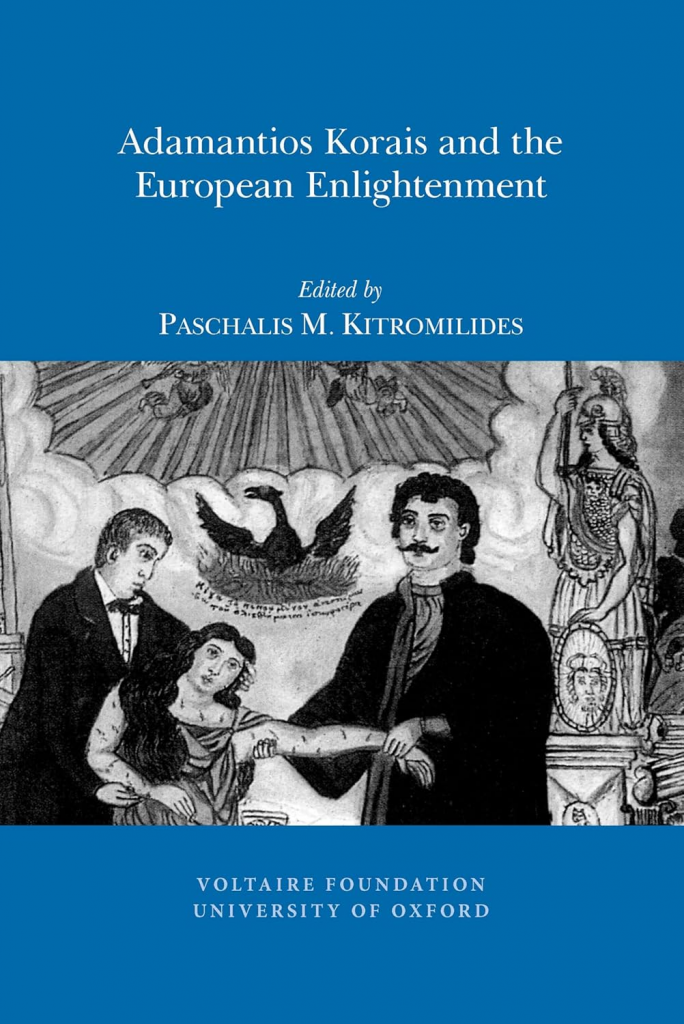
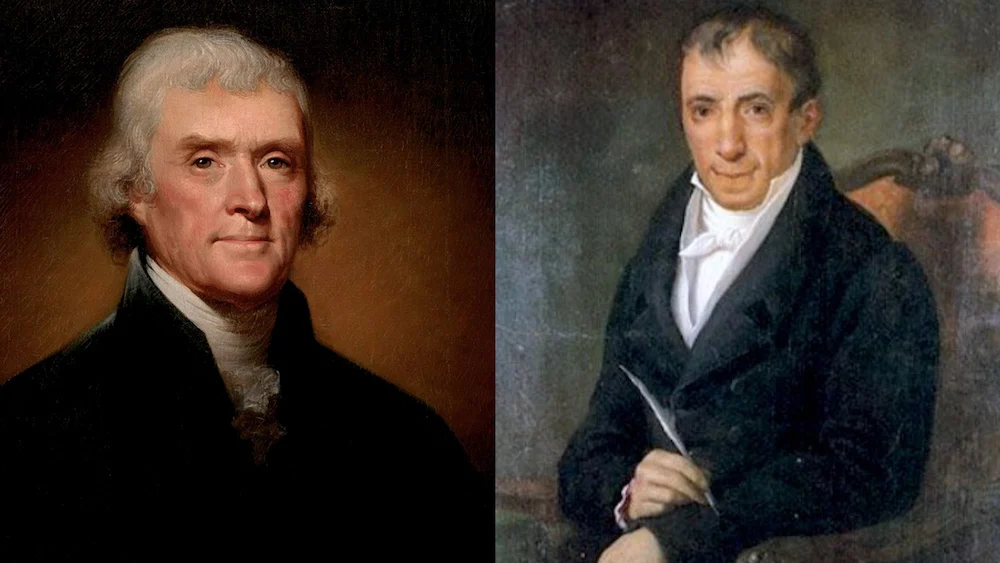
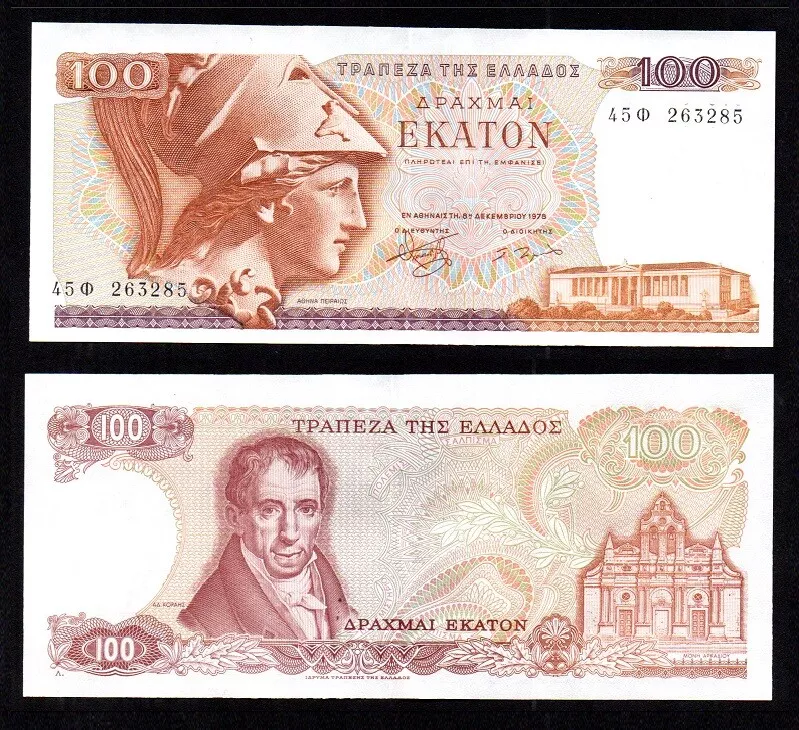
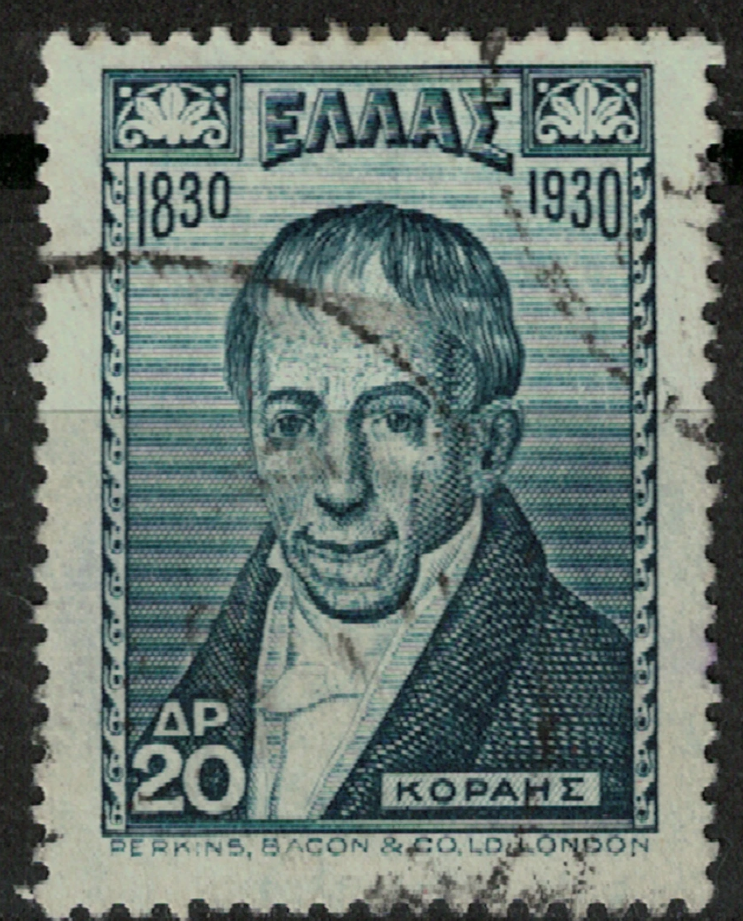
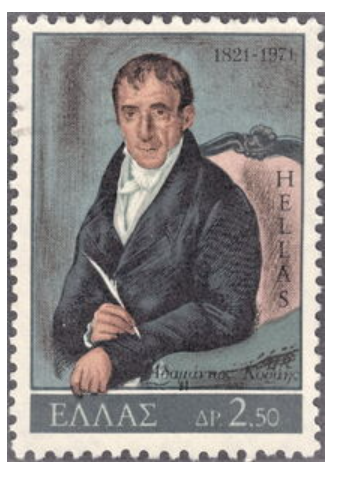
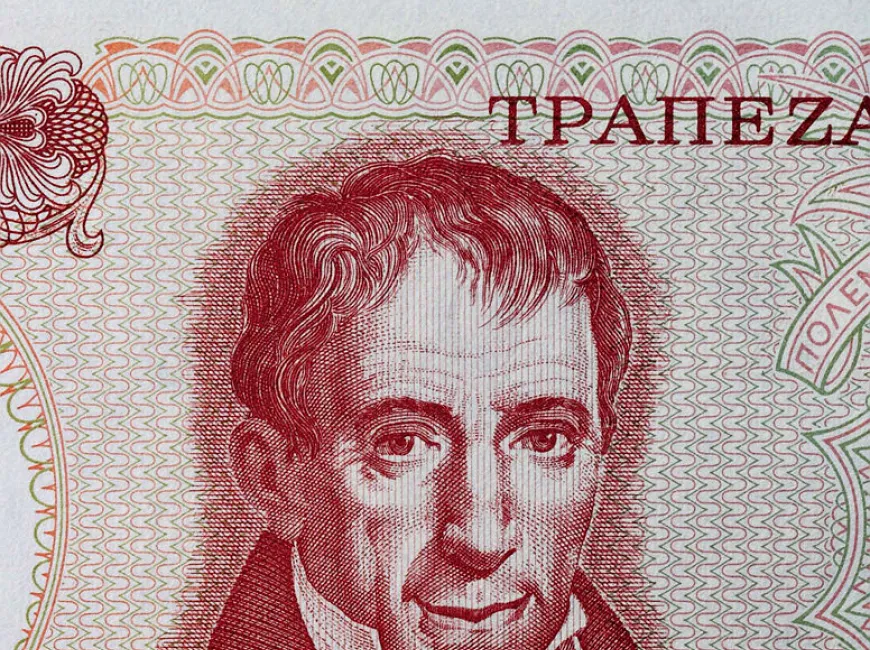
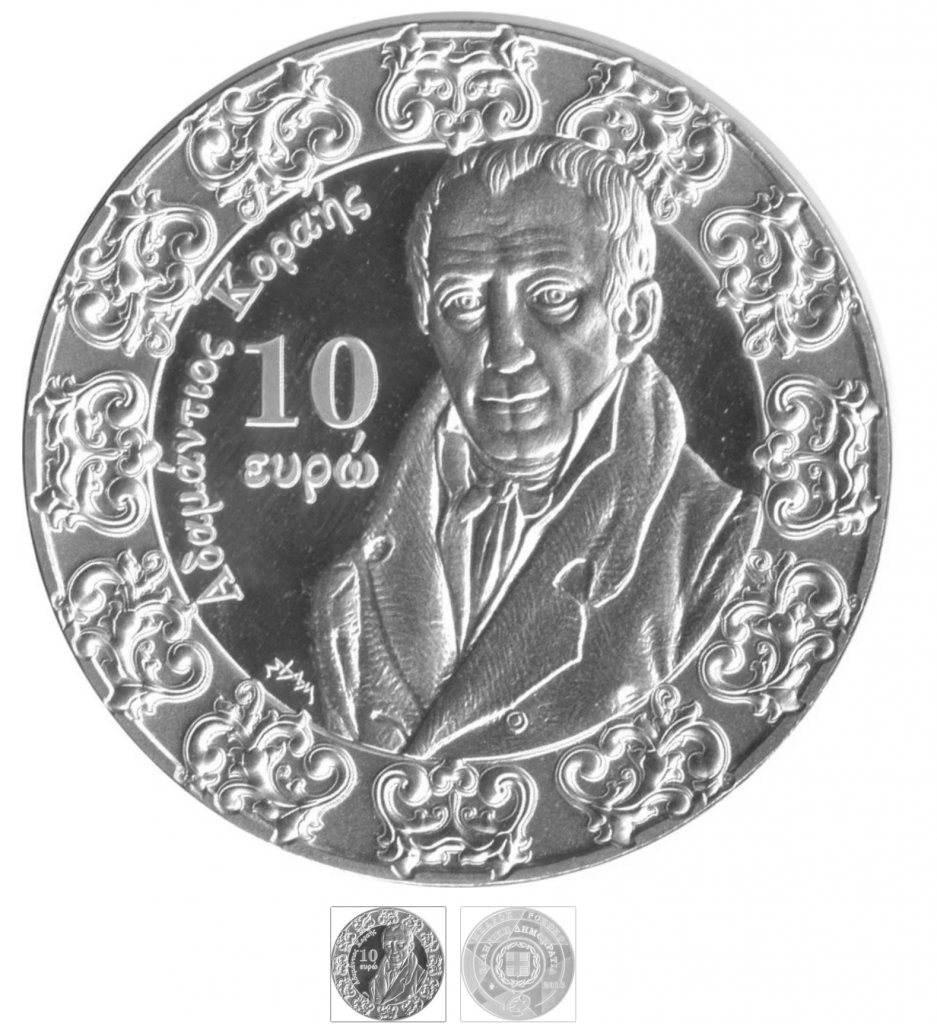
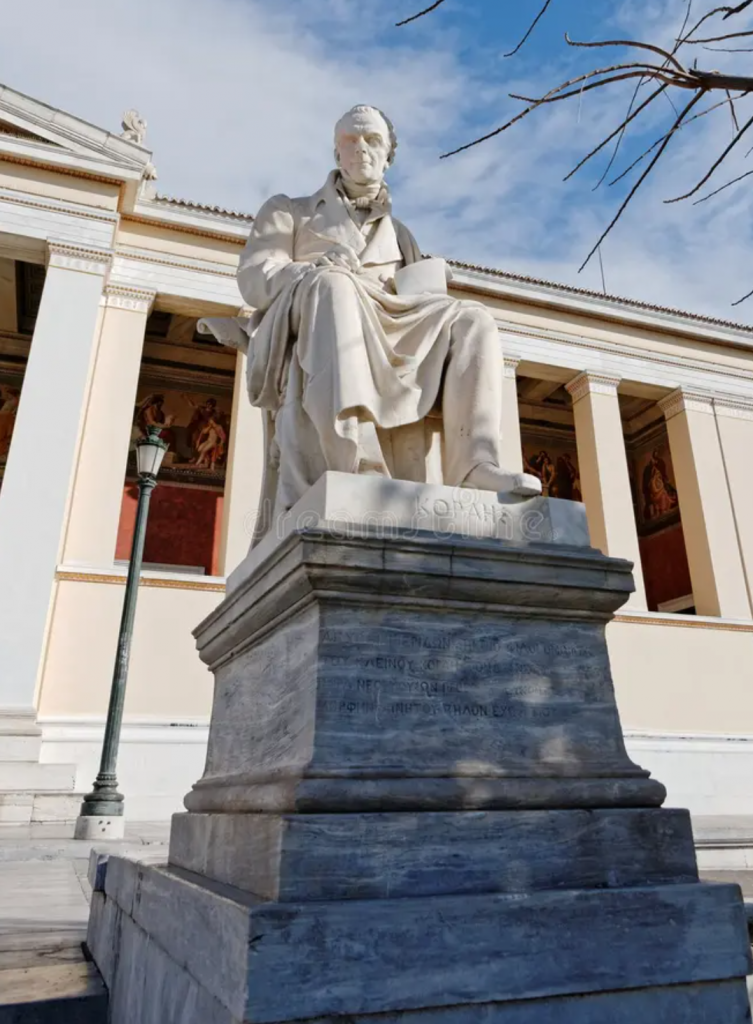
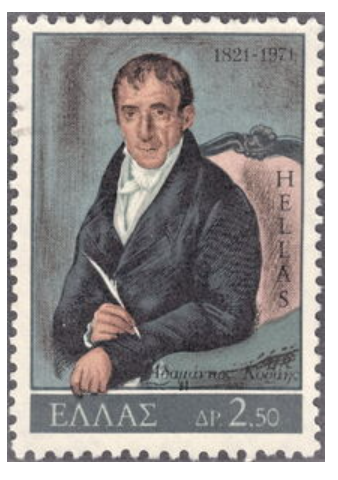
Adamantios Korais

Adamantios Korais (Greek: Αδαμάντιος Κοραής – Adamántios Koraís, also Koraés; April 27, 1748 in Smyrna, Asia Minor, Ottoman Empire – April 6, 1833 in Paris) was a Greek scholar and writer. Korais is considered a reformer of Greek literature.

Korais was born in Smyrna, but his father came from the island of Chios, and Korais felt a strong connection to the island. Korais graduated from the Evangelical School of Smyrna and spent most of his life not in Greece, but in Western Europe. He devoted himself early on to the study of ancient and modern languages, and then, at his father’s wish, learned the trade of merchant in Amsterdam. From 1782 onwards, he studied medicine and natural history in Montpellier. In 1788, Korais settled in Paris to devote himself entirely to literature. Although he became a French citizen, he remained true to his Greek origins. Korais was interested in the church, schools, science, and politics. From Paris, he fought verbally and in writing for the spiritual rebirth of Greece.

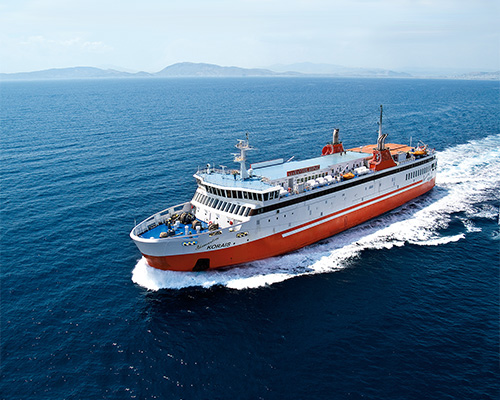
Adamantios Korais – Zante Ferries

His main goal was the development of a national, universal Greek language into a written language; the standards he established for this are still largely the authoritative ones today. Korais tried to raise Greek awareness of their historical heritage, their Hellenistic origins. He stated that general education was the key to an independent Greece. Above all, however, Korais is known for his decisive role in the Greek language question: He attempted to strike a balance between the antiquarian standard language and the popular language, and went down in Greek linguistic history as the inventor of the Katharevousa (= the pure; the purified popular language).

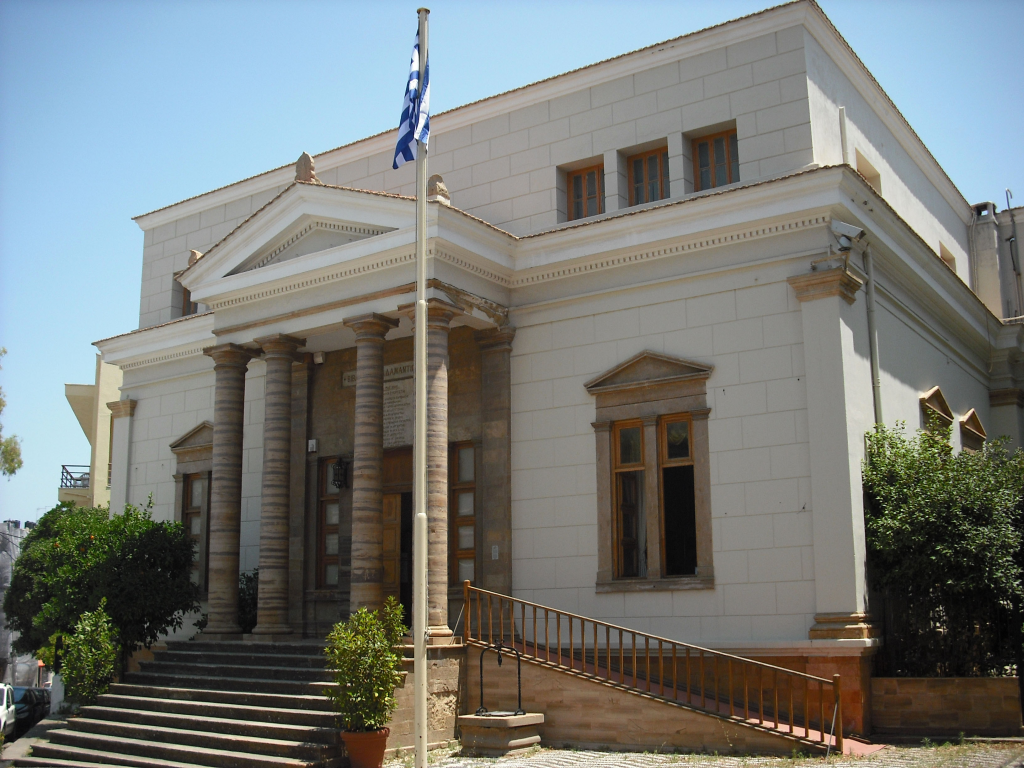
In his letters and publications, Korais criticized the Greek Orthodox Church, which dominated the lives of his countrymen in the Ottoman Empire. The church strictly opposed an independent Greece. Korais’s expertise in classical antiquity developed from his study of the works of ancient Greek writers. His marble bust adorns the Lyceum on the Greek island of Chios, to which Korais bequeathed his valuable library, the present Korais Library (Δημόσια Κεντρική Ιστορική Bιβλιοθήκη Χίου Κοραή), which bears his name.

Adamantios Korais died on April 6, 1833, in Paris and was buried in the Montparnasse Cemetery (Division 2). In 1877, at the request of King George I of Greece, he was reburied and now has an honorary grave in the First Cemetery of Athens. In 1895, a cenotaph was erected in his honor at the site of his grave in the Montparnasse Cemetery.
The chair of Byzantine and Modern Greek Studies at King’s College London, the Koraes Professor of Modern Greek and Byzantine History, Language and Literature, is named after him.


  • -

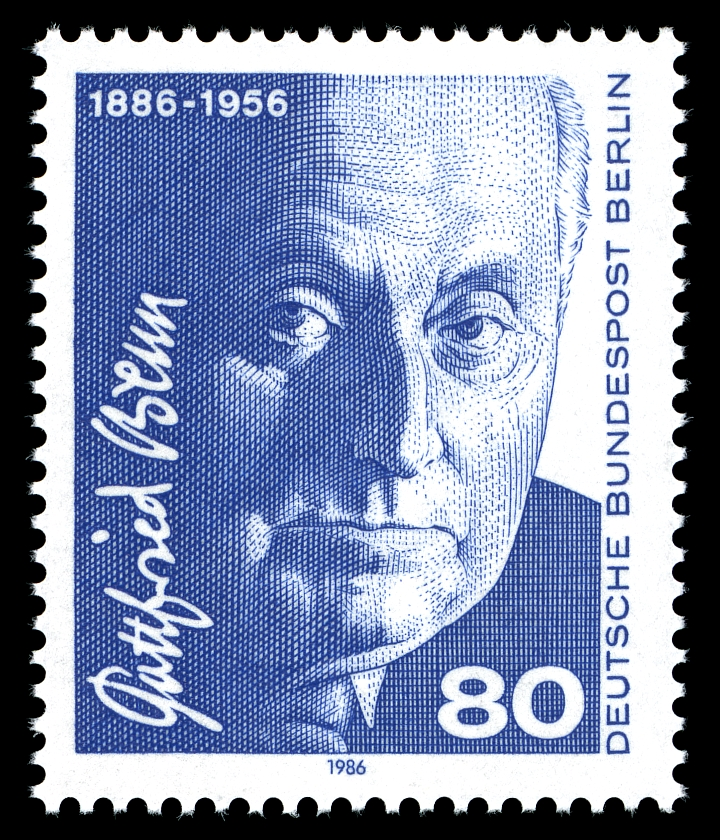
Gottfried Benn

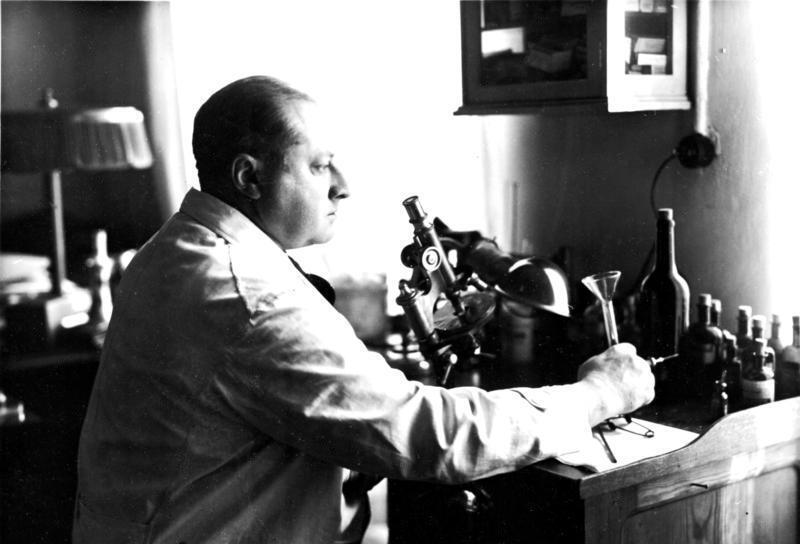
Gottfried Benn (May 2, 1886 in Mansfeld near Putlitz, Prignitz; July 7, 1956 in Berlin) was a German poet, essayist, and physician. He grew up as the son of a theologian in a rectory. After abandoning his theology studies, he successfully completed his medical studies. In 1912, his first volume of poetry, Morgue and Other Poems, was published. It caused a scandal due to its drastic choice of themes and casual expression and immediately made the author known as a representative of the newly emerging Expressionist poetry.
With the novella volume Brains, published in 1916, he made a significant contribution to Expressionist short prose. From then on, he pursued the civilizational critique of the Morgue poems in his essayistic work. In The Modern Self, he devoted himself to the question of the position of the individual in society.

Gottfried Benn is considered one of the most important German poets of modern literature. He first entered the literary scene as an Expressionist with his Morgue poems, which radically broke with conventional poetic traditions and strongly reflected impressions from his work as a doctor. Dissections and cancer and maternity wards are described with seemingly dispassionate nuance, and romantic titles like “Little Aster” arouse expectations that are then blatantly disappointed.

The rights to the work are now held by Klett-Cotta Verlag.

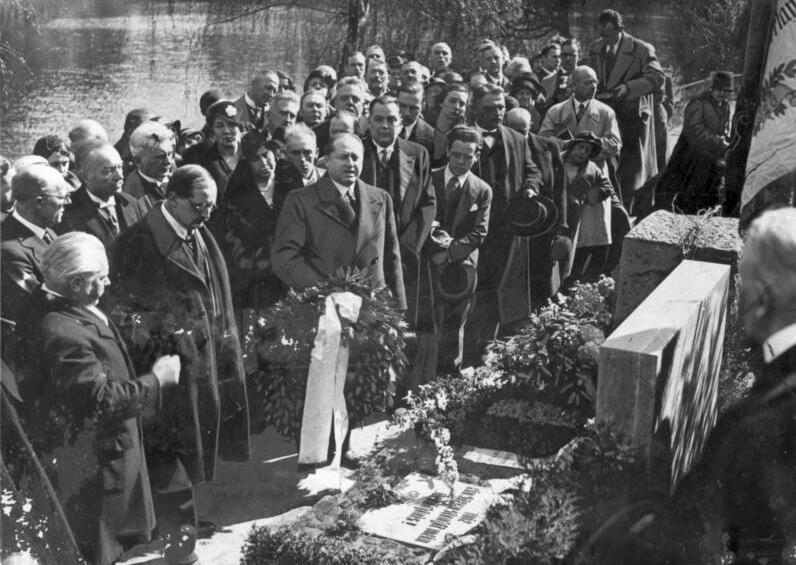
Gottfried Benn lays a wreath on the grave of Arno Holz on behalf of the Poets’ Academy (1933), photo from the Federal Archives

From the beginning, Benn wrote essayistic, poetically avant-garde, and autobiographical prose works. After 1945, he surprised the public with the novel Phenotype, on which he had been working since at least 1944.

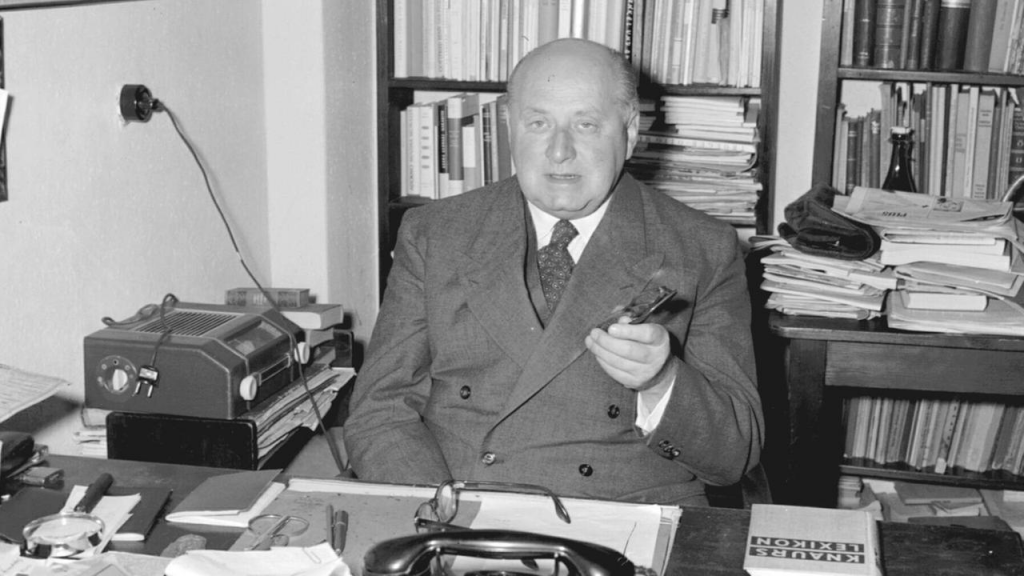
Dr. Gottfried Benn in his Berlin office on August 18, 1953. (imago / United Archives International)

https://de.wikipedia.org/wiki/Gottfried_Benn

https://www.deutschlandfunk.de/der-gottesleugner-gottfried-benn-das-gezeichnete-ich-102.html


  • -

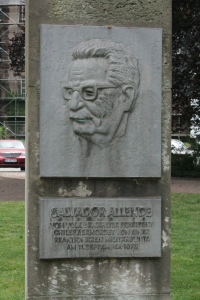
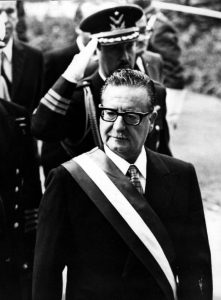
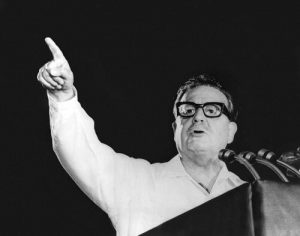
Salvador Allende

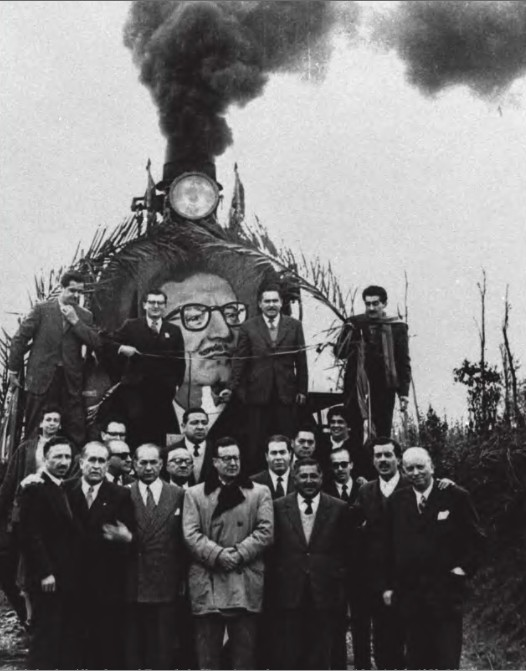
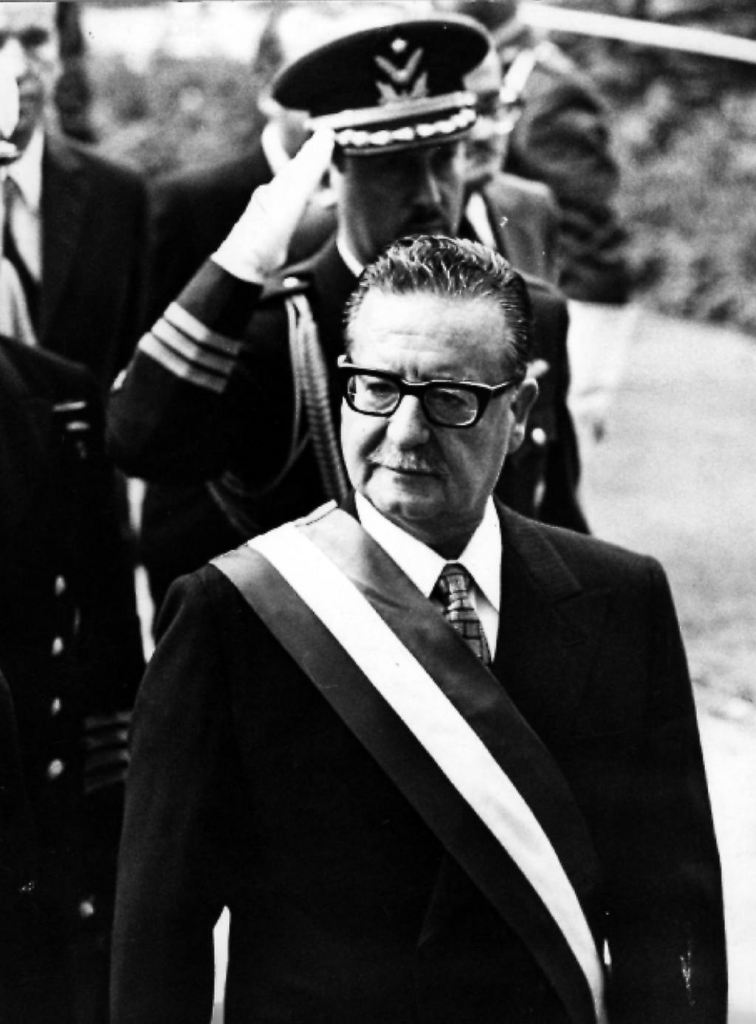
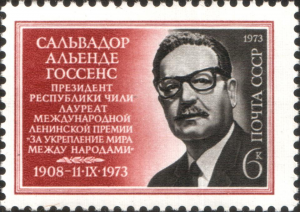
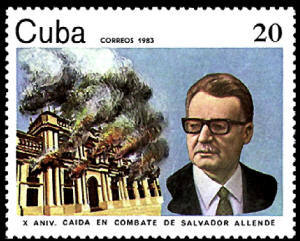
Salvador Guillermo Allende Gossens [salβaˈðoɾ ɣiˈjeɾmo aˈjende ˈɣosens] (June 26, 1908 in Valparaíso – September 11, 1973 in Santiago de Chile) was a Chilean physician and politician. He served as President of Chile from 1970 to 1973. His presidency was an attempt to establish a socialist society in Chile through democratic means. Allende was overthrown in a military coup in 1973, during which he committed suicide.

Allende became politically active in the late 1920s as a medical student at the University of Chile. He participated in protests against the dictatorship of Colonel Carlos Ibáñez del Campo and was elected vice president of the Federation of Chilean Students (FECH). In 1929, he joined both the Freemasons[5] and the group “Avance” (“Forward”).[6] In both organizations, he made important contacts for his later political career.

After the suppression of an uprising against the Ibáñez dictatorship led by Marmaduque Grove, Allende was arrested but later released. Shortly thereafter, he became secretary of the Socialist Party, founded in 1933, for the Valparaíso region.

In 1952, Allende ran for president for the first time, but only finished fourth. In 1954, he served as Deputy President of the Senate. In 1958, he was again the presidential candidate of the left-wing alliance Frente de Acción Popular (FRAP), but narrowly lost to the businessman Jorge Alessandri Rodríguez, who was supported by the right-wing parties. In 1964, he ran for president again, but was decisively defeated by the Christian Democrat Eduardo Frei. The reasons for this final electoral defeat were the last-minute support of the conservative parties for the more progressive Frei, as well as the massive support of the Christian Democrats by the CIA.[7]

In 1966, Allende was elected President of the Senate. In 1968, calls for his resignation followed his personal protection of the survivors of Che Guevara’s guerrilla force in Bolivia. In the same year he condemned the Soviet invasion of Prague.

Namegiving

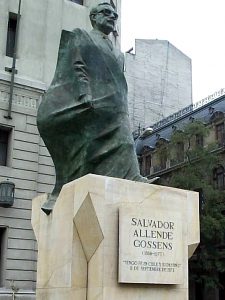
After the end of the military dictatorship in Chile, Allende’s body was transported from Valparaíso, where he had been buried behind closed doors after the coup, to Santiago de Chile and interred in the main cemetery. Several hundred thousand people attended the funeral. A statue of Allende stands next to the presidential palace, La Moneda.

After his death, Salvador Allende was honored primarily in the socialist countries of Europe. In the Berlin district of Köpenick, the Salvador Allende Quarter is named after him. There is also an Allende Quarter in Wittenberge (Brandenburg). In the university town of Greifswald, in the GDR, the vocational school of the VEB Kombinat Ingenieur-Tief- und Verkehrsbau Rostock (State Industrial Estate Combine) bore the name Dr. Salvador Allende. An “Allende Memorial Stone” stood in the schoolyard. This educational institution was closed after the fall of the Berlin Wall. Two of the former buildings were converted into student housing and prop storage for the theater, in front of which the memorial stone is located. In Jena, a square in the Lobeda-Ost district, and streets in Bautzen, Chemnitz, Ludwigsfelde, Magdeburg, Neubrandenburg, Rostock, Frankfurt (Oder), Waltershausen, Weimar, Wittenberge, and Zwickau are named after Allende.

In Bernburg (Saale) in Saxony-Anhalt, the then new residential area on Kirschberg was named Dr. Salvador Allende Settlement in 1973, and a memorial plaque was erected at the corner of Dr. John Rittmeister Street, which was “stored indefinitely” in 2007.[33] The secondary school in Klötze (Saxony-Anhalt) bears the name “Dr. Salvador Allende,”[34] as does a primary school in Chemnitz.[35] A primary school in Rheinsberg (Brandenburg)[36] bore his name until 2018.[37]

In the Federal Republic of Germany, the former Bornplatz in the Hanseatic City of Hamburg was renamed Allende-Platz in 1983. It is located next to the grounds of the University of Hamburg, in the immediate vicinity of the former Talmud Torah School. In Oer-Erkenschwick, the Socialist Youth of Germany – The Falcons – has called its educational facility the Salvador Allende House since it opened in the late 1970s. There is also a Salvador Allende Street in Berlin, Bremen, and Frankfurt am Main. In Berlin, there is also the Salvador Allende Quarter.

https://de.wikipedia.org/wiki/Salvador_Allende

https://en.wikipedia.org/wiki/Salvador_Allende


  • -

Friedrich Schiller

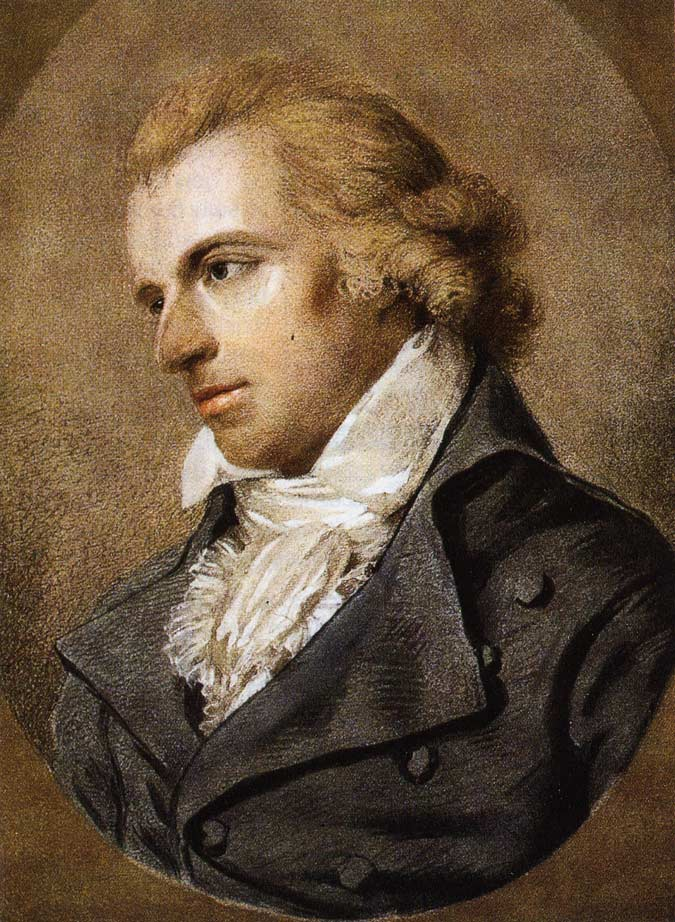
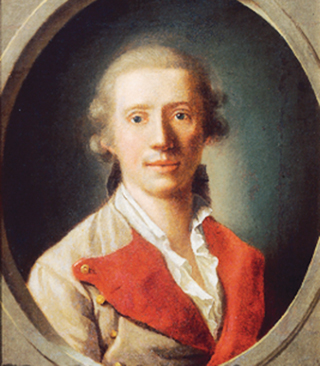
Friedrich Schiller, porträtiert von Ludovike Simanowiz im Jahr 1794

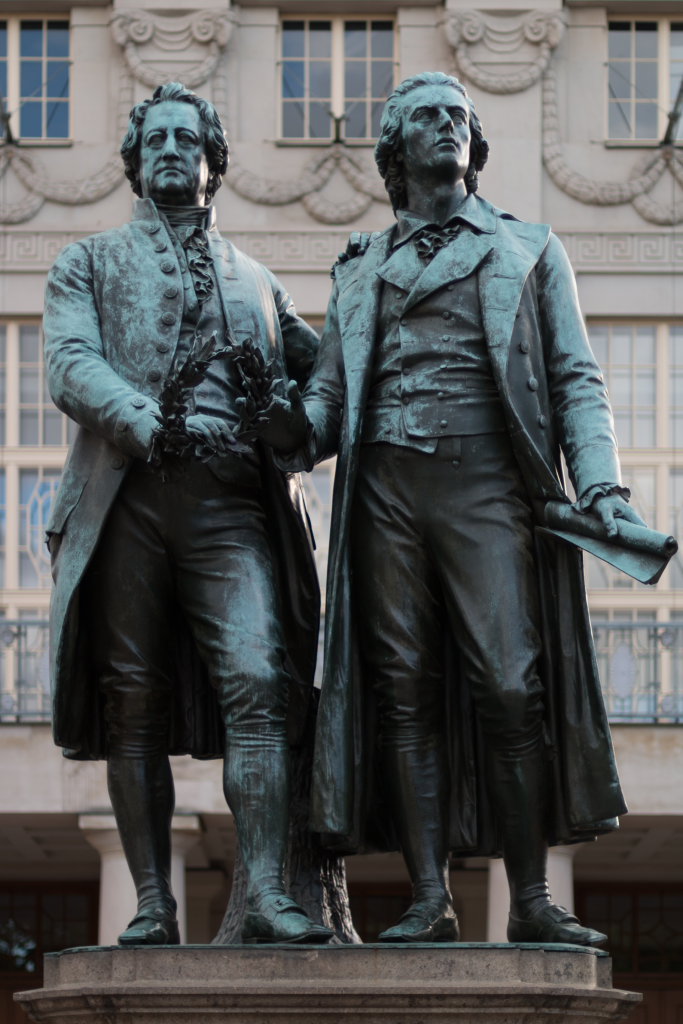
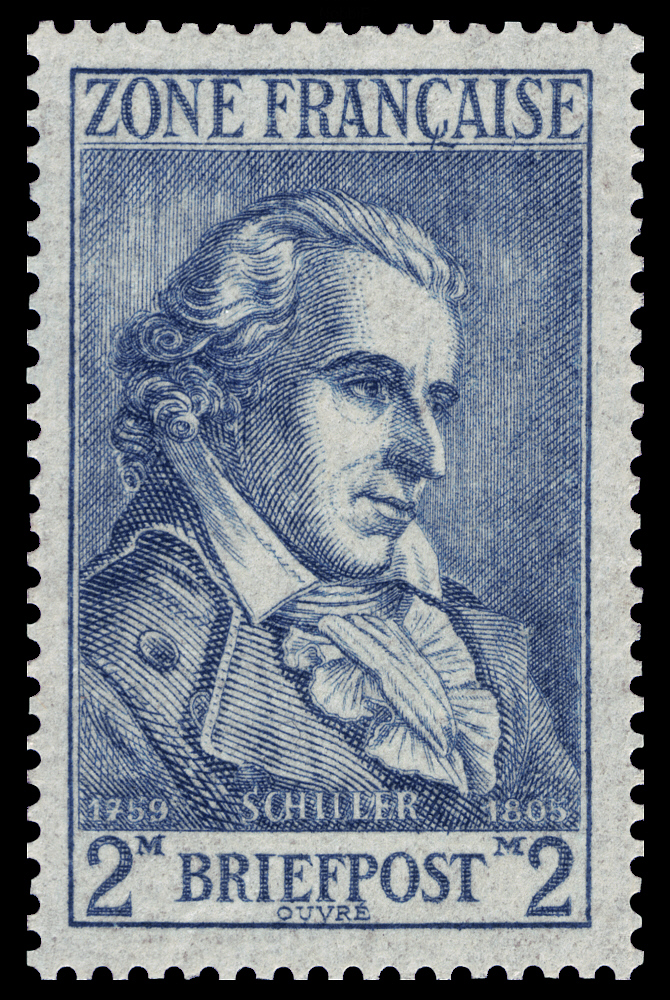
Johann Christoph Friedrich von Schiller (German: [ˈjoːhan ˈkʁɪstɔf ˈfʁiːdʁɪç fɔn ˈʃɪlɐ], short: [ˈfʁiːdʁɪç ˈʃɪlɐ] ; 10 November 1759 – 9 May 1805) was a German playwrightpoetphilosopher and historian. Schiller is considered by most Germans to be Germany’s most important classical playwright.

He was born in Marbach to a devoutly Protestant family. Initially intended for the priesthood, in 1773 he entered a military academy in Stuttgart and ended up studying medicine. His first play, The Robbers, was written at this time and proved very successful. After a brief stint as a regimental doctor, he left Stuttgart and eventually wound up in Weimar. In 1789, he became professor of History and Philosophy at Jena, where he wrote historical works.

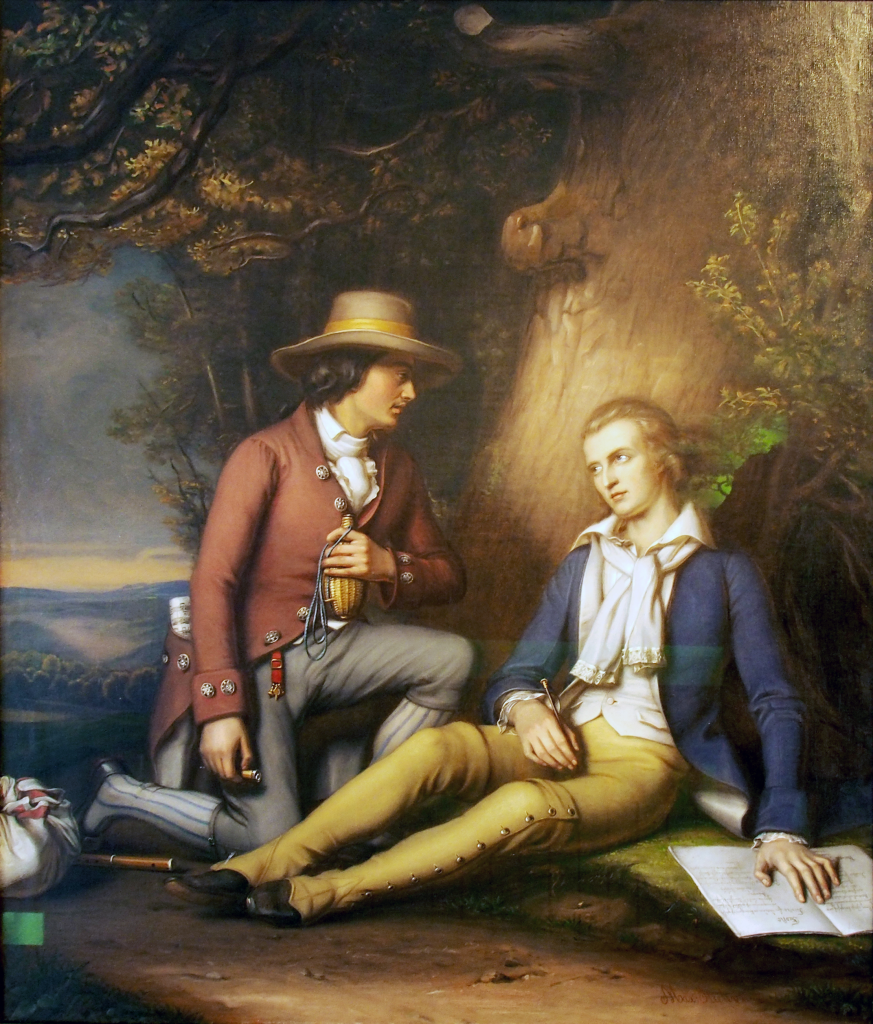
Schiller auf der Flucht mit seinem Freund Andreas Streicher

During the last seventeen years of his life (1788–1805), Schiller developed a productive, if complicated, friendship with the already famous and influential Johann Wolfgang von Goethe. They frequently discussed issues concerning aesthetics, and Schiller encouraged Goethe to finish works that he had left as sketches. This relationship and these discussions led to a period now referred to as Weimar Classicism. Together they founded the Weimar Theater.

They also worked together on Xenien, a collection of short satirical poems in which both Schiller and Goethe challenge opponents of their philosophical vision.

Schiller als Regimentsarzt 1781/1782, auf einem Gemälde von 
Philipp Friedrich Hetsch
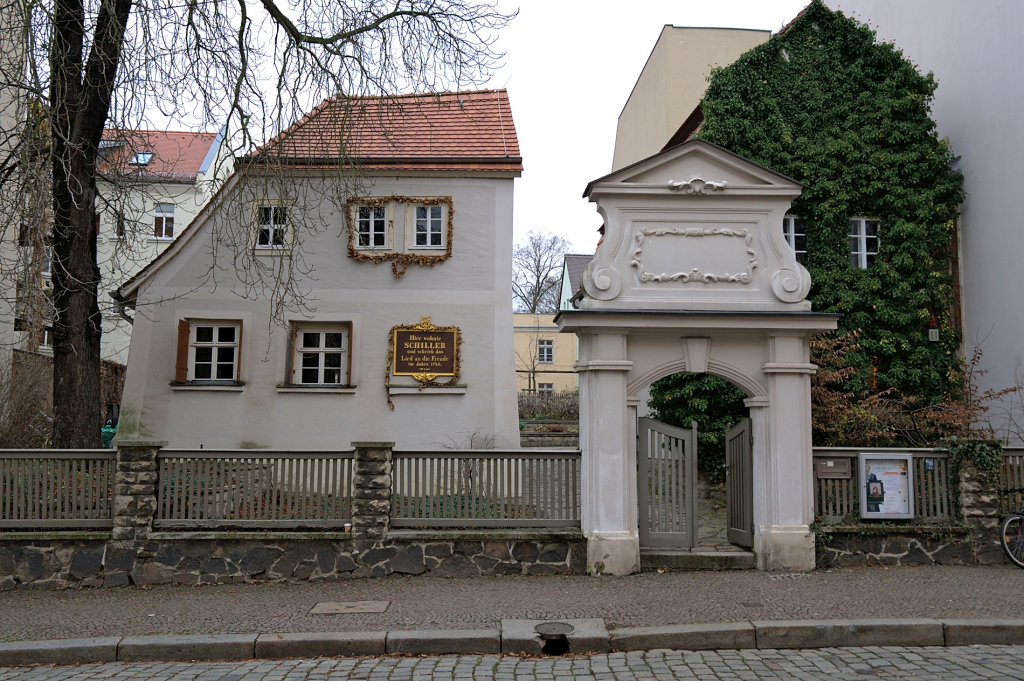
The Schillerhaus in 2009 | Leipzig

Schiller returned with his family to Weimar from Jena in 1799. Goethe convinced him to return to playwriting. He and Goethe founded the Weimar Theater, which became the leading theater in Germany. Their collaboration helped lead to a renaissance of drama in Germany.

For his achievements, Schiller was ennobled in 1802 by the Duke of Saxe-Weimar, adding the nobiliary particle “von” to his name.[12] He remained in Weimar, Saxe-Weimar until his death at 45 from tuberculosis in 1805.

https://de.wikipedia.org/wiki/Friedrich_Schiller

https://en.wikipedia.org/wiki/Friedrich_Schiller


  • -

al-Kindi

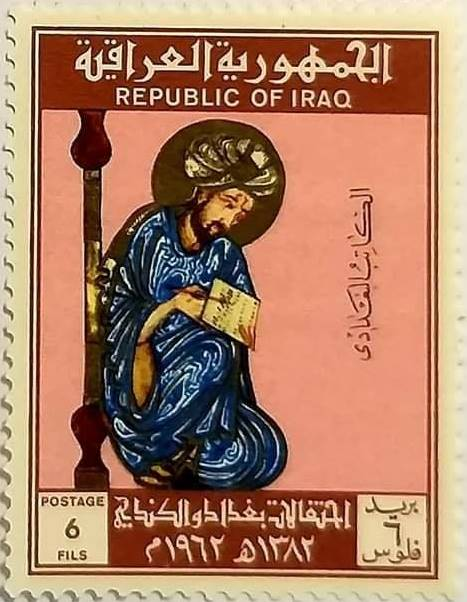
Abū Yūsuf Yaʻqūb ibn ʼIsḥāq aṣ-Ṣabbāḥ al-Kindī (/ælˈkɪndi/Arabic: أبو يوسف يعقوب بن إسحاق الصبّاح الكندي; LatinAlkindus; c. 801–873 AD) was an Arab Muslim polymath active as a philosophermathematicianphysician, and music theorist. Al-Kindi was the first of the Islamic peripatetic philosophers, and is hailed as the “father of Arab philosophy“.[4][5][6]

Al-Kindi was born in Kufa and educated in Baghdad.[7] He became a prominent figure in the House of Wisdom, and a number of Abbasid Caliphs appointed him to oversee the translation of Greek scientific and philosophical texts into the Arabic language. This contact with “the philosophy of the ancients” (as Hellenistic philosophy was often referred to by Muslim scholars) had a profound effect on him, as he synthesized, adapted and promoted Hellenistic and Peripatetic philosophy in the Muslim world.[8] He subsequently wrote hundreds of original treatises of his own on a range of subjects ranging from metaphysics, ethics, logic and psychology, to medicine, pharmacology,[9] mathematics, astronomyastrology and optics, and further afield to more practical topics like perfumes, swords, jewels, glass, dyes, zoology, tides, mirrors, meteorology and earthquakes.

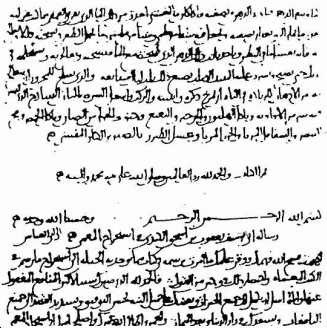
Die erste Seite al-Kindīs Manuskript über die Kryptanalyse

In the field of mathematics, al-Kindi played an important role in introducing Hindu numerals to the Islamic world, and their further development into Arabic numerals along with al-Khwarizmi which eventually was adopted by the rest of the world.[12] Al-Kindi was also one of the fathers of cryptography.[13][14] Building on the work of al-Khalil (717–786),[15] Al-Kindi’s book entitled Manuscript on Deciphering Cryptographic Messages gave rise to the birth of cryptanalysis, was the earliest known use of statistical inference,[16] and introduced several new methods of breaking ciphers, notably frequency analysis.[17][18] He was able to create a scale that would enable doctors to gauge the effectiveness of their medication by combining his knowledge of mathematics and medicine.

The central theme underpinning al-Kindi’s philosophical writings is the compatibility between philosophy and other “orthodox” Islamic sciences, particularly theology, and many of his works deal with subjects that theology had an immediate interest in. These include the nature of God, the soul and prophetic knowledge.[

Al-Kindi is credited with developing a method whereby variations in the frequency of the occurrence of letters could be analyzed and exploited to break ciphers (i.e. cryptanalysis by frequency analysis).[18] His book on this topic is Risāla fī Istikhrāj al-Kutub al-Mu’ammāh (رسالة في استخراج الكتب المعماة; literally: On Extracting Obscured Correspondence, more contemporarily: On Decrypting Encrypted Correspondence). In his treatise on cryptanalysis, he wrote:

One way to solve an encrypted message, if we know its language, is to find a different plaintext of the same language long enough to fill one sheet or so, and then we count the occurrences of each letter. We call the most frequently occurring letter the “first”, the next most occurring letter the “second”, the following most occurring letter the “third”, and so on, until we account for all the different letters in the plaintext sample. Then we look at the cipher text we want to solve and we also classify its symbols. We find the most occurring symbol and change it to the form of the “first” letter of the plaintext sample, the next most common symbol is changed to the form of the “second” letter, and the following most common symbol is changed to the form of the “third” letter, and so on, until we account for all symbols of the cryptogram we want to solve

https://de.wikipedia.org/wiki/Al-Kind%C4%AB

https://en.wikipedia.org/wiki/Al-Kindi


  • -

Friedrich Joseph Laurentius Haass

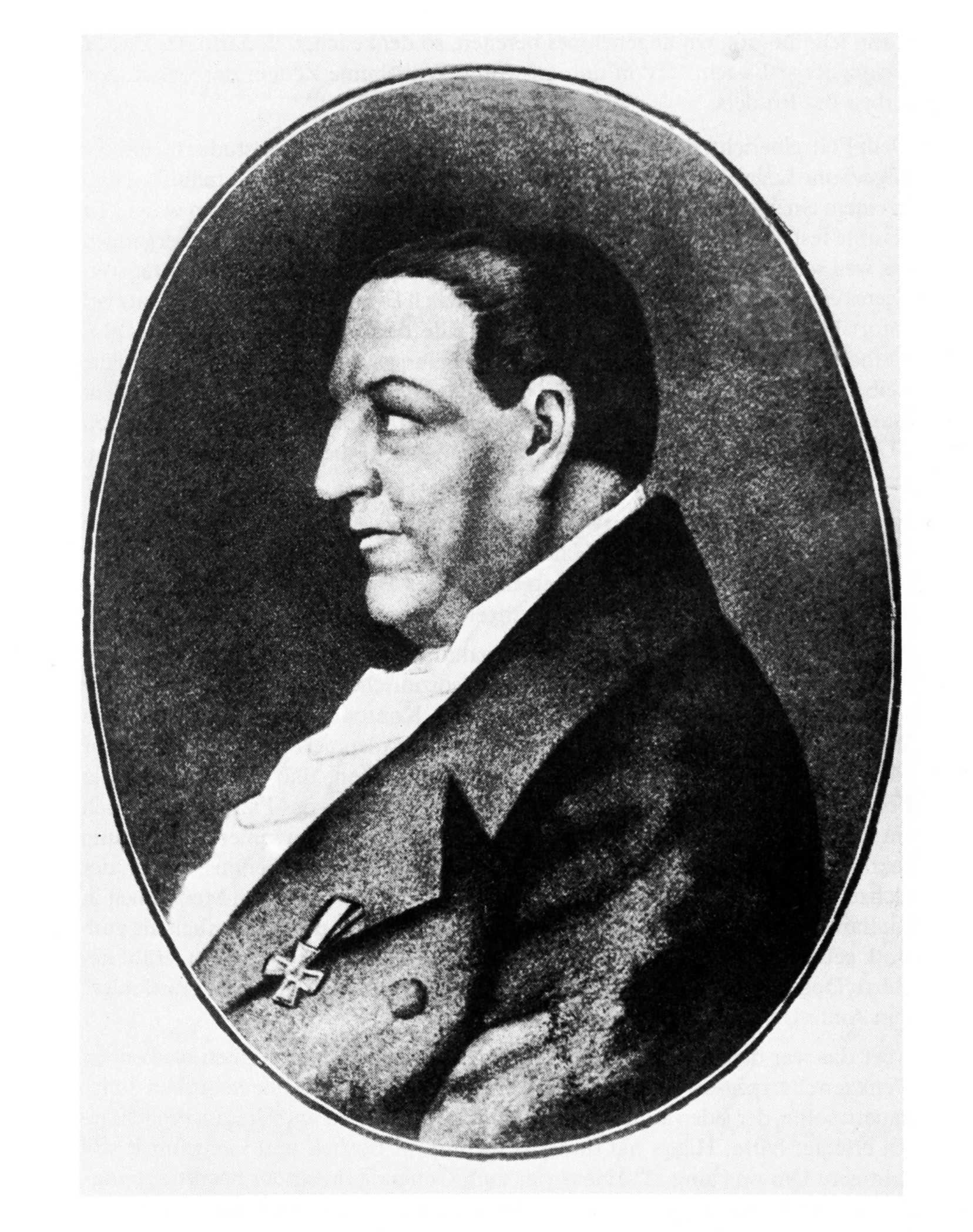
Dr. Friedrich Joseph Haass (Russian: Фёдор Петрович Гааз, Fyodor Petrovich Gaaz; 10 August 1780 – 28 August [O.S. 16 August] 1853) was the “holy doctor of Moscow”.[1][2] Born in Bad Münstereifel, as a member of Moscow’s governmental prison committee, he spent 25 years until the end of his life to humanize the penal system.[1] During the last nine years before his death, he spent all of his assets to run a hospital for homeless people. He died in Moscow. Twenty thousand people attended his funeral at the Vvedenskoye Cemetery, which was paid for by the state as he had no more money.

Haass, son of the pharmacist Peter Haass and grandson of the “surgeon on the Thurnmarkt” in Cologne, Wilhelm Anton Haass, studied German, philosophy and medicine after finishing school at the Ecole Centrale in Cologne, founded under Napoleon, and at the universities in Jena and Göttingen. In Göttingen he received his doctorate in medicine and surgery. In Vienna he trained as an ophthalmologist. One of his first patients as family doctor to the Russian Princess Varvara Alekseevna Repnin was her father, who suffered from a serious eye disease.[1] The latter recognized Haass’ talent and invited the young doctor to Russia. In 1806 he appeared in Moscow as Fyodor Petrovich Gaas. As early as 1807 he was appointed chief physician of the renowned Pavlovskaya Clinic (Paul’s Hospital).

From 1828, as a member of the Moscow Prison Protection Committee, he devoted himself for 25 years to caring for prisoners exiled to Siberia.[3] He was firmly convinced that man is good by nature because God created him in his own image. Therefore, a person who has strayed from the right path is nothing more than an unhappy, sick person who can only be healed through humanity. He learned this positive view of humanity primarily through Francis of Assisi and Francis de Sales, whose writings he counted among his favorite books, especially his main theological work, “Treatise on the Love of God.” In a letter to the philosopher Friedrich Wilhelm Joseph von Schelling dated December 31, 1843, he urgently recommended that he read the works of Saint Francis de Sales. In it, he calls Schelling “my beloved German teacher” and Francis de Sales “my beloved mentor and educator.” His will states that Haass was in possession of relics of Saint Francis de Sales, which he bequeathed to a Catholic church in Irkutsk.

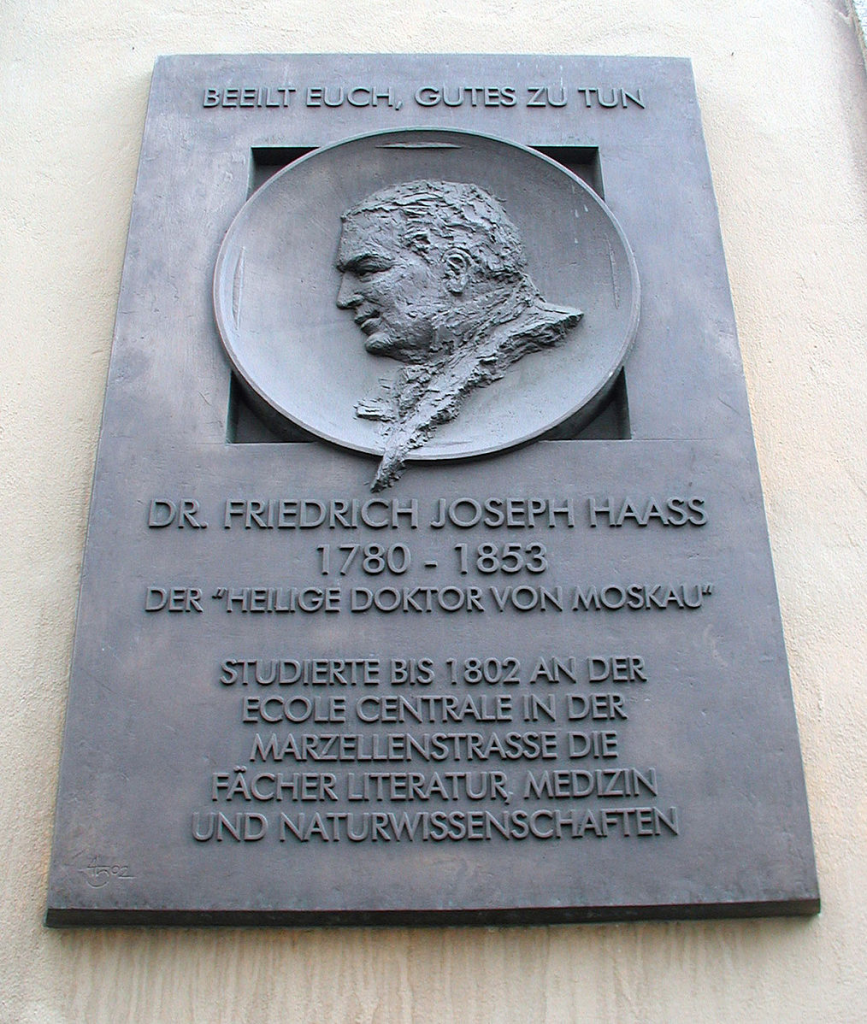
Gedenktafel für Friedrich-Joseph-Haass Memorial plaque for Friedrich-Joseph-Haass at the Archbishop’s General Vicariate building at Marzellenstrasse 32 in Cologne. Design: Herbert Halfmann, Düren. Height 140 cm. Erected in 2002.

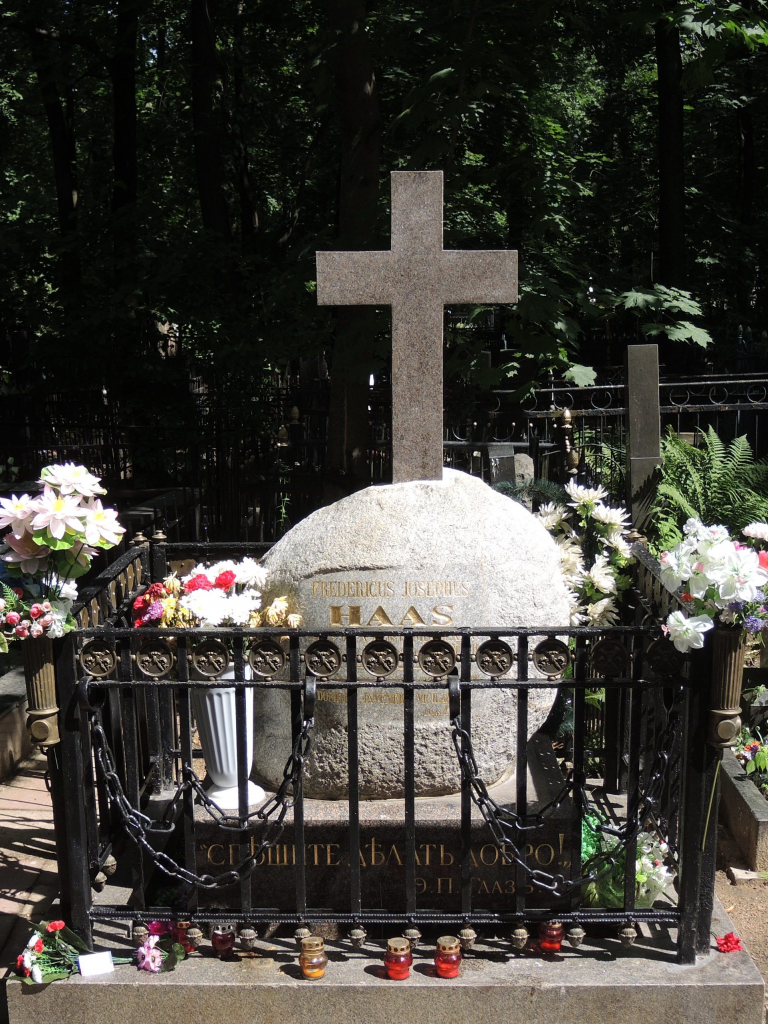
In 1836, he implemented a decree replacing prisoners’ heavy iron shackles with lighter, leather-lined ones that no longer rubbed their feet dry. These shackles are called Haass’s shackles. The oversized metal shackles on his grave are a reminder of this. In 1841, he wrote an ABC of Christian Decency […], which he had printed and distributed to deported criminals. In 1843, a police prisoner hospital for the homeless, later called the “Alexander Hospital,” was opened. It was financed entirely from Haass’s personal fortune and private donations. During the 1848 cholera epidemic in Moscow, he and the philanthropist Sofia Stepanovna Shcherbatova organized the Nikolskoye Community to provide assistance to the needy. Sisters of this community continued their work during the Crimean War.[4] Haass lived and worked in this hospital, popularly known as the “Haass Hospital” or “Haassovka,” until the end of his life.[5] At the end of July 1853, Haass fell ill and wrote a detailed will. He died on August 16, 1853, and was buried on August 19.[6] 20,000 people attended his funeral at Moscow’s Vvedenskoye Cemetery. The gravestone is inscribed in Latin and bears Haass’s quote in Russian: “Haste to do good.”

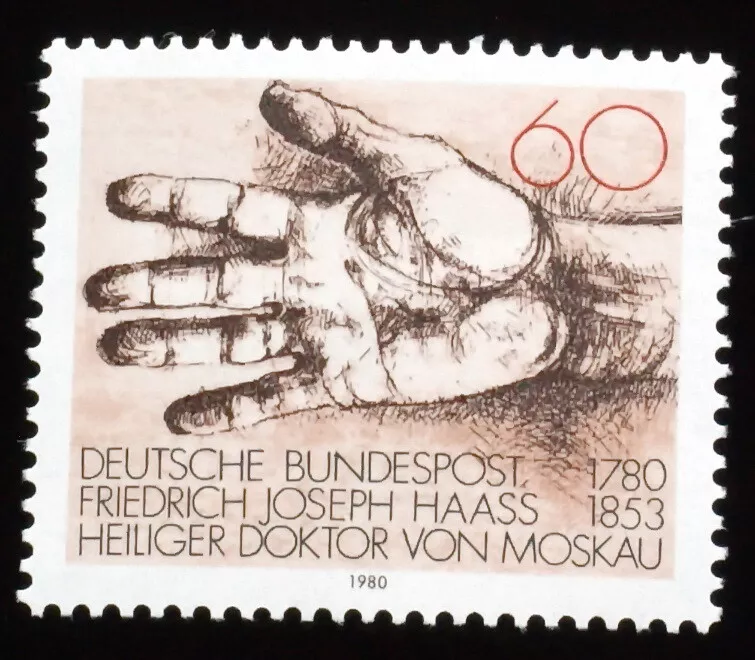
  • To mark the physician’s 200th birthday, the German Federal Post Office issued a commemorative stamp worth 60 pfennigs.
  • The German School Moscow has been named “German School Moscow – Friedrich Joseph Haass” since May 27, 1989.
  • The German-Russian Forum has awarded the Dr. Friedrich Joseph Haass Prize annually since 1995 to individuals who have made outstanding contributions to German-Russian relations. Award winners include Mikhail Sergeyevich Gorbachev and Egon Bahr.
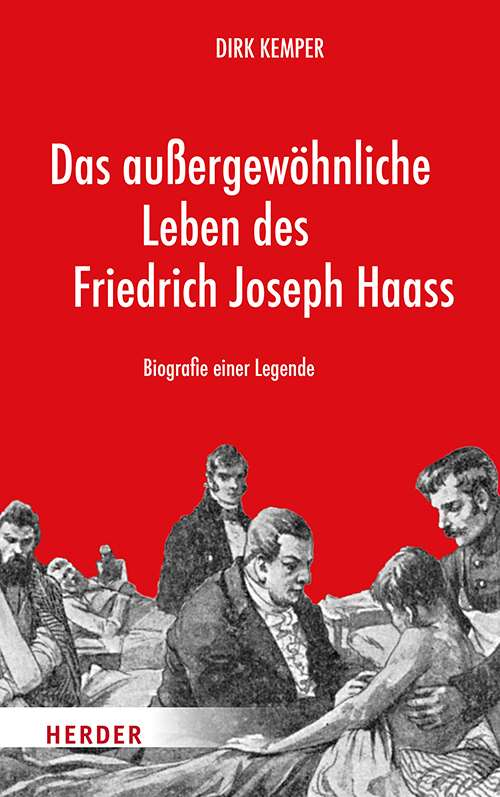
  • The Russian Lev Zinovyevich Kopelev, a promoter of German-Russian reconciliation and himself a Gulag prisoner from 1947 to 1954, who lived in Cologne after his expatriation and until his death, wrote a book about Haass in 1984.
  • On April 16, 2016, an opera collage entitled Doctor Haas, consisting of 11 episodes, premiered at Moscow’s Helikon Opera. The composer was 27-year-old Alexei Sergumin, and the libretto was written by the writer Lyudmila Ulitskaya.

https://de.wikipedia.org/wiki/Friedrich_Joseph_Haass

https://en.wikipedia.org/wiki/Friedrich_Joseph_Haass


  • -

Juscelino Kubitschek

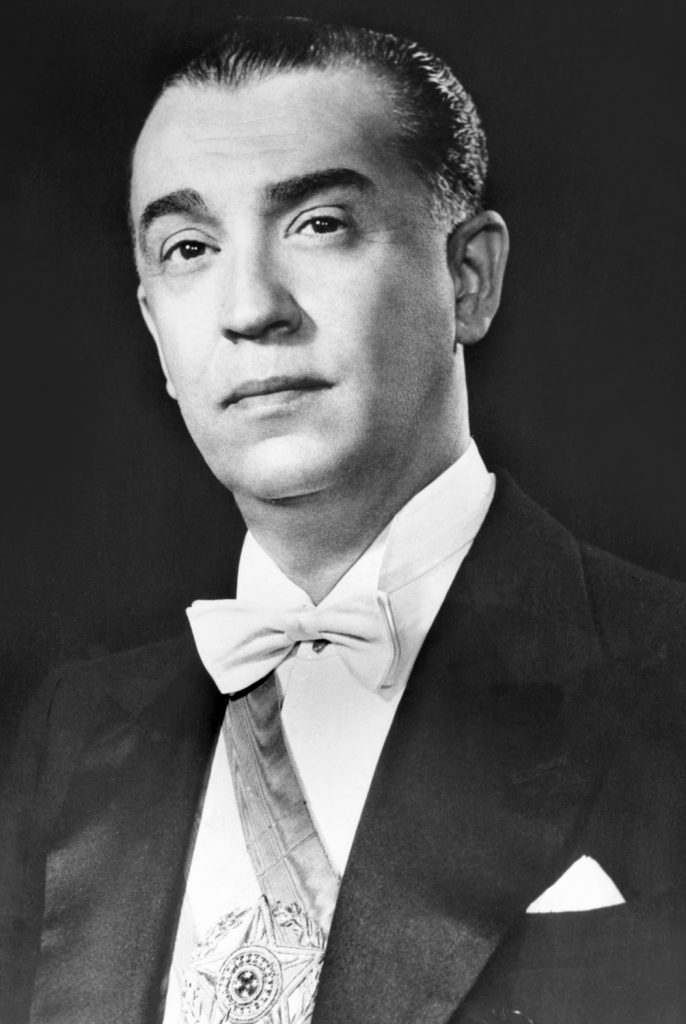
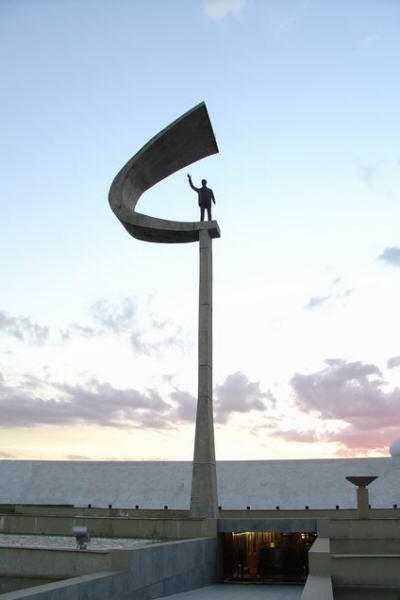
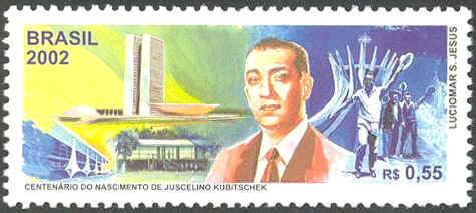
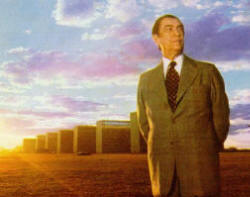
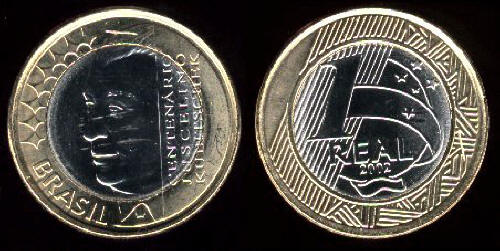
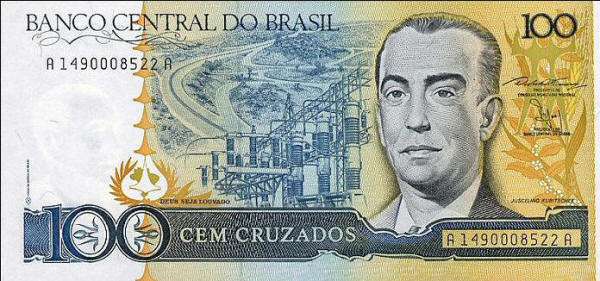
Juscelino Kubitschek de Oliveira (Portuguese pronunciation: [ʒuseˈlinu kubiˈʃɛk(i) dʒi oliˈve(j)ɾɐ]; 12 September 1902 – 22 August 1976), also known by his initials JK, was a prominent Brazilian politician who served as the 21st president of Brazil from 1956 to 1961. Kubitschek’s government plan, dubbed “50 years in 5”, was centered on economic and social development. During his term the country experienced a period of notable economic growth and relative political stability. However, there was also a significant increase in external debt, inflation, income concentration and wage erosion. At the time, there was no re-election and, on 31 January 1961, he was succeeded by Jânio Quadros, supported by the UDN. Kubitschek is best known for the construction of Brazil’s new capital: Brasília, which was inaugurated on 21 April 1960, replacing Rio de Janeiro.

Kubitschek was born in DiamantinaMinas Gerais, in 1902. His father, João César de Oliveira, died when he was only two years old. JK completed the humanities course at the Diamantina Seminary and moved to Belo Horizonte in 1920. In 1927, he graduated in medicine from the Federal University of Minas Gerais (UFMG), and in 1930 he specialized in urology in Paris. In December 1931, he married Sarah Lemos, with whom he had a daughter, Márcia, in 1943. The couple also adopted Maria Estela in 1947. In 1931, Kubitschek joined the Public Force of Minas Gerais as a doctor. During this period, he served on the Constitutionalist Revolution and became friends with politician Benedito Valadares who, upon being appointed federal intervenor in 1933, appointed Kubitschek as his chief of staff. In 1934, Kubitschek was elected federal deputy, but his term was revoked during the Estado Novo coup. With the loss of his term, Kubitschek returned to medicine. In 1940, he was appointed mayor of Belo Horizonte by Valadares, remaining in this position until October 1945. At the end of the same year he was elected constituent deputy for the Social Democratic Party (PSD). In 1950, he defeated Bias Fortes in the PSD caucuses to choose the party’s candidate for that year’s gubernatorial election in Minas Gerais. In the election, he defeated his brother-in-law Gabriel Passos and was sworn in as governor on 31 January 1951. As governor, he created the Companhia Energética de Minas Gerais, and also prioritized road building and industrialization.

wikipedia DE

wikipedia EN


  • -

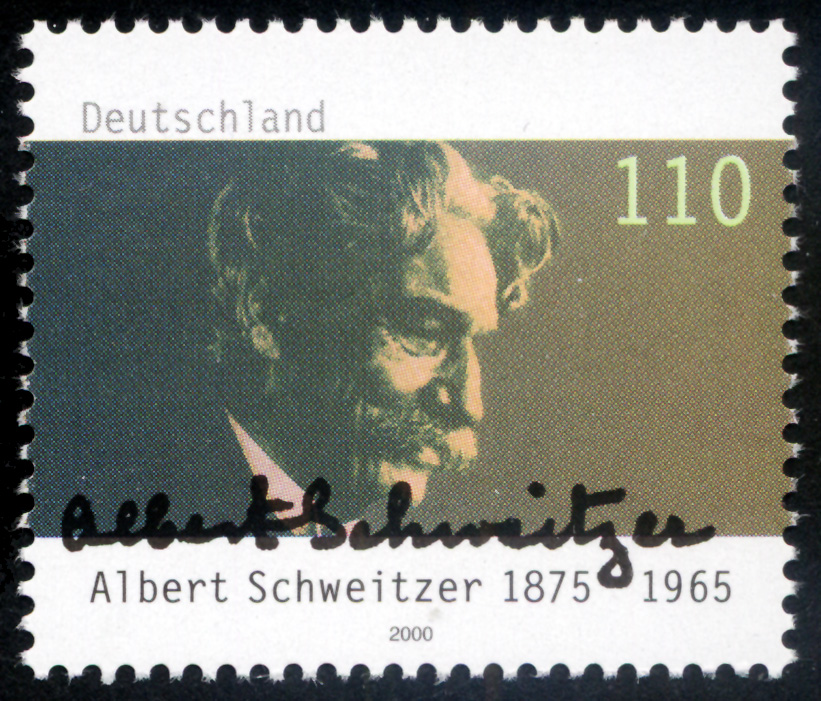
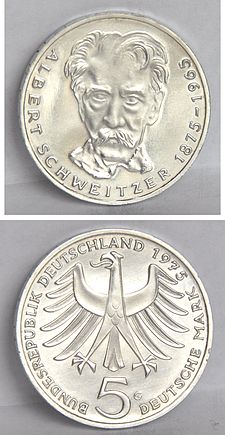
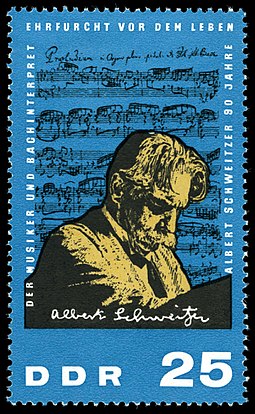
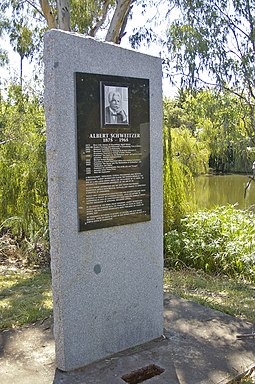
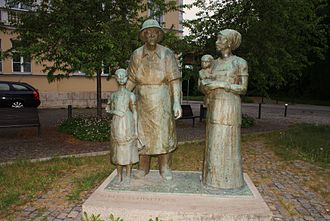
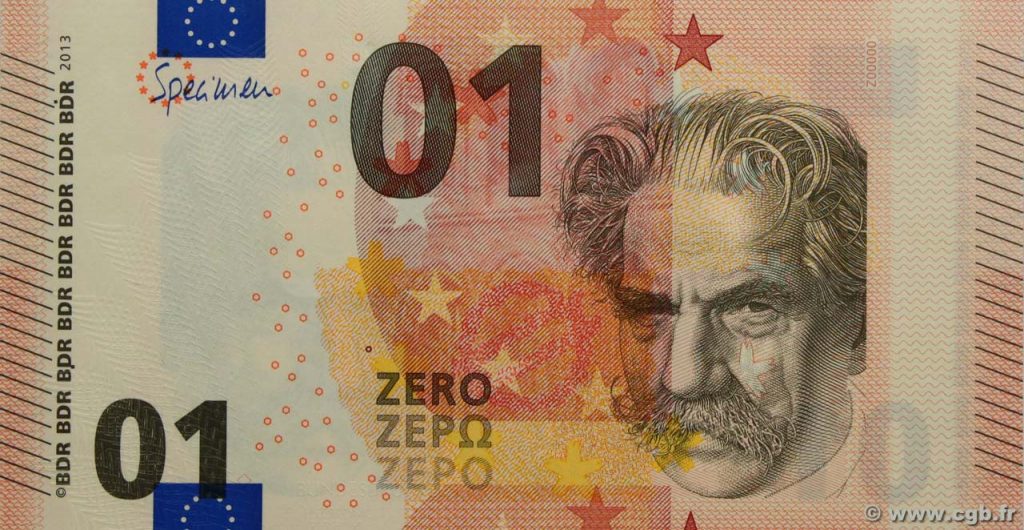
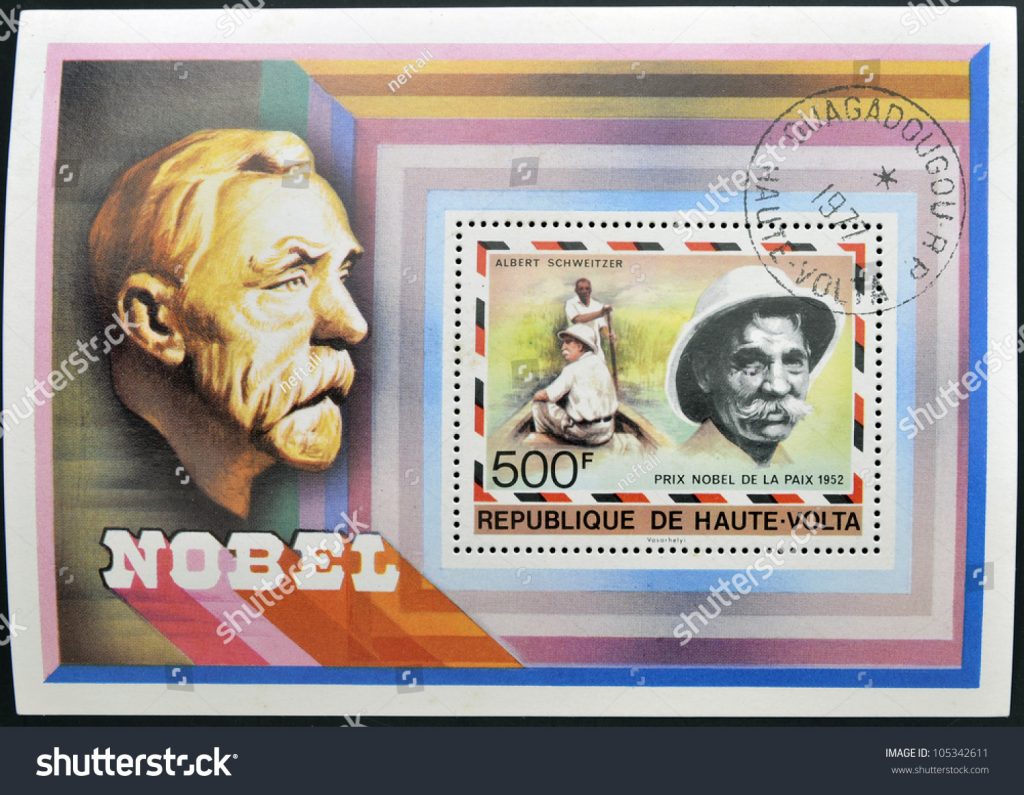
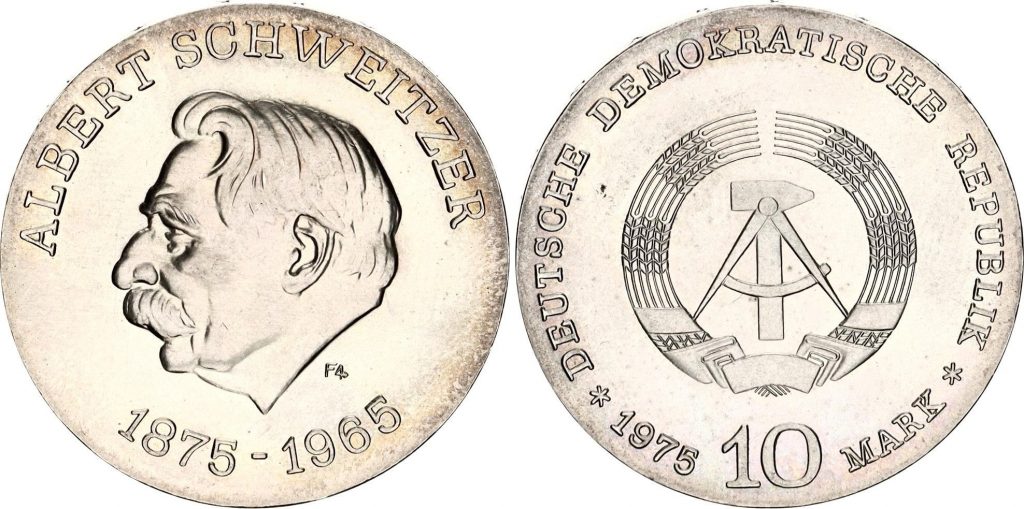
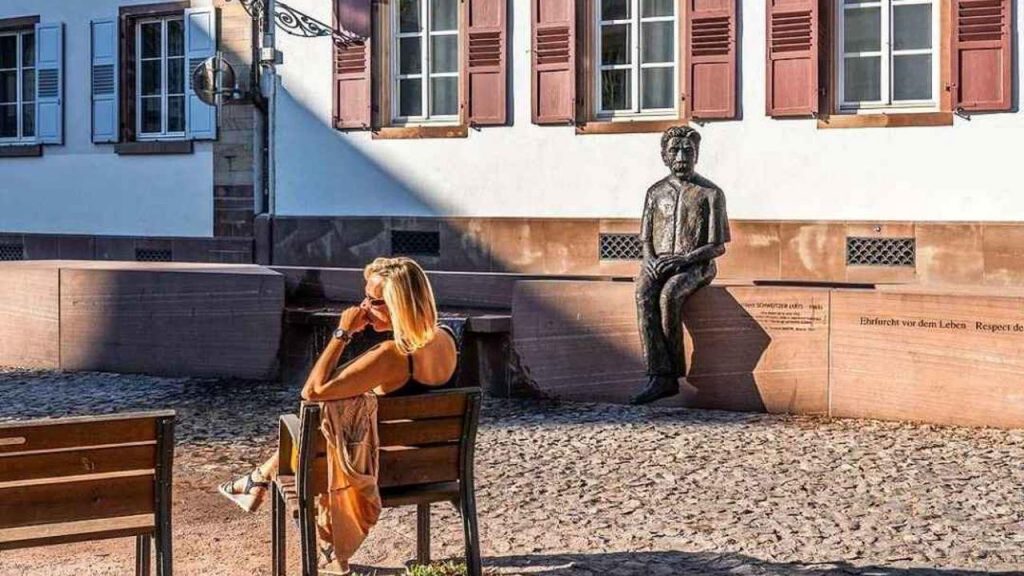
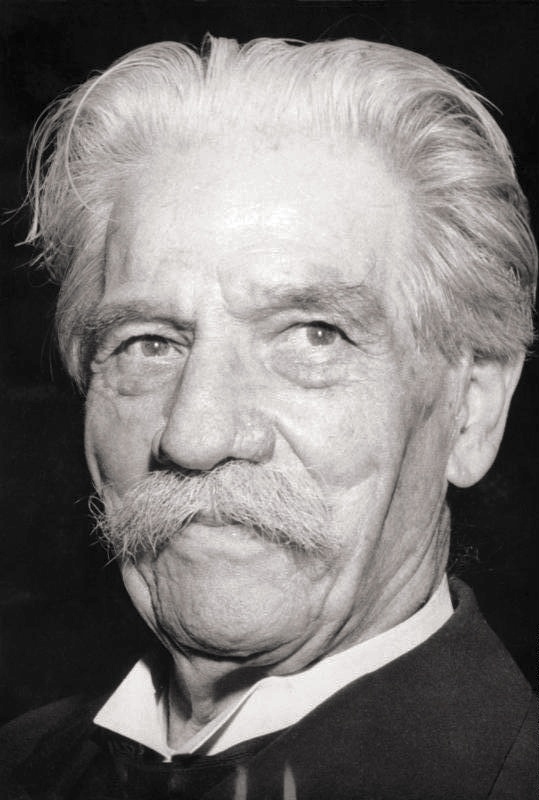
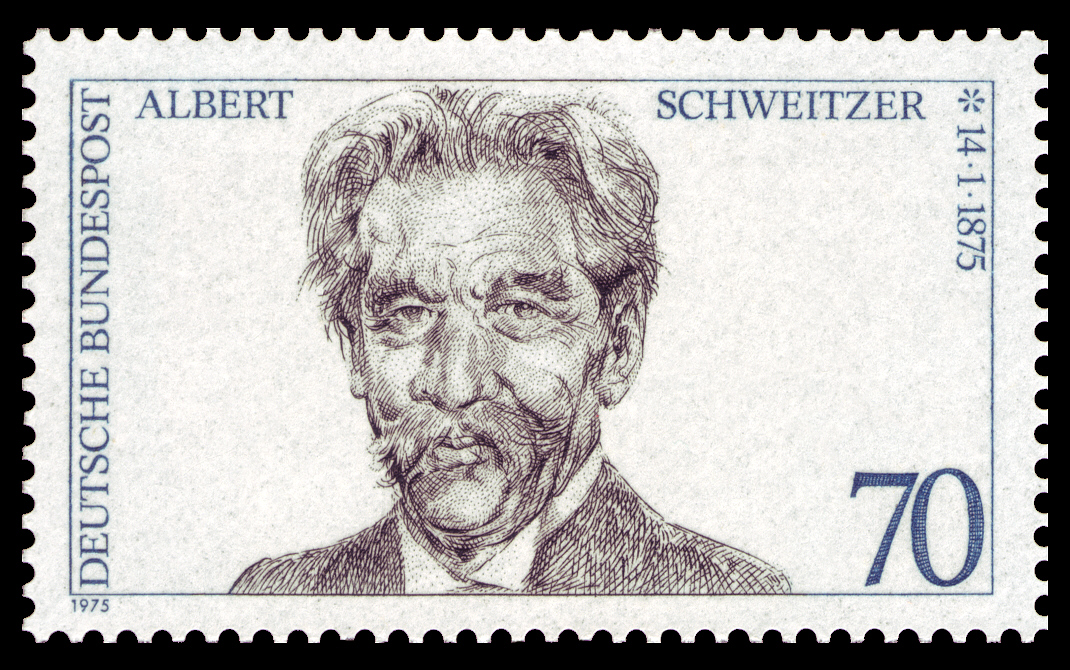
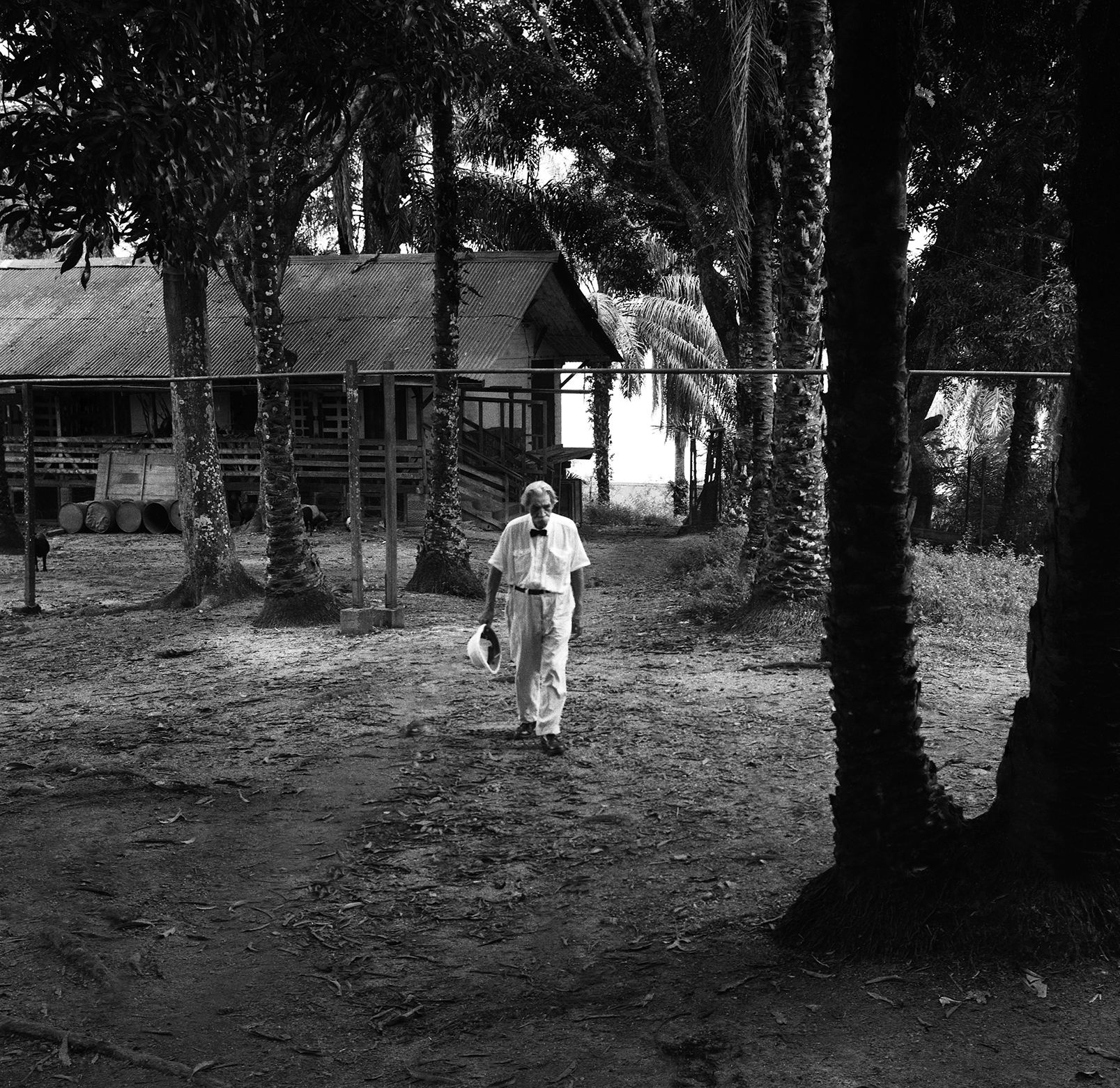
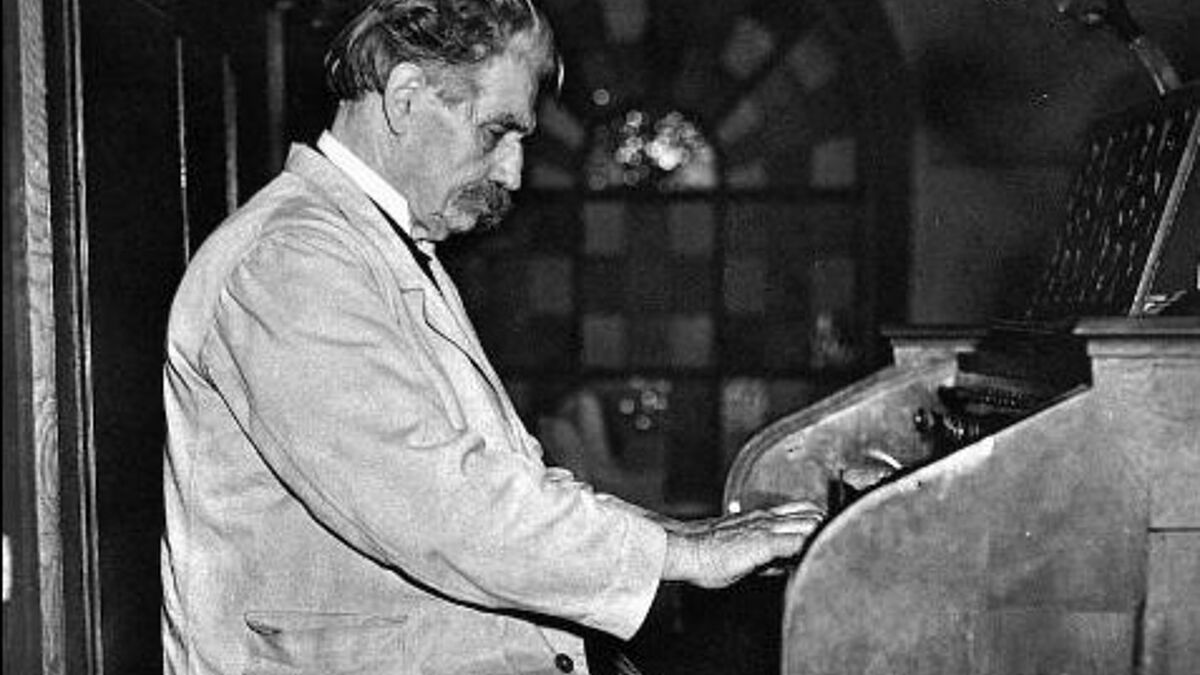
Albert Schweitzer

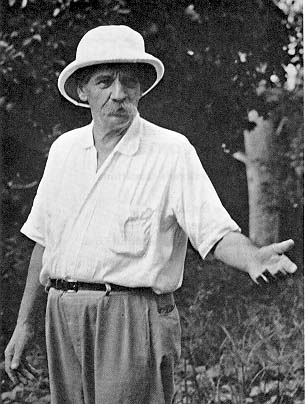
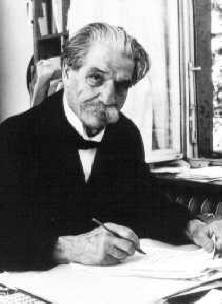
Ludwig Philipp Albert Schweitzer OM (German: [ˈalbɛʁt ˈʃvaɪ̯t͡sɐ] (listen); 14 January 1875 – 4 September 1965) was an Alsatian-German[3] polymath. He was a theologian, organist, musicologist, writer, humanitarian, philosopher, and physician. A Lutheran minister, Schweitzer challenged both the secular view of Jesus as depicted by the historical-critical method current at this time, as well as the traditional Christian view. His contributions to the interpretation of Pauline Christianity concern the role of Paul‘s mysticism of “being in Christ” as primary and the doctrine of Justification by Faith as secondary.

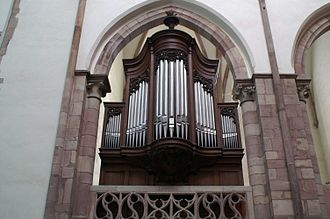
He received the 1952 Nobel Peace Prize for his philosophy of “Reverence for Life“,[4] becoming the eighth Frenchman to be awarded that prize. His philosophy was expressed in many ways, but most famously in founding and sustaining the Albert Schweitzer Hospital in Lambaréné, which up to 1958 was situated in French Equatorial Africa, and after this in Gabon. As a music scholar and organist, he studied the music of German composer Johann Sebastian Bach and influenced the Organ Reform Movement (Orgelbewegung).

web Albert-Schweitzer-Museum Günsbach

wikipedia DE

wikipedia EN

youtube – vimeo

facebook – twitter – instagram

work


  • -

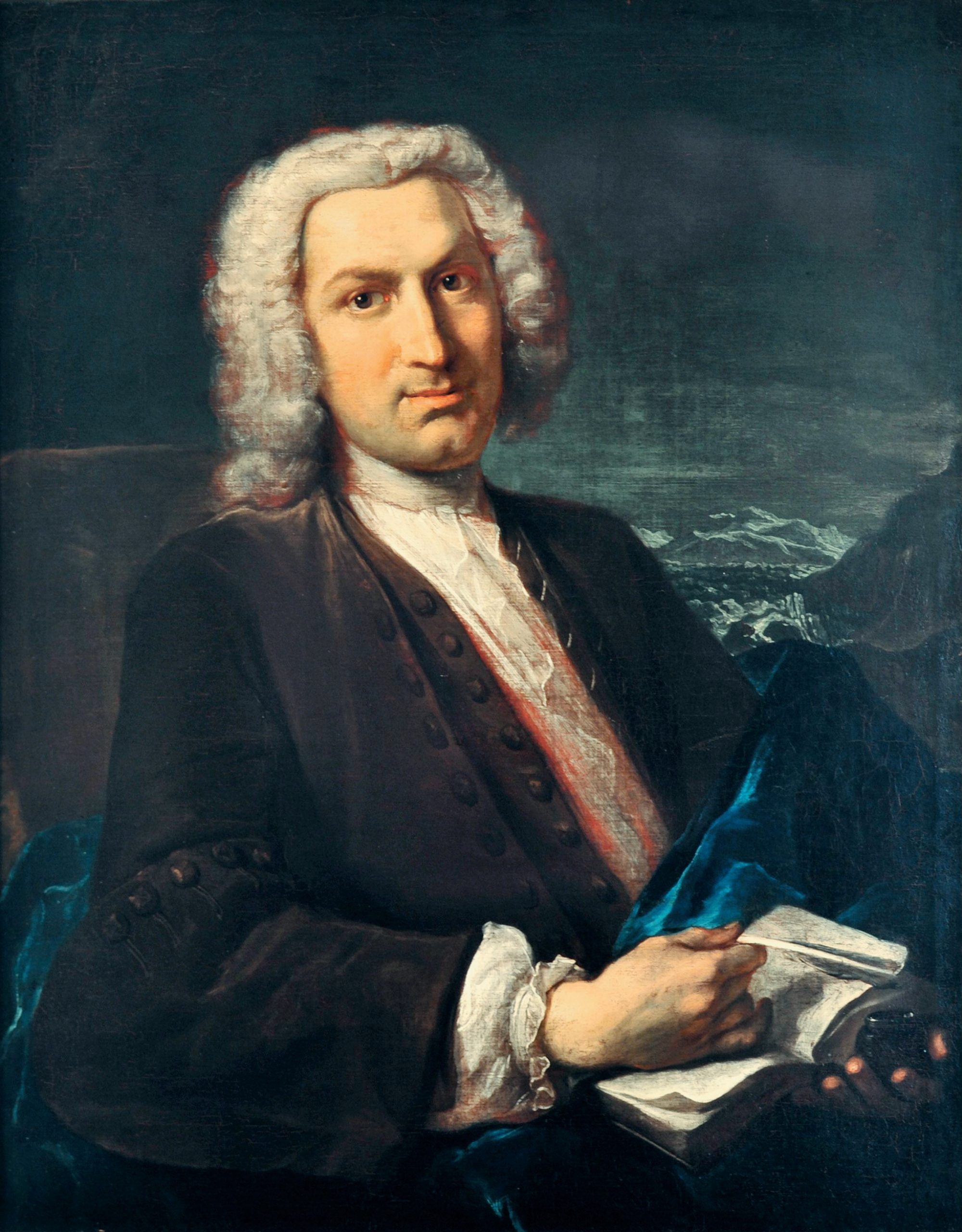
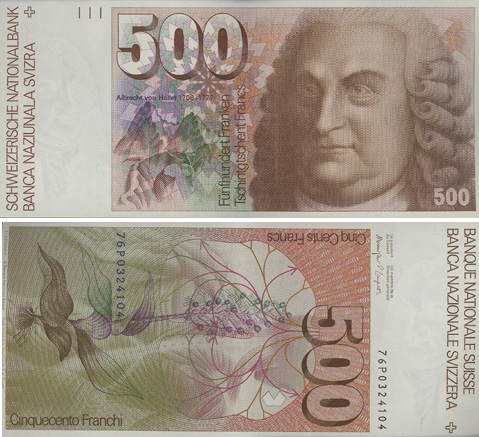
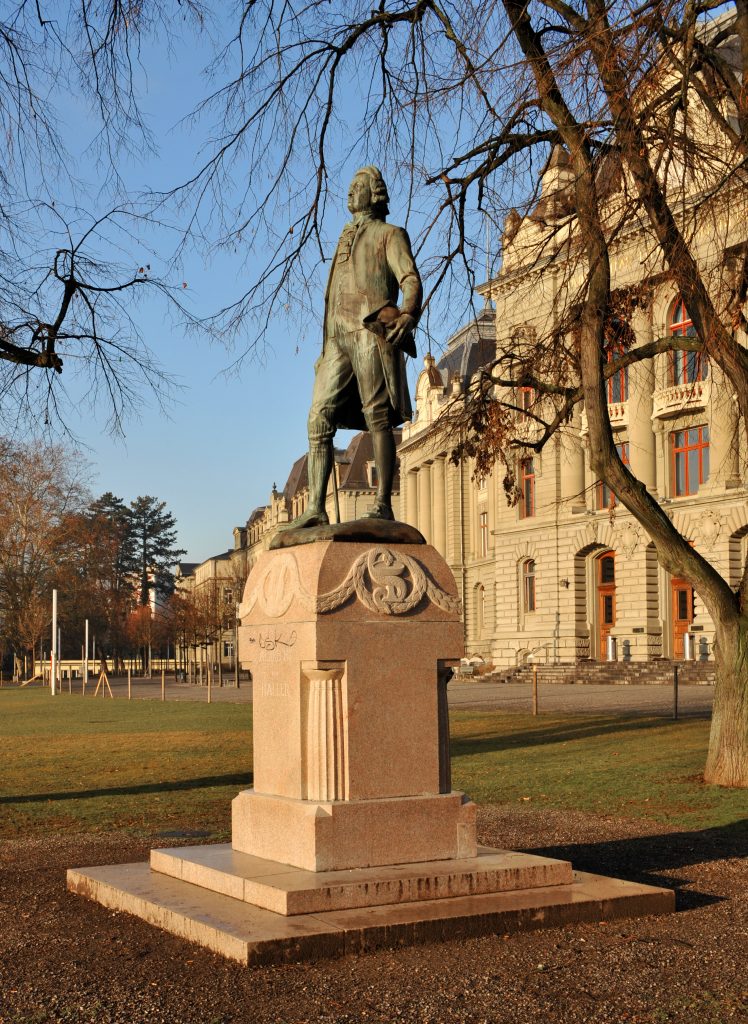
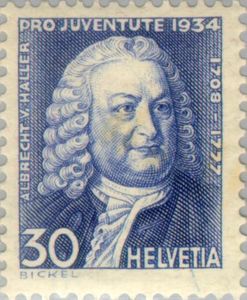
Albrecht von Haller

Albrecht von Haller (also known as Albertus de Haller; 16 October 1708 – 12 December 1777) was a Swiss anatomistphysiologistnaturalist, encyclopedist, bibliographer and poet. A pupil of Herman Boerhaave, he is often referred to as “the father of modern physiology.”[1][2]

His botanic abbreviation is “Haller”, also used as “Hall.”

AS author his monumental work is Die Alpen.

In “Die Alpen” are notes pointing out some plants of his main botanic work Enumeratio methodica stirpium Helvetiae indigenarum:

Botanics

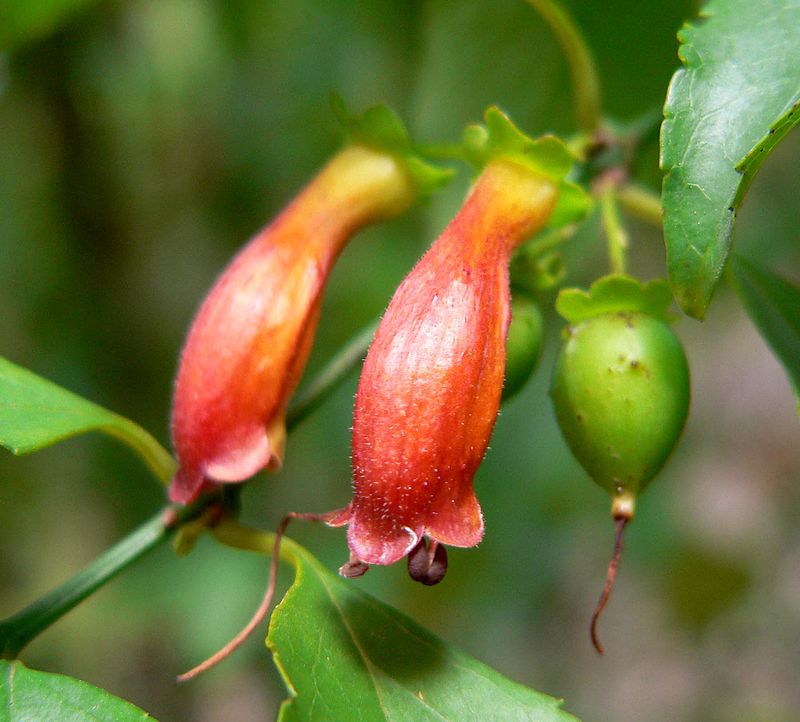
  • Die Gattung Halleria L. der Pflanzenfamilie der Stilbaceae wurde zu Ehren Hallers benannt.

Astronomy

Geography

  • The Haller Rocks, in the antarctic Palmer-Archipel, wear his name since 1960.

Street

wikipedia DE

wikipedia EN