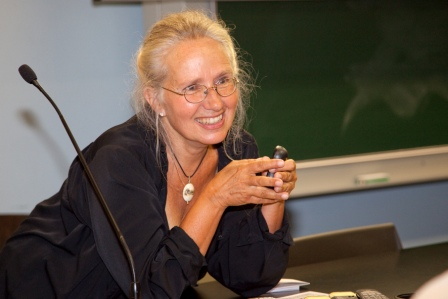
Her research focuses on disease, technology, religion, and health policy. She runs an activist website for the current drug shortage problem and a collaborative translation project for the 17th-century Latin author Paolo Zacchia. Her book Stanley’s Dream (2019) is on the history of the Medical Expedition to Easter Island, led by Canada in 1964-65. Her COVID-19: A Historyappeared in fall 2022. Since 2023, she has been serving as Editor-in-Chief, for the forthcoming History of Medicine module for Oxford Bibliographies online.
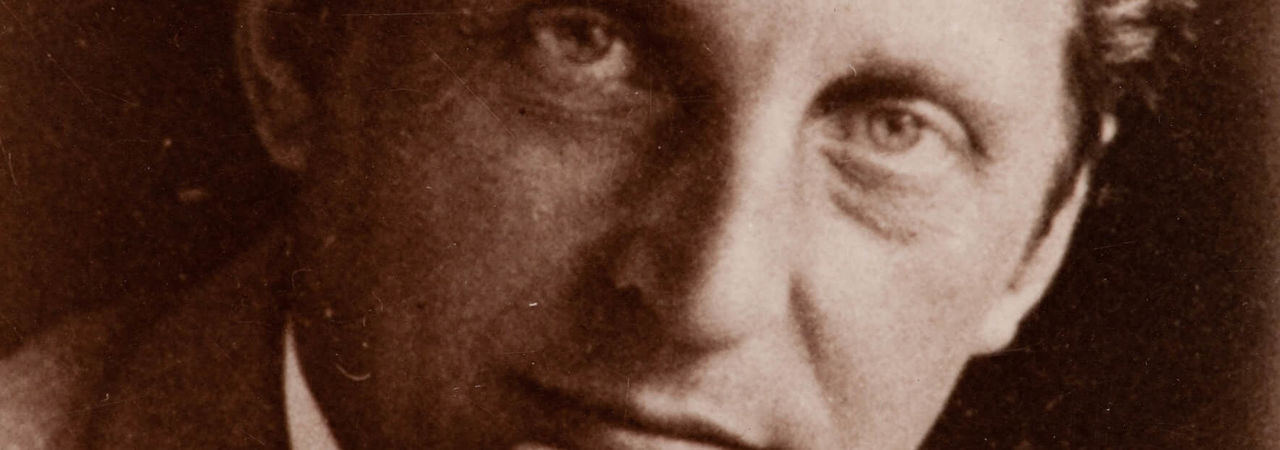
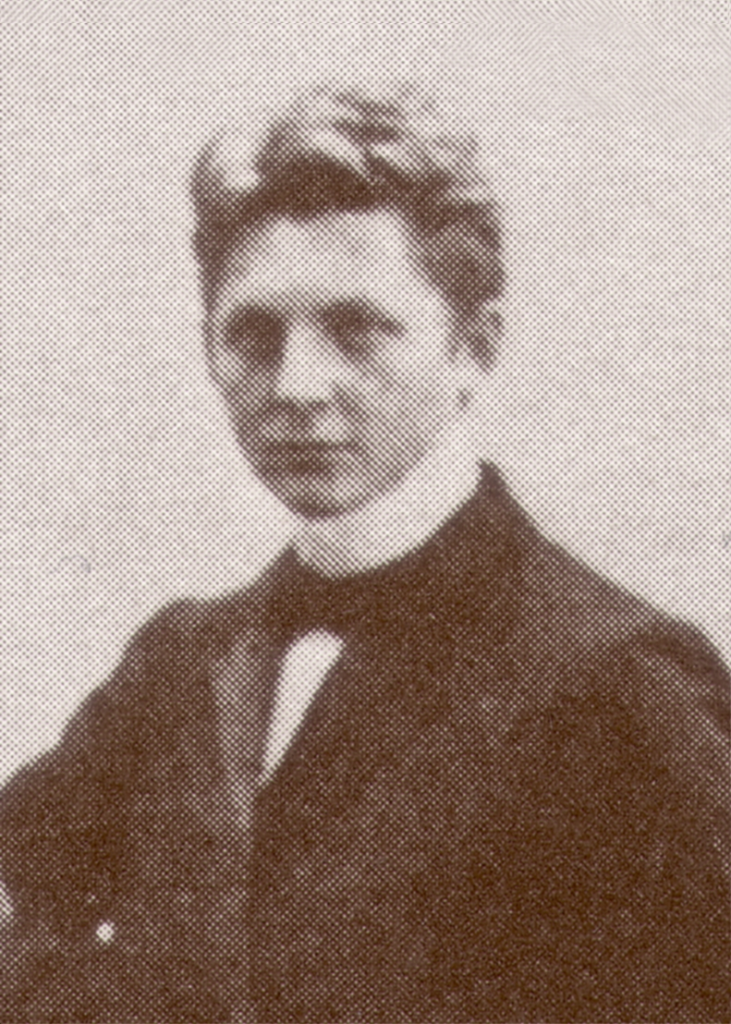
Born in Hemer, Westphalia, he studied art history and philosophy at the universities of Tübingen, Leipzig and Munich, then receiving his doctorate under Theodor Lipps with the dissertation “Gottfried Semper’s basic aesthetic views” in 1908. He then went to the Leipzig Conservatory in 1909 and received lessons in music theory and piano. Afterwards he went to London to pursue his desire of becoming a singer, however his voice was ultimately not good enough for an artistic career. During the First World War, he assisted a military surgeon and in 1913 he finally started studying medicine, receiving his training at the universities of Freiburg and Strasbourg. He completed his second doctorate (in medicine) in 1919 at the University of Heidelberg after an invitation from Karl Wilmanns, with the dissertation “The artistic capabilities of the mentally ill”.
In 1919 he became assistant to Karl Wilmanns at the psychiatric hospital of the University of Heidelberg. His task was to expand an earlier collection of art created by the mentally ill and started by Emil Kraepelin. When he left in 1921 the collection was extended to more than 5,000 works by about 450 “cases”.
The book is mainly concerned with the borderline between psychiatry and art, illness and self-expression. It represents one of the first attempts to analyse the work of the mentally ill.
After short stays at sanatoriums in Zürich, Dresden and Wiesbaden, he began a psychotherapy practice in Frankfurt in 1925, but without much success. He published a follow up project to his first book, titled “Bildnerei der Gefangenen” (Artistry of Prisoners) in 1926, however it was met with little success. He also wrote poems, which were published by a private publisher after his death. He continued to write numerous other books which were mainly on the field of psychotherapy. He approached psychology with an original method where he combined philosophy, anthropology and psychoanalysis. He went on to give lectures over radio, and he was a sought-after speaker home and abroad. He went to an invitation-based lecture tour of US universities in 1929. His original approach was well respected within the German community, however it was largely forgotten due to the dominant force of experimental psychology. His hopes to find a permanent position at a university were never fulfilled. Disillusioned by professional failures, and after three failed marriages, he moved in with an aunt in Munich and retreated from public life, making a living from giving lectures and writing essays. He died in 1933 in Munich after contracting typhus on a trip to Italy.
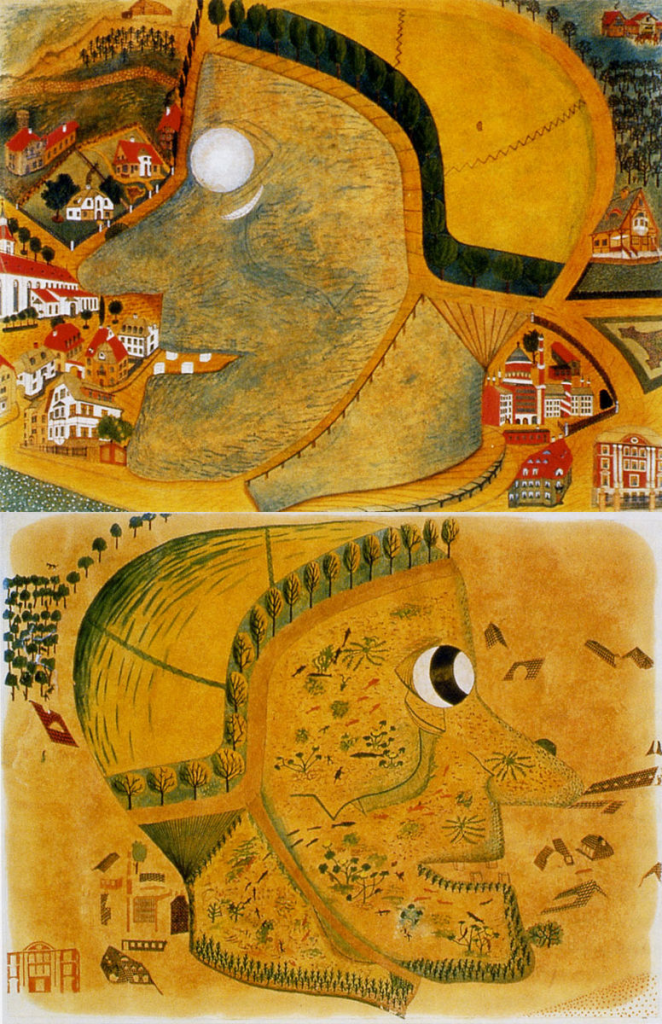
Aus der Sammlung Prinzhorn: August Natterer (Neter): „Hexenkopf“ (Vorder- u. Rückseite), ca. 1915
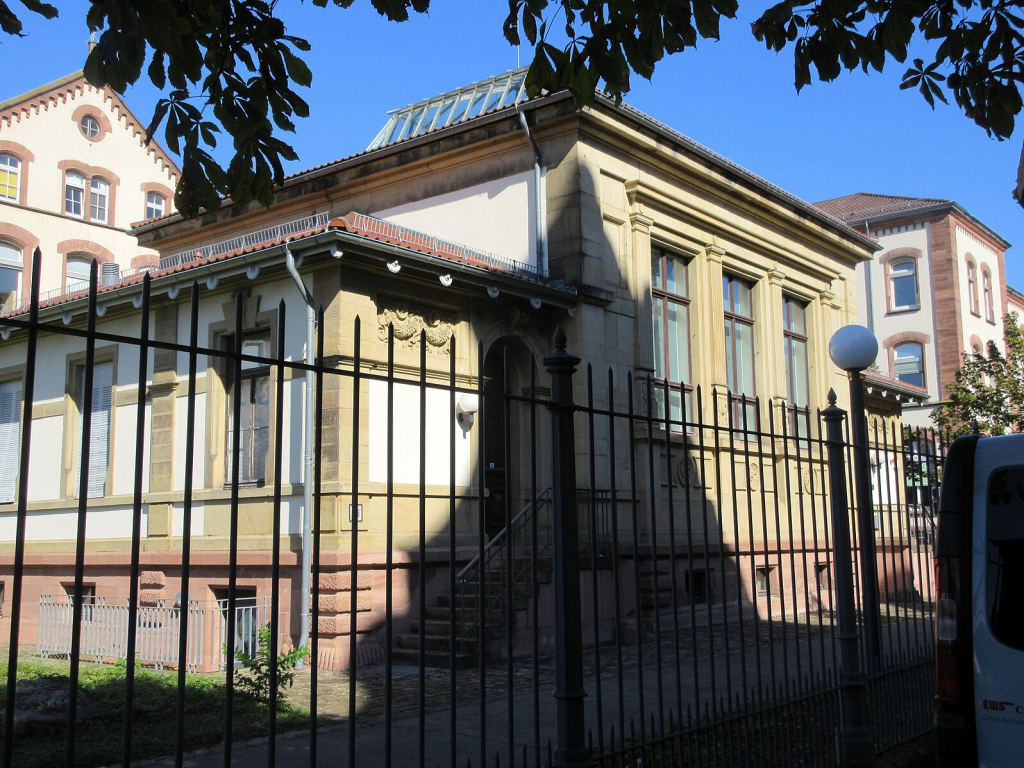
Shortly after his death the Prinzhorn Collection was stowed away in the attics of the university. In 1938 a few items were displayed in the Nazi propaganda exhibition Entartete Kunst (“Degenerate Art”). Since 2001 the collection has been on display in a former oratory of the University of Heidelberg.
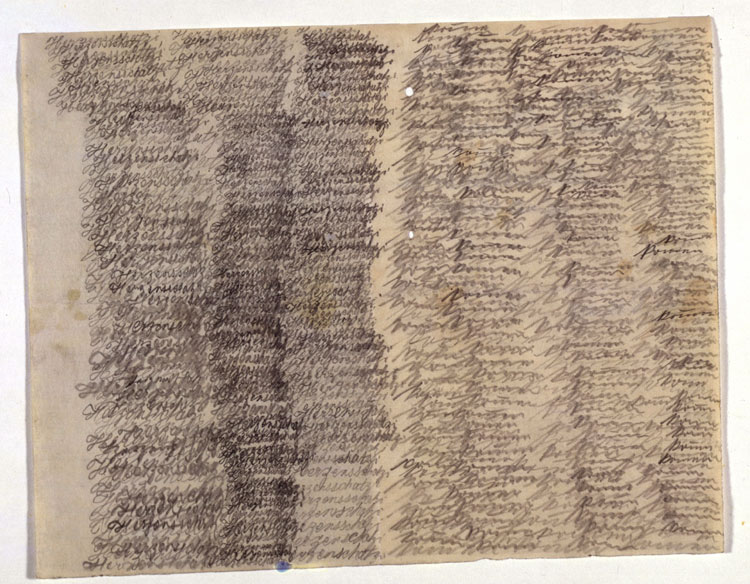
Brief der Psychiatriepatientin Emma Hauck 1909, von Prinzhorn als Beispiel für „Kritzeleien“ angeführt, Sammlung Prinzhorn
In Hans Prinzhorn’s hometown of Hemer, the municipal secondary school and the local specialized clinic for psychiatry and psychotherapy are named after him. A clinic for differentiated treatment options in compulsory and full-service settings, the clinic is sponsored by the Regional Association of Westphalia-Lippe. The clinic also serves as a training and continuing education institution. The Felsenmeer Museum, run by the Citizens’ and Local History Association, houses a Prinzhorn archive, largely filled with copies. The literary scholar Yukio Kotani, influenced by Ludwig Klages, campaigned to raise awareness of Prinzhorn’s work in Japan.
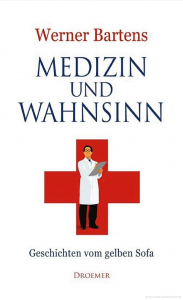
Werner Bartens (born 11 July 1966 in Göttingen) is a German physician, historian, science journalist and non-fiction author.
Werner Bartens was born the second child of Werner Bartens and his wife Luise, née Marienhagen, in Göttingen and grew up in Niedernjesa. He attended primary school in Reinhausen and then the Hainberg-Gymnasium in Göttingen, where he graduated from high school in 1985. From 1985 to 1993, Bartens studied medicine, history, and German at the universities of Giessen, Freiburg, Montpellier, and Washington D.C. In the fall of 1988, he completed a clinical internship in the emergency department at the Royal Infirmary in Cardiff, Wales. In 1991, he completed clinical internships at the University Hospital of Freiburg, the Urban Hospital in Berlin, and in cardiology at the Bad Krozingen rehabilitation center. In 1992, he received his medical degree and subsequently worked as a research fellow at the National Institutes of Health in Bethesda, Maryland.
In 1993 he passed the German state examination in medicine at the University of Freiburg and received his doctorate there in the same year under Christoph Wanner with a thesis on lipid metabolism disorders in nephrotic syndrome with special emphasis on lipoprotein(a). In 1995 he also received his master’s degree in history and German studies in Freiburg with a thesis supervised by Gerd Krumeich on racial theories in the 19th and 20th centuries.[1] After working as a doctor at the university hospitals in Freiburg and Würzburg, he held a fellowship at the Max Planck Institute for Immunobiology in the research group of Nobel laureate Georges Köhler. From 1997 onwards, Bartens worked as an author, translator, freelance journalist and editor for the Süddeutsche Zeitung, Die Zeit, Frankfurter Allgemeine Zeitung, die tageszeitung and the Badische Zeitung. Since 2005 he has been an editor in the science department of the Süddeutsche Zeitung, and since 2008 he has been editor-in-chief.
In addition to his journalistic work, he has published numerous books with a total circulation of 1 million copies, which have been translated into 14 languages. Some of them, such as “Body Happiness,” “The Doctor Hater Book,” and “The Encyclopedia of Medical Errors,” quickly became bestsellers, some of them remaining on the bestseller lists for months. He has received numerous journalism awards for his publications, including several Science Journalist of the Year awards.
He also became known to a wider public through appearances on talk shows on German and Austrian television.
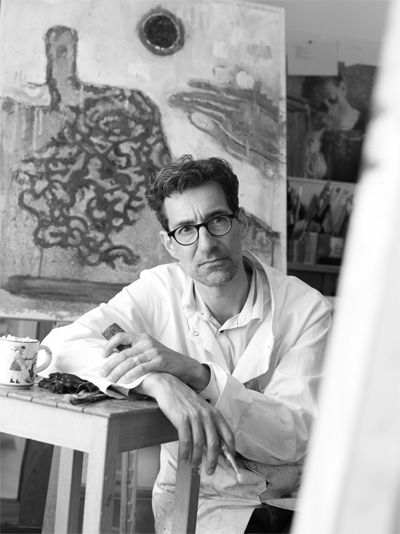
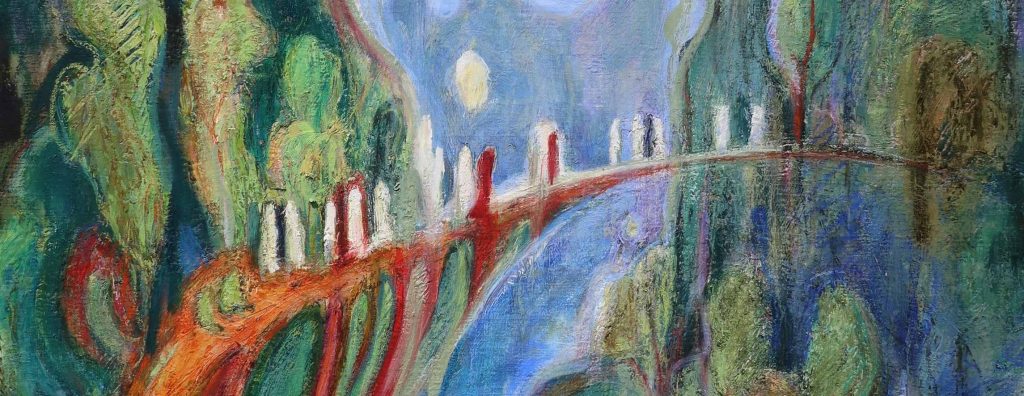
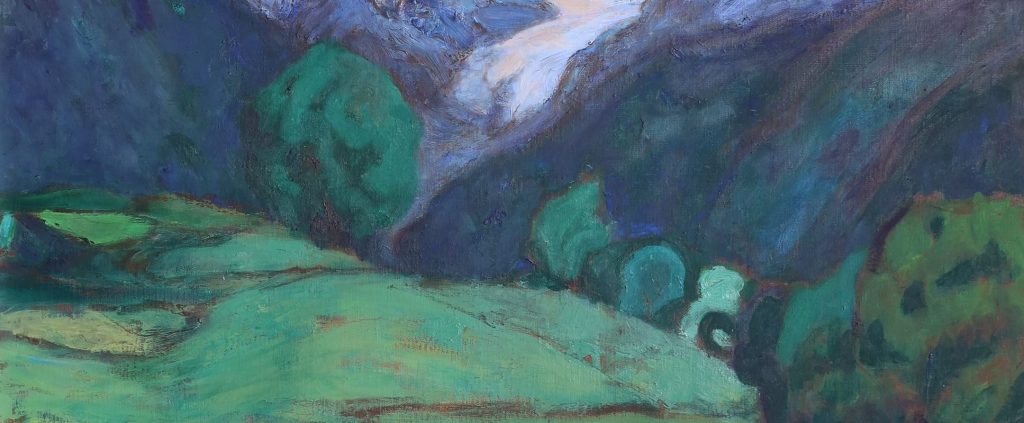
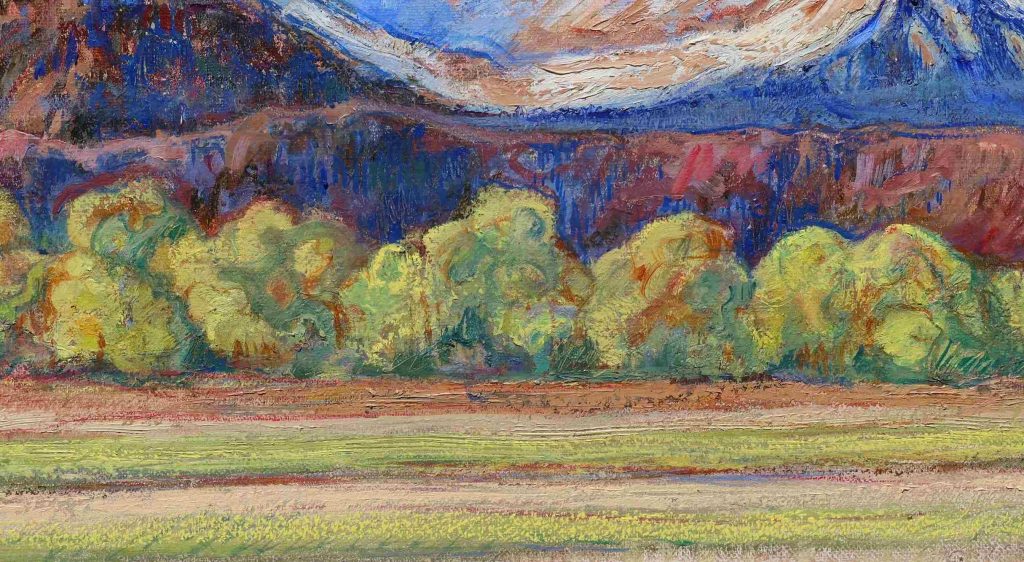
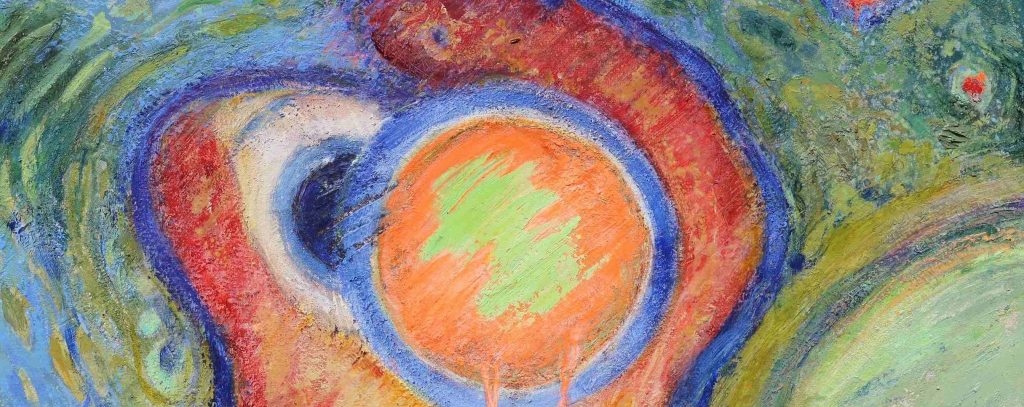
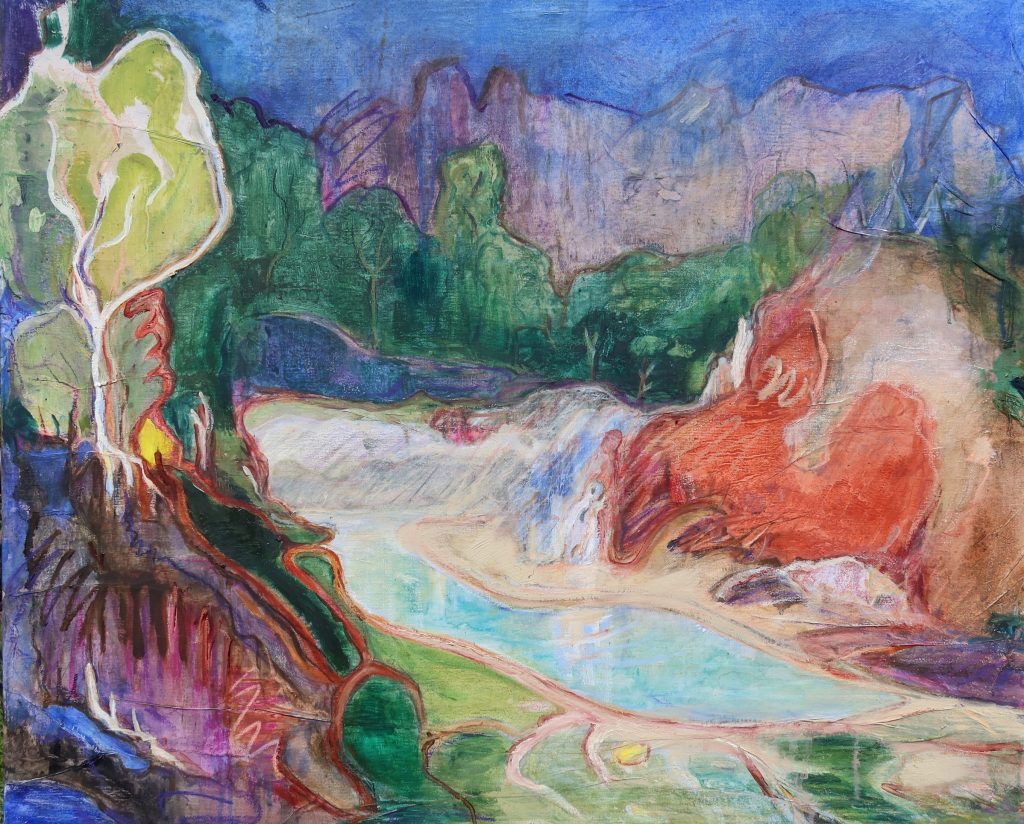
Was raised in St. Moritz and lives with his family in Lucerne. Despite an inner urge to paint and several awards at a young age, he decided to study medicine, followed by additional studies in history and biology. He worked as a family doctor, teacher and lecturer. As a Red Cross delegate, he carried out missions in countries hit by natural disasters and epidemics. He also worked as an illustrator and art assistant. In 2021, he gave up his practice and has been working as a freelance artist ever since. For one semester he attended courses in figure drawing and engraving at the École des Beaux-Arts in Paris.
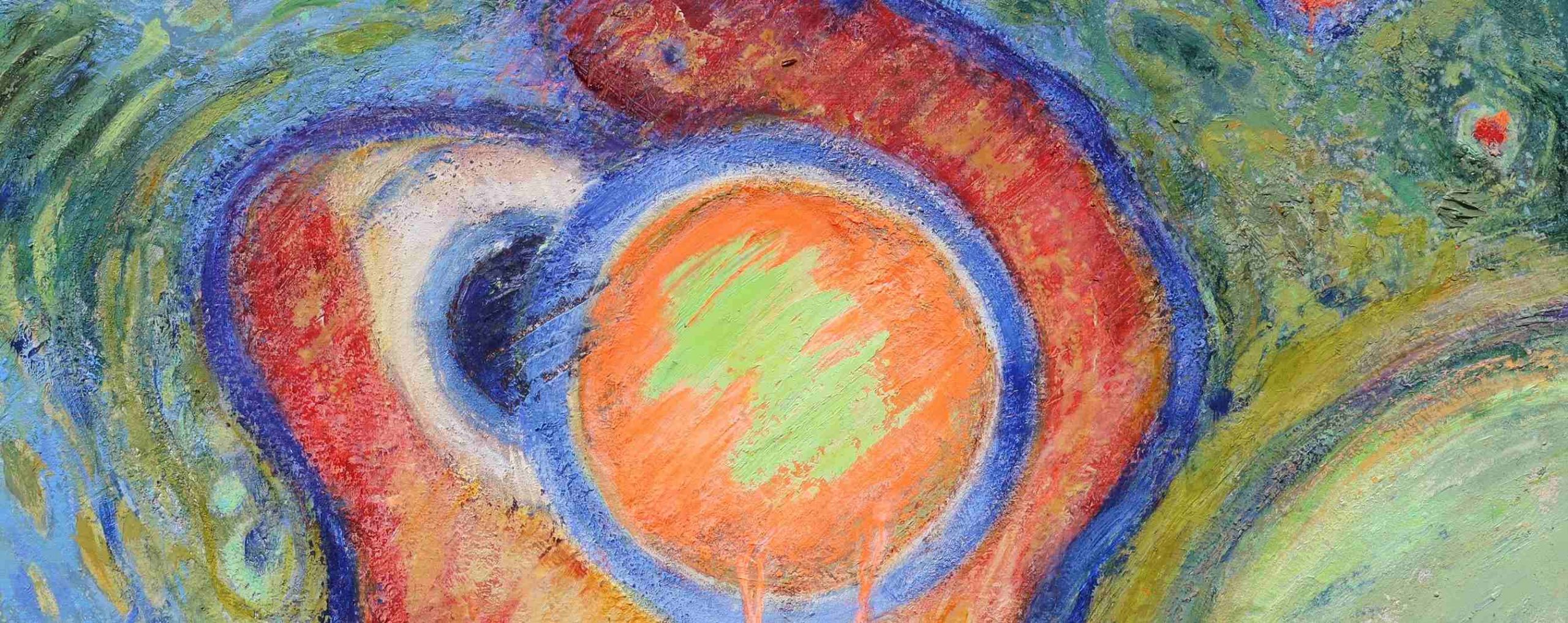
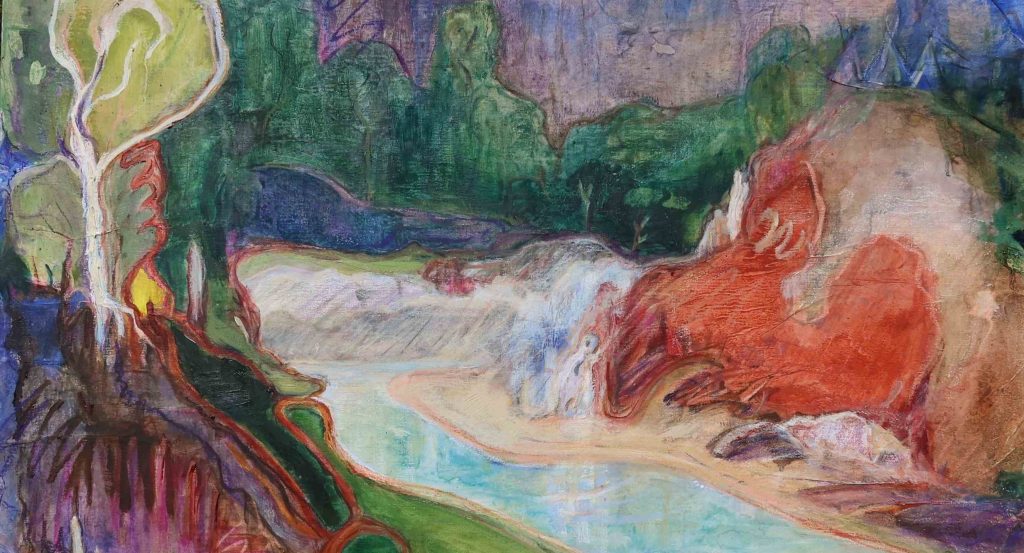
Reto Eberhard Rast intends his paintings as ‘poetic realism’, stylistically. His aim is to render the beauty of nature’s nuances and to express his appreciation of colour and form. Expressive chromatic harmonies are more important to him than naturalistic reproduction. He uses an impasto painting style, with patterns on textured surfaces, that are enhanced by the use of glazes.
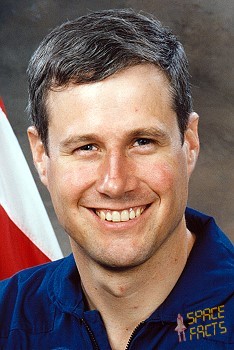
Bachelor of science in electrical engineering from Cornell University, 1977; doctorate of medicine from Cornell University Medical College, 1981; Assistant Professor of bioengineering, University of Texas Southwestern; PSP candidate for STS-58; unsuccessful application for NASAastronaut groups 13 and 16; hobbies: Camping, fishing, hiking and avid reader of history; he served as a surgeon at Ambulatory Care Clinic in Dallas, Texas; currently professor of medicine and an adjunct professor of engineering, Dartmouth; in 2008 he has announced his candidacy for the US senate (unsuccessful).