Category Archives: TeacherDocs

  • -

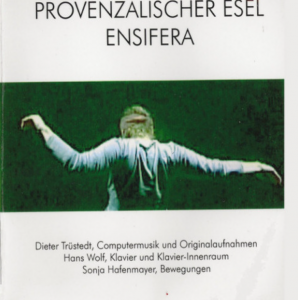
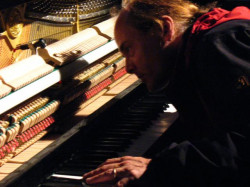
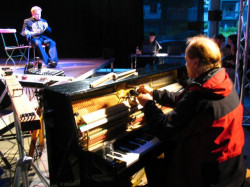
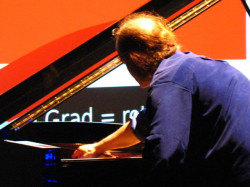
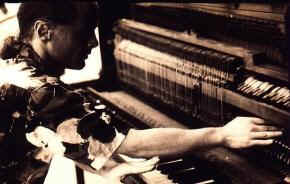
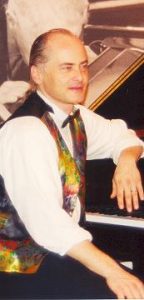
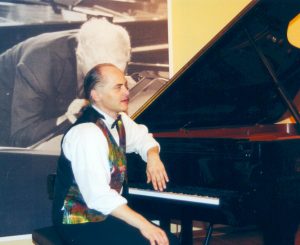
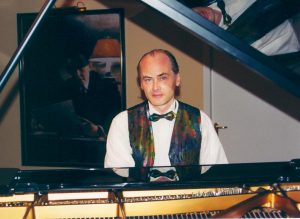
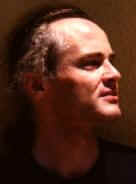
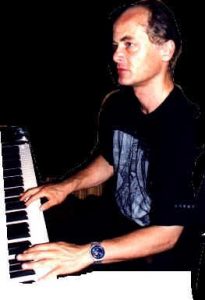
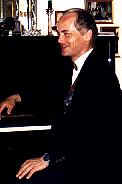
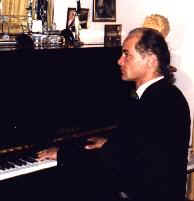
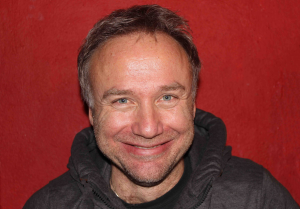
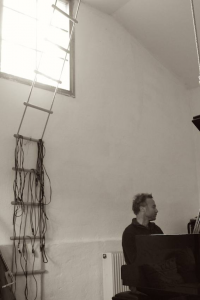
Hans Wolf

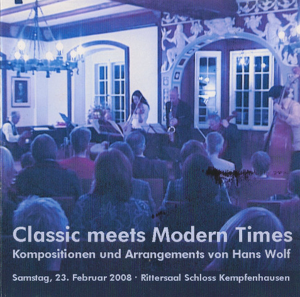
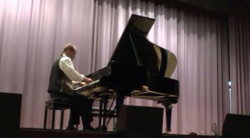
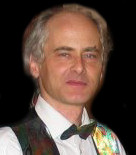
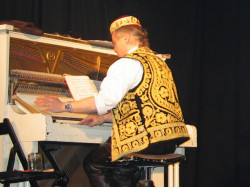
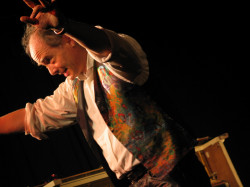
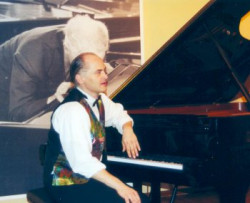
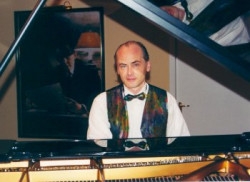
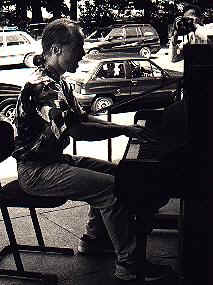
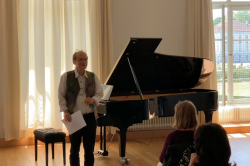
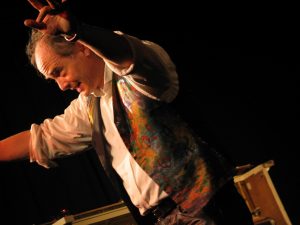
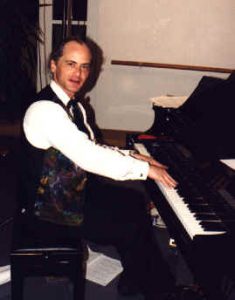
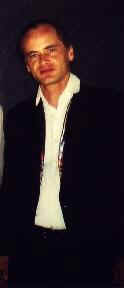
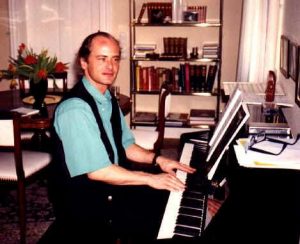
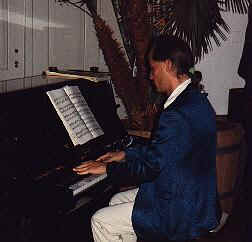
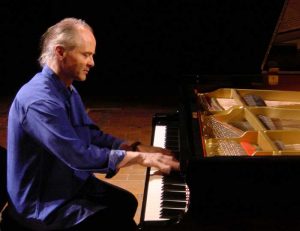
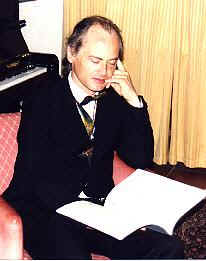
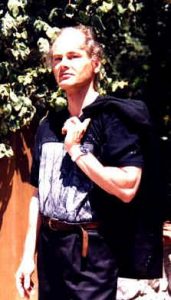
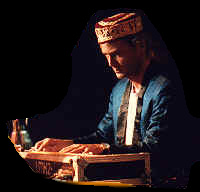
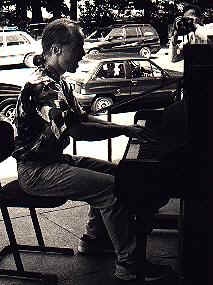
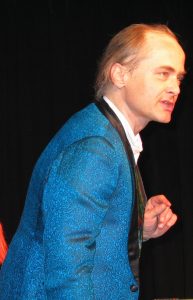
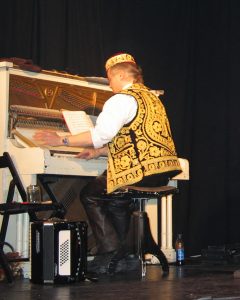
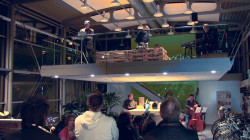
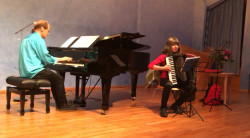
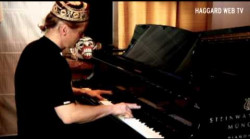
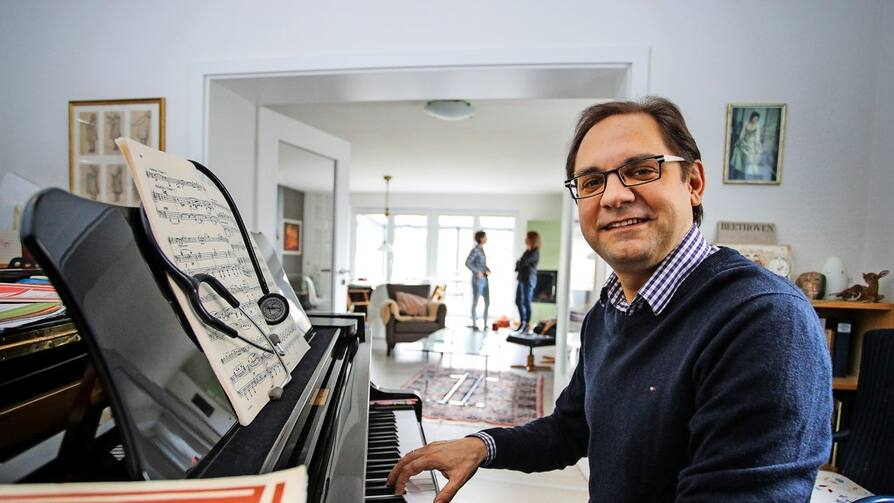
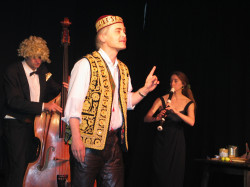
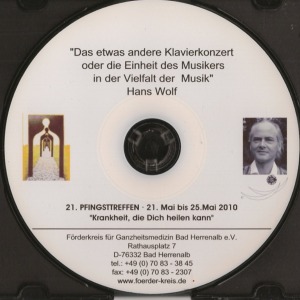
Hans Wolf, born May 31, 1958 in Braunschweig, is a German physician, concert pianist, and multimedia artist. From 1977 to 1985, he studied medicine and worked as a medical officer. He performed numerous cabaret shows at holistic medicine conferences in Bad Herrenalb.

He completed classical piano studies with Prof. Edith Picht-Axenfeld in Freiburg, receiving his diploma.

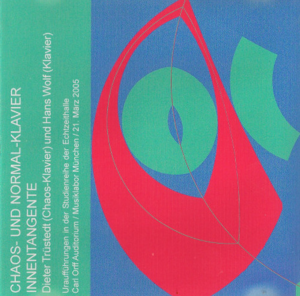
  • Premieres of his own compositions at the Munich Festivals for Contemporary Music/Art by the MGNM (Munich Society for New Music) and the Echtzeithalle group.
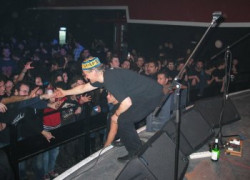
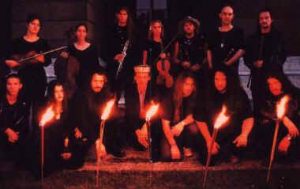
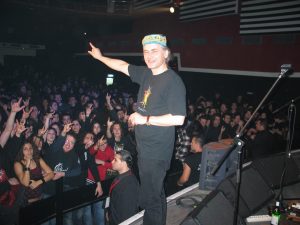
  • Member of well-known ensembles: Haggard: Medieval metal with classical influences, founded in 1993; tours across Europe and to Mexico (2001). Three CDs, one DVD
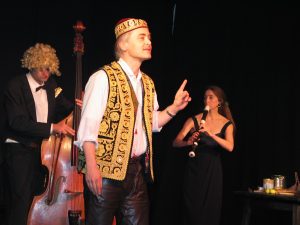
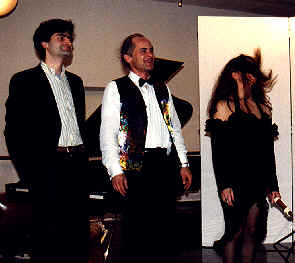
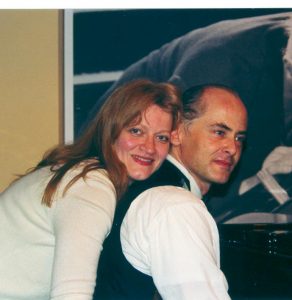
  • Trio Superstrada, founded in 1995 (here, in addition to piano, he also plays accordion, guitar, and djembe): polystylistic musical theater with Stephan Lanius (double bass) and Michaela Götz (vocals, flute). One CD, one demo video.
  • A brief member of the PHREN Music Theater in Munich.
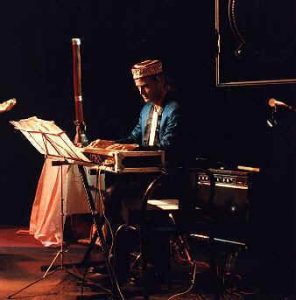
  • Ensembles for free improvisation from Munich’s avant-garde and jazz circles: With the well-known group N.I.E. (New Improvisors Ensemble), founded in 1993 and disbanded after a year, Wolf performed in concerts in public squares and at the Unterfahrt Jazz Club, among others. N.I.E. is partially continued in the following groups to which Wolf belongs:
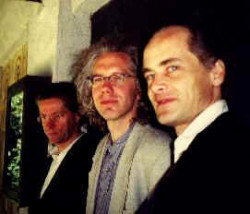
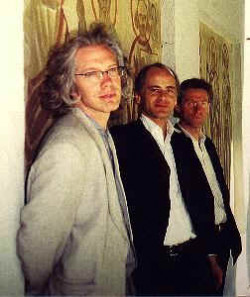
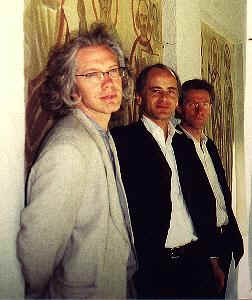
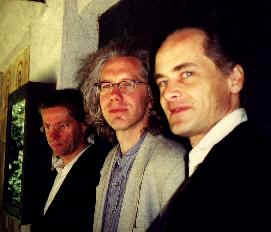
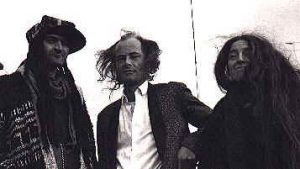
  • Trio Animali (founded in 1994, performances at Club 2 and the Munich Jazz Festival 1995, among others) with G. Geisse (g) and L. Hahn (from left), group ECHT (founded in 2000, performances at the Long Night of Music ’01, scoring computer-animated images at “Echtzeit 2001”, group Asyl-Art (founded in 2000, including poetry and image scoring at the Asylart Festivals ’00 and ’01).
  • Founding member of the jazz big band “Forum 2” (since 1993), Munich Olympic Village Cultural Association.
  • Duos: Duo Capriccioso with Andreas Suttner (cello), founded in 1999: Music “from entertaining to serious.”
  • Duo with Anne Greve (mezzo-soprano), founded in 2001: A swinging kind of music.
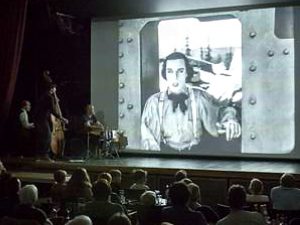
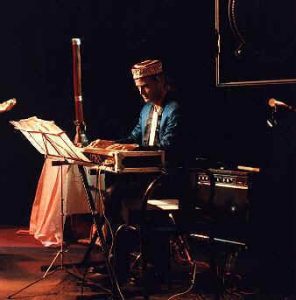
  • Live silent film scoring in a trio (founded in 1998) with Thomas Hüter (percussion, fl) and Stephan Lanius (bass): “Metropolis,” “Nosferatu,” and “Dr. Caligari.”
  • Collaboration with directors Javier Andrade and Martina Veh (Munich) since 1995, and with Alexander Schilling (Nuremberg) since 2001, as a composer and pianist in music theater and multimedia projects.
  • Collaboration with Dieter Trüstedt since 1999: Several lectures at the “Monday Talks” he organized, including on his own compositions; jointly creating the music for the performance “Genesis.”
  • Commissions for theater music, big bands, fashion shows, and musical settings for art and literature.
  • Commissions as a studio musician, especially for piano music in television films.
  • Performances as a versatile party pianist at all kinds of celebrations; regular pianist in bars and cafes, e.g., at the Cafe am Beethovenplatz and Cafe Giesing in Munich.
  • Engagements as an accompanist and keyboardist for touring musical productions.
  • Teaching activities: Piano teacher with new creativity-oriented concepts, piano technique based on the Langenhan-Serkin school, classical instruction, including preparation for the entrance exams to music colleges, including theory and ear training. Lessons in rock, pop, and jazz piano, as well as other piano improvisation; development and teaching of improvisation and composition courses, e.g., with the title “Discover Your Own Music.” Since 1995, instructor at the Grafing Adult Education Center; organization of student concerts for the Munich Pianists’ Club.
  • Active memberships: Society for New Music and Music Education Darmstadt, International Summer Courses for New Music Darmstadt, Bavarian Association of Musicians, Pianists’ Club, MGNM (Munich Society for New Music), Echtzeithalle e.V.

web

youtube


  • -

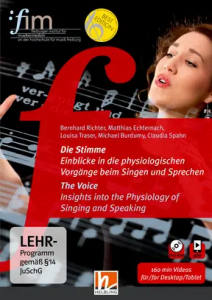
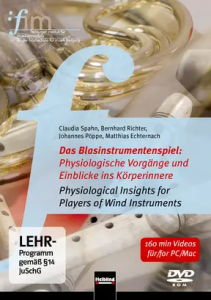
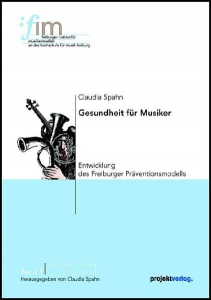
Claudia Spahn

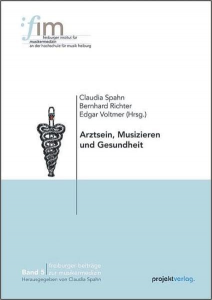
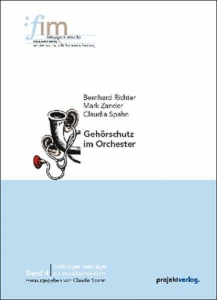
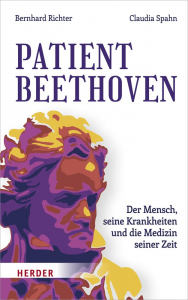
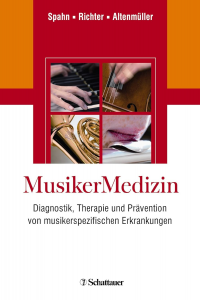
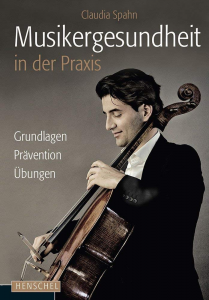
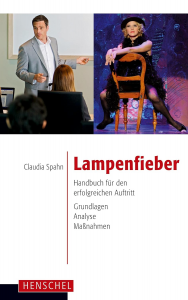
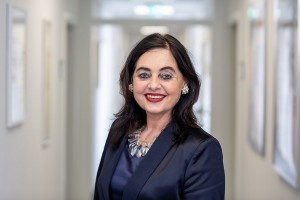
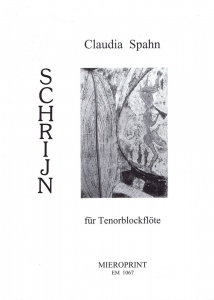
Claudia Spahn (*1963) is a German musician’s medicine specialist and director of the Freiburg Institute for Musicians’ Medicine. She is a leading researcher in the development of music physiology and musicians’ medicine, particularly in the field of stage fright and performance anxiety.
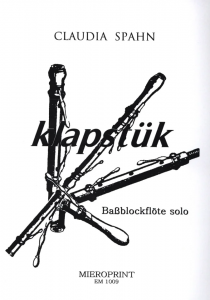
Claudia Spahn has received artistic training in recorder as a solo instrument, piano and violin since childhood. With the recorder and piano, she has won several prizes at the state competition Jugend musiziert. She has also trained in classical ballet, modern dance and tap dancing. Spahn studied medicine at the Albert Ludwig University in Freiburg, as well as in Paris and Switzerland. From 1986 onwards, she has also studied music teaching at the Freiburg University of Music, majoring in recorder, graduating in 1991 with a diploma in music teaching. Since 1992, Claudia Spahn has made numerous appearances as a pianist in the music cabaret duo Die schönen Baritons – together with baritone Bernhard Richter. From 1994 to 2004, she performed as a pianist and recorder player in musical theaters in France.

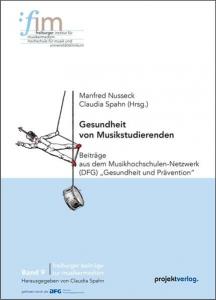
In 1992, Spahn began her medical training in the fields of psychosomatic medicine, internal medicine, and psychiatry. In 1993, she received her doctorate in medicine, and in 1999 she became a specialist in psychotherapeutic medicine. In 2004, she completed her habilitation at the Medical Faculty of the University of Freiburg on the topic of prevention in higher education for musicians. In the winter semester of 2005/2006, Claudia Spahn was appointed professor of musicians’ medicine at the Freiburg University of Music. Since then, she has headed the Freiburg Institute for Musicians’ Medicine (FIM) – an institution of the University of Music and the Medical Faculty of the Albert Ludwigs University of Freiburg – together with Bernhard Richter. In 2017, Claudia Spahn became Vice Rector for Research and International Relations at the Freiburg University of Music. In 2020, she received her doctorate in systematic musicology.

Claudia Spahn has significantly advanced the field of music physiology and musicians’ medicine, both structurally and in terms of content. She has written and edited several standard textbooks. She teaches music students the physical and psychological foundations of music-making, preventative body-oriented approaches, and how to deal with stage fright. Music physiology can be studied as a standalone minor at the Freiburg Research and Teaching Center for Music. She also teaches medical students in the preclinical and clinical study phases at the Freiburg Medical Faculty.

In the outpatient clinic of the Freiburg Institute for Musicians’ Medicine at Freiburg University Hospital, Spahn treats musicians with the full range of musicians’ medical conditions, particularly pain and strain syndromes. She offers a special consultation for patients with psychological problems, particularly performance anxiety.

https://www.mh-freiburg.de/personen/details/prof-dr-med-dr-phil-claudia-spahn

https://www.uniklinik-freiburg.de/musikermedizin/mitarbeiter/prof-dr-claudia-spahn.html

https://de.wikipedia.org/wiki/Claudia_Spahn

https://www.aerzteblatt.de/archiv/interview-mit-prof-dr-med-claudia-spahn-musikermedizinerin-lampenfieber-ist-ein-positives-phaenomen-ad161952-9c89-4068-91f4-536cb689f027


  • -

Reinhold Merten

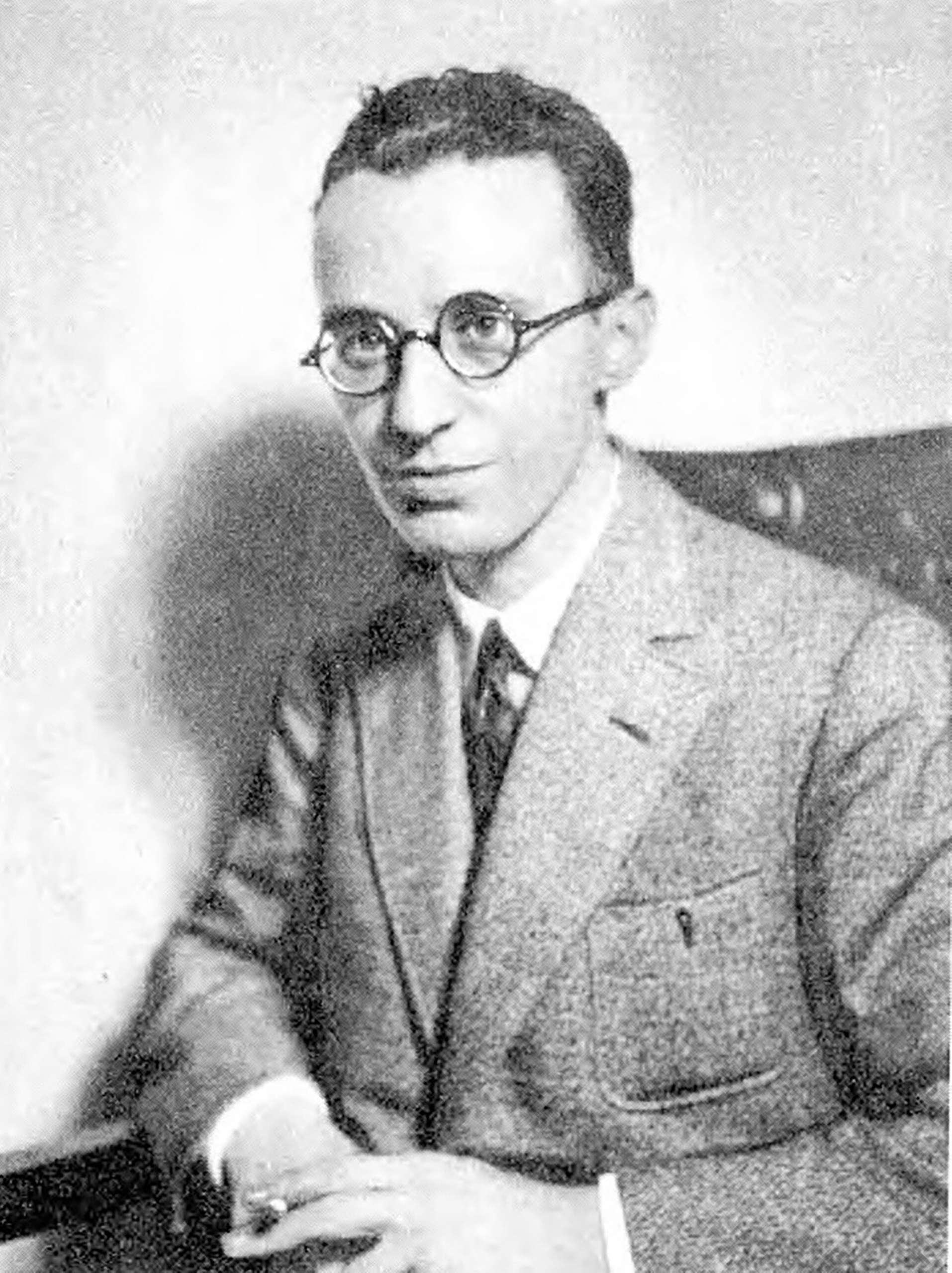
Reinhold Merten dirigiert 1926 bei einer Radio-Liveübetragung Bild © hr-Archiv

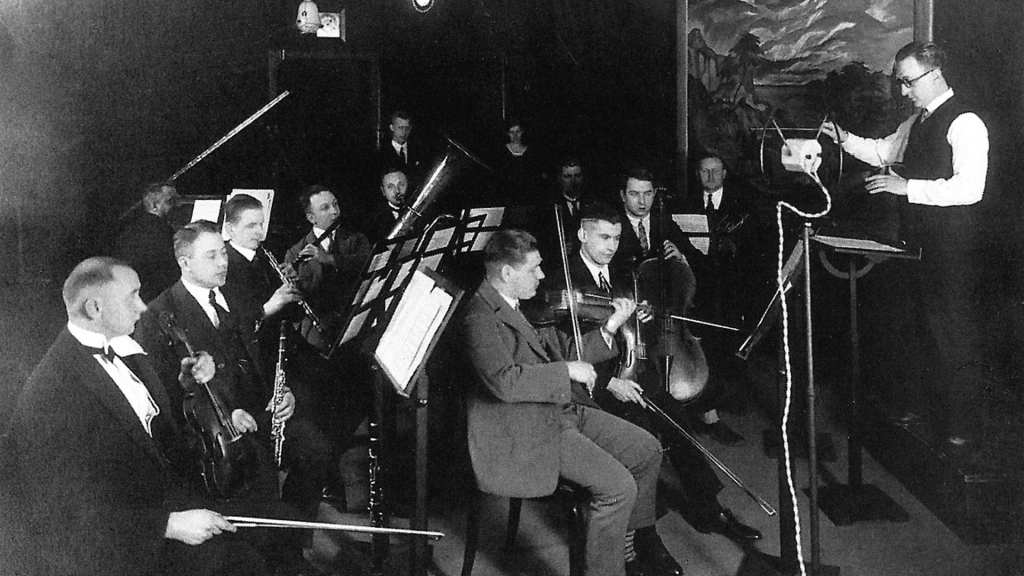
Reinhold Adolf Merten (June 6, 1894 in Wiesbaden; August 19, 1943 in Munich[1][2]) was a German conductor and physician.

Coming from a family of musicians, Merten initially attended the conservatory in Wiesbaden, but then studied medicine at the Philipps University of Marburg and the Johann Wolfgang Goethe University of Frankfurt am Main, and served as a medical officer in World War I. After the war, he received his doctorate from the University of Frankfurt with a dissertation on acid-fast, tubercle-like bacilli in wind instruments (1933).

Merten did not work as a doctor, however, but became a solo répétiteur at the Frankfurt Opera in 1920. Together with Paul Hindemith, he founded the Frankfurter Gemeinschaft für Musik in 1922. After the Südwestdeutsche Rundfunkdienst AG (Radio Frankfurt) began operations in Frankfurt am Main in April 1924, several musicians gathered under Merten’s direction in the station’s studio in the old postal savings bank on Stephanstrasse and played ensemble music. From 1926, he worked in Frankfurt as an organist and pianist. In 1927, he joined the SPD, a party he remained a member of until 1931. On October 1, 1929, the Frankfurt Radio Symphony Orchestra was founded, with Hans Rosbaud as first and Reinhold Merten as second conductor.

In addition to his musical activities, he was a “music official” at the radio station. On April 1, 1933, he joined the Nazi Party (membership number 1,795,051). In 1934, he was tasked with establishing a sound engineering school in Berlin. In 1938, he became head of the acoustic-musical border areas department of the Central Technical Directorate within the Reich Broadcasting Company in Dresden. In 1939, he moved to the Great Orchestra of the Reichssender Leipzig as chief conductor. He remained there until the station was shut down in 1940 due to the war. He also taught applied musicology at the University of Freiburg.

In 1941, he went to the Reichssender Munich as first Kapellmeister. After a serious illness, he died in Munich in 1943.

https://de.wikipedia.org/wiki/Reinhold_Merten

https://www.hr-sinfonieorchester.de/orchester/historie/90-jahre-special/die-anfaenge-19261929-reinhold-merten,chefdirigent-anfaenge-102.html


  • -

Alexander Schmidt

Alexander Schmidt (born January 15, 1977 in Kiel) is a German neurologist and musician. He has been Professor of Musician Medicine at the Hanns Eisler Academy of Music in Berlin since 2014, where he directs the Kurt Singer Institute for Music Physiology and Musician Medicine (KSI), and since 2015, Director of the Berlin Center for Musician Medicine (BCMM) at the Charité. He has been a board member of the German Society for Music Physiology and Musician Medicine (DGfMM) since 2017 and its president since November 2019.

Alexander Schmidt completed his piano studies with Vladimir Krainew at the Hanover University of Music, Drama and Media, graduating with a diploma in music education, and subsequently studied medicine at the Hanover Medical School. He wrote his dissertation on the pathophysiology of musician’s dystonia: neuroplasticity and clinical genetics at the Institute for Music Physiology and Musician’s Medicine in Hanover under Eckart Altenmüller. After receiving his doctorate in 2009, he completed a neurological residency at the Department of Neurology at the University of Lübeck and the Ameos Clinic for Psychiatry and Psychotherapy in Lübeck. At the same time, as a research associate at the Institute of Neurogenetics, he headed the research group on endophenotypes of movement disorders. In 2016, he completed his habilitation in “Experimental Neurology” at the University of Lübeck on the topic of genetic and environmental causes of musician’s dystonia and other dystonia syndromes.

Schmidt conducts research in the field of musicians’ neurophysiology and neurological movement disorders, with a focus on focal dystonia in musicians. He is married to the pianist Saskia M. Schmidt-Enders and has six children.

https://de.wikipedia.org/wiki/Alexander_Schmidt_(Mediziner)

https://www.ln-online.de/kultur/regional/wenn-musik-krank-macht-JWGYNT36EK46PZ7IRXFQR3QWNQ.html

http://ksi-berlin.de/KSI_Team.html


  • -

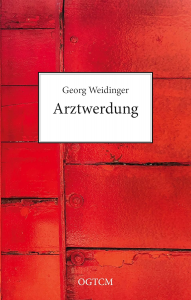
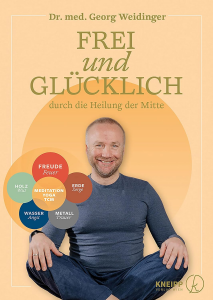
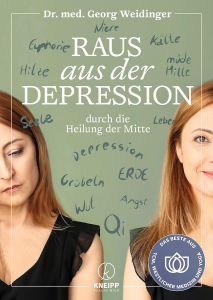
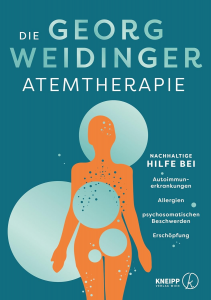
Georg Weidinger

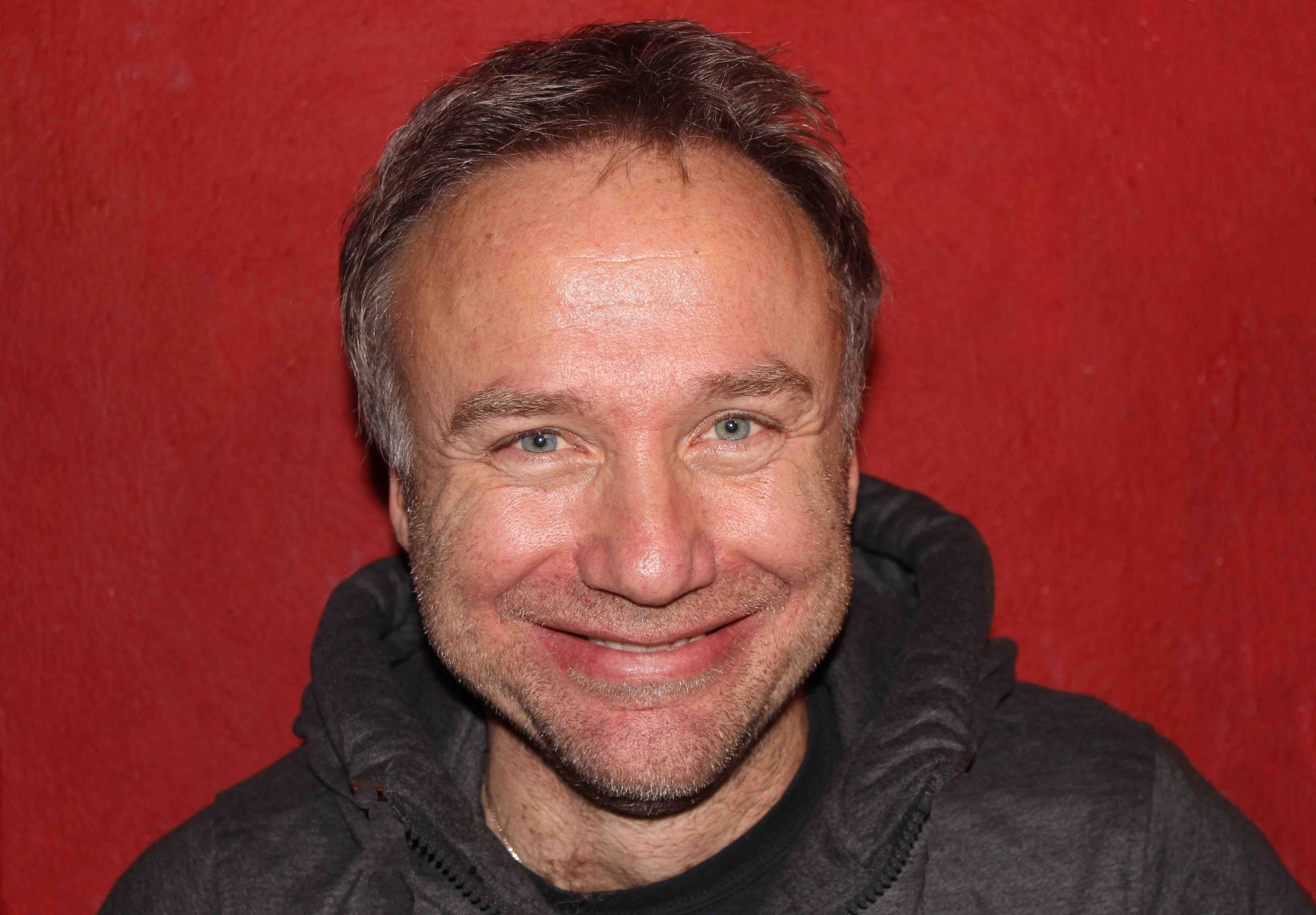
Since 1994, freelance composer and pianist, giving lectures on his own work and the Iannis Xenakis-Stochastics connection between scientific thought and composition, and lecturing on Traditional Chinese Medicine.
Since 1996, practicing as a physician.
In 1998, he founded the label “klaviermusik.at” and has released numerous CDs since then.
In 2000, the CD “Vienna Concert 2000” was released by Extraplatte.
Since 2002, he has had his own practice for Traditional Chinese Medicine in Vienna.

2004 CD “Quiet Nights” released on Ö1
2009 CD “Bright Side” released on Ö1
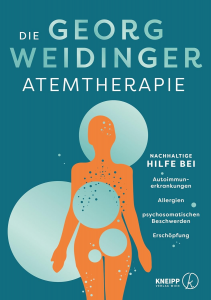
2011 Book “The Healing of the Center”
2013 Practice relocated to Wiener Neustadt
2014 Book “Daily Healing” and CD “Music for Healing the Center” (Ennsthaler)
2015 Book “The Chinese Medicine Cabinet”; founding of the Austrian Society for Traditional Chinese Medicine in Wiener Neustadt, President of the OGTCM

2016 Own TCM courses in Wiener Neustadt, CD “Quiet Moments”
2017 CD “Bach-Hindemith” on klaviermusik.at; book “The Golden Way of the Center” (self-published)
2018 Practice in Bad Sauerbrunn, CDs “Blossoms of Romanticism” and “Requiem for Franziska” and book “Cookbook for Healing the Center”

2019 CD “SONATA”, book and CD “The Sound of the Center”, CD “Games of Orchestra”, String Quartet I & II, Symphony No. 1 (“DISTROFIA”), debut novel “LAUFHAUS” with audio CD “LAUFHAUS Book Music”
2020 CD “Mozart Plus”, CD “Vienna Calling”, Symphony No. 2 (“FANFARA”); books: “Chinese Medicine Against Cancer”, “World Yoga”
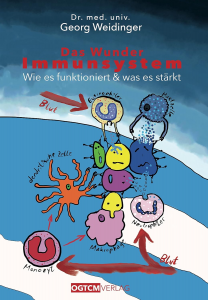
2021 CD “Vienna Calling”, books: “The Miracle of the Immune System”, “Cookbook for Healing the Center II”

AWARDS AND RECOGNITIONS

1995: Lower Austrian Music Factory Prize and commission for a choral-orchestral piece
1996 and 1998: First Austrian to win the Luigi Russolo International Composition Competition in Varese, Italy.

https://www.dieweidingers.com

https://www.youtube.com/@georgweidinger/featured

http://www.georgweidinger.com

http://www.klaviermusik.at

https://de.wikipedia.org/wiki/Georg_Weidinger


  • -

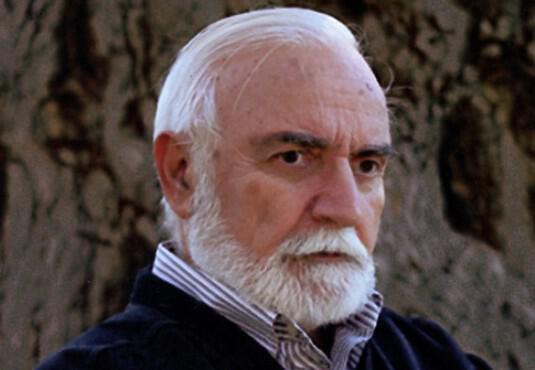
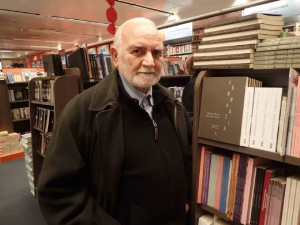
Vasos Ilias Vogiatzoglou

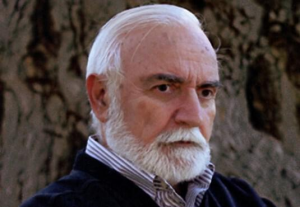
Vasos Vogiatzoglou, son of Elias, was born in 1935 in Nea Ionia, Attica. He is a pediatrician and member of the Doctors of the World organization, a researcher of the history and folk culture of the Greeks of Asia Minor, a poet, onomasticologist, and essayist.

His parents were refugees from Sparta (Isparta) in Pisidia. He studied medicine at the University of Athens and specialized in pediatrics. She provides voluntary pediatric care for children in the women’s prisons of Korydallos and Thebes.

Vasos Ilias Vogiatzoglou was born in 1935 in Nea Ionia, Attica. He is from Sparta, Greece, Asia. He is a pediatrician and an active member of the humanitarian organization “Doctors of the World.” They provide voluntary pediatric care for children in the women’s prisons of Korydallos and Thebes. As a researcher of the history and popular culture of the Greeks of Asia Minor, a poet, onomasticologist, and essayist, he has a particular interest in the philosophical essay. He has published 37 books and collaborated with numerous newspapers and magazines in Greece and Cyprus.

Since 2006, he has been director of the Kyklos School of Philosophical and Social Science Research in his hometown. He has received numerous honors and awards for his literary and humanitarian work, including one from the Academy of Athens in 1986 for his contribution to the study of Hellenism in Asia Minor. He is a full member of the National Society of Greek Writers, the Greek Onomatological Society, the Society of Medical Writers, and the Greek Society of Christian Letters.

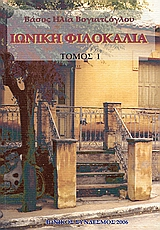
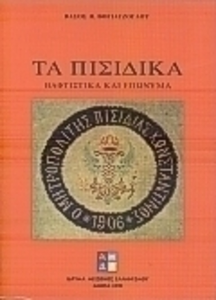
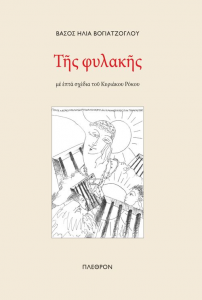
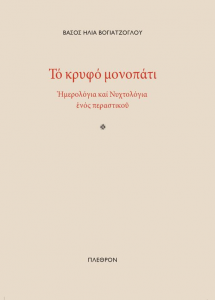
In addition to poetry, he studied the history and folklore of Hellenism in Asia Minor and published the studies Pisidia in Asia Minor (1978), Presences (1979), Neighborhoods of the Infidels (1981), Sparta in Asia Minor (1986), Surnames in Asia Minor: Turkish and Turkish Surnames in Greece (1992), Giannis and Giorgis (1994), Alaya in Asia Minor (1995) and Pisidian Baptismal and Surnames (1998).

Weitere Projekte

He has also published the aesthetic study The Faces of Janus (1991), the translation of the Psalms of David The Book of Psalms (1992), the travelogue about Mount Athos The Bells of Pantocrator (1992) and The Book of Job (2007); his short stories, chronicles, studies and essays have been published in magazines in Athens and Nicosia and his poems have been translated into Romanian and Polish.

https://www.vogiatzogloucollection.gr

https://el.wikipedia.org/wiki/%CE%92%CE%AC%CF%83%CE%BF%CF%82_%CE%97._%CE%92%CE%BF%CE%B3%CE%B9%CE%B1%CF%84%CE%B6%CF%8C%CE%B3%CE%BB%CE%BF%CF%85

https://www.liberal.gr/politismos/i-poreia-pros-fos


  • -

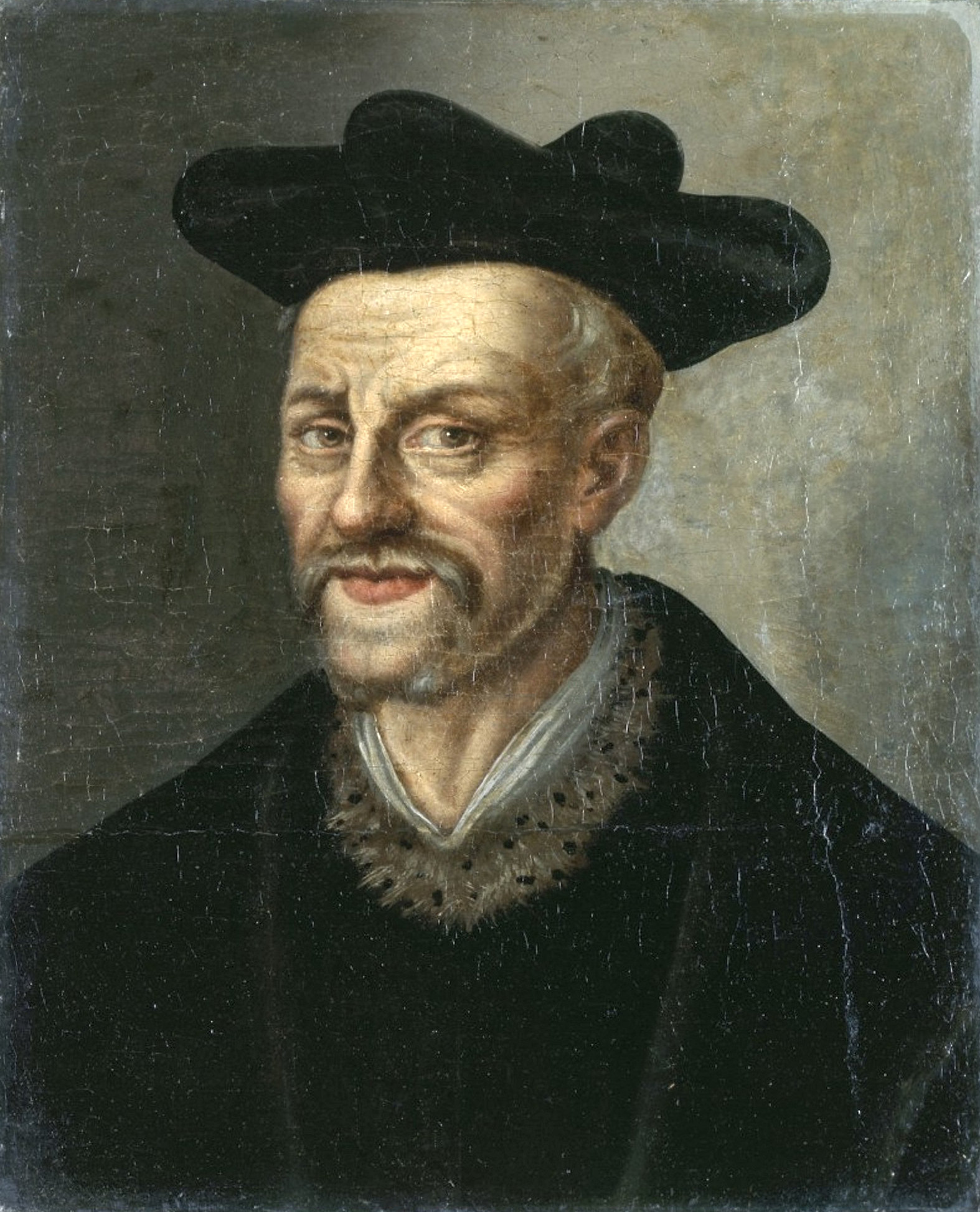
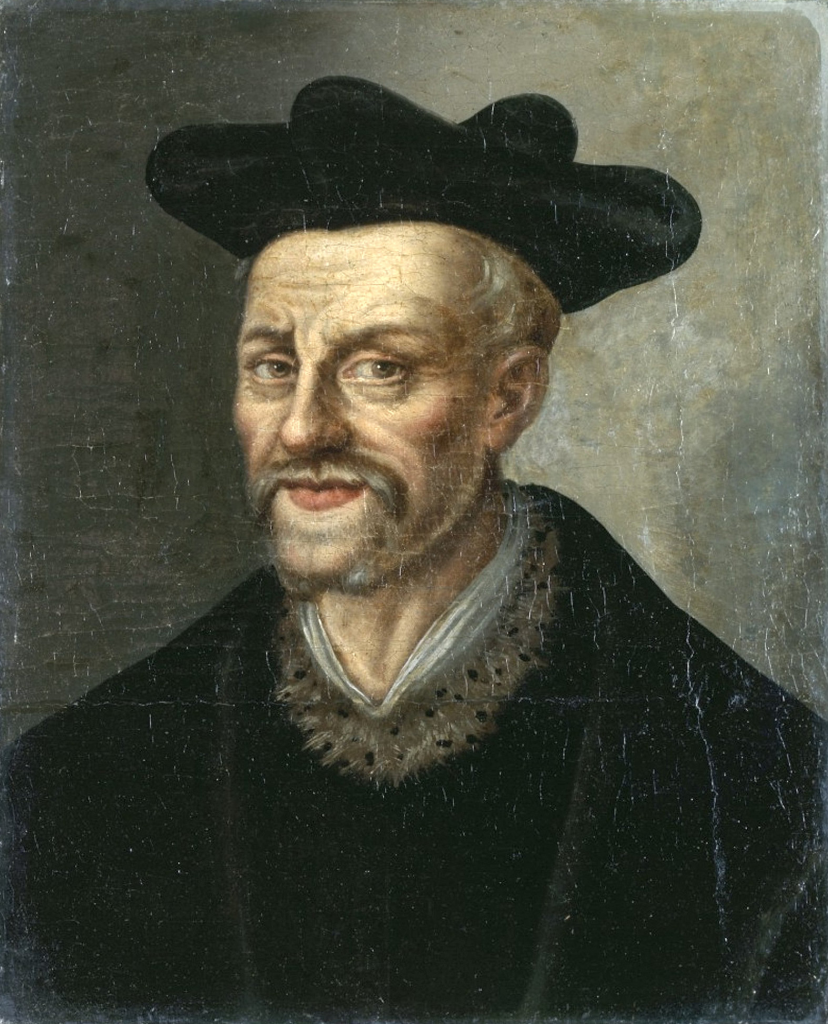
François Rabelais

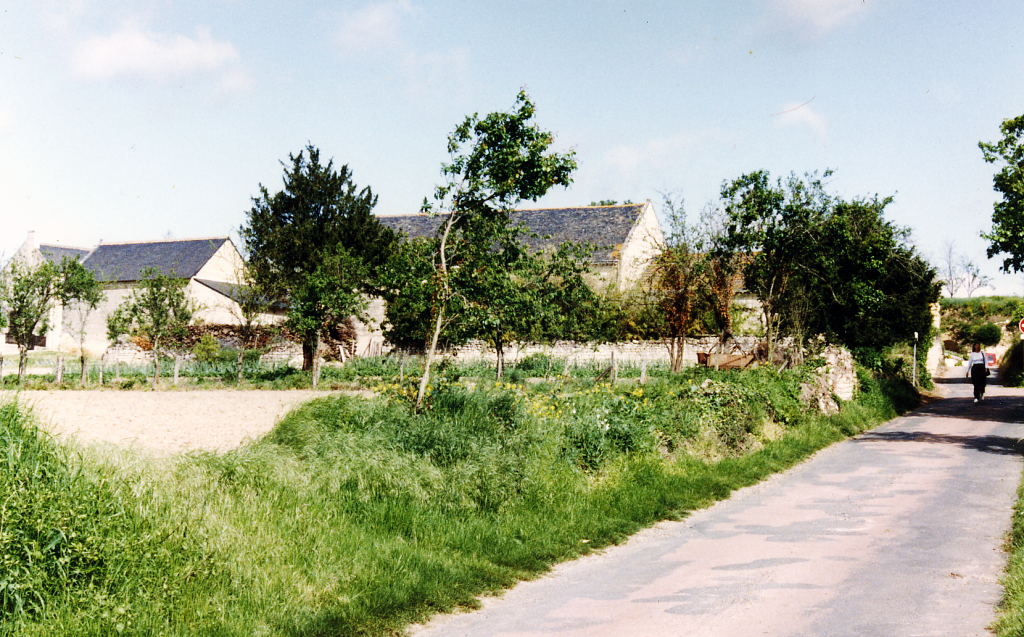
François Rabelais [fʁɑ̃.swa ʁa.blɛ] (c. 1494, perhaps 1483, in La Devinière near Chinon, Touraine; † April 9, 1553, in Paris) was a French Renaissance writer, humanist, Roman Catholic friar and secular priest, practicing physician, and lecturer. He is one of the most important prose writers in French literature; of his works, the novel cycle Gargantua and Pantagruel is most well-known.

Rabelais-Museum

Rabelais began his novitiate as a religious priest in the Franciscan monastery of La Baumette, Couvent des Cordeliers de la Baumette, near Angers. He received his sacraments of ordination around 1511. In 1520, he is documented as a religious priest in the Couvent des Puy-Saint-Martin in Fontenay-le-Comte (Vendée department).[5] Here, through an older confrere, he came into contact with the humanism radiating from Italy and began to learn ancient Greek.

From 1528 onwards, he was in Paris, presumably after stops at the universities of Bordeaux, Toulouse, and Orléans. He appears to have assumed the status of diocesan priest, which gave him greater freedom to continue his medical studies and cultivate scholarly contacts. His marriage to a widow produced two illegitimate children, François and Junine. This did not keep him in Paris; rather, in September 1530, he enrolled at the famous medical school in Montpellier, where Rabelais earned a baccalaureate degree on November 1.

In the summer of 1532, Rabelais lived in Lyon, where he practiced medicine and published various scholarly works with the printer and publisher Sebastian Gryphius. He also wrote a novel, which was also published in Lyon at the end of 1532: The Horrible and Poisonous Things Made and Proud of the Very Renowned Pantagruel, King of Dipsodes, Son of the Great Gargantua. Composed Newly by Master Alcofrybas Nasier. The title alone made the work recognizable as a parody, especially of the chivalric romance genre.

The Very Excellent and Entertaining History of François Rabelais – Part 1 https://www.youtube.com/watch?v=pGbh2q1lohE

When the Quart livre was published in its entirety in early 1552, now in Paris, the attitude of the rulers changed. The king and the pope had come to an agreement; criticism of the latter was no longer welcome. Accordingly, the Sorbonne did not hesitate to condemn the book. Subsequently, the Paris Parliament also banned the work. It did not help that Cardinal Odet de Châtillon had previously accepted Rabelais’s dedication. The ban did not diminish the book’s success. However, at the beginning of 1553, Rabelais himself had to give up a benefice in Meudon near Paris and another in the diocese of Le Mans, which he had received through Jean du Bellay. Nothing more is known of him after this. However, he was apparently still working on a further volume until shortly before his death in April 1553. This volume was completed by an unknown hand, presumably at the instigation of his printer. It was published in 1563 under the title “Le cinquième livre” and was included in the complete editions of the cycle, which began publication shortly after the author’s death and continued to appear with great regularity.

The very excellent and entertaining story of François Rabelais – Part 2 https://www.youtube.com/watch?v=L-7nRjqe-dQ

The François Rabelais University of Tours[14] (French: Université François Rabelais de Tours or simply Université de Tours) is a public university in the French city of Tours and was named after François Rabelais after its founding on March 27, 1969. A plant genus, Rabelaisia ​​Planch, in the rue family (Rutaceae), is also named after Rabelais.

Museum Rabelais


  • -

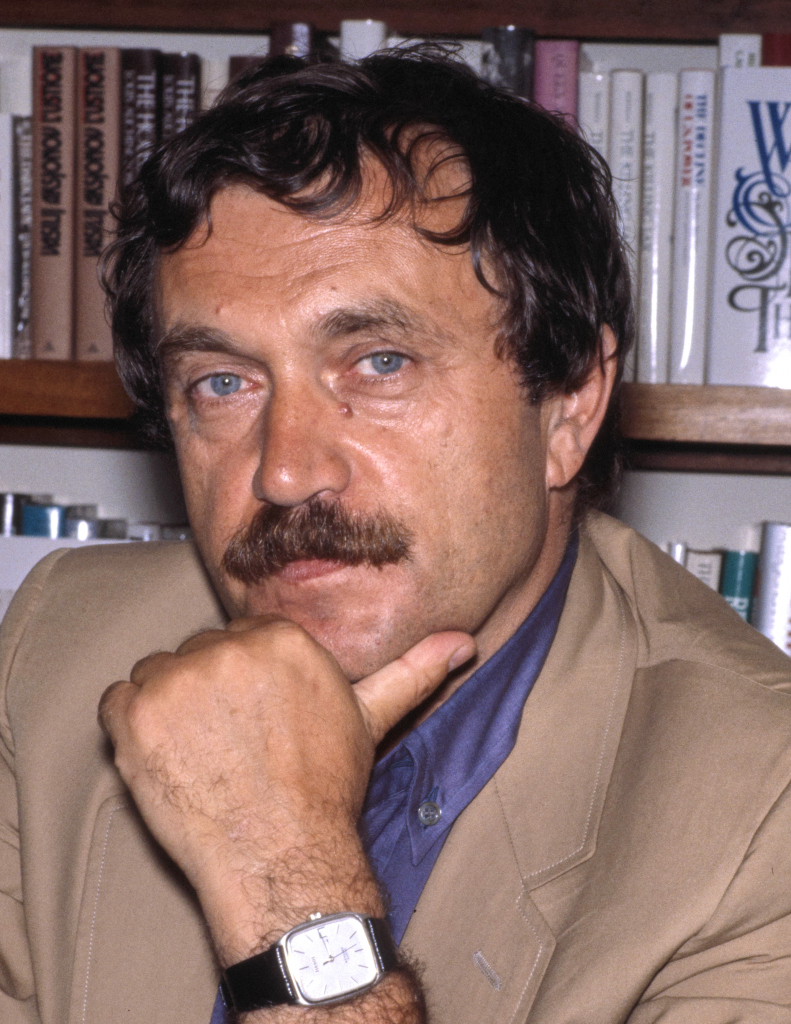
Wassili Pawlowitsch Aksjonow

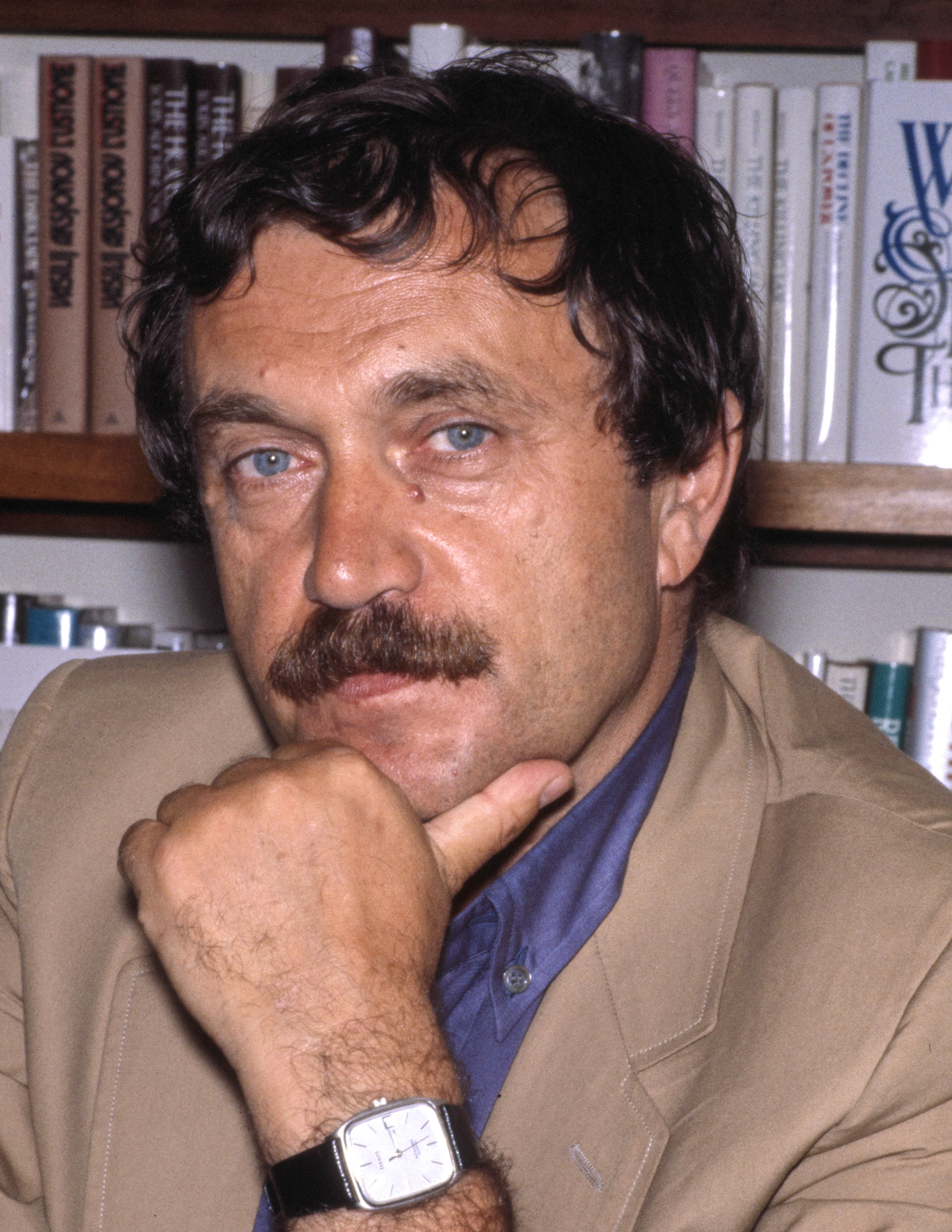
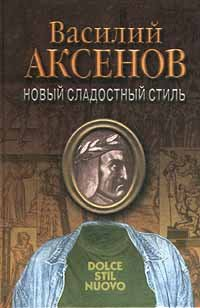
Vasily Pavlovich Aksyonov (Russian: Василий Павлович Аксёнов, scientific transliteration: Vasilij Pavlovič Aksënov, born August 20, 1932 in Kazan; died July 6, 2009 in Moscow) was a Russian writer. He began his career in the Soviet Union and later had to emigrate to the United States.

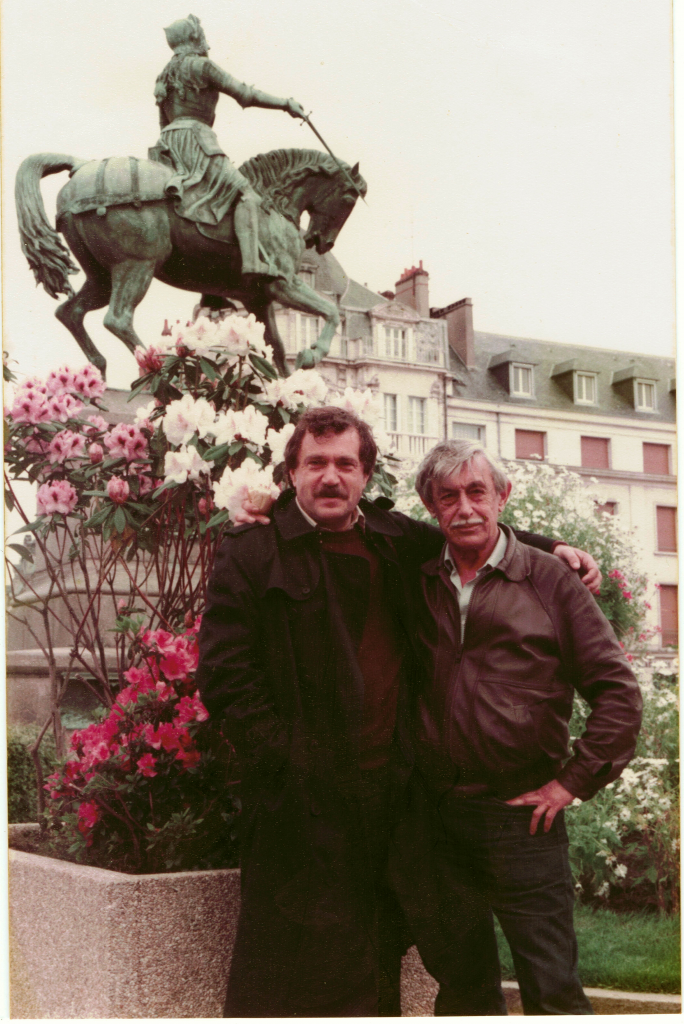
Wassili Aksjonow (left) with Viktor Nekrasov (in front of the equestrian statue of Joan of Arc, Place du Martroi, Orléans, 1983)

From 1956 to 1960, he worked as a doctor, but had already begun writing sketches and short stories while still a student. He published his first stories in the 1960s, which soon became very popular, especially among young readers. In 1979, he came under pressure for his collaboration on the underground literary almanac Metropol, along with Andrei Bitov, Fazil Iskander, Viktor Yerofeyev, and Yevgeny Popov.

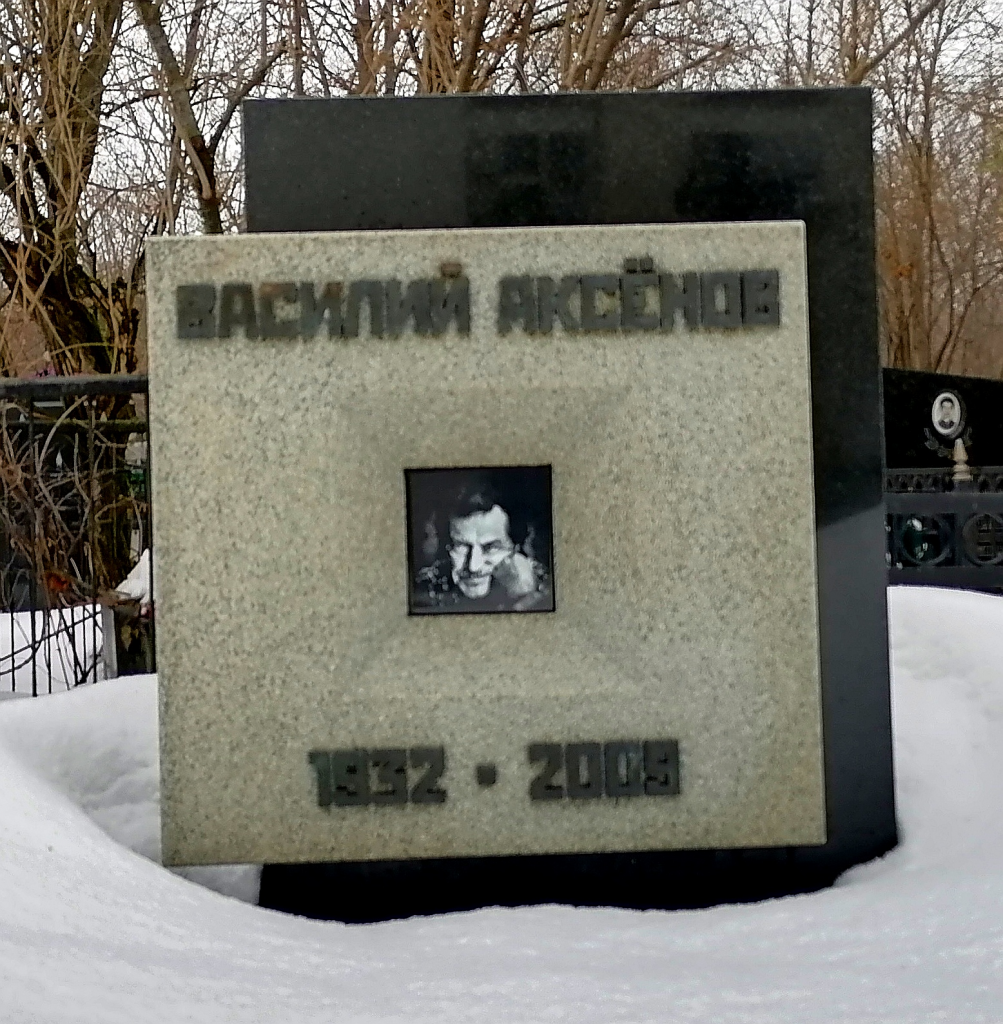
In 1980, Aksyonov accepted an invitation from an American university and took up permanent residence in the United States, where he continued his writing career. Until 2003, he taught as a professor of Russian at George Mason University in Fairfax, Virginia. In 2004, he moved to Biarritz. He spent the following years alternating between France and Moscow, where he died in July 2009.[2] His grave is in the Vagankovo ​​Cemetery in Moscow.

In 1980, Aksyonov accepted an invitation from an American university and took up permanent residence in the United States, where he continued his writing career. Until 2003, he taught as a professor of Russian at George Mason University in Fairfax, Virginia. In 2004, he moved to Biarritz. He spent the following years alternately in France and Moscow, where he died in July 2009.[2] His grave is in the Vagankovo ​​Cemetery in Moscow.

Aksyonov’s first stories appeared in the magazine Yunost, on whose editorial board he was a member.

In his works, Aksyonov processed his family’s experiences during the Stalin era. The thaw that began in the political and intellectual life of the USSR in the 1960s allowed him to address this topic.

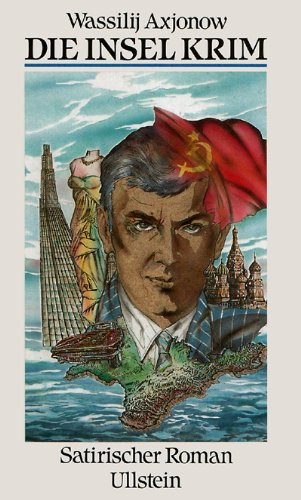
In 1981, while he was in exile, the novel The Island of Crimea (Остров Крым), written in 1979, was first published in English translation. It tells, among other things, how Crimea was “liberated” from the Moscow government through an invasion. In the English-speaking West, Aksyonov became known for his novel “The Burn” (Russian: “Ozhog,” 1975; German: “Gebrannt,” 1986) and the trilogy “Generations of Winter” (Russian: Московская сага, 1989–1993), works in which he explored the taboo subject of Stalinist persecution. “Generations of Winter” tells the story of the Gradov family of doctors from 1925 to 1953. The novel was adapted into a lavish television series in Russia in 2004.

For his 2004 novel “Voltarians and Voltarian Women,” Aksyonov received the $15,000 Booker Prize for Literature – Open Russia. Aksyonov’s books have been translated into several languages. Film adaptations of his books have been made in Russia and France. He has also written plays.

https://de.wikipedia.org/wiki/Wassili_Pawlowitsch_Aksjonow

https://en.wikipedia.org/wiki/Vasily_Aksyonov

Grave of Vasily Aksyonov in Moscow


  • -

Olaf Zenner

From the beginning of my medical studies, I had the desire to dedicate myself to both medicine and music. However, during my medical studies, I lacked the time for regular organ lessons. Therefore, I had no choice but to continue my education self-taught. After passing my medical state examination and receiving my doctorate, I began studying music in Cologne and completed my studies with a concert diploma in organ playing.

Artikel über sein Orgelspiel und seine Kurse.

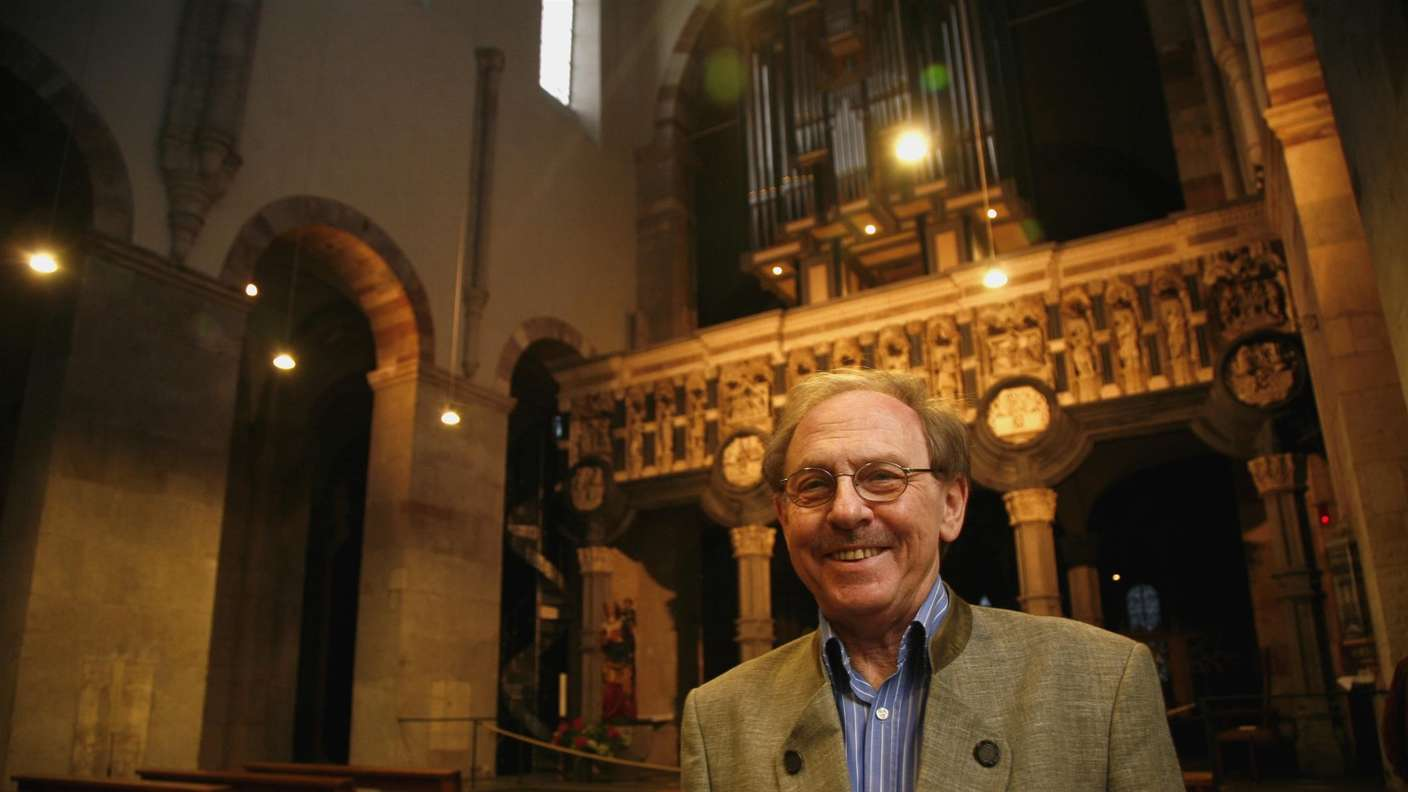
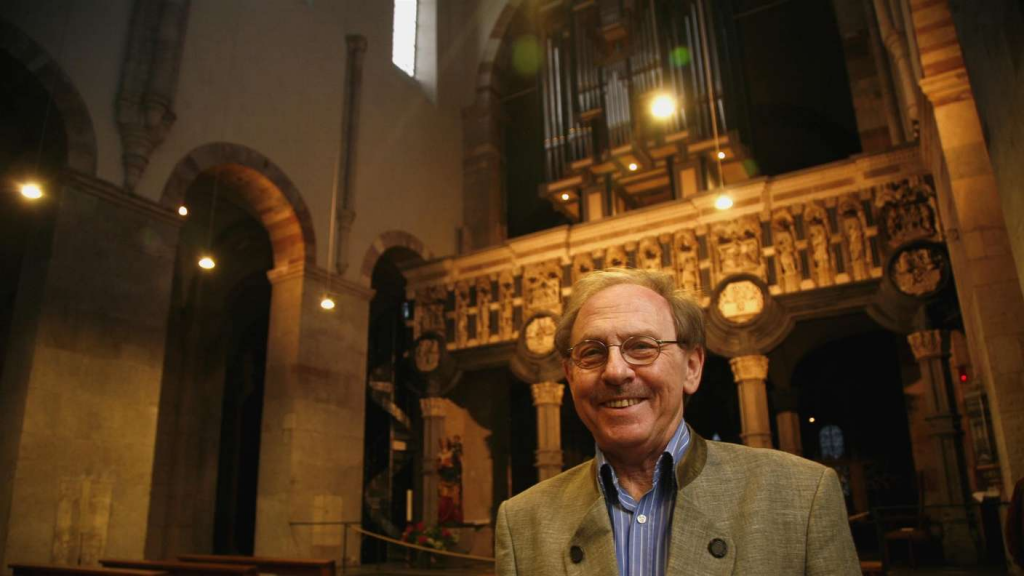
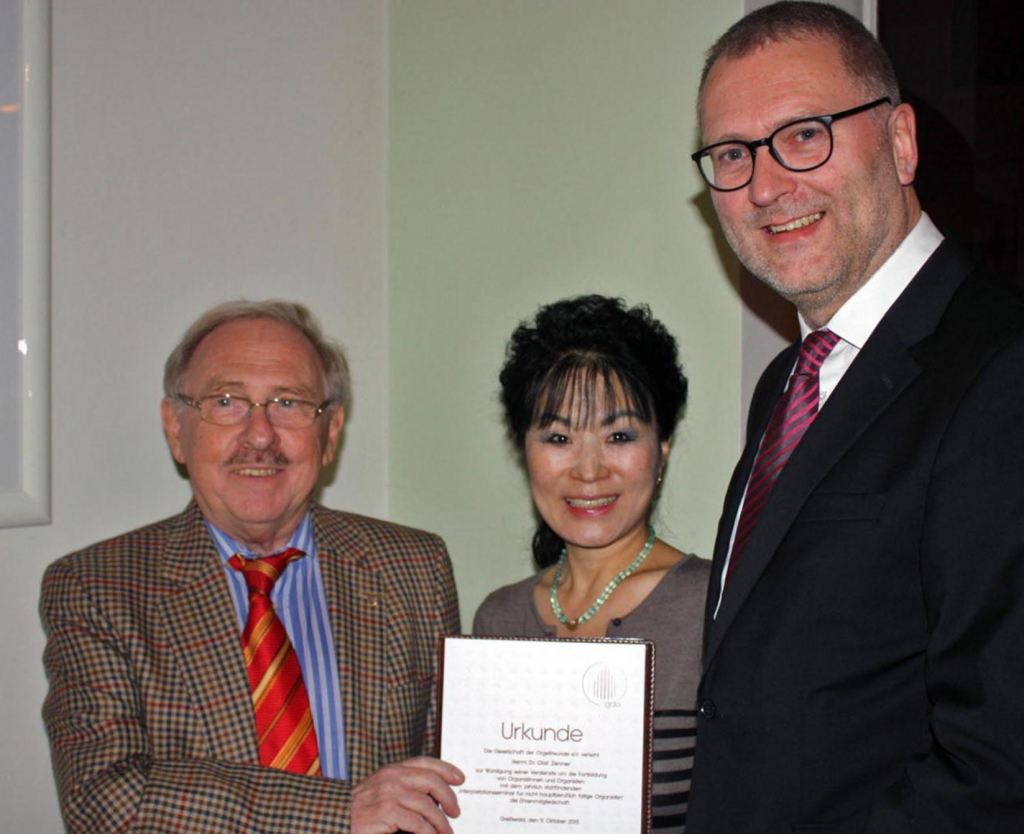
Dr. Olaf Zenner and his wife with the President of the GdO, Prof. Dr. Matthias Schneider, on the occasion of the award of honorary membership of the GdO. (Photo: Roland Behrens)

https://www.gdo.de/aktuelles/aktuelles-detail/dr-olaf-zenner-zum-ehrenmitglied-der-gdo-ernannt

https://www.wp.de/staedte/sundern/article12310006/dr-olaf-zenner-zeigt-umwerfende-spielfreude.html

https://www.wp.de/staedte/sundern/article12290763/bach-werke-erklingen-auf-sauer-orgel.html

http://www.operapoint.com/?page_id=5949


  • -

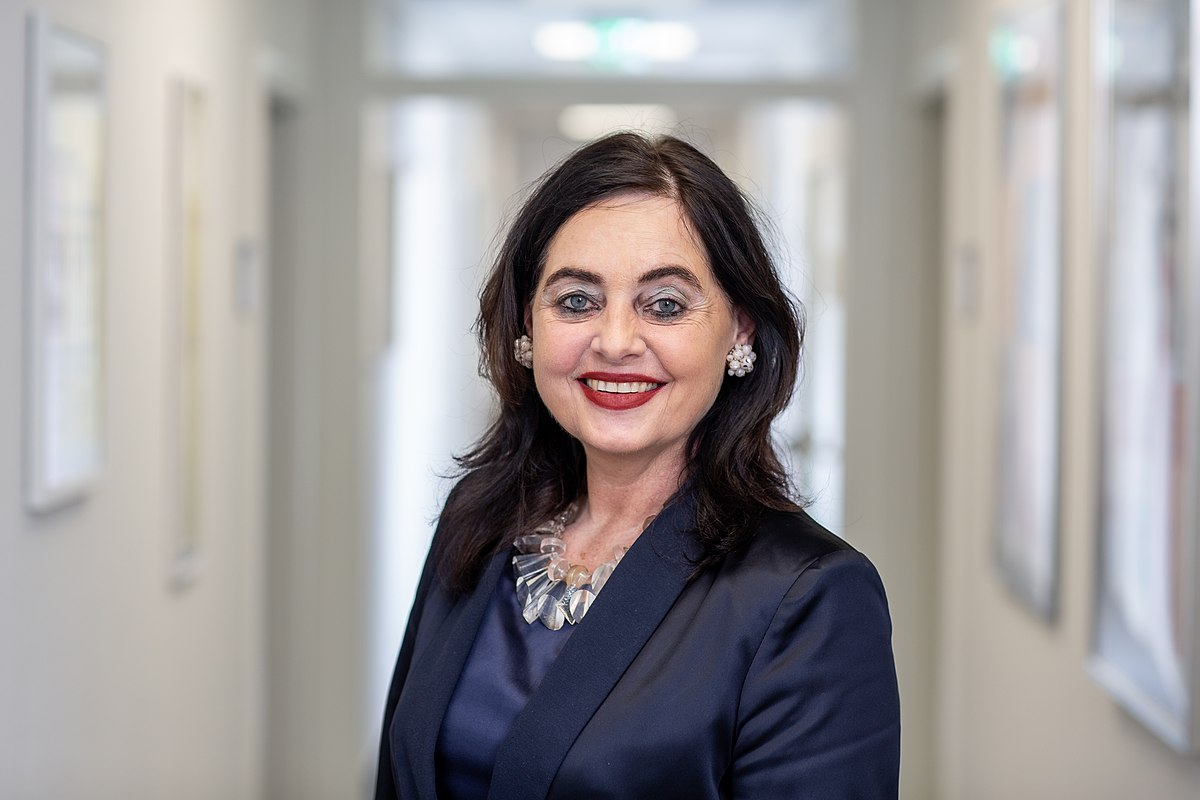
Christiane Moersel-Zimmermann

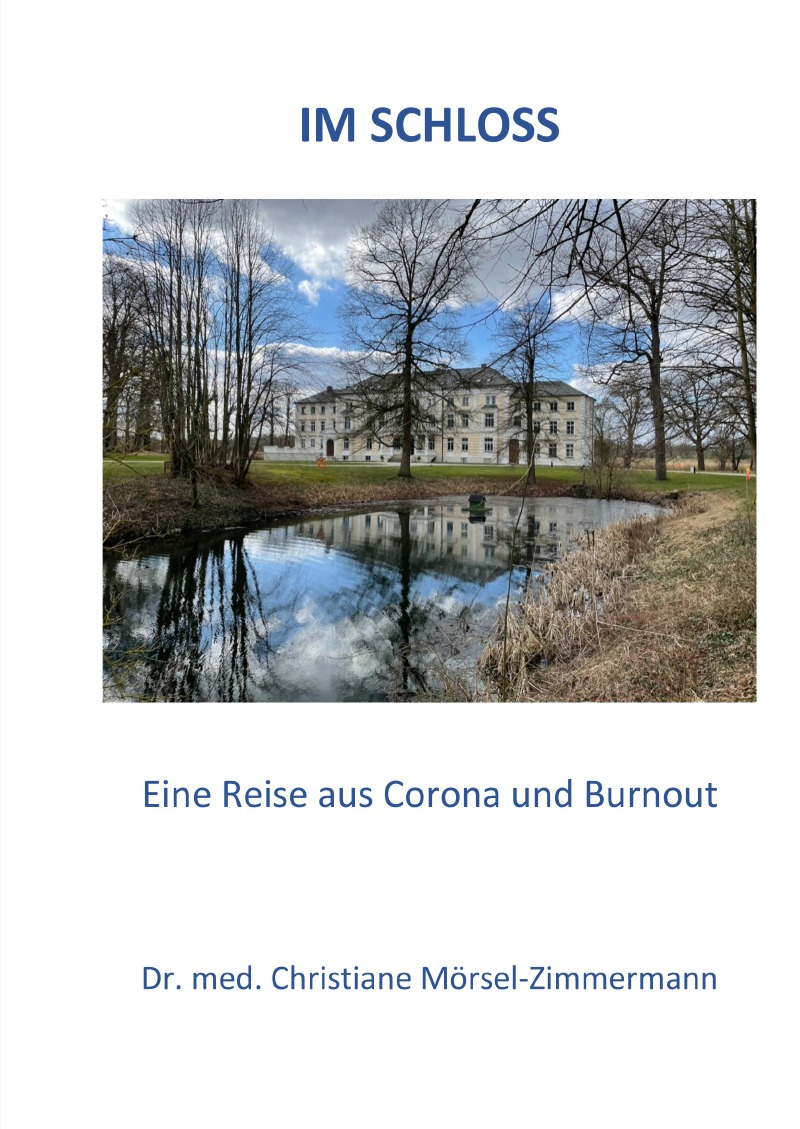
She has worked as a coach and trainer for many years and has studied communication psychology, clarification support, and coaching. She performs as a speaker and comedian and provides supervision.

Additionally she writes books

https://www.dr-moersel-zimmermann.de

http://www.dr-moersel.de

https://dr-moersel-events.de

https://www.facebook.com/drmoerselzimmermann