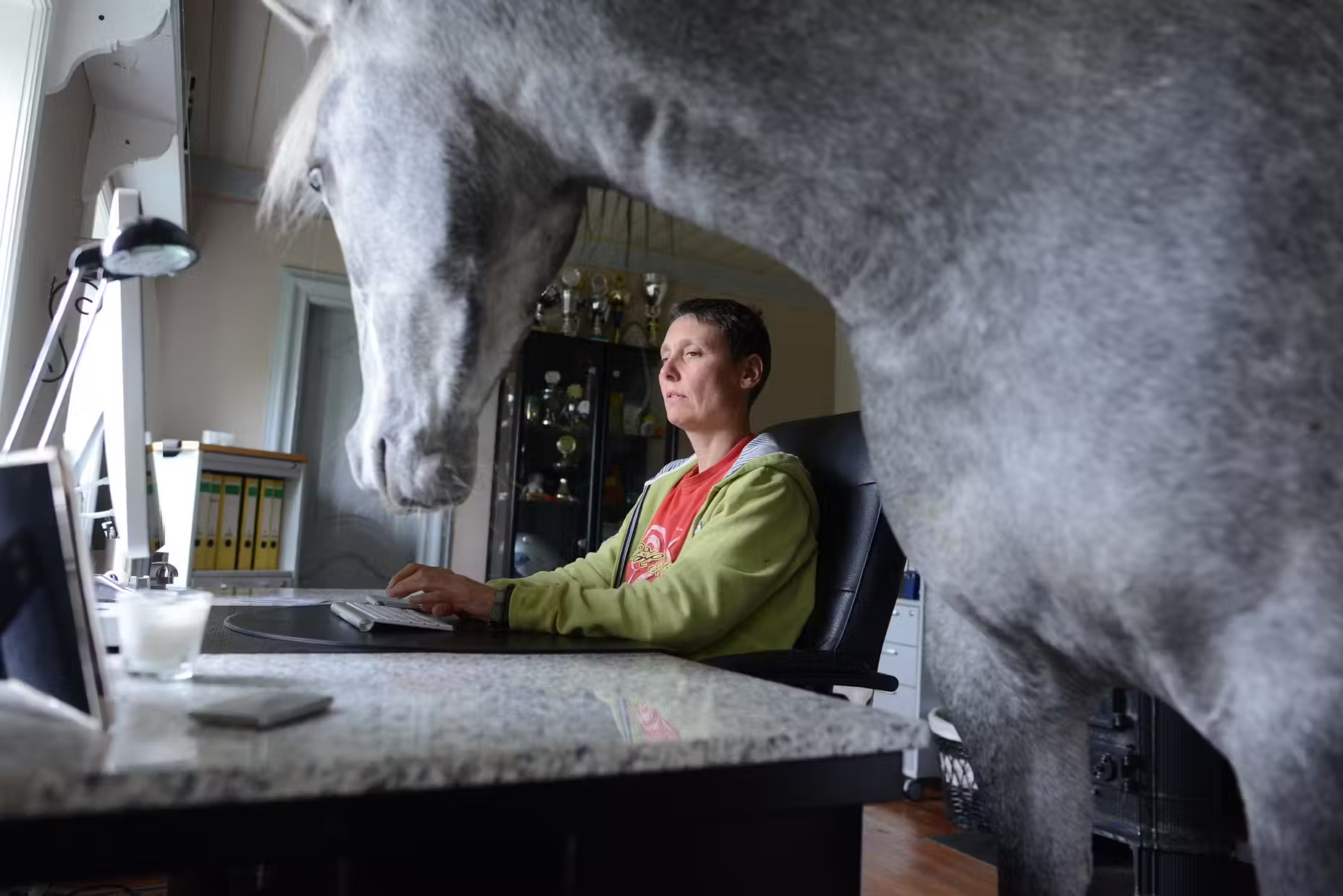
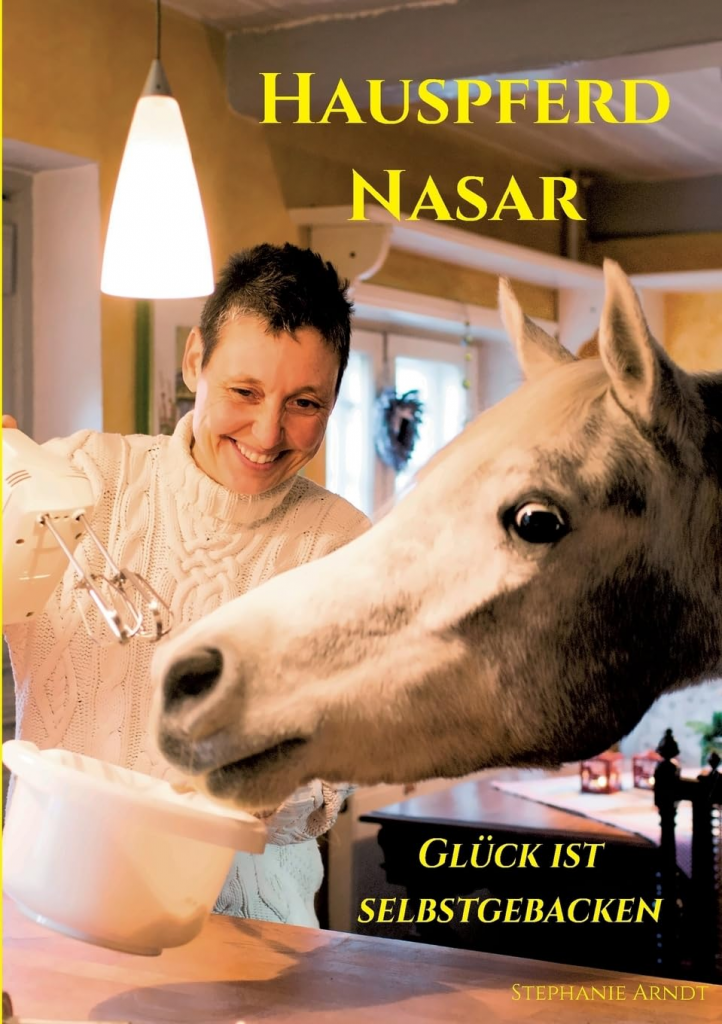
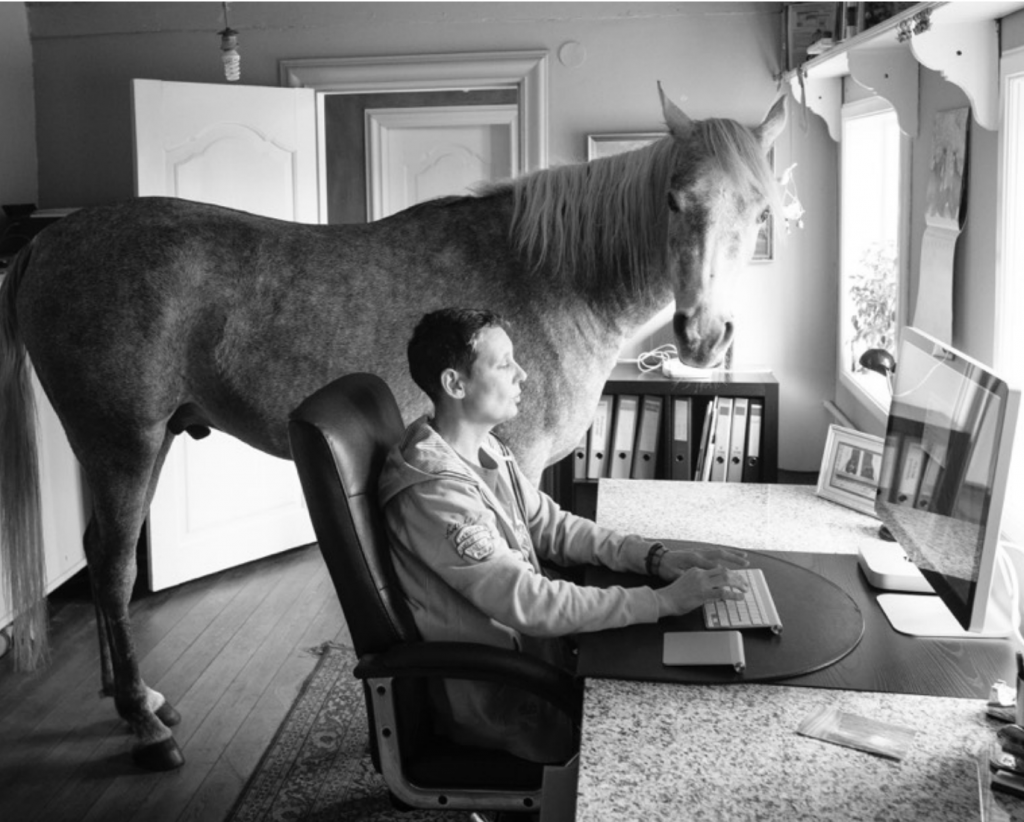
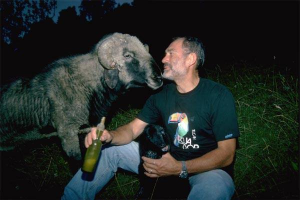
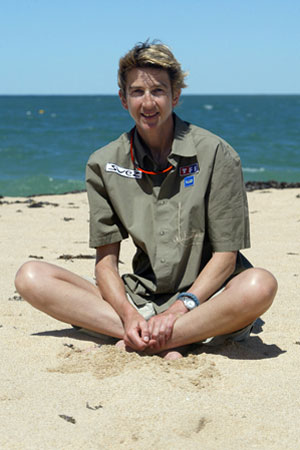
Stephanie Arndt studied human medicine, economics, and criminology. She was an officer in the German Armed Forces, a top athlete who participated in six world championships, and has lived in a shared house with her horse, Nasar, since Hurricane Xaver in December 2013. As the Pippi Longstocking of the 21st century – nonconformist, unconventional, self-sufficient – Stephanie Arndt embodies the dream of an independent life, opens hearts, and enables fantasies and dreams. For young and old.
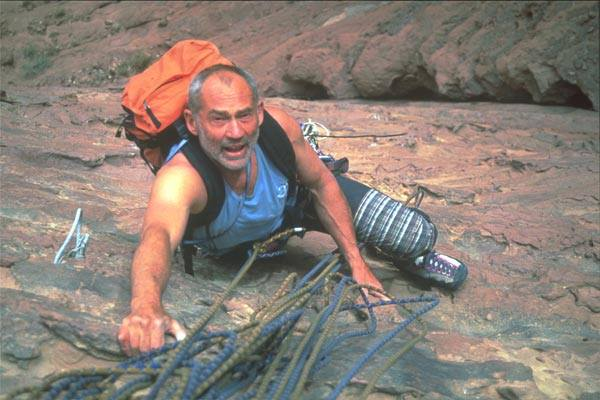
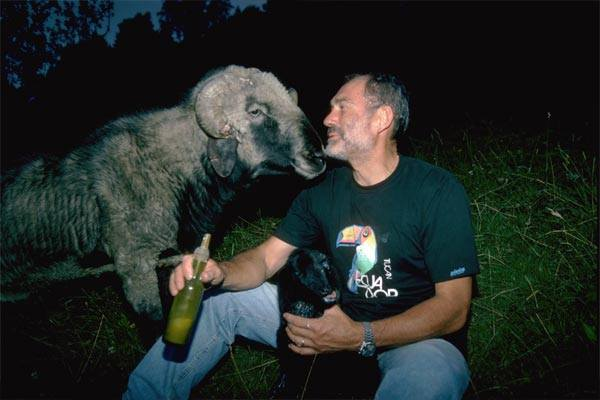
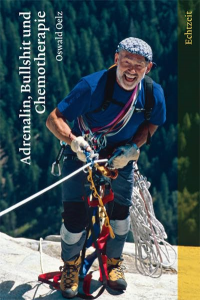
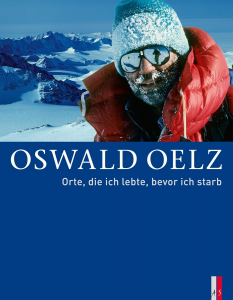
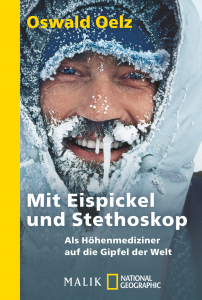
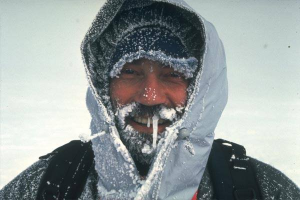
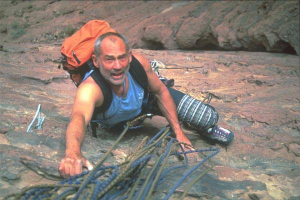
Oswald “Bulle” Oelz (born February 6, 1943 in Rankweil, Vorarlberg) is an Austrian-Swiss physician and mountaineer. From 1991 to 2006, he was chief physician at the Triemli City Hospital in Zurich. In addition to his medical work, the internist and high-altitude physician practiced extreme mountaineering, participated in numerous expeditions in the Himalayas, and gave slide presentations about his climbing tours. He breeds sheep.
As an expedition doctor, Oswald Oelz accompanied numerous expeditions in the Himalayas, including mountaineers such as Reinhold Messner, Peter Habeler, and Hans Kammerlander. In 1972, Oelz traveled to the Himalayas to climb Manaslu (8,163 m), but was unsuccessful.
In 1978, he was one of two doctors on the controversial expedition to Mount Everest (8,848 m), during which Messner and Habeler climbed the mountain for the first time without supplemental oxygen. Oelz and six other expedition members successfully completed the ascent using oxygen cylinders. He was thus the first Vorarlberg native to successfully climb Mount Everest.
During an expedition in 1979, he attempted to climb the Ama Dablam Northeast Ridge (6,856 m). He was unable to reach the summit due to a rescue operation. In 1981, he accompanied an expedition to Shishapangma (8,027 m), but in 1982, he failed to climb Cho Oyu (8,188 m) due to cerebral edema. In 1983, he survived an avalanche on Glacier Dome (7,193 m) in the Annapurna massif. In 1985, Oelz climbed Shishapangma, his second eight-thousander. A further attempt to climb Makalu (8,485 m) failed in 1986.
In 1990, Oswald Oelz became the third person to reach all of the Seven Summits according to the Carstensz version: Aconcagua (6,961 m, 1974 & 1986), Mount McKinley (6,190 m, 1976), Mount Everest (1978), Mount Vinson (4,892 m, 1986), Kibo (5,895 m, 1987), Mount Kosciuszko (2,228 m, 1989), Elbrus (5,642 m, 1989), and the Carstensz Pyramid (4,884 m, 1990).[3]
He reached the summit of Ama Dablam in 1995. In the Alps he climbed the three great north faces of the Alps: the Matterhorn North Face, the Eiger North Face (1995) and the Walker Pillar of the Grandes Jorasses.
In the documentary Höhenrausch: Die Entwicklung der Höhenmedizin (2022), Oelz states that he “lost a total of 29 friends with whom he climbed high peaks.” In 1978, in a personal experiment on Mount Everest, he reduced his hematocrit from 58 to 52% to reduce viscosity, but subsequently became seriously ill. After a week, he recovered and climbed the summit with oxygen. In 1986, he suffered high-altitude pulmonary edema on Aconcagua and was treated with nifedipine, with rapid improvement after 10 minutes.
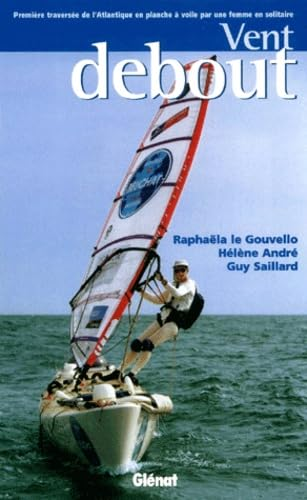
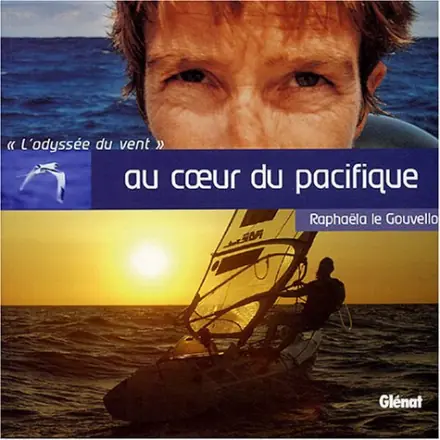
Raphaëla le Gouvello (born May 4, 1960 in Paris[1]) is a French windsurfer who has crossed the Atlantic, Pacific (Peru-Tahiti), and Indian Oceans, among others, on ocean-going surfboards measuring 7.50 to 7.80 meters long and approximately 75 cm wide. She has documented her experiences on the crossings in three books to date.
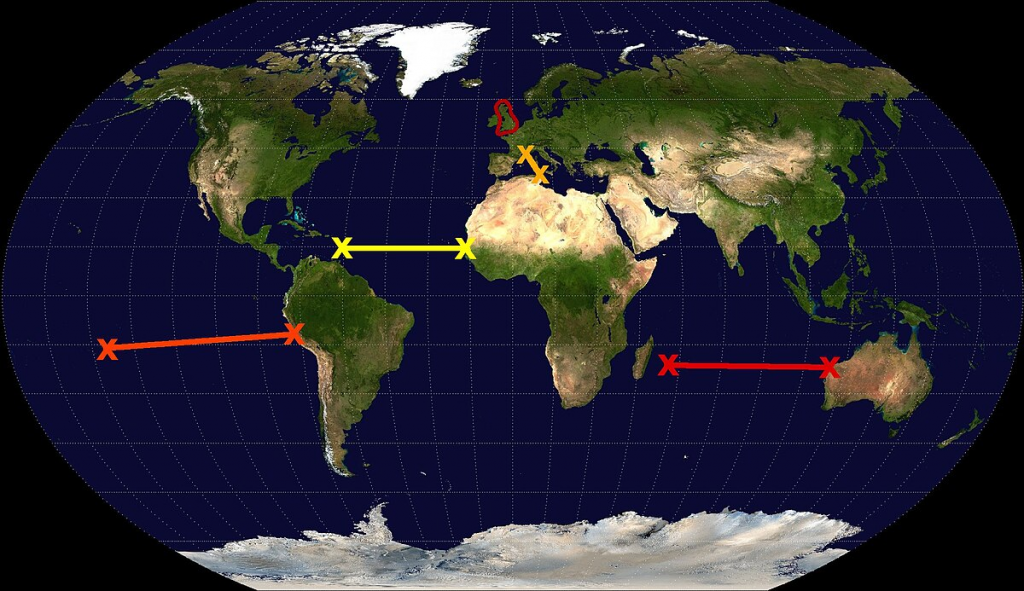
Ports of departure and arrival of windsurfer Rafaëla le Gouvello, in her trans-atlantic (2000), trans-Mediterranean (2002), trans-pacific (2003), trans-Indian Ocean (2006), and round-Great Britain (2007) tours. The connecting routes for the trans-oceanic trips are only drawn for better visibility and do not indicate the exact routes taken.
The veterinarian, who specializes in aquaculture (fish farms and the breeding of other aquatic animals), is committed to environmental protection and sustainable development, including through her windsurfing trips.
Le Gouvello began windsurfing in 1976, competed in competitions from 1977, and has been teaching as a windsurfing instructor since 1978. From 1980 to 1982, she improved her performance in open competitions, reaching seventh place among French female windsurfers.[2] Since 1984, le Gouvello has also regularly participated in funboarding.
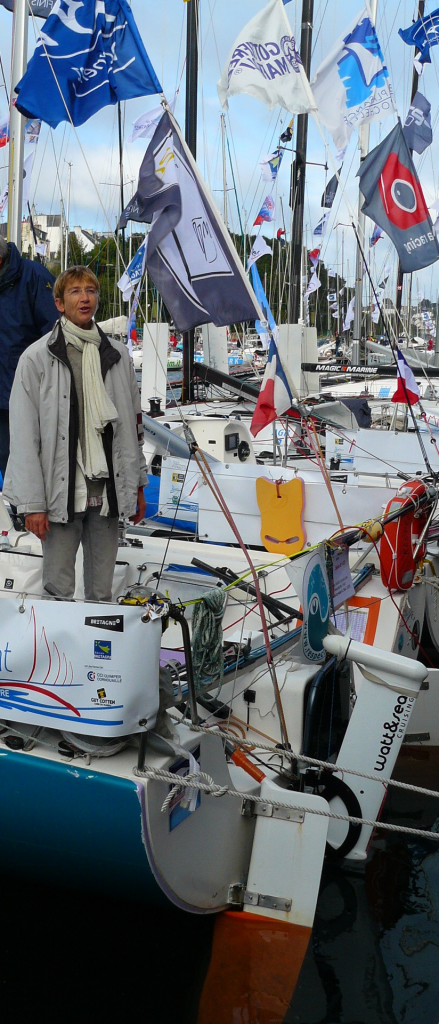
Rafaëla le Gouvello in Douarnenez, a few days before the start of her first transoceanic boat race, the 2013 Transat 6.50.
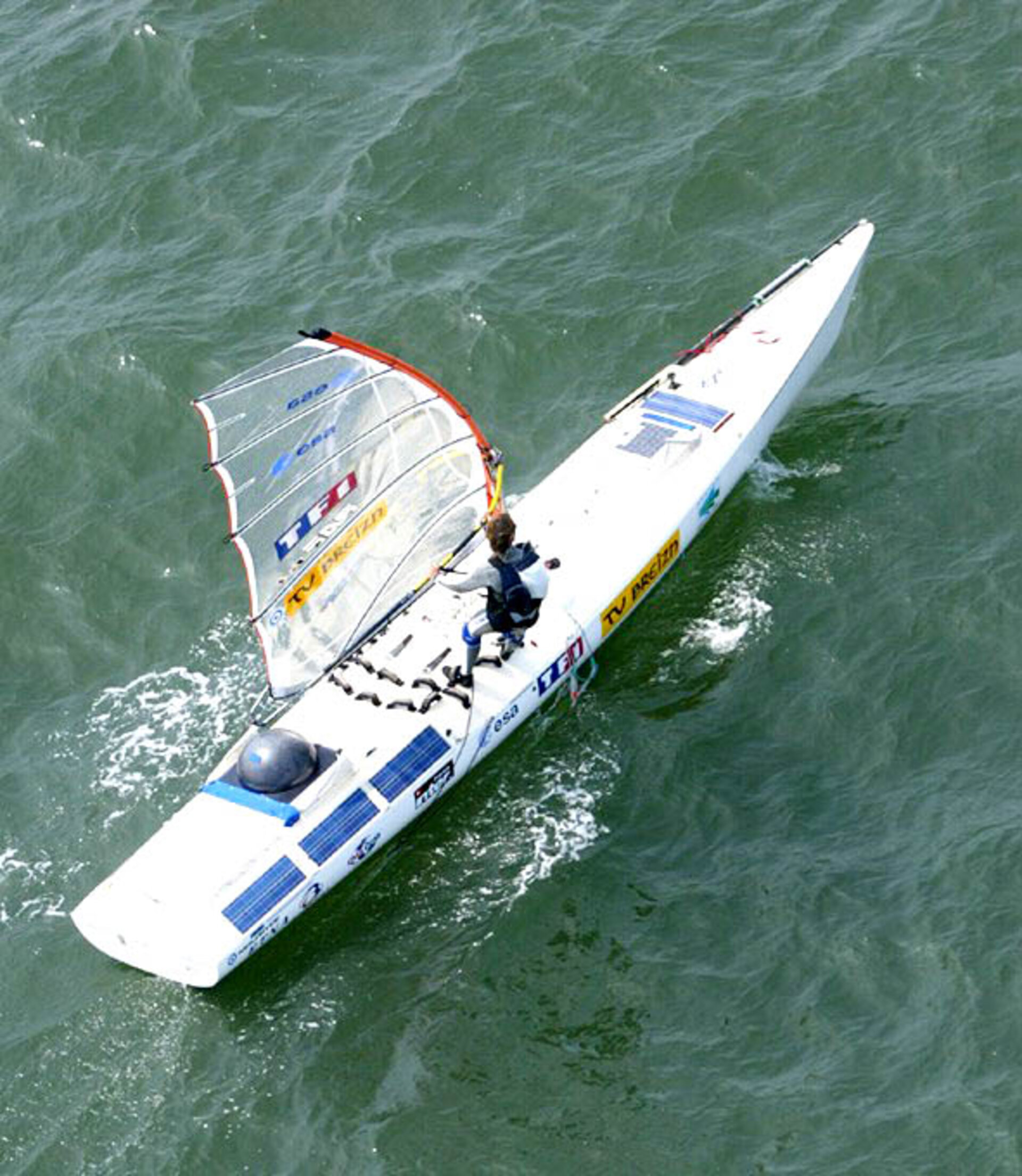
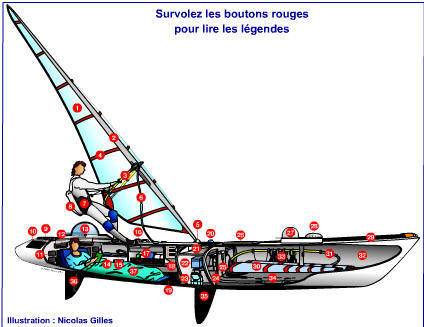
From February 25 to April 24, 2000, she became the first woman (and the third windsurfer ever) to cross the Atlantic alone, without an escort, on a surfboard. The 7.5 m long and 1.3 m wide surfboard was designed by Guy Saillard for Stéphane Peyron, who had used it in 1987 to become the first windsurfer to cross the Atlantic alone[3] and who advised le Gouvello on her crossing. The flat hull, used instead of a conventional surfboard, contained, among other things, a sleeping accommodation and provisions, five spare sails, and the lowered sail and rig for use at night and in bad weather (see web links for photos). She needed 58 days, 10 hours and 11 minutes to cover the 2,750 nautical miles (just over 5,000 km) from Saly Portudal in Senegal, south of Dakar, to Le Diamant on the Caribbean island of Martinique; Peyron had needed only 49 days for the roughly 3,500 nautical miles from New York to the French town of La Baule. The unexpectedly long duration of le Gouvello’s crossing was due to unusually weak winds over two and a half weeks at the start of the voyage, forcing the Frenchwoman to ration her supplies in the last third of the journey; nevertheless, she had to have food supplies brought to her by a French naval ship from Guyana. There was also excitement on April 17, when le Gouvello fell from her surfboard; however, the safety line she was wearing kept her connected to the board and she was able to get back on easily.
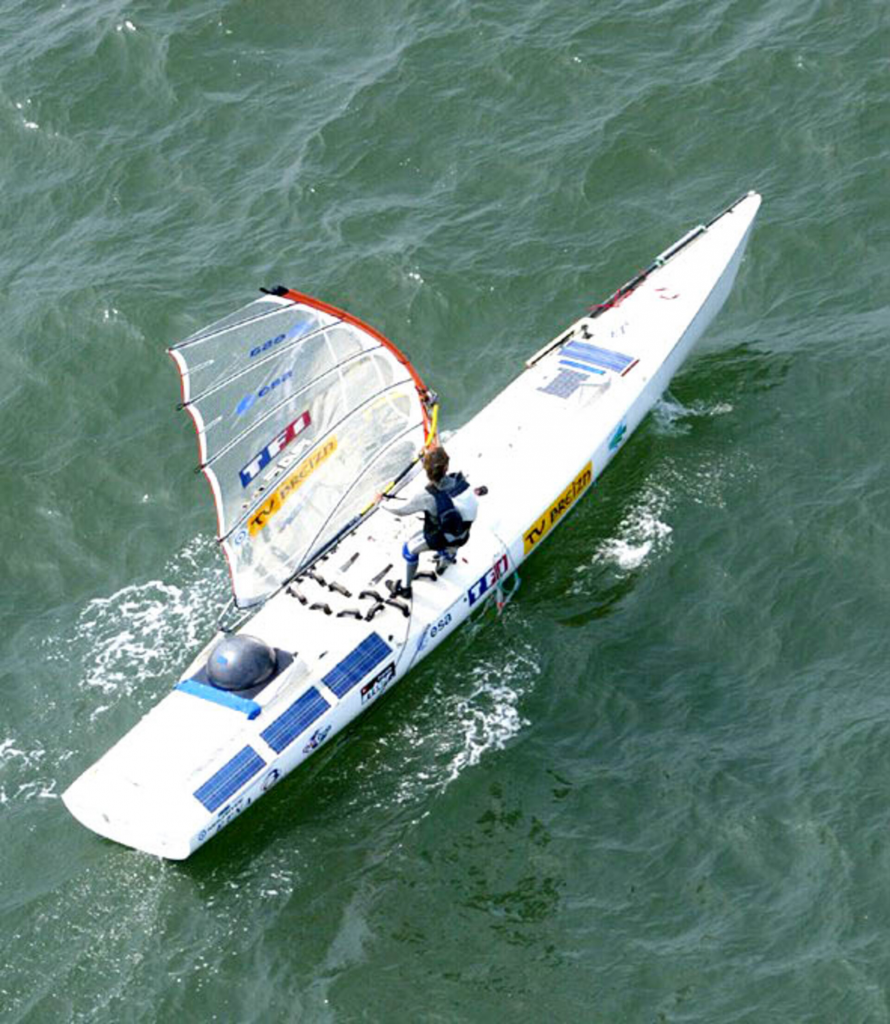
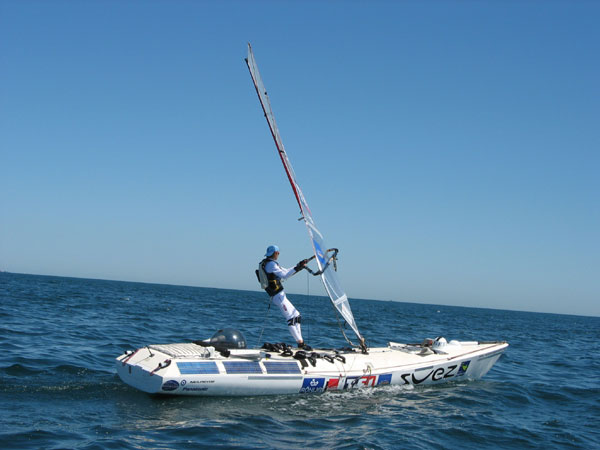
The Frenchwoman’s next goal was to cross the Pacific. For this, she had a new windsurfing device built from 2001 to 2002, again designed by Saillard. The 7.80 m long, 1.30 m wide, and up to 75 cm thick hull offers space for a second sail, sleeping accommodation, a desalination plant, sufficient provisions, and various navigation devices; the maximum sail area is 7.4 m².
To test the device and prepare for the Pacific, le Gouvello first attempted a Mediterranean crossing – becoming the first windsurfer ever to do so. However, on her first attempt, which began on July 25, the Frenchwoman capsized and had trouble righting the device. On her second attempt, from August 25 to September 7, 2002, she succeeded in completing the first crossing of the Mediterranean on a surfboard, completing the 550 nautical miles (just over 1,000 km) from Marseille to Sidi Bou Saïd in Tunisia in 10 days, 1 hour, and 38 minutes. The new surfboard was faster than the previous one and also more reliable.
In 2003, she became the first windsurfer to cross the Pacific Ocean alone. The 4,455 nautical miles (approximately 8,250 km) journey from Lima, Peru, to Papeete, Tahiti is the longest distance the Frenchwoman has ever completed, taking 89 days and 7 hours from August 5 to November 2.
From April 10, 2006, to June 8, 2006, le Gouvello became the first and, as of 2008, only windsurfer to cross the Indian Ocean. The Frenchwoman needed 60 days, 2 hours, and 1 minute to complete the 3,541 nautical miles (over 6,500 km; direct route 3,262 nautical miles) from Exmouth, Australia, to Le Port, on the French island of Réunion, off Madagascar. During the voyage, le Gouvello repeatedly struggled with seasickness, gastritis, injuries and changing weather conditions.
In the spring of 2007, le Gouvello circumnavigated Great Britain while windsurfing. She visited 26 ports during her trip, where she promoted environmental protection in general and the protection of the British coast in particular through educational work. She also allowed windsurfers with basic experience (confirmed windsurfers) to try out her windsurfing gear.
Le Gouvello still uses the windsurfing gear, which was completed in May 2002 (as of 2008). In 2003, she had an “airbag” developed by Saillard in collaboration with ESA installed, which further simplifies righting the gear after a capsize. Since then, a large airbag at the rear of the windsurfing gear can be triggered from both inside and outside the hull. In 2005, the gear’s electrical system, electronics, and paintwork were overhauled.
Le Gouvello has nine brothers and sisters.
As a veterinarian, the Frenchwoman specialized in aquaculture (fish farming and breeding other aquatic animals). After graduating from high school in 1978, le Gouvello studied veterinary medicine and received her doctorate in 1985, writing her thesis on aquaculture in Taiwan in 1984. In 1986, she earned a Master of Science in Natural Resources from Humboldt State University in California. In 1987, she devoted herself to the reproduction of Chinese and Indian carp and the management of lakes in Bangladesh. A year later, she conducted a project on ichtyopathology (fish pathology) and aquatic techniques in France.
From 1987 to 1990, le Gouvello worked for an aquaculture food producer, then in the aquaculture program of a veterinary laboratory until 1993. In 1994, the Frenchwoman founded Stermor, a company that provides advice on nutrition, health, and hygiene for aquaculture. Le Gouvello operates the company from her hometown of Pénestin in the French Morbihan (Brittany).
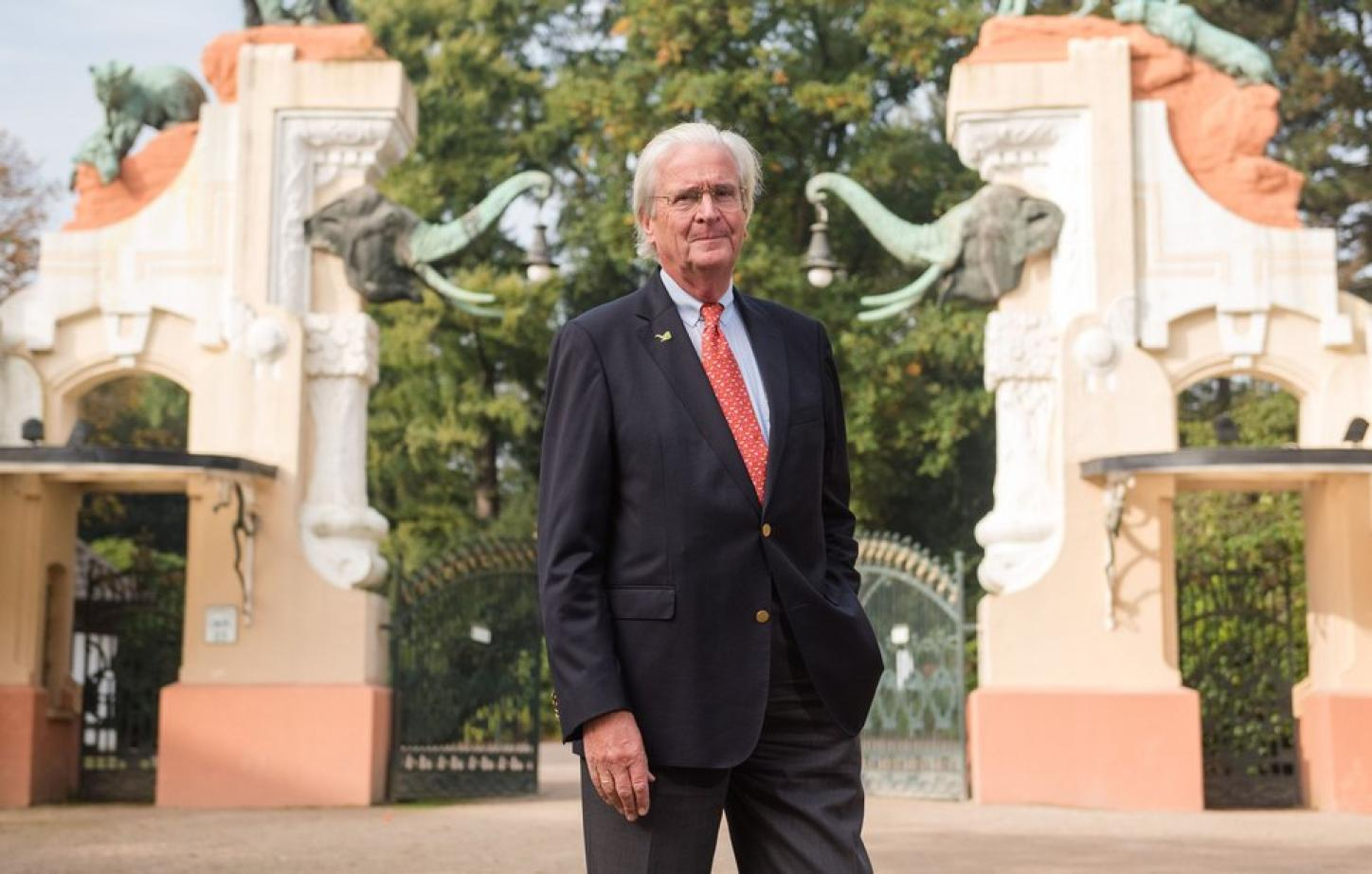
Carl Claus Hagenbeck (born 1 November 1941 in Hamburg) is a German veterinarian and former zoo director.
From 1962 to 1967 he studied veterinary medicine at the Hannover Veterinary School and received his doctorate in veterinary medicine. Hagenbeck is married and has two daughters. From 1977 to 1982 he was junior director of the Hagenbeck Zoo in Hamburg,[1] which he then directed from 1982 to 2004. Between 1982[2] and 1989 he directed the zoo together with his third cousin from the Lorenz Hagenbeck family, Caroline Hagenbeck (1959–2005),[3] and from 1989 onwards with her husband Joachim Weinlig-Hagenbeck (* 1956).
Carl Claus Hagenbeck was born as the son of Carl-Heinrich Hagenbeck (1911–1977); his grandfather was the Hamburg Zoo director Heinrich Hagenbeck (1875–1945), and his great-grandfather was the zoo founder Carl Hagenbeck.
In 1998, Carl Claus Hagenbeck founded the Hagenbeck Zoo Foundation together with Caroline Hagenbeck.[1] He handed over the position of zoo director to his son-in-law Stephan Hering-Hagenbeck (* 1967) in 2004.[4] From 2012[5] until the beginning of April 2015, he was once again managing director of the zoo together with Joachim Weinlig-Hagenbeck.[6] A falling out developed between the two.[4] Stephan Hering-Hagenbeck and Friederike Hagenbeck initially succeeded him, but in June 2015, Carl Claus Hagenbeck’s daughter Bettina[4] joined the management instead of Hering-Hagenbeck.
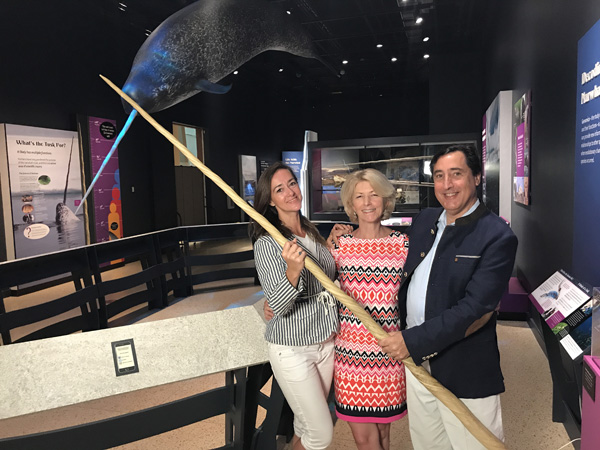
Jane O’Brien, an anchor of BBC World News, joins Martin Nweeia, D.D.S., ’77, right, and Nweeia’s wife, Pamela Peeters, at the Smithsonian. Photo by Ryan Lavery
Dr. Martin Nweeia is the world’s leading expert on the narwhal’s tusk and tooth system. He is a National Foundation Scientist and has led over 20 High Arctic expeditions and carried 15 expedition flags to study the elusive narwhal. He holds doctorates in dentistry and surgery and is a member of the dental faculties of Harvard University and Case Western Reserve University. He also conducts research at the Canadian Museum of Nature and the Smithsonian Institution. The Smithsonian Institution has awarded him two fellowships: one in physical anthropology and one in vertebrate zoology.
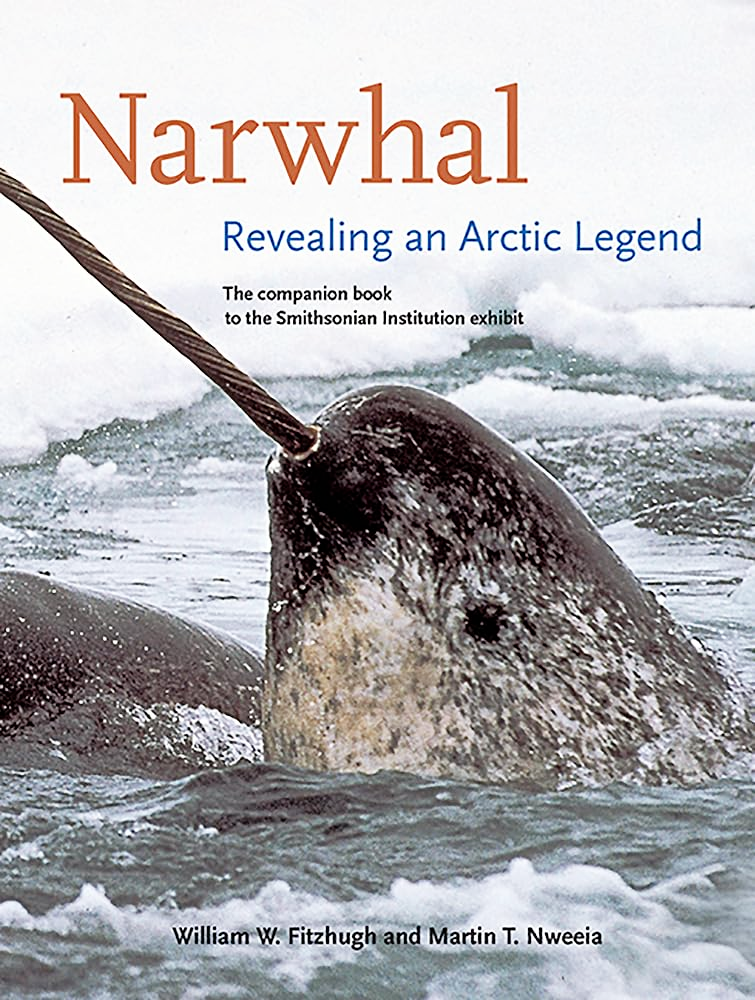
His work has been featured in The New York Times, NPR’s “Pulse of the Planet,” “A Beautiful World,” “Morning Edition,” “Earth Wise,” and documentaries by National Geographic, “Découverte” (French Discovery), and the BBC, including “Natural Curiosities” with Sir David Attenborough. Dr. Nweeia has received a CINE Golden Eagle for the NGS Wild Chronicles narwhal story, the William Mills Prize for his book “Narwhal: Revealing An Arctic Legend,” and the Lowell Thomas Award for Arctic Research. His 2020 scientific publications have been published in Nature, PNAS, and two Smithsonian books.
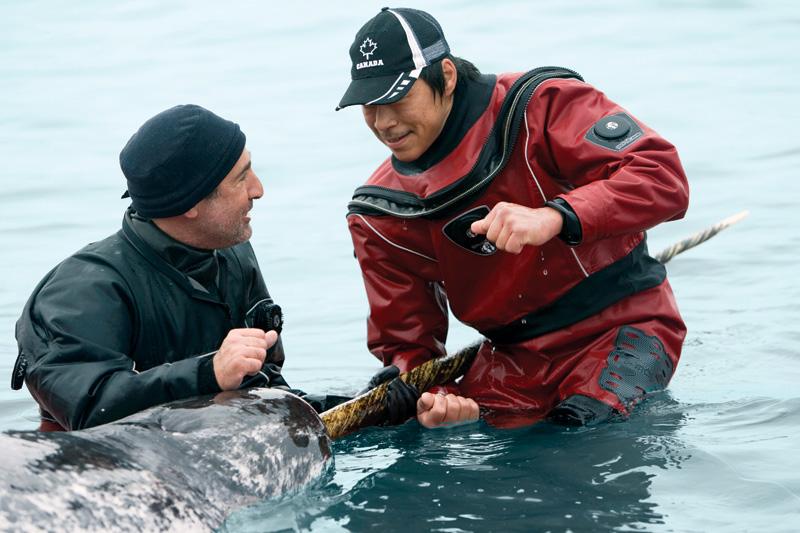
Martin Nweeia ’77 and research colleague Adrian Arnauyumayuq complete experiments on a live narwhal in Arctic Bay, Nunavut, Canada, in 2007. Photo by Gretchen Freund
Ein ziemlich ausgefallenes Hobby hat der amerikanische Zahnarzt Martin Nweeia: Er studiert den Stoßzahn des Narwals. Nweeia, niedergelassen in Sharon im US-Staat Connecticut und Lehrbeauftragter an der School of Dental Medicine der Harvard University, fährt seit Jahren im Frühjahr nach Kanada in die Arktis und untersucht die rätselhaften Wale mit dem einen großen Zahn, berichtet “New Scientist” online.
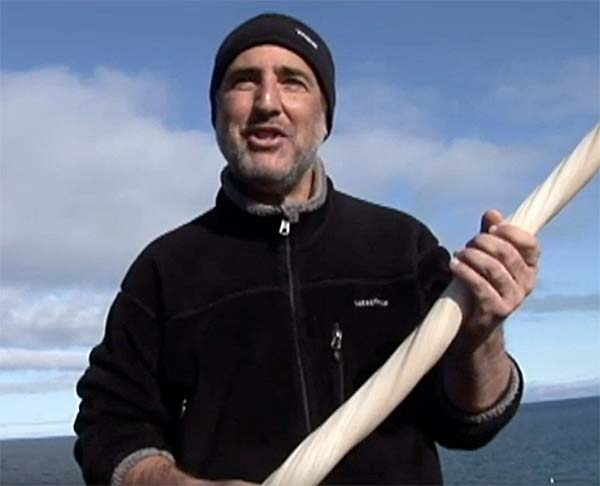
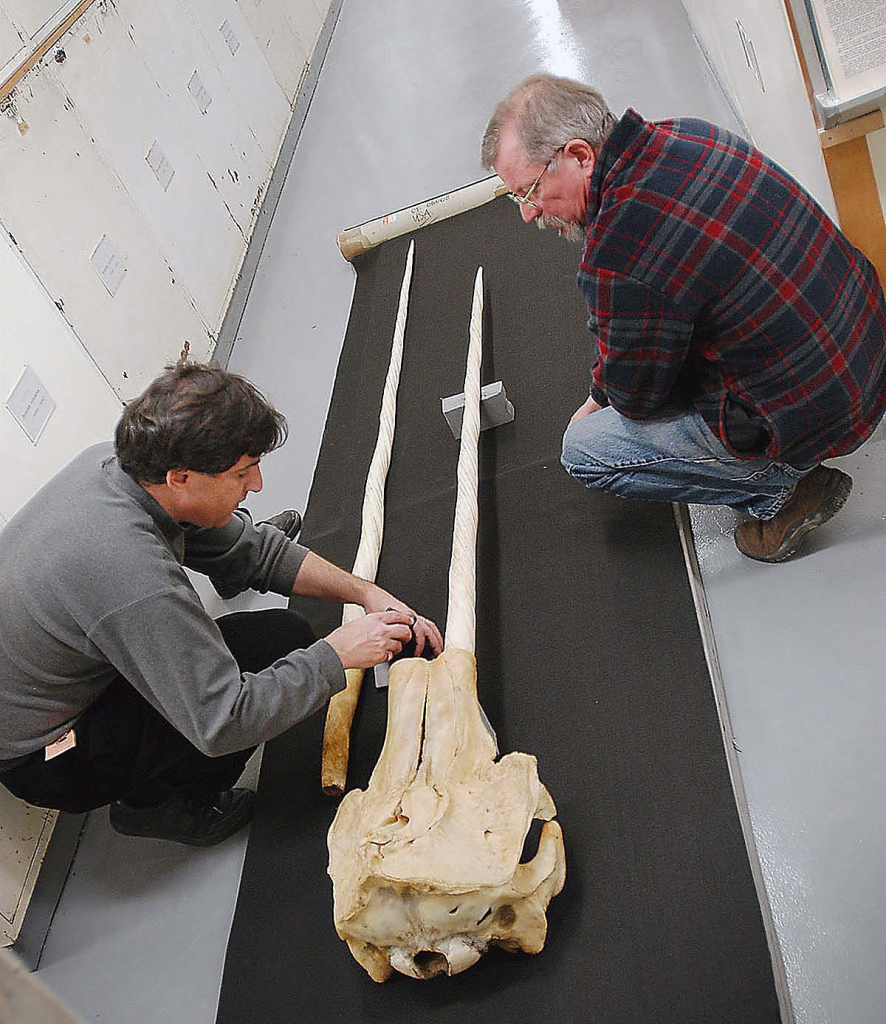
The narwhal’s tusk—the model for the unicorn’s horn—is unique in nature, says Nweeia. “It’s the only known straight tusk and the only spirally twisted one.” In stress tests, narwhal tusks have proven to be extremely flexible and tough—a combination that’s unusual for teeth.
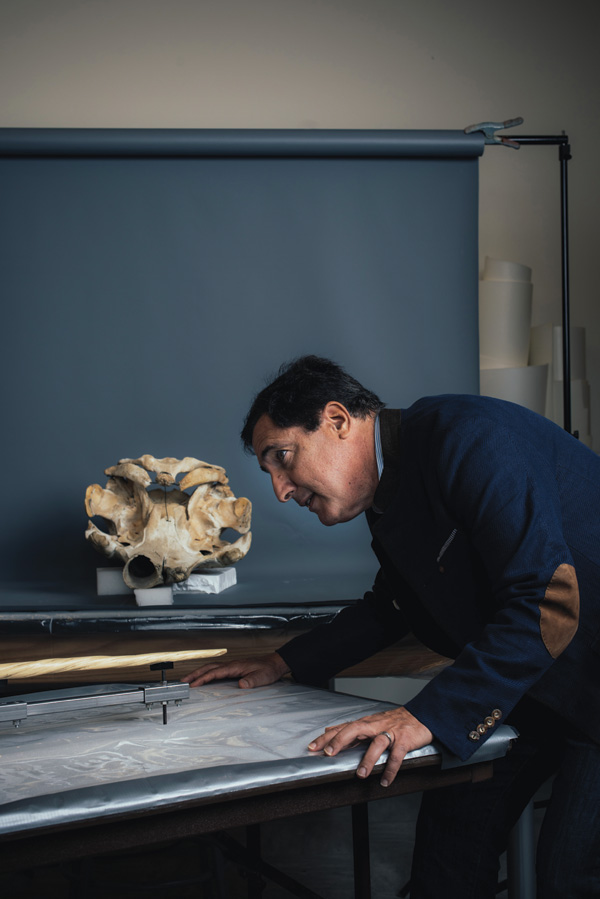
Nweeia examines a narwhal tusk and skull at the Smithsonian’s National Museum of Natural History before it is placed in a new exhibit, which opened in August. Photo by Stephen Voss
In male narwhals, one tusk grows to almost two and a half meters, while the other remains embedded in the jaw. Most females lack a tusk. The purpose of the tooth is still unclear. Weeia’s theory: “I think the tooth is a kind of sensor. It probably has something to do with detecting prey.” To test this, he is currently equipping whales with a sensor in their teeth.
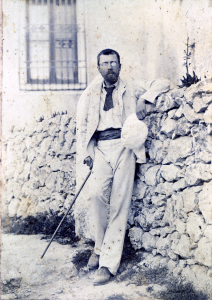
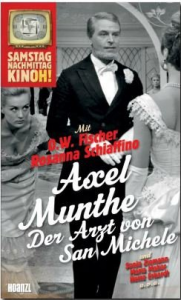
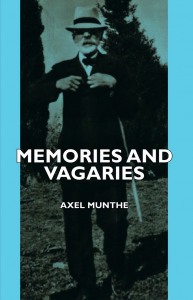
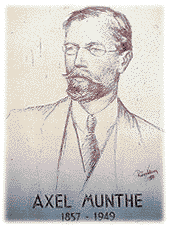
Axel Martin Fredrik “Puck” Munthe [ˌakːsəl ˈmɵnːtə] (October 31, 1857 in Oskarshamn – February 11, 1949 in Stockholm) was a Swedish physician and author.
Beruf und Leben
Axel Munthe was born in 1857, the son of a pharmacist. He studied medicine in Uppsala, Montpellier, and Paris.
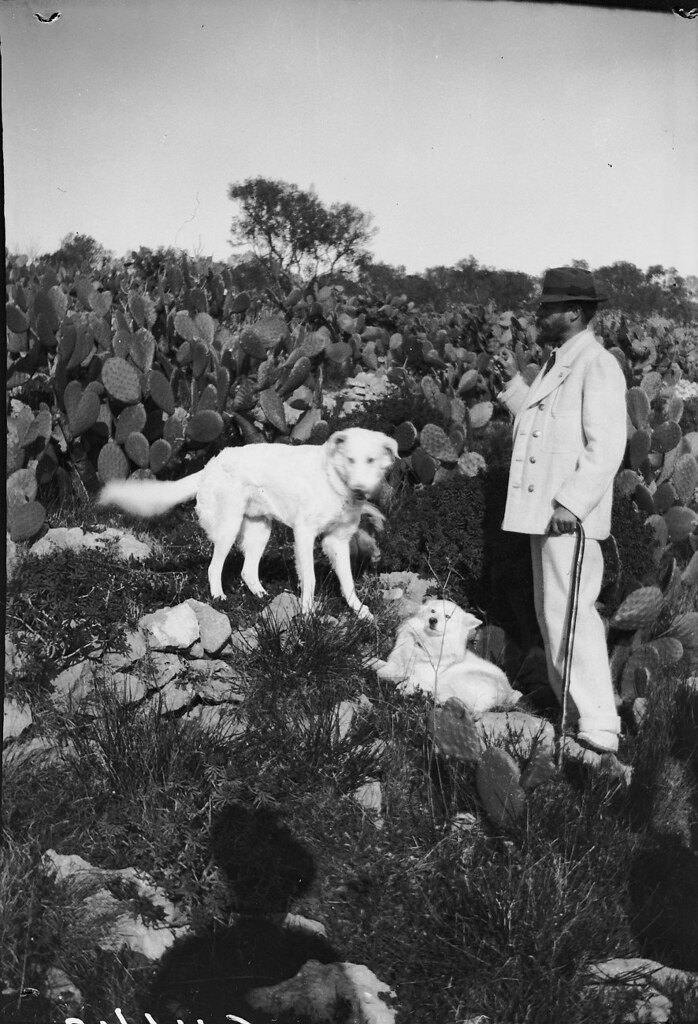
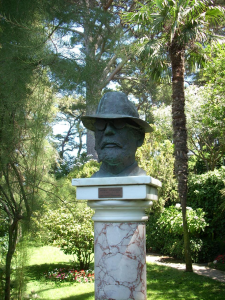
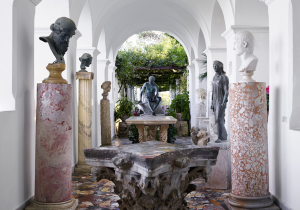
In 1880 he began practicing medicine in Paris and Rome. Over the years he worked in Naples, London and Stockholm. During his student years in Paris he was particularly impressed by the work of Jean-Martin Charcot. Even in later years his special interest lay in psychiatry. His professional career shows several outward breaks. For example, he worked as a doctor for the lower classes of society while simultaneously or shortly thereafter running a fashionable medical practice. In Rome, for example, he set up his practice in the Keats-Shelley House on the Spanish Steps, which had previously been inhabited by the poet John Keats and others. From 1908 Munthe was personal physician to the Swedish Queen Victoria, a Princess of Baden by birth, who regularly stayed in Munthe’s neighborhood on Capri until her death. At his Villa San Michele in Anacapri, he was visited by Henry James, Oscar Wilde, Rainer Maria Rilke, and Curzio Malaparte. The house, with its magnificent garden and sweeping views over the sea, has served as a museum since the 1950s.
At the age of 22 (the youngest in France), he received his doctorate in medicine from the Sorbonne and soon became one of the most successful physicians of his time. He was considered a miracle worker. His patients included members of the upper classes and nobility of Europe and America, but he also worked among the poor in Paris, Rome, and Naples.
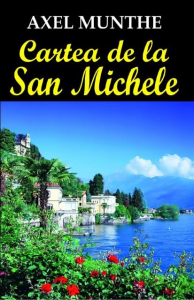
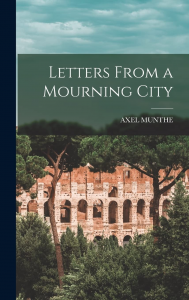
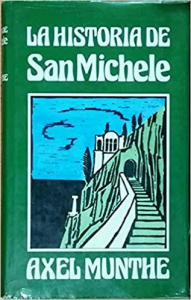
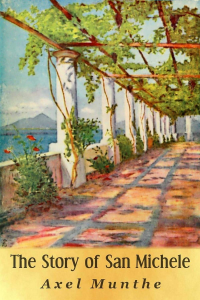
The newspaper report on his work in cholera-stricken Naples in the autumn of 1884 made him instantly famous. However, he was not a professional writer, and his real success did not come until 45 years later. “The Story of San Michele” was published in 1929 and became one of the most successful books of the 20th century. It was written in English, translated into numerous other languages, and is still being reprinted today.
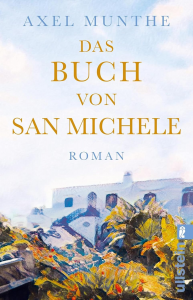
Axel Munthe became internationally known through his memoirs, The Book of San Michele, published in 1929 and translated into numerous languages. However, biographical elements are mixed with fantasy to the point of inseparability; for example, Bengt Jangfeldt and Thomas Steinfeld demonstrated numerous differences between the author’s real and “autobiographical” life in their Munthe biographies, published in 2003 and 2007, respectively.
Although Munthe was not an architect, he had one of Europe’s most famous villas built on Capri: the Villa San Michele, which experts describe as a masterpiece of architecture. He was a passionate Anglophile, but his favorite philosopher was Schopenhauer, his favorite poet was Heine, and his favorite composers were Schubert, Wagner, Schumann, and Hugo Wolf. And despite his republican outlook on life, his most important patient was not only of royal descent and German origin, but also strongly German-oriented.
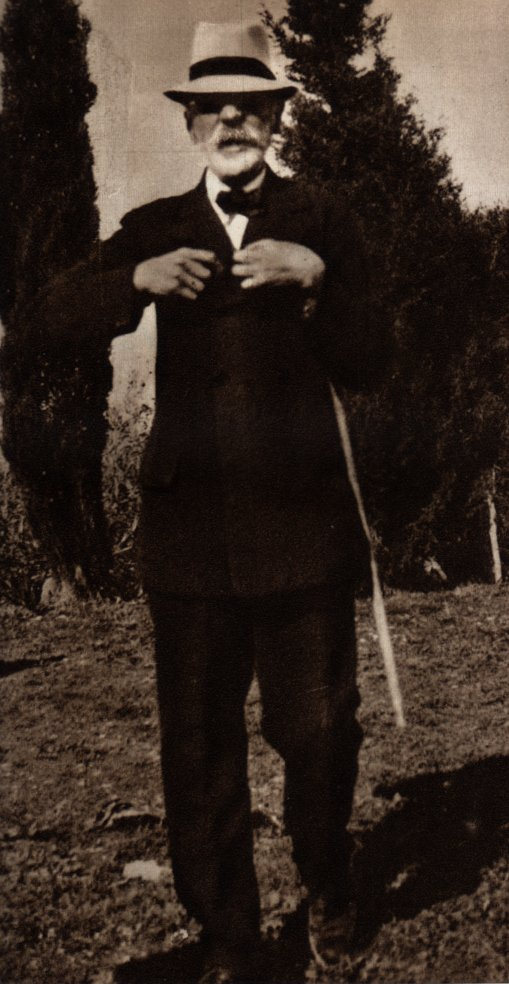
Munthe died in 1949 in his last residence, located in a side wing of the Royal Palace in Stockholm.