Category Archives: musicologyDocs

  • -

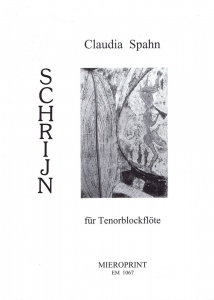
Claudia Spahn

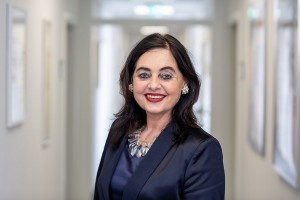
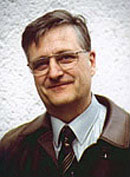
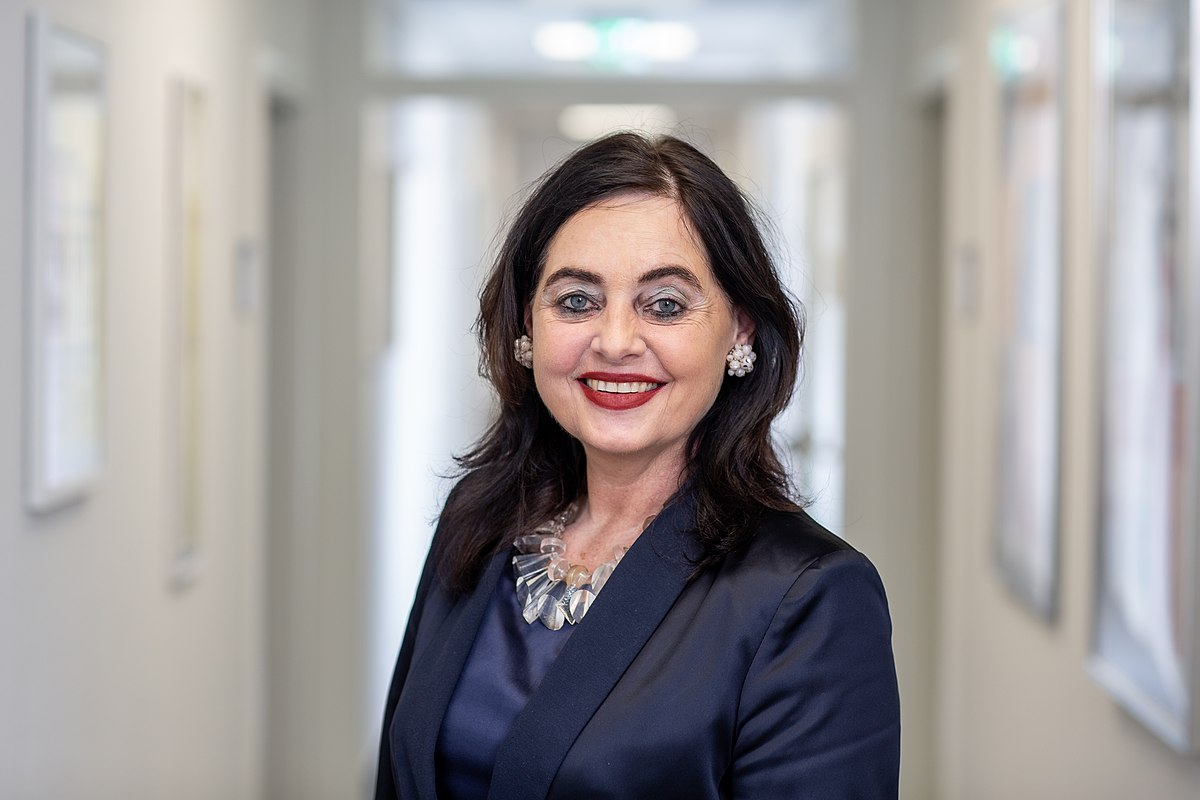
Claudia Spahn (*1963) is a German musician’s medicine specialist and director of the Freiburg Institute for Musicians’ Medicine. She is a leading researcher in the development of music physiology and musicians’ medicine, particularly in the field of stage fright and performance anxiety.

Claudia Spahn has received artistic training in recorder as a solo instrument, piano and violin since childhood. With the recorder and piano, she has won several prizes at the state competition Jugend musiziert. She has also trained in classical ballet, modern dance and tap dancing. Spahn studied medicine at the Albert Ludwig University in Freiburg, as well as in Paris and Switzerland. From 1986 onwards, she has also studied music teaching at the Freiburg University of Music, majoring in recorder, graduating in 1991 with a diploma in music teaching. Since 1992, Claudia Spahn has made numerous appearances as a pianist in the music cabaret duo Die schönen Baritons – together with baritone Bernhard Richter. From 1994 to 2004, she performed as a pianist and recorder player in musical theaters in France.
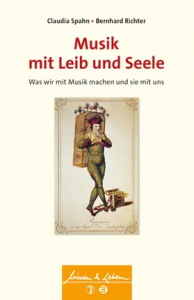
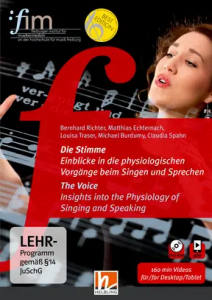
In 1992, Spahn began her medical training in the fields of psychosomatic medicine, internal medicine, and psychiatry. In 1993, she received her doctorate in medicine, and in 1999 she became a specialist in psychotherapeutic medicine. In 2004, she completed her habilitation at the Medical Faculty of the University of Freiburg on the topic of prevention in higher education for musicians. In the winter semester of 2005/2006, Claudia Spahn was appointed professor of musicians’ medicine at the Freiburg University of Music. Since then, she has headed the Freiburg Institute for Musicians’ Medicine (FIM) – an institution of the University of Music and the Medical Faculty of the Albert Ludwigs University of Freiburg – together with Bernhard Richter. In 2017, Claudia Spahn became Vice Rector for Research and International Relations at the Freiburg University of Music. In 2020, she received her doctorate in systematic musicology.

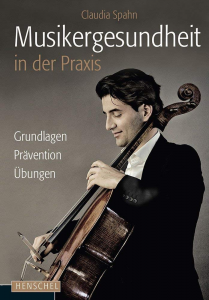
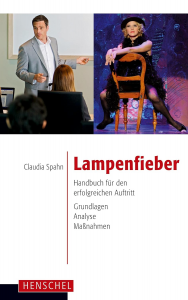
Claudia Spahn has significantly advanced the field of music physiology and musicians’ medicine, both structurally and in terms of content. She has written and edited several standard textbooks. She teaches music students the physical and psychological foundations of music-making, preventative body-oriented approaches, and how to deal with stage fright. Music physiology can be studied as a standalone minor at the Freiburg Research and Teaching Center for Music. She also teaches medical students in the preclinical and clinical study phases at the Freiburg Medical Faculty.

In the outpatient clinic of the Freiburg Institute for Musicians’ Medicine at Freiburg University Hospital, Spahn treats musicians with the full range of musicians’ medical conditions, particularly pain and strain syndromes. She offers a special consultation for patients with psychological problems, particularly performance anxiety.

https://www.mh-freiburg.de/personen/details/prof-dr-med-dr-phil-claudia-spahn

https://www.uniklinik-freiburg.de/musikermedizin/mitarbeiter/prof-dr-claudia-spahn.html
https://de.wikipedia.org/wiki/Claudia_Spahn

https://www.aerzteblatt.de/archiv/interview-mit-prof-dr-med-claudia-spahn-musikermedizinerin-lampenfieber-ist-ein-positives-phaenomen-ad161952-9c89-4068-91f4-536cb689f027


  • -

Reinhold Merten

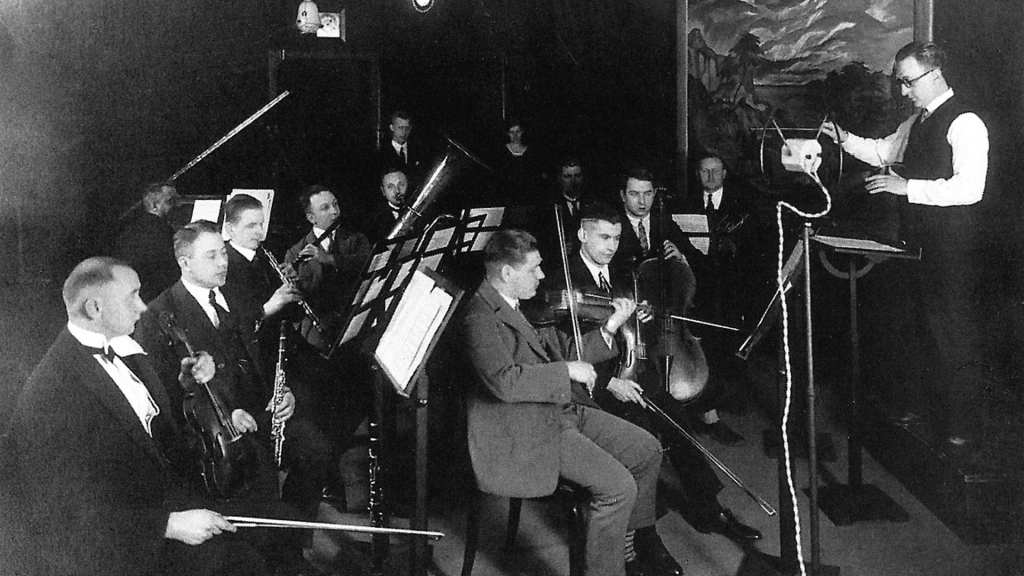
Reinhold Merten dirigiert 1926 bei einer Radio-Liveübetragung Bild © hr-Archiv

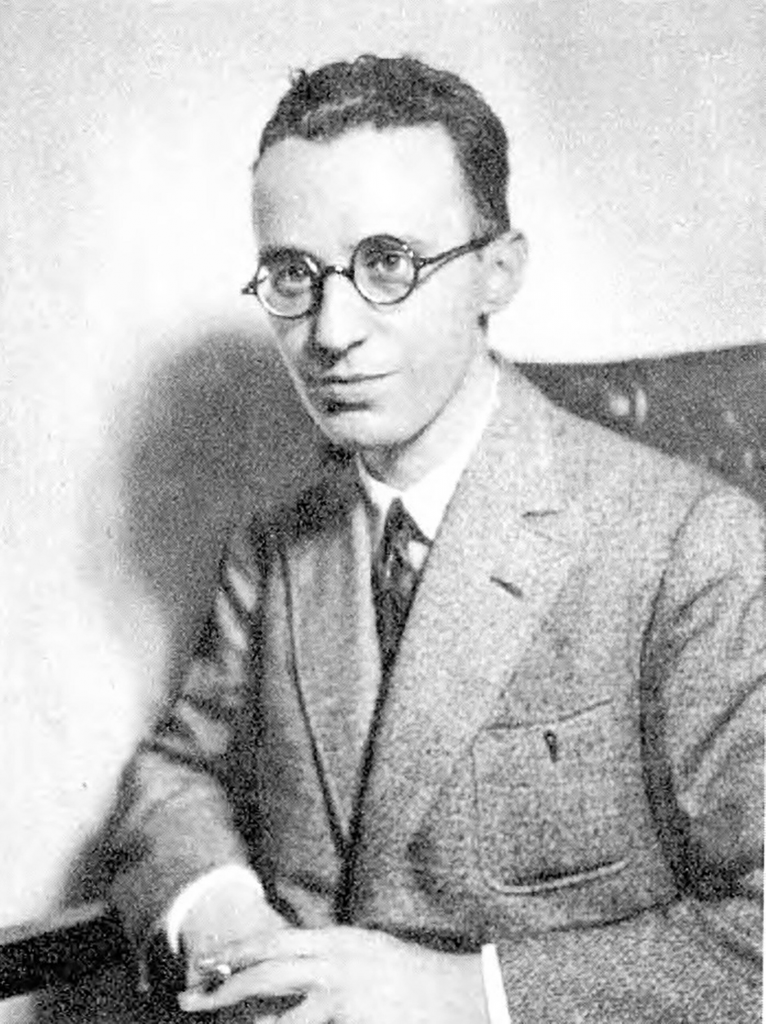
Reinhold Adolf Merten (June 6, 1894 in Wiesbaden; August 19, 1943 in Munich[1][2]) was a German conductor and physician.

Coming from a family of musicians, Merten initially attended the conservatory in Wiesbaden, but then studied medicine at the Philipps University of Marburg and the Johann Wolfgang Goethe University of Frankfurt am Main, and served as a medical officer in World War I. After the war, he received his doctorate from the University of Frankfurt with a dissertation on acid-fast, tubercle-like bacilli in wind instruments (1933).

Merten did not work as a doctor, however, but became a solo répétiteur at the Frankfurt Opera in 1920. Together with Paul Hindemith, he founded the Frankfurter Gemeinschaft für Musik in 1922. After the Südwestdeutsche Rundfunkdienst AG (Radio Frankfurt) began operations in Frankfurt am Main in April 1924, several musicians gathered under Merten’s direction in the station’s studio in the old postal savings bank on Stephanstrasse and played ensemble music. From 1926, he worked in Frankfurt as an organist and pianist. In 1927, he joined the SPD, a party he remained a member of until 1931. On October 1, 1929, the Frankfurt Radio Symphony Orchestra was founded, with Hans Rosbaud as first and Reinhold Merten as second conductor.

In addition to his musical activities, he was a “music official” at the radio station. On April 1, 1933, he joined the Nazi Party (membership number 1,795,051). In 1934, he was tasked with establishing a sound engineering school in Berlin. In 1938, he became head of the acoustic-musical border areas department of the Central Technical Directorate within the Reich Broadcasting Company in Dresden. In 1939, he moved to the Great Orchestra of the Reichssender Leipzig as chief conductor. He remained there until the station was shut down in 1940 due to the war. He also taught applied musicology at the University of Freiburg.

In 1941, he went to the Reichssender Munich as first Kapellmeister. After a serious illness, he died in Munich in 1943.

https://de.wikipedia.org/wiki/Reinhold_Merten

https://www.hr-sinfonieorchester.de/orchester/historie/90-jahre-special/die-anfaenge-19261929-reinhold-merten,chefdirigent-anfaenge-102.html

  • -

  • -

Wolfram Hackel
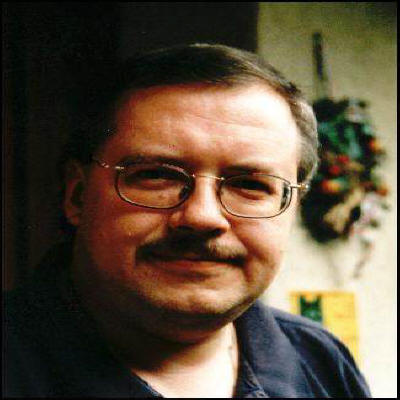
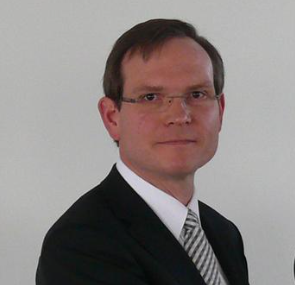
Wolfram Hackel (born April 25, 1942) is a German physician and organ researcher.

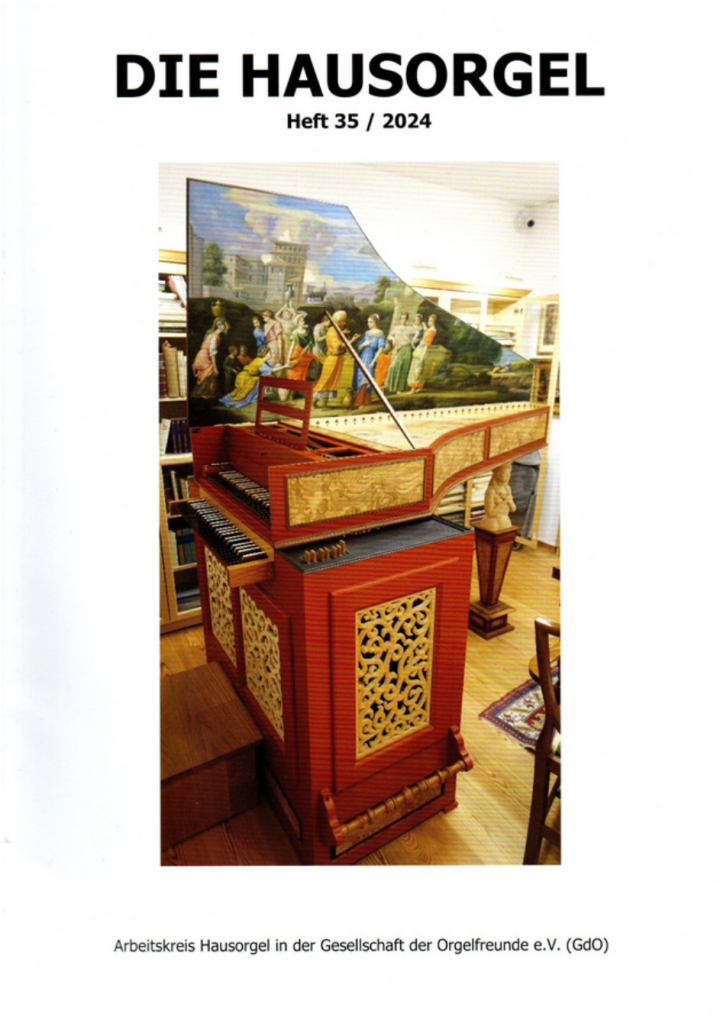
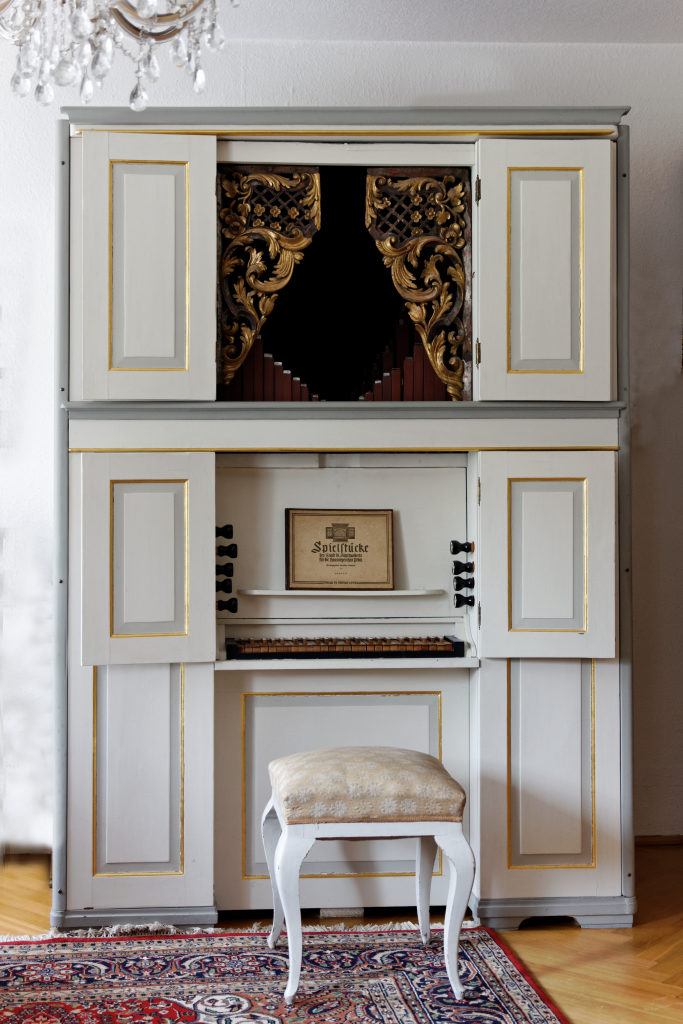
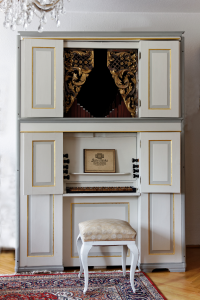
Hausorgel von Dr. Wolfram Hackel in Dresden/Plauen

Wolfram Hackel studied medicine. In 1967, he received his doctorate from the Medical Academy in Dresden. He then ran a urology practice in Dresden-Plauen as a specialist.

Wolfram Hackel has published works on organs and churches since the 1970s. He soon became one of Saxony’s most important organ researchers. Wolfram Hackel is a long-standing member of the Society of Organ Friends.[1] He was a member of its Advisory Committee (1995–1998), Secretary (1998–2003), and a member of its Main Committee (2011–2021).

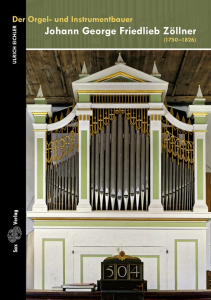
Artikel über Orgeln in Neuengönna

Artikel über eine Silbermann-Orgel

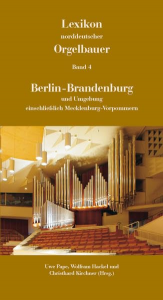
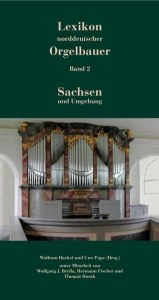
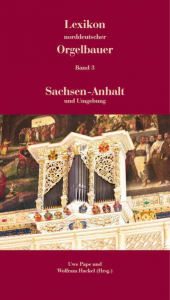
Wolfram Hackel was co-editor of the four-volume Lexicon of North German Organ Builders and published numerous texts on organs and organ builders, especially in Saxony.Wolfram Hackel was co-editor of the four-volume Lexicon of North German Organ Builders and published numerous texts on organs and organ builders, especially in Saxony.

https://de.wikipedia.org/wiki/Wolfram_Hackel

Bücher-Verzeichnis Wolfram Hackel

Funktionsträger bei der GdO Gesellschaft der Orgelfreunde

https://www.maenneraerzte.de/wolframhackel

http://www.pape-verlag.de/autoren.htm

https://persondata.toolforge.org/p/Wolfram_Hackel


  • -

Gerhard Aumüller

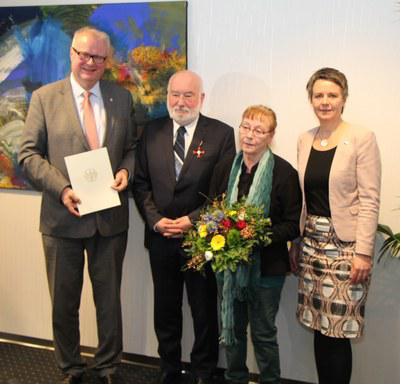
2nd from bottom: Gerhard Aumüller

Gerhard Aumüller (born November 19, 1942 in Arolsen) is a German physician and was a professor of anatomy and cell biology at the Philipps University of Marburg. He has also distinguished himself as an organ historian.

Aumüller has also researched historical organ building and published primarily on classical organ building in Hesse and Westphalia. He has been a member of the Historical Commission for Hesse since 2000 and was elected to the advisory board of the International Heinrich Schütz Society (ISG) in 2012. For his research in medical and music history, Gerhard Aumüller was awarded the Order of Merit of the Federal Republic of Germany (Federal Cross of Merit) in 2017.

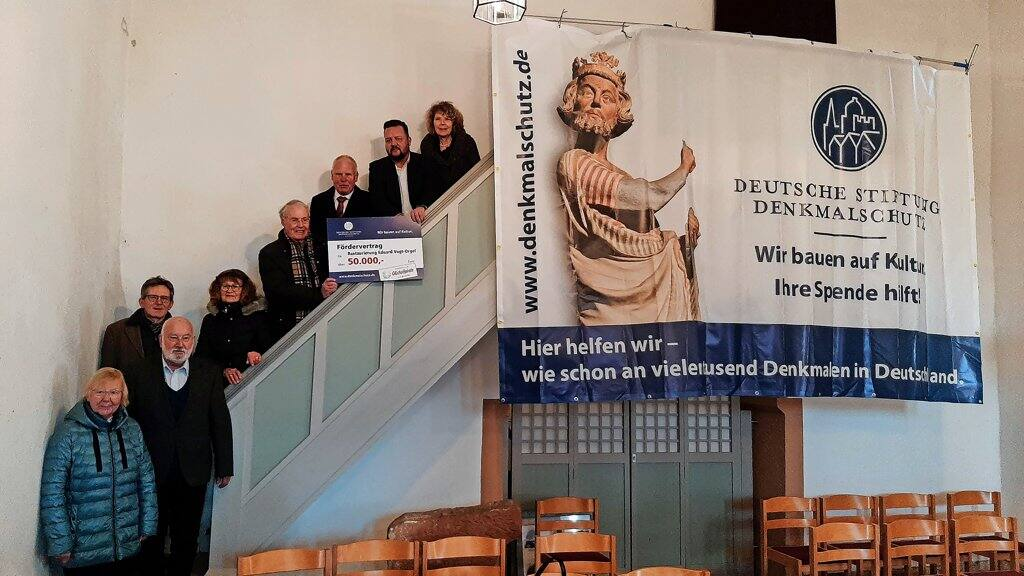
Gerhard Aumüller, born in 1942, studied medicine and anthropology in Mainz, Würzburg, and Marburg. He then earned his doctorate and habilitation in the field of anatomy. After a research stay in the USA, the honoree took over the Chair of Experimental Morphology at Philipps University in Marburg. He later assumed the Chair of Anatomy II there, a position he held until his retirement in 2007. In addition to medical history, Professor Aumüller is actively involved in the Waldeck Historical Society. He has been a volunteer there since 2012. Since 2013, he has edited the extensive review section of the academic journal “Geschichtsblätter für Waldeck.” Professor Aumüller is also passionate about music history. This is expressed, among other things, in his commitment to preserving listed church organs. He has supported numerous organ restorations within the Evangelical Church of Kurhessen-Waldeck. In addition, he regularly serves as organist in parishes in the Marburg region.

The honoree was admitted to the Historical Commission for Hesse in 2000. In 2002, he was elected to its main committee, where he served until 2012. As a board member of the Historical Commission for Hesse and the Association for Hessian History and Regional Studies, he serves as co-editor of the Journal for Hessian History and Regional Studies.

Article about court organ builders by Gerhard Aumüller (32 pages)

Aumüller lives in Münchhausen (on the Christenberg). The translator Uli Aumüller is his sister.

Honorary member of the Heinrich Schütz Society

Aumüller and his anatomy colleague Adolf Friedrich Holstein (speaking voice) ensured the installation of this Heinrich Schütz relief sculpture

Auszeichnung


  • -

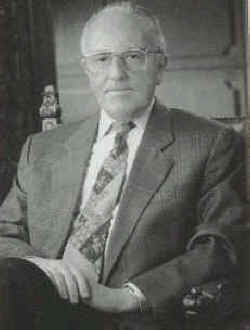
Anton Neumayr

Hofrat University Professor Dr. Anton Neumayr Junior (* December 6, 1920 in Hallein; † March 18, 2017 in Vienna) was a specialist in internal medicine, chamber musician, and researcher.

As a historian, he studied the medical histories of famous musicians. He also hosted the television program “Diagnosis” from 1987 to 1994 and published numerous specialist publications.

Born in 1920 as the son of Mayor Anton Neumayer, he was distinguished from his early youth by his high intelligence and musical talent. His life was shaped by his love of music and his fascination with medicine. After graduating from high school in 1938, he abandoned his first career choice of pianist and began studying medicine, which he completed while stationed as a marine in Berlin in 1944. During his studies, he succeeded in freeing his father, who had been interned in Dachau.

His successful medical career led Neumayer to the Rudolfsstiftung Hospital in Vienna, where he headed the First Medical Clinic from 1975 to 1991. From 1963, Neumayer worked as a university professor specializing in gastroenterology in Vienna. From 1985 to 2000, he headed the Ludwig Boltzmann Research Center for Clinical Geriatrics. His reputation as an internist extended far beyond the borders of Austria.

Anton Neumayer also cultivated his musical talent and became a pianist, trained at the Mozarteum Salzburg, a chamber musician, and a music historian.

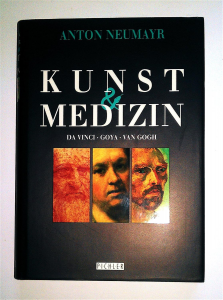
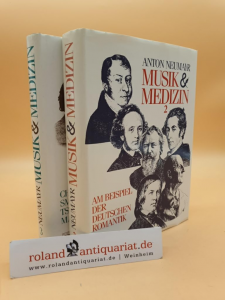
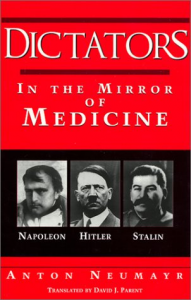
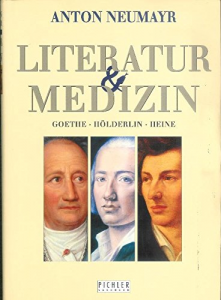
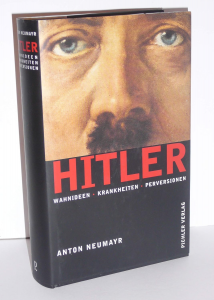
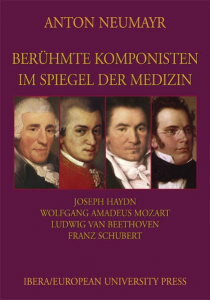
Since the 1990s, Prof. Neumayer has also published numerous books linking the worlds of art and medicine. Examples include his three-volume magnum opus “Music and Medicine” and “Literature and Medicine.” In “Dictators in the Mirror of Medicine,” he explored Hitler, Stalin, and Napoleon, among others. In “Hitler – Delusions, Illnesses, Perversions,” he created a biography from the perspective of a physician.

Neumayer always maintained close ties to Salzburg – for example, as president of the “Association of Salzburgers in Vienna.”

His personal biography:
It was advantageous for my life that I was involved with music from my earliest youth. As we only now know, music develops additional neural pathways in the brain even in pre-pubescent years, and such children also fare much better in school. I learned to play music from the age of four and received pianist training at the Mozarteum from the age of seven to seventeen. I still play with the Philharmonic Orchestra today, and this led to many useful social contacts that also helped me in my medical career (among other things, I played for Brezhnev in the Kremlin and at the Music Academy in Albania. This is how many of my contacts were networked). Due to the political circumstances, I was unable to pursue a musical career, so I began studying medicine, which I completed with a doctorate in 1944 at the Charité Hospital in Berlin. I then became a military doctor and in the autumn of 1945 I joined the 2nd Medical University Clinic, where I worked (as a lecturer and professor) until 1964.

In the context of scientific activity, it was important not only at home but also abroad to become known through lectures and scientific publications, which required the ability to present complex issues clearly and understandably. This meant that it was essential to acquire rhetorical skills. As early as the 1950s, I was a founding member of the European Society for Liver Research (EASL), and in 1963, I was the first European to deliver the SEARL Lecture (an event for hepatologists) in Chicago. This distinction immediately made me a household name worldwide. The numerous lectures I gave abroad meant that I was almost better known in Germany than in Vienna. In 1964, I became head of the internal medicine department at the Elisabeth Hospital. In 1965, I also became head of the internal medicine department at the Sophien Hospital. In 1975, I took over the First Medical Clinic in the newly built Rudolfs Hospital, where I remained head of the clinic until 1988.

Since 1980, I have been the director of the Ludwig Boltzmann Institute (Research Center for Clinical Geriatrics). However, success doesn’t just depend on being a respected physician among one’s (international) colleagues. Much more important is being well-received by patients. This requires behaving appropriately and in a friendly manner toward patients. Word gets around among the patients, and eventually, prominent patients come, and the income automatically follows. I was Kreisky’s personal physician for four and a half years and cared for a number of famous figures from politics (which, as a doctor, you have to stay out of—I cared for bishops as well as the leader of the Communist Party of Austria), business, culture, etc. My most famous patients included Franz Jonas, Curd Jürgens, Hans Albers, Oskar Werner, and Helene Thimig. This reputation also spread abroad, and in addition to Ibn Saud and his family, numerous Arab sheikhs and super-rich Greek clans consulted me.

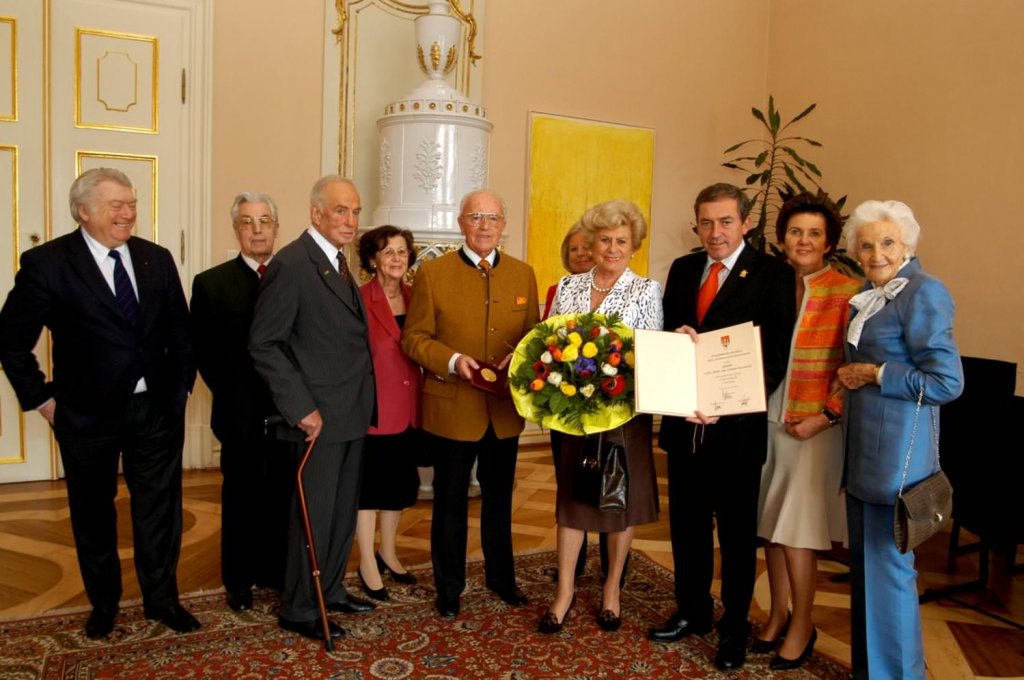
https://www.stadt-salzburg.at/presseaussendungen/2006/stadtsiegel-in-gold-fuer-prof-dr-anton-neumayer

https://www.club-carriere.com/index.php/cb-profile/30993

https://wien.orf.at/v2/news/stories/2831941


  • -

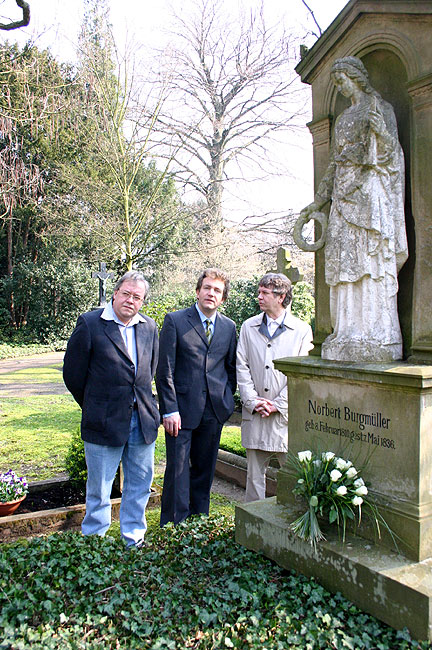
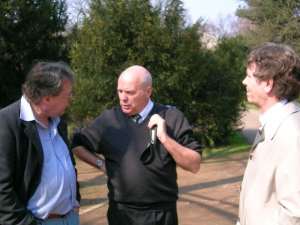
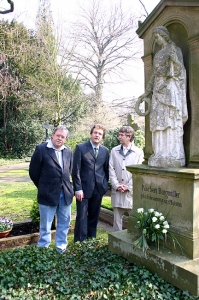
Klaus Zehnder-Tischendorf

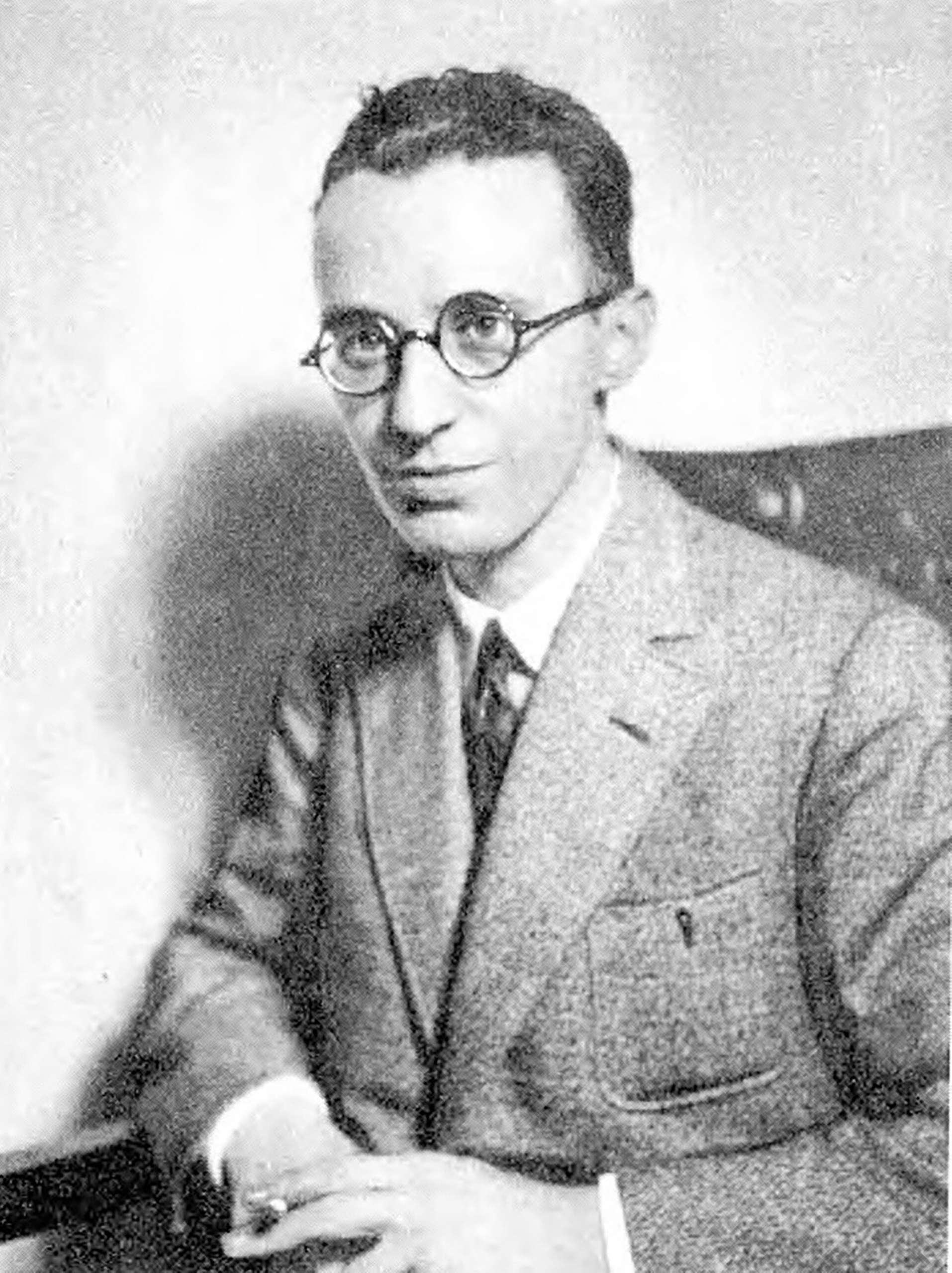
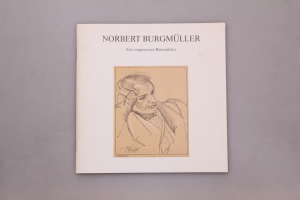
On this day, Klaus Zehnder-Tischendorf (*22. Januar 1957 in Cologne, died 14. November 2014 in Cologne) and others founded the “Norbert Burgmüller Society e.V. Düsseldorf” was founded in the Düsseldorf City Museum. The driving force behind the project is the pianist Tobias Koch, Düsseldorf, and the Burgmüller researchers Dr. Klaus Martin Kopitz, Berlin, and Dr. Klaus Zehnder-Tischendorf, Cologne. The management is taken over by the Dirk Franke Concert Agency, Düsseldorf. Also present at the founding meeting were: Elisabeth von Leliwa, dramaturge of the Tonhalle Düsseldorf; Hannelore Köhler, sculptor; Jutta Scholl, director of the music libraries of the city of Düsseldorf; Peter Haseley, director of the Clara Schumann Music School Düsseldorf; Prof. Oskar Gottlieb Blarr, composer; Alexander Nitzberg, poet; Alfred Lessing, musician and musicologist; Prof. Peter-Christoph Runge, chamber singer and honorary member of the Deutsche Oper am Rhein; Dr. Ernst Sell, physician and collector of musical first editions and keyboard instruments; Regine Müller, arts editor of the Rheinische Post; Natascha Plankermann, journalist; and Manfred Hill. Chairman of the Municipal Music Association of Düsseldorf, founded in 1818.

The society’s goal is to promote and disseminate the work of Norbert Burgmüller through publications, concerts, and exhibitions. With 2010 (the composer’s 200th birthday) in mind, the society intends to prepare for the commemorative year and document the composer’s work through the publication of editions and recordings. The society will provide ongoing information about its work on a website currently under development.

Norbert Burgmüller was the son of the first music director of the city of Düsseldorf, Johann August Franz Burgmüller, and a member of the Musikverein.

Klaus Zehnder-Tischendorf, born in Cologne in 1957, graduated from high school and studied library science. He spent three years at the Cologne University Library Center (DFG research project). Studied human medicine in Essen. Since 1989, he has practiced medicine in Switzerland and completed his doctorate in forensic medicine in Basel. He has practiced as a general practitioner in Zofingen, Aargau, since 1998. He has lived in Cologne again since 2005.

Interests

Lesser-known music from Joseph Martin Kraus to Theodor Kirchner and Julius Röntgen to Leo Ornstein; musicians’ autographs; fantasy literature; chess; painting; cultural history; computer-assisted conversion of music into moving images; flora and fauna.

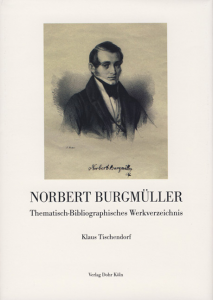
Bibliography by Klaus Zehnder-Tischendorf on Norbert Burgmüller and his circle:

Norbert Burgmüller. Leben und Werk.
        Köln 1980.

        Norbert Burgmüller (1810-1836). Ein vergessener Romantiker, aus Anlass seines 150.
        Todestages am 7. Mai 1986.
        Düsseldorf 1986.

        Norbert Burgmüller.
        (in: Correspondenz. Mitteilungen der Robert-Schumann-Gesellschaft e.V. Düsseldorf, V.)
        Düsseldorf 1986, S. 8-11.

        Norbert Burgmüller. Zur Eröffnung der Gedenkausstellung.
        Vortrag in der Raiffeisenbank Düsseldorf am 6.5.1986. Mskr.

        Einführung zu ausgewählten Liedern und Klavierwerken. AULOS Preciosa 68539.
        Viersen 1986.

        Fast verklungene Romantik: Norbert Burgmüller (1810-1836).
        (in: Schweizerische Ärztezeitung, LXXX, Nr.31.)
        Basel 1999, S. 1914-1917.

       „Welch meisterliches Gebilde…“. Die Rhapsodie in h-moll op.13 (1834) von Norbert
        Burgmüller (1810-1836). Eine Werkmonographie.
        Zofingen 2000.

        “Was in der Dinge Lauf jetzt missklingt tönt einst in ewigen Harmonien.” Der Düsseldorfer
        Städtische Musikdirektor August Burgmüller als Begleiter der Sängerin Angelica Catalani.
        (in: Düsseldorfer Jahrbuch 2000, Beiträge zur Geschichte des Niederrheins, Bd. LXXI.)
        Düsseldorf 2001, S. 243-257.

        Vorwort zum Erstdruck des Allegretto (Ständchen) o. op.
        Genf 2001.

        Norbert Burgmüller (1810-1836) – Der Rheinische Schubert. (Der Kleine Lauschangriff.)
        (in: Klassik Heute, Jg. 4, Heft 8.)
        München 2001, S. 42f.

        Vorwort zur Neuedition der Klaviersonate f-moll op.8
        Düsseldorf 2001.

        Vorwort zur Neuedition Sämtlicher Lieder.
        Düsseldorf 2001.

        Grabbes Oper “Der Cid”. Neue Erkenntnisse zur Vertonung von Norbert Burgmüller.
        (in: Ich aber wanderte und wanderte – Es blieb die Sonne hinter mir zurück. Grabbe-
        Jahrbuch 2000/2001. 19./20. Jg.)
        Detmold 2002, S. 140-146.

        Vorwort zur Neuedition ausgewählter Klavierwerke von Friedrich und Norbert Burgmüller.
        Düsseldorf 2002.

        Vorwort zum Reprint der Sinfonie Nr.1 c-moll op.2.
        München 2002.

        Vorwort zum Reprint des Trauermarsches a-moll op.103 von Felix Mendelssohn-Bartholdy.
        München 2002.

        Vorwort zum Reprint der Ouvertüre f-moll op.5.
        München 2003.

        Vorwort zum Reprint der 4 Entr’Actes op.17.
        München 2003.


  • -

Georg Hörmann

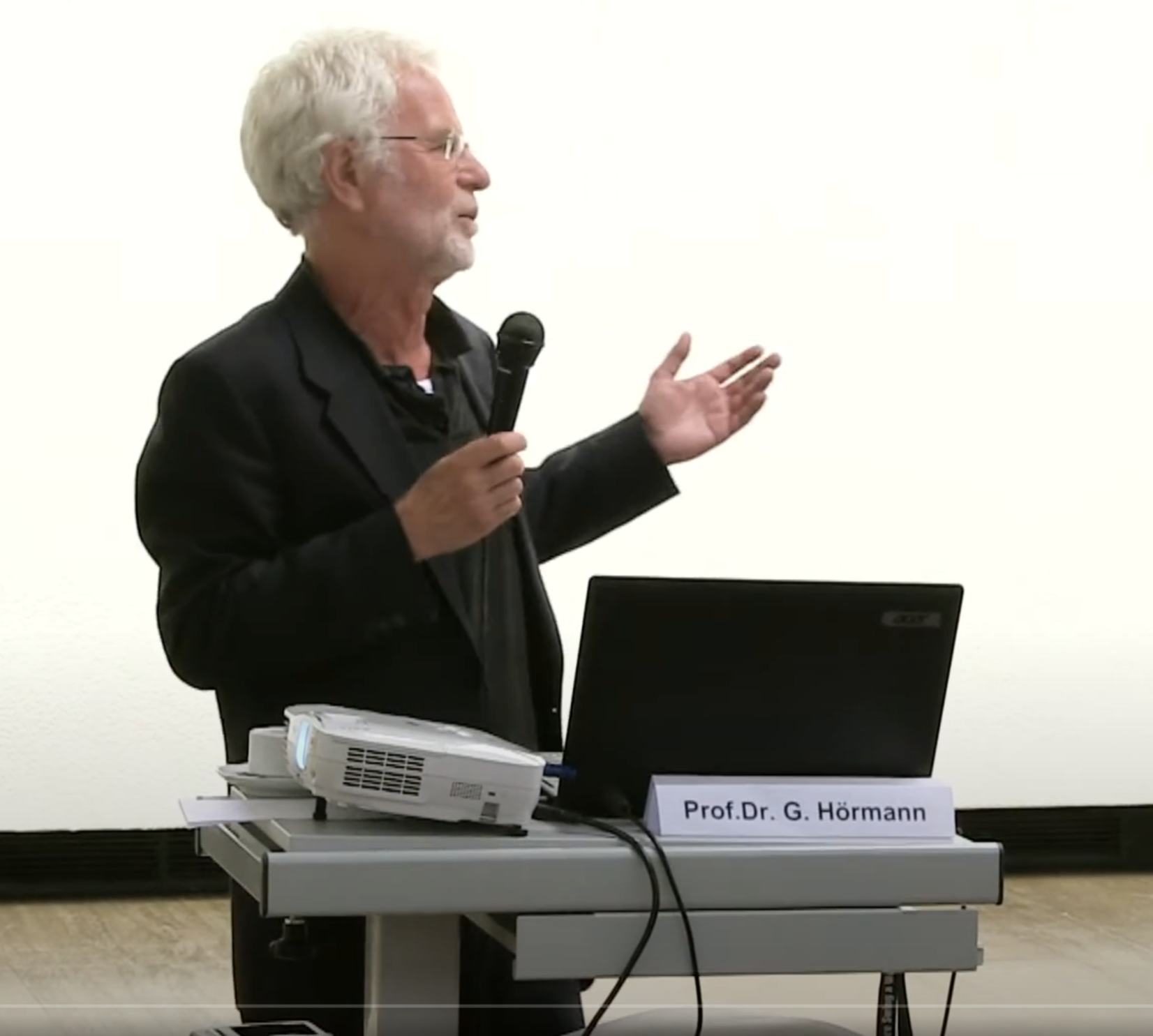
Georg Hörmann (born November 13, 1946 in Ulm) is a German psychologist, physician, psychotherapist, and retired professor of education at the Otto-Friedrich University in Bamberg.

After graduating from the Humboldt-Gymnasium Ulm in 1965, Hörmann studied secondary school teaching (philosophy, Latin, theology, and education), musicology (master’s degree), psychology (diploma), and human medicine. He earned the degrees of choirmaster (C-exam) at the Westphalian School of Music, a master’s degree in musicology (M.A.), and was organist at, among others, St. Peter’s Church in Münster. General examination in philosophy and pedagogy, first philological state examination for grammar schools in the subjects of Latin, theology, pedagogy, diploma in psychology, medical state examination, license to practice medicine, recognition to use the title of psychotherapist (Westphalia-Lippe Medical Association), doctorates at the Faculty of Philosophy, Medicine and the Faculty of Social and Behavioral Sciences (Dr. phil., Dr. med., Dr. rer. soc.) and habilitation in the field of educational science.

https://de.wikipedia.org/wiki/Georg_H%C3%B6rmann_(Erziehungswissenschaftler)


  • -

Eli Newberger

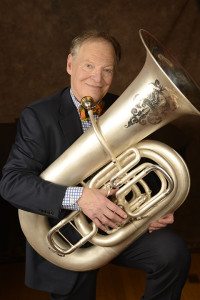
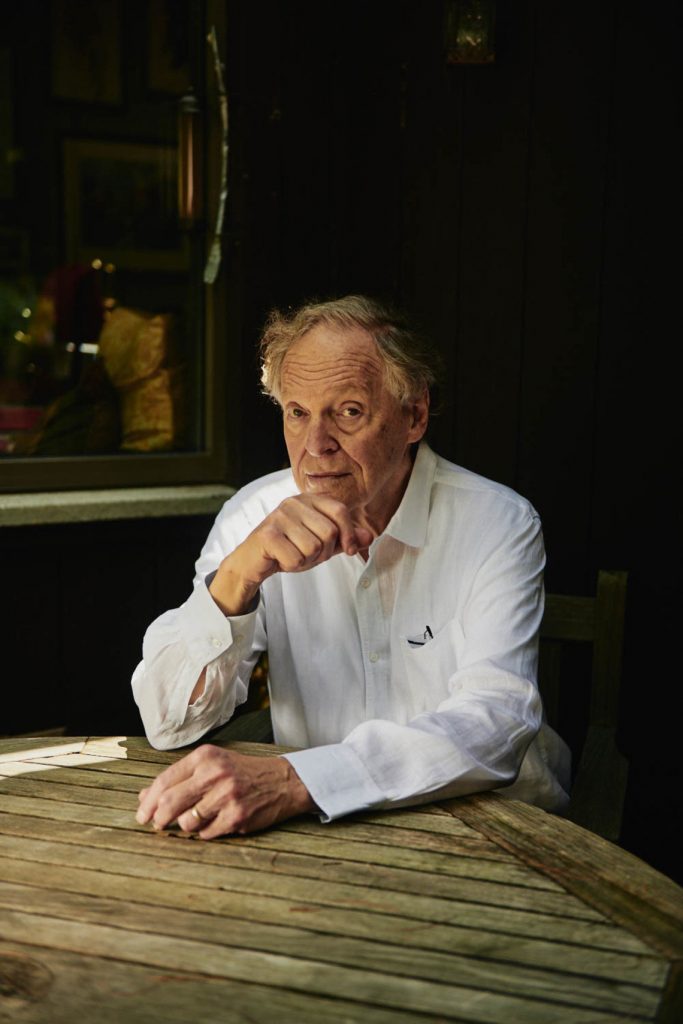
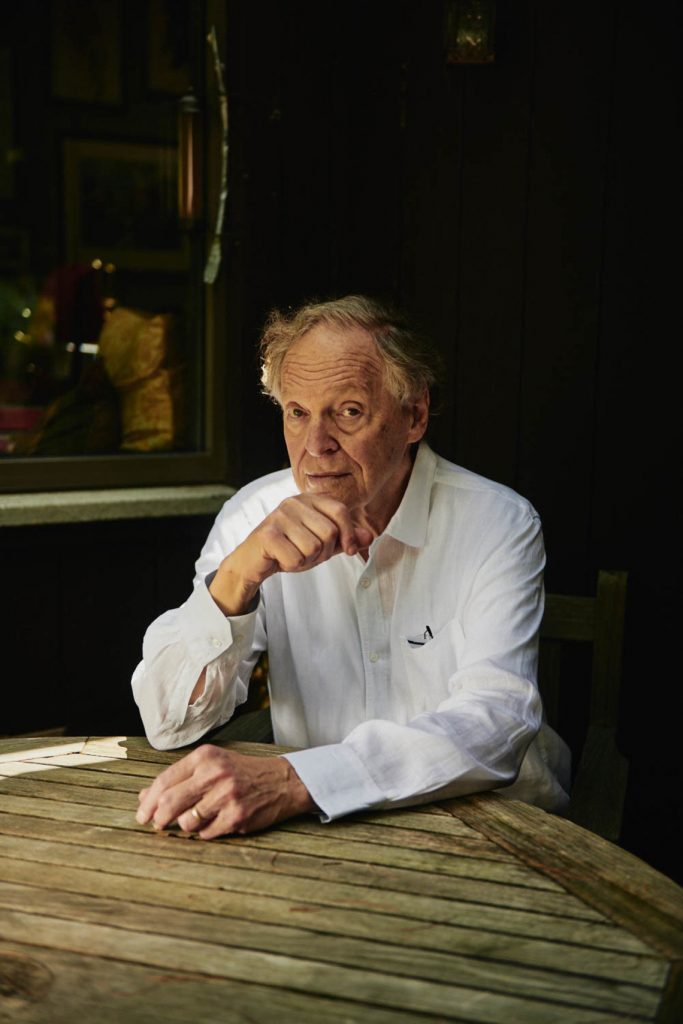
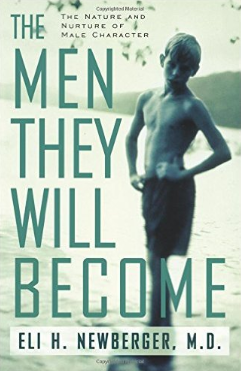
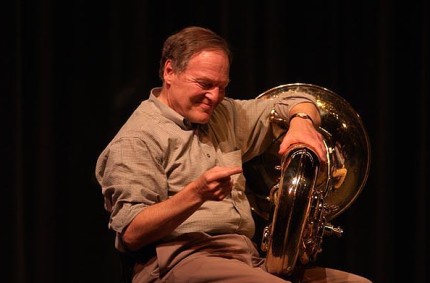
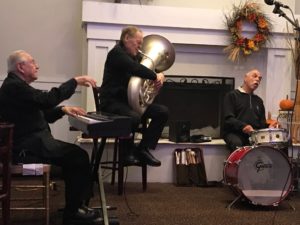
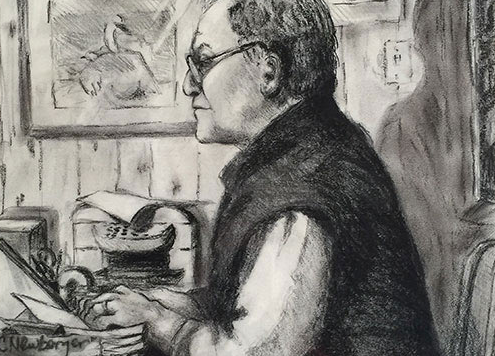
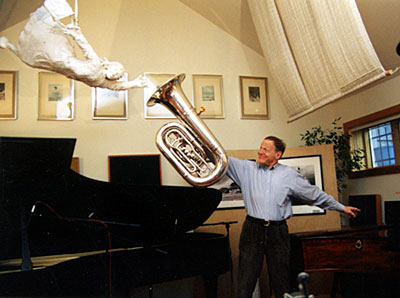
For more than 30 years, Dr. Newberger’s consolation at the end of stressful workdays was his weekly gigs as tuba player for the New Black Eagle Jazz Band. As he left the clinic and entered Boston’s jazz scene, he moved from a world filled with misery to one teeming with creative energy. “At five I leave the clinic and forty-five minutes later I pull into a parking lot outside Coffee, Tea, and Melody, the pub the Black Eagles have been playing since 1995,” he wrote in Doctors Afield. “I take off my tie, pull the tuba out of the trunk, and enter a different world. Here, injustice does not prevail, there is a sadness but not misery, and every moment of improvisation carries with it a prospect of redemption. Indeed, ‘mistakes’ in jazz improvisation become platforms for new ideas, not catastrophes that destroy lives.”

web

wikipedia DE
wikipedia EN

youtube – vimeo

facebook – twitter – instagram

work


  • -

Hartmut Tramer

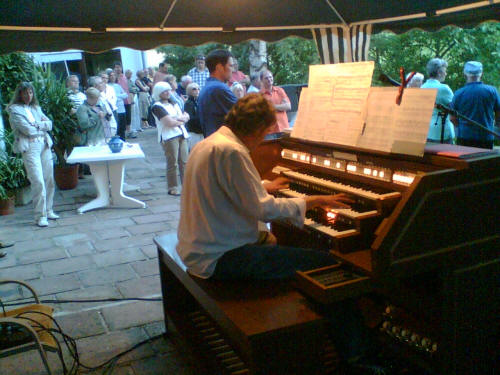
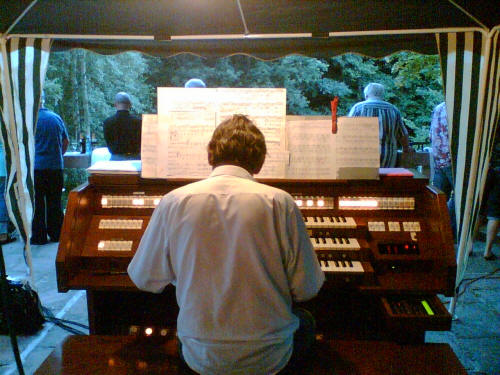
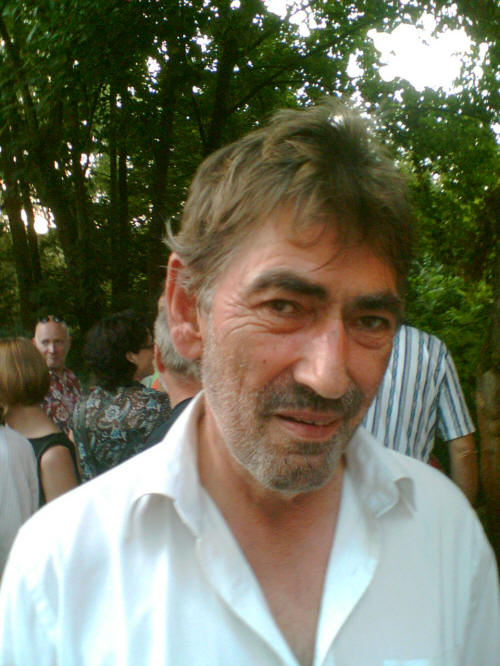
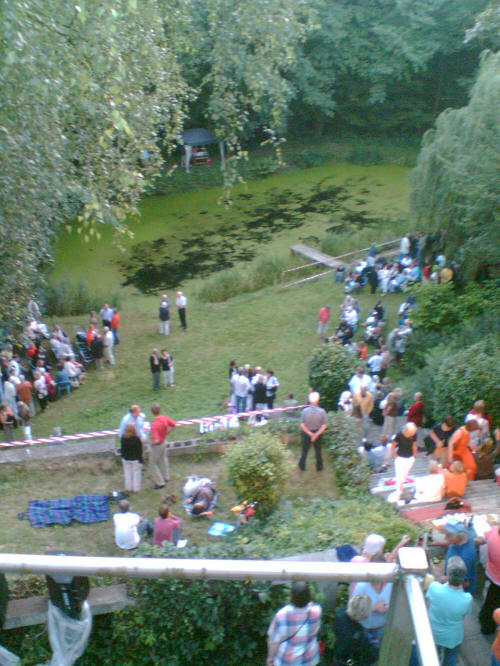
Hartmut Tramer gives organ recitals in his big garden in the summertime, he has studied musicology and he is artist.

web

wikipedia

youtube – vimeo

facebook – twitter – instagram

work