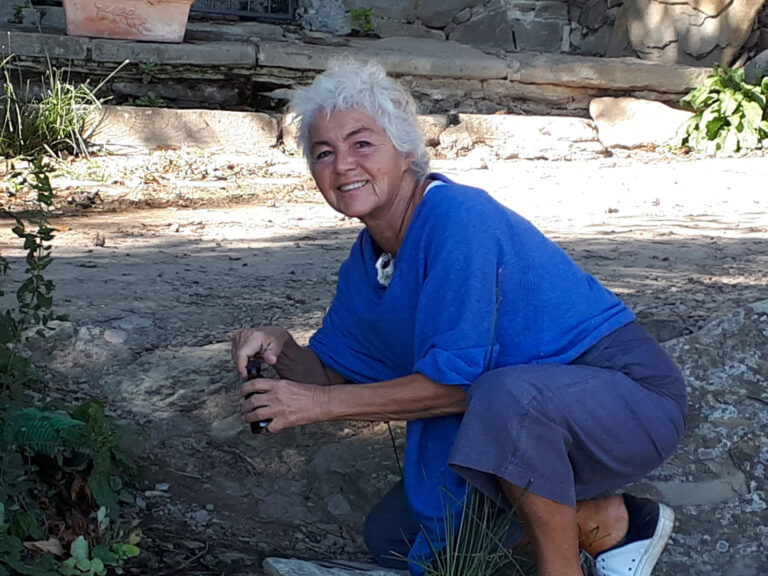
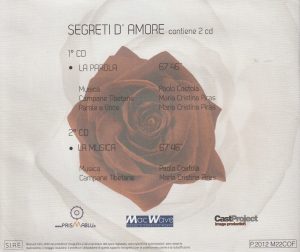
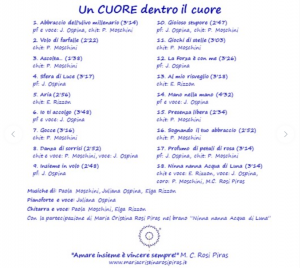
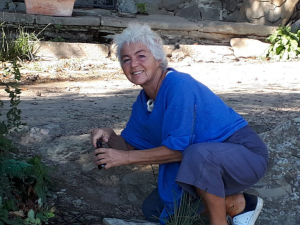
Maria Cristina Piras is a doctor and writer who works spiritually and gives seminars and various events in addition to publishing her books and CDs.
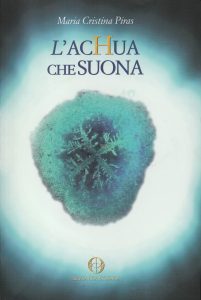
Maria Cristina Piras, a physician, graduated in Medicine and Surgery from the University of Pavia and specialized in Clinical Ophthalmology. Following a journey of soul-searching and professional exploration, she approached holistic medicine, including homeopathy, which she has practiced for approximately 40 years. Of particular interest are her studies on the waters of high-vibration places and the harmonic harmonies that led her to develop a unique working method for rebalancing the energy of the environment and humanity. Following her encounter with Bert Hellinger, she integrated the systemic constellations technique into a unique path of awareness: The Way of the SELF®. President of the Prismablu Cultural Association, she offers seminars and programs for reconnecting with the SELF.
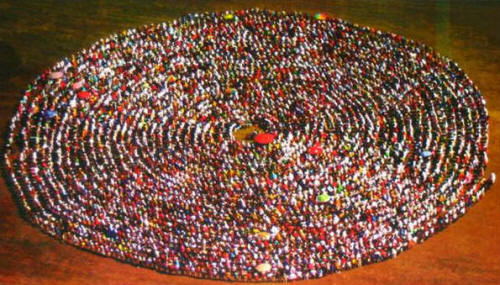
Her multi-sensory arrangement “Freely based on Momo”:
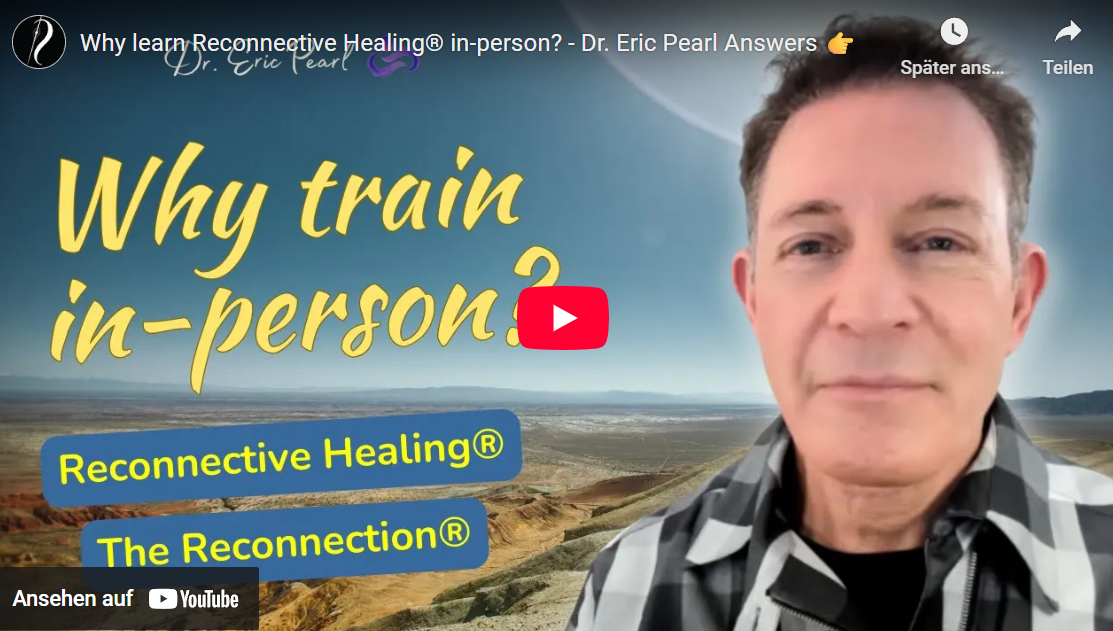
Over the past three decades Dr. Eric Pearl has shed a new light on the essence of healing. Undeniably, Reconnective Healing® and the Reconnective Healing Experience™ (RHE) have redefined both what healing is and how it is received. Through Jillian Fleer’s insights, it has become clear the RHE has shown us how our direct awareness connects us to the essence of healing itself. Moreover, it gives us a healing experience available to everyone and not limited to the physical, mental, emotional or spiritual: it is infinite. Additionally, it is devoid of tools, steps or rituals to follow. In brief, Reconnective Healing® is the direct path to healing.
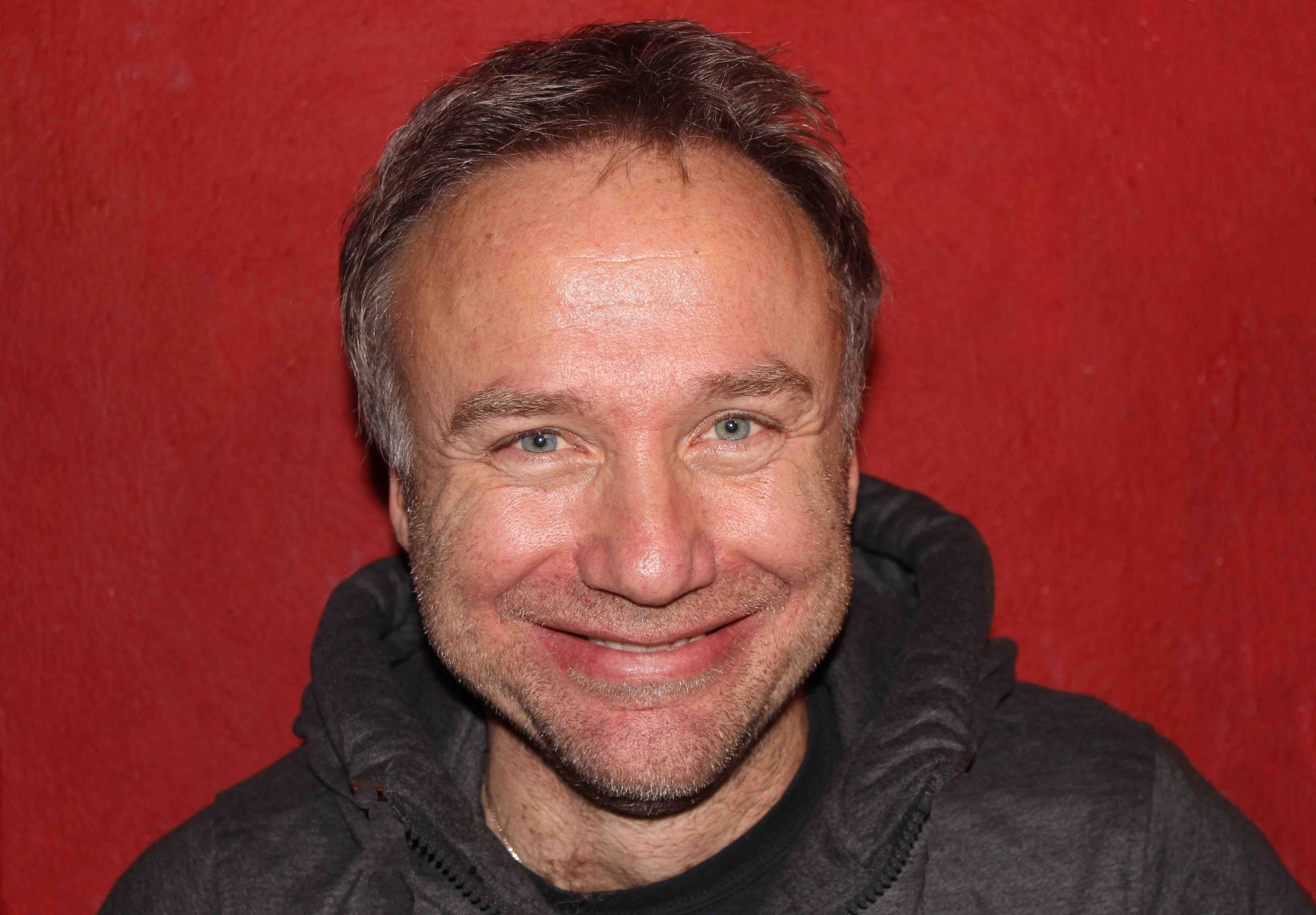
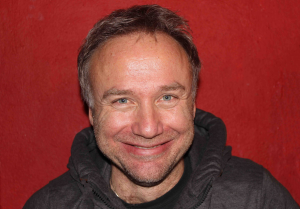
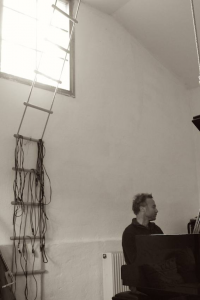
Since 1994, freelance composer and pianist, giving lectures on his own work and the Iannis Xenakis-Stochastics connection between scientific thought and composition, and lecturing on Traditional Chinese Medicine. Since 1996, practicing as a physician. In 1998, he founded the label “klaviermusik.at” and has released numerous CDs since then. In 2000, the CD “Vienna Concert 2000” was released by Extraplatte. Since 2002, he has had his own practice for Traditional Chinese Medicine in Vienna.
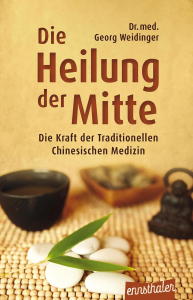
2004 CD “Quiet Nights” released on Ö1 2009 CD “Bright Side” released on Ö1 2011 Book “The Healing of the Center” 2013 Practice relocated to Wiener Neustadt 2014 Book “Daily Healing” and CD “Music for Healing the Center” (Ennsthaler) 2015 Book “The Chinese Medicine Cabinet”; founding of the Austrian Society for Traditional Chinese Medicine in Wiener Neustadt, President of the OGTCM
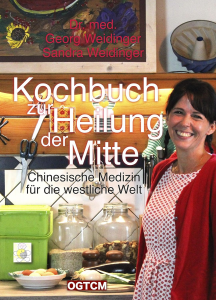
2016 Own TCM courses in Wiener Neustadt, CD “Quiet Moments” 2017 CD “Bach-Hindemith” on klaviermusik.at; book “The Golden Way of the Center” (self-published) 2018 Practice in Bad Sauerbrunn, CDs “Blossoms of Romanticism” and “Requiem for Franziska” and book “Cookbook for Healing the Center”
2019 CD “SONATA”, book and CD “The Sound of the Center”, CD “Games of Orchestra”, String Quartet I & II, Symphony No. 1 (“DISTROFIA”), debut novel “LAUFHAUS” with audio CD “LAUFHAUS Book Music” 2020 CD “Mozart Plus”, CD “Vienna Calling”, Symphony No. 2 (“FANFARA”); books: “Chinese Medicine Against Cancer”, “World Yoga” 2021 CD “Vienna Calling”, books: “The Miracle of the Immune System”, “Cookbook for Healing the Center II”
AWARDS AND RECOGNITIONS
1995: Lower Austrian Music Factory Prize and commission for a choral-orchestral piece 1996 and 1998: First Austrian to win the Luigi Russolo International Composition Competition in Varese, Italy.
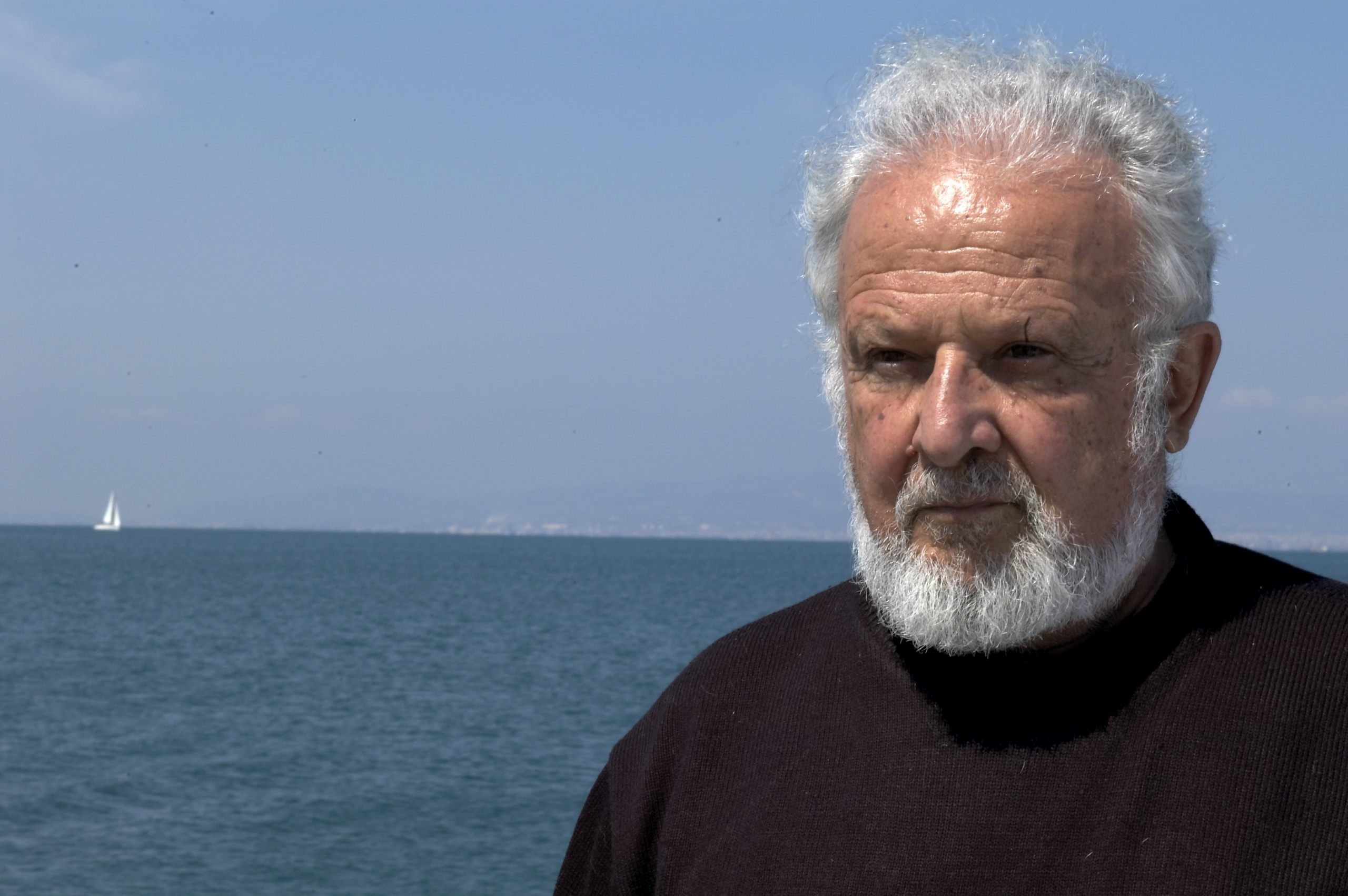
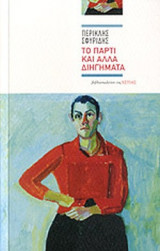
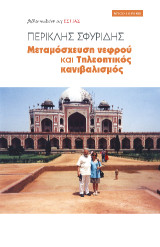
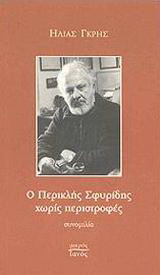
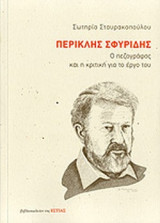
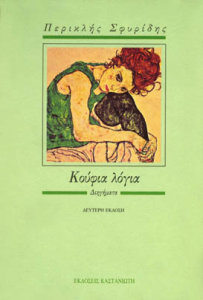
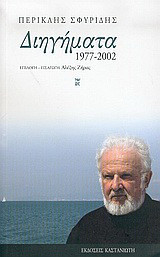
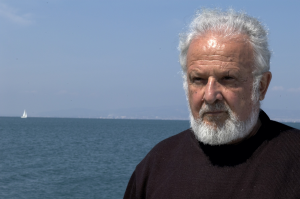
Periklis Sfyridis (born October 5, 1933, in Thessaloniki) is a contemporary Greek poet, prose writer, essayist, critic, and anthologist. His prose has been published in several languages.
Periklis Sfyridis was born in 1933 in Thessaloniki, where he lives. He graduated from the American College “Anatolia” in 1952. He studied medicine at the University of Thessaloniki (as a student of the Military Medical School) and worked as a cardiologist until 1994. From 1975 to 1981, he was president of the Thessaloniki Medical Association.
He appeared in letters in 1974 and worked closely with the literary magazine Diagonios. From 1985 to 1990, he edited Parafyada, an annual publication featuring unpublished anecdotal texts by Thessaloniki prose writers. From 1987 to 1996, he was the publishing consultant (content manager) for the magazine To Tram. In 1996, he organized the conference “Paramythia Thessaloniki” on the city’s prose from 1912 to 1995 and edited its proceedings. In 2001, he co-organized the conference “Poetry in Thessaloniki in the 20th Century” with the Department of Medieval and Modern Greek Studies at the Faculty of Philology, Faculty of Philosophy, Aristotle University of Thessaloniki, and the Thessaloniki Municipal Library, and edited its proceedings. In 2005, he organized the conference “Literary Nurseries in Thessaloniki: The City’s Literary Journals in the 20th Century and Their Editorships.” In 2008, he organized the fourth conference Criticism and Critics of Thessaloniki in the 20th Century at the Municipal Library of Thessaloniki, as part of the Demetrios Festival, and edited its proceedings (together with Sotiria Stavrakopoulou).
His short story “The Secret” is the basis for Tasos Psarras’ film “The Other Side”, the screenplay for which he wrote together with the director. Two other of his short stories have been made into television films. He also wrote the texts for the documentary series “Literature and Social Reality in Thessaloniki” by Tasos Psarras, which was broadcast by ET-3 in 1997, and for the same director’s “Literary Walks in Northern Greece” (these are the television/literary portraits of the following writers: Thanasis Markopoulos / Veria, Vasilis Karagiannis / Kozani, Lazaros Pavlidis / Kilkis, Sakis Totlis / Edessa, Vasilis Tsiambousis / Drama), a series that was broadcast repeatedly on state television in 1995.
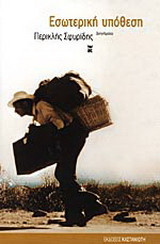
He has published two collections of poetry, fourteen short story collections, two novels, and a memoir about his spiritual journey. He has published studies on novelists, painters, and three anthologies on Thessaloniki’s prose writers, one of which has been translated into German and another into English. He has collaborated with most Greek literary magazines. His short stories have been translated into German, English, and Dutch, as have two of his books in the same language (Dutch): the short story collection First Hand and his novel Kidney Transplant. Over one hundred serious reviews and studies of his prose work have been published in individual volumes. In November 2007, he was honored by the Municipality of Thessaloniki for his prose and critical work. From 2009 to 2010, he was a member of the electoral committee of the Vafopoulio Cultural Center of Thessaloniki, responsible for speaking events. There he also created the literary series Vafopoulio Publications.
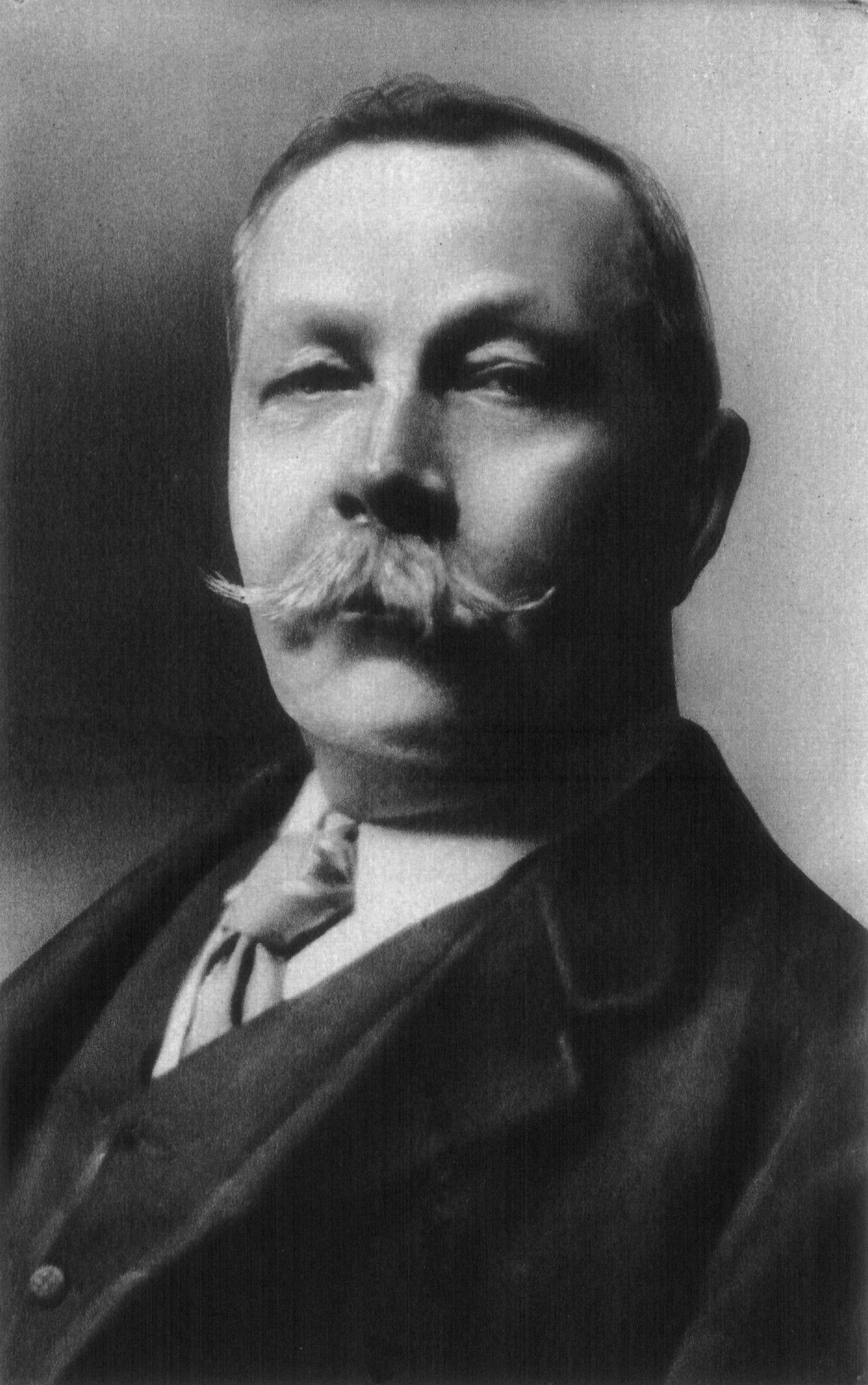
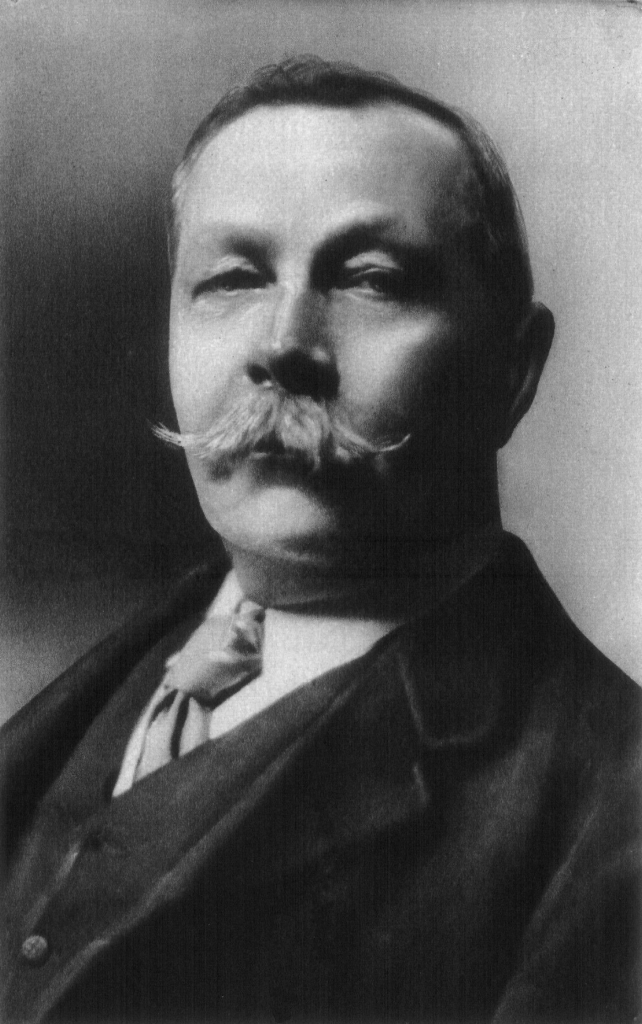
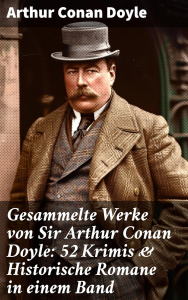
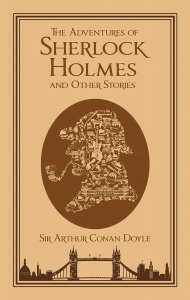
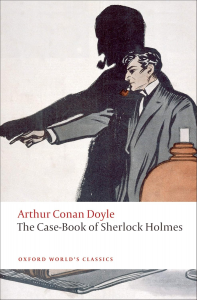
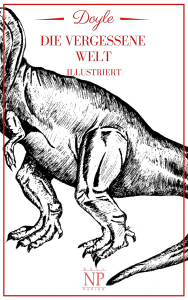
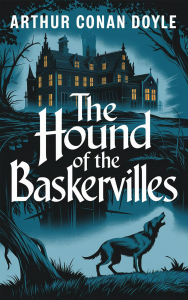
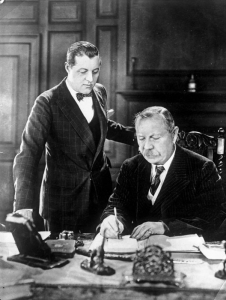
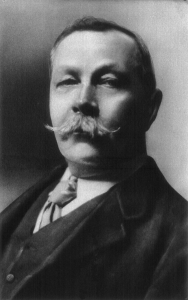
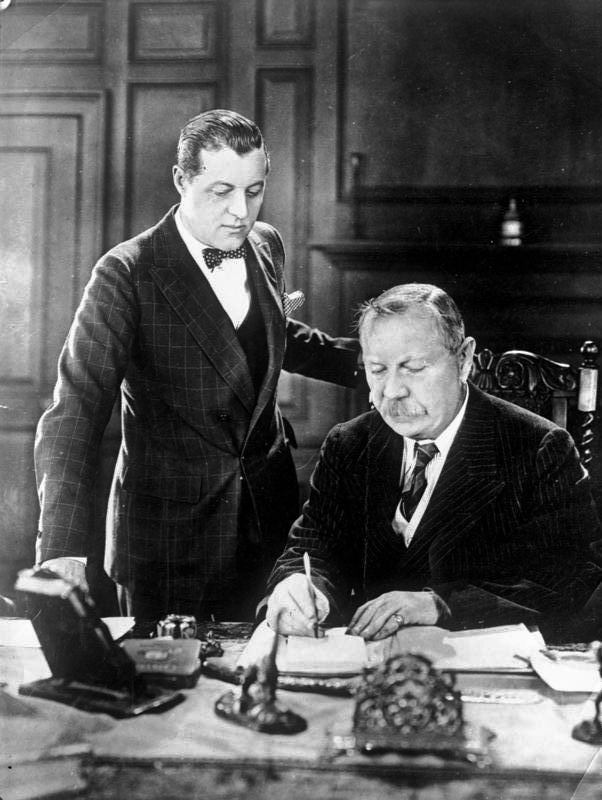
Sir Arthur Ignatius Conan Doyle (May 22, 1859 in Edinburgh, Scotland – July 7, 1930 in Crowborough, Sussex, England) was a British physician and author. He wrote about the adventures of Sherlock Holmes and his friend Dr. Watson. He is also known for the character Challenger from his novel The Lost World, which served as the basis for numerous films and a television series.
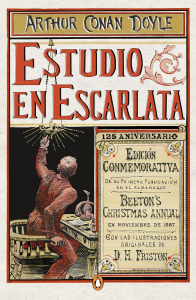
In 1880, Doyle traveled to the Arctic as a ship’s doctor on the whaler Hope, and a year later to West Africa on the Mayumba. From 1882 to 1890, he ran a medical practice in Southsea near Portsmouth. In his free time, he also wrote his first literary works. In 1883, while in Portsmouth, he wrote his first novel, The Narrative of John Smith (see below), which, however, remained unfinished and unpublished and was not published until 2011. In 1887, he published the first story about the detective Sherlock Holmes and his friend Dr. Watson: A Study in Scarlet.
In the following period, Conan Doyle created his second very popular character, Professor Challenger. The Lost World, in which she first appears, was published in 1912 and is considered his best-known novel alongside the Sherlock Holmes series. Doyle’s texts published during the First World War sometimes take a critical look at Germany at the time. In October 1918, a few months before the official end of the war, his son Kingsley died of the Spanish flu. Doyle then began to devote himself increasingly to science fiction novels in the tradition of Jules Verne, as well as to spiritualism and mysticism, and also undertook lecture tours (including to the USA and South Africa).
Among other things, he made the so-called Cottingley Fairies famous – fake photos of fairies in whose authenticity he firmly believed, made into a film in 1997 in The Fairy Garden. His public controversy with the magician Harry Houdini made headlines.[6] The friendship between Doyle and Houdini broke down due to differing ideas about spiritualism – Doyle accepted various mediums as genuine and believed that Houdini himself had supernatural abilities, while Houdini himself said that he never experienced a séance in his life whose effects he could not have imitated with magic tricks.
The deductive and criminal analysis method is characteristic of Doyle’s characters. He, himself a physician, created the role of Dr. Watson. He endowed Sherlock Holmes with characteristics of his teacher at the University of Edinburgh, Joseph Bell. The criminalistic methods described by Doyle in his novels, such as fingerprinting, were ahead of the police methods of their time. This is especially true of the fundamentally scientifically oriented methodology of crime investigation.
In 1890, his novel The Firm of Girdlestone (1890) was published, painting a picture of his hometown of Edinburgh in the age of imperialism. Father and son Girdlestone & Co. operate a lucrative African trade with poorly maintained sailing ships.
That same year, Doyle moved to London. From 1891 onward, he was able to earn a living through writing, following the publication of his first detective story, A Scandal in Bohemia, in The Strand Magazine that same year.
In 1893, Conan Doyle decided to end the life of his protagonist Holmes, as the regular writing of new Holmes stories took up too much of his time and he wanted to concentrate his literary work on other works. This led to protests from his audience.[1] The author’s mother, an avid reader of the stories, tried in vain to dissuade him from the plan. In the story “The Final Problem,” Sherlock falls from the Reichenbach Falls near Meiringen in Switzerland during a fight with his adversary, Professor Moriarty, and is pronounced dead by Watson.
In the same year, Doyle became Master of the Phoenix No. 257 Masonic Lodge in Portsmouth.
In March 1893, Doyle became the first Briton to complete a day’s cross-country skiing. In commemoration of this achievement, the UK Antarctic Place-Names Committee named the Doyle Glacier in Antarctica after him in 1959.
On March 23, 1894, in a daring attempt, he crossed the Maienfelder Furgga from Davos to Arosa on skis, accompanied by two locals, brothers Tobias and Johann Branger. The event helped popularize skiing in England. It was recreated a good century later by the Austrian Broadcasting Corporation (ORF) in a television film based on Conan Doyle’s article “An Alpine Pass on ‘Skiing’,” published in Strand Magazine in December 1894.
Doyle played football as a goalkeeper for the amateur Portsmouth Association Football Club. He used the pseudonym A.C. Smith. He was also a keen cricketer and was capped ten times by the famous Marylebone Cricket Club (MCC) in the first team between 1899 and 1907. As a golfer, he was captain of Crowborough Beacon Golf Club, East Sussex, in 1910. He also initiated the construction of the golf course at Davos during his stays there from 1893 to 1895.
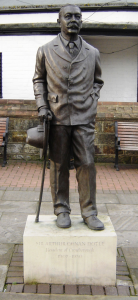
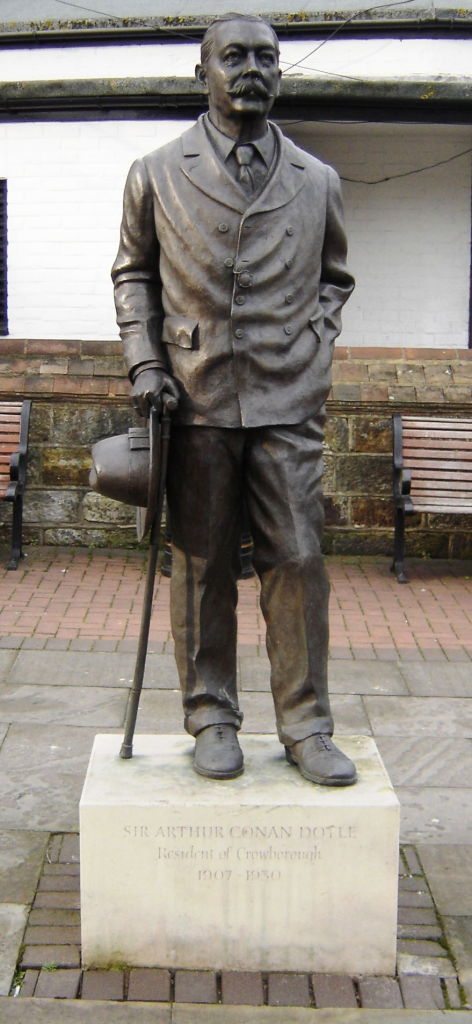
At the 1908 London Olympic Games, Arthur Conan Doyle reported on the marathon for the Daily Mail newspaper. Dorando Pietri was the first to cross the finish line, but because judges and doctors helped him across the finish line, the runner was disqualified. Doyle’s detailed and emotional report in the Daily Mail of July 25, 1908, about the weakened Italian’s finish, and a letter to the editor published at the same time as his article, in which Doyle appealed for donations for Pietri, are the basis of one of the most well-known myths of the modern Olympic Games. Doyle’s great commitment led to the widespread, but untrue, legend that Doyle himself helped Pietri across the finish line. Dr. Michael Bulger, who can be seen in one photograph as an assistant, was often mistaken for Doyle. A memorial to Sir Conan Doyle has stood at Cloke’s Corner in Crowborough since April 14, 2001. The bronze statue was created by sculptor David Cornell and funded by the Conan Doyle Statue Trust with grants from Crowborough Town Council and private donations. To finance the bronze casting, Cornell commissioned a limited edition of a scaled-down model.
In 2023, the Venezuelan frog Caligophryne doylei was named after Conan Doyle.
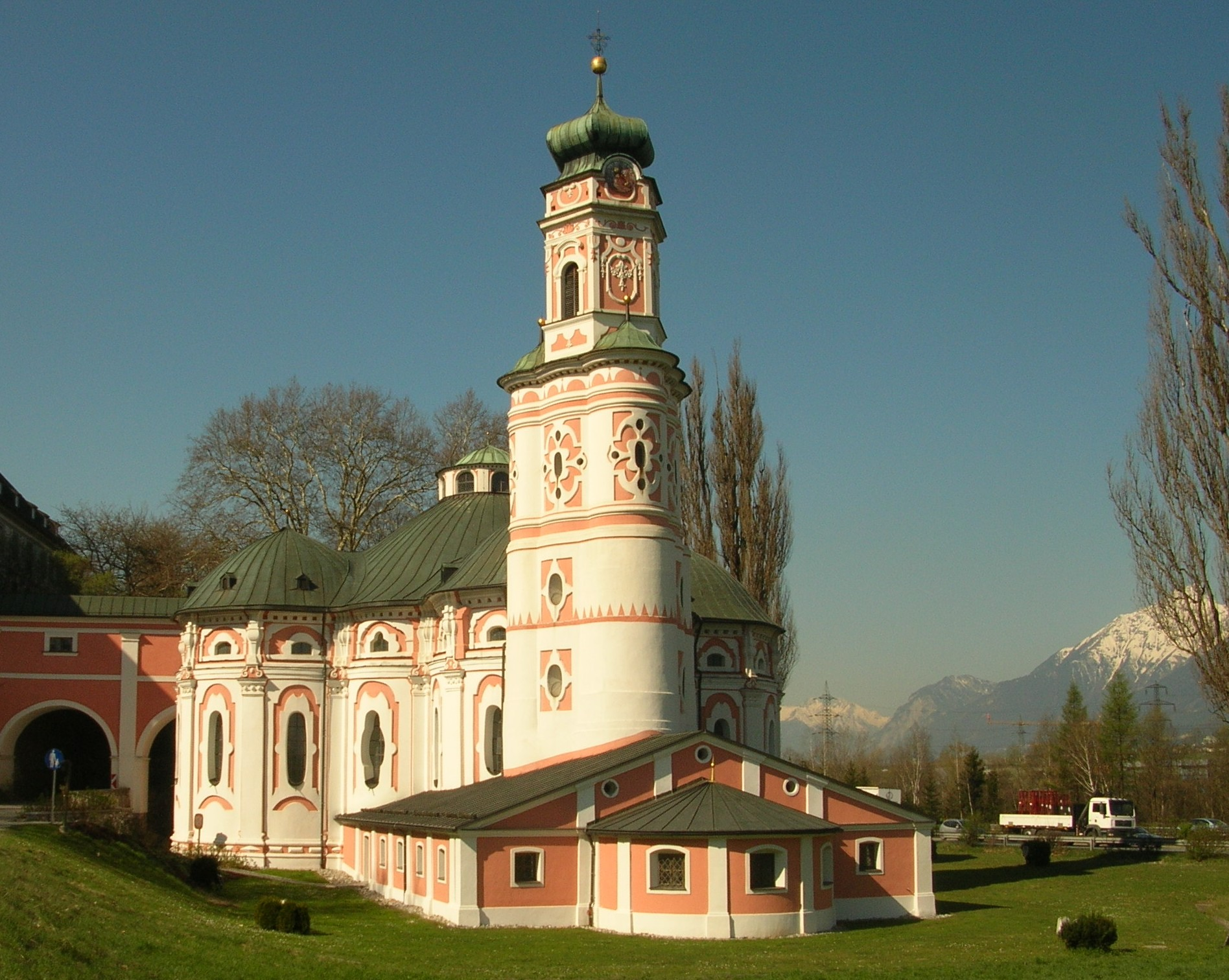
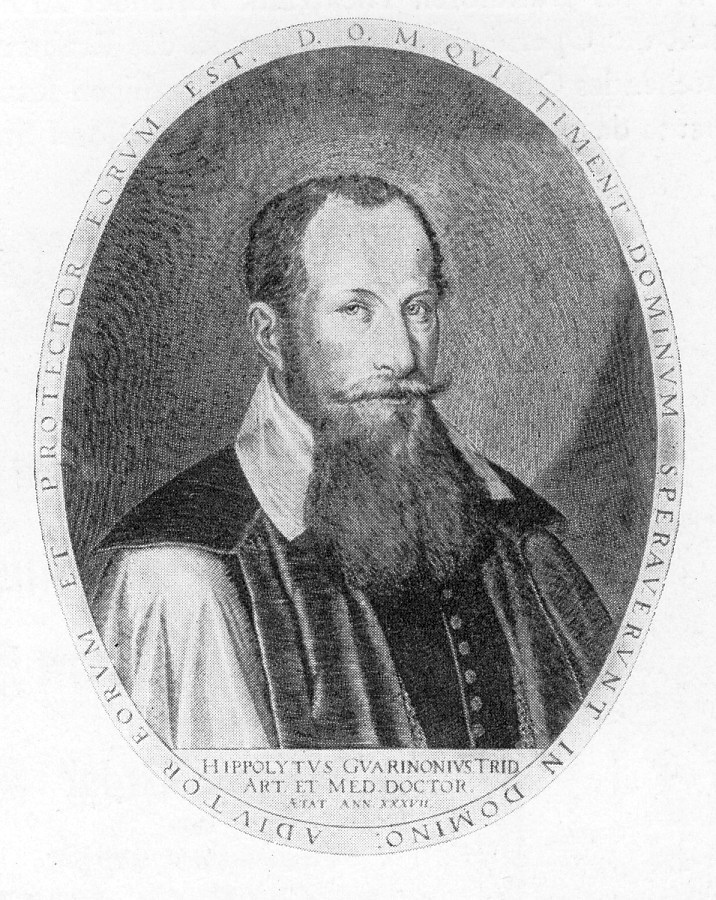
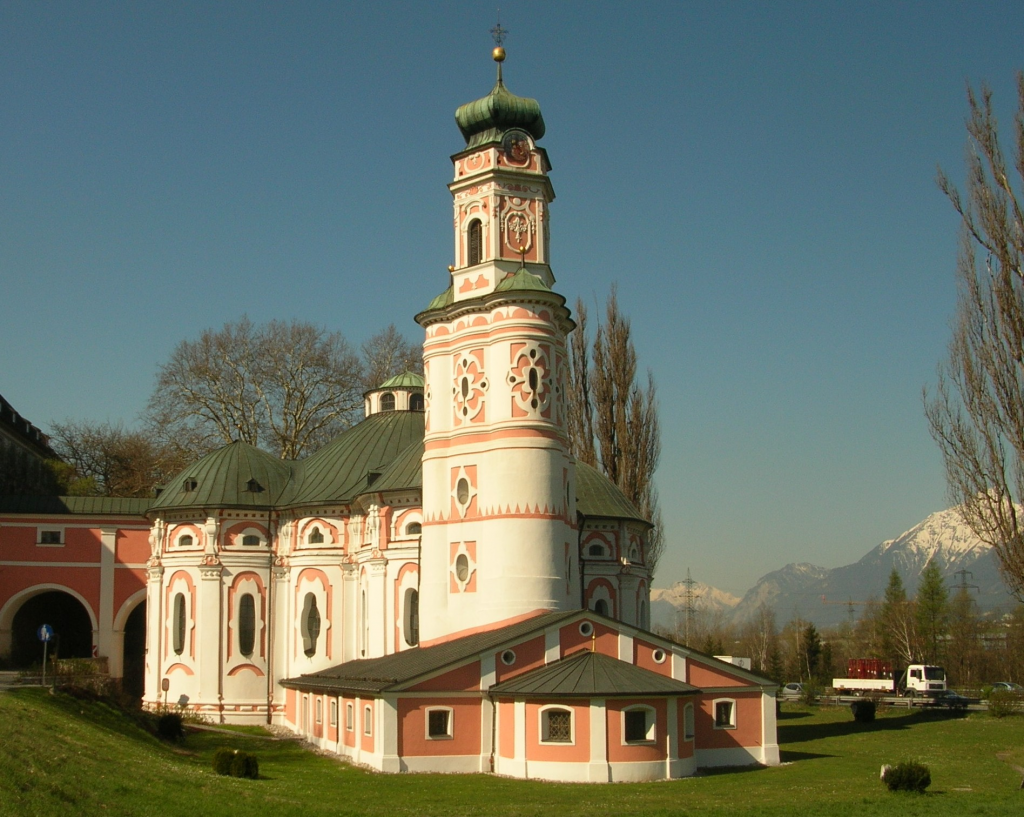
Hippolyt Guarinoni (also Ippolito Guarinoni and Hippolytus Guarinonius) (November 18, 1571 in Trento – May 31, 1654 in Hall in Tirol) was a physician and polymath who practiced in Hall. As a proponent of militant Catholicism, he was instrumental in the construction of St. Charles’s Church in Volders and founded the anti-Semitic Anderl von Rinn cult.
Hippolytus spent his childhood in Trento. He later moved with his father to Vienna and finally followed him to the court of Emperor Rudolf II in Prague in 1583, where he received a thorough and comprehensive education at the Jesuit Gymnasium there. The Jesuit education left a lasting impression on the inquisitive young man. From 1593 to 1597, Guarinoni studied medicine at the University of Padua; he also attended lectures in theology and philosophy.
An outward symbol of Guarinoni’s religious zeal is St. Charles’s Church in Volders, which he had built according to his plans using his considerable fortune. The almost oriental-looking church – art historians describe its style as “Venetian Baroque” – is one of the most remarkable sacred buildings in Tyrol. Construction, whose floor plan is modeled on St. Peter’s Basilica in Rome, had to be repeatedly interrupted due to Guarinoni’s financial difficulties and was therefore only consecrated on July 25, 1654, 34 years after the laying of the foundation stone on April 2, 1620. Guarinoni did not live to see this joyous day, having died in Hall two months before the consecration. St. Charles’s Church also became his burial place. In front of the steps of the Epiphany Altar, a white marble plaque bearing the founder’s coat of arms indicates that Guarinoni, his wife, and two of his sons were laid to rest here, according to his last will.
Guarinoni also commissioned the construction of the chapel on the Stiftsalm in the Voldertal Valley and the Borgia Chapel in Volderwald (Tulfes). The chapel at the Volderer Wildbad (Wildbad) burned down several times, so the current building is only indirectly attributable to Guarinoni. Across the Inn Valley, he designed the plan for the Annenkirchlein church in Bad Baumkirchen.
Guarinoni is known in Tyrol not only for his architectural work, but even more so for his medical, religious, and rhetorical writings.
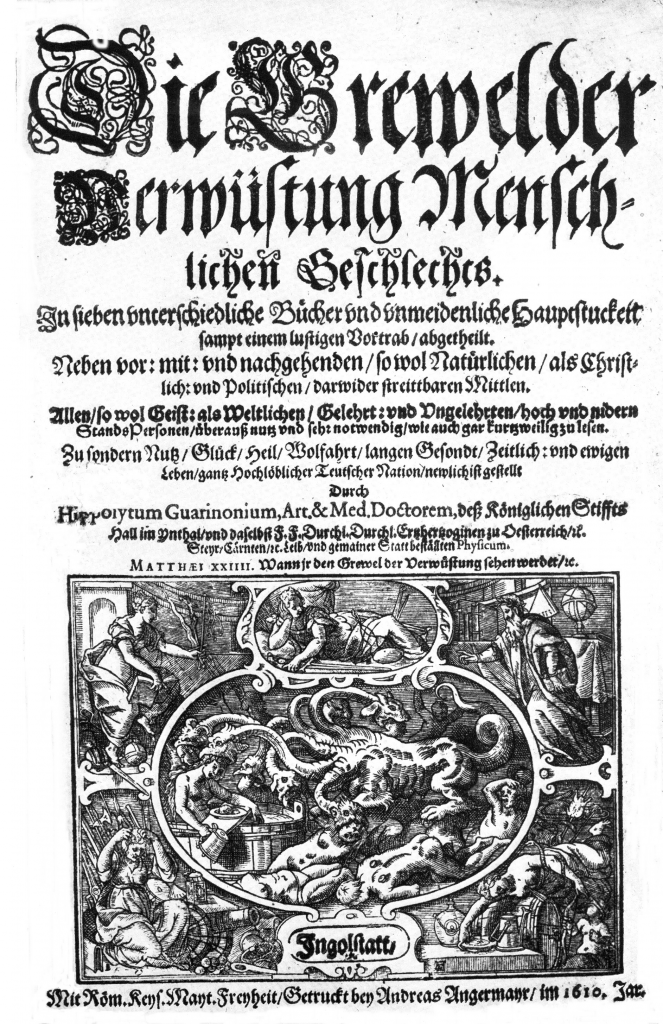
His most important work is Grewel der Verwüstung Menschenrechte (The Devastation of Human Sex), published in Ingolstadt in 1610. It is a voluminous tome whose prolixity in form and content defies clear classification. Among other things, Guarinoni deals with the following subjects in this work: “Doctor and Apothecary, Dück der Weiber. Dawung (digestion), Ebene (plains) and Birg (mountains), Eaters and Drinkers, English Comedians, Calendaric Foolishness, Anecdotes from Eulenspiegel, Foxtails, The Fencing Schools. Dog Law among the Germans, Jews and Heretics Like to Eat Meat. Praise of the Old Wives. Hymns of the Gerhaben (guardians), Marx and Lucas Brothers, Mill and Miller Fraud. The Nature of Geese and Women. Noodles and Plenten, Peasants’ Food. Predicants, Freßdeckanten, etc.” Guarinoni’s Grewel is also a treasure trove for German linguistics, especially for unusual provincial expressions, as it is a not inconsiderable source of provincial references of all kinds, rich in both genuine German proverbs and sayings, allusions, and similes.
The Botanist
A herbarium created by Guarinoni, which has been in the possession of the Ferdinandeum State Museum since 1876 through a donation from Wilten Abbey, is one of the oldest collections of its kind in Central Europe. Created between 1610 and 1630 in book form with a wooden cover and beveled edges, the collection begins with a 13-page Latin-German index and contains 633 pasted plants collected in the vicinity of Innsbruck on 106 pages.
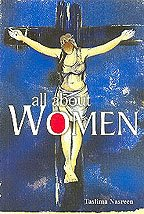
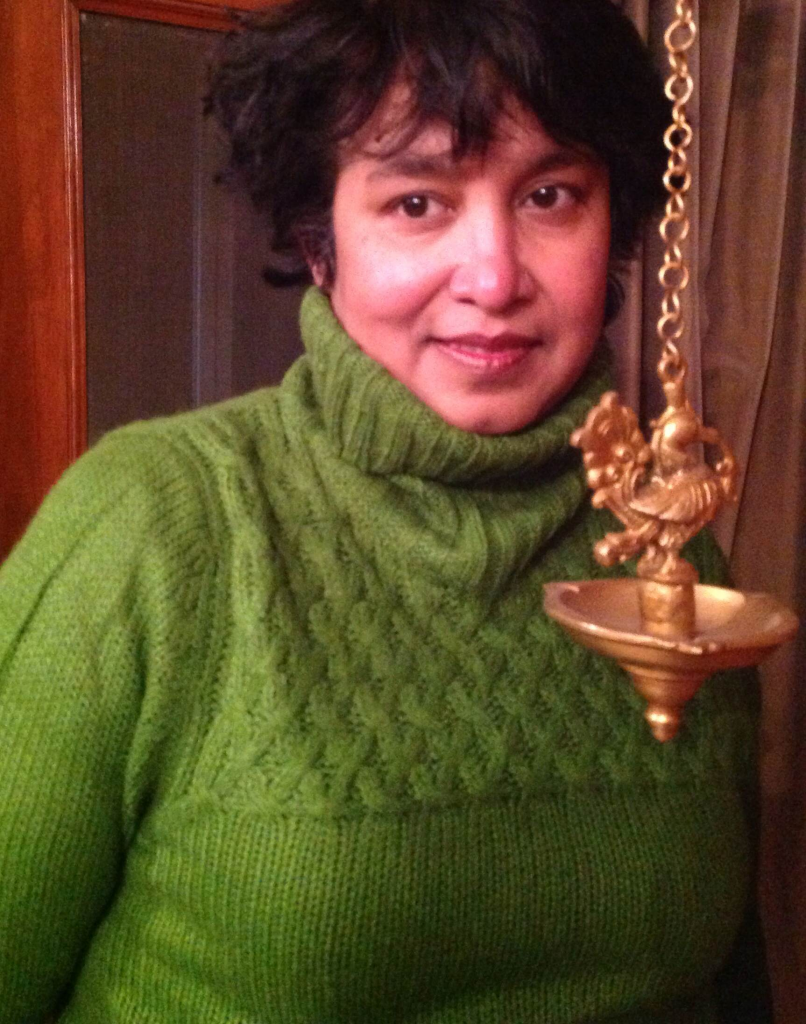
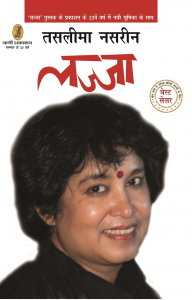
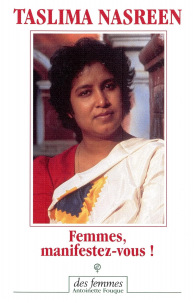
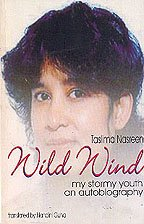
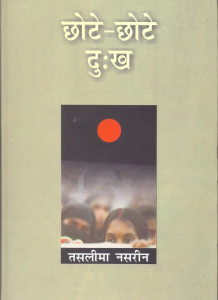
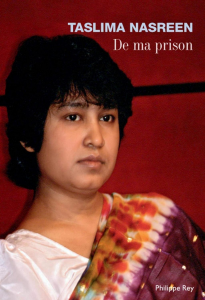
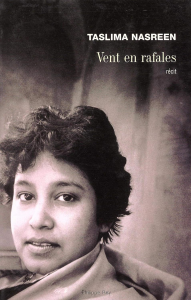
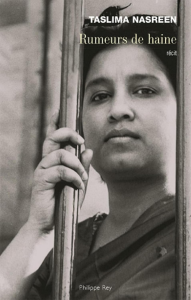
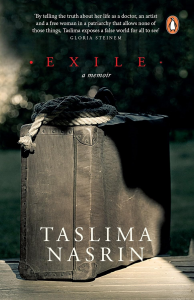
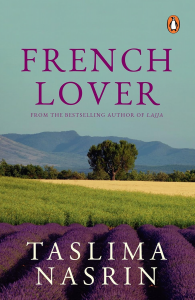
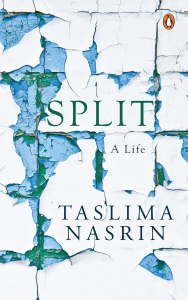
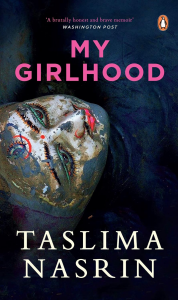
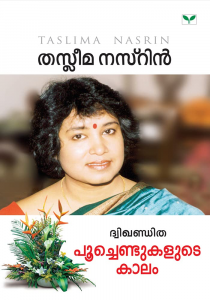
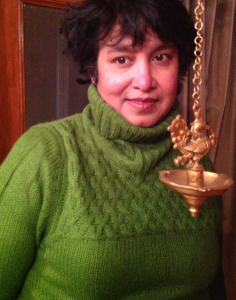
Taslima Nasrin (Bengali: তসলিমা নাসরিন IAST Tasalimā Nāsarin, anglicized: Taslima Nasreen; born August 25, 1962 in Maimansingh) is a Bangladeshi physician and writer.
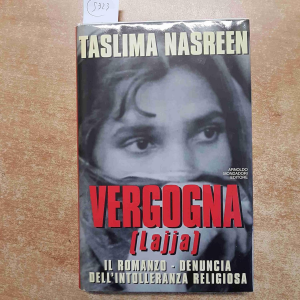
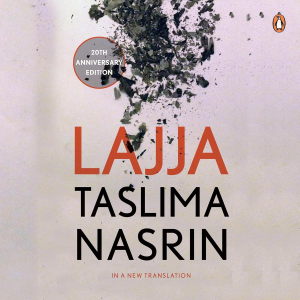
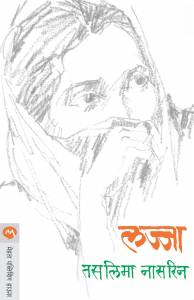
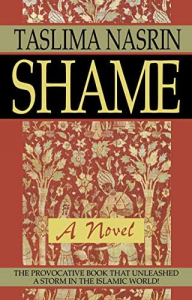
Taslima Nasrin advocates for women’s equality and opposes the oppression of religious minorities in predominantly Islamic societies, such as her native Bangladesh. She has been threatened with death by Islamic fundamentalists, primarily because of her 1993 Bengali documentary novel Lajja (Bengali: Shame), about the persecution of a Hindu minority family in Bangladesh.[1] The book was immediately banned in Bangladesh. In 1994, she was forced to flee her country.[2] She initially sought refuge in Sweden. Nasrin has lived in exile on and off since then. In 1995, she first lived in Berlin.
Taslima Nasrin’s literary work has been translated into thirty languages.[3] Sixty thousand copies of her book Lajja (Sham) were sold within five months, but then the book was banned and her passport confiscated.[4] Other works were also banned in Bangladesh and West Bengal.
She is one of the signatories of the Manifesto of the 12 against Islamism as a new totalitarian threat.
In 2004, an Indian Islamic cleric offered a reward of 20,000 rupees to anyone who would “blacken her face,” an act considered a grave insult. In March 2007, the All India Ibtehad Council offered 500,000 rupees for her beheading. The group’s president, Taqi Raza Khan, said the bounty would be withdrawn only if she apologized, burned her books, and left India.
Nasrin has been the victim of violence because of her beliefs. In August 2007, she was attacked by radical Muslims during a reading in the southern Indian state of Andhra Pradesh.[7] Nasrin intended to settle in exile in West Bengal. After violent protests by Bengali Muslims in Calcutta (Kolkata) in November 2007, which led to the deployment of the army and the imposition of a night-time curfew in the city, Nasrin first moved to Jaipur and from there to Delhi. The Indian central government warned her that her safety could only be guaranteed in Delhi and that her visa might not be renewed if she insisted on moving to Calcutta.[8] After further death threats, she left for Europe in mid-March 2008. In early 2009, it was announced that she would find refuge in France. The city of Paris will provide its honorary citizen with an apartment on February 1.
Critics accuse Taslima Nasrin of advocating for changes to the Quran to achieve more rights for women. She denies this, however.[10] In 1994, she responded to such accusations by saying that she had called for changes to the Sharia, not the Quran, to benefit women.
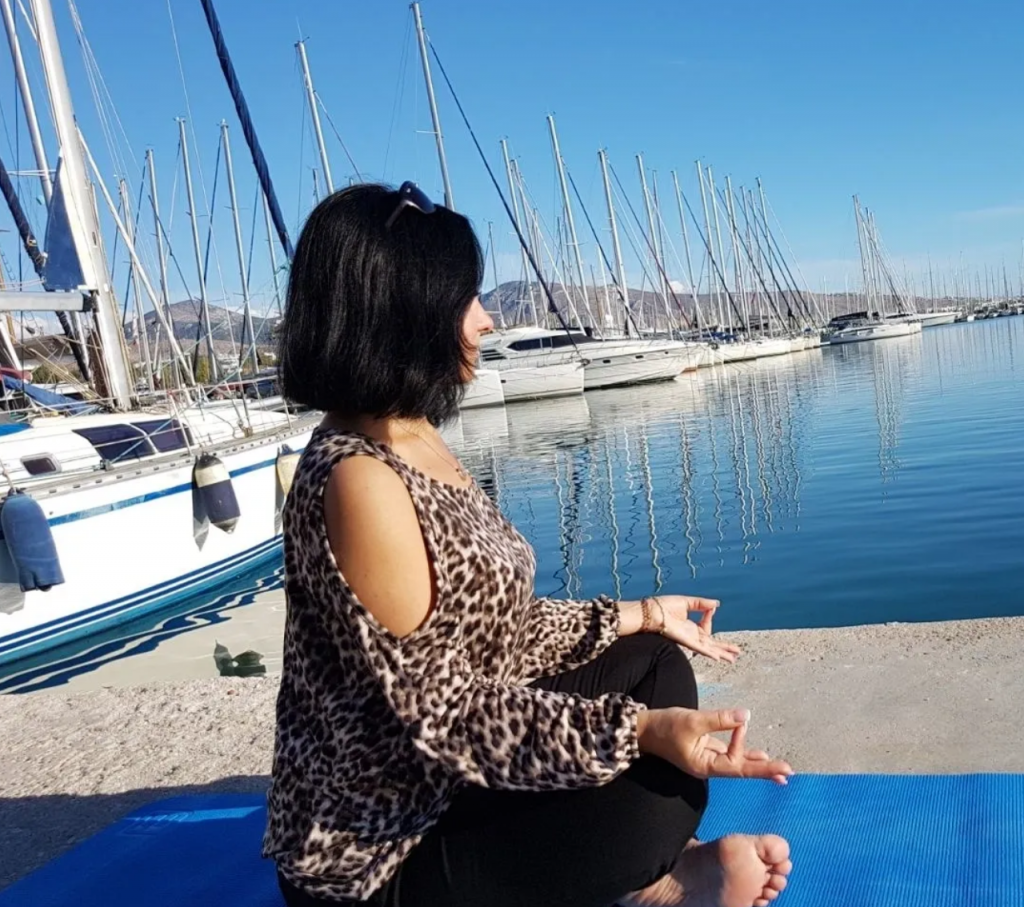
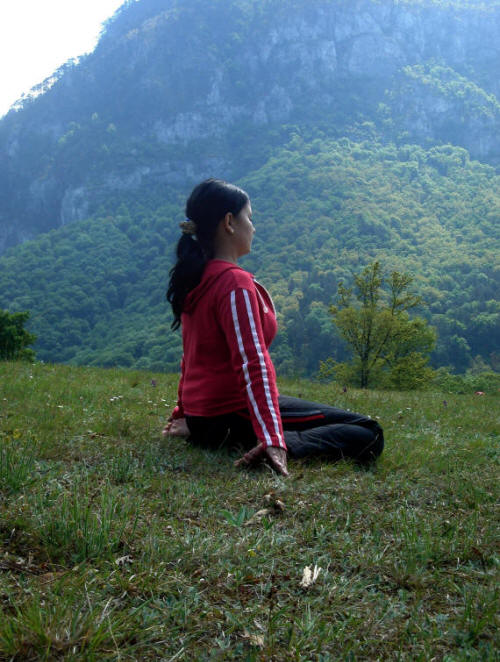
Meet the founder of LiveOnlineYoga and LiveOnlineShakti community! She uses her valuable knowledge as a medical doctor, 18+ years of teaching and training experience, and 30+ years of personal yoga practice to help you benefit the most from your online classes.
Integral Esoteric Yoga
Are you looking for a new spiritual experience every week? Then Integral Esoteric Yoga is your yoga style as it embraces techniques from all the main types of yoga: Hatha, Kundalini, Kriya, Tantra, Yantra, Mantra, Laya, Raja, Karma, etc., helping you meld your spiritual and physical self for an intensive workout accustomed to you. Students of all backgrounds (beginners, advanced, formers) welcome.
Esoteric Shakti Yoga
Esoteric Shakti Yoga aims the awakening of the state of a Shakti, Kundalini energy, communion with the Divine Mother MAHA SHAKTI, or one of her ten facets represented by the Great Cosmic Powers. Relevant knowledge from psychology, medicine, Ayurveda, astrology, Tantra, etc., is added to help ladies rejoice in conscious elevated femininity. Awakening of the woman’s soul and conscious love relationships by relating to the feminine and masculine divine hypostasis and soul archetypes. Yoginis welcome.
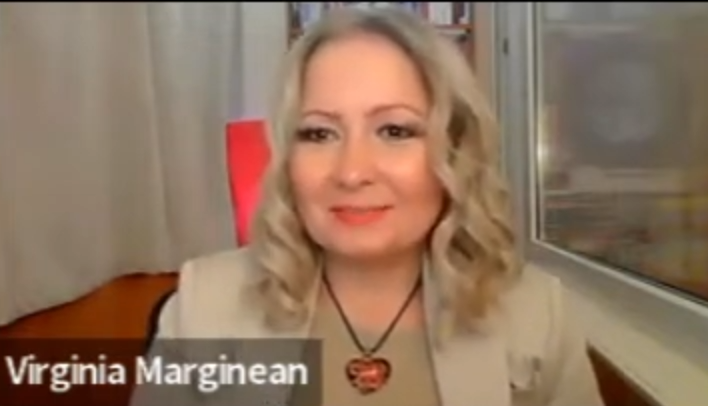
Virginia Marginean has been studying integral yoga since 1993 – at classes in Romania.
Teaching Yoga since 2005. MISA certified yoga teacher – Romanian Yoga School 2007.
She is also a certified M.D. from the world renowned Carol Davila School of Medicine in Bucharest, Romania.
Favorite quotes “The overwhelming and mutually transfiguring love makes people feel divine and equal.” – Yoga Professor Gregorian Bivolaru
“Blessed are they which do hunger and thirst after righteousness: for they shall be filled!” – Gospel of Matthew Chapter 5
“This manifested universe actually is consciousness and its structure always expresses the shape of the Supreme Divine Self – PARAMATMAN.” – Yogi treatise YOGINIHRIDAYA, 50th SUTRA
“That which is here (in the microcosm of our being) is everywhere (in universe), that which is not here (in the microcosm of our being) can’t be found anywhere (in the universe or macrocosm)”. – Yogi treatise TANTRA SARA
“If we lead our spiritual practice after the HATHA YOGA methods, this will always take us to the same results with an extraordinary precision, regardless of our beliefs.” – Yogi treatise “TANTRA TATTVA YOGA”, 132nd Sutra
Promise to the students Guiding you in your yoga practice and study, I will help you (re)discover in a surprising way the mysterious calling deep within your heart – the call to a relationship with God. Gradually introducing you to the yogi lifestyle, I’ll help you remain healthy and happy. By helping you understand that yogi values are universal values, you will see the world through the eyes of a child again and will reconsider your priorities in life.
Work, past Internship in the University Emergency Hospital, Bucharest
Education Certified M.D.; Yoga and Tantra – philosophy and practice; Esoteric art
Experience with different paths of yoga Hatha Yoga, Tantra Yoga, Karma Yoga, Laya Yoga, Raja Yoga, Maha Vidya Yoga, Kundalini Yoga, Jnana Yoga, Kriya Yoga, Yoga Nidra, Svara Yoga, Kashmiri Shivaism and Ayurveda
Best experience from yoga After the first year of yoga I opened my heart towards God for the first time in my life. Ever since, my faith in God has grown stronger and stronger and culminated with direct experiences of spiritual communion with Him. Not only yoga transformed me into a believer but also helped me understand and feel the true spirituality from Christianity, as well as other spiritual traditions. My experience in yoga has brought me to the conclusion that our life is actually our spiritual path, but an easy life doesn’t necessarily mean an easy spiritual transformation and evolution.
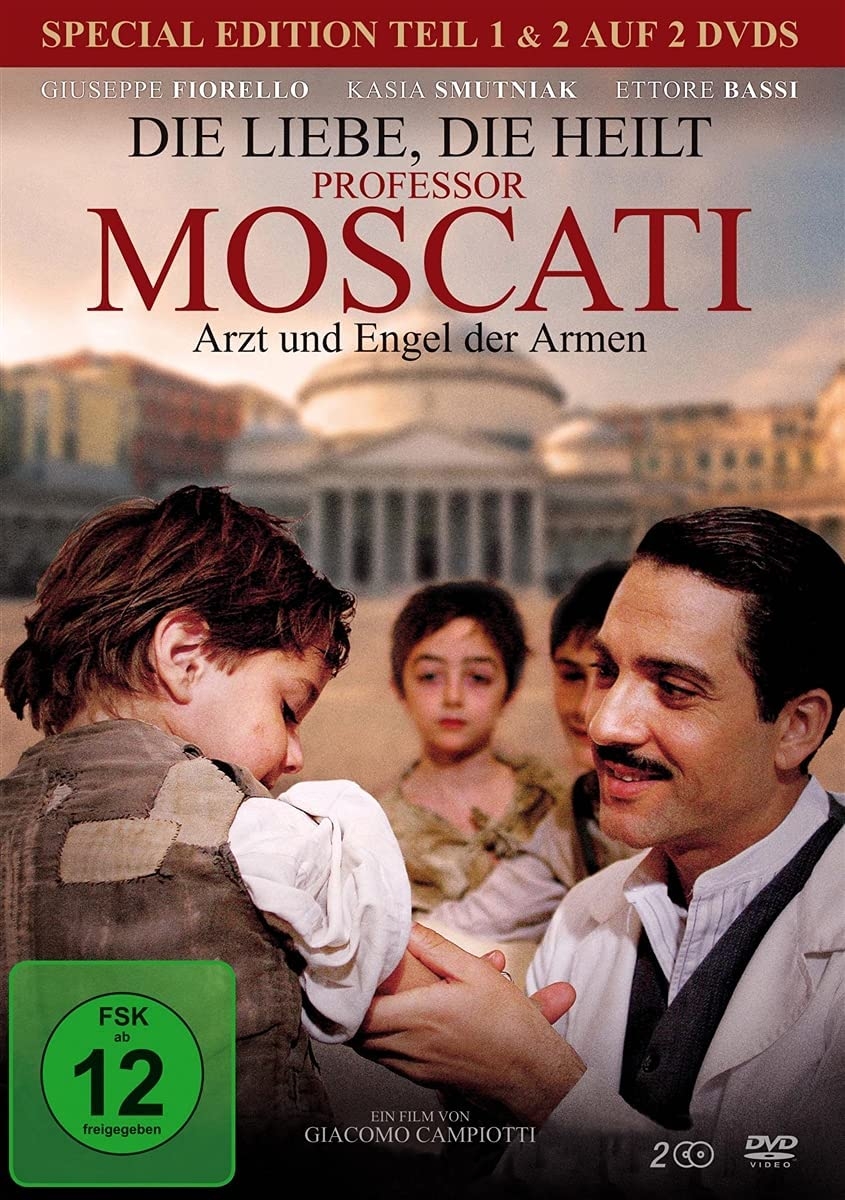
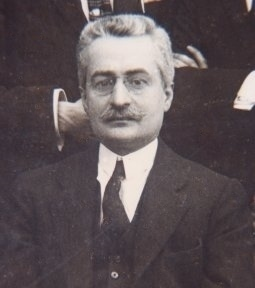
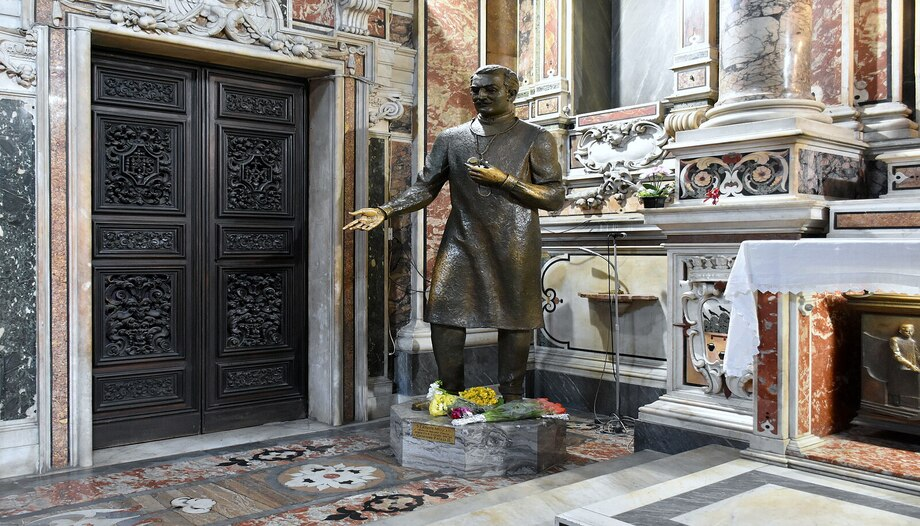
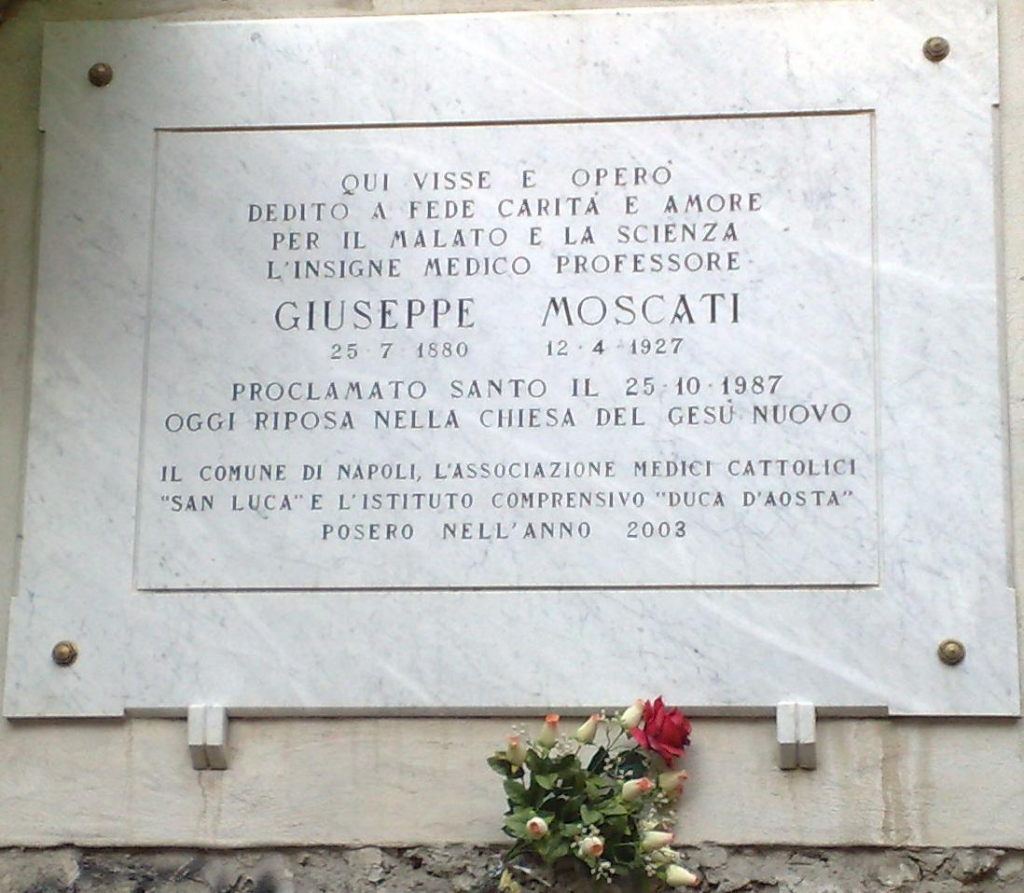
Saint Giuseppe Moscati, also known as Joseph Moscati (July 25, 1880 in Benevento near Avellino; April 12, 1927 in Naples) was an Italian physician, scientist, and university professor. He was beatified by Pope Paul VI in 1975 and canonized by Pope John Paul II in 1987. The Catholic Church celebrates his feast day on April 12, while the Archdioceses of Naples and Amalfi-Cava de’ Tirreni celebrate it separately on November 16. Moscati was one of the first physicians to use insulin to treat diabetes.
Joseph Moscati (1880-1927) came from an Italian aristocratic family and was a renowned physician – that sounds like a life worthy of a serial, full of luxury, money, and beautiful women. But this saint chose a very different path early on and pledged eternal chastity before even beginning his medical studies in Naples. Joseph completed his doctorate in 1903 and was soon forced to prove his humanitarian commitment: in 1906, Mount Vesuvius erupted. The young doctor organized the evacuation of a hospital and provided emergency aid. Just five years later, Naples was struck by a cholera epidemic, and Joseph worked around the clock caring for the sick. In 1914, the First World War broke out, during which Joseph treated approximately 3,000 soldiers. Beyond the great catastrophes of world events, he took special care of the poor. Not only did he accept little or no remuneration from them, but he often paid for medication out of his own pocket. The popular physician died after a short illness on April 12, 1927, in Naples. Pope John Paul II canonized Joseph Moscati in 1987.
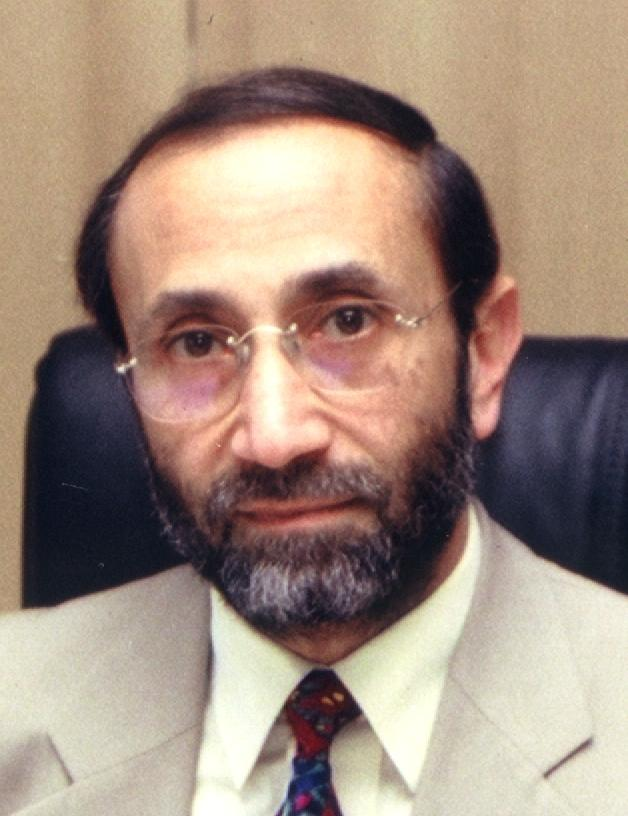
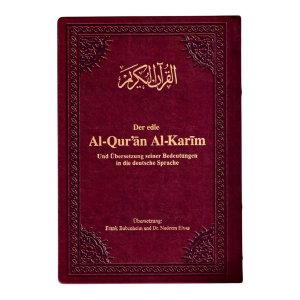
Nadeem Elyas (Arabic: Nadīm Ilyās; born September 1, 1945 in Mecca) is a Saudi Arabian Islamic scholar and physician. He served as chairman of the Central Council of Muslims in Germany from 1994 to 2006.
Elyas is a Sunni Muslim of Hanafi persuasion. Elyas left Saudi Arabia in 1964, studied medicine and Islamic studies in Germany, and practiced as a gynecologist. He lives in Eschweiler (North Rhine-Westphalia), is married, and has four children, including the comedian Ususmango, who became known as part of the comedy ensemble RebellComedy.
He was Secretary General of the Union of Muslim Student Organizations in Europe and spokesman for the Islamic Center Aachen, which is under surveillance by the Federal Office for the Protection of the Constitution.[2][3] He is a founding member and board member of the Islamic Cooperation Council in Europe and a partner in working groups and advisory boards such as the Islamic-Christian Working Group, the Intercultural Council and the Round Table of Religions. Between 1993 and 1996, he trained his later successor, Aiman Mazyek, in his Islamic studies program.[4] The “Islamic Charter”[5] – a declaration of principles by the Central Council of Muslims in Germany (ZMD) on the relationship between Muslims and the state and society – was presented to the public under his chairmanship. In the 2005 kidnapping of the German archaeologist Susanne Osthoff, Elyas offered to exchange her for the hostage.
Born in 1945 in Mecca, Saudi Arabia, living in Germany since 1964. Medical studies in Frankfurt, specialist training in gynecology, obstetrics, and cytology in Bad Soden, Krefeld, and Aachen. Parallel studies in Islamic studies.
Functions: Former Chairman of the Central Council of Muslims in Germany (ZMD) since 1995 and long-time spokesperson for the preliminary committee of the Islamic Working Group in Germany. Former Secretary General of the Union of Muslim Student Organizations in Europe (UMSO). Council member of the Islamic Center Aachen (IZA). Founding and board member of the Islamic Cooperation Council in Europe. Initiator of the nationwide Open Mosque Day. General Commissioner of the Islamampavillon at EXPO 2000 in Hanover.
Member of the Intercultural Council in Germany. Member of the Supporters’ Circle of the Alliance for Democracy and Tolerance. Member of the Alliance for Tolerance and Civil Courage Member of the Forum Against Racism and the Network Against Racism
Member of the Advisory Board for Overcoming Xenophobia, Racism, and Violence – Working Group of Christian Churches in Germany (ACK) Member of the Ecumenical Preparatory Committee for the Week of Foreign Citizens Co-initiator and member of the Mainz Round Table of Religions Member of the Christians and Muslims Discussion Group at the Central Committee of German Catholics Co-founder of the Abrahamic Forums in Germany