Category Archives: CoinDocs

  • -

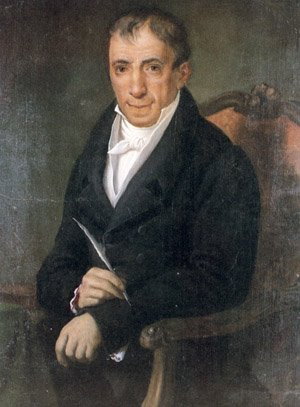
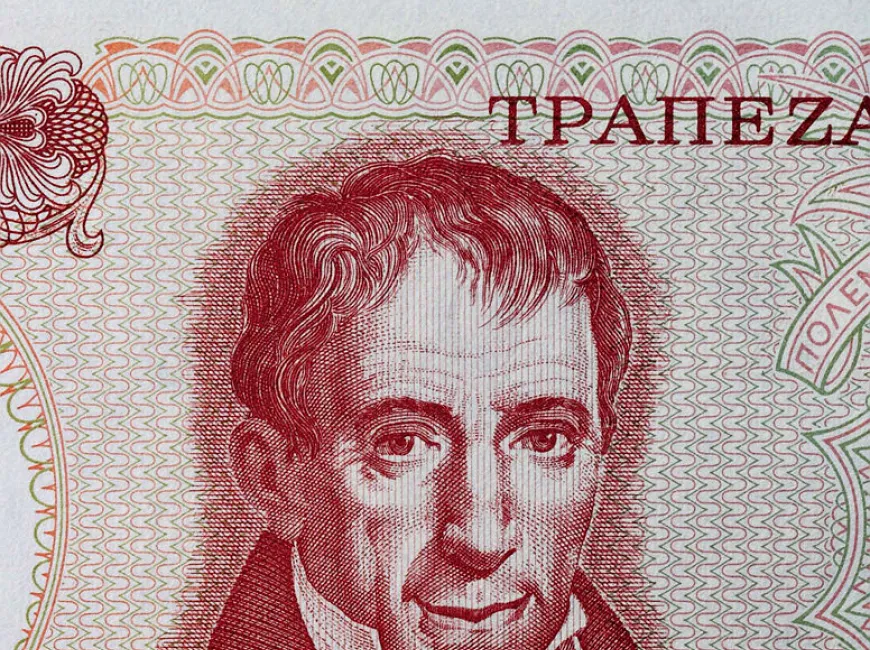
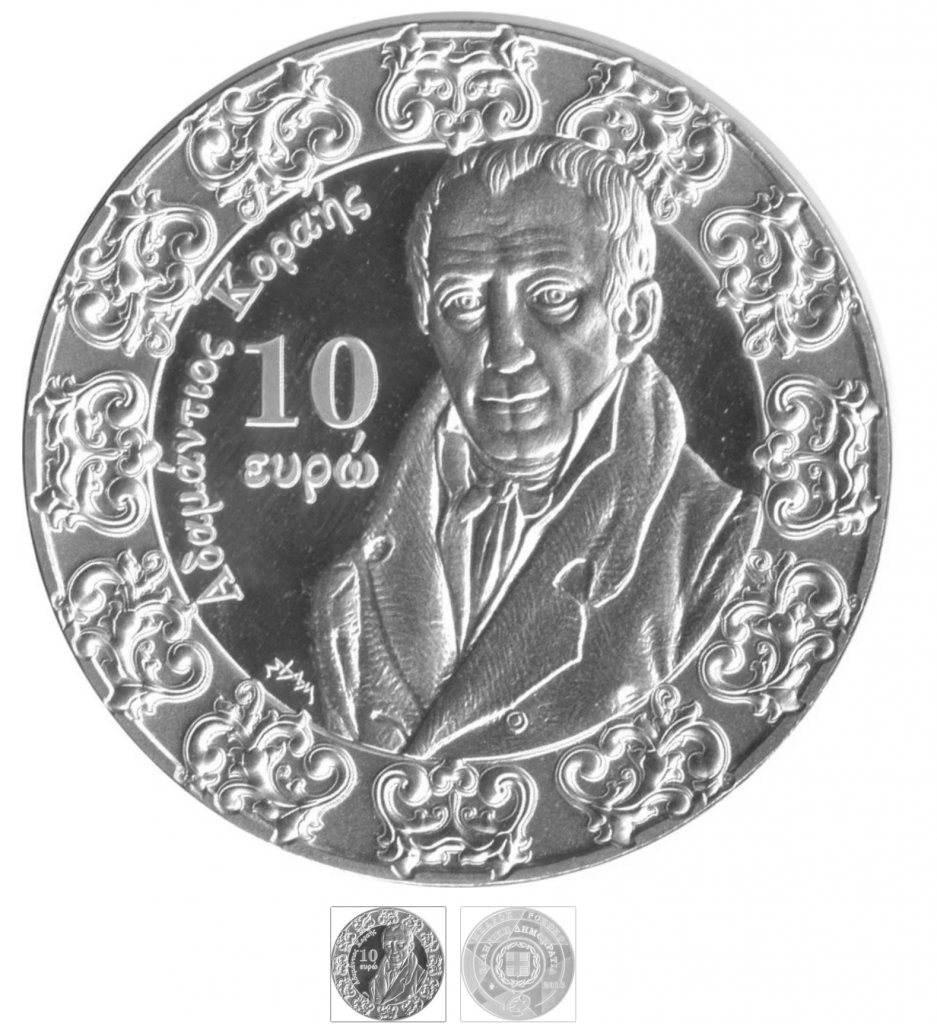
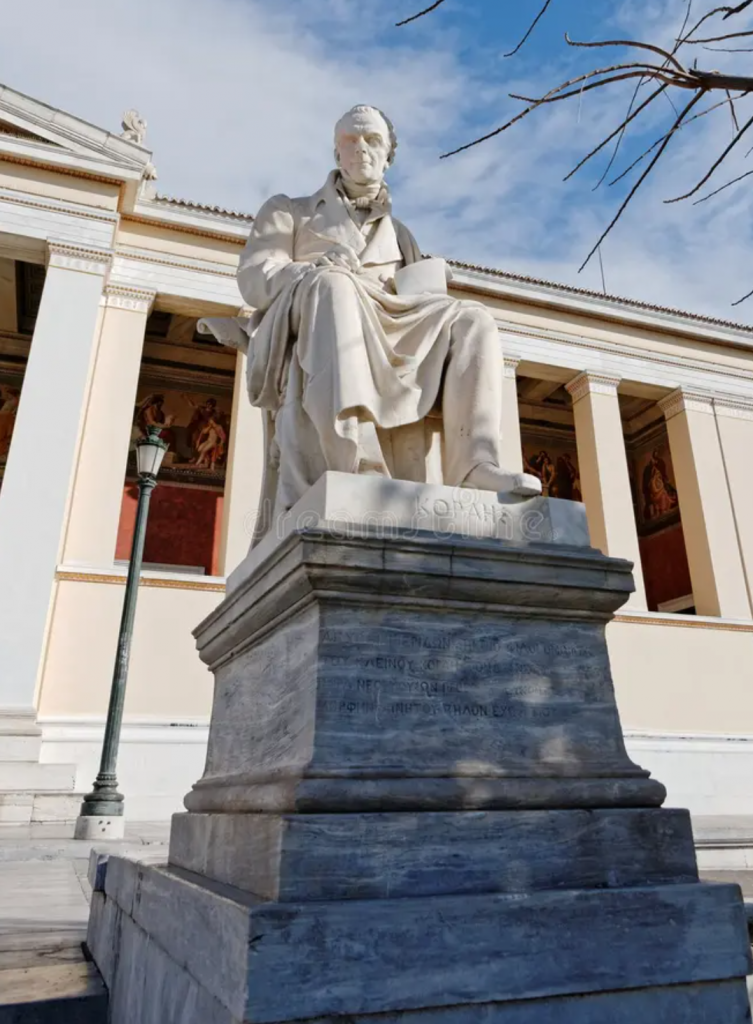
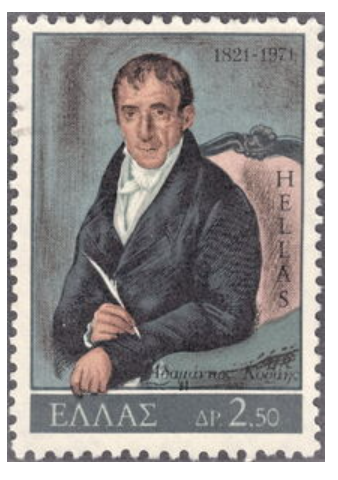
Adamantios Korais

Adamantios Korais (Greek: Αδαμάντιος Κοραής – Adamántios Koraís, also Koraés; April 27, 1748 in Smyrna, Asia Minor, Ottoman Empire – April 6, 1833 in Paris) was a Greek scholar and writer. Korais is considered a reformer of Greek literature.
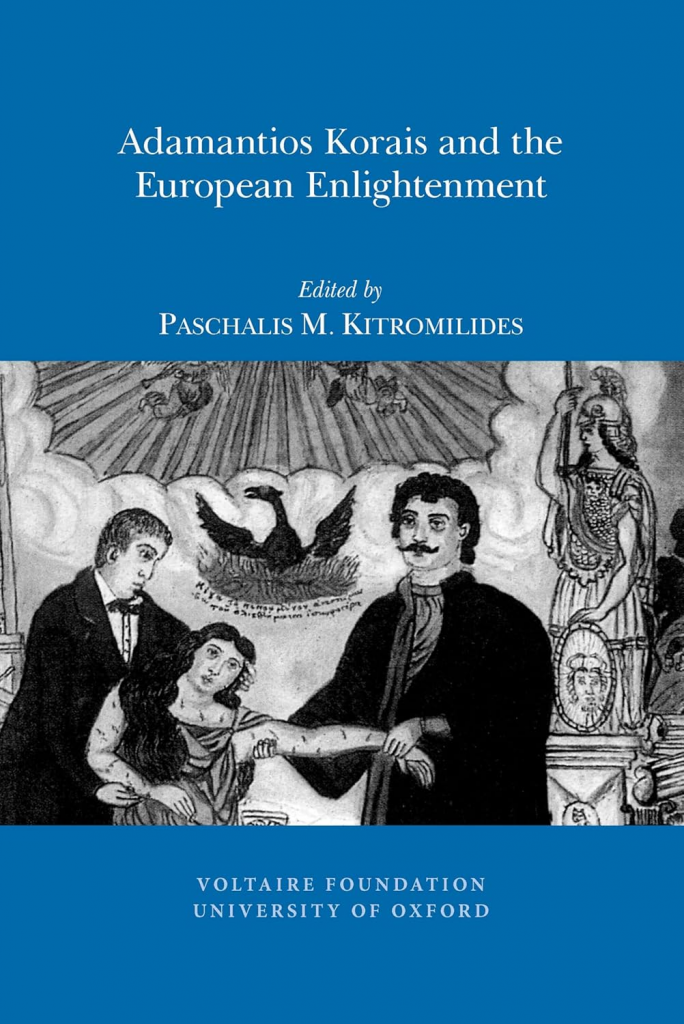
Korais was born in Smyrna, but his father came from the island of Chios, and Korais felt a strong connection to the island. Korais graduated from the Evangelical School of Smyrna and spent most of his life not in Greece, but in Western Europe. He devoted himself early on to the study of ancient and modern languages, and then, at his father’s wish, learned the trade of merchant in Amsterdam. From 1782 onwards, he studied medicine and natural history in Montpellier. In 1788, Korais settled in Paris to devote himself entirely to literature. Although he became a French citizen, he remained true to his Greek origins. Korais was interested in the church, schools, science, and politics. From Paris, he fought verbally and in writing for the spiritual rebirth of Greece.
Adamantios Korais – Zante Ferries

His main goal was the development of a national, universal Greek language into a written language; the standards he established for this are still largely the authoritative ones today. Korais tried to raise Greek awareness of their historical heritage, their Hellenistic origins. He stated that general education was the key to an independent Greece. Above all, however, Korais is known for his decisive role in the Greek language question: He attempted to strike a balance between the antiquarian standard language and the popular language, and went down in Greek linguistic history as the inventor of the Katharevousa (= the pure; the purified popular language).
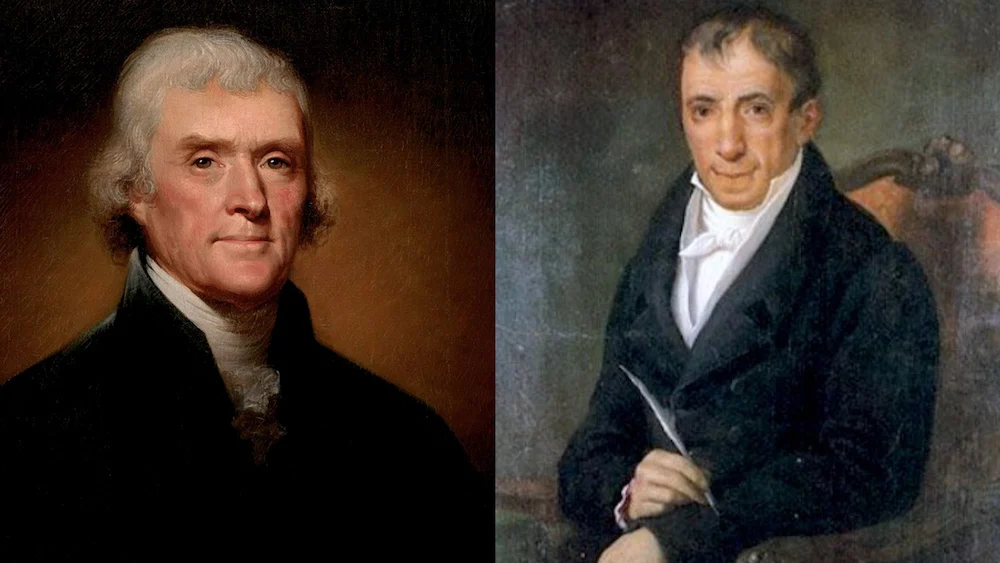
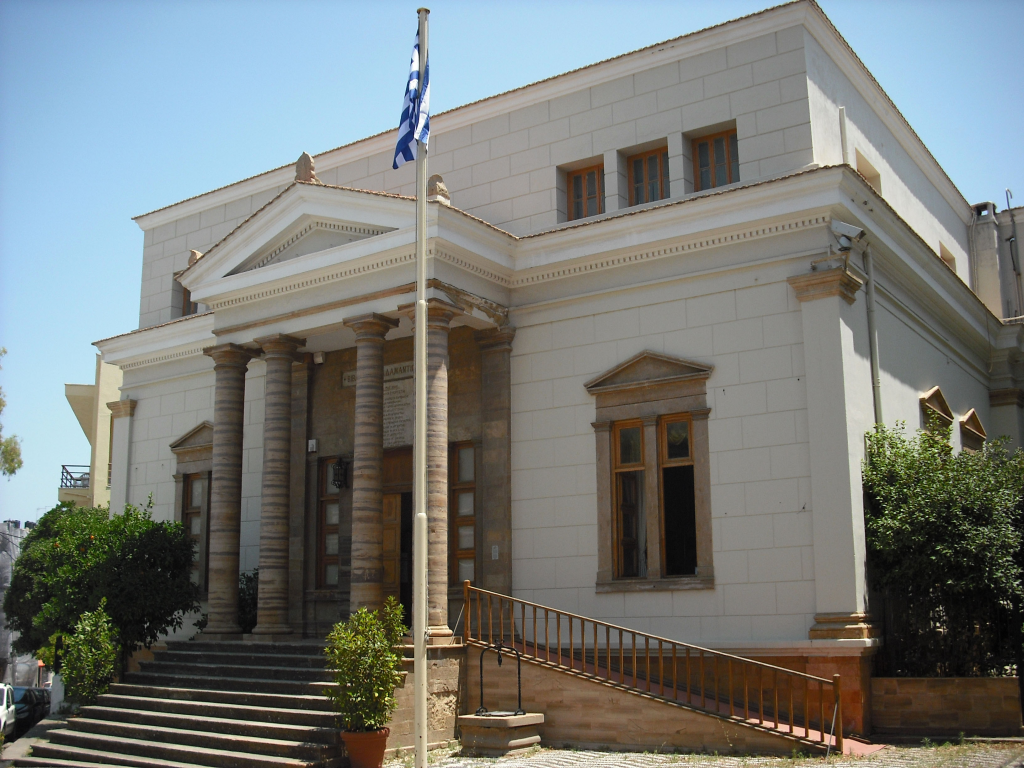
In his letters and publications, Korais criticized the Greek Orthodox Church, which dominated the lives of his countrymen in the Ottoman Empire. The church strictly opposed an independent Greece. Korais’s expertise in classical antiquity developed from his study of the works of ancient Greek writers. His marble bust adorns the Lyceum on the Greek island of Chios, to which Korais bequeathed his valuable library, the present Korais Library (Δημόσια Κεντρική Ιστορική Bιβλιοθήκη Χίου Κοραή), which bears his name.

Adamantios Korais died on April 6, 1833, in Paris and was buried in the Montparnasse Cemetery (Division 2). In 1877, at the request of King George I of Greece, he was reburied and now has an honorary grave in the First Cemetery of Athens. In 1895, a cenotaph was erected in his honor at the site of his grave in the Montparnasse Cemetery.

The chair of Byzantine and Modern Greek Studies at King’s College London, the Koraes Professor of Modern Greek and Byzantine History, Language and Literature, is named after him.
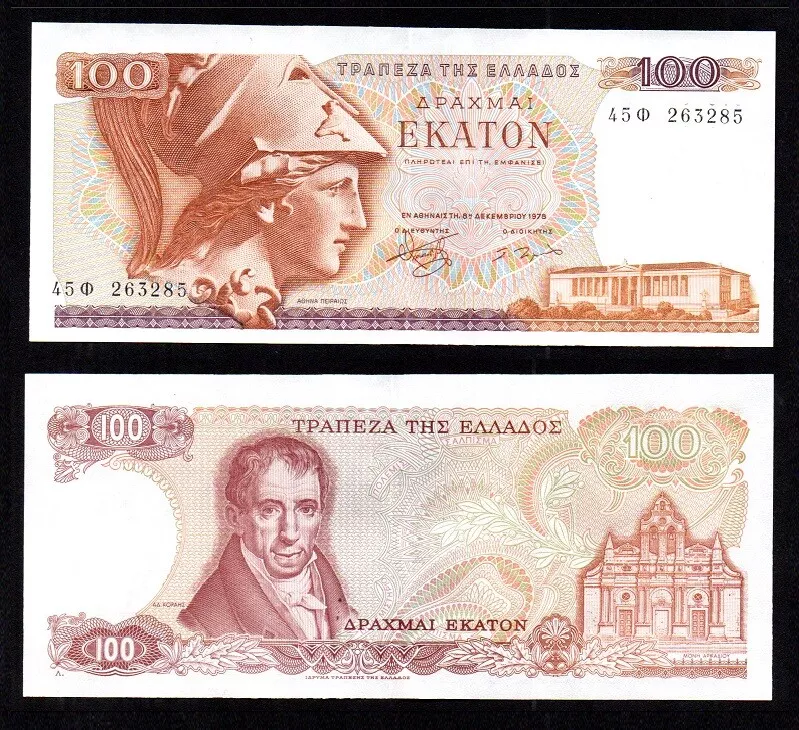
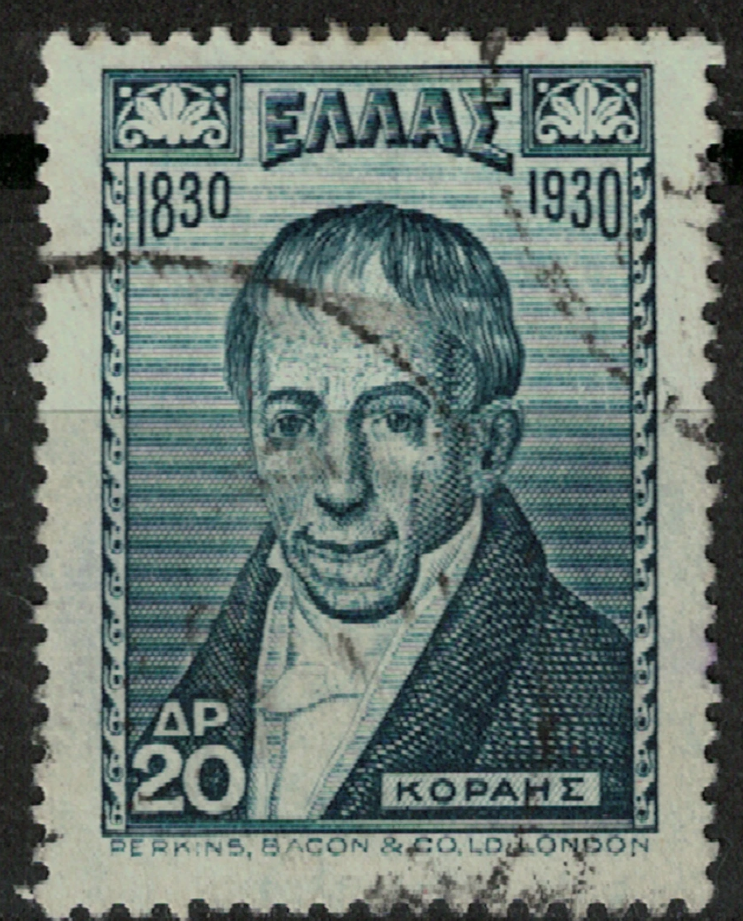
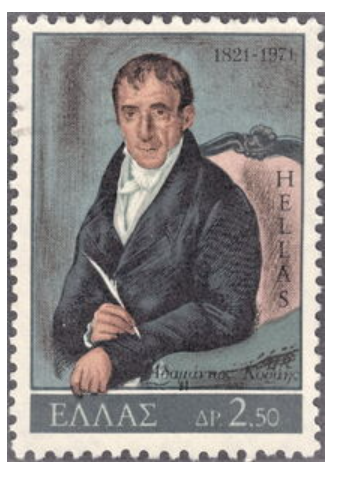
  • -

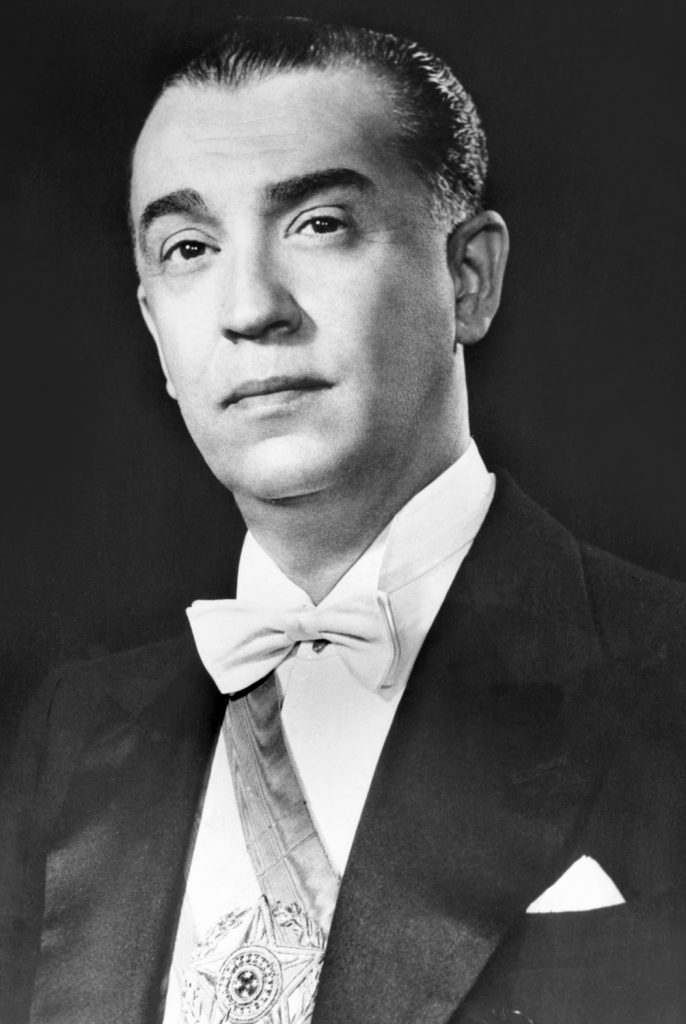
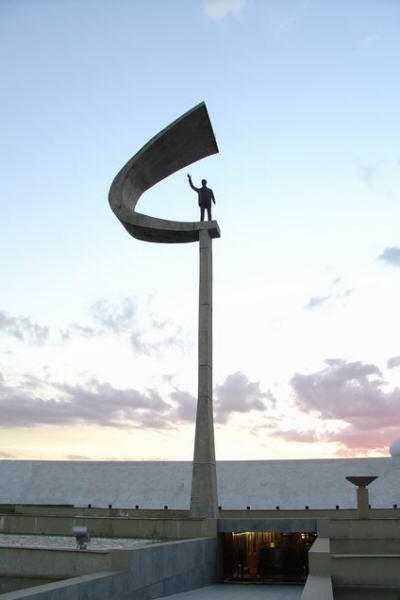
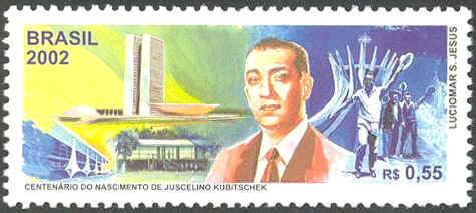
Juscelino Kubitschek

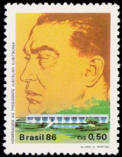
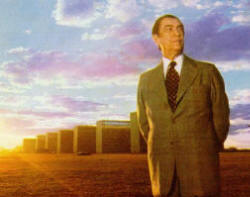
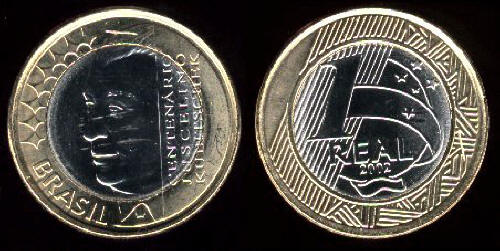
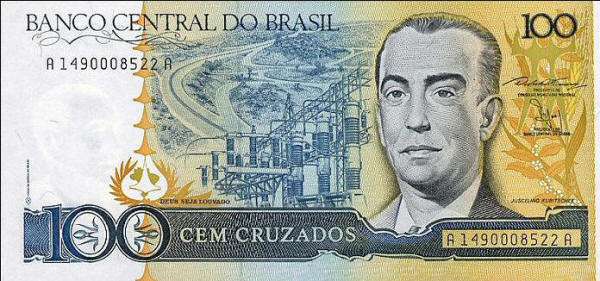
Juscelino Kubitschek de Oliveira (Portuguese pronunciation: [ʒuseˈlinu kubiˈʃɛk(i) dʒi oliˈve(j)ɾɐ]; 12 September 1902 – 22 August 1976), also known by his initials JK, was a prominent Brazilian politician who served as the 21st president of Brazil from 1956 to 1961. Kubitschek’s government plan, dubbed “50 years in 5”, was centered on economic and social development. During his term the country experienced a period of notable economic growth and relative political stability. However, there was also a significant increase in external debt, inflation, income concentration and wage erosion. At the time, there was no re-election and, on 31 January 1961, he was succeeded by Jânio Quadros, supported by the UDN. Kubitschek is best known for the construction of Brazil’s new capital: Brasília, which was inaugurated on 21 April 1960, replacing Rio de Janeiro.
Kubitschek was born in DiamantinaMinas Gerais, in 1902. His father, João César de Oliveira, died when he was only two years old. JK completed the humanities course at the Diamantina Seminary and moved to Belo Horizonte in 1920. In 1927, he graduated in medicine from the Federal University of Minas Gerais (UFMG), and in 1930 he specialized in urology in Paris. In December 1931, he married Sarah Lemos, with whom he had a daughter, Márcia, in 1943. The couple also adopted Maria Estela in 1947. In 1931, Kubitschek joined the Public Force of Minas Gerais as a doctor. During this period, he served on the Constitutionalist Revolution and became friends with politician Benedito Valadares who, upon being appointed federal intervenor in 1933, appointed Kubitschek as his chief of staff. In 1934, Kubitschek was elected federal deputy, but his term was revoked during the Estado Novo coup. With the loss of his term, Kubitschek returned to medicine. In 1940, he was appointed mayor of Belo Horizonte by Valadares, remaining in this position until October 1945. At the end of the same year he was elected constituent deputy for the Social Democratic Party (PSD). In 1950, he defeated Bias Fortes in the PSD caucuses to choose the party’s candidate for that year’s gubernatorial election in Minas Gerais. In the election, he defeated his brother-in-law Gabriel Passos and was sworn in as governor on 31 January 1951. As governor, he created the Companhia Energética de Minas Gerais, and also prioritized road building and industrialization.

wikipedia DE

wikipedia EN


  • -

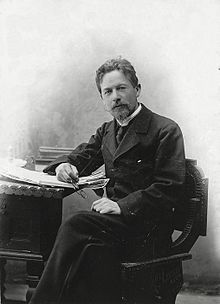
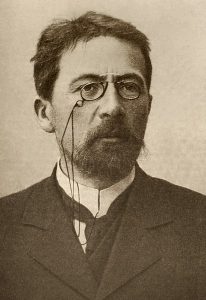
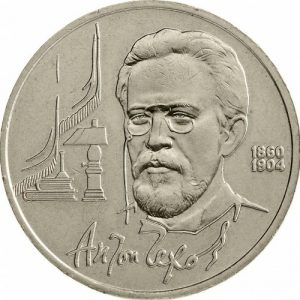
Anton Pawlowitsch Tschechow

Anton Pavlovich Chekhov (Russian: Антон Павлович Чехов[note 1], IPA: [ɐnˈton ˈpavləvʲɪtɕ ˈtɕexəf]; 29 January 1860[note 2] – 15 July 1904[note 3]) was a Russian playwright and short-story writer who is considered to be one of the greatest writers of all time. His career as a playwright produced four classics, and his best short stories are held in high esteem by writers and critics.[4][5] Along with Henrik Ibsen and August Strindberg, Chekhov is often referred to as one of the three seminal figures in the birth of early modernism in the theatre.[6] Chekhov was a physician by profession. “Medicine is my lawful wife”, he once said, “and literature is my mistress.”

Anton Pavlovich Chekhov (Russian: Антон Павлович Чехов[note 1], IPA: [ɐnˈton ˈpavləvʲɪtɕ ˈtɕexəf]; 29 January 1860[note 2] – 15 July 1904[note 3]) was a Russian playwright and short-story writer who is considered to be one of the greatest writers of all time. His career as a playwright produced four classics, and his best short stories are held in high esteem by writers and critics.[4][5] Along with Henrik Ibsen and August Strindberg, Chekhov is often referred to as one of the three seminal figures in the birth of early modernism in the theatre.[6] Chekhov was a physician by profession. “Medicine is my lawful wife”, he once said, “and literature is my mistress.”[7]

Anton (links) und Nikolai Tschechow, 1882

Anton Pavlovich Chekhov (Russian: Антон Павлович Чехов[note 1], IPA: [ɐnˈton ˈpavləvʲɪtɕ ˈtɕexəf]; 29 January 1860[note 2] – 15 July 1904[note 3]) was a Russian playwright and short-story writer who is considered to be one of the greatest writers of all time. His career as a playwright produced four classics, and his best short stories are held in high esteem by writers and critics.[4][5] Along with Henrik Ibsen and August Strindberg, Chekhov is often referred to as one of the three seminal figures in the birth of early modernism in the theatre.[6] Chekhov was a physician by profession. “Medicine is my lawful wife”, he once said, “and literature is my mistress.”[7]

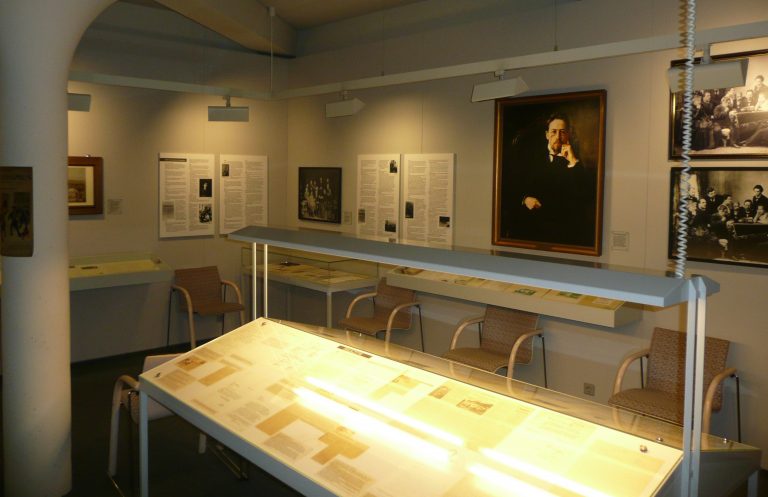
Tschechow-Museum Badenweiler

wikipedia DE

wikipedia EN


  • -

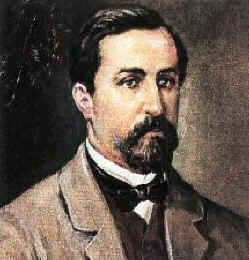
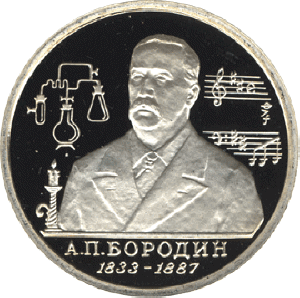
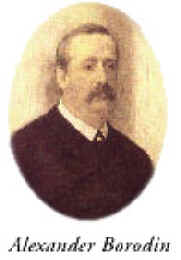
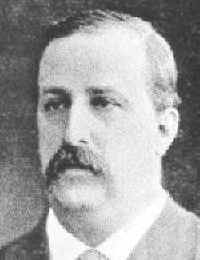
Alexander Borodin

Alexander Porfiryevich Borodin (Russian: Алекса́ндр Порфи́рьевич Бороди́н, tr. Aleksandr Porfir’yevich Borodin[a]IPA: [ɐlʲɪkˈsandr pɐrˈfʲi rʲjɪvʲɪtɕ bərɐˈdʲin] (listen);[2] 12 November 1833 – 27 February 1887)[3] was a Romantic composer and chemist of Georgian-Russian extraction. He was one of the prominent 19th-century composers known as “The Five“, a group dedicated to producing a uniquely Russian kind of classical music.[4][5][6] Borodin is known best for his symphonies, his two string quartets, the symphonic poem In the Steppes of Central Asia and his opera Prince Igor.

doctor and chemist by profession and training, Borodin made important early contributions to organic chemistry. Although he is presently known better as a composer, he regarded medicine and science as his primary occupations, only practising music and composition in his spare time or when he was ill.[7] As a chemist, Borodin is known best for his work concerning organic synthesis, including being among the first chemists to demonstrate nucleophilic substitution, as well as being the co-discoverer of the aldol reaction. Borodin was a promoter of education in Russia and founded the School of Medicine for Women in Saint Petersburg, where he taught until 1885.

Mount Borodin (71°36′S 72°38′W) is a mainly ice-covered mountain, 695 metres (2,280 ft) high, with a rock outcrop on the east side, 7 nautical miles (13 km) north-northeast of Gluck Peak in the southwest part of Alexander IslandAntarctica. A number of peaks in this general vicinity first appear on the maps of the Ronne Antarctic Research Expedition (RARE), 1947–48. This peak, apparently one of these, was mapped from RARE air photos by Derek J.H. Searle of the Falkland Islands Dependencies Survey in 1960, and named by the UK Antarctic Place-Names Committee after Alexander Borodin, the Russian composer.[1]
https://en.wikipedia.org/wiki/Mount_Borodin

web

wikipedia DE
wikipedia EN

youtube – vimeo

facebook – twitter – instagram

work


  • -

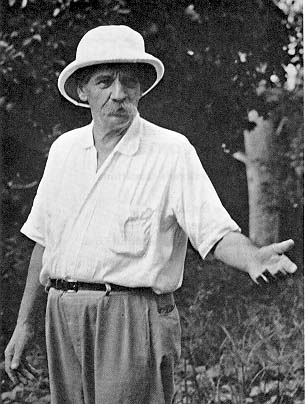
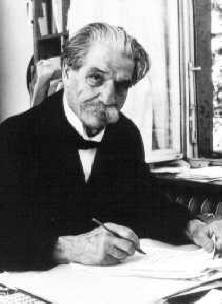
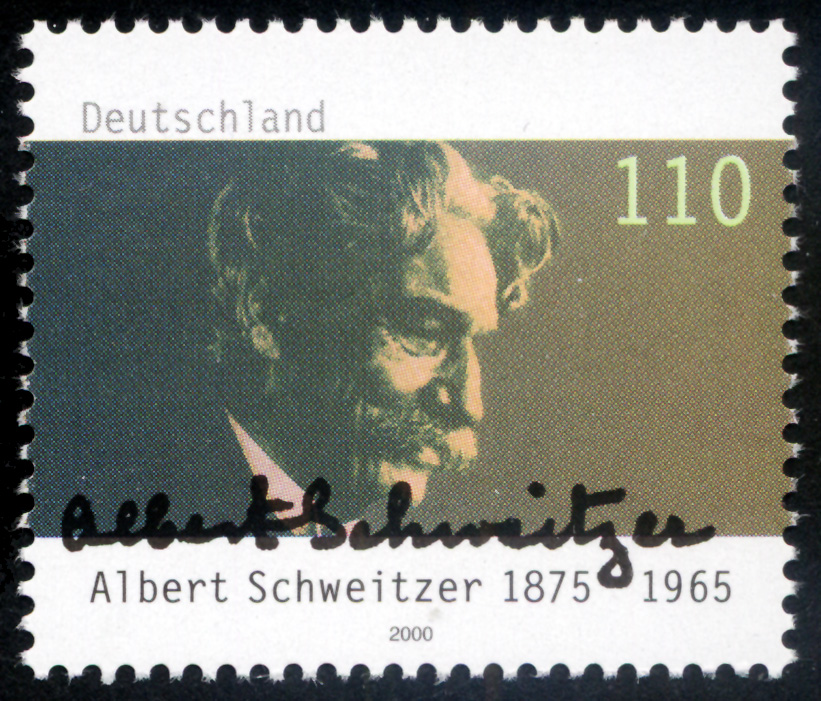
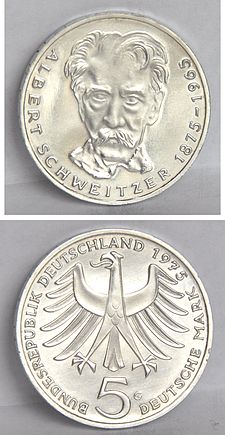
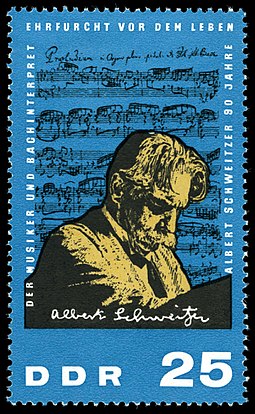
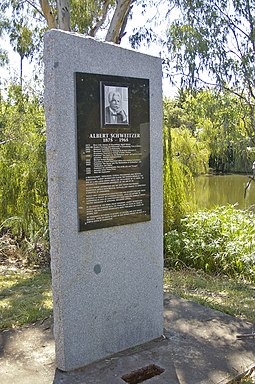
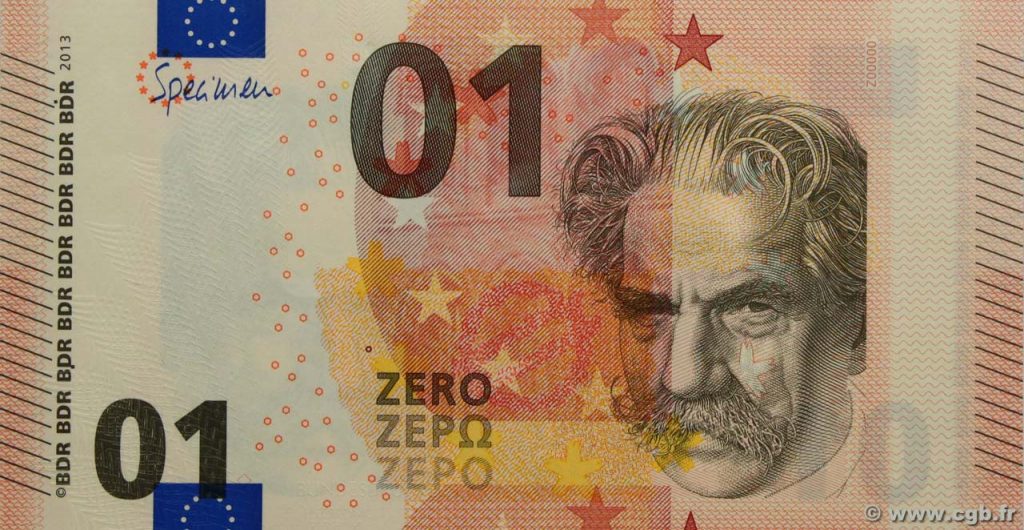
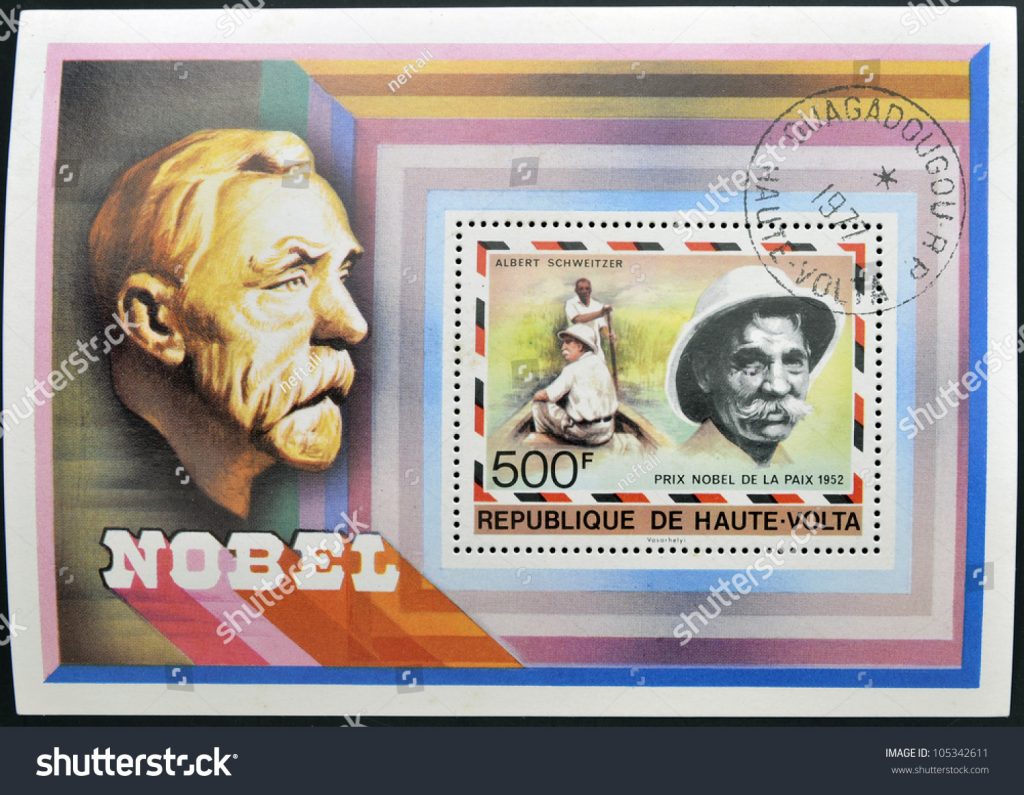
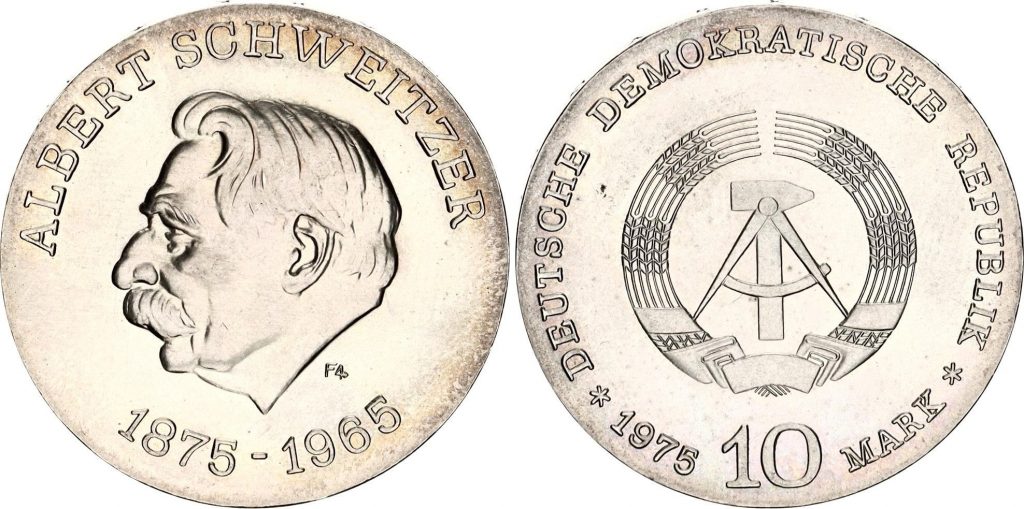
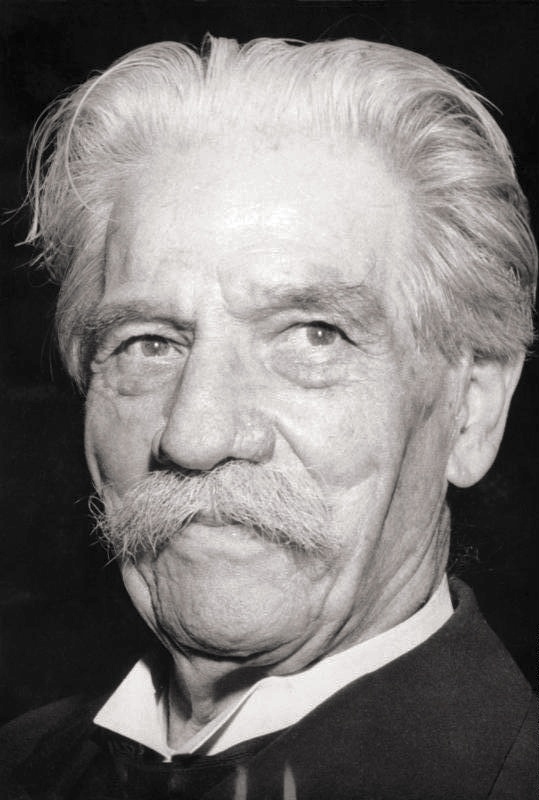
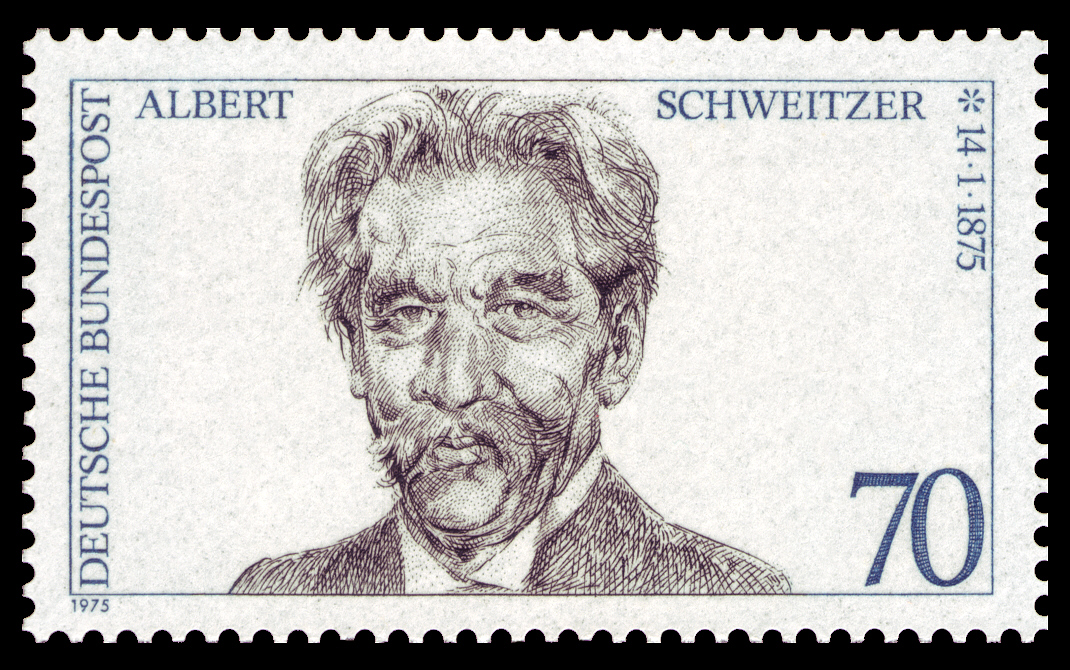
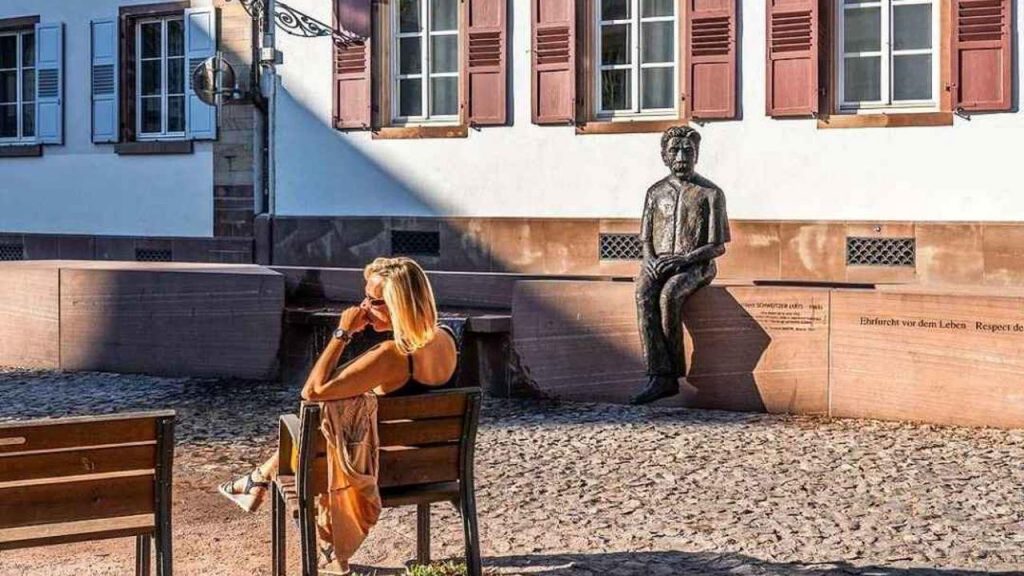
Albert Schweitzer

Ludwig Philipp Albert Schweitzer OM (German: [ˈalbɛʁt ˈʃvaɪ̯t͡sɐ] (listen); 14 January 1875 – 4 September 1965) was an Alsatian-German[3] polymath. He was a theologian, organist, musicologist, writer, humanitarian, philosopher, and physician. A Lutheran minister, Schweitzer challenged both the secular view of Jesus as depicted by the historical-critical method current at this time, as well as the traditional Christian view. His contributions to the interpretation of Pauline Christianity concern the role of Paul‘s mysticism of “being in Christ” as primary and the doctrine of Justification by Faith as secondary.

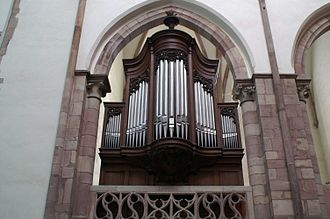
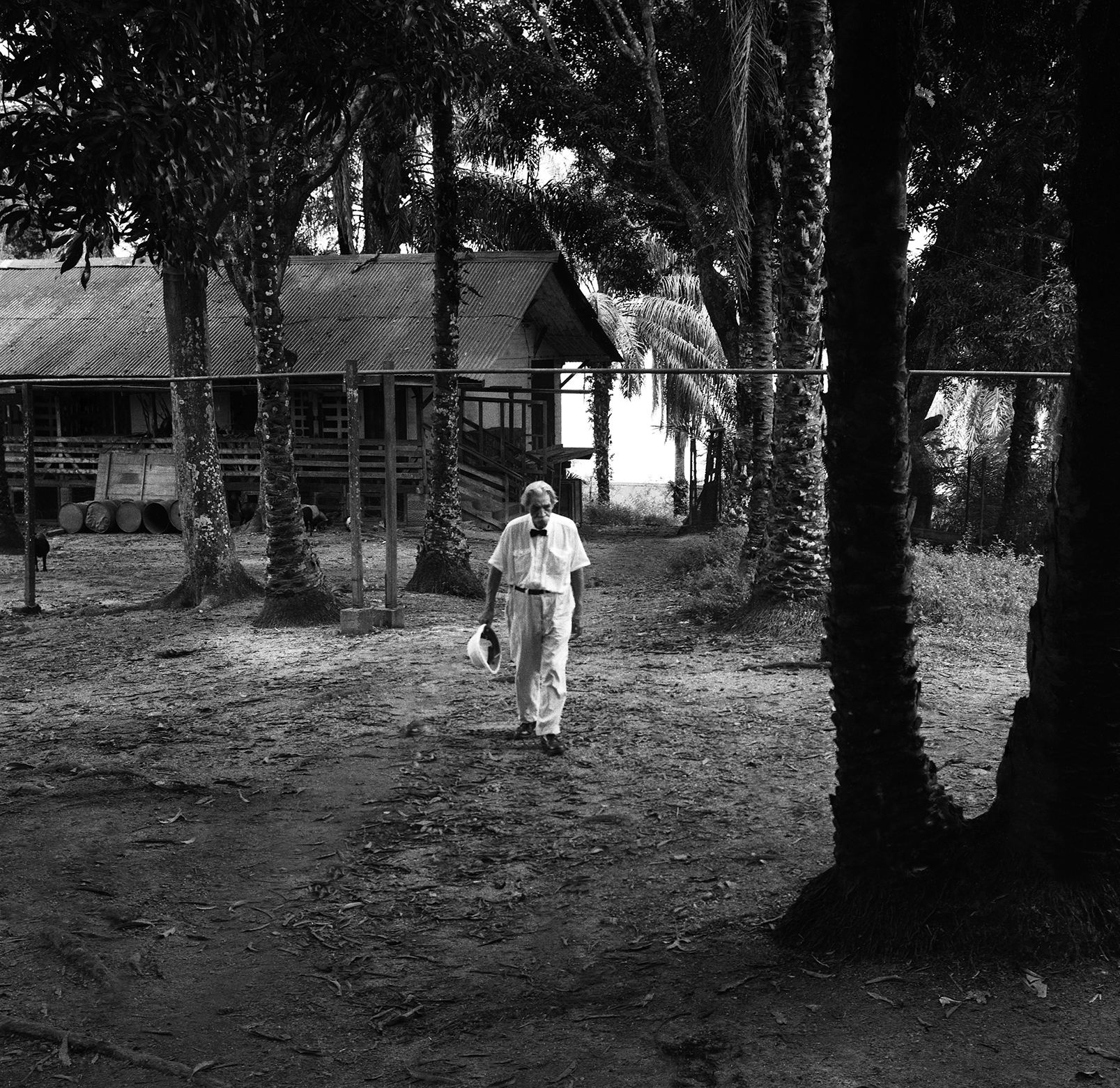
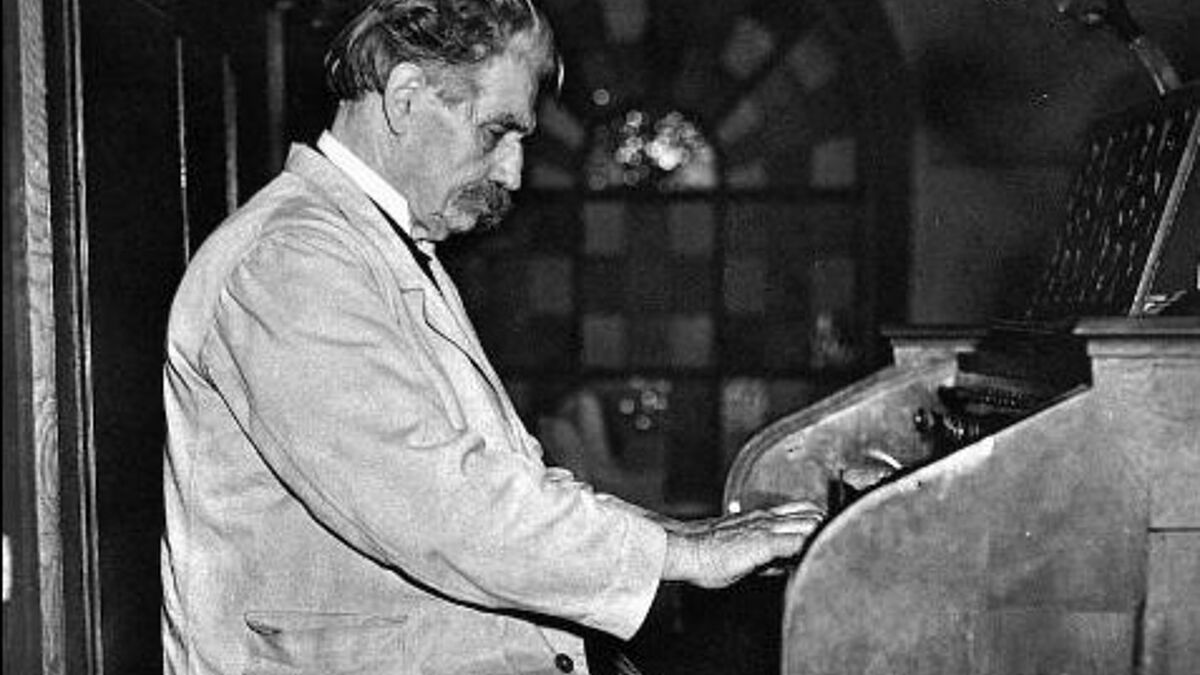
He received the 1952 Nobel Peace Prize for his philosophy of “Reverence for Life“,[4] becoming the eighth Frenchman to be awarded that prize. His philosophy was expressed in many ways, but most famously in founding and sustaining the Albert Schweitzer Hospital in Lambaréné, which up to 1958 was situated in French Equatorial Africa, and after this in Gabon. As a music scholar and organist, he studied the music of German composer Johann Sebastian Bach and influenced the Organ Reform Movement (Orgelbewegung).

web Albert-Schweitzer-Museum Günsbach

wikipedia DE

wikipedia EN

youtube – vimeo

facebook – twitter – instagram

work


  • -

Nikolaus Kopernikus

Nicolaus Copernicus (/koʊˈpɜːrnɪkəs, kə-/;[2][3][4] PolishMikołaj Kopernik;[b] Middle Low GermanNiklas KoppernigkGermanNikolaus Kopernikus; 19 February 1473 – 24 May 1543) was a Renaissance polymath, active as a mathematician, astronomer, and Catholic canon, who formulated a model of the universe that placed the Sun rather than Earth at its center. In all likelihood, Copernicus developed his model independently of Aristarchus of Samos, an ancient Greek astronomer who had formulated such a model some eighteen centuries earlier.[5][c][d][e]

The publication of Copernicus’s model in his book De revolutionibus orbium coelestium (On the Revolutions of the Celestial Spheres), just before his death in 1543, was a major event in the history of science, triggering the Copernican Revolution and making a pioneering contribution to the Scientific Revolution.[7]

Copernicus was born and died in Royal Prussia, a region that had been part of the Kingdom of Poland since 1466. A polyglot and polymath, he obtained a doctorate in canon law and was a mathematician, astronomer, physicianclassics scholartranslatorgovernordiplomat, and economist. From 1497 he was a Warmian Cathedral chapter canon. In 1517 he derived a quantity theory of money—a key concept in economics—and in 1519 he formulated an economic principle that later came to be called Gresham’s law.[f]

Some time before 1514, Copernicus wrote an initial outline of his heliocentric theory known only from later transcripts, by the title (perhaps given to it by a copyist), Nicolai Copernici de hypothesibus motuum coelestium a se constitutis commentariolus—commonly referred to as the Commentariolus. It was a succinct theoretical description of the world’s heliocentric mechanism, without mathematical apparatus, and differed in some important details of geometric construction from De revolutionibus; but it was already based on the same assumptions regarding Earth’s triple motions. The Commentariolus, which Copernicus consciously saw as merely a first sketch for his planned book, was not intended for printed distribution. He made only a very few manuscript copies available to his closest acquaintances, including, it seems, several Kraków astronomers with whom he collaborated in 1515–30 in observing eclipsesTycho Brahe would include a fragment from the Commentariolus in his own treatise, Astronomiae instauratae progymnasmata, published in Prague in 1602, based on a manuscript that he had received from the Bohemian physician and astronomer Tadeáš Hájek, a friend of Rheticus. The Commentariolus would appear complete in print for the first time only in 1878.[45]

aus | from manuskript
Tusi-Paar | tusi couple

In 1526 Kopernikus cooperated with Bernard Wapowski working out a map of the Königreich PolenGroßfürstentum Litauen, in 1529 he also made a map of Herzogtums PreußenGeorg Joachim Rheticus, professor in Wittenberg, came to work with Kopernikus for three years in Frauenburg, beginning in 1539.

POLAND – AUGUST 02: 1000 zloty banknote, 1982, obverse, Nicolaus Copernicus (1473-1543). Poland, 20th century. (Photo by DeAgostini/Getty Images)

wikipedia DE

wikipedia EN