François Rabelais

  • -

François Rabelais

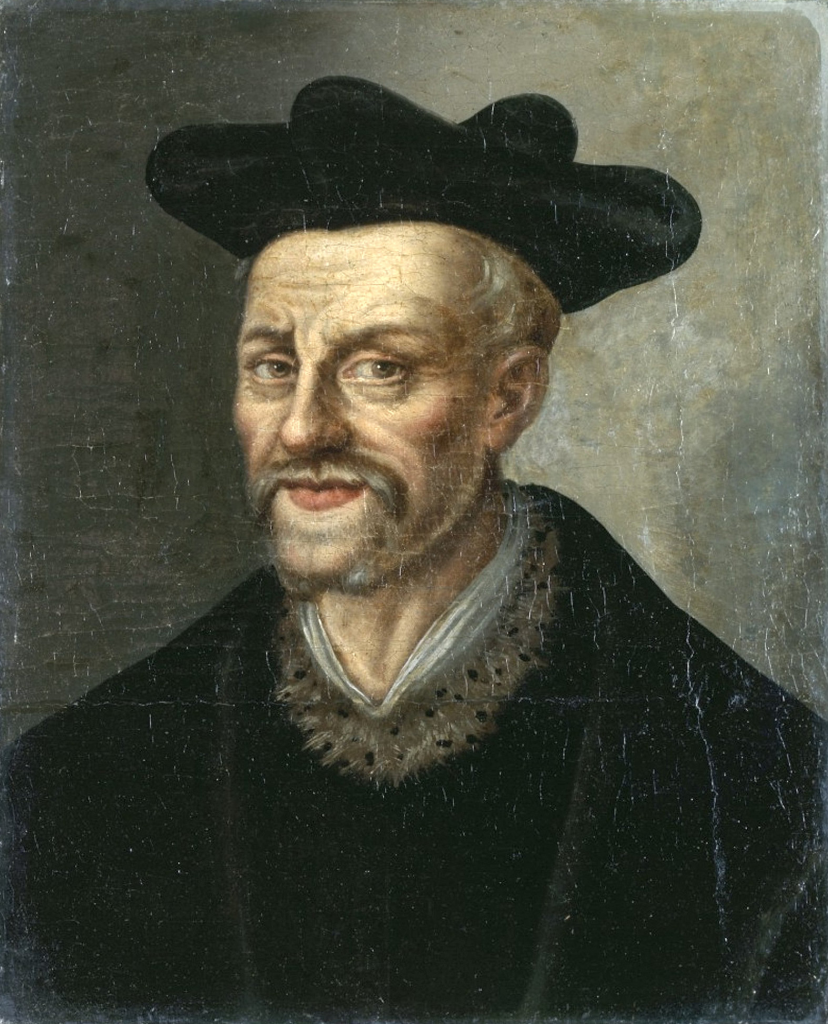
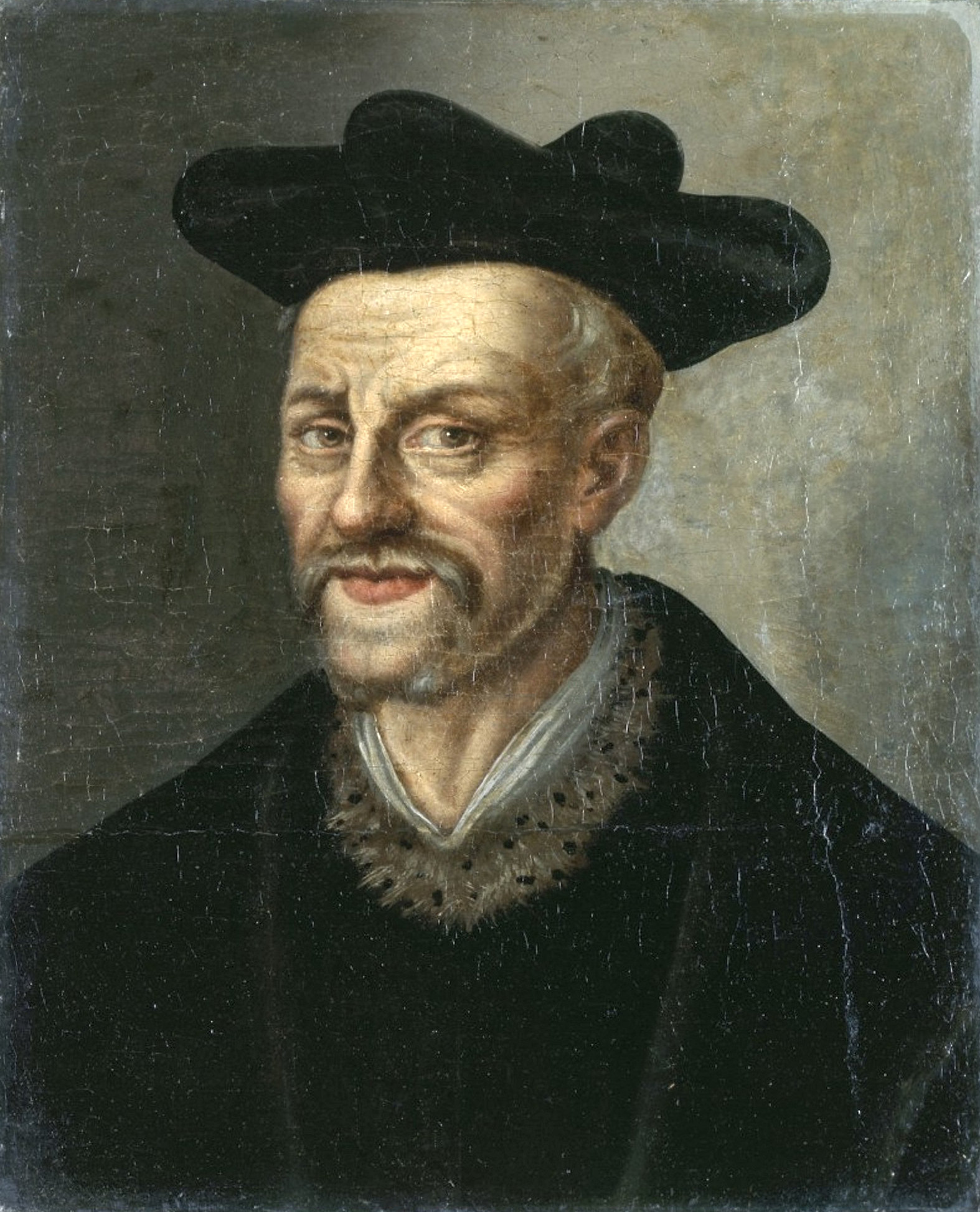
François Rabelais [fʁɑ̃.swa ʁa.blɛ] (c. 1494, perhaps 1483, in La Devinière near Chinon, Touraine; † April 9, 1553, in Paris) was a French Renaissance writer, humanist, Roman Catholic friar and secular priest, practicing physician, and lecturer. He is one of the most important prose writers in French literature; of his works, the novel cycle Gargantua and Pantagruel is most well-known.
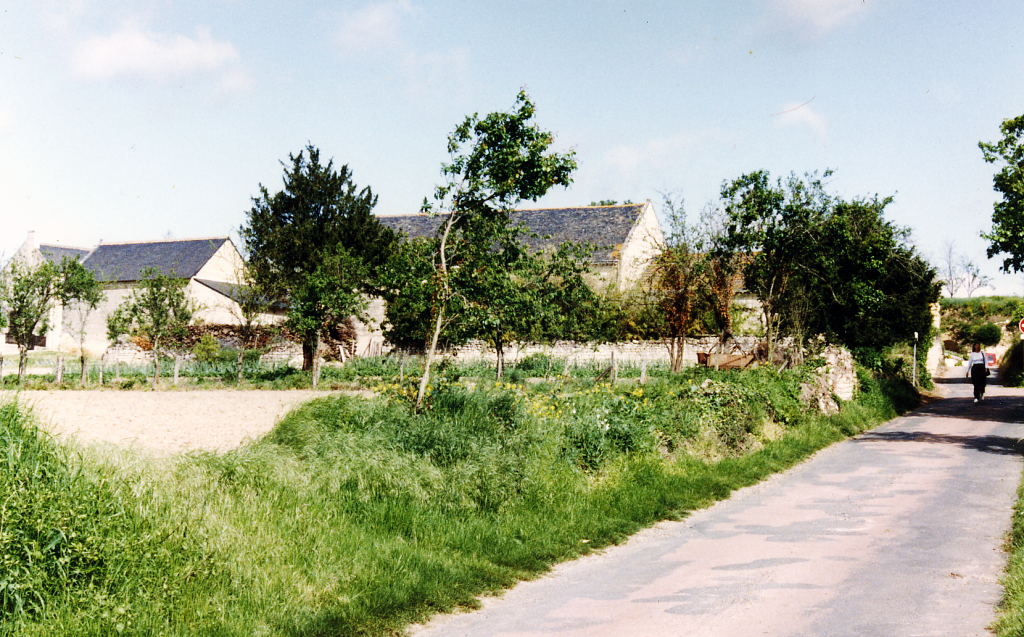
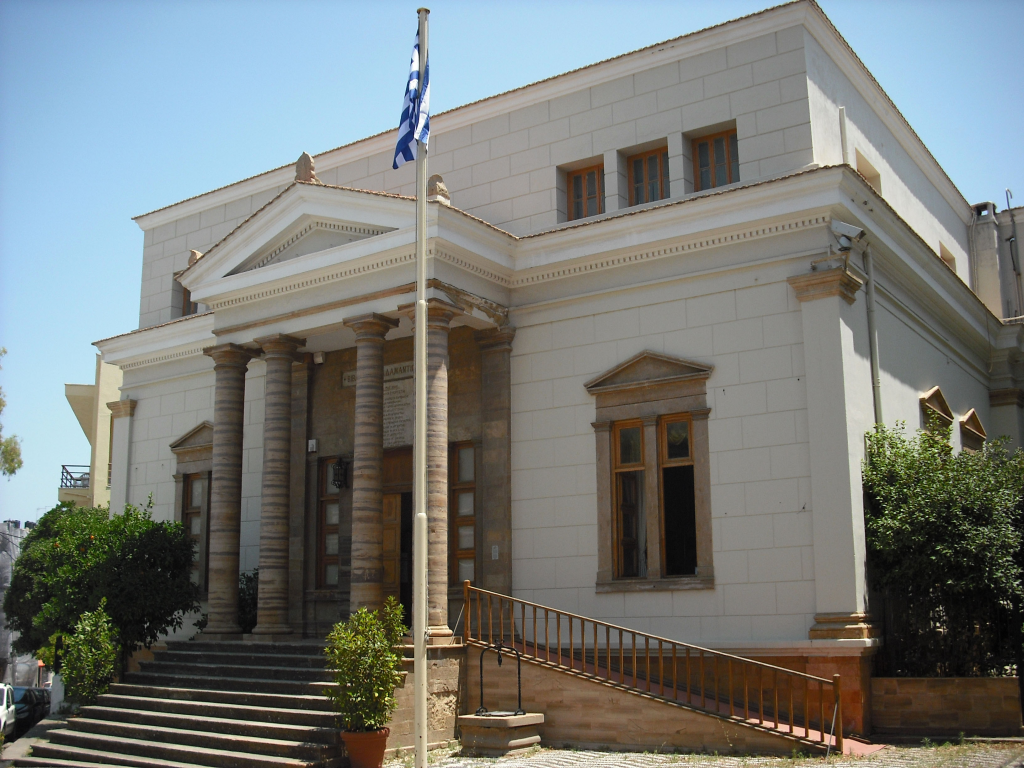
Rabelais-Museum

Rabelais began his novitiate as a religious priest in the Franciscan monastery of La Baumette, Couvent des Cordeliers de la Baumette, near Angers. He received his sacraments of ordination around 1511. In 1520, he is documented as a religious priest in the Couvent des Puy-Saint-Martin in Fontenay-le-Comte (Vendée department).[5] Here, through an older confrere, he came into contact with the humanism radiating from Italy and began to learn ancient Greek.
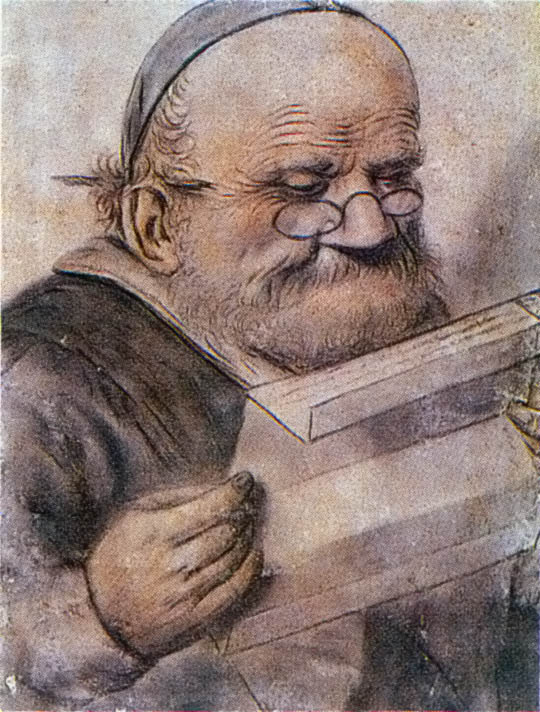
From 1528 onwards, he was in Paris, presumably after stops at the universities of Bordeaux, Toulouse, and Orléans. He appears to have assumed the status of diocesan priest, which gave him greater freedom to continue his medical studies and cultivate scholarly contacts. His marriage to a widow produced two illegitimate children, François and Junine. This did not keep him in Paris; rather, in September 1530, he enrolled at the famous medical school in Montpellier, where Rabelais earned a baccalaureate degree on November 1.

In the summer of 1532, Rabelais lived in Lyon, where he practiced medicine and published various scholarly works with the printer and publisher Sebastian Gryphius. He also wrote a novel, which was also published in Lyon at the end of 1532: The Horrible and Poisonous Things Made and Proud of the Very Renowned Pantagruel, King of Dipsodes, Son of the Great Gargantua. Composed Newly by Master Alcofrybas Nasier. The title alone made the work recognizable as a parody, especially of the chivalric romance genre.

The Very Excellent and Entertaining History of François Rabelais – Part 1 https://www.youtube.com/watch?v=pGbh2q1lohE

When the Quart livre was published in its entirety in early 1552, now in Paris, the attitude of the rulers changed. The king and the pope had come to an agreement; criticism of the latter was no longer welcome. Accordingly, the Sorbonne did not hesitate to condemn the book. Subsequently, the Paris Parliament also banned the work. It did not help that Cardinal Odet de Châtillon had previously accepted Rabelais’s dedication. The ban did not diminish the book’s success. However, at the beginning of 1553, Rabelais himself had to give up a benefice in Meudon near Paris and another in the diocese of Le Mans, which he had received through Jean du Bellay. Nothing more is known of him after this. However, he was apparently still working on a further volume until shortly before his death in April 1553. This volume was completed by an unknown hand, presumably at the instigation of his printer. It was published in 1563 under the title “Le cinquième livre” and was included in the complete editions of the cycle, which began publication shortly after the author’s death and continued to appear with great regularity.

The very excellent and entertaining story of François Rabelais – Part 2 https://www.youtube.com/watch?v=L-7nRjqe-dQ

The François Rabelais University of Tours[14] (French: Université François Rabelais de Tours or simply Université de Tours) is a public university in the French city of Tours and was named after François Rabelais after its founding on March 27, 1969. A plant genus, Rabelaisia ​​Planch, in the rue family (Rutaceae), is also named after Rabelais.
Museum Rabelais


  • -

William Somerset Maugham

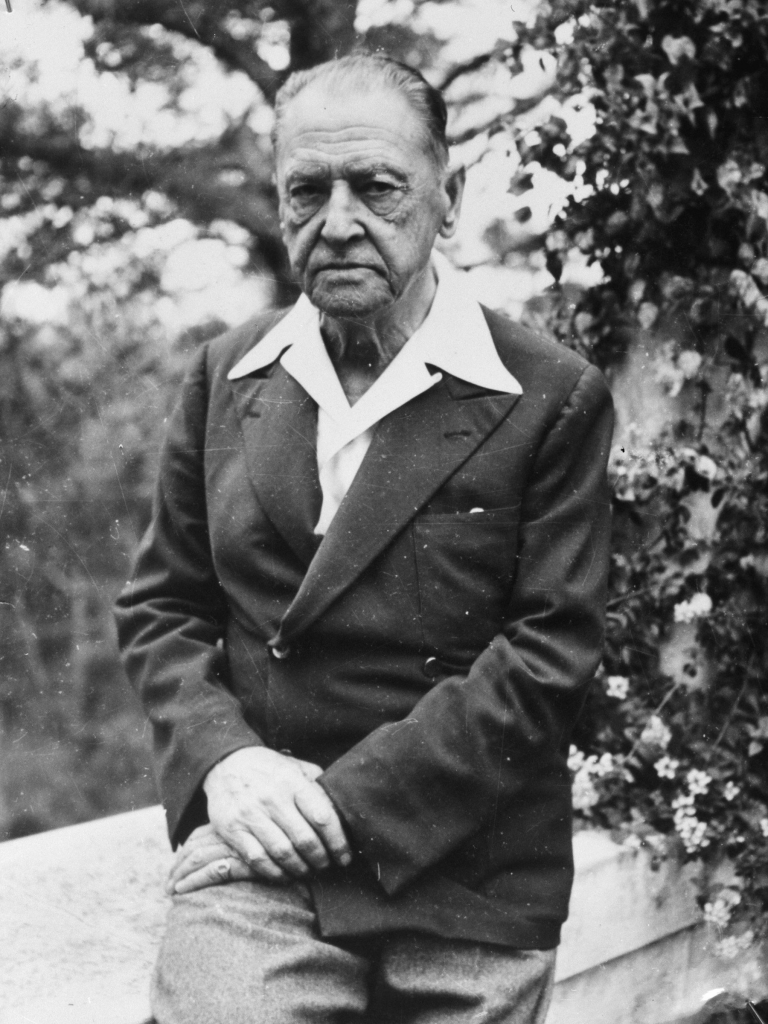
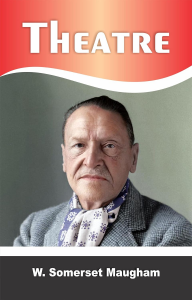
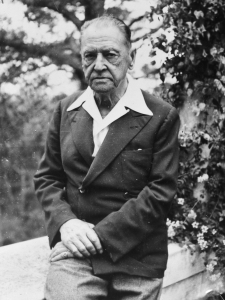
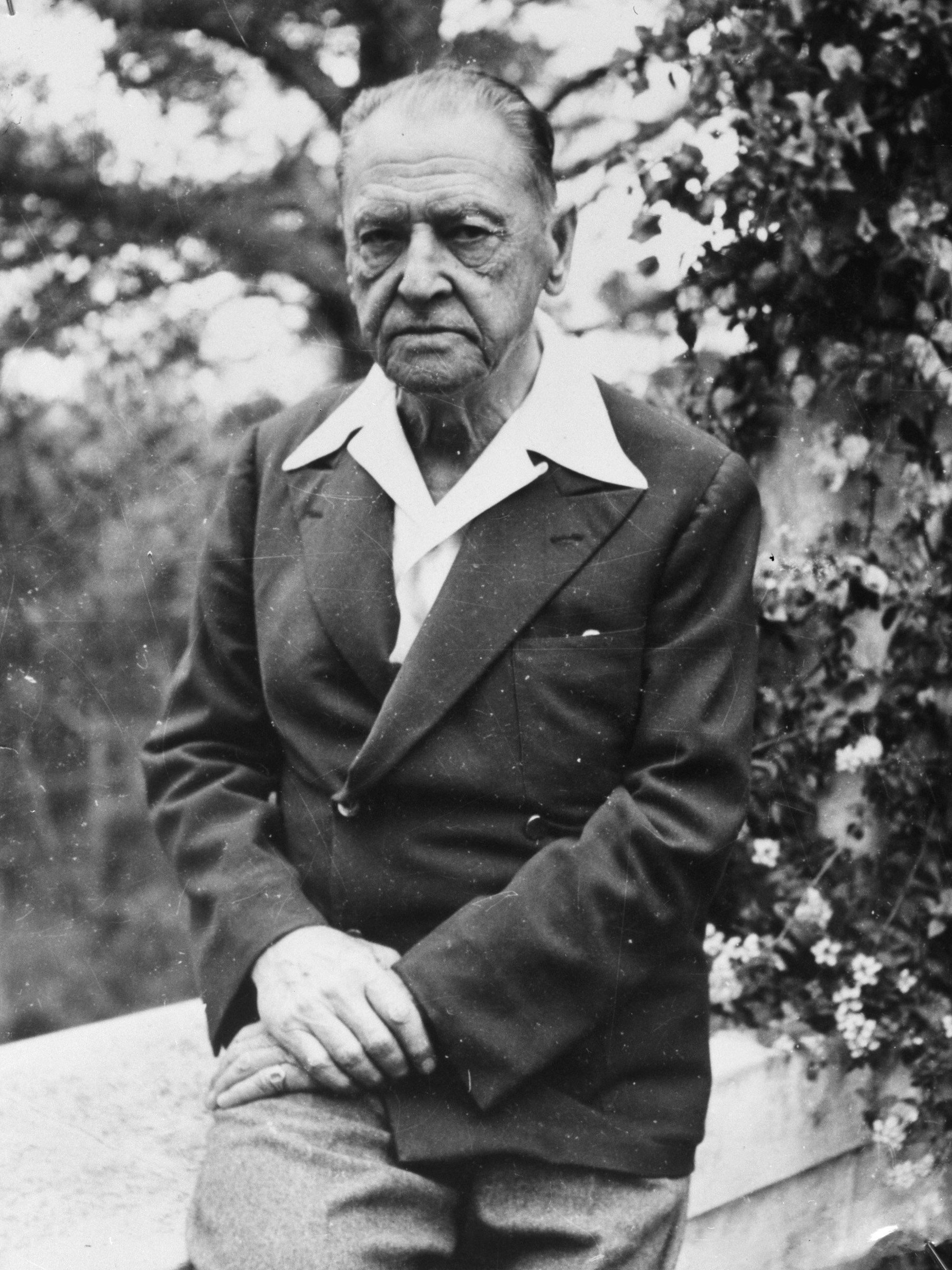
William Somerset Maugham [ˈsʌməsɪt mɔːm] (January 25, 1874 in Paris – December 16, 1965 in Saint-Jean-Cap-Ferrat near Nice), also known as W. Somerset Maugham, was an English novelist and playwright. He is one of the most widely read English-language authors of the 20th century.

William Somerset Maugham was the son of an English lawyer who worked for British clients in Paris. His older brother was the jurist Frederic Maugham. His parents died when he was still a child. As an orphan, he spent his youth under the supervision of a sanctimonious uncle and in boarding schools. He suffered from a stutter. He studied German, literature, and philosophy at the University of Heidelberg, and later medicine at King’s College London. Despite his passion for literature, Maugham successfully completed his medical studies in 1898—largely under pressure from his uncle.
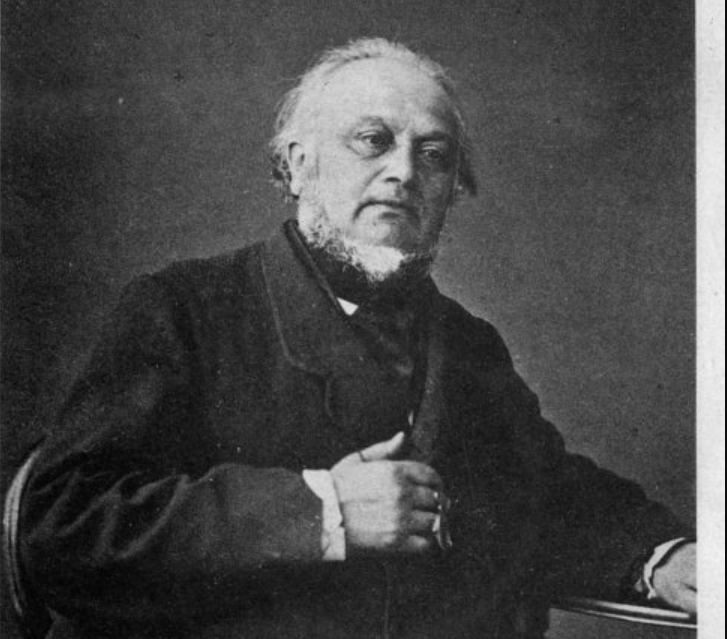
William Somerset Maugham achieved early literary success with his first novel, Liza of Lambeth, published in 1897, and simultaneously caused a scandal. In the novel, Maugham processed experiences he had as a trainee doctor in the slums of London. The middle class considered it inappropriate to portray the world of the working class in such a naturalistic way.

The book was followed by years of self-determination as an author. At first, he worked as a playwright, writing plays such as The Circle, Our Betters, and The Constant Wife. In the early 20th century, four of his plays were performed simultaneously in London. His productivity was astonishing: he usually needed only a week to write each act and another week to edit the play. Later, he devoted himself to prose and wrote numerous novels and short stories.

Maugham’s most important work is generally considered to be the novel Of Human Bondage, an autobiographical story whose hero, Philip Carey, like Maugham, grows up as an orphan with his sanctimonious uncle and is handicapped by a clubfoot. Maugham himself stuttered.

In the English-speaking world, Maugham’s work is considered middle-brow literature, which, while easy to read and highly entertaining, nevertheless achieves a remarkable artistic and formal level.[2] A theme that repeatedly occupied Maugham in his dramatic and narrative work is adultery.

https://de.wikipedia.org/wiki/W._Somerset_Maugham

https://en.wikipedia.org/wiki/W._Somerset_Maugham


  • -

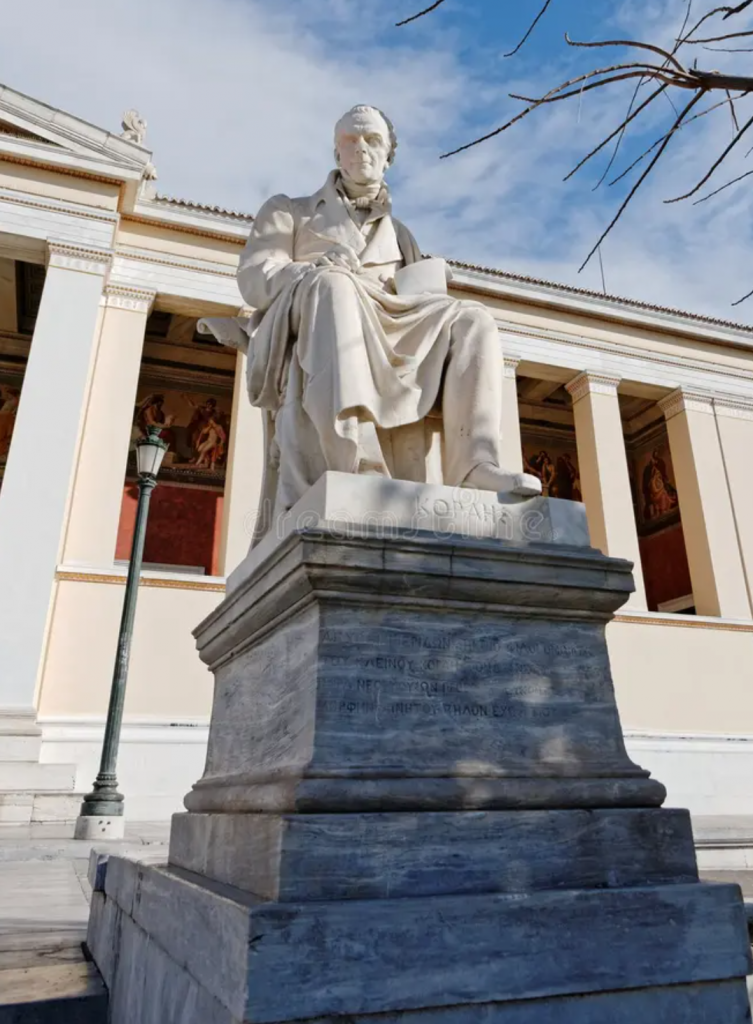
Adamantios Korais

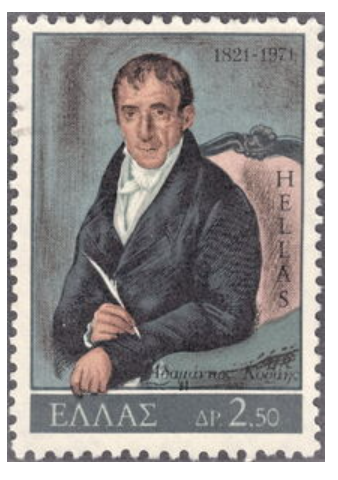
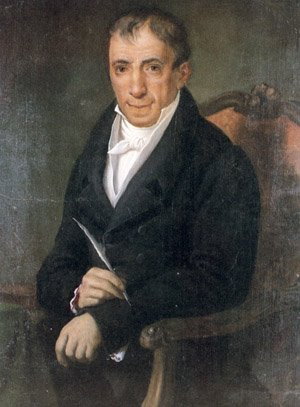
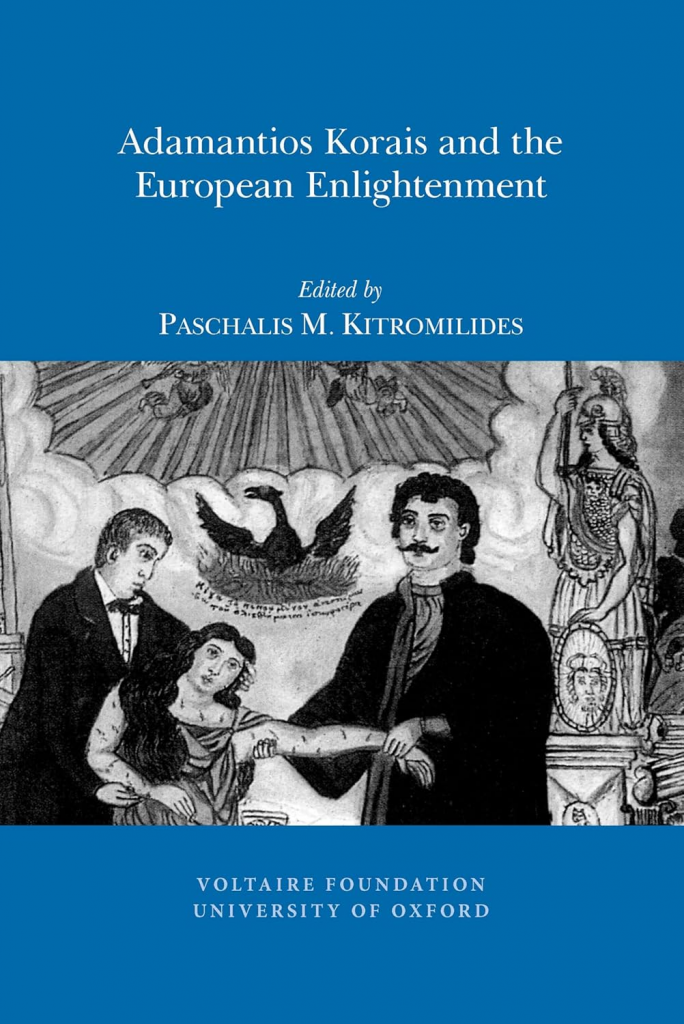
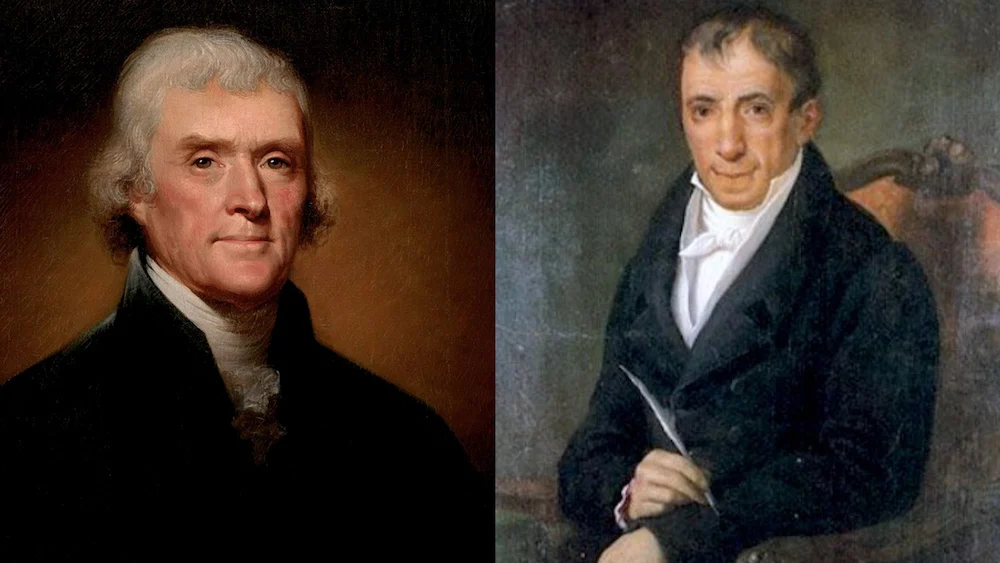
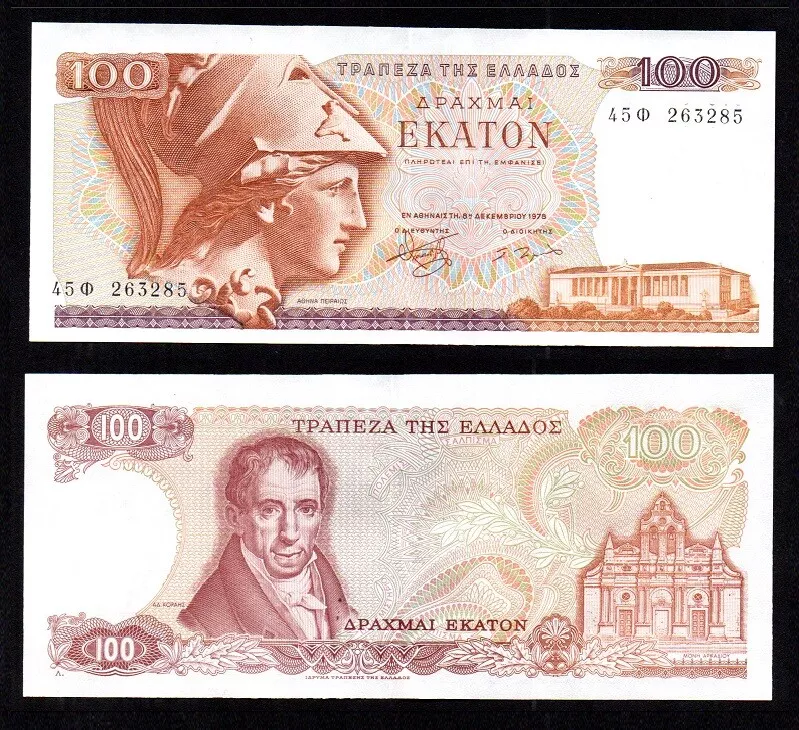
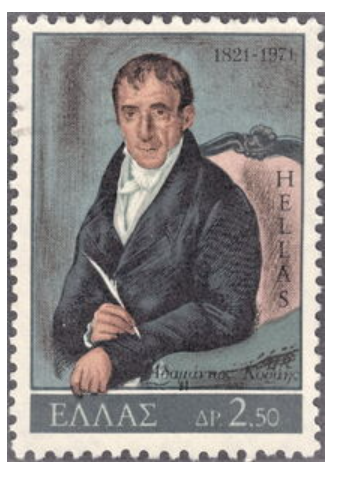
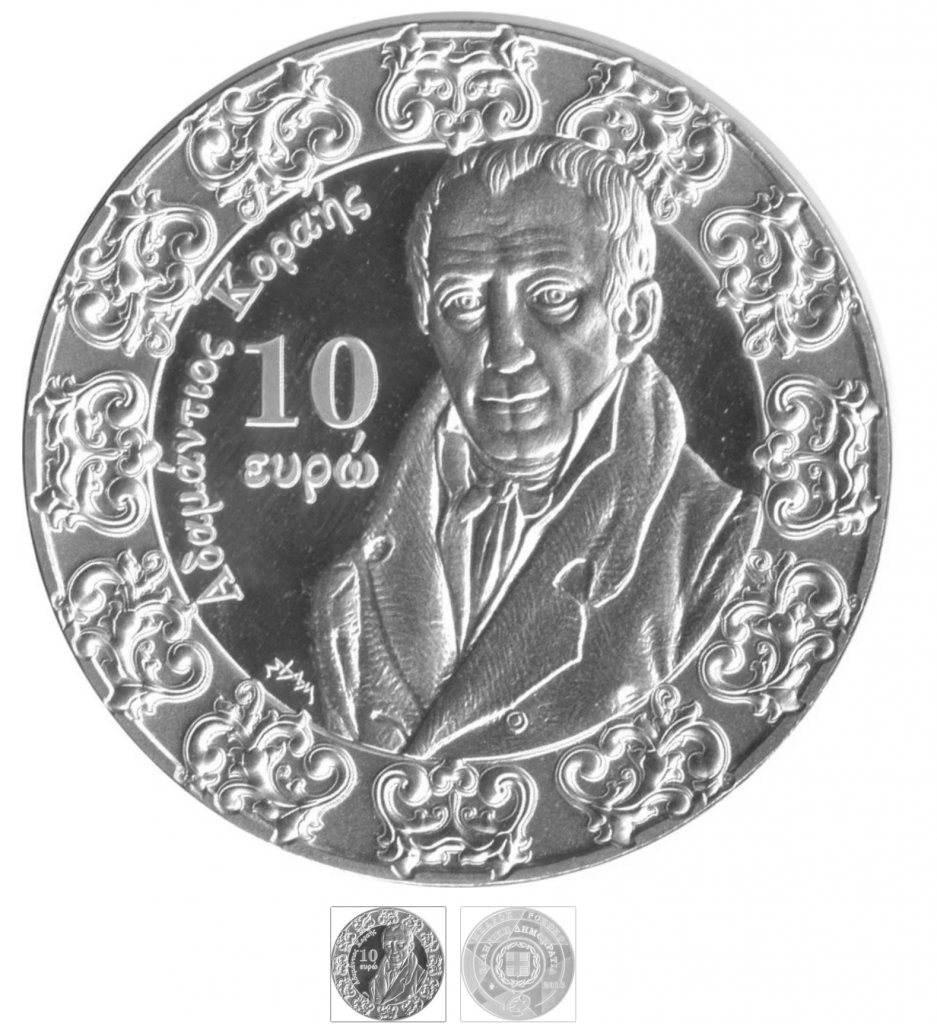
Adamantios Korais (Greek: Αδαμάντιος Κοραής – Adamántios Koraís, also Koraés; April 27, 1748 in Smyrna, Asia Minor, Ottoman Empire – April 6, 1833 in Paris) was a Greek scholar and writer. Korais is considered a reformer of Greek literature.

Korais was born in Smyrna, but his father came from the island of Chios, and Korais felt a strong connection to the island. Korais graduated from the Evangelical School of Smyrna and spent most of his life not in Greece, but in Western Europe. He devoted himself early on to the study of ancient and modern languages, and then, at his father’s wish, learned the trade of merchant in Amsterdam. From 1782 onwards, he studied medicine and natural history in Montpellier. In 1788, Korais settled in Paris to devote himself entirely to literature. Although he became a French citizen, he remained true to his Greek origins. Korais was interested in the church, schools, science, and politics. From Paris, he fought verbally and in writing for the spiritual rebirth of Greece.

Adamantios Korais – Zante Ferries

His main goal was the development of a national, universal Greek language into a written language; the standards he established for this are still largely the authoritative ones today. Korais tried to raise Greek awareness of their historical heritage, their Hellenistic origins. He stated that general education was the key to an independent Greece. Above all, however, Korais is known for his decisive role in the Greek language question: He attempted to strike a balance between the antiquarian standard language and the popular language, and went down in Greek linguistic history as the inventor of the Katharevousa (= the pure; the purified popular language).

In his letters and publications, Korais criticized the Greek Orthodox Church, which dominated the lives of his countrymen in the Ottoman Empire. The church strictly opposed an independent Greece. Korais’s expertise in classical antiquity developed from his study of the works of ancient Greek writers. His marble bust adorns the Lyceum on the Greek island of Chios, to which Korais bequeathed his valuable library, the present Korais Library (Δημόσια Κεντρική Ιστορική Bιβλιοθήκη Χίου Κοραή), which bears his name.

Adamantios Korais died on April 6, 1833, in Paris and was buried in the Montparnasse Cemetery (Division 2). In 1877, at the request of King George I of Greece, he was reburied and now has an honorary grave in the First Cemetery of Athens. In 1895, a cenotaph was erected in his honor at the site of his grave in the Montparnasse Cemetery.

The chair of Byzantine and Modern Greek Studies at King’s College London, the Koraes Professor of Modern Greek and Byzantine History, Language and Literature, is named after him.


  • -

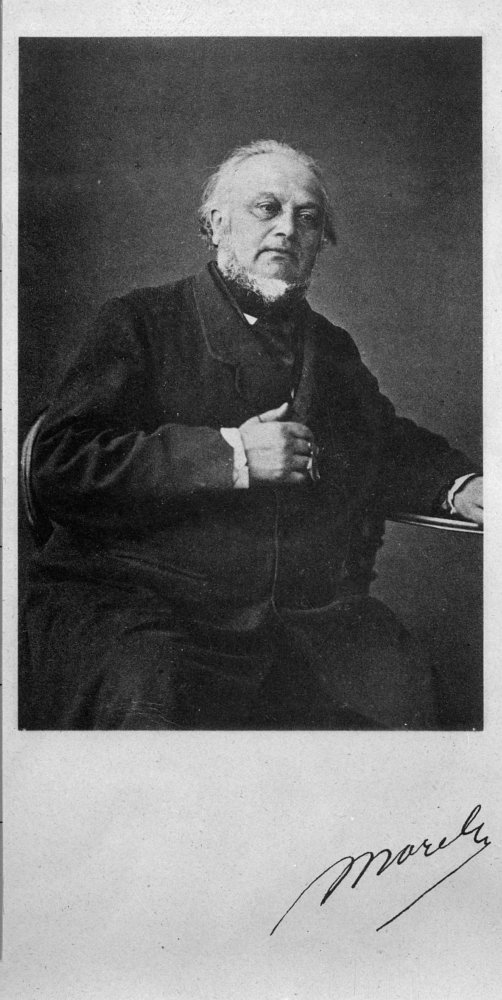
Bénédict Augustin Morel

Category : TeacherDocs

Bénédict Augustin Morel (22 November 1809 – 30 March 1873) was a French psychiatrist born in Vienna, Austria. He was an influential figure in the field of degeneration theory during the mid-19th century.

Morel received his education in Paris, and while a student, supplemented his income by teaching English and German classes. In 1839 he earned his medical doctorate, and two years later became an assistant to psychiatrist Jean-Pierre Falret (1794–1870) at the Salpêtrière in Paris.[2]

Film: https://pbswisconsin.org/watch/university-place/race-degeneracy-and-eugenics-then-and-now-zvjrc9

https://de.wikipedia.org/wiki/B%C3%A9n%C3%A9dict_Augustin_Morel

https://en.wikipedia.org/wiki/B%C3%A9n%C3%A9dict_Morel


  • -

Franz Anton Mesmer

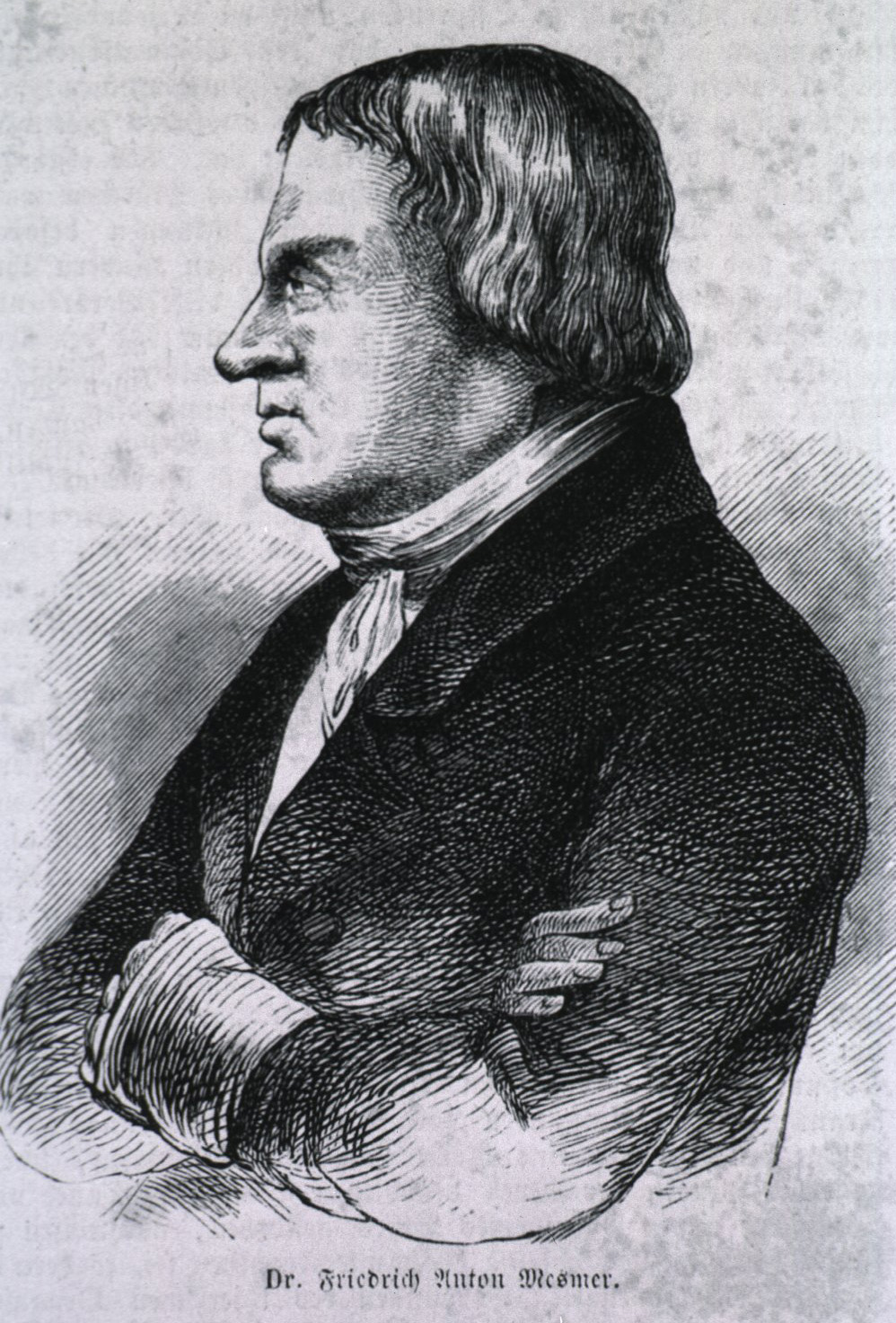
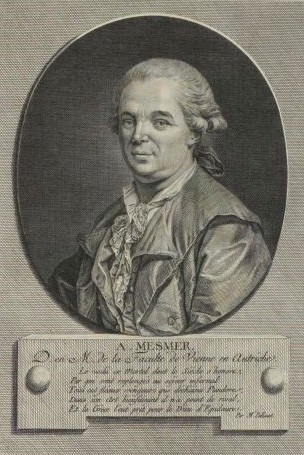
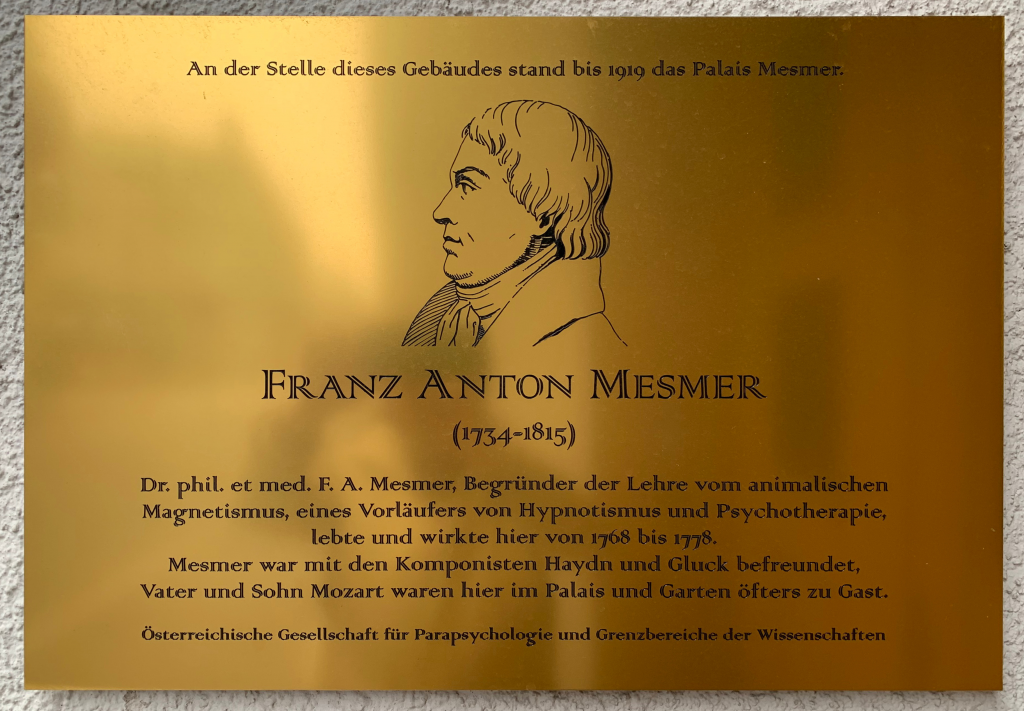
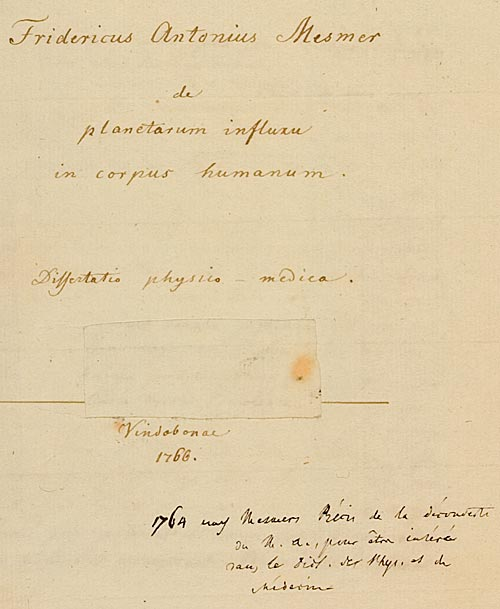
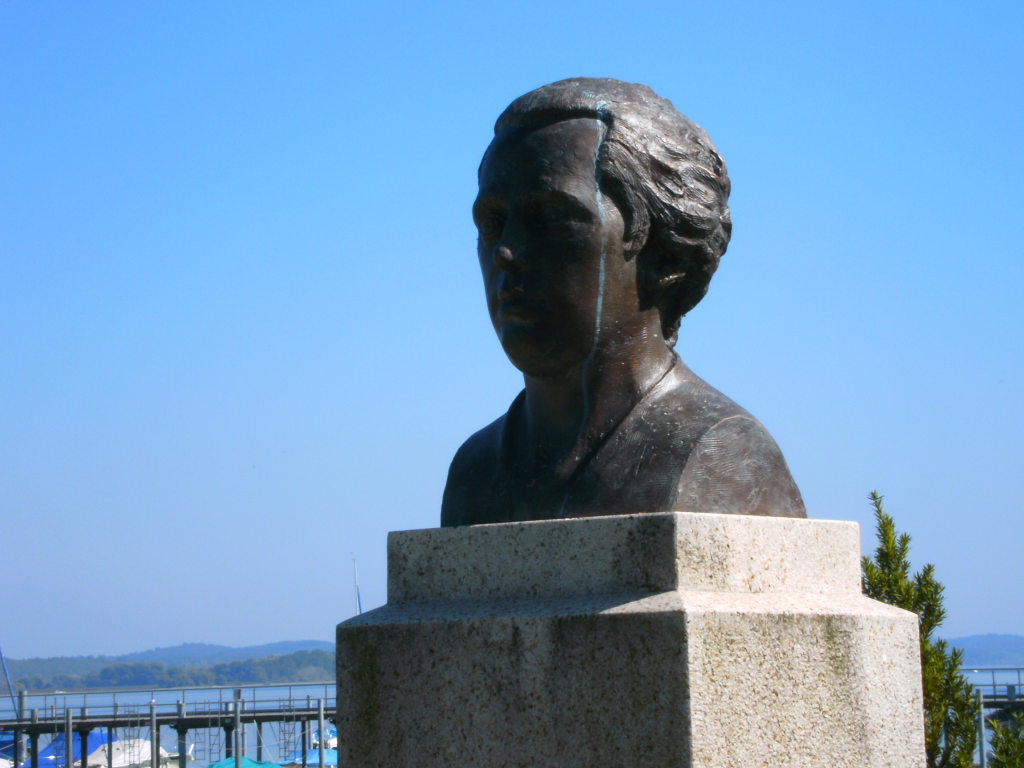
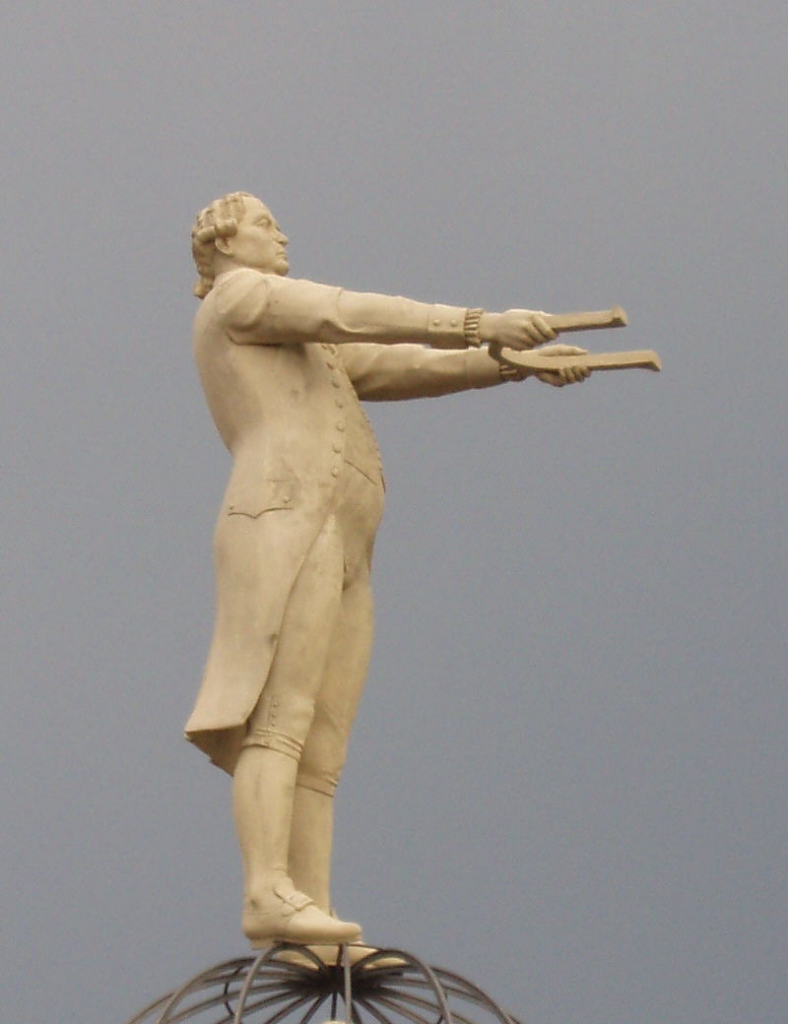
Franz Anton Mesmer (/ˈmɛzmər/ MEZ-mər;[1] German: [ˈmɛsmɐ]; 23 May 1734 – 5 March 1815) was a German physician with an interest in astronomy. He theorized the existence of a process of natural energy transference occurring between all animate and inanimate objects; this he called “animal magnetism“, later referred to as mesmerism. Mesmer’s theory attracted a wide following between about 1780 and 1850, and continued to have some influence until the end of the 19th century.[2] In 1843, the Scottish doctor James Braid proposed the term “hypnotism” for a technique derived from animal magnetism; today the word “mesmerism” generally functions as a synonym of “hypnosis”. Mesmer also supported the arts, specifically music; he was on friendly terms with Haydn and Mozart.

Mesmer would often conclude his treatments by playing some music on a glass harmonica.

Glassharfe | glassharp in Film “Mesmer”

https://de.wikipedia.org/wiki/Franz_Anton_Mesmer

https://en.wikipedia.org/wiki/Franz_Mesmer


  • -

Louis Mazetier

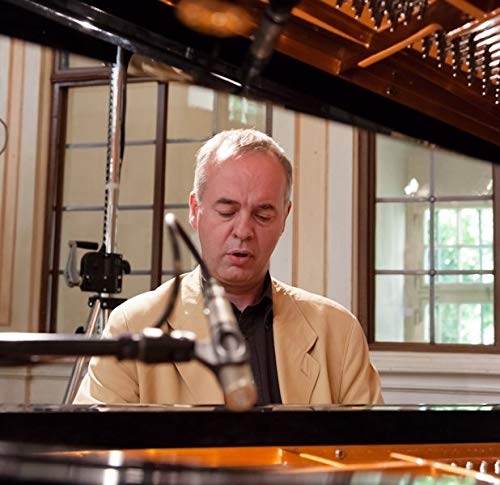
Louis Mazetier (born February 17, 1960, Paris) is a French stride pianist.

Mazetier began playing jazz at age 14 and by age 18 was performing at jazz clubs in Paris. In addition to his career as a musician, he works full-time as a radiologist.[1] He plays with Paris Washboard and has worked on record with Dick HymanFrancois Rilhac,[2] Alain Marquet, and Neville Dickie, among others, and has released multiple albums as a leader or co-leader. Although he is influenced by earlier jazz pianists, such as Eubie BlakeJames P. JohnsonFats WallerDon EwellJohnny GuarnieriDick Wellstood, and Art Tatum, his greatest influence appears to be American stride pianist, Donald Lambert.

web

wikipedia DEwikipedia ENwikipedia FR

youtube – vimeo – soundcloud

facebook – twitter – instagram – XING

work


  • -

Thomas Lilti is DirectorDoc

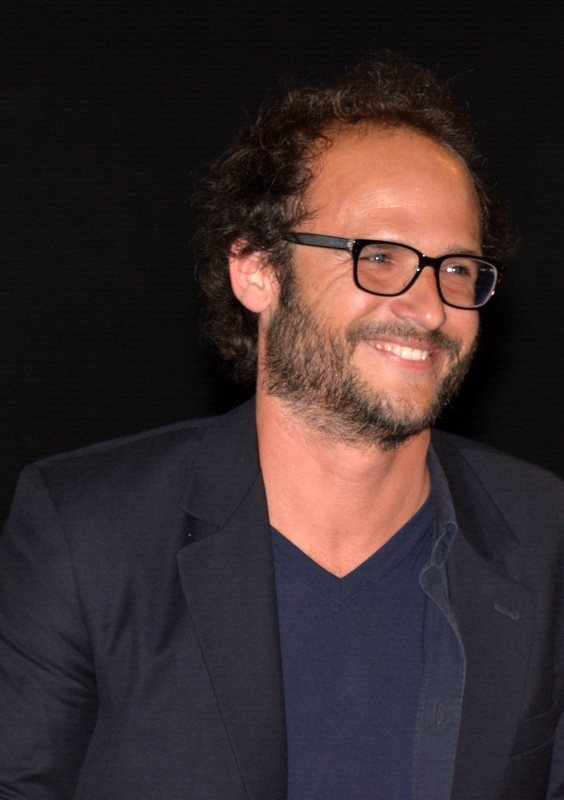
Thomas Lilti (born 30 May 1976) is a French family doctor, screenwriter and film director. He is best known for his three movies series about the medical field: “Hippocrate” (Hippocrates: Diary of a French Doctor) in 2014, “Médecin de Campagne” (Rural physicians) in 2016 and “Première année” (First Year) in 2018.

Wikipedia EN

Wikipedia FR

Internet Movie Database


  • -

Claudine Haigneré

Besides her space mission she had been active as minister in French politics.

https://alchetron.com/Claudie-Haigner%C3%A9

wikipedia DE

wikipediaEN