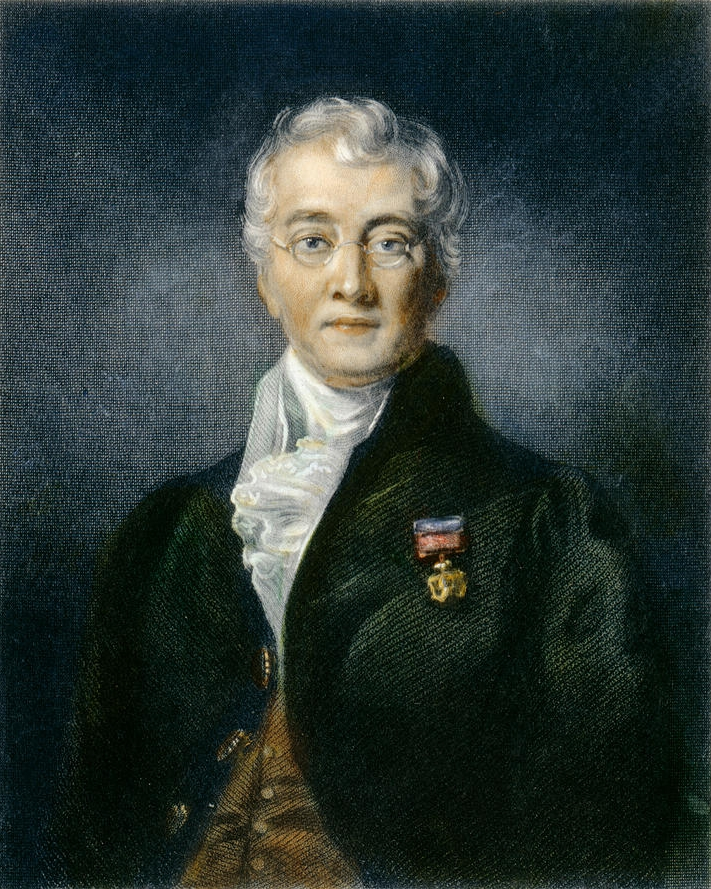
Charles Bell

  • -

Charles Bell

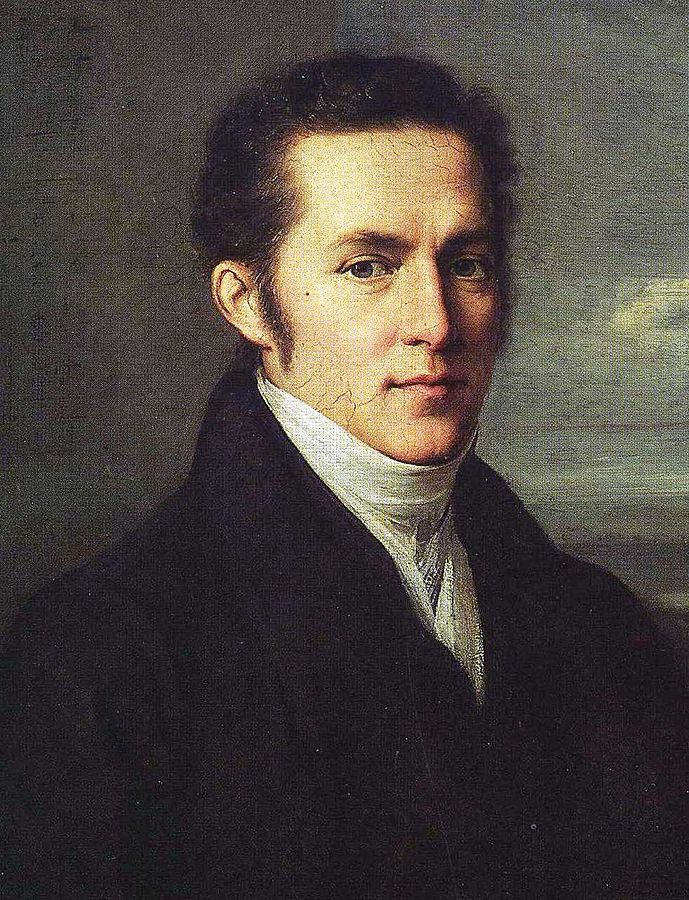
Sir Charles Bell KH FRS FRSE FRCSE MWS (12 November 1774 – 28 April 1842) was a Scottish surgeon, anatomistphysiologistneurologist, artist, and philosophical theologian. He is noted for discovering the difference between sensory nerves and motor nerves in the spinal cord. He is also noted for describing Bell’s palsy.

Charles Bell was born in Edinburgh on 12 November 1774,[2] as the fourth son of the Reverend William Bell, a clergyman of the Episcopal Church of Scotland. Charles’s father died in 1779 when he was five years old, and so his mother had a unique influence on his early life, teaching him how to read and write.[1] In addition to this, his mother also helped Charles’s natural artistic ability by paying for his regular drawing and painting lessons from David Allan, a well-known Scottish painter.
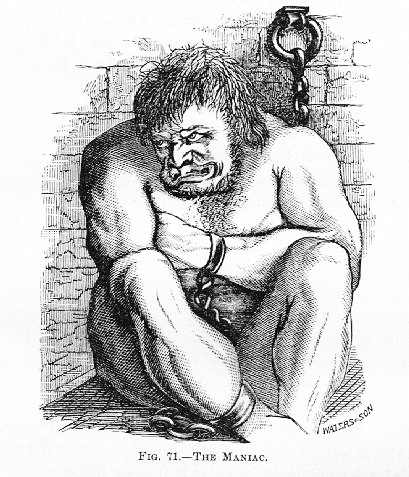
The Maniac – Charles Bell

While at the university, Bell attended the lectures of Dugald Stewart on the subject of spiritual philosophy. These lectures had considerable impact on Bell, for some of Stewart’s teachings can be traced in Bell’s later works in a passage on his Treatise on the Hand.[1] In addition to classes on anatomy, Bell took a course on the art of drawing in order to refine his artistic skill.

While developing his talents as a surgeon, Bell’s interests forayed into a field combining anatomy and art. His inherent talent as an artist came to the fore when he helped his brother complete a four-volume work called The Anatomy of the Human Body. Charles Bell completely wrote and illustrated volumes 3 and 4 in 1803, as well as publishing his own set of illustrations in a System of Dissections in 1798 and 1799.[6] Furthermore, Bell used his clinical experience and artistic eye to develop the hobby of modelling interesting medical cases in wax. He proceeded to accumulate an extensive collection that he dubbed his Museum of Anatomy, some items of which can still be seen today at Surgeon’s Hall.

A number of discoveries received his name:

Charles Bell House, part of University College London, is used for teaching and research in surgery

  • -

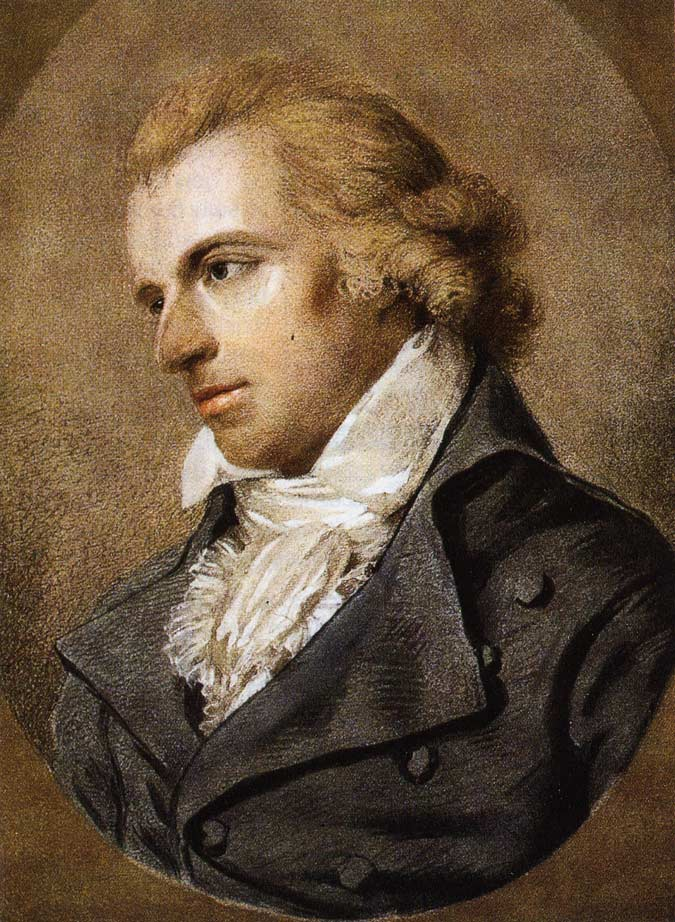
Friedrich Schiller

Friedrich Schiller, porträtiert von Ludovike Simanowiz im Jahr 1794

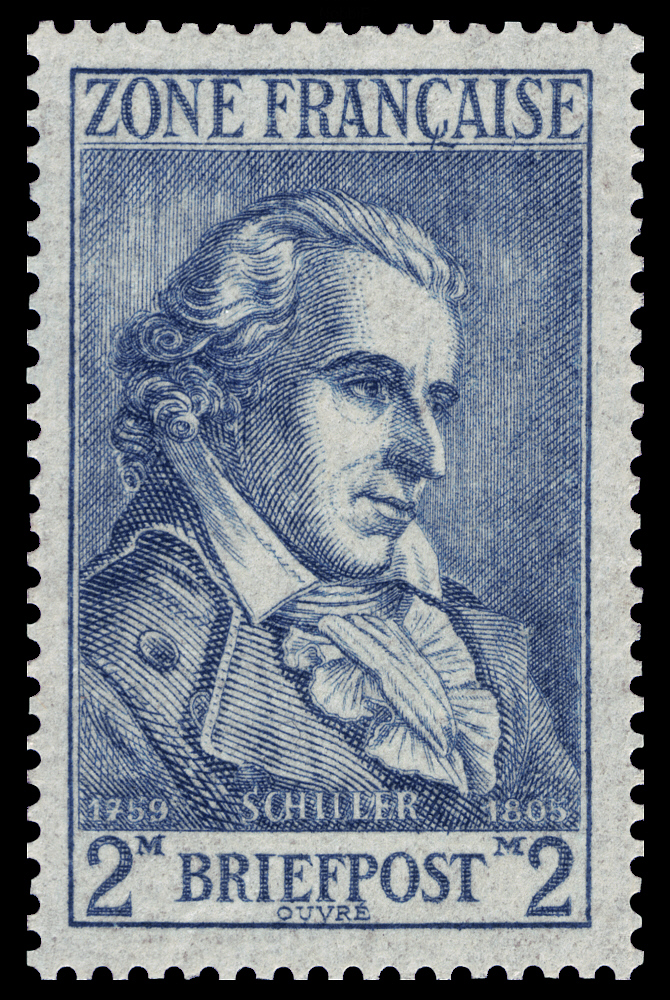
Johann Christoph Friedrich von Schiller (German: [ˈjoːhan ˈkʁɪstɔf ˈfʁiːdʁɪç fɔn ˈʃɪlɐ], short: [ˈfʁiːdʁɪç ˈʃɪlɐ] ; 10 November 1759 – 9 May 1805) was a German playwrightpoetphilosopher and historian. Schiller is considered by most Germans to be Germany’s most important classical playwright.

He was born in Marbach to a devoutly Protestant family. Initially intended for the priesthood, in 1773 he entered a military academy in Stuttgart and ended up studying medicine. His first play, The Robbers, was written at this time and proved very successful. After a brief stint as a regimental doctor, he left Stuttgart and eventually wound up in Weimar. In 1789, he became professor of History and Philosophy at Jena, where he wrote historical works.

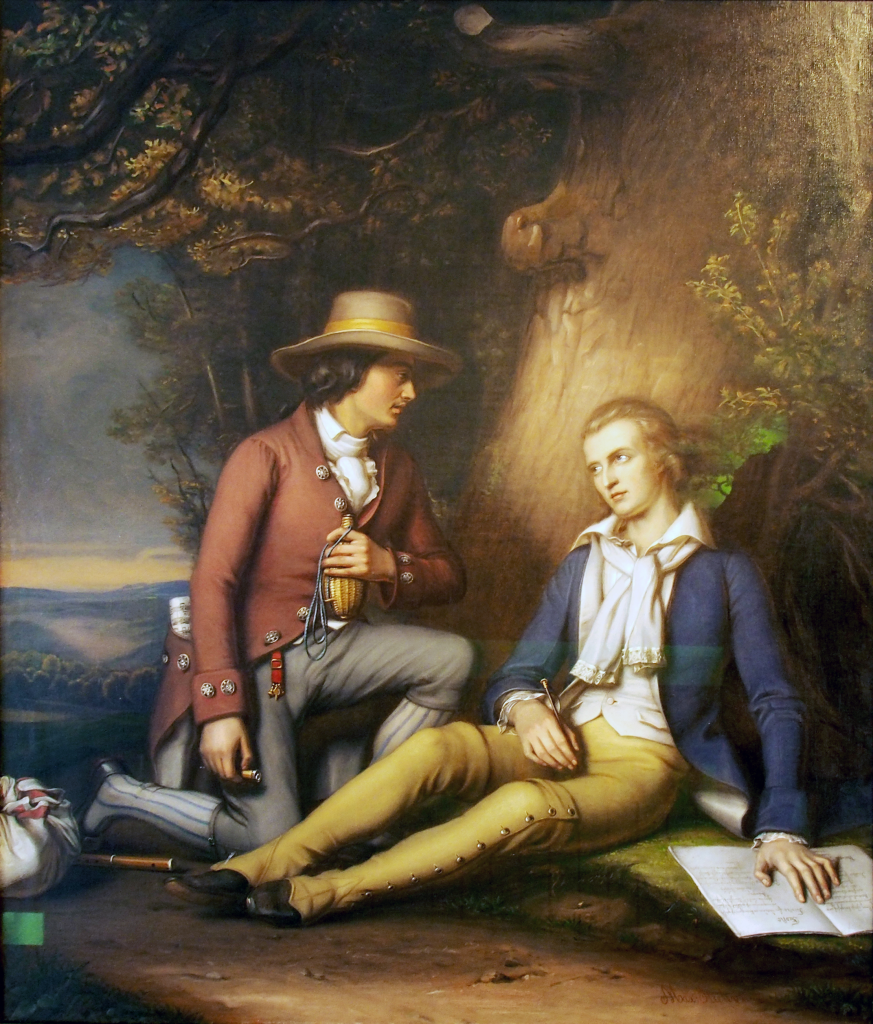
Schiller auf der Flucht mit seinem Freund Andreas Streicher

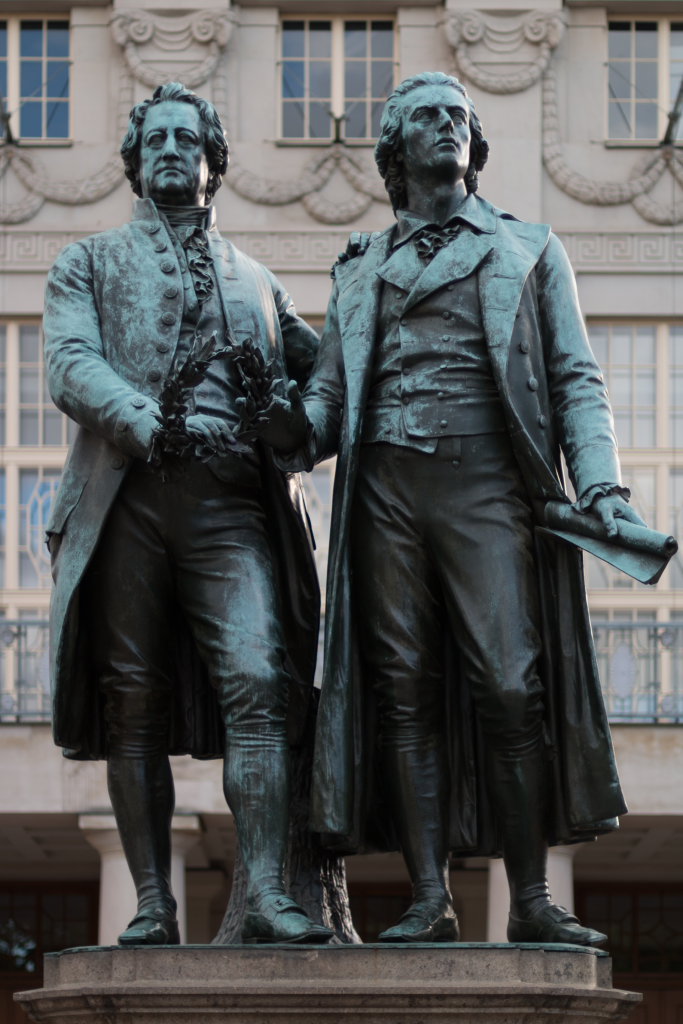
During the last seventeen years of his life (1788–1805), Schiller developed a productive, if complicated, friendship with the already famous and influential Johann Wolfgang von Goethe. They frequently discussed issues concerning aesthetics, and Schiller encouraged Goethe to finish works that he had left as sketches. This relationship and these discussions led to a period now referred to as Weimar Classicism. Together they founded the Weimar Theater.

They also worked together on Xenien, a collection of short satirical poems in which both Schiller and Goethe challenge opponents of their philosophical vision.

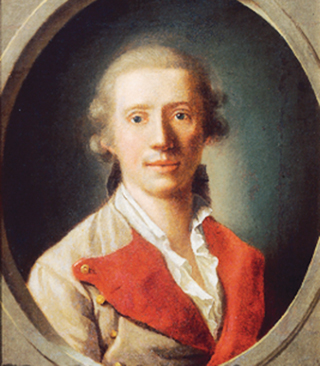
Schiller als Regimentsarzt 1781/1782, auf einem Gemälde von 
Philipp Friedrich Hetsch
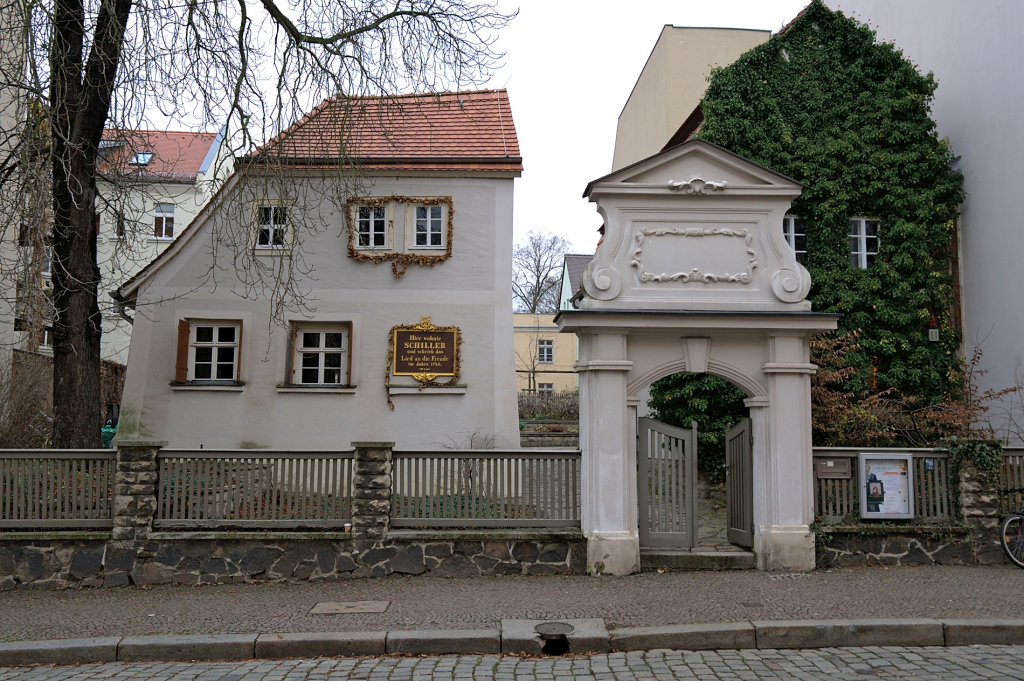
The Schillerhaus in 2009 | Leipzig

Schiller returned with his family to Weimar from Jena in 1799. Goethe convinced him to return to playwriting. He and Goethe founded the Weimar Theater, which became the leading theater in Germany. Their collaboration helped lead to a renaissance of drama in Germany.

For his achievements, Schiller was ennobled in 1802 by the Duke of Saxe-Weimar, adding the nobiliary particle “von” to his name.[12] He remained in Weimar, Saxe-Weimar until his death at 45 from tuberculosis in 1805.

https://de.wikipedia.org/wiki/Friedrich_Schiller

https://en.wikipedia.org/wiki/Friedrich_Schiller


  • -

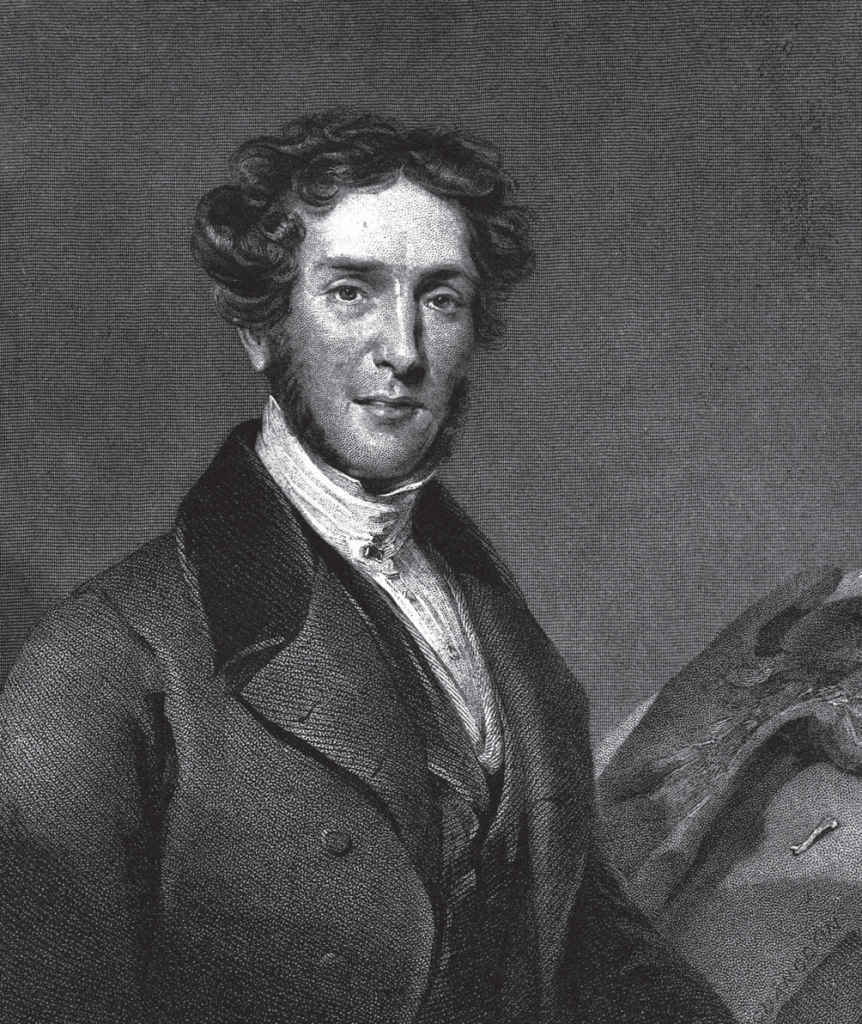
Gideon Mantell

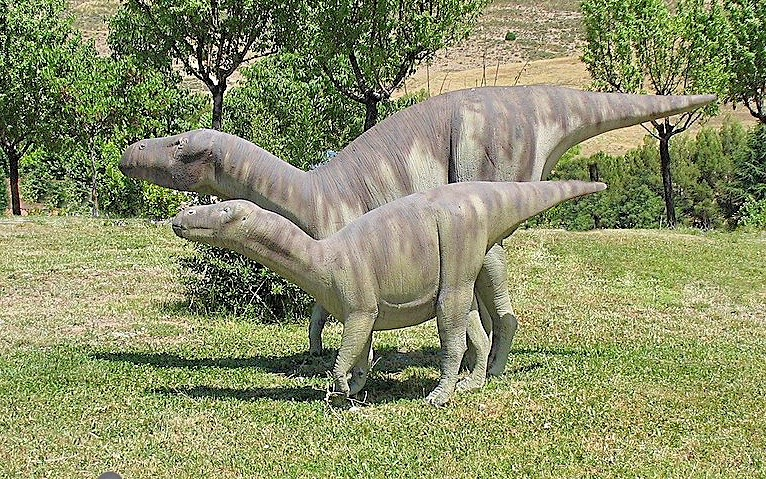
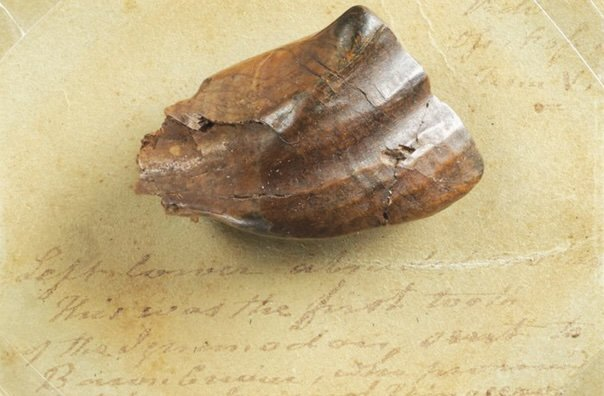
Gideon Algernon Mantell MRCS FRS (3 February 1790 – 10 November 1852) was an English obstetriciangeologist and palaeontologist. His attempts to reconstruct the structure and life of Iguanodon began the scientific study of dinosaurs: in 1822 he was responsible for the discovery (and the eventual identification) of the first fossil teeth, and later much of the skeleton, of Iguanodon. Mantell’s work on the Cretaceous of southern England was also important.

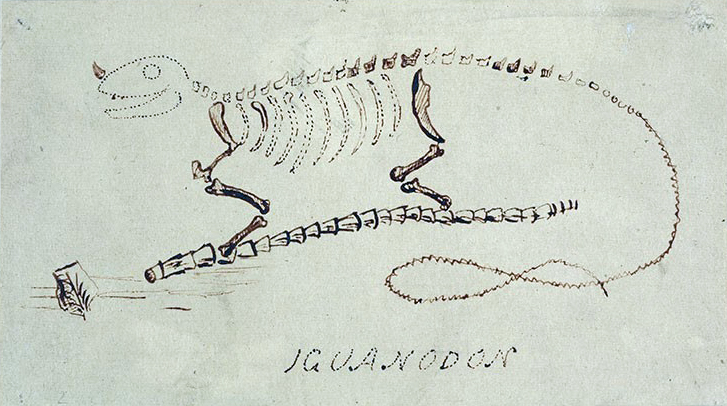
Mantells eigene Rekonstruktion von Iguanodon wurde nie von ihm veröffentlicht.

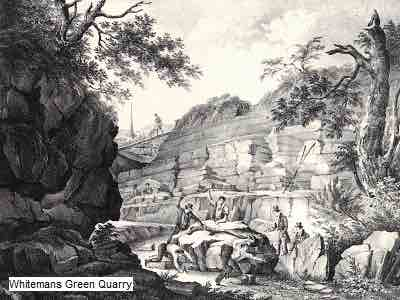
Inspired by Mary Anning‘s sensational discovery of a fossilised animal resembling a huge crocodile (later identified as an ichthyosaur) at Lyme Regis in Dorset, Mantell became passionately interested in the study of the fossilised animals and plants found in his area. The fossils he had collected from the region, near The Weald in Sussex, were from the chalk downlands covering the county. The chalk is part of the Upper Cretaceous System and the fossils it contains are marine in origin. But by 1819, Mantell had begun acquiring fossils from a quarry, at Whitemans Green, near Cuckfield. These included the remains of terrestrial and freshwater ecosystems, at a time when all the known fossil remains from Cretaceous England, hitherto, were marine in origin. He named the new strata the Strata of Tilgate Forest, after an historical wooded area and it was later shown to belong to the Lower Cretaceous.

By 1820, he had started to find very large bones at Cuckfield, even larger than those discovered by William Buckland, at Stonesfield in Oxfordshire. Then, in 1822, shortly before finishing his first book (The Fossils of South Downs), his wife found several large teeth (although some historians contend that they were in fact discovered by himself), the origin of which he could not ascertain. In 1821 Mantell planned his next book on the geology of Sussex. It was an immediate success with two hundred subscribers including King George IV at Carlton House Palace, who wrote a letter stating, “His majesty is pleased to command that his name should be placed at the head of the subscription list for four copies.”[This quote needs a citation]

How the king heard of Mantell is unknown, but Mantell’s response is known. Galvanised and encouraged, Mantell showed the teeth to other scientists but they were dismissed as belonging to a fish or mammal and from a more recent rock layer than the other Tilgate Forest fossils. The eminent French anatomistGeorges Cuvier, identified the teeth as those of a rhinoceros.

Although according to Charles Lyell, Cuvier made this statement after a late party and apparently had some doubts when reconsidering the matter when he awoke, fresh in the morning. “The next morning he told me that he was confident that it was something quite different.” Strangely, this change of opinion did not make it back to Britain where Mantell was mocked for his error. Mantell was still convinced that the teeth had come from the Mesozoic strata and finally recognised that they resembled those of the iguana, but were twenty times larger. He surmised that the owner of the remains must have been at least 60 feet (18 metres) in length.

On 10 November 1852, Mantell took an overdose of opium and later lapsed into a coma. He died that afternoon. His post-mortem by William Adams showed that he had been suffering from severe lumbar scoliosis, leading to the Adams Forward Bend Test as a diagnostic tool. A section of Mantell’s spine was removed, preserved and stored on a shelf at the Royal College of Surgeons of England. It remained there until 1969 when it was destroyed due to lack of space.[19]

Mantell’s surgery, on the south side of Clapham Common, is now a dental surgery.

At the time of his death Mantell was credited with discovering four of the five genera of dinosaurs then known.[20]

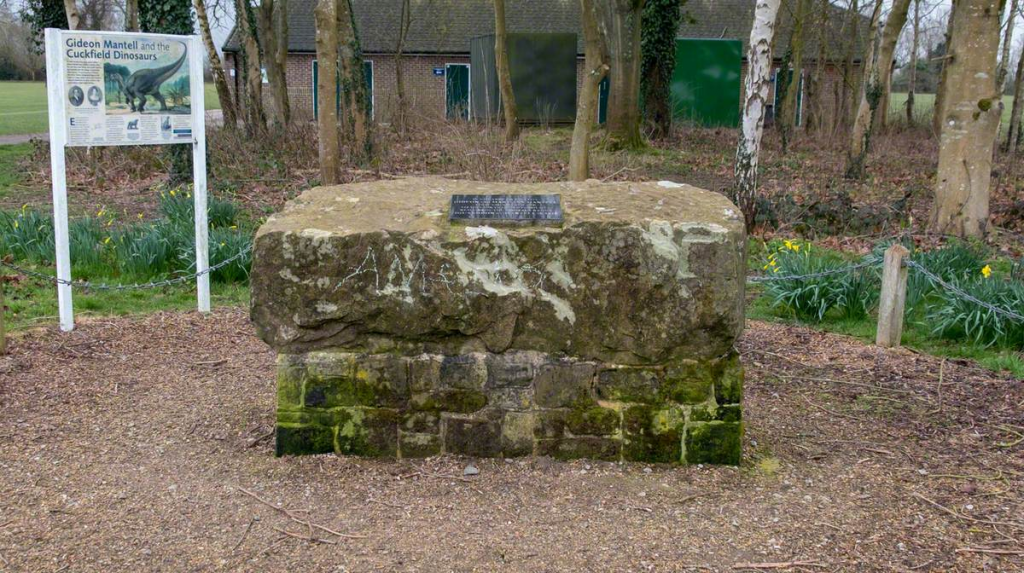
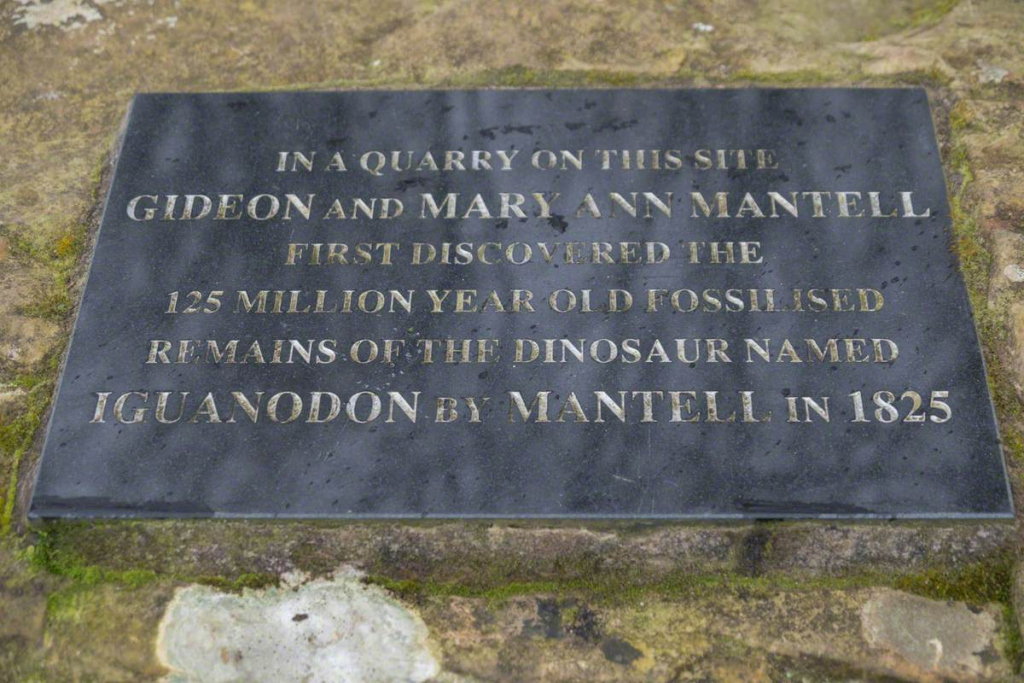
In 2000, in commemoration of Mantell’s discovery and his contribution to the science of palaeontology, the Mantell Monument was unveiled at Whiteman’s Green, Cuckfield. The monument has been confirmed as the location of the Iguanodon fossils that Mantell first described in 1822.

He is buried at West Norwood Cemetery within a sarcophagus attributed to Amon Henry Wilds[18] that replicates the sanctuary of Natakamani‘s Temple of Amun. (The name ammonite is, coincidentally, derived from Amun.)

Mantell booklet

https://de.wikipedia.org/wiki/Gideon_Mantell

https://en.wikipedia.org/wiki/Gideon_Mantell

Cuckfield Museum

Cuckfield Society

Cuckfield Connections

Mantell Monument


  • -

Friedrich Joseph Laurentius Haass

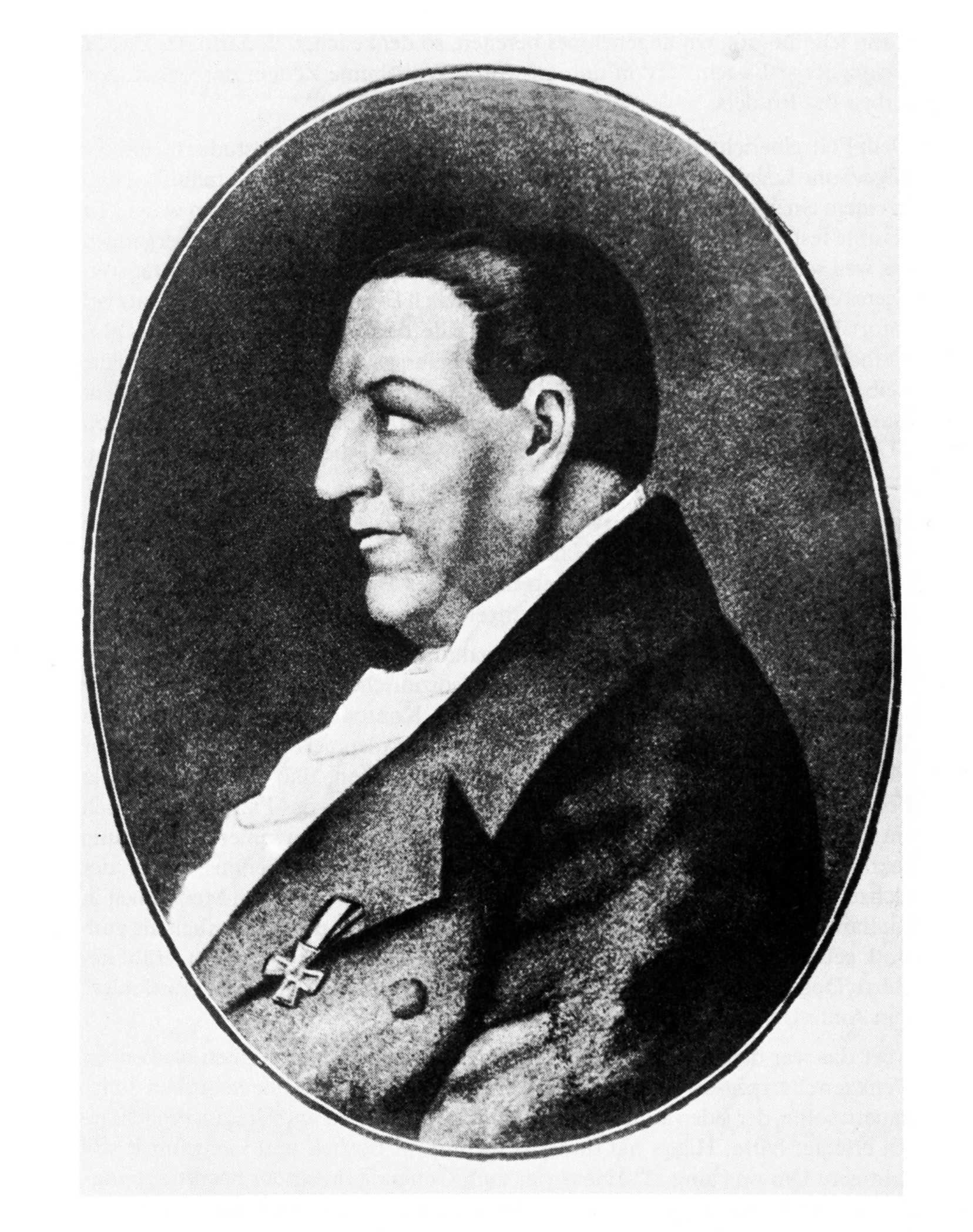
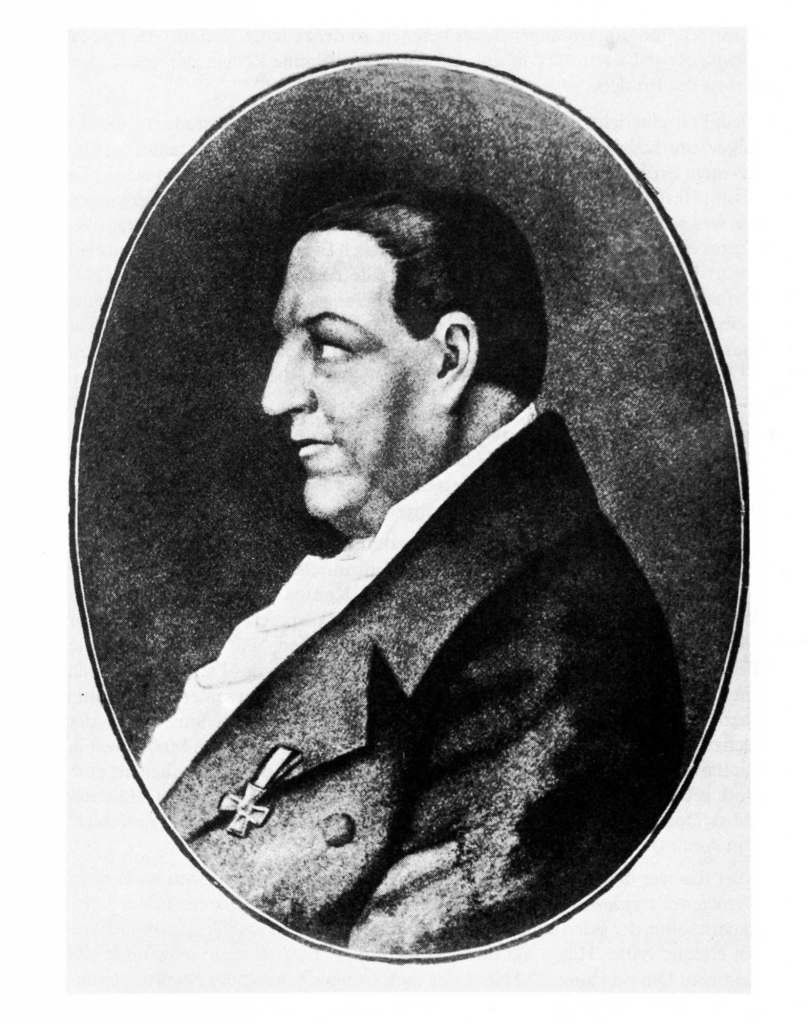
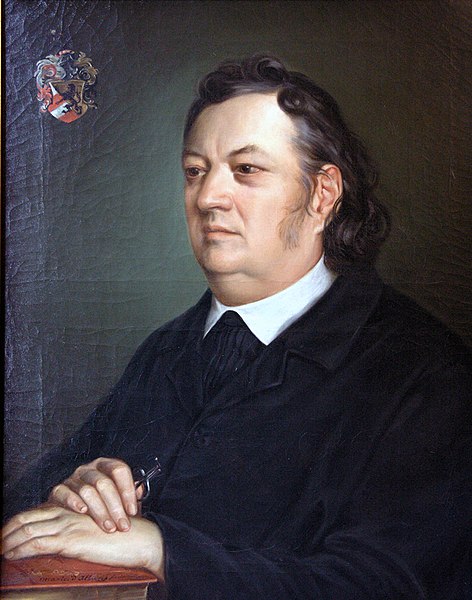
Dr. Friedrich Joseph Haass (Russian: Фёдор Петрович Гааз, Fyodor Petrovich Gaaz; 10 August 1780 – 28 August [O.S. 16 August] 1853) was the “holy doctor of Moscow”.[1][2] Born in Bad Münstereifel, as a member of Moscow’s governmental prison committee, he spent 25 years until the end of his life to humanize the penal system.[1] During the last nine years before his death, he spent all of his assets to run a hospital for homeless people. He died in Moscow. Twenty thousand people attended his funeral at the Vvedenskoye Cemetery, which was paid for by the state as he had no more money.

Haass, son of the pharmacist Peter Haass and grandson of the “surgeon on the Thurnmarkt” in Cologne, Wilhelm Anton Haass, studied German, philosophy and medicine after finishing school at the Ecole Centrale in Cologne, founded under Napoleon, and at the universities in Jena and Göttingen. In Göttingen he received his doctorate in medicine and surgery. In Vienna he trained as an ophthalmologist. One of his first patients as family doctor to the Russian Princess Varvara Alekseevna Repnin was her father, who suffered from a serious eye disease.[1] The latter recognized Haass’ talent and invited the young doctor to Russia. In 1806 he appeared in Moscow as Fyodor Petrovich Gaas. As early as 1807 he was appointed chief physician of the renowned Pavlovskaya Clinic (Paul’s Hospital).

From 1828, as a member of the Moscow Prison Protection Committee, he devoted himself for 25 years to caring for prisoners exiled to Siberia.[3] He was firmly convinced that man is good by nature because God created him in his own image. Therefore, a person who has strayed from the right path is nothing more than an unhappy, sick person who can only be healed through humanity. He learned this positive view of humanity primarily through Francis of Assisi and Francis de Sales, whose writings he counted among his favorite books, especially his main theological work, “Treatise on the Love of God.” In a letter to the philosopher Friedrich Wilhelm Joseph von Schelling dated December 31, 1843, he urgently recommended that he read the works of Saint Francis de Sales. In it, he calls Schelling “my beloved German teacher” and Francis de Sales “my beloved mentor and educator.” His will states that Haass was in possession of relics of Saint Francis de Sales, which he bequeathed to a Catholic church in Irkutsk.

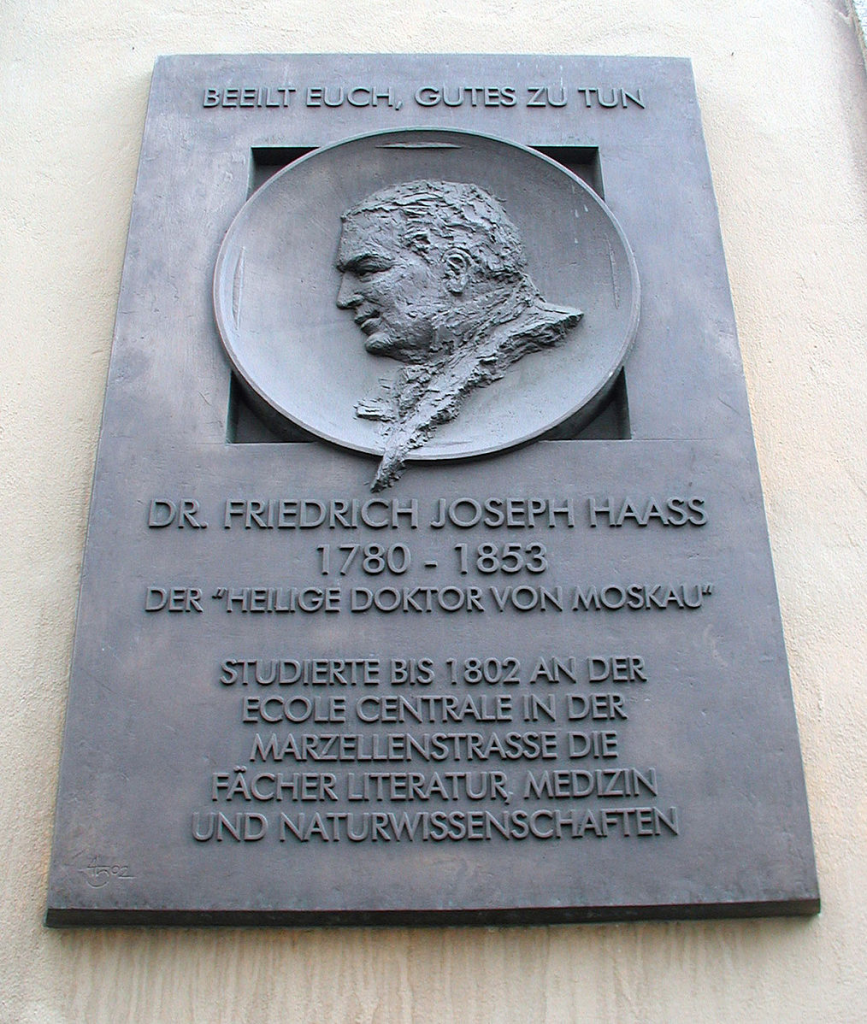
Gedenktafel für Friedrich-Joseph-Haass Memorial plaque for Friedrich-Joseph-Haass at the Archbishop’s General Vicariate building at Marzellenstrasse 32 in Cologne. Design: Herbert Halfmann, Düren. Height 140 cm. Erected in 2002.

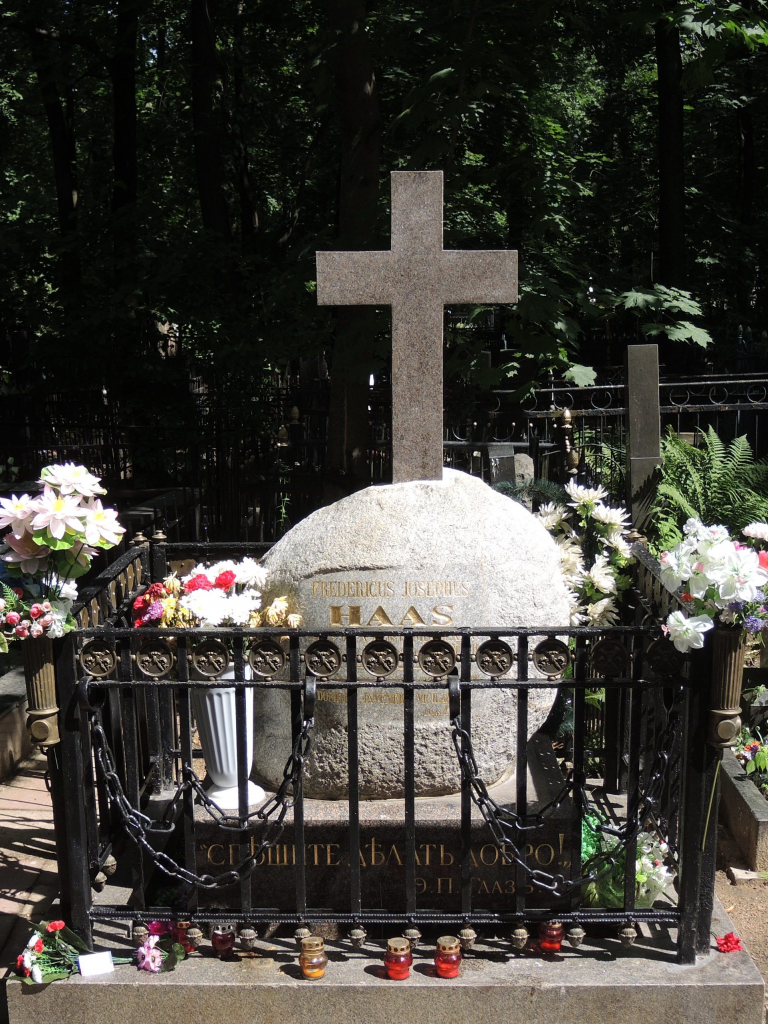
In 1836, he implemented a decree replacing prisoners’ heavy iron shackles with lighter, leather-lined ones that no longer rubbed their feet dry. These shackles are called Haass’s shackles. The oversized metal shackles on his grave are a reminder of this. In 1841, he wrote an ABC of Christian Decency […], which he had printed and distributed to deported criminals. In 1843, a police prisoner hospital for the homeless, later called the “Alexander Hospital,” was opened. It was financed entirely from Haass’s personal fortune and private donations. During the 1848 cholera epidemic in Moscow, he and the philanthropist Sofia Stepanovna Shcherbatova organized the Nikolskoye Community to provide assistance to the needy. Sisters of this community continued their work during the Crimean War.[4] Haass lived and worked in this hospital, popularly known as the “Haass Hospital” or “Haassovka,” until the end of his life.[5] At the end of July 1853, Haass fell ill and wrote a detailed will. He died on August 16, 1853, and was buried on August 19.[6] 20,000 people attended his funeral at Moscow’s Vvedenskoye Cemetery. The gravestone is inscribed in Latin and bears Haass’s quote in Russian: “Haste to do good.”

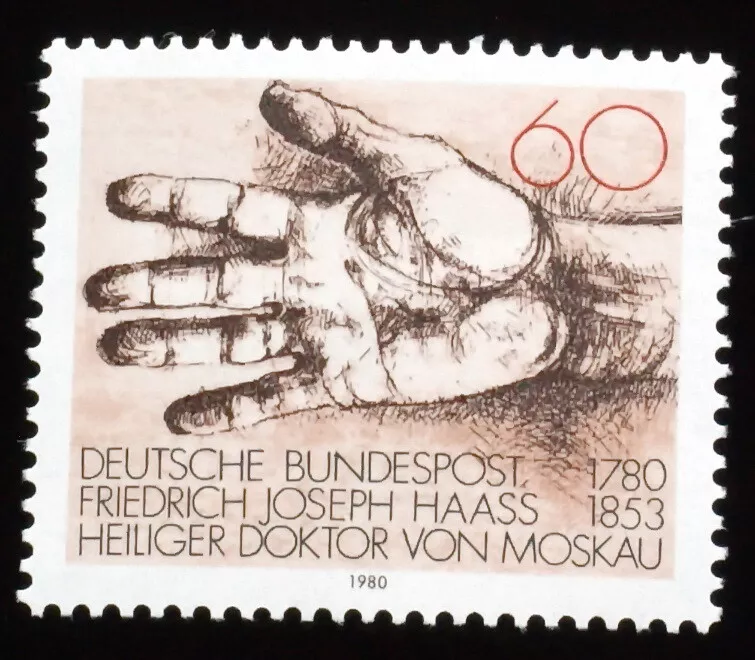
  • To mark the physician’s 200th birthday, the German Federal Post Office issued a commemorative stamp worth 60 pfennigs.
  • The German School Moscow has been named “German School Moscow – Friedrich Joseph Haass” since May 27, 1989.
  • The German-Russian Forum has awarded the Dr. Friedrich Joseph Haass Prize annually since 1995 to individuals who have made outstanding contributions to German-Russian relations. Award winners include Mikhail Sergeyevich Gorbachev and Egon Bahr.
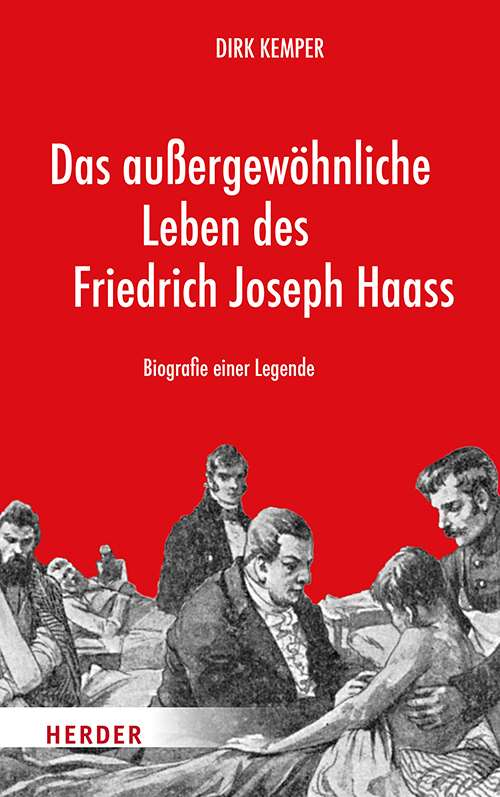
  • The Russian Lev Zinovyevich Kopelev, a promoter of German-Russian reconciliation and himself a Gulag prisoner from 1947 to 1954, who lived in Cologne after his expatriation and until his death, wrote a book about Haass in 1984.
  • On April 16, 2016, an opera collage entitled Doctor Haas, consisting of 11 episodes, premiered at Moscow’s Helikon Opera. The composer was 27-year-old Alexei Sergumin, and the libretto was written by the writer Lyudmila Ulitskaya.

https://de.wikipedia.org/wiki/Friedrich_Joseph_Haass

https://en.wikipedia.org/wiki/Friedrich_Joseph_Haass


  • -

Justinus Kerner

Justinus Andreas Christian Kerner (18 September 1786, in LudwigsburgBaden-WürttembergGermany – 21 February 1862, in Weinsberg, Baden-Württemberg) was a German poet, practicing physician, and medical writer. He gave the first detailed description of botulism.

In Bilderbuch aus meiner Knabenzeit, Kerner recalls George Rapp‘s visits to his father, the Oberamtmann at Maulbronn. Kerner’s father had helped shield Rapp from religious prosecution by the authorities in Germany, and Kerner well remembered Rapp and his long black beard.[1] George Rapp and his followers eventually left Germany in 1803, settled in the United States, and started the Harmony SocietyDie Seherin von Prevorst and its tale about Kerner’s relationship with Friederike Hauffe — the latter reputed to have visionary and healing powers, and who had produced a strange ‘inner’ language containing Hebrew-like elements — made quite an impression among the members of the Harmony Society in 1829, who saw it as confirmation of the approaching millennium and of their religious views.[2]

Robert Schumann set Kerner’s poems in his Opus 35, 12 Gedichte von Justinus Kerner, composed in 1840 and dedicated to “Dr. Friedrich Weber in London.” Schumann called the set a Liederreihe, or “row of songs.”

wikipedia DE

wikipedia EN


  • -

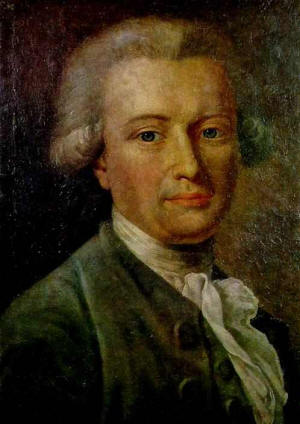
Johann Georg Adam Forster

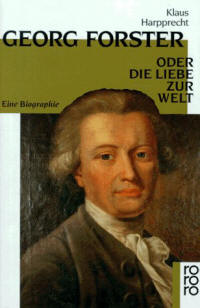
Johann George Adam Forster, also known as Georg Forster[nb 1] (German pronunciation: [ˈɡeːɔʁk ˈfɔʁstɐ], 27 November 1754 – 10 January 1794), was a German naturalistethnologisttravel writer, journalist and revolutionary. At an early age, he accompanied his father, Johann Reinhold Forster, on several scientific expeditions, including James Cook‘s second voyage to the Pacific. His report of that journey, A Voyage Round the World, contributed significantly to the ethnology of the people of Polynesia and remains a respected work. As a result of the report, Forster, who was admitted to the Royal Society at the early age of twenty-two, came to be considered one of the founders of modern scientific travel literature.

After returning to continental Europe, Forster turned toward academia. He taught natural history at the Collegium Carolinum in the OttoneumKassel (1778–84), and later at the Academy of Vilna (Vilnius University) (1784–87). In 1788, he became head librarian at the University of Mainz. Most of his scientific work during this time consisted of essays on botany and ethnology, but he also prefaced and translated many books about travel and exploration, including a German translation of Cook’s diaries.

Forster was a central figure of the Enlightenment in Germany, and corresponded with most of its adherents, including his close friend Georg Christoph Lichtenberg. His ideas, travelogues and personality influenced Alexander von Humboldt, one of the great scientists of the 19th century [5] who hailed Forster as the founder of both comparative ethnology (Völkerkunde) and regional geography (Länderkunde).[6] When the French took control of Mainz in 1792, Forster played a leading role in the Mainz Republic, the earliest republican state in Germany. During July 1793 and while he was in Paris as a delegate of the young Mainz Republic, Prussian and Austrian coalition forces regained control of the city and Forster was declared an outlaw. Unable to return to Germany and separated from his friends and family, he died in Paris of illness in early 1794, not yet 40. In 1785, Forster traveled to Halle where he submitted his thesis on the plants of the South Pacific for a doctorate in medicine.

web

wikipedia DE
wikipedia EN

youtube – vimeo

facebook – twitter – instagram

work


  • -

Samuel Heinrich Schwabe

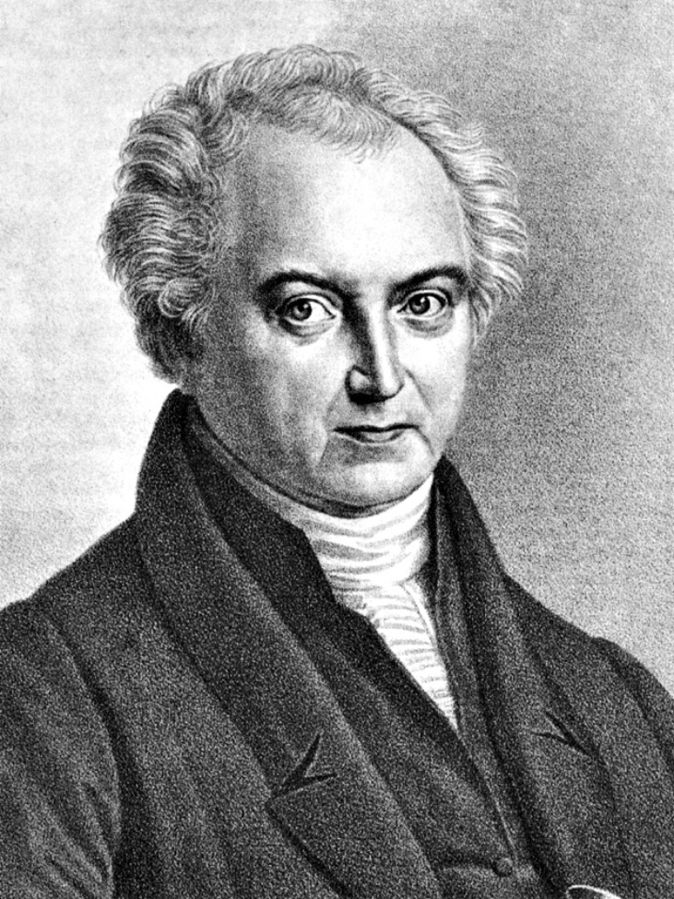
Samuel Heinrich Schwabe (25 October 1789 – 11 April 1875) a German astronomer remembered for his work on sunspots. He also was Botaniker. His official botanic short code is „Schwabe“.

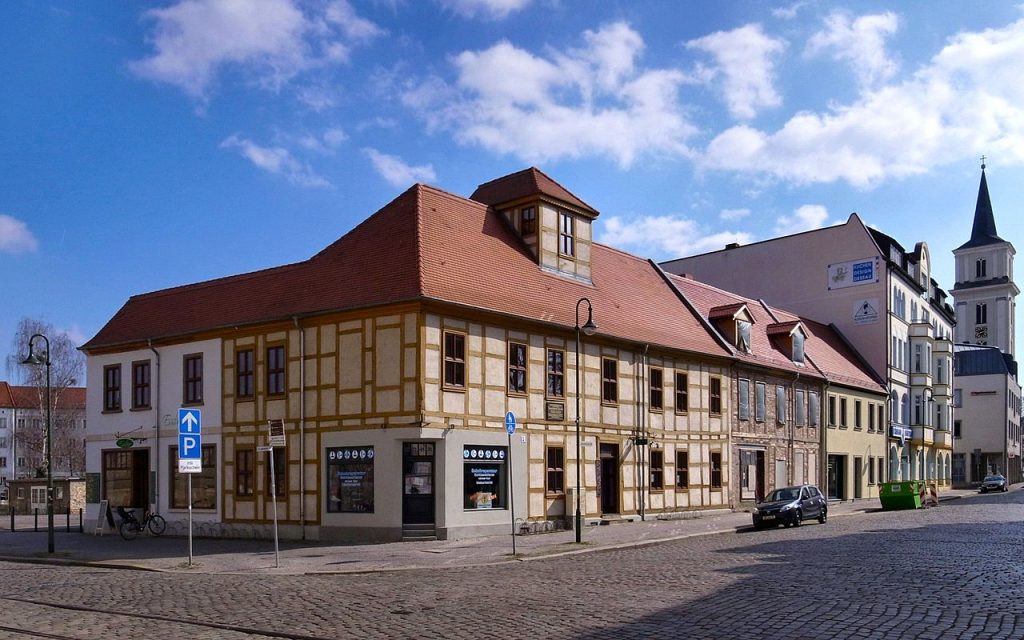
He studied pharmacy, chemistry, botanics and physics in Berlin. Coming back to Dessau in 1811 he ran the pharmacy of his grandfather. After selling the pharmacy in 1829 he dedicated himself to science and lived in the Schwabehaus.

Schwabe was born at Dessau. At first an apothecary, he turned his attention to astronomy, and in 1826 commenced his observations on sunspots. Schwabe was looking for a possible planet inside the orbit of Mercury. Because of the proximity to the Sun, it would have been very difficult to observe such a planet, and Schwabe believed one possibility to detect a new planet might be to see it as a dark spot when passing in front of the Sun. For 17 years, from 1826 to 1843, on every clear day, Schwabe would scan the Sun and record its spots trying to detect any new planet among them. He did not find any planet but noticed the regular variation in the number of sunspots and published his findings in a short article entitled “Solar Observations during 1843”.[1] In it he made the suggestion of a probable ten-year period (i.e. that at every tenth year the number of spots reached a maximum). This paper at first attracted little attention, but Rudolf Wolf who was at that time the director of Bern observatory, was impressed so he began regular observations of sunspots. Schwabe’s observations were afterwards utilized in 1850 by Alexander von Humboldt in the third volume of his Kosmos.[2] The periodicity of sunspots is now fully recognized; and to Schwabe is thus due the credit of one of the most important discoveries in astronomy.

In 1857 Schwabe was awarded the Gold Medal of the Royal Astronomical Society.

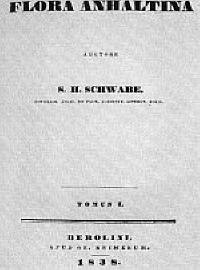
1838 he published Flora Anhaltina, a standard work about the flora of his country Anhalt. Remarkable is his Herbarium.

In 1841 he married Ernestine Amalie Moldenhauer.

A moon crater is named Schwabe after him.

Schwabehaus

wikipedia DE

wikipedia EN

Deutsches Ärzteblatt

www.SchwabeHaus.de


  • -

Heinrich Wilhelm Olbers

Heinrich Wilhelm Matthias Olbers (/ˈɔːlbərz/German: [ˈɔlbɐs]; 11 October 1758 – 2 March 1840) was a German physician and astronomer.

On 28 March 1802, Olbers discovered and named the asteroidPallas. Five years later, on 29 March 1807, he discovered the asteroid Vesta, which he allowed Carl Friedrich Gauss to name. As the word “asteroid” was not yet coined, the literature of the time referred to these minor planets as planets in their own right. He proposed that the asteroid belt, where these objects lay, was the remnants of a planet that had been destroyed. The current view of most scientists is that tidal effects from the planet Jupiter disrupted the planet-formation process in the asteroid belt. On 6 March 1815, Olbers discovered a periodic comet, now named after him (formally designated 13P/Olbers). Olbers’ paradox, described by him in 1823 (and then reformulated in 1826), states that the darkness of the night sky conflicts with the supposition of an infinite and eternal static universe.

Olbers was deputed by his fellow citizens to assist at the baptism of Napoleon II of France on 9 June 1811. He was a member of the corps legislatif in Paris 1812–13. He died in Bremen aged 81. He was twice married, and one son survived him. Olbers’ paradox, the argument that the dark sky at night shows that stars cannot be evenly distributed through infinite space, is named for him, though others had also advanced it.

Ships were named after him (DE):

Olbers war außerdem der Name verschiedener Segelschiffe: Eine in Archangelsk gebaute Fregatte wurde 1829 von F. C. Delius & Co. in Bremen erworben und 1837 abgewrackt. Ein 1838 in Grohn gebauter Segler des gleichen Eigners, das Vollschiff Olbers (1851), havarierte 1848. Später trug eine Dreimastbark der Kaiserlichen Marine den Namen des Astronomen.

Olbers streets in Berlin, Bremen, Hannover, Lilienthal and other places.

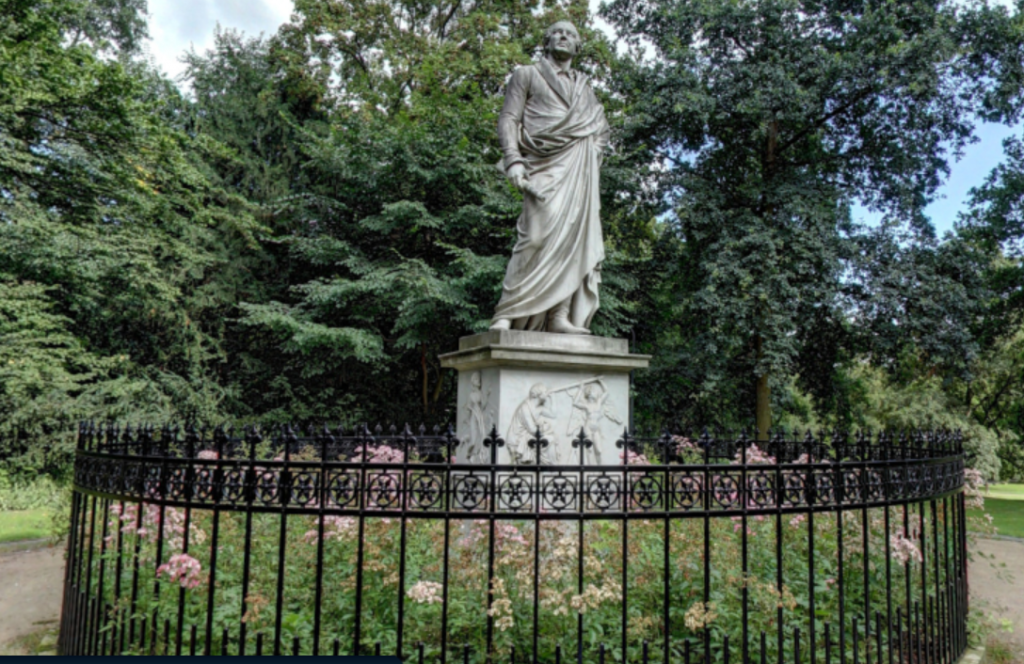
Olbers statue in Bremen in the “Wallanlagen”

wikipedia DE

wikipedia EN

Olbers Planetarium Bremen/Germany


  • -

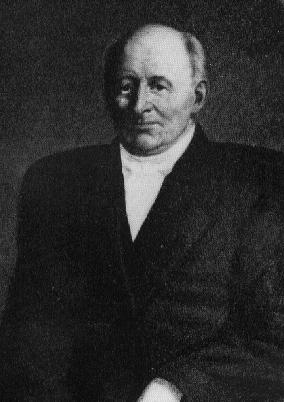
Carl Gustav Carus

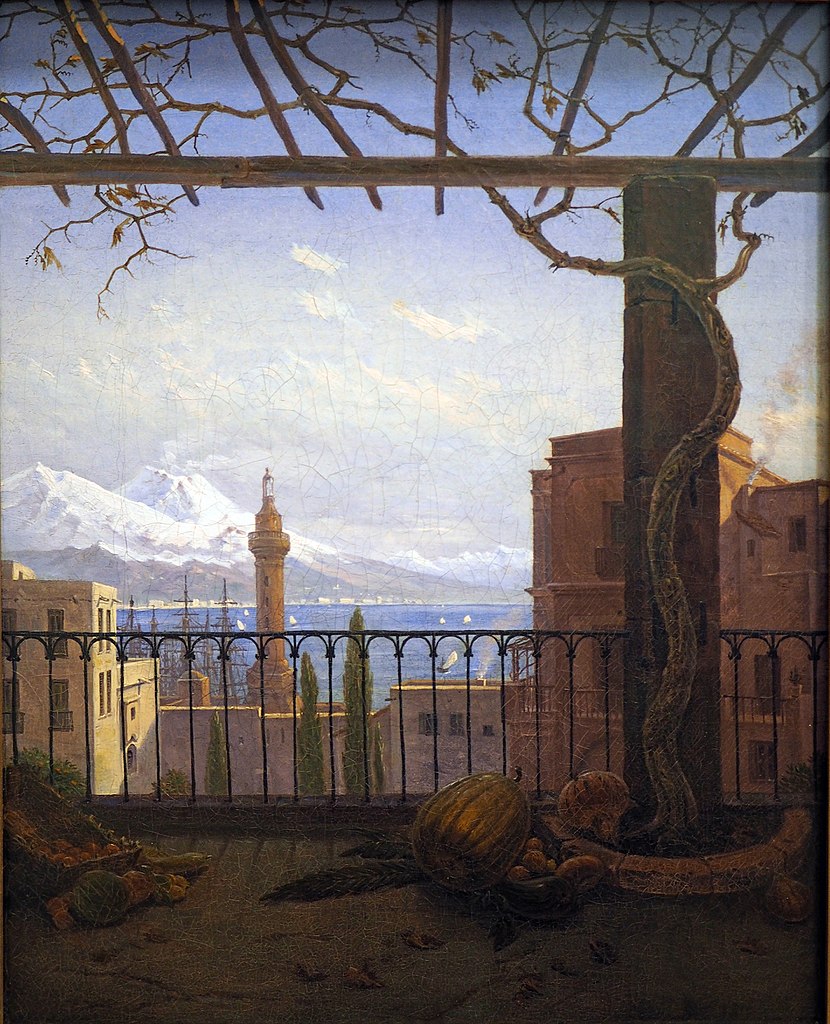
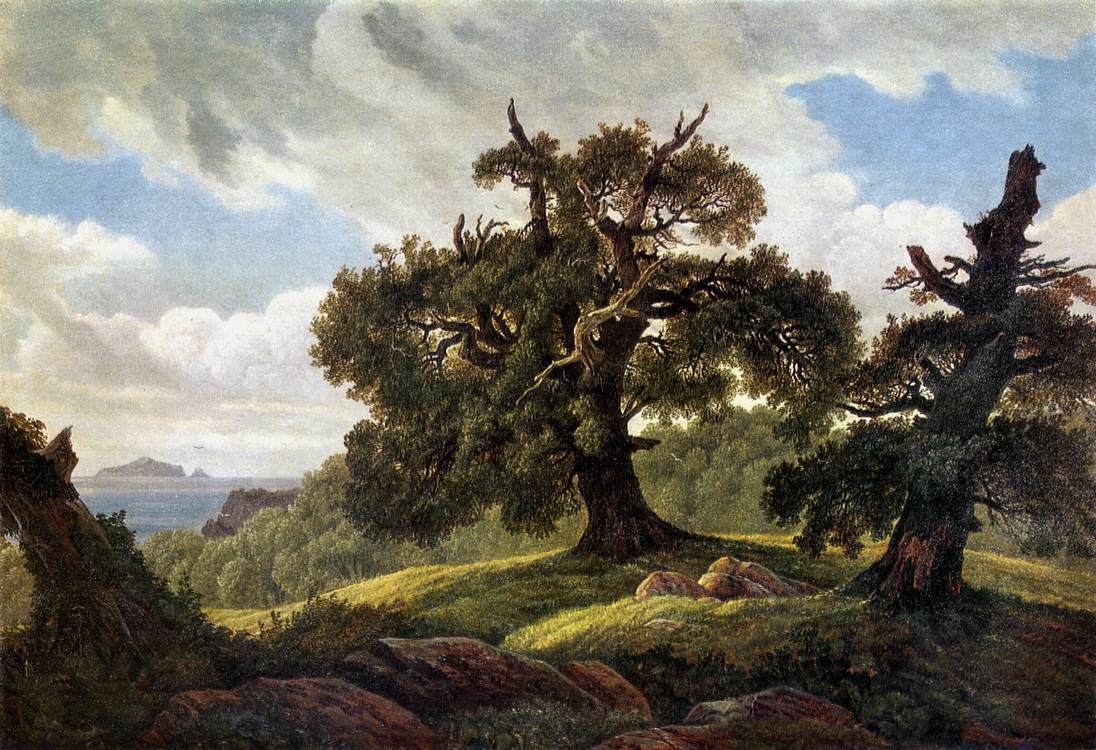
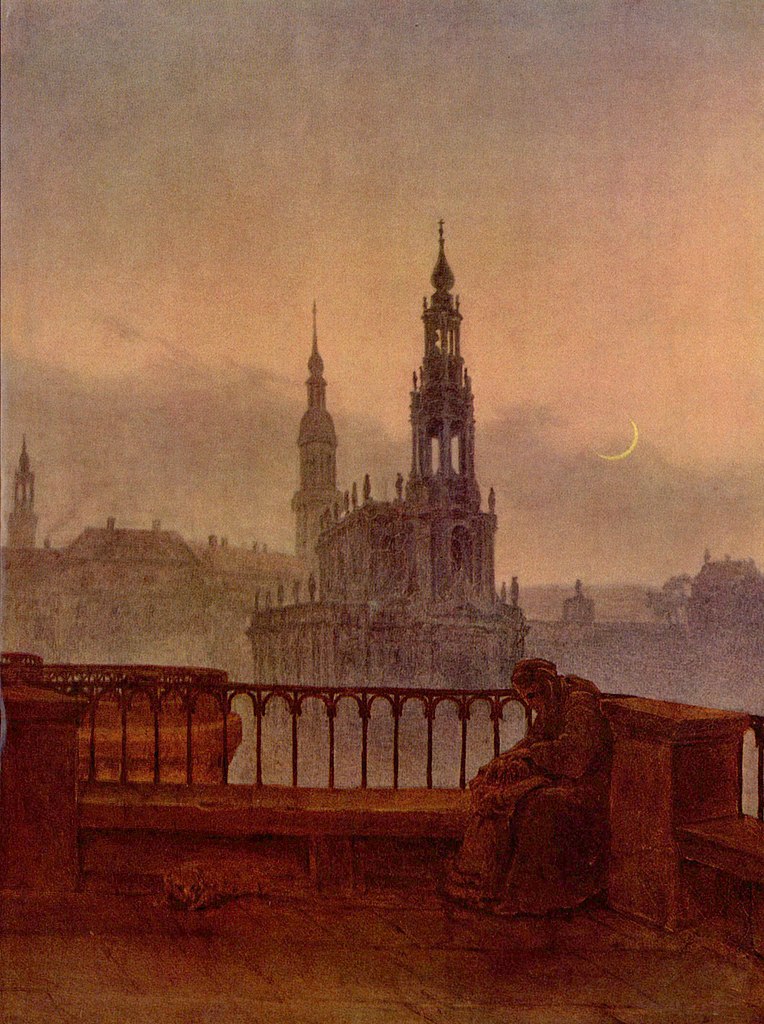
Carl Gustav Carus (3 January 1789 – 28 July 1869) was a German physiologist and painter, born in Leipzig, who played various roles during the Romantic era. A friend of the writer Johann Wolfgang von Goethe, he was a many-sided man: a doctor, a naturalist, a scientist, a psychologist, and a landscape painter who studied under Caspar David Friedrich.

In 1811 he graduated as a doctor of medicine and a doctor of philosophy. In 1814 he was appointed professor of obstetrics and director of the maternity clinic at the teaching institution for medicine and surgery in Dresden. He wrote on art theory. From 1814 to 1817 he taught himself oil painting working under Caspar David Friedrich, a Dresden landscape painter. Subsequently he studied under Julius Schnorr von Carolsfeld at the Oeser drawing academy.
When the King of Saxony, Frederick Augustus II, made an informal tour of Britain in 1844, Carus accompanied him as his personal physician. It was not a state visit, but the King, with Carus, was the guest of Queen Victoria and Prince Albert at Windsor Castle, and Carus was able to visit many of the sights in London and the university cities of Oxford and Cambridge, and meet others active in the field of scientific discoveries. They toured widely in England, Wales and Scotland, and afterwards Carus published, on the basis of his journal, The King of Saxony’s Journey through England and Scotland, 1844.[1]

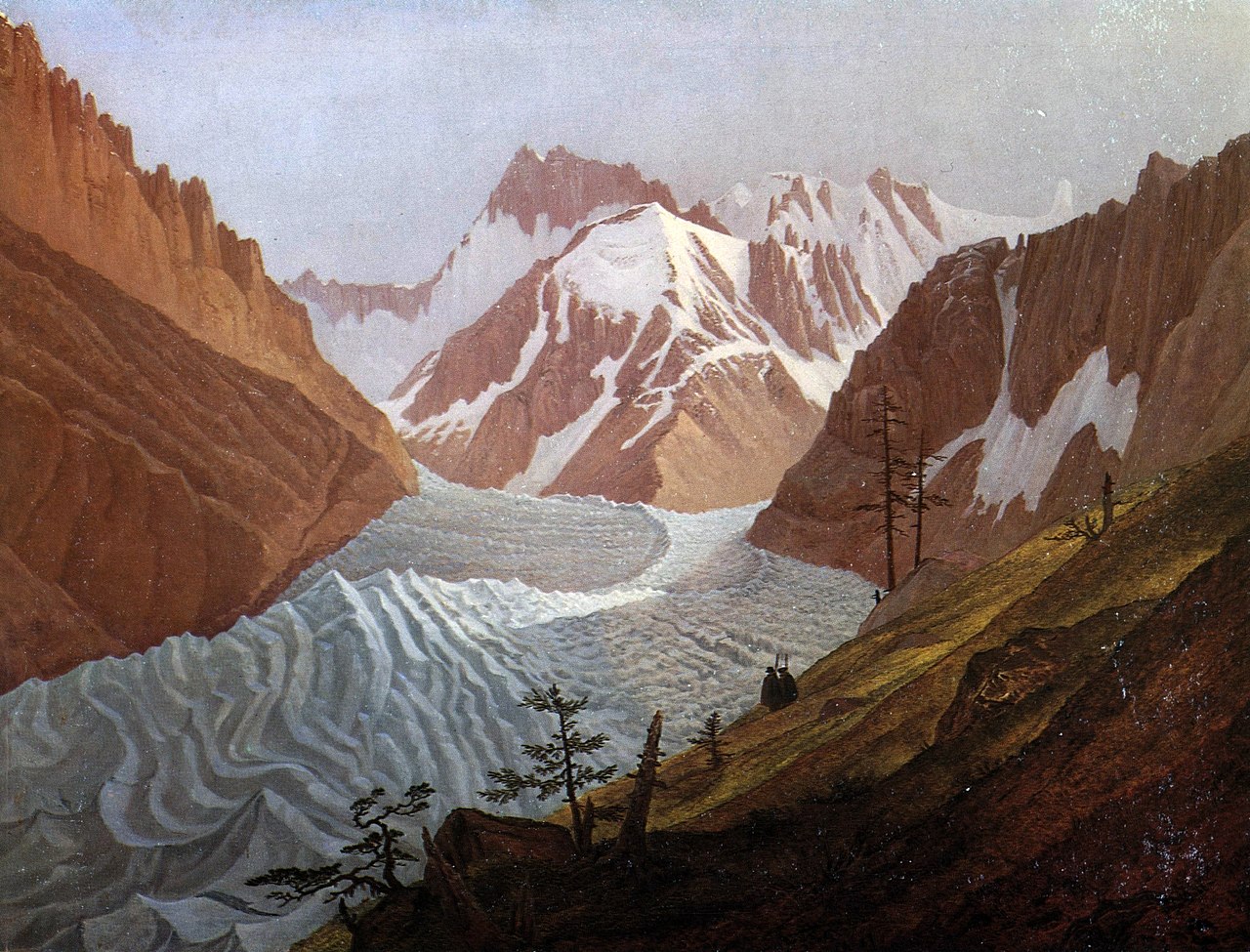
He developed a theory of landscape painting whose objective was the visualization of the inner workings of geological phenomena, which he called “Erdlebenbildkunst” (pictorial art of the life of the earth).[4]
Carl Jung credited Carus with pointing to the unconscious as the essential basis of the psyche.

wikipedia DE

wikipedia EN