Category Archives: psychologyDocs

  • -

Klauss Thomas

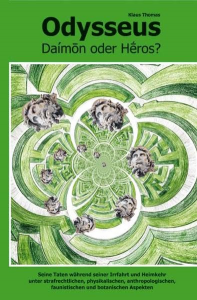
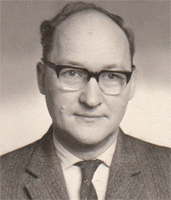
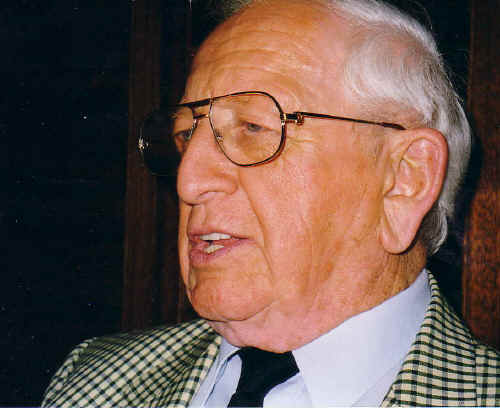
Klaus Thomas (* 31 January 1915 in Berlin; † 10 July 1992 in Malsburg-Marzell) was a German Protestant pastor, physician, and psychotherapist.

Klaus Thomas studied Protestant theology, philosophy, modern languages, psychology, psychotherapy, and medicine. During his studies, he was a member of the Arndt Berlin fraternity (in the Sonderhäuser Verband).[1] In 1940, he received his doctorate in philosophy from the Faculty of Philosophy at the Friedrich Wilhelm University of Berlin.[2] In 1947, he received his doctorate in medicine from the Faculty of Medicine at the Philipps University of Marburg under Ernst Kretschmer.[3] In 1964, he received his Doctor of Divinity (DD) in the USA, an honorary award for special theological services.
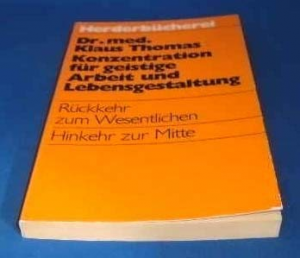
He worked as a student chaplain in Berlin and as a hospital chaplain in Marburg, later as a physician and psychotherapist in Berlin, as a senior teacher at the Schadow Gymnasium in Berlin, and as a lecturer at the Lessing University, at the Academy for Continuing Medical Education[4], and from 1956 until the construction of the Berlin Wall on August 13, 1961, at the Paulinum. Study and lecture tours have taken Klaus Thomas to over 100 countries.

He was also the regional chaplain of the Order of St. Luke for Germany, an international ecumenical working group of chaplains, physicians, psychologists, and lay people. The goal of the order is pastoral care for the sick through word and deed.[5] In the Berlin Association Register, this order has been operating since 1956 as the St. Luke Community (care for those weary of life) and, after the split of the Berlin Telephone Counseling Service, since 1961 as the St. Luke Order for Pastoral Care for the Sick and Care for Those Weary of Life – Circle of Friends

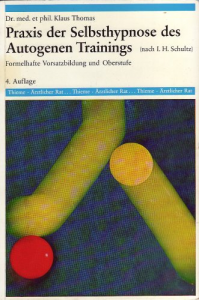
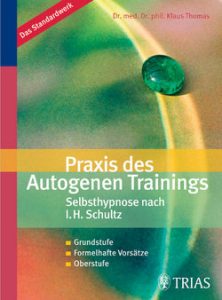
Klaus Thomas was the main disseminator of autogenic training according to Johannes Heinrich Schultz[10] and is considered his most important student.[11] Since 1972, he has directed the I. H. Schultz Institute for Psychotherapy, Autogenic Training and Hypnosis in Berlin, which he founded but which no longer exists today.
https://de.wikipedia.org/wiki/Klaus_Thomas


  • -

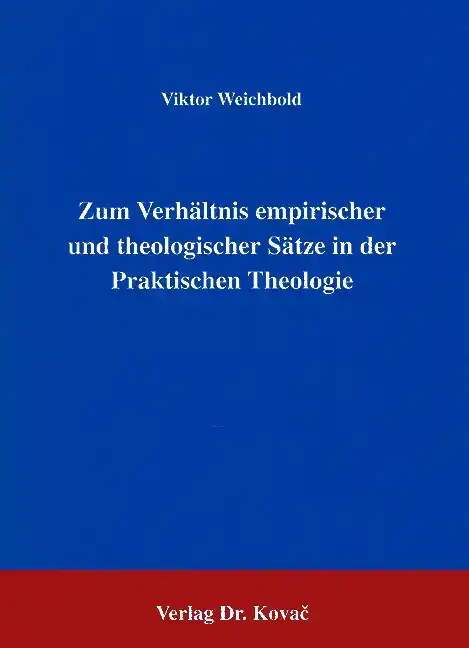
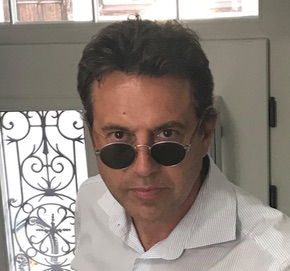
Viktor Weichbold

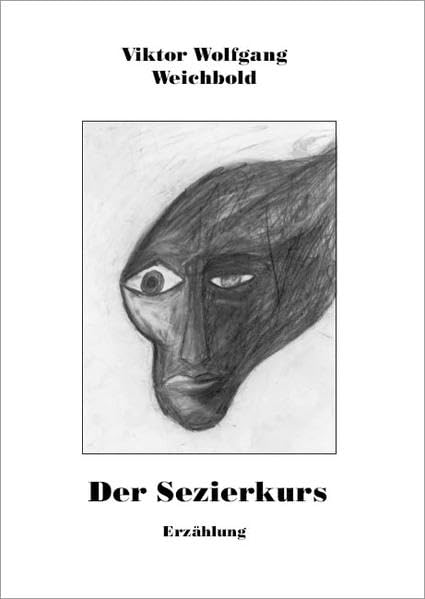
Funny that there are so many docs writing novels or poems… I too! As for me: I’m MD (specialized in hearing disorders), psychologist, statistician and theologist (you surely don’t believe it, but it’s true). – I wrote several novels, however, all of them in German. Among those published there is one dealing with a specifically medical subject: “The Dissection Course” – a kind of thriller.

Cheers! Viktor Weichbold, Innsbruck/Austria 

https://hss.tirol-kliniken.at/page.cfm?vpath=team/forschung


  • -

Gerhard Dammann

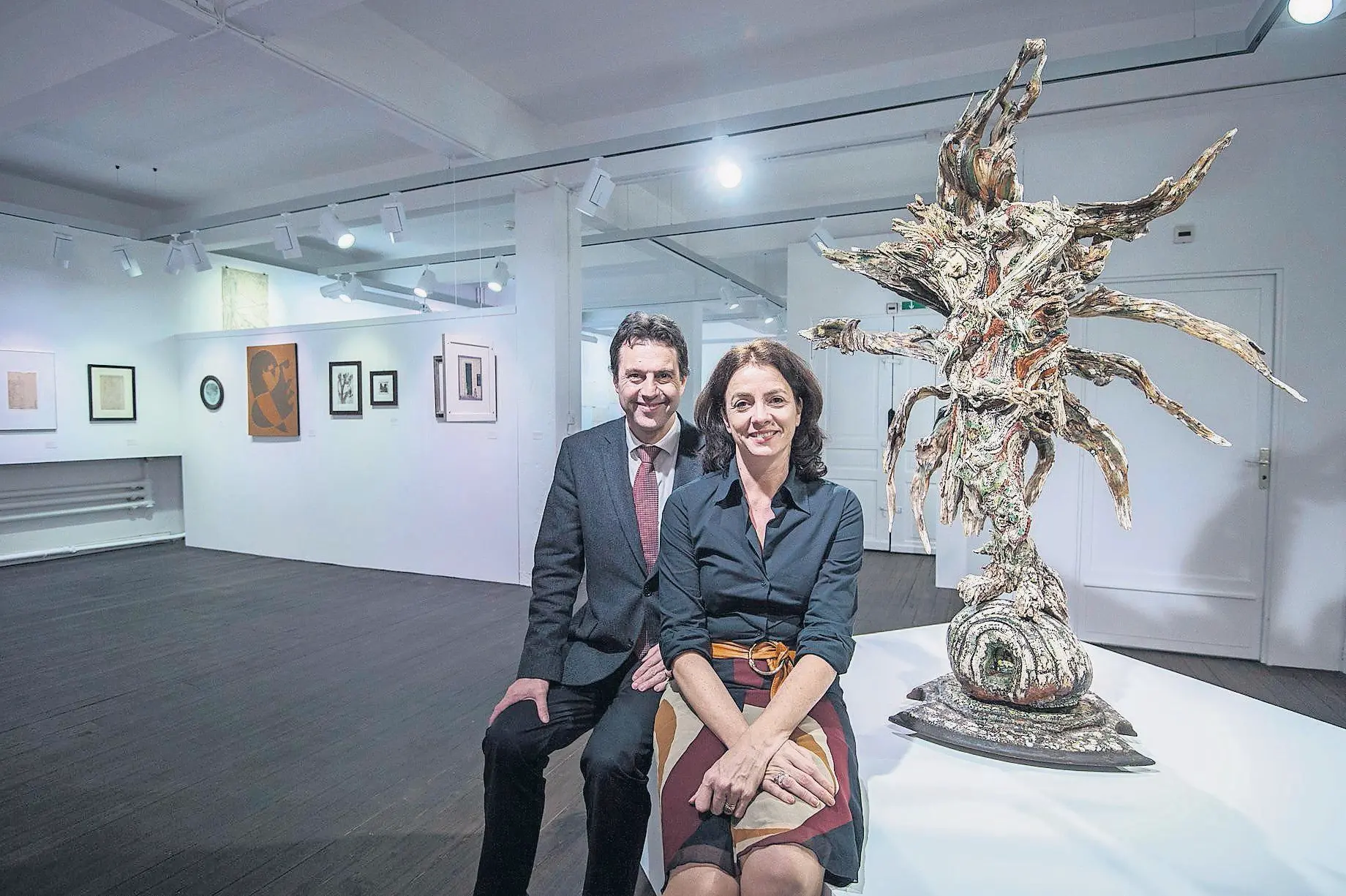
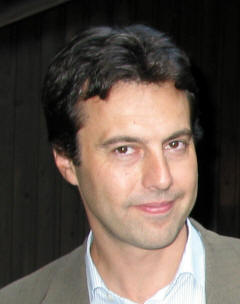
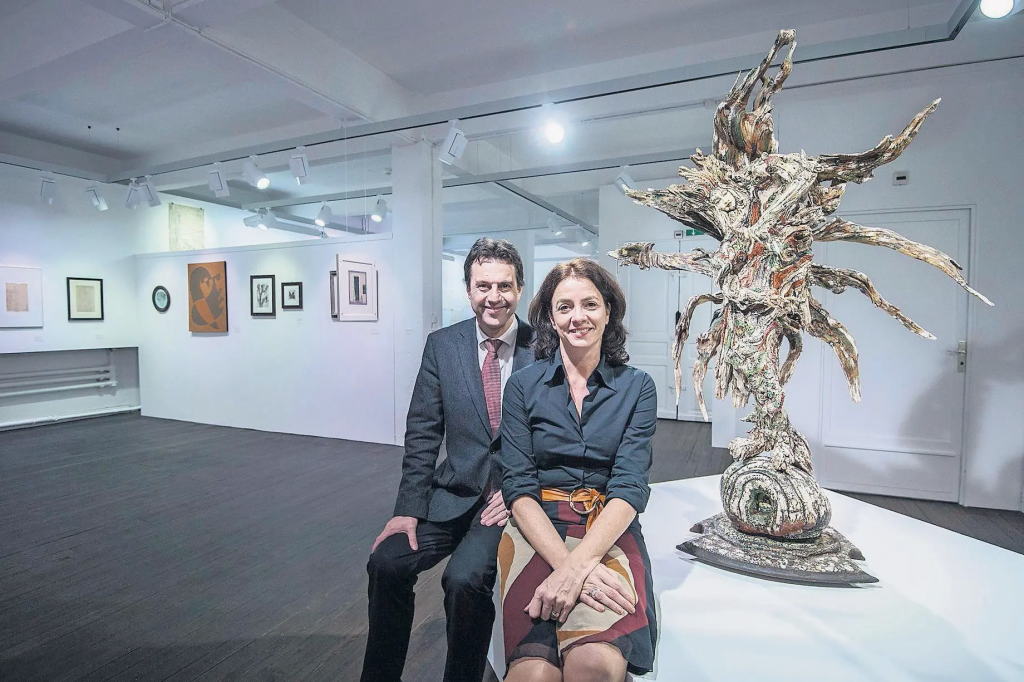
Gerhard Wolfgang Dammann (* 11 December 1963 in Oran, Algeria; † 20 June 2020 in Münsterlingen, Switzerland;[1] resident in Basel[2]) was a Swiss psychiatrist, psychologist and psychoanalyst.

Dammann studied medicine, psychology, and sociology in Tübingen, Frankfurt am Main, Basel, and Paris, graduating with the state examination in medicine (Germany, 1990), a diploma in psychology, and a diploma in sociology. From 1986, he was a member of the Catholic equestrian student association AV Guestfalia Tübingen.
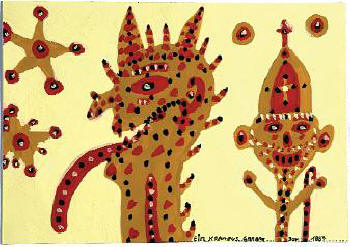
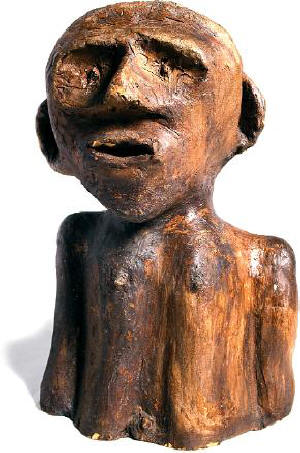
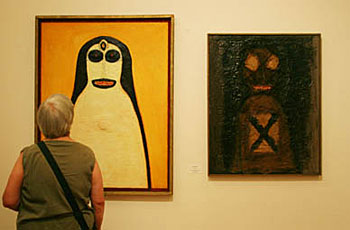
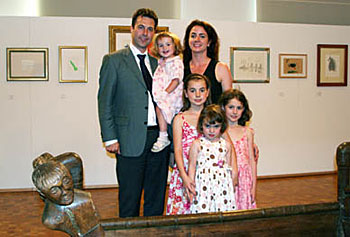
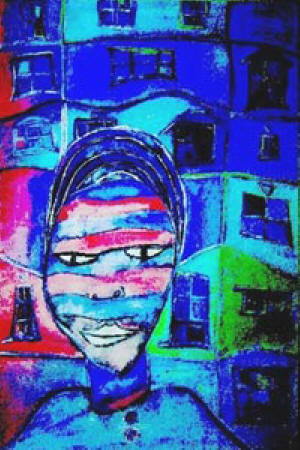
As a medical student, Gerhard Dammann explored the art of psychotics and those with psychiatric experience. During his clinical internship, he spent several months as an intern in the Prinzhorn Collection at Heidelberg University, acquiring his first works from the fields of “Outsider Art” and “Art Brut.” The collection began with a collage by Adolf Wölfli, a drawing by Louis Soutter, a painting by Johann Hauser, and a musical instrument by Gustav Mesmer. After his marriage, he and his wife Karin began collecting more and more systematically in the late 1990s.[1] From 1995 onwards, they placed the acquired works in their large Munich apartment. Initially, they acquired works by artists from the Art/Brut Center Gugging, including watercolors by Oswald Tschirtner and drawings by Franz Kamlander. From 2000 onwards, they supplemented the collection with further outsider art by Albert Louden, Sava Sekulić and Michel Nedjar. In 2003, they bought a large part of the works created in the “La Tinaia” studio, as well as historical Art Brut created in psychiatric hospitals.

In 2006, the collection comprised around 100 artistic works by self-taught artists in the fields of Naive Art and Outsider Art, and by 2014 had grown to around 300 works of “select quality.” In 2023, the collection consisted of over 1,000 exhibits. The core of the collection is a selection of Art Brut classics. These include series of works by the Gugging artists Johann Hauser, August Walla, and Oswald Tschirtner from the early 1970s, as well as works from the open studios of the “La Tinaia” psychiatric hospital in Florence. In addition, the Dammann Collection includes five of fifteen works donated from the original Prinzhorn Collection, three works by Else Blankenhorn[5], and two sheets by August Klett. There are also some unusual works: a carved bed made of solid oak, created around 1880 in an institution near Chartres, or a sheet dated 1720, which is considered the oldest known work of outsider art.

https://de.wikipedia.org/wiki/Gerhard_Dammann_(Mediziner)

https://de.wikipedia.org/wiki/Sammlung_Dammann

https://www.news.uzh.ch/de/articles/2007/2598.html

https://www.tagblatt.ch/kultur/leuchtender-wahnsinn-ld.922360


  • -

Georg Hörmann

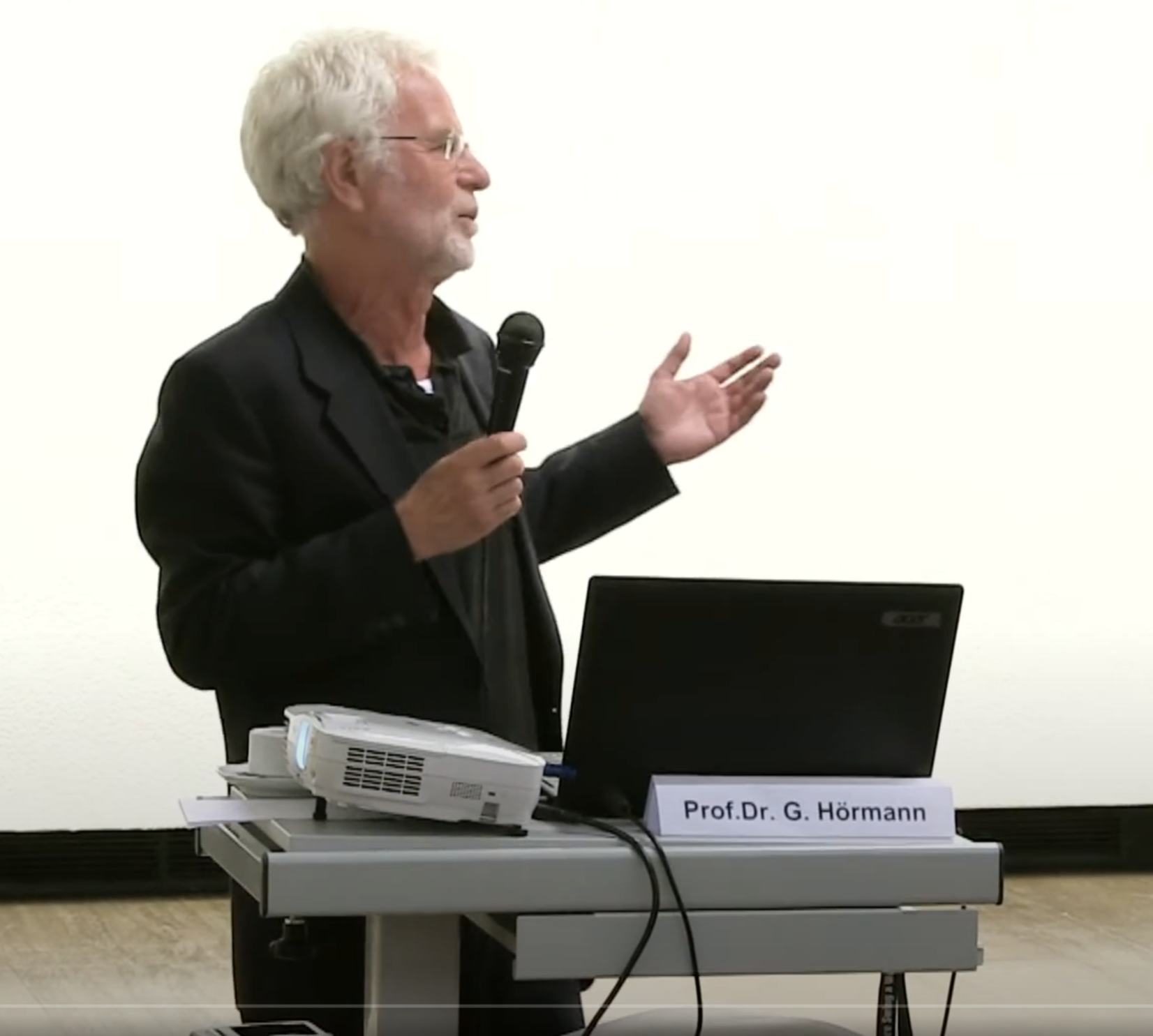
Georg Hörmann (born November 13, 1946 in Ulm) is a German psychologist, physician, psychotherapist, and retired professor of education at the Otto-Friedrich University in Bamberg.

After graduating from the Humboldt-Gymnasium Ulm in 1965, Hörmann studied secondary school teaching (philosophy, Latin, theology, and education), musicology (master’s degree), psychology (diploma), and human medicine. He earned the degrees of choirmaster (C-exam) at the Westphalian School of Music, a master’s degree in musicology (M.A.), and was organist at, among others, St. Peter’s Church in Münster. General examination in philosophy and pedagogy, first philological state examination for grammar schools in the subjects of Latin, theology, pedagogy, diploma in psychology, medical state examination, license to practice medicine, recognition to use the title of psychotherapist (Westphalia-Lippe Medical Association), doctorates at the Faculty of Philosophy, Medicine and the Faculty of Social and Behavioral Sciences (Dr. phil., Dr. med., Dr. rer. soc.) and habilitation in the field of educational science.

https://de.wikipedia.org/wiki/Georg_H%C3%B6rmann_(Erziehungswissenschaftler)


  • -

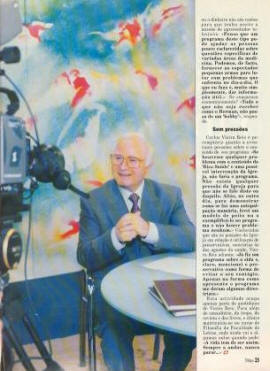
Carlos Manuel Vieira Reis

Carlos Manuel Vieira Reis (*19. Januar 1935 in Chaves, Portugal) has been married to Maria de Lurdes Frimer, a teacher.

He studied medicine in Coimbra and Lisboa and specialized in Surgery. In addition he studied also Tropical Diseases, Sportive Medicine, Psicology and Philosophy.

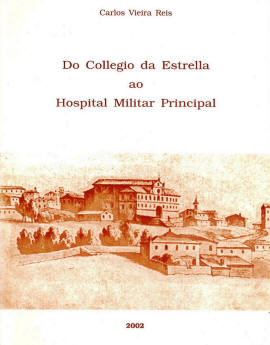
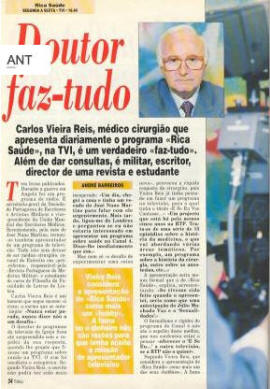
Carlos Vieira Reis is a multi-interested personality, with several intellectual activities, like historical research, literature, art collector, radio and television activities.

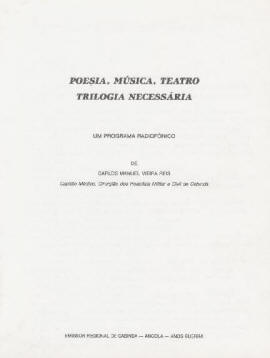
He had a weekly radio program, named «Poesia, Música e Teatro – Trilogia necessária»

He had a diary program on Television Independent (TVI) named «Rica Saúde» during 1993

And recently he had a weekly program on Television by cable (TV Saúde), named «E, se eu vos contasse?» – 35 distincts programs.

Carlos Vieira Reis is also a writer and had published several books , novels, poetry, history of medicine, essay and romance.
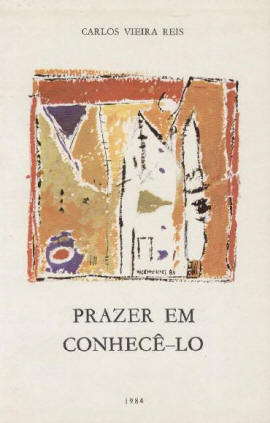
«Prazer em conhecê-lo» – novel
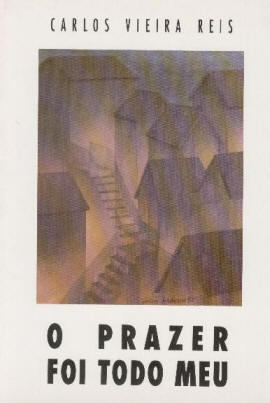
«O prazer foi todo meu» – novel
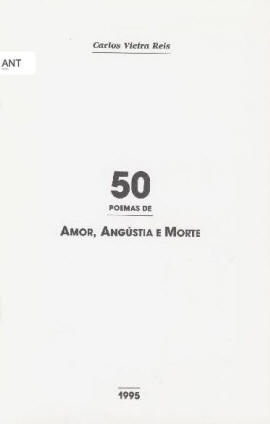
«50 poemas de amor, angústia e morte» – poetry
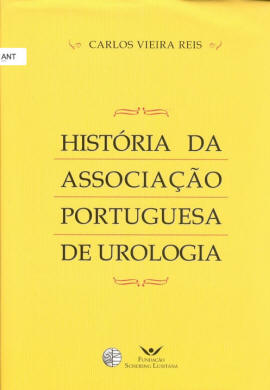
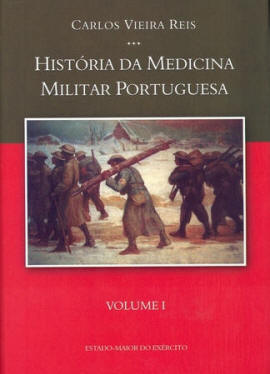
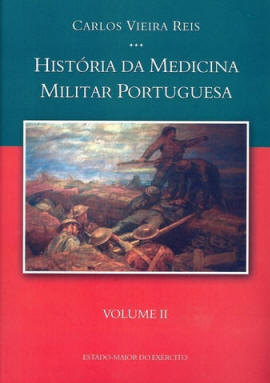
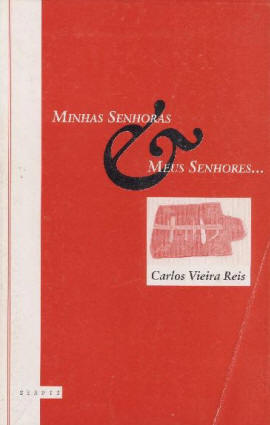
«História da Medicina Militar Portuguesa» – 2 volumes – 1350 pages – 2004 – history «Minhas senhoras e meus senhores» – 480 pages – 1998 – history
«História da Associação Portuguesa de Urologia» – 586 pages – 2003 – history
«A influência da medicina militar nos séculos XVIII e XIX» – 430 pages – Award Abel Salazar 1997 – essay
«Um rio de vinho, um rio de sangue» – translated for spanish, french, english, italian, german and japonese language – Award Cesare Pavese – Italy 1989 – essay
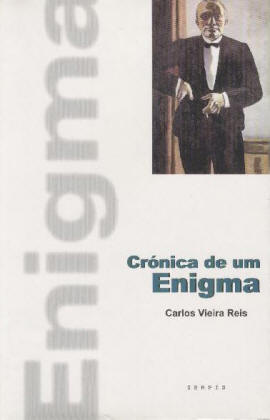
«Crónica de um enigma» – Award Fialho de Almeida – 1997 – romance
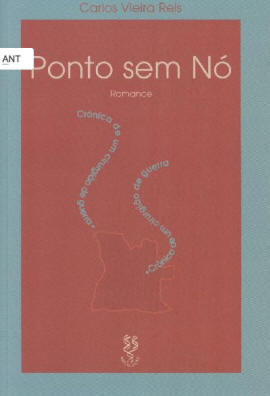
«Ponto sem nó» – 2000 – romance
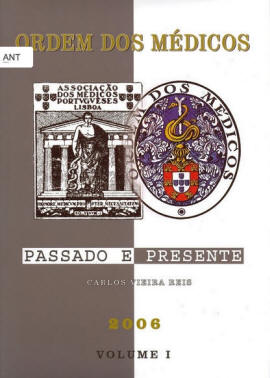
«História da Ordem dos Médicos – passado e presente» – 845 pages – 2004 – history

Blog UMEM

wikipedia DE


  • -

Gunther Philipp

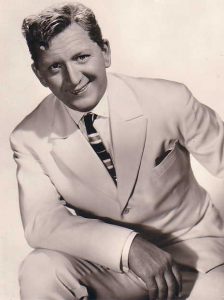
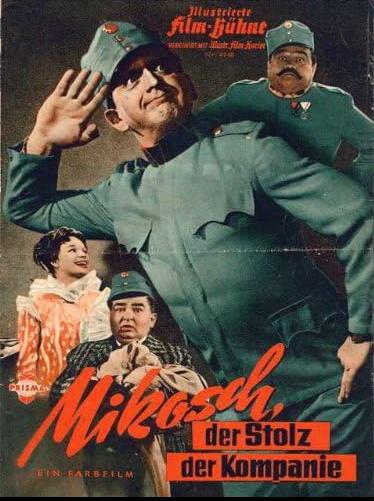
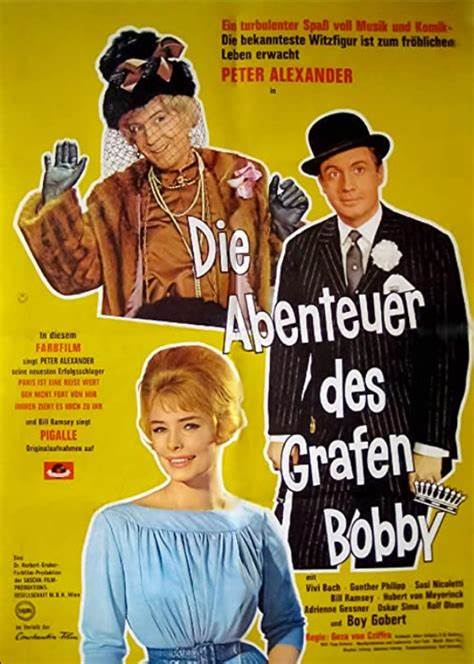
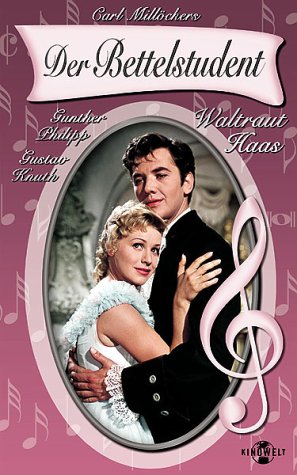
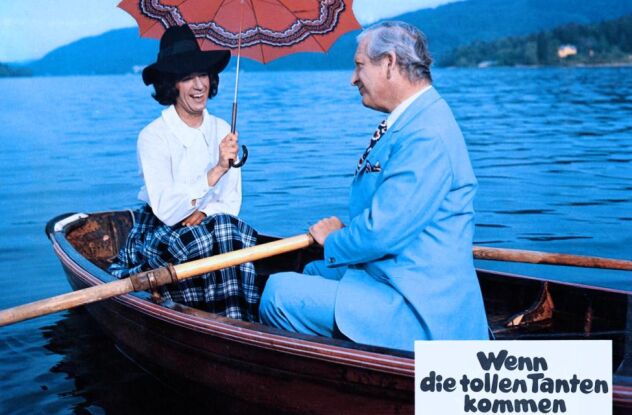
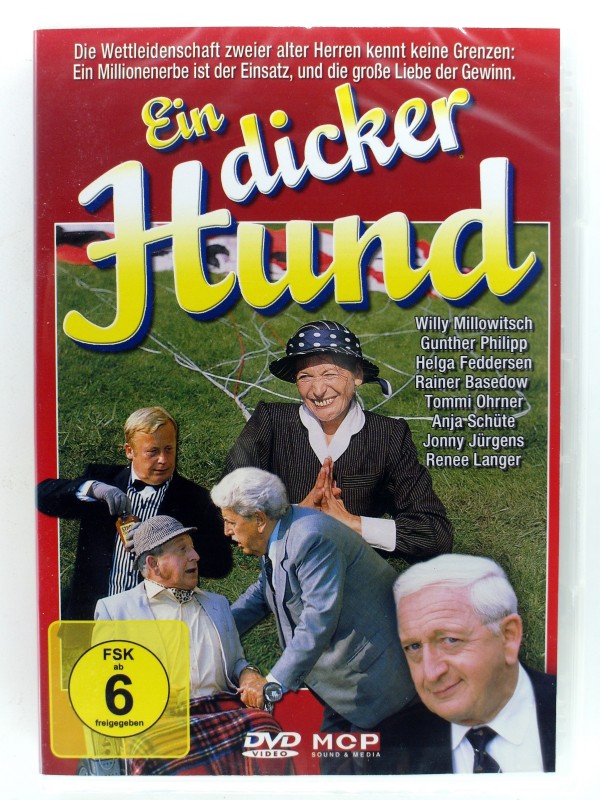
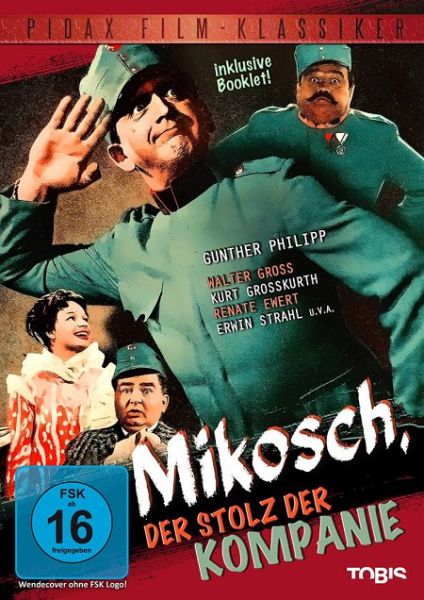
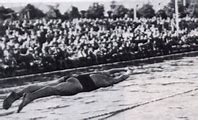
Gunther Philipp (8 June 1918 – 2 October 2003) was an Austrian film actor, physician and swimmer.[2]

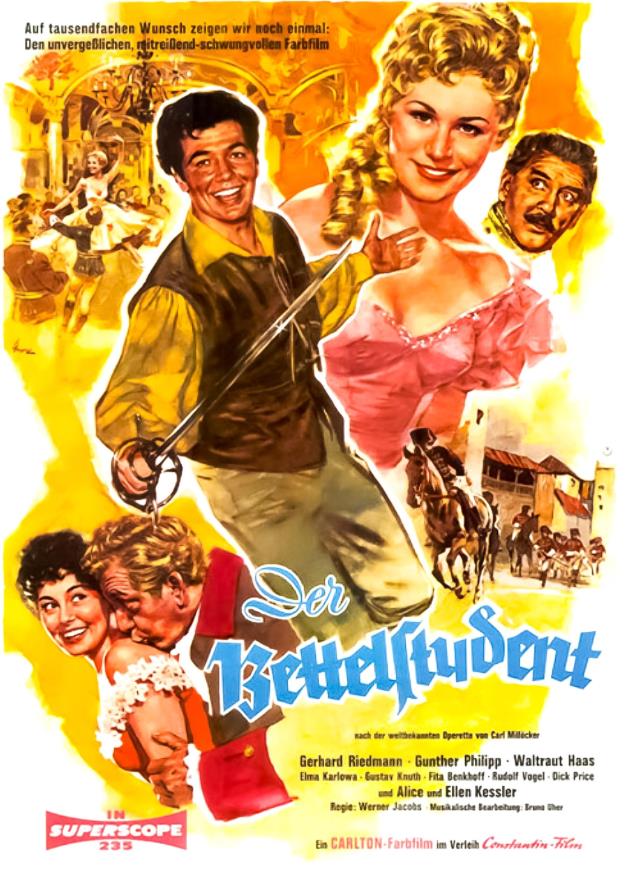
From 1949 to 2002 he appeared as an actor in 147 movies for cinema and television, mainly in comic roles. As an author, Philipp wrote 21 film scripts.

https://www.youtube.com/watch?v=37YfeJ6MoBY

During World War II, Philipp studied acting at the Max Reinhardt Seminar and at the University of Vienna philosophy, majoring in psychology and then medicine. In 1943 he received his doctorate in medicine (Dr. med. univ.) He held the Austrian record in the 100-meter breaststroke for 14 years. He was also in the squad of the Austrian Olympic team in Berlin in 1936, but was not nominated for political reasons because he did not want to join the National Socialist-dominated “First Vienna Amateur Sports Club”. After the war, he ran a practice in Eberstalzell in Upper Austria and was active until in the 1990s at the Vienna University Clinic for Neurology and Psychiatry.

Selected filmography

Sporting successes

  • 1935 Austrian record 100 m breaststroke
  • 1937 an Austrian record 100 m breaststroke
  • 1938 Austrian record 100 m breaststroke 3 x.
  • 1939 the Austrian record in the 100 m breaststroke (at the same time European year best performance: 1:11,3)
  • 1939 academic world record at the German University Championships in Schrießheim Mannheim / year highs 100 m breaststroke (second in the world rankings)
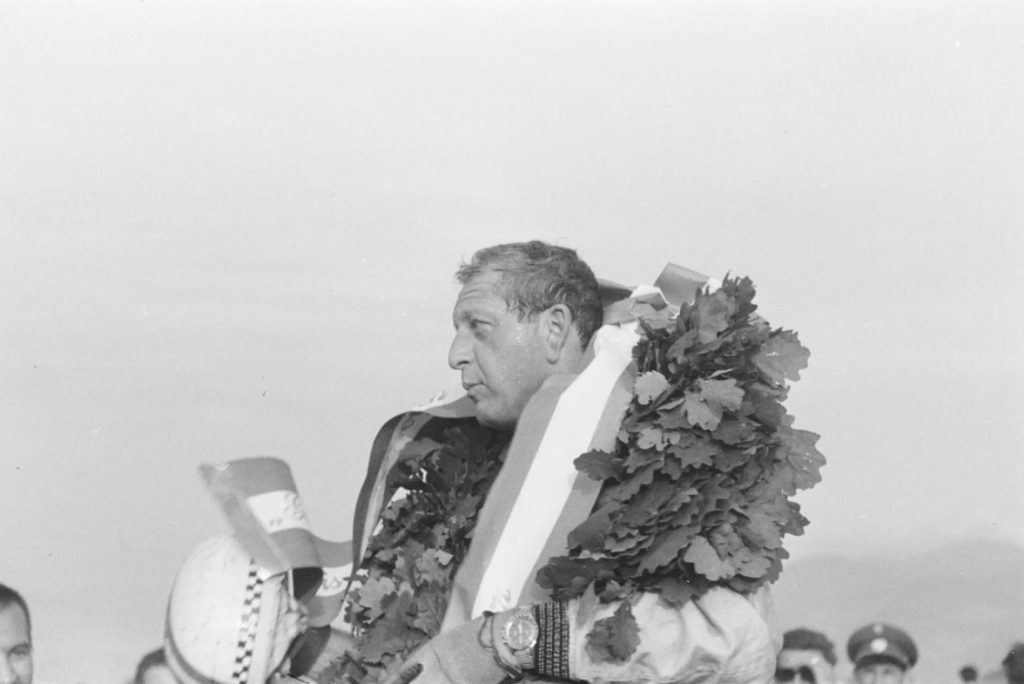
  • 1962 Austrian State Championship on Ferrari 250 GT
  • 1963 Austrian State Championship on Ferrari GTO
  • 1963 four times first in the Grand Prix of Austria (Zeltweg)

wikipedia DE
wikipedia EN
IMDb


  • -

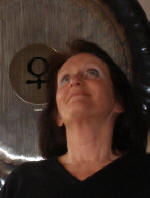
Michelle Haintz

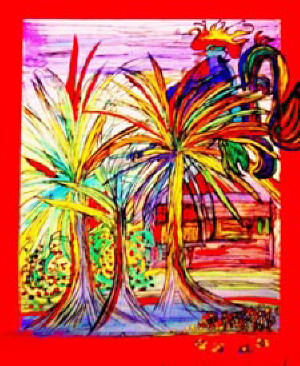
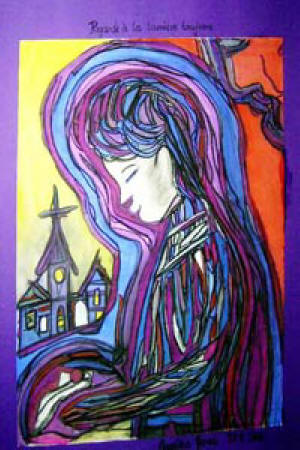
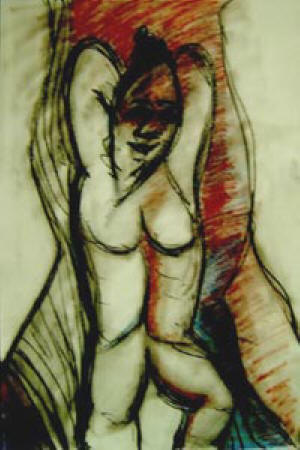
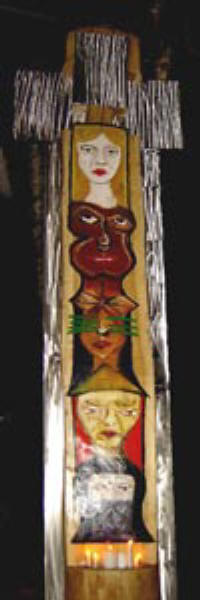
A Scanner-personality, as many here!

Michelle has studied PhilosophyPsychology and Theater sciences.
At the Vienna Art School she studied painting, sculpturing and ceramics (2nd prize for ceramics at the 10-year-jubilee-festival of the school) Further she went to the actors school of Prof. Krauss studying acting and direction.
Last not least she did medicine at Vienna University  with doctorate degree in 1984.

Now she is working as coach and channelling high spiritual power for the benefit of her patients.
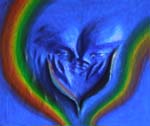
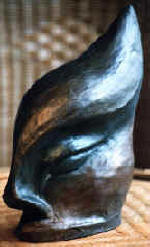
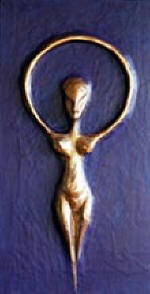
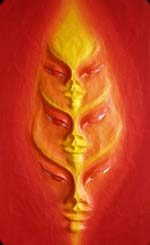
You MUST visit her web site where she has photos of her art objects which mirror perfectly her high degree of inspiration

Seelenbilder | soul pictures

Seelenfitness-Web

Würde-Web

facebook

youtube


  • -

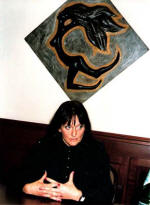
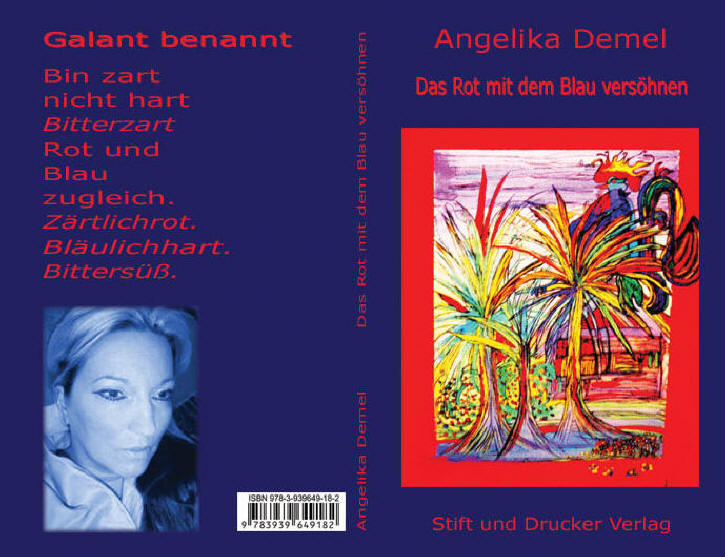
Angelika Demel

Yes, I would like to join the group of ArtDocs.

I am a word-art-lyric and you can see part of my works at the page of Dr. Herold,
since I am co-author of his work about internal medicine.

As well I am co-author of school books for the subject “German” and I am writing in several Doctors Magazines if I have the time for it besides my practice…..

Cordially

Angelika Demel

liebe

trink
mein
glas
und
gib
mir
die
scherben
zurück
nachdem
dein
herz
es
leise
zerschlagen
hat.
liebesschweigen

das schweigen
und
die liebe
ohne
haus
ohne
hut
nur
die hand
die sie
hält
auf
dem
langen
weg
zu
dir
mund

der lärm der lüfte
in meinem seelengarten

der lärm der autos
die ins leben starten

der lärm meines mundes
lässt
dich
sehnsüchtig
warten.
liebestod

bin zerschellt
am zelt.
kein held
der
mich hielt.
die
einsamkeit
hat mich
gefressen.
mein
geruch
war wohl
zu gut.
ob’s
geschmeckt hat
weiß
ich nicht.
still
ist’s geworden –
die vögel
schrillen
von
den
nestern,
bis
die
hecke
bebt.
rot
rot
rot
war
ihr
blut
habt
ihr’s gesehen!

hässlich
das
grau
der
straße,
als
es
zerfloß.

das
grau
ist
heute
hell –
fast weiß –
unsichtbar.
das
rot
gibt
es nicht
es
ist
gestorben
in
jener
nacht
als
das
gelb
die
schloßallee
passierte.
KIRSCHMUNDKUESSE

Ich lebe solange, bis ich
ein Zicklein finde in deinem Bette,
bis der Schnee meinen Hunger stillt
und wie Milch schmeckt.
Ich lebe, um aus dem Krug zu trinken
der neben deiner Liebe steht
die du zu mir hattest.
Wir werden ihn gemeinsam trinken
und in unser Tal schauen,
das mit seinem Grün blendet –
wie schoen es ist –
und das uns den Wind schickt,
der in den Wäldern wütet, um
uns seine Botschaften zu hinterlassen,
die ihm die Kraniche gaben,
als wir uns noch so sehr liebten
als die Tür noch nicht
zugefallen war.
Ich lebe, weil ich
auf einem holprigen Karren liege
inmitten von Blüten, Heu und Stroh,
ganz warm und ohne Furcht
fahre ich den Weg entlang,
der Sonne,
dem Licht entgegen,
wo die Mutter auf mich wartet
die Mutter des Herzens,
die
mir ihre Hand reicht und mich küsst
auf den blutroten Kirschmund.
lebenswunden

mir sind die finger wund
vom schreiben

der kopf ist wund
vom denken

meine seele
ist
waidwund.
verborgen.

hinten rechts am horizont
neben dem kleinen bär
kann man sie sehen
bei klarer sicht
mit hellem verstand.
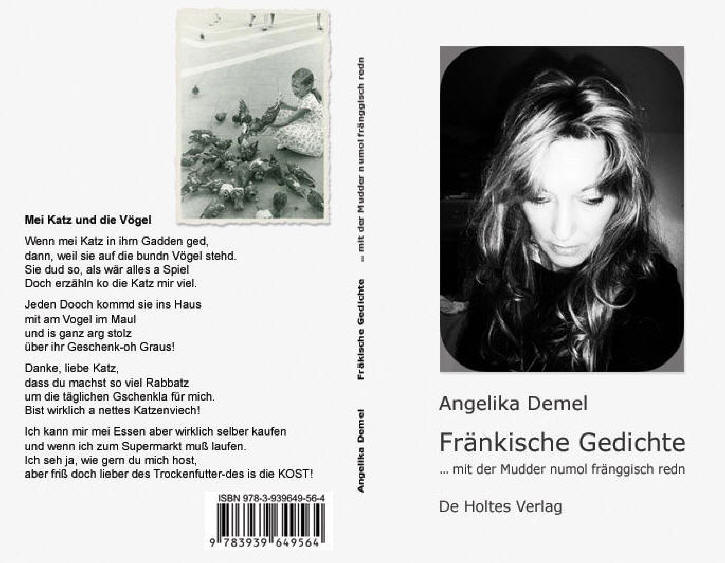
a poem about the “Osterhase” from the book “Fränkische Gedichte” (see above)osterhasn

vier hasn stehn vor maaner dür.
a grosser
a mittlerer
und zwaa klaana.

sie friern
und soong:
“des is fei nix
heuer
mit die eier.”

“mir bleim do steh
und beweng uns net.
die leut vergessa des.
mit die eier!”

des hot mer früher gmacht
und hot an die kinnder docht.
aber heut-
do friern die leut,
wecha dem geld
des sie verdeiln in der welt.

und dann homs ka zeit
und sin nimmer bereit
die eier zum suchn
die mir auf uns verbuchn.

“mei eier vom vorletzen johr”,
socht der grosse hos
“lieng nu nebem abflusssrohr.”

“meine eier hob ich in die heckn gstellt.
aber des hot den nachborn verbrellt..”
socht der kla hos.

der hot mich gjoocht
und gsocht:
“ich fang di
und schlacht di morng,
wennst net verschwindst mit
deim gelumb.”

der mittler hot glacht.
“des hob ich mir immer scho docht.
dass kan mer intressiert
und dann hob ich die eier selber probiert.”

“guuut worns die ostereier!
die vom herrn meier
an der eck sind die besten.
des sin halt nu eier ausm westen.”

alla hosen schaun sich o
und song, da mach mer uns jetzt selber dro.
mir machen a barti im gatten
essen eier und spilln dabei kaddn.

ja,
des
wed schö.

soong alla hosen.

She has studied as a teacher and passed the two state exams in Bamberg/Germany.

web-Präsentation

Arbeit | work


  • -

Carl Gustav Carus

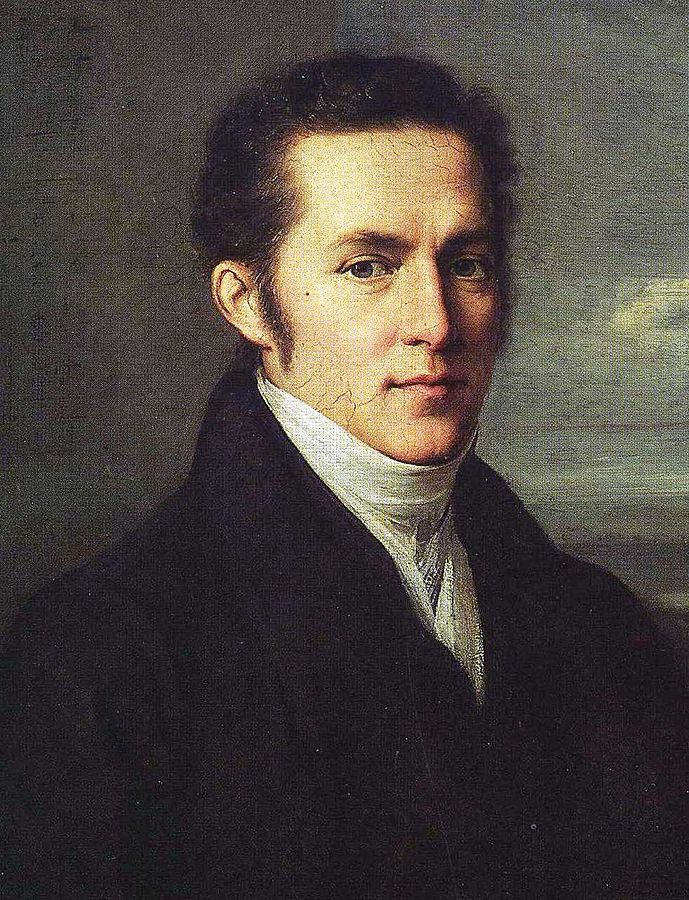
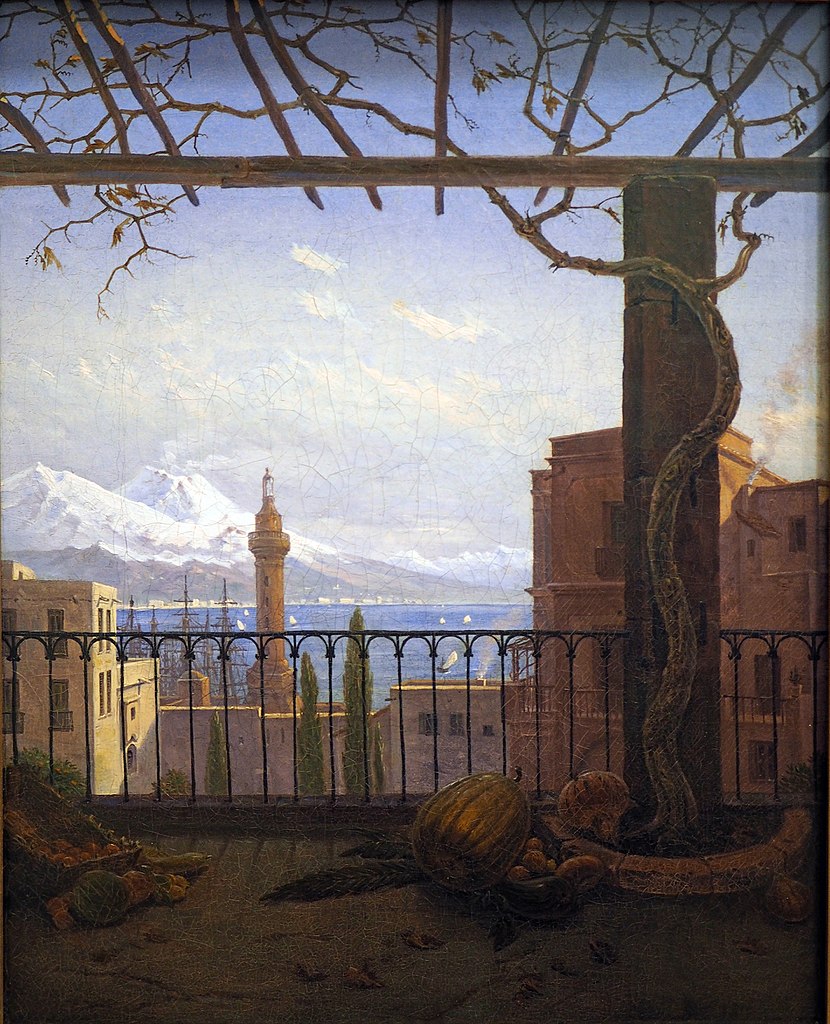
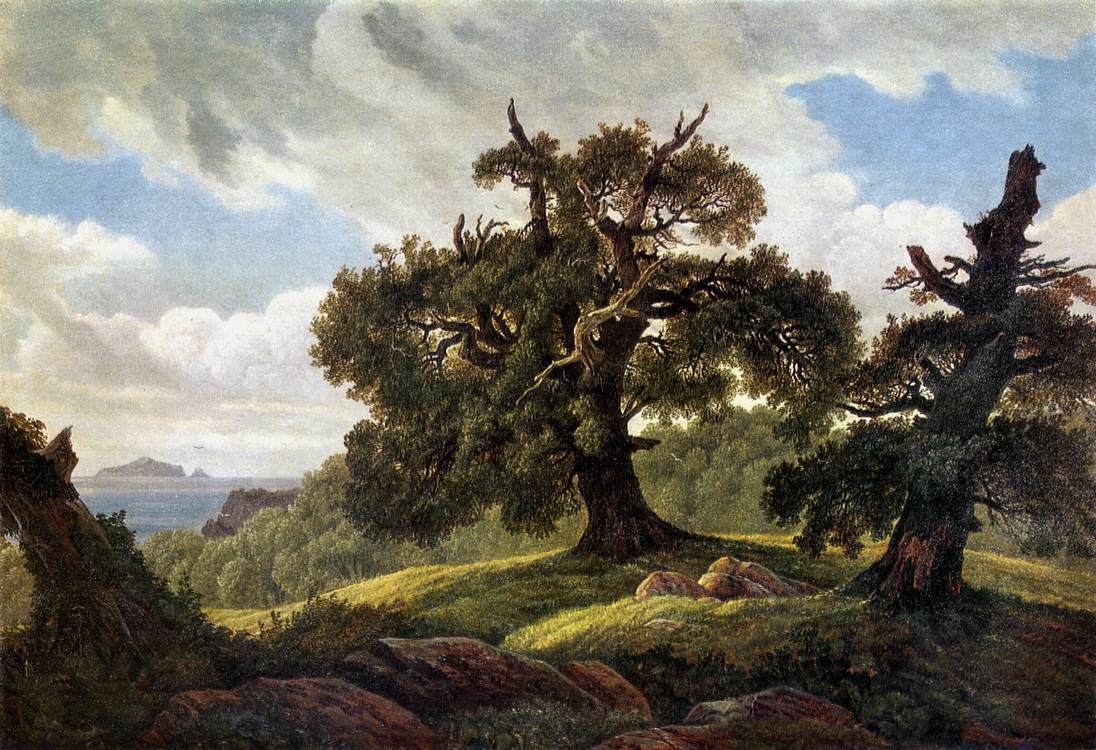
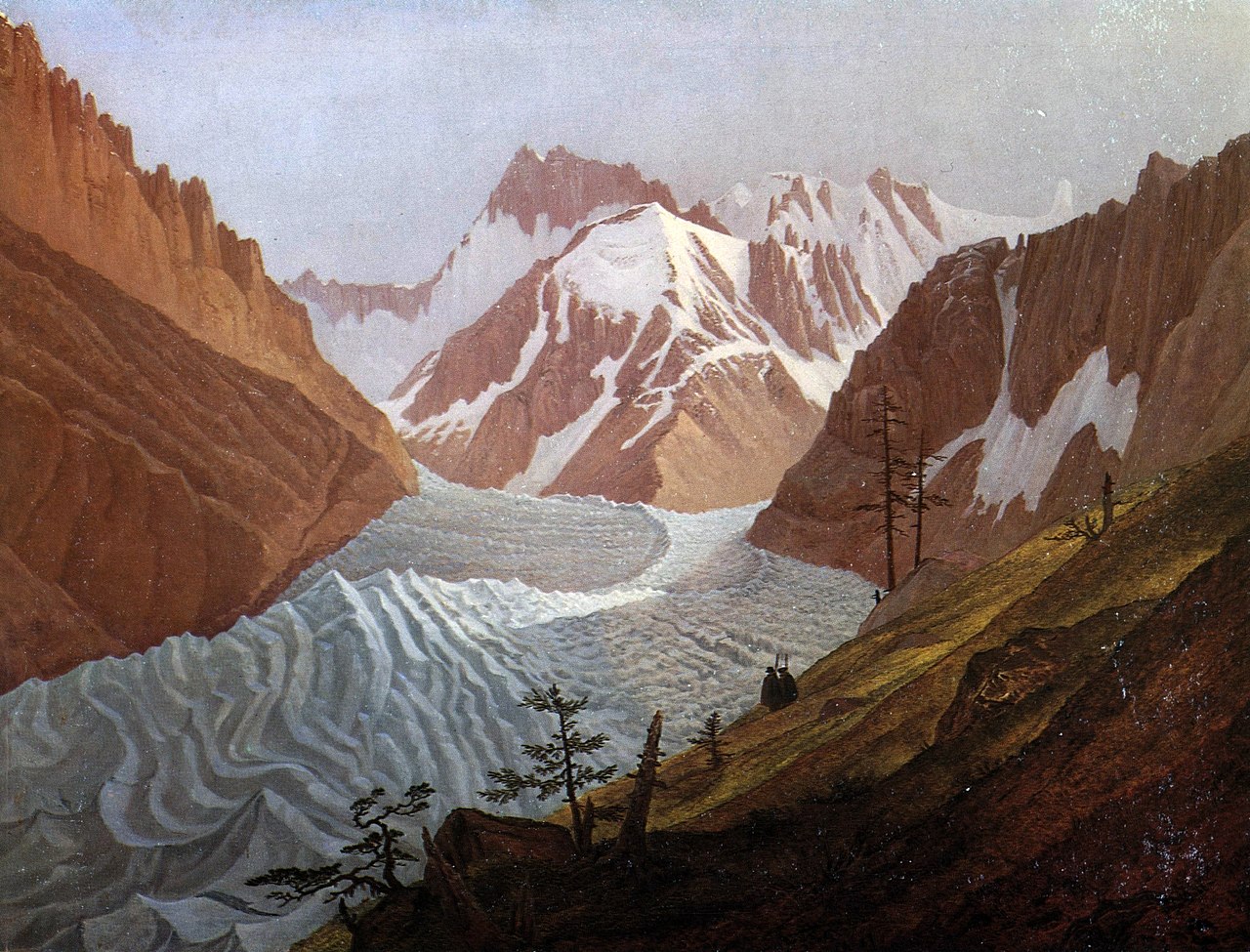
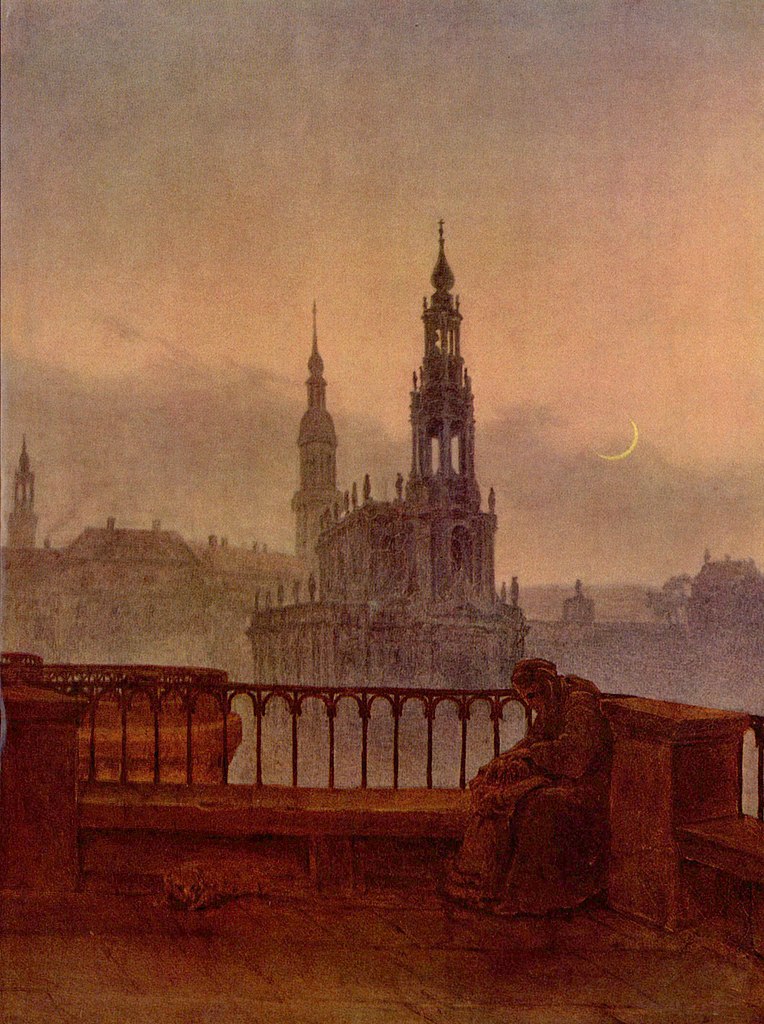
Carl Gustav Carus (3 January 1789 – 28 July 1869) was a German physiologist and painter, born in Leipzig, who played various roles during the Romantic era. A friend of the writer Johann Wolfgang von Goethe, he was a many-sided man: a doctor, a naturalist, a scientist, a psychologist, and a landscape painter who studied under Caspar David Friedrich.

In 1811 he graduated as a doctor of medicine and a doctor of philosophy. In 1814 he was appointed professor of obstetrics and director of the maternity clinic at the teaching institution for medicine and surgery in Dresden. He wrote on art theory. From 1814 to 1817 he taught himself oil painting working under Caspar David Friedrich, a Dresden landscape painter. Subsequently he studied under Julius Schnorr von Carolsfeld at the Oeser drawing academy.

When the King of Saxony, Frederick Augustus II, made an informal tour of Britain in 1844, Carus accompanied him as his personal physician. It was not a state visit, but the King, with Carus, was the guest of Queen Victoria and Prince Albert at Windsor Castle, and Carus was able to visit many of the sights in London and the university cities of Oxford and Cambridge, and meet others active in the field of scientific discoveries. They toured widely in England, Wales and Scotland, and afterwards Carus published, on the basis of his journal, The King of Saxony’s Journey through England and Scotland, 1844.[1]

He developed a theory of landscape painting whose objective was the visualization of the inner workings of geological phenomena, which he called “Erdlebenbildkunst” (pictorial art of the life of the earth).[4]

Carl Jung credited Carus with pointing to the unconscious as the essential basis of the psyche.

wikipedia DE

wikipedia EN