Category Archives: HorseDocs

  • -

Zdeněk Kostrouch

MUDr. Zdeněk Kostrouch
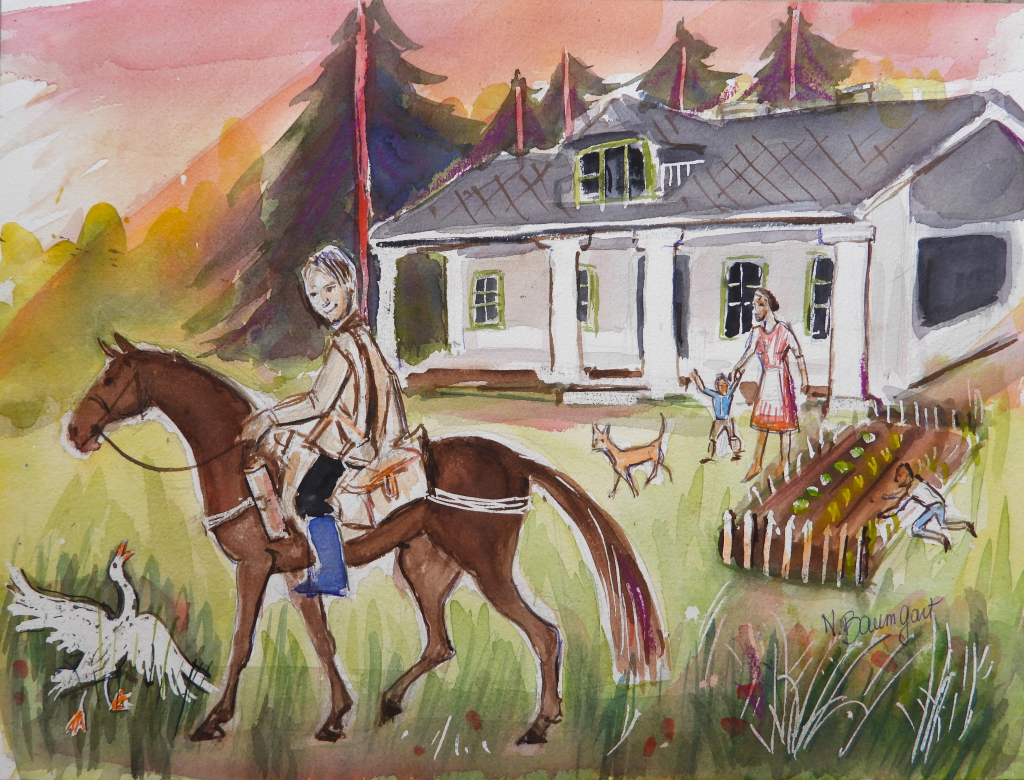
The Doctor on a Horse – A True Legend in the Bohemian Forest – Watercolor – Illustration

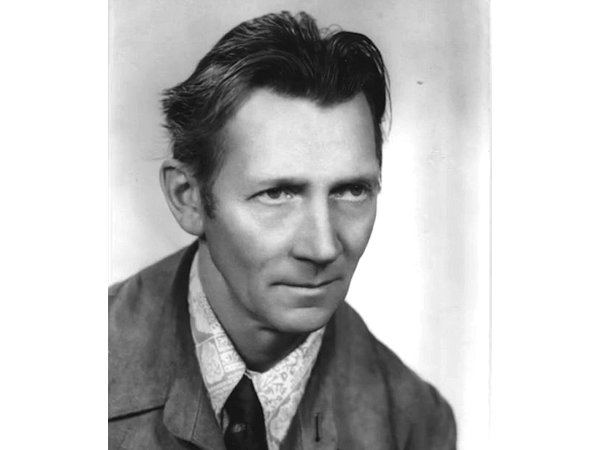
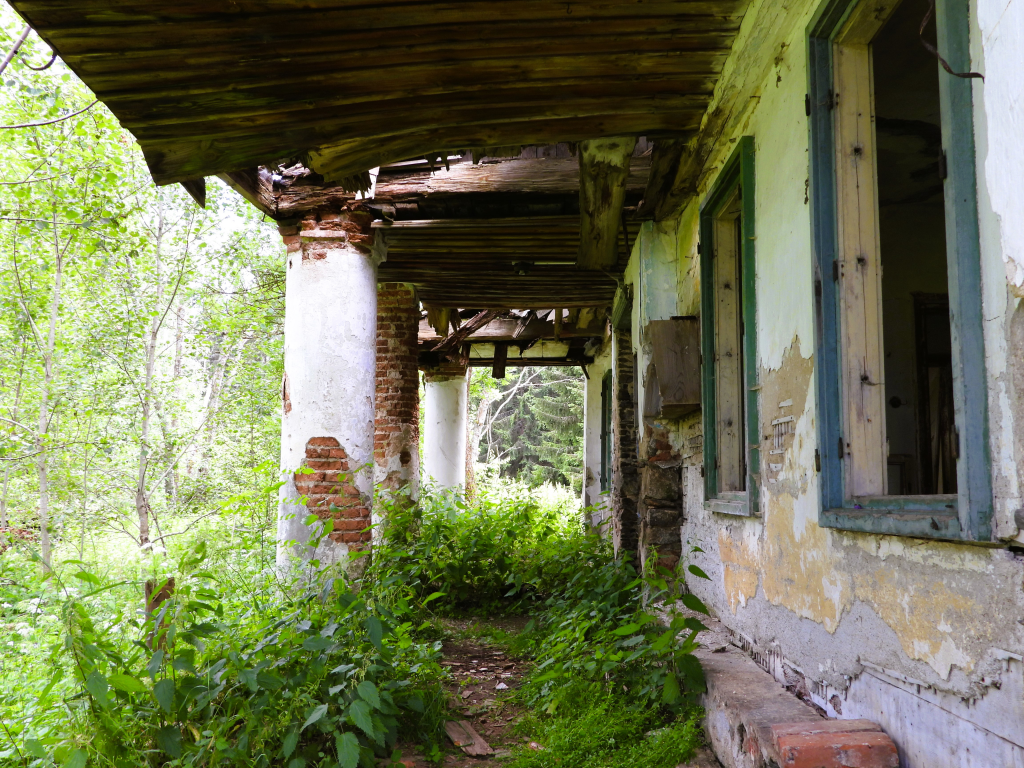
MD Zdeněk Kostrouch was a unique figure in the Bohemian Forest and was also called the “doctor on horseback.” From 1964 to 1993, he lived in Hájenko Pustina. Kostrouch originally wanted to go to Africa as a doctor, but ultimately stayed in the Bohemian Forest. He himself recounted how he came to own the horse: “I had an old piccolo flute that I always rode to patients with, and I always had two spare horses with me in case we got stuck. One day, they said to me, ‘Look, Doctor, you have a horse over there. Whisper in his ear that you want to go to Záluží, and he will take you there.’ The horse was then sold to me for 520 crowns, and I learned that horses can be driven easily in the Bohemian Forest.” The doctor recounted his first encounter with the Hermitage: “In the 1950s, I was driving from Hartmanice to Kašperské Hory and saw a column of smoke in my rearview mirror. A flash of lightning and it was gone. The Hermitage was then overgrown with nettles.
4CXJ+MXQ Hartmanice, Tschechien

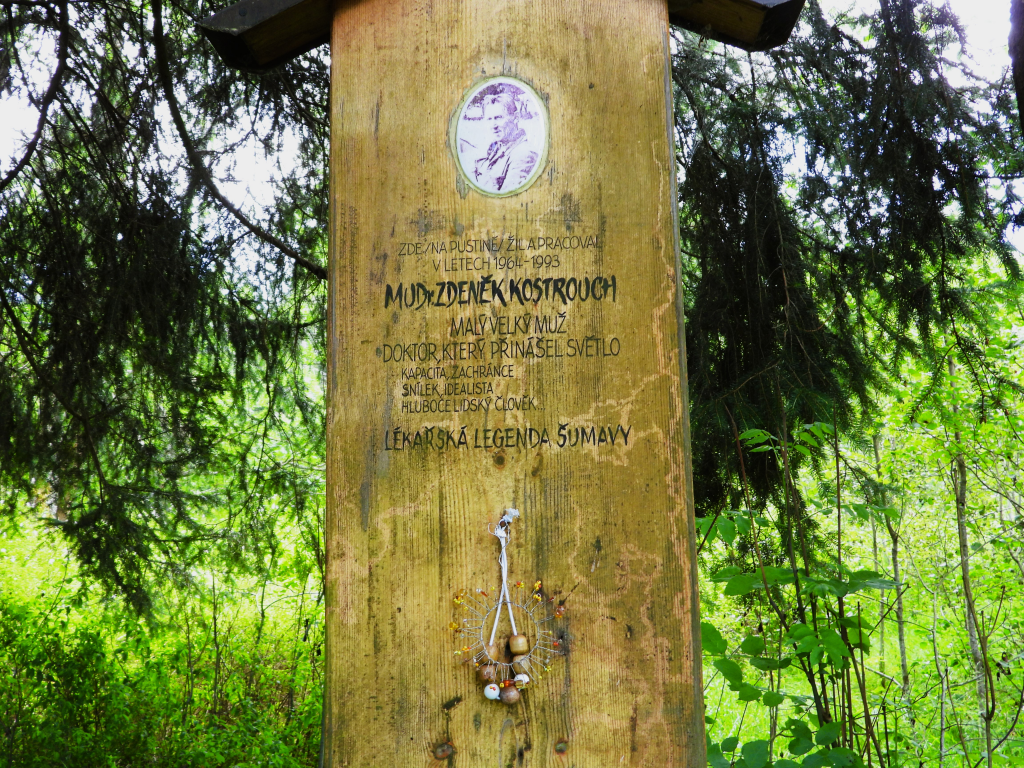
And in the spring of 1964, they wanted to demolish it because it was located in the Dobrá Voda military district. Thanks to my contacts, I was able to prevent the demolition order and moved in myself.” Kostrouch founded a farm in Pustina, established a library, and furnished one of the rooms with antique furniture. Since transport to his practice in Hartmanice was very difficult, especially in winter, Dr. Kostrouch owned horses, which he also used to transport patients. His sons also used horses. His first wife was MUDr. Helena Kostrouchová – a doctor in Kašperské Hory. She was the daughter of Ottla Davidová (Kafková), the sister of the writer Franz Kafka. Her sister, Věra Saudková, was the editor of Lidové noviny and the Odeon and Svoboda publishing houses. His retirement and his second marriage proved fatal for the famous doctor. After his death, everything was taken away or grew moldy. Within a few years, the farmstead fell into complete disrepair. A memorial plaque near the forester’s lodge commemorates his stay in Pustina, with the text: “Here in Pustina he lived and worked from 1964 to 1993, MUDr. Zdeněk Kostrouch, a small, great man, a doctor who brings light and ability, a savior, a dreamer, an idealist, a deeply human being… A medical legend of the Bohemian Forest.”
https://www.sumava.cz/rozcestnik/kultura-a-pamatky/osobnosti/kostrouch-zdenek-mudr
  • -

Stephanie Arndt

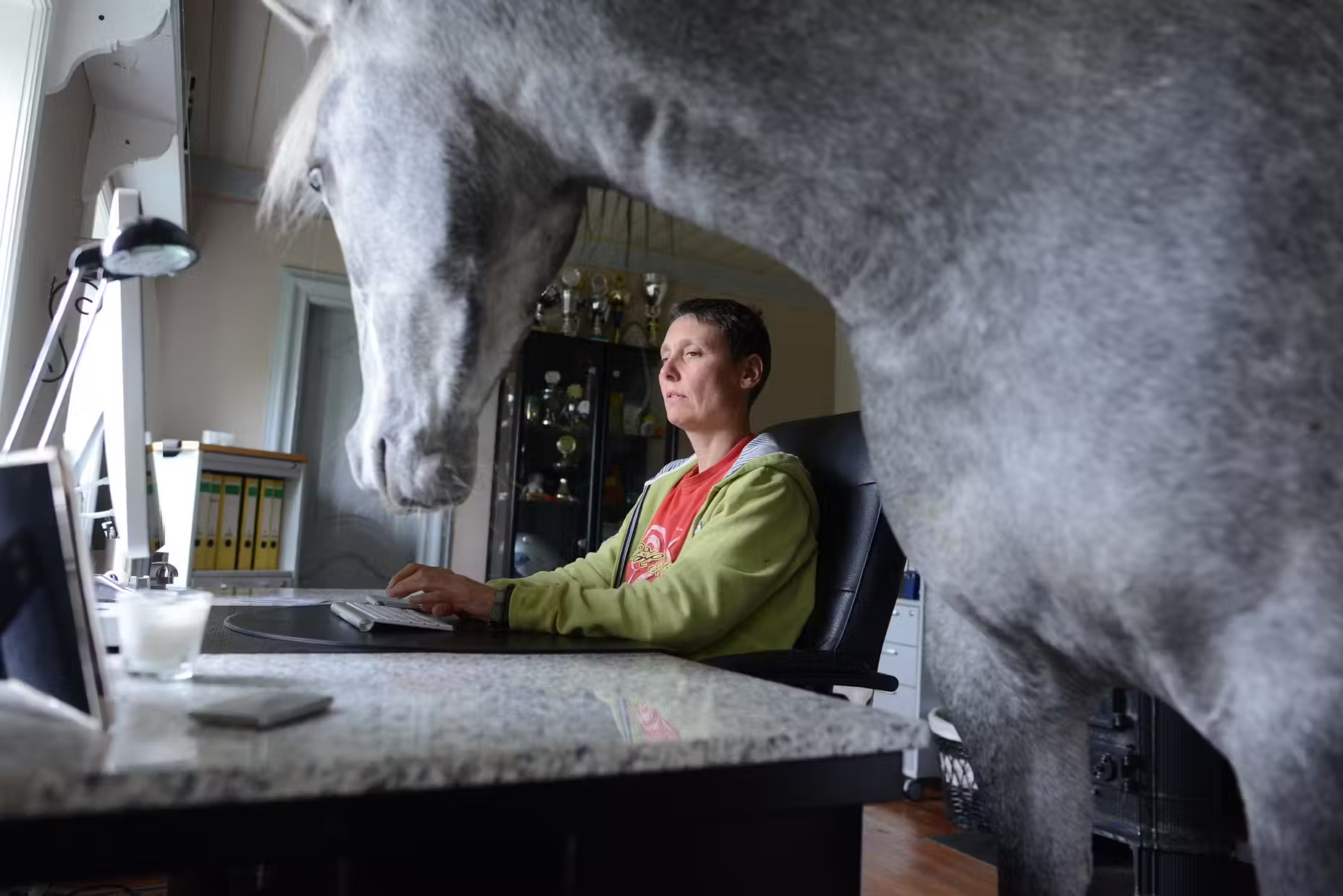
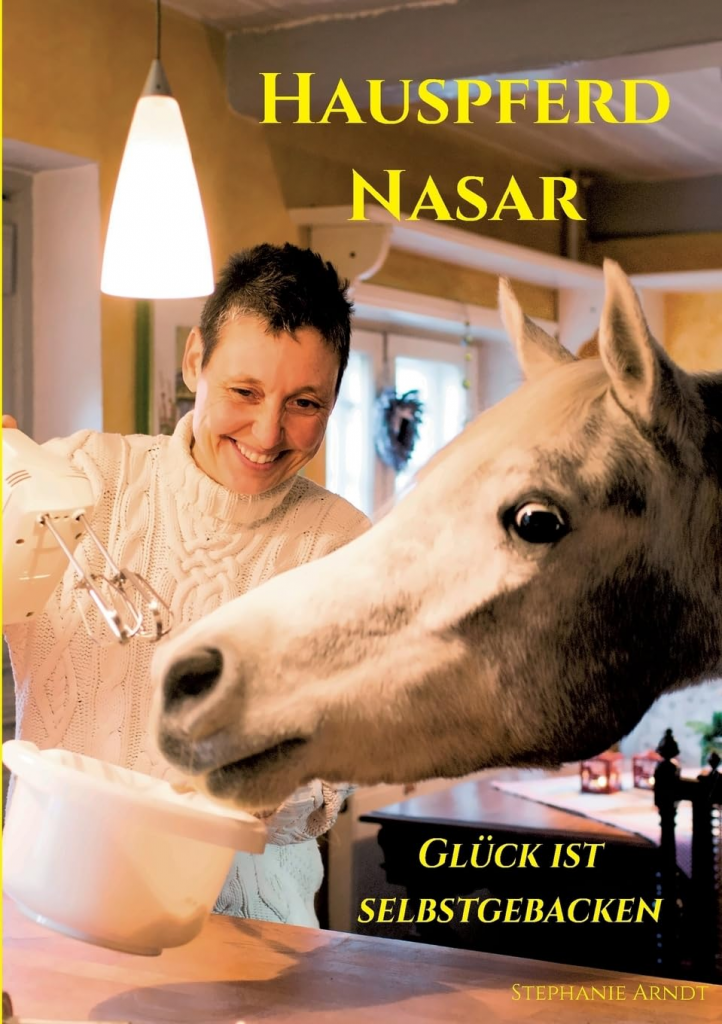
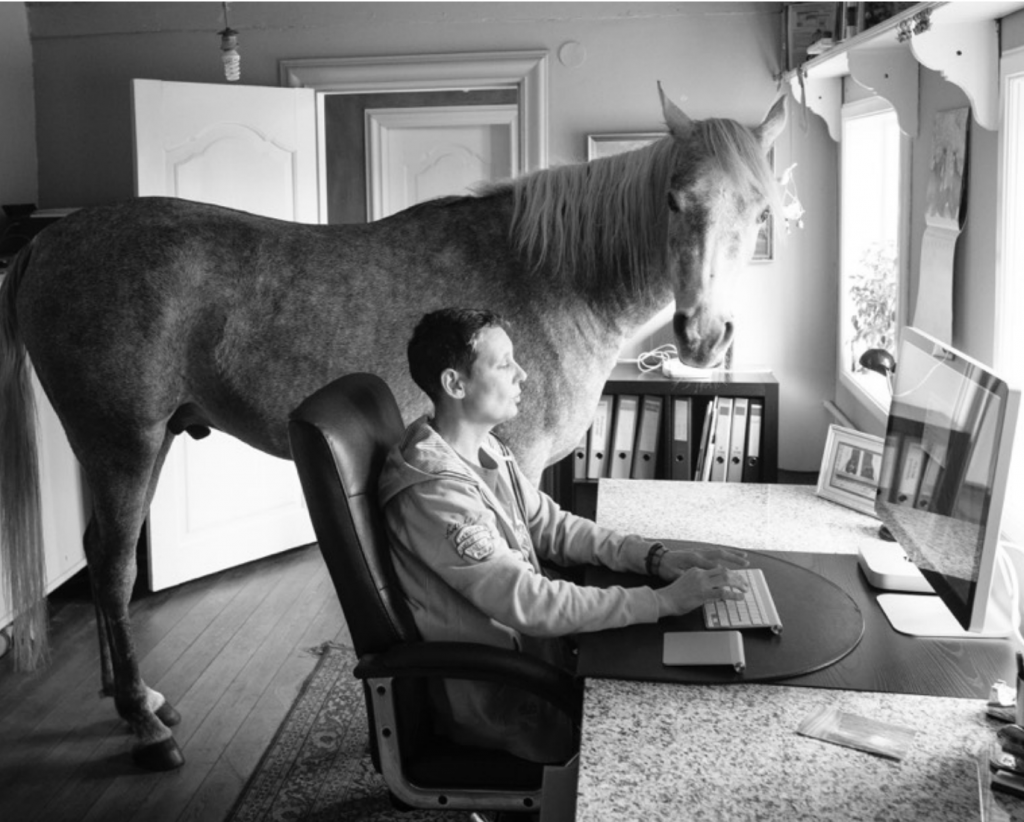
Stephanie Arndt studied human medicine, economics, and criminology. She was an officer in the German Armed Forces, a top athlete who participated in six world championships, and has lived in a shared house with her horse, Nasar, since Hurricane Xaver in December 2013. As the Pippi Longstocking of the 21st century – nonconformist, unconventional, self-sufficient – ​​Stephanie Arndt embodies the dream of an independent life, opens hearts, and enables fantasies and dreams. For young and old.

https://www.youtube.com/@HauspferdNasarNASARLAND/videos

https://nasar.land

https://shop.tredition.com/booktitle/Hauspferd_Nasar_-_Gl%3fck_ist_selbstgebacken/W-1_81964


  • -

Gerhard Dammann

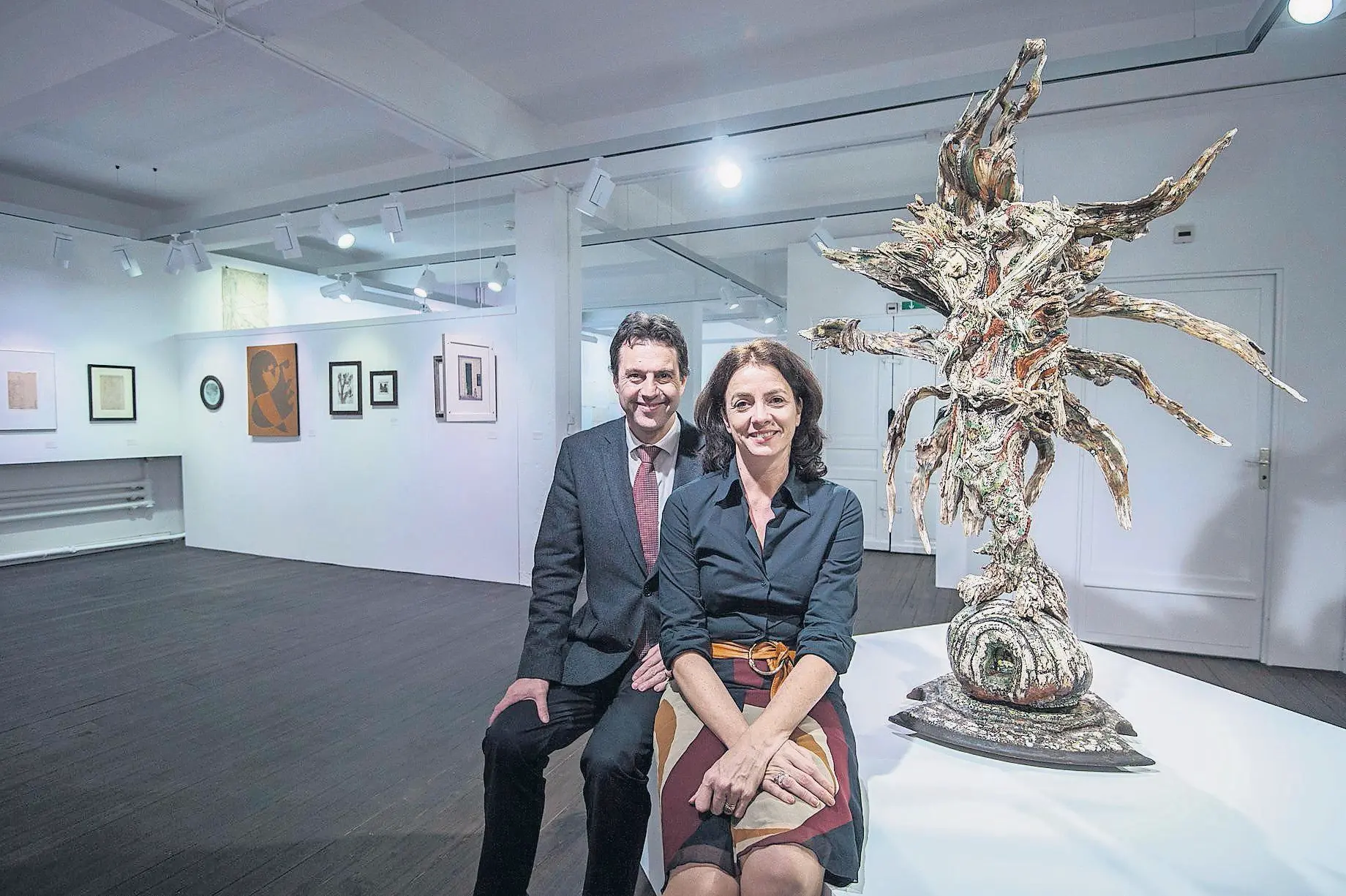
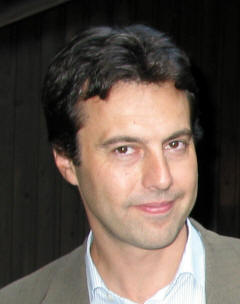
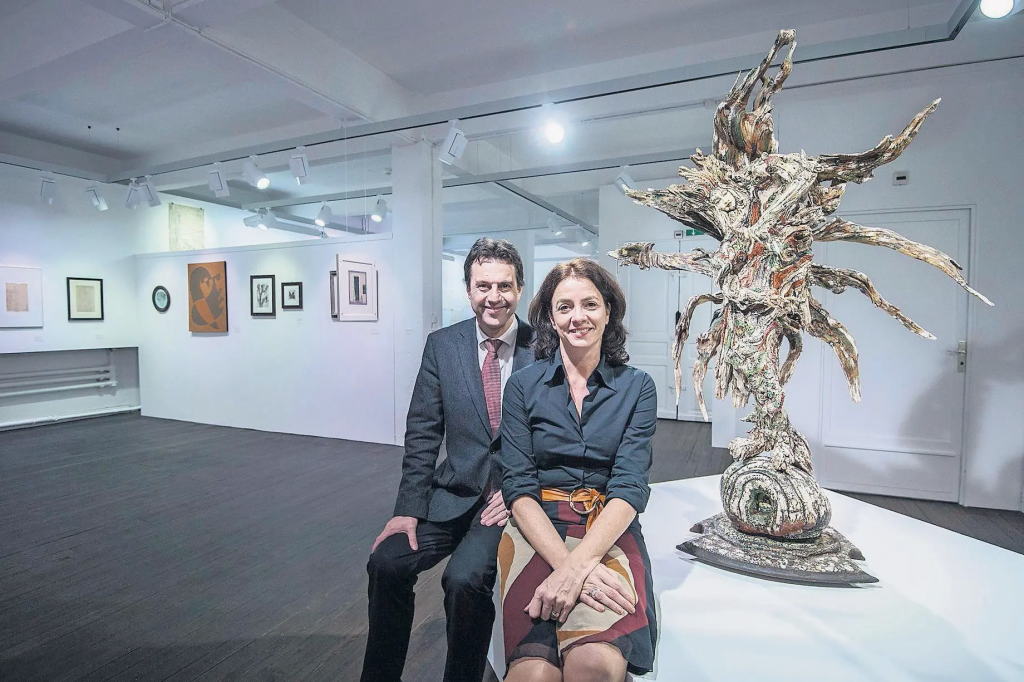
Gerhard Wolfgang Dammann (* 11 December 1963 in Oran, Algeria; † 20 June 2020 in Münsterlingen, Switzerland;[1] resident in Basel[2]) was a Swiss psychiatrist, psychologist and psychoanalyst.

Dammann studied medicine, psychology, and sociology in Tübingen, Frankfurt am Main, Basel, and Paris, graduating with the state examination in medicine (Germany, 1990), a diploma in psychology, and a diploma in sociology. From 1986, he was a member of the Catholic equestrian student association AV Guestfalia Tübingen.

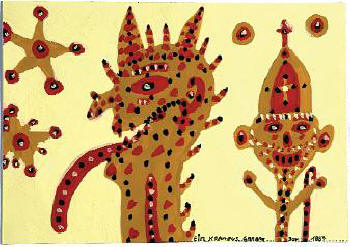
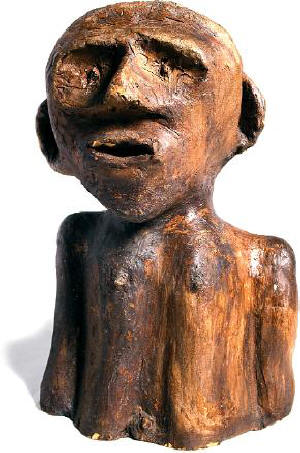
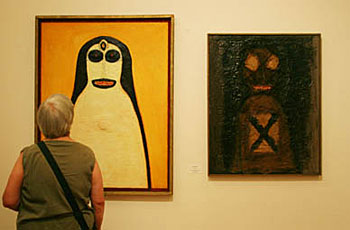
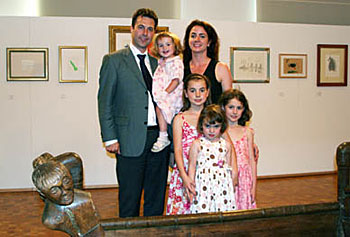
As a medical student, Gerhard Dammann explored the art of psychotics and those with psychiatric experience. During his clinical internship, he spent several months as an intern in the Prinzhorn Collection at Heidelberg University, acquiring his first works from the fields of “Outsider Art” and “Art Brut.” The collection began with a collage by Adolf Wölfli, a drawing by Louis Soutter, a painting by Johann Hauser, and a musical instrument by Gustav Mesmer. After his marriage, he and his wife Karin began collecting more and more systematically in the late 1990s.[1] From 1995 onwards, they placed the acquired works in their large Munich apartment. Initially, they acquired works by artists from the Art/Brut Center Gugging, including watercolors by Oswald Tschirtner and drawings by Franz Kamlander. From 2000 onwards, they supplemented the collection with further outsider art by Albert Louden, Sava Sekulić and Michel Nedjar. In 2003, they bought a large part of the works created in the “La Tinaia” studio, as well as historical Art Brut created in psychiatric hospitals.

In 2006, the collection comprised around 100 artistic works by self-taught artists in the fields of Naive Art and Outsider Art, and by 2014 had grown to around 300 works of “select quality.” In 2023, the collection consisted of over 1,000 exhibits. The core of the collection is a selection of Art Brut classics. These include series of works by the Gugging artists Johann Hauser, August Walla, and Oswald Tschirtner from the early 1970s, as well as works from the open studios of the “La Tinaia” psychiatric hospital in Florence. In addition, the Dammann Collection includes five of fifteen works donated from the original Prinzhorn Collection, three works by Else Blankenhorn[5], and two sheets by August Klett. There are also some unusual works: a carved bed made of solid oak, created around 1880 in an institution near Chartres, or a sheet dated 1720, which is considered the oldest known work of outsider art.

https://de.wikipedia.org/wiki/Gerhard_Dammann_(Mediziner)

https://de.wikipedia.org/wiki/Sammlung_Dammann

https://www.news.uzh.ch/de/articles/2007/2598.html

https://www.tagblatt.ch/kultur/leuchtender-wahnsinn-ld.922360


  • -

Josef Wyser

Category : HorseDocs

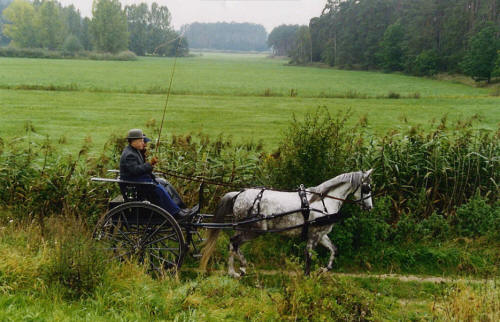
In northern Switzerland, near Solothurn, lies the village of Nennigkofen, where the family doctor takes his leisurely rides in his carriage. That looks like fun!


  • -

Hinrich Romeike

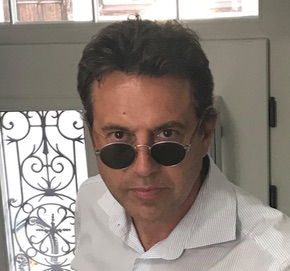
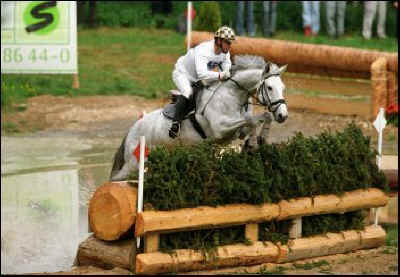
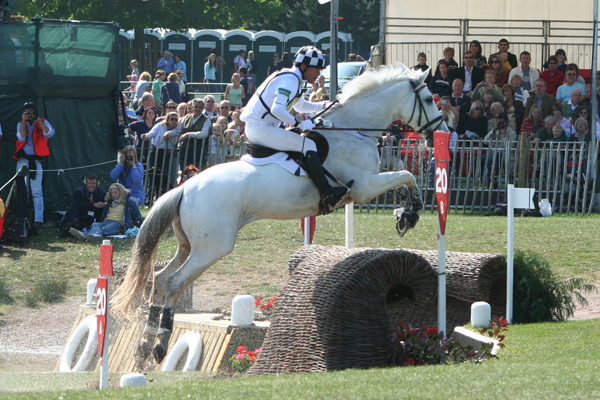
Hinrich Romeike (* 26. Mai 1963 in Hamburg) ist ein deutscher Vielseitigkeitsreiter.

Bei den Olympischen Spielen in Peking 2008 wurde Hinrich Romeike Olympiasieger im Einzel- und gewann zusammen mit Ingrid KlimkeAndreas DibowskiPeter Thomsen und Frank Ostholt die Goldmedaille im Mannschaftswettbewerb. Zuvor waren seine größten Erfolge der Mannschaftssieg bei den Weltreiterspielen 2006 in Aachen sowie der 5. Platz im Einzel- und der 4. Platz im Mannschaftswettbewerb bei den Olympischen Spielen 2004 in Athen. Die genannten Erfolge erreichte er mit seinem Pferd Marius, einem 1994 geborenen Holsteiner Schimmelwallach (von Condrieu xx).[1] Marius ist 2023 gestorben. Nachdem Marius in den Jahren 2009 bis 2011 verletzungsbedingt nicht wieder am Turniersport teilnehmen konnte, gab Romeike im März 2012 das Ende von Marius’ sportlicher Laufbahn bekannt. Zu einem Start Romeikes bei den Olympischen Spielen 2012 kam es daher nicht.[2]

Hinrich Romeike ist praktizierender Zahnarzt und lebt mit seiner Frau und seinen drei Kindern in Nübbel bei Rendsburg. 2005 wurde er mit der Sportplakette des Landes Schleswig-Holstein ausgezeichnet.

Erfolgsbilanz*:

Olympische Spiele

  • Gold (Mannschaft): 2008
  • Gold (Einzel) 2008
  • 4. Platz: (Mannschaft): 2004
  • 5. Platz: (Einzel) 2004

Weltmeisterschaften

  • Gold (Mannschaft): 2006
  • 5. Platz (Einzel): 2006

Europameisterschaften

  • Bronze (Mannschaft): 2005
  • 7. Platz (Mannschaft): 2007
  • 15. Platz (Einzel): 2003
  • 18. Platz (Einzel): 2005

Deutsche Meisterschaften

  • Silber: 2003, 2005
  • 4. Platz: 2004
  • 5. Platz: 2006

Deutsche Meisterschaften – Junge Reiter

  • Silber: 1983
  • 5. Platz:1982
  • 7. Platz: 1984

Deutsche Mannschaftsmeisterschaften

  • 4. Platz (Mannschaft): 2002

Bundeswettkampf

  • Gold (Mannschaft): 2002

Bundeschampionate

  • 2. Platz: 1999 mit Marius
  • 5. Platz: 2000 mit Marius

sowie 

  • 2008: 5. Platz CICO***Aachen, 1. Platz Nationenpreis mit Marius Voigt-Logistik
  • 2008: 3. Platz CIC*** Luhmühlen mit Marius Voigt-Logistik 
  • 2008: 10. Platz CIC*** Marbach mit Marius Voigt-Logistik
  • 2007: 9. Platz CICO*** Aachen, 1. Platz Nationenpreis mit Marius Voigt-Logistik
  • 2007: 6. Platz CCI**** Badminton/GBR mit Marius Voigt-Logistik
  • 2007: 4. Platz CIC** Kreuth mit Marius Voigt-Logistik
  • 2006: 7. Platz CIC*** Schenefeld mit Marius Voigt-Logistik
  • 2006: 7. Platz CCI**** Luhmühlen mit Marius Voigt-Logistik
  • 2006: 1. Platz CIC*** Marbach mit Marius Voigt-Logistik
  • 2006: 1. Platz CIC** Bredenbeek mit Marius Voigt-Logistik
  • 2005: 15. Platz CCI**** Luhmühlen mit Marius
  • 2004: 12. Platz CIC***-W Luhmühlen mit Marius
  • 2004: 8. Platz CIC*** Schenefeld mit Marius
  • 2004: 14. Platz CIC*** Marbach mit Marius
  • 2003: 8. Platz CCI*** Luhmühlen mit Marius
  • 2003: 14. Platz CIC***-W Bonn-Rodderberg mit Marius
  • 2003: 20. Platz CIC*** Marbach mit Marius
  • 2003: 7. Platz CIC***-W Cavertitz mit Marius
  • 2002: 11. Platz CIC** Brunnthal mit Marius
  • 2002: 2. Platz CCI* Luhmühlen mit Marius
  • 2002: 1. Platz CIC* Langenhagen mit Marius
  • 2002: 3. Platz CCIO** Kreuth, 1. Platz Nationenpreis mit Marius
  • 2002: 3. Platz CIC** Bialy Bor/POL mit Marius
  • 2001: 2. Platz CCI* Negernbötel mit Marius
  • 2001: 2. Platz CIC** Langenhagen mit Marius
  • 2001: 6. Platz CIC* Vanselow mit Marius

wikipedia EN

wikipedia DE


  • -

Dr Irakli

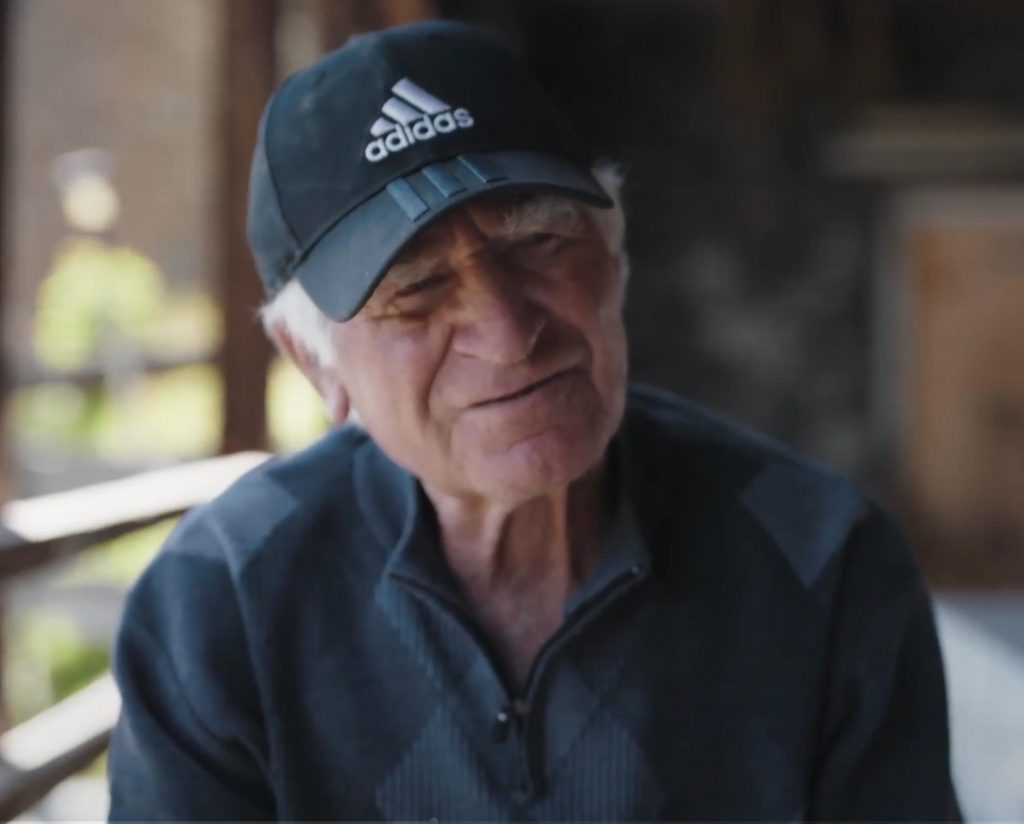
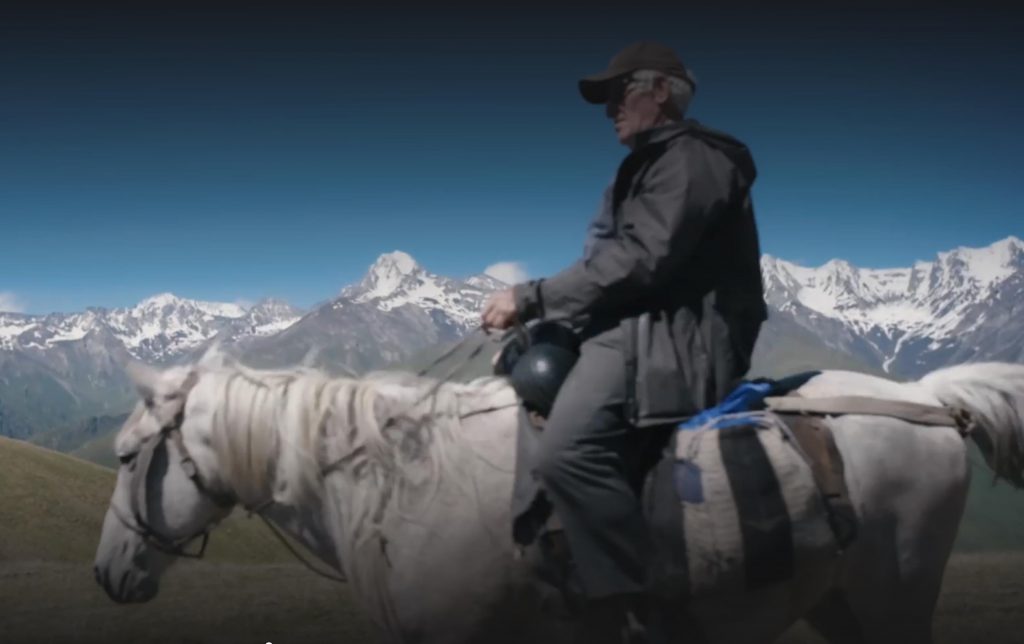
Emergency in the Kaukasus: A shepherd is ill. Dr. Irakli (81) packs his saddle, looks for his horse and rides. His Wallach Bitschola (31) and him are the rescue unit in the Georgian Kaukasus going up to 3.500 meters height where there are no roads – the doc has to ride.

Until he got pension he worked as a neurologist in a hospital in the valley. Then he returned into the mountains ot Tushetia and became mountain doctor. He has rescued 51+ lives since. He believes that god called him to do so. During the village festivities in summer he brews the beer for the folks.

Bochorna village on google maps