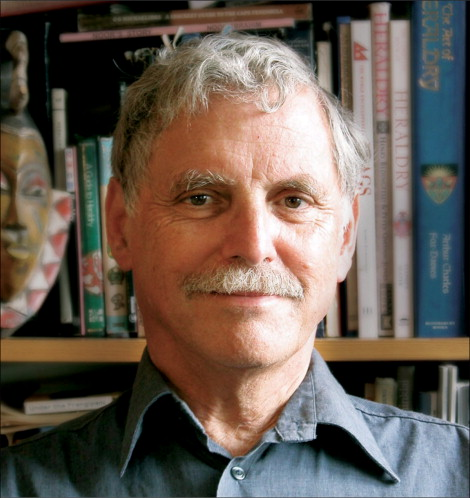
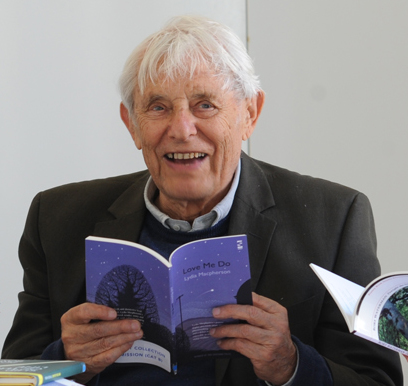
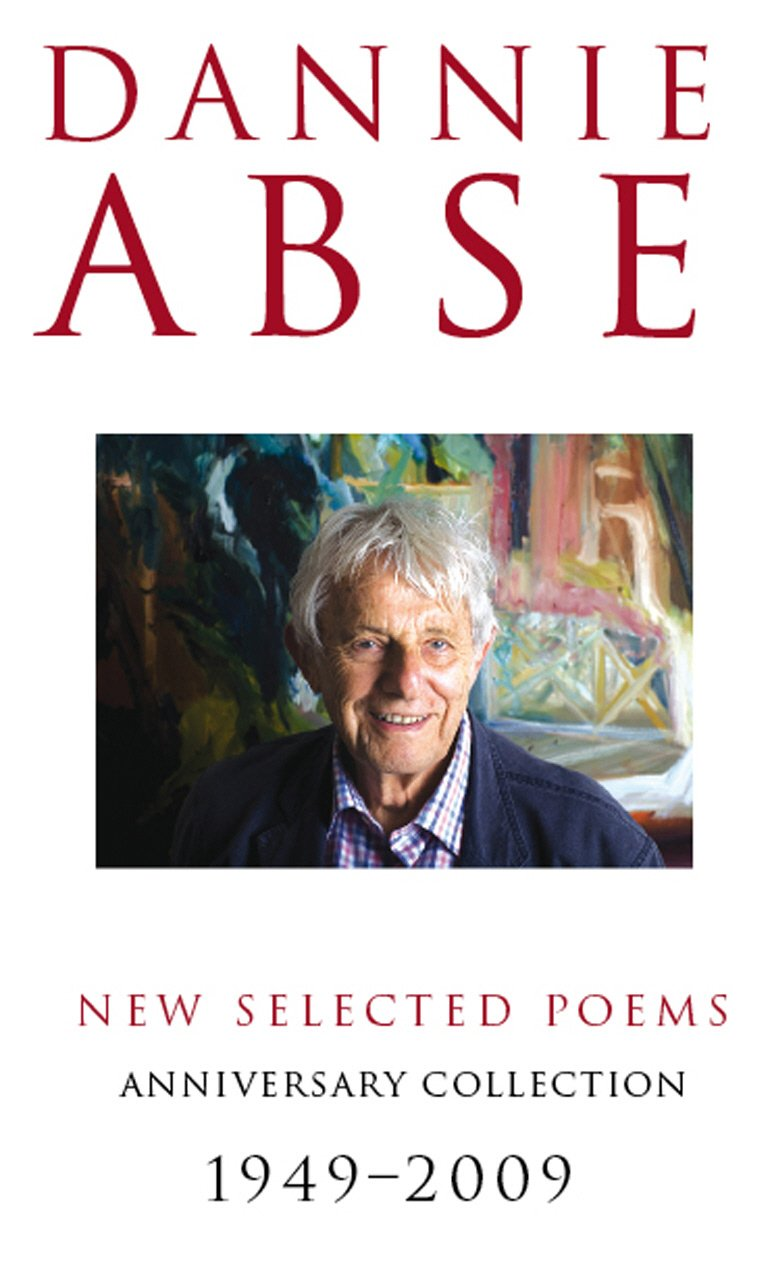
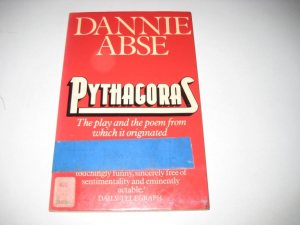
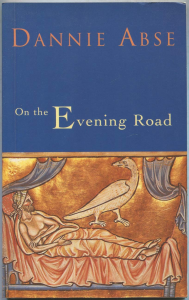
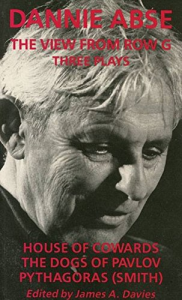
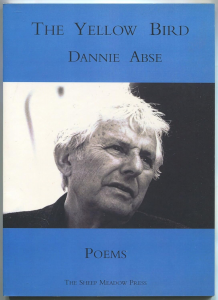
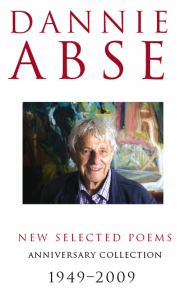
Dannie Abse, CBE (born Daniel Abse on 22 September 1923 in Cardiff, Wales; died on 28 September 2014[1] in Golders Green, London) was a British author and poet.
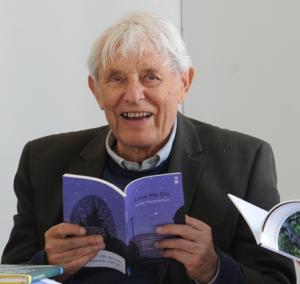
Dannie Abse at the Cheltenham Literature Festival 2013 | age 90
Dannie Abse grew up in his Jewish family with his brothers Leo Abse (1917–2008; lawyer, politician, author) and Wilfried Abse (1915–2005; psychoanalyst), who were about ten years older than him.[2] After successfully completing school in his hometown, he studied medicine at the University of Wales College of Medicine, the Westminster Hospital Medical School and at King’s College London. He received his doctorate in 1950. From 1954 to 1989 he worked in the breast clinic of the Central Medical Establishment in London. In 1989 he received an honorary doctorate from the University of Wales.
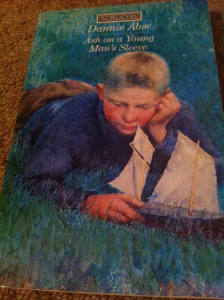
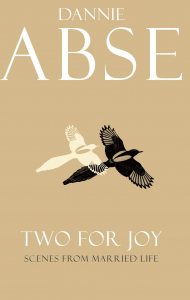
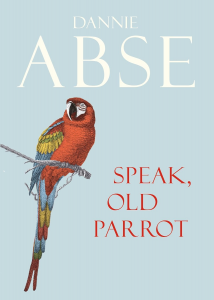
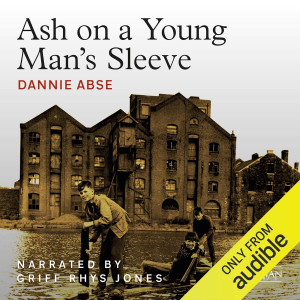
In 1954, his autobiography, Ash on a Young Man’s Sleeve, was published, in which he recounted his childhood experiences. He received the Welsh Arts Council Award and the Cholmondeley Award in 1985. Abse was a member of the British Poetry Society and had been a member of the Royal Society of Literature since 1983. Abse wrote several volumes of poetry—his first, After Every Green Thing, in 1949—as well as novels, plays, and essays. He was awarded the Commander’s Cross of the Order of the British Empire in the 2012 New Year Honours List.
Abse was married to art historian Joan Abse, née Mercer (1923–2005), with whom he had three children. She died in a car accident in which Dannie Abse broke a rib.
Dannie Abse was a lifelong fan of Cardiff City Football Club. He saw the first match in 1934; he references football in many of his works.
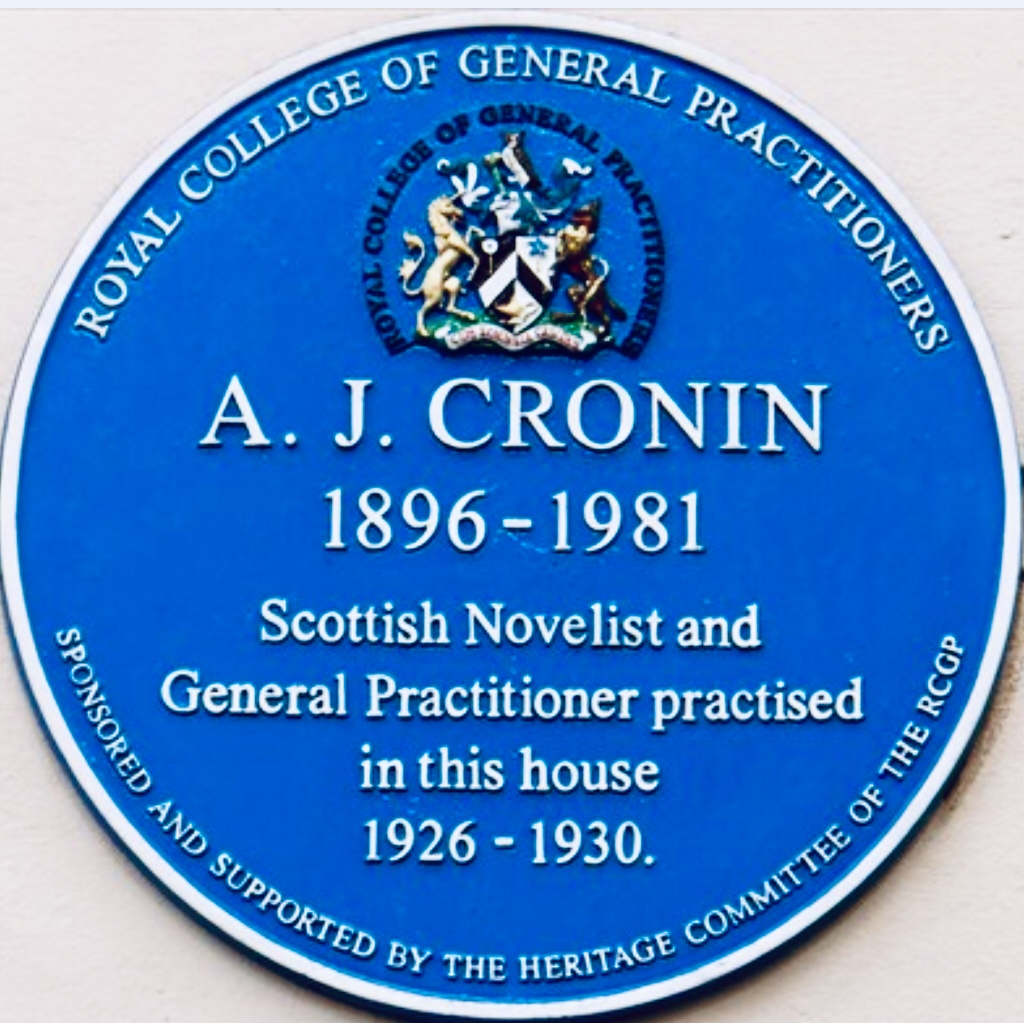
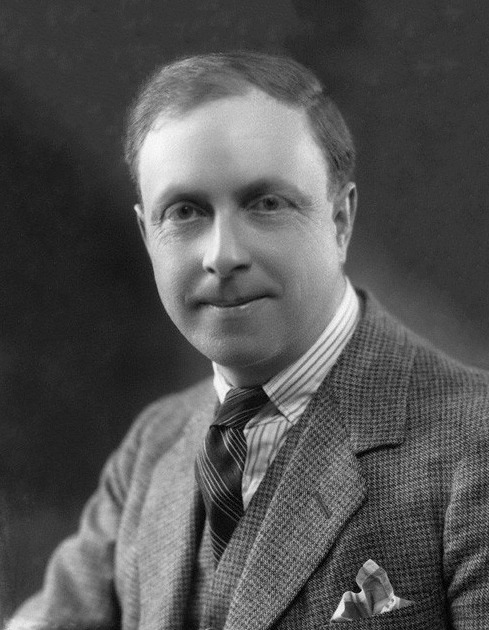
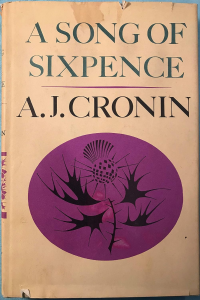
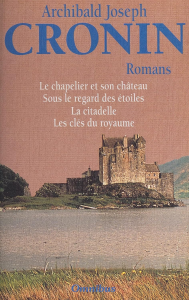
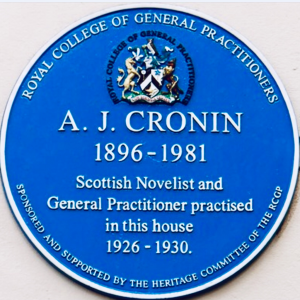
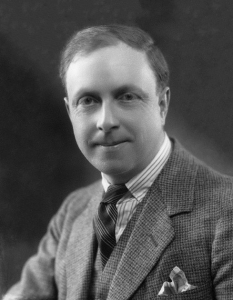
Archibald Joseph Cronin (July 19, 1896 in Cardross, Scotland; January 6, 1981 in Glion, Switzerland) was a Scottish physician and writer. Some of his novels became international successes. His narrative is characterized by exciting plots, realistic characters, and pronounced social criticism. In his autobiography, Adventures in Two Worlds, he also unequivocally professes his Christian faith. Cronin follows the tradition of the Bildungsroman and uses the techniques of Victorian novel realism.
Archibald Joseph Cronin was born the only child of Patrick Cronin and his wife, Jessie Montgomerie. He later attended Dumbarton Academy and won several writing competitions. For his outstanding achievements, he was awarded a medical scholarship to the University of Glasgow. There he met his future wife, Agnes Mary Gibson, who, like him, was studying medicine.
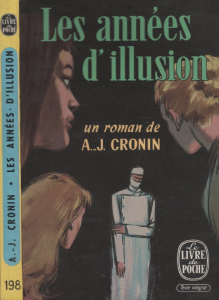
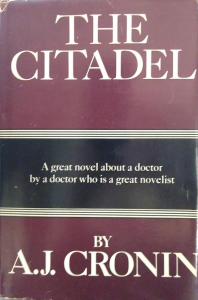
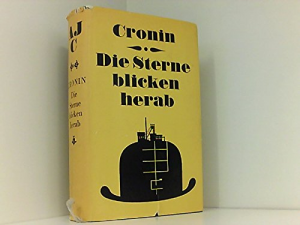
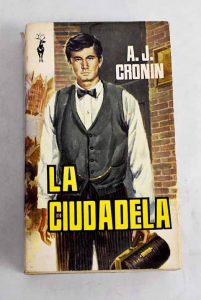
Cronin initially worked in various hospitals, as a ship’s doctor, and during the First World War as a surgeon in the service of the British Army. After the war, he practiced in a mining district in South Wales. Experiences from this work later flowed into his novels The Stars Look Down (1935) and The Citadel (1937). He later moved to London and ran a successful practice on Harley Street. However, Cronin struggled with his mundane desires for profit and self-interest, as he explains in his autobiography. While on vacation in the Scottish Highlands, he wrote his first novel, Hatter’s Castle (1930), which was an immediate success. In the 1930s, Cronin moved to the United States with his wife and three sons, settling in New Canaan, Connecticut. He later returned to Europe and has lived in Switzerland for the past 25 years.
A.J. Cronin died at the age of 84 and was buried in La Tour-de-Peilz, where his grave still stands.
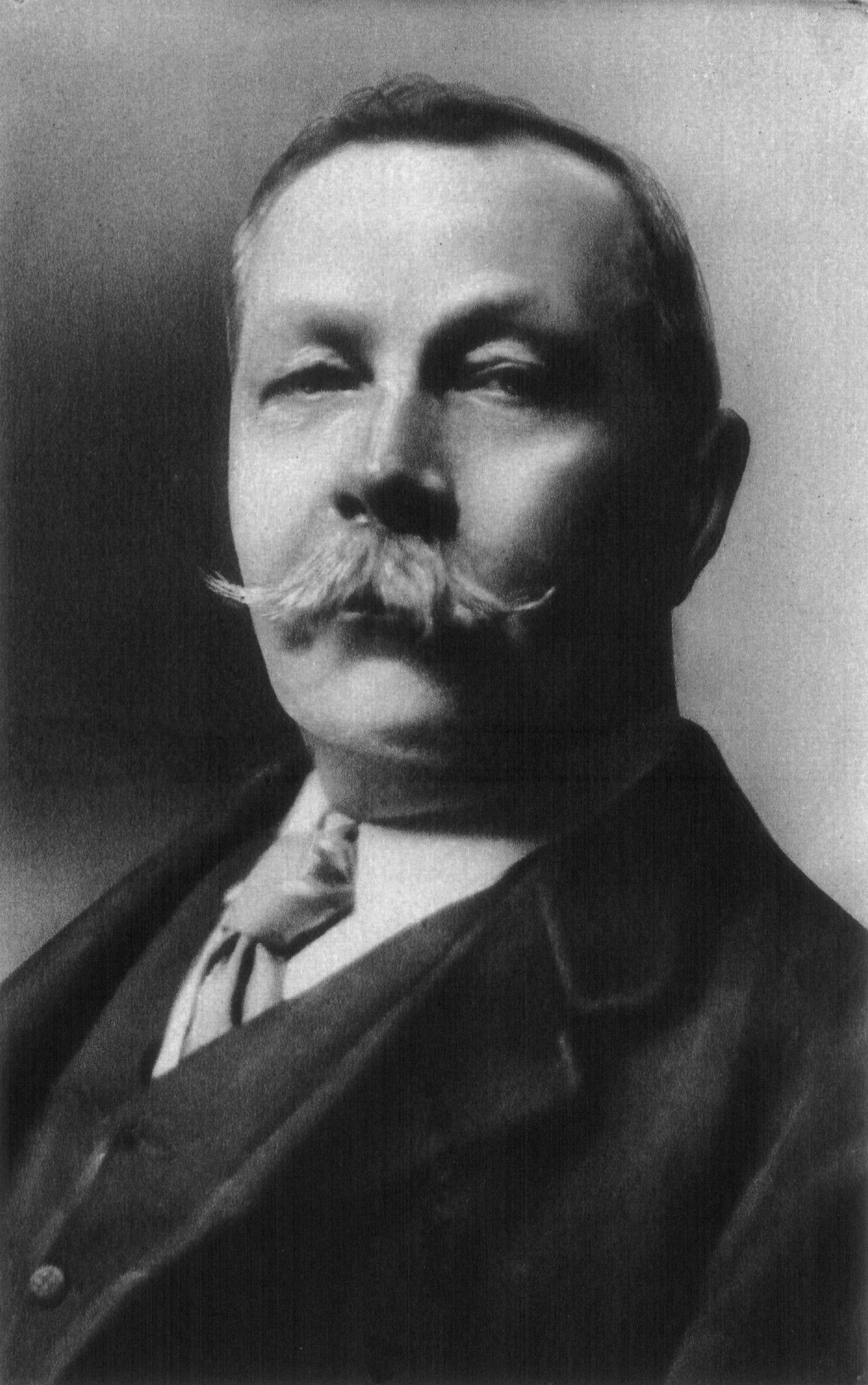
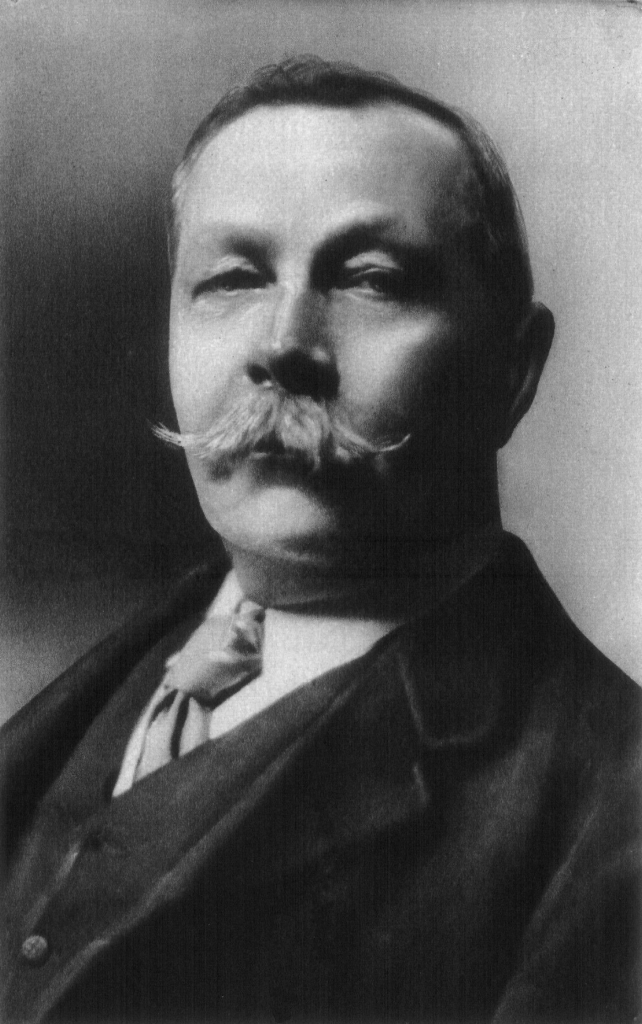
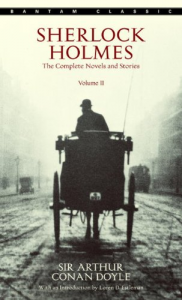
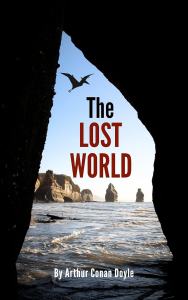
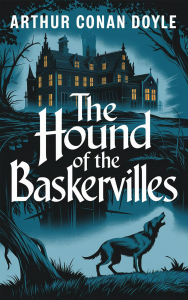
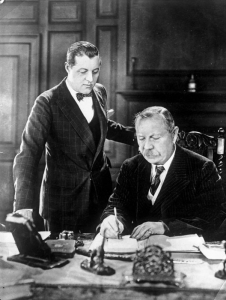
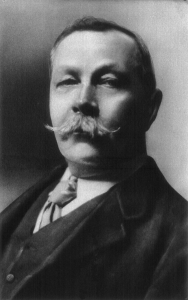
Sir Arthur Ignatius Conan Doyle (May 22, 1859 in Edinburgh, Scotland – July 7, 1930 in Crowborough, Sussex, England) was a British physician and author. He wrote about the adventures of Sherlock Holmes and his friend Dr. Watson. He is also known for the character Challenger from his novel The Lost World, which served as the basis for numerous films and a television series.
In 1880, Doyle traveled to the Arctic as a ship’s doctor on the whaler Hope, and a year later to West Africa on the Mayumba. From 1882 to 1890, he ran a medical practice in Southsea near Portsmouth. In his free time, he also wrote his first literary works. In 1883, while in Portsmouth, he wrote his first novel, The Narrative of John Smith (see below), which, however, remained unfinished and unpublished and was not published until 2011. In 1887, he published the first story about the detective Sherlock Holmes and his friend Dr. Watson: A Study in Scarlet.
In the following period, Conan Doyle created his second very popular character, Professor Challenger. The Lost World, in which she first appears, was published in 1912 and is considered his best-known novel alongside the Sherlock Holmes series. Doyle’s texts published during the First World War sometimes take a critical look at Germany at the time. In October 1918, a few months before the official end of the war, his son Kingsley died of the Spanish flu. Doyle then began to devote himself increasingly to science fiction novels in the tradition of Jules Verne, as well as to spiritualism and mysticism, and also undertook lecture tours (including to the USA and South Africa).
Among other things, he made the so-called Cottingley Fairies famous – fake photos of fairies in whose authenticity he firmly believed, made into a film in 1997 in The Fairy Garden. His public controversy with the magician Harry Houdini made headlines.[6] The friendship between Doyle and Houdini broke down due to differing ideas about spiritualism – Doyle accepted various mediums as genuine and believed that Houdini himself had supernatural abilities, while Houdini himself said that he never experienced a séance in his life whose effects he could not have imitated with magic tricks.
The deductive and criminal analysis method is characteristic of Doyle’s characters. He, himself a physician, created the role of Dr. Watson. He endowed Sherlock Holmes with characteristics of his teacher at the University of Edinburgh, Joseph Bell. The criminalistic methods described by Doyle in his novels, such as fingerprinting, were ahead of the police methods of their time. This is especially true of the fundamentally scientifically oriented methodology of crime investigation.
In 1890, his novel The Firm of Girdlestone (1890) was published, painting a picture of his hometown of Edinburgh in the age of imperialism. Father and son Girdlestone & Co. operate a lucrative African trade with poorly maintained sailing ships.
That same year, Doyle moved to London. From 1891 onward, he was able to earn a living through writing, following the publication of his first detective story, A Scandal in Bohemia, in The Strand Magazine that same year.
In 1893, Conan Doyle decided to end the life of his protagonist Holmes, as the regular writing of new Holmes stories took up too much of his time and he wanted to concentrate his literary work on other works. This led to protests from his audience.[1] The author’s mother, an avid reader of the stories, tried in vain to dissuade him from the plan. In the story “The Final Problem,” Sherlock falls from the Reichenbach Falls near Meiringen in Switzerland during a fight with his adversary, Professor Moriarty, and is pronounced dead by Watson.
In the same year, Doyle became Master of the Phoenix No. 257 Masonic Lodge in Portsmouth.
In March 1893, Doyle became the first Briton to complete a day’s cross-country skiing. In commemoration of this achievement, the UK Antarctic Place-Names Committee named the Doyle Glacier in Antarctica after him in 1959.
On March 23, 1894, in a daring attempt, he crossed the Maienfelder Furgga from Davos to Arosa on skis, accompanied by two locals, brothers Tobias and Johann Branger. The event helped popularize skiing in England. It was recreated a good century later by the Austrian Broadcasting Corporation (ORF) in a television film based on Conan Doyle’s article “An Alpine Pass on ‘Skiing’,” published in Strand Magazine in December 1894.
Doyle played football as a goalkeeper for the amateur Portsmouth Association Football Club. He used the pseudonym A.C. Smith. He was also a keen cricketer and was capped ten times by the famous Marylebone Cricket Club (MCC) in the first team between 1899 and 1907. As a golfer, he was captain of Crowborough Beacon Golf Club, East Sussex, in 1910. He also initiated the construction of the golf course at Davos during his stays there from 1893 to 1895.
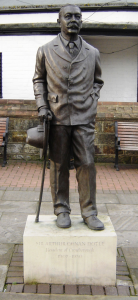
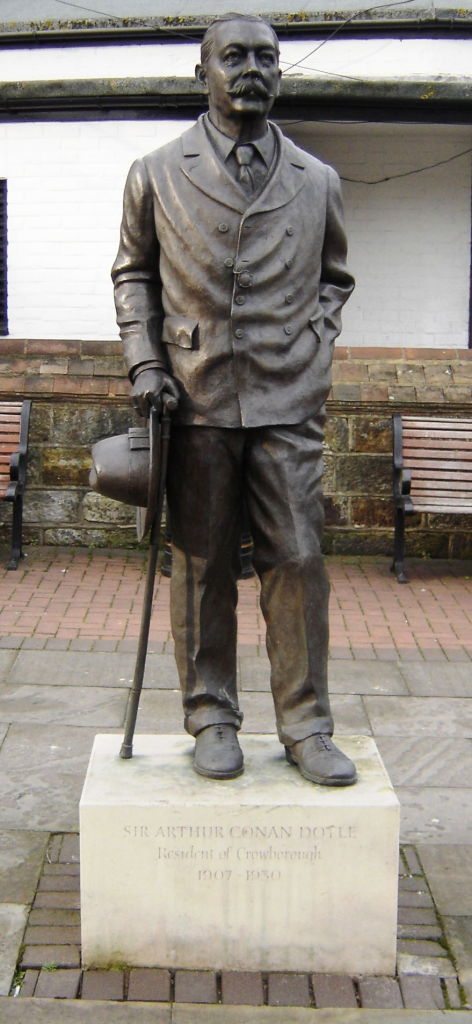
At the 1908 London Olympic Games, Arthur Conan Doyle reported on the marathon for the Daily Mail newspaper. Dorando Pietri was the first to cross the finish line, but because judges and doctors helped him across the finish line, the runner was disqualified. Doyle’s detailed and emotional report in the Daily Mail of July 25, 1908, about the weakened Italian’s finish, and a letter to the editor published at the same time as his article, in which Doyle appealed for donations for Pietri, are the basis of one of the most well-known myths of the modern Olympic Games. Doyle’s great commitment led to the widespread, but untrue, legend that Doyle himself helped Pietri across the finish line. Dr. Michael Bulger, who can be seen in one photograph as an assistant, was often mistaken for Doyle. A memorial to Sir Conan Doyle has stood at Cloke’s Corner in Crowborough since April 14, 2001. The bronze statue was created by sculptor David Cornell and funded by the Conan Doyle Statue Trust with grants from Crowborough Town Council and private donations. To finance the bronze casting, Cornell commissioned a limited edition of a scaled-down model.
In 2023, the Venezuelan frog Caligophryne doylei was named after Conan Doyle.
The 49-bell Carillon of St Colman’s Cathedral in Cobh is the largest such instrument in Ireland and Britain.
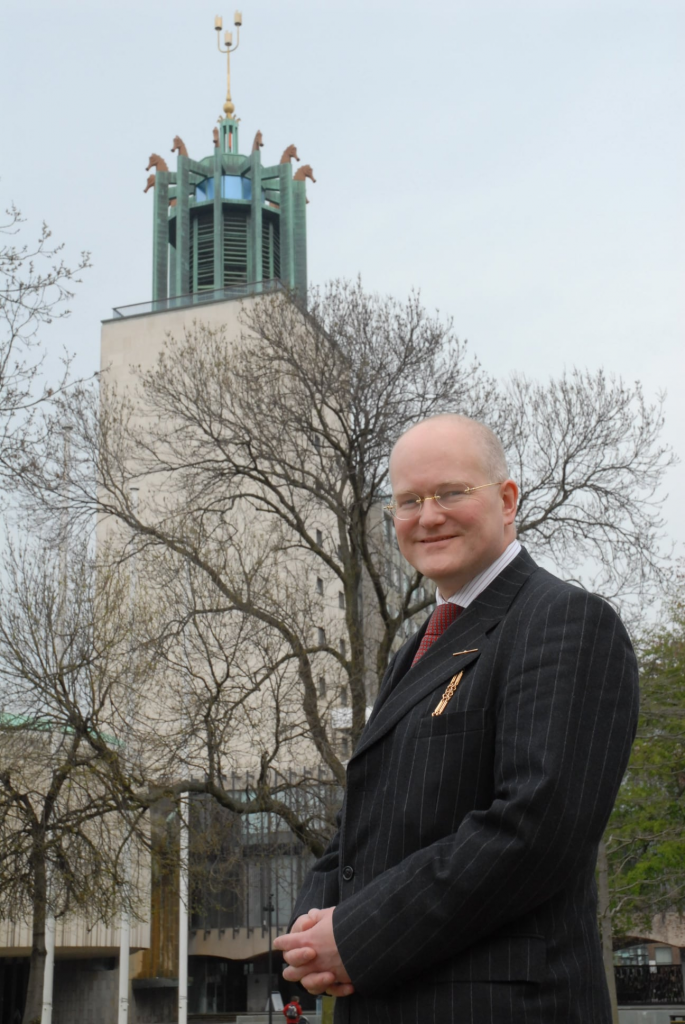
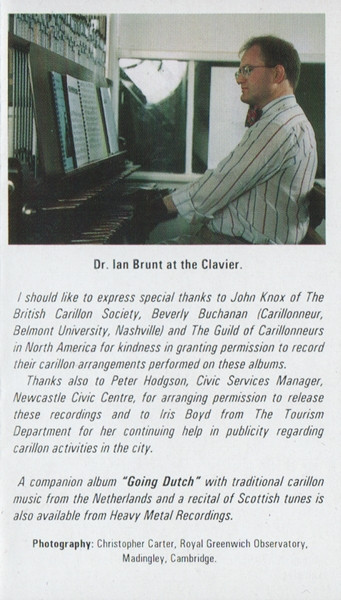
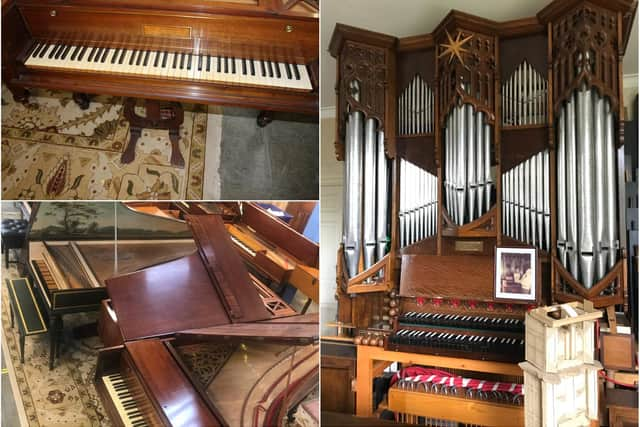
Dr Ian Brunt was Director of The Lanchester Early Music Festival and City Carillonneur of Newcastle Upon Tyne, regularly giving concerts and recitals on organ, carillon, harpsichord and fortepiano. He was a member of the National Youth Orchestra of Great Britain 1979- 1981 as flautist, composer and general musician and has specialised in the baroque flute for over thirty years. He performs with Hexham Collegium Musicum, Anglia Concertante, Durham Sinfonietta, Tyneside Baroque Players, Durham Baroque, The Hallgate Ensemble, among others, playing chamber music and giving concerto performances and has recorded six commercial solo albums on harpsichord, organ and carillon. Recent new music composed includes a pair of Notturni for classical guitar, a setting of George Herbert’s “My Words and Thoughts” and a solo organ concert piece “Fantazia on a Melody from the Scottish Psalter (1615).” In 2007 he was photographed for The North East Passion Archive project, the images held by Tyne and Wear Museums at The Discovery Museum, Blandford Square, Newcastle and also accessible on the Internet.
In a tribute to Dr Brunt, Michael Boyd of the British Carillon Society, wrote: “Ian was proud of his Northumberland heritage – he was an exceptionally competent player of the Northumbrian small pipes.
“I believe he wanted to instil a sense of community pride in the Edith Adamson memorial carillon, the first and only carillon to be installed in a civic centre of a major city in Britain. His repertoire also reflected his deep personal connection with the North of England.”
Dr Brunt championed the music of 18th-century Newcastle composer
Charles Avison and was an advocate of folk music on the carillon.
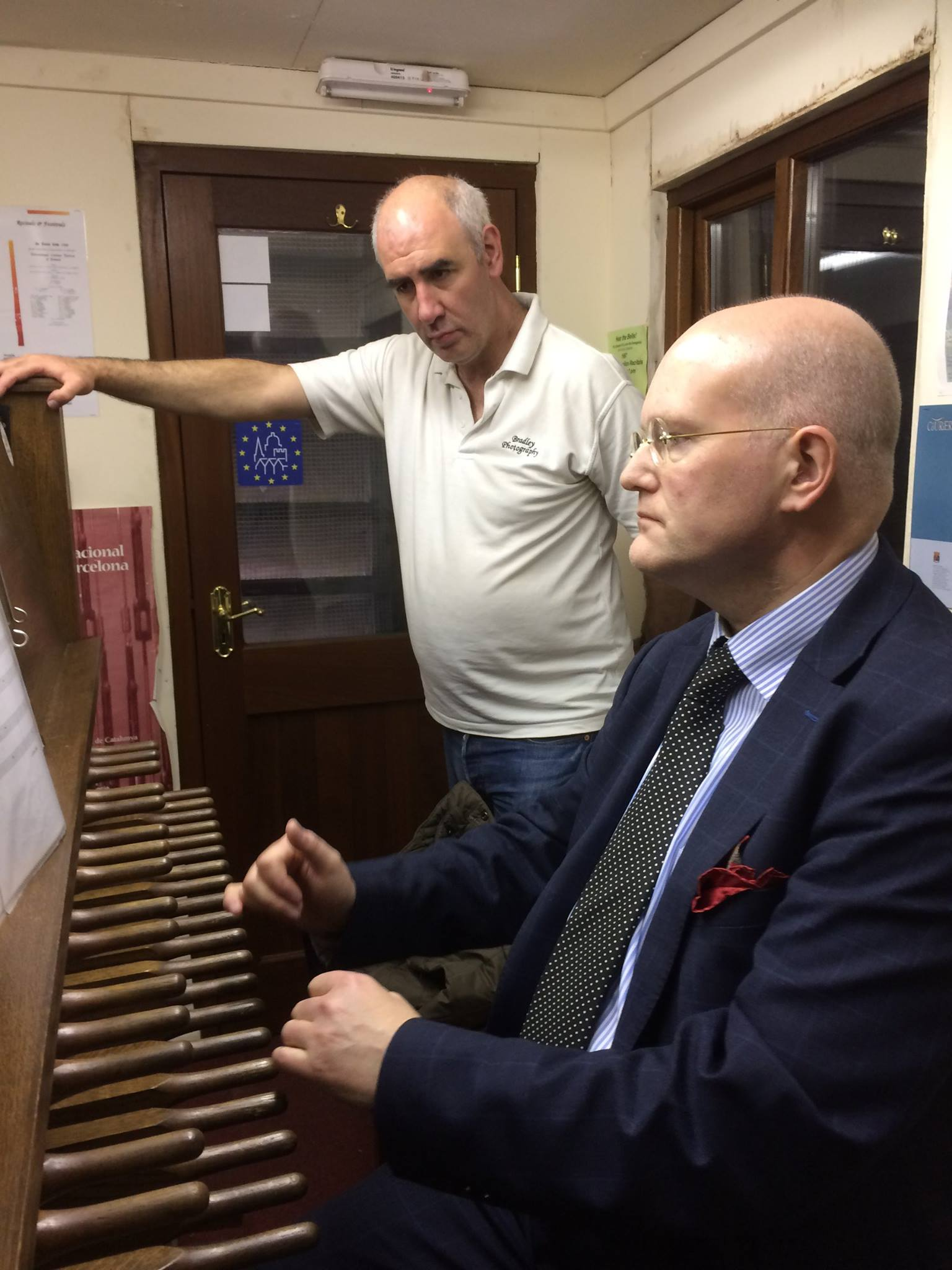
2021: News has just come through of the death this morning at the age of fifty-eight of Ian Brunt, Carillonneur of the Newcastle Civic Centre. Despite his busy workload as a G.P. and ongoing health issues, Ian was also dedicated to his beloved carillon art. He once described how he would swim seventy lengths five times a week in order to keep fit enough to play the carillon, which he claimed was “like going for a five-mile run”! He gave a memorable guest recital in Cobh in July 2007, when this photo was taken. This gentle and cultured man will be sorely missed and long remembered by his colleagues and friends. Requiescat in pace.
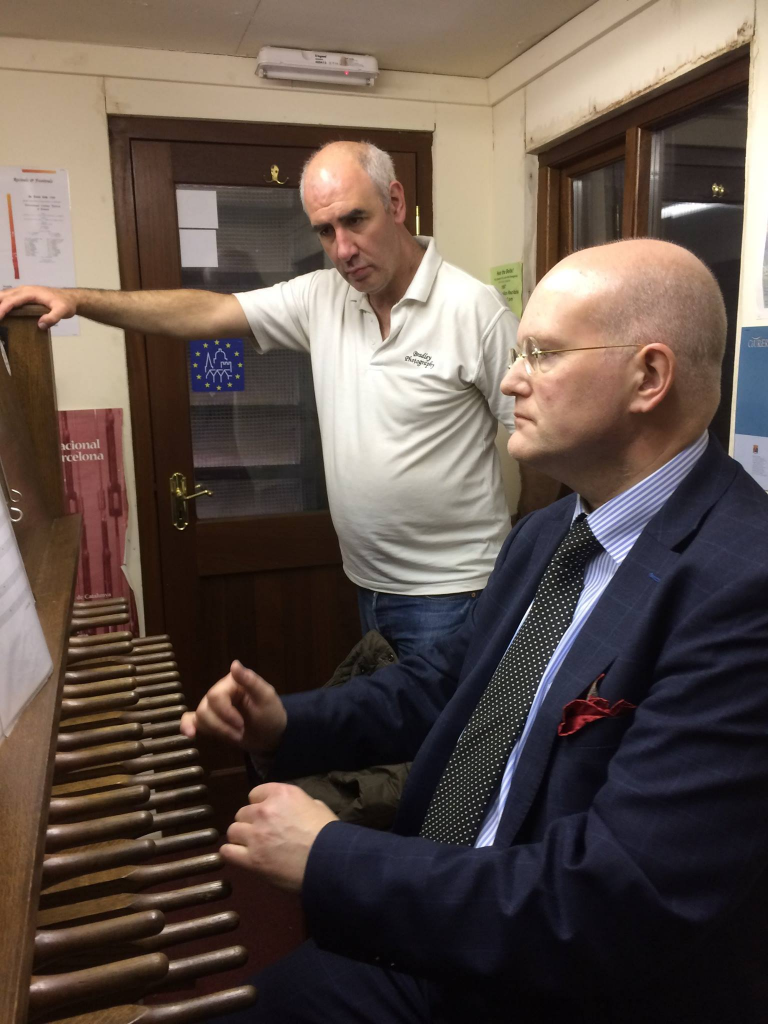
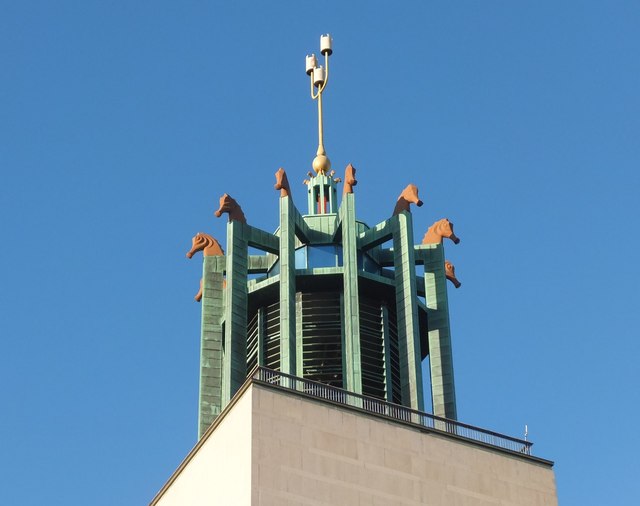
The Edith Adamson Memorial Carillon, Newcastle Civic Centre The Edith Adamson Memorial Carillon, constructed in 1966 by J.Taylor and Co and installed in 1967, was given to the city by James Wilfred Adamson in memory of his wife. James (‘Jimmy’) Adamson started his paints business from a horse and cart, and went on to be a driving force in the establishment of British Paints Ltd, see Link . The carillon, see Link has 25 bells, the largest of which weighs 71cwt, 1qr, 13lb – which if my maths serves me correctly is 825lb, or 374.214kg – and is tuned to A major. Recitals take place on Saturdays at 2pm and occasionally on Thursday at 7pm – the Carilloneur is Dr Ian Brunt, who swims 70 lengths five times a week in order to keep fit enough to play the carillon, which takes so much physical energy that he describes it as ‘like going for a five-mile run’, see Link . The carillon tower has twelve seahorses and is topped by the three castles of the Newcastle coat-of-arms, see Link .
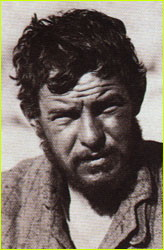
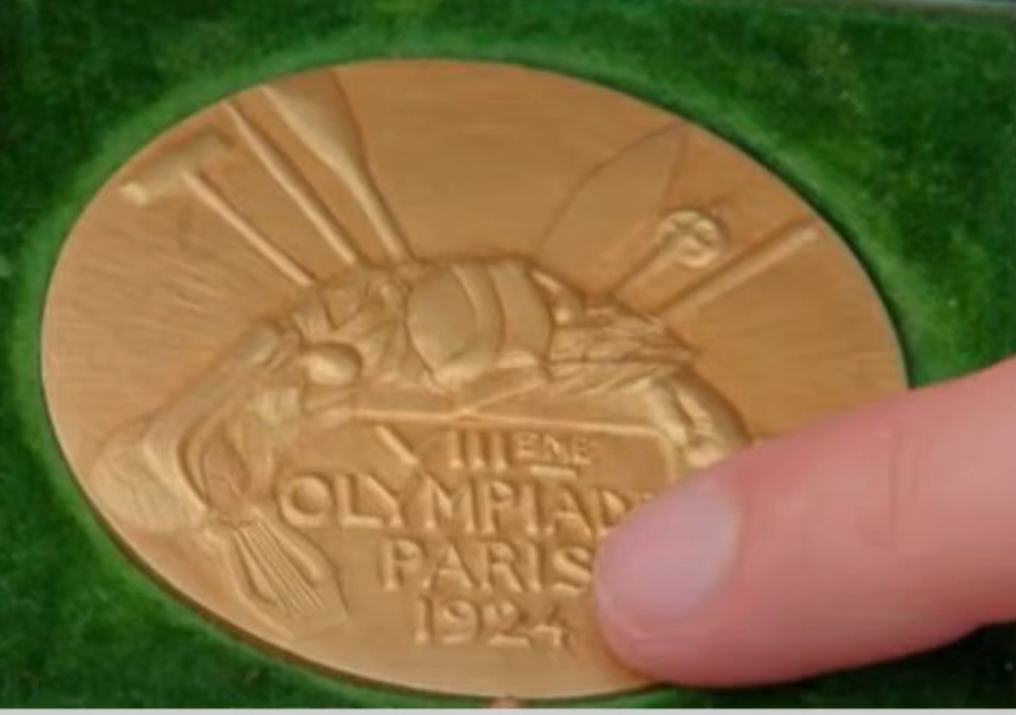
Theodore Howard SomervellOBE, FRCS (16 April 1890 – 23 January 1975) was an English surgeon, mountaineer, painter and missionary who was a member of two expeditions to Mount Everest in the 1920s, and then spent nearly 40 years working as a doctor in India. In 1924 he was awarded an Olympic Gold Medal by Pierre de Coubertin for his achievements in mountaineering (Alpinism).
He married Margaret Hope Simpson (1899–1993), daughter of Sir James Hope Simpson, the general manager of the Bank of Liverpool. With Margaret he had three sons: James, David, and Hugh.
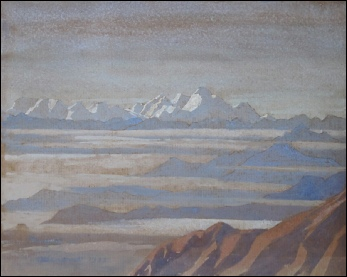
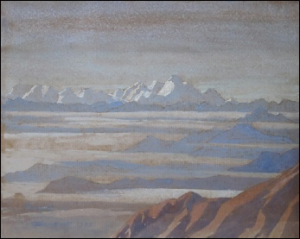
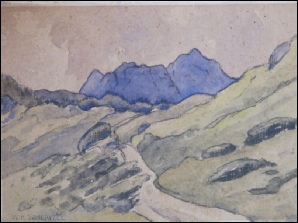
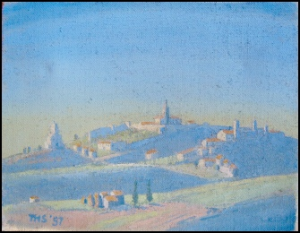
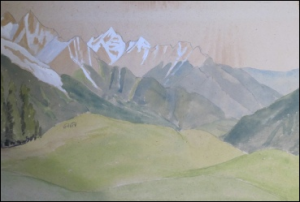
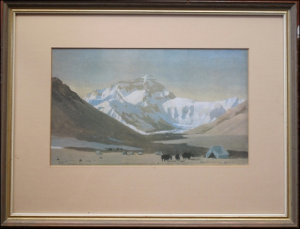
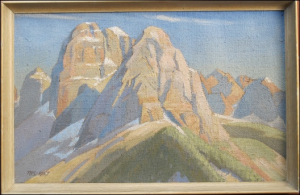
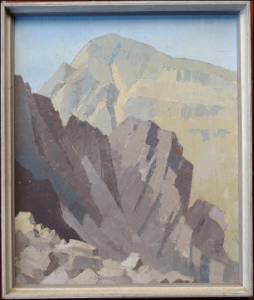
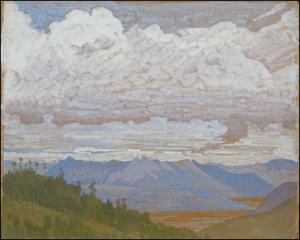
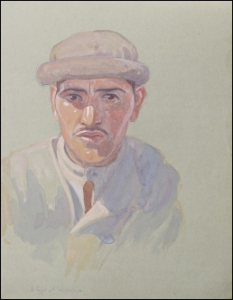
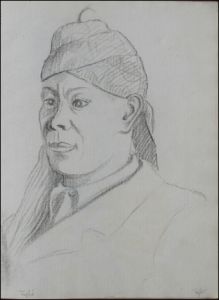
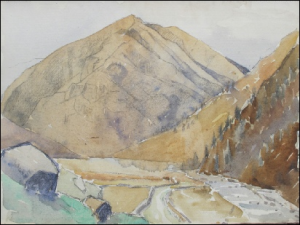
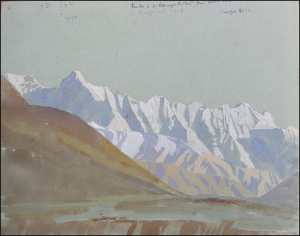
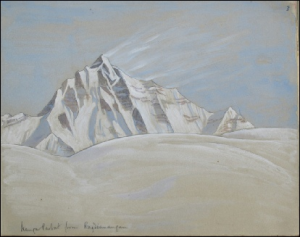
Somervell painted many hundreds if not thousands of paintings and has been described as a compulsive sketcher and painter.[23]The Himalayan Club identified some 600 titles, with at least 200 of them being representations of the Himalayas or Tibet. 126 of these relate to the 1922 and 1924 expeditions, many of which were exhibited at the Royal Geographical Society in April 1925 and at the Redfern Gallery, London, in 1926. He exhibited almost annually at the Lake Artists Society exhibitions in the Lake District after his return to England.
Many of his watercolours are painted on what has been described as no more than ‘cheap’ brown or off-white wrapping paper.[23] However, given that Somervell was a sometime commercial artist, this oft-repeated tale is largely apocryphal. He used this style of paper as early as 1913 and was still using it in the 1970s. It particularly lends itself to the dun colours of the Tibetan landscape. Other artists such as John Sell Cotman and Edith Collingwood[who?] used similar paper. He often used watercolour and body colour in preference to watercolour alone. He also used pastel, either alone or with watercolour. Watercolour seems to have been his favoured medium in Tibet, Himalaya and India.[citation needed]
The Alpine Club in London possesses thirty paintings by Somervell. The Abbot Hall Art Gallery in Kendal has thirteen Somervell watercolours and one oil painting while the Royal Geographical Society holds a large watercolour, Gaurisankar from the North West, dated 1924, although this may in fact be a painting of Menlungtse.[21] Somervell’s paintings of the Himalayas and of Westmorland were exhibited at the Abbot Hall Art Gallery in April 1979.
With the expedition over, Somervell set out to see India, travelling from the far north to Cape Comorin. He was shocked by the poverty he saw, and in particular the poor medical facilities. At the main hospital of the south Travancore medical mission in Neyyoor he found a single surgeon struggling to cope with a long queue of waiting patients, and immediately offered to assist. On his return to Britain, he abandoned his promising medical career, and announced his intention to work in India permanently after his next attempt on Everest. Most of his paintings sold today are from his travels in various parts of India. Even though most of his time was in Kerala where many landmarks to his name still remain.
A collection of his mountaineering equipment and other effects, including his 1924 Winter Olympics gold medal, and his sketchbooks and paintings, now in the possession of his grandson, was shown on an episode of the BBC Television programme Antiques Roadshow in April 2022.
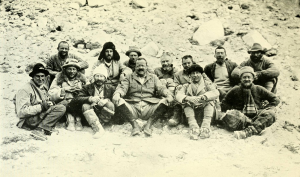
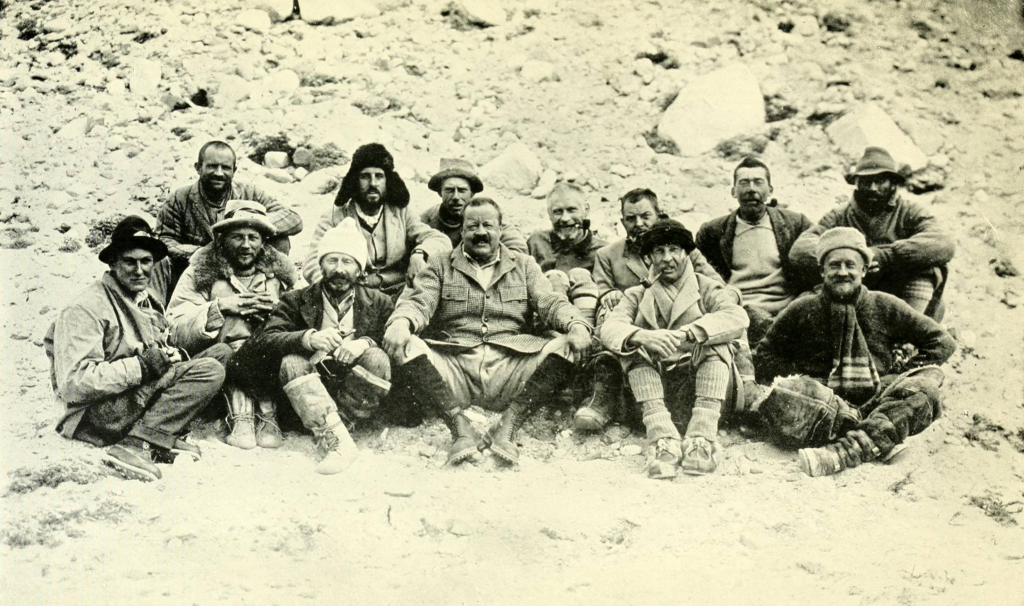
Expedition at Base Camp. Back row: Morshead, G Bruce, Noel, Wakefield, Somervell, Morris, Norton Front row: Mallory, Finch, Longstaff, General C Bruce, Strutt, Crawford
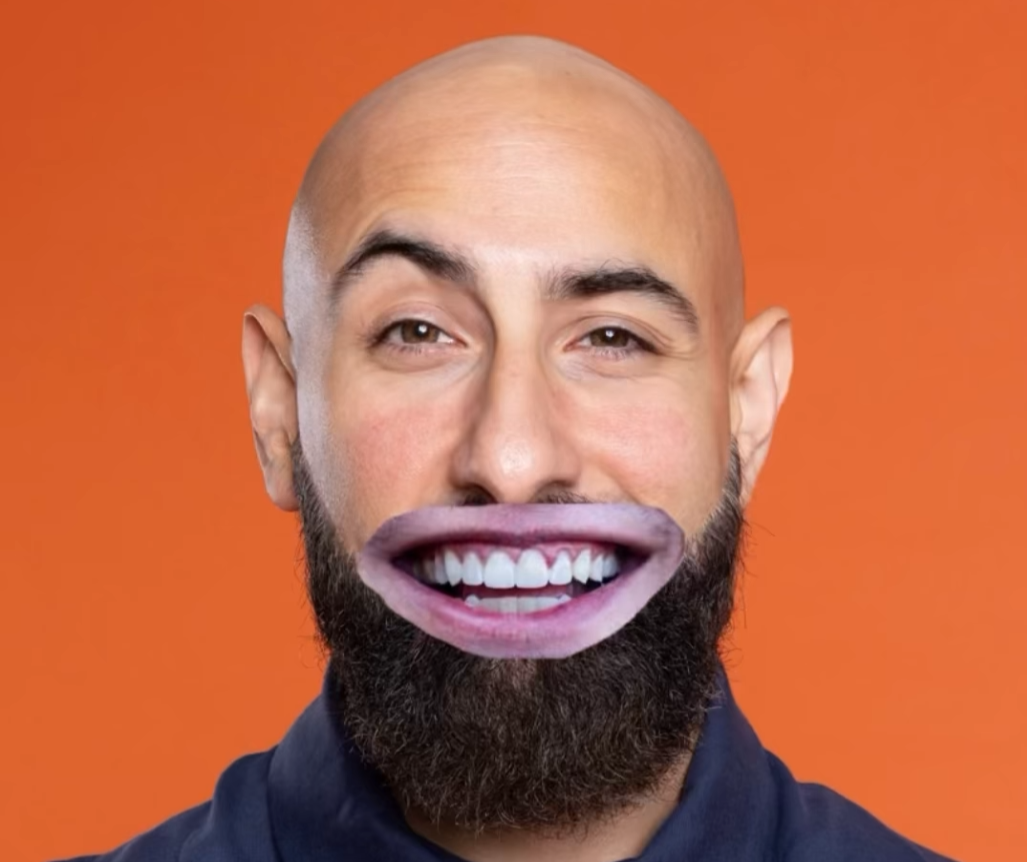
Dr. Milad begann 2012 mit seiner Tätigkeit als Dozent für Zahnmedizin und hat seitdem Tausende von Zahnärzten in Zahnschienen und kosmetischer Zahnheilkunde geschult. Darüber hinaus hält er Vorlesungen für Zahnmedizinstudenten an verschiedenen Universitäten in Großbritannien und im Ausland. Im Jahr 2020 gründete Dr. Milad gemeinsam mit seinem Freund und Kollegen Dr. Robbie Hughes, einem sehr erfolgreichen Zahnarzt und Unternehmer, Avantgarde Dentistry.
2024 führten sie „Same Day Smile“ ein, ein Konzept, das innerhalb eines Tages ein außergewöhnliches Lächeln ermöglicht.
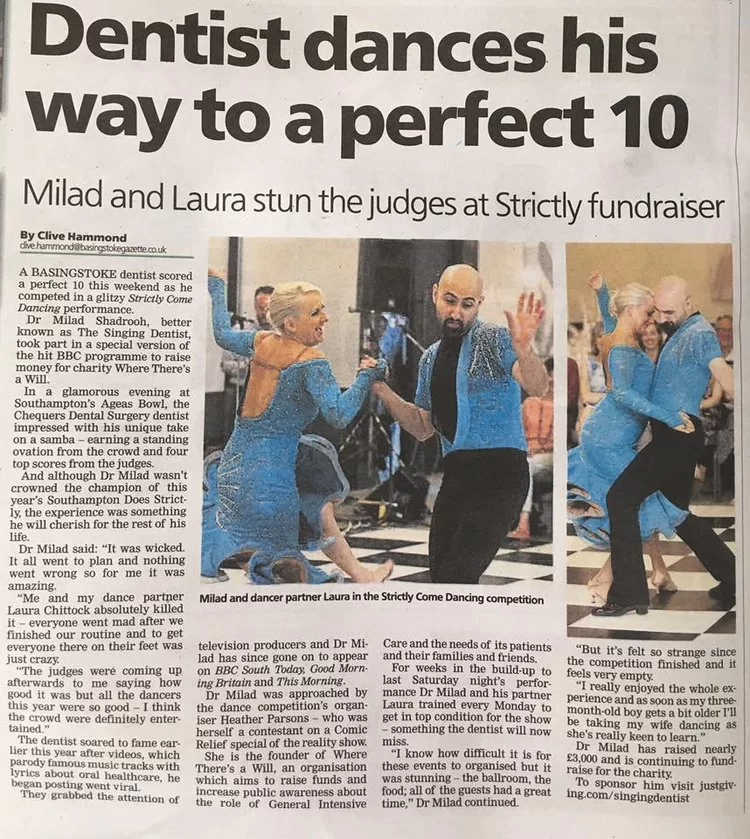
Dr Milad began lecturing in dentistry in 2012, and he has trained thousands of dentists in dental aligners and cosmetic dentistry since, as well as lecturing to dental students at various universities throughout the UK and abroad. In 2020, Dr Milad joined forces with his friend and colleague Dr Robbie Hughes, a very successful dentist and fellow entrepreneur, to establish Avantgarde Dentistry.
In 2024, they have launched Same Day Smile, a concept that can deliver outstanding smile makeovers in one day.
Charles Bell was born in Edinburgh on 12 November 1774,[2] as the fourth son of the Reverend William Bell, a clergyman of the Episcopal Church of Scotland. Charles’s father died in 1779 when he was five years old, and so his mother had a unique influence on his early life, teaching him how to read and write.[1] In addition to this, his mother also helped Charles’s natural artistic ability by paying for his regular drawing and painting lessons from David Allan, a well-known Scottish painter.
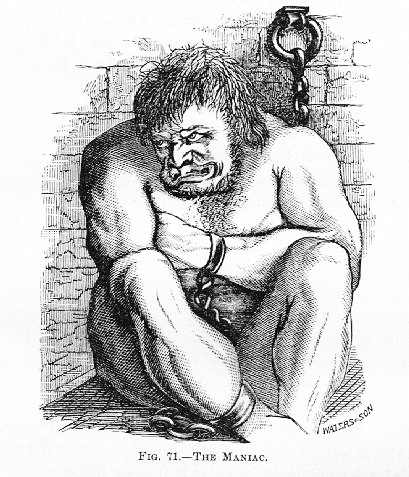
The Maniac – Charles Bell
While at the university, Bell attended the lectures of Dugald Stewart on the subject of spiritual philosophy. These lectures had considerable impact on Bell, for some of Stewart’s teachings can be traced in Bell’s later works in a passage on his Treatise on the Hand.[1] In addition to classes on anatomy, Bell took a course on the art of drawing in order to refine his artistic skill.
While developing his talents as a surgeon, Bell’s interests forayed into a field combining anatomy and art. His inherent talent as an artist came to the fore when he helped his brother complete a four-volume work called The Anatomy of the Human Body. Charles Bell completely wrote and illustrated volumes 3 and 4 in 1803, as well as publishing his own set of illustrations in a System of Dissections in 1798 and 1799.[6] Furthermore, Bell used his clinical experience and artistic eye to develop the hobby of modelling interesting medical cases in wax. He proceeded to accumulate an extensive collection that he dubbed his Museum of Anatomy, some items of which can still be seen today at Surgeon’s Hall.
Bell’s phenomenon: A normal defense mechanism—upward and outward movement of the eye which occurs when an individual closes their eyes forcibly. It can be appreciated clinically in a patient with paralysis of the orbicularis oculi (e.g. Guillain–Barré syndrome or Bell’s palsy), as the eyelid remains elevated when the patient tries to close the eye.[24][25]
Bell–Magendie law or Bell’s Law: States that the anterior branch of spinal nerve roots contain only motor fibers and the posterior roots contain only sensory fibers.[26]
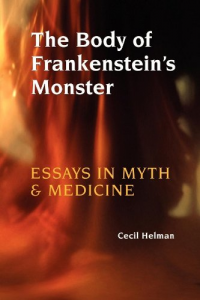
Adam Kuper, a sometime professor of anthropology at Brunel University, was lecturing on the topic at UCL when he first got to know Helman. “It was very unusual then for a medical person to do a social science course”, he recalls. “But Cecil was always more than doctor. He wanted to develop a number of strands to his life.” These included painting and writing poetry and prose. It was Kuper who, in the late 1980s, hired Helman to work at Brunel on what was the first medical anthropology course in England. “As a teacher at Brunel he was very good. The course originally attracted mainly people with health backgrounds because health authorities had begun to struggle with the problems and ideas of immigrant groups with which they weren’t well equipped to deal. Cecil was particularly successful at Socratic teaching in small groups. He would get students to read things, talk about them, and then shape the discussion.”
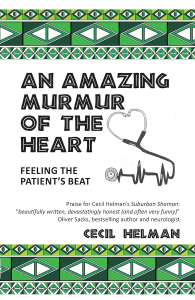
Dear Dr Ellenberger, I am a doctor as well as a writer. You might be interested in my recent memoir: Suburban Shaman: Tales freom Medicine’s Frontline (see: www.hammersmithpress.co.uk/suburbanshaman ), which in March was selected for broadcast by the BBC as a ‘Book of the Week’. Best wishes, Cecil Helman
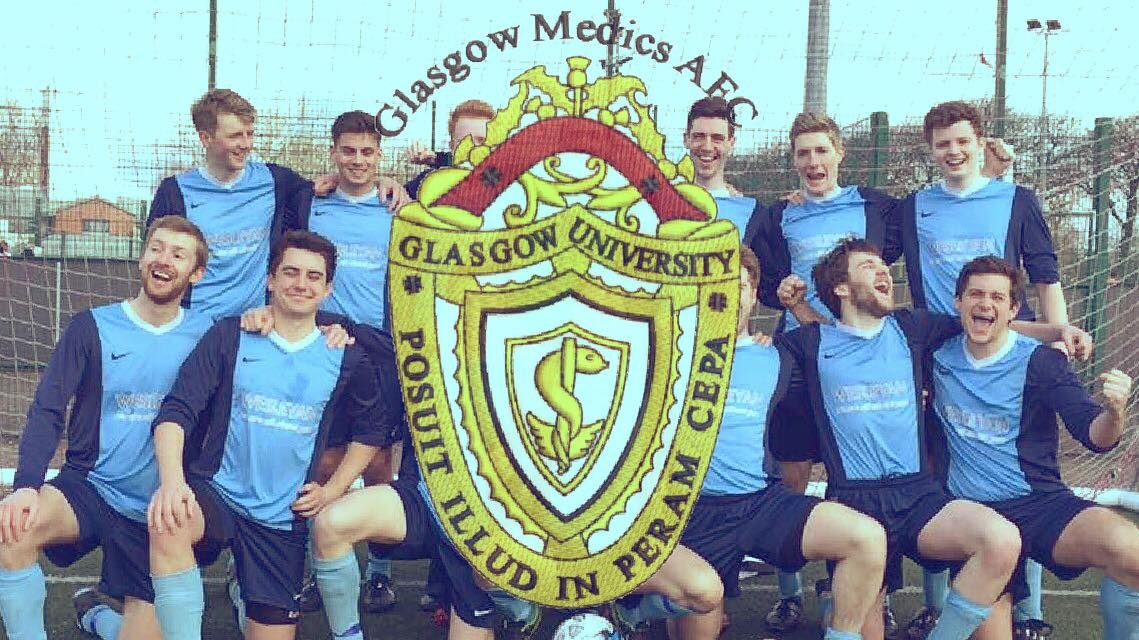
Semi-talented silksmen deep in the struggles of Glasgow Colleges Division 1. A team housing footballing UoG medics and graduates. Keen on Ethiopian jazz.
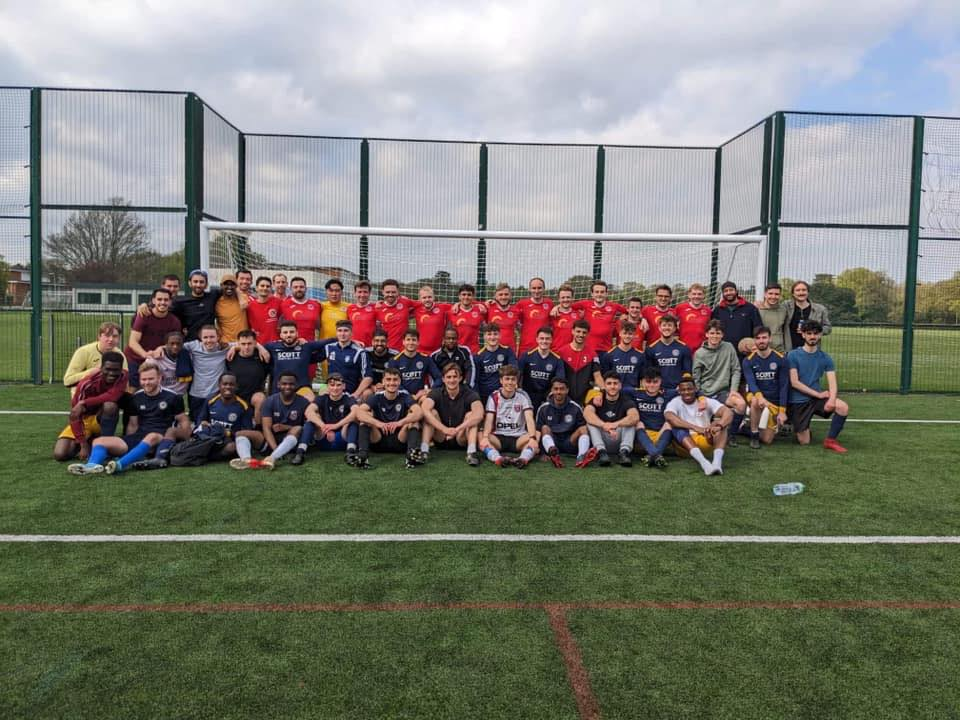
Hello and welcome to the Facebook page of NMFC, a community based team. This page is primarily used in match selection and keeping all players updated on team events. We welcome all football lovers, both studying and working, who enjoy football to join our club!
We compete with our two XI-a-side teams in Division 1 and Division 2 of the Barnes Print Central and South Norfolk League every Saturday but we also have 2 six-a-side teams that compete on Sundays in the UEA six-a-side league so we cater to all standards of football ability.
Training Sessions:
All abilities are welcome. Starts at 6 and finishes at 8pm every Wednesday at the UEA Sports Park astro turf pitches.
We also train on a Thursday for people interested in being in serious contention for our XI-a-side teams.




 . The carillon, see