Category Archives: museumDocs

  • -

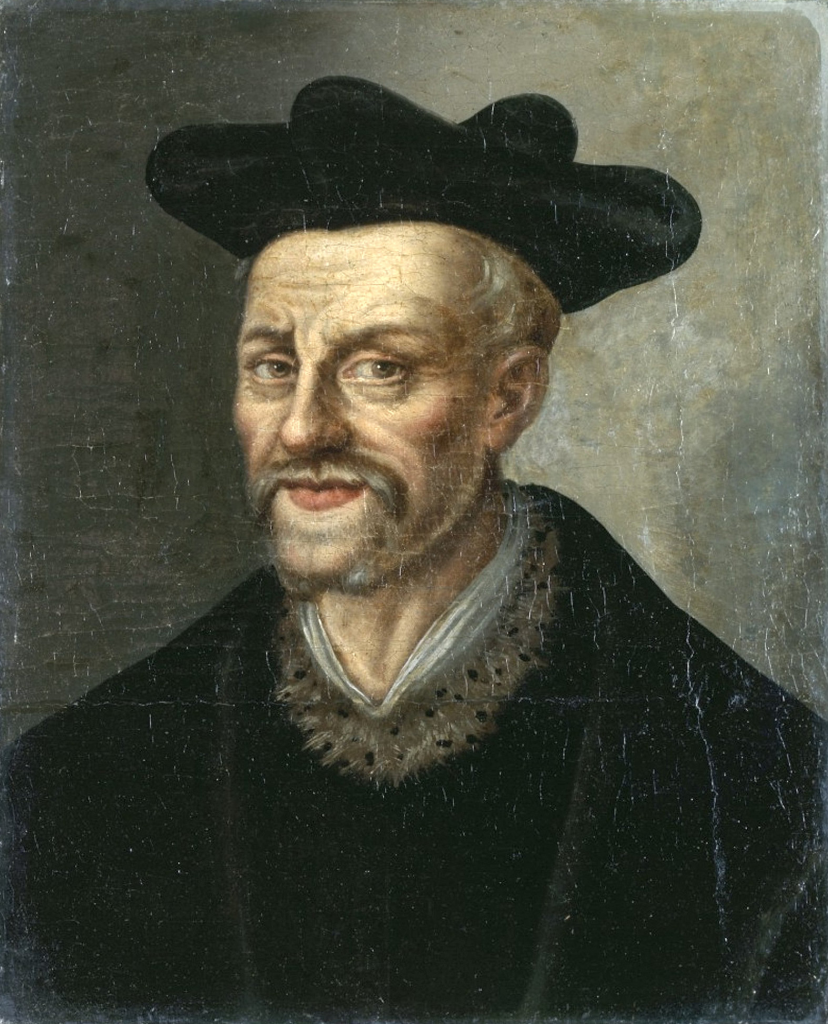
François Rabelais

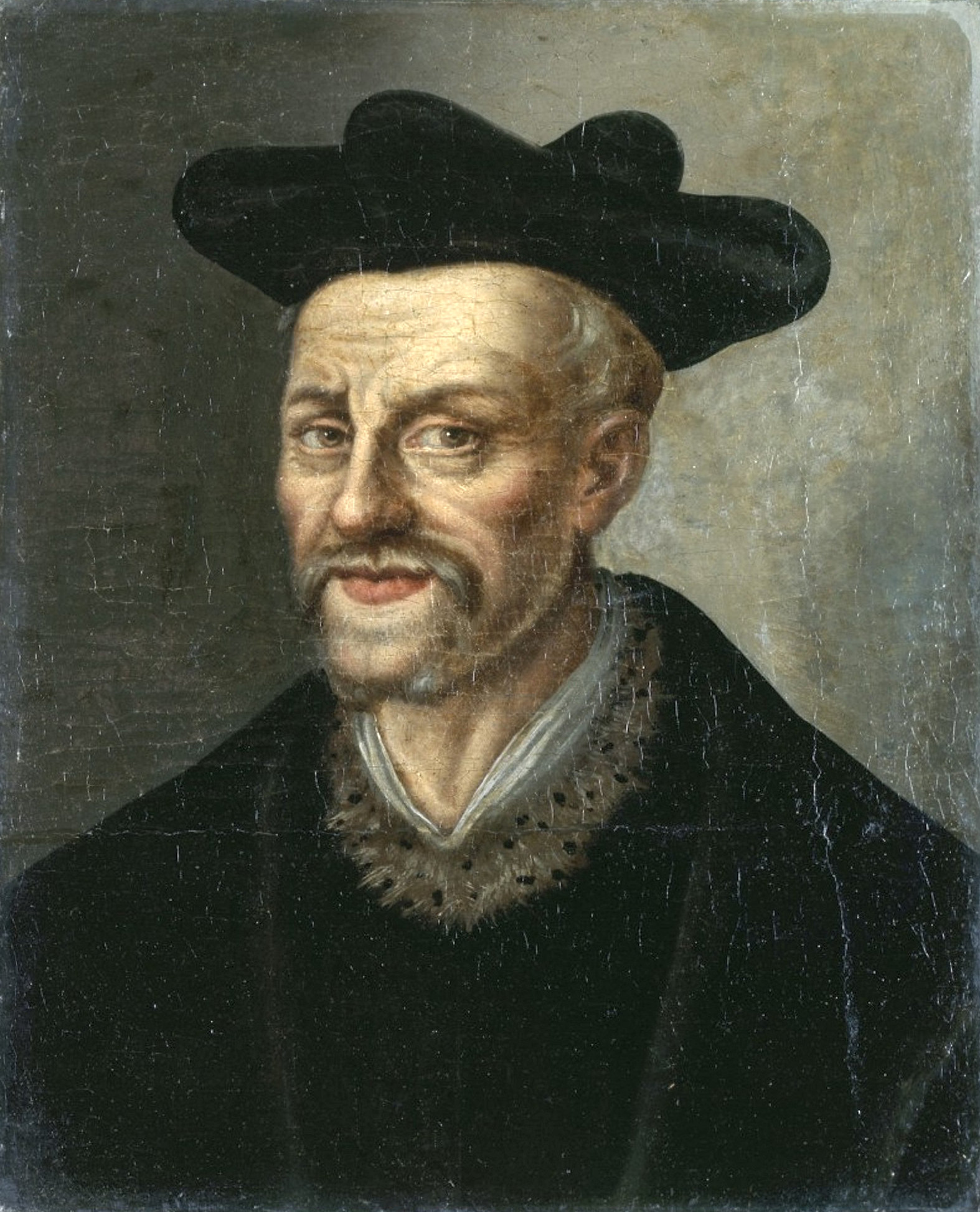
François Rabelais [fʁɑ̃.swa ʁa.blɛ] (c. 1494, perhaps 1483, in La Devinière near Chinon, Touraine; † April 9, 1553, in Paris) was a French Renaissance writer, humanist, Roman Catholic friar and secular priest, practicing physician, and lecturer. He is one of the most important prose writers in French literature; of his works, the novel cycle Gargantua and Pantagruel is most well-known.
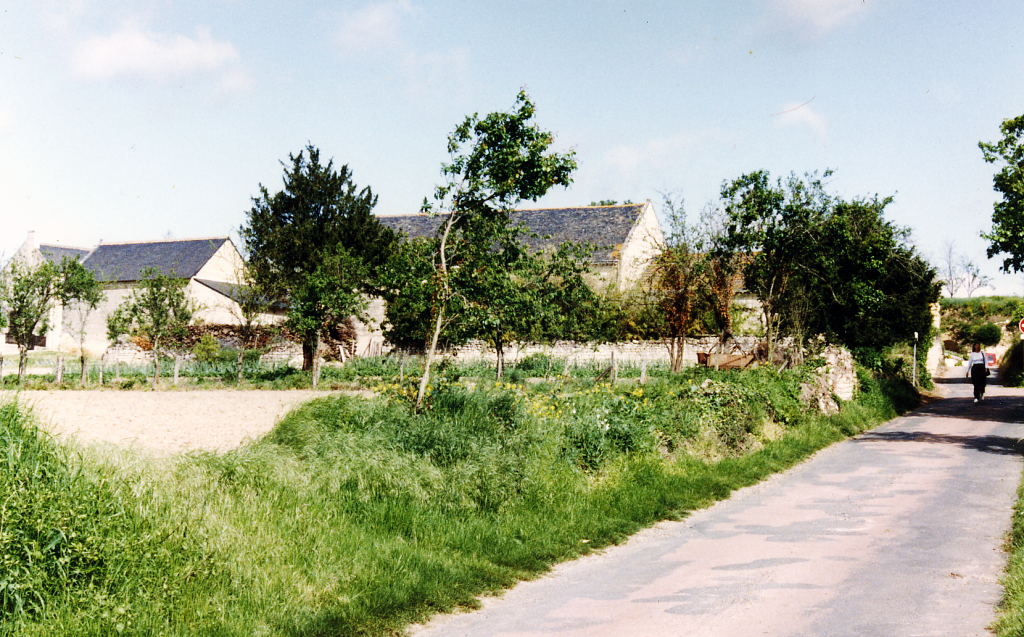
Rabelais-Museum

Rabelais began his novitiate as a religious priest in the Franciscan monastery of La Baumette, Couvent des Cordeliers de la Baumette, near Angers. He received his sacraments of ordination around 1511. In 1520, he is documented as a religious priest in the Couvent des Puy-Saint-Martin in Fontenay-le-Comte (Vendée department).[5] Here, through an older confrere, he came into contact with the humanism radiating from Italy and began to learn ancient Greek.
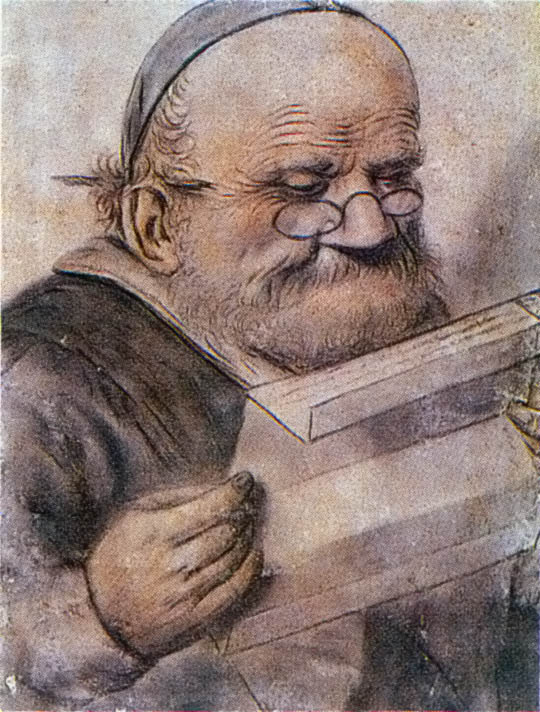
From 1528 onwards, he was in Paris, presumably after stops at the universities of Bordeaux, Toulouse, and Orléans. He appears to have assumed the status of diocesan priest, which gave him greater freedom to continue his medical studies and cultivate scholarly contacts. His marriage to a widow produced two illegitimate children, François and Junine. This did not keep him in Paris; rather, in September 1530, he enrolled at the famous medical school in Montpellier, where Rabelais earned a baccalaureate degree on November 1.

In the summer of 1532, Rabelais lived in Lyon, where he practiced medicine and published various scholarly works with the printer and publisher Sebastian Gryphius. He also wrote a novel, which was also published in Lyon at the end of 1532: The Horrible and Poisonous Things Made and Proud of the Very Renowned Pantagruel, King of Dipsodes, Son of the Great Gargantua. Composed Newly by Master Alcofrybas Nasier. The title alone made the work recognizable as a parody, especially of the chivalric romance genre.

The Very Excellent and Entertaining History of François Rabelais – Part 1 https://www.youtube.com/watch?v=pGbh2q1lohE

When the Quart livre was published in its entirety in early 1552, now in Paris, the attitude of the rulers changed. The king and the pope had come to an agreement; criticism of the latter was no longer welcome. Accordingly, the Sorbonne did not hesitate to condemn the book. Subsequently, the Paris Parliament also banned the work. It did not help that Cardinal Odet de Châtillon had previously accepted Rabelais’s dedication. The ban did not diminish the book’s success. However, at the beginning of 1553, Rabelais himself had to give up a benefice in Meudon near Paris and another in the diocese of Le Mans, which he had received through Jean du Bellay. Nothing more is known of him after this. However, he was apparently still working on a further volume until shortly before his death in April 1553. This volume was completed by an unknown hand, presumably at the instigation of his printer. It was published in 1563 under the title “Le cinquième livre” and was included in the complete editions of the cycle, which began publication shortly after the author’s death and continued to appear with great regularity.

The very excellent and entertaining story of François Rabelais – Part 2 https://www.youtube.com/watch?v=L-7nRjqe-dQ

The François Rabelais University of Tours[14] (French: Université François Rabelais de Tours or simply Université de Tours) is a public university in the French city of Tours and was named after François Rabelais after its founding on March 27, 1969. A plant genus, Rabelaisia ​​Planch, in the rue family (Rutaceae), is also named after Rabelais.
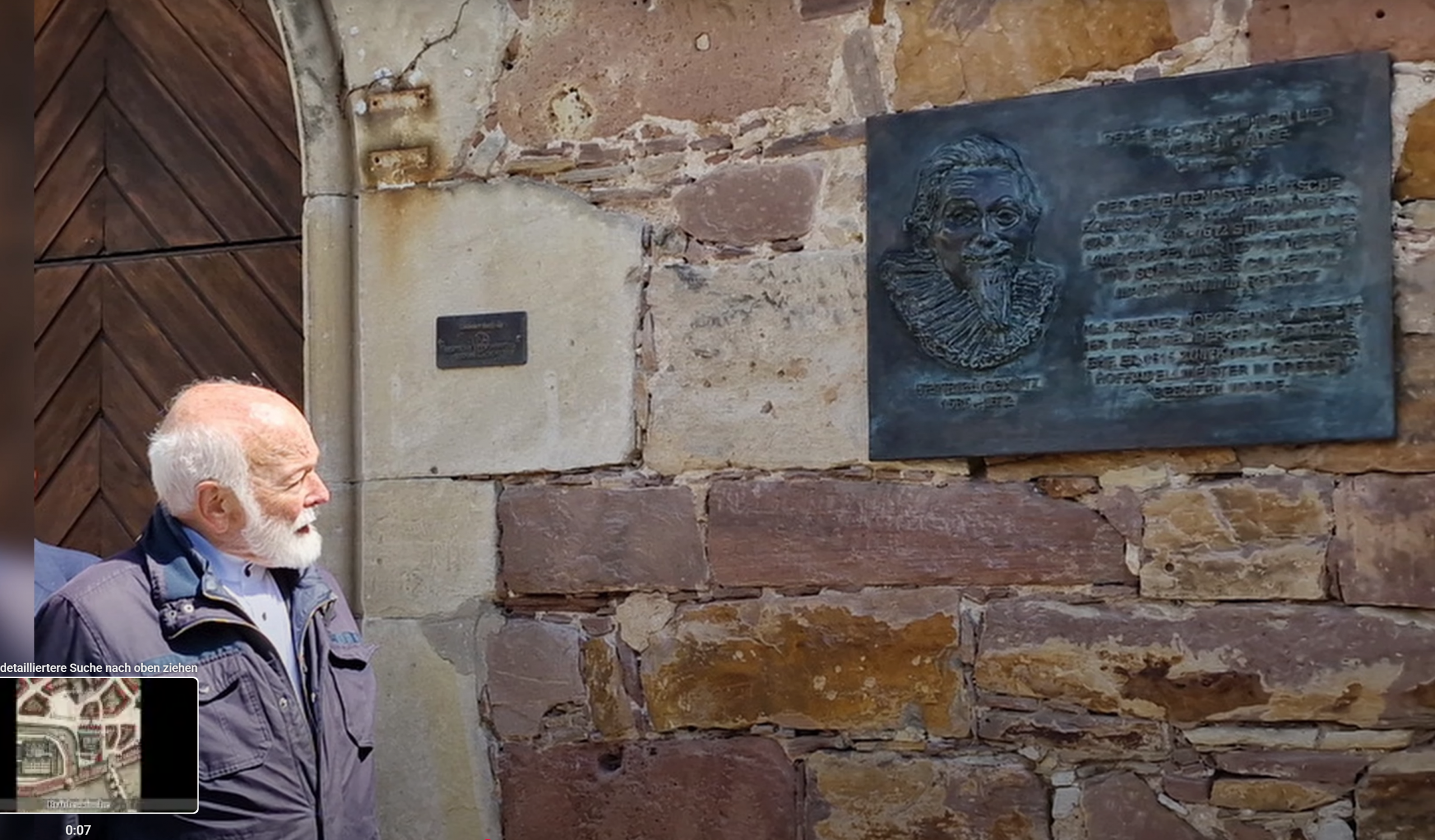
Museum Rabelais


  • -

Adolf-Friedrich Holstein

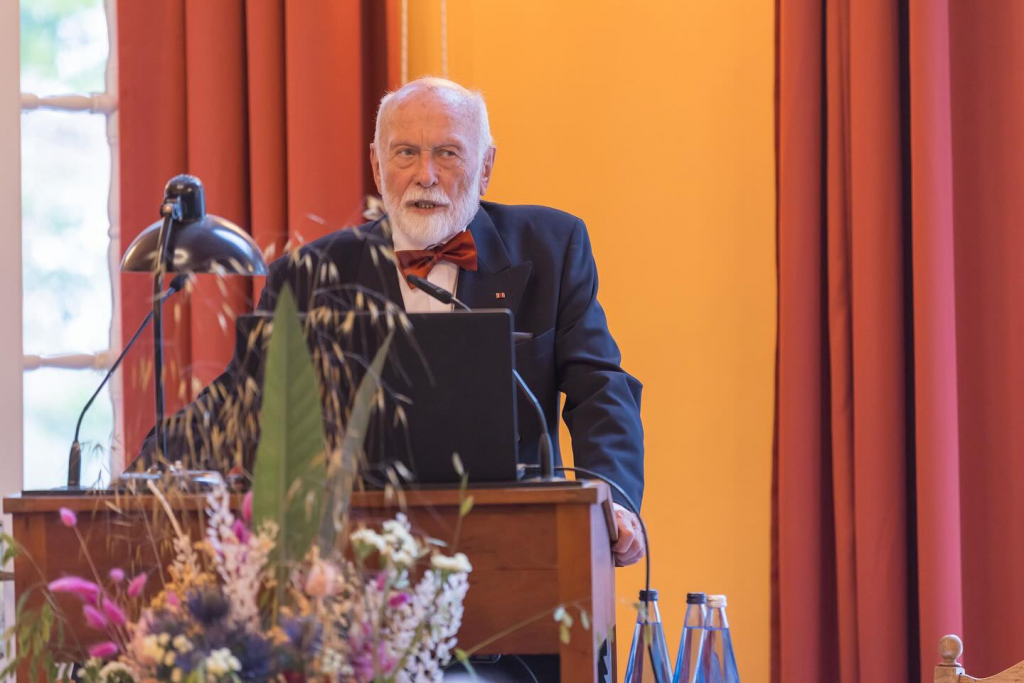
Statements spoken by Adolf Friedrich Holstein

Wolfgang Ellenberger was one of Prof. Holstein’s anatomy students and was able to provide the musical accompaniment for his 80th birthday.

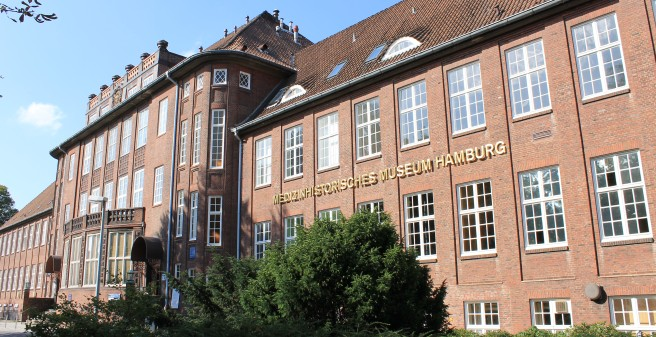
The history of the Hamburg Museum of Medical History began in 2007. The UKE board of directors asked the UKE’s Friends and Supporters Association to restore what is now the Fritz Schumacher House after the Institute of Pathology had moved out and to find a new use for it. The idea of ​​establishing a medical history museum in the restored building was welcomed by all involved. Prof. Holstein, the then chairman of the Friends and Supporters Association, took on the task and initially sought funding for the upcoming work and the museum’s establishment.
In close cooperation with the monument preservation authority, the individual construction phases were completed and presented to the public step by step. In 2010, the restored dissection room was unveiled, accompanied by an exhibition that provided an initial insight into the diversity of the exhibits. In October 2013, the first part of the permanent exhibition “The Emergence of Modern Medicine” opened. In December 2014, the museum opened the recently completed small dissection room and the rooms on the first floor.

https://www.uke.de/kliniken-institute/institute/geschichte-und-ethik-der-medizin/medizinhistorisches-museum/index.html

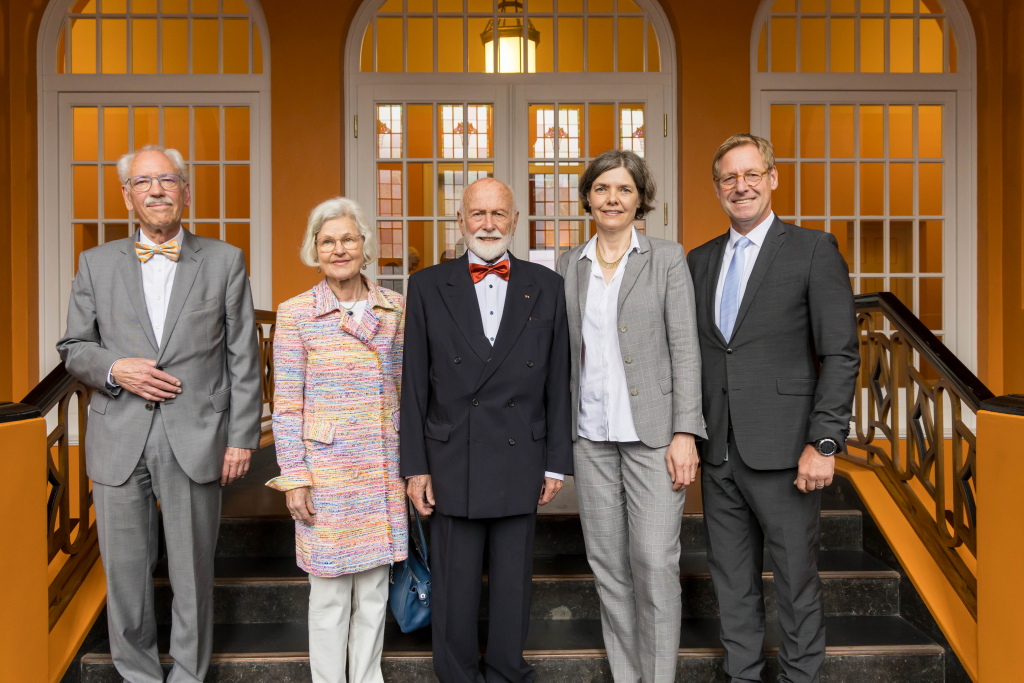
90. Geburtstag im UKE Erikahaus mit Feier. 2024
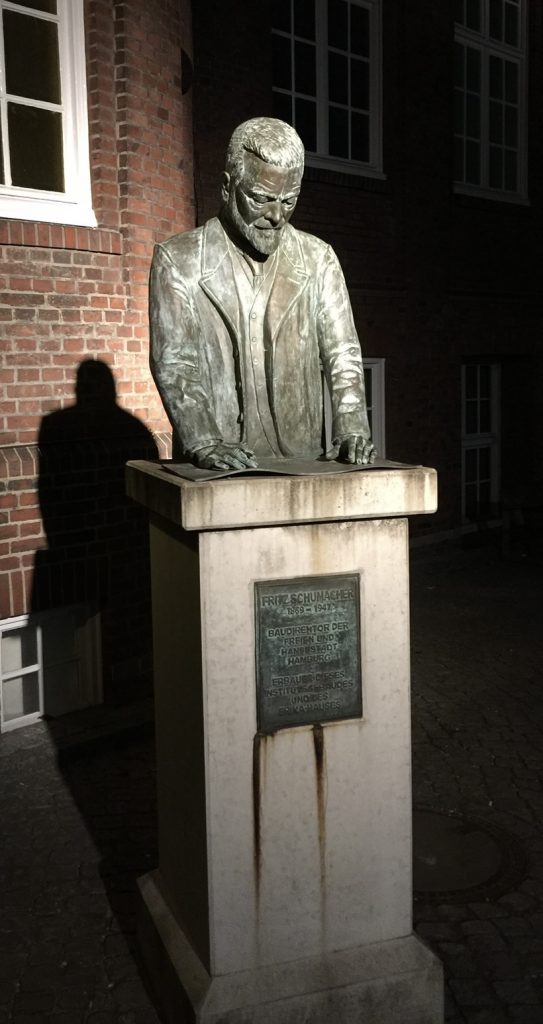
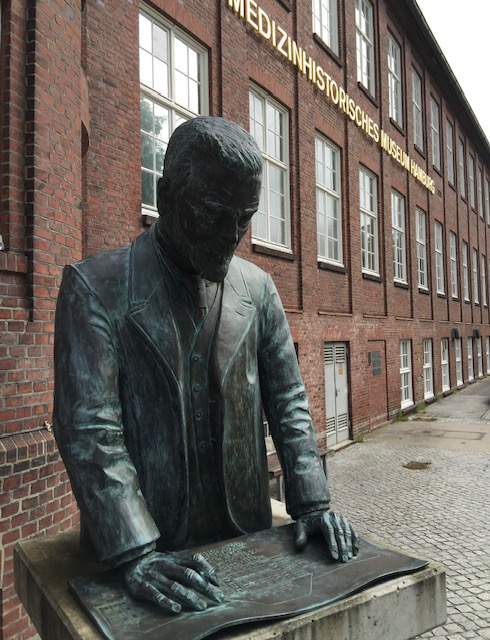
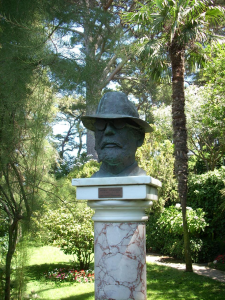
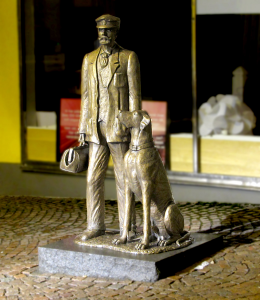
Sculpture of Fritz Schumacher, the builder of the building that now houses the Hamburg Museum of Medical History. Created by Adolf-Friedrich Holstein.

Dear Mr. Ellenberger,

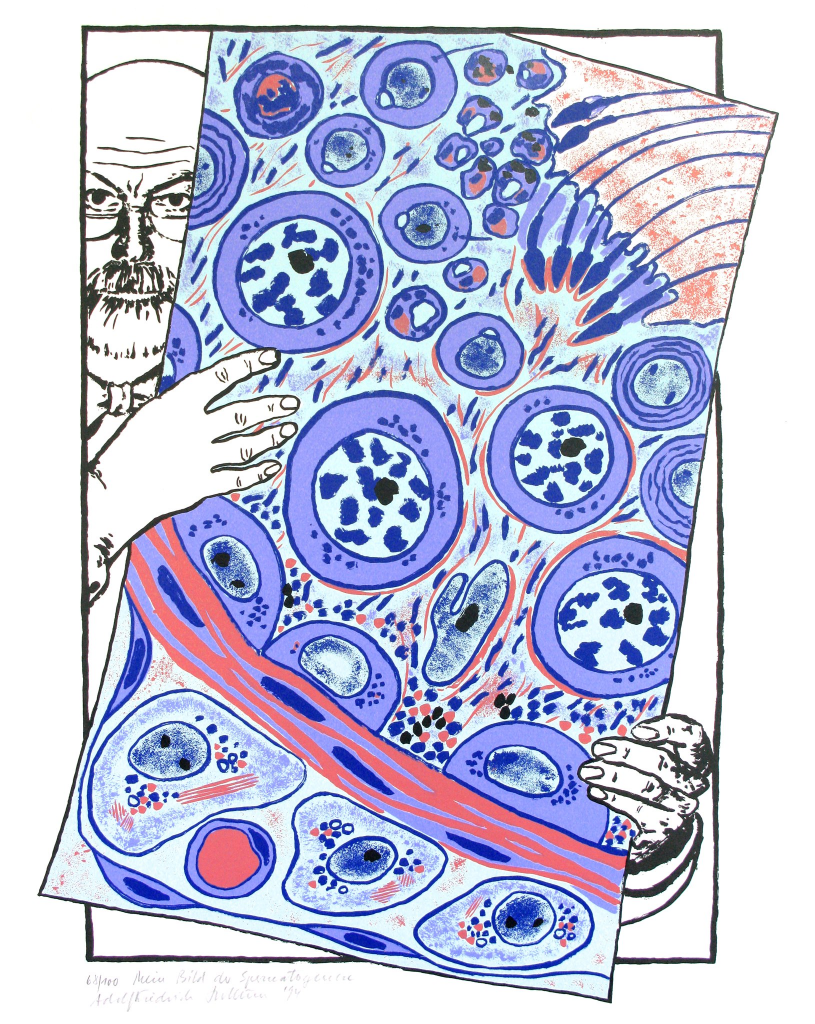
Thank you very much for your kind email. I am touched by everything you want to share about me. Of course, I agree. During my professional career, I was highly committed to medical teaching and research on spermatogenesis, and after my retirement, I devoted myself to monument preservation, painting, and sculpture. After restoring the rooms in the Erika House, I founded a center for communication and culture there. I then took over the task of restoring the pathology institute building from the medical director, Prof. Jörg Debatin. I created a new use for it as the Hamburg Museum of Medical History. At my request, the building was named Fritz Schumacher House after its builder, to house a new cultural institute. To illustrate this, I created a sculpture of the famous building director, which stands in front of the museum.

If you give me your address, I will be happy to send you a small booklet published by the Friends and Supporters Association for my 90th birthday.

But now I’d also like to know how you’re doing? How do music and medicine fit into your life?

Best regards

Adolf-Friedrich Holstein

Prof. Dr. Adolf-Friedrich Holstein
Medizinhistorisches Museum Hamburg
Martinistr.52
20246 Hamburg


  • -

Peter robert Berry

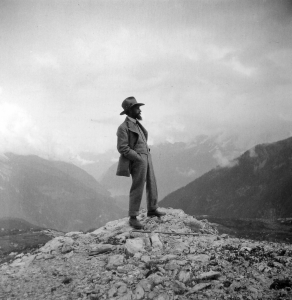
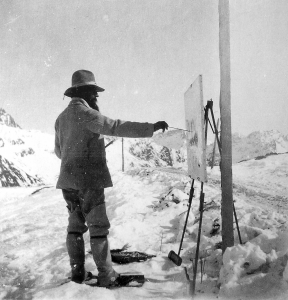
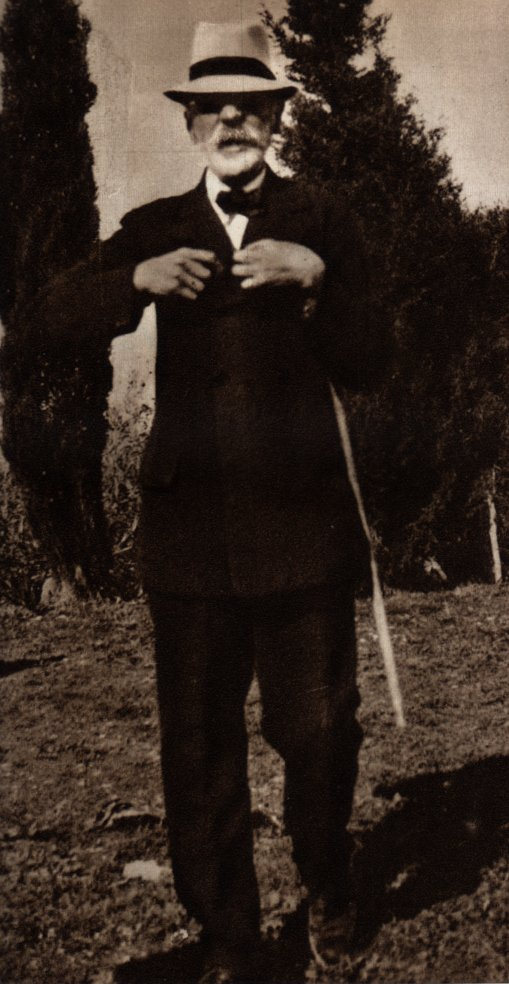
Peter Robert Berry (* September 11, 1864 in St. Moritz; † November 14, 1942 in St. Moritz) was a physician and painter from St. Moritz in the canton of Graubünden.

Peter Robert Berry was born the eldest son of the Chur physician Peter Berry I and his wife Cecilia Berry-Stoppani. Peter Berry came to St. Moritz on the advice of his brother-in-law, the hotelier Johannes Badrutt, and was one of the first spa physicians to work in the “New Kurhaus,” which opened in 1864.

Berry attended the cantonal school in Chur—together with Andrea Robbi. He then studied medicine at the universities of Zurich, Bern, Heidelberg, and Leipzig. After completing his dissertation, he worked for a short time at a London hospital; In 1892, he became chief physician of the “Heilquellen-Gesellschaft” (Healing Springs Society) in St. Moritz-Bad.

In 1895, he became engaged to the American Kitty Spalding, gave up his position as a spa doctor, and continued his education in Paris and Berlin. The engagement was broken off after a year, and Berry returned to the Engadine.

In November 1898, Berry vehemently opposed plans to develop the town into a health resort for tuberculosis sufferers in a detailed document addressed to the municipality of St. Moritz. He feared that the sophisticated, sports-loving public and other summer visitors would fear infection and stay away. Instead, he called for the “wellness offerings” such as spa treatments, which flourished in the summer, to be extended to the winter as well. The reputation of a sanatorium would ruin the upscale resort of St. Moritz: “Either sports or germs.”

In 1898, Berry met the painter Giovanni Segantini, whose project for an Engadin panorama for the 1900 Paris World’s Fair he strongly supported. At that time, Berry developed the desire to paint himself. Unsatisfied with his own experiments with colored pencils and pastels, he turned to his friend Giovanni Giacometti in 1898 and asked him to introduce him to the art of oil painting. Giacometti, however, was unavailable and put Berry off until winter. He supported his friend’s desire to paint, which strengthened Berry’s resolve to become a painter.

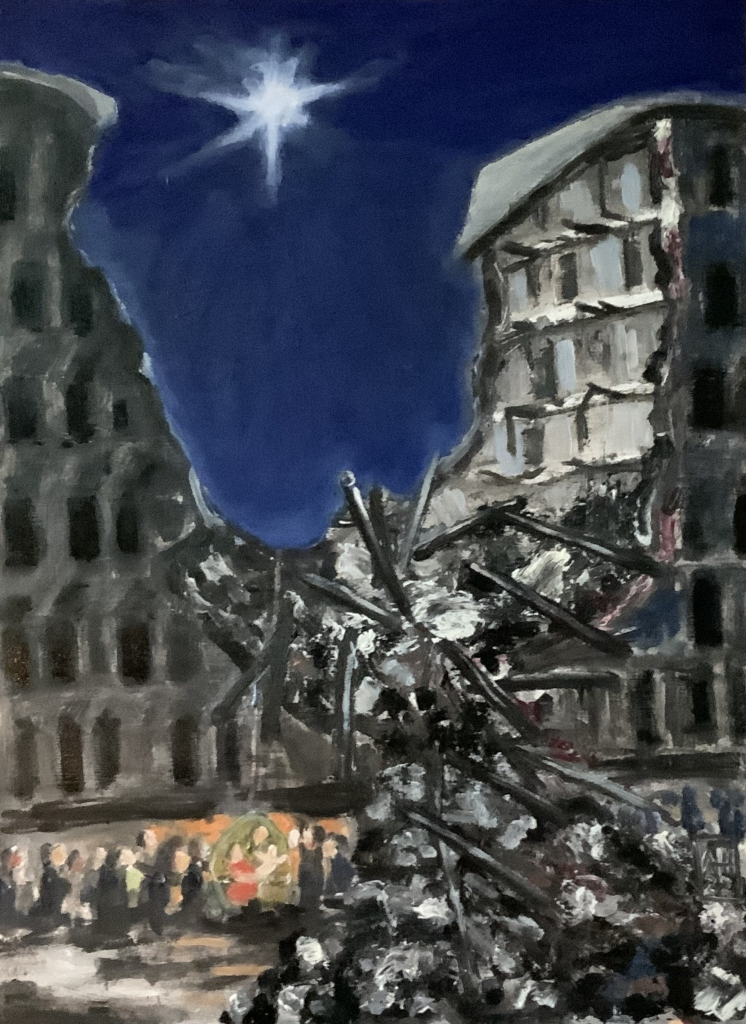
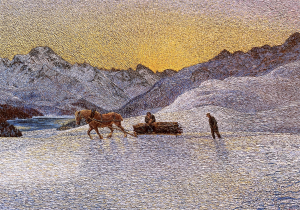
Between the winter of 1899 and 1901, one of Berry’s first large oil paintings was created. It is entitled “Christmas Eve” and, like other early works by Berry, is strongly influenced by Giovanni Segantini’s choice of motifs and divisionist painting technique.

In 1900, Berry began studying painting at the Académie Julian in Paris, presumably on the advice of his friends Giacometti and Andrea Robbi, who had previously attended the school. In 1901/1902, he learned precise drawing at Heinrich Knirr’s school in Munich and simultaneously took courses at the veterinary faculty, where he studied equine anatomy. In the following years, he continued his education in Paris at the Académie Julian and the Académie de Montparnasse.

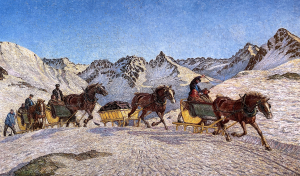
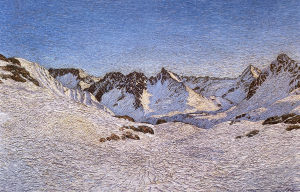
Between 1905 and 1914, Berry spent many winters on the Julier and Bernina Passes, painting in the open air and, in the evenings, playing the piano he had brought with him or reading in his hospice accommodations. He enjoyed works by Friedrich Nietzsche, whom he had met in St. Moritz. His brother often helped him carry his paintbox, paintings, and easel.

In 1907, Berry met Ferdinand Hodler, who was staying in the Engadine at the time. He, too, is said to have encouraged him to continue painting. In 1918, during the outbreak of the Spanish flu, Berry once again worked as a doctor, but otherwise devoted himself exclusively to painting.

Peter Robert Berry died on November 14, 1942, in St. Moritz. His works were not shown until after his death in 1945 as part of a memorial exhibition at the Graubünden Art Museum in Chur.

Berry had been married to Maria Rocco since 1908. One of his sons also worked as a doctor and painter in St. Moritz, and his granddaughter, Marietta Gianella-Berry, also became a painter.

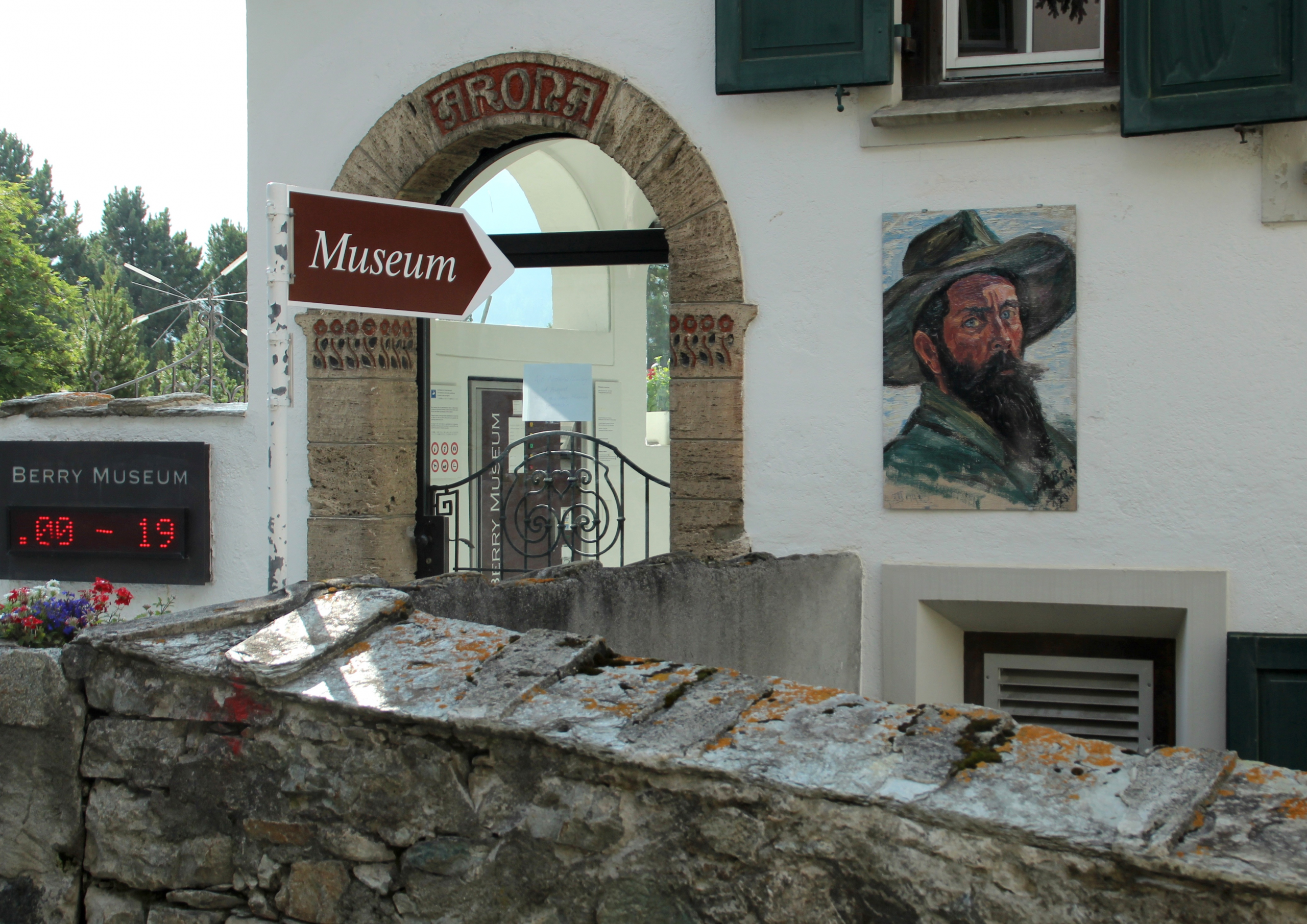
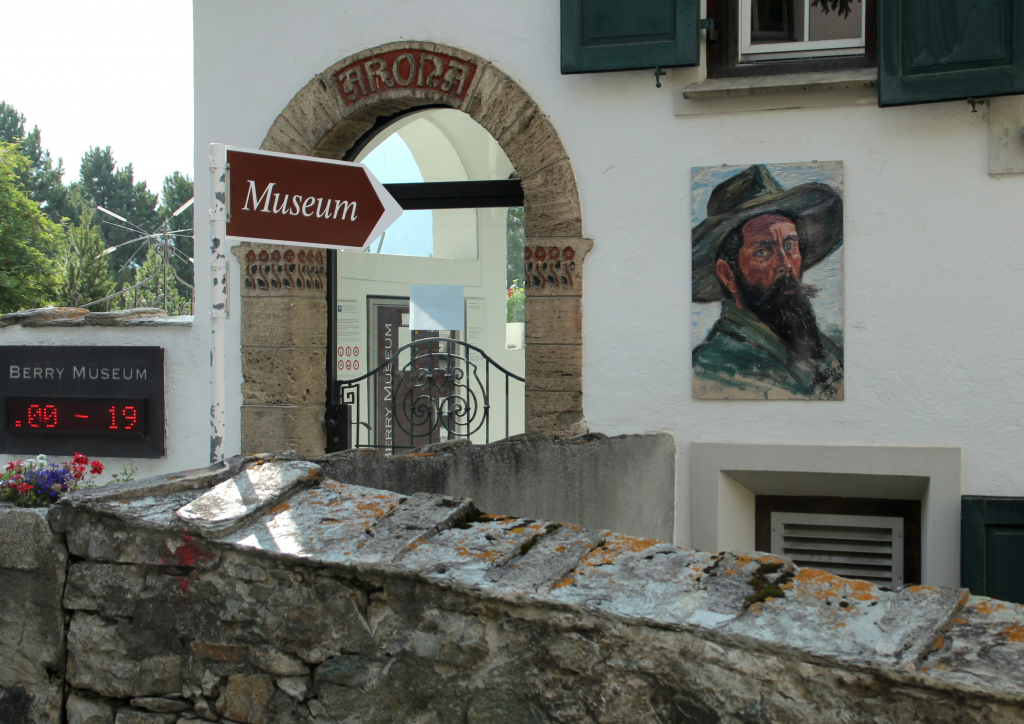
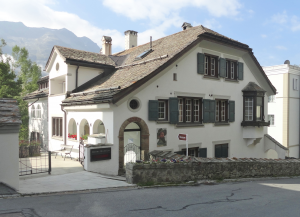
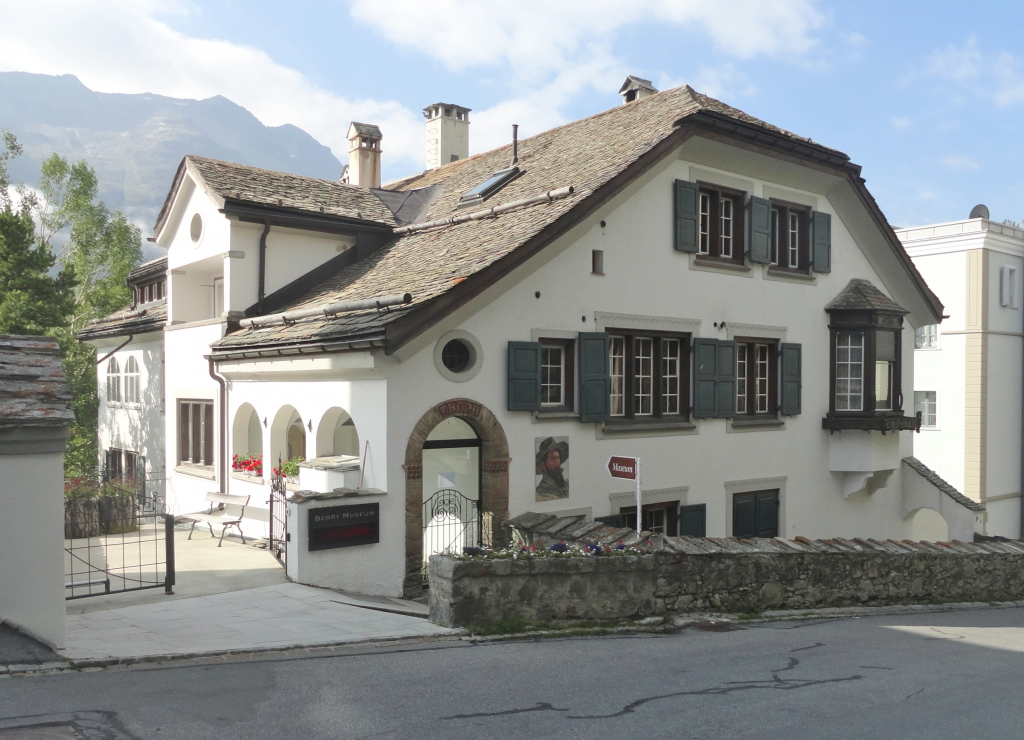
The “Villa Arona” in the center of St. Moritz was built around 1904[3] according to plans by Nicolaus Hartmann (1880–1956) by Berry’s brother Johannes, a dentist who lived there with his family.

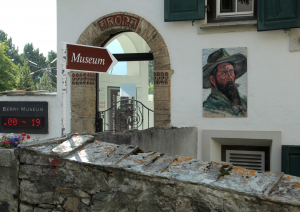
The Berry Museum, which opened there in 2004, exhibits numerous works by Berry, most of them family-owned. In addition to the paintings, the museum also houses Berry’s extensive estate. This consists of books, letters, notes, diaries, musical scores, and numerous documents relating to the founding and development of the spa town of St. Moritz.

https://de.wikipedia.org/wiki/Peter_Robert_Berry

https://berrymuseum.com


  • -

Axel Munthe

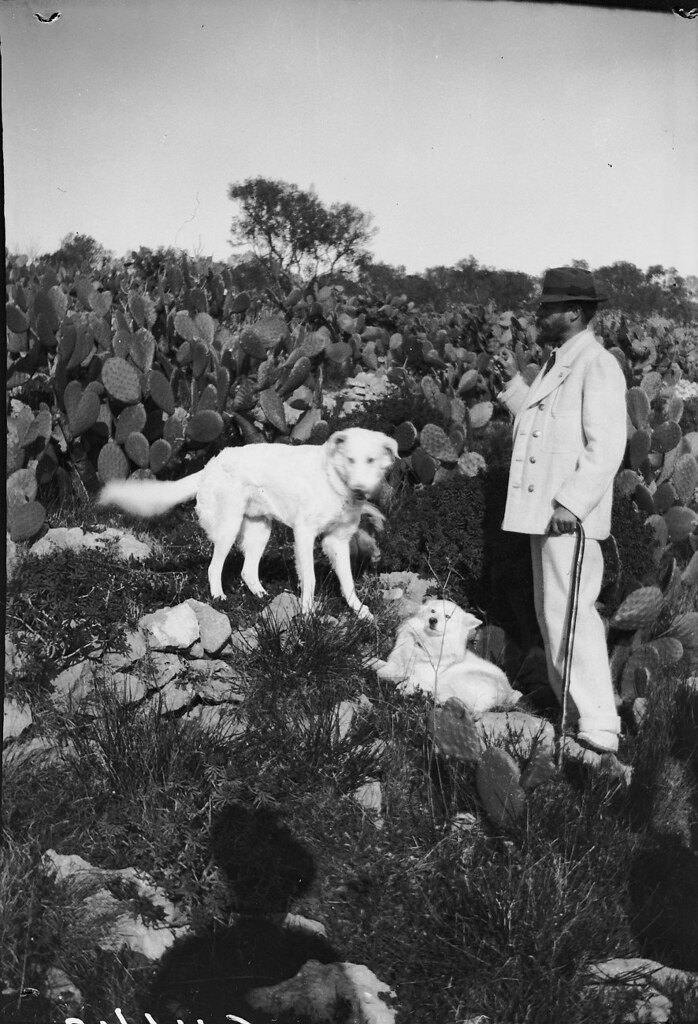
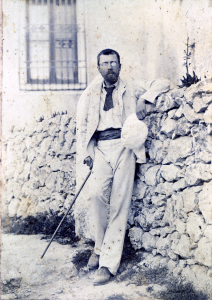
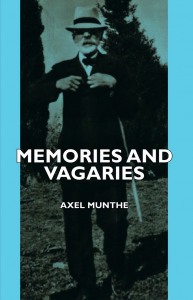
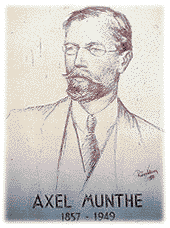
Axel Martin Fredrik “Puck” Munthe [ˌakːsəl ˈmɵnːtə] (October 31, 1857 in Oskarshamn – February 11, 1949 in Stockholm) was a Swedish physician and author.

Beruf und Leben

Axel Munthe was born in 1857, the son of a pharmacist. He studied medicine in Uppsala, Montpellier, and Paris.
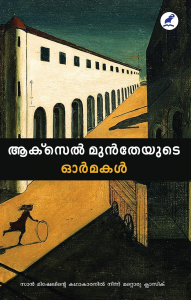
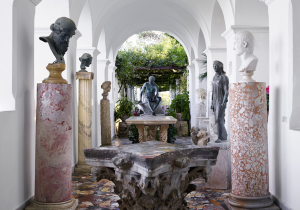
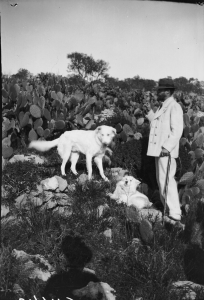
In 1880 he began practicing medicine in Paris and Rome. Over the years he worked in Naples, London and Stockholm. During his student years in Paris he was particularly impressed by the work of Jean-Martin Charcot. Even in later years his special interest lay in psychiatry. His professional career shows several outward breaks. For example, he worked as a doctor for the lower classes of society while simultaneously or shortly thereafter running a fashionable medical practice. In Rome, for example, he set up his practice in the Keats-Shelley House on the Spanish Steps, which had previously been inhabited by the poet John Keats and others. From 1908 Munthe was personal physician to the Swedish Queen Victoria, a Princess of Baden by birth, who regularly stayed in Munthe’s neighborhood on Capri until her death. At his Villa San Michele in Anacapri, he was visited by Henry James, Oscar Wilde, Rainer Maria Rilke, and Curzio Malaparte. The house, with its magnificent garden and sweeping views over the sea, has served as a museum since the 1950s.
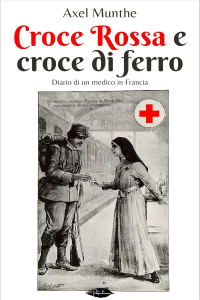
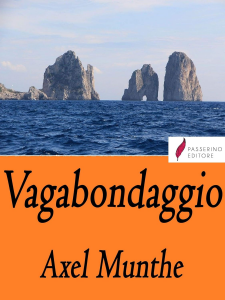
At the age of 22 (the youngest in France), he received his doctorate in medicine from the Sorbonne and soon became one of the most successful physicians of his time. He was considered a miracle worker. His patients included members of the upper classes and nobility of Europe and America, but he also worked among the poor in Paris, Rome, and Naples.

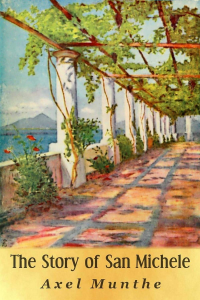
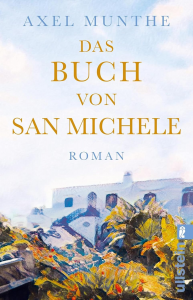
The newspaper report on his work in cholera-stricken Naples in the autumn of 1884 made him instantly famous. However, he was not a professional writer, and his real success did not come until 45 years later. “The Story of San Michele” was published in 1929 and became one of the most successful books of the 20th century. It was written in English, translated into numerous other languages, and is still being reprinted today.

Axel Munthe became internationally known through his memoirs, The Book of San Michele, published in 1929 and translated into numerous languages. However, biographical elements are mixed with fantasy to the point of inseparability; for example, Bengt Jangfeldt and Thomas Steinfeld demonstrated numerous differences between the author’s real and “autobiographical” life in their Munthe biographies, published in 2003 and 2007, respectively.

Although Munthe was not an architect, he had one of Europe’s most famous villas built on Capri: the Villa San Michele, which experts describe as a masterpiece of architecture.
He was a passionate Anglophile, but his favorite philosopher was Schopenhauer, his favorite poet was Heine, and his favorite composers were Schubert, Wagner, Schumann, and Hugo Wolf. And despite his republican outlook on life, his most important patient was not only of royal descent and German origin, but also strongly German-oriented.

Munthe died in 1949 in his last residence, located in a side wing of the Royal Palace in Stockholm.

https://www.villasanmichele.eu/munthe

https://en.wikipedia.org/wiki/Axel_Munthe


  • -

Heinrich Hoffmann

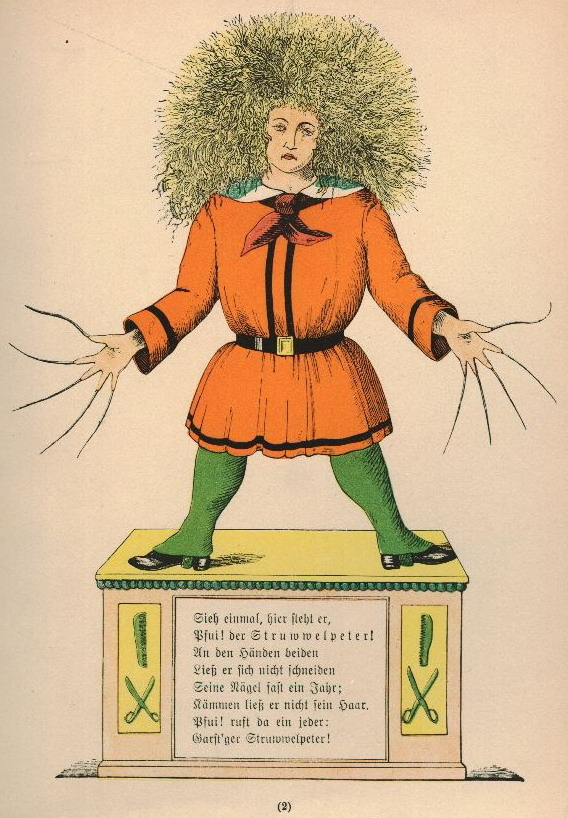
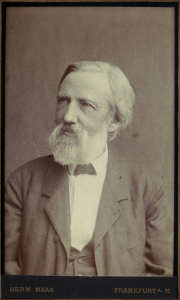
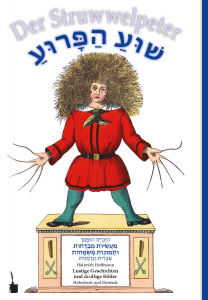
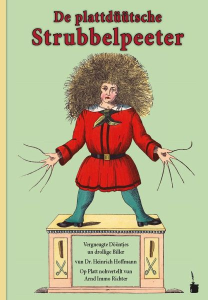
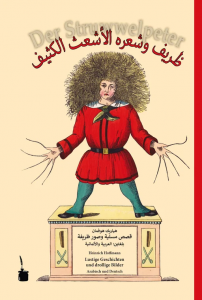
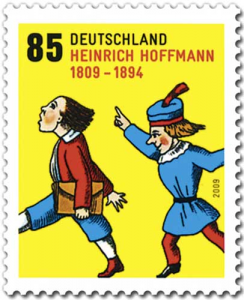
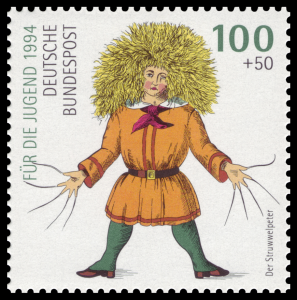
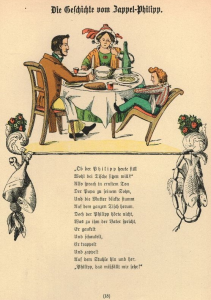
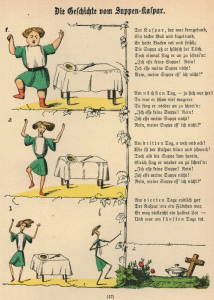
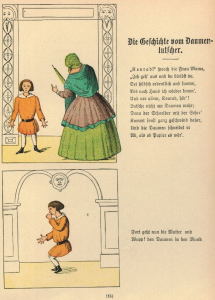
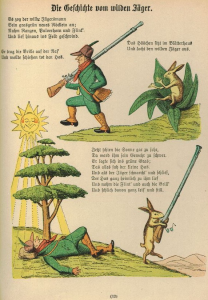
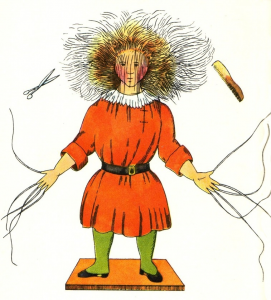
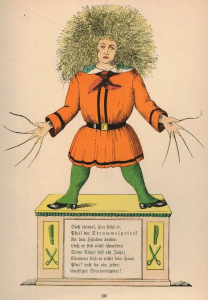
Heinrich Hoffmann (June 13, 1809 in Frankfurt am Main; September 20, 1894 in Frankfurt am Main) was a German psychiatrist, poet, and children’s book author. He is the author of Struwwelpeter (The Struwwel Peter). He also used the pseudonyms Heulalius von Heulenburg, Reimerich Kinderlieb, Peter Struwwel, and Polycarpus Gastfenger.

Politics

In 1848, he was a member of the Frankfurt Preliminary Parliament. He hosted the revolutionary Friedrich Hecker in his household. Hoffmann himself advocated a constitutional monarchy under Prussian rule and was a member of the Hereditary Imperial Party. In his satirical works “Handbook for Diggers or Concise Instructions on Becoming a People’s Man in a Few Days” (1848) and “The Howler Mirror” (1849), he strongly opposed the republicans. In 1866, he supported the annexation of the Free City of Frankfurt by Prussia.

Literarische Werke

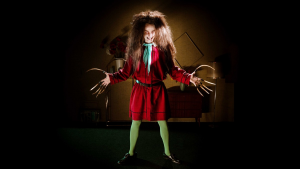
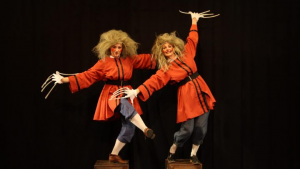
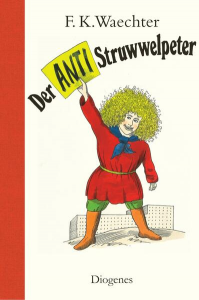
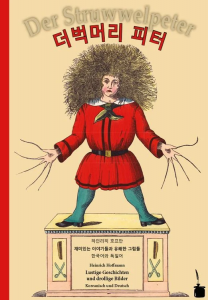
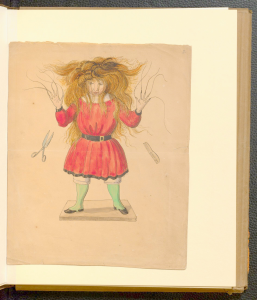
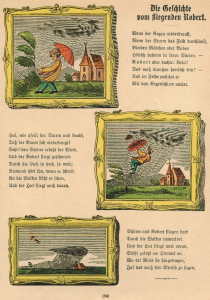
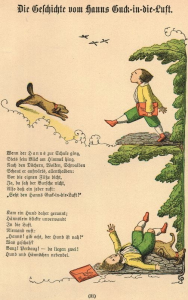
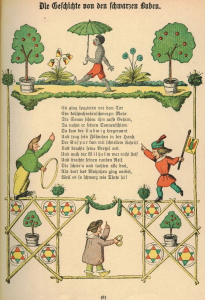
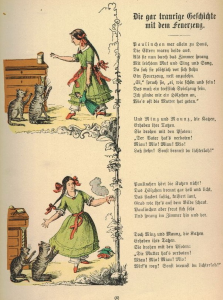
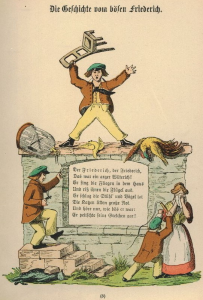
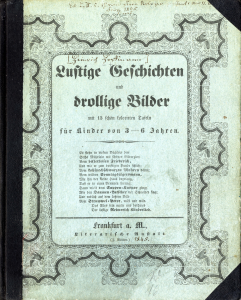
From 1842 onwards, Hoffmann published poems and plays under various pseudonyms. He described himself as an occasional verse writer. He became known worldwide through his children’s book, Struwwelpeter, which he illustrated himself and wrote for his eldest son for Christmas 1844. Presumably in 1858, Hoffmann created a new version with modified illustrations; all subsequent editions of Struwwelpeter are based on this.
In 1851, he published his Christmas fairy tale “King Nutcracker and Poor Reinhold.” The first edition was illustrated with a drawing by the author depicting the Frankfurt Christmas market.

After his retirement, he wrote his memoirs, which were not published until 1926.

Memberships, Private Life

As a student in Heidelberg, Hoffmann had been a member of the Corps Alemannia since 1830, later an honorary member.[3] In 1836, he joined the Masonic lodge “Zur Einigkeit.” After a few years, he left because it did not admit Jews.[4]

In the fall of 1840, Hoffmann founded the Society of Tutti Frutti and its Baths in the Ganges in Frankfurt am Main, a society of writers, artists, and scholars whose members adopted specially chosen “fruit names.” Hoffmann himself was the “Onion.” The members included Franz Xaver Schnyder von Wartensee (“Pine Cone”), Ludwig Braunfels (“Chestnut”), Wilhelm Speyer (“Betel”), Theodor Creizenach (“Deadly Nightshade”), Carl Trost (“Thorn Apple”), Friedrich Maximilian Hessemer (“Date”), Eduard Schmidt von der Launitz (“Juniper”), Lorenz Diefenbach (“Strawberry”), Georg Eduard Steitz (“Nut 2”), Johann David Passavant (“Pomeranian Orange”), Heinrich von Rustige (“Nut”) and Philipp Veit (“Fennel”).

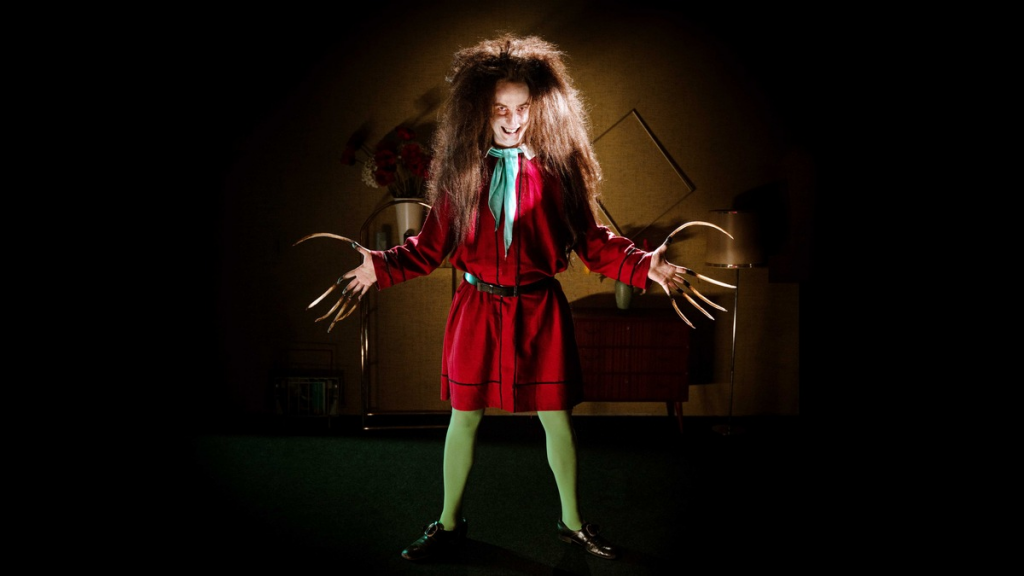
Interesting humorous version of Struwwelpeter by Böhmermann:
https://www.youtube.com/watch?v=–X5XjyynMw

In 1845, he co-founded a medical association and composed “Wine Songs for Doctors” for social occasions.
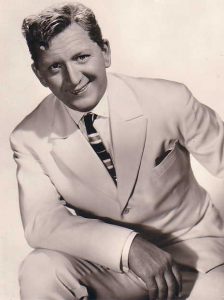
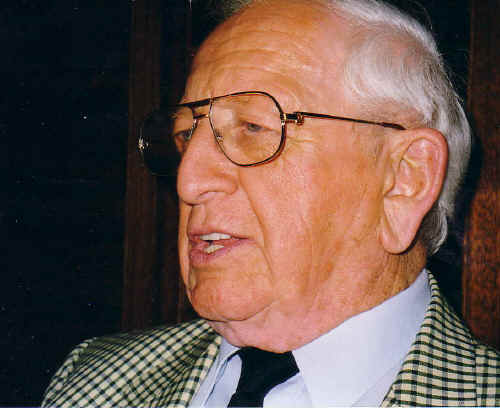
He died after a stroke and was buried in Frankfurt’s Main Cemetery (at the Wall, No. 541, honorary grave).[6]
A street in Frankfurt-Niederrad is named after him, where the Clinic for Psychiatry, Psychosomatics, and Psychotherapy of the Frankfurt University Hospital is now located. Two museums are dedicated to him, as are several memorial plaques at his former residences in Frankfurt.

Dice Game

Mr. Fix von Bickenbach’s Journey Around the World in 77 Days, Struwwelpeter Museum, Frankfurt am Main, 2012. Available as a facsimile in a slipcase.[7]

Museum

The Heinrich Hoffmann and Struwwelpeter Museum has been located in Frankfurt am Main since 1977, providing information about the life and work of this man and his classic children’s book.[8] In September 2019, the museum, now known as “Struwwelpeter,” moved to its current location.-Museum“, in das Haus zum Esslinger in der Neuen Frankfurter Altstadt.[9]

https://en.wikipedia.org/wiki/Heinrich_Hoffmann_(author)

https://de.wikipedia.org/wiki/Heinrich_Hoffmann

https://de.wikipedia.org/wiki/Struwwelpeter

https://en.wikipedia.org/wiki/Struwwelpeter


  • -

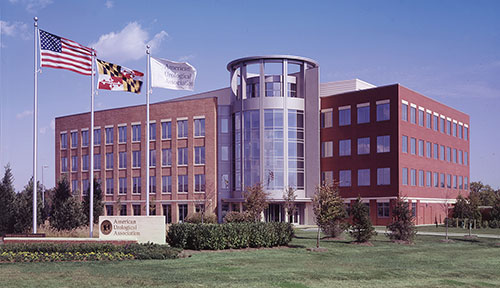
Urological Museum US

Category : museumDocs

A whole series of MuseumDocs looked after the Urology Museum:

https://www.urologichistory.museum


  • -

Friedrich Schiller

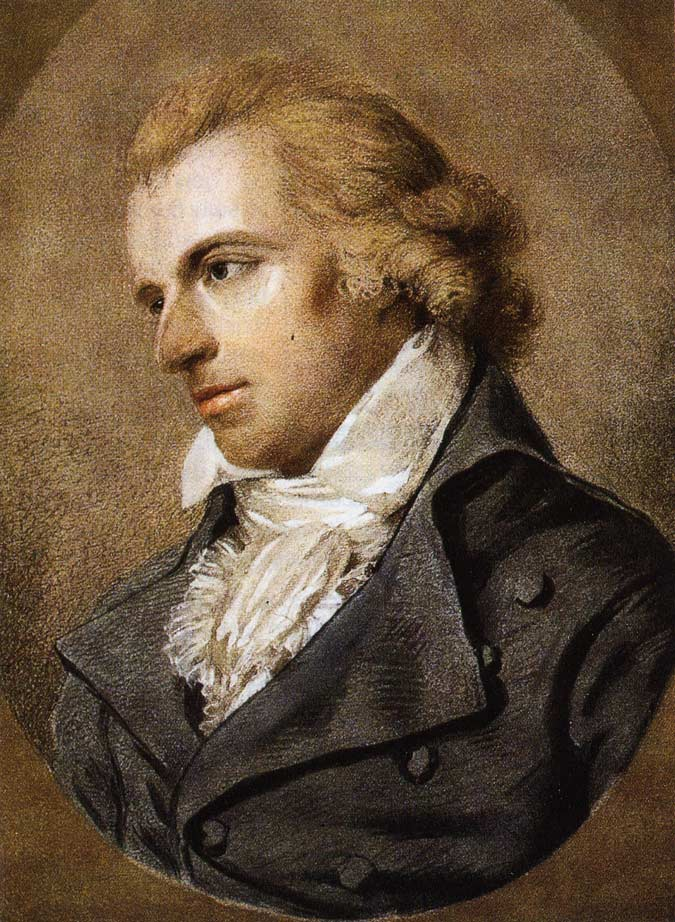
Friedrich Schiller, porträtiert von Ludovike Simanowiz im Jahr 1794

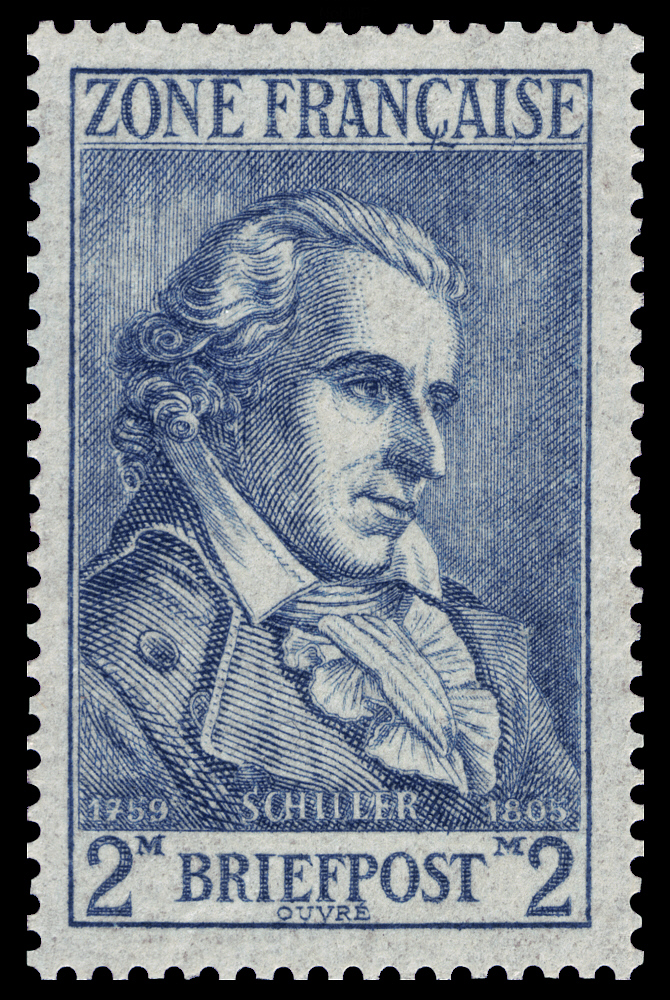
Johann Christoph Friedrich von Schiller (German: [ˈjoːhan ˈkʁɪstɔf ˈfʁiːdʁɪç fɔn ˈʃɪlɐ], short: [ˈfʁiːdʁɪç ˈʃɪlɐ] ; 10 November 1759 – 9 May 1805) was a German playwrightpoetphilosopher and historian. Schiller is considered by most Germans to be Germany’s most important classical playwright.

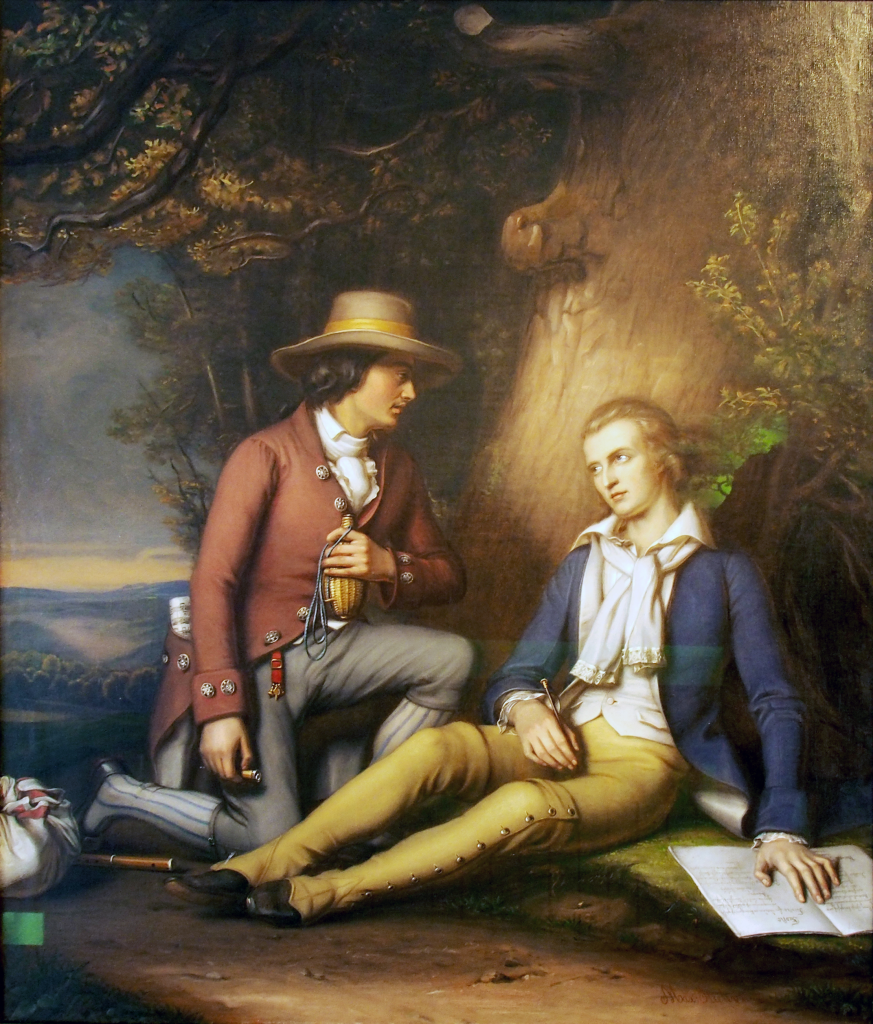
He was born in Marbach to a devoutly Protestant family. Initially intended for the priesthood, in 1773 he entered a military academy in Stuttgart and ended up studying medicine. His first play, The Robbers, was written at this time and proved very successful. After a brief stint as a regimental doctor, he left Stuttgart and eventually wound up in Weimar. In 1789, he became professor of History and Philosophy at Jena, where he wrote historical works.

Schiller auf der Flucht mit seinem Freund Andreas Streicher

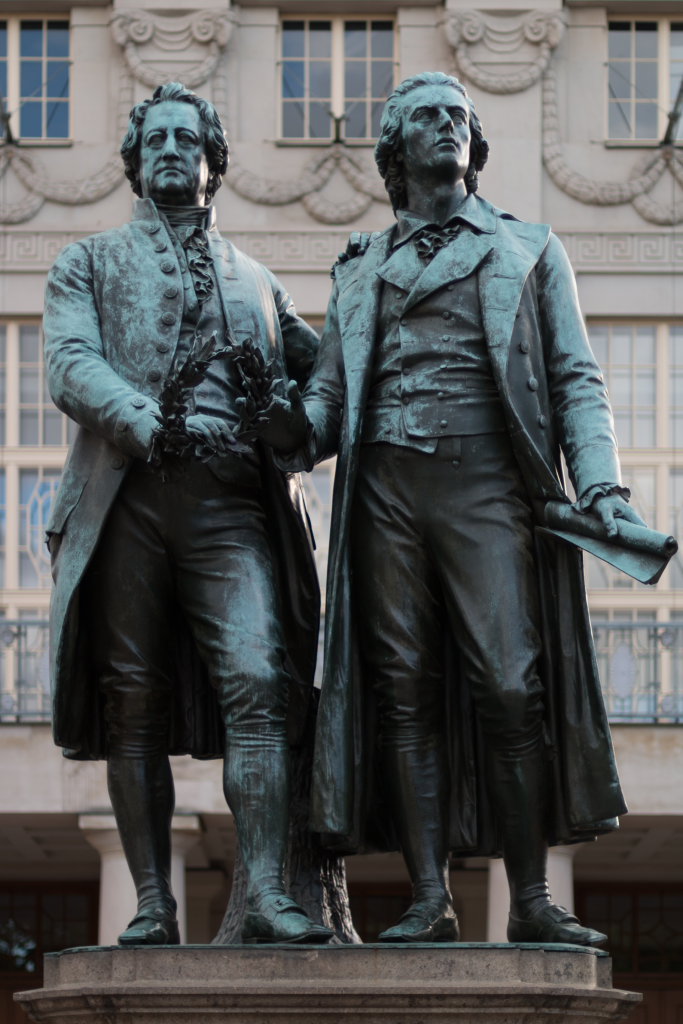
During the last seventeen years of his life (1788–1805), Schiller developed a productive, if complicated, friendship with the already famous and influential Johann Wolfgang von Goethe. They frequently discussed issues concerning aesthetics, and Schiller encouraged Goethe to finish works that he had left as sketches. This relationship and these discussions led to a period now referred to as Weimar Classicism. Together they founded the Weimar Theater.

They also worked together on Xenien, a collection of short satirical poems in which both Schiller and Goethe challenge opponents of their philosophical vision.

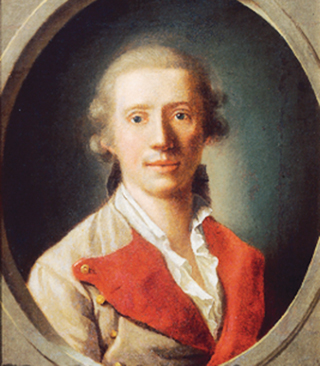
Schiller als Regimentsarzt 1781/1782, auf einem Gemälde von 
Philipp Friedrich Hetsch
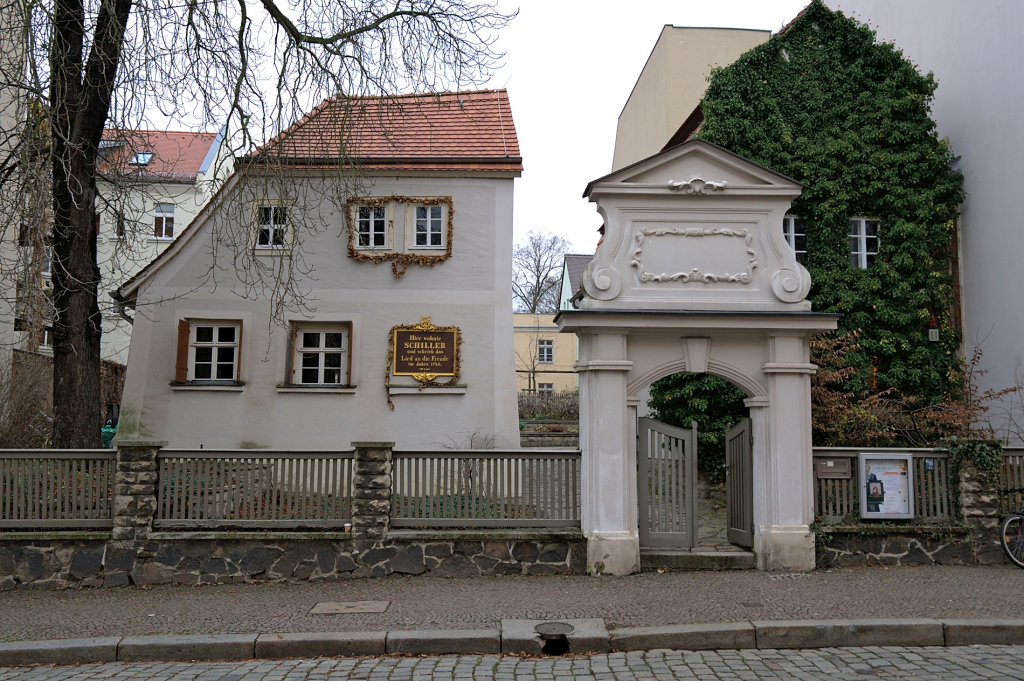
The Schillerhaus in 2009 | Leipzig

Schiller returned with his family to Weimar from Jena in 1799. Goethe convinced him to return to playwriting. He and Goethe founded the Weimar Theater, which became the leading theater in Germany. Their collaboration helped lead to a renaissance of drama in Germany.

For his achievements, Schiller was ennobled in 1802 by the Duke of Saxe-Weimar, adding the nobiliary particle “von” to his name.[12] He remained in Weimar, Saxe-Weimar until his death at 45 from tuberculosis in 1805.

https://de.wikipedia.org/wiki/Friedrich_Schiller

https://en.wikipedia.org/wiki/Friedrich_Schiller


  • -

Anton Pawlowitsch Tschechow

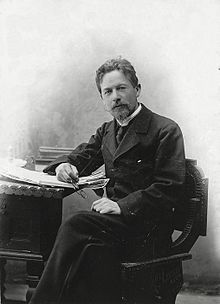
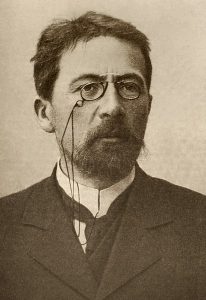
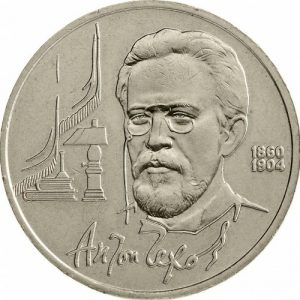
Anton Pavlovich Chekhov (Russian: Антон Павлович Чехов[note 1], IPA: [ɐnˈton ˈpavləvʲɪtɕ ˈtɕexəf]; 29 January 1860[note 2] – 15 July 1904[note 3]) was a Russian playwright and short-story writer who is considered to be one of the greatest writers of all time. His career as a playwright produced four classics, and his best short stories are held in high esteem by writers and critics.[4][5] Along with Henrik Ibsen and August Strindberg, Chekhov is often referred to as one of the three seminal figures in the birth of early modernism in the theatre.[6] Chekhov was a physician by profession. “Medicine is my lawful wife”, he once said, “and literature is my mistress.”

Anton Pavlovich Chekhov (Russian: Антон Павлович Чехов[note 1], IPA: [ɐnˈton ˈpavləvʲɪtɕ ˈtɕexəf]; 29 January 1860[note 2] – 15 July 1904[note 3]) was a Russian playwright and short-story writer who is considered to be one of the greatest writers of all time. His career as a playwright produced four classics, and his best short stories are held in high esteem by writers and critics.[4][5] Along with Henrik Ibsen and August Strindberg, Chekhov is often referred to as one of the three seminal figures in the birth of early modernism in the theatre.[6] Chekhov was a physician by profession. “Medicine is my lawful wife”, he once said, “and literature is my mistress.”[7]

Anton (links) und Nikolai Tschechow, 1882

Anton Pavlovich Chekhov (Russian: Антон Павлович Чехов[note 1], IPA: [ɐnˈton ˈpavləvʲɪtɕ ˈtɕexəf]; 29 January 1860[note 2] – 15 July 1904[note 3]) was a Russian playwright and short-story writer who is considered to be one of the greatest writers of all time. His career as a playwright produced four classics, and his best short stories are held in high esteem by writers and critics.[4][5] Along with Henrik Ibsen and August Strindberg, Chekhov is often referred to as one of the three seminal figures in the birth of early modernism in the theatre.[6] Chekhov was a physician by profession. “Medicine is my lawful wife”, he once said, “and literature is my mistress.”[7]

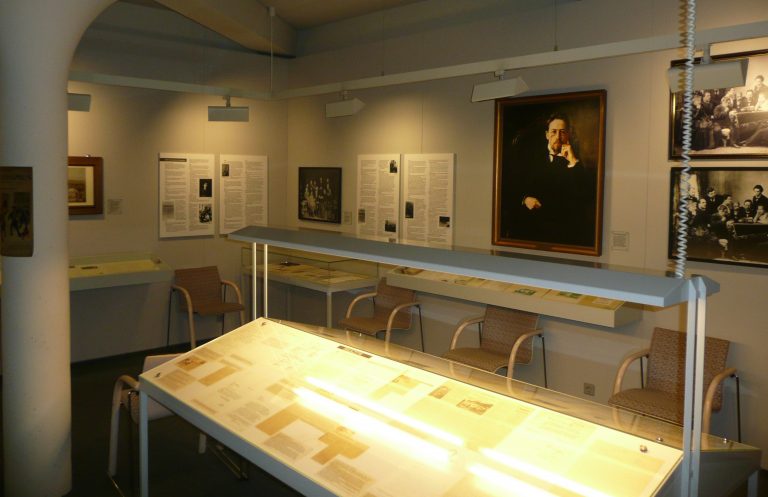
Tschechow-Museum Badenweiler

wikipedia DE

wikipedia EN


  • -

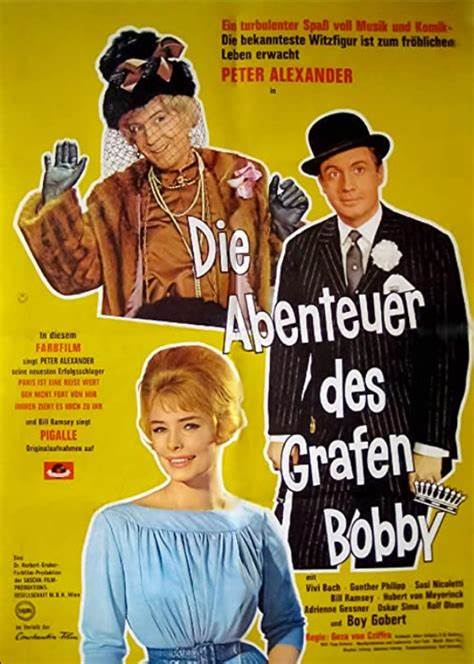
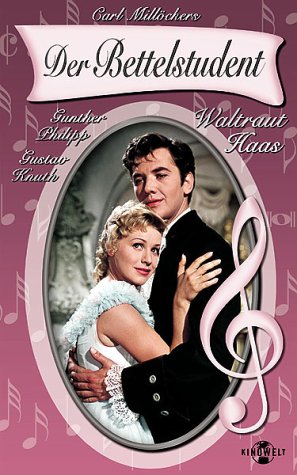
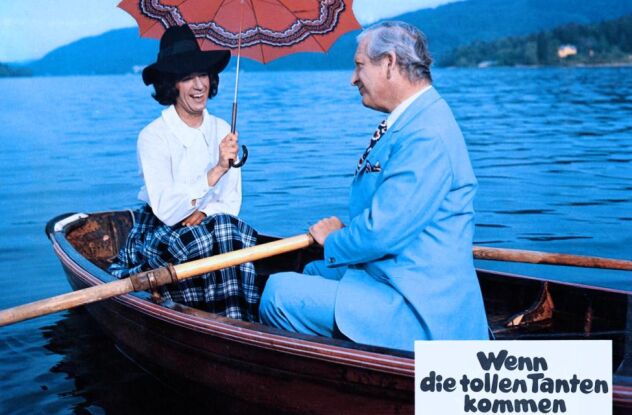
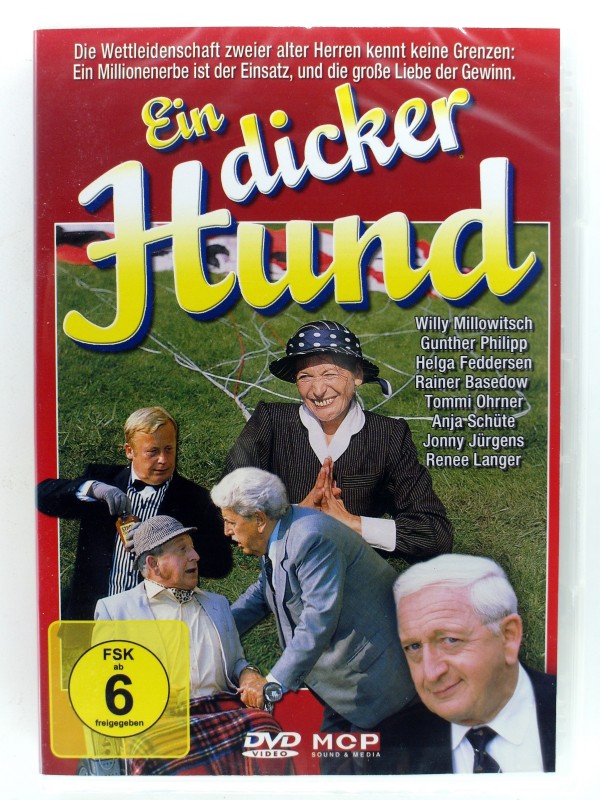
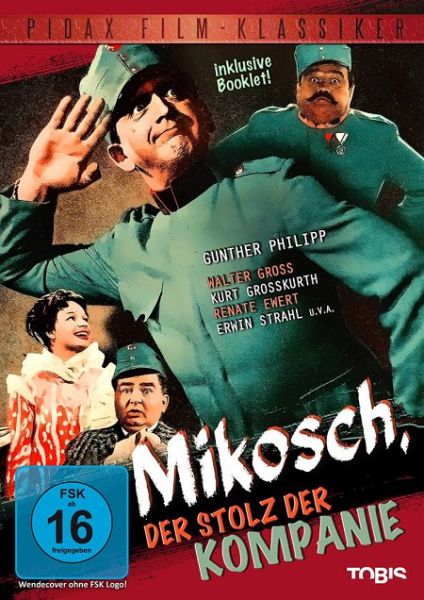
Gunther Philipp

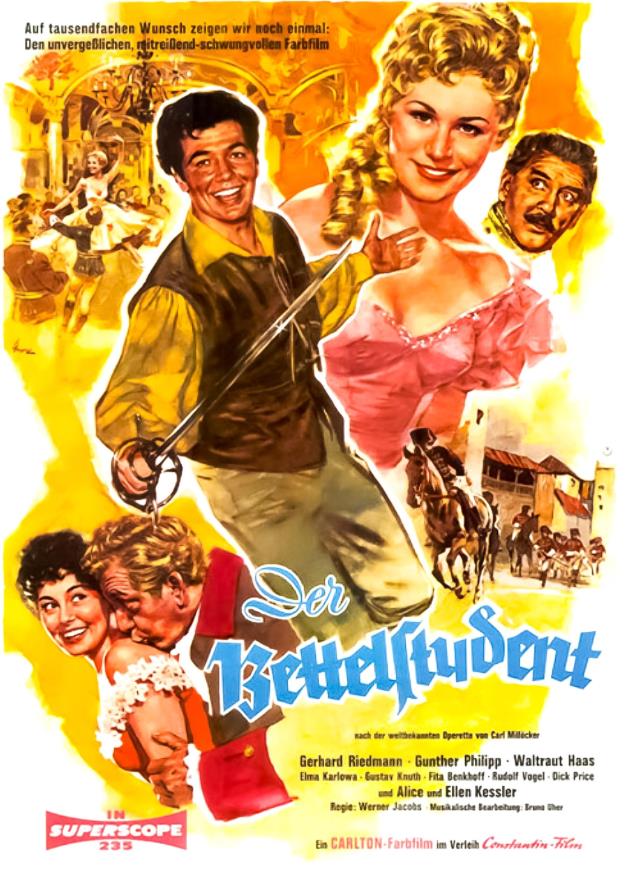
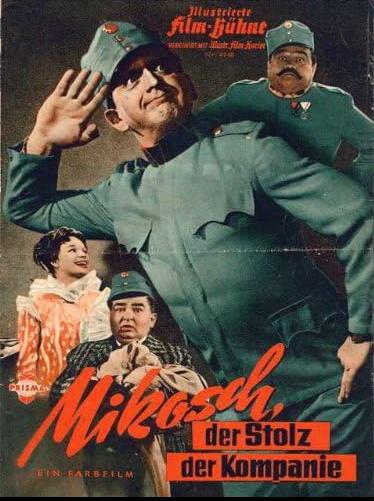
Gunther Philipp (8 June 1918 – 2 October 2003) was an Austrian film actor, physician and swimmer.[2]

From 1949 to 2002 he appeared as an actor in 147 movies for cinema and television, mainly in comic roles. As an author, Philipp wrote 21 film scripts.

https://www.youtube.com/watch?v=37YfeJ6MoBY

During World War II, Philipp studied acting at the Max Reinhardt Seminar and at the University of Vienna philosophy, majoring in psychology and then medicine. In 1943 he received his doctorate in medicine (Dr. med. univ.) He held the Austrian record in the 100-meter breaststroke for 14 years. He was also in the squad of the Austrian Olympic team in Berlin in 1936, but was not nominated for political reasons because he did not want to join the National Socialist-dominated “First Vienna Amateur Sports Club”. After the war, he ran a practice in Eberstalzell in Upper Austria and was active until in the 1990s at the Vienna University Clinic for Neurology and Psychiatry.

Selected filmography

Sporting successes

  • 1935 Austrian record 100 m breaststroke
  • 1937 an Austrian record 100 m breaststroke
  • 1938 Austrian record 100 m breaststroke 3 x.
  • 1939 the Austrian record in the 100 m breaststroke (at the same time European year best performance: 1:11,3)
  • 1939 academic world record at the German University Championships in Schrießheim Mannheim / year highs 100 m breaststroke (second in the world rankings)
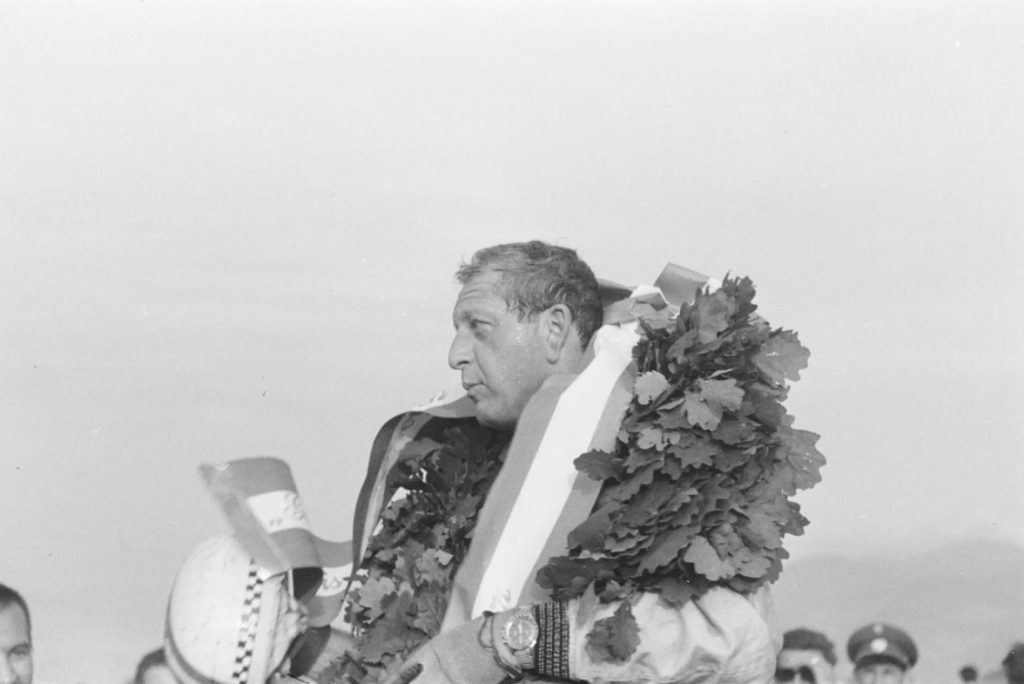
  • 1962 Austrian State Championship on Ferrari 250 GT
  • 1963 Austrian State Championship on Ferrari GTO
  • 1963 four times first in the Grand Prix of Austria (Zeltweg)

wikipedia DE
wikipedia EN
IMDb


  • -

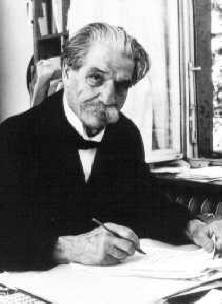
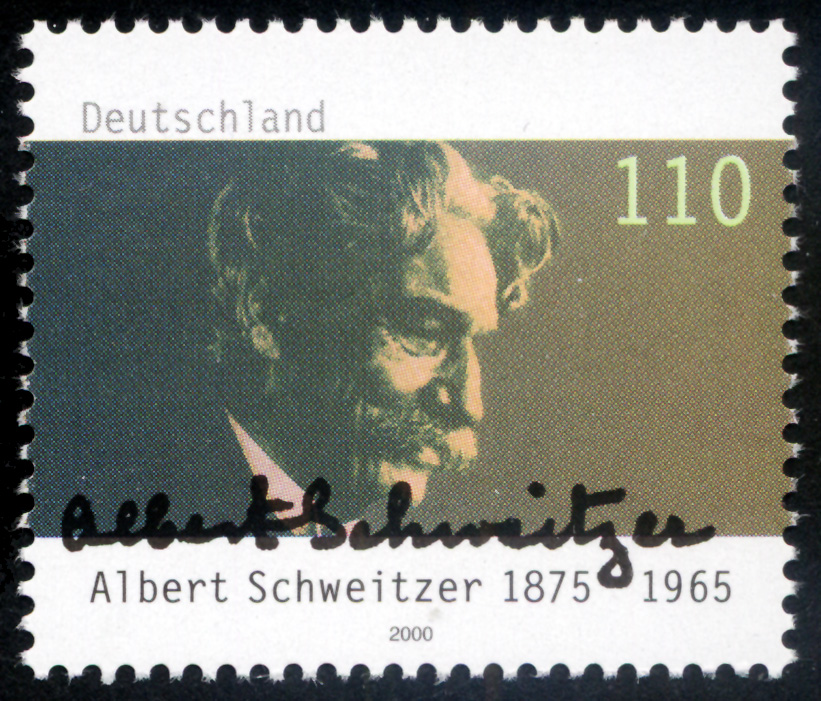
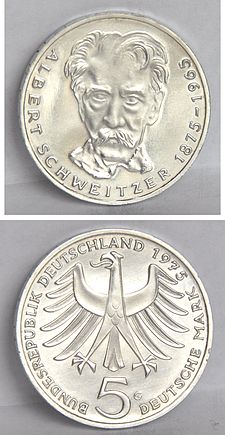
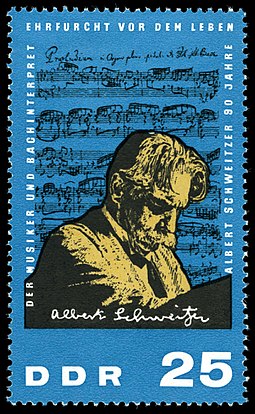
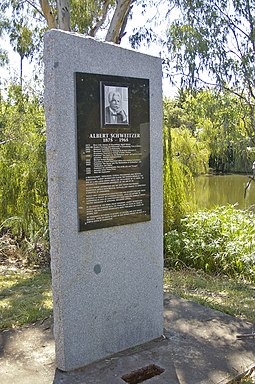
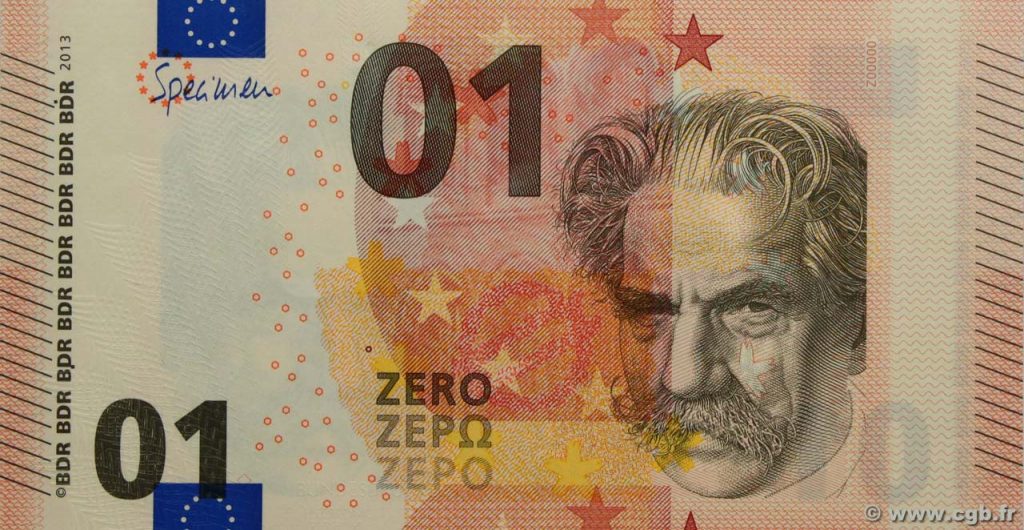
Albert Schweitzer

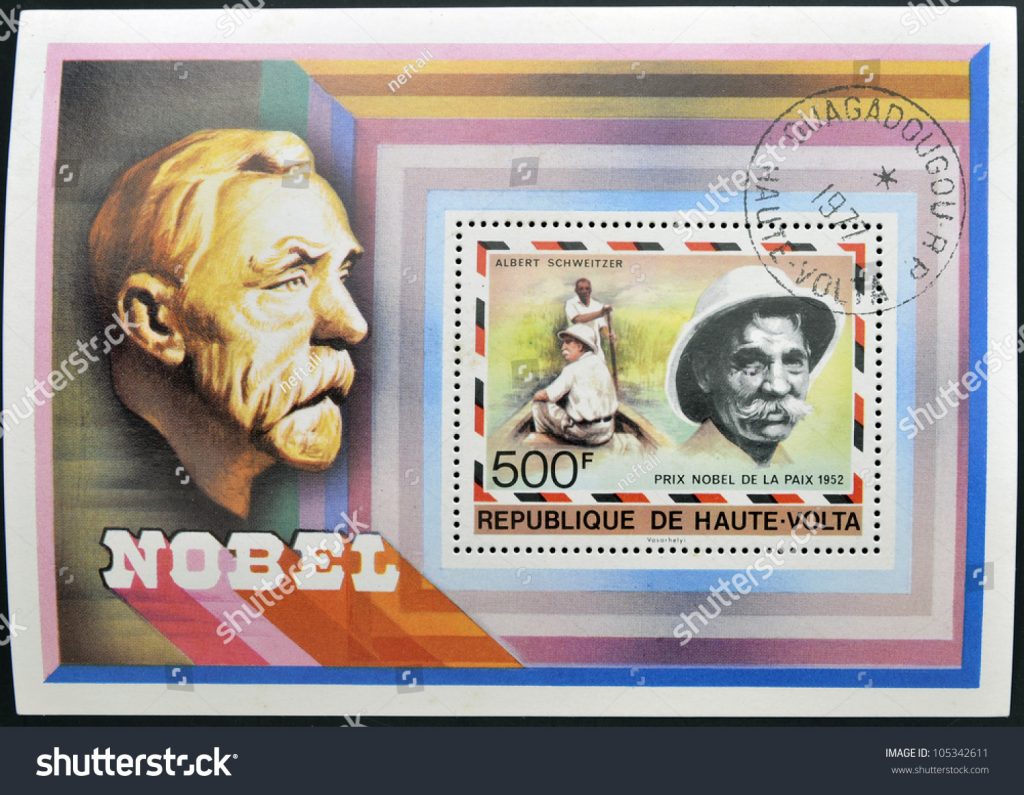
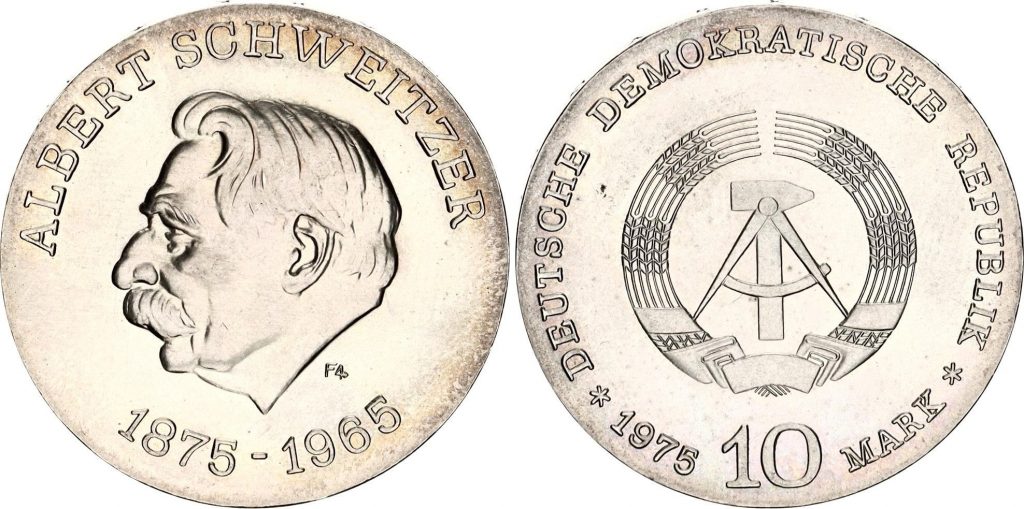
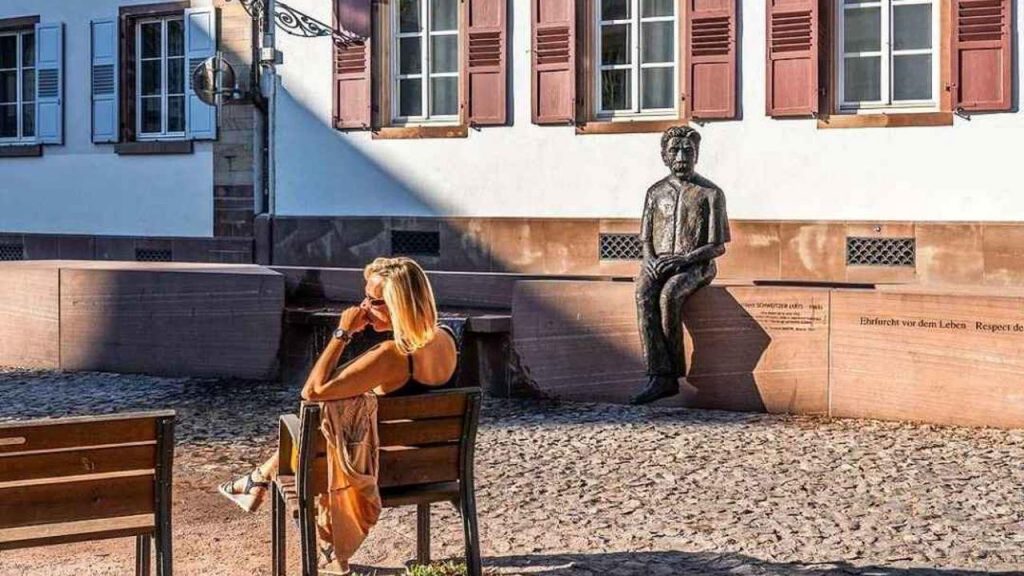
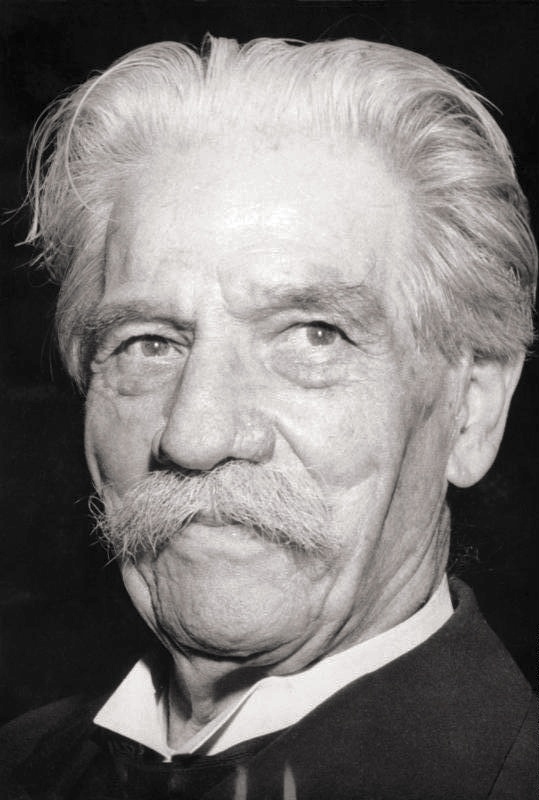
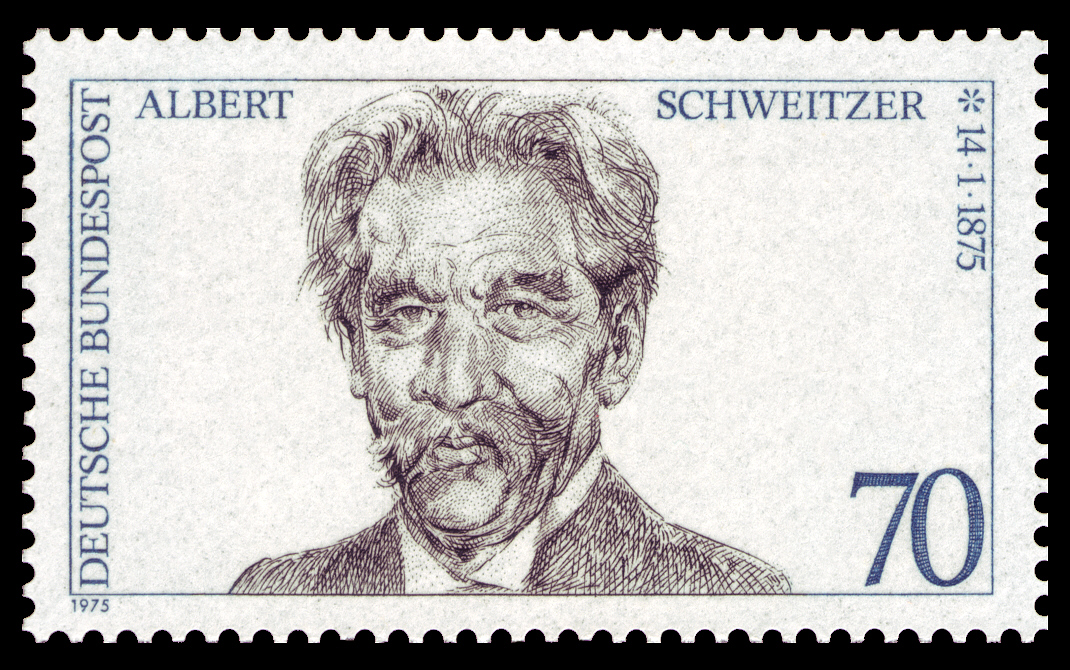
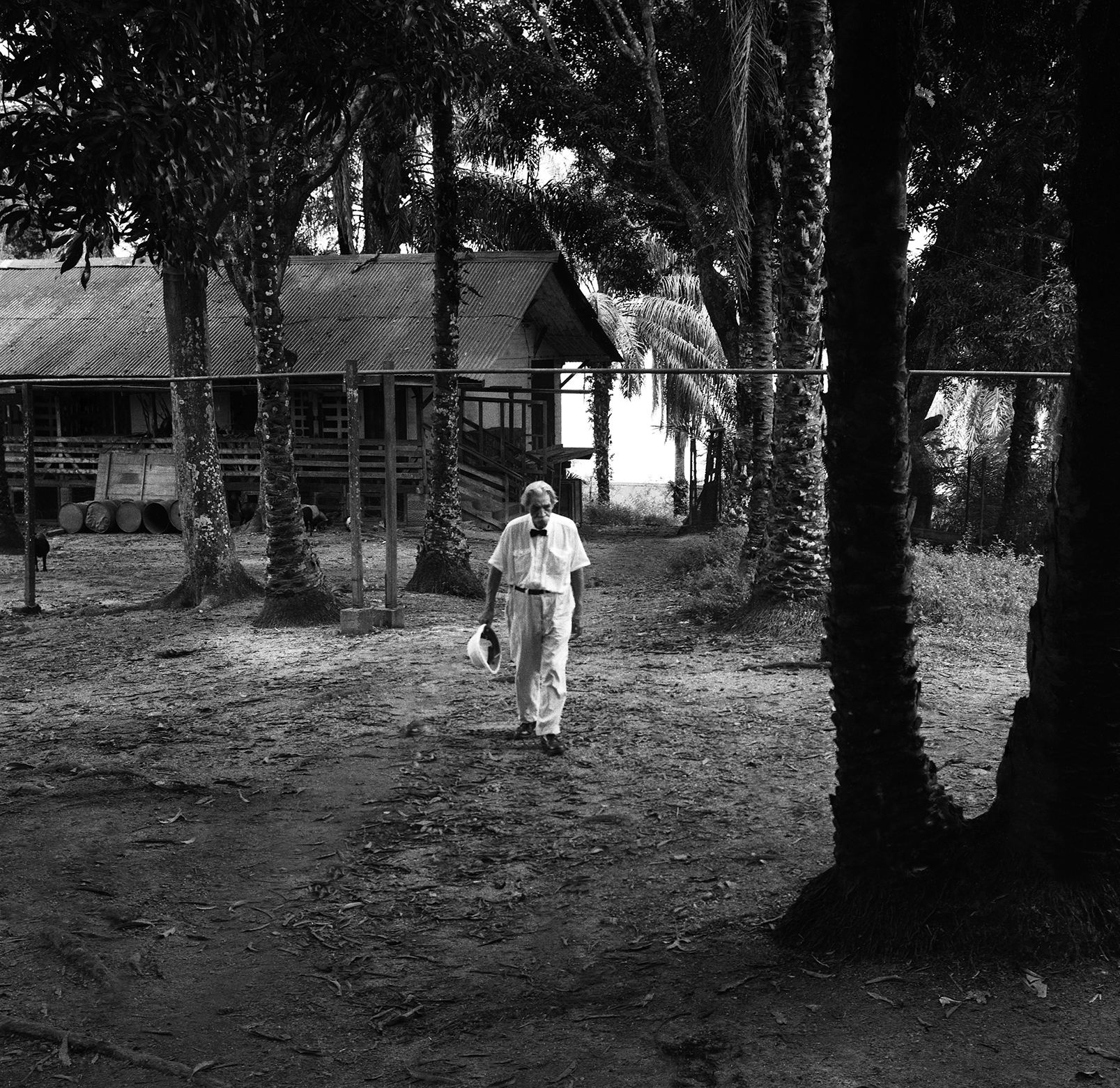
Ludwig Philipp Albert Schweitzer OM (German: [ˈalbɛʁt ˈʃvaɪ̯t͡sɐ] (listen); 14 January 1875 – 4 September 1965) was an Alsatian-German[3] polymath. He was a theologian, organist, musicologist, writer, humanitarian, philosopher, and physician. A Lutheran minister, Schweitzer challenged both the secular view of Jesus as depicted by the historical-critical method current at this time, as well as the traditional Christian view. His contributions to the interpretation of Pauline Christianity concern the role of Paul‘s mysticism of “being in Christ” as primary and the doctrine of Justification by Faith as secondary.

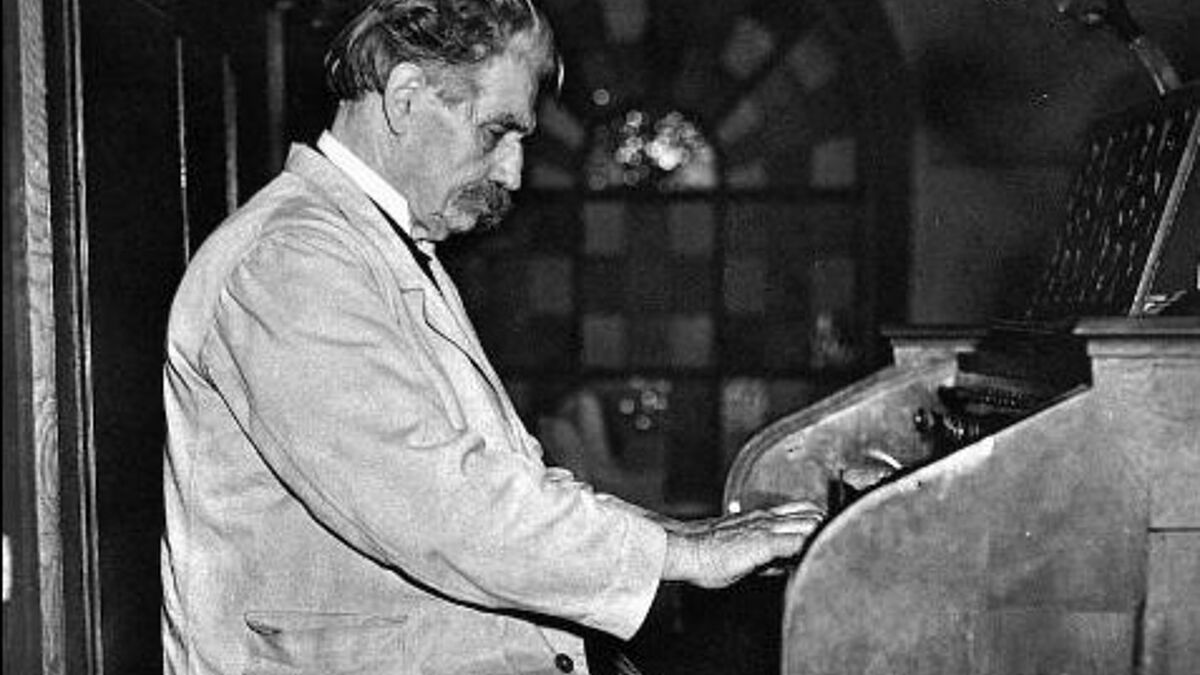
He received the 1952 Nobel Peace Prize for his philosophy of “Reverence for Life“,[4] becoming the eighth Frenchman to be awarded that prize. His philosophy was expressed in many ways, but most famously in founding and sustaining the Albert Schweitzer Hospital in Lambaréné, which up to 1958 was situated in French Equatorial Africa, and after this in Gabon. As a music scholar and organist, he studied the music of German composer Johann Sebastian Bach and influenced the Organ Reform Movement (Orgelbewegung).

web Albert-Schweitzer-Museum Günsbach

wikipedia DE

wikipedia EN

youtube – vimeo

facebook – twitter – instagram

work