Category Archives: movieDocs

  • -

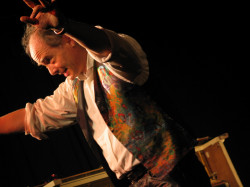
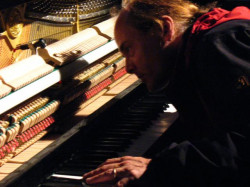
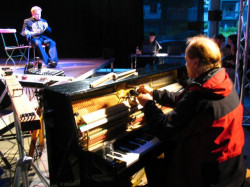
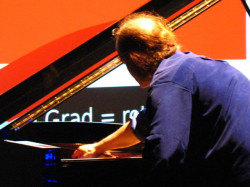
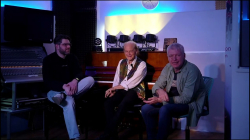
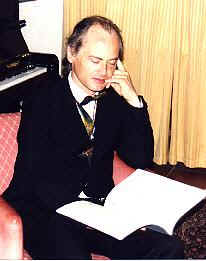
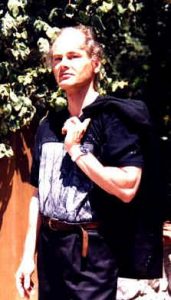
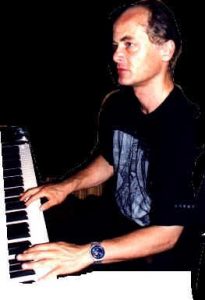
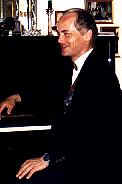
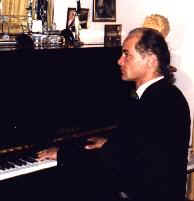
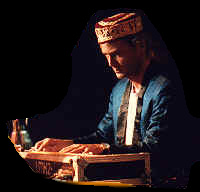
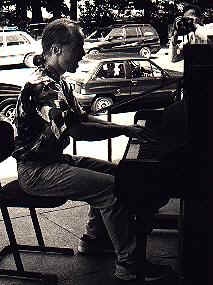
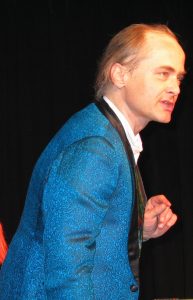
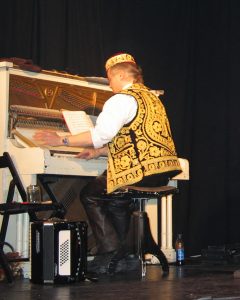
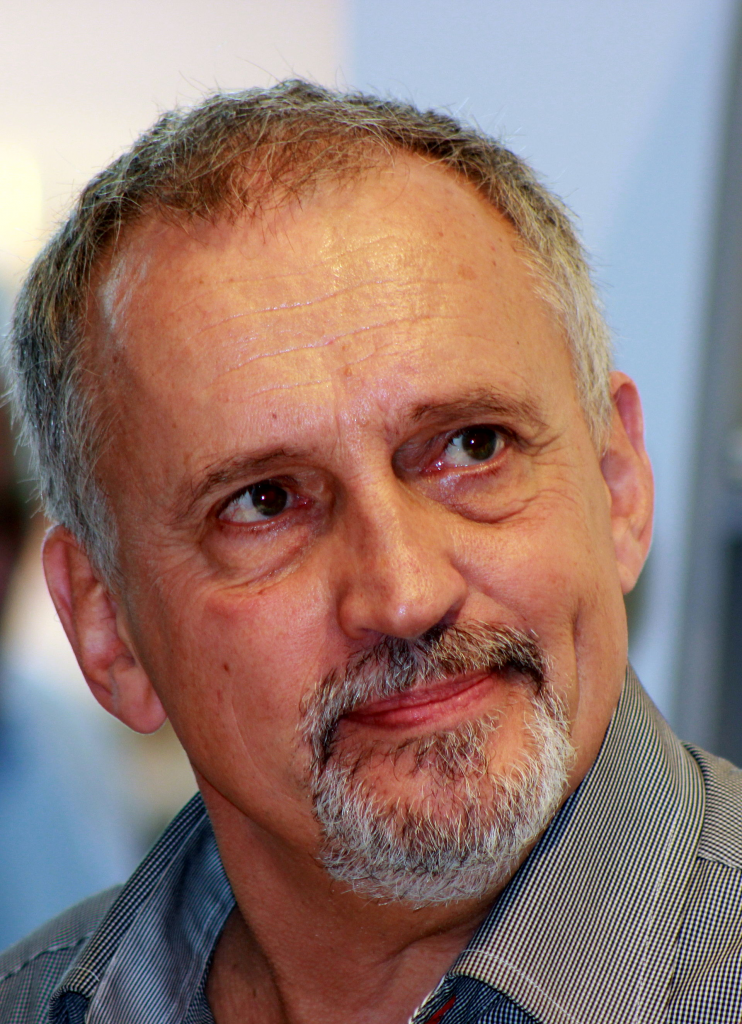
Hans Wolf

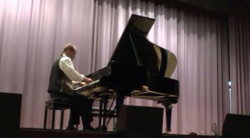
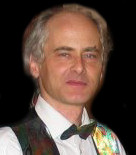
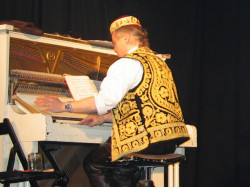
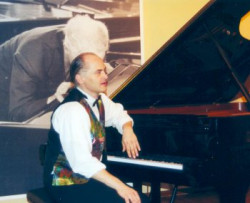
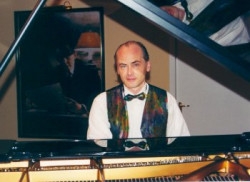
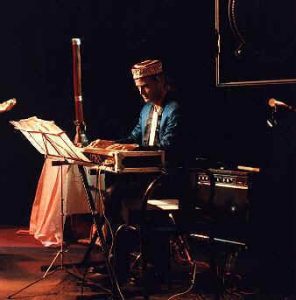
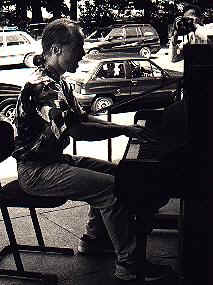
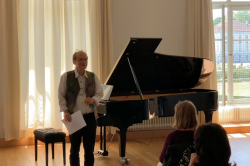
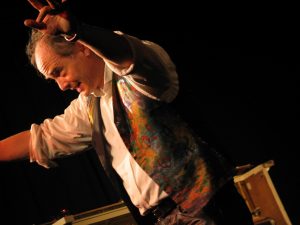
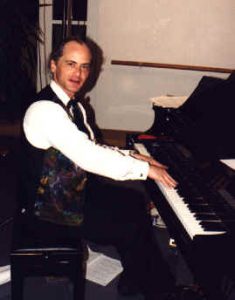
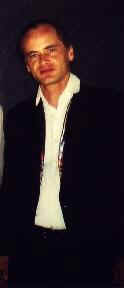
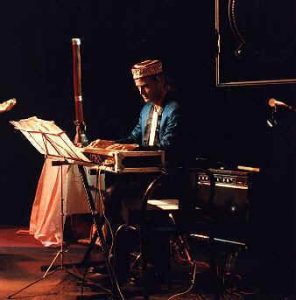
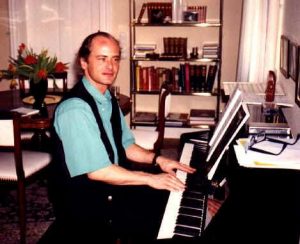
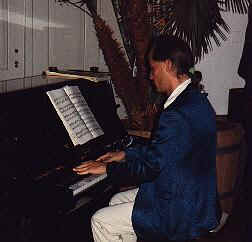
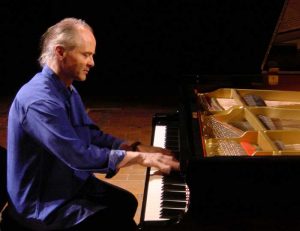
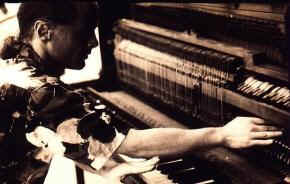
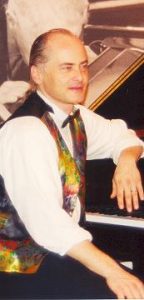
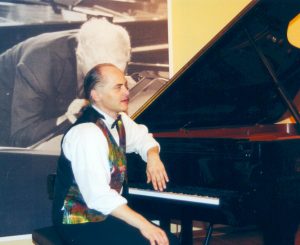
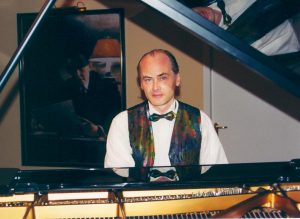
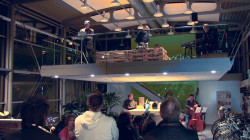
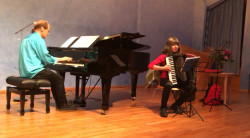
Hans Wolf, born May 31, 1958 in Braunschweig, is a German physician, concert pianist, and multimedia artist. From 1977 to 1985, he studied medicine and worked as a medical officer. He performed numerous cabaret shows at holistic medicine conferences in Bad Herrenalb.

He completed classical piano studies with Prof. Edith Picht-Axenfeld in Freiburg, receiving his diploma.

  • Premieres of his own compositions at the Munich Festivals for Contemporary Music/Art by the MGNM (Munich Society for New Music) and the Echtzeithalle group.
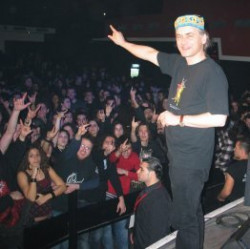
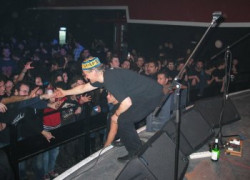
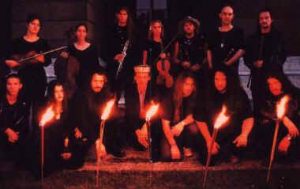
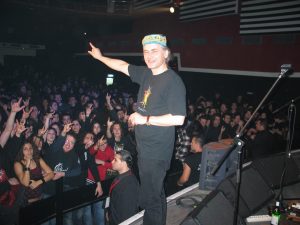
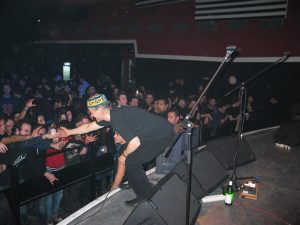
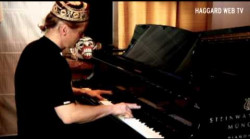
  • Member of well-known ensembles: Haggard: Medieval metal with classical influences, founded in 1993; tours across Europe and to Mexico (2001). Three CDs, one DVD
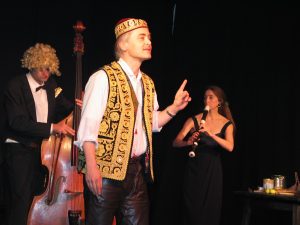
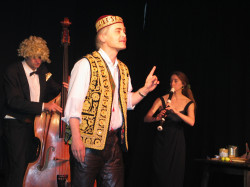
  • Trio Superstrada, founded in 1995 (here, in addition to piano, he also plays accordion, guitar, and djembe): polystylistic musical theater with Stephan Lanius (double bass) and Michaela Götz (vocals, flute). One CD, one demo video.
  • A brief member of the PHREN Music Theater in Munich.
  • Ensembles for free improvisation from Munich’s avant-garde and jazz circles: With the well-known group N.I.E. (New Improvisors Ensemble), founded in 1993 and disbanded after a year, Wolf performed in concerts in public squares and at the Unterfahrt Jazz Club, among others. N.I.E. is partially continued in the following groups to which Wolf belongs:
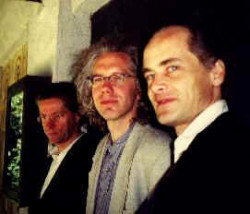
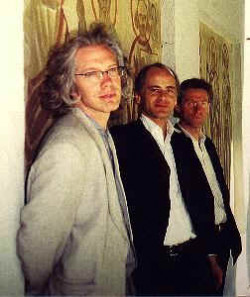
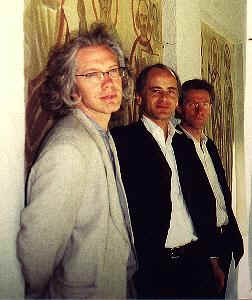
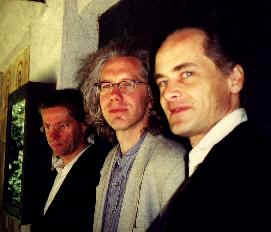
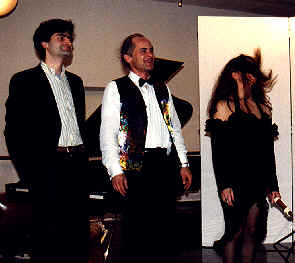
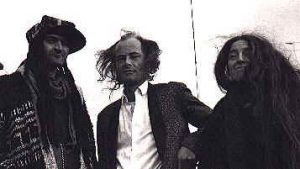
  • Trio Animali (founded in 1994, performances at Club 2 and the Munich Jazz Festival 1995, among others) with G. Geisse (g) and L. Hahn (from left), group ECHT (founded in 2000, performances at the Long Night of Music ’01, scoring computer-animated images at “Echtzeit 2001”, group Asyl-Art (founded in 2000, including poetry and image scoring at the Asylart Festivals ’00 and ’01).
  • Founding member of the jazz big band “Forum 2” (since 1993), Munich Olympic Village Cultural Association.
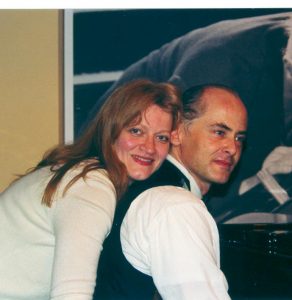
  • Duos: Duo Capriccioso with Andreas Suttner (cello), founded in 1999: Music “from entertaining to serious.”
  • Duo with Anne Greve (mezzo-soprano), founded in 2001: A swinging kind of music.
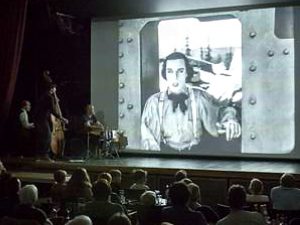
  • Live silent film scoring in a trio (founded in 1998) with Thomas Hüter (percussion, fl) and Stephan Lanius (bass): “Metropolis,” “Nosferatu,” and “Dr. Caligari.”
  • Collaboration with directors Javier Andrade and Martina Veh (Munich) since 1995, and with Alexander Schilling (Nuremberg) since 2001, as a composer and pianist in music theater and multimedia projects.
  • Collaboration with Dieter Trüstedt since 1999: Several lectures at the “Monday Talks” he organized, including on his own compositions; jointly creating the music for the performance “Genesis.”
  • Commissions for theater music, big bands, fashion shows, and musical settings for art and literature.
  • Commissions as a studio musician, especially for piano music in television films.
  • Performances as a versatile party pianist at all kinds of celebrations; regular pianist in bars and cafes, e.g., at the Cafe am Beethovenplatz and Cafe Giesing in Munich.
  • Engagements as an accompanist and keyboardist for touring musical productions.
  • Teaching activities: Piano teacher with new creativity-oriented concepts, piano technique based on the Langenhan-Serkin school, classical instruction, including preparation for the entrance exams to music colleges, including theory and ear training. Lessons in rock, pop, and jazz piano, as well as other piano improvisation; development and teaching of improvisation and composition courses, e.g., with the title “Discover Your Own Music.” Since 1995, instructor at the Grafing Adult Education Center; organization of student concerts for the Munich Pianists’ Club.
  • Active memberships: Society for New Music and Music Education Darmstadt, International Summer Courses for New Music Darmstadt, Bavarian Association of Musicians, Pianists’ Club, MGNM (Munich Society for New Music), Echtzeithalle e.V.

web

youtube


  • -

Krzysztof Komeda

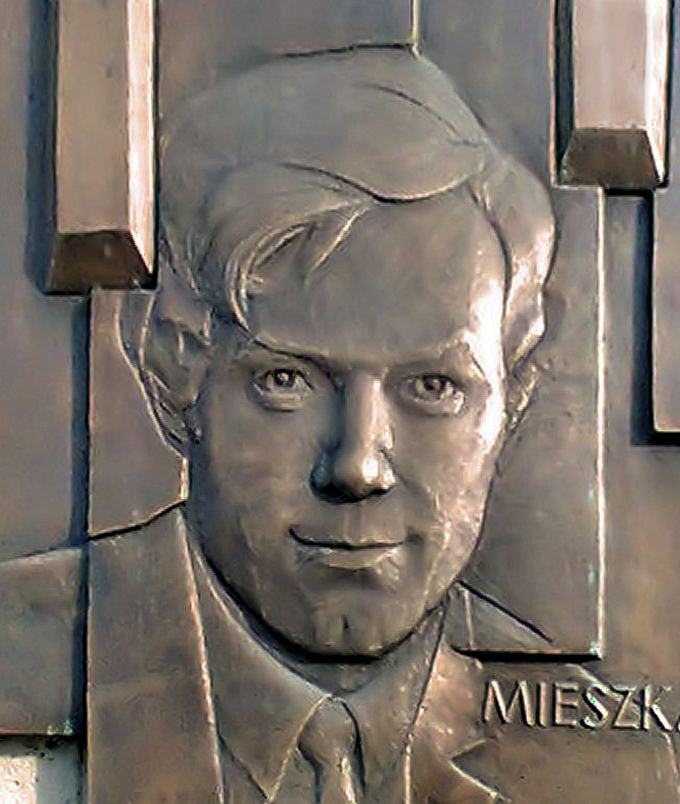
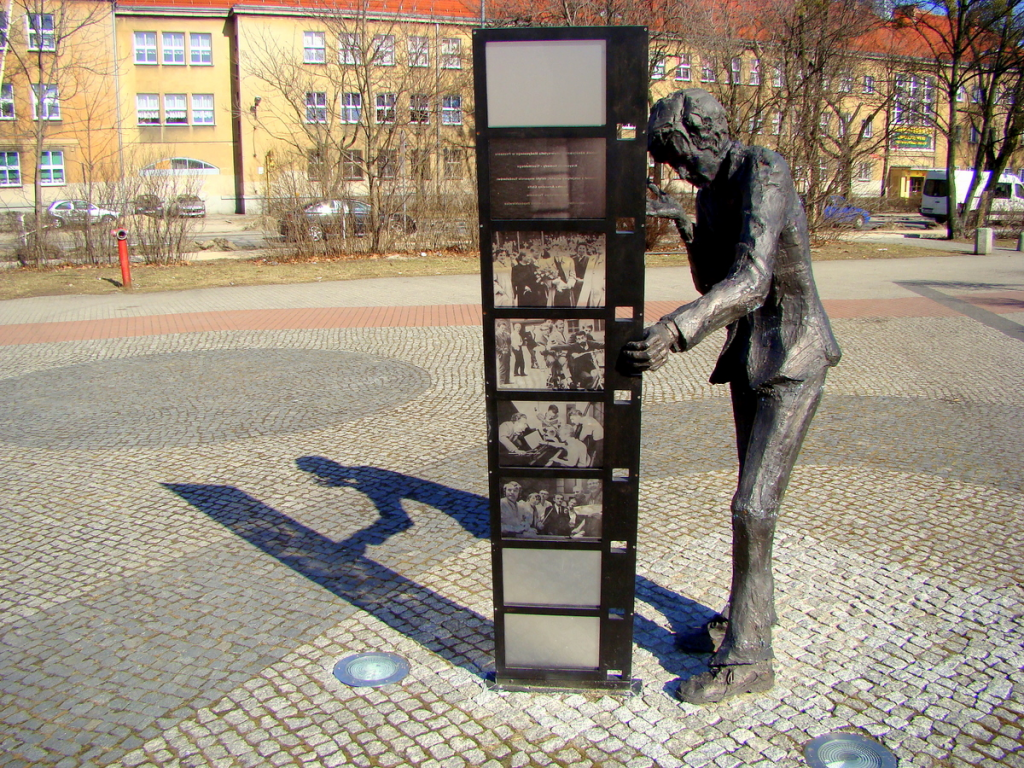
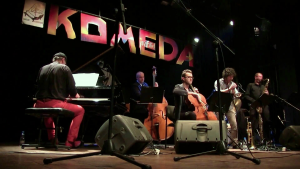
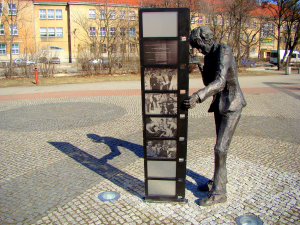
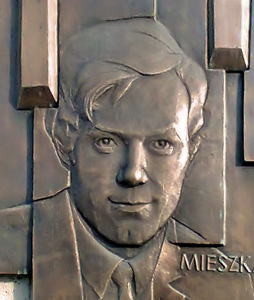
Krzysztof Komeda (born Krzysztof Trzciński; April 27, 1931 in Poznań – April 23, 1969 in Warsaw) was a Polish jazz pianist and composer of jazz and film music of international renown. According to Jan Wróblewski, Komeda occupies a similar musical rank in Poland to Chopin.

In his youth, he received piano lessons in Ostrów Wielkopolski (German: Ostrowo), where he lived from 1946 to 1951. Later, he became a student at the Conservatory in Poznań (piano lessons and music theory). He then decided to study medicine. His father, Mieczysław Trzciński, was a banker and took over the position of branch director of the National Bank of Poland in Poznań in December 1952. During his studies, he lived there with his parents from 1952 to 1956[2] and had his own piano.[3] As a student, he made contact with the Krakow underground jazz scene. They met in private apartments or nightclubs, the “catacombs of jazz”.[3] His interest in popular and dance music shifted from Dixieland to bebop and finally to contemporary jazz.

Komeda-Trzciński celebrated her first national success in August 1956 at the first jazz festival in Sopot with the Komeda Sextet. News of a jazz festival had spread like wildfire throughout Poland. The completely improvised event attracted approximately 30,000 to 50,000 young Poles, who spent the night on lawns, in parks, or in beach chairs.

The festival began with a parade similar to the New Orleans orchestra parades at Mardi Gras. The Komeda Sextet, in two boxes, symbolically buried the traditional Dixieland jazz and dance music. Since all the newspapers reported on the first free jazz festival, jazz music could no longer be banned from public view as easily as before.

https://de.wikipedia.org/wiki/Krzysztof_Komeda

https://en.wikipedia.org/wiki/Krzysztof_Komeda


  • -

Hiester Richard Hornberger Jr.

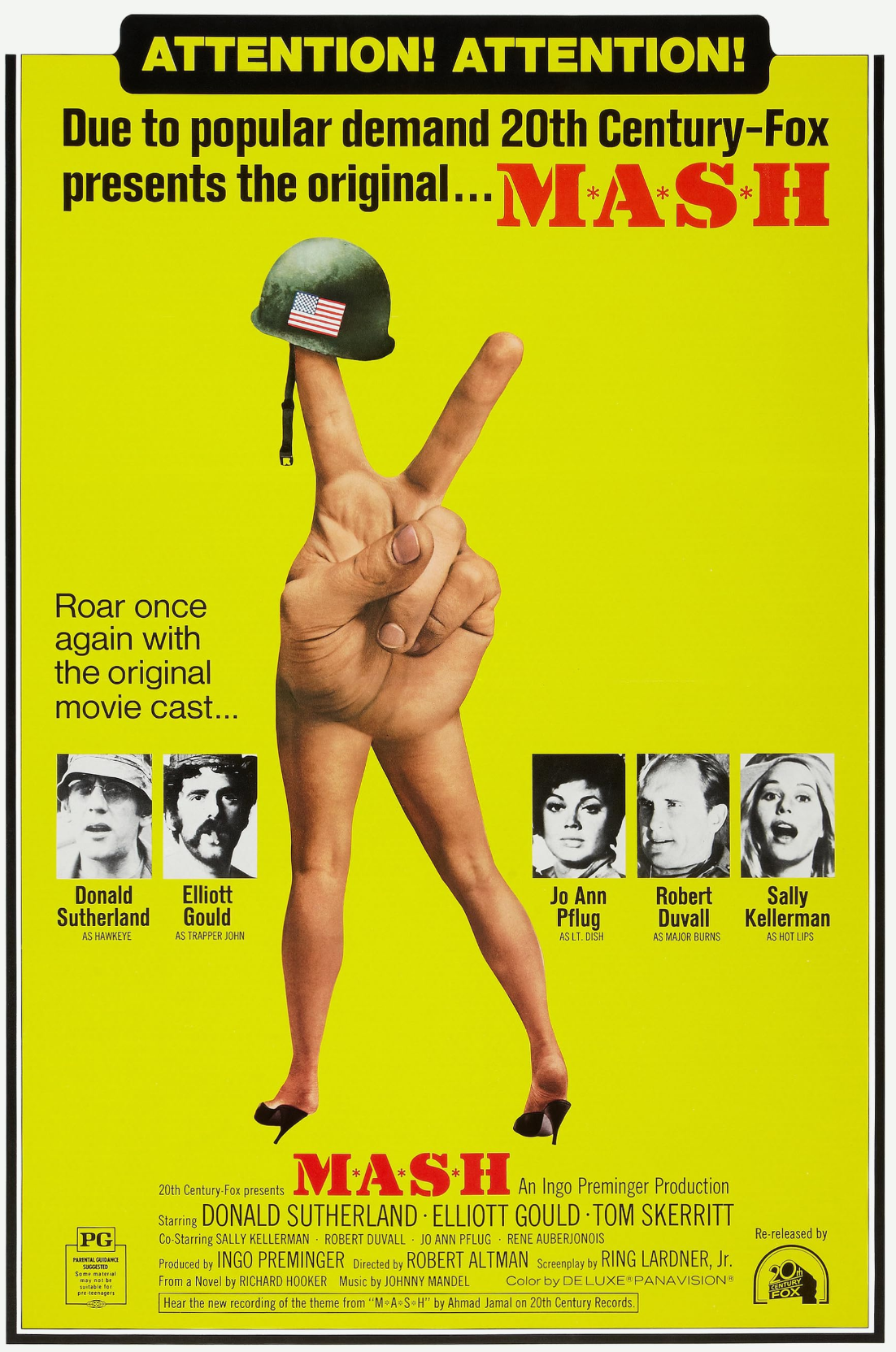
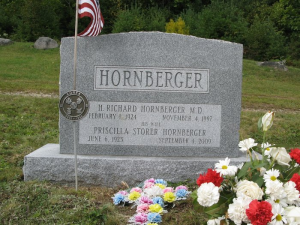
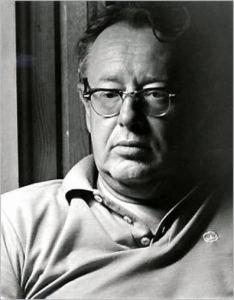
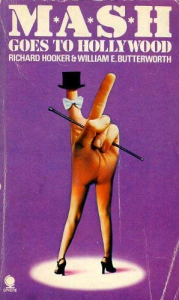
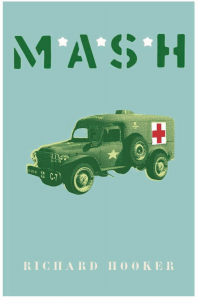
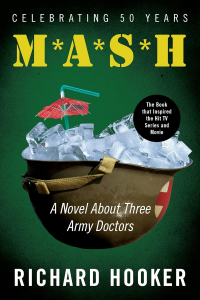
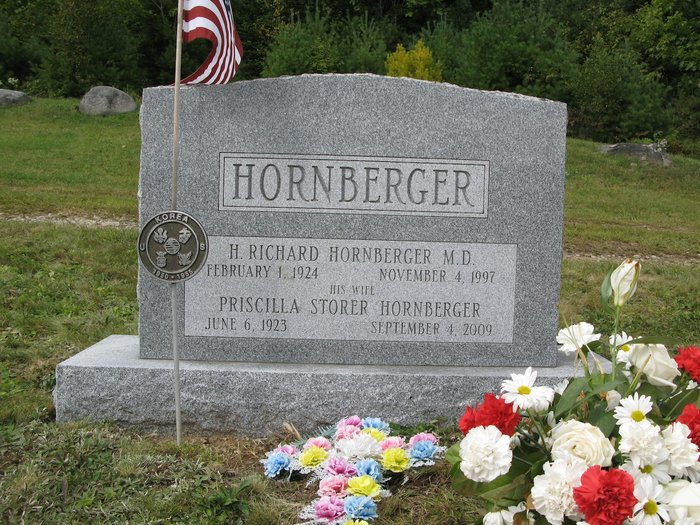
Hiester Richard Hornberger Jr. (February 1, 1924 – November 4, 1997) was an American writer and surgeon who wrote under the pseudonym Richard Hooker. Hornberger’s best-known work is his novel MASH (1968), based on his experiences as a wartime United States Army surgeon during the Korean War and written in collaboration with W. C. Heinz. It was used as the basis for the award-winning, critically and commercially successful movie M*A*S*H (1970) — and two years later, the acclaimed long running television series of the same title.

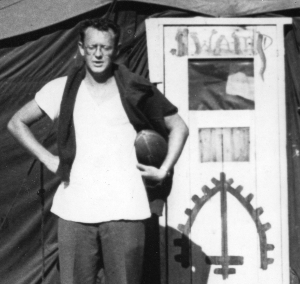
After graduating from medical school, he was drafted into the Korean War and assigned to the 8055 Mobile Army Surgical Hospital (M.A.S.H.). According to one doctor assigned to the unit, M.A.S.H. units “weren’t on the front lines, but they were close. They lived and worked in tents. It was hot in the summer and colder than cold in the winter.”[3] The operating room consisted of stretchers balanced on carpenter’s sawhorses.[4]

Many of the M.A.S.H. doctors were in their twenties, with few having advanced surgical training.[5] During battle campaigns, units could see “as many as 1,000 casualties a day”. “What characterized the fighting in Korea”, one of Hornberger’s fellow officers recalled, “was that you would have a period of a week or ten days when nothing much was happening, then there would be a push. When you had a push, there would suddenly be a mass of casualties that would just overwhelm us.” There were, another surgeon recalled, “‘long periods when not much of anything happened’ in an atmosphere of apparent safety—plenty of time to play … When things were quiet we would sit around and read. Sometimes the nurses would have a little dance.” Hornberger’s later assessment of his unit’s behavior was: “A few flipped their lids, but most just raised hell in a variety of ways and degrees.”

A colleague described Hornberger as “a very good surgeon with a tremendous sense of humor.” Hornberger did label his tent “The Swamp” as do the characters in the novel

After the success of his book and its screen adaptations, Hornberger continued to practice as a surgeon in Waterville until his retirement in 1988. During the later years of his practice, Hornberger did medical research and published his research in peer-reviewed medical journals. He died at the age of 73 on November 4, 1997, of leukemia.

https://en.wikipedia.org/wiki/Richard_Hooker_(author)

https://www.saturdayeveningpost.com/2020/01/five-things-you-didnt-know-about-the-4077th-mash


  • -

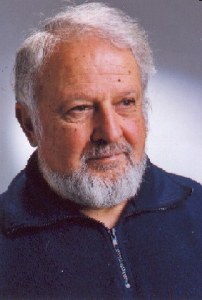
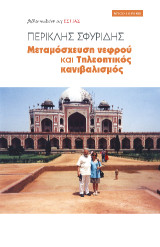
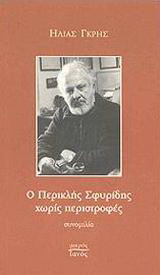
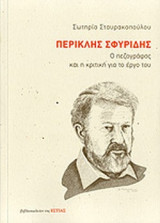
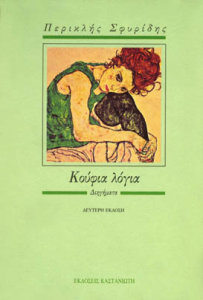
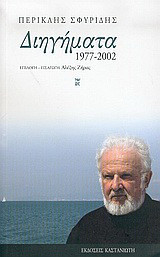
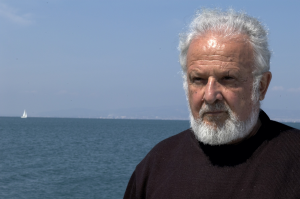
Periklis Sfyridis

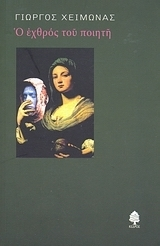
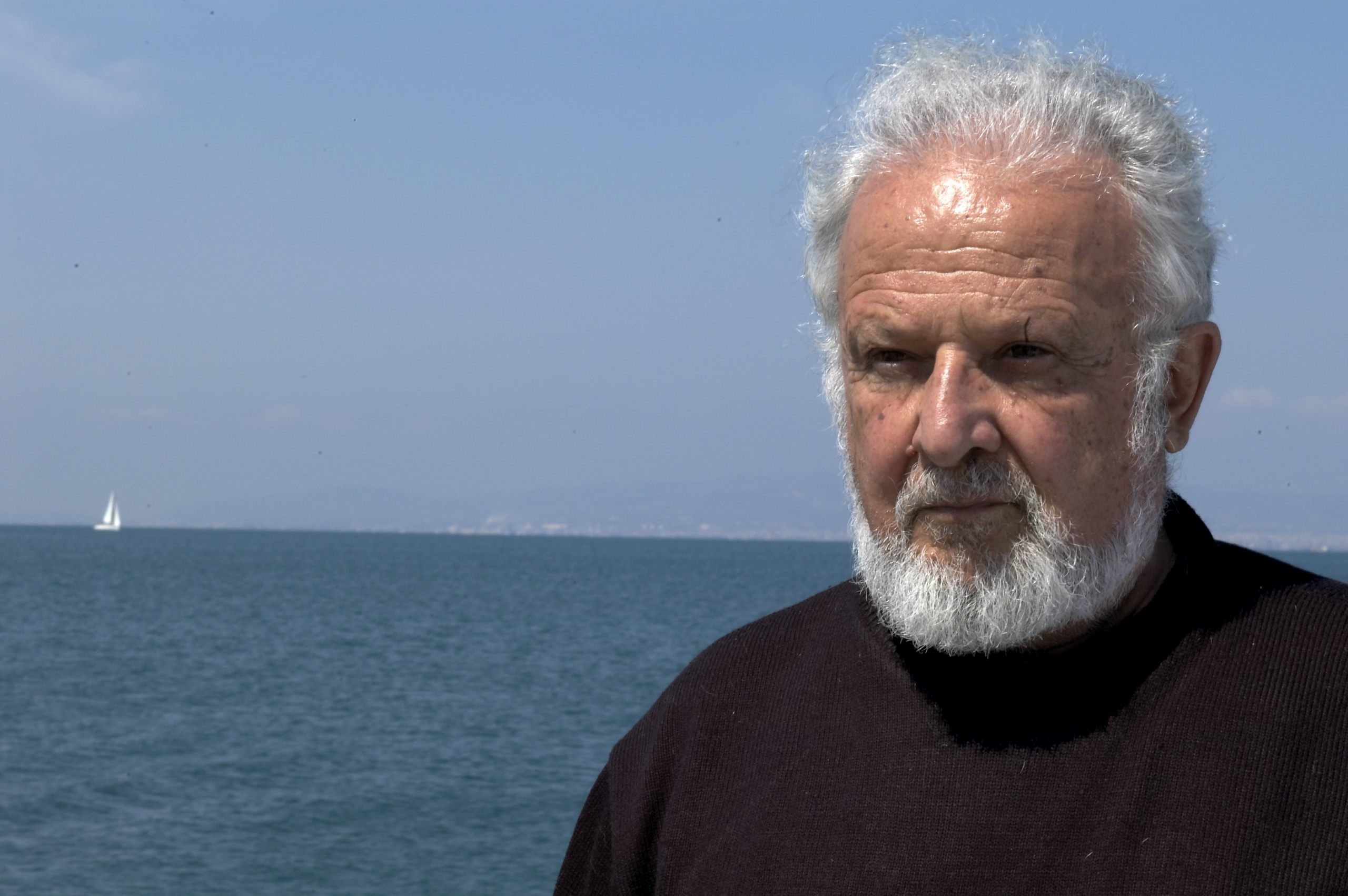
Periklis Sfyridis (born October 5, 1933, in Thessaloniki) is a contemporary Greek poet, prose writer, essayist, critic, and anthologist. His prose has been published in several languages.

Periklis Sfyridis was born in 1933 in Thessaloniki, where he lives. He graduated from the American College “Anatolia” in 1952. He studied medicine at the University of Thessaloniki (as a student of the Military Medical School) and worked as a cardiologist until 1994. From 1975 to 1981, he was president of the Thessaloniki Medical Association.

He appeared in letters in 1974 and worked closely with the literary magazine Diagonios. From 1985 to 1990, he edited Parafyada, an annual publication featuring unpublished anecdotal texts by Thessaloniki prose writers. From 1987 to 1996, he was the publishing consultant (content manager) for the magazine To Tram. In 1996, he organized the conference “Paramythia Thessaloniki” on the city’s prose from 1912 to 1995 and edited its proceedings. In 2001, he co-organized the conference “Poetry in Thessaloniki in the 20th Century” with the Department of Medieval and Modern Greek Studies at the Faculty of Philology, Faculty of Philosophy, Aristotle University of Thessaloniki, and the Thessaloniki Municipal Library, and edited its proceedings. In 2005, he organized the conference “Literary Nurseries in Thessaloniki: The City’s Literary Journals in the 20th Century and Their Editorships.” In 2008, he organized the fourth conference Criticism and Critics of Thessaloniki in the 20th Century at the Municipal Library of Thessaloniki, as part of the Demetrios Festival, and edited its proceedings (together with Sotiria Stavrakopoulou).

His short story “The Secret” is the basis for Tasos Psarras’ film “The Other Side”, the screenplay for which he wrote together with the director. Two other of his short stories have been made into television films. He also wrote the texts for the documentary series “Literature and Social Reality in Thessaloniki” by Tasos Psarras, which was broadcast by ET-3 in 1997, and for the same director’s “Literary Walks in Northern Greece” (these are the television/literary portraits of the following writers: Thanasis Markopoulos / Veria, Vasilis Karagiannis / Kozani, Lazaros Pavlidis / Kilkis, Sakis Totlis / Edessa, Vasilis Tsiambousis / Drama), a series that was broadcast repeatedly on state television in 1995.

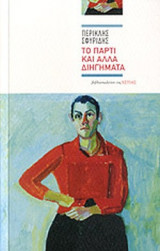
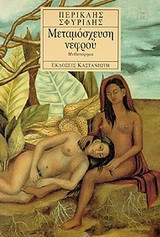
He has published two collections of poetry, fourteen short story collections, two novels, and a memoir about his spiritual journey. He has published studies on novelists, painters, and three anthologies on Thessaloniki’s prose writers, one of which has been translated into German and another into English. He has collaborated with most Greek literary magazines. His short stories have been translated into German, English, and Dutch, as have two of his books in the same language (Dutch): the short story collection First Hand and his novel Kidney Transplant. Over one hundred serious reviews and studies of his prose work have been published in individual volumes. In November 2007, he was honored by the Municipality of Thessaloniki for his prose and critical work. From 2009 to 2010, he was a member of the electoral committee of the Vafopoulio Cultural Center of Thessaloniki, responsible for speaking events. There he also created the literary series Vafopoulio Publications.

https://el.wikipedia.org/wiki/%CE%A0%CE%B5%CF%81%CE%B9%CE%BA%CE%BB%CE%AE%CF%82_%CE%A3%CF%86%CF%85%CF%81%CE%AF%CE%B4%CE%B7%CF%82


  • -

Oswald Oelz

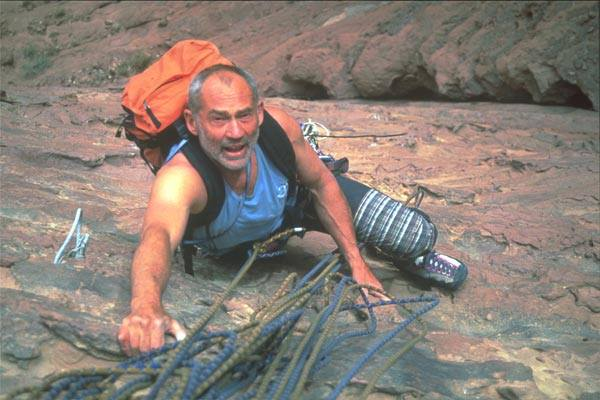
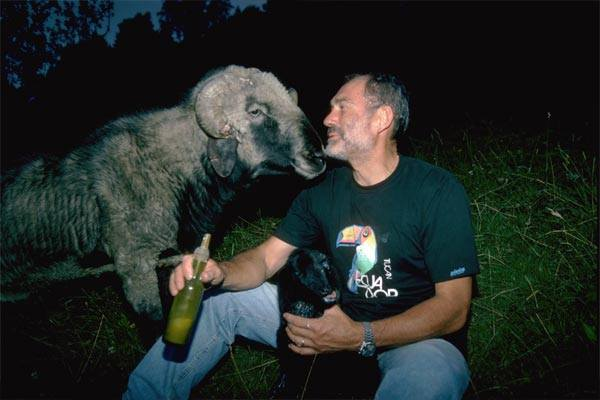
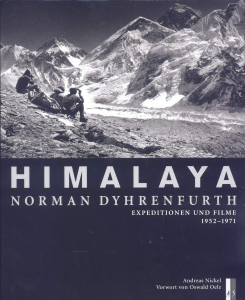
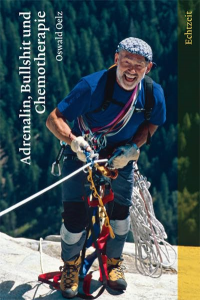
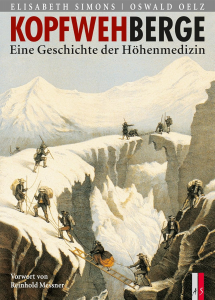
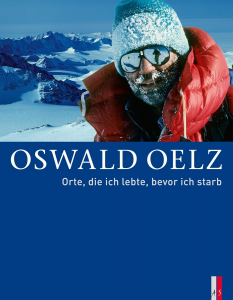
Oswald “Bulle” Oelz (born February 6, 1943 in Rankweil, Vorarlberg) is an Austrian-Swiss physician and mountaineer. From 1991 to 2006, he was chief physician at the Triemli City Hospital in Zurich. In addition to his medical work, the internist and high-altitude physician practiced extreme mountaineering, participated in numerous expeditions in the Himalayas, and gave slide presentations about his climbing tours. He breeds sheep.

As an expedition doctor, Oswald Oelz accompanied numerous expeditions in the Himalayas, including mountaineers such as Reinhold Messner, Peter Habeler, and Hans Kammerlander. In 1972, Oelz traveled to the Himalayas to climb Manaslu (8,163 m), but was unsuccessful.

In 1978, he was one of two doctors on the controversial expedition to Mount Everest (8,848 m), during which Messner and Habeler climbed the mountain for the first time without supplemental oxygen. Oelz and six other expedition members successfully completed the ascent using oxygen cylinders. He was thus the first Vorarlberg native to successfully climb Mount Everest.

During an expedition in 1979, he attempted to climb the Ama Dablam Northeast Ridge (6,856 m). He was unable to reach the summit due to a rescue operation. In 1981, he accompanied an expedition to Shishapangma (8,027 m), but in 1982, he failed to climb Cho Oyu (8,188 m) due to cerebral edema. In 1983, he survived an avalanche on Glacier Dome (7,193 m) in the Annapurna massif. In 1985, Oelz climbed Shishapangma, his second eight-thousander. A further attempt to climb Makalu (8,485 m) failed in 1986.

In 1990, Oswald Oelz became the third person to reach all of the Seven Summits according to the Carstensz version: Aconcagua (6,961 m, 1974 & 1986), Mount McKinley (6,190 m, 1976), Mount Everest (1978), Mount Vinson (4,892 m, 1986), Kibo (5,895 m, 1987), Mount Kosciuszko (2,228 m, 1989), Elbrus (5,642 m, 1989), and the Carstensz Pyramid (4,884 m, 1990).[3]

He reached the summit of Ama Dablam in 1995. In the Alps he climbed the three great north faces of the Alps: the Matterhorn North Face, the Eiger North Face (1995) and the Walker Pillar of the Grandes Jorasses.

In the documentary Höhenrausch: Die Entwicklung der Höhenmedizin (2022), Oelz states that he “lost a total of 29 friends with whom he climbed high peaks.” In 1978, in a personal experiment on Mount Everest, he reduced his hematocrit from 58 to 52% to reduce viscosity, but subsequently became seriously ill. After a week, he recovered and climbed the summit with oxygen. In 1986, he suffered high-altitude pulmonary edema on Aconcagua and was treated with nifedipine, with rapid improvement after 10 minutes.

Dokumentarfilm ServusTV https://www.servustv.com/natur/v/aa8178k0h5ydbviqch56/

https://www.tagesanzeiger.ch/ich-will-klettern-bis-ich-tot-bin-853567372558

https://www.facebook.com/OswaldOelzSchweiz?locale=de_DE

https://de.wikipedia.org/wiki/Oswald_Oelz

http://www.bergfieber.de/berge/bergsteiger/bios/oelz.htm


  • -

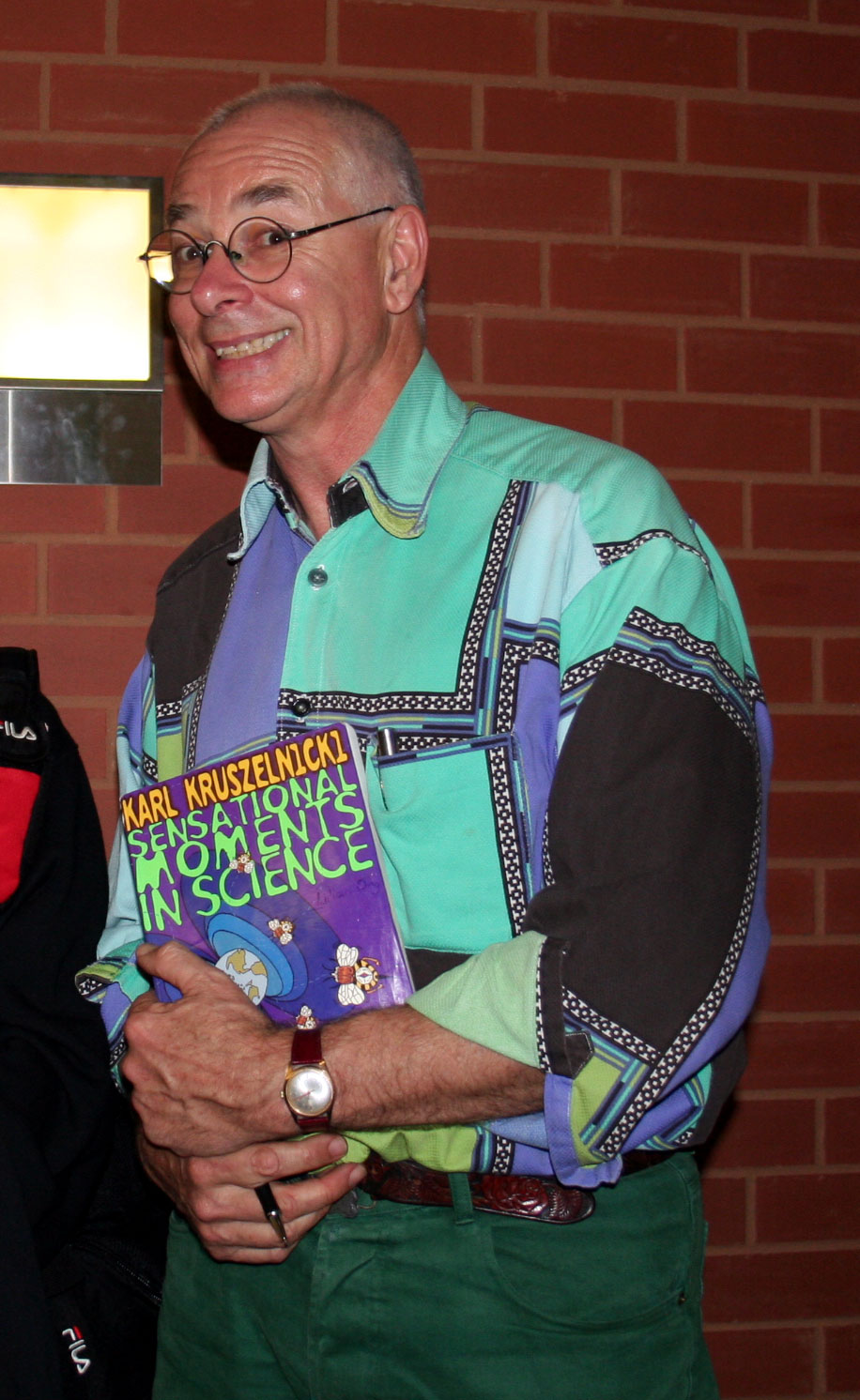
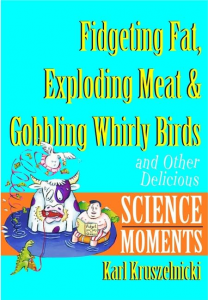
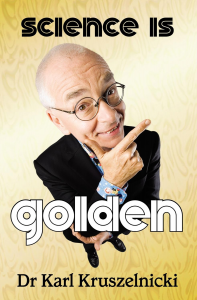
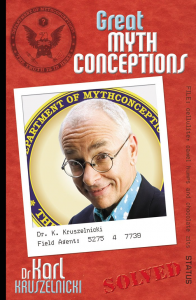
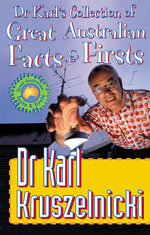
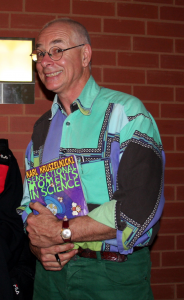
Karl Kruszelnicki

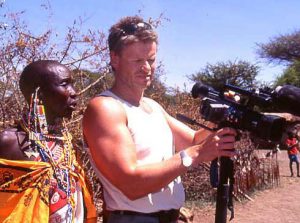
Karl Sven Woytek Sas Konkovitch Matthew Kruszelnicki AM (born 1948), often referred to as Dr Karl,[2] is an Australian science communicator and populariser,[2] who is known as an author and a science commentator on Australian radio, television, and podcasts.

Kruszelnicki is the Julius Sumner Miller Fellow in the Science Foundation for Physics at the School of PhysicsUniversity of Sydney.

Kruszelnicki was awarded a Master of Biomedical Engineering degree at the University of New South Wales. He completed his Bachelor of Medicine and Bachelor of Surgery degrees at Sydney University in 1986.

After primary school, Kruszelnicki’s first job was ditch digger in the Wollongong suburb of Dapto.[11] He also worked as a filmmaker, car mechanic, TV weatherman and as roadie for Slim DustyBo Diddley and Chuck Berry.[12] While working as a taxi driver in Sydney, he was beaten unconscious after picking up a passenger trying to escape a group of men.[1]

Kruszelnicki presented the first series of Quantum (replaced by Catalyst) in 1985. As a science communicator and presenter, he appears on the Seven Network’s Weekend Sunrise and on ABC TV. From early 2008 to 2010 he co-hosted a TV series called Sleek Geeks with Adam Spencer.
Kruszelnicki presented a program on ABC TV in January 2025 titled Dr Karl’s How Things Work.[16]

Kruszelnicki does a number of weekly radio shows and podcasts. His hour-long show on ABC radio station Triple J has been going on in one form or another since 1981; this weekly science talkback show, Science with Dr Karl, is broadcast on Thursday mornings from 11:00 am to midday and attracts up to 300,000 listeners; it is also available as a podcast.[17]
Kruszelnicki also often helps with other science and education Triple J promotions such as the Sleek Geek Week roadshow with Adam Spencer and Caroline Pegram. He and Adam Spencer released the Sleek Geeks podcast regularly until December 2015.[18] Also, Since 2016, he has hosted the podcast Shirtloads of Science.[19][20]

For many years, until March 2020, Kruszelnicki appeared on a live weekly late-night link-up on BBC Radio 5 Live‘s Up All Night, usually with Rhod Sharp, answering science questions.[21] In 2017, he hosted Dr. Karl’s Outrageous Acts of Science on Discovery Channel (Australia).[22]

Kruszelnicki writes a regular column for Australian Geographic magazine, called ‘Need to Know’, which is republished as a blog on the magazine’s website.[23] He has also written for the Sydney Morning Herald‘s Good Weekend magazine.[24]

In 1981, he appeared on an Australian radio documentary about death and near-death experiences that aired on the ABCAnd When I Die, Will I Be Dead?[25] It was adapted into a book in 1987.

Politics

Kruszelnicki was an unsuccessful candidate for the Australian Senate in the 2007 Australian federal election. He was placed number two on the Climate Change Coalition ticket in New South Wales.[27]

In 2015, Kruszelnicki appeared in an Australian Government advertising campaign for the recently published intergenerational report. He had previously agreed to do the campaign, believing it would be a “non-political, bipartisan, independent report.” After its publication, however, he backed away from the campaign, describing it as “flawed”. “How can you possibly have a report that looks at the next 40 years and doesn’t mention climate change? It should have acknowledged that climate change is real and we cause it and it will be messy.”

https://www.abc.net.au/news/karl-kruszelnicki/8462002

https://en.wikipedia.org/wiki/Karl_Kruszelnicki


  • -

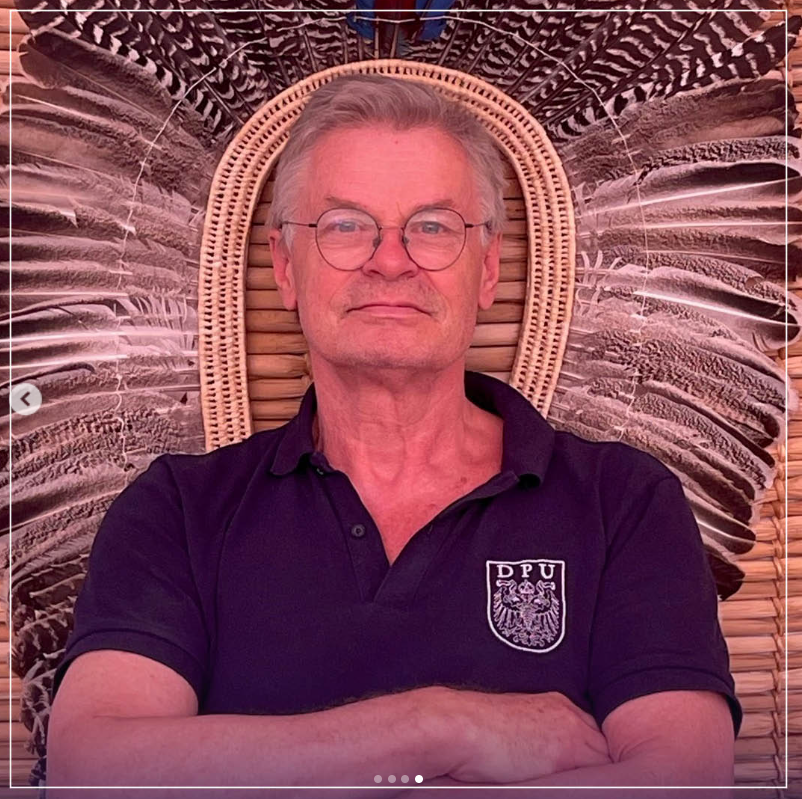
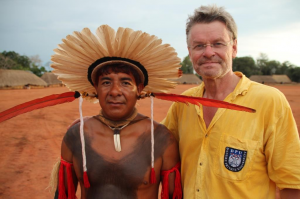
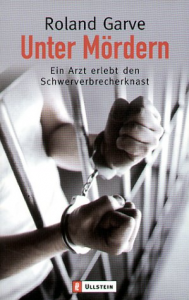
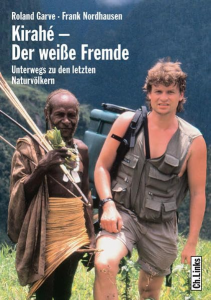
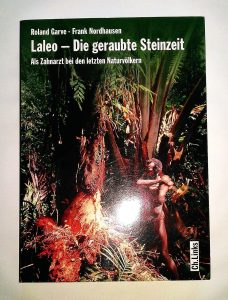
Roland Garve

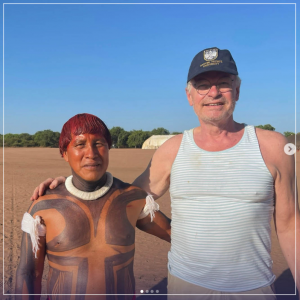
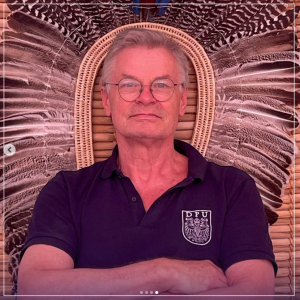
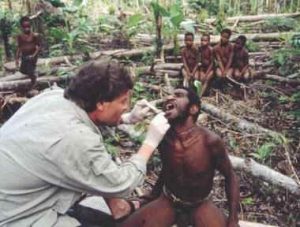
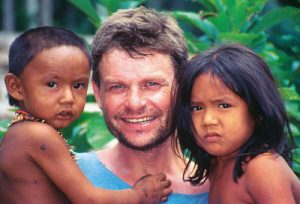
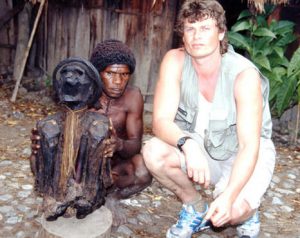
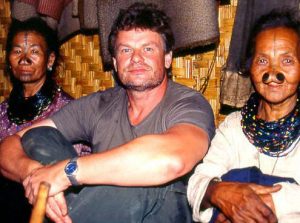
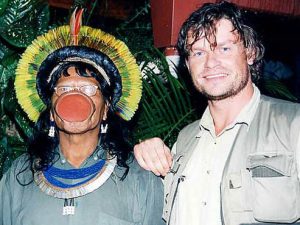
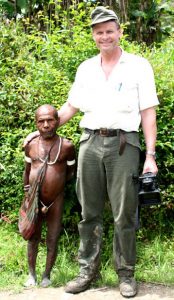
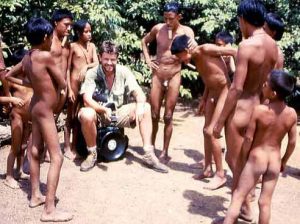
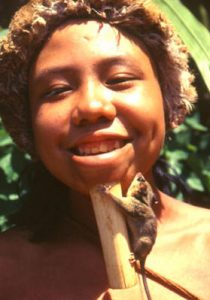
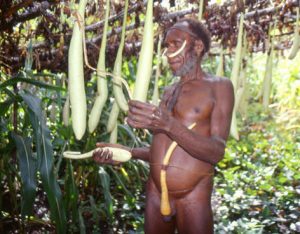
Roland Garve (born December 9, 1955 in Boizenburg/Elbe) is a German dentist and ethnomedical specialist.

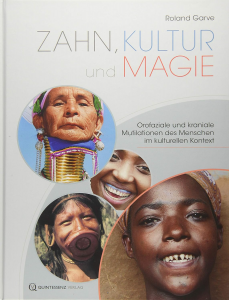
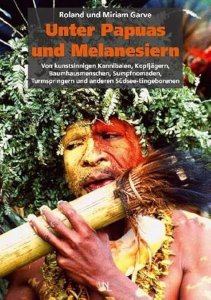
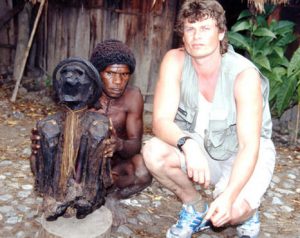
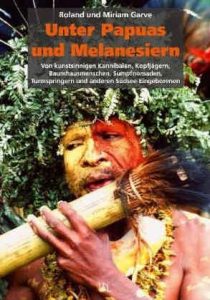
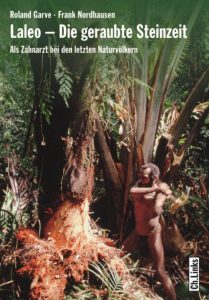
Garve, born and raised in Boizenburg/Elbe, attended the Polytechnic High School from 1962 to 1972 and then the extended High School Boizenburg, where he received his Abitur in 1974. After his military service, he studied dentistry at the University of Greifswald from 1976 and received his license to practice dentistry in 1981. From 1981 to 1983 he was imprisoned in Brandenburg-Görden for preparing an “illegal border crossing” from the GDR. During his imprisonment he treated fellow inmates as a trained dentist. Finally, after being expelled from the GDR in 1984, he left the GDR and received his doctorate from the University of Hamburg in 1986. After working as an assistant in a dentist’s office in Jesteburg, Garve ran a dental practice in Geesthacht in Schleswig-Holstein from 1985 to 2010. He subsequently retired from dental practice. He undertook numerous research trips (including Africa, Brazil, Thailand, Venezuela, and Papua New Guinea) to study indigenous peoples in collaboration with the Ethnological Museums in Dresden and Leipzig. Garve also gives lectures on ethnodentistry and ethnology. He has authored several books about his experiences. Garve also works part-time as a cameraman, photographer, and documentary film producer.

Since 2011, Roland Garve has been a lecturer at the Center for Human Cultural and Natural History, Faculty of Medicine/Dentistry, Krems (Austria), at the Danube Private University.[1]

In 2012, he received his diploma in Tropical Medicine from the Bernhard Nocht Institute for Tropical Medicine at the University of Hamburg.

In 2014, he was appointed Associate Professor and Head of the Department of Ethno-Dentistry at the Danube Private University Krems. Garve is considered the founder of the interdisciplinary research field of ethno-dentistry.

https://de.wikipedia.org/wiki/Roland_Garve

https://www.imdb.com/de/name/nm2672181

https://www.aufbau-verlage.de/autor-in/roland-garve

https://gutelehre.at/projekt/ethnozahnmedizin-ein-interdisziplinaeres-seminar-zur-bereicherung-der-zahnmedizinischen-forschung-und-lehre-um-ethnologische-und-kulturelle-aspekte


  • -

Tess Gerritsen

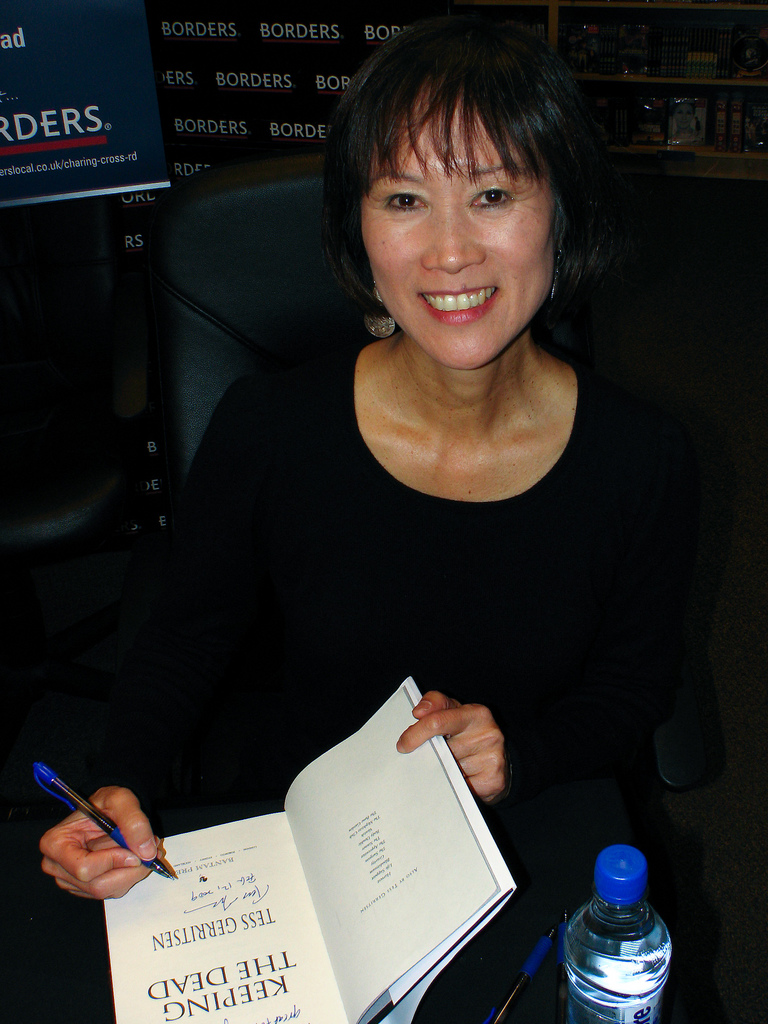
Tess Gerritsen (born Terry Tom; June 12, 1953[1]) is the pseudonym of Terry Gerritsen,[2] an American novelist and retired general physician.

Tess Gerritsen is the child of a Chinese immigrant and a Chinese-American seafood chef. While growing up in San Diego, California, Gerritsen often dreamt of writing her own Nancy Drew novels.[4] Her first name is Terry; she decided to feminize it when she was a writer of romance novels.[2] Although she longed to be a writer, her family had reservations about the sustainability of a writing career, prompting Gerritsen to choose a career in medicine.[5] In 1975, Gerritsen graduated from Stanford University with a BA in anthropology, intrigued by the ranges of human behavior.[6] She went on to study medicine at the University of California, San Francisco.[5] She received her medical degree in 1979 and started work as a physician in HonoluluHawaii.[7][8]

While on maternity leave, she submitted a short story to a statewide fiction contest in the magazine Honolulu. Her story, “On Choosing the Right Crack Seed“, won first prize and she received $500.[7][9] The story focused on a young male reflecting on a difficult relationship with his mother. Gerritsen claimed the story allowed her to deal with her own childhood turmoil, including the repeated suicide attempts of her mother.[7]

Inspired by the romance novels she enjoyed reading while working as a doctor, Gerritsen’s first novels were romantic thrillers.[7] After two unpublished “practice novels”, Call After Midnight was bought by publisher Harlequin Intrigue in 1986 and published a year later.[10] Gerritsen subsequently wrote eight romantic thrillers for Harlequin Intrigue and Harper Paperbacks.

In 1996, Gerritsen wrote Harvest, her first medical thriller.[10] The plot was inspired by a conversation with a retired homicide detective who had recently traveled in Russia. He told her young orphans were vanishing from Moscow streets, and police believed the kidnapped children were being shipped abroad as organ donors.[11] Harvest was Gerritsen’s first hardcover novel, and it marked her debut on the New York Times bestseller list at number thirteen.[12] Following Harvest, Gerritsen wrote three more bestselling medical thrillers: Life Support,[13] Bloodstream,[14] and Gravity.

In 2001, Gerritsen’s first crime thriller, The Surgeon, was published and introduced homicide detective Jane Rizzoli. Although a secondary character in The Surgeon, Rizzoli has been a central focus of 13 subsequent novels (see below) pairing her with medical examiner Dr. Maura Isles.[16] The books inspired the Rizzoli & Isles television series starring Angie Harmon and Sasha Alexander.[17] Gerritsen also made an appearance in the series’ final season as a writer who helps Isles establish herself in the literary field

Although most of her recent books have been in the Rizzoli/Isles series, in 2007 Gerritsen wrote a stand-alone historical thriller titled The Bone Garden. A tale of gruesome murders, the book is set primarily in 1830s Boston and includes a character based on Oliver Wendell Holmes.[19][20]

Gerritsen’s books have been published in 40 countries and have sold 25 million copies.

Film and television

Gerritsen co-wrote the story and screenplay for Adrift, which aired on CBS as Movie of the Week in 1993 and starred Kate Jackson and Bruce Greenwood

She is also the composer of the musical piece “Incendio” for violin and piano, a waltz that features in the plot of her novel “Playing With Fire”.[24] The composition has been recorded by violinist Susanne Hou.

Gerritsen’s mother told her traditional Chinese stories, e.g. about Monkey King. Her novel The Silent Girl uses Chinese martial arts and traditional motives in contemporary Boston. One of the victims is a Chinese chef.

web

wikipedia DE

wikipedia EN

youtube


  • -

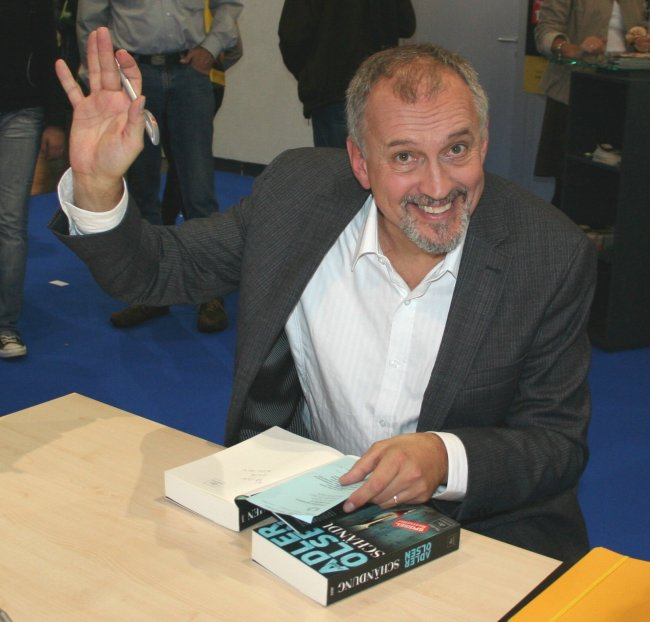
Jussi Adler-Olsen

Carl Valdemar Jussi Henry Adler-Olsen (born 2 August 1950) is a Danish crime fiction writer, a publisher, editor, and entrepreneur, best known for his Department Q series. He made his debut as a nonfiction writer in 1984, and as a fiction writer in 1997.

Born in Copenhagen, he was the youngest of four children and the only boy. Son of the successful sexologist and psychiatrist Henry Olsen, he spent his childhood with his family in doctors’ official residences at several mental hospitals across Denmark. In his late teens, he played in a couple of pop groups as lead guitarist. He graduated from high school in Rødovre (1970), and studied medicine, sociology (passed History of Modern Politics), and film making (exam.art.) until 1978.

After a managerial career, he began to write full-time in 1995.

Adler-Olsen’s novels have been sold in more than 40 languages. Outside Denmark he has enjoyed particular success in Norway, Germany, and the Netherlands, being a frequent visitor on the top of the bestseller lists, e.g., on The New York Times Paperback bestseller list. Adler-Olsen’s books have been on the bestseller lists in numerous other countries including Austria, Iceland, France, Spain, Sweden, and Switzerland.

https://de.wikipedia.org/wiki/Jussi_Adler-Olsen

https://en.wikipedia.org/wiki/Jussi_Adler-Olsen


  • -

George & Gwendolyn Roberts

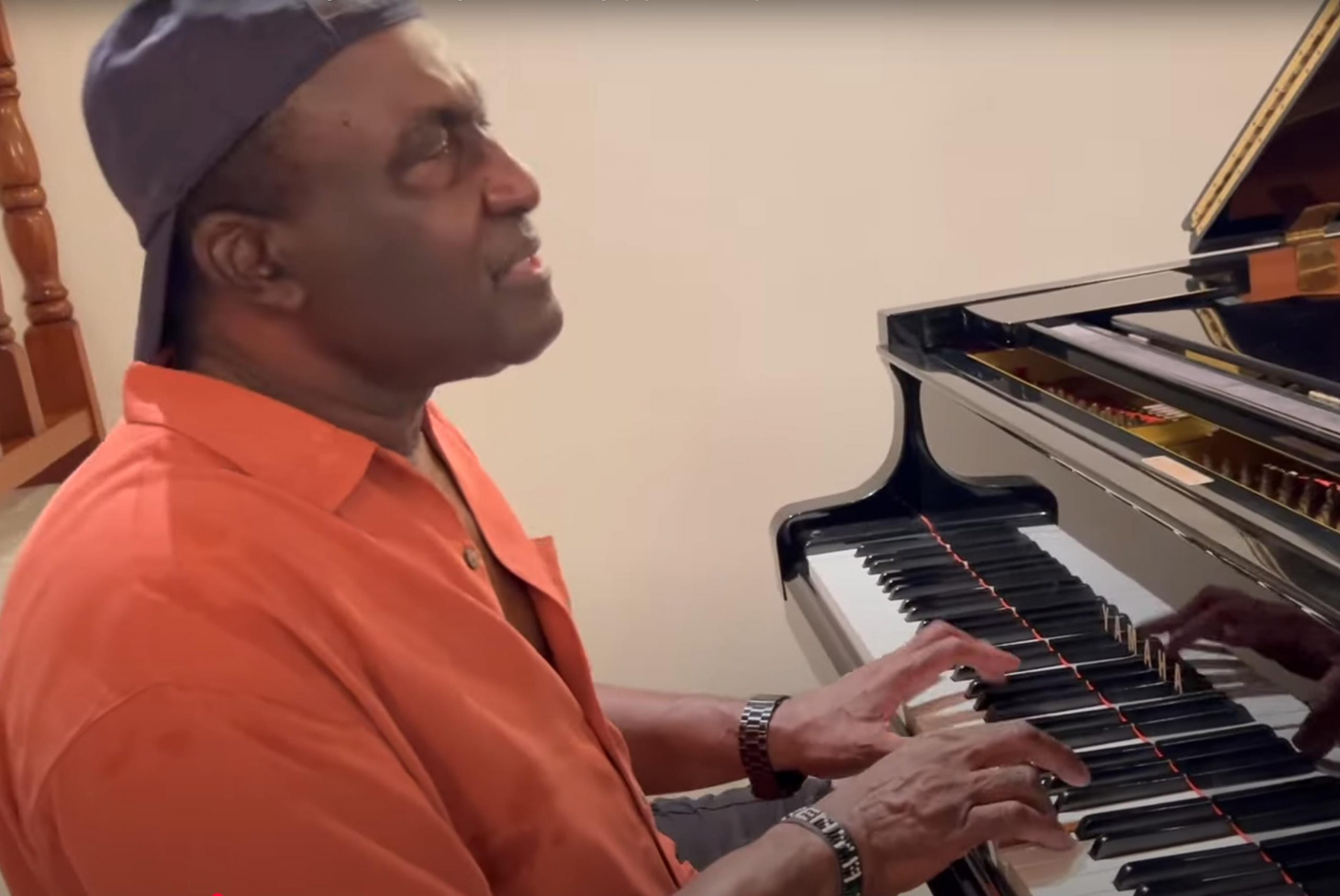
George Roberts is pianist and composer/arrangeur and produces wonderful videos on youtube with his wife Gwendolyn Roberts-Fevrier as film maker.

a composition of George with childrens choir:

youtube

work

work Gwendolyn Fevrier-Roberts