Surrounded by the love of his family, Daniel Kandelman died on April 13, 2023, at Maison St. Raphaël, perched on Mount Royal between his family home and the Université de Montréal.
He was the beloved husband of Isabelle, the loving father of Séverine (Aurélien Bourdier) and Stanislas (Laure Maillard), and the admiring grandfather of Balthazar, Félix, Émile, and Marius.
Daniel arrived in Quebec with Isabelle in July 1976, with a one-year contract as an assistant professor of dentistry at the Université de Montréal. The joy of living in Quebec, teaching at the Faculty, implementing his community health projects, meeting wonderful friends, and the shared joy of watching their children grow up in Montreal transformed the initially planned year into a lifelong project.
His love of music marked his life and that of his loved ones. The concerts, often organized with other musicians, delighted his patients, who were thrilled to discover that their dentist was a pianist, and won over some colleagues, who were happy to share this passion with him.
His family wishes to thank the palliative care staff at CLSC Parc Extension, Nova Soins à domicile, and Maison St Raphaël.
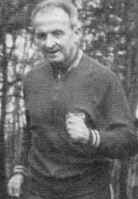
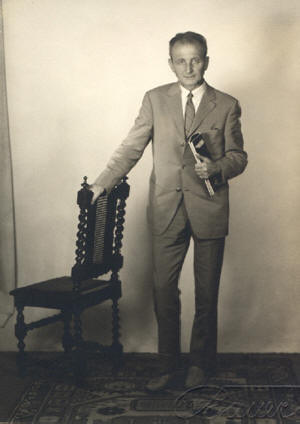
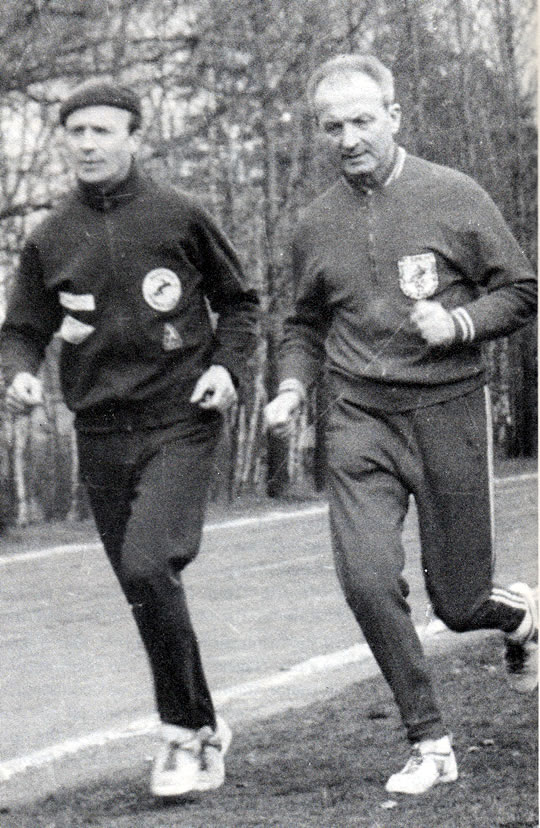
Ernst van Aaken (16 May 1910, in Emmerich – 2 April 1984, in Schwalmtal-Waldniel) was a German sports physician and athletics trainer. Van Aaken became known as the “Running Doctor” and was the founder of the training method called the Waldnieler Dauerlauf (German: “Waldniel endurance run”). He is generally recognized as the founder of the long slow distance method of endurance training.
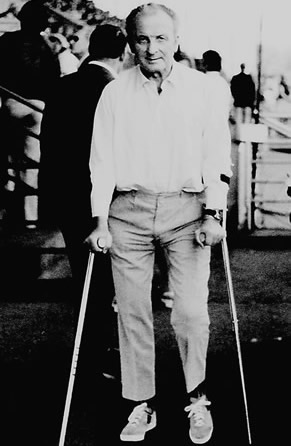
As a sports physician, trainer and advocate of new developments he directed himself fanatically to distance running and the training of “pure endurance” (“reine Ausdauer”) with high mileage in the training program. He was an opponent of the method of interval training that prevailed until the mid-1960s. In the early 1960s, van Aaken trained, among others, the German athlete Harald Norpoth, who won silver in the 1964 Olympic Games in Tokyo in the 5000 meters. In 1972 Van Aaken was hit by a car during his own training, which cost him both legs. Since this accident he moved in a wheelchair and became also a champion for disabled sports and wheelchair racing. He also held countless lectures, including in the United States and Japan, and organized running races, especially marathons for women, besides ultra running events
Van Aaken stated that human beings were able to reach the age of 100, if they would not live so “hopelessly unbiologically”. In the “biologic” life style that he advocated, sports played an important role, especially the development of endurance. He lauded a daily endurance run for everybody, also for women, elders and children, combined with moderate eating and drinking. He also held the opinion that the female sex would eventually perform better in endurance events than the male, if all social barriers were dealt with that currently enhinder this. To propagate his ideas, he wrote a number of books, the most famous titled Programmiert für 100 Lebensjahre (“Programmed for lifespan 100”).
an Aaken was an early proponent of women’s running.[3]
In 1967, van Aaken asked Anni Pede, a 27-year-old middle-distance runner and mother of two also from West Germany, and Monika Boers, a 19-year-old from the Netherlands, to participate in a marathon organized by his running club in Waldniel.[4][nb 1] According to German sports historian Karl Lennartz, journalists skeptical of 13-year-old Maureen Wilton‘s recent world best in Toronto, Ontario, Canada asked van Aaken if women and teenagers were capable of such a performance.[4] Mocked and derided for claiming that faster times were indeed possible, van Aaken chose Pede and Boers to prove himself correct.[4] Although the German Athletic Association (Deutscher Leichtathletik-Verband) did not yet officially permit women to run, race officials did allow the two women to start 30 meters behind the men.[4] Pede came in third, her 3:07:26.2 set a new world best, and Boers finished in 3:19:36.3.[4]
Van Aaken had tested this before in women’s cross country races which had no distance limit for women. He had all the support of the regional track & field association of which he was the women’s spokesman which facilitated his tasks to further women’s athletics
COHEN, Dr. Jack died On Friday, August 22, 2014, at the age of eighty. ….
A caring surgeon who provided compassion, wisdom, and humour to patients and co- workers at the Jewish General and St. Mary’s Hospitals for forty-five years. A talented classical whistler whose unique performances brought joy to his audiences. A passionate history student, and history of medicine enthusiast. A kind, intelligent man who made a difference in everyone’s lives.
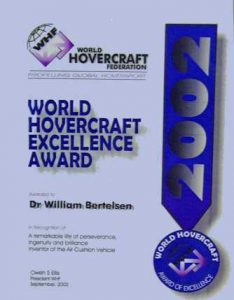
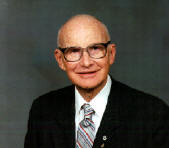
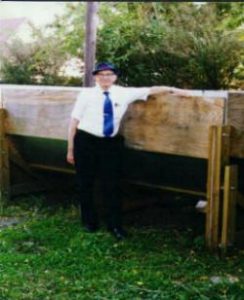
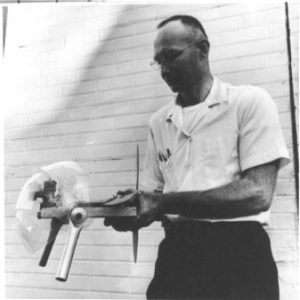
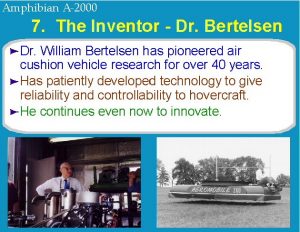
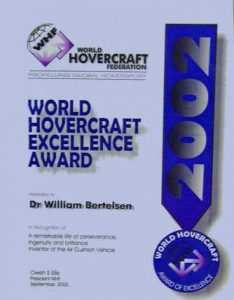
William R. Bertelsen (May 20, 1920 – July 16, 2009) was an American inventor and pioneer in the field of hovercrafts. Bertelsen is best known as the inventor of the Aeromobil, the first hovercraft to transport a person over land and water.[1] In 2002, Bertelsen was named the “Father of the Hovercraft” by the World Hovercraft Federation.[1] William R. Bertelsen married Alberta Menzel on September 21, 1946, in Homewood, Illinois.
He graduated from Rock Island High School in 1938 and studied mechanical engineering for two years at the Indiana Institute of Technology. In addition to his busy career as a physician and inventor, Bertelsen was also a husband and father of four children. It was Bertelsen’s career as a country doctor that led him to develop and experiment with various ACVs. His need to reach patients in rural areas even in inclement weather quickly developed into a lifelong passion for developing alternative transportation. Despite both encouraging and negative responses, Bertelsen developed a series of ACVs and ground-effect vehicles (GEMs), including the Aeromobile 35-1, 35-2, 72, 200-1, 200-2, and 250-1; the Arcopter GEM-1, GEM-2, and GEM-3; and a vertical takeoff and landing (VTOL) aircraft.
Die DOSNY wurde 1938 von Ärzten gegründet und führte symphonische Musik unter Ignatz Waghalter auf. Bis zu sechs Konzerte jährlich finden in den bekannten Konzertsälen statt, Carnegie Hall, Town Hall und in der Avery Fisher Hall.
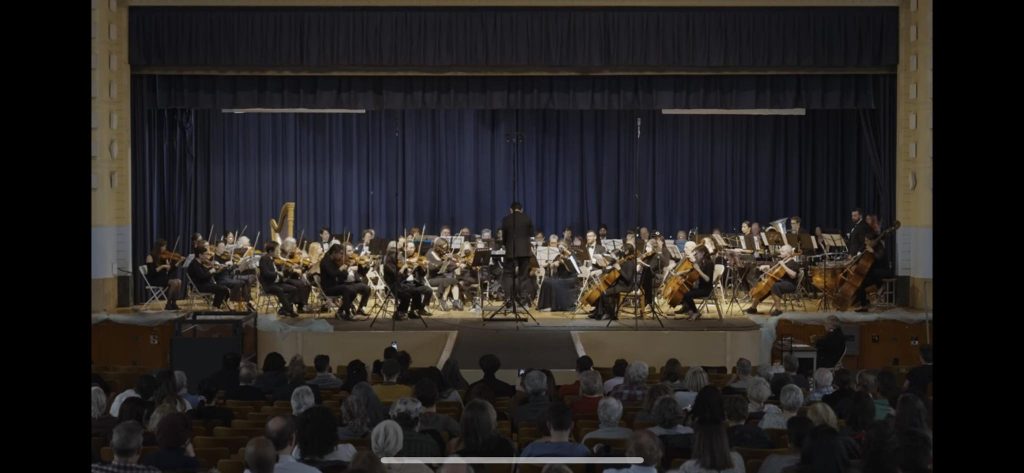
DOSNY was founded in 1938 by physicians interested in performing symphonic music under the direction of Ignatz Waghalter. In recent years it has added community musicians representing the diverse professions in the New York metropolitan area.
The Doctors’ Orchestra performs four to six concerts annually, often donating its services for benefits. Depending on the music, the orchestra performs concerts with between 50 and 60 members. The orchestra has performed in New York’s major concert halls including Carnegie Hall, Town Hall and Avery Fisher Hall.
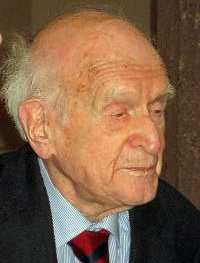
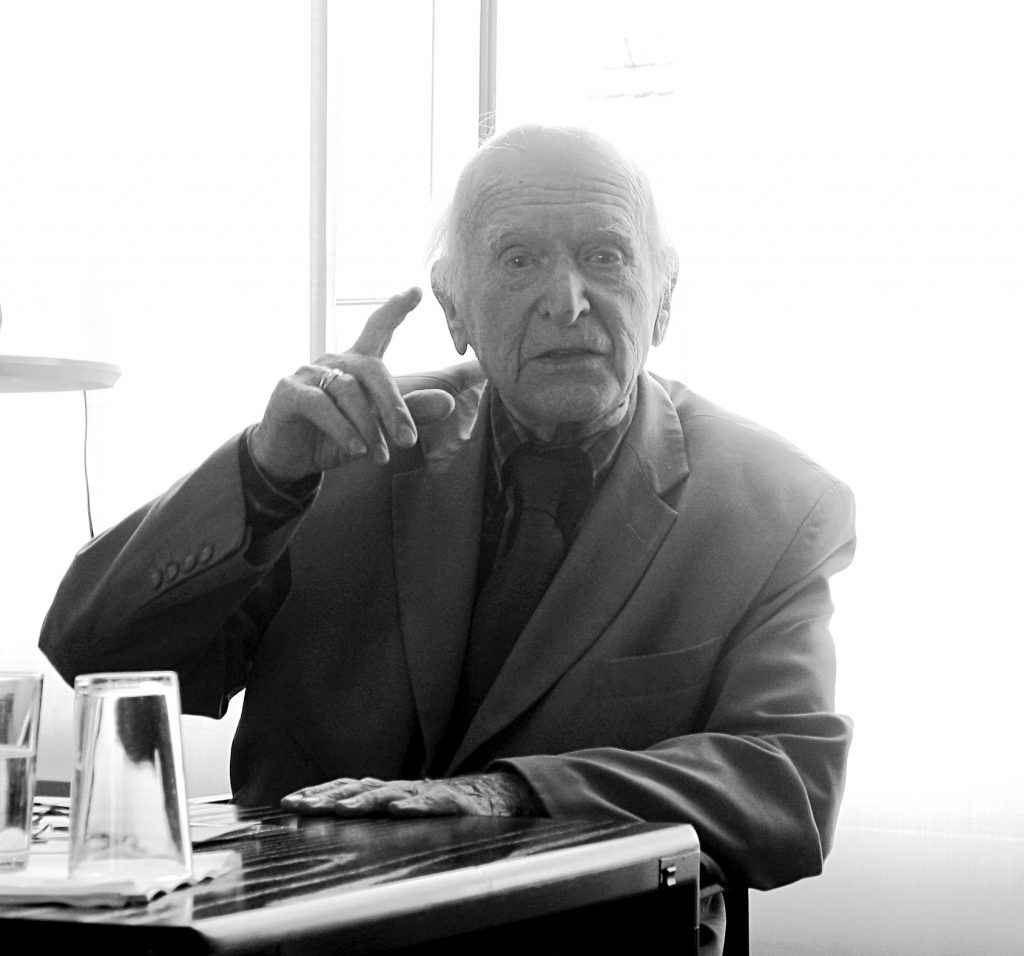
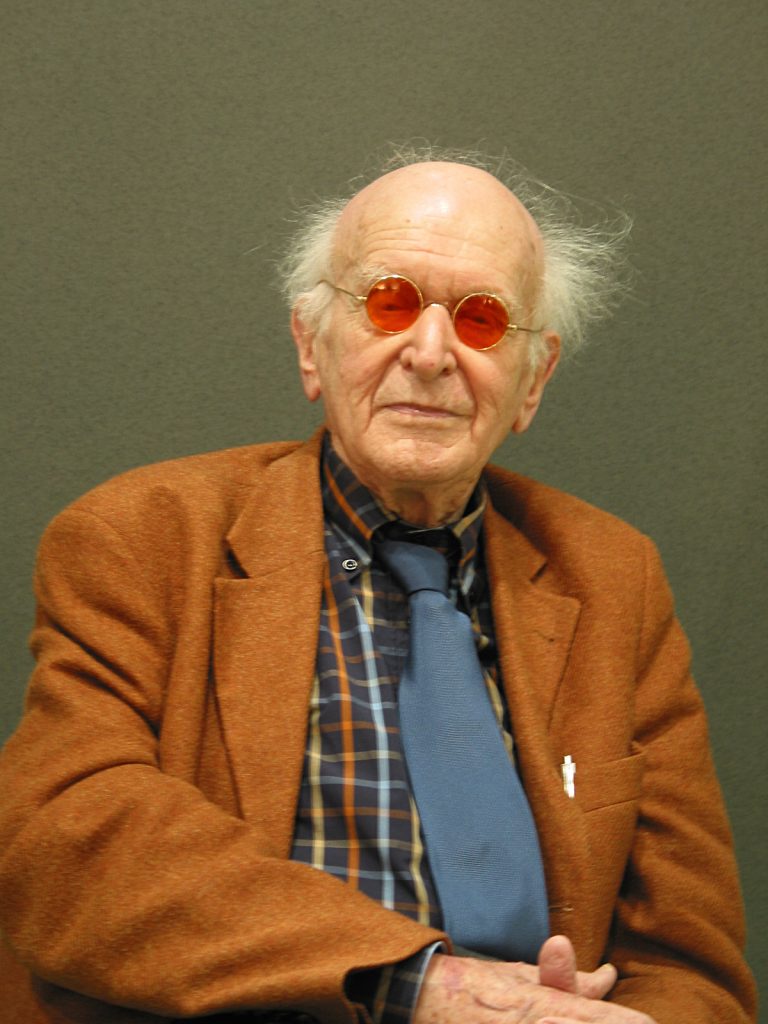
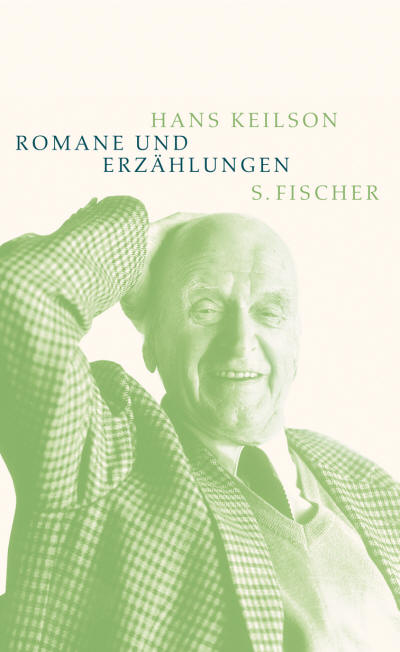
Hans Alex Keilson (Dutch pronunciation: [ɦɑns ˈkɛilsɔn]; 12 December 1909 – 31 May 2011)[1] was a German-Dutch novelist, poet, psychoanalyst and child psychologist. He was best known for his novels set during the Second World War, during which he was an active member of the Dutch resistance.
Keilson, having worked with traumatized orphans, mainly wrote about traumas induced by the war. His first novel was published in 1934, but most of his works were published after the war. In 2010, The New York Times ‘s Francine Prose described Keilson as “one of the world’s greatest writers”, notably honouring Keilson’s achievements in the year in which he turned 101 years old
Hans Keilson Besuch des S. Fischer Verlages (Lesung und Gespräch mit den Mitarbeitern) am 1.6.2005 Foto: Martin Spieles (c) S. Fischer Verlag GmbH
Born in Germany in 1909, he published his first novel Das Leben geht weiter (Life goes on) in 1933, shortly before his emigration to the Netherlands. In 1943 he went underground and worked as a doctor and courier for the resistance group Vrije Groepen Amsterdam. In 1948 he received his Dutch approbation as a doctor and subsequently specialised in psychiatry and psychoanalisis.
Hans Keilson’s thesis, published in 1979, Sequentielle Traumatisierung bei Kindern(Sequential Traumatisation in Children), has been translated into several languages and was based on the therapeutic work he carried out on behalf of Le Ezrat HaJeled until 1970. His most recent work Sieben Sterne. Reden, Gedichte und eine Geschichte. Mit einem Nachwort von Gerhard Kurz (Seven stars. Speeches, Poems and a Story. With a postsript by Gerhard Kurz) was published in 2003. An edition of his collected works is just published and available with the renowned publishing house S. Fischer. http://www.fischerverlage.de
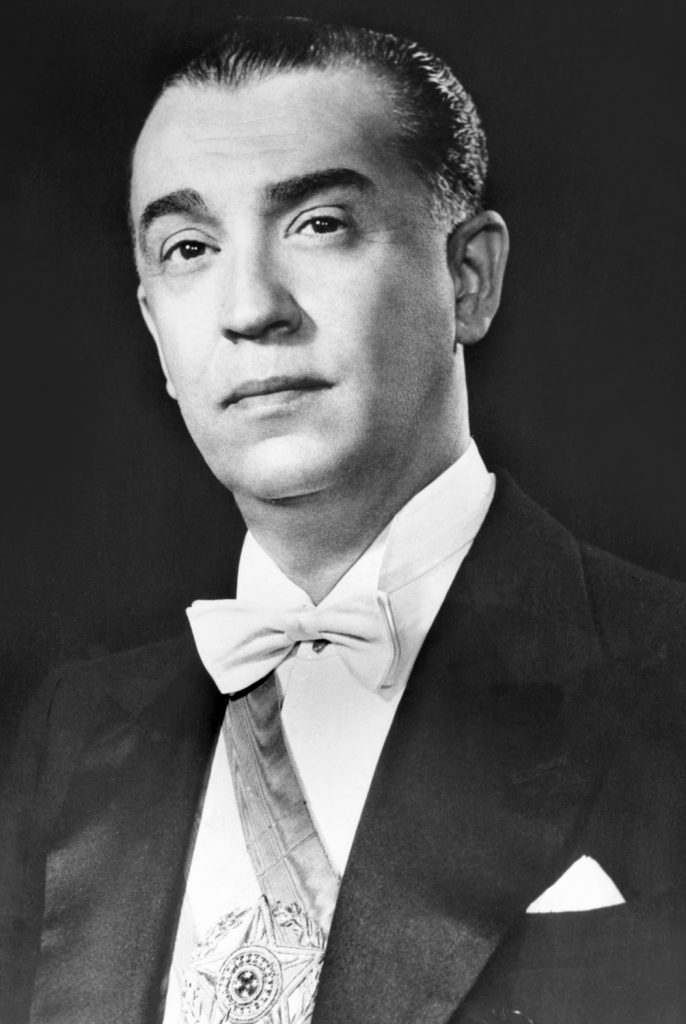
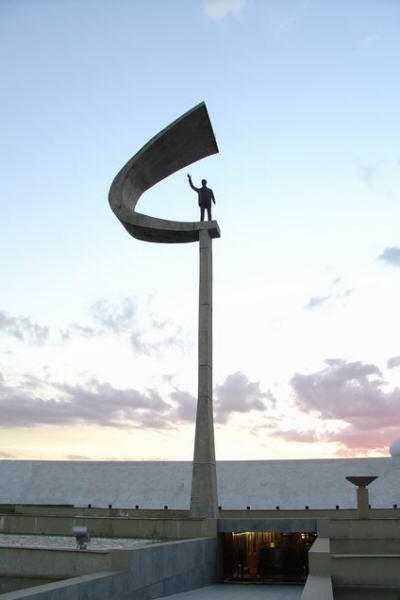
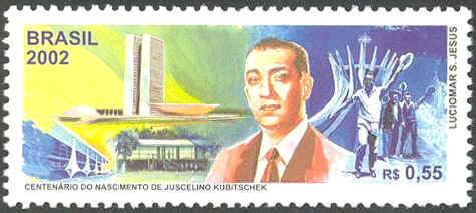
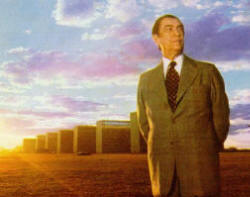
Juscelino Kubitschek de Oliveira (Portuguese pronunciation: [ʒuseˈlinu kubiˈʃɛk(i) dʒi oliˈve(j)ɾɐ]; 12 September 1902 – 22 August 1976), also known by his initials JK, was a prominent Brazilian politician who served as the 21st president of Brazil from 1956 to 1961. Kubitschek’s government plan, dubbed “50 years in 5”, was centered on economic and social development. During his term the country experienced a period of notable economic growth and relative political stability. However, there was also a significant increase in external debt, inflation, income concentration and wage erosion. At the time, there was no re-election and, on 31 January 1961, he was succeeded by Jânio Quadros, supported by the UDN. Kubitschek is best known for the construction of Brazil’s new capital: Brasília, which was inaugurated on 21 April 1960, replacing Rio de Janeiro.
Kubitschek was born in Diamantina, Minas Gerais, in 1902. His father, João César de Oliveira, died when he was only two years old. JK completed the humanities course at the Diamantina Seminary and moved to Belo Horizonte in 1920. In 1927, he graduated in medicine from the Federal University of Minas Gerais (UFMG), and in 1930 he specialized in urology in Paris. In December 1931, he married Sarah Lemos, with whom he had a daughter, Márcia, in 1943. The couple also adopted Maria Estela in 1947. In 1931, Kubitschek joined the Public Force of Minas Gerais as a doctor. During this period, he served on the Constitutionalist Revolution and became friends with politician Benedito Valadares who, upon being appointed federal intervenor in 1933, appointed Kubitschek as his chief of staff. In 1934, Kubitschek was elected federal deputy, but his term was revoked during the Estado Novo coup. With the loss of his term, Kubitschek returned to medicine. In 1940, he was appointed mayor of Belo Horizonte by Valadares, remaining in this position until October 1945. At the end of the same year he was elected constituent deputy for the Social Democratic Party (PSD). In 1950, he defeated Bias Fortes in the PSD caucuses to choose the party’s candidate for that year’s gubernatorial election in Minas Gerais. In the election, he defeated his brother-in-law Gabriel Passos and was sworn in as governor on 31 January 1951. As governor, he created the Companhia Energética de Minas Gerais, and also prioritized road building and industrialization.
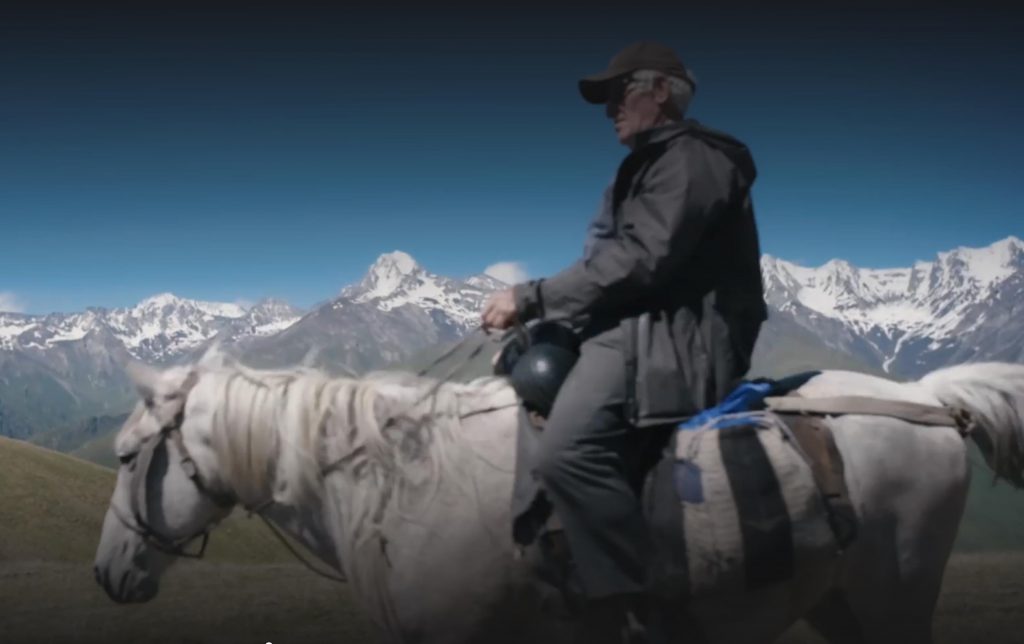
Emergency in the Kaukasus: A shepherd is ill. Dr. Irakli (81) packs his saddle, looks for his horse and rides. His Wallach Bitschola (31) and him are the rescue unit in the Georgian Kaukasus going up to 3.500 meters height where there are no roads – the doc has to ride.
Until he got pension he worked as a neurologist in a hospital in the valley. Then he returned into the mountains ot Tushetia and became mountain doctor. He has rescued 51+ lives since. He believes that god called him to do so. During the village festivities in summer he brews the beer for the folks.
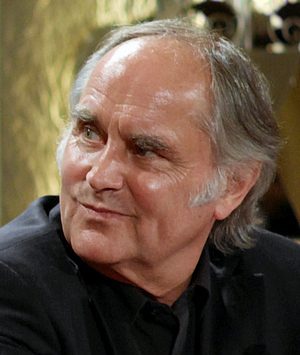
Michael Verhoeven stems from a theatre and film family, the son of the German film director Paul Verhoeven (1901-1975, not to be confused with the Dutch film director of the same name) and actress Doris Kiesow (1902-1973), brother of actress Lis Verhoeven (1931-2019) who had been married to (and divorced from) actor Mario Adorf – and therefore uncle to actress Stella Maria Adorf.
Michael Verhoeven married Austrian actress Senta Berger in 1966 and stayed with her until his death in 2024 – in what is considered one of the longest-running scandal-free marriages in show business. Their sons are screenwriter/director/actor Simon Verhoeven (born 1972) and producer/actor Luca Verhoeven (born 1979). Verhoeven and Berger met at the Berlinale in 1960 and played together in front of the camera in the 1963 film Jack and Jenny, where he was supposed to kiss her in one scene. The two fell in love during filming. The couple had two sons, Simon Vincent (born 1972) and Luca Paul (born 1979). The children followed in their parents’ footsteps: Simon Verhoeven is a director and screenwriter, whereas Luca Verhoeven is a producer. Both sons started out as actors and also work in the family business Sentana Filmproduktion.
Verhoeven died in the presence of his family at his Grünwald home on 22 April 2024 at the age of 85 after a short, serious illness.[2]
As a young adult, however, Verhoeven decided to study medicine against the wishes of his parents, who encouraged him to continue his acting career. He obtained his doctorate in 1969 with a thesis on psychiatric masking of brain tumors with special consideration of misleading findings and worked as a doctor for several years – including in the USA, where he had followed his wife Senta Berger, who was acting in Hollywood films in the 1960s alongside stars like Charlton Heston, Dean Martin, Frank Sinatra, Richard Widmark, John Wayne, Kirk Douglas, and Yul Brynner.
Verhoeven’s political and experimental 1970 anti-Vietnam War film o.k. was entered into the 20th Berlin International Film Festival, but led to a scandal[6] that forced the collapse of the festival without the awarding of any prizes:[7] The then jury president George Stevens felt offended and threatened to remove the experimental film from the program because of its supposed anti-American invective[8]. The Berlinale regulations were subsequently reformed. Later that year o.k. went on to win the German Film Award in Gold. For its 50th anniversary, MoMA conducted a special screening in 2021[9].
In the 1970s, Verhoeven worked increasingly for television, including directing one of the first episodes of Germany’s longest running crime procedural series Tatort (for which he would direct another episode 33 years later in 2005). After becoming a father for the first time in 1972, he wrote and directed the anarchic children’s series Krempoli in 1975, in which he played a smaller part and also cast his father Paul Verhoeven and his sister Lis Verhoeven alongside Senta Berger. In 1980, he made the television film Die Ursache with Otto Sander. In the same year his theatrical release Sunday Children (Sonntagskinder) got screened at the Cannes Film Festival in 1980.
In 1982, he wrote, directed and co-produced the story of the resistance fighters against the Nazi regime, the siblings Hans and Sophie Scholl, in Die weiße Rose (The White Rose). The German Foreign Office banned official screenings abroad when Verhoeven refused to remove a critical commentary from the credits. The film won Silver at the German Film Awards. Based on the true story essay book “A Case of Resistance and Persecution, Passau 1933-39,” by Anja Romus, he wrote and directed The Nasty Girl ( Das schreckliche Mädchen) in 1990, which won the Silver Bear for Best Director at the 40th Berlinale, the BAFTA for Best Foreign Language Film, Best Foreign Language Film at the 56th New York Film Critics Circle Award, and gained an Oscar nomination for Best Foreign Language Film at the 63rd Academy Awards. These two films cemented his international reputation as an important political voice in European film. Along with his adaptation of George Tabori‘s memoireMy Mother’s Courage [de] (with music by his son Simon Verhoeven who also played a supporting part), and the documentary Der unbekannte Soldat (The Unknown Soldier), Verhoeven was praised for his relentless examination of the Nazi regime in Germany and its aftermath.
Promoting The Nasty Girl in the US in 1990, Verhoeven explained his interest in rememberence culture or rather the lack thereof: “The danger is that we will really forget. But we are very rich right now, and it could happen that we become not quite so rich. Many social problems will show up with the so-called reunification, and with the social problems it could be that Germans again look for enemies. This is what I am scared of. We know so little about Eastern Germany, and the eastern people also don’t know too much about our history. What they were told in school is even more wrong than what we were told.”[10]
Verhoeven became a professor at the Filmakademie Baden-Württemberg in Ludwigsburg in the 1990s, passing on his knowledge to the next generation of filmmakers. For decades, Verhoeven also ran movie theaters in Berlin: the Toni at Antonplatz and the Olympia Filmtheater in Prenzlauer Berg until he sold the properties in the late 2010s.
Together with wife Senta Berger he was awarded the Federal Cross of Merit in 1999 as well as the Bavarian Order of Merit in 2002. In 2005, Verhoeven received the Marion Samuel Prize, which honors particularly effective ways of combating the forgetting, suppression and relativization of the crimes committed by Germans during the Nazi era[13]. In 2006 he got an Honorary Lifetime Award from the Bavarian Film Awards[14].
In 2000, Verhoeven made his first documentary: Der Fall Liebl– Ein Bayer in Togo, about a late repatriate who was unfamiliar with German bureaucracy and was threatened with deportation. In 2006, after seven years of work, his second documentary The Unknown Soldier about reactions to the Wehrmacht exhibition was released. In his 2008 documentary Human Failure (Menschliches Versagen), Verhoeven dealt with the question of the extent to which the German civil population profited from the confiscation of Jewish assets during the Nazi era. The film was screened at the Jerusalem Film Festival[15]. In his 2011 documentary The Second Execution of Romell Broom (Die zweite Hinrichtung – Amerika und die Todesstrafe), made in collaboration with Bayerischer Rundfunk, Verhoeven took on the subject of Capital punishment, following the death sentence for Romell Broom, found guilty for rape and murder, and his execution on September 15, 2009 in Lucasville, Ohio, which failed 18 times and was finally aborted[16].
However, Verhoeven was no stranger to light entertainment, most notably with his 1989 – 2002 television series Die schnelle Gerdi (Fast Gerdi) which starred Senta Berger as a smart and self-reliant Munich cab driver.
His last directorial and screenwriting work, Let’s go!, was adapted in 2014 from the autobiographical novel Von Zuhause wird nichts erzählt by Laura Waco about her Jewish family in post-war Munich.
In 2015, Verhoeven co-produced Welcome to Germany (Willkommen bei den Hartmanns) written, directed and co-producted by son Simon Verhoeven, in which Senta Berger played the leading role. This sharp-tongued comedy about the 2015 refugee crisis became the most successful German cinema film of the year (3.8 million viewers) and won the German Film Award, the Bavarian Film Award for Best Production as well as the Audience Award, the Peace Prize of German Film, the Goldene Leinwand, and the Bambi Award, among others.
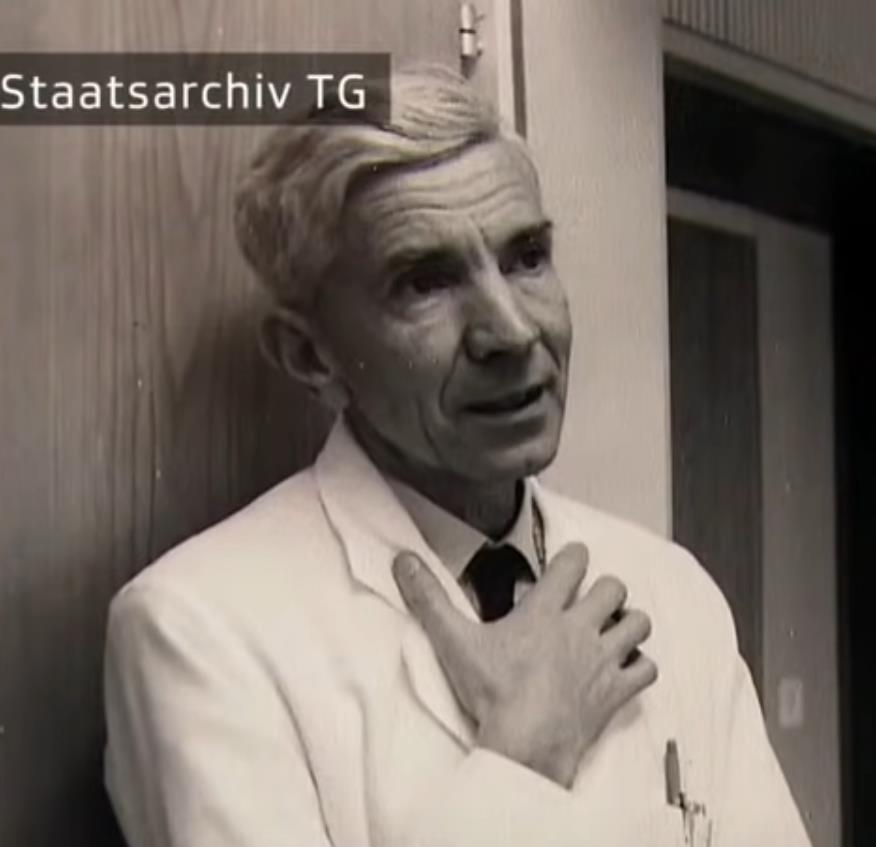
HorrorDoc Roland Kuhn (4 March 1912 – 10 October 2005) was a Swiss psychiatrist who discovered that the drug imipramine had antidepressant properties.[1] he was born in Biel and died in Scherzingen. In 1957, Kuhn published the results of his observations of the antidepressant properties of Imipramine in the Schweizerische Medizinische Wochenschrift (Swiss Weekly Medical Journal).[1] More recently, it was discovered that he tested drugs on patients and children without informed consent and without proper approval by the authorities during his time at the psychiatric hospital in Münsterlingen (where he was director 1971–1980), a practice that is highly unethical.
Like this 36 patients have died after taking these drugs without their consent. Enough for the category HorrorDoc.