Category Archives: pioneerDocs

  • -

Raphaëla le Gouvello

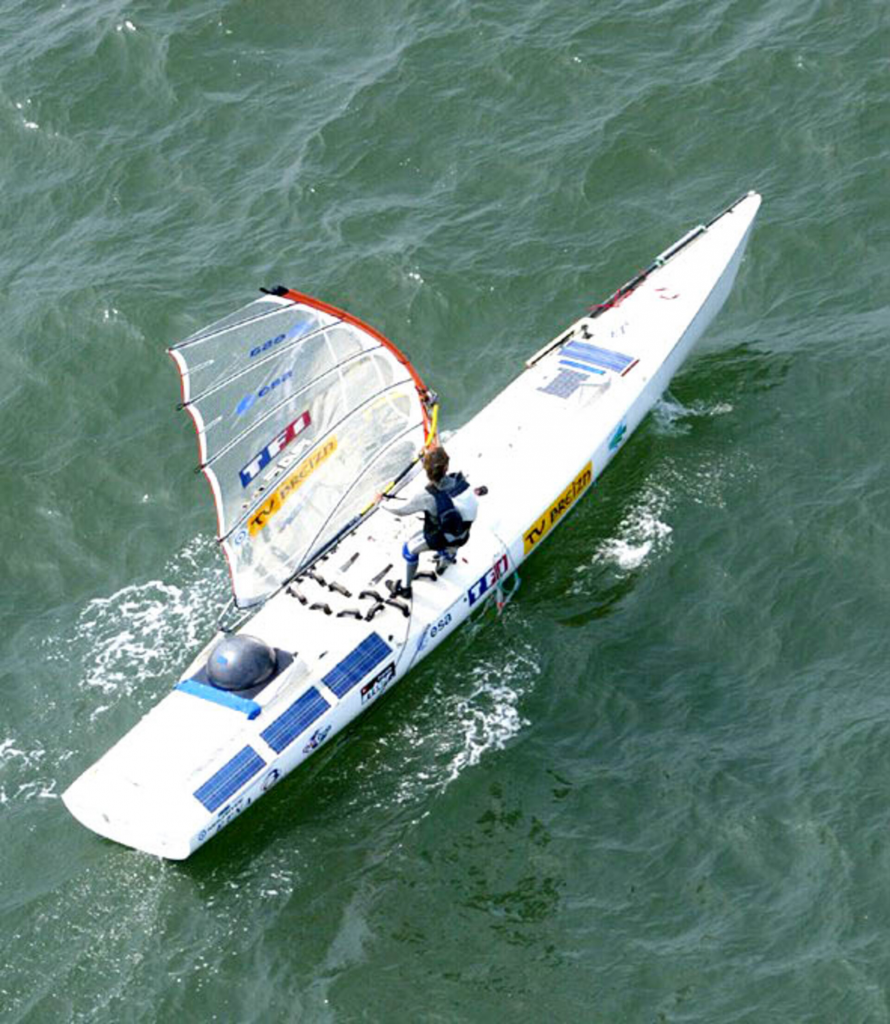
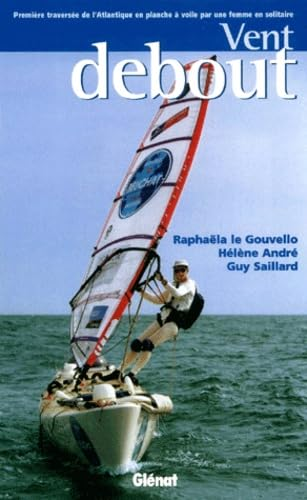
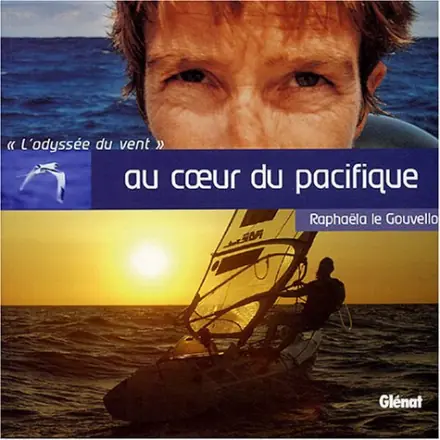
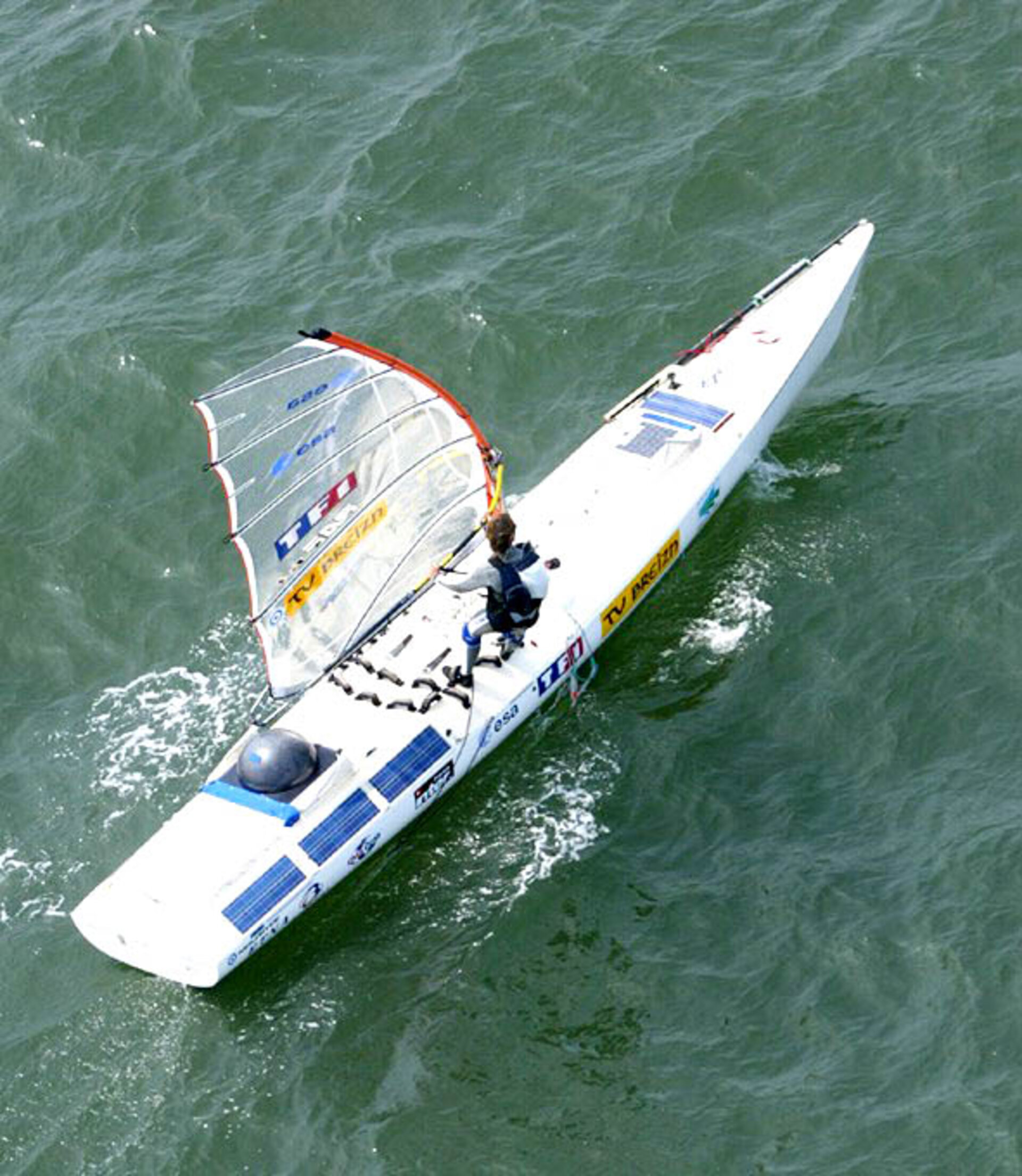
Raphaëla le Gouvello (born May 4, 1960 in Paris[1]) is a French windsurfer who has crossed the Atlantic, Pacific (Peru-Tahiti), and Indian Oceans, among others, on ocean-going surfboards measuring 7.50 to 7.80 meters long and approximately 75 cm wide. She has documented her experiences on the crossings in three books to date.
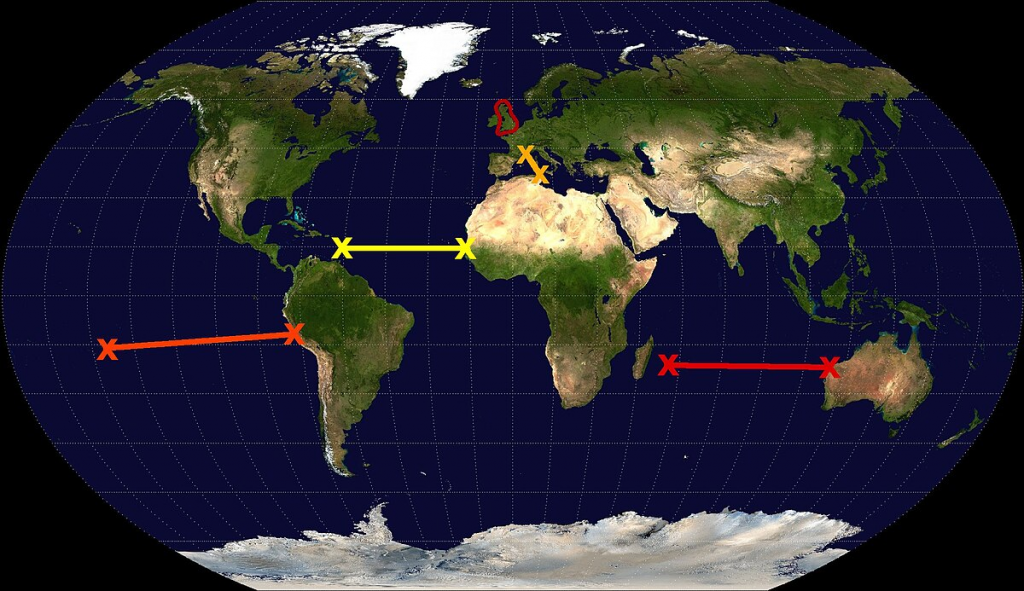

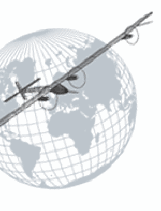
Ports of departure and arrival of windsurfer Rafaëla le Gouvello, in her trans-atlantic (2000), trans-Mediterranean (2002), trans-pacific (2003), trans-Indian Ocean (2006), and round-Great Britain (2007) tours. The connecting routes for the trans-oceanic trips are only drawn for better visibility and do not indicate the exact routes taken.

The veterinarian, who specializes in aquaculture (fish farms and the breeding of other aquatic animals), is committed to environmental protection and sustainable development, including through her windsurfing trips.

Le Gouvello began windsurfing in 1976, competed in competitions from 1977, and has been teaching as a windsurfing instructor since 1978. From 1980 to 1982, she improved her performance in open competitions, reaching seventh place among French female windsurfers.[2] Since 1984, le Gouvello has also regularly participated in funboarding.
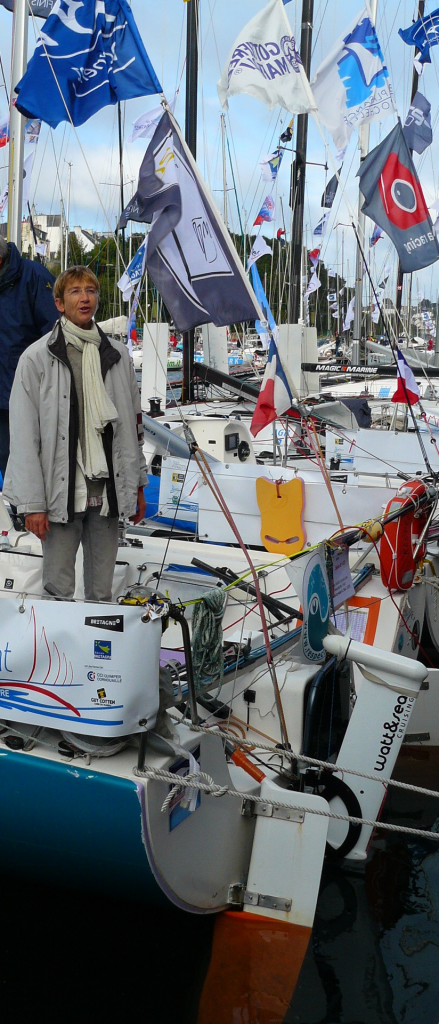
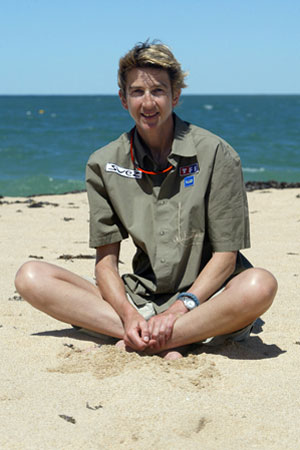
Rafaëla le Gouvello in Douarnenez, a few days before the start of her first transoceanic boat race, the 2013 Transat 6.50.

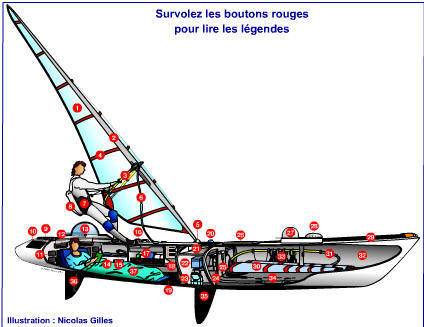
From February 25 to April 24, 2000, she became the first woman (and the third windsurfer ever) to cross the Atlantic alone, without an escort, on a surfboard. The 7.5 m long and 1.3 m wide surfboard was designed by Guy Saillard for Stéphane Peyron, who had used it in 1987 to become the first windsurfer to cross the Atlantic alone[3] and who advised le Gouvello on her crossing. The flat hull, used instead of a conventional surfboard, contained, among other things, a sleeping accommodation and provisions, five spare sails, and the lowered sail and rig for use at night and in bad weather (see web links for photos). She needed 58 days, 10 hours and 11 minutes to cover the 2,750 nautical miles (just over 5,000 km) from Saly Portudal in Senegal, south of Dakar, to Le Diamant on the Caribbean island of Martinique; Peyron had needed only 49 days for the roughly 3,500 nautical miles from New York to the French town of La Baule. The unexpectedly long duration of le Gouvello’s crossing was due to unusually weak winds over two and a half weeks at the start of the voyage, forcing the Frenchwoman to ration her supplies in the last third of the journey; nevertheless, she had to have food supplies brought to her by a French naval ship from Guyana. There was also excitement on April 17, when le Gouvello fell from her surfboard; however, the safety line she was wearing kept her connected to the board and she was able to get back on easily.

The Frenchwoman’s next goal was to cross the Pacific. For this, she had a new windsurfing device built from 2001 to 2002, again designed by Saillard. The 7.80 m long, 1.30 m wide, and up to 75 cm thick hull offers space for a second sail, sleeping accommodation, a desalination plant, sufficient provisions, and various navigation devices; the maximum sail area is 7.4 m².

To test the device and prepare for the Pacific, le Gouvello first attempted a Mediterranean crossing – becoming the first windsurfer ever to do so. However, on her first attempt, which began on July 25, the Frenchwoman capsized and had trouble righting the device. On her second attempt, from August 25 to September 7, 2002, she succeeded in completing the first crossing of the Mediterranean on a surfboard, completing the 550 nautical miles (just over 1,000 km) from Marseille to Sidi Bou Saïd in Tunisia in 10 days, 1 hour, and 38 minutes. The new surfboard was faster than the previous one and also more reliable.
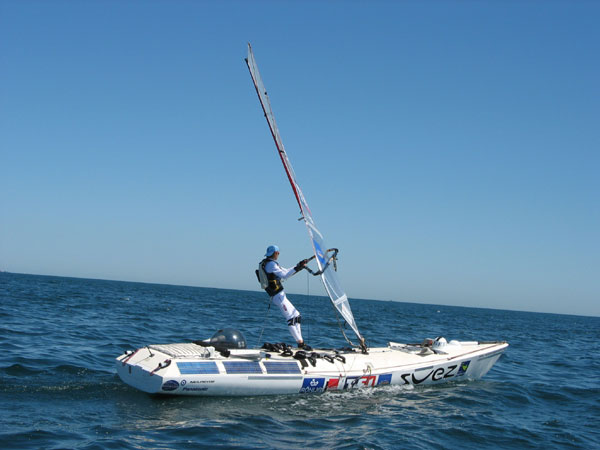
In 2003, she became the first windsurfer to cross the Pacific Ocean alone. The 4,455 nautical miles (approximately 8,250 km) journey from Lima, Peru, to Papeete, Tahiti is the longest distance the Frenchwoman has ever completed, taking 89 days and 7 hours from August 5 to November 2.

From April 10, 2006, to June 8, 2006, le Gouvello became the first and, as of 2008, only windsurfer to cross the Indian Ocean. The Frenchwoman needed 60 days, 2 hours, and 1 minute to complete the 3,541 nautical miles (over 6,500 km; direct route 3,262 nautical miles) from Exmouth, Australia, to Le Port, on the French island of Réunion, off Madagascar. During the voyage, le Gouvello repeatedly struggled with seasickness, gastritis, injuries and changing weather conditions.

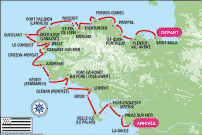
In the spring of 2007, le Gouvello circumnavigated Great Britain while windsurfing. She visited 26 ports during her trip, where she promoted environmental protection in general and the protection of the British coast in particular through educational work. She also allowed windsurfers with basic experience (confirmed windsurfers) to try out her windsurfing gear.

Le Gouvello still uses the windsurfing gear, which was completed in May 2002 (as of 2008). In 2003, she had an “airbag” developed by Saillard in collaboration with ESA installed, which further simplifies righting the gear after a capsize. Since then, a large airbag at the rear of the windsurfing gear can be triggered from both inside and outside the hull. In 2005, the gear’s electrical system, electronics, and paintwork were overhauled.

Le Gouvello has nine brothers and sisters.

As a veterinarian, the Frenchwoman specialized in aquaculture (fish farming and breeding other aquatic animals). After graduating from high school in 1978, le Gouvello studied veterinary medicine and received her doctorate in 1985, writing her thesis on aquaculture in Taiwan in 1984. In 1986, she earned a Master of Science in Natural Resources from Humboldt State University in California. In 1987, she devoted herself to the reproduction of Chinese and Indian carp and the management of lakes in Bangladesh. A year later, she conducted a project on ichtyopathology (fish pathology) and aquatic techniques in France.

From 1987 to 1990, le Gouvello worked for an aquaculture food producer, then in the aquaculture program of a veterinary laboratory until 1993. In 1994, the Frenchwoman founded Stermor, a company that provides advice on nutrition, health, and hygiene for aquaculture. Le Gouvello operates the company from her hometown of Pénestin in the French Morbihan (Brittany).

Old site: http://www.raphaela-legouvello.com

https://de.wikipedia.org/wiki/Rapha%C3%ABla_le_Gouvello

https://www.youtube.com/@raphaelalegouvello7799

https://www.linkedin.com/in/rapha%C3%ABla-le-gouvello-63989118

  • -

Martin Nweeia

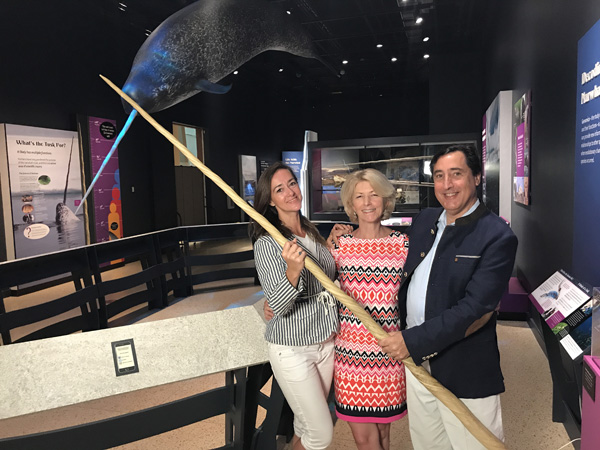
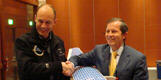
Jane O’Brien, an anchor of BBC World News, joins Martin Nweeia, D.D.S., ’77, right, and Nweeia’s wife, Pamela Peeters, at the Smithsonian. Photo by Ryan Lavery

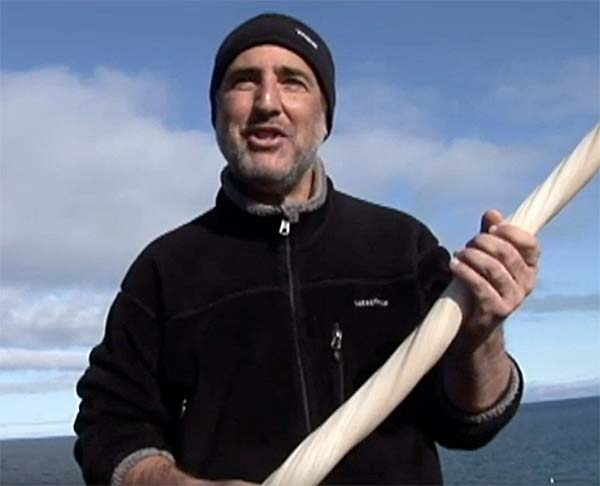
Dr. Martin Nweeia is the world’s leading expert on the narwhal’s tusk and tooth system. He is a National Foundation Scientist and has led over 20 High Arctic expeditions and carried 15 expedition flags to study the elusive narwhal. He holds doctorates in dentistry and surgery and is a member of the dental faculties of Harvard University and Case Western Reserve University. He also conducts research at the Canadian Museum of Nature and the Smithsonian Institution. The Smithsonian Institution has awarded him two fellowships: one in physical anthropology and one in vertebrate zoology.

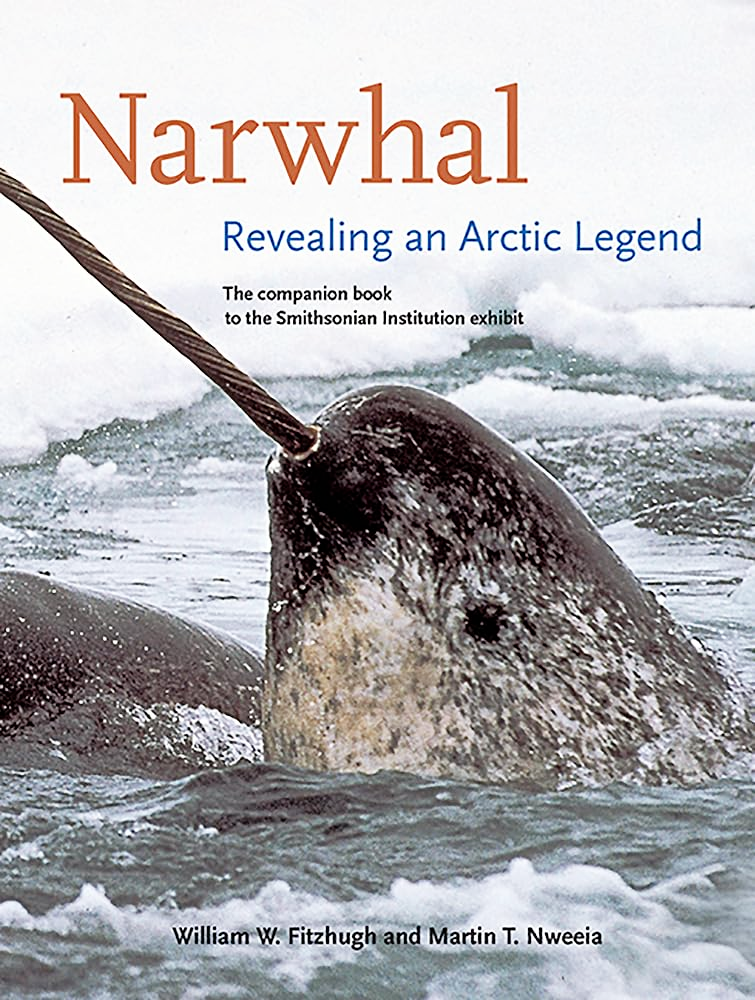
His work has been featured in The New York Times, NPR’s “Pulse of the Planet,” “A Beautiful World,” “Morning Edition,” “Earth Wise,” and documentaries by National Geographic, “Découverte” (French Discovery), and the BBC, including “Natural Curiosities” with Sir David Attenborough. Dr. Nweeia has received a CINE Golden Eagle for the NGS Wild Chronicles narwhal story, the William Mills Prize for his book “Narwhal: Revealing An Arctic Legend,” and the Lowell Thomas Award for Arctic Research. His 2020 scientific publications have been published in Nature, PNAS, and two Smithsonian books.

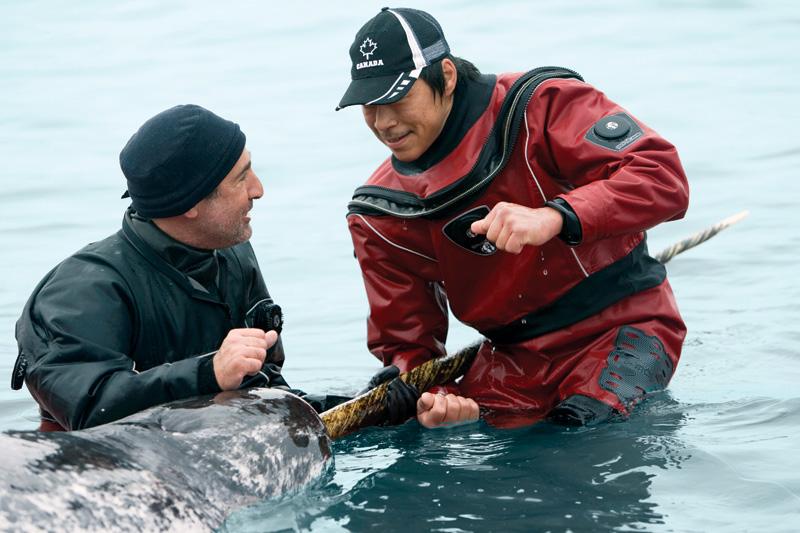
Martin Nweeia ’77 and research colleague Adrian Arnauyumayuq complete experiments on a live narwhal in Arctic Bay, Nunavut, Canada, in 2007. Photo by Gretchen Freund

Ein ziemlich ausgefallenes Hobby hat der amerikanische Zahnarzt Martin Nweeia: Er studiert den Stoßzahn des Narwals. Nweeia, niedergelassen in Sharon im US-Staat Connecticut und Lehrbeauftragter an der School of Dental Medicine der Harvard University, fährt seit Jahren im Frühjahr nach Kanada in die Arktis und untersucht die rätselhaften Wale mit dem einen großen Zahn, berichtet “New Scientist” online.

The narwhal’s tusk—the model for the unicorn’s horn—is unique in nature, says Nweeia. “It’s the only known straight tusk and the only spirally twisted one.” In stress tests, narwhal tusks have proven to be extremely flexible and tough—a combination that’s unusual for teeth.

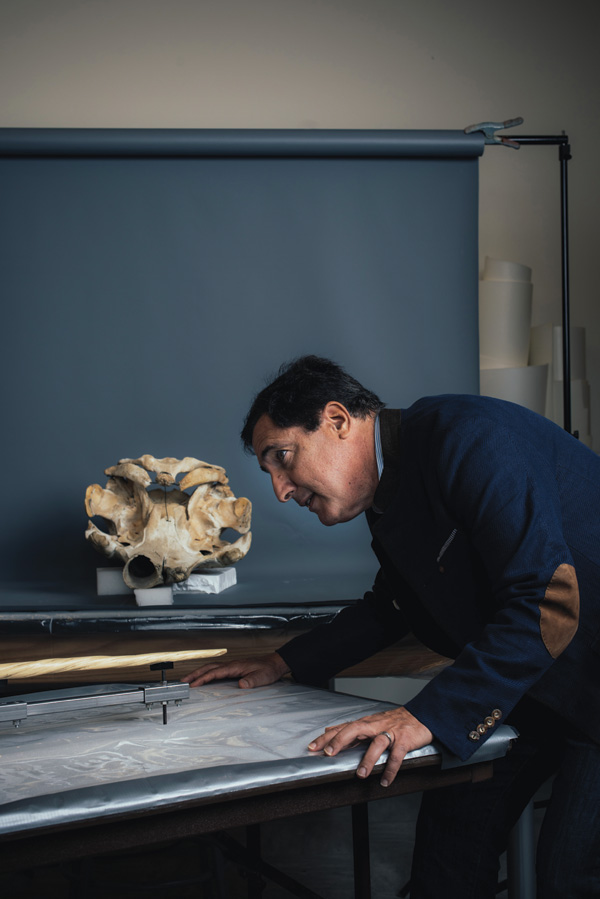
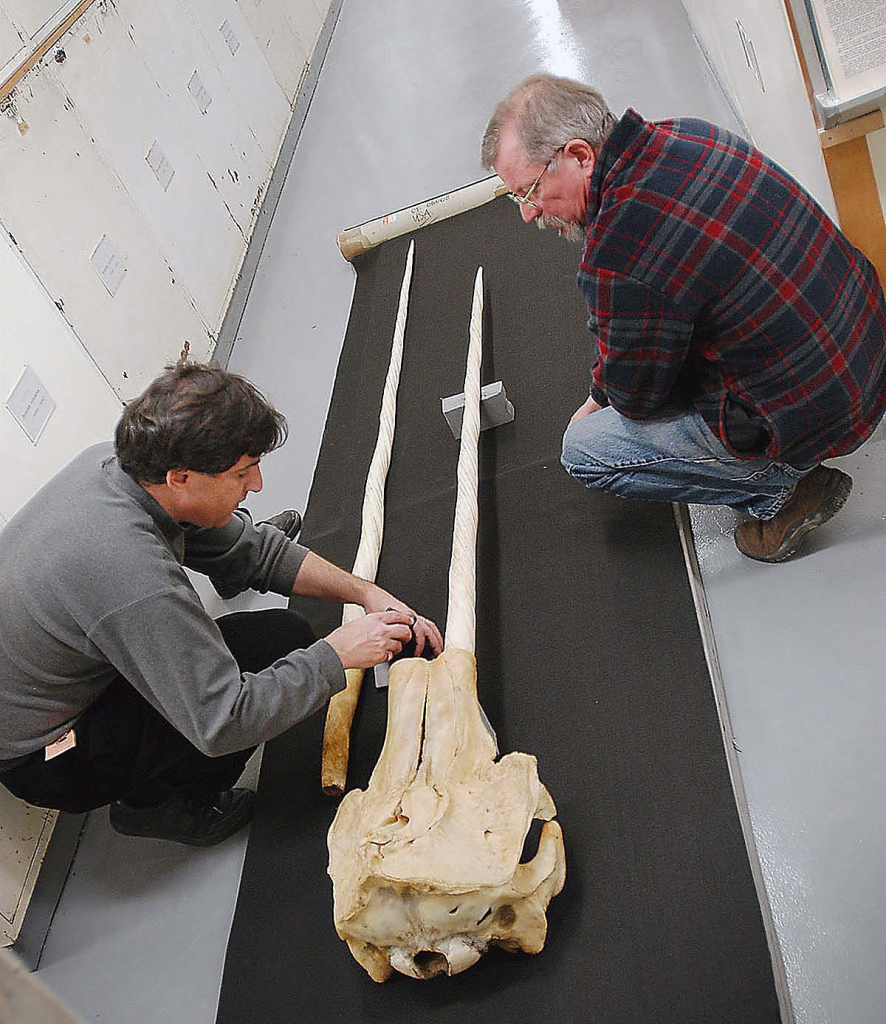
Nweeia examines a narwhal tusk and skull at the Smithsonian’s National Museum of Natural History before it is placed in a new exhibit, which opened in August. Photo by Stephen Voss

In male narwhals, one tusk grows to almost two and a half meters, while the other remains embedded in the jaw. Most females lack a tusk. The purpose of the tooth is still unclear. Weeia’s theory: “I think the tooth is a kind of sensor. It probably has something to do with detecting prey.” To test this, he is currently equipping whales with a sensor in their teeth.

https://narwhal.org/

https://www.aerztezeitung.de/Panorama/Dieser-Zahn-ist-ausserordentlich-und-einzigartig-in-der-Natur-331804.html

https://www.docseducation.com/blog/famed-dentist-studies-elusive-%27sea-unicorn%27-learn-more-about-human-teeth

https://www.si.edu/stories/understanding-narwhals-smile

https://www.glexsummit.com/explorers/martin-nweeia


  • -

Hannes Lindemann

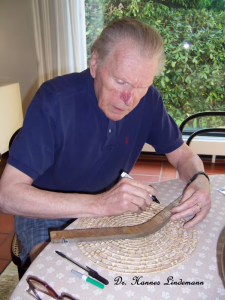
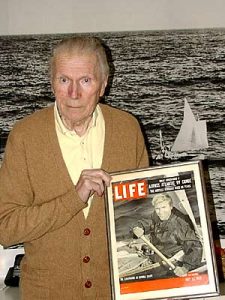
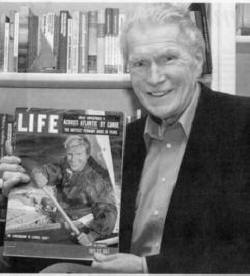
Hans-Günther[1] “Hannes” Lindemann (* 28 December 1922 – † 17 April 2015[2]) was a German physician, sailing pioneer, canoeist and author who became known for his Atlantic crossings in very small boats.
Interview with WDR5 on his 90th birthday in 2012 and report.

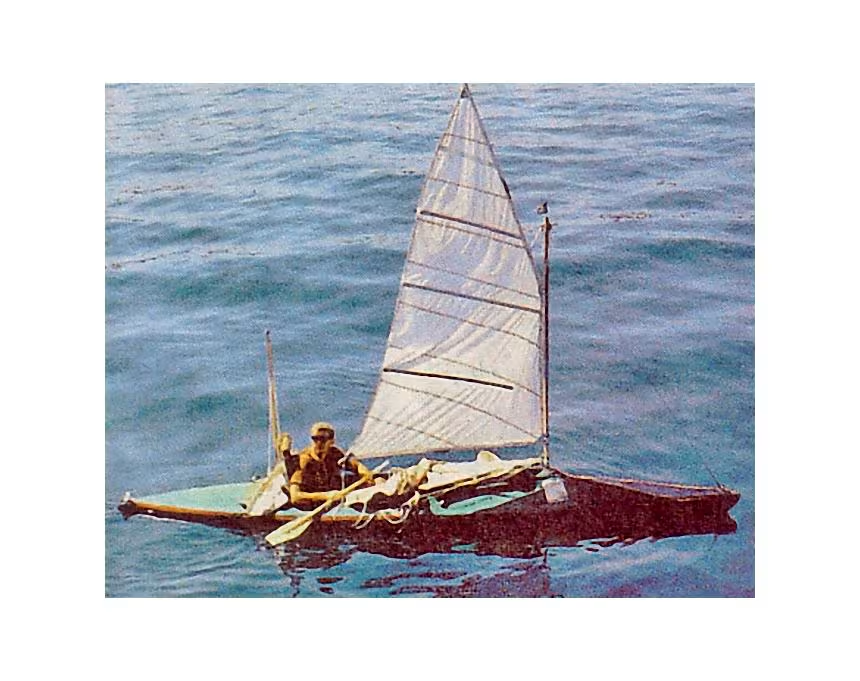
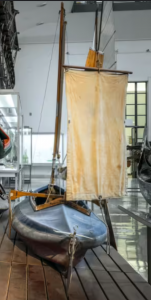
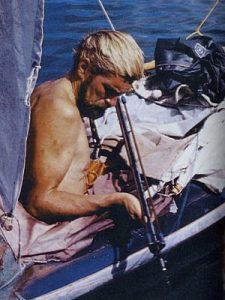
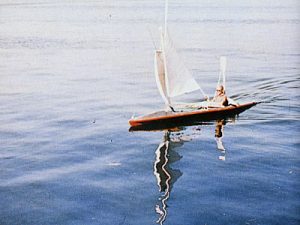
From 1955 onwards, he conducted several self-experiments to test the ability of a shipwrecked sailor to survive on the high seas under extreme psychological and physical stress. In 1955, he sailed the Atlantic in a dugout canoe, the Liberia, measuring 7.70 m x 0.70 m and weighing approximately 600 kg, specially built in Liberia. The following year, he sailed in an even smaller folding canoe (5.20 m x 0.87 m, 27 kg), the Liberia III.

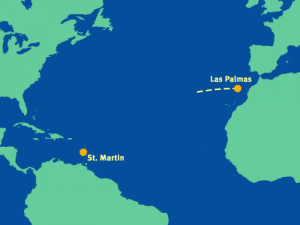
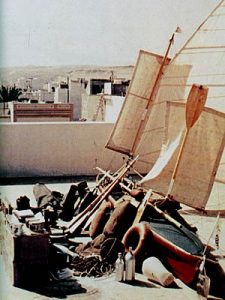
Lindemann equipped a standard two-seater Klepper folding boat of the Aerius II type with 60 cans of food, 96 cans of milk and 72 cans of beer, and 3 liters of water and crossed the Atlantic from the Canary Islands to St. Martin in the Netherlands Antilles. Although he carried a sextant for navigation, a floating anchor for rest breaks, and fishing tackle, he did not use a stove and ate the fish he caught raw. Lindemann cast doubt on Alain Bombard’s theory, which was discussed at the time, that shipwrecked sailors could meet their drinking water needs solely from salt water or the flesh of caught fish: he survived only by supplementing his supplies with collected rainwater. During the 72 days of the Atlantic crossing, he lost 25 kilograms of body weight and survived several hurricanes and two capsizes. He attributed his success to careful mental preparation for his journey through autogenic training and autosuggestion.

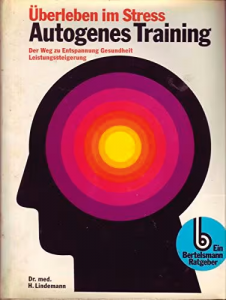
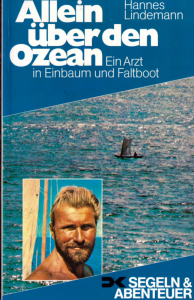
Lindemann subsequently enjoyed success as an author: “Alone Across the Ocean” is a logbook-like account of his first voyages. “One Man, One Boat, Two Continents” describes the experiences of a third Atlantic crossing in 1960 and summarizes conversations with African statesmen and with Albert Schweitzer, with whom he worked for a time as a doctor in Lambaréné (Gabon). He wrote several works on the subject of autogenic training, worked as a health educator for the German Red Cross, and taught at the University of Bonn on the topics of autogenic training and mental hygiene. His guidebooks have appeared in numerous editions.

Hannes Lindemann last lived in Bonn-Bad Godesberg. Wolfgang Ellenberger once had a telephone conversation with him.

https://de.wikipedia.org/wiki/Hannes_Lindemann

https://www.yacht.de/yachten/klassiker/hannes-lindemann-mit-dem-faltboot-ueber-den-atlantik


  • -

William R. Bertelsen

Tags :

Category : inventorDocs , pioneerDocs

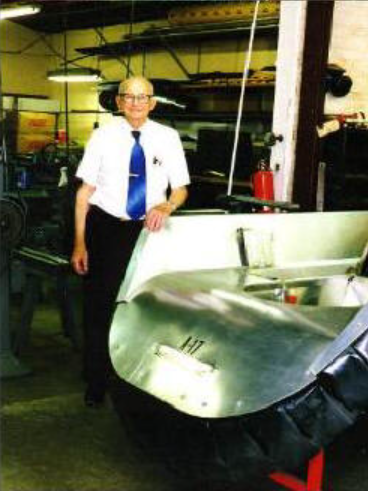
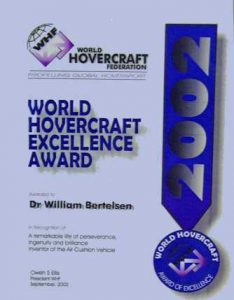
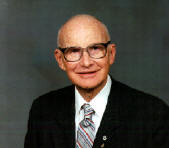
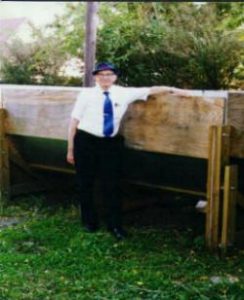
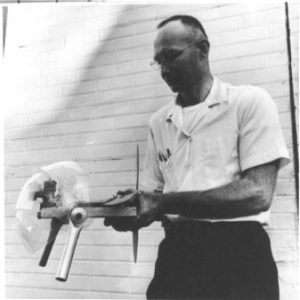
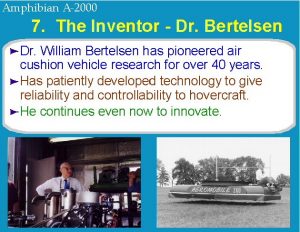
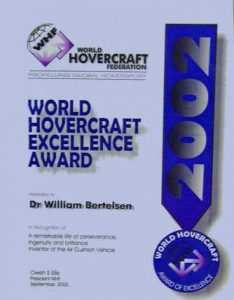
William R. Bertelsen (May 20, 1920 – July 16, 2009) was an American inventor and pioneer in the field of hovercrafts. Bertelsen is best known as the inventor of the Aeromobil, the first hovercraft to transport a person over land and water.[1] In 2002, Bertelsen was named the “Father of the Hovercraft” by the World Hovercraft Federation.[1] William R. Bertelsen married Alberta Menzel on September 21, 1946, in Homewood, Illinois.

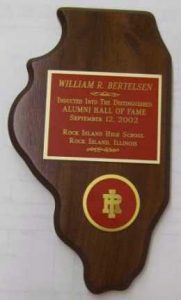
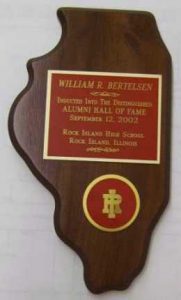
He graduated from Rock Island High School in 1938 and studied mechanical engineering for two years at the Indiana Institute of Technology. In addition to his busy career as a physician and inventor, Bertelsen was also a husband and father of four children. It was Bertelsen’s career as a country doctor that led him to develop and experiment with various ACVs. His need to reach patients in rural areas even in inclement weather quickly developed into a lifelong passion for developing alternative transportation. Despite both encouraging and negative responses, Bertelsen developed a series of ACVs and ground-effect vehicles (GEMs), including the Aeromobile 35-1, 35-2, 72, 200-1, 200-2, and 250-1; the Arcopter GEM-1, GEM-2, and GEM-3; and a vertical takeoff and landing (VTOL) aircraft.

https://en.wikipedia.org/wiki/William_R._Bertelsen


  • -

Bertrand Piccard

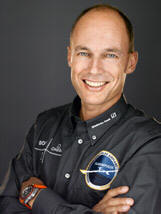
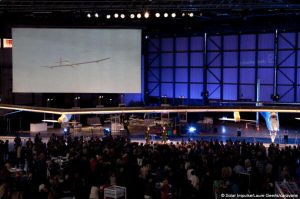
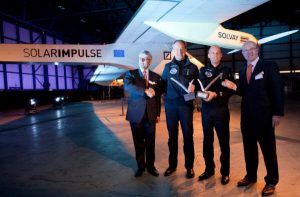
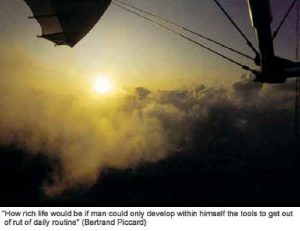
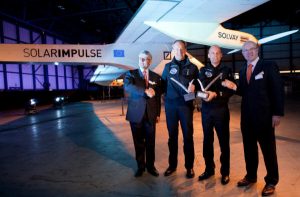
Bertrand Piccard FRSGS (born 1 March 1958) is a Swiss explorer, psychiatrist and environmentalist.[1] Along with Brian Jones, he was the first to complete a non-stop balloon flight around the globe, in a balloon named Breitling Orbiter 3. He was the initiator, chairman, and pilot, with André Borschberg, of Solar Impulse, the first successful round-the-world solar-powered flight. In 2012 Piccard was designated as a Champion of the Earth by the UN Environment Programme.[2] He is the Founder and Chairman of the Solar Impulse Foundation.[3]

Piccard was born in LausanneSwitzerland. His grandfather Auguste Piccard was a balloonist and undersea explorer, and his father Jacques Piccard was an undersea explorer.

He is active in his “Winds of Hope” foundation.

web

wikipedia DE

wikipedia EN

youtube – vimeo

facebook – twitter – instagram

work


  • -

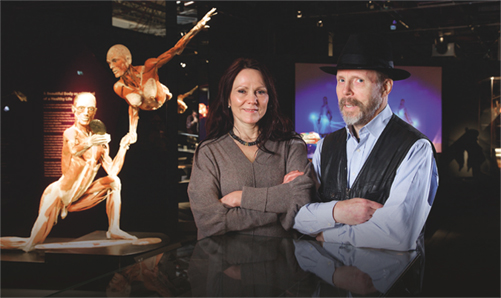
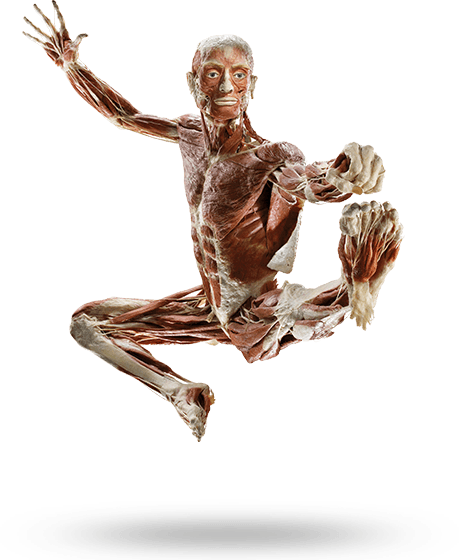
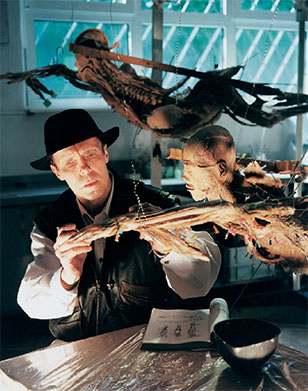
Gunther von Hagen

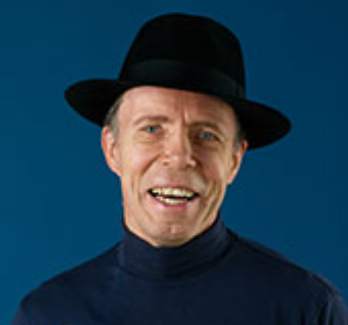
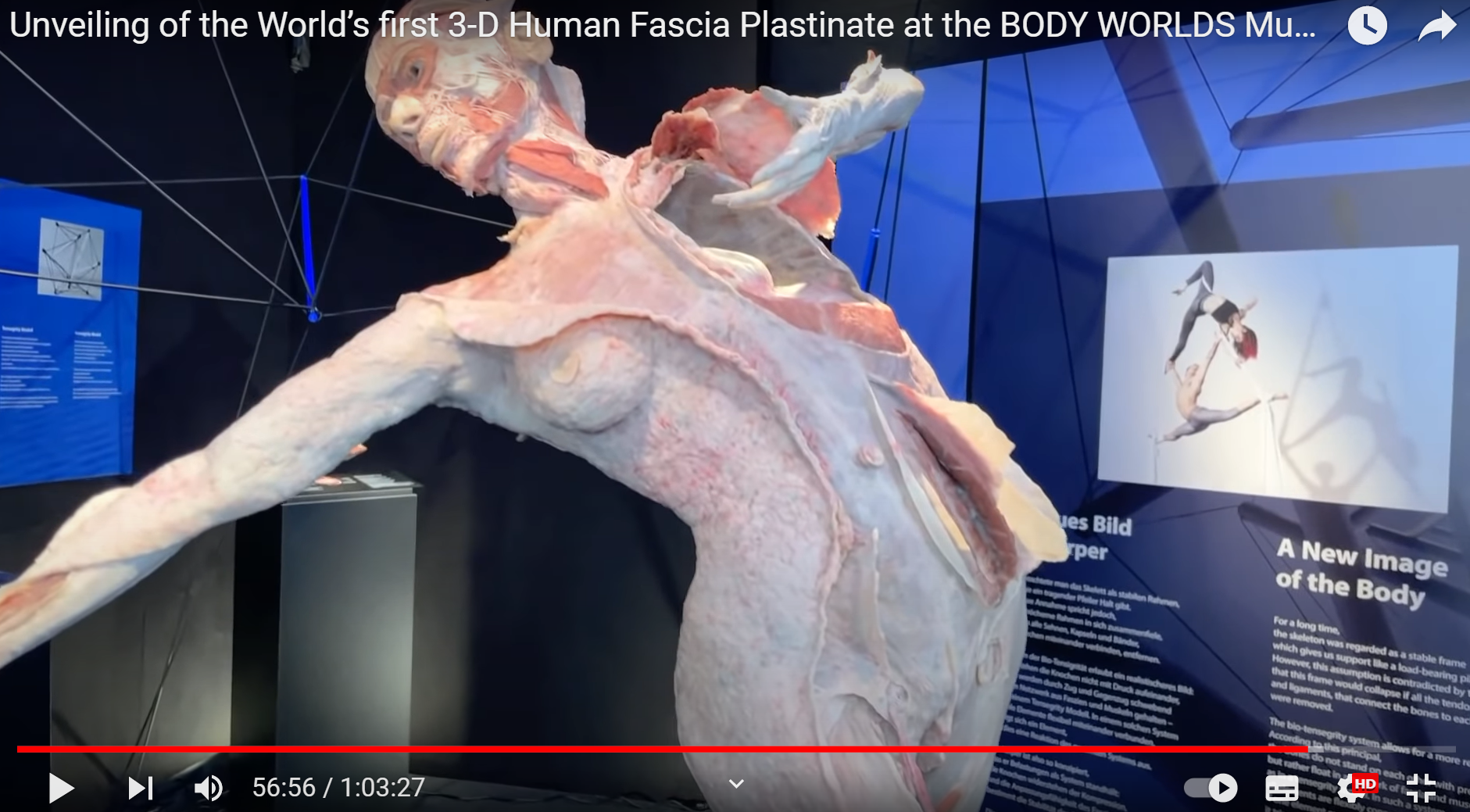
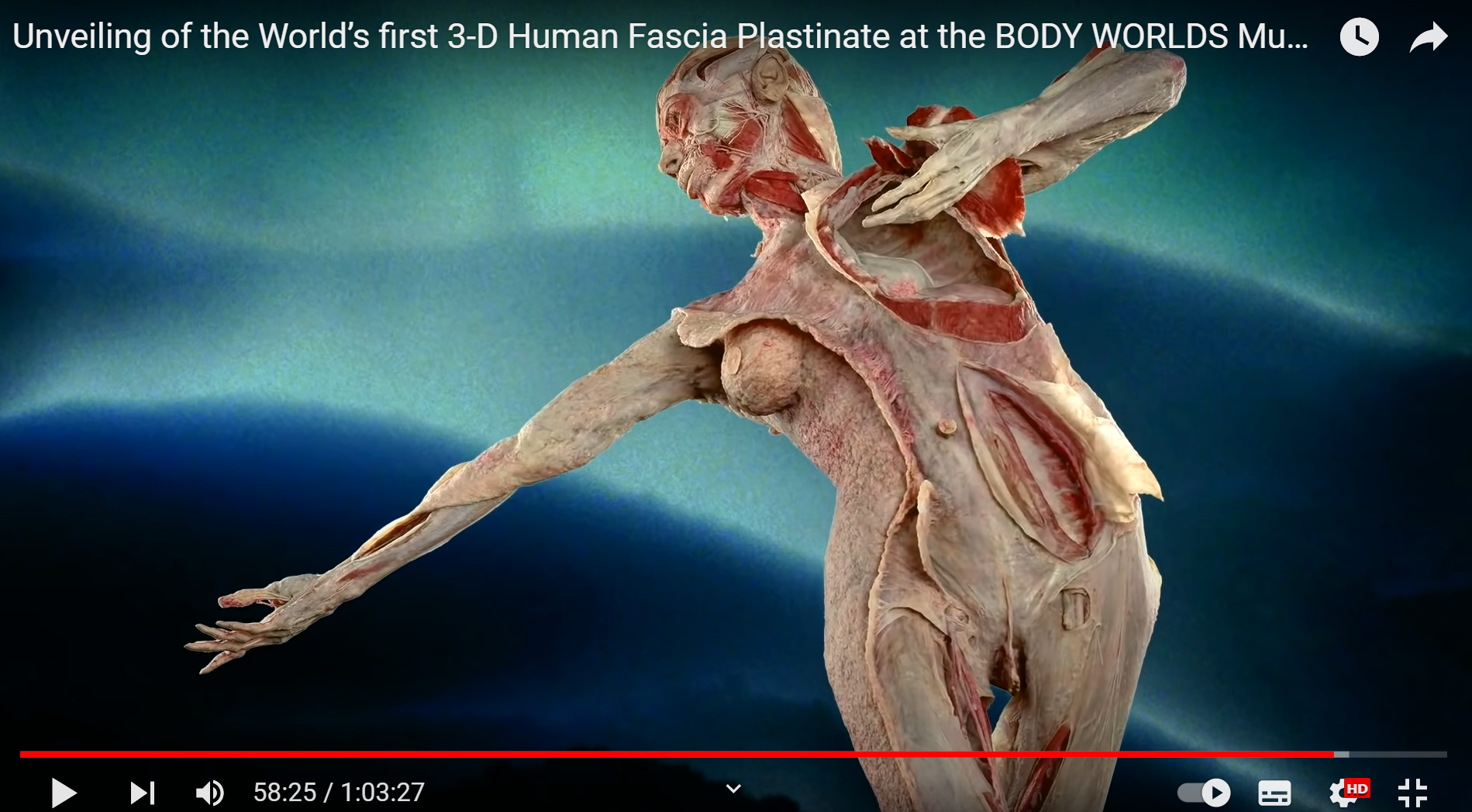
THE pioneer of plastination and a world-wide reception of anatomy!

wikipedia DE

wikipedia EN

Körperwelten

bodyworlds