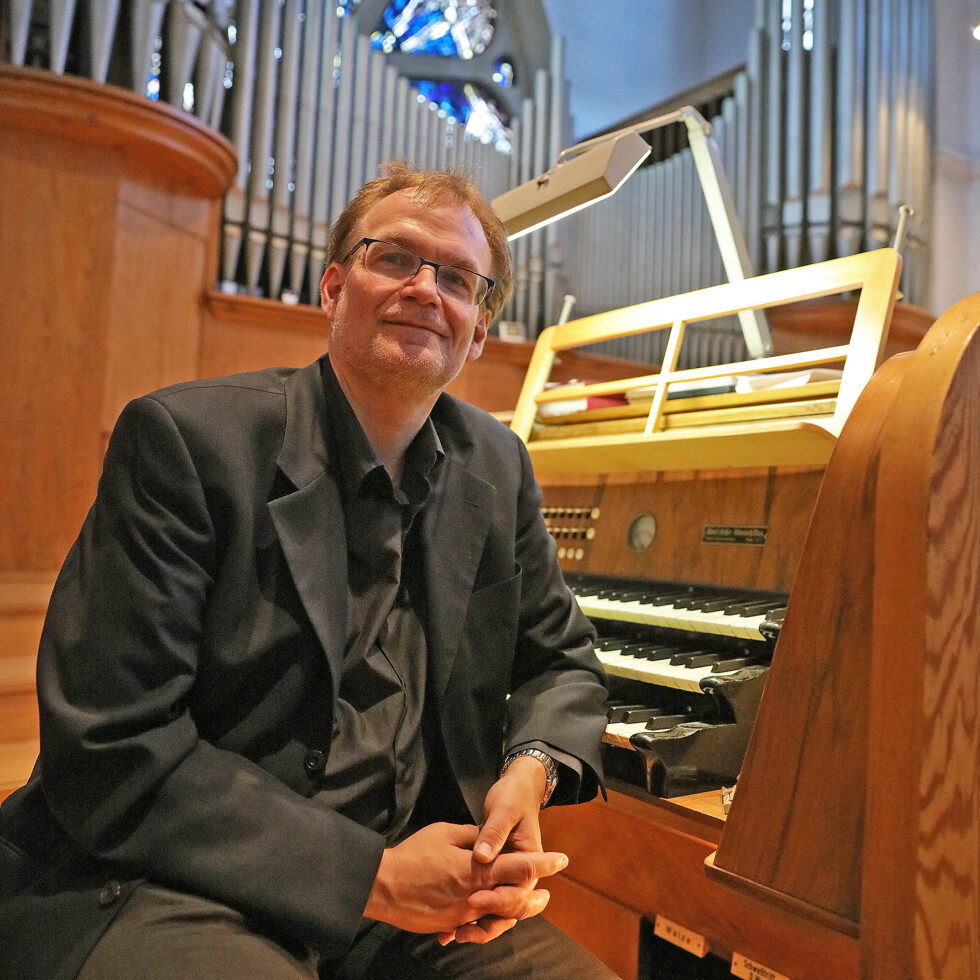
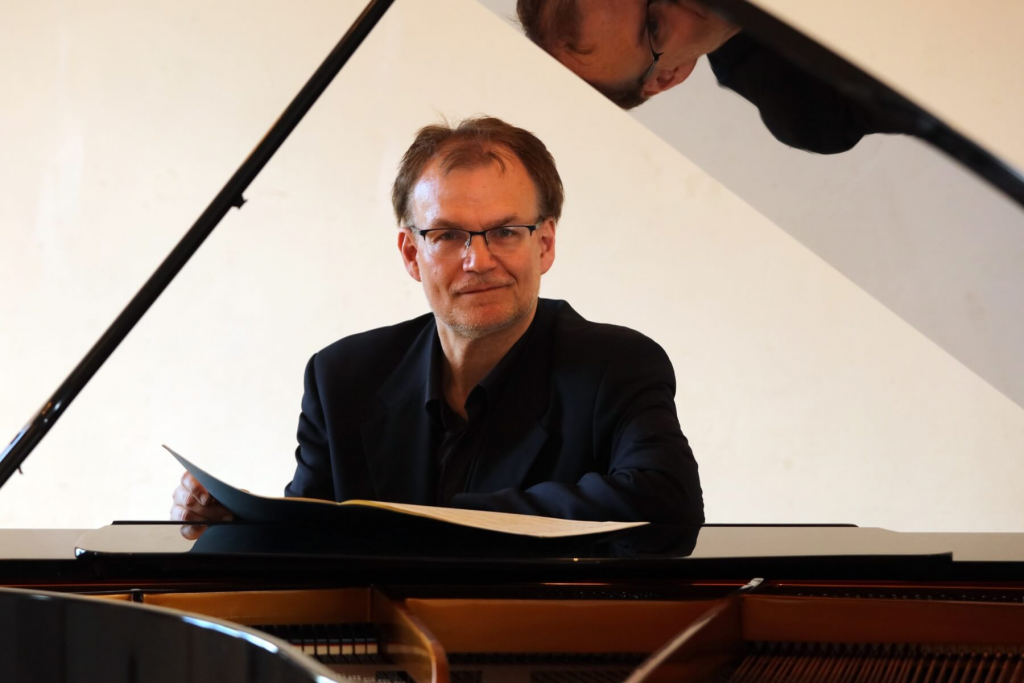
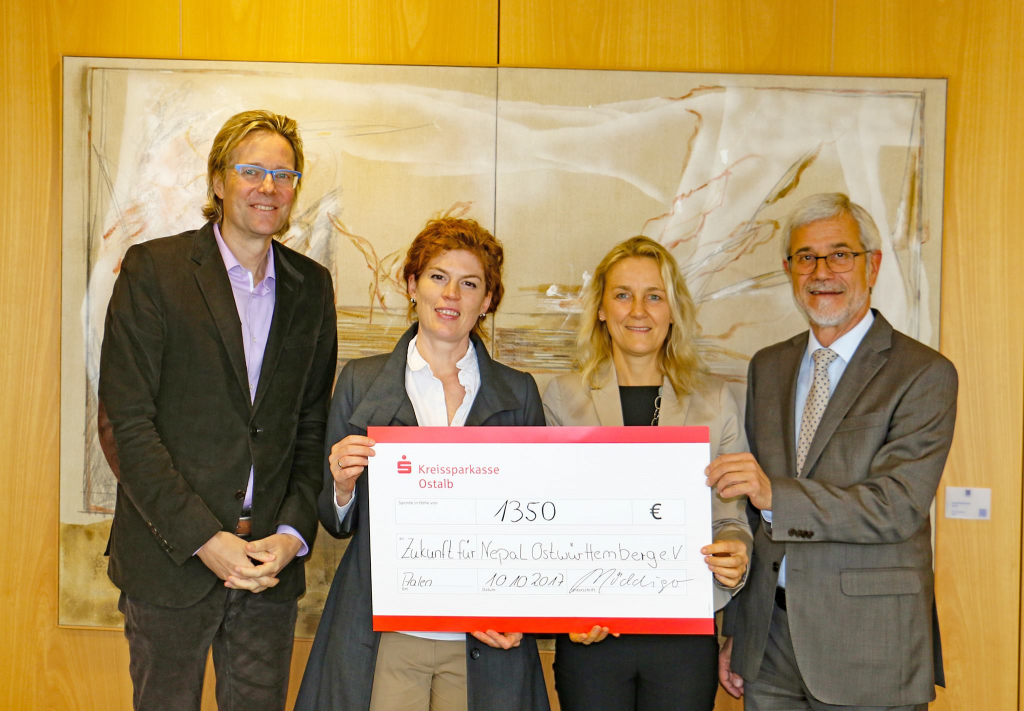
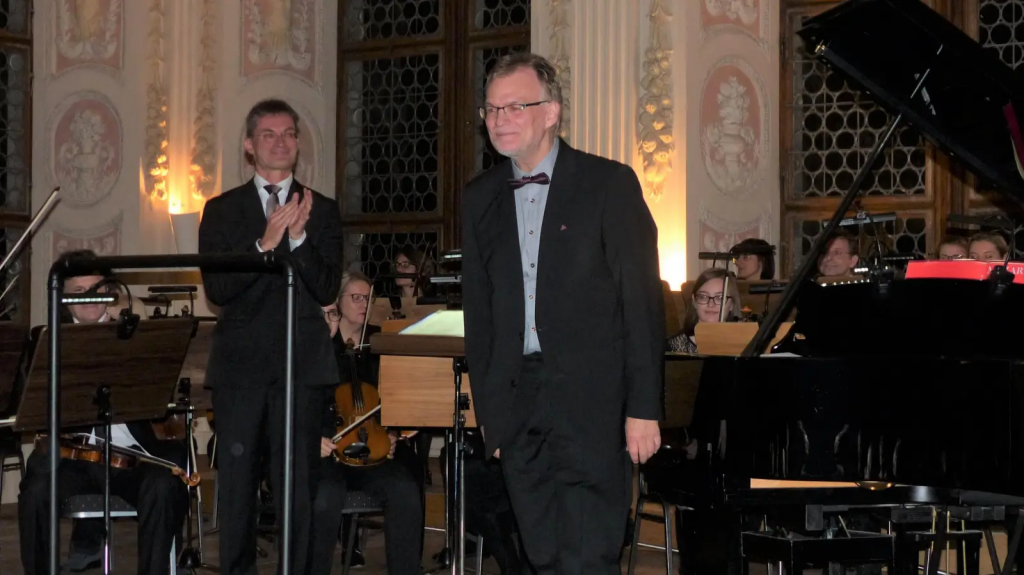
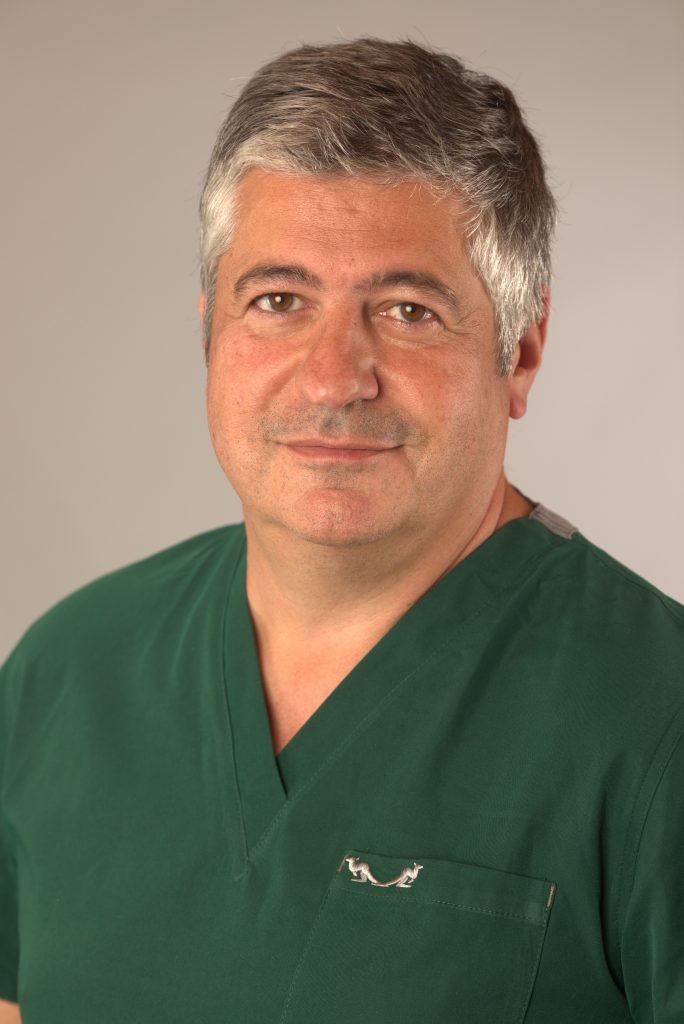
In addition to his work as a senior physician, Hans-Roman Kitterer leads an active musical life in and around Aalen as a pianist in the theater with solo and chamber music programs and on the organ solo or in ensembles such as here:
The Oettinger Residence Concerts Board concluded the concert season with a piano concerto by W. A. Mozart, played by Hans Roman Kitterer from Aalen and the Oettinger Chamber Orchestra under the direction of Günter Simon.
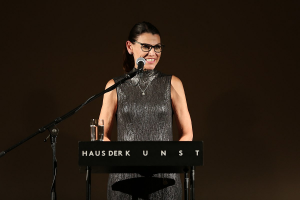
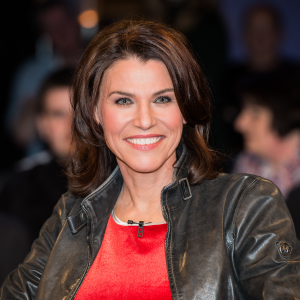
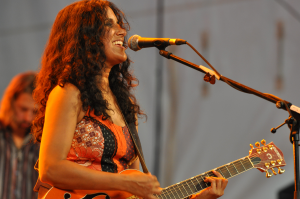
My name is Elisa, named after Beethoven’s “Für Elise,” a piece my mother loved. I started piano lessons at the age of 6, supported by my Korean mother and Sicilian father, and music has always been a big part of my life. After studying dentistry ???? and working as a dentist, I returned to the piano in 2020 after a 21-year hiatus.????????
Elisa Kafritsas played her debut piano concerto at the age of 7, won prizes at the “Jugend musiziert” competition, and performed with orchestras such as the Junge Süddeutsche Philharmonie Esslingen. While pursuing a career as a dentist, the pianist with Korean and Sicilian roots took a 21-year break, but then reactivated her dormant talent and received personal instruction from Professor Friedemann Rieger, Dean of Piano at the Stuttgart University of Music. This was followed by her viral Instagram channel “Pianotaste,” on which she participates in international piano competitions and presents her own neoclassical compositions. The premiere of her first composition, “Starlight,” took place in 2023 as a benefit for the Stelp e.V. Gala.
Sprecherin | Speaker
In 2023, I began composing to process the emotions I felt during a family member’s illness. ????Music has always been my way of expressing my soul. As a child, I recorded my favorite songs on cassettes, played them by ear, and modified them by adding new piano runs.
You can listen to my music under Elisa Kafritsas on all music platforms, and find sheet music for my compositions on my website.
Chopin
As a piano influencer, she has not only infected people around the world, but also her family: her little daughter now practices voluntarily, and her husband is also hitting the keys more often again. “We’re really totally into the piano, and it’s doing us all a lot of good.
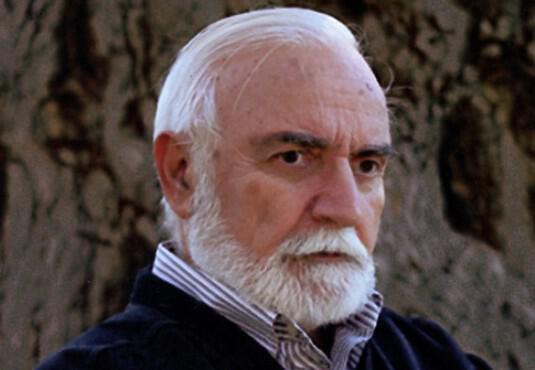
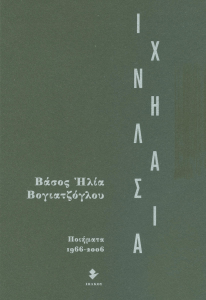
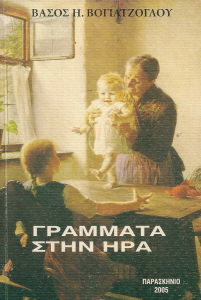
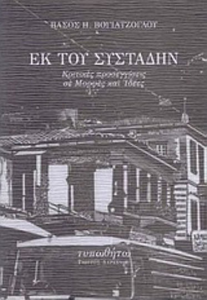
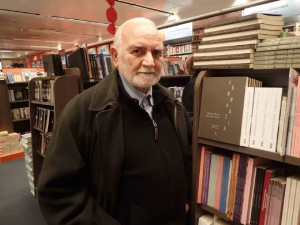
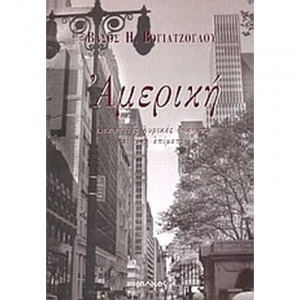
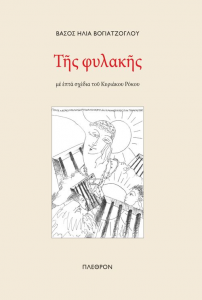
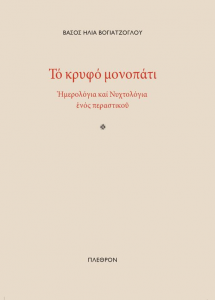
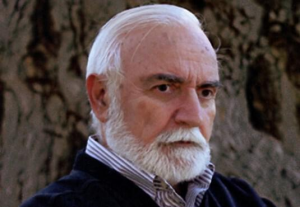
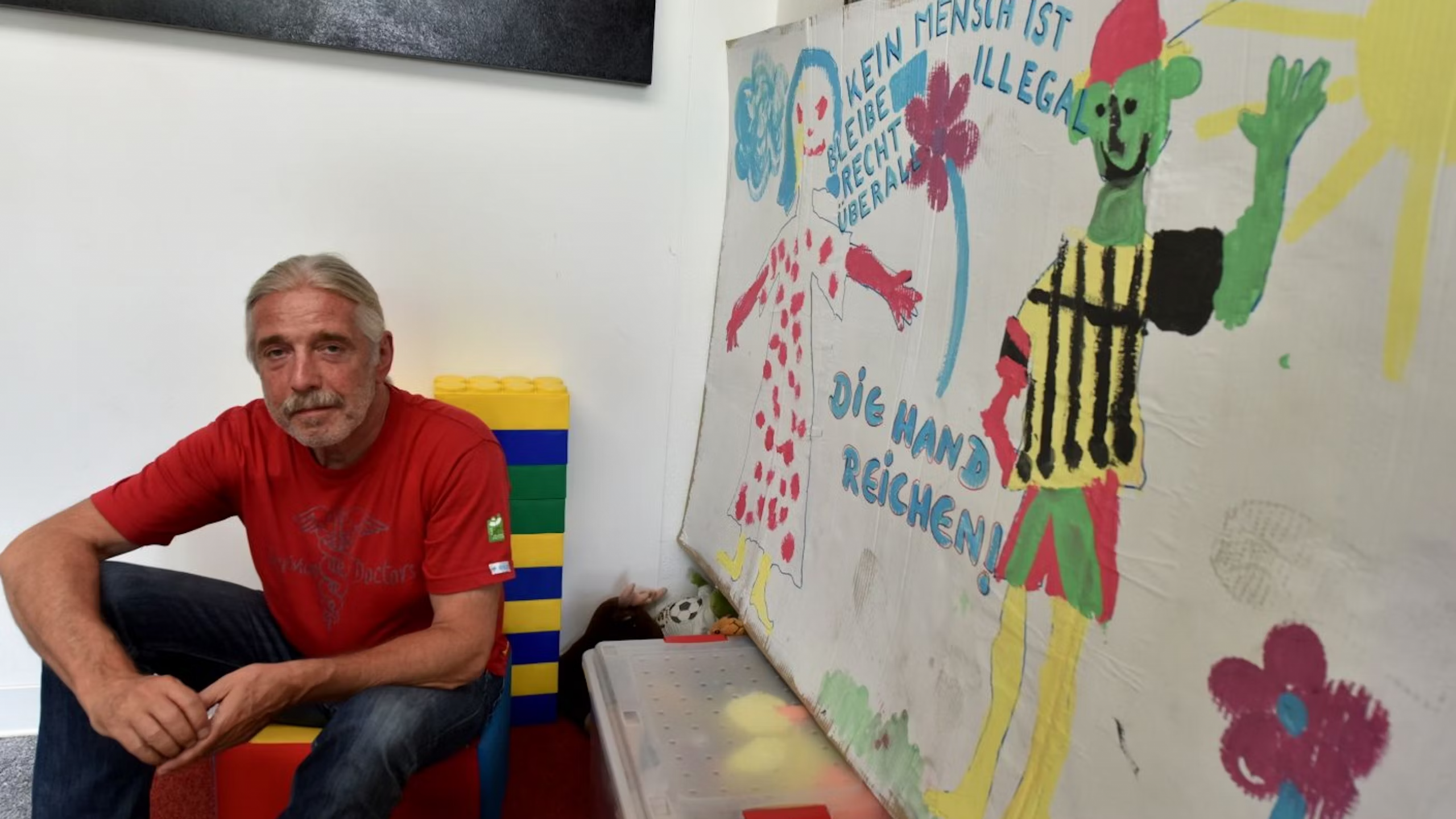
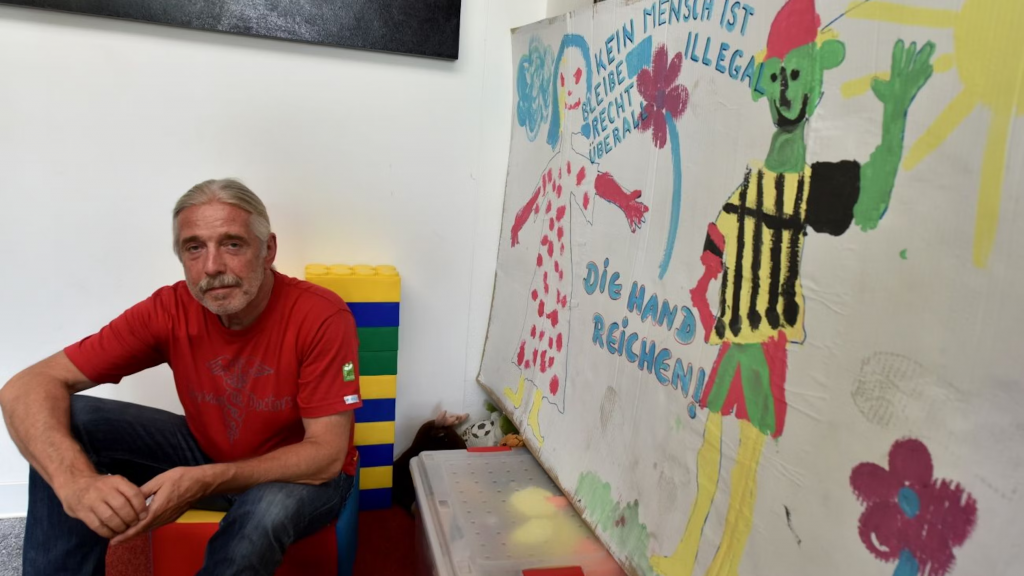
Vasos Vogiatzoglou, son of Elias, was born in 1935 in Nea Ionia, Attica. He is a pediatrician and member of the Doctors of the World organization, a researcher of the history and folk culture of the Greeks of Asia Minor, a poet, onomasticologist, and essayist.
His parents were refugees from Sparta (Isparta) in Pisidia. He studied medicine at the University of Athens and specialized in pediatrics. She provides voluntary pediatric care for children in the women’s prisons of Korydallos and Thebes.
Vasos Ilias Vogiatzoglou was born in 1935 in Nea Ionia, Attica. He is from Sparta, Greece, Asia. He is a pediatrician and an active member of the humanitarian organization “Doctors of the World.” They provide voluntary pediatric care for children in the women’s prisons of Korydallos and Thebes. As a researcher of the history and popular culture of the Greeks of Asia Minor, a poet, onomasticologist, and essayist, he has a particular interest in the philosophical essay. He has published 37 books and collaborated with numerous newspapers and magazines in Greece and Cyprus.
Since 2006, he has been director of the Kyklos School of Philosophical and Social Science Research in his hometown. He has received numerous honors and awards for his literary and humanitarian work, including one from the Academy of Athens in 1986 for his contribution to the study of Hellenism in Asia Minor. He is a full member of the National Society of Greek Writers, the Greek Onomatological Society, the Society of Medical Writers, and the Greek Society of Christian Letters.
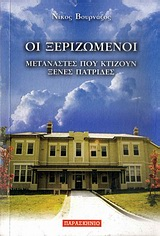
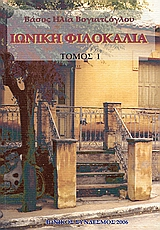
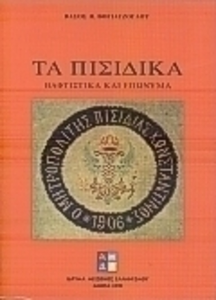
In addition to poetry, he studied the history and folklore of Hellenism in Asia Minor and published the studies Pisidia in Asia Minor (1978), Presences (1979), Neighborhoods of the Infidels (1981), Sparta in Asia Minor (1986), Surnames in Asia Minor: Turkish and Turkish Surnames in Greece (1992), Giannis and Giorgis (1994), Alaya in Asia Minor (1995) and Pisidian Baptismal and Surnames (1998).
Weitere Projekte
He has also published the aesthetic study The Faces of Janus (1991), the translation of the Psalms of David The Book of Psalms (1992), the travelogue about Mount Athos The Bells of Pantocrator (1992) and The Book of Job (2007); his short stories, chronicles, studies and essays have been published in magazines in Athens and Nicosia and his poems have been translated into Romanian and Polish.
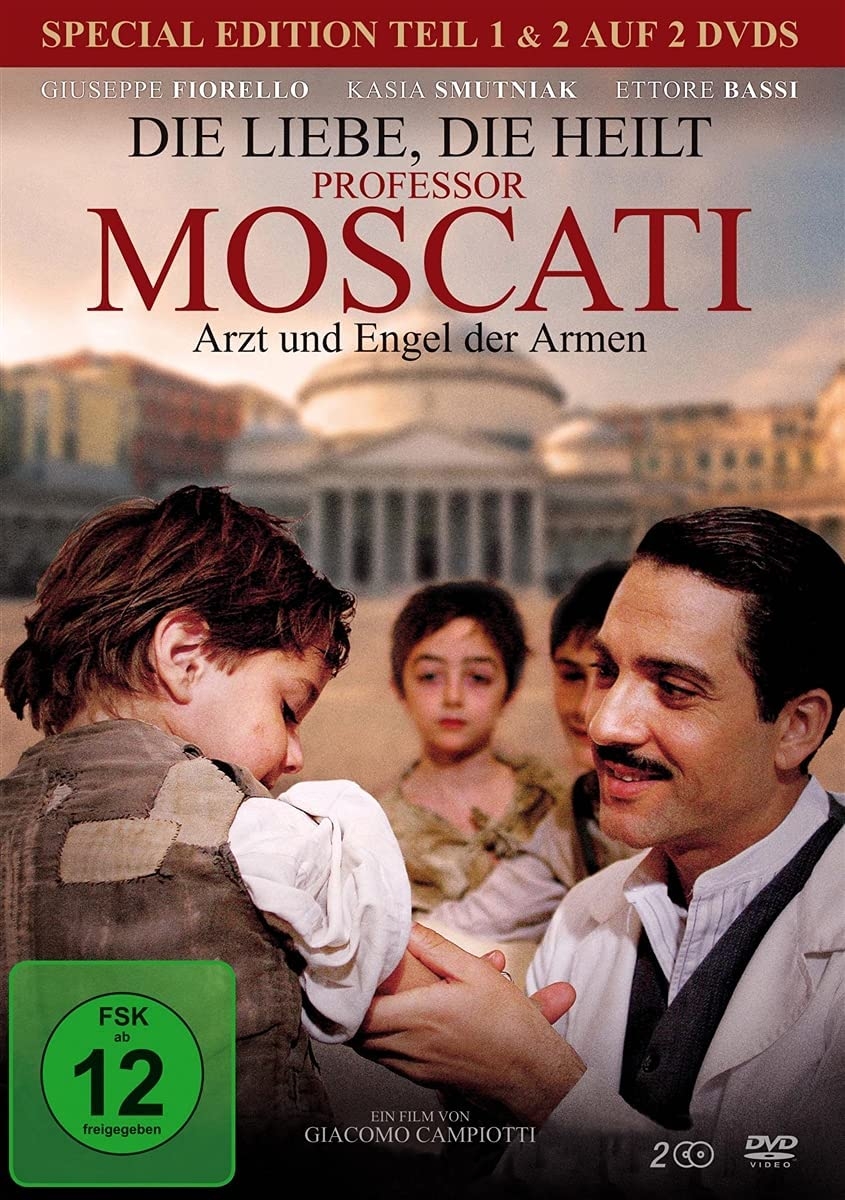
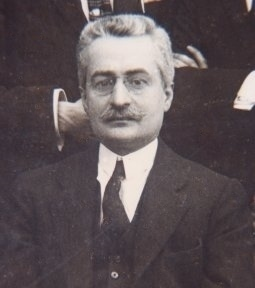
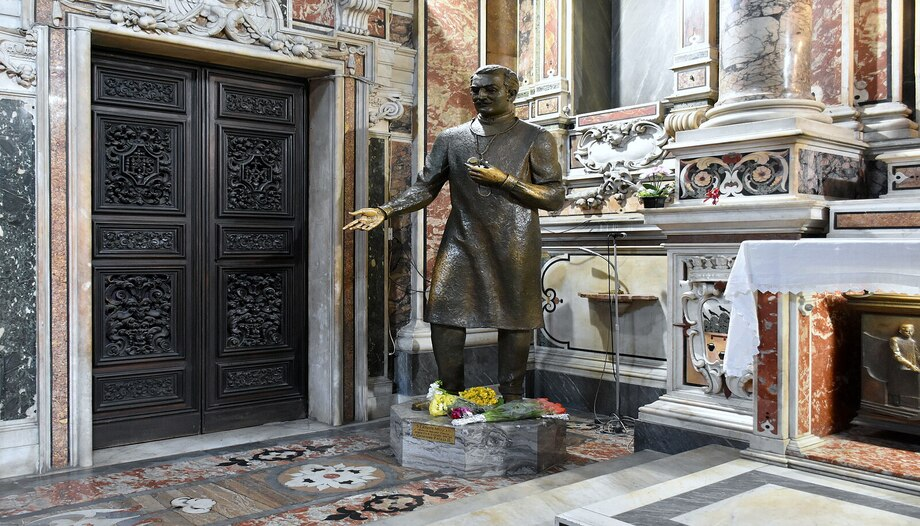
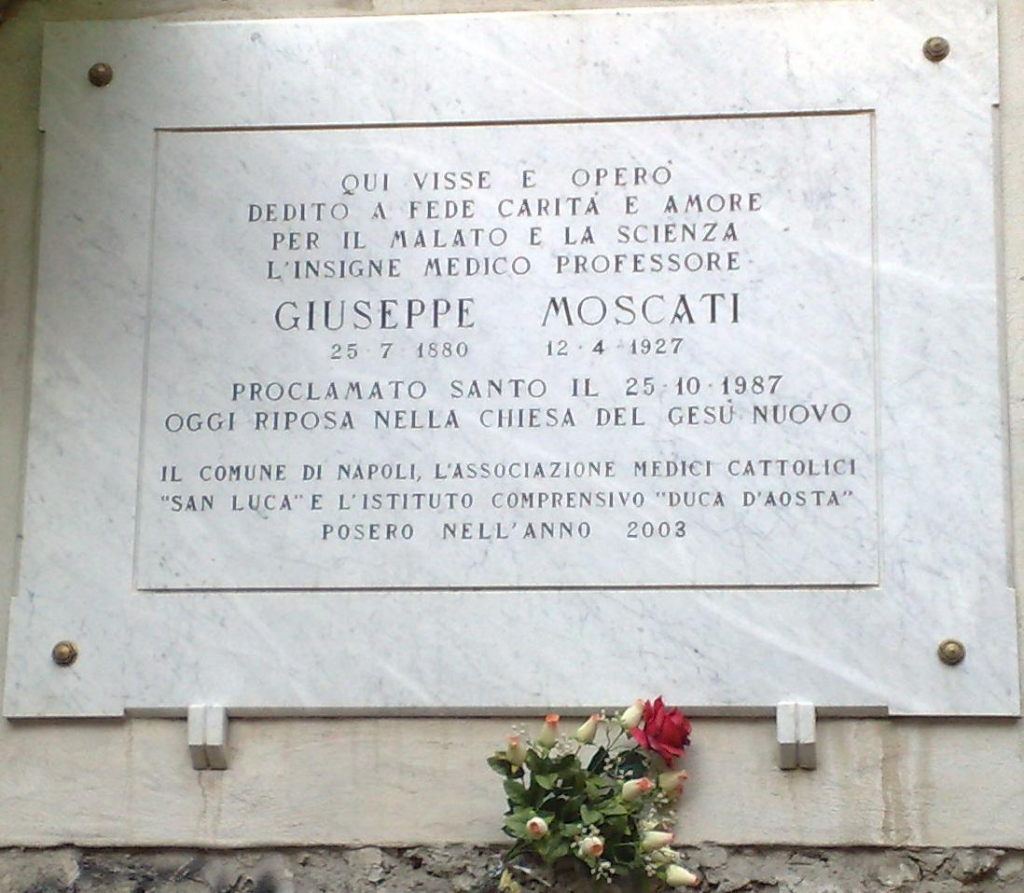
Saint Giuseppe Moscati, also known as Joseph Moscati (July 25, 1880 in Benevento near Avellino; April 12, 1927 in Naples) was an Italian physician, scientist, and university professor. He was beatified by Pope Paul VI in 1975 and canonized by Pope John Paul II in 1987. The Catholic Church celebrates his feast day on April 12, while the Archdioceses of Naples and Amalfi-Cava de’ Tirreni celebrate it separately on November 16. Moscati was one of the first physicians to use insulin to treat diabetes.
Joseph Moscati (1880-1927) came from an Italian aristocratic family and was a renowned physician – that sounds like a life worthy of a serial, full of luxury, money, and beautiful women. But this saint chose a very different path early on and pledged eternal chastity before even beginning his medical studies in Naples. Joseph completed his doctorate in 1903 and was soon forced to prove his humanitarian commitment: in 1906, Mount Vesuvius erupted. The young doctor organized the evacuation of a hospital and provided emergency aid. Just five years later, Naples was struck by a cholera epidemic, and Joseph worked around the clock caring for the sick. In 1914, the First World War broke out, during which Joseph treated approximately 3,000 soldiers. Beyond the great catastrophes of world events, he took special care of the poor. Not only did he accept little or no remuneration from them, but he often paid for medication out of his own pocket. The popular physician died after a short illness on April 12, 1927, in Naples. Pope John Paul II canonized Joseph Moscati in 1987.
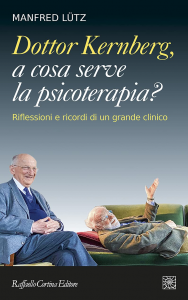
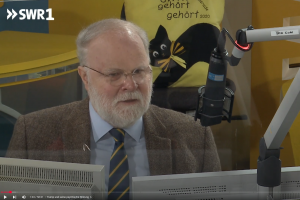
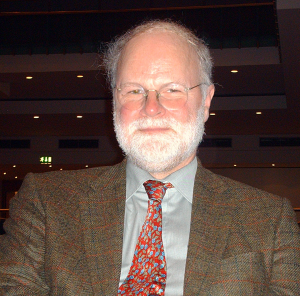
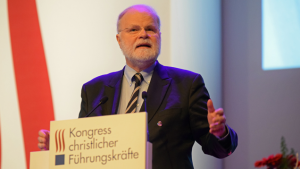
Manfred Lütz (born March 18, 1954 in Bonn) is a German psychiatrist, psychotherapist, Roman Catholic theologian, Vatican advisor, and author. He headed the Alexianer Hospital in Cologne from 1997 to 2019.[1]
Lütz studied medicine, philosophy, and Catholic theology in Bonn and Rome. He obtained his medical license in 1979 and his diploma in Catholic theology in 1982. During his studies, he became a member of the KDStV Bavaria Bonn in the CV.
Social Commitment
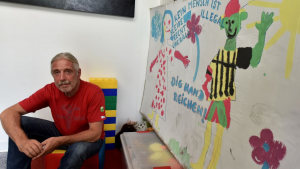
Manfred Lütz founded the inclusive youth group “Brücke-Krücke” in Bonn in 1981, in which disabled and non-disabled young people and young adults from Bonn and the surrounding area work together without professional supervision.[3][5] Since then, Lütz has volunteered for the initiative,[6] which is affiliated with the Catholic Youth Agency in Bonn. He organizes annual trips and participates in events. The group includes approximately 200 disabled and non-disabled people.
Church and Vatican Advisor
Pope John Paul II appointed Lütz a consultant to the Congregation for the Clergy in 2003.[7] In the same year, he organized a congress in the Vatican on the topic of “Abuse of Children and Young People by Catholic Priests and Religious.”[3] From 2006, he was part of the Pastoral Office’s working group in the Archdiocese of Cologne, responsible for processing and investigating cases of sexual abuse of minors by clergy and lay people in pastoral ministry.[8] Lütz himself served under three popes until 2016 as a member of the Pontifical Council for the Laity.[9] He contributed as an advisor to the creation of the Youth Catechism, Youcat.[10] He was a corresponding member of the Pontifical Academy for Life from the beginning of the 2000s, and a full member from 2004, to whose board he was appointed in March 2005 for a term until 2010.[12] After the restructuring of the Academy as part of the Curia reform, he was reappointed as a full member by Pope Francis in 2017 and is considered a supporter of the opening and renewal of the body implemented by the Pope.[13]
Pope Francis appointed him a member of the Dicastery for Laity, Family and Life on October 6, 2018.
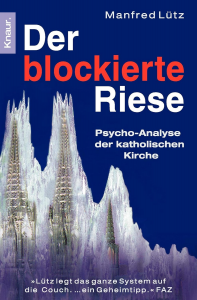
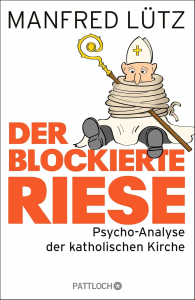
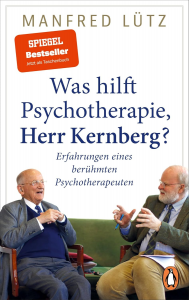
Author and Media Presence
After his essay “The Blocked Giant: Psycho-Analysis of the Catholic Church” (1999), which received primarily internal attention, Manfred Lütz has been active as an author for a wider audience since 2002 and has gained greater recognition through several bestsellers.[2][3][9][16] In his books, he addresses general topics of lifestyle and modern culture, religion, and the conditions in the Catholic Church and psychiatry from the perspective of a psychotherapist, sometimes with humor and satirical slant. Manfred Lütz has also been active and in demand for many years as a lecturer, speaker, and interviewee. Lütz has also occasionally performed as a cabaret artist since 2006.[17] He has frequently participated in television programs as a discussion partner on psychiatric and psychotherapeutic topics and took part in prominent talk shows as a church expert in the run-up to the conclaves of 2005 and 2013.[18][19][20] In March 2013, he accompanied the live broadcasts of the papal election at the 2013 conclave and the subsequent events of the inauguration of the new pope in Rome as a commentator for ZDF and Phoenix.
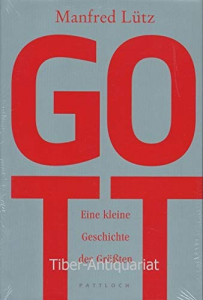
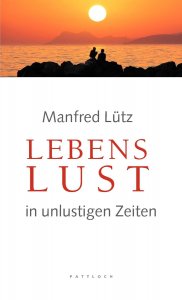
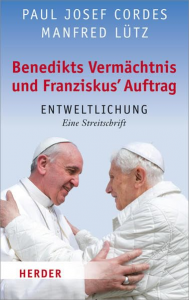
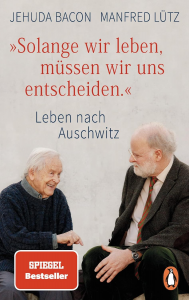
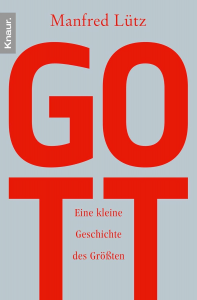
Manfred Lütz’s best-known book is entitled “Crazy! We Treat the Wrong People. Our Problem Are the Normal People” (2009), the paperback edition of which spent 106 weeks on the Spiegel bestseller list.[22] In 2013, it resulted in a television show with the Cologne cabaret artist Jürgen Becker.[23] His book “Bluff: The Falsification of the World” (2012) was also at the top of the Spiegel bestseller list.[16] Other frequently cited books are “Lust for Life: Against Diet Sadists, Health Craze, and the Fitness Cult” (2002), “God: A Short History of the Greatest” (2007), and “How You Will Inevitably Become Happy: A Psychology of Success” (2015). In 2016, he published a volume of conversations with the Auschwitz survivor Jehuda Bacon. His 2018 book The Scandal of Scandals was one of Herder Verlag’s two best-selling titles in 2018.
In various articles, for example in the Frankfurter Allgemeine Zeitung (FAZ), Lütz emphasized in 2010 that abuse by Catholic priests was worse than any other abuse, but at the same time rejected the idea of scapegoating the church and ignoring the social context of the 1970s. He sees the left-wing scene as the cause of the abuse. On the contrary, he argues that the “structures of the church are even helpful” when it comes to solving cases of abuse.[25] Society as a whole bears responsibility here.[26] In 2018, he commented on the so-called “MHG study”[27][28] published by the German Bishops’ Conference, calling it “spectacularly unsuccessful.”
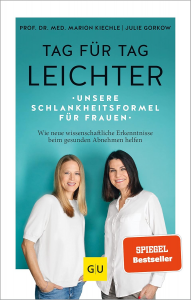
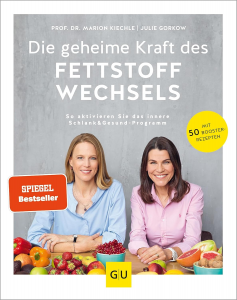
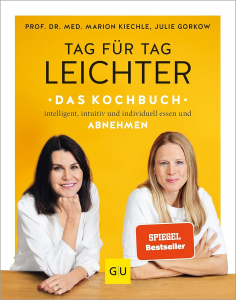
Marion Brigitta Kiechle (formerly Kiechle-Schwarz; born April 4, 1960 in Oberkirch) is a German physician, scientist, author, and former politician (CSU). Since October 2000, she has been Director of the Gynaecology Clinic at the Klinikum rechts der Isar of the Technical University of Munich and holds the Chair of Gynecology and Obstetrics.
On March 21, 2018, Markus Söder appointed her to his cabinet as Bavarian Minister of Science. Kiechle is chair of the Bavarian Bioethics Commission and deputy chair of the Central Ethics Committee for Stem Cell Research. Initially independent, she joined the CSU in April 2018 and, on the 21st of that month, was placed in the hopeless fifth place on the Upper Bavaria district list for the 2018 Bavarian state election. After the end of the legislative period in November 2018, she left the government and returned to TUM.
Engagement
Since 2021, Marion Kiechle has been chairwoman of the board of trustees for the Hospice House of Life project in Munich. Since February 2023, she has been a member of the administrative advisory board of FC Bayern Munich.
Privates
Since April 2010, she has been married to television journalist and sports commentator Marcel Reif, her fourth wife. Before that, she was married to a special education teacher and two doctors.
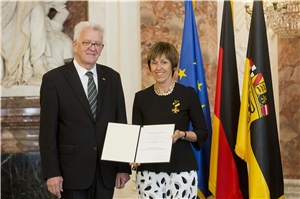
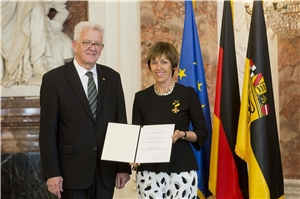
Monika Stolz (born March 24, 1951 in Worms) is a German politician of the Christian Democratic Union (CDU). She was a member of the Baden-Württemberg state parliament from 2001 to 2016 and Baden-Württemberg’s Minister of Labor and Social Affairs from 2006 to 2011.
After studying economics in Freiburg, Monika Stolz worked as a research associate at the Konrad Adenauer Foundation from 1974 to 1977. From 1976 to 1983, she studied human medicine in Giessen, Würzburg, and Bonn, received her doctorate in 1984, and worked as a physician.
Since retiring from politics in 2016, Stolz has been involved in a variety of volunteer activities. She is chair of the Abuse Commission (“Sexual Abuse Commission,” KsM) of the Diocese of Rottenburg-Stuttgart[1] and was also appointed by the Bishop of Rottenburg to chair the Diocesan Caritas Council, which acts as the ecclesiastical supervisory body of the German Caritas Council Association.[2] Stolz is also active on the board of trustees of the St. Elisabeth Foundation[3] (Bad Waldsee), the Central Committee of German Catholics, the Broadcasting Council of the Southwest Broadcasting Corporation, and other advisory boards.[4]
Monika Stolz is Roman Catholic, married, and the mother of four children.
From 1989, Stolz served as a city councilor in Ulm, chairing the CDU municipal council group from 1991 to 1999, and as a local councilor in the Ulm district of Unterweiler from 1989 to 2004.
In 2001, Stolz was elected to the Baden-Württemberg state parliament with a direct mandate for constituency 64 – Ulm, and served until 2016. She served as deputy chair of the CDU parliamentary group from July 2004 to October 2005. She did not run in the 2016 state election.
From October 2005 to January 2006, Stolz served as Political State Secretary in the State Ministry of Culture, Youth, and Sport. Following Andreas Renner’s resignation as Minister of Labor and Social Affairs, she was appointed as his successor by Prime Minister Günther Oettinger and held the ministerial post from 2006 until the Kretschmann government came to power in 2011.
In 2008, she refused to deliver a welcoming address at the Christopher Street Day in Stuttgart, citing, among other things, the event’s chosen motto: “I believe” in her written rejection to the organizers.
Andreas Sliwka is a gynecologist, psychotherapist, and yoga instructor in Unterföhring. He also holds consultations for refugees. Sliwka has traveled to crisis areas repeatedly.Foto: Catherina Hess
Multiple deployments as a doctor in various crisis areas in the Third World – in the Congo after the genocide in Rwanda, in the jungle clinic on Mindanao (Philippines), and most recently several deployments as a ship’s doctor in sea rescue operations off the coast of Libya – are expressions of my self-image as a physician.
My own search led me to the Eastern wisdom teachings. Training as a yoga teacher with my own yoga school for 10 years was an important step on this path. I currently practice Zen meditation according to the Soto school.
Wegmarken
My interest in philosophy and art arose in my youth. A milestone in this regard was Fritjof Capra’s book “Wendezeit” (The Turning Point) during my medical studies. He successfully established a connection between quantum physics and Eastern wisdom teachings, which has accompanied me throughout my life. About 20 years ago, Ken Wilber’s “Integral Theory” initiated a further development in my thinking. Integral Theory emerged from transpersonal psychology, a psychological development in the USA that integrated the spiritual aspects of human existence into psychotherapy. This form of therapy now also has a firm foothold in Germany (for example, at the Heiligenfeld Psychosomatic Clinic).
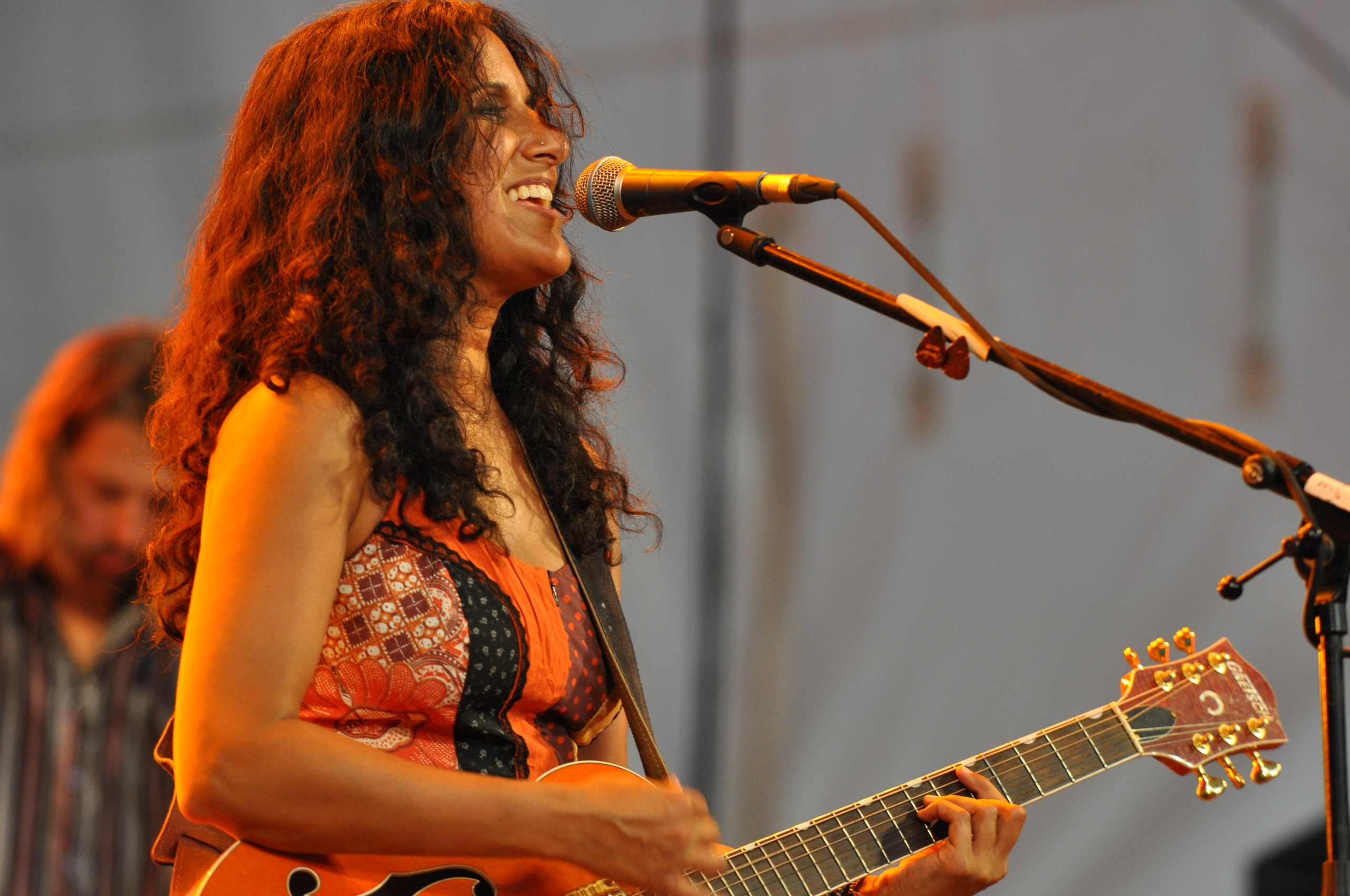
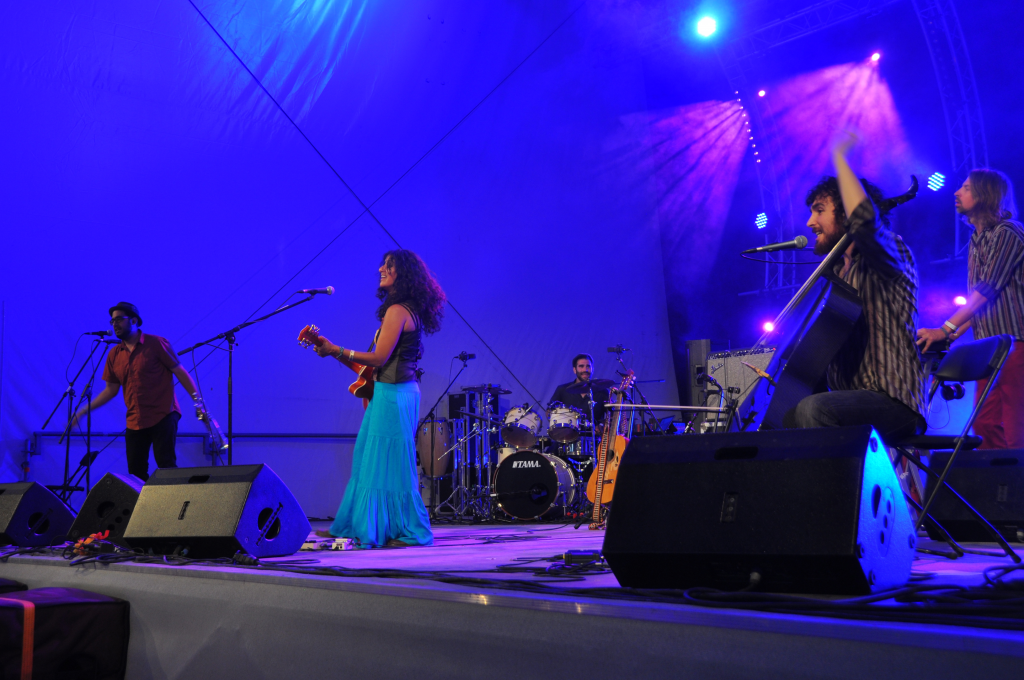
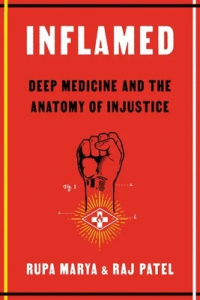
Rupa Marya is a doctor, activist, musician and writer based in San Francisco. She is a professor of medicine at the UCSF School of Medicine[1] and co-author of the book Inflamed: Deep Medicine and the Anatomy of Injustice (with Raj Patel).[2] She is currently suspended from teaching and banned from the UCSF campus after what the university described as the “targeting” of a first-year student from Israel in a social media post. The post cited speculation from the Israeli student’s classmates about potential service in the Israel Defence Forces and possible involvement in Israeli war crimes.
Marya was born in California to immigrant Indian parents. Her childhood was spent in the US, France, and India.[3] She attended the University of California San Diego, earning degrees in theater and molecular biology, before attending medical school at Georgetown University. It was during her residency at UCSF that she began writing and performing music.
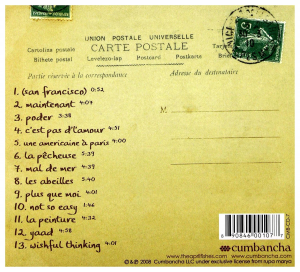
Rupa & the April Fishes’ debut album, “Extraordinary Rendition“, reflects on the societal impact of the September 11 attacks, while her subsequent album, “Este Mundo,” draws from her interactions with undocumented immigrants facing severe health challenges.[23] In “Este Mundo,” Rupa’s lyrics explore themes of longing, loss, and love, maintaining a thoughtful and intimate perspective.[24] Her music incorporates influences from jazz, tango, klezmer, Latin American, and Balkan music.[25]
Marya has said her sense of justice was awakened in childhood as she witnessed class differences in India, and learned about colonization and genocide perpetrated against Native Americans in the United States.[5] She is involved in numerous organizations working at the intersection of social justice and health, including the Do No Harm Coalition[6] and Deep Medicine Circle.[7] She was recognized in 2021 with the Women Leaders in Medicine Award by the American Medical Student Association. She was a reviewer of the American Medical Association’s Organizational Strategic Plan to Embed Racial Justice and Advance Health Equity. In 2019, Marya was among the physicians appointed by Governor Newsom to the Healthy California for All Commission.[8][9]
Marya has been vocal on social media as well as in her capacity as a medical professional regarding violations of Palestinian human rights.[10] After Dr. Avromi Kanal sent an email to hospital staff arguing against a cease-fire resolution, Marya publicly described this email as an “expression of anti-Arab hate” that prompted doctors of South Asian and North African descent “to say they do not feel safe in his presence.”
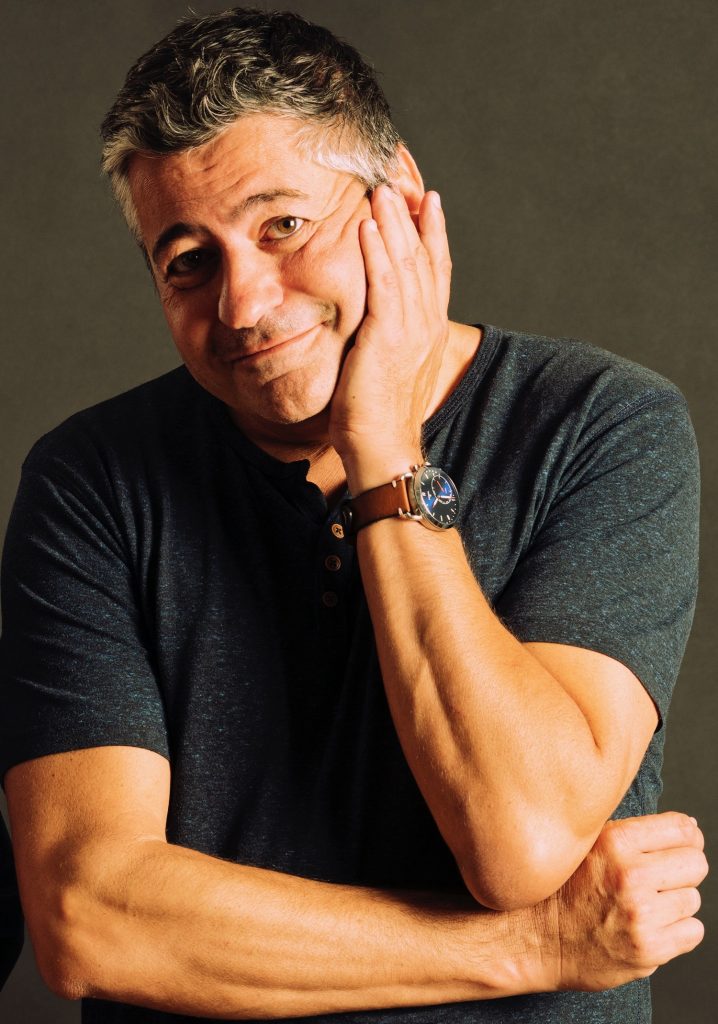
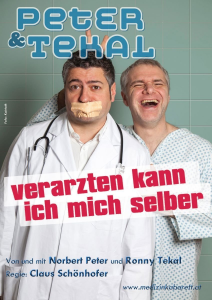
Ronny Tekal (born Ronny Teutscher on July 23, 1969 in Vienna) is an Austrian physician, cabaret artist, medical journalist, radio producer, author and co-founder of the medical cabaret Peter & Tekal.
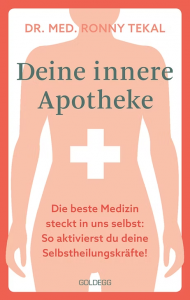
Dr. Ronny Tekal is a general practitioner, medical cabaret artist, radio producer, and author. His satirical columns appear in “Ärzte-Woche,” “Ärztemagazin,” the Swiss “Weltwoche,” and various health magazines. He is the Ö1 radio doctor for Austrian Broadcasting. He is a frequently booked keynote speaker, communications trainer, and moderator at medical symposia and conferences.
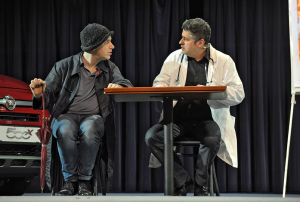
With the medical cabaret comedy duo Peter & Tekal, which he co-founded, he has brought laughter to around 500,000 patients (sorry, it’s a habit!) and audiences. He lives near Vienna.
Tekal studied medicine at the University of Vienna and received his doctorate in medicine in 1995. He has been a general practitioner since 2000. He lives in Mauerbach near Vienna.
Even during his studies, he composed sing-alongs for school classes, as well as the musical “Hospital,” which premiered in Vienna in 1992. This was followed by compositions for musicals by the children’s theater group “Die Stachelbären” at the Vienna Theater am Alsergrund, under the direction of Andreas Hutter, and for the play “Coccinella” by the Theater Impetus.
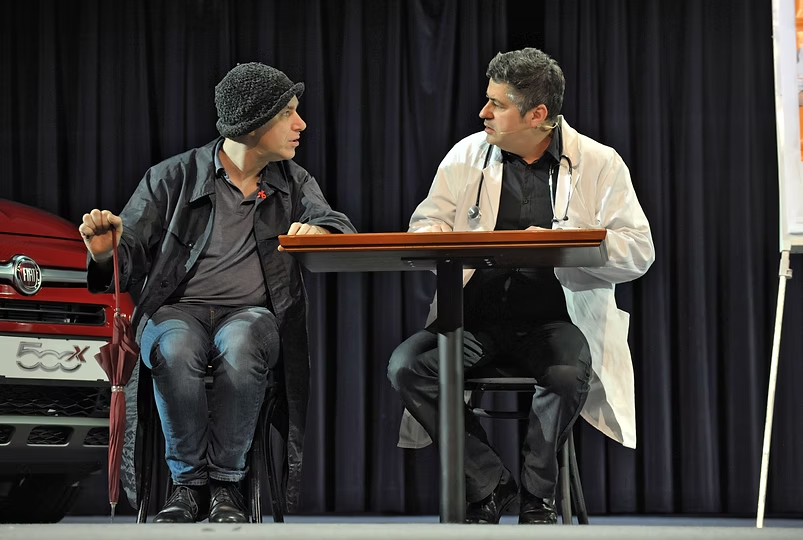
In 1995, he founded the cabaret duo Peter & Teutscher with communications scientist Norbert Peter. Since 2006, the group has focused exclusively on medical topics, choosing the name “Medical Cabaret.” Similar to the work of German physicians and cabaret artists Eckart von Hirschhausen, Lüder Wohlenberg, and Ludger Stratmann, their work focuses on satirical explorations of doctors, patients, and the medical system. Elements of the seminar cabaret created by Austrian psychologist Bernhard Ludwig also appear.
In 2000, they won the audience vote as the best Austrian participants at the Vienna Goldener Kleinkunstnagel (Golden Cabaret Nail) and twice received the Munich Kabarett Kaktus (Cabaret Kaktus). In 2013, the cabaret duo’s name was changed to Peter & Tekal.[2]
A portrait of the artists with excerpts from their programs was shown several times on ORF and 3sat in 2001, and the program Seitensprung (Side Jump) was also broadcast on Premiere Austria. In 2013, the program Patientenflüsterer (Patient Whisperer) was broadcast on ORF III as part of the Hyundai Cabaret Days. In 2016, he appeared on ORF with Echt krank! (Really Sick!) as part of Kabarett im Turm (Cabaret in the Tower).
Tekal is a member of the ORF radio science editorial team, an author, speaker, and creator of contributions for Ö1, primarily for Ö1 Radiodoktor.
His satirical column, “Side Effects,” has been published weekly in Ärzte-Woche (Springer-Verlag) since 2008.
As a founding member of PULS – Association for Combating Sudden Cardiac Death, Tekal headed the organization between 2008 and 2013. During this time, as part of this initiative, in addition to major first aid events in Vienna, the first publicly accessible defibrillators for laypersons (AEDs) were installed. The goal of making Vienna heart-safe was implemented jointly with the City of Vienna and the major emergency services. In 2013, there were over 300 defibrillators registered in the defibrillator network in Vienna at subway stations, shopping centers, the airport, public buildings, and police stations.[4] At the 4th German Interdisciplinary Emergency Medicine Congress in 2013, the presentation of the PULS campaign “Vienna Becomes HEART-Safe” was awarded first place.
Tekal, together with the second PULS founder, emergency physician Roman Fleischhackl, received the Vienna Helper Prize 2013 from the Vienna city government.