Christian Dufour
Category : accordionDocs , craftDocs , FlyingDocs
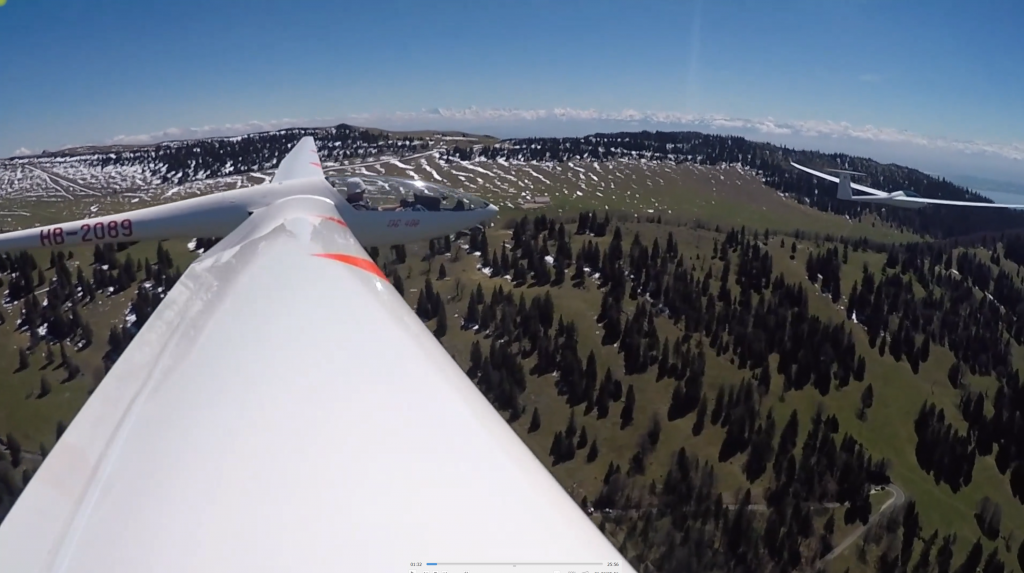
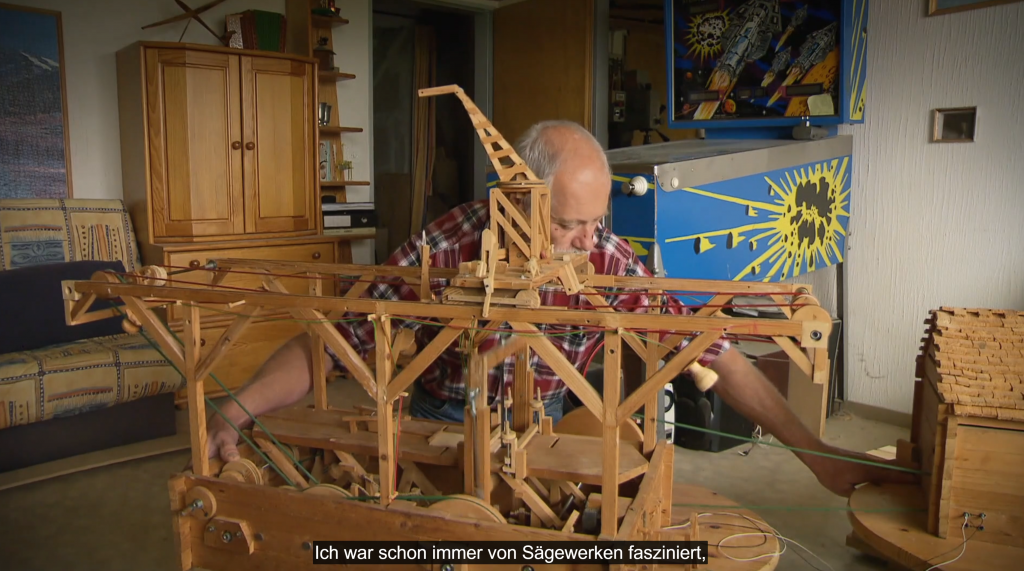
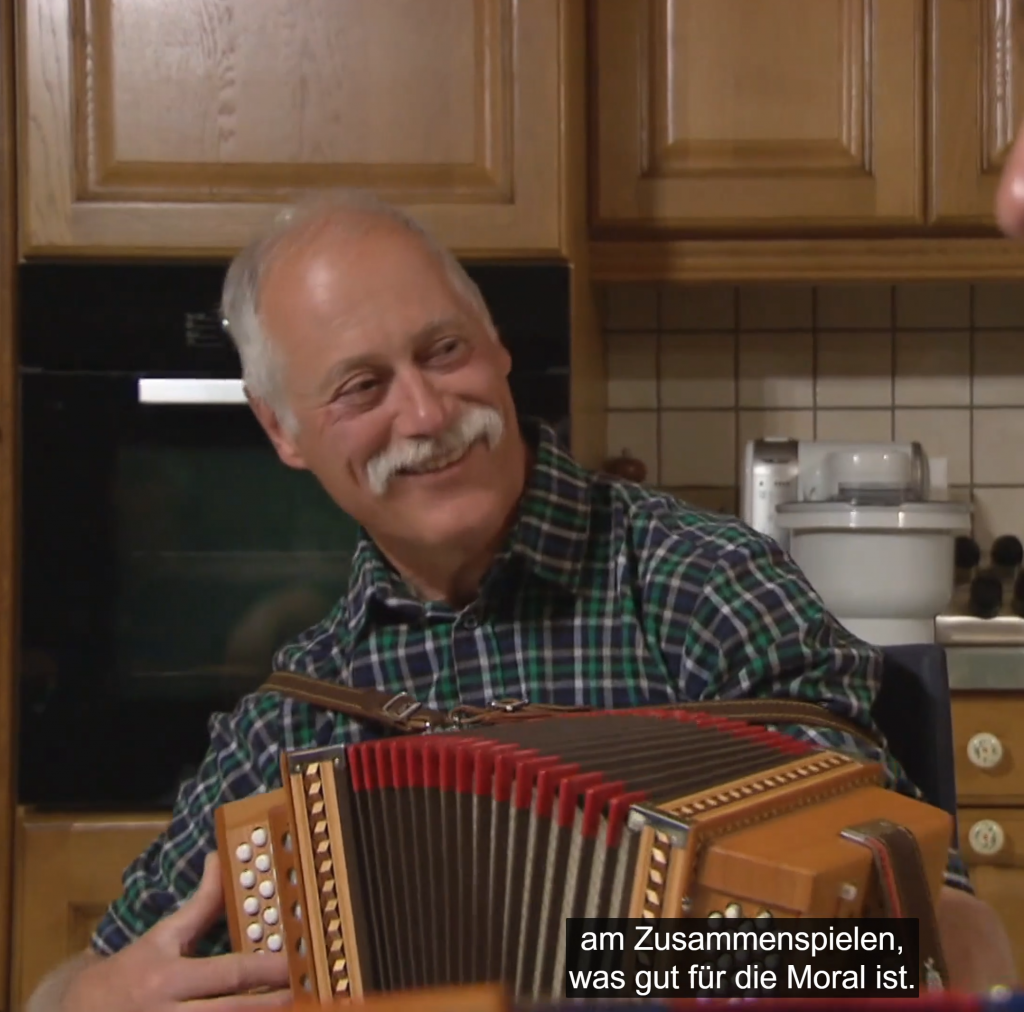
Category : accordionDocs , craftDocs , FlyingDocs
Category : CarDoc , CollectorDocs , WriterDocs
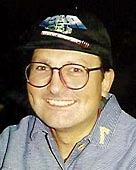
Simon Heiniger: Born in 1962 and raised in Emmental, he studied medicine in Bern. Thanks to a curriculum from the FIAM Bern, he trained as a general practitioner. Since 1994, he has been a family doctor in Olten. Married to a very understanding and patient wife, with three adult children. He writes like a writer:
I would like to tell you something about my hobby. I restore. From a medical perspective, the problem of restoration is not yet fully understood. It is suspected that a relatively rare spontaneous mutation on the Y chromosome occurs (so the female readership can breathe a sigh of relief). This deviation from the original genome forces the male psyche to fight against natural aging with all its might. If a man fails to do this for himself, he turns his energies to, for example, his car.
The first symptoms appeared at an atypically young age, which I didn’t yet know how to interpret clearly at the time: I began restoring wooden furniture during my studies. I told everyone at the time that it was a mental balance, and I felt absolutely certain that I had found a survival tool and perhaps even a second source of income for future crises. After a few years, when our apartment looked like a stage set for a Gotthelf theater, my wife convinced me that it might not be very beneficial for the children to grow up in this antiquated living environment, and that, after all, something modern could also be very appealing. I recognized the seriousness of these objections and, somewhat offended, retreated to my workshop, gave away one piece after another, and patronizingly allowed modernity to slowly move into our household. I had the time and opportunity to choose a new hobby. For a brief moment, I even considered sports or reading.
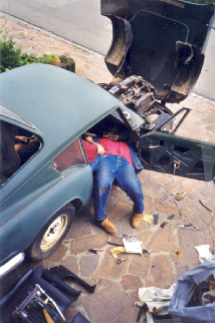
As with many chronic illnesses, one tends to delude oneself into believing one’s health during symptom-free periods. However, when I saw a Triumph Spitfire shortly after opening my practice (for the more interested reader: Mk IV, Jg 72), I quickly added the price tag to the total investment expenditure, and since this didn’t result in a significant difference, I drove the Spitfire home. This spontaneity, often typical of me and equally overwhelming for those around me, didn’t meet with much approval this time either. Since then, I always discuss a car purchase with my wife beforehand, or at least mention such a project sometimes. The Spitfire was a good purchase. The engine almost always started, and only rarely did it let me down on the road. Every now and then, I curiously unscrewed something, marveled at the (still) nameless part, and screwed it back on. Apparently, it was fine; everything worked. The problem with this car was that there was nothing to restore. On a later occasion, I complained about this plight to the Triumph dealer. I think he wrestled with himself for a moment before telling me that instead of ruining the good car, he had an idea. His suggestion was a rather dilapidated Triumph GT6 (for the still-interested reader: Mk I, 1968, also known as the “poor-man’s E-Type”), parked behind the garage years ago and left to rot and rust.
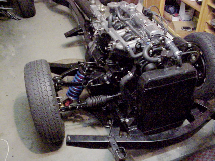
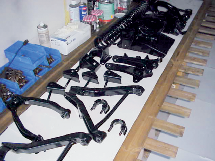
My restoration heart leapt with pity, beat faster, and with much effort (I can’t go into the details, as the various violations may not have expired yet), I parked the “vehicle” in our backyard. I tried to counter my wife’s incomprehensible horror (had I really forgotten to inform her?) with arguments like “it’ll be a great car by spring” and “it looks terrible, but it’s solid.” Admittedly, spring had come several times, and the solidity wasn’t quite so great after all. To lend my determination a touch of credibility, I began the rather hectic disassembly that same day. This bold step in particular isn’t particularly suitable for imitation: even today, I still have a reproachful box of small parts for which, no matter how hard I tried to imagine, I simply couldn’t find room when putting them back together. Very quickly, an unexpected space problem arose. If the car, in drivable condition, has the dimensions of a small vehicle, the space required in a gutted state is about four times larger. I had to discreetly incorporate the now-modernized living space into the storage room, and even for this practical conversion of space, there was strangely no applause. Today I can talk about it; at that stage, I was almost desperate. Half the neighborhood was amused by the noise and chaos.
Give up? Those who restore cars don’t know that expression, and anyway, it’s part of the very nature of a family doctor to persevere, not to give up, even when no one believes in a happy ending anymore. I needed help and comfort, lots of comfort. The bookshelf was filled with specialist literature on British vehicles, rust treatment, engine construction, reports with tips and tricks from fellow sufferers. I discovered I wasn’t alone. Similar fates seem to be shared in many places, with many a self-proclaimed preserver of rusty cars suffering with brave perseverance in a small, unheated garage. The project progressed in small steps. There was a time when the various parts were spread out over a radius of many kilometers: the engine was at the cardiologist’s, the chassis at the orthopedist’s, and the body at the dermatologist’s. Our house was once again stress-free and livable. In this situation, I was once again able to benefit from my experience as a family doctor.
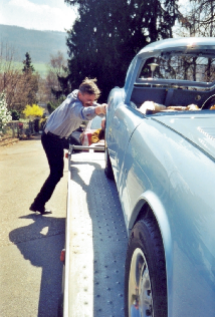
It took my persistent attention until my patient (still disassembled) was finally back home. Now all that was left was to reassemble it. With my now considerable experience and the painful experience of using many new tools, this should really only be the crowning achievement. The conclusion, and especially the crowning achievement, would have to wait for another spring. I became acquainted with the English understanding of precision. The majority of imported new parts rarely fit; where there should have been a recess, there wasn’t one. And the wiring harness had countless nerve endings that simply ended up somewhere without any reason (perhaps I should have paid more attention in neurology). Improvisation and courage were required.
Once all the holes and recesses on the freshly veneered dashboard were covered, I had the part x-rayed in the office. With the old bronchoscope, I was sometimes able to get a better overview of the depths of the engine or the body. And all the useful surgical instruments were briefly put to a different use (and, of course, later sterilized again).
One fall, the Triumph was finally finished, previously in “British racing green,” now in a more conciliatory “powder blue.” Everything worked, and even the motor vehicle inspection gave it its veteran’s blessing. For a short time, the symptoms disappeared, and everyone rejoiced in the miraculous healing. If only the Moto Guzzi hadn’t been at the motorcycle dealer,
or the sadly beautiful Saab on the internet, or the old Vespa in my father-in-law’s barn…
With time and experience, I’ve learned something very important. Before making any new purchase, I always talk to my wife first. She’s learned to live with my weakness and patiently stands by me (sometimes she still has a meltdown when there are so many vehicles in and around the house, so I just have to get rid of another restored object; never mind, I’ll find another one).
Dear reader, I have one final request: If you meet a man in a shiny, beautiful old car, be kind to him. He’s been through a lot.
PrimaryCare 2006;6: Nr. 51-52
Dr. med. Simon Heiniger
Ziegelfeldstrasse 25
4600 Olten
heiniger.simon@freesurf.ch
Category : StringDocs
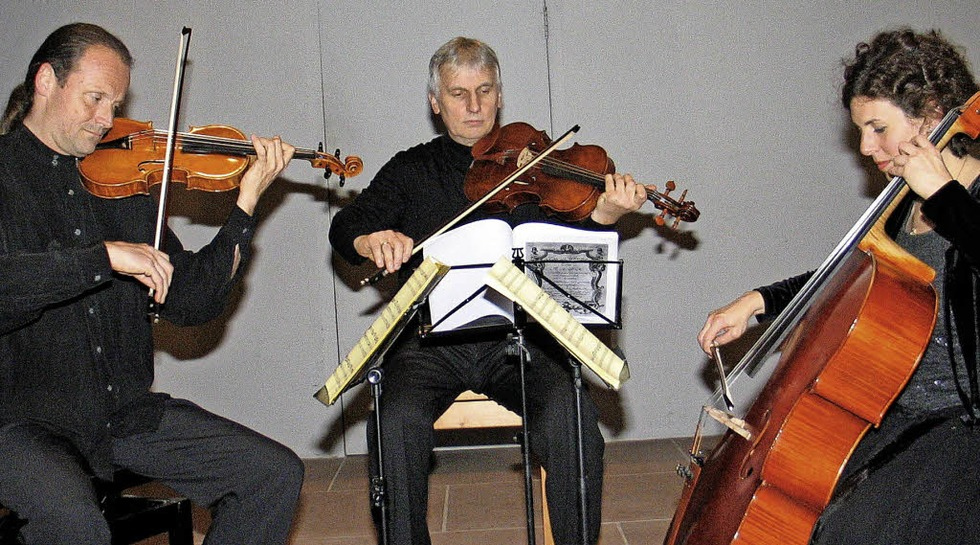
Horst Hildebrandt, born in Marburg (Germany), completed violin studies in Freiburg (Germany) and London, and studied medicine in Freiburg. He has furthered his training in movement therapy, dispokinesis, mental training, and pain therapy. He is a member of the German National Youth Orchestra and the Junge Deutsche Philharmonie. He has worked as a violinist in opera and radio orchestras. He is the first violinist of the Hilaros Quartet, the Ensemble Aisthesis, and various orchestras. From 1988, he was a violinist and violist with the Ensemble Aventure Freiburg for over 30 years. He has taught for many years at music schools, as well as at music academies and professional orchestras. He has been the head of the Music Physiology/Music and Preventive Medicine department at the Zurich University of the Arts (since 1997) and the Basel University of Music (since 1999). His areas of expertise include teaching and research in psychophysiology, prevention, and health promotion. He is the director of the MAS continuing education program in Music Physiology at the Zurich University of the Arts. Founder and management team member of the Zurich Center for Musicians (ZZM) and the Swiss University Center for Music Physiology (SHZM).
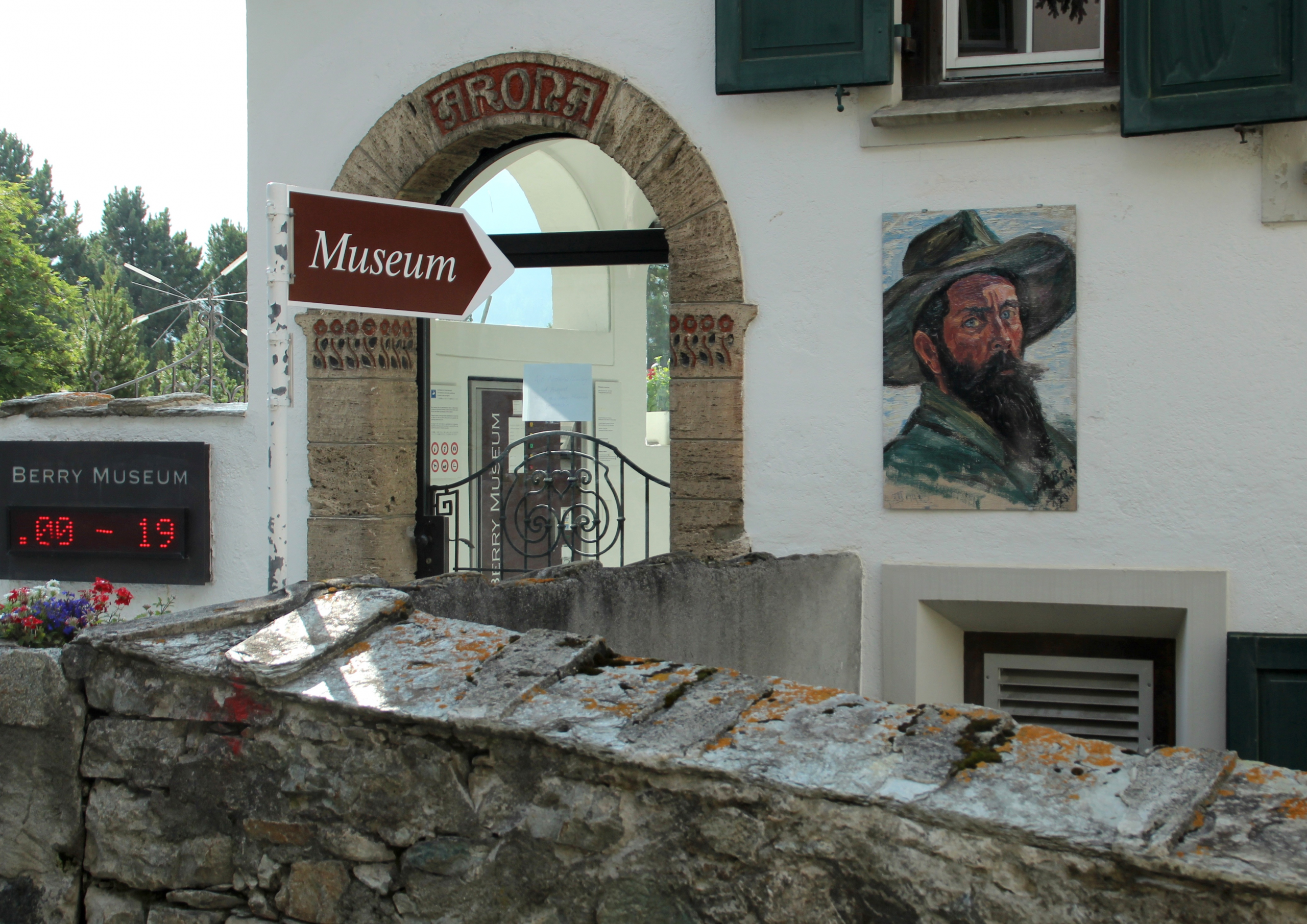
Category : ArtDocs , museumDocs
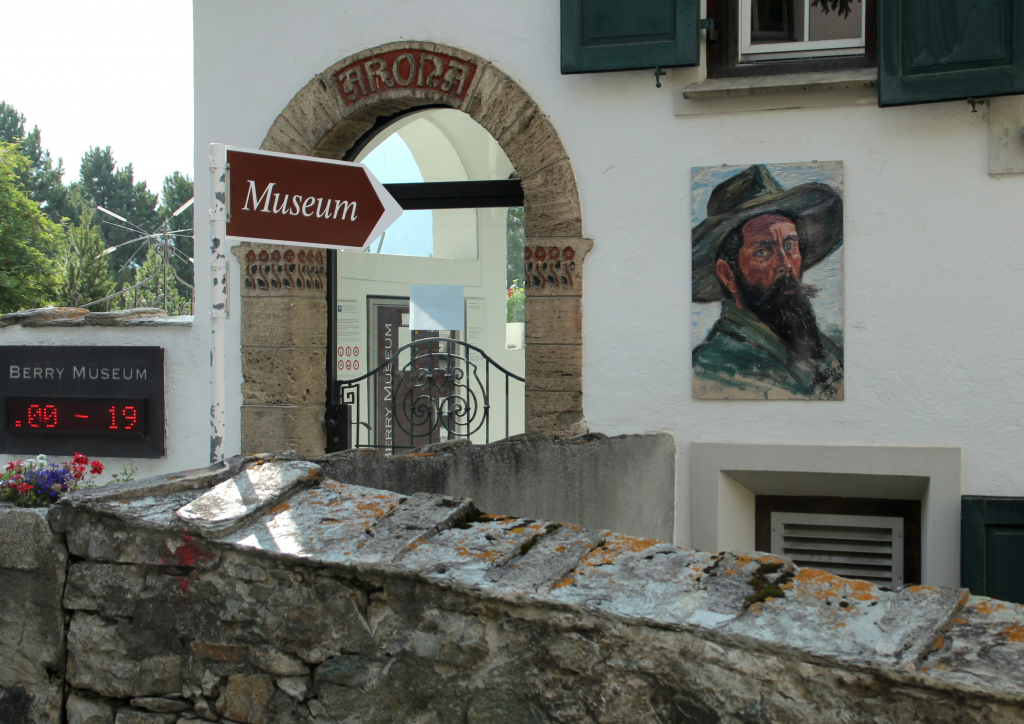
Peter Robert Berry (* September 11, 1864 in St. Moritz; † November 14, 1942 in St. Moritz) was a physician and painter from St. Moritz in the canton of Graubünden.
Peter Robert Berry was born the eldest son of the Chur physician Peter Berry I and his wife Cecilia Berry-Stoppani. Peter Berry came to St. Moritz on the advice of his brother-in-law, the hotelier Johannes Badrutt, and was one of the first spa physicians to work in the “New Kurhaus,” which opened in 1864.
Berry attended the cantonal school in Chur—together with Andrea Robbi. He then studied medicine at the universities of Zurich, Bern, Heidelberg, and Leipzig. After completing his dissertation, he worked for a short time at a London hospital; In 1892, he became chief physician of the “Heilquellen-Gesellschaft” (Healing Springs Society) in St. Moritz-Bad.
In 1895, he became engaged to the American Kitty Spalding, gave up his position as a spa doctor, and continued his education in Paris and Berlin. The engagement was broken off after a year, and Berry returned to the Engadine.
In November 1898, Berry vehemently opposed plans to develop the town into a health resort for tuberculosis sufferers in a detailed document addressed to the municipality of St. Moritz. He feared that the sophisticated, sports-loving public and other summer visitors would fear infection and stay away. Instead, he called for the “wellness offerings” such as spa treatments, which flourished in the summer, to be extended to the winter as well. The reputation of a sanatorium would ruin the upscale resort of St. Moritz: “Either sports or germs.”
In 1898, Berry met the painter Giovanni Segantini, whose project for an Engadin panorama for the 1900 Paris World’s Fair he strongly supported. At that time, Berry developed the desire to paint himself. Unsatisfied with his own experiments with colored pencils and pastels, he turned to his friend Giovanni Giacometti in 1898 and asked him to introduce him to the art of oil painting. Giacometti, however, was unavailable and put Berry off until winter. He supported his friend’s desire to paint, which strengthened Berry’s resolve to become a painter.
Between the winter of 1899 and 1901, one of Berry’s first large oil paintings was created. It is entitled “Christmas Eve” and, like other early works by Berry, is strongly influenced by Giovanni Segantini’s choice of motifs and divisionist painting technique.
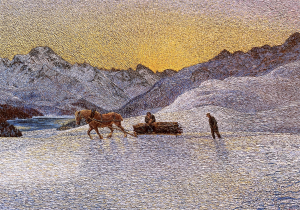
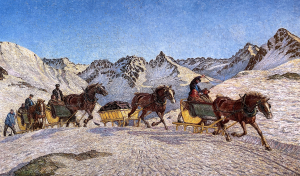
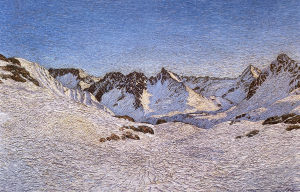
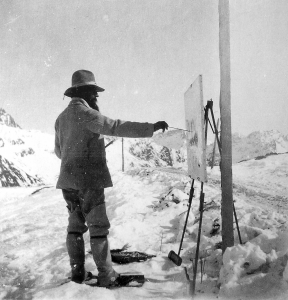
In 1900, Berry began studying painting at the Académie Julian in Paris, presumably on the advice of his friends Giacometti and Andrea Robbi, who had previously attended the school. In 1901/1902, he learned precise drawing at Heinrich Knirr’s school in Munich and simultaneously took courses at the veterinary faculty, where he studied equine anatomy. In the following years, he continued his education in Paris at the Académie Julian and the Académie de Montparnasse.
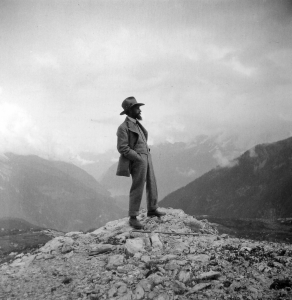
Between 1905 and 1914, Berry spent many winters on the Julier and Bernina Passes, painting in the open air and, in the evenings, playing the piano he had brought with him or reading in his hospice accommodations. He enjoyed works by Friedrich Nietzsche, whom he had met in St. Moritz. His brother often helped him carry his paintbox, paintings, and easel.
In 1907, Berry met Ferdinand Hodler, who was staying in the Engadine at the time. He, too, is said to have encouraged him to continue painting. In 1918, during the outbreak of the Spanish flu, Berry once again worked as a doctor, but otherwise devoted himself exclusively to painting.
Peter Robert Berry died on November 14, 1942, in St. Moritz. His works were not shown until after his death in 1945 as part of a memorial exhibition at the Graubünden Art Museum in Chur.
Berry had been married to Maria Rocco since 1908. One of his sons also worked as a doctor and painter in St. Moritz, and his granddaughter, Marietta Gianella-Berry, also became a painter.
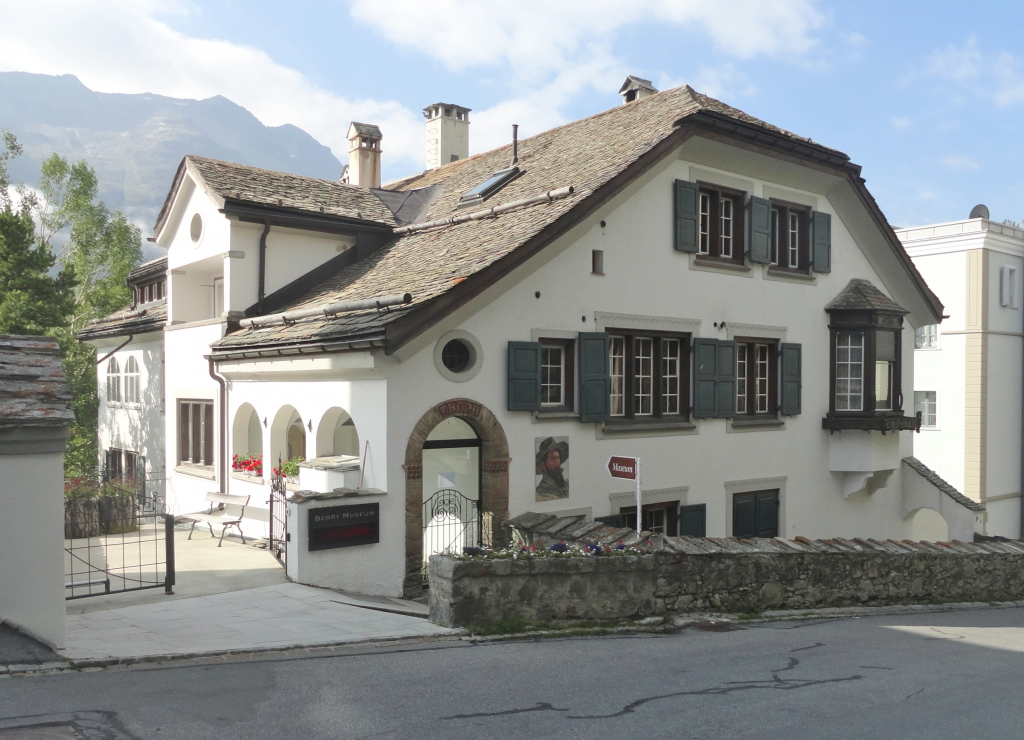
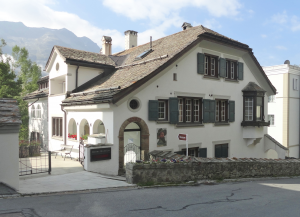
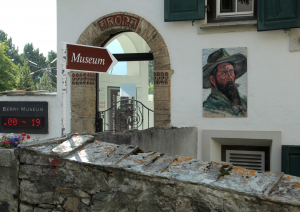
The “Villa Arona” in the center of St. Moritz was built around 1904[3] according to plans by Nicolaus Hartmann (1880–1956) by Berry’s brother Johannes, a dentist who lived there with his family.
The Berry Museum, which opened there in 2004, exhibits numerous works by Berry, most of them family-owned. In addition to the paintings, the museum also houses Berry’s extensive estate. This consists of books, letters, notes, diaries, musical scores, and numerous documents relating to the founding and development of the spa town of St. Moritz.
Category : CarillonDocs , FlyingDocs
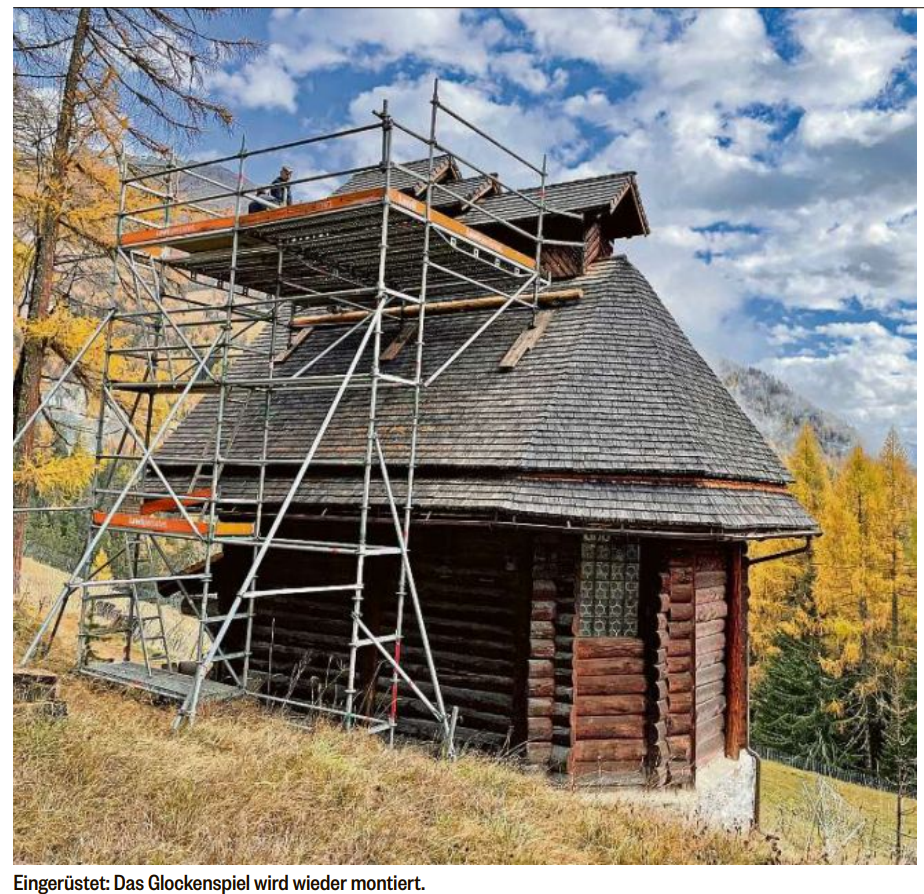
Peter Berry is a CarillonDoc of a special kind: he restored a historic carillon that was once built by Willem Mengelberg near St. Moritz in the mountains:
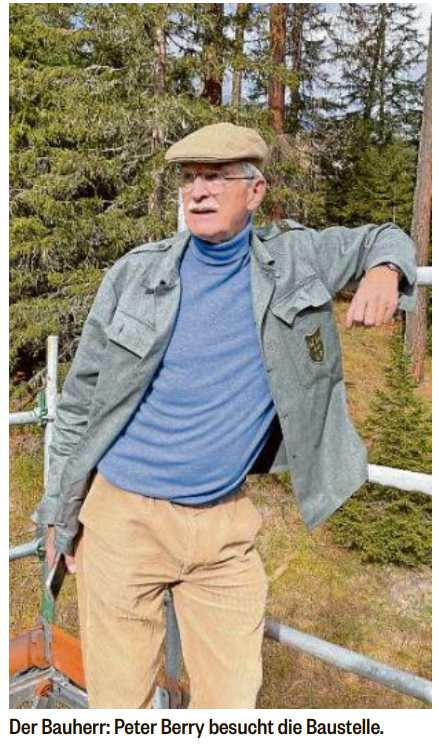
He also plays some songs himself and, of course, operates the carillon’s electronics!
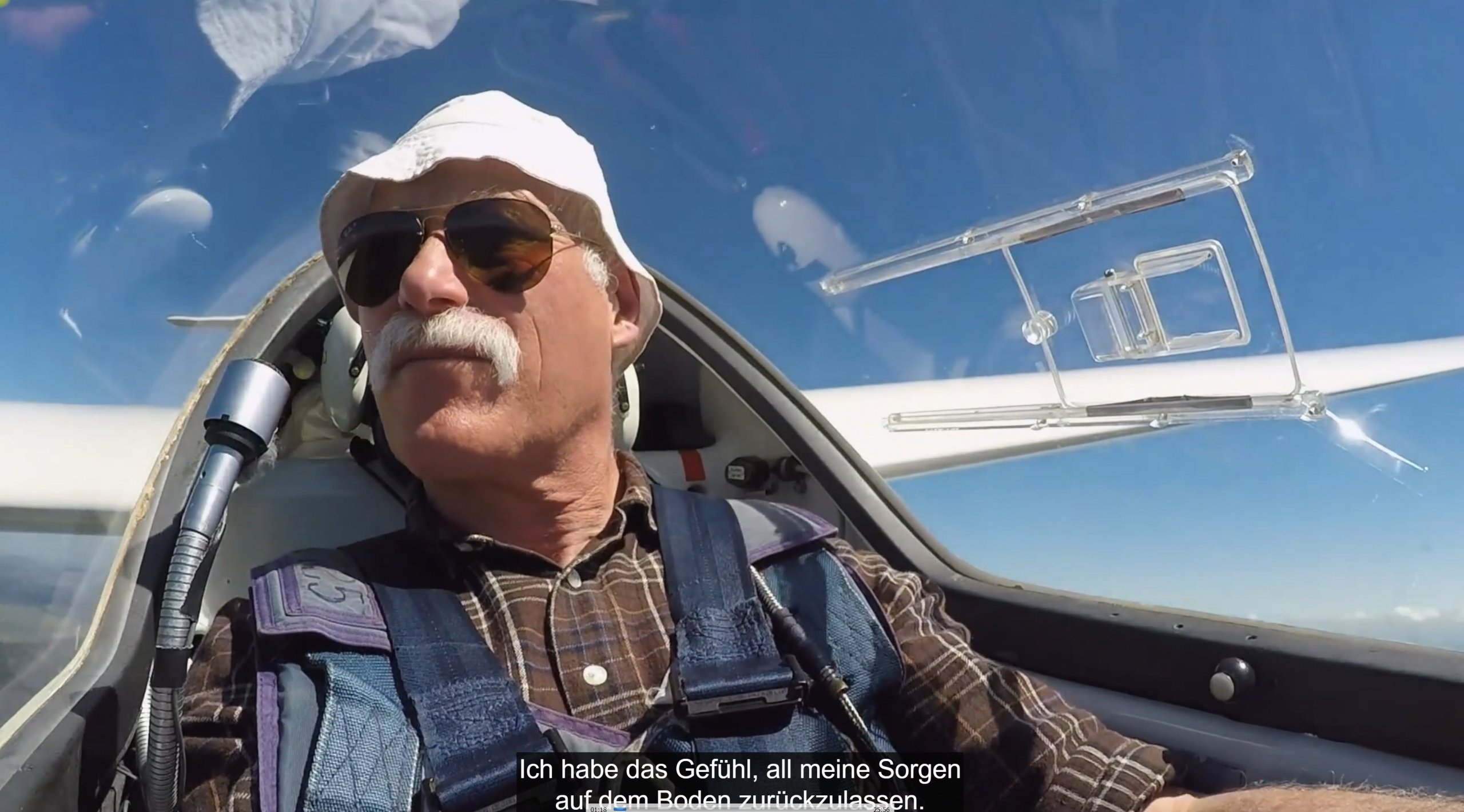
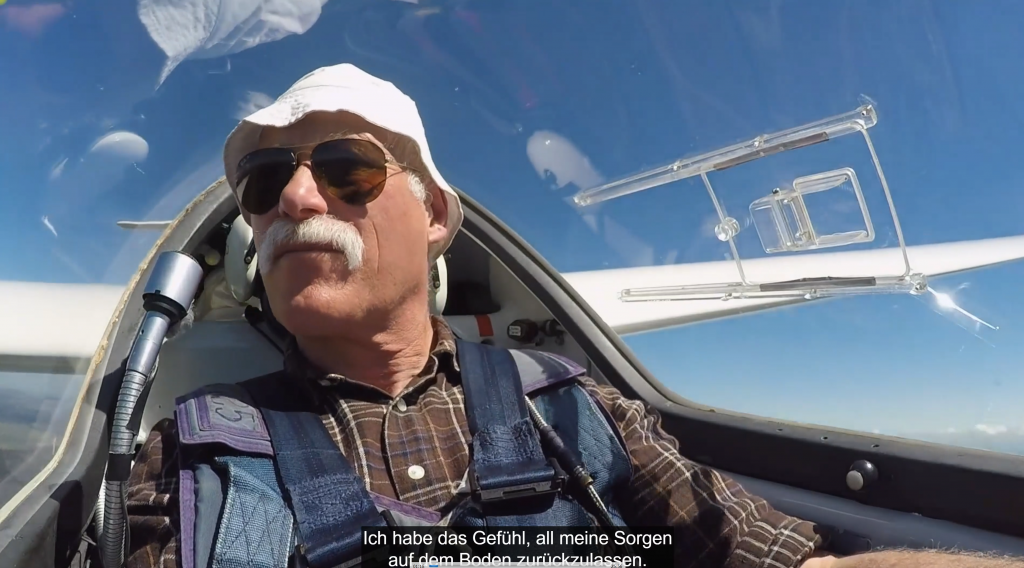
CV mit seiner Eigenschaft als Notfallpilot, der im Oberengadin ein Flugrettungssystem aufgebaut hat.
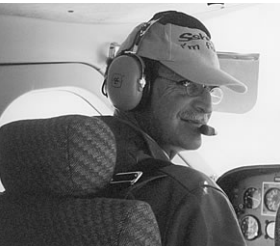
From 1978 to 1986, assistant physician in Zurich, Chur, New York, and St. Moritz.
Between 1986 and 2002, self-employed medical practice at the St. Moritz Rehabilitation Clinic, establishing the emergency services in the Upper Engadin region.
Since 1991, entrepreneurial activity in the real estate sector.
In 2003/2004, conceptual design and construction management for the renovation of the Berry Museum.
Membership in Swiss societies for internal medicine, emergency medicine, and nutritional science.
Membership in the Hunters’ and Fishermen’s Association.
Membership in Pro Natura.
Membership in the Swiss Animal Welfare Association.
AOPA pilots/aircraft owners.
Private pilot since 2001.
Category : AnimalDocs , MountainClimberDocs , movieDocs , SpeakerDocs , WriterDocs
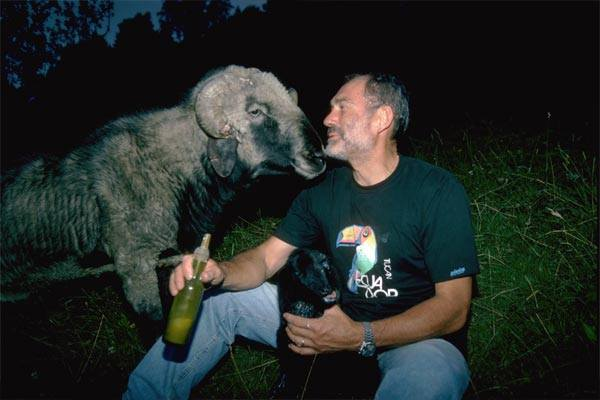
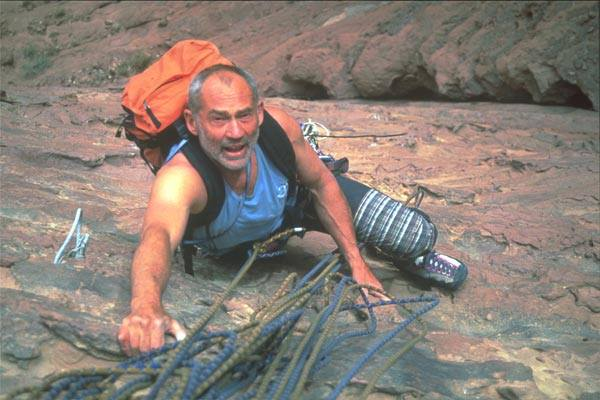
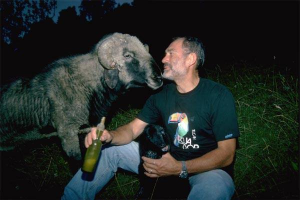
Oswald “Bulle” Oelz (born February 6, 1943 in Rankweil, Vorarlberg) is an Austrian-Swiss physician and mountaineer. From 1991 to 2006, he was chief physician at the Triemli City Hospital in Zurich. In addition to his medical work, the internist and high-altitude physician practiced extreme mountaineering, participated in numerous expeditions in the Himalayas, and gave slide presentations about his climbing tours. He breeds sheep.
As an expedition doctor, Oswald Oelz accompanied numerous expeditions in the Himalayas, including mountaineers such as Reinhold Messner, Peter Habeler, and Hans Kammerlander. In 1972, Oelz traveled to the Himalayas to climb Manaslu (8,163 m), but was unsuccessful.
In 1978, he was one of two doctors on the controversial expedition to Mount Everest (8,848 m), during which Messner and Habeler climbed the mountain for the first time without supplemental oxygen. Oelz and six other expedition members successfully completed the ascent using oxygen cylinders. He was thus the first Vorarlberg native to successfully climb Mount Everest.
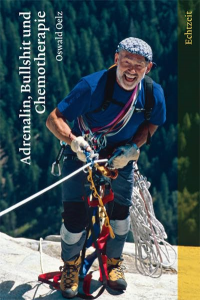

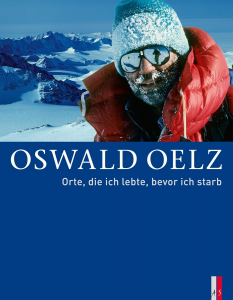

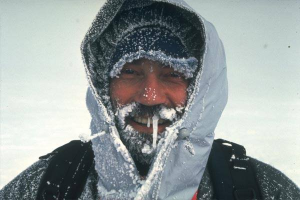
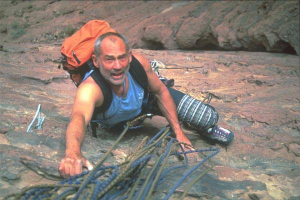
During an expedition in 1979, he attempted to climb the Ama Dablam Northeast Ridge (6,856 m). He was unable to reach the summit due to a rescue operation. In 1981, he accompanied an expedition to Shishapangma (8,027 m), but in 1982, he failed to climb Cho Oyu (8,188 m) due to cerebral edema. In 1983, he survived an avalanche on Glacier Dome (7,193 m) in the Annapurna massif. In 1985, Oelz climbed Shishapangma, his second eight-thousander. A further attempt to climb Makalu (8,485 m) failed in 1986.
In 1990, Oswald Oelz became the third person to reach all of the Seven Summits according to the Carstensz version: Aconcagua (6,961 m, 1974 & 1986), Mount McKinley (6,190 m, 1976), Mount Everest (1978), Mount Vinson (4,892 m, 1986), Kibo (5,895 m, 1987), Mount Kosciuszko (2,228 m, 1989), Elbrus (5,642 m, 1989), and the Carstensz Pyramid (4,884 m, 1990).[3]
He reached the summit of Ama Dablam in 1995. In the Alps he climbed the three great north faces of the Alps: the Matterhorn North Face, the Eiger North Face (1995) and the Walker Pillar of the Grandes Jorasses.
In the documentary Höhenrausch: Die Entwicklung der Höhenmedizin (2022), Oelz states that he “lost a total of 29 friends with whom he climbed high peaks.” In 1978, in a personal experiment on Mount Everest, he reduced his hematocrit from 58 to 52% to reduce viscosity, but subsequently became seriously ill. After a week, he recovered and climbed the summit with oxygen. In 1986, he suffered high-altitude pulmonary edema on Aconcagua and was treated with nifedipine, with rapid improvement after 10 minutes.
Dokumentarfilm ServusTV https://www.servustv.com/natur/v/aa8178k0h5ydbviqch56/
https://www.tagesanzeiger.ch/ich-will-klettern-bis-ich-tot-bin-853567372558
https://www.facebook.com/OswaldOelzSchweiz?locale=de_DE
Category : (water-)skiingDocs , ParaglidingDocs , WaiterDocs
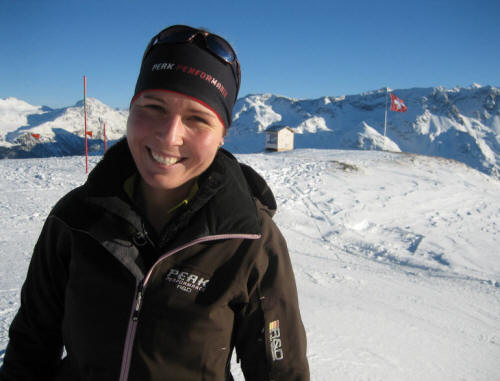
Elisabeth (Lisi) Brandner – her e-mail in german:
I was fortunate enough to grow up in an area where I could indulge in my greatest passion almost every day. I still occasionally visit and love the many small ski lifts and ski areas in the Chiemgau Alps, where everything from gentle slopes to hardcore freeride descents for insiders is offered. For me, these will always be my favorite mountains.
I discovered my passion for skiing when I was two and a half years old. Since then, I’ve been fascinated by the white splendor and the thrill of gliding down it. In my first year of school, I went on my first ski tours with my father – for the first eight years with simple alpine equipment, with Dad leading the way. To this day, every ascent and descent in unexplored mountain regions is a very special experience that quickly helped me recognize the important things in life.
My passion for skiing naturally led me to join the ski club – as a kindergarten child. At 18, I competed in my first World Cup race. After that, I competed for Germany in the World Cup circuit for five years in the speed disciplines of Super-G and Downhill. Today, I primarily ski for pleasure again, occasionally participating in race training and for state-certified ski instructor exams.
At 23, I said goodbye to the Ski World Cup to begin my medical studies in Munich. I wouldn’t want to miss any of my days as a ski racer, but today I’m very happy with my decision because my work as a doctor brings me great satisfaction.
If I had three wishes, I would like to grow old in good health and ski a lot, open my own general practice and teach my children (I don’t have any yet) how to ski.
Fresh air is my most important fuel. Being out and about with my family and friends and occasionally retreating to the familiar tranquility of the mountains keeps me balanced and gives me strength for new adventures.
Yours, Lisi
Press quote:
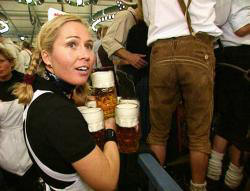
For 16 days a year, Elisabeth H. is working as a WaiterDoc at the Oktoberfest in Munich. She says she is addicted to that job… 14 hours a day carrying beer and serving the guests, who are often out of control. Her strategy is permanence, team power among the waiters, and strong nerves.
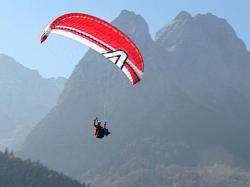
In Switzerland, she does paragliding and skiing; she has even been a member of the German national skiing team! In 2005, she took second prize in the Ski-Teacher World Championship in Finland.
https://www.linkedin.com/in/elisabeth-brandner-34485664
https://www.fis-ski.com/DB/general/athlete-biography.html?sector=AL&competitorid=6861&type=result
Category : (water-)skiingDocs , BicycleDocs , CookDocs , HikingDocs , managerDocs , photographyDocs , SingerDocs
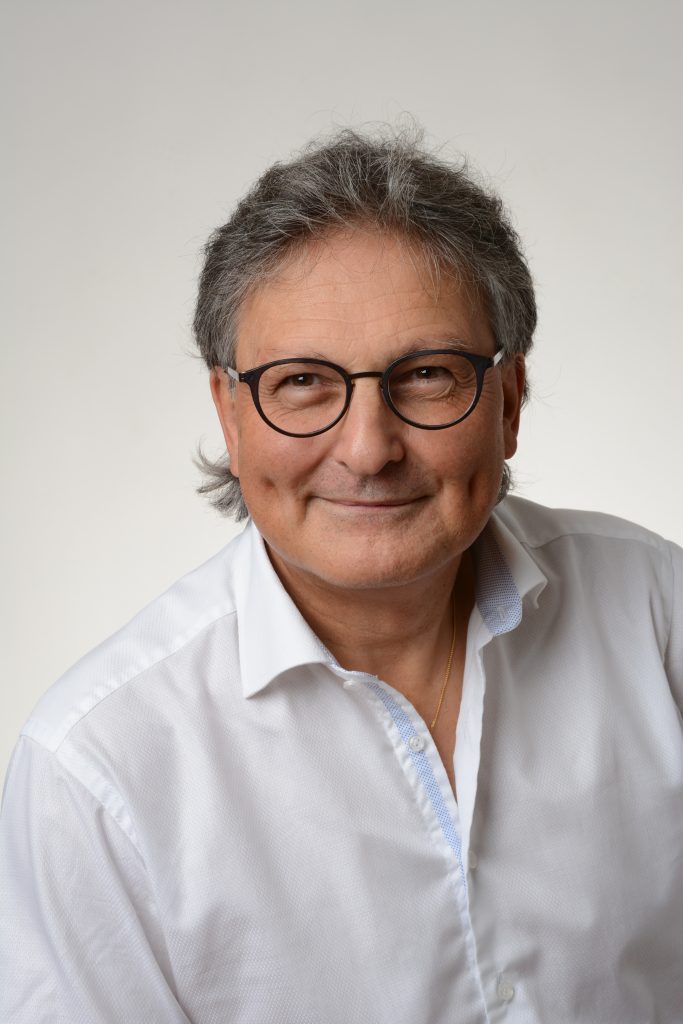
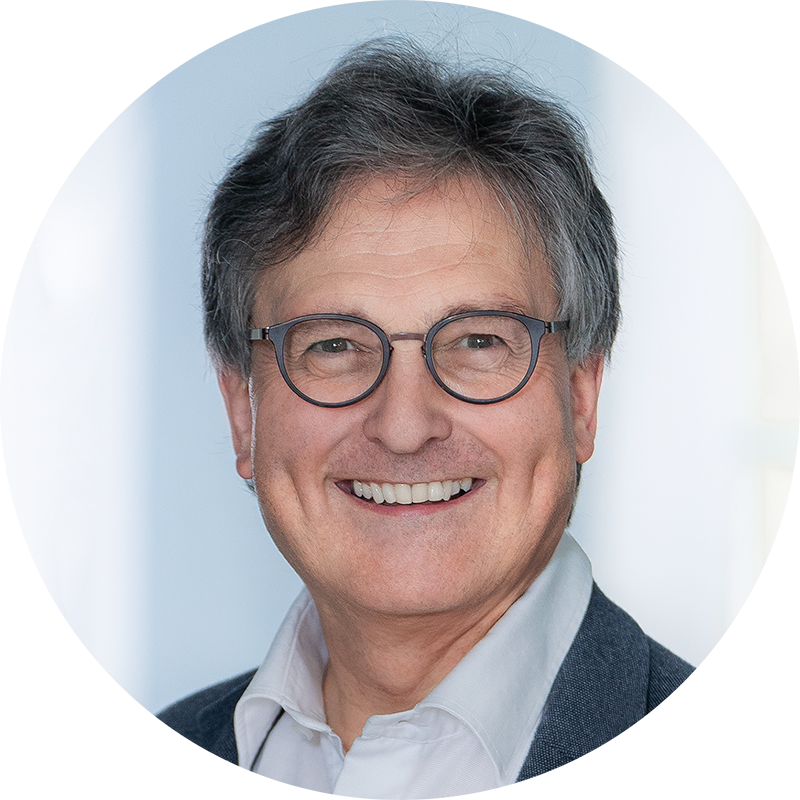
Originally from Basel, he has lived in Central Switzerland for over 45 years. As a qualified eye surgeon, he runs the Zentravis eye practice at Bahnhofplatz in Lucerne and is a co-founder of the Sursee Eye Day Clinic. He also initiated an optical chain with the integration of ophthalmic diagnostics into the eyewear business and a so-called one-price policy, Doctor-Eyepoint. “Central Switzerland is a paradise. Being able to live and/or work here is a privilege.”
He builds model trains in H0 and H0m scales with the themes of Göschenen and Disentis (planned).
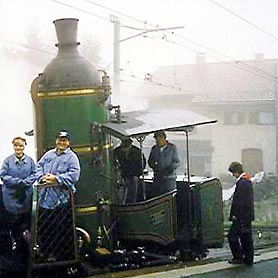
He likes steam locomotives and steamships and is a member of the Lake Lucerne Steamship Company.
He sings in the Basel Theater Choir (due to lack of time…).
He enjoys hiking, skiing, cycling, concerts and cinema, as well as traditional and popular Swiss folk theater.
He shoots videos, edits, and creates his own soundtrack.
He also enjoys cooking, spending time outdoors and playing games like “The Settlers of Catan…”
Category : ArtDocs , CollectorDocs , HorseDocs , psychologyDocs
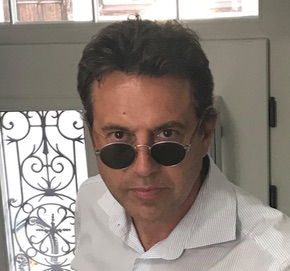
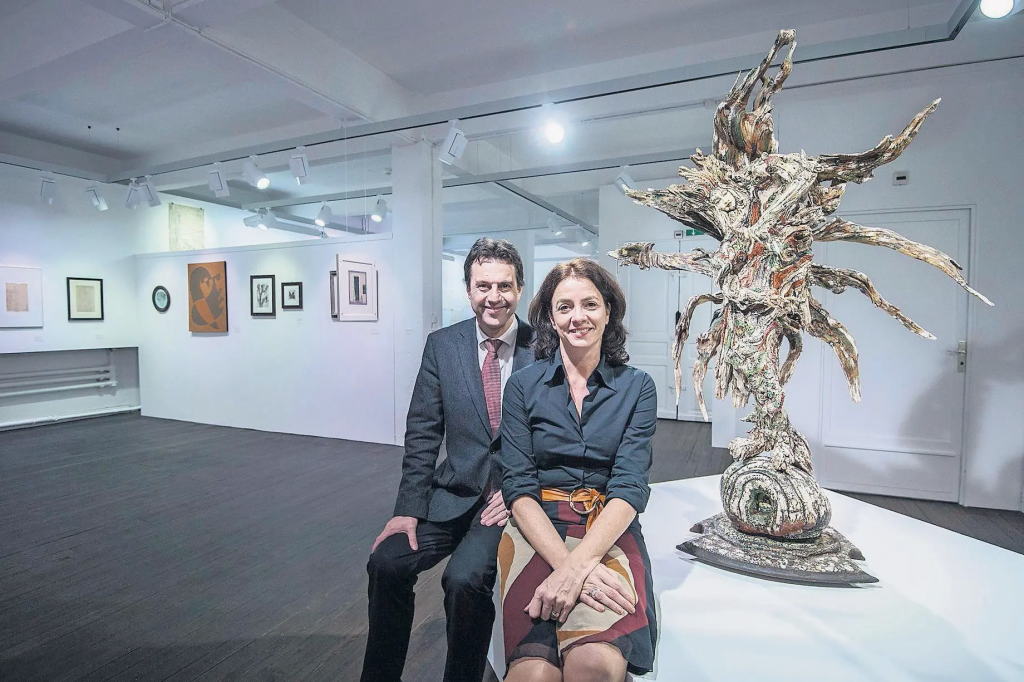
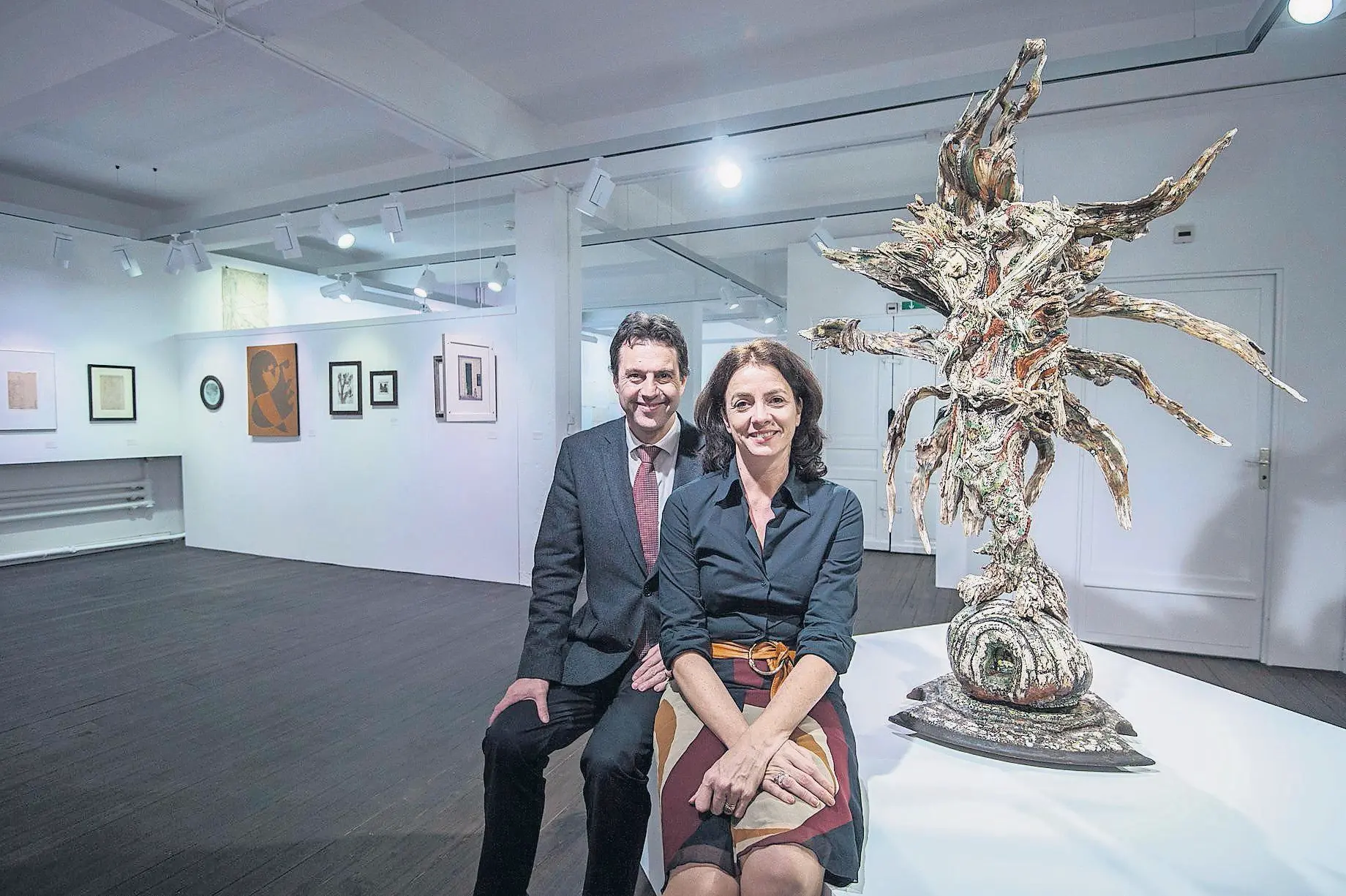
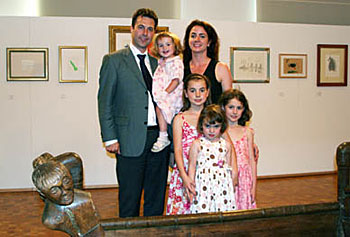
Gerhard Wolfgang Dammann (* 11 December 1963 in Oran, Algeria; † 20 June 2020 in Münsterlingen, Switzerland;[1] resident in Basel[2]) was a Swiss psychiatrist, psychologist and psychoanalyst.
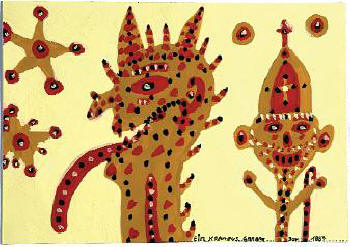
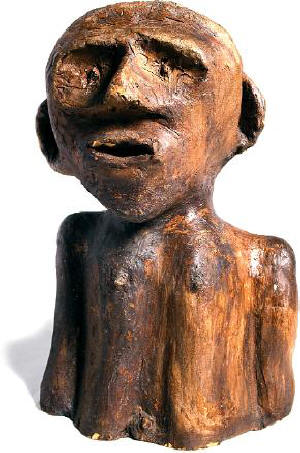
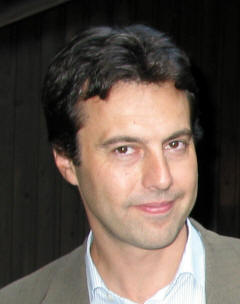
Dammann studied medicine, psychology, and sociology in Tübingen, Frankfurt am Main, Basel, and Paris, graduating with the state examination in medicine (Germany, 1990), a diploma in psychology, and a diploma in sociology. From 1986, he was a member of the Catholic equestrian student association AV Guestfalia Tübingen.
As a medical student, Gerhard Dammann explored the art of psychotics and those with psychiatric experience. During his clinical internship, he spent several months as an intern in the Prinzhorn Collection at Heidelberg University, acquiring his first works from the fields of “Outsider Art” and “Art Brut.” The collection began with a collage by Adolf Wölfli, a drawing by Louis Soutter, a painting by Johann Hauser, and a musical instrument by Gustav Mesmer. After his marriage, he and his wife Karin began collecting more and more systematically in the late 1990s.[1] From 1995 onwards, they placed the acquired works in their large Munich apartment. Initially, they acquired works by artists from the Art/Brut Center Gugging, including watercolors by Oswald Tschirtner and drawings by Franz Kamlander. From 2000 onwards, they supplemented the collection with further outsider art by Albert Louden, Sava Sekulić and Michel Nedjar. In 2003, they bought a large part of the works created in the “La Tinaia” studio, as well as historical Art Brut created in psychiatric hospitals.
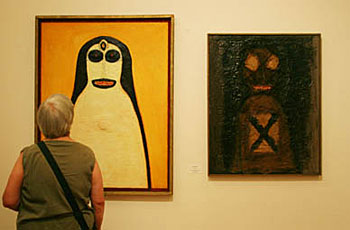
In 2006, the collection comprised around 100 artistic works by self-taught artists in the fields of Naive Art and Outsider Art, and by 2014 had grown to around 300 works of “select quality.” In 2023, the collection consisted of over 1,000 exhibits. The core of the collection is a selection of Art Brut classics. These include series of works by the Gugging artists Johann Hauser, August Walla, and Oswald Tschirtner from the early 1970s, as well as works from the open studios of the “La Tinaia” psychiatric hospital in Florence. In addition, the Dammann Collection includes five of fifteen works donated from the original Prinzhorn Collection, three works by Else Blankenhorn[5], and two sheets by August Klett. There are also some unusual works: a carved bed made of solid oak, created around 1880 in an institution near Chartres, or a sheet dated 1720, which is considered the oldest known work of outsider art.
https://de.wikipedia.org/wiki/Gerhard_Dammann_(Mediziner)
https://de.wikipedia.org/wiki/Sammlung_Dammann
https://www.news.uzh.ch/de/articles/2007/2598.html
https://www.tagblatt.ch/kultur/leuchtender-wahnsinn-ld.922360