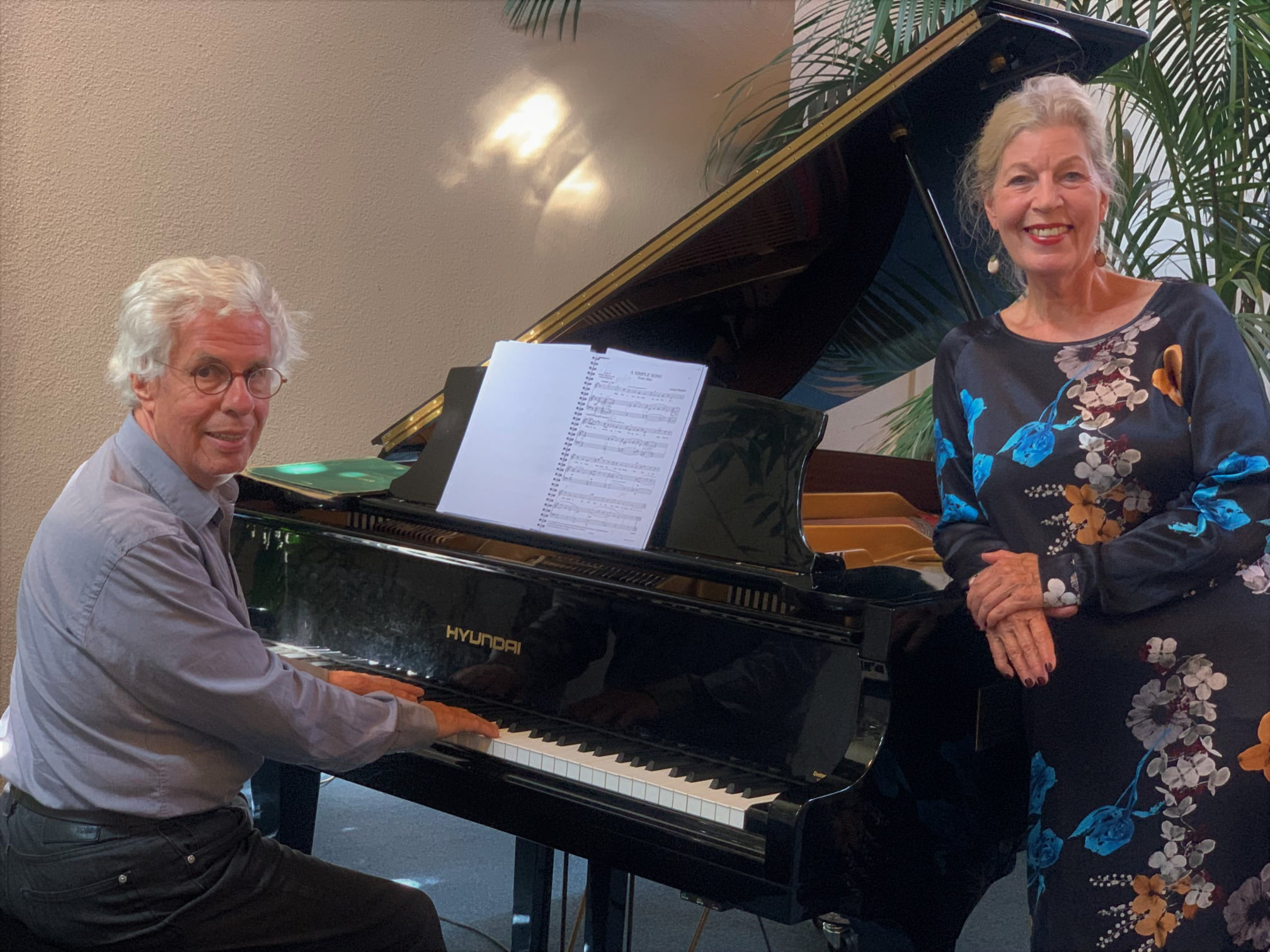
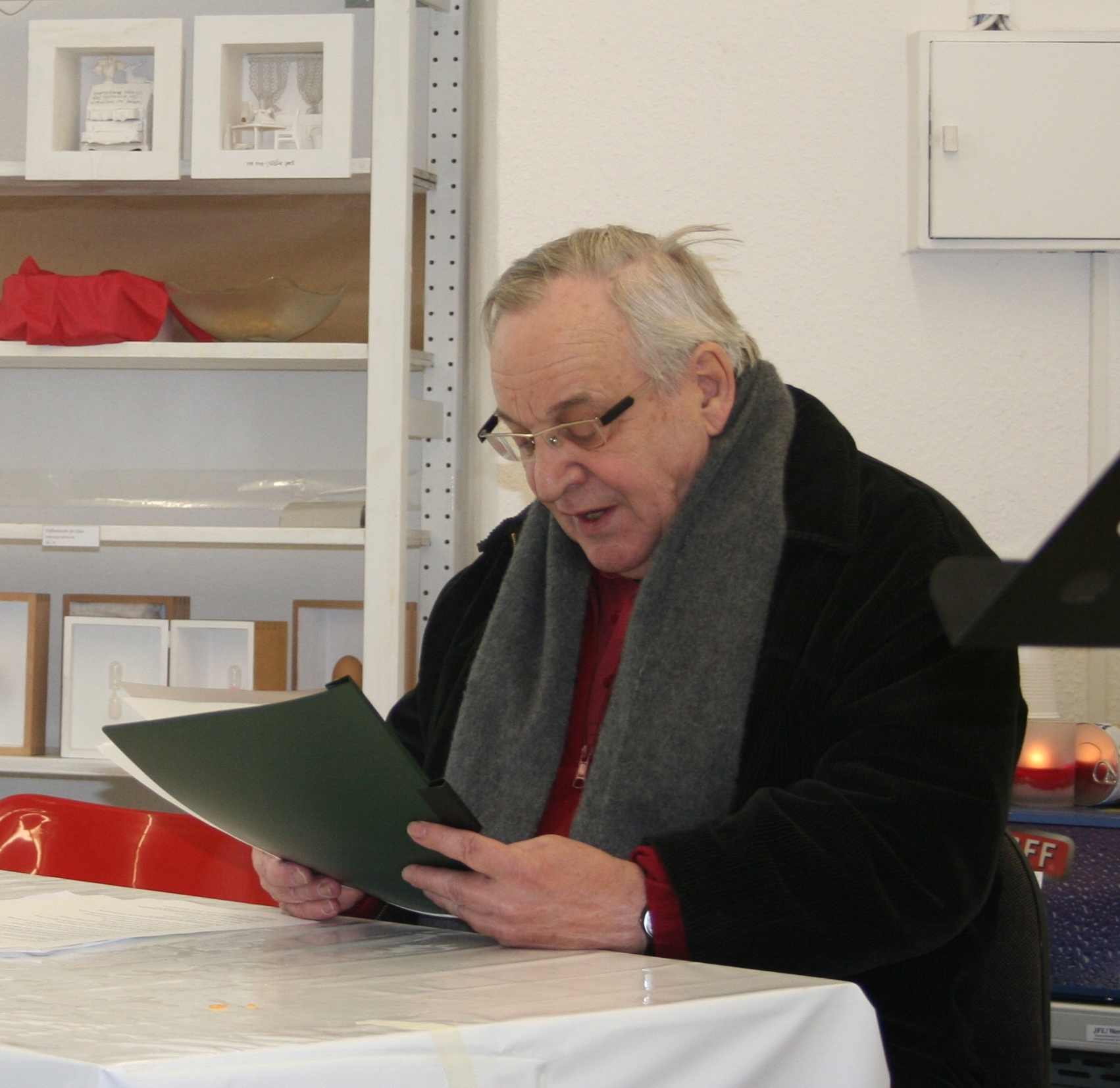
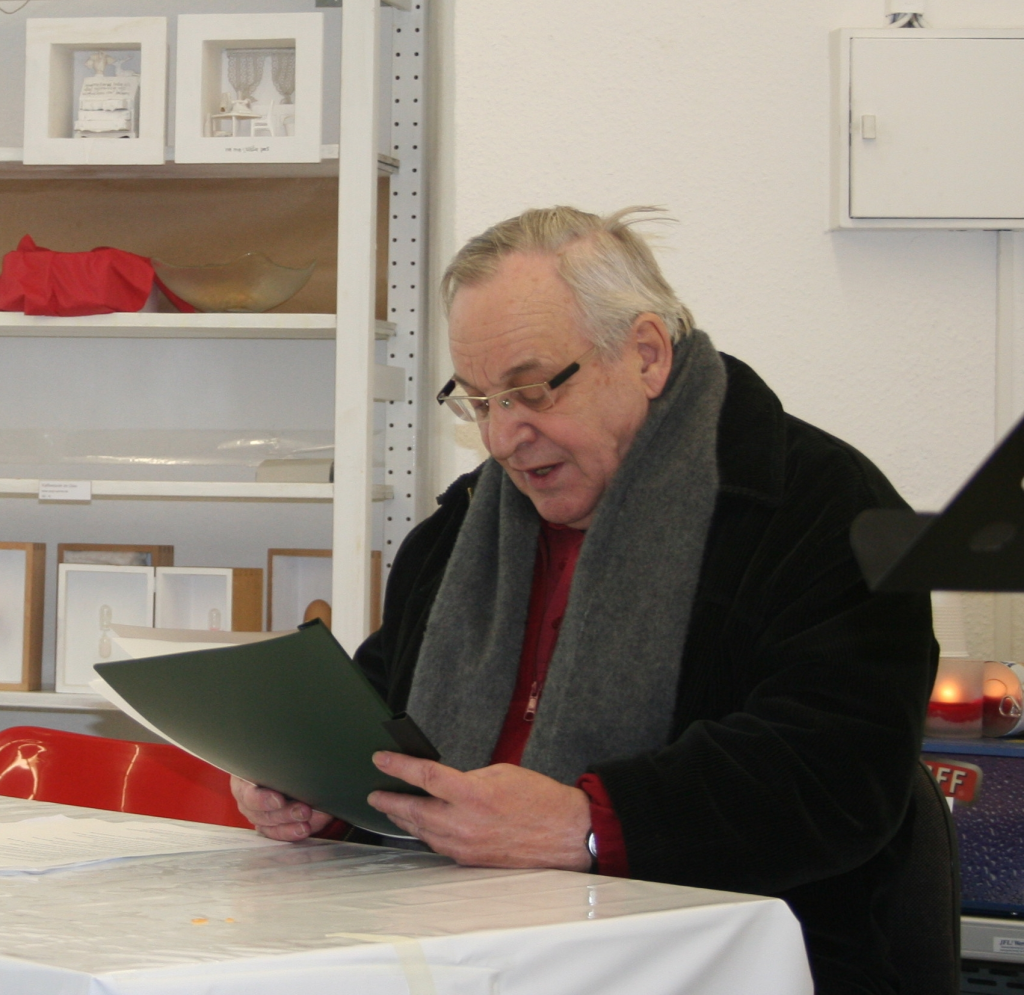
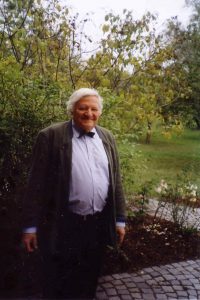
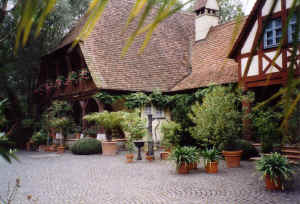
Willem Kersing has been playing the piano since he was five years old. His teachers have included George van Renesse, Johan Patist, Jerome Lowenthal, and Herman Strategier. He studied at the conservatories in Utrecht and Enschede. He accompanies many singers, including members of the Nationale Reisopera, and has collaborated with Ank Reinders. For several years, he has accompanied singers coached by Marion van den Akker. He plays chamber music in many ensembles and, after retiring from teaching medicine there, organizes a music festival at Burg Feistritz in Austria. Several recordings of him are available on YouTube.
Willem Kersing is married to the author Hebrina Blok (see www.hebrinablok.nl). They have two children and five grandchildren.
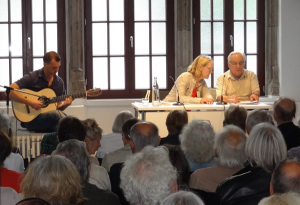
In a benefit concert at the Salzburg Residence with singer-songwriter Joseph Schlömicher-Thier:
Detlef Strathmann (1941-2001) He financed his medical studies as a medical journalist – including for the Bild newspaper – and thus found his way into the pharmaceutical industry. His subsequent career then led him into advertising. In 1973, he founded the advertising agency Intramed, which is still part of the Strathmann Group today.
At the same time, he recommended the right medications as a mailbox doctor for several magazines. He advised readers of the women’s magazine “Petra” as family doctor Detlef Günther. In the television program “TV Hören und Sehen,” he offered his expert advice as physician Michael Falk, and in the rainbow newspaper “Neue Post,” he gave health tips under the pseudonym Dr. Bertram.
Strathmann reached the pinnacle of his doctorate in the illustrated magazine “Brigitte” when he wrote about the skin disease cellulite in the women’s breviary “Brigitte”: He coined the fruity name “orange peel” for this common female blemish, referring to a medication that he was soon able to offer from his own production.
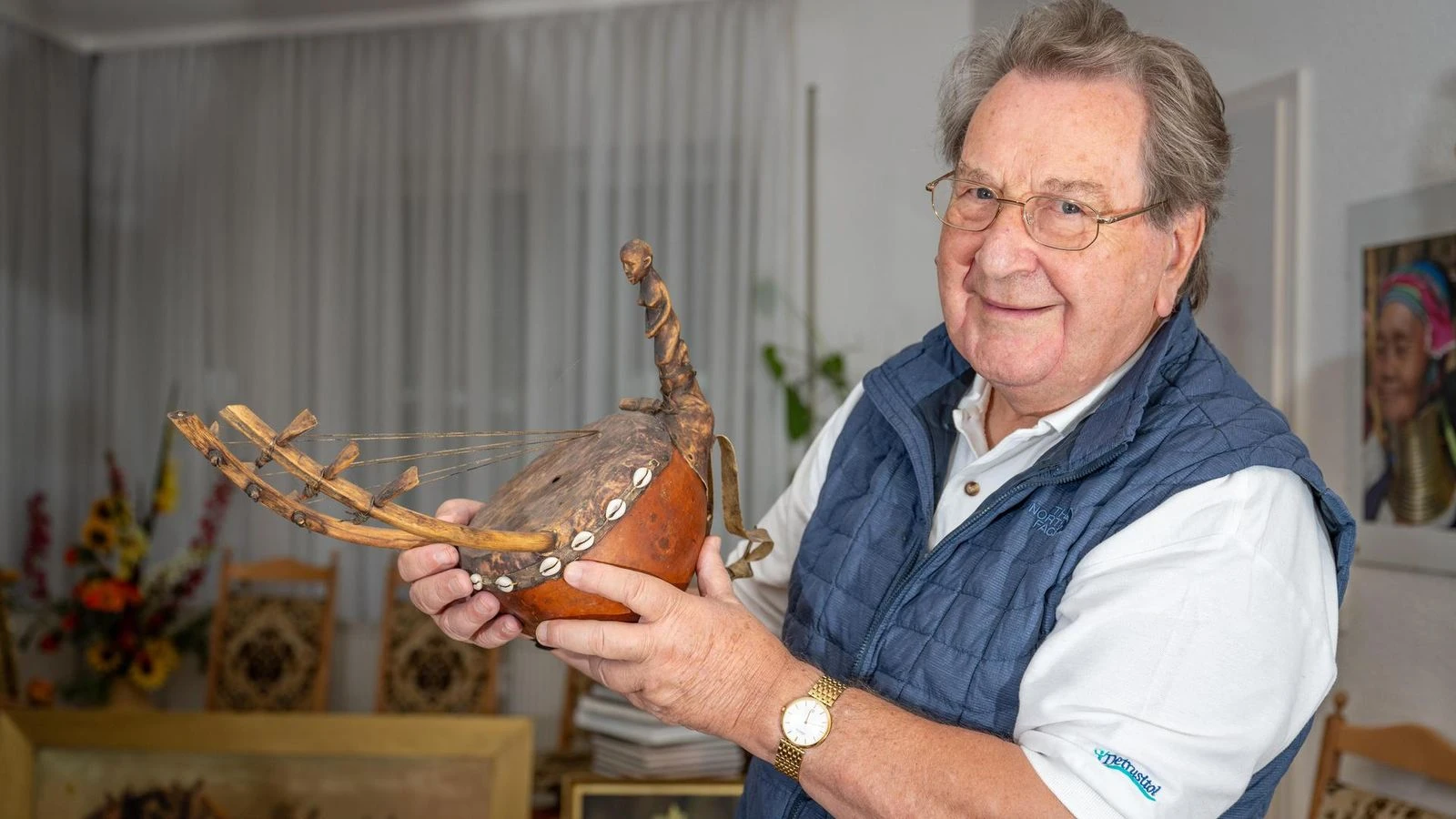
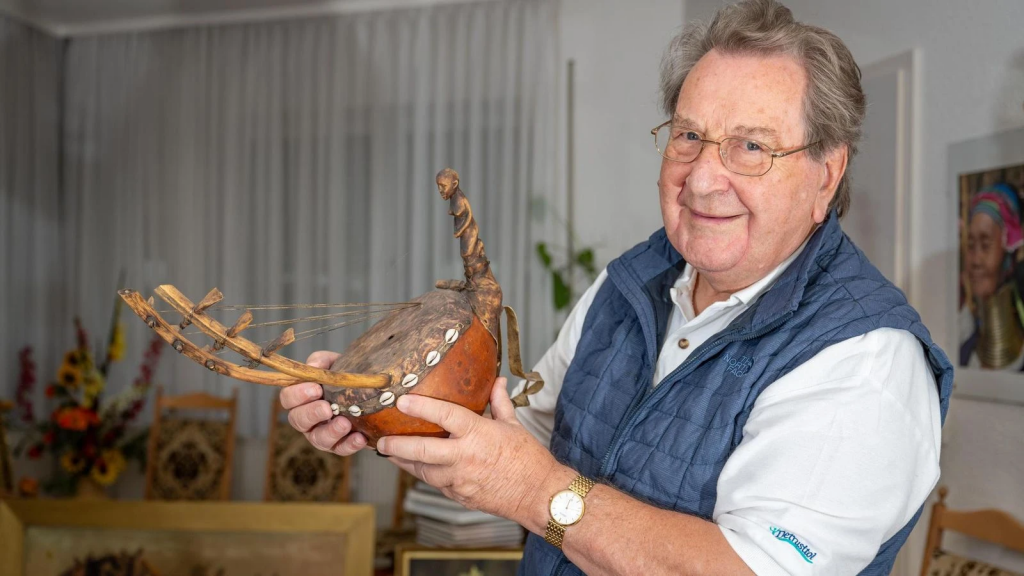
Prof. Dr. Werner Schunk has traveled to more than 100 countries in his lifetime. His curiosity about people in other cultures, their way of life, and their art has repeatedly led him to board trains, cars, buses, airplanes, rickety helicopters, and the suspiciously light boats of the locals. He wanted to see with his own eyes how the indigenous people of Papua New Guinea, the Amazon, or Madagascar live, and always stayed for a while. Rich in impressions, insights, and the gratitude of the people, he returned home, bringing back rare works of art as souvenirs. He will exhibit some of these extraordinary mementos at the KunstForum Gotha from October 2, 2020, to March 28, 2021, combining them with interesting anecdotes and tips from his work as a physician and brain researcher.
The astonishingly universal life’s work of Professor Werner Schunk is anchored in his hometown of Gotha. He was born in Sundhausen, trained as a metalworker in railroad car manufacturing, and just a few years after completing his medical studies, became a company doctor. When practice space became scarce, he treated people from Gotha East in his apartment. For the rubber combine, he systematized poisons, their effects, and their treatment. Schunk shared the findings of his work with other researchers from Sweden, Great Britain, and America. He later traveled to Japan and India to help people suffering from Parkinson’s disease with his “Way of Schunk” treatment method. Thanks to his extensive knowledge and experience, he became Director of the Institute for Occupational Medicine and Vice-Rector of the Medical Academy in Erfurt, while also serving on the Gotha City Council and for the Perthes Forum in Gotha.
The core of Professor Werner Schunk’s research is the miracle of the brain. He knows it with incredible precision, down to the most complex biochemical processes, yet has never lost his sense of wonder. He calls this mysterious organ a work of art capable of thinking, feeling, and moving. He explored it so extensively and persistently that he became one of the first people in the world to discover that the brain’s own metabolism can be severely disrupted by manganese. From then on, he could have only hung around at receptions and accepted numerous prizes and honors. But then he swapped his fine suit for a doctor’s coat and tropical clothing to be where true art is created: among people.
He has published 800 scientific publications and lectures, as well as ten scientific books. He holds 68 patents, including those for biomaterials.
Wandlung des Lächelns
Jetzt huscht es über dein Gesicht, ein Lächeln, das die Starre bricht. Zeigt an die innere Verspannung, löst Körper, Geist aus der Verbannung.
Das Lächeln ist auf bestem Wege zur wundersamen Körperpflege. Verschenke es mit deinem Blick, es kommt in andrer Form zurück.
Diese äußerliche Handlung zeugt von innerer Verwandlung.
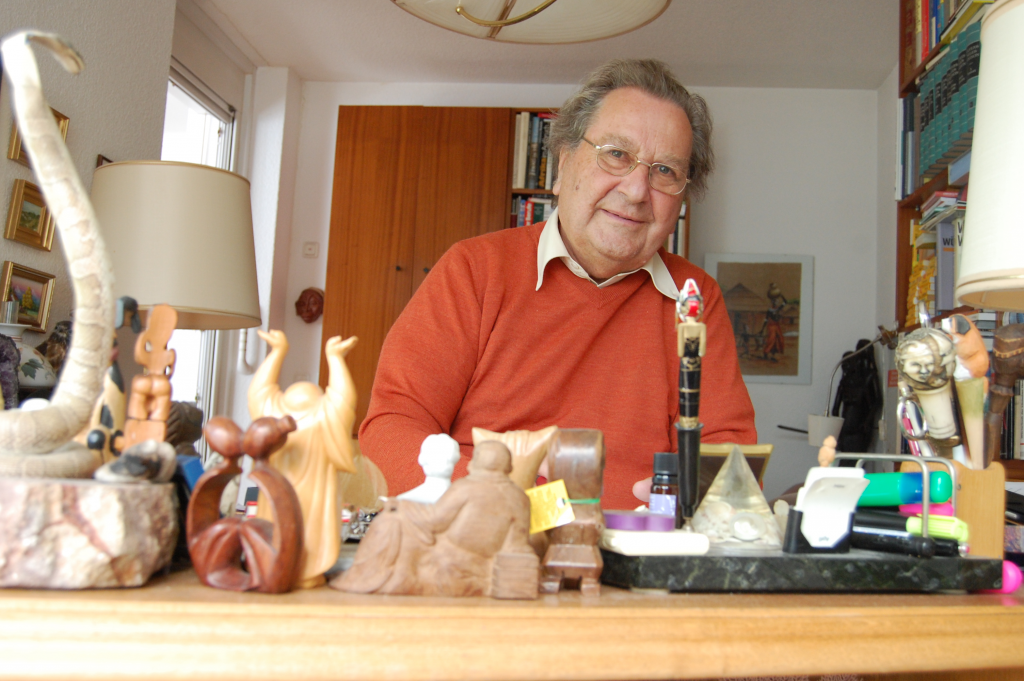
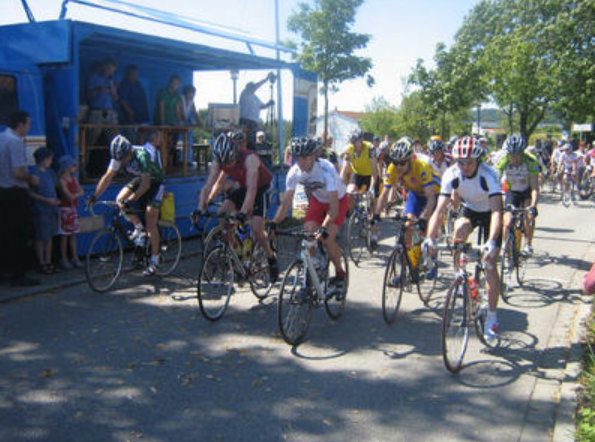
Uhlenbruck’s family wasn’t supposed to know that their Gerd was running, because to them he was ill (sarcoidosis). So he chose Urbach’s GSV Porz, a slightly out-of-town club, as his club. He has completed 36 marathons and a 100km race, which he ran on his birthday. Twice he finished the 42.195km in the age group 70. His personal best of 3:18 hours is astonishing considering his lung history. Once (1984), he even became German Marathon Champion for cross-country doctors and pharmacists. He demonstrated athletic versatility by taking runner-up titles for cycling doctors, both in the road and time trial categories.
From Reader to Writer
“The aphorism condenses the quintessence of an experience into the sentence of an insight.”
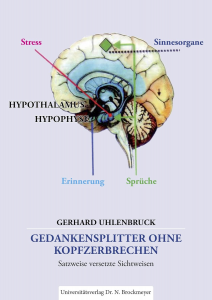
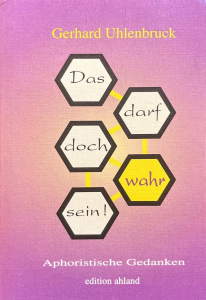
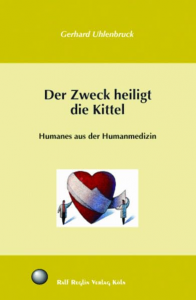
During his hospital stay, Gerhard Uhlenbruck wanted to set himself a task to combat giving up, not only physically; he sought a challenge for body and mind. While he gained physical fitness with his “therapy of small steps,” he kept himself mentally fit with a “therapy of small sentences.” He began writing poems, exploring “life, love, and the love of life.” They were published in 1975 under the pseudonym Gerhard Günther (“Not Forever”).
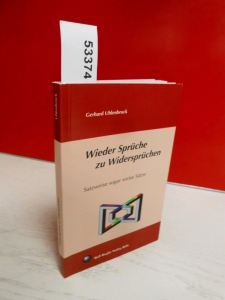
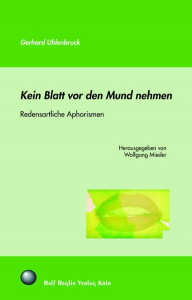
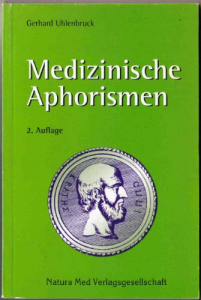
Subsequently, he presented himself entirely as an aphorist. The number of his “rich fragments of thought” has risen astronomically over the decades. Whether medical aphorisms or sports aphorisms, with which he launched a new genre, Uhlenbruck was not only the most prolific writer of this genre, but also impressed with his quality and originality. “An insightful understanding of human nature emerges everywhere, which, despite all social criticism, does not result in cynicism or pessimism, but rather expresses hope for a better order of this fragile world” (Prof. Dr. Wolfgang Mieder).
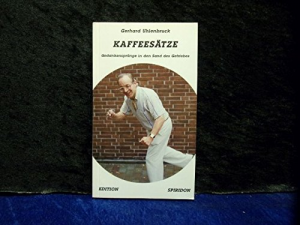
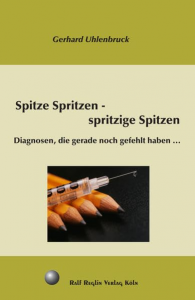
Dozens of volumes of his aphorisms have been published since 1977, including “An Educated Sick Person,” “Blows to One’s Neighbor,” and “The Smarter One Doesn’t Give Up.” His flashes of inspiration, thought-provoking ideas, and observations can be found in satirical and specialist magazines, on calendar pages, and in illustrated books. H.-H. alone contains 1,000 volumes of aphorisms. Skupys’ “The Complete Handbook of Quotations from A to Z” (2004) included over 300 of his witty remarks. In recognition, the Narrenakademie (Fools’ Academy) in Dülken awarded him the title of “Dr. humoris causa” in 2001. The German Aphorism Archive in Hattingen elected him its honorary chairman. Finally, in 2017, he was awarded the Lehrer-Welsch Language Prize for Literature in Cologne.
Uhlenbruck also addressed running in countless aphorisms. It’s difficult to choose just one. “In the end, a marathon just drags on and on,” might particularly appeal to marathon runners. Running therapists might appreciate the following statements: “Running as therapy: What moves you internally can be processed through external movement.” “Running is psychotherapy without psychotherapists – with the help of your legs.” Or: “Running is the only therapy that costs nothing, except time! A one-person company like the AOK: Everything free of charge!”
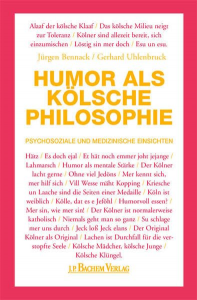
Like running, for Uhlenbruck, laughter was medicine, a stress reliever, and an immune fitness booster. And because his interest in humor knew no bounds, he participated, whenever his time permitted, in an amateur drama group at the adult education center (VHS) and in the book project “Humor as Cologne Philosophy” (Cologne 2003). He also spoke perfect Cologne dialect.
Athletic Awards
Uhlenbruck began his athletic career in high school, first as a boxer, then as a runner. He was:
German Physicians’ Marathon Champion
German Physicians’ Cycling Runner-up (road race & time trial).
Citations of his Aphorisms (naturally in German):
Manche halten einen ausgefüllten Terminkalender für ein ausgefülltes Leben.
Zeitungsenten bringen die Leser zum Schnattern.
Die ungeschminkte Wahrheit bringt immer Farbe ins Gesicht.
Wenn man Spaß an einer Sache hat, dann nimmt man sie auch ernst.
Frisch gesagt ist halb gewonnen.
Wir sind alles Nichtsnutze, das heißt, wir tun nichts, was uns nichts nützt.
Neidhammel = Ehrgeizige Schafe.
Man empfindet es oft als ungerecht, daß Menschen, die Stroh im Kopf haben, auch noch Geld wie Heu besitzen.
Inzwischen wissen wir, was uns noch blüht – nämlich immer weniger!
Das wirklich Rührende an der Liebe ist der Kochlöffel.
Karrieristen = Leute, welche andere vor ihren Karren spannen.
Auf dem Gipfel des Erfolgs steht auch ein Kreuz: für die Leichen, über die man gegangen ist. (Als Betriebsrat/Sozialpolitiker/Manager wissen Sie, wovon ich rede. Von der Rücksichtslosigkeit. Vom Egoismus. Als Christ sage ich: Wer sich so verhält, kann kein Christ sein. Denn das Christentum kreist im Kern um den einen Satz, der da lautet: “Liebe deinen Nächsten wie dich selbst!”)
An Karneval maskiert man sich, damit man die Maske fallen lassen kann.
Unsere Leistungsgesellschaft ist nicht eine Gesellschaft, in der nur Leistung gilt, sondern eine, welche bestimmt, was Leistung ist und wer sie leisten darf.
Manches wäre anders in der Welt, wenn man an manchen Dingen nichts verdienen würde.
Fanatiker lassen sich schon aus Überzeugung nicht überzeugen.
Ehrgeiz schafft viel, sogar einen selbst.
Sein Pferdefuß bestand darin, daß er nicht beschlagen war.
Wir sind ein Volk der Denker, denn wir denken immer daran, was andere wohl von uns denken.
Eine Änderung des Bewußtseins verändert unbewußt auch das Sein.
Guter Rat ist teuer, schlechter Rat kann teuer zu stehen kommen.
Man muß sich dauernd beherrschen, um die Beherrschung nicht zu verlieren.
Das Geheimnis des Autos: Man ist in seinen eigenen vier Wänden.
Erst haben die Menschen das Atom gespalten, jetzt spaltet das Atom die Menschen.
Aller Anfang ist leicht – wenn man ihn mit dem Ende vergleicht.
Zwischenmenschliche Beziehungen sind “mit Abstand” die besten.
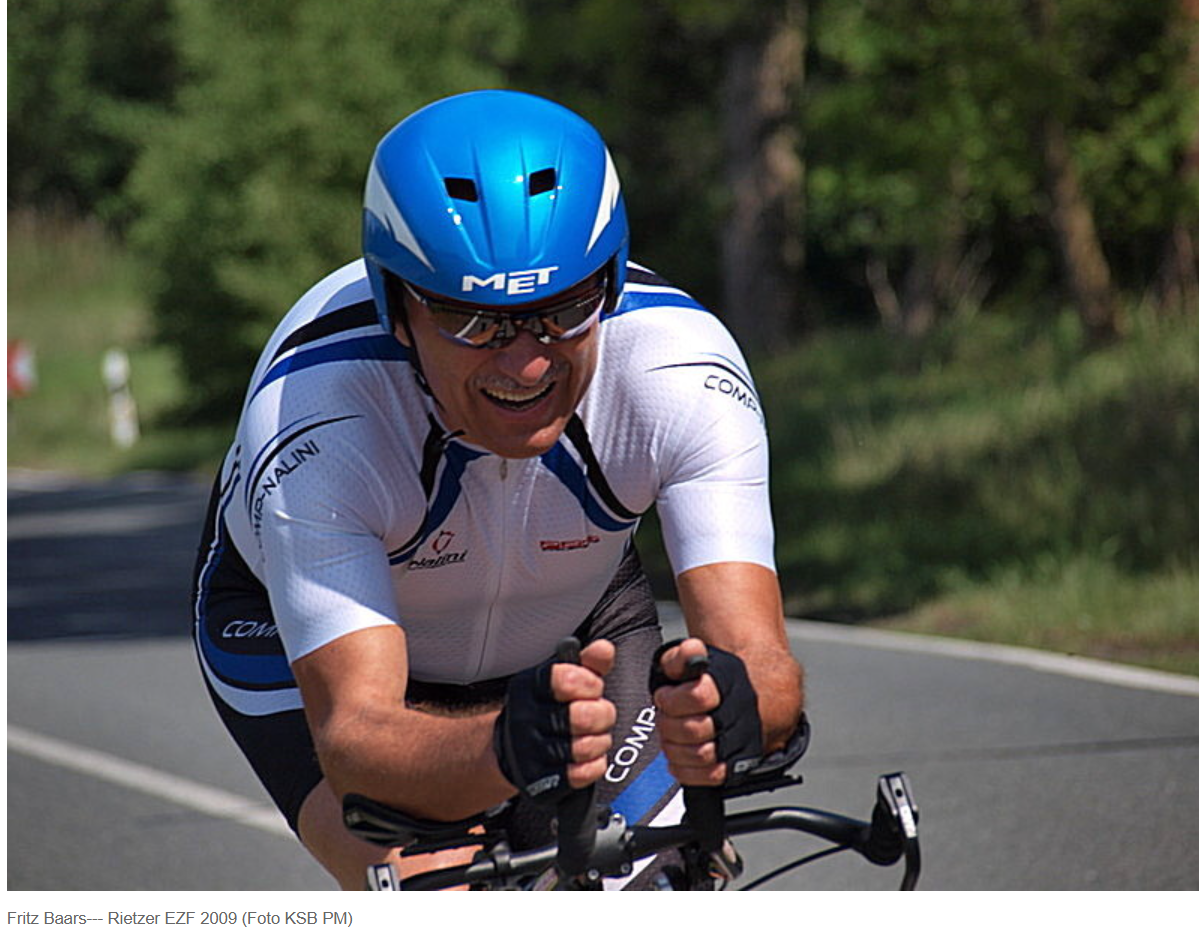
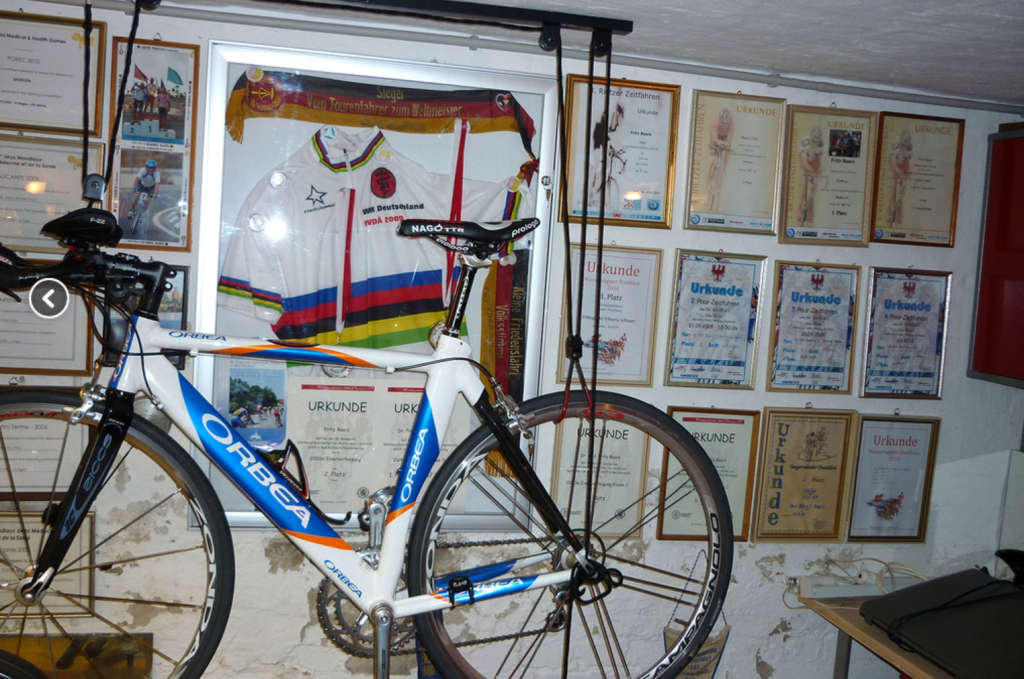
Fritz Baars is a cycling doctor. On his website, he reports extensively on the Cycling Association of German Doctors and Pharmacists.
As of January 1, 2013, I am now enjoying my professional retirement. It was initially a huge adjustment after a busy, interesting professional life. But now I finally have enough time for my hobbies! Active cycling played and continues to play an important role in that. Maintaining my website and compiling facts and information also requires a lot of time. And then, of course, there’s our bungalow with the surrounding garden, which demands my attention year-round. During the winter months, I sift through and sort through the vast amount of photos and film material that has accumulated over the years. Most of it can safely be disposed of. I edit short videos of the most interesting events, complete with music and text information. Since television programs are mostly boring and apparently only exist on repeat, we can instead watch beautiful memories of holidays, family celebrations, etc. from our stored archives.
Other interests include: history, music, travel, occasional fishing, and ornithology near our bungalow. Favorite music: oldies, rock. Favorite films: historical and nature films. Languages: colloquial English, school-aged Russian (a bit of Arabic from a year-long stay in Libya).
Membership: RVDÄ (Cycling Association of German Doctors and Pharmacists) until its dissolution, which has now sadly disbanded after more than 30 years of existence. (Reports in Deutschen Ärzteblatt)
I also enjoy dancing. My wife and I took several dance classes after the fall of the Berlin Wall, which we really enjoyed. Dancing, by the way, is a physically demanding activity. Our dance teacher at the time told us that elite dancers in competitive sports often score better in sports medicine performance tests than athletes in other strenuous disciplines.
Since we spend a lot of time in our bungalow from March to October, hobby ornithology naturally developed. From morning to night, you can hear birdsong everywhere and see a variety of birds on the lawn, in the trees, bushes, and in the air. We count around 50 species throughout the year. Rarer specimens also occur. In 2004, we observed a pair of green woodpeckers foraging for food on our lawn for about 10 minutes, in a spot where there were lots of ants.
from Deutsches Ärzteblatt 103, Ausgabe 51-52 vom 25.12.2006, Seite A-3467 THEMEN DER ZEIT: Portrait
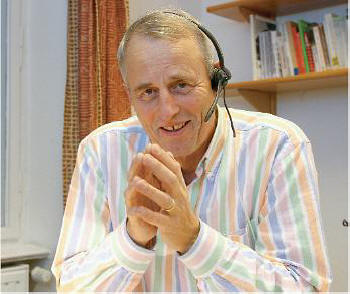
Rainer Katterbach is working as HonoraryDoc in the Samaritan telephone service since he is retired from his chief doctor of a Berlin hospital. Two or three times per month he covers a service in the pastoral advice service for a 4 hrs shift. Most calls are 20 to 45 minutes. Even Katterbach as experiences psychoanalyst says that the calls can consume a lot of energy. His “clients” are chronically ill persons or young mothers who have never worked and have trouble getting life organised. The basic principle is anonymity.
A friend made him curious to do this honorary job. Well, for 30 % of the calls his former job as psychiatrist and psycho-therapist helps a lot since they have some psychiatric disease. Though he does not like to reveal his professions during the calls. Others have practical problems and it is sort of difficult not to give advice at once but primarily to LISTEN. Then it is easier to guide the call partner to himself and find his/her personal solution.
A certain religious background is expected from the honorary helpers, Katterbach has now arrived at the hinduistic religion, but he claims that religious discussions are not the right tool in this samaritan telephone service – instead listening and finding solutions in the last comes out of it.
Katterbach himself had interest in psychology and psychiatry since he was a child. Born near Aachen/Germany he got the advice from a friend of his father to study medicine. The athmosphere of “Aufbruch” in Berlin made him live there. He had hard times studying, working and having a yougn family with three kids. The support of his wife was essential for him. HIs interest for samaritan telephone service has begun early for him after he read a book of the medical doctor, priest and psychotherapist Klaus Thomas and later he got inspiration by Viktor E. Frankl’s work “Ärztliche Seelsorge”.
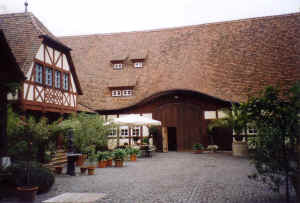
Gerhard Hermann, a laboratory physician and owner of a laboratory company, is turning his garden dreams into reality at his home!
Forty years ago, the land surrounding the Zellesmühle farm in Weigenheim/Reusch near Uffenheim consisted of fields. Then Gerhard Hermann began planting the first trees. Over the years, the field became a true park. With its blend of Franconian landscape and English garden architecture, it is now one of the largest and most diverse private gardens in southern Germany.
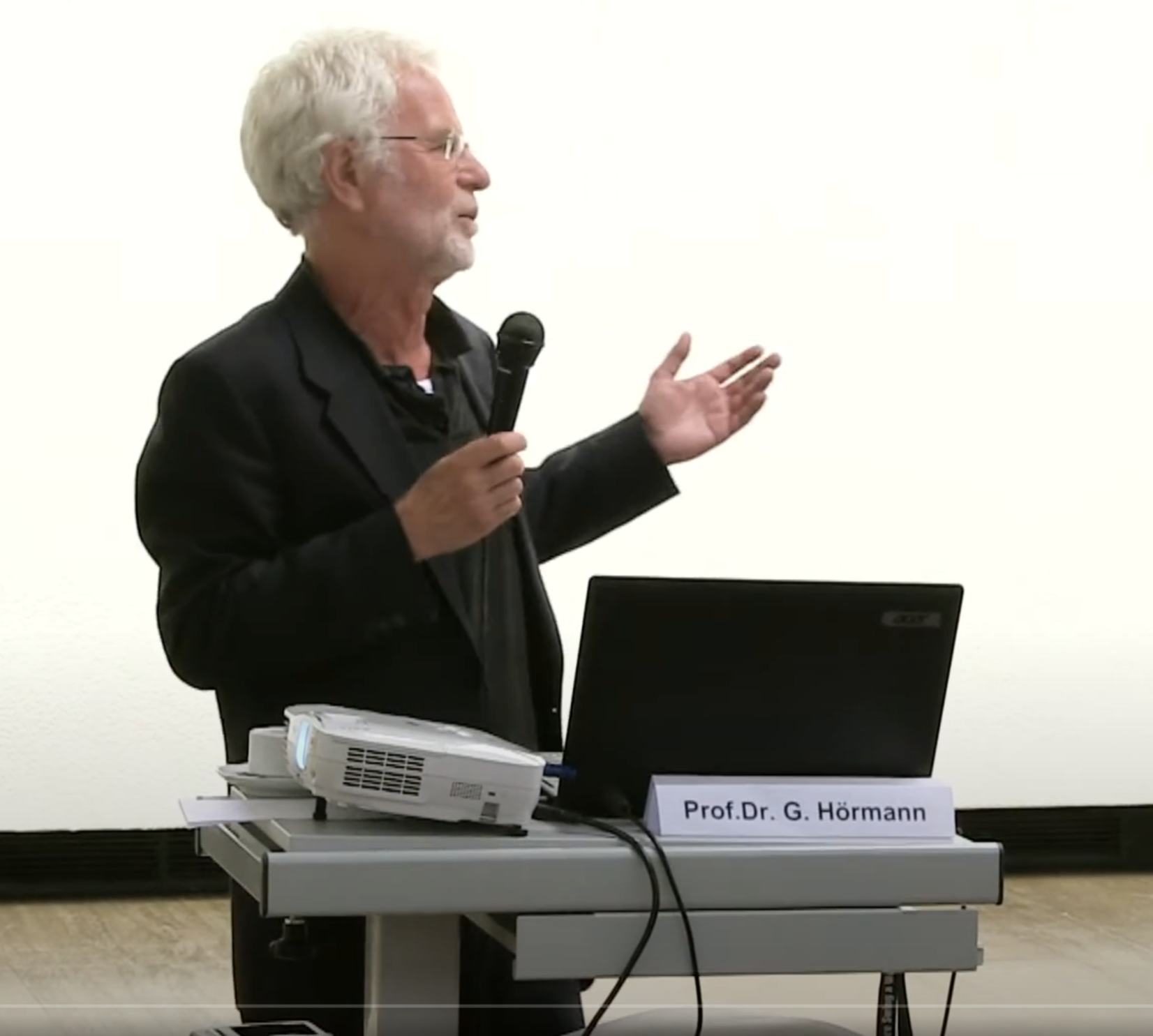
Georg Hörmann (born November 13, 1946 in Ulm) is a German psychologist, physician, psychotherapist, and retired professor of education at the Otto-Friedrich University in Bamberg.
After graduating from the Humboldt-Gymnasium Ulm in 1965, Hörmann studied secondary school teaching (philosophy, Latin, theology, and education), musicology (master’s degree), psychology (diploma), and human medicine. He earned the degrees of choirmaster (C-exam) at the Westphalian School of Music, a master’s degree in musicology (M.A.), and was organist at, among others, St. Peter’s Church in Münster. General examination in philosophy and pedagogy, first philological state examination for grammar schools in the subjects of Latin, theology, pedagogy, diploma in psychology, medical state examination, license to practice medicine, recognition to use the title of psychotherapist (Westphalia-Lippe Medical Association), doctorates at the Faculty of Philosophy, Medicine and the Faculty of Social and Behavioral Sciences (Dr. phil., Dr. med., Dr. rer. soc.) and habilitation in the field of educational science.
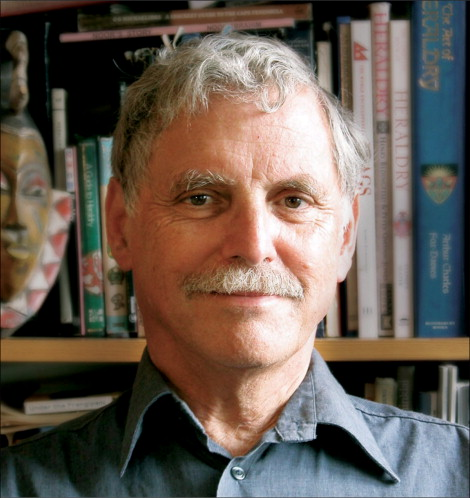
Adam Kuper, a sometime professor of anthropology at Brunel University, was lecturing on the topic at UCL when he first got to know Helman. “It was very unusual then for a medical person to do a social science course”, he recalls. “But Cecil was always more than doctor. He wanted to develop a number of strands to his life.” These included painting and writing poetry and prose. It was Kuper who, in the late 1980s, hired Helman to work at Brunel on what was the first medical anthropology course in England. “As a teacher at Brunel he was very good. The course originally attracted mainly people with health backgrounds because health authorities had begun to struggle with the problems and ideas of immigrant groups with which they weren’t well equipped to deal. Cecil was particularly successful at Socratic teaching in small groups. He would get students to read things, talk about them, and then shape the discussion.”
Dear Dr Ellenberger, I am a doctor as well as a writer. You might be interested in my recent memoir: Suburban Shaman: Tales freom Medicine’s Frontline (see: www.hammersmithpress.co.uk/suburbanshaman ), which in March was selected for broadcast by the BBC as a ‘Book of the Week’. Best wishes, Cecil Helman
John Diamond (9 August 1934 – 25 April 2021) was a physician and author on holistic health and creativity
Diamond married three times. His first wife was Suzanne Gurvich, with whom he had three children, Ian, Kathie, and Peter. In the 1970s he married Betty Peele, and in 1994 the opera singer Susan Burghardt.[2] For many years, Diamond played drums in a jazz band which he founded, named the Diamond Jubilators. The band performed in hospitals and nursing homes.[2][1] He enjoyed photography and painting in the final years of his life.
ohne John Diamond, aber sicher ähnlich hat es MIT ihm geklungen! without John Diamond, but it surely sounded similarly WITH him!