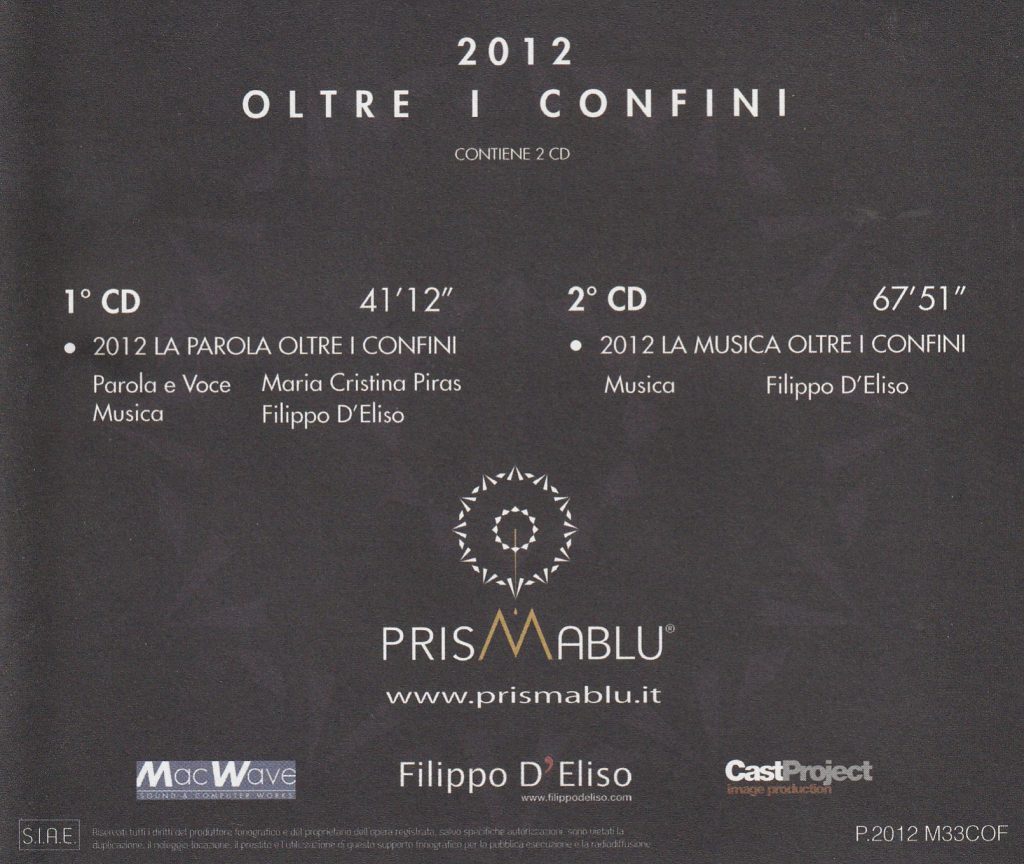
CD Over the Limits
- 2025-09-02
-
-
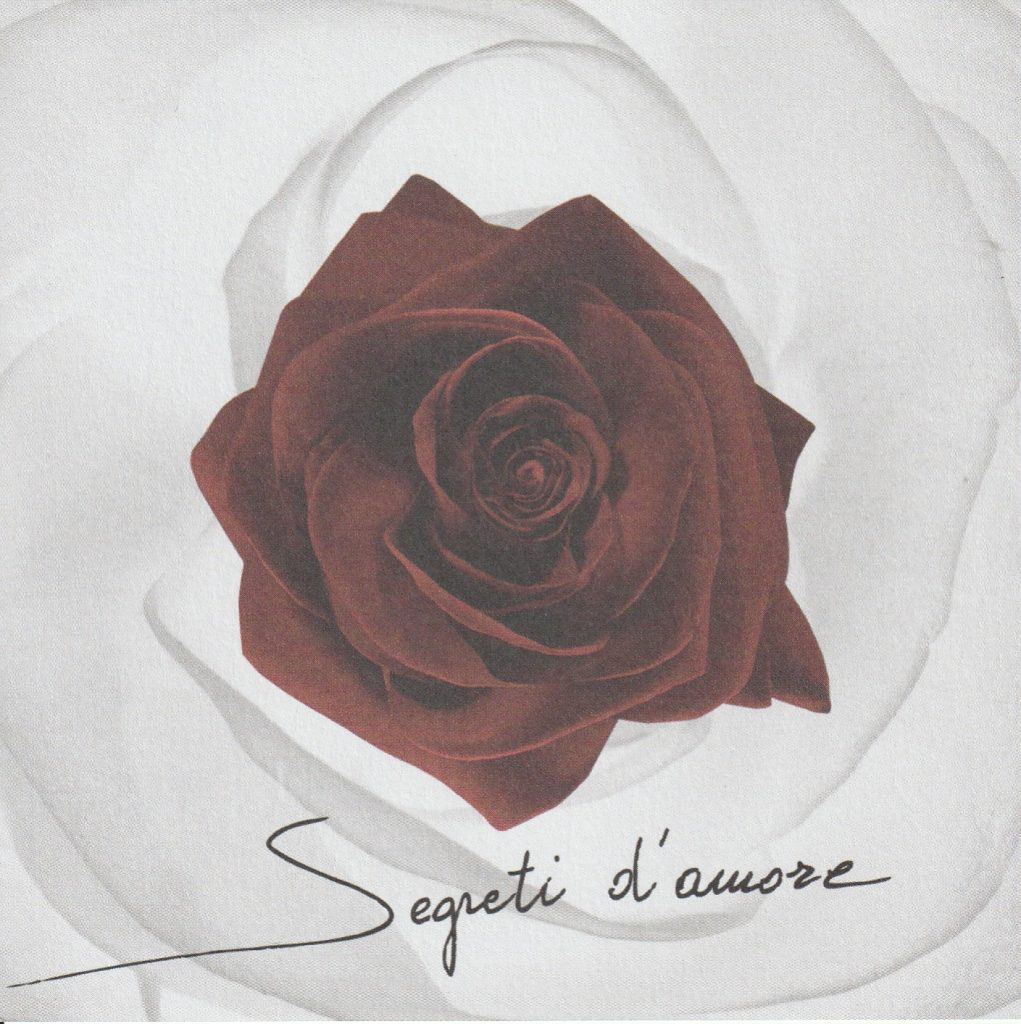
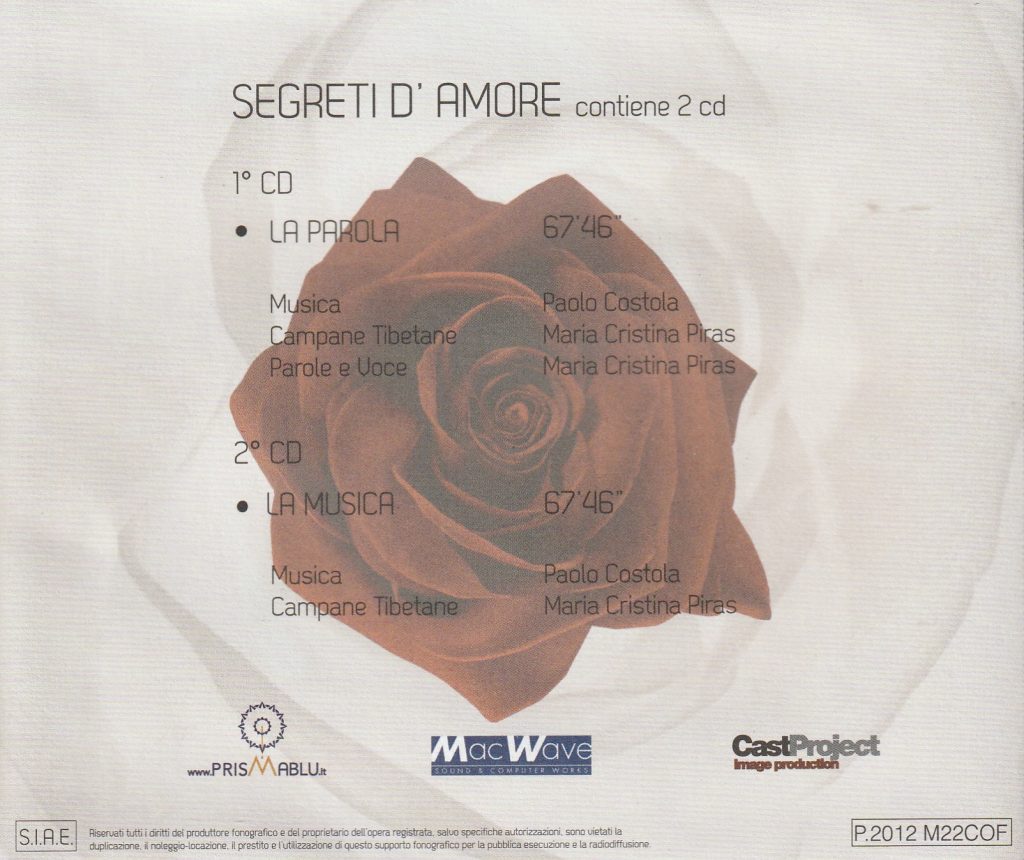
-
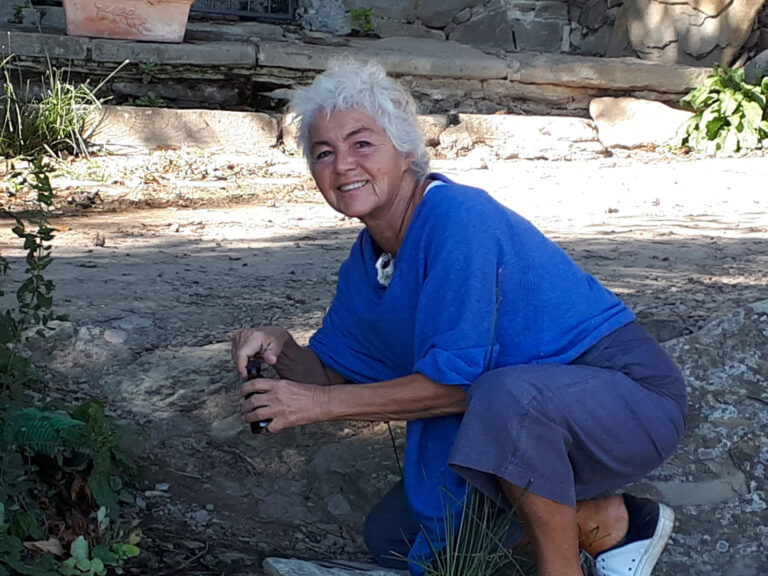
Maria Cristina Piras
Category : CD-+DVD+BD+VHSDocs , SpiritualDocs , WriterDocs
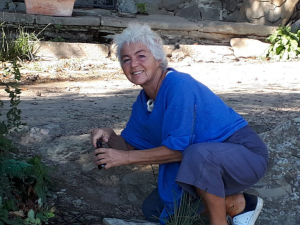
Maria Cristina Piras is a doctor and writer who works spiritually and gives seminars and various events in addition to publishing her books and CDs.
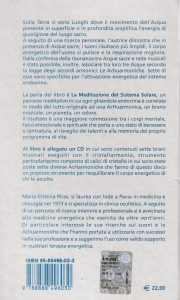
Maria Cristina Piras, a physician, graduated in Medicine and Surgery from the University of Pavia and specialized in Clinical Ophthalmology. Following a journey of soul-searching and professional exploration, she approached holistic medicine, including homeopathy, which she has practiced for approximately 40 years. Of particular interest are her studies on the waters of high-vibration places and the harmonic harmonies that led her to develop a unique working method for rebalancing the energy of the environment and humanity. Following her encounter with Bert Hellinger, she integrated the systemic constellations technique into a unique path of awareness: The Way of the SELF®. President of the Prismablu Cultural Association, she offers seminars and programs for reconnecting with the SELF.
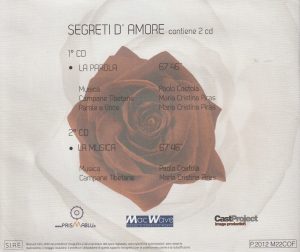
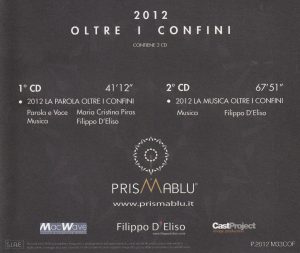
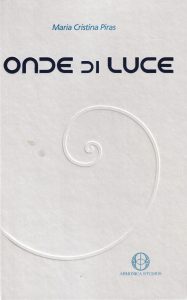
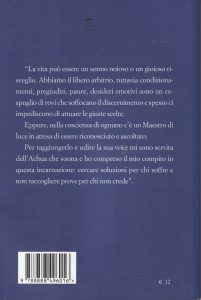
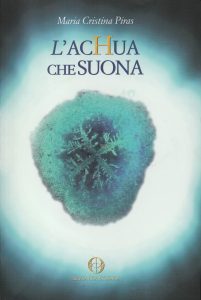
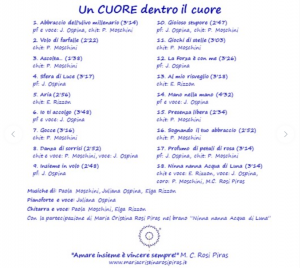
Her multi-sensory arrangement “Freely based on Momo”:
- 2025-04-30
-
Ippolyt Guarinoni
Category : architectDocs , BotanicDocs , philosophyDocs , SpiritualDocs
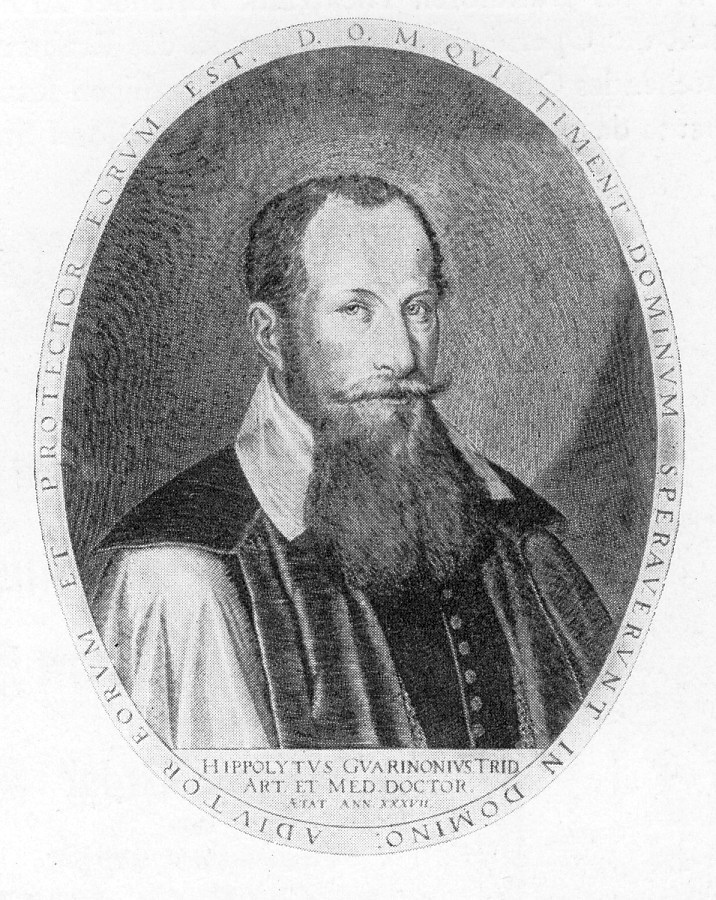
Hippolyt Guarinoni (also Ippolito Guarinoni and Hippolytus Guarinonius) (November 18, 1571 in Trento – May 31, 1654 in Hall in Tirol) was a physician and polymath who practiced in Hall. As a proponent of militant Catholicism, he was instrumental in the construction of St. Charles’s Church in Volders and founded the anti-Semitic Anderl von Rinn cult.
Hippolytus spent his childhood in Trento. He later moved with his father to Vienna and finally followed him to the court of Emperor Rudolf II in Prague in 1583, where he received a thorough and comprehensive education at the Jesuit Gymnasium there. The Jesuit education left a lasting impression on the inquisitive young man. From 1593 to 1597, Guarinoni studied medicine at the University of Padua; he also attended lectures in theology and philosophy.
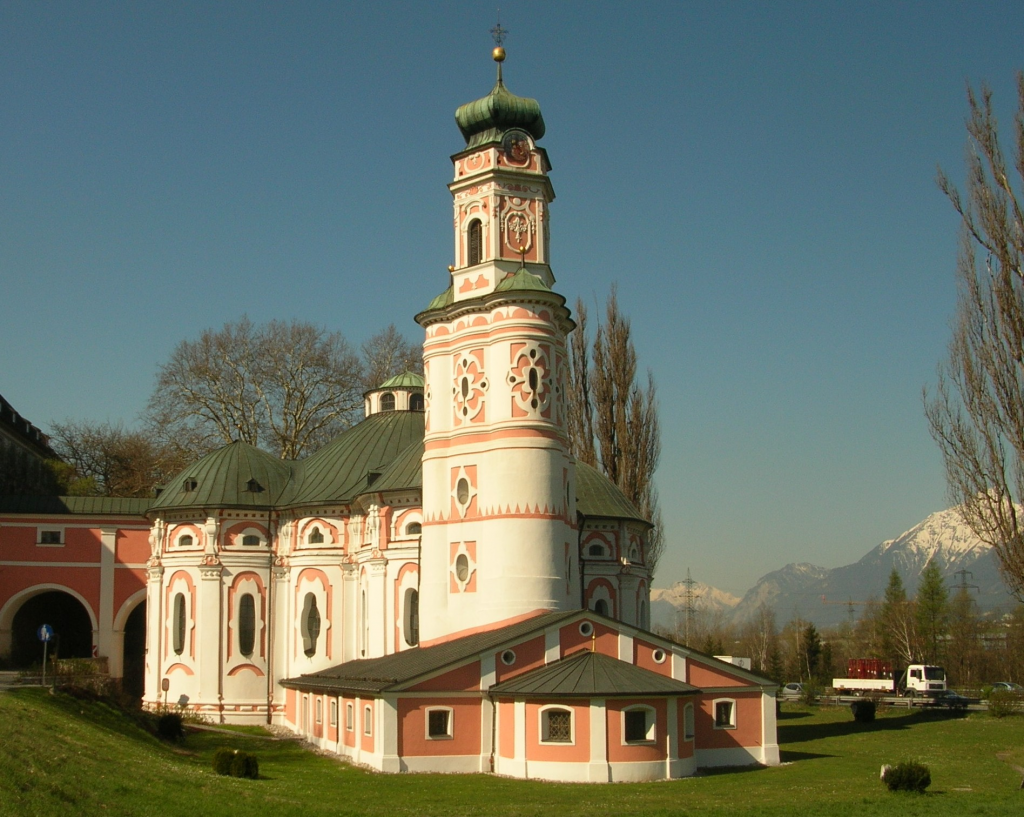
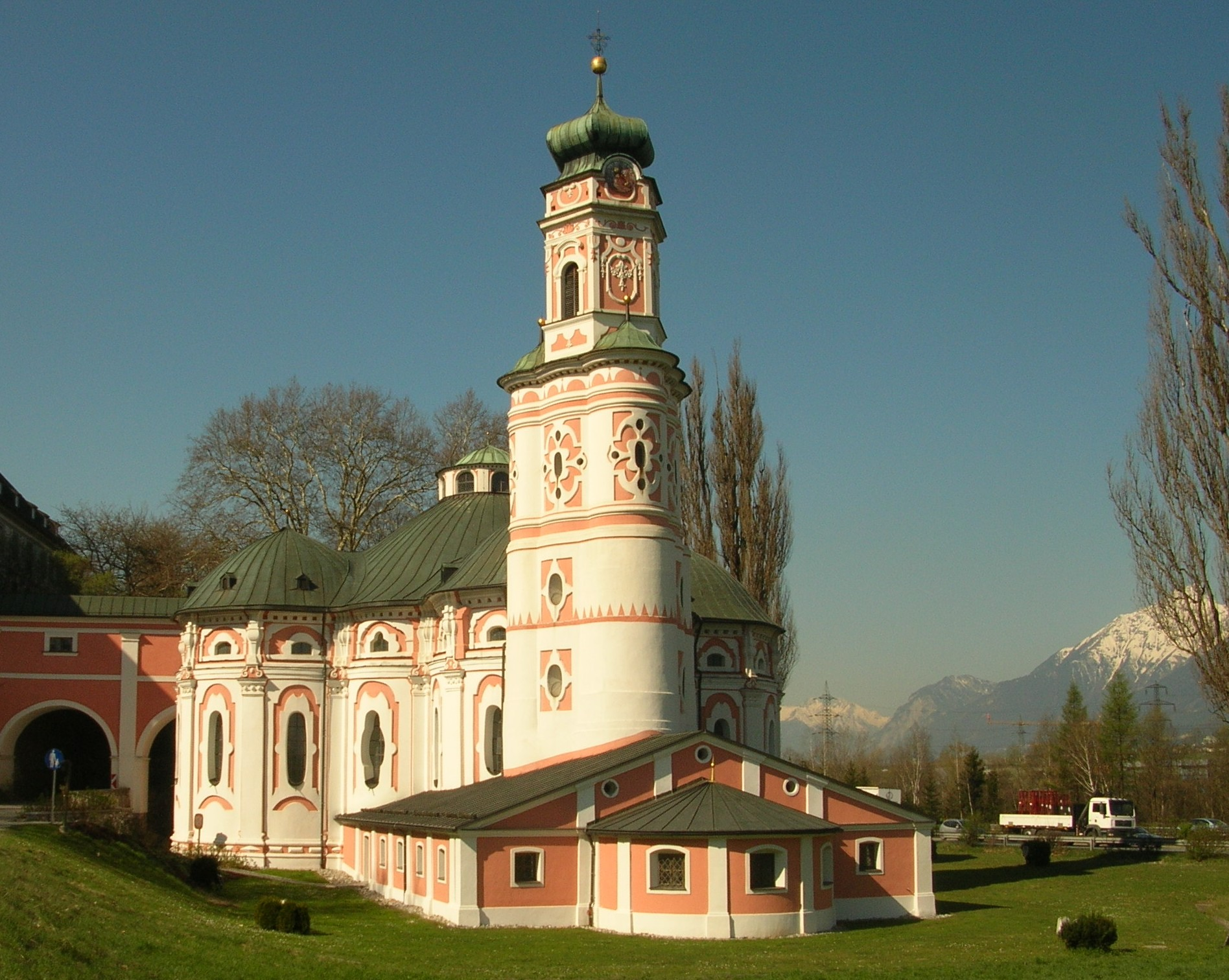
An outward symbol of Guarinoni’s religious zeal is St. Charles’s Church in Volders, which he had built according to his plans using his considerable fortune. The almost oriental-looking church – art historians describe its style as “Venetian Baroque” – is one of the most remarkable sacred buildings in Tyrol. Construction, whose floor plan is modeled on St. Peter’s Basilica in Rome, had to be repeatedly interrupted due to Guarinoni’s financial difficulties and was therefore only consecrated on July 25, 1654, 34 years after the laying of the foundation stone on April 2, 1620. Guarinoni did not live to see this joyous day, having died in Hall two months before the consecration. St. Charles’s Church also became his burial place. In front of the steps of the Epiphany Altar, a white marble plaque bearing the founder’s coat of arms indicates that Guarinoni, his wife, and two of his sons were laid to rest here, according to his last will.
Guarinoni also commissioned the construction of the chapel on the Stiftsalm in the Voldertal Valley and the Borgia Chapel in Volderwald (Tulfes). The chapel at the Volderer Wildbad (Wildbad) burned down several times, so the current building is only indirectly attributable to Guarinoni. Across the Inn Valley, he designed the plan for the Annenkirchlein church in Bad Baumkirchen.
Guarinoni is known in Tyrol not only for his architectural work, but even more so for his medical, religious, and rhetorical writings.
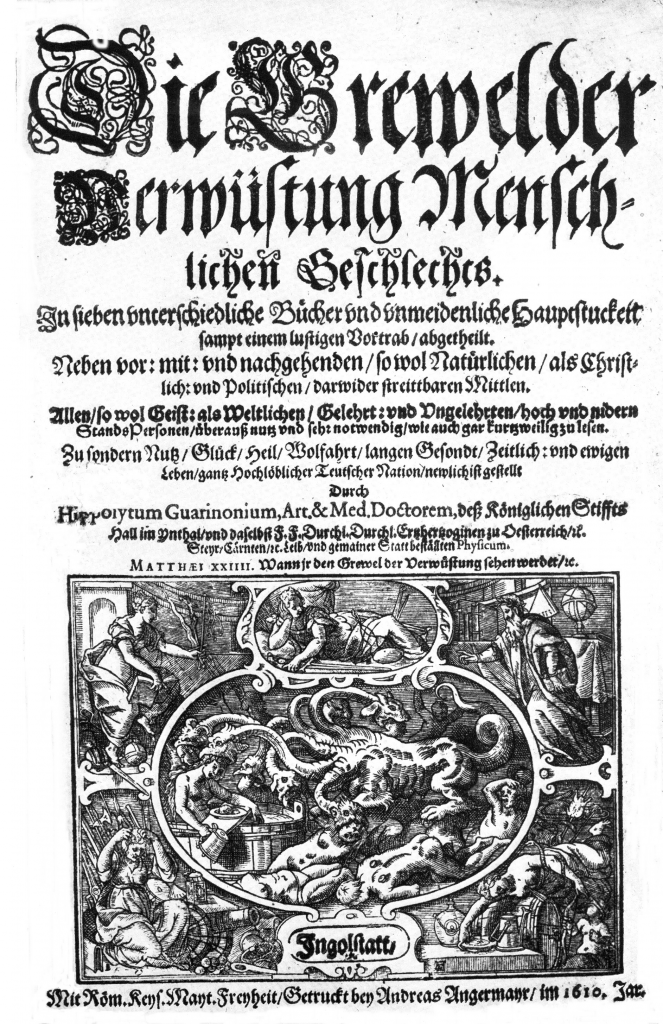
His most important work is Grewel der Verwüstung Menschenrechte (The Devastation of Human Sex), published in Ingolstadt in 1610. It is a voluminous tome whose prolixity in form and content defies clear classification. Among other things, Guarinoni deals with the following subjects in this work: “Doctor and Apothecary, Dück der Weiber. Dawung (digestion), Ebene (plains) and Birg (mountains), Eaters and Drinkers, English Comedians, Calendaric Foolishness, Anecdotes from Eulenspiegel, Foxtails, The Fencing Schools. Dog Law among the Germans, Jews and Heretics Like to Eat Meat. Praise of the Old Wives. Hymns of the Gerhaben (guardians), Marx and Lucas Brothers, Mill and Miller Fraud. The Nature of Geese and Women. Noodles and Plenten, Peasants’ Food. Predicants, Freßdeckanten, etc.” Guarinoni’s Grewel is also a treasure trove for German linguistics, especially for unusual provincial expressions, as it is a not inconsiderable source of provincial references of all kinds, rich in both genuine German proverbs and sayings, allusions, and similes.
The Botanist
A herbarium created by Guarinoni, which has been in the possession of the Ferdinandeum State Museum since 1876 through a donation from Wilten Abbey, is one of the oldest collections of its kind in Central Europe. Created between 1610 and 1630 in book form with a wooden cover and beveled edges, the collection begins with a 13-page Latin-German index and contains 633 pasted plants collected in the vicinity of Innsbruck on 106 pages.
- 2025-04-28
-
Gilberto Lacchia
Category : TranslatorDocs
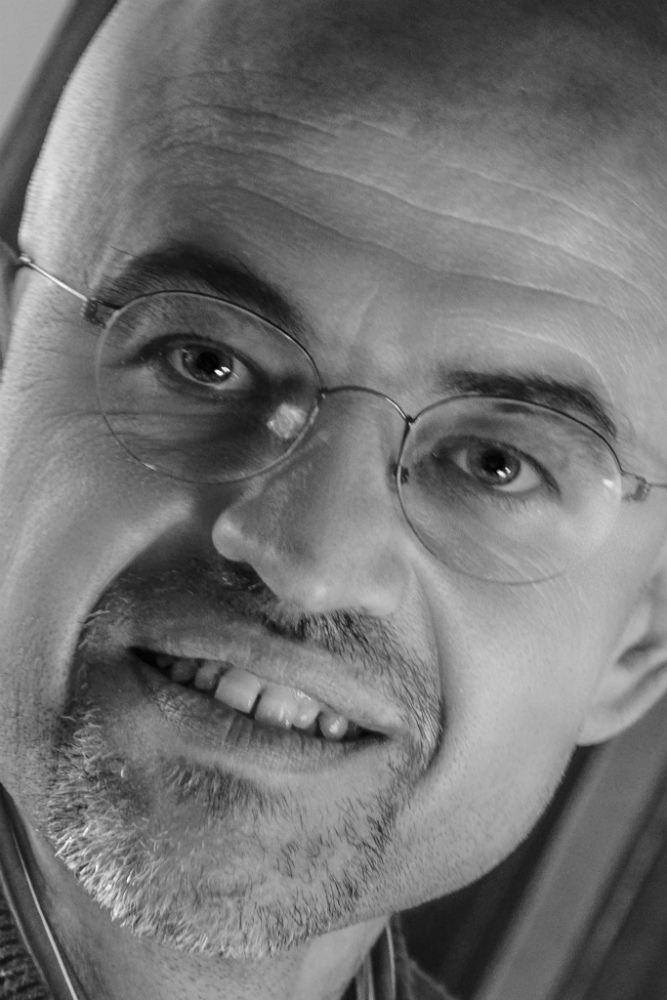
Gilberto Lacchia is professional TranslatorDoc
May 2010 – Certificate of Chinese Proficiency (new HSK level 4 – European CEF level B2) Score 201
May 2009 – Certificate of Chinese Proficiency HSK Test (Basic) – Score 173 (B)
2009-2010 Chinese language course (elementary), www.guavatalk.com)
2008-2009 Chinese language course (basic)
1981 – Scientific High School Diploma (56/60) (English language and literature being subject of the examination)
German Language Study (Deutsch Institut, Via Cerino Zegna, 14 BIELLA (BI) Tel/Fax +39-015-20.307)
- 2025-04-27
-
Giuseppe Moscati
Category : CharityDocs , monumentDocs , SpiritualDocs
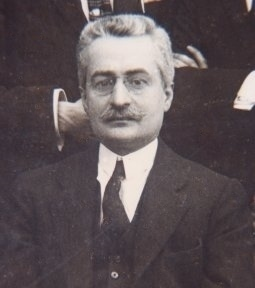
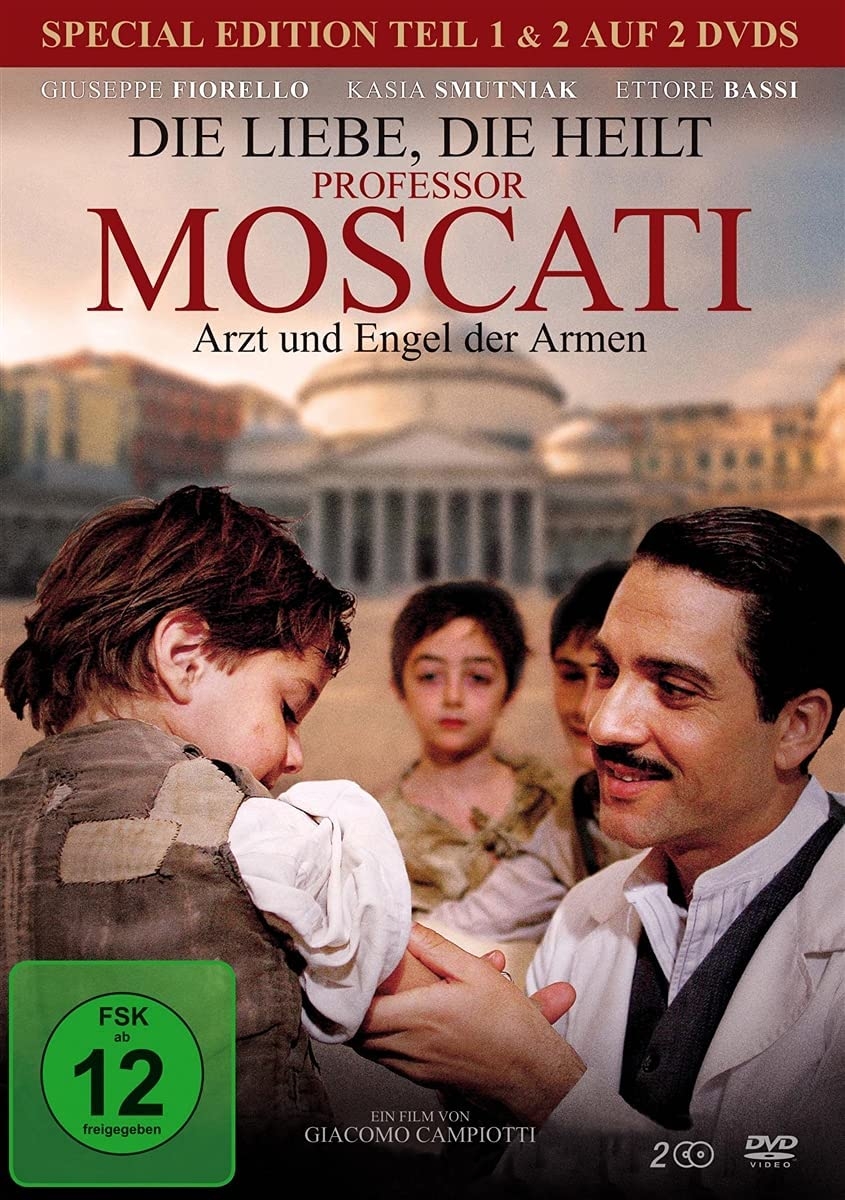
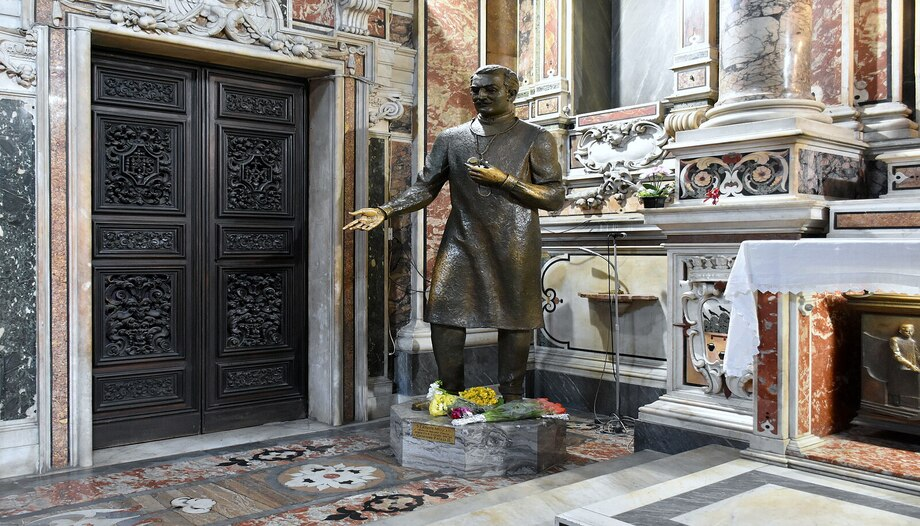
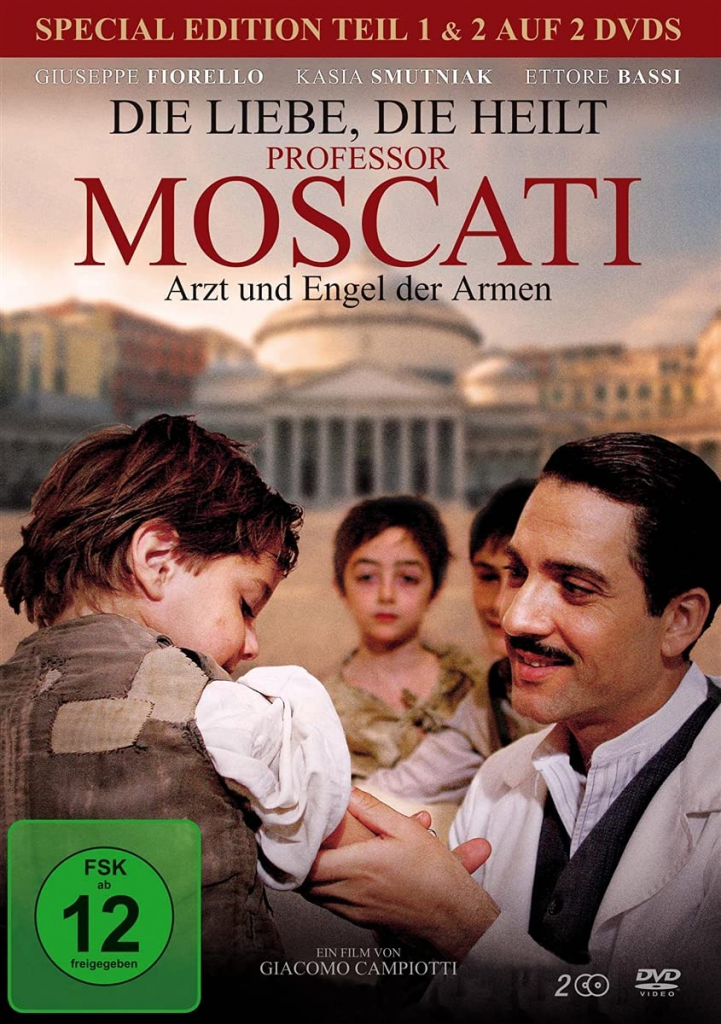
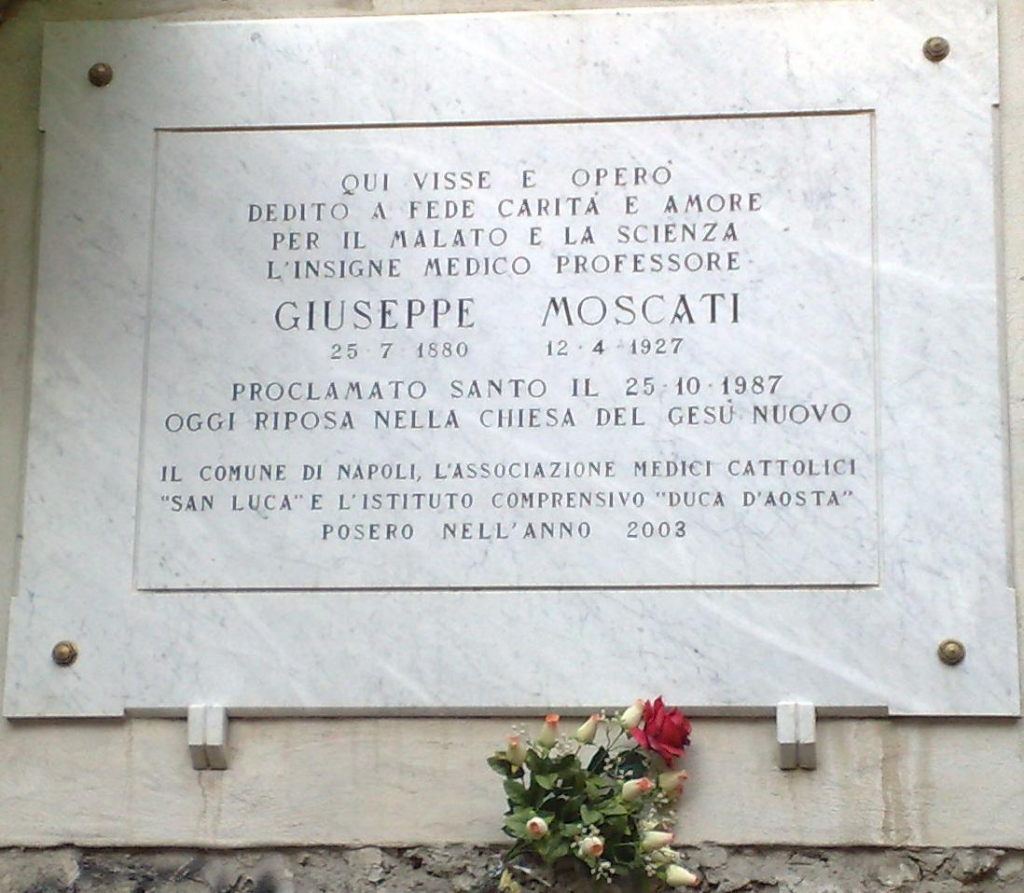
Saint Giuseppe Moscati, also known as Joseph Moscati (July 25, 1880 in Benevento near Avellino; April 12, 1927 in Naples) was an Italian physician, scientist, and university professor. He was beatified by Pope Paul VI in 1975 and canonized by Pope John Paul II in 1987. The Catholic Church celebrates his feast day on April 12, while the Archdioceses of Naples and Amalfi-Cava de’ Tirreni celebrate it separately on November 16. Moscati was one of the first physicians to use insulin to treat diabetes.
Joseph Moscati (1880-1927) came from an Italian aristocratic family and was a renowned physician – that sounds like a life worthy of a serial, full of luxury, money, and beautiful women. But this saint chose a very different path early on and pledged eternal chastity before even beginning his medical studies in Naples. Joseph completed his doctorate in 1903 and was soon forced to prove his humanitarian commitment: in 1906, Mount Vesuvius erupted. The young doctor organized the evacuation of a hospital and provided emergency aid. Just five years later, Naples was struck by a cholera epidemic, and Joseph worked around the clock caring for the sick. In 1914, the First World War broke out, during which Joseph treated approximately 3,000 soldiers. Beyond the great catastrophes of world events, he took special care of the poor. Not only did he accept little or no remuneration from them, but he often paid for medication out of his own pocket. The popular physician died after a short illness on April 12, 1927, in Naples. Pope John Paul II canonized Joseph Moscati in 1987.
-
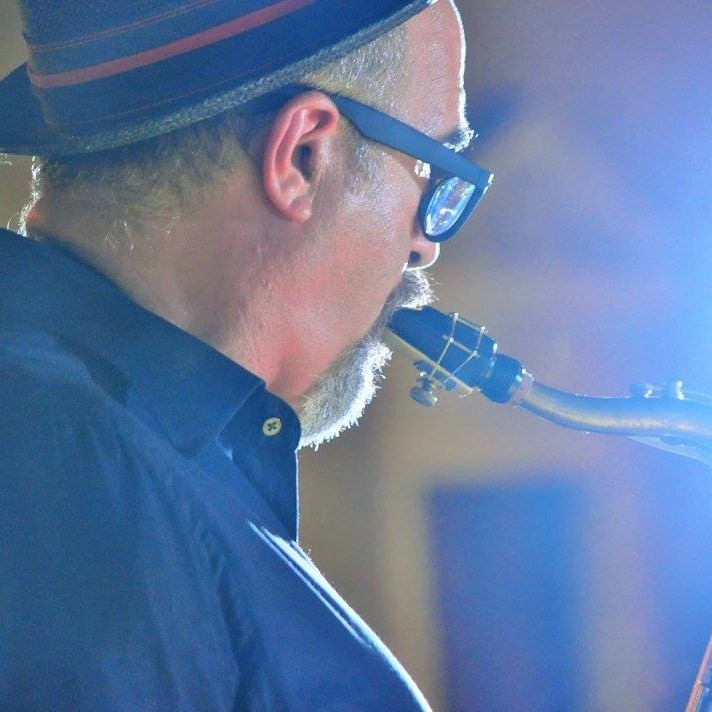
Massimo Peroni
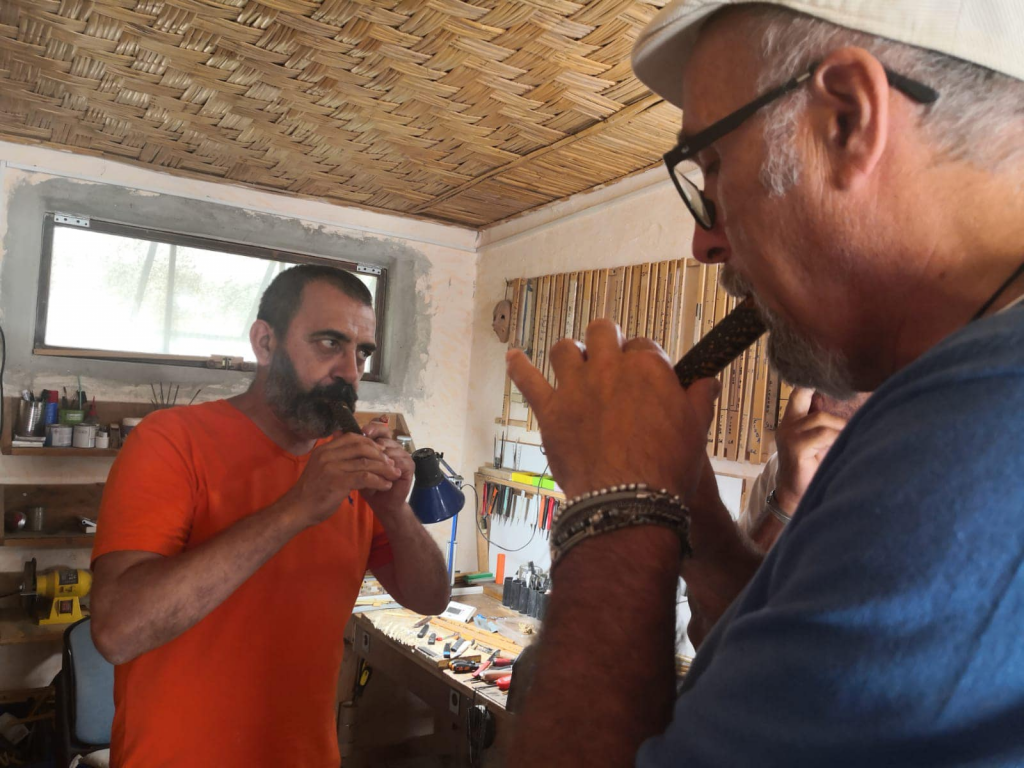
Category : bluesDocs , FluteDocs , FootballDocs , PianoDocs , SaxDocs
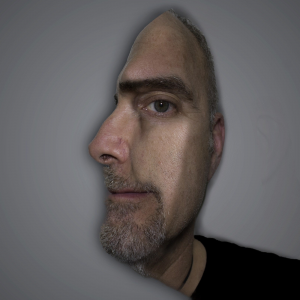
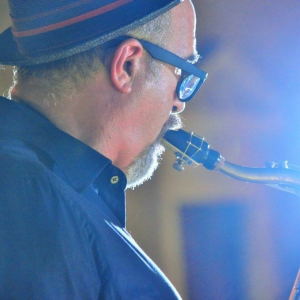
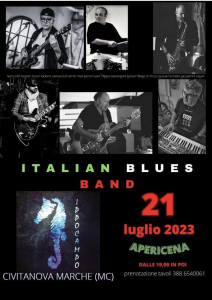
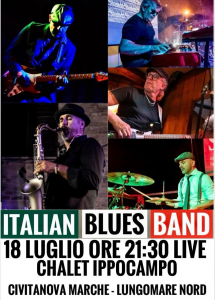
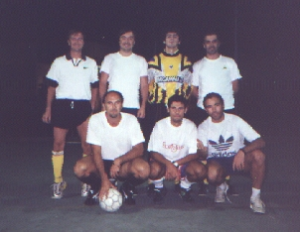
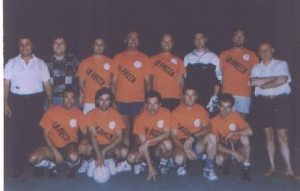
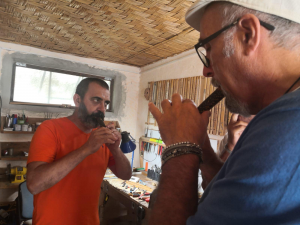
Massimo Peroni is BluesDoc and a multi-talent
https://www.facebook.com/StudioDottMassimoPeroni
https://www.facebook.com/massimo.peroni.73
Italien Blues Band https://www.facebook.com/groups/420997709580852
https://www.youtube.com/@MaxSaxDoc
http://web.tiscali.it/reumhome/amioweb/curriculum.html
-
Paolo Mantegazza
Category : AnthropologyDocs , BotanicDocs , PoliticianDocs , SexDocs , travelDocs , WriterDocs
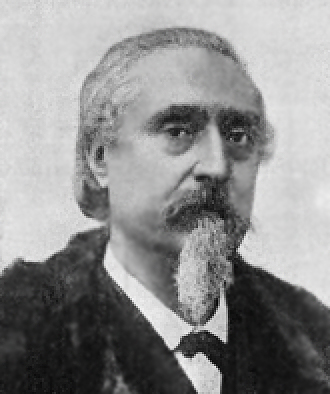
Paolo Mantegazza (October 31, 1831 in Monza, Austrian Empire – August 28, 1910 in San Terenzo) was an Italian neurologist, physiologist, and anthropologist, as well as a prominent physician and consciousness researcher. Mantegazza published several works on the effects of psychotropic plants on human consciousness, numerous other scientific writings, and several novels that were bestsellers in their time but have since been largely forgotten.
Mantegazza first studied medicine in Pisa and Milan, graduating in Pavia in 1854. He then traveled to India and South America, where he practiced medicine in Argentina and Paraguay. In 1858, he returned to Italy and worked as a surgeon in Milan. In 1860, he was appointed professor of pathology at the University of Pavia, where he founded the first Institute of General Pathology in Europe.
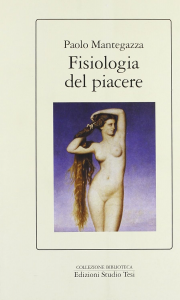
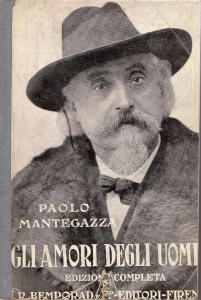

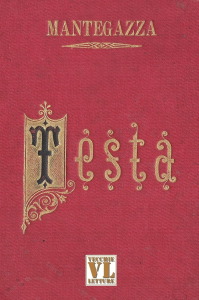
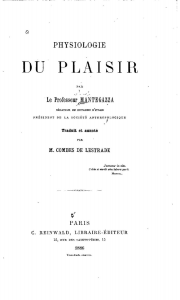
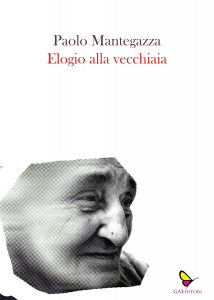
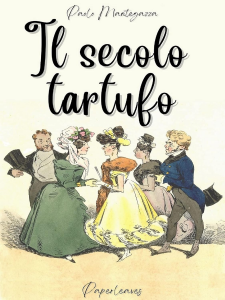
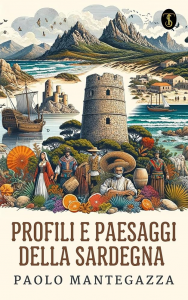
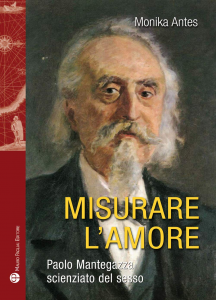
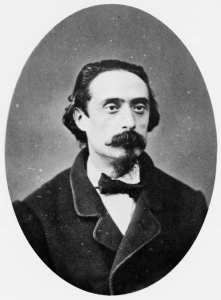
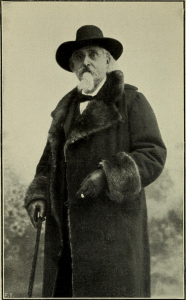
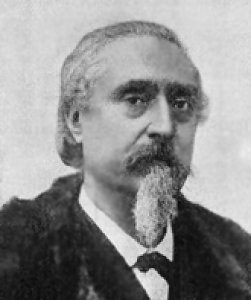
In 1870, Mantegazza became a professor of anthropology at the Istituto di Studi Superiori in Florence. There he founded the Museo Antropologico-Etnografico di Firenze (Anthropological and Ethnographic Museum) and, in 1871, the journal Archivio per l’Antropologia e l’Etnologia, which is still published today, with Felice Finzi. At that time, culture and science in Italy were far more influenced by the Catholic Church than they are today. Mantegazza was repeatedly attacked by ecclesiastical circles, particularly because he was an advocate of Darwinism and an atheist.[2] From 1868 to 1875, he had a lively correspondence with Charles Darwin.
Pioneer of psychedelic Drug research
During his several years working as a doctor in South America, Mantegazza observed the habit of local coca farmers chewing the leaves of the coca bush. In the “service of science” he began to imitate them, taking three daily doses of three grams of coca leaves. In 1859 he published the work Sulle virtù igieniche e medicinali della coca e sugli alimenti nervosi in generale (On the Hygienic and Medicinal Benefits of Coca and Nerve Food in General), for which he received an award and which caused a sensation both in Italy and abroad. Due to the fact that Mantegazza distinguishes between coca and cocaina in his writings, it is assumed that he had already extracted the alkaloid cocaine from the coca leaves and taken it himself in 1859. Mantegazza is therefore often associated with cocaine in literature, but his interest in the effects of psychotropic substances went much further, and he published numerous works with treatises on the intoxicating effects of various drugs such as alcohol, mate, guarana, opium, hashish, kava and ayahuasca (agahuasca), and classified them according to their effects in 1859, more than sixty years before Louis Lewin made his classification in his 1924 work Phantastica.
Sexual science
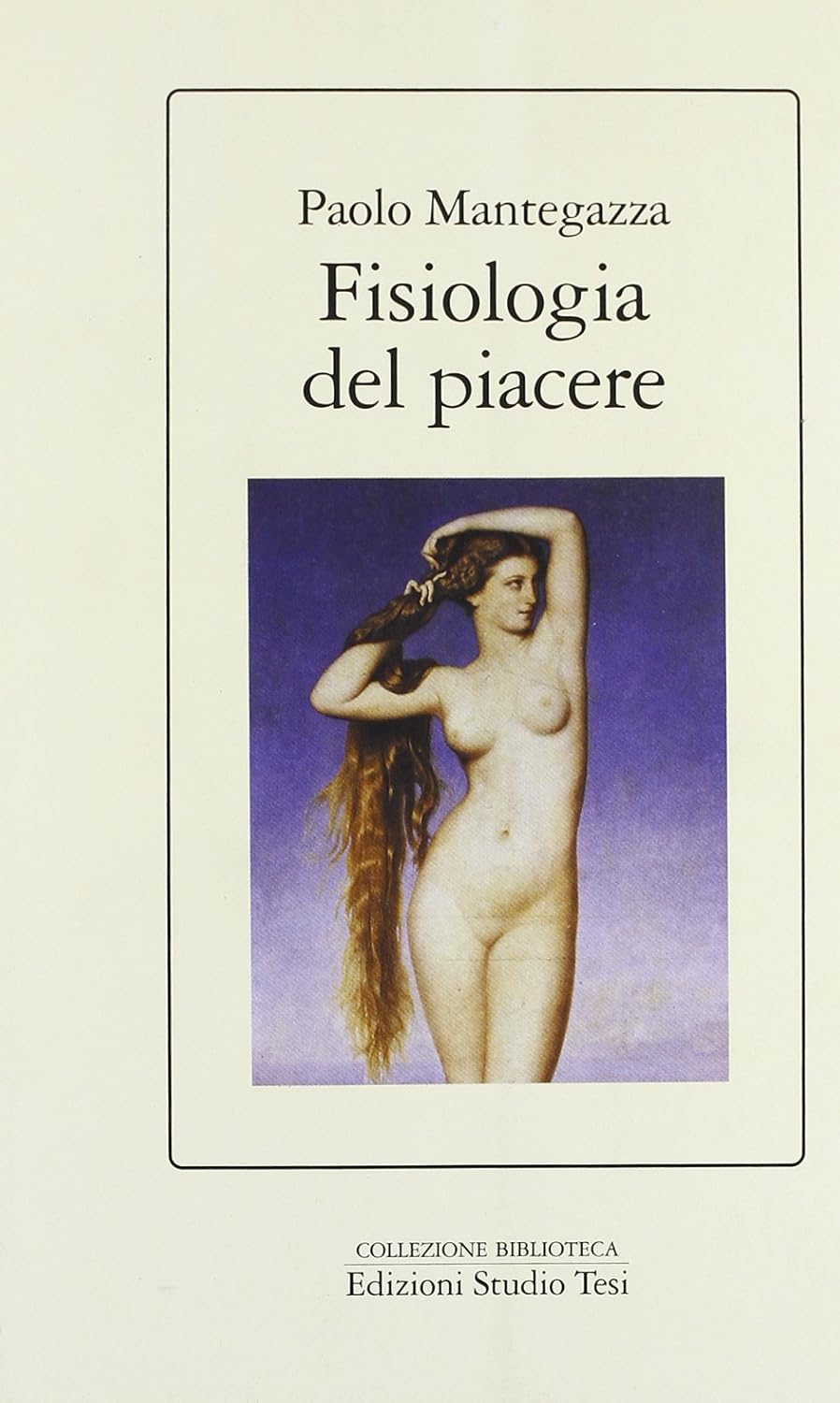
Almost forgotten, but outstanding in his time, were his numerous publications in the field of sexology, which only emerged later: Fisiologia del piacere (1854); Fisiologia dell’amore (1873); Igiene dell’amore (1886); Gli amori degli uomini – Saggio di una etnologia dell’amore (1886) and Fisiologia della donna (1893) – in which he summarized observations, his own experiments and anthropological-ethnological results of extensive collections, research and travels in the sense of a “phenomenology of heterosexual love… which is unparalleled in the history of sexology.” At just 22 years old, he wrote “Fundamentals of Edonology or the Science of Pleasure” (today understood as hedonism) and spoke out against “false puritans” and the “murky, stinking fog of hypocrisy” (Volkmar Sigusch in: Deutsches Ärzteblatt 7/2007 – see web link).
“Wherever a beautiful woman appears, all human energies bubble from their battle-tested sources: Everything best and worst in man springs forth to pay homage to her or to insult her with envy.”
(Paolo Mantegazza, The Concept of Woman Through the Ages, Nuova Antologia, January 15, 1893)
Politics
From 1865 to 1876, Mantegazza was a deputy from Monza in the Italian Chamber of Deputies and, from 1876, a senator in the Kingdom of Italy.
-
Carlo Levi
Category : ArtDocs , EditorDocs , PoliticianDocs , WriterDocs
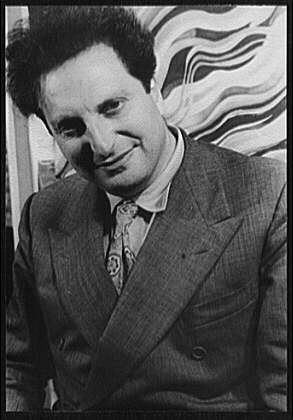
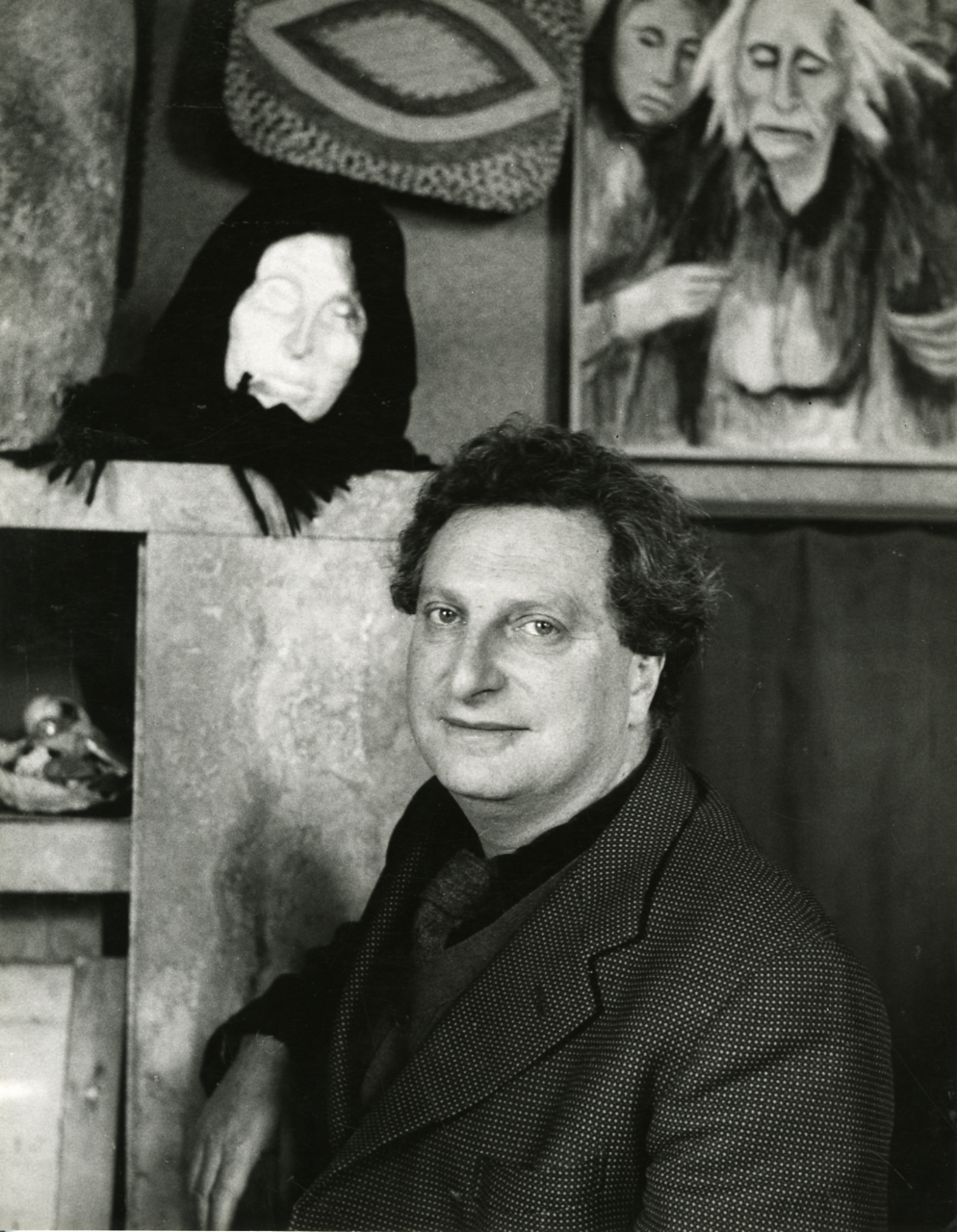
Graziadio Carlo Levi or Carlo Lèvi (born November 29, 1902 in Turin; died January 4, 1975 in Rome) was an Italian writer, painter, doctor and politician.
Carlo Levi came from an upper-class, assimilated Jewish family; his parents were Ercole Levi and Annetta Treves. In 1917 or 1918, he enrolled to study medicine at the University of Turin, graduating in 1924.[1] Although he worked as an assistant doctor at a Turin clinic from 1924 to 1928, he never practiced as a regular doctor, as he was more interested in politics and painting, to which he devoted himself intensively from 1923 onwards.[2] He became a member of the Rivoluzione liberale (“Liberal Revolution”) group led by Piero Gobetti, spent some time in Paris, and took part in the 1929 exhibition Sei pittori di Torino (“Six Turin Painters”).
Because he had founded the anti-fascist group Giustizia e Libertà (“Justice and Freedom”) together with Carlo and Nello Roselli in 1929 and led it together with Leone Ginzburg, Levi was imprisoned in Rome for two months in the spring of 1934 and exiled to the southern Italian region of Lucania (now Basilicata) in May 1935. There, after some time in the small town of Grassano, he spent the period from September 1935 to May 1936 in the village of Aliano, where, due to the poverty of the inhabitants, he practiced as a doctor without pay and with limited resources. Until the provincial administration forbade this too and treatments could only be carried out in secret. On the side, he painted people and landscapes and explored the customs of the inhabitants, especially magic and superstition.
After his early release in 1936 through a general amnesty proclaimed by the fascist state to celebrate the annexation of Abyssinia during the Abyssinian War, Levi went into exile and took over the leadership of the Justice and Liberation group from Paris. In 1941, he returned to Italy, was arrested and imprisoned in Florence. After the fall of Mussolini, he was released, sought refuge in the Palazzo Pitti, and there, in 1943/1944, wrote his book Cristo si è fermato a Eboli (published in 1945, see below), in which he recorded his memories of his time in Aliano, choosing the slightly coded name Gagliano for Aliano.
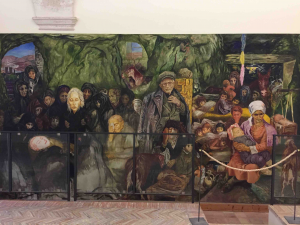
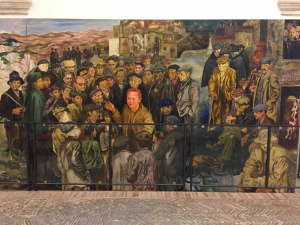
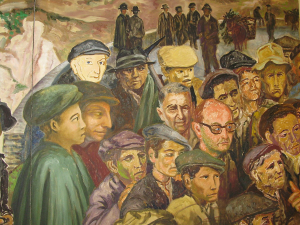
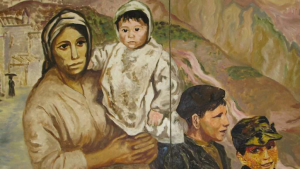
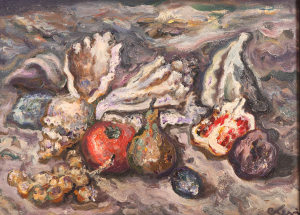
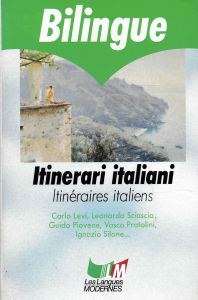
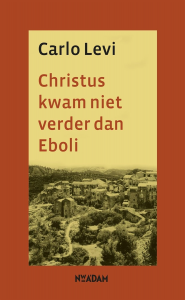
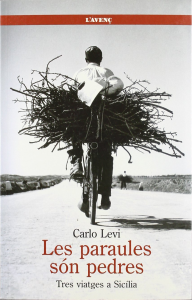
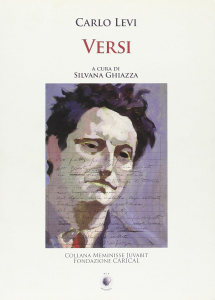
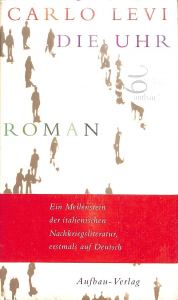
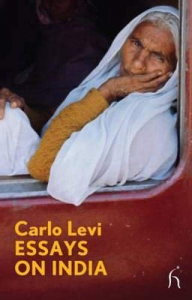
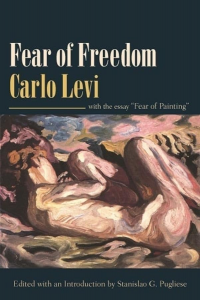
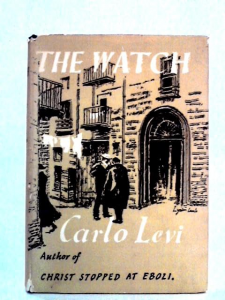
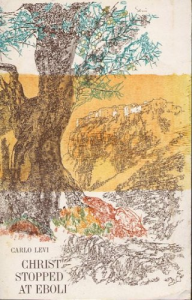
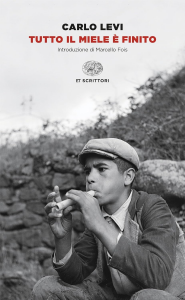
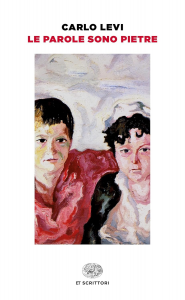
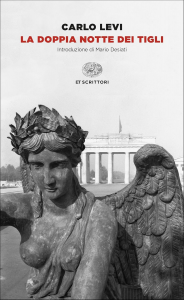
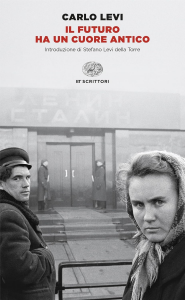
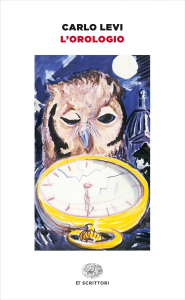
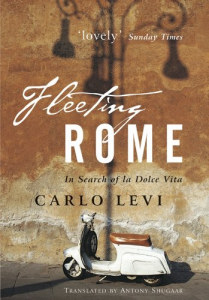
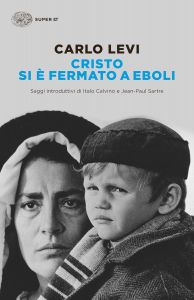
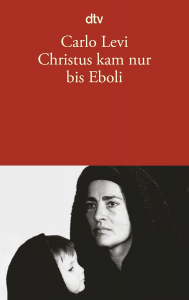
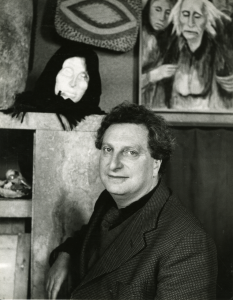
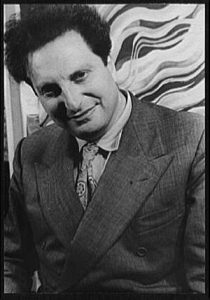
After the end of the Second World War, Levi moved to Rome, where he lived and worked from then on in the Villa Strohl-Fern[3] and for some time as editor of the magazine Italia libera, which belonged to the Partito d’Azione (“Party of Action”). He continued to paint (his paintings were exhibited in various European countries and in the USA) and wrote more books (see below). In 1963, he was elected to the Senate as an independent on the Communist Party list, where he remained until 1972.
Carlo Levi died of pneumonia in a Roman hospital in 1975. In accordance with his express testamentary wish, he was buried in the cemetery of Aliano, which was one of his favorite places to stay during his exile there.
-
Axel Munthe
Category : AnimalDocs , architectDocs , BotanicDocs , CollectorDocs , museumDocs , OrnithologyDocs , sculptureDocs , WriterDocs
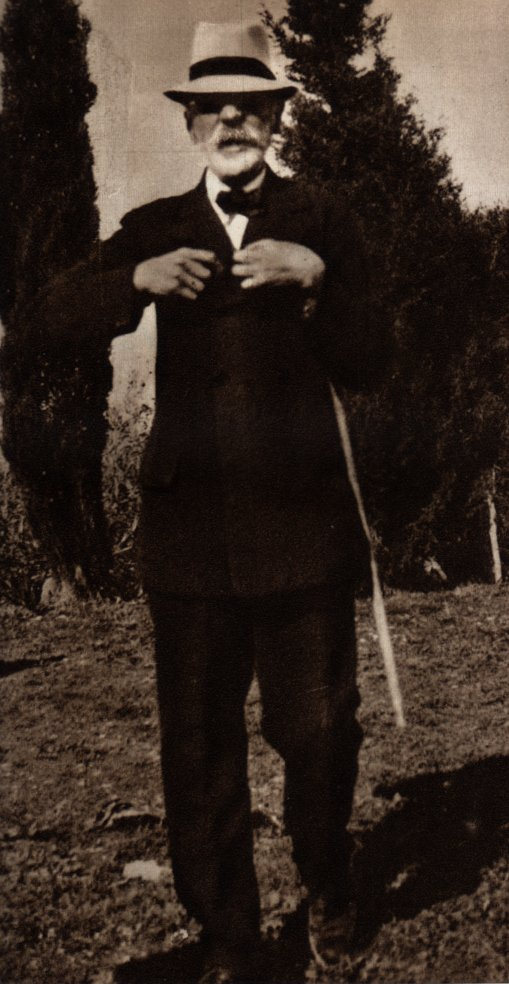
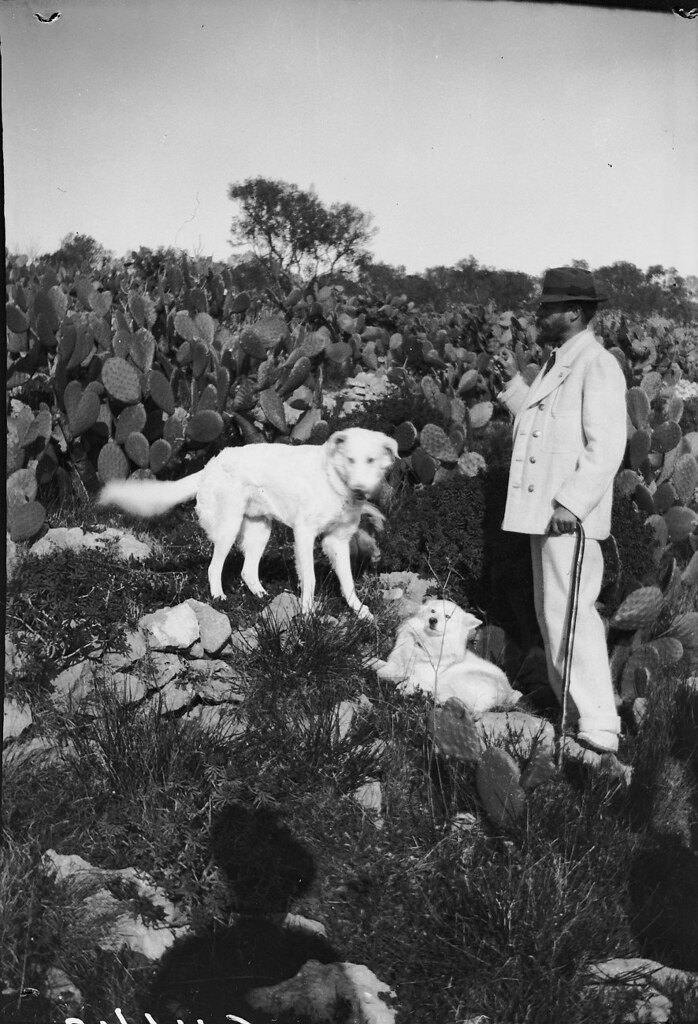
Axel Martin Fredrik “Puck” Munthe [ˌakːsəl ˈmɵnːtə] (October 31, 1857 in Oskarshamn – February 11, 1949 in Stockholm) was a Swedish physician and author.
Beruf und Leben
Axel Munthe was born in 1857, the son of a pharmacist. He studied medicine in Uppsala, Montpellier, and Paris.
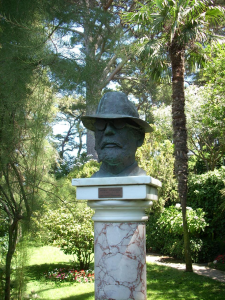
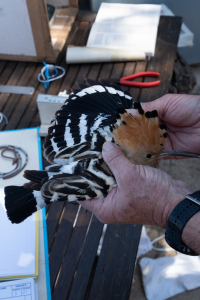
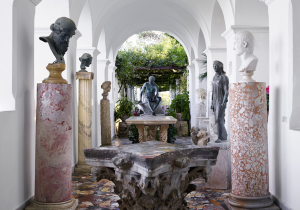
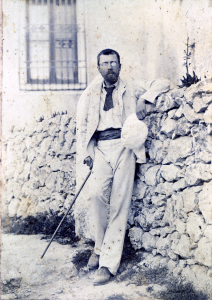
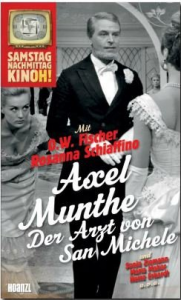
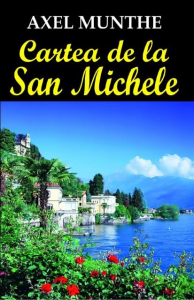
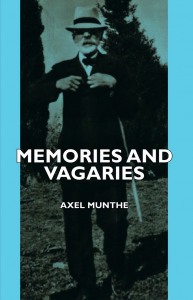

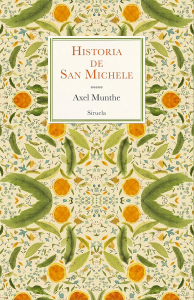
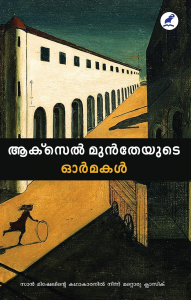
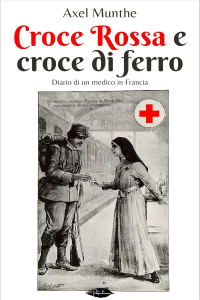
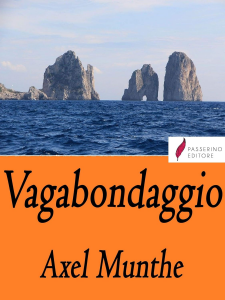
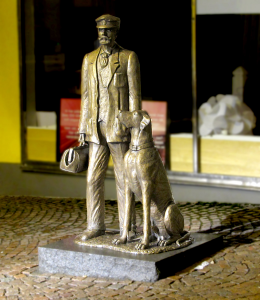
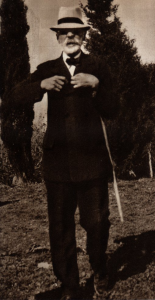
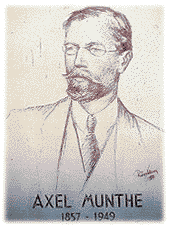
In 1880 he began practicing medicine in Paris and Rome. Over the years he worked in Naples, London and Stockholm. During his student years in Paris he was particularly impressed by the work of Jean-Martin Charcot. Even in later years his special interest lay in psychiatry. His professional career shows several outward breaks. For example, he worked as a doctor for the lower classes of society while simultaneously or shortly thereafter running a fashionable medical practice. In Rome, for example, he set up his practice in the Keats-Shelley House on the Spanish Steps, which had previously been inhabited by the poet John Keats and others. From 1908 Munthe was personal physician to the Swedish Queen Victoria, a Princess of Baden by birth, who regularly stayed in Munthe’s neighborhood on Capri until her death. At his Villa San Michele in Anacapri, he was visited by Henry James, Oscar Wilde, Rainer Maria Rilke, and Curzio Malaparte. The house, with its magnificent garden and sweeping views over the sea, has served as a museum since the 1950s.
At the age of 22 (the youngest in France), he received his doctorate in medicine from the Sorbonne and soon became one of the most successful physicians of his time. He was considered a miracle worker. His patients included members of the upper classes and nobility of Europe and America, but he also worked among the poor in Paris, Rome, and Naples.
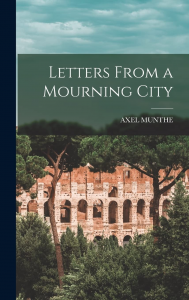
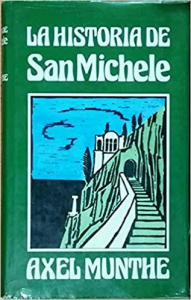
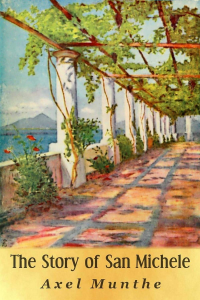
The newspaper report on his work in cholera-stricken Naples in the autumn of 1884 made him instantly famous. However, he was not a professional writer, and his real success did not come until 45 years later. “The Story of San Michele” was published in 1929 and became one of the most successful books of the 20th century. It was written in English, translated into numerous other languages, and is still being reprinted today.
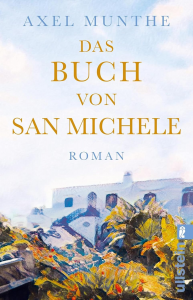
Axel Munthe became internationally known through his memoirs, The Book of San Michele, published in 1929 and translated into numerous languages. However, biographical elements are mixed with fantasy to the point of inseparability; for example, Bengt Jangfeldt and Thomas Steinfeld demonstrated numerous differences between the author’s real and “autobiographical” life in their Munthe biographies, published in 2003 and 2007, respectively.
Although Munthe was not an architect, he had one of Europe’s most famous villas built on Capri: the Villa San Michele, which experts describe as a masterpiece of architecture.
He was a passionate Anglophile, but his favorite philosopher was Schopenhauer, his favorite poet was Heine, and his favorite composers were Schubert, Wagner, Schumann, and Hugo Wolf. And despite his republican outlook on life, his most important patient was not only of royal descent and German origin, but also strongly German-oriented.
Munthe died in 1949 in his last residence, located in a side wing of the Royal Palace in Stockholm.

