Category Archives: MountainClimberDocs

  • -

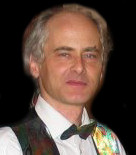
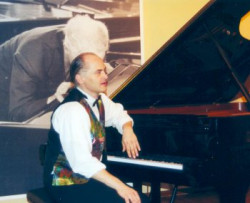
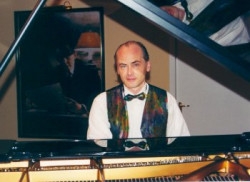
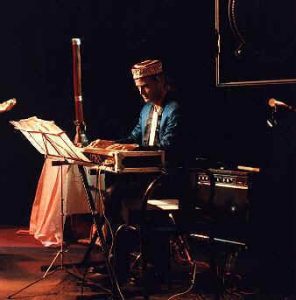
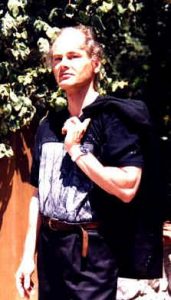
Hans Wolf

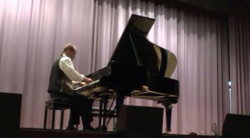
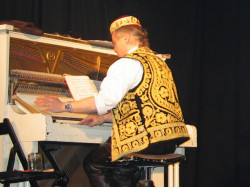
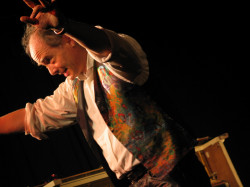
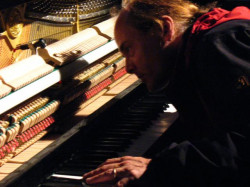
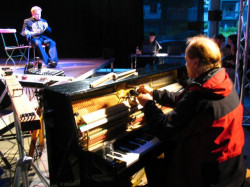
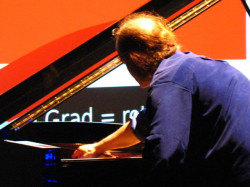
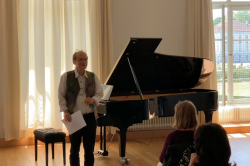
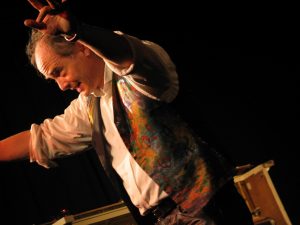
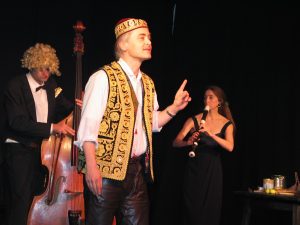
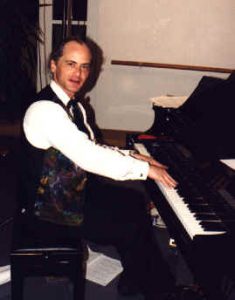
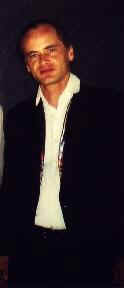
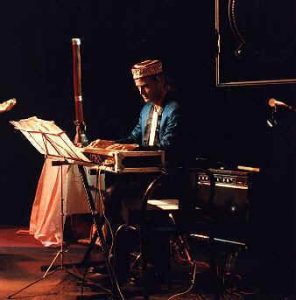
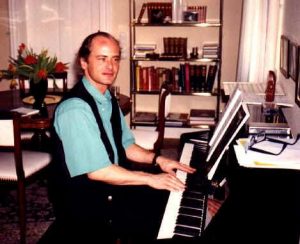
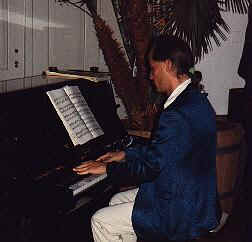
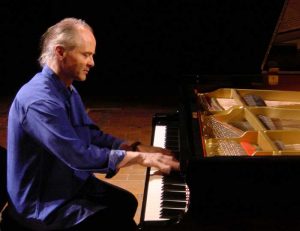
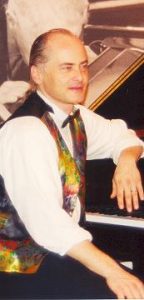
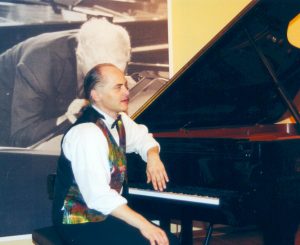
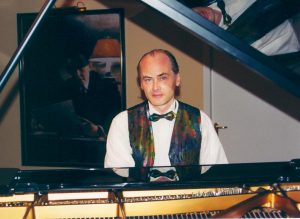
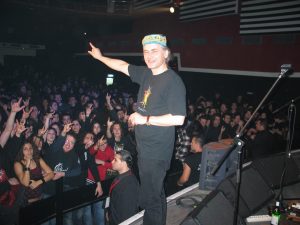
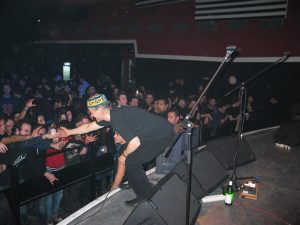
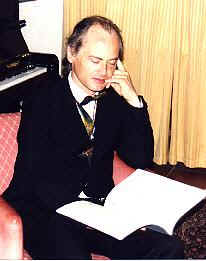
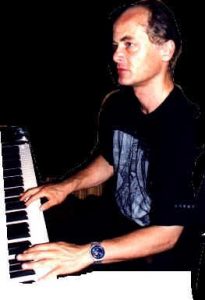
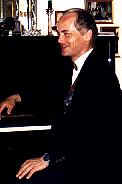
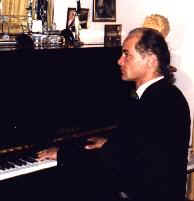
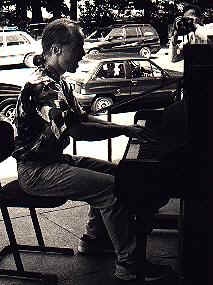
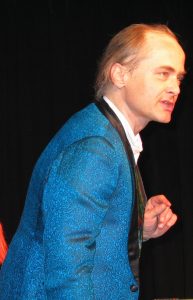
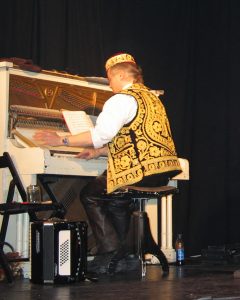
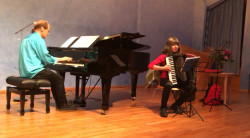
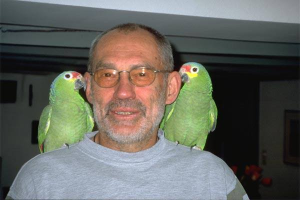
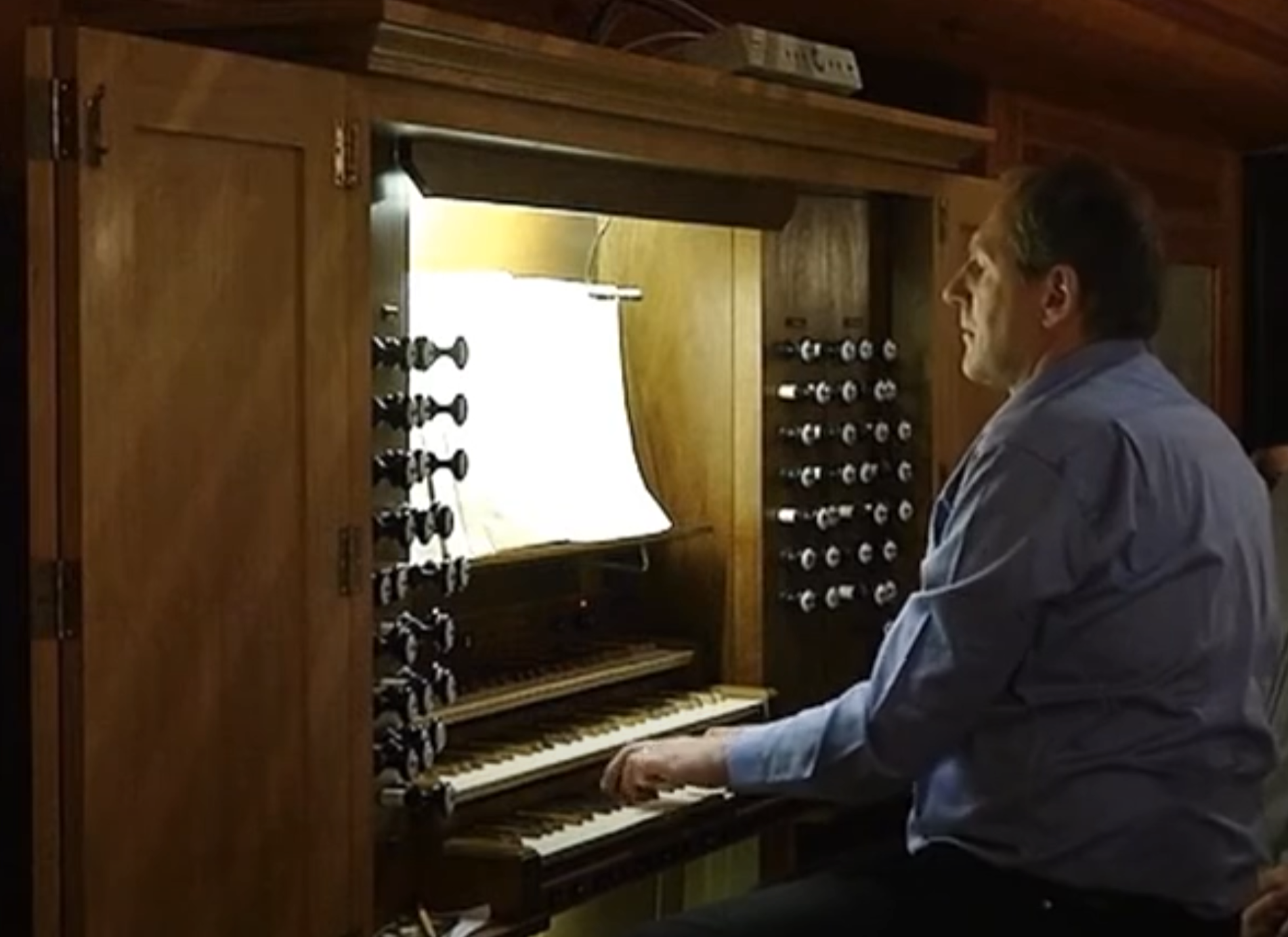
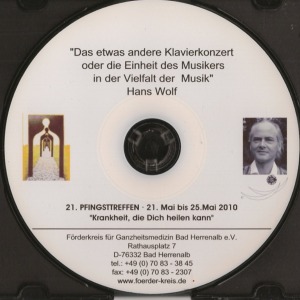
Hans Wolf, born May 31, 1958 in Braunschweig, is a German physician, concert pianist, and multimedia artist. From 1977 to 1985, he studied medicine and worked as a medical officer. He performed numerous cabaret shows at holistic medicine conferences in Bad Herrenalb.

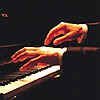
He completed classical piano studies with Prof. Edith Picht-Axenfeld in Freiburg, receiving his diploma.

  • Premieres of his own compositions at the Munich Festivals for Contemporary Music/Art by the MGNM (Munich Society for New Music) and the Echtzeithalle group.
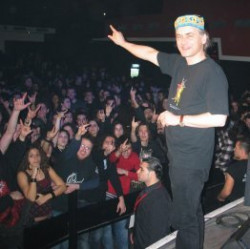
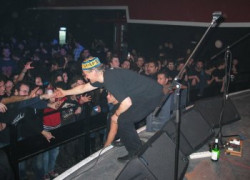
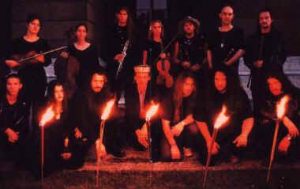
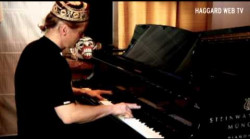
  • Member of well-known ensembles: Haggard: Medieval metal with classical influences, founded in 1993; tours across Europe and to Mexico (2001). Three CDs, one DVD
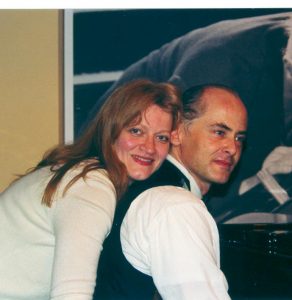
  • Trio Superstrada, founded in 1995 (here, in addition to piano, he also plays accordion, guitar, and djembe): polystylistic musical theater with Stephan Lanius (double bass) and Michaela Götz (vocals, flute). One CD, one demo video.
  • A brief member of the PHREN Music Theater in Munich.
  • Ensembles for free improvisation from Munich’s avant-garde and jazz circles: With the well-known group N.I.E. (New Improvisors Ensemble), founded in 1993 and disbanded after a year, Wolf performed in concerts in public squares and at the Unterfahrt Jazz Club, among others. N.I.E. is partially continued in the following groups to which Wolf belongs:
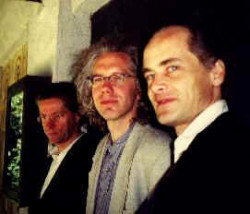
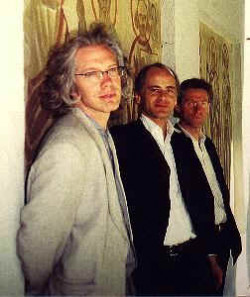
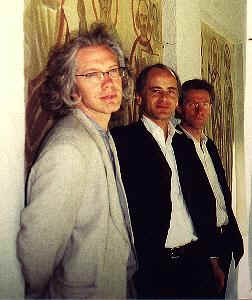
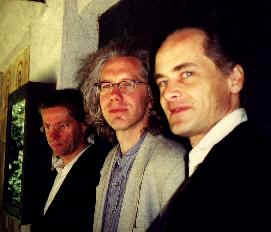
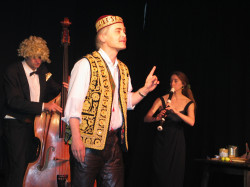
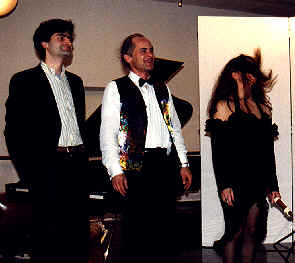
  • Trio Animali (founded in 1994, performances at Club 2 and the Munich Jazz Festival 1995, among others) with G. Geisse (g) and L. Hahn (from left), group ECHT (founded in 2000, performances at the Long Night of Music ’01, scoring computer-animated images at “Echtzeit 2001”, group Asyl-Art (founded in 2000, including poetry and image scoring at the Asylart Festivals ’00 and ’01).
  • Founding member of the jazz big band “Forum 2” (since 1993), Munich Olympic Village Cultural Association.
  • Duos: Duo Capriccioso with Andreas Suttner (cello), founded in 1999: Music “from entertaining to serious.”
  • Duo with Anne Greve (mezzo-soprano), founded in 2001: A swinging kind of music.
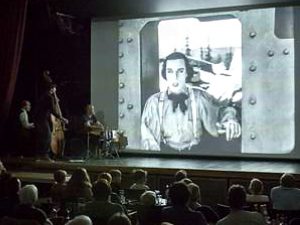
  • Live silent film scoring in a trio (founded in 1998) with Thomas Hüter (percussion, fl) and Stephan Lanius (bass): “Metropolis,” “Nosferatu,” and “Dr. Caligari.”
  • Collaboration with directors Javier Andrade and Martina Veh (Munich) since 1995, and with Alexander Schilling (Nuremberg) since 2001, as a composer and pianist in music theater and multimedia projects.
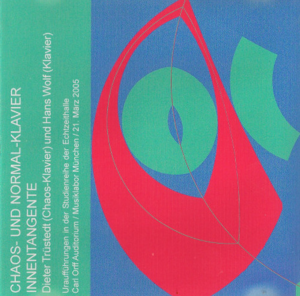
  • Collaboration with Dieter Trüstedt since 1999: Several lectures at the “Monday Talks” he organized, including on his own compositions; jointly creating the music for the performance “Genesis.”
  • Commissions for theater music, big bands, fashion shows, and musical settings for art and literature.
  • Commissions as a studio musician, especially for piano music in television films.
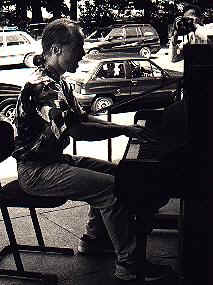
  • Performances as a versatile party pianist at all kinds of celebrations; regular pianist in bars and cafes, e.g., at the Cafe am Beethovenplatz and Cafe Giesing in Munich.
  • Engagements as an accompanist and keyboardist for touring musical productions.
  • Teaching activities: Piano teacher with new creativity-oriented concepts, piano technique based on the Langenhan-Serkin school, classical instruction, including preparation for the entrance exams to music colleges, including theory and ear training. Lessons in rock, pop, and jazz piano, as well as other piano improvisation; development and teaching of improvisation and composition courses, e.g., with the title “Discover Your Own Music.” Since 1995, instructor at the Grafing Adult Education Center; organization of student concerts for the Munich Pianists’ Club.
  • Active memberships: Society for New Music and Music Education Darmstadt, International Summer Courses for New Music Darmstadt, Bavarian Association of Musicians, Pianists’ Club, MGNM (Munich Society for New Music), Echtzeithalle e.V.

web

youtube


  • -

Oswald Oelz

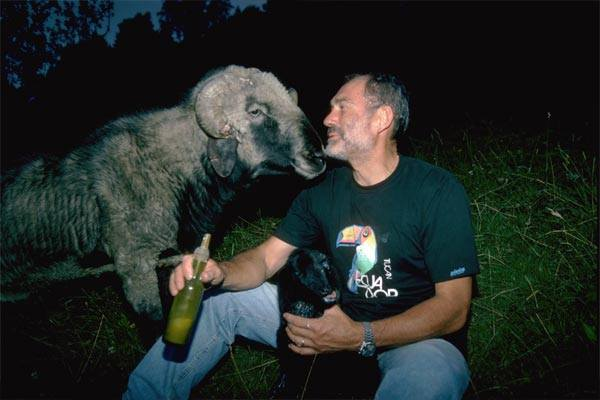
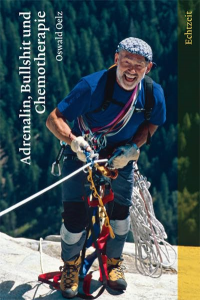
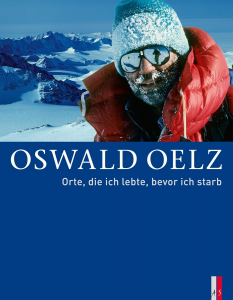
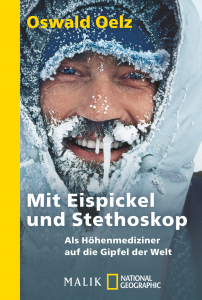
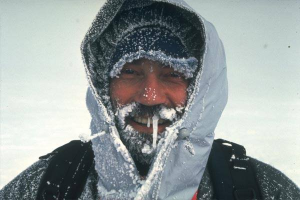
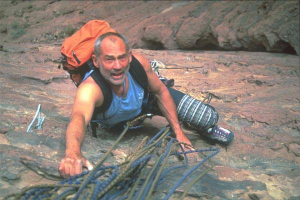
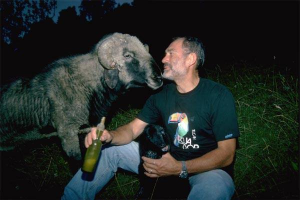
Oswald “Bulle” Oelz (born February 6, 1943 in Rankweil, Vorarlberg) is an Austrian-Swiss physician and mountaineer. From 1991 to 2006, he was chief physician at the Triemli City Hospital in Zurich. In addition to his medical work, the internist and high-altitude physician practiced extreme mountaineering, participated in numerous expeditions in the Himalayas, and gave slide presentations about his climbing tours. He breeds sheep.

As an expedition doctor, Oswald Oelz accompanied numerous expeditions in the Himalayas, including mountaineers such as Reinhold Messner, Peter Habeler, and Hans Kammerlander. In 1972, Oelz traveled to the Himalayas to climb Manaslu (8,163 m), but was unsuccessful.

In 1978, he was one of two doctors on the controversial expedition to Mount Everest (8,848 m), during which Messner and Habeler climbed the mountain for the first time without supplemental oxygen. Oelz and six other expedition members successfully completed the ascent using oxygen cylinders. He was thus the first Vorarlberg native to successfully climb Mount Everest.

During an expedition in 1979, he attempted to climb the Ama Dablam Northeast Ridge (6,856 m). He was unable to reach the summit due to a rescue operation. In 1981, he accompanied an expedition to Shishapangma (8,027 m), but in 1982, he failed to climb Cho Oyu (8,188 m) due to cerebral edema. In 1983, he survived an avalanche on Glacier Dome (7,193 m) in the Annapurna massif. In 1985, Oelz climbed Shishapangma, his second eight-thousander. A further attempt to climb Makalu (8,485 m) failed in 1986.

In 1990, Oswald Oelz became the third person to reach all of the Seven Summits according to the Carstensz version: Aconcagua (6,961 m, 1974 & 1986), Mount McKinley (6,190 m, 1976), Mount Everest (1978), Mount Vinson (4,892 m, 1986), Kibo (5,895 m, 1987), Mount Kosciuszko (2,228 m, 1989), Elbrus (5,642 m, 1989), and the Carstensz Pyramid (4,884 m, 1990).[3]

He reached the summit of Ama Dablam in 1995. In the Alps he climbed the three great north faces of the Alps: the Matterhorn North Face, the Eiger North Face (1995) and the Walker Pillar of the Grandes Jorasses.

In the documentary Höhenrausch: Die Entwicklung der Höhenmedizin (2022), Oelz states that he “lost a total of 29 friends with whom he climbed high peaks.” In 1978, in a personal experiment on Mount Everest, he reduced his hematocrit from 58 to 52% to reduce viscosity, but subsequently became seriously ill. After a week, he recovered and climbed the summit with oxygen. In 1986, he suffered high-altitude pulmonary edema on Aconcagua and was treated with nifedipine, with rapid improvement after 10 minutes.

Dokumentarfilm ServusTV https://www.servustv.com/natur/v/aa8178k0h5ydbviqch56/

https://www.tagesanzeiger.ch/ich-will-klettern-bis-ich-tot-bin-853567372558

https://www.facebook.com/OswaldOelzSchweiz?locale=de_DE

https://de.wikipedia.org/wiki/Oswald_Oelz

http://www.bergfieber.de/berge/bergsteiger/bios/oelz.htm


  • -

Theodore Howard Somervell

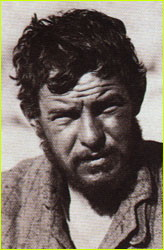
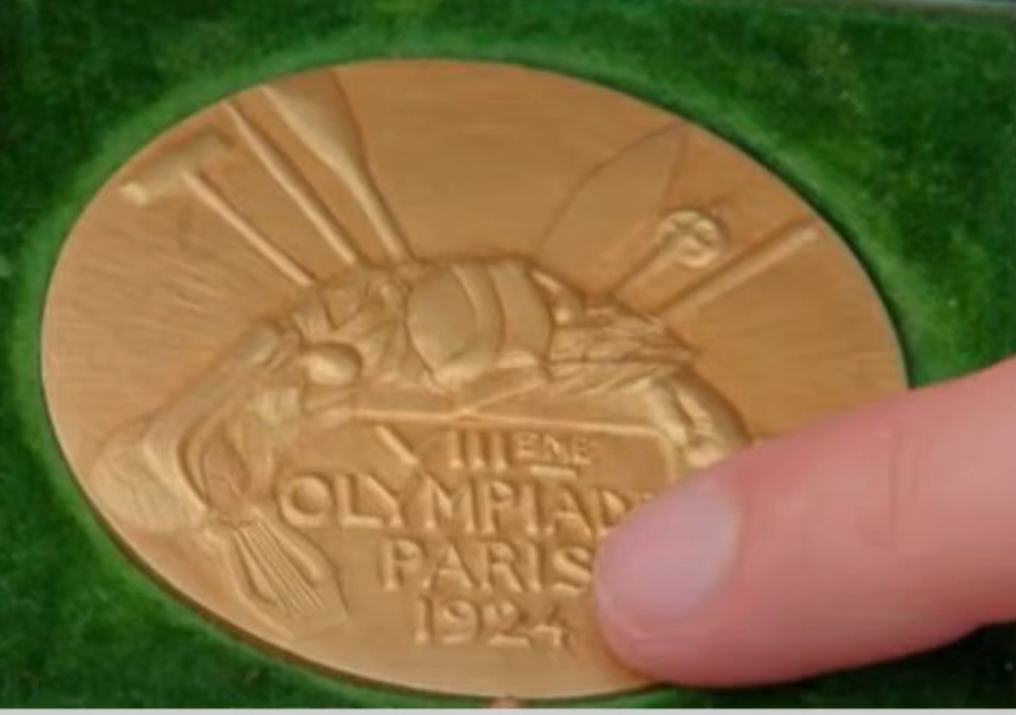
Theodore Howard Somervell OBEFRCS (16 April 1890 – 23 January 1975) was an English surgeon, mountaineer, painter and missionary who was a member of two expeditions to Mount Everest in the 1920s, and then spent nearly 40 years working as a doctor in India. In 1924 he was awarded an Olympic Gold Medal by Pierre de Coubertin for his achievements in mountaineering (Alpinism).

Somervell was born in KendalWestmorland, England, to a well-off family which owned the shoe-manufacturing business founded by two Somervell brothers in Kendal in 1845, that became K Shoes.[1] His father William Somervell (1860 – 1934) was a businessman, philanthropist and Liberal politician. He attended Rugby School, and at the age of eighteen joined the Fell and Rock Climbing Club, beginning an interest in climbing, art and mountaineering which would last a lifetime. He studied at Gonville and Caius College, Cambridge where he developed his strong Christian faith and gained First Class Honours in the Natural Sciences Tripos. He then began training as a surgeon at University College Hospital; eventually graduating in 1921 after his training had been interrupted by the First World War.

He married Margaret Hope Simpson (1899–1993), daughter of Sir James Hope Simpson, the general manager of the Bank of Liverpool. With Margaret he had three sons: James, David, and Hugh.

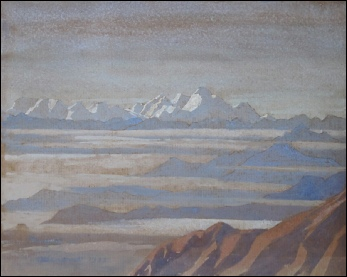
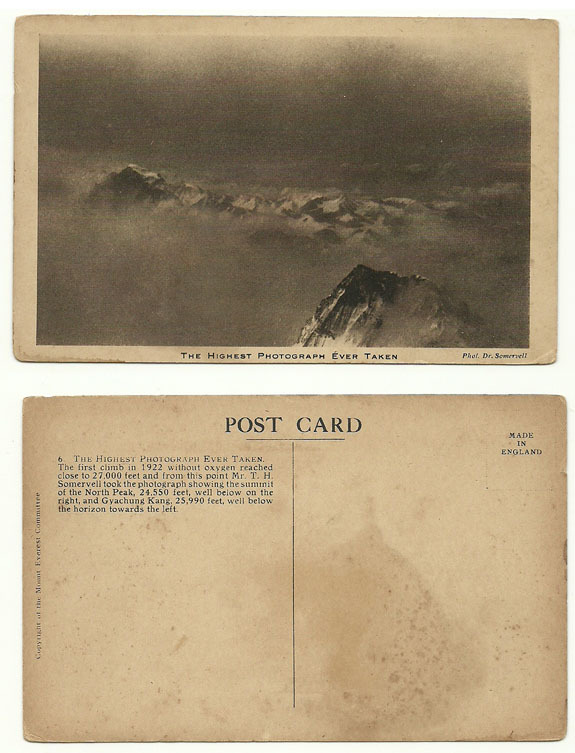
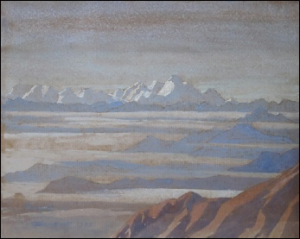
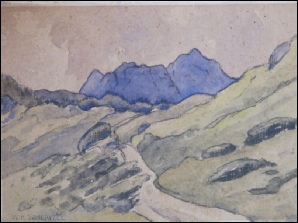
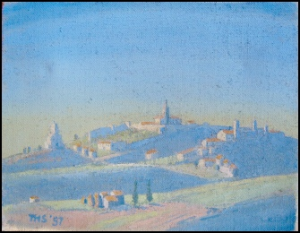
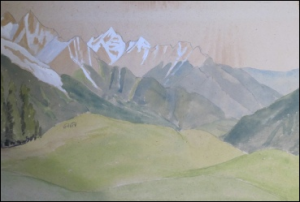
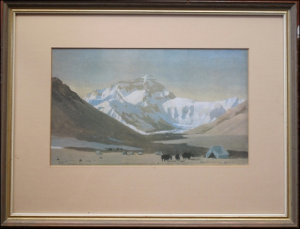
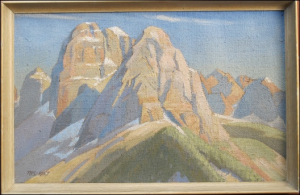
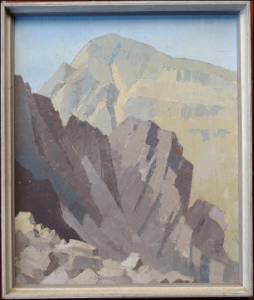
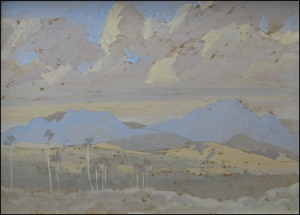
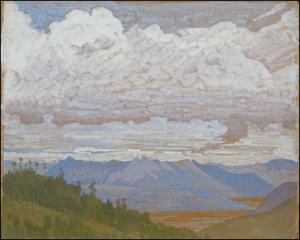
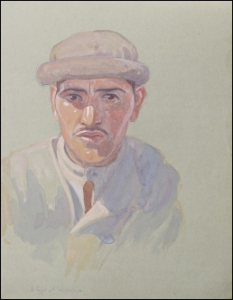
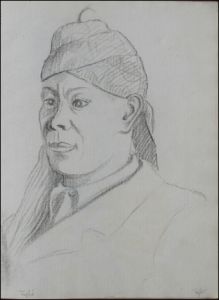
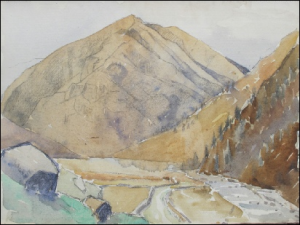
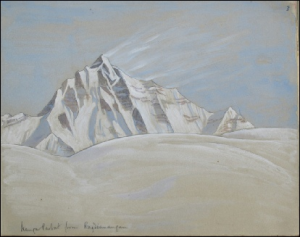
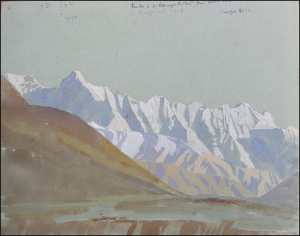
Somervell painted many hundreds if not thousands of paintings and has been described as a compulsive sketcher and painter.[23] The Himalayan Club identified some 600 titles, with at least 200 of them being representations of the Himalayas or Tibet. 126 of these relate to the 1922 and 1924 expeditions, many of which were exhibited at the Royal Geographical Society in April 1925 and at the Redfern Gallery, London, in 1926. He exhibited almost annually at the Lake Artists Society exhibitions in the Lake District after his return to England.

Many of his watercolours are painted on what has been described as no more than ‘cheap’ brown or off-white wrapping paper.[23] However, given that Somervell was a sometime commercial artist, this oft-repeated tale is largely apocryphal. He used this style of paper as early as 1913 and was still using it in the 1970s. It particularly lends itself to the dun colours of the Tibetan landscape. Other artists such as John Sell Cotman and Edith Collingwood[who?] used similar paper. He often used watercolour and body colour in preference to watercolour alone. He also used pastel, either alone or with watercolour. Watercolour seems to have been his favoured medium in Tibet, Himalaya and India.[citation needed]

The Alpine Club in London possesses thirty paintings by Somervell. The Abbot Hall Art Gallery in Kendal has thirteen Somervell watercolours and one oil painting while the Royal Geographical Society holds a large watercolour, Gaurisankar from the North West, dated 1924, although this may in fact be a painting of Menlungtse.[21] Somervell’s paintings of the Himalayas and of Westmorland were exhibited at the Abbot Hall Art Gallery in April 1979.

Somervell died in Ambleside in 1975. The Dr. Somervell Memorial Mission Hospital, established in 1975 at Karakonam, south of Trivandrum and the Dr. Somervell Memorial CSI Medical College, established in 2002, are named in his honour.

With the expedition over, Somervell set out to see India, travelling from the far north to Cape Comorin. He was shocked by the poverty he saw, and in particular the poor medical facilities. At the main hospital of the south Travancore medical mission in Neyyoor he found a single surgeon struggling to cope with a long queue of waiting patients, and immediately offered to assist. On his return to Britain, he abandoned his promising medical career, and announced his intention to work in India permanently after his next attempt on Everest. Most of his paintings sold today are from his travels in various parts of India. Even though most of his time was in Kerala where many landmarks to his name still remain.

A collection of his mountaineering equipment and other effects, including his 1924 Winter Olympics gold medal, and his sketchbooks and paintings, now in the possession of his grandson, was shown on an episode of the BBC Television programme Antiques Roadshow in April 2022.

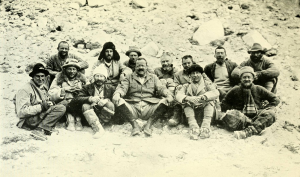
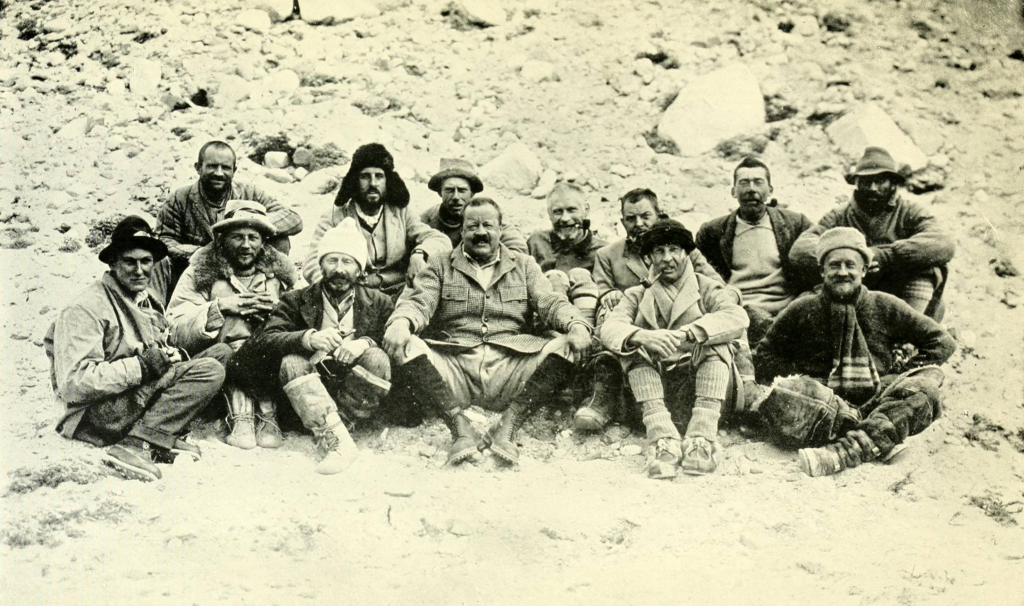
Expedition at Base Camp.
Back row: Morshead, G Bruce, Noel, Wakefield, Somervell, Morris, Norton
Front row: Mallory, Finch, Longstaff, General C  Bruce, Strutt, Crawford

https://en.wikipedia.org/wiki/1922_British_Mount_Everest_expedition

https://en.wikipedia.org/wiki/Howard_Somervell

https://www.mountainpaintings.org/T.H.Somervell.html


  • -

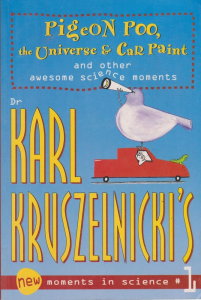
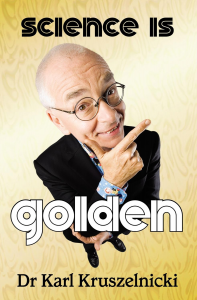
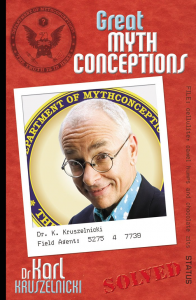
Karl Kruszelnicki

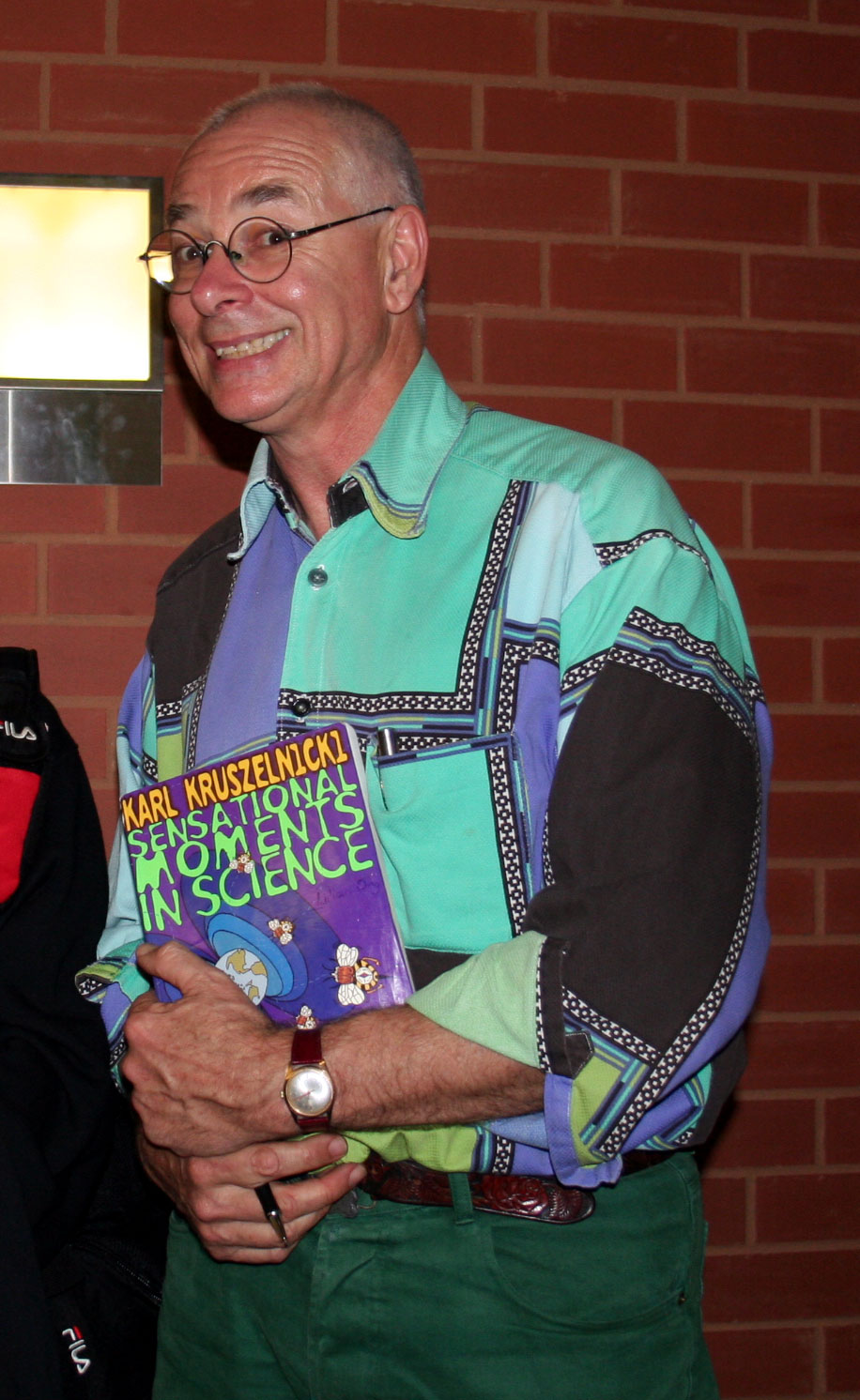
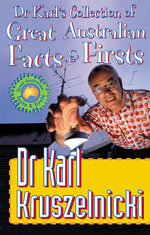
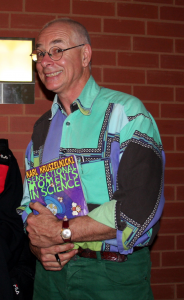
Karl Sven Woytek Sas Konkovitch Matthew Kruszelnicki AM (born 1948), often referred to as Dr Karl,[2] is an Australian science communicator and populariser,[2] who is known as an author and a science commentator on Australian radio, television, and podcasts.

Kruszelnicki is the Julius Sumner Miller Fellow in the Science Foundation for Physics at the School of PhysicsUniversity of Sydney.

Kruszelnicki was awarded a Master of Biomedical Engineering degree at the University of New South Wales. He completed his Bachelor of Medicine and Bachelor of Surgery degrees at Sydney University in 1986.

After primary school, Kruszelnicki’s first job was ditch digger in the Wollongong suburb of Dapto.[11] He also worked as a filmmaker, car mechanic, TV weatherman and as roadie for Slim DustyBo Diddley and Chuck Berry.[12] While working as a taxi driver in Sydney, he was beaten unconscious after picking up a passenger trying to escape a group of men.[1]

Kruszelnicki presented the first series of Quantum (replaced by Catalyst) in 1985. As a science communicator and presenter, he appears on the Seven Network’s Weekend Sunrise and on ABC TV. From early 2008 to 2010 he co-hosted a TV series called Sleek Geeks with Adam Spencer.
Kruszelnicki presented a program on ABC TV in January 2025 titled Dr Karl’s How Things Work.[16]

Kruszelnicki does a number of weekly radio shows and podcasts. His hour-long show on ABC radio station Triple J has been going on in one form or another since 1981; this weekly science talkback show, Science with Dr Karl, is broadcast on Thursday mornings from 11:00 am to midday and attracts up to 300,000 listeners; it is also available as a podcast.[17]
Kruszelnicki also often helps with other science and education Triple J promotions such as the Sleek Geek Week roadshow with Adam Spencer and Caroline Pegram. He and Adam Spencer released the Sleek Geeks podcast regularly until December 2015.[18] Also, Since 2016, he has hosted the podcast Shirtloads of Science.[19][20]

For many years, until March 2020, Kruszelnicki appeared on a live weekly late-night link-up on BBC Radio 5 Live‘s Up All Night, usually with Rhod Sharp, answering science questions.[21] In 2017, he hosted Dr. Karl’s Outrageous Acts of Science on Discovery Channel (Australia).[22]

Kruszelnicki writes a regular column for Australian Geographic magazine, called ‘Need to Know’, which is republished as a blog on the magazine’s website.[23] He has also written for the Sydney Morning Herald‘s Good Weekend magazine.[24]

In 1981, he appeared on an Australian radio documentary about death and near-death experiences that aired on the ABCAnd When I Die, Will I Be Dead?[25] It was adapted into a book in 1987.

Politics

Kruszelnicki was an unsuccessful candidate for the Australian Senate in the 2007 Australian federal election. He was placed number two on the Climate Change Coalition ticket in New South Wales.[27]

In 2015, Kruszelnicki appeared in an Australian Government advertising campaign for the recently published intergenerational report. He had previously agreed to do the campaign, believing it would be a “non-political, bipartisan, independent report.” After its publication, however, he backed away from the campaign, describing it as “flawed”. “How can you possibly have a report that looks at the next 40 years and doesn’t mention climate change? It should have acknowledged that climate change is real and we cause it and it will be messy.”

https://www.abc.net.au/news/karl-kruszelnicki/8462002

https://en.wikipedia.org/wiki/Karl_Kruszelnicki


  • -

Balazs Fabinyi

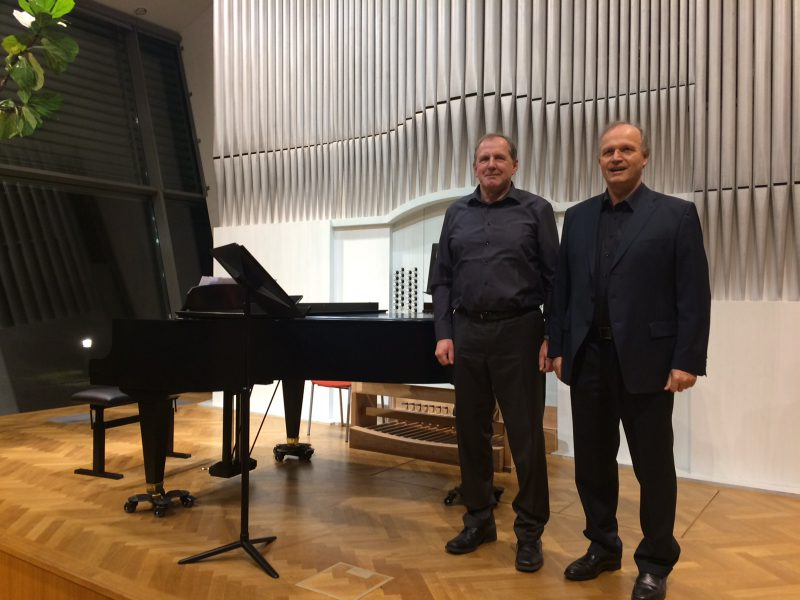
Mit dem Pianisten Dr.Balazs Fabinyi und dem Bariton Joseph Schlömicher-Thier bei einem Liederabend in St.Pölten

https://www.facebook.com/balazs.fabinyi


  • -

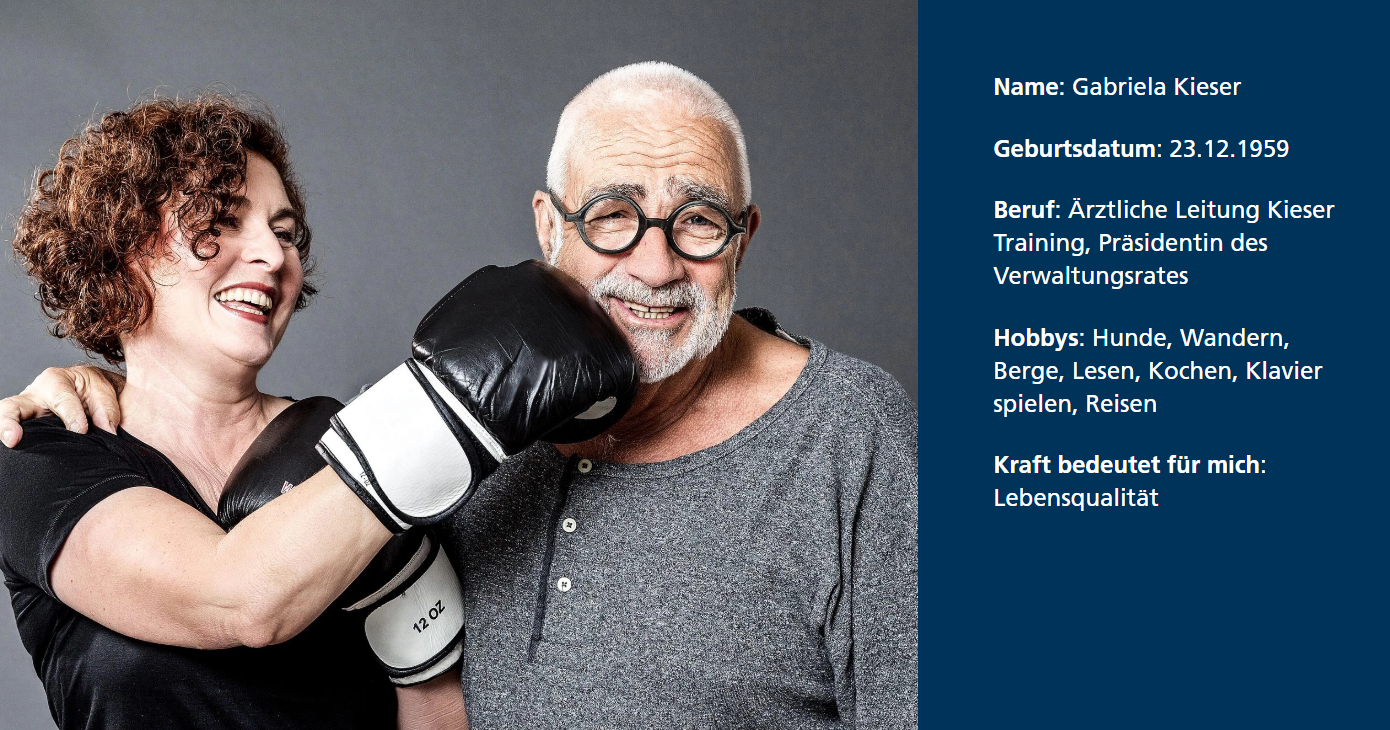
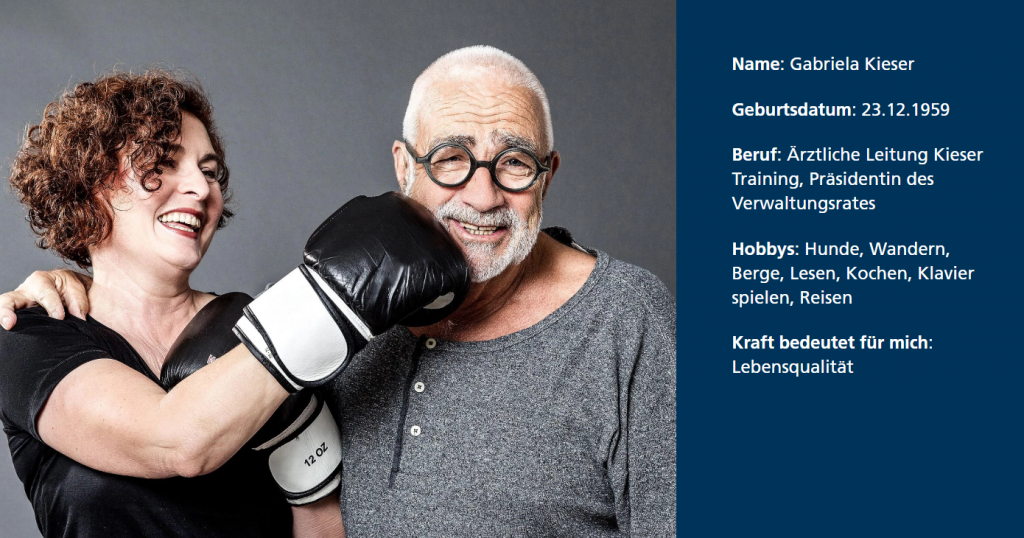
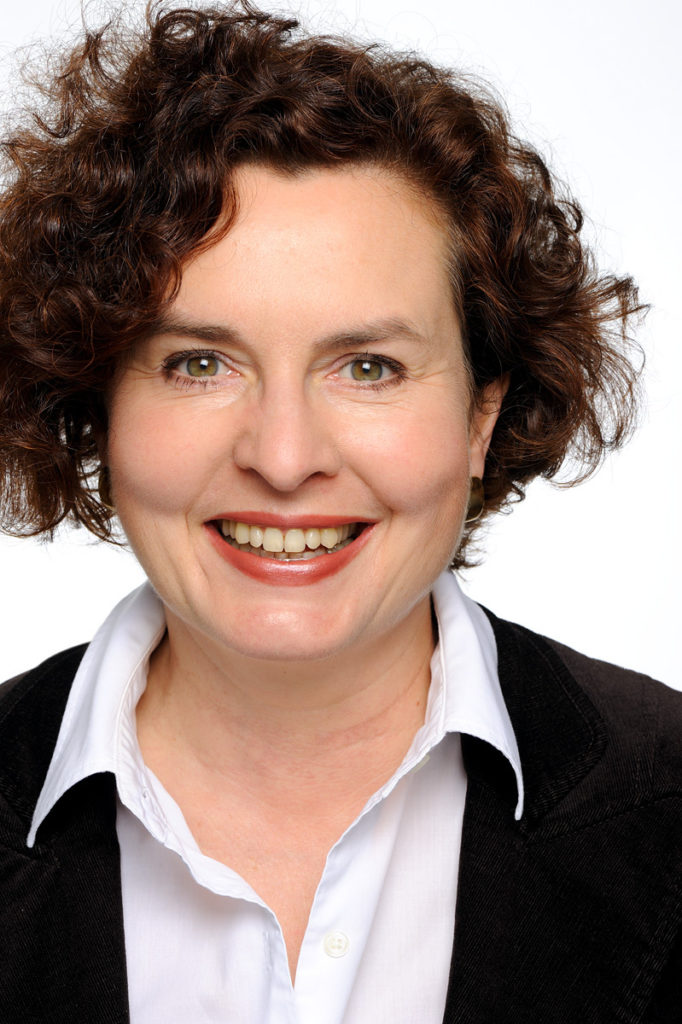
Gabriela Kieser

Dr. Gabriela Kieser studied medicine at the University of Zurich and earned her MBA from the Universities of Rochester, USA, and Bern. In 1990, the first European medical practice for medical strength therapy opened in Zurich. The practice demonstrated effective synergy with Kieser Training, located in the same building. Together with her husband, Werner Kieser (†), she developed the concept of health-oriented strength training and thus expanded internationally. Today, 280,000 customers train in 154 Kieser Training studios in five countries.

After more than twenty years in management and on the supervisory board, and since the sale of the company as part of an MBO in early 2017, she now conducts medical training consultations at three studios in Zurich. She also gives lectures on the preventative and therapeutic benefits of health-oriented strength training. She lives in Zurich and in the mountains with her dog.

Since she and her husband sold Kieser Training to their two successors, Michael Antonopoulos and Nils Planzer, Gabi Kieser has been working as an employee. She takes it in her stride. “I let the company consume me. Now I’m enjoying the new freedom and looking forward to wonderful years with Werner.” She’s just started learning Tai Chi. “The movements are so beautiful. It really helps you unwind.” She also wants to take up piano again. “You don’t play much,” Werner interrupts. “Let me finish,” she counters. “It’s on my agenda.” Does she argue well? “Well, yes. I come from a culture of debate. Werner is above things. That’s why things rarely escalate. But we have heated discussions. And we don’t always agree.”

Gabi Kieser loves spending time with her husband and dogs at their holiday home at 2,000 meters above sea level in Graubünden. Just as arguments are the spice of their relationship, she doesn’t always like sunshine when it comes to the weather. She raves about the fog in the mountains. “The fog is beautiful here. You simply feel peaceful. A fire by the fireplace. A good book. That’s all you need for happy moments with Werni and the dogs. You’re not alone, but you’re alone.”

https://www.kieser.de/50-starke-jahre/gabriela-kieser


  • -

Axel Jäger

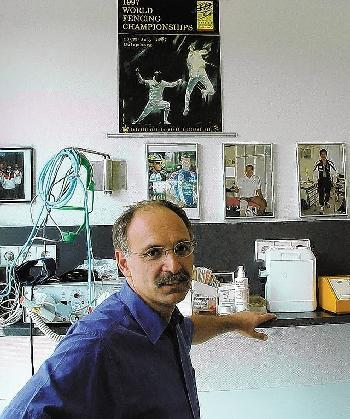
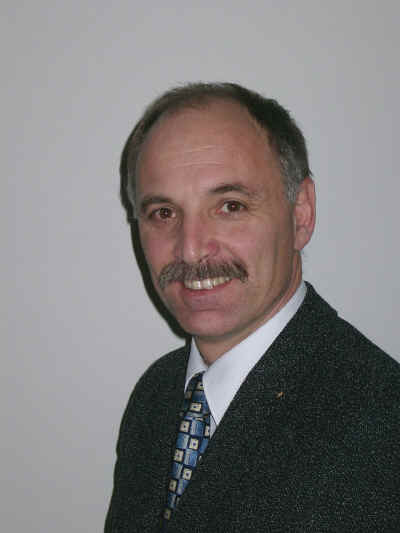
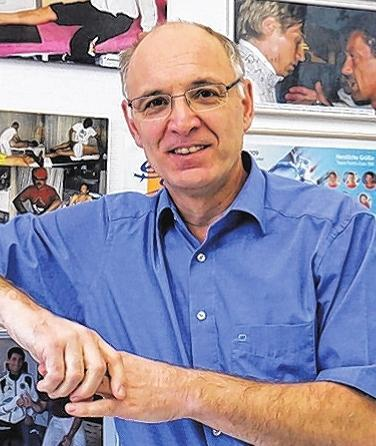
Dr. Axel Jäger’s medical career began at the Tauberbischofsheim Fencing Center. After having been a national épée fencer in Tauberbischofsheim, on the A national junior team and the B national elite team, he completed his studies in Würzburg and worked as a attending physician at the fencing center with his own practice. After a break with the then head coach, he moved to the new service center across the street in 2000.

2015-01 Dr. Jäger new head Olympic training doctor at TBB Dr. Axel Jäger has cared for hundreds of fencers over the years. He was once successful on the piste himself. Since November 2014 he has been the base doctor at the Tauberbischofsheim Olympic training center. A punctured lung during training in Tauberbischofsheim, a torn cruciate ligament in Ghent, a dislocated shoulder in Milan – Dr. Axel Jäger still clearly remembers the most serious injuries in his long time as a supervising fencing doctor. This is also because they are the exception rather than the rule. “The most common are ligament injuries in the ankle and knee, as well as muscle injuries caused by the rapid changes of direction in fencing,” explains the doctor, who was himself on the national team as a junior and was part of the B squad among the active athletes.

He therefore knows from his own experience the “Achilles heel” of fencers. “I consider it absolutely essential that you not only know the sport, but have practiced it yourself,” he says. As his deputy, Dr. Jürgen Hehn continues to support the fencers with advice and assistance. Since November, Jäger and his eight-person team have officially supervised the athletes training at the OSP. He not only has an excellently trained team, but also a practice clinic with a surgical unit.

The collaboration with the specialized departments is close. In general, however, fencing is one of the least-injury sports. Cuts and lacerations are rare, says the physician, who is also a passionate mountaineer and scuba diver. “I have remained injury-free throughout my career,” says the 58-year-old, tapping his desk with his right hand.

courtesy of https://archiv.fechten.org/fileadmin/user_upload/fechtsport_magazin_1_2015.pdf

https://www.mainpost.de/regional/main-tauber/dopingkontrolle-statt-degenfechten-art-2771415


  • -

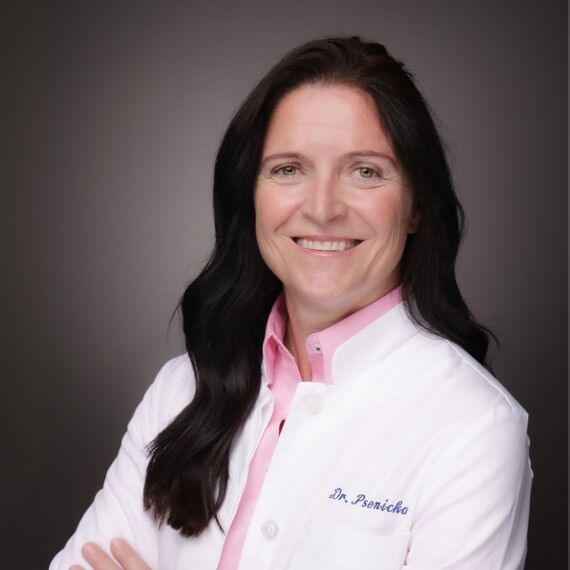
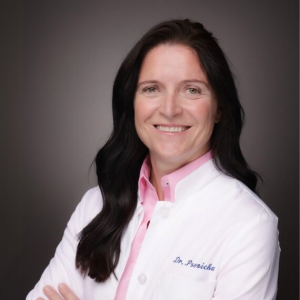
Nina Psenicka

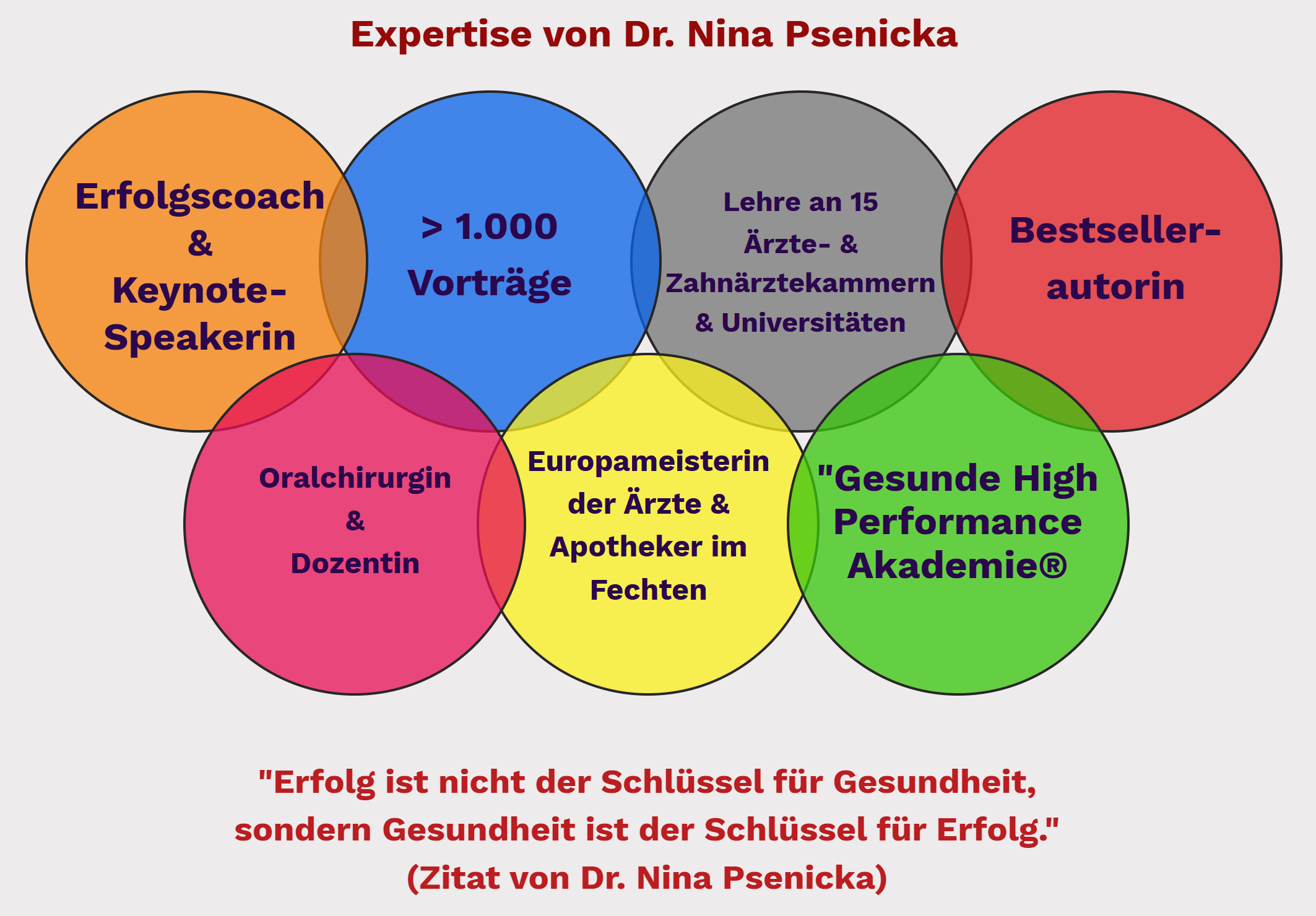
Dr. Nina Psenicka is a renowned oral surgeon, bestselling author, and success coach with an international teaching career. Known from business TV and as a cover story in Founder magazine, she uses her expertise to promote long-term success, mental strength, and healthy high performance.

As a lecturer at 15 European medical and dental associations and at universities, she shares her knowledge with professionals. In over 1,000 lectures, seminars, and courses, she has taught proven methods that help people overcome their fears, realize their potential, and achieve peak performance in a healthy way.

In addition to her medical and scientific careers, Dr. Psenicka is the European fencing champion for doctors and pharmacists and has worked as a university fencing coach.

https://www.dr-psenicka.com

https://www.youtube.com/@DocNina

Proof about MountainClimbing | Beweis für Bergsteigen

  • -

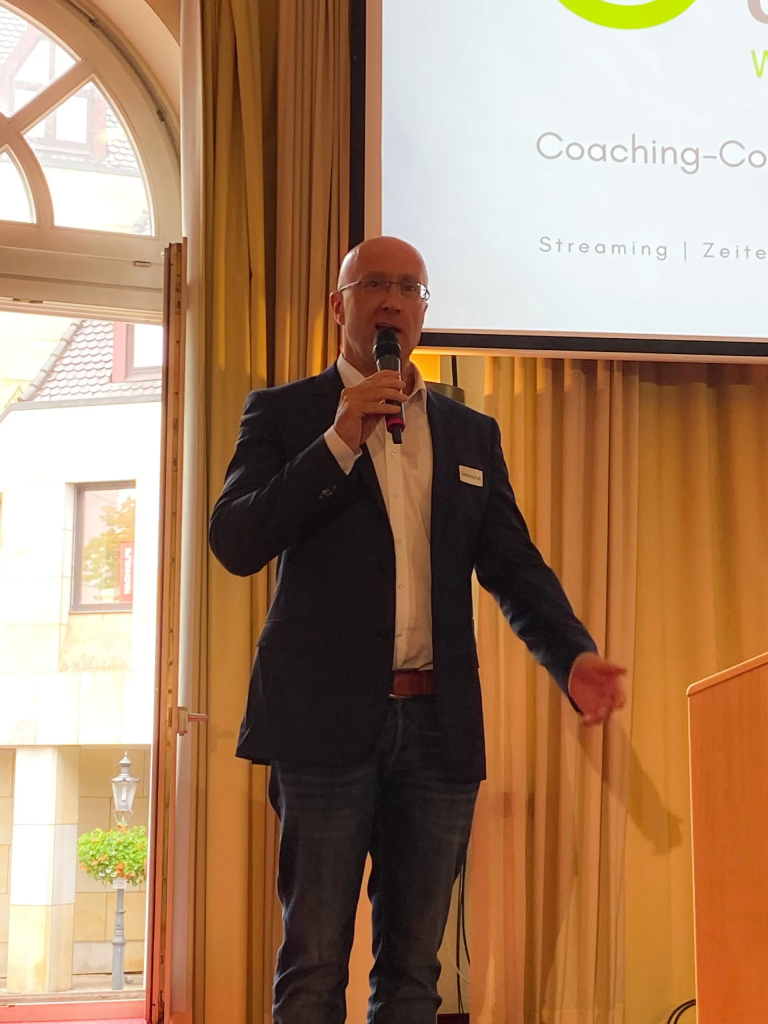
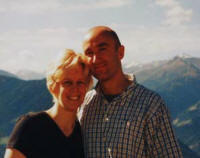
Björn Migge

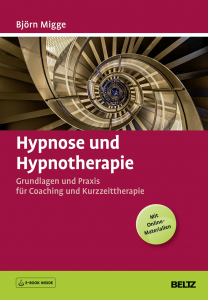
Björn Migge (* 1963) is a German physician and author of specialist books on coaching.

Migge first studied astrophysics, then medicine at the Johannes Gutenberg University in Mainz, where he received his doctorate in 1995 with a study on otosclerosis.[1] Until the end of 2003, he worked as a physician and lecturer at the University Hospital of Zurich. Since 2003, he has specialized in coaching and psychotherapy and hypnotherapy. Migge teaches clinical hypnosis at the Ruhr University Bochum. Migge has published several specialist books on coaching.

https://www.drmigge.de

https://www.doktor-migge.de

https://www.youtube.com/@dr.bjornmigge9431

https://www.facebook.com/DocMigge

https://de.wikipedia.org/wiki/Bj%C3%B6rn_Migge


  • -

Nidecker family

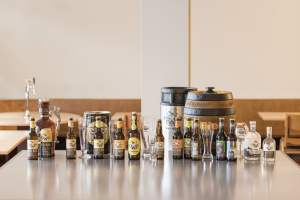
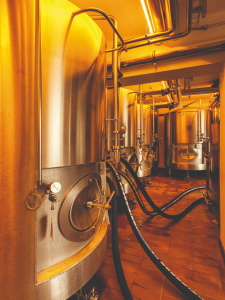
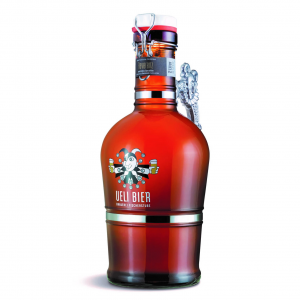
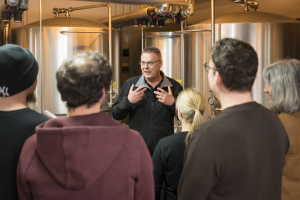
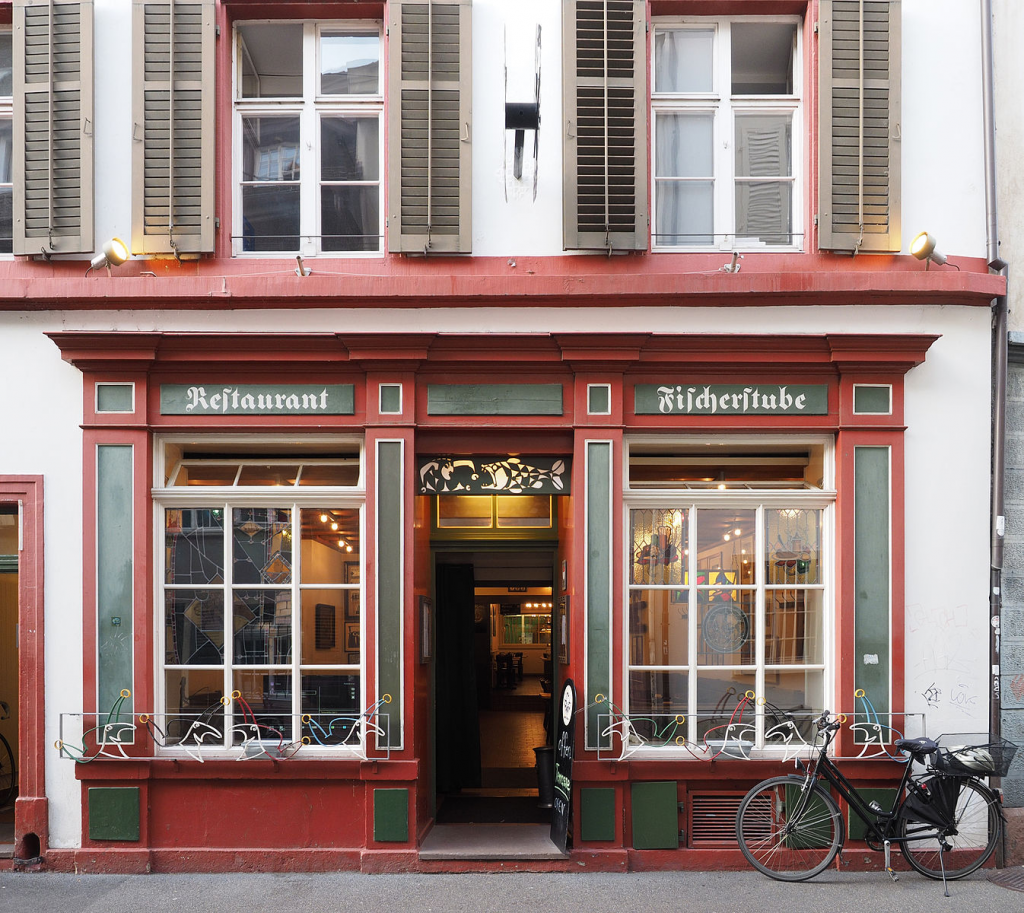
The Fischerstube Brewery AG is a Swiss brewery headquartered in Basel. It produces beer under the brand name “Ueli Bier.”

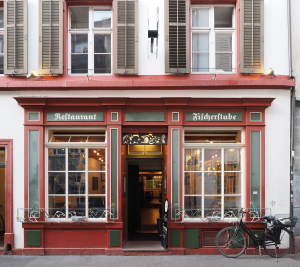
In 1974, the physician Hans-Jakob Nidecker (1919–2005)[4] acquired the Fischerstube restaurant at Rheingasse 45 in Kleinbasel, which had stood vacant for several years, in order to revive the local economy. Nidecker grew up on Rebgasse, had deep roots in Kleinbasel, and was a master of the Kleinbasel Rebhaus honorary society for several years. As early as 1970, Nidecker had rendered outstanding services to Basel’s traditions when he established a foundation specifically for the purpose of saving the Basel ferries from commercialization and an uncertain future. The first tenants of the newly opened Fischerstube were the innkeepers Silvia and Mike Künzli.

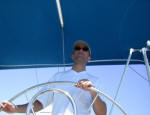
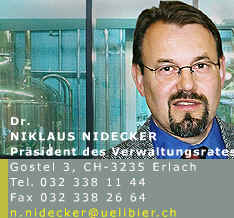
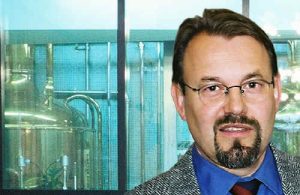
His son, Niklaus Nidecker, born in 1949, is a general practitioner and practices in Erlach on Lake Biel. He is married and has two adult daughters. His hobbies are beer and sailing. He serves as Chairman of the Board of Directors at the brewery and oversees customers and employees. The wife of another brother (a musician) is the managing director.

The other son, Dr. Andreas Nidecker, is a radiologist in Basel and a member of the brewery council. His presentation can be seen at the bottom of this page.

On November 13, 1974, the first beer flowed from the tap of the Fischerstube. Nidecker chose “Ueli” as the beer’s name,[8] a figure from the tradition of the three Kleinbasel honorary societies. The brewery began small, with an annual output of just 475 hectoliters, but with three varieties.[9] Nidecker quickly realized that he needed to hire a qualified master brewer. He hired Anton Welti, a native of Emmental, who had just returned from Ghana in West Africa, where he had worked for several years as a master brewer for a large brewery. The choice proved to be a stroke of luck, and Welti contributed significantly to the company’s success. He remained loyal to Ueli-Bier as a master brewer for 34 years and during this time repeatedly developed new and original beers until he retired in 2009.[10]  In 2010, Jürgen Pinke became master brewer.

https://de.wikipedia.org/wiki/Brauerei_Fischerstube

Radiobeitrag SRF https://www.srf.ch/news/schweiz/50-jahre-ueli-bier-wie-ein-basler-arzt-gegen-das-schweizer-bierkartell-kaempfte

Website der Brauerei Fischerstube

Dear colleague Ellenberger

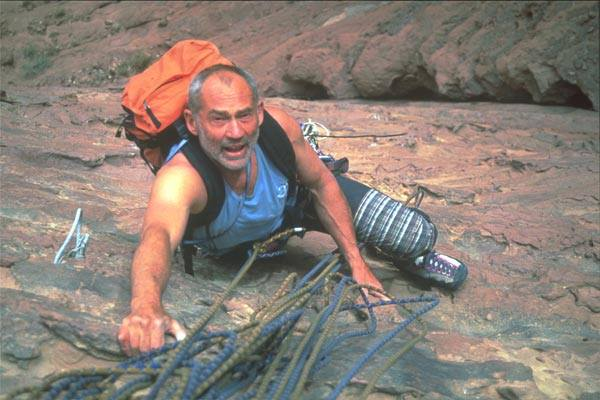
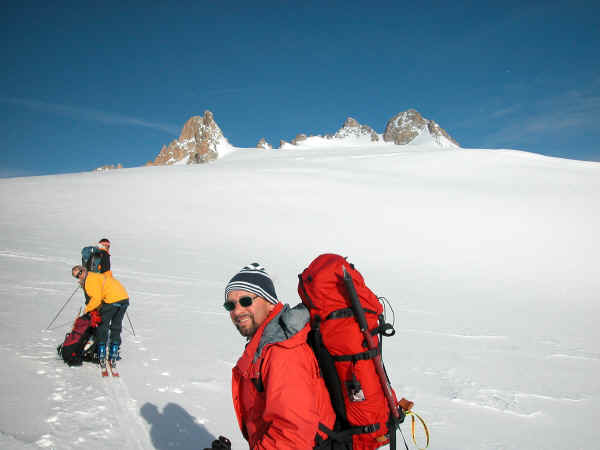
It is a pleasure for me to send you a photo for the DoctorsHobbies.com web. It has been shot in the Wallis Alps in the area of Trento.

My environmental activities consist of two groups, the medical doctors of environmental protection and with energy politics at the medical doctors of social responsibility. We are working against atomic war.

Even if not every colleague can be active politically it seems to be important to be active in one or another form. Since our profession still receives a lot of respect and doors open more easily we can achieve something!

Besides this I play tennis, sometimes also Alp Horn (!), I am singing as bass in the Basel Vocal Ensemble and I go jogging, apart from the mountain climbing. As founder and member of the Basel “association for medical cooperation” I visit our partner hospitals in Serbia and Zambia on a yearly basis and teach there. 

An actual project is to supply 70 egyptian hospitals with x-ray equipment. My special task is to assure not only the correct installation of the machines but also the correct use by the staff!

Hoping that these informations are useful I send my warmest greetings

Andreas Nidecker

Prof. Dr. med. A. Nidecker
Universität Basel

Thank you, Prof. Nidecker!
This nice e-mail with information about your NON-medical activities is perfectly the spirit of DoctorsHobbies.com

Let us hope many others will think and act the same way!
Yours

Wolfgang E.