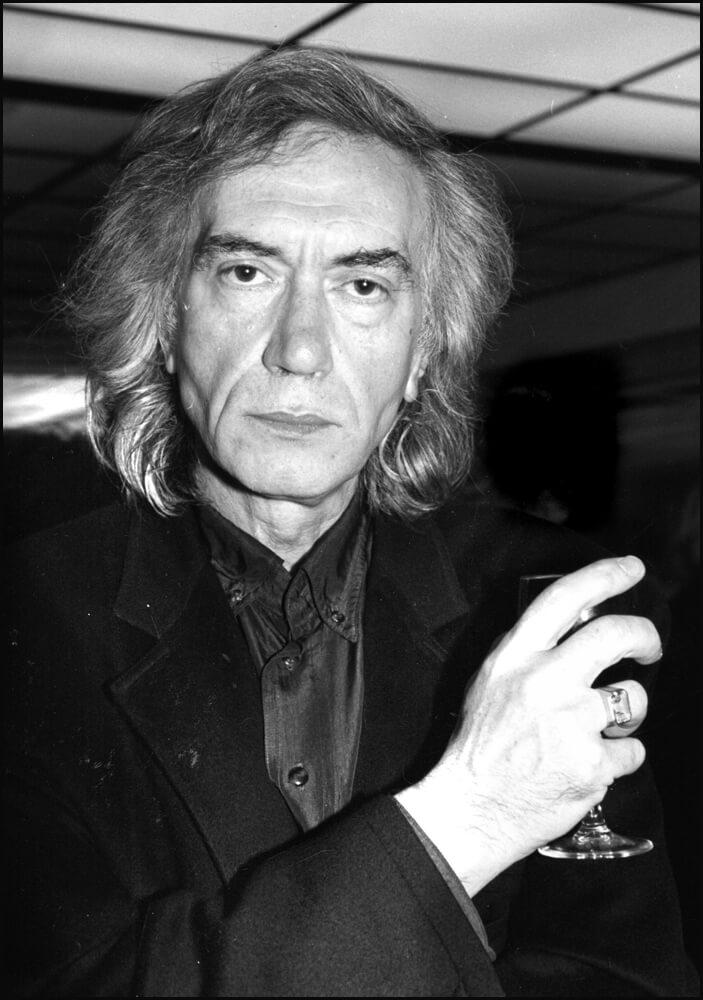
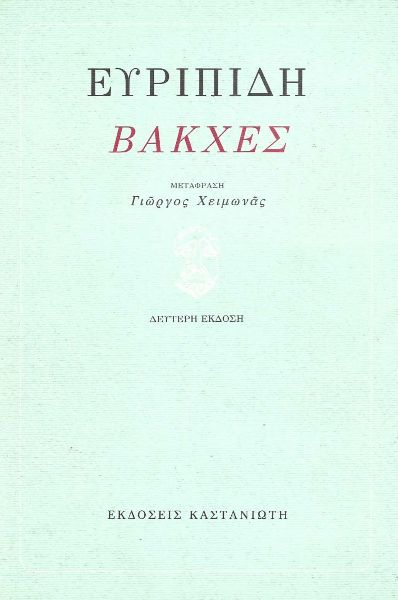
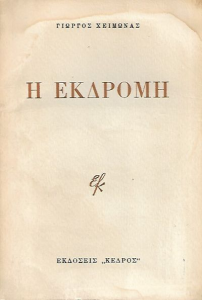
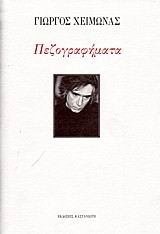
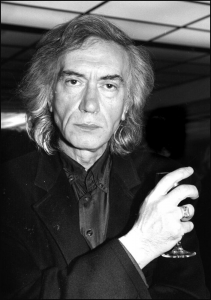
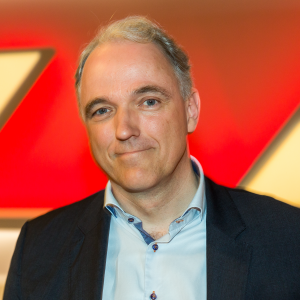
Giorgos Chimonas (Kavala, March 17, 1938 – Paris, February 27, 2000) was a Greek prose writer, translator and psychiatrist who became known and distinguished in the field of Greek literature in the 1960s.
Giorgos Himonas was born in Kavala in 1938 and grew up in Thessaloniki. There he studied medicine. He continued his studies in Paris, specializing in psychiatry and neurolinguistics. After completing his studies, he returned to Greece and lived in Athens.
In 1960, he published his first book, Peisistratos. He worked in prose, translation, and essay writing. He was married to the playwright Loula Anagnostaki, and together they had a son, the writer Thanasis Heimonas. He died on February 27, 2000, in Paris at the age of 61. He was buried in the First Cemetery of Athens.
His writings explore the inner aspects of consciousness in a psychoanalytic manner and are characterized by their modern style and many elements borrowed from the anti-novel, such as a flat writing style and the absence of dialogue. Professor Linos Politis describes him as “a writer who is not easy to understand.”
There is no doubt, in my opinion, that Giorgos Himonas embodies the purest and at the same time sharpest modernist spirit of modern Greek prose. His wild imagination, his fragmentary syntax, his broken words, the incessant, dreamlike flow of his sentences, but also his paranoid, demented, or even inherently aphasic expression. These characterize his work from the first moment to the last page, not only subverting numerous narrative conventions but also establishing a permanent and profound literary experimentation on his part. [2] From whatever perspective we view his work and however we understand his language, his images, and his human forms, Heimonas is a convinced modernist who subjects things to multiple tests: from overcoming sequence, rational expression, and regulated (universally accepted and recognizable) meaning to disrupting the inductive order, but also releasing the unconscious with the consequent displacement and burial of the subject. There are certainly not many prose writers in post-war Greece who adhere so passionately to the dictates of formalism. Himonas transforms his texts into a mirror of his writing workshop, taking care to place all materials on a free-floating trajectory. Metaphorical transcendences and historical references, delusional monologues and an inner concentration laden with the speeches and phrases of others (on an ego inflamed by archaic passions and mystical fears or visions), incessant reversals and relapses of an always pretentious plot, unexpected (imaginary and apocalyptic) explosions of an apparently diffuse and perforated plot, surprising metonymies, and games of dazzling reflections through the intense interweaving of identities and heteroidentities make Heimonas’s prose resemble a lonely island in the vast sea, a literary act identified with a relentless struggle—the struggle to eliminate any regularity of meaning, to deprive its reception and acceptance of any legitimacy. And such an attitude naturally results in writing emerging as a concept without any genre label and assuming its function as a completely reduced and at the same time autonomous means of investigating the conditions of the production and creation of art in a regime of complete questioning.
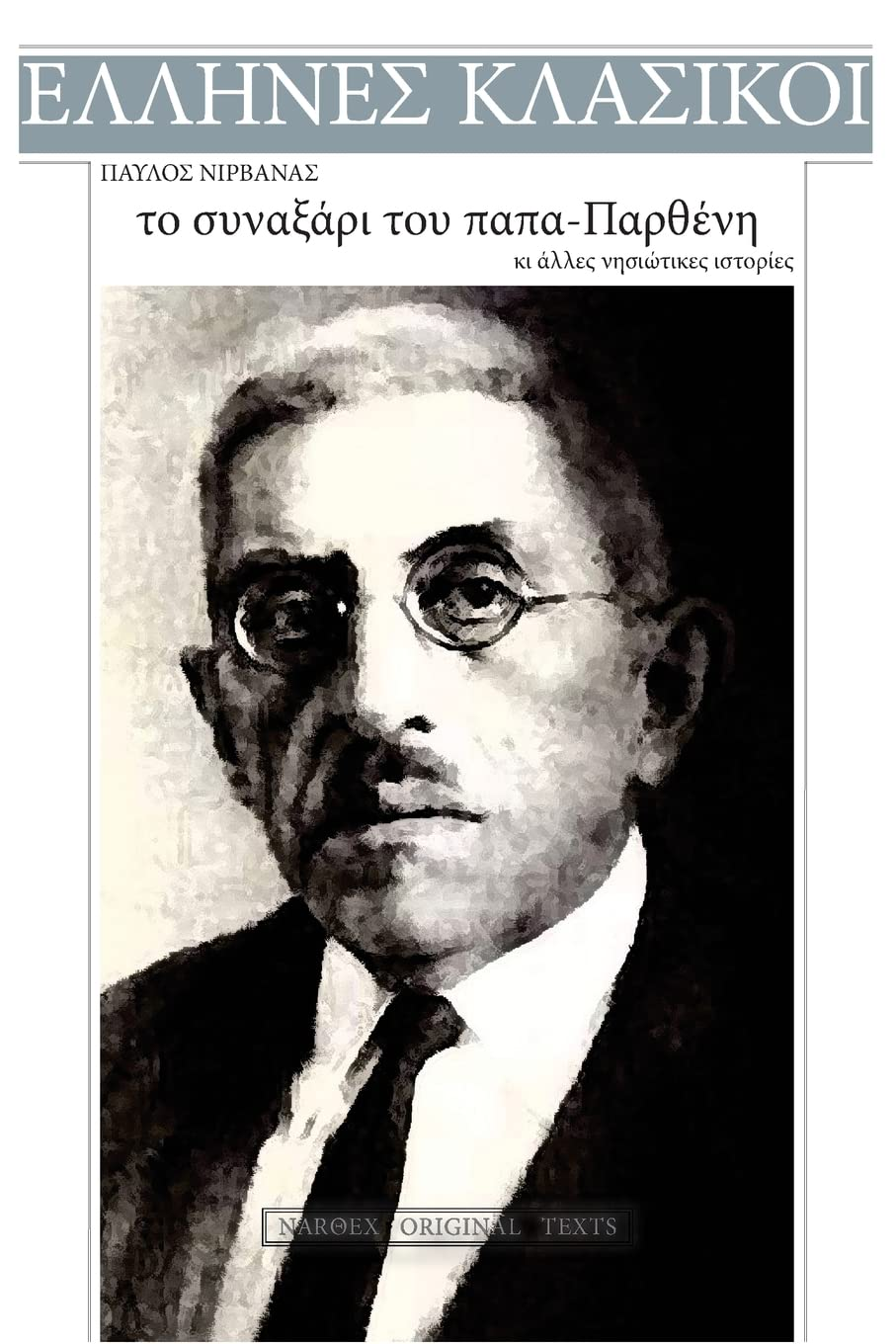
Pavlos Nirvanas (Greek: Parasloός Niρβάνας, * 1866 in Mariupol, Russian Empire; † 28 November 1937 in Athens, Greece) was a Greek writer whose real name was Petros K. Apostolidis.
Nirvanas’ father came from Skopelos, his mother from Chios. As a child, Pavlos Nirvanas moved from his then Russian hometown to Greece and lived in Piraeus. He studied medicine at the University of Athens and graduated in 1890. He joined the Navy and rose to the rank of senior physician (γενικός αρχίατρος). He left the service in 1922. He also worked as a journalist and was a member of the Academy of Athens from 1928. Although not born on Skopelos himself, he considered the Aegean island his home throughout his life.
https://www.youtube.com/watch?v=oCW4O7uO0BI
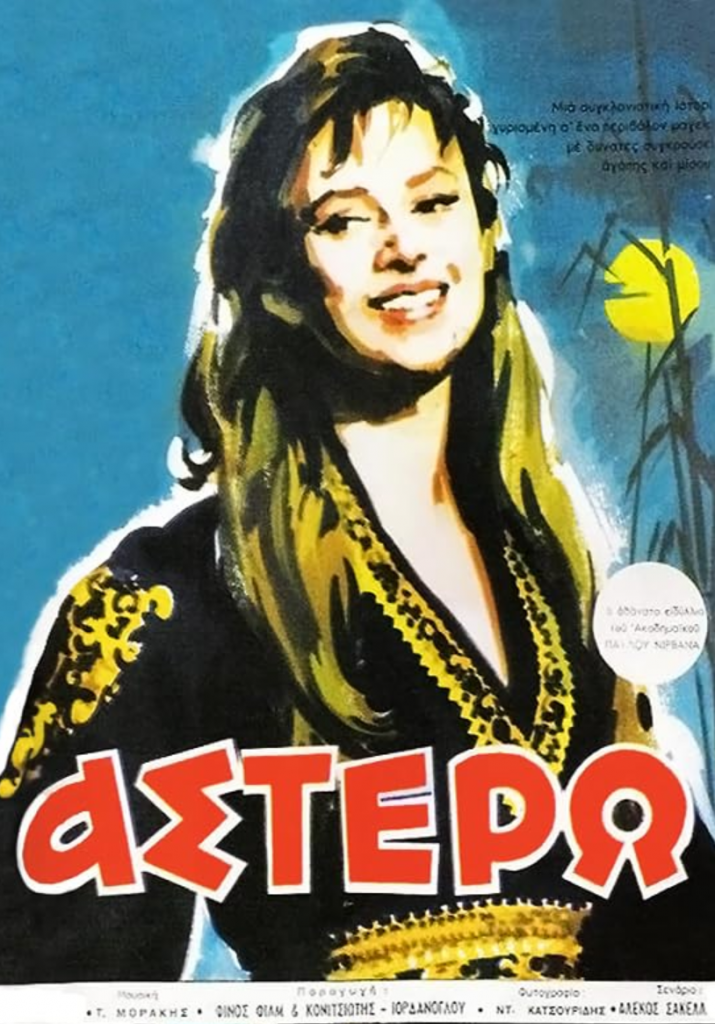
In a village in the Peloponnese, on the slopes of Mount Helmos, lives Astero, the beloved daughter of Lord Mitros, who falls in love with his son Thymios. However, Grandfather Mitros decides to marry his son to the rich Tselingo girl Maro, and Astero to the wealthy landowner Thanos. His wife Stamatina also contributes to this with her machinations. On their wedding day, however, Astero loses his mind and runs away, while Thymios goes off to search for her. Thymios’ father is filled with remorse, especially when the village elders remind him that he owes everything he has created to the Asteros estate, which he has exploited…
Pavlos Nirvanas explored almost all genres of literature: he wrote short stories, dramas, poems, essays, critiques, novels, satires, and contemporary historical texts; he also worked as a translator. He published his first volume of poetry in 1884. Of literary-historical significance, however, are less the poems in Nirvanas’s oeuvre than the richness of the work itself and certain individual works, such as the Linguistic Autobiography (Γλωσσική Αυτοβιογραφία) from 1905, in which Nirvanas takes a position on the Greek linguistic dispute.
In a first-person narrative, he describes the career of a young man who increasingly succumbs to the fascination of the standard language and rises to become an extremely atticized scholar. Even though his learned speeches are understood by few, he is admired for his expressive abilities. Only the encounter with some beautiful girls from the people makes him doubt his linguistic world view, because instead of ῥῖ�ες (rínes), ὄμματα (ómmata), ὦτα (óta) and χεῖρες (chíres) – in German something like: heads, faces, facial bays… –[1] he suddenly only sees in his mind their delicate μύτες (mýtes), μάτια (mátja), αυτιά (aftjá) and χέρια (chérja) – completely “natural” noses, eyes, ears and hands – and as a result he turns away from the madness of the standard language.
Pavlos Nirvanas was awarded for his literary work in 1923.
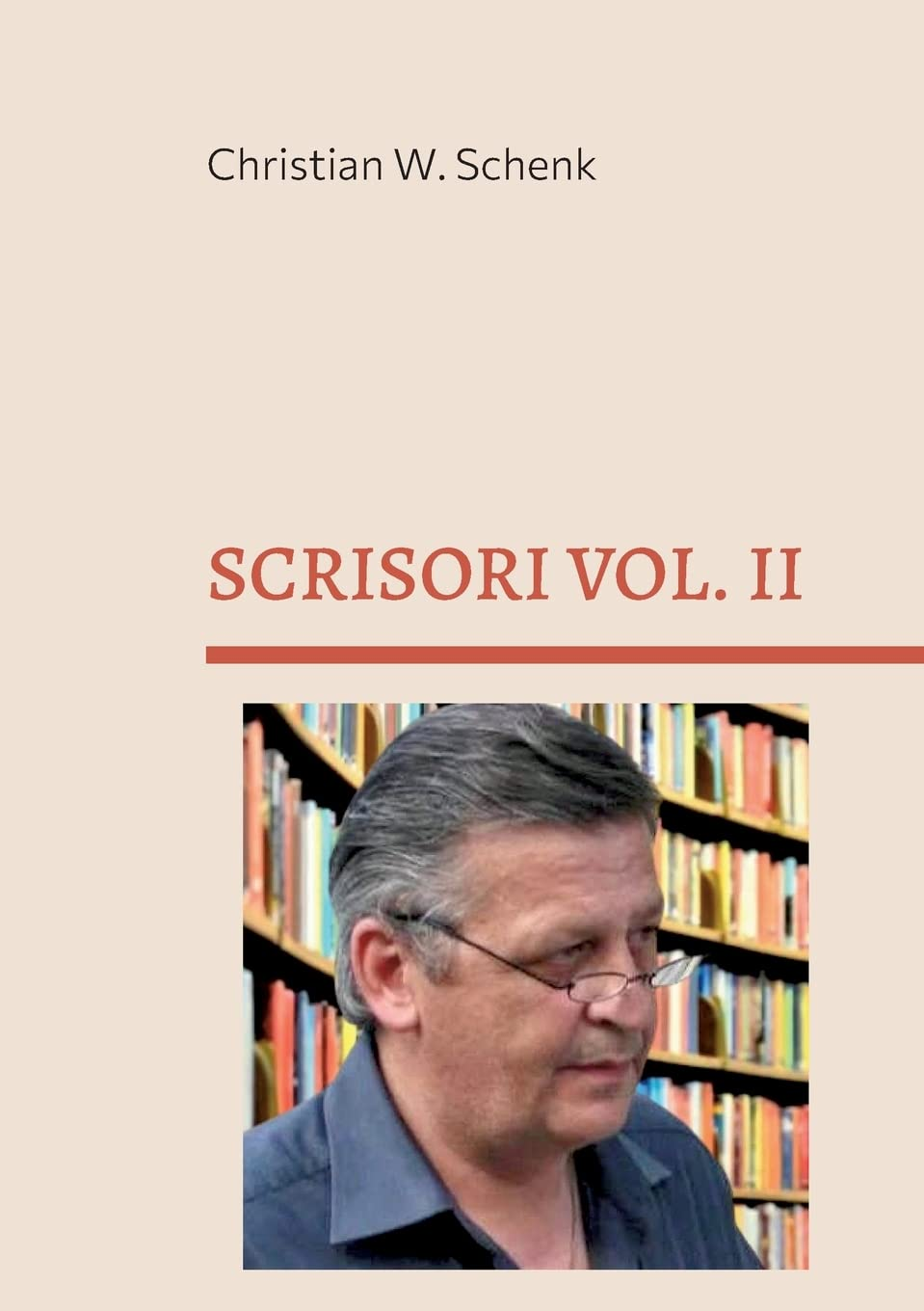
Christian Wilhelm Schenk (born November 11, 1951 in Brașov, People’s Republic of Romania) is a German physician, poet, essayist, translator, and publisher from the Transylvanian Saxon community.
Christian W. Schenk grew up in a small mining settlement near Brașov and was raised trilingually (German, Hungarian, and Romanian). His father is German, his mother Hungarian.
At the end of the 1950s, he made his first attempts at poetry, which led to his first publication in 1961: a poem in the children’s magazine Luminita (Bucharest) under the guidance of the Romanian poet Tudor Arghezi, who was his mentor from 1959 to 1965. His second mentor from 1964 to 1969 was the Transylvanian poet Vasile Copilu-Cheatră.
He attended elementary school in his hometown from 1958 to 1962 and in Wolkendorf from 1962 to 1966. Schenk attended high school in Zeiden, with interruptions, from 1971 to 1973. In between, he supported himself with odd jobs as a projectionist, weaver, or wage laborer. In 1974, he obtained his Abitur (university entrance qualification).
In 1976, Schenk left Romania and emigrated to Germany. Here, he had to retake the Abitur (university entrance qualification) in Wiehl in the Oberbergisches Land region in order to obtain university entrance qualifications in Germany. From 1977 to 1980, he first completed an apprenticeship as a dental technician in Koblenz and then studied medicine/dentistry at the Johannes Gutenberg University in Mainz from 1980 to 1986. In 1985, he received his doctorate in medicine from the same university with a thesis on “The Situation of Severely Disabled People in Working Life.” From 1986 to 1988, Schenk completed the mandatory years of training for health insurance accreditation in Lünen. Starting in 1988, he opened his own practice in Kastellaun. Today, Schenk lives in Boppard.
In 1986, as editor-in-chief of the quadrilingual magazine “Romanian Convergences,” of which he was editor-in-chief from 1984 to 1986, Schenk protested against the demolition of entire cities and cultural sites under dictator Nicolae Ceaușescu, which he described as “urbanization plans.” As a result, he was declared “persona non grata” in Romania, with a lifetime ban from entering the country. He continued to write and translate, but his work was recognized only in the West and among the diaspora. After 1989, he was rehabilitated. He received various awards from the government of the time, including the Presidential Certificate.
Through his memberships in the Association of German Writers, the Romanian Writers’ Association, the Union Mondiale des Écrivains Médecins, the American Romanian Academy of Arts and Sciences (ARA), the Romanian Writers’ Association of Physicians, the Academy of Sciences, Literature, and Culture in Bihor, the Hesperus Society, the Balkan Romance Studies Association, and the South-East European Society, Schenk has been striving for decades to deepen East-West cultural relations. The Dionysos Literature and Theater Publishing House (Kastellaun), which he founded, is also dedicated to this task.
For his outstanding contributions to East-West cultural relations and his own work, Schenk was nominated as an honorary citizen of the university city of Cluj-Napoca in 2000, and in 2006 as a “Knight of the Danubian Order” in Galați on the Danube.
May 2010 – Certificate of Chinese Proficiency (new HSK level 4 – European CEF level B2) Score 201 May 2009 – Certificate of Chinese Proficiency HSK Test (Basic) – Score 173 (B) 2009-2010 Chinese language course (elementary), www.guavatalk.com) 2008-2009 Chinese language course (basic) 1981 – Scientific High School Diploma (56/60) (English language and literature being subject of the examination) German Language Study (Deutsch Institut, Via Cerino Zegna, 14 BIELLA (BI) Tel/Fax +39-015-20.307)
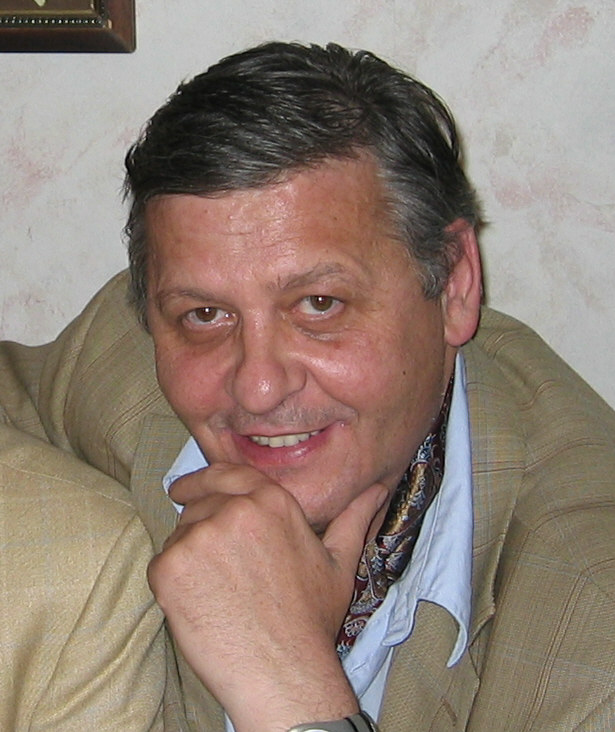
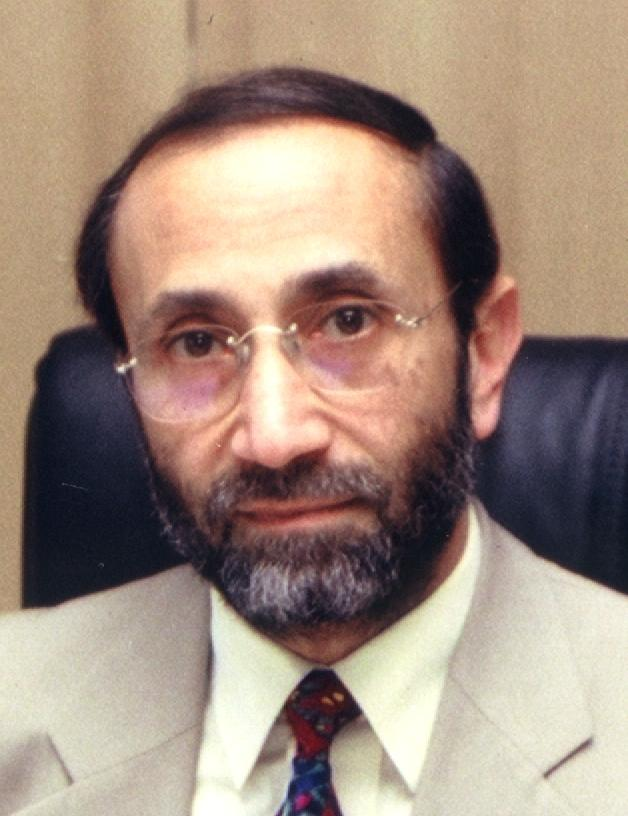
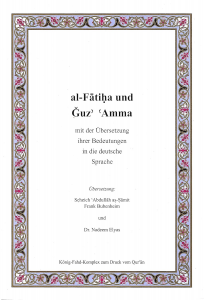
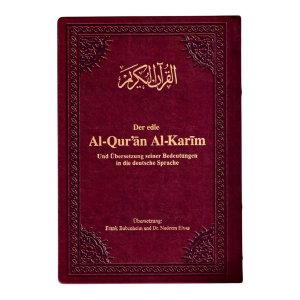
Nadeem Elyas (Arabic: Nadīm Ilyās; born September 1, 1945 in Mecca) is a Saudi Arabian Islamic scholar and physician. He served as chairman of the Central Council of Muslims in Germany from 1994 to 2006.
Elyas is a Sunni Muslim of Hanafi persuasion. Elyas left Saudi Arabia in 1964, studied medicine and Islamic studies in Germany, and practiced as a gynecologist. He lives in Eschweiler (North Rhine-Westphalia), is married, and has four children, including the comedian Ususmango, who became known as part of the comedy ensemble RebellComedy.
He was Secretary General of the Union of Muslim Student Organizations in Europe and spokesman for the Islamic Center Aachen, which is under surveillance by the Federal Office for the Protection of the Constitution.[2][3] He is a founding member and board member of the Islamic Cooperation Council in Europe and a partner in working groups and advisory boards such as the Islamic-Christian Working Group, the Intercultural Council and the Round Table of Religions. Between 1993 and 1996, he trained his later successor, Aiman Mazyek, in his Islamic studies program.[4] The “Islamic Charter”[5] – a declaration of principles by the Central Council of Muslims in Germany (ZMD) on the relationship between Muslims and the state and society – was presented to the public under his chairmanship. In the 2005 kidnapping of the German archaeologist Susanne Osthoff, Elyas offered to exchange her for the hostage.
Born in 1945 in Mecca, Saudi Arabia, living in Germany since 1964. Medical studies in Frankfurt, specialist training in gynecology, obstetrics, and cytology in Bad Soden, Krefeld, and Aachen. Parallel studies in Islamic studies.
Functions: Former Chairman of the Central Council of Muslims in Germany (ZMD) since 1995 and long-time spokesperson for the preliminary committee of the Islamic Working Group in Germany. Former Secretary General of the Union of Muslim Student Organizations in Europe (UMSO). Council member of the Islamic Center Aachen (IZA). Founding and board member of the Islamic Cooperation Council in Europe. Initiator of the nationwide Open Mosque Day. General Commissioner of the Islamampavillon at EXPO 2000 in Hanover.
Member of the Intercultural Council in Germany. Member of the Supporters’ Circle of the Alliance for Democracy and Tolerance. Member of the Alliance for Tolerance and Civil Courage Member of the Forum Against Racism and the Network Against Racism
Member of the Advisory Board for Overcoming Xenophobia, Racism, and Violence – Working Group of Christian Churches in Germany (ACK) Member of the Ecumenical Preparatory Committee for the Week of Foreign Citizens Co-initiator and member of the Mainz Round Table of Religions Member of the Christians and Muslims Discussion Group at the Central Committee of German Catholics Co-founder of the Abrahamic Forums in Germany
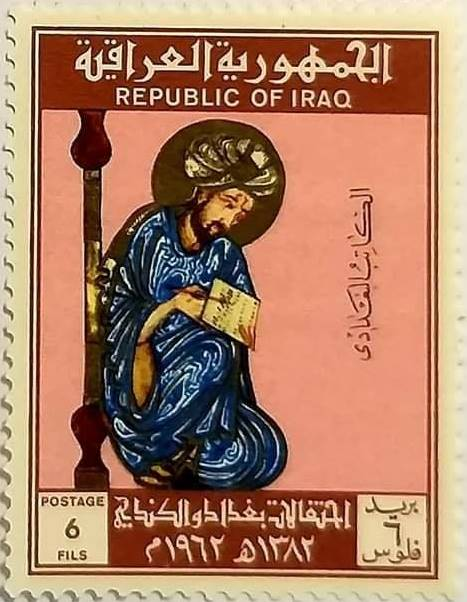
Al-Kindi was born in Kufa and educated in Baghdad.[7] He became a prominent figure in the House of Wisdom, and a number of Abbasid Caliphs appointed him to oversee the translation of Greek scientific and philosophical texts into the Arabic language. This contact with “the philosophy of the ancients” (as Hellenistic philosophy was often referred to by Muslim scholars) had a profound effect on him, as he synthesized, adapted and promoted Hellenistic and Peripatetic philosophy in the Muslim world.[8] He subsequently wrote hundreds of original treatises of his own on a range of subjects ranging from metaphysics, ethics, logic and psychology, to medicine, pharmacology,[9] mathematics, astronomy, astrology and optics, and further afield to more practical topics like perfumes, swords, jewels, glass, dyes, zoology, tides, mirrors, meteorology and earthquakes.
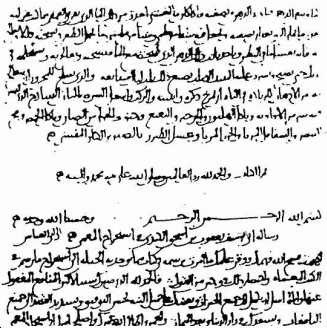
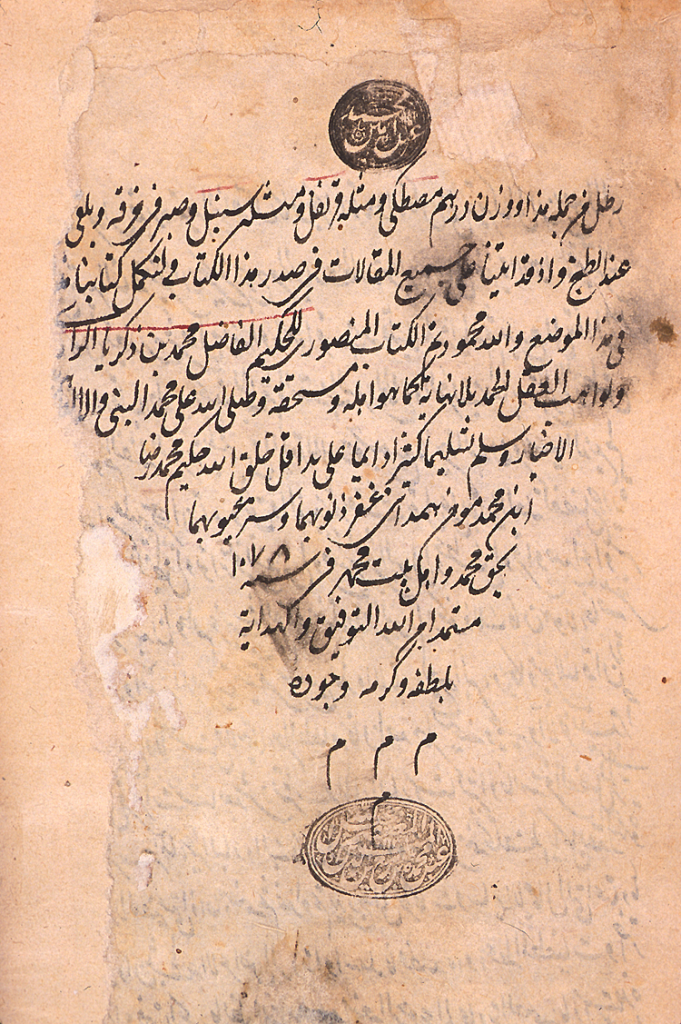
Die erste Seite al-Kindīs Manuskript über die Kryptanalyse
In the field of mathematics, al-Kindi played an important role in introducing Hindu numerals to the Islamic world, and their further development into Arabic numerals along with al-Khwarizmi which eventually was adopted by the rest of the world.[12] Al-Kindi was also one of the fathers of cryptography.[13][14] Building on the work of al-Khalil (717–786),[15] Al-Kindi’s book entitled Manuscript on Deciphering Cryptographic Messages gave rise to the birth of cryptanalysis, was the earliest known use of statistical inference,[16] and introduced several new methods of breaking ciphers, notably frequency analysis.[17][18] He was able to create a scale that would enable doctors to gauge the effectiveness of their medication by combining his knowledge of mathematics and medicine.
The central theme underpinning al-Kindi’s philosophical writings is the compatibility between philosophy and other “orthodox” Islamic sciences, particularly theology, and many of his works deal with subjects that theology had an immediate interest in. These include the nature of God, the soul and prophetic knowledge.[
Al-Kindi is credited with developing a method whereby variations in the frequency of the occurrence of letters could be analyzed and exploited to break ciphers (i.e. cryptanalysis by frequency analysis).[18] His book on this topic is Risāla fī Istikhrāj al-Kutub al-Mu’ammāh (رسالة في استخراج الكتب المعماة; literally: On Extracting Obscured Correspondence, more contemporarily: On Decrypting Encrypted Correspondence). In his treatise on cryptanalysis, he wrote:
One way to solve an encrypted message, if we know its language, is to find a different plaintext of the same language long enough to fill one sheet or so, and then we count the occurrences of each letter. We call the most frequently occurring letter the “first”, the next most occurring letter the “second”, the following most occurring letter the “third”, and so on, until we account for all the different letters in the plaintext sample. Then we look at the cipher text we want to solve and we also classify its symbols. We find the most occurring symbol and change it to the form of the “first” letter of the plaintext sample, the next most common symbol is changed to the form of the “second” letter, and the following most common symbol is changed to the form of the “third” letter, and so on, until we account for all symbols of the cryptogram we want to solve
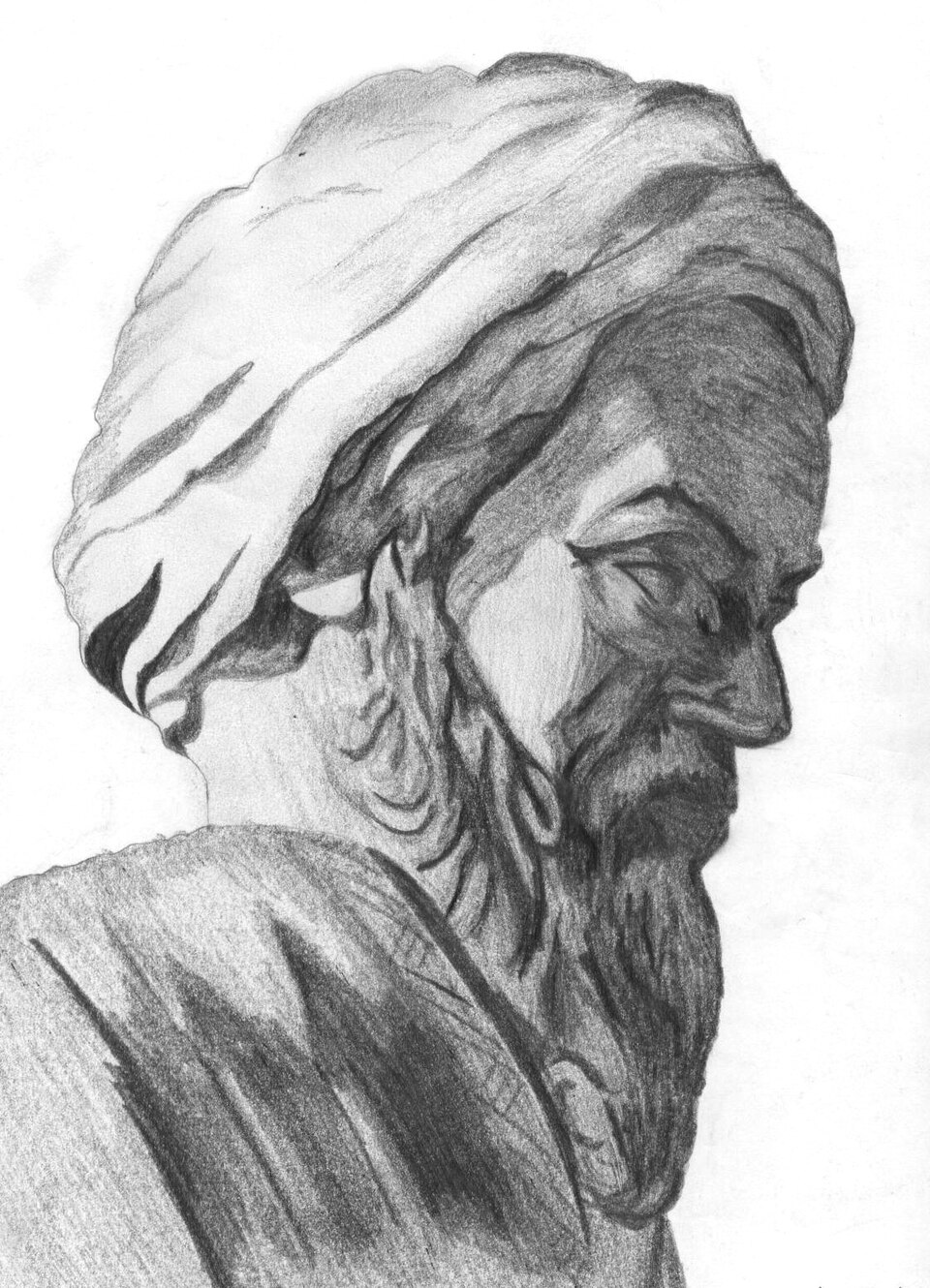
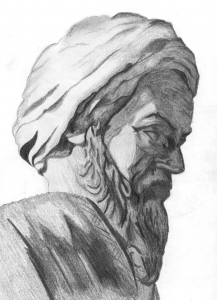
Abū Bakr al-Rāzī, also known as Rhazes[a] (full name: أبو بکر محمد بن زکریاء الرازي, Abū Bakr Muḥammad ibn Zakariyyāʾ al-Rāzī),[b] c. 864 or 865–925 or 935 CE,[c] was a Persian physician, philosopher and alchemist who lived during the Islamic Golden Age. He is widely regarded as one of the most important figures in the history of medicine,[1] and also wrote on logic, astronomy and grammar.[2] He is also known for his criticism of religion, especially with regard to the concepts of prophethood and revelation. However, the religio-philosophical aspects of his thought, which also included a belief in five “eternal principles”, are fragmentary and only reported by authors who were often hostile to him.[3]
A comprehensive thinker, al-Razi made fundamental and enduring contributions to various fields, which he recorded in over 200 manuscripts, and is particularly remembered for numerous advances in medicine through his observations and discoveries.[4] An early proponent of experimental medicine, he became a successful doctor, and served as chief physician of Baghdad and Ray hospitals.[5][6] As a teacher of medicine, he attracted students of all backgrounds and interests and was said to be compassionate and devoted to the service of his patients, whether rich or poor.[7] Along with Thabit ibn Qurra (836–901), he was one of the first to clinically distinguish between smallpox and measles.[8]
Through translation, his medical works and ideas became known among medieval European practitioners and profoundly influenced medical education in the Latin West.[5] Some volumes of his work Al-Mansuri, namely “On Surgery” and “A General Book on Therapy”, became part of the medical curriculum in Western universities.[5]Edward Granville Browne considers him as “probably the greatest and most original of all the Muslim physicians, and one of the most prolific as an author”.[9] Additionally, he has been described as the father of pediatrics,[10][11] and a pioneer of obstetrics and ophthalmology.[12]
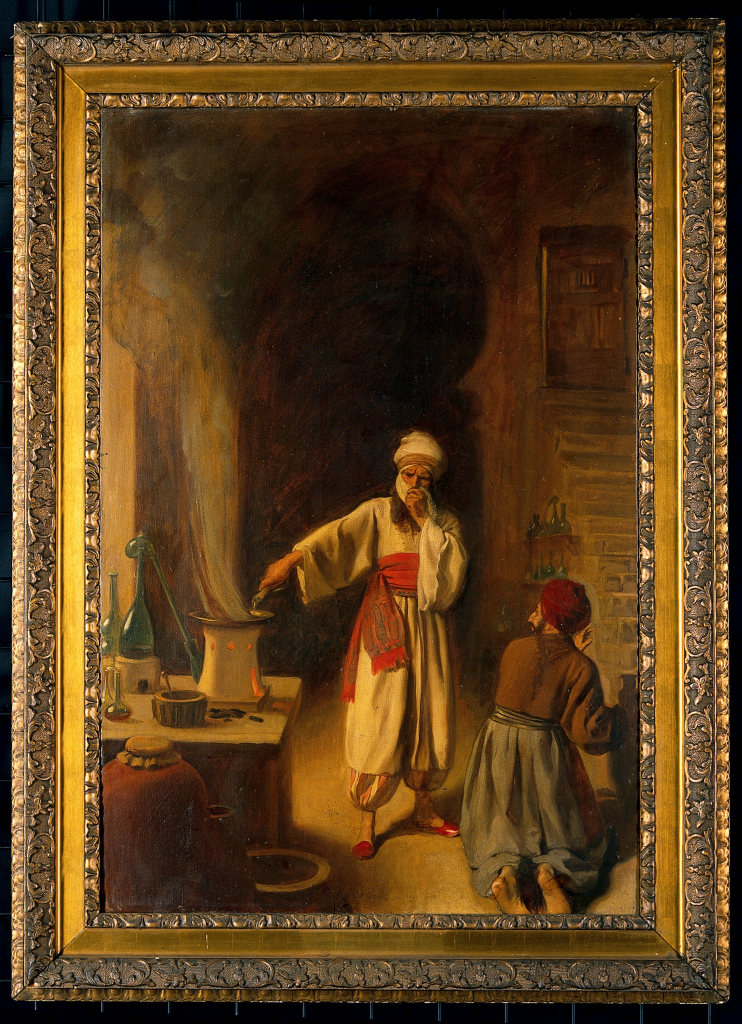
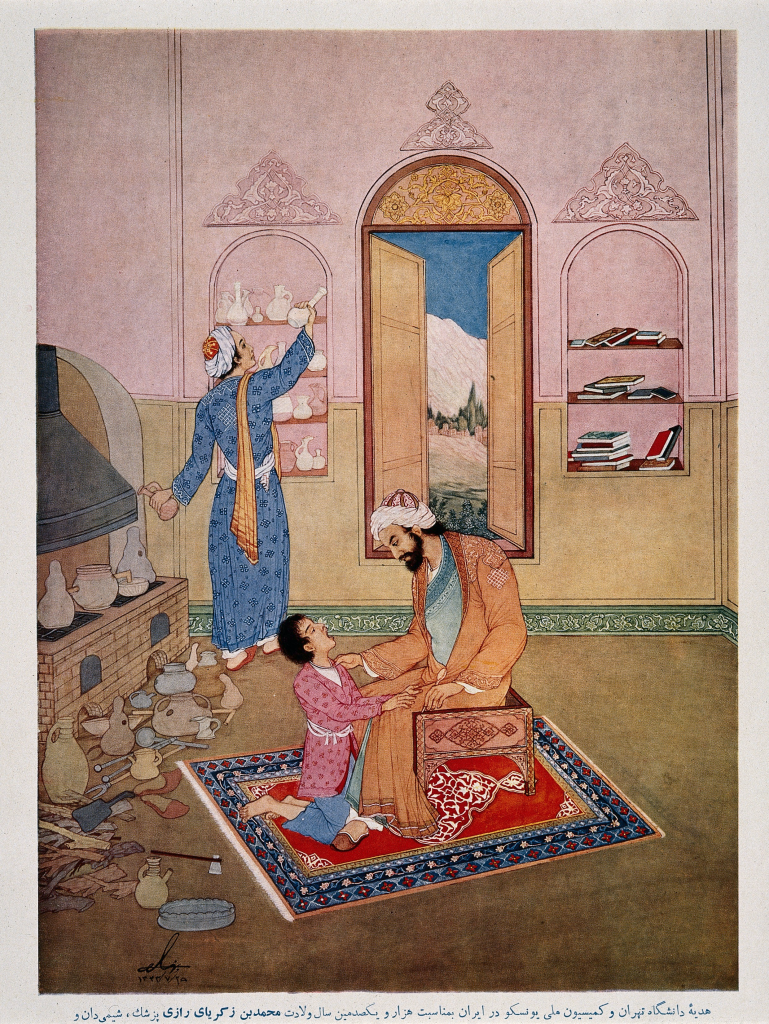
al-Razi in his laboratory (orientalist painting by Ernest Board, c. 1912)
Al-Razi was born in the city of Ray (modern Rey, also the origin of his name “al-Razi”),[13] into a family of Persian stock and was a native speaker of Persian language.[14] Ray was situated on the Great Silk Road that for centuries facilitated trade and cultural exchanges between East and West. It is located on the southern slopes of the Alborz mountain range situated near Tehran, Iran.
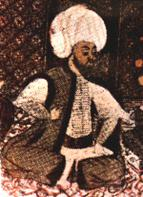
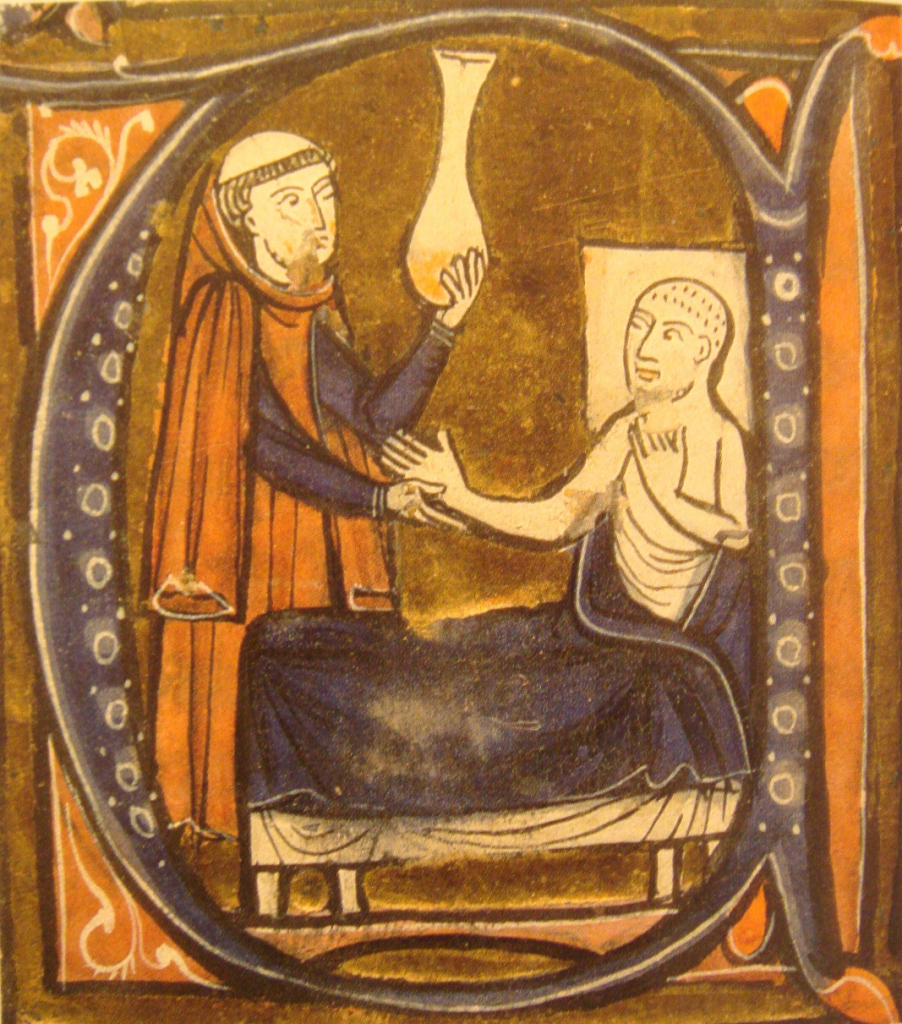
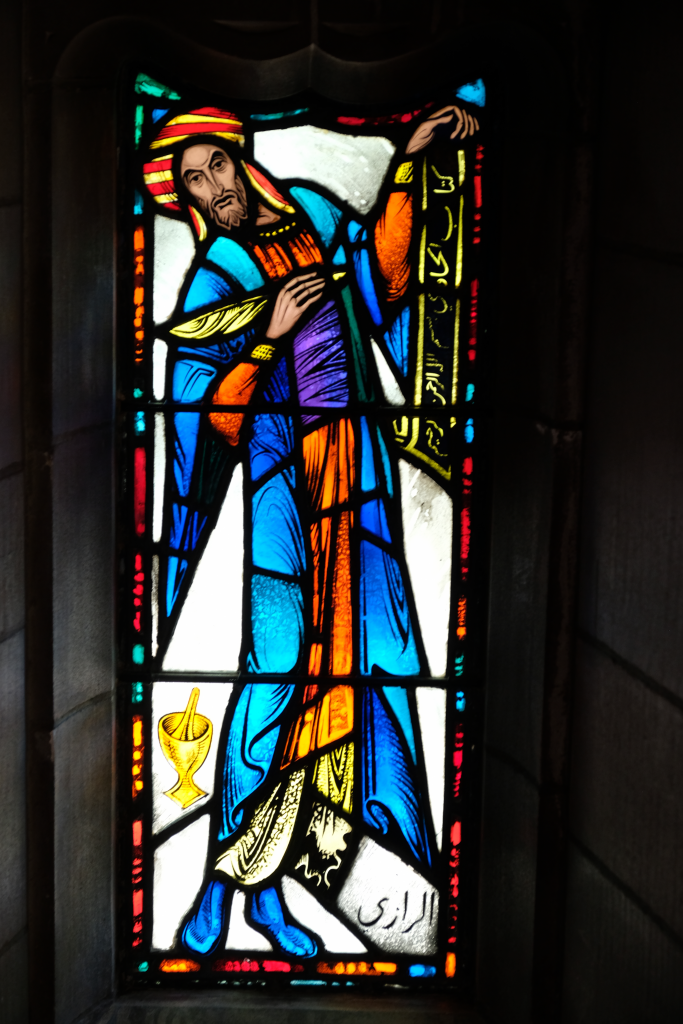
Depiction of al-Razi in a 13th-century manuscript of a work by Gerard of Cremona
In his youth, al-Razi moved to Baghdad where he studied and practiced at the local bimaristan (hospital). Later, he was invited back to Rey by Mansur ibn Ishaq, then the governor of Ray, and became a bimaristan’s head.[5] He dedicated two books on medicine to Mansur ibn Ishaq, The Spiritual Physic and Al-Mansūrī on Medicine.[5][15][16][17] Because of his newly acquired popularity as physician, al-Razi was invited to Baghdad where he assumed the responsibilities of a director in a new hospital named after its founder al-Muʿtaḍid (d. 902 CE).[5] Under the reign of Al-Mutadid’s son, Al-Muktafi (r. 902–908) al-Razi was commissioned to build a new hospital, which should be the largest of the Abbasid Caliphate. To pick the future hospital’s location, al-Razi adopted what is nowadays known as an evidence-based approach suggesting having fresh meat hung in various places throughout the city and to build the hospital where meat took longest to rot.[18]
al-Razi examining a patient (miniature painting by Hossein Behzad, 1894–1968)
He spent the last years of his life in his native Rey suffering from glaucoma. His eye affliction started with cataracts and ended in total blindness.[19] The cause of his blindness is uncertain. One account mentioned by Ibn Juljul attributed the cause to a blow to his head by his patron, Mansur ibn Ishaq, for failing to provide proof for his alchemy theories;[20] while Abulfaraj and Casiri claimed that the cause was a diet of beans only.[21][22] Allegedly, he was approached by a physician offering an ointment to cure his blindness. Al-Razi then asked him how many layers does the eye contain and when he was unable to receive an answer, he declined the treatment stating “my eyes will not be treated by one who does not know the basics of its anatomy”.[23]
The lectures of al-Razi attracted many students. As Ibn al-Nadim relates in Fihrist, al-Razi was considered a shaikh, an honorary title given to one entitled to teach and surrounded by several circles of students. When someone raised a question, it was passed on to students of the ‘first circle’; if they did not know the answer, it was passed on to those of the ‘second circle’, and so on. When all students would fail to answer, al-Razi himself would consider the query. Al-Razi was a generous person by nature, with a considerate attitude towards his patients. He was charitable to the poor, treated them without payment in any form, and wrote for them a treatise Man La Yaḥḍuruhu al-Ṭabīb, or Who Has No Physician to Attend Him, with medical advice.[24] One former pupil from Tabaristan came to look after him, but as al-Biruni wrote, al-Razi rewarded him for his intentions and sent him back home, proclaiming that his final days were approaching.[25] According to Biruni, al-Razi died in Rey in 925 sixty years of age.[26] Biruni, who considered al-Razi his mentor, among the first penned a short biography of al-Razi including a bibliography of his numerous works.[26]
Ibn al-Nadim recorded an account by al-Razi of a Chinese student who copied down all of Galen‘s works in Chinese as al-Razi read them to him out loud after the student learned fluent Arabic in 5 months and attended al-Razi’s lectures.[27][28][29][30]
After his death, his fame spread beyond the Middle East to Medieval Europe, and lived on. In an undated catalog of the library at Peterborough Abbey, most likely from the 14th century, al-Razi is listed as a part author of ten books on medicine
Although al-Razi wrote extensively on philosophy, most of his works on this subject are now lost.[47] Most of his religio-philosophical ideas, including his belief in five “eternal principles”, are only known from fragments and testimonies found in other authors, who were often strongly opposed to his thought.
Al-Razi’s metaphysical doctrine derives from the theory of the “five eternals”, according to which the world is produced out of an interaction between God and four other eternal principles (soul, matter, time, and place).[49] He accepted a pre-socratic type of atomism of the bodies, and for that he differed from both the falasifa and the mutakallimun.[49] While he was influenced by Plato and the medical writers, mainly Galen, he rejected taqlid and thus expressed criticism about some of their views. This is evident from the title of one of his works, Doubts About Galen.
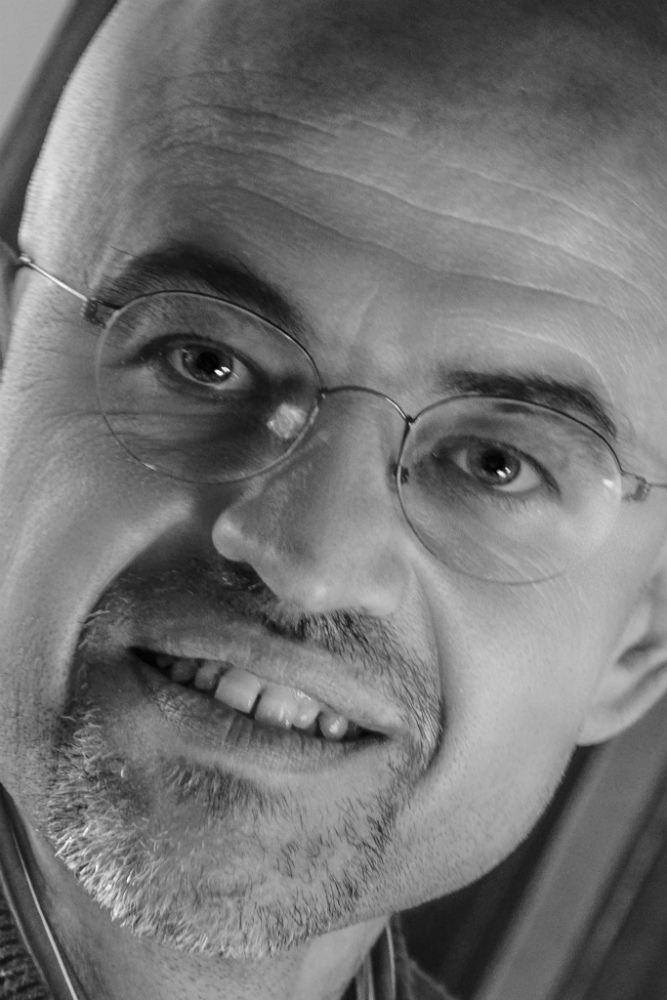
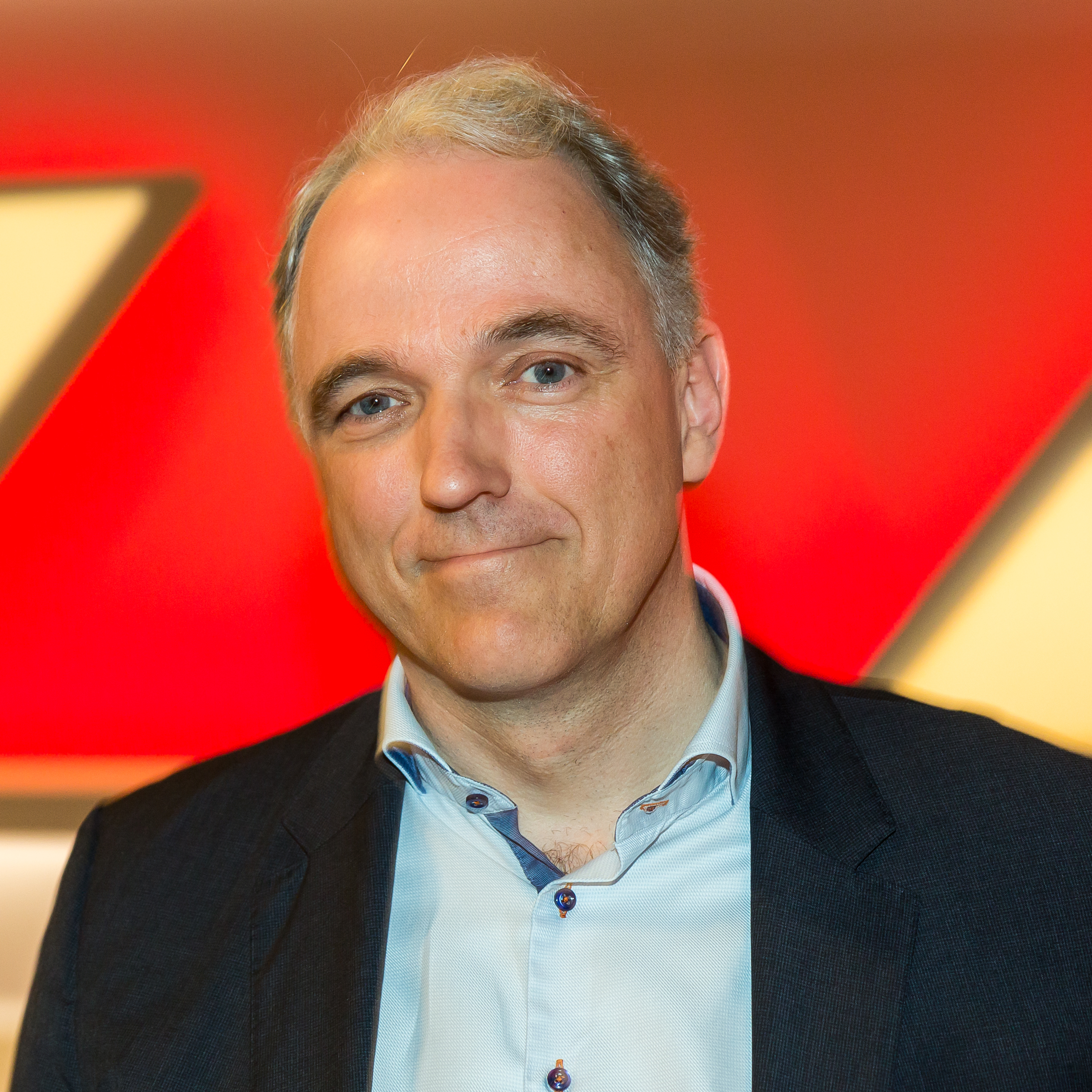
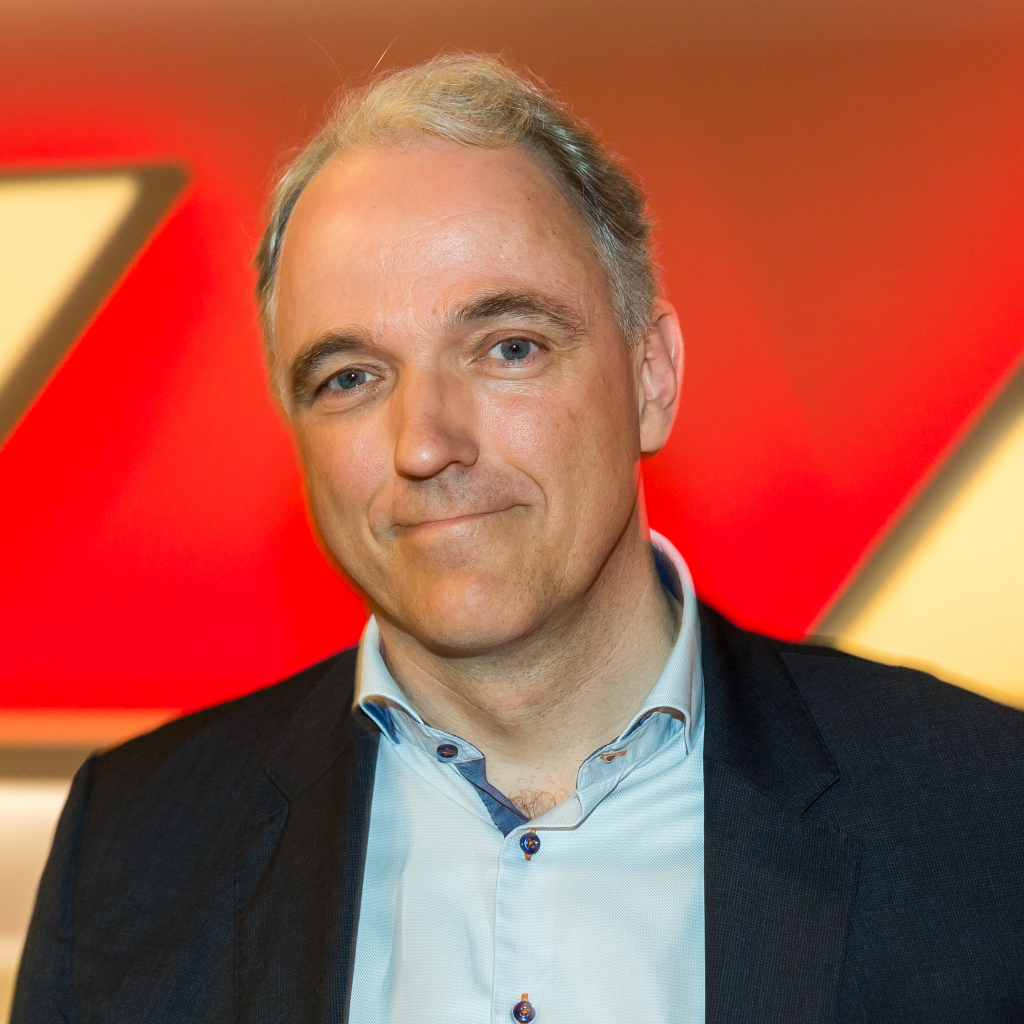
Werner Bartens (born 11 July 1966 in Göttingen) is a German physician, historian, science journalist and non-fiction author.
Werner Bartens was born the second child of Werner Bartens and his wife Luise, née Marienhagen, in Göttingen and grew up in Niedernjesa. He attended primary school in Reinhausen and then the Hainberg-Gymnasium in Göttingen, where he graduated from high school in 1985. From 1985 to 1993, Bartens studied medicine, history, and German at the universities of Giessen, Freiburg, Montpellier, and Washington D.C. In the fall of 1988, he completed a clinical internship in the emergency department at the Royal Infirmary in Cardiff, Wales. In 1991, he completed clinical internships at the University Hospital of Freiburg, the Urban Hospital in Berlin, and in cardiology at the Bad Krozingen rehabilitation center. In 1992, he received his medical degree and subsequently worked as a research fellow at the National Institutes of Health in Bethesda, Maryland.
In 1993 he passed the German state examination in medicine at the University of Freiburg and received his doctorate there in the same year under Christoph Wanner with a thesis on lipid metabolism disorders in nephrotic syndrome with special emphasis on lipoprotein(a). In 1995 he also received his master’s degree in history and German studies in Freiburg with a thesis supervised by Gerd Krumeich on racial theories in the 19th and 20th centuries.[1] After working as a doctor at the university hospitals in Freiburg and Würzburg, he held a fellowship at the Max Planck Institute for Immunobiology in the research group of Nobel laureate Georges Köhler. From 1997 onwards, Bartens worked as an author, translator, freelance journalist and editor for the Süddeutsche Zeitung, Die Zeit, Frankfurter Allgemeine Zeitung, die tageszeitung and the Badische Zeitung. Since 2005 he has been an editor in the science department of the Süddeutsche Zeitung, and since 2008 he has been editor-in-chief.
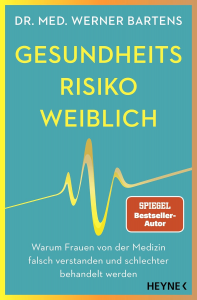
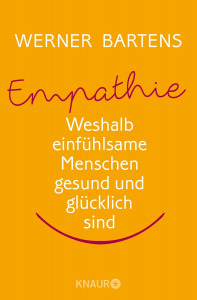
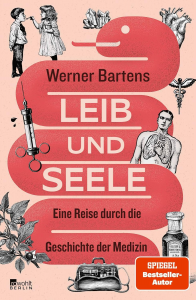
In addition to his journalistic work, he has published numerous books with a total circulation of 1 million copies, which have been translated into 14 languages. Some of them, such as “Body Happiness,” “The Doctor Hater Book,” and “The Encyclopedia of Medical Errors,” quickly became bestsellers, some of them remaining on the bestseller lists for months. He has received numerous journalism awards for his publications, including several Science Journalist of the Year awards.
He also became known to a wider public through appearances on talk shows on German and Austrian television.
Some time before 1514, Copernicus wrote an initial outline of his heliocentric theory known only from later transcripts, by the title (perhaps given to it by a copyist), Nicolai Copernici de hypothesibus motuum coelestium a se constitutis commentariolus—commonly referred to as the Commentariolus. It was a succinct theoretical description of the world’s heliocentric mechanism, without mathematical apparatus, and differed in some important details of geometric construction from De revolutionibus; but it was already based on the same assumptions regarding Earth’s triple motions. The Commentariolus, which Copernicus consciously saw as merely a first sketch for his planned book, was not intended for printed distribution. He made only a very few manuscript copies available to his closest acquaintances, including, it seems, several Kraków astronomers with whom he collaborated in 1515–30 in observing eclipses. Tycho Brahe would include a fragment from the Commentariolus in his own treatise, Astronomiae instauratae progymnasmata, published in Prague in 1602, based on a manuscript that he had received from the Bohemian physician and astronomer Tadeáš Hájek, a friend of Rheticus. The Commentariolus would appear complete in print for the first time only in 1878.[45]