Category Archives: architectDocs

  • -

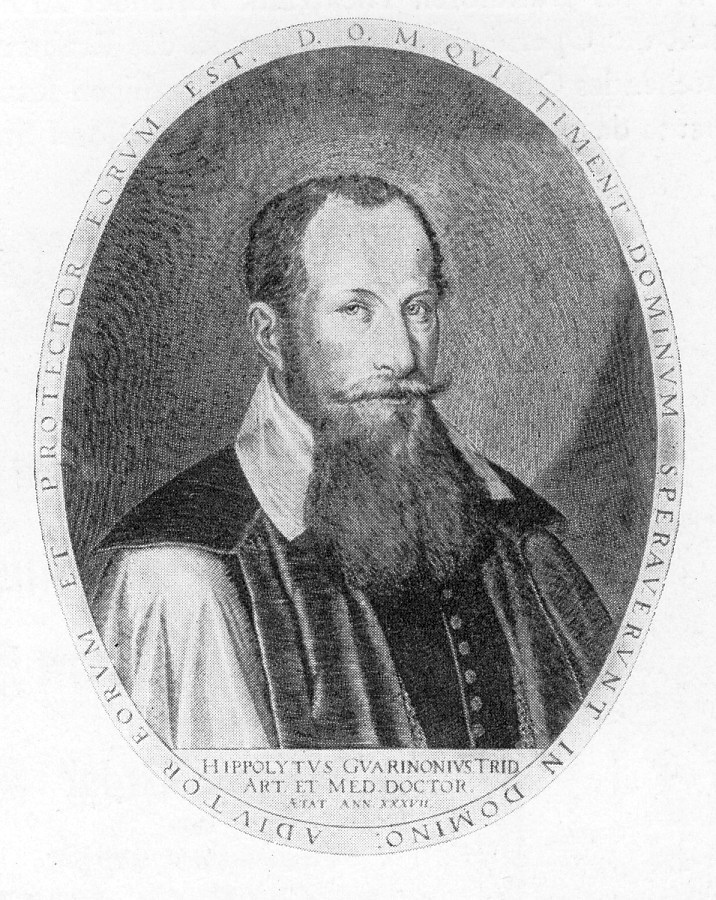
Ippolyt Guarinoni

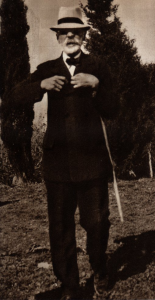
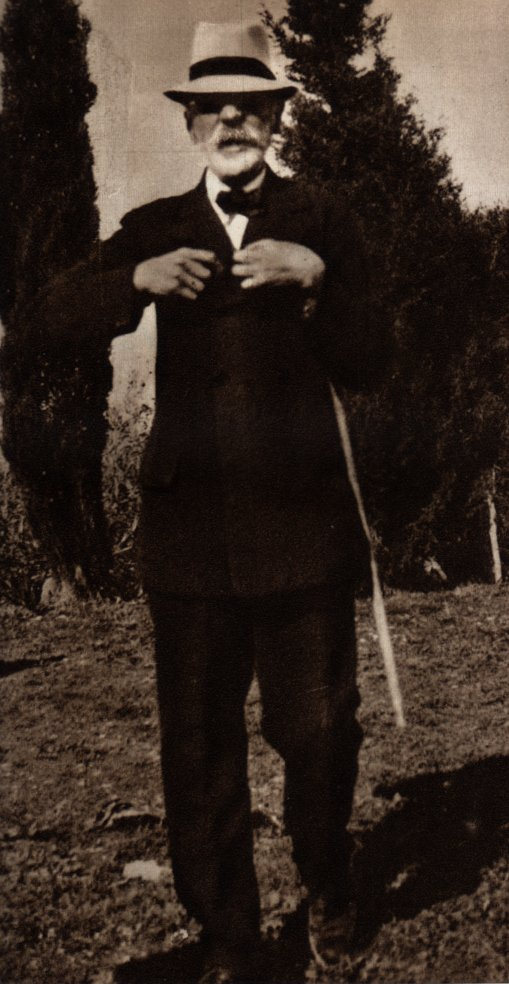
Hippolyt Guarinoni (also Ippolito Guarinoni and Hippolytus Guarinonius) (November 18, 1571 in Trento – May 31, 1654 in Hall in Tirol) was a physician and polymath who practiced in Hall. As a proponent of militant Catholicism, he was instrumental in the construction of St. Charles’s Church in Volders and founded the anti-Semitic Anderl von Rinn cult.

Hippolytus spent his childhood in Trento. He later moved with his father to Vienna and finally followed him to the court of Emperor Rudolf II in Prague in 1583, where he received a thorough and comprehensive education at the Jesuit Gymnasium there. The Jesuit education left a lasting impression on the inquisitive young man. From 1593 to 1597, Guarinoni studied medicine at the University of Padua; he also attended lectures in theology and philosophy.
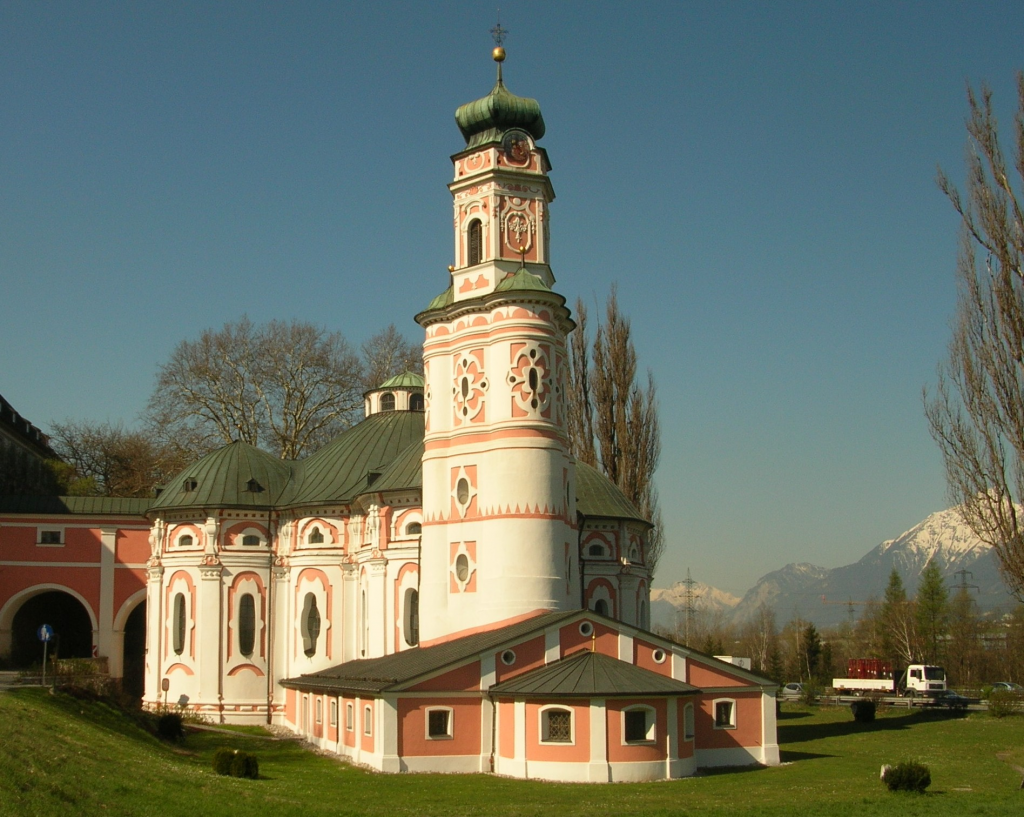
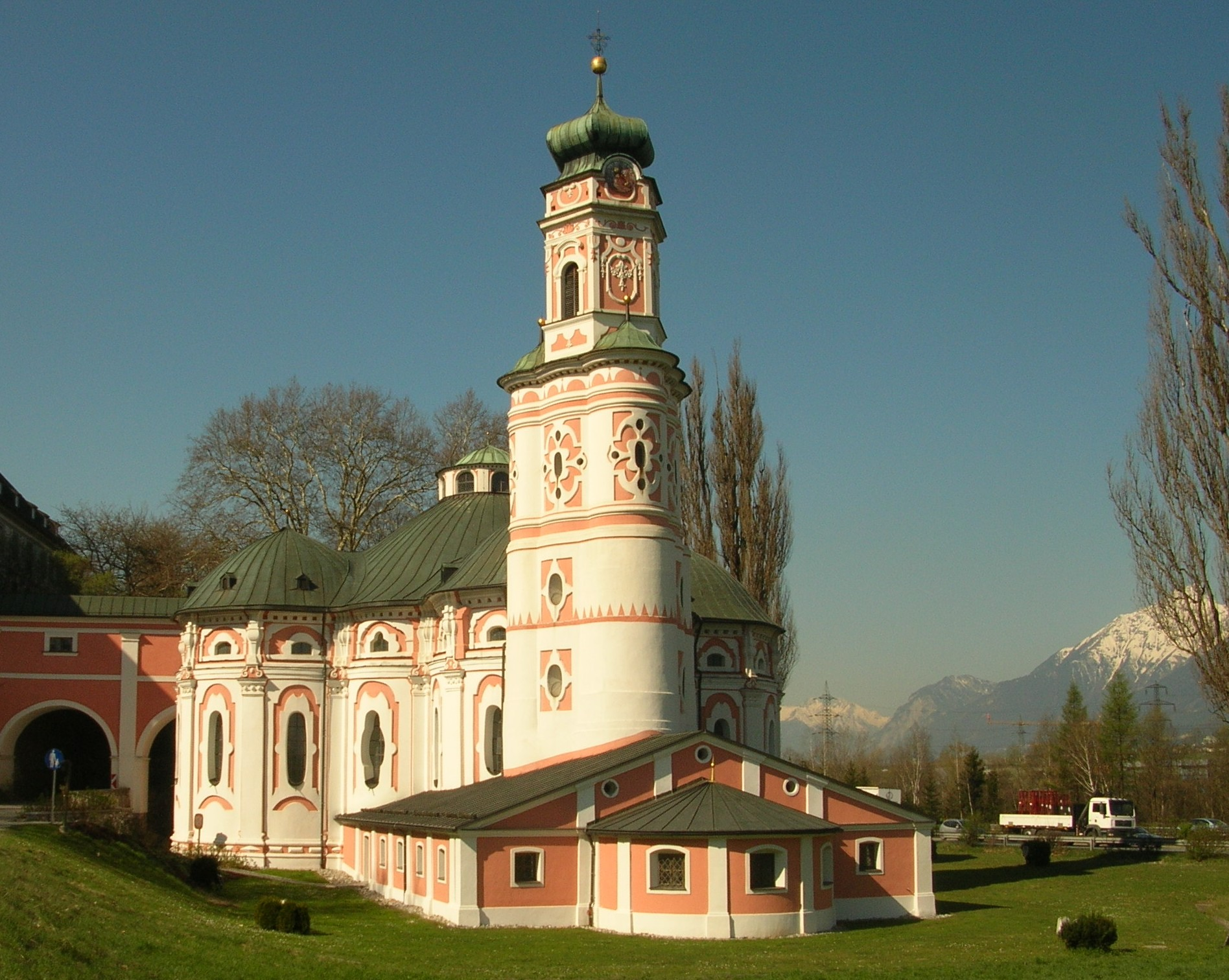
An outward symbol of Guarinoni’s religious zeal is St. Charles’s Church in Volders, which he had built according to his plans using his considerable fortune. The almost oriental-looking church – art historians describe its style as “Venetian Baroque” – is one of the most remarkable sacred buildings in Tyrol. Construction, whose floor plan is modeled on St. Peter’s Basilica in Rome, had to be repeatedly interrupted due to Guarinoni’s financial difficulties and was therefore only consecrated on July 25, 1654, 34 years after the laying of the foundation stone on April 2, 1620. Guarinoni did not live to see this joyous day, having died in Hall two months before the consecration. St. Charles’s Church also became his burial place. In front of the steps of the Epiphany Altar, a white marble plaque bearing the founder’s coat of arms indicates that Guarinoni, his wife, and two of his sons were laid to rest here, according to his last will.

Guarinoni also commissioned the construction of the chapel on the Stiftsalm in the Voldertal Valley and the Borgia Chapel in Volderwald (Tulfes). The chapel at the Volderer Wildbad (Wildbad) burned down several times, so the current building is only indirectly attributable to Guarinoni. Across the Inn Valley, he designed the plan for the Annenkirchlein church in Bad Baumkirchen.
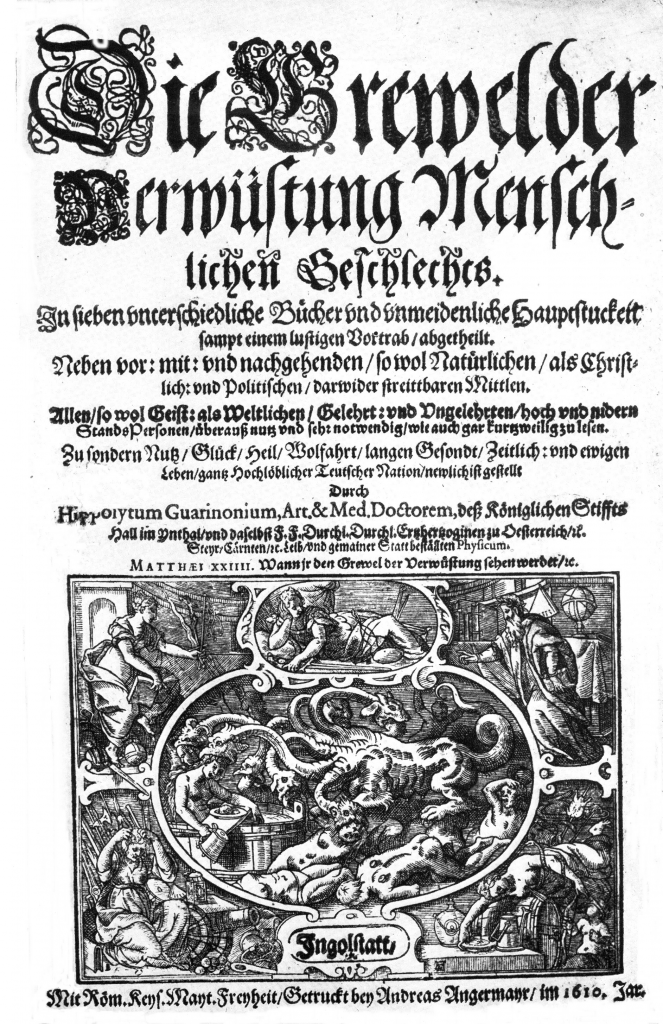
Guarinoni is known in Tyrol not only for his architectural work, but even more so for his medical, religious, and rhetorical writings.

His most important work is Grewel der Verwüstung Menschenrechte (The Devastation of Human Sex), published in Ingolstadt in 1610. It is a voluminous tome whose prolixity in form and content defies clear classification. Among other things, Guarinoni deals with the following subjects in this work: “Doctor and Apothecary, Dück der Weiber. Dawung (digestion), Ebene (plains) and Birg (mountains), Eaters and Drinkers, English Comedians, Calendaric Foolishness, Anecdotes from Eulenspiegel, Foxtails, The Fencing Schools. Dog Law among the Germans, Jews and Heretics Like to Eat Meat. Praise of the Old Wives. Hymns of the Gerhaben (guardians), Marx and Lucas Brothers, Mill and Miller Fraud. The Nature of Geese and Women. Noodles and Plenten, Peasants’ Food. Predicants, Freßdeckanten, etc.” Guarinoni’s Grewel is also a treasure trove for German linguistics, especially for unusual provincial expressions, as it is a not inconsiderable source of provincial references of all kinds, rich in both genuine German proverbs and sayings, allusions, and similes.

The Botanist

A herbarium created by Guarinoni, which has been in the possession of the Ferdinandeum State Museum since 1876 through a donation from Wilten Abbey, is one of the oldest collections of its kind in Central Europe. Created between 1610 and 1630 in book form with a wooden cover and beveled edges, the collection begins with a 13-page Latin-German index and contains 633 pasted plants collected in the vicinity of Innsbruck on 106 pages.
https://en.wikipedia.org/wiki/Hippolytus_Guarinonius


  • -

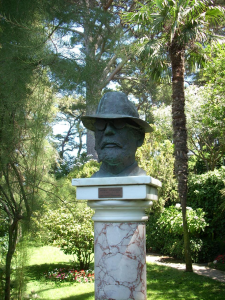
Axel Munthe

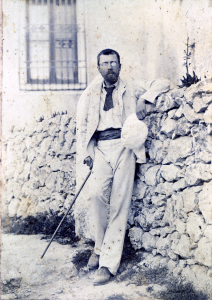
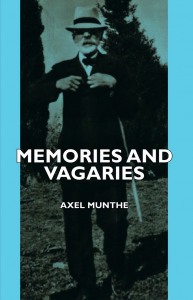
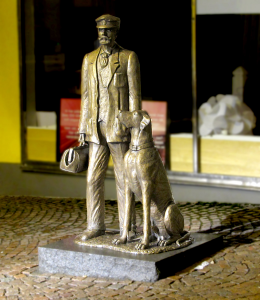
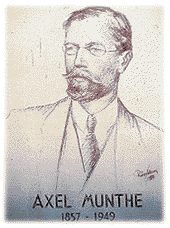
Axel Martin Fredrik “Puck” Munthe [ˌakːsəl ˈmɵnːtə] (October 31, 1857 in Oskarshamn – February 11, 1949 in Stockholm) was a Swedish physician and author.

Beruf und Leben

Axel Munthe was born in 1857, the son of a pharmacist. He studied medicine in Uppsala, Montpellier, and Paris.

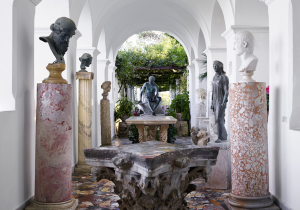
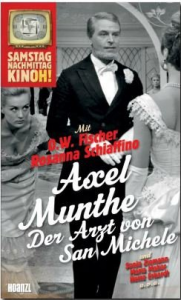
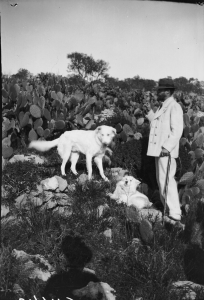
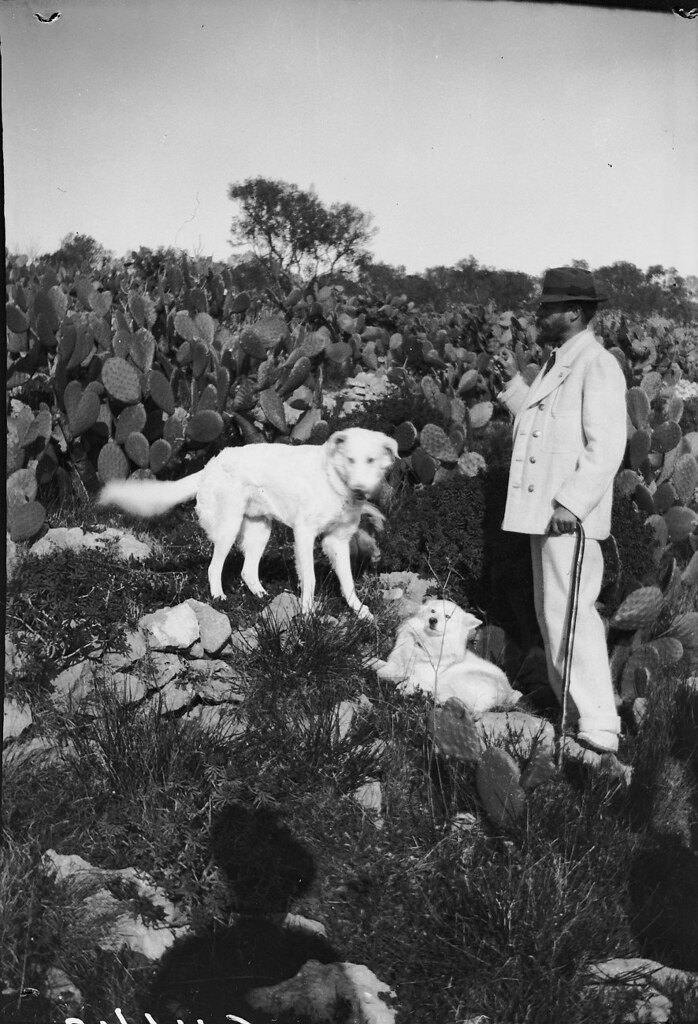
In 1880 he began practicing medicine in Paris and Rome. Over the years he worked in Naples, London and Stockholm. During his student years in Paris he was particularly impressed by the work of Jean-Martin Charcot. Even in later years his special interest lay in psychiatry. His professional career shows several outward breaks. For example, he worked as a doctor for the lower classes of society while simultaneously or shortly thereafter running a fashionable medical practice. In Rome, for example, he set up his practice in the Keats-Shelley House on the Spanish Steps, which had previously been inhabited by the poet John Keats and others. From 1908 Munthe was personal physician to the Swedish Queen Victoria, a Princess of Baden by birth, who regularly stayed in Munthe’s neighborhood on Capri until her death. At his Villa San Michele in Anacapri, he was visited by Henry James, Oscar Wilde, Rainer Maria Rilke, and Curzio Malaparte. The house, with its magnificent garden and sweeping views over the sea, has served as a museum since the 1950s.

At the age of 22 (the youngest in France), he received his doctorate in medicine from the Sorbonne and soon became one of the most successful physicians of his time. He was considered a miracle worker. His patients included members of the upper classes and nobility of Europe and America, but he also worked among the poor in Paris, Rome, and Naples.

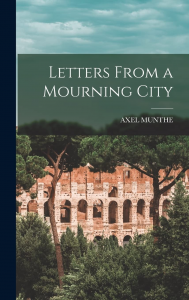
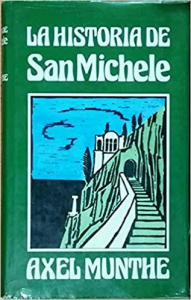
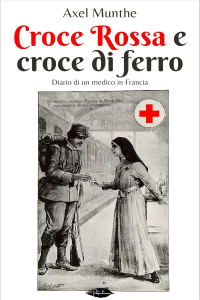
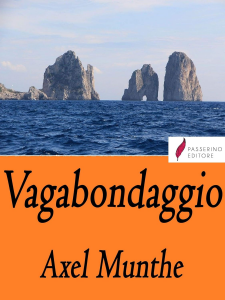
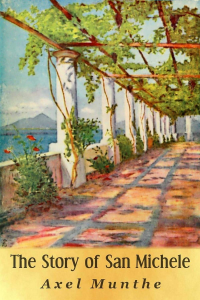
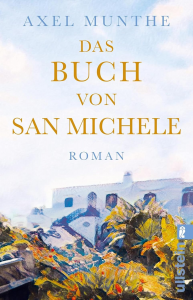
The newspaper report on his work in cholera-stricken Naples in the autumn of 1884 made him instantly famous. However, he was not a professional writer, and his real success did not come until 45 years later. “The Story of San Michele” was published in 1929 and became one of the most successful books of the 20th century. It was written in English, translated into numerous other languages, and is still being reprinted today.

Axel Munthe became internationally known through his memoirs, The Book of San Michele, published in 1929 and translated into numerous languages. However, biographical elements are mixed with fantasy to the point of inseparability; for example, Bengt Jangfeldt and Thomas Steinfeld demonstrated numerous differences between the author’s real and “autobiographical” life in their Munthe biographies, published in 2003 and 2007, respectively.
Although Munthe was not an architect, he had one of Europe’s most famous villas built on Capri: the Villa San Michele, which experts describe as a masterpiece of architecture.
He was a passionate Anglophile, but his favorite philosopher was Schopenhauer, his favorite poet was Heine, and his favorite composers were Schubert, Wagner, Schumann, and Hugo Wolf. And despite his republican outlook on life, his most important patient was not only of royal descent and German origin, but also strongly German-oriented.

Munthe died in 1949 in his last residence, located in a side wing of the Royal Palace in Stockholm.

https://www.villasanmichele.eu/munthe

https://en.wikipedia.org/wiki/Axel_Munthe


  • -

Ulf Winkler

He is has completed a project as “ArchitectDoc” restauring a 200-year-old mill……!
Click on the Fotocommunity-Link to see his huge picture gallery with extraordinary pictures of the big flood in Dresden covering the Semper Opera House and the Hilton Hotel and the banks of the Elbe river!
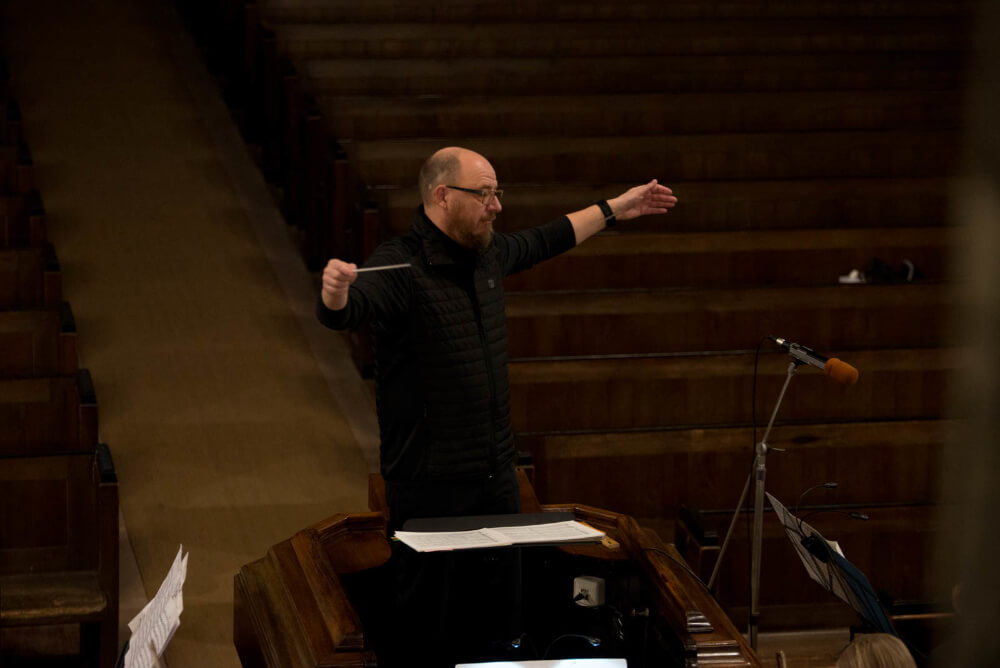
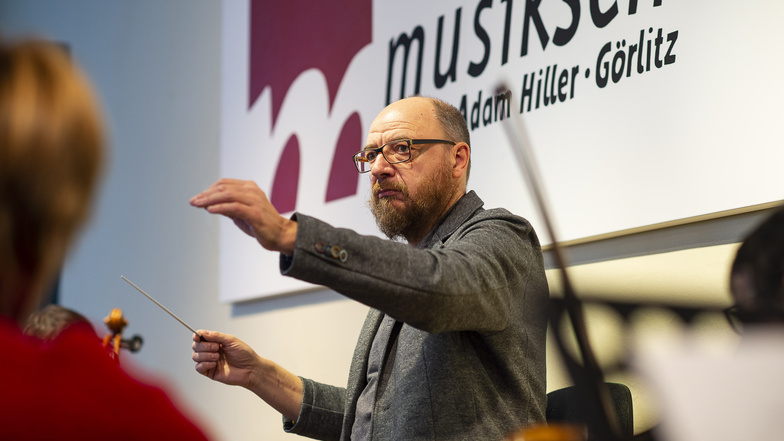
He is conducting an amateur orchestra after an education as conductor.

Seit seiner Kindheit ist Ulf Winkler Fotograf. Auch arbeitet er an einem Architekturprojekt, der Restaurierung einer alten Mühle.

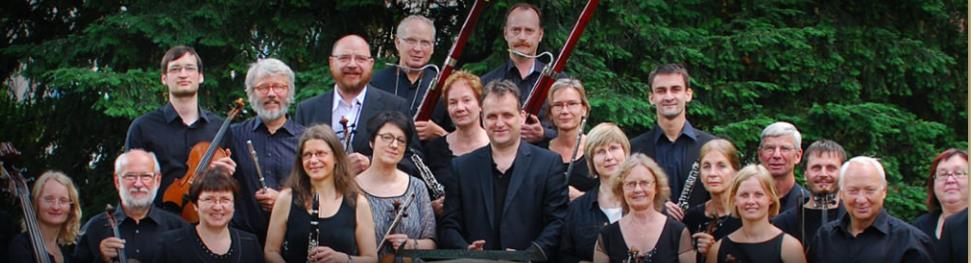
Und: Der Bautzener Kinderarzt Ulf Winkler leitet in der aktuellen Saison das Görlitzer Liebhaberorchester „sinfonietta meridiana“, das sein Jahreskonzert in der Musikschule am Fischmarkt vorbereitet hat.

Ich fotografiere seit meiner Kindheit, früher mit der guten alten EXA Ia + Schwarz-Weiß-Labor in der Abstellkammer, später mit Olympus IS 1000 bzw. 3000 sowie Nikon F65 in Farbe auf Dias und Papier.
Seit Mai 2002 bin ich mit der Nikon Coolpix 5000 in die digitale Bilderwelt eingestiegen. Endlich kann ich ohne Qualitätsverluste durch Scan die Bilder wie früher im Labor am PC optimieren und bearbeiten. Die CP 5000 habe ich später wieder abgegeben zugunsten einer Minolta Dimage 7i, dann A1. Lange fotografierte ich mit der Canon EOS 350D sowie als Hosentaschenfoto einer Panasonic Lumix FX5. Seit Oktober 2008 bin ich im Besitz einer Fujifilm S5Pro.
Dazu sind inzwischen eine Nikon D5000 und eine Fujifilm X10 gekommen, um für alle Situationen gewappnet zu sein.
Ich fotografiere viel auf Reisen oder unterwegs, viel meine Kinder oder gehe einfach so auf Fotopirsch…
Ich suche in meinen Bildern die Schönheit des Lebens und der Natur.

Angulus Fotostudio

Fotocommunity

Mühle | Mill

his account youtube about Kreuzchor Dresden

sinfonietta meridiana

article


  • -

Mariku Mitsuyu

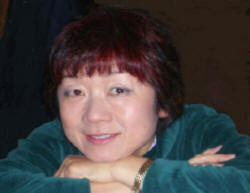
Mariko Mitsuyu, born in Osaka/Japan, took piano lessons from age 5 which she continued during her medical studies and practise.

Sincs 1980 she lives in Germany and studied piano in Frankfurt, then also chamber music. Concert exam with Prof. Joachim Volkmann.

She got chamber music prizes and toured USA, Great Britain, Japan, Italy, Egypt, Slowenia and Tschechia.

Since 1998 she has been teaching music at Frankfurt and Leipzig academies.

Travelling:
Travelling to Africa: Ghana 2000, 2002; Tansania (u.a. Sansibar, Kilimandscharo 2003)

Playing soccer with friends (grown-ups and children) on saturdays in Beucha.

Architecture:

renovating an old farm Dreiseithof Polenz

Reading:
authors and media as: Achebe, Greene, Hardy, Lodge, Rowling, Tolkien, Guardian Weekly

Wine:
Mariko is WineDoc producing more than 30 sorts of fruit wines as Apfel, Birne, Brennessel, Brombeere, Eberesche, Gelbe Rute, Goldlack, Hagebutte, Holunder, Holunderblüte, Johannisbeere, Löwenzahn, Petersilie-Zwergvogelbeer, Pfefferminze, Preiselbeer, Quitte, Rhabarber, Rhabarber-Ingwer, Ringelblume, Salbei, Sauerkirsch, Süßkirsche, Viktoriapflaume, Waldmeister, Weinblätter, Weißdorn, Zitronenmelisse, Zwetschge!!!
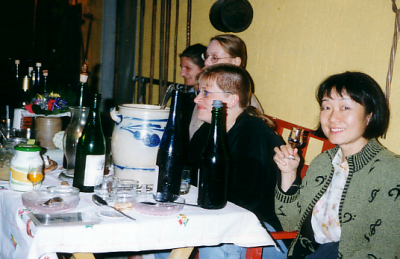
Here trying its taste with her students……

web


  • -

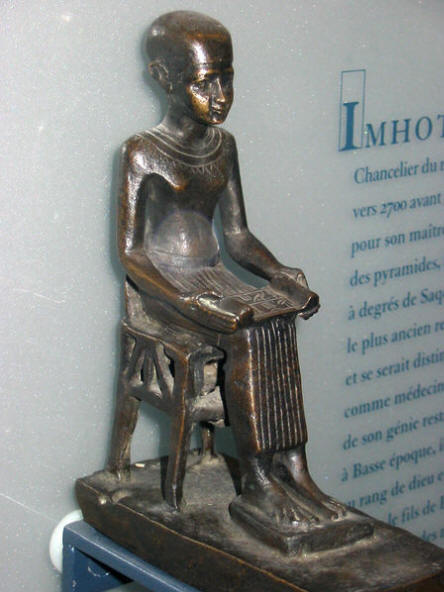
Imhotep

Imhotep (/ɪmˈhoʊtɛp/;[1] Ancient Egyptianỉỉ-m-ḥtp “the one who comes in peace”;[2] fl. late 27th century BCE) was an Egyptian chancellor to the Pharaoh Djoser, possible architect of Djoser‘s step pyramid, and high priest of the sun god Ra at Heliopolis. Very little is known of Imhotep as a historical figure, but in the 3,000 years following his death, he was gradually glorified and deified.

Traditions from long after Imhotep’s death treated him as a great author of wisdom texts[3] and especially as a physician.[4][5][6][7][8] No text from his lifetime mentions these capacities and no text mentions his name in the first 1,200 years following his death.[9][10] Apart from the three short contemporary inscriptions that establish him as chancellor to the Pharaoh, the first text to reference Imhotep dates to the time of Amenhotep III (c. 1391–1353 BCE). It is addressed to the owner of a tomb, and reads:

wikipedia DE

wikipedia EN