Category Archives: BotanicDocs

  • -

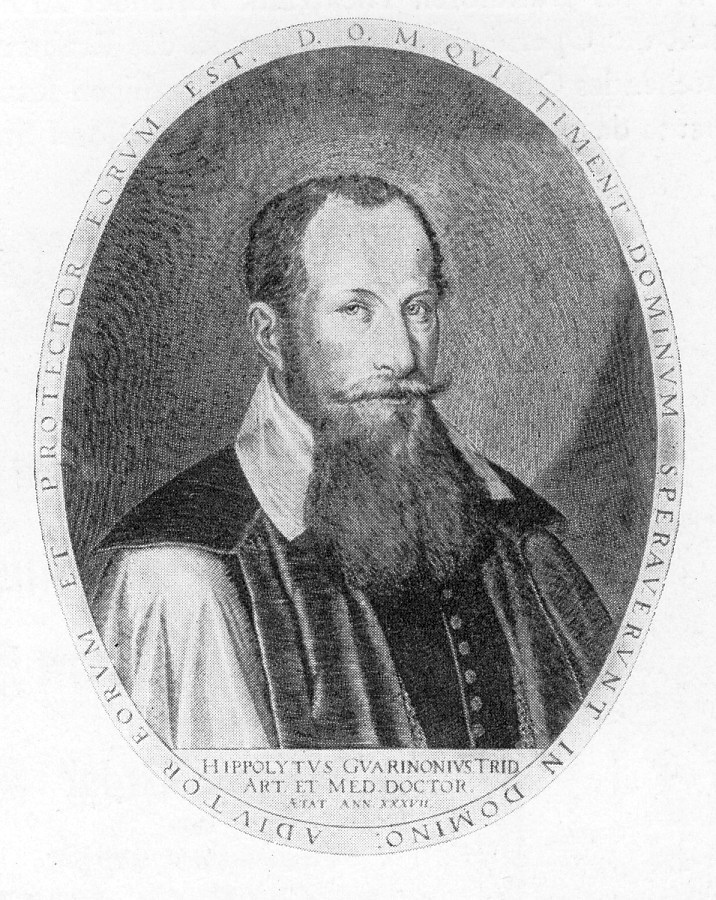
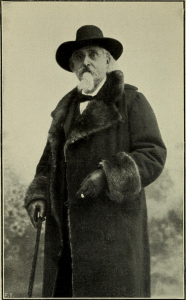
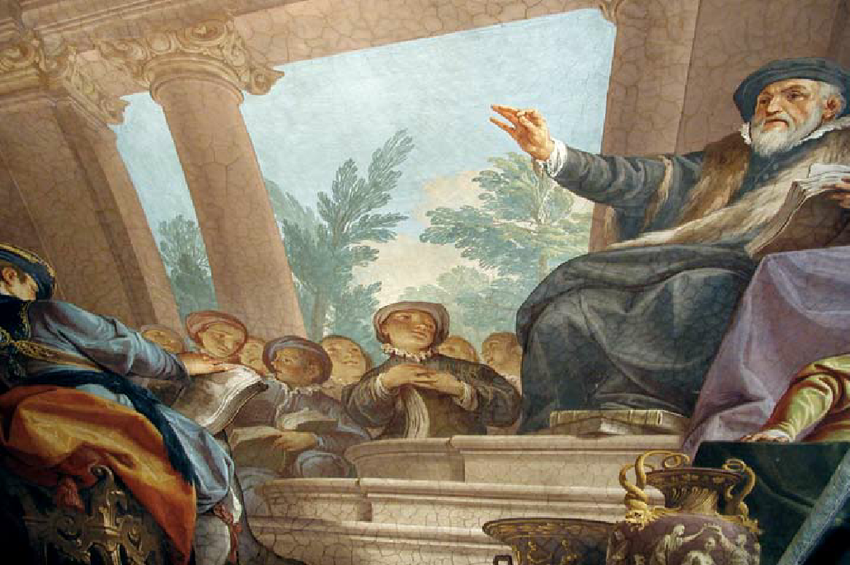
Ippolyt Guarinoni

Hippolyt Guarinoni (also Ippolito Guarinoni and Hippolytus Guarinonius) (November 18, 1571 in Trento – May 31, 1654 in Hall in Tirol) was a physician and polymath who practiced in Hall. As a proponent of militant Catholicism, he was instrumental in the construction of St. Charles’s Church in Volders and founded the anti-Semitic Anderl von Rinn cult.

Hippolytus spent his childhood in Trento. He later moved with his father to Vienna and finally followed him to the court of Emperor Rudolf II in Prague in 1583, where he received a thorough and comprehensive education at the Jesuit Gymnasium there. The Jesuit education left a lasting impression on the inquisitive young man. From 1593 to 1597, Guarinoni studied medicine at the University of Padua; he also attended lectures in theology and philosophy.
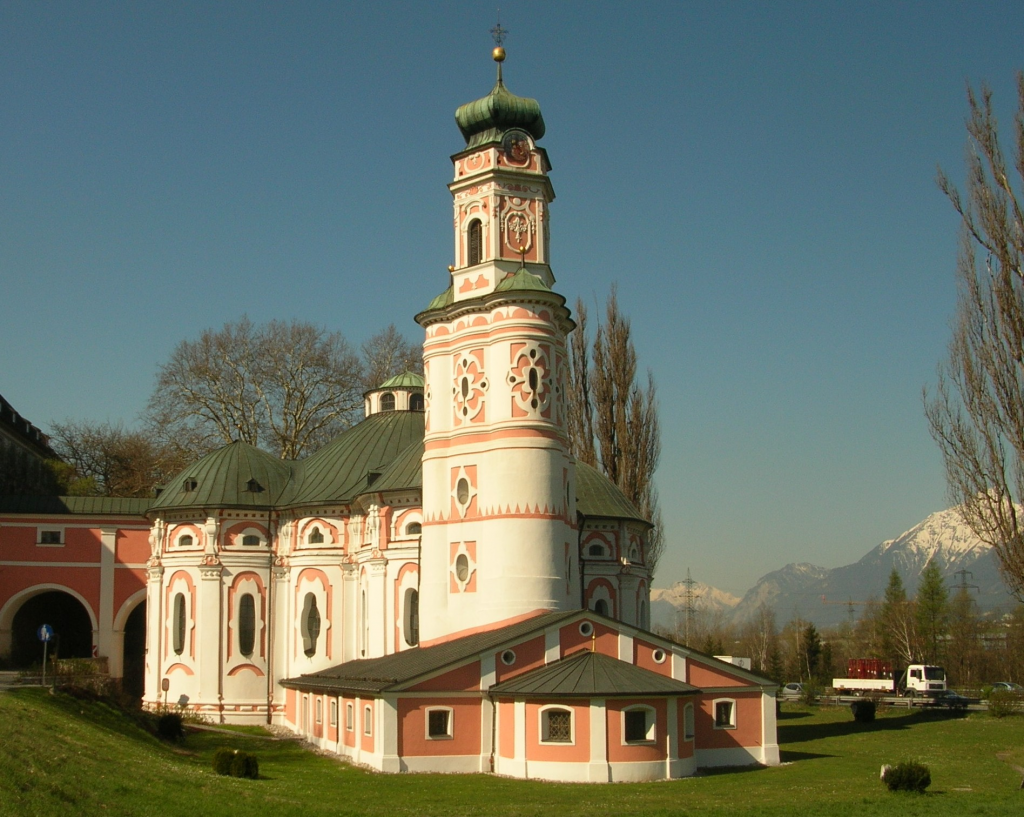
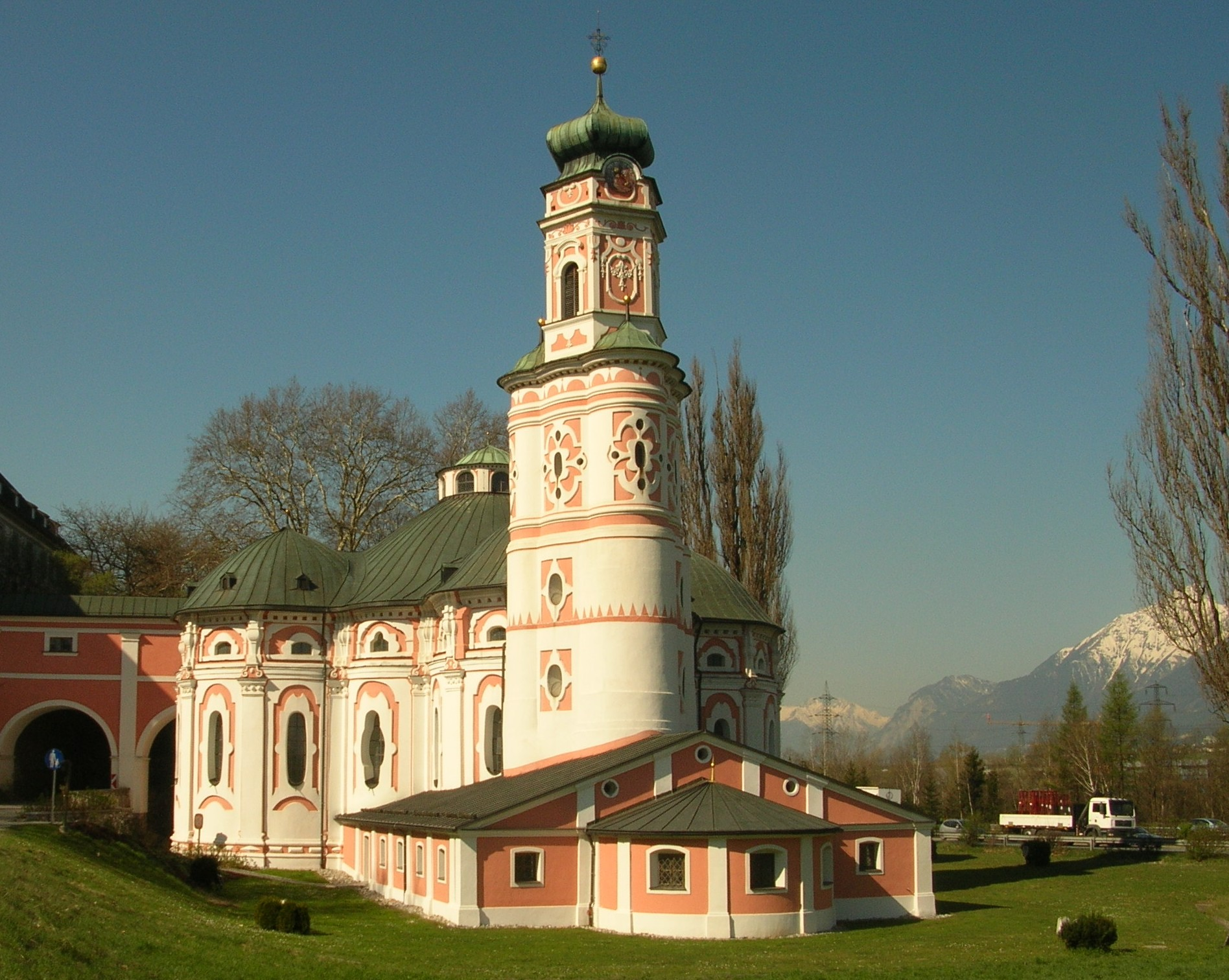
An outward symbol of Guarinoni’s religious zeal is St. Charles’s Church in Volders, which he had built according to his plans using his considerable fortune. The almost oriental-looking church – art historians describe its style as “Venetian Baroque” – is one of the most remarkable sacred buildings in Tyrol. Construction, whose floor plan is modeled on St. Peter’s Basilica in Rome, had to be repeatedly interrupted due to Guarinoni’s financial difficulties and was therefore only consecrated on July 25, 1654, 34 years after the laying of the foundation stone on April 2, 1620. Guarinoni did not live to see this joyous day, having died in Hall two months before the consecration. St. Charles’s Church also became his burial place. In front of the steps of the Epiphany Altar, a white marble plaque bearing the founder’s coat of arms indicates that Guarinoni, his wife, and two of his sons were laid to rest here, according to his last will.

Guarinoni also commissioned the construction of the chapel on the Stiftsalm in the Voldertal Valley and the Borgia Chapel in Volderwald (Tulfes). The chapel at the Volderer Wildbad (Wildbad) burned down several times, so the current building is only indirectly attributable to Guarinoni. Across the Inn Valley, he designed the plan for the Annenkirchlein church in Bad Baumkirchen.
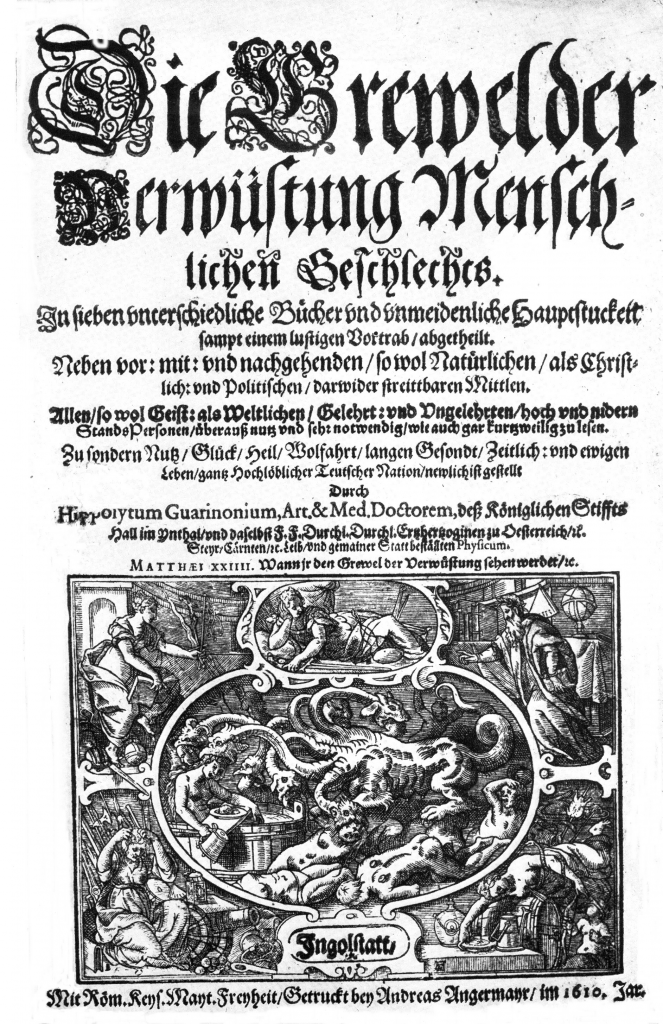
Guarinoni is known in Tyrol not only for his architectural work, but even more so for his medical, religious, and rhetorical writings.

His most important work is Grewel der Verwüstung Menschenrechte (The Devastation of Human Sex), published in Ingolstadt in 1610. It is a voluminous tome whose prolixity in form and content defies clear classification. Among other things, Guarinoni deals with the following subjects in this work: “Doctor and Apothecary, Dück der Weiber. Dawung (digestion), Ebene (plains) and Birg (mountains), Eaters and Drinkers, English Comedians, Calendaric Foolishness, Anecdotes from Eulenspiegel, Foxtails, The Fencing Schools. Dog Law among the Germans, Jews and Heretics Like to Eat Meat. Praise of the Old Wives. Hymns of the Gerhaben (guardians), Marx and Lucas Brothers, Mill and Miller Fraud. The Nature of Geese and Women. Noodles and Plenten, Peasants’ Food. Predicants, Freßdeckanten, etc.” Guarinoni’s Grewel is also a treasure trove for German linguistics, especially for unusual provincial expressions, as it is a not inconsiderable source of provincial references of all kinds, rich in both genuine German proverbs and sayings, allusions, and similes.

The Botanist

A herbarium created by Guarinoni, which has been in the possession of the Ferdinandeum State Museum since 1876 through a donation from Wilten Abbey, is one of the oldest collections of its kind in Central Europe. Created between 1610 and 1630 in book form with a wooden cover and beveled edges, the collection begins with a 13-page Latin-German index and contains 633 pasted plants collected in the vicinity of Innsbruck on 106 pages.
https://en.wikipedia.org/wiki/Hippolytus_Guarinonius


  • -

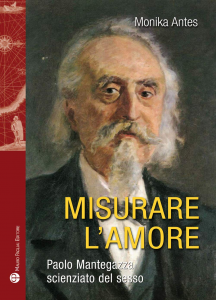
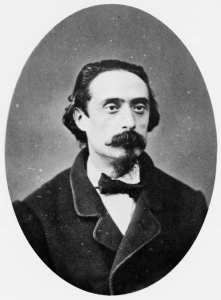
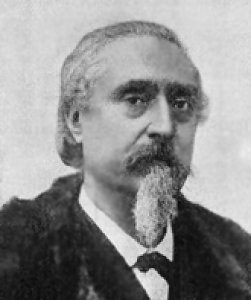
Paolo Mantegazza

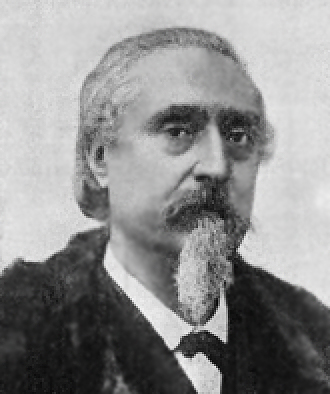
Paolo Mantegazza (October 31, 1831 in Monza, Austrian Empire – August 28, 1910 in San Terenzo) was an Italian neurologist, physiologist, and anthropologist, as well as a prominent physician and consciousness researcher. Mantegazza published several works on the effects of psychotropic plants on human consciousness, numerous other scientific writings, and several novels that were bestsellers in their time but have since been largely forgotten.

Mantegazza first studied medicine in Pisa and Milan, graduating in Pavia in 1854. He then traveled to India and South America, where he practiced medicine in Argentina and Paraguay. In 1858, he returned to Italy and worked as a surgeon in Milan. In 1860, he was appointed professor of pathology at the University of Pavia, where he founded the first Institute of General Pathology in Europe.

In 1870, Mantegazza became a professor of anthropology at the Istituto di Studi Superiori in Florence. There he founded the Museo Antropologico-Etnografico di Firenze (Anthropological and Ethnographic Museum) and, in 1871, the journal Archivio per l’Antropologia e l’Etnologia, which is still published today, with Felice Finzi. At that time, culture and science in Italy were far more influenced by the Catholic Church than they are today. Mantegazza was repeatedly attacked by ecclesiastical circles, particularly because he was an advocate of Darwinism and an atheist.[2] From 1868 to 1875, he had a lively correspondence with Charles Darwin.

Pioneer of psychedelic Drug research

During his several years working as a doctor in South America, Mantegazza observed the habit of local coca farmers chewing the leaves of the coca bush. In the “service of science” he began to imitate them, taking three daily doses of three grams of coca leaves. In 1859 he published the work Sulle virtù igieniche e medicinali della coca e sugli alimenti nervosi in generale (On the Hygienic and Medicinal Benefits of Coca and Nerve Food in General), for which he received an award and which caused a sensation both in Italy and abroad. Due to the fact that Mantegazza distinguishes between coca and cocaina in his writings, it is assumed that he had already extracted the alkaloid cocaine from the coca leaves and taken it himself in 1859. Mantegazza is therefore often associated with cocaine in literature, but his interest in the effects of psychotropic substances went much further, and he published numerous works with treatises on the intoxicating effects of various drugs such as alcohol, mate, guarana, opium, hashish, kava and ayahuasca (agahuasca), and classified them according to their effects in 1859, more than sixty years before Louis Lewin made his classification in his 1924 work Phantastica.

Sexual science

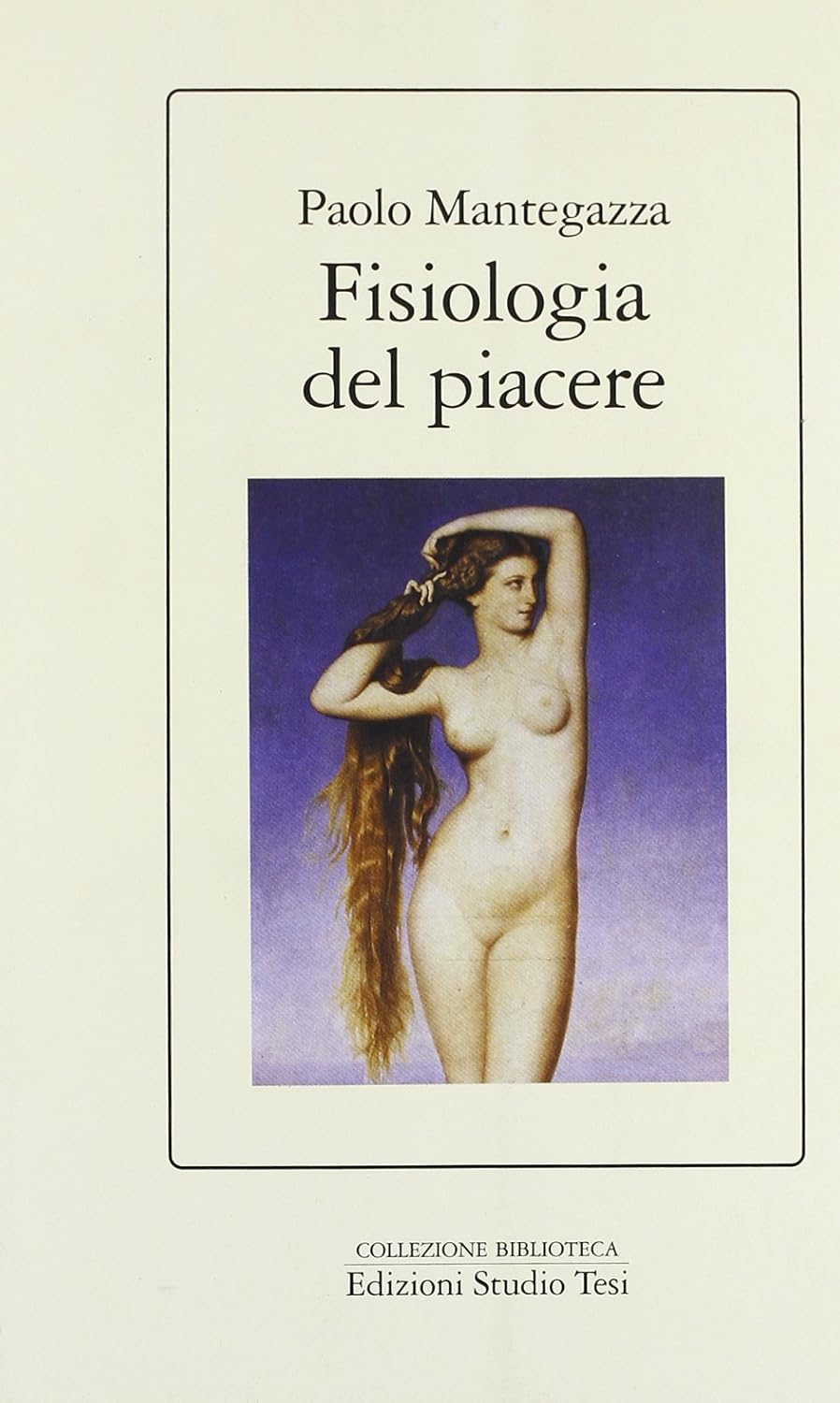
Almost forgotten, but outstanding in his time, were his numerous publications in the field of sexology, which only emerged later: Fisiologia del piacere (1854); Fisiologia dell’amore (1873); Igiene dell’amore (1886); Gli amori degli uomini – Saggio di una etnologia dell’amore (1886) and Fisiologia della donna (1893) – in which he summarized observations, his own experiments and anthropological-ethnological results of extensive collections, research and travels in the sense of a “phenomenology of heterosexual love… which is unparalleled in the history of sexology.” At just 22 years old, he wrote “Fundamentals of Edonology or the Science of Pleasure” (today understood as hedonism) and spoke out against “false puritans” and the “murky, stinking fog of hypocrisy” (Volkmar Sigusch in: Deutsches Ärzteblatt 7/2007 – see web link).

“Wherever a beautiful woman appears, all human energies bubble from their battle-tested sources: Everything best and worst in man springs forth to pay homage to her or to insult her with envy.”
(Paolo Mantegazza, The Concept of Woman Through the Ages, Nuova Antologia, January 15, 1893)

Politics

From 1865 to 1876, Mantegazza was a deputy from Monza in the Italian Chamber of Deputies and, from 1876, a senator in the Kingdom of Italy.


  • -

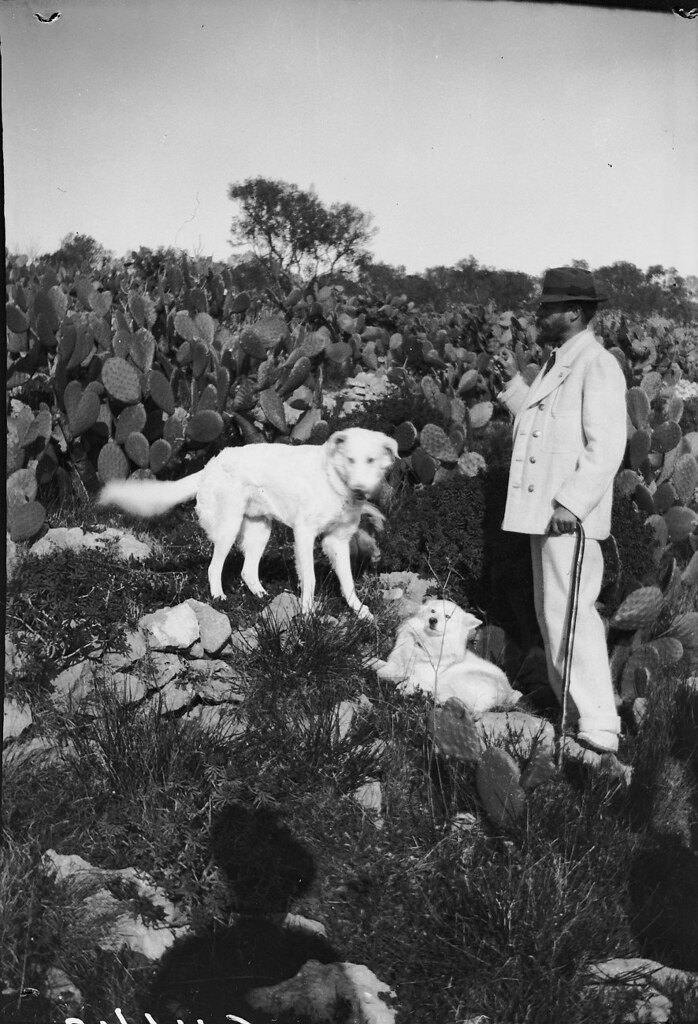
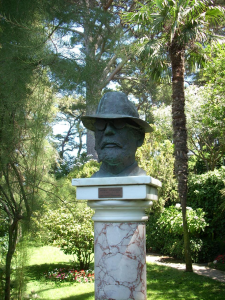
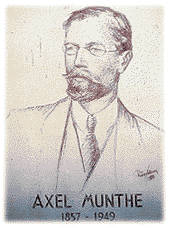
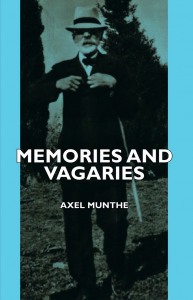
Axel Munthe

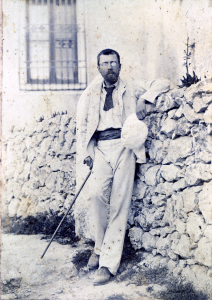
Axel Martin Fredrik “Puck” Munthe [ˌakːsəl ˈmɵnːtə] (October 31, 1857 in Oskarshamn – February 11, 1949 in Stockholm) was a Swedish physician and author.

Beruf und Leben

Axel Munthe was born in 1857, the son of a pharmacist. He studied medicine in Uppsala, Montpellier, and Paris.

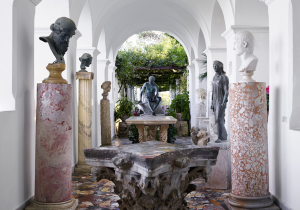
In 1880 he began practicing medicine in Paris and Rome. Over the years he worked in Naples, London and Stockholm. During his student years in Paris he was particularly impressed by the work of Jean-Martin Charcot. Even in later years his special interest lay in psychiatry. His professional career shows several outward breaks. For example, he worked as a doctor for the lower classes of society while simultaneously or shortly thereafter running a fashionable medical practice. In Rome, for example, he set up his practice in the Keats-Shelley House on the Spanish Steps, which had previously been inhabited by the poet John Keats and others. From 1908 Munthe was personal physician to the Swedish Queen Victoria, a Princess of Baden by birth, who regularly stayed in Munthe’s neighborhood on Capri until her death. At his Villa San Michele in Anacapri, he was visited by Henry James, Oscar Wilde, Rainer Maria Rilke, and Curzio Malaparte. The house, with its magnificent garden and sweeping views over the sea, has served as a museum since the 1950s.

At the age of 22 (the youngest in France), he received his doctorate in medicine from the Sorbonne and soon became one of the most successful physicians of his time. He was considered a miracle worker. His patients included members of the upper classes and nobility of Europe and America, but he also worked among the poor in Paris, Rome, and Naples.

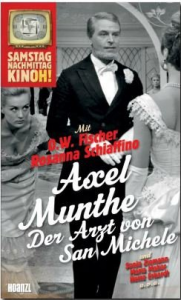
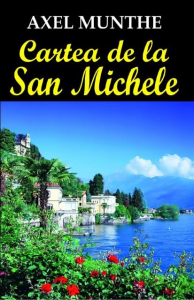
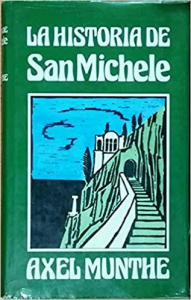
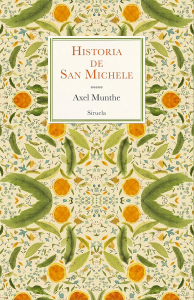
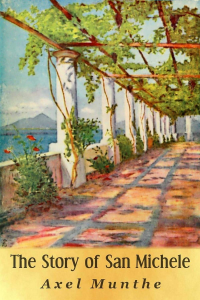
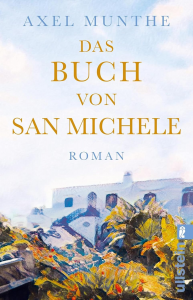
The newspaper report on his work in cholera-stricken Naples in the autumn of 1884 made him instantly famous. However, he was not a professional writer, and his real success did not come until 45 years later. “The Story of San Michele” was published in 1929 and became one of the most successful books of the 20th century. It was written in English, translated into numerous other languages, and is still being reprinted today.

Axel Munthe became internationally known through his memoirs, The Book of San Michele, published in 1929 and translated into numerous languages. However, biographical elements are mixed with fantasy to the point of inseparability; for example, Bengt Jangfeldt and Thomas Steinfeld demonstrated numerous differences between the author’s real and “autobiographical” life in their Munthe biographies, published in 2003 and 2007, respectively.
Although Munthe was not an architect, he had one of Europe’s most famous villas built on Capri: the Villa San Michele, which experts describe as a masterpiece of architecture.
He was a passionate Anglophile, but his favorite philosopher was Schopenhauer, his favorite poet was Heine, and his favorite composers were Schubert, Wagner, Schumann, and Hugo Wolf. And despite his republican outlook on life, his most important patient was not only of royal descent and German origin, but also strongly German-oriented.

Munthe died in 1949 in his last residence, located in a side wing of the Royal Palace in Stockholm.

https://www.villasanmichele.eu/munthe

https://en.wikipedia.org/wiki/Axel_Munthe


  • -

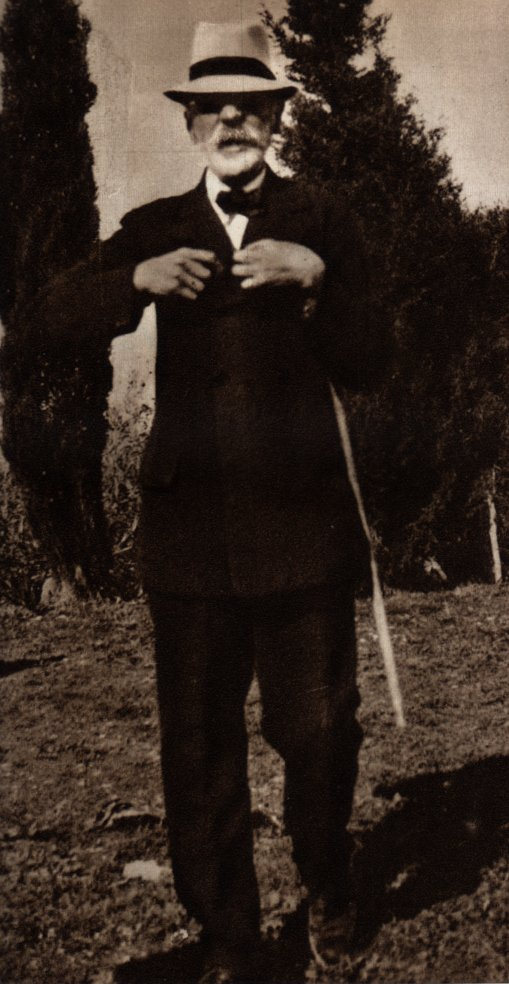
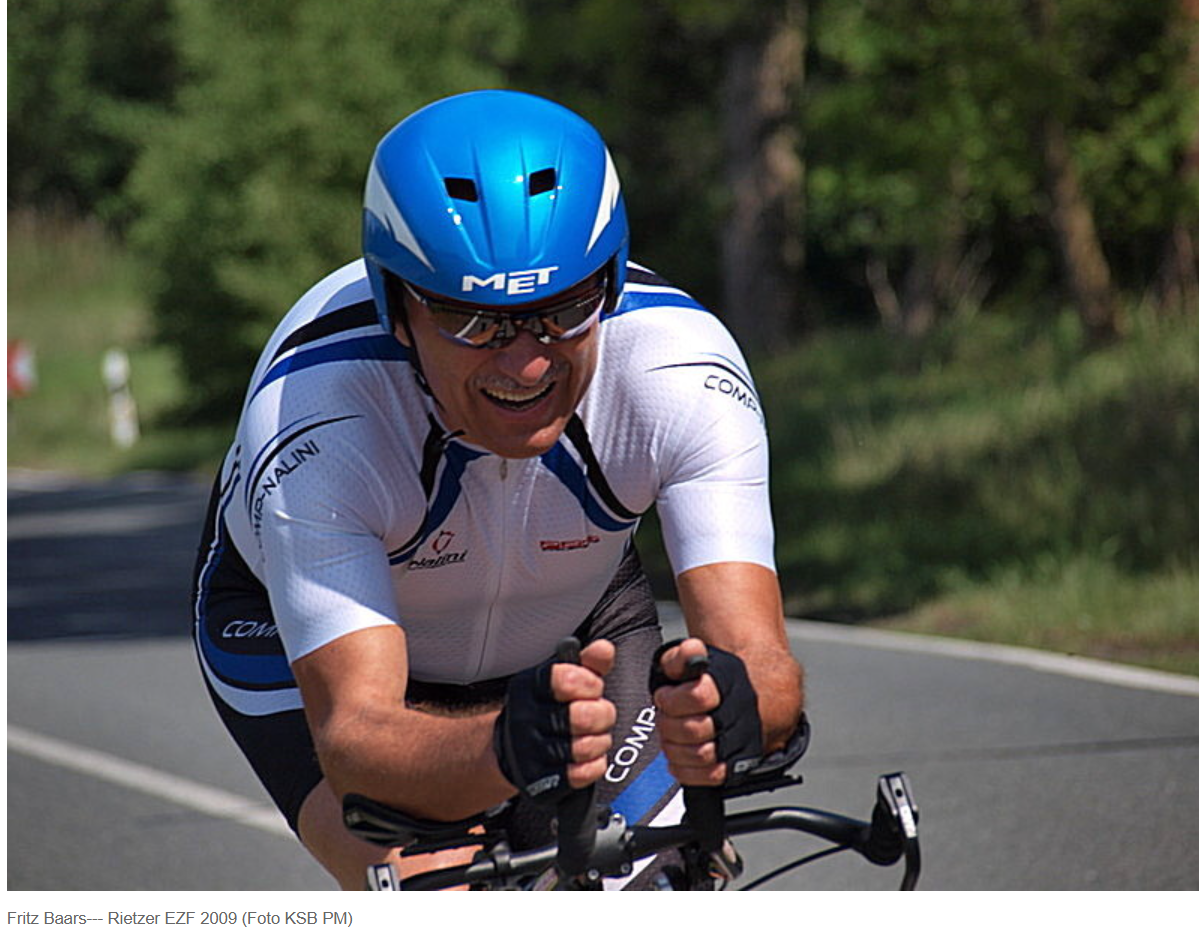
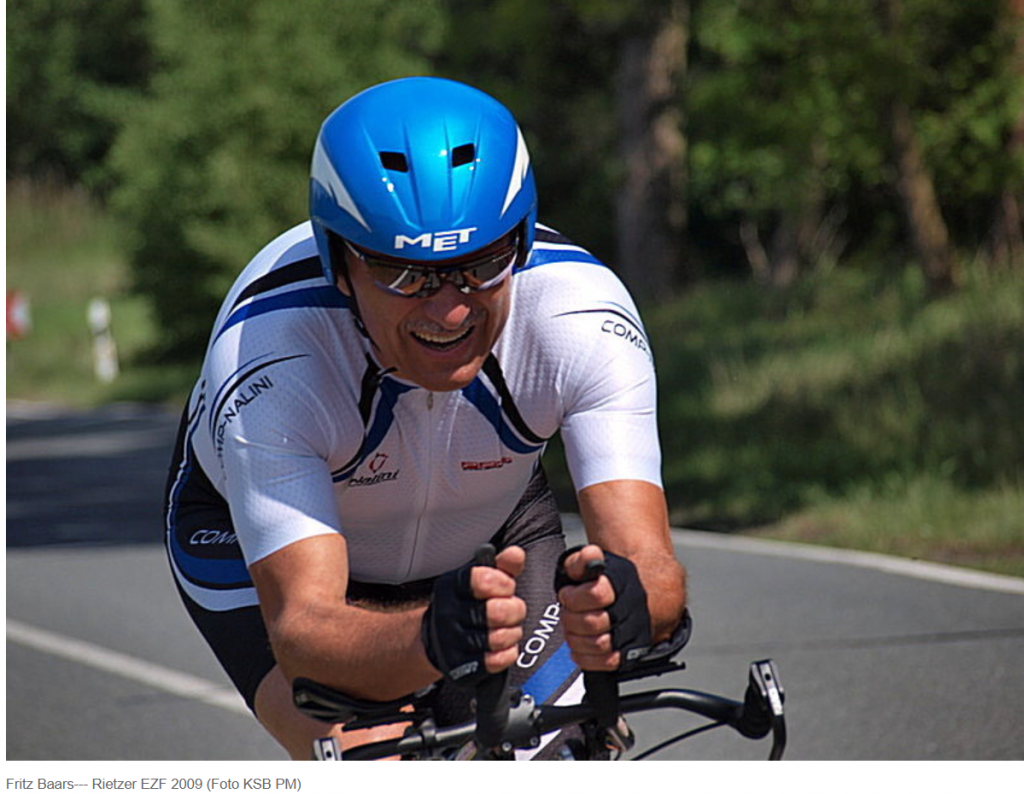
Fritz Baars

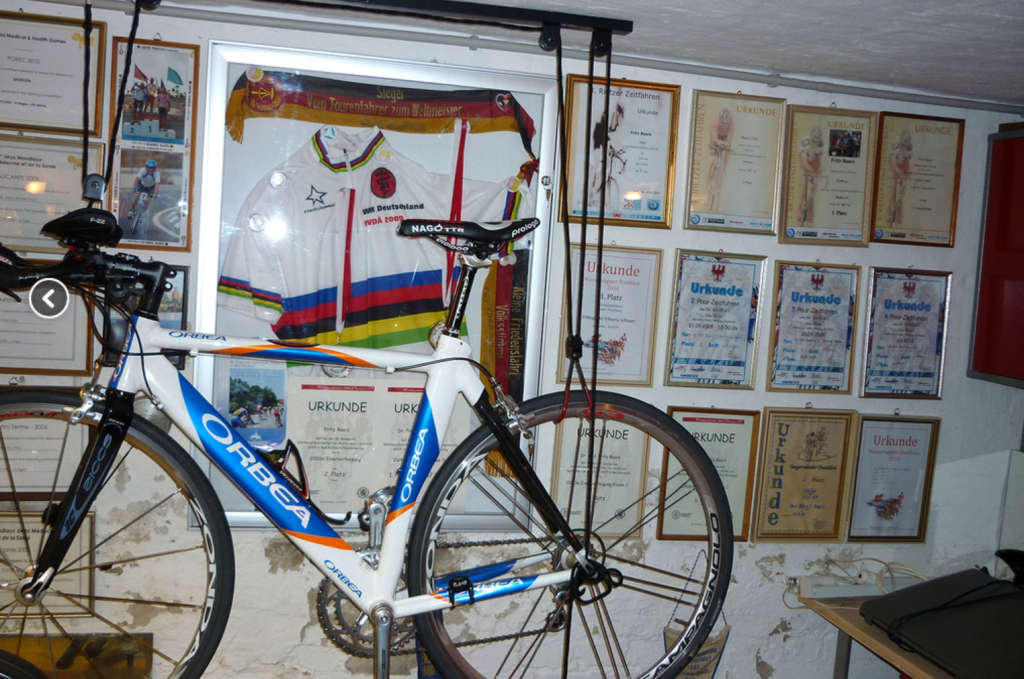
Fritz Baars is a cycling doctor. On his website, he reports extensively on the Cycling Association of German Doctors and Pharmacists.

As of January 1, 2013, I am now enjoying my professional retirement. It was initially a huge adjustment after a busy, interesting professional life. But now I finally have enough time for my hobbies! Active cycling played and continues to play an important role in that. Maintaining my website and compiling facts and information also requires a lot of time. And then, of course, there’s our bungalow with the surrounding garden, which demands my attention year-round. During the winter months, I sift through and sort through the vast amount of photos and film material that has accumulated over the years. Most of it can safely be disposed of. I edit short videos of the most interesting events, complete with music and text information. Since television programs are mostly boring and apparently only exist on repeat, we can instead watch beautiful memories of holidays, family celebrations, etc. from our stored archives.
Other interests include: history, music, travel, occasional fishing, and ornithology near our bungalow. Favorite music: oldies, rock. Favorite films: historical and nature films. Languages: colloquial English, school-aged Russian (a bit of Arabic from a year-long stay in Libya).
Membership: RVDÄ (Cycling Association of German Doctors and Pharmacists) until its dissolution, which has now sadly disbanded after more than 30 years of existence. (Reports in Deutschen Ärzteblatt)

I also enjoy dancing. My wife and I took several dance classes after the fall of the Berlin Wall, which we really enjoyed. Dancing, by the way, is a physically demanding activity. Our dance teacher at the time told us that elite dancers in competitive sports often score better in sports medicine performance tests than athletes in other strenuous disciplines.

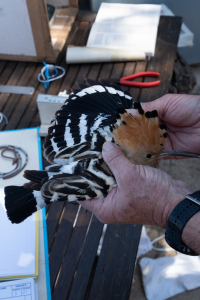
Since we spend a lot of time in our bungalow from March to October, hobby ornithology naturally developed. From morning to night, you can hear birdsong everywhere and see a variety of birds on the lawn, in the trees, bushes, and in the air. We count around 50 species throughout the year. Rarer specimens also occur. In 2004, we observed a pair of green woodpeckers foraging for food on our lawn for about 10 minutes, in a spot where there were lots of ants.

https://www.fritzbaars.de/mein-hobby-radsport/bungalow-und-garten

Haupt-Webseite https://www.fritzbaars.de/


  • -

Gerhard Hermann

Gerhard Hermann, a laboratory physician and owner of a laboratory company, is turning his garden dreams into reality at his home!

Forty years ago, the land surrounding the Zellesmühle farm in Weigenheim/Reusch near Uffenheim consisted of fields. Then Gerhard Hermann began planting the first trees. Over the years, the field became a true park. With its blend of Franconian landscape and English garden architecture, it is now one of the largest and most diverse private gardens in southern Germany.

https://labor-hermann.de/unser-labor/historie

https://www.management-krankenhaus.de/topstories/labor-diagnostik/30-jahre-institut-virionserion-dr-gerhard-hermann-im-interview


  • -

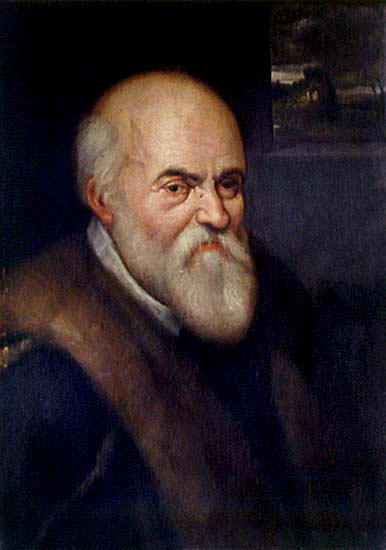
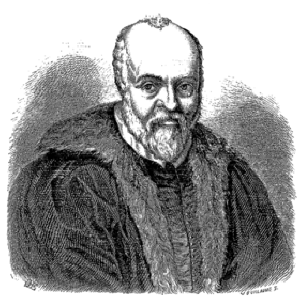
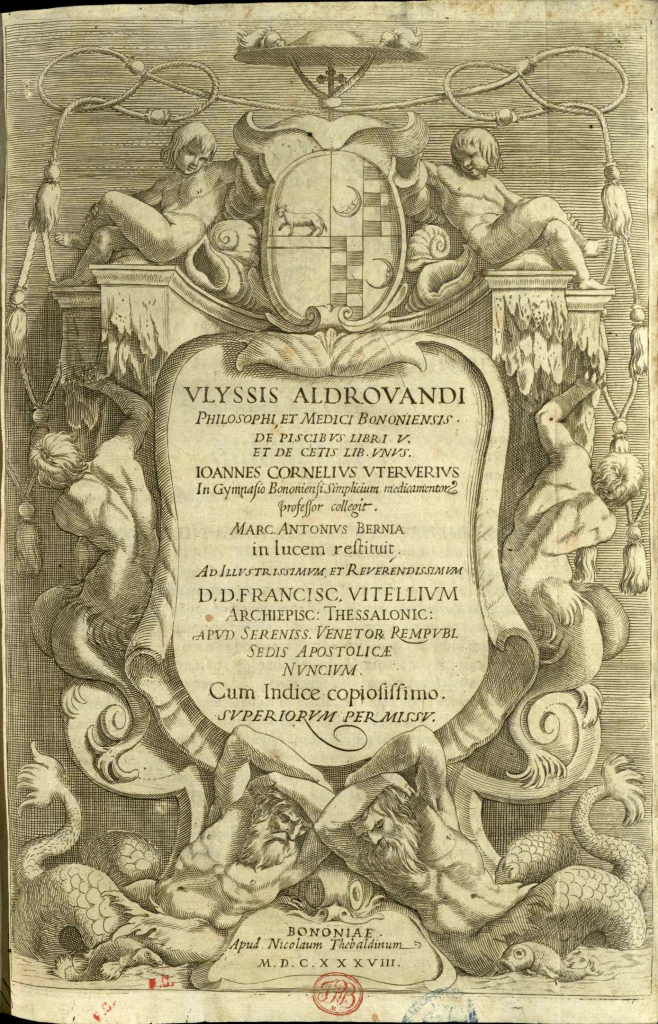
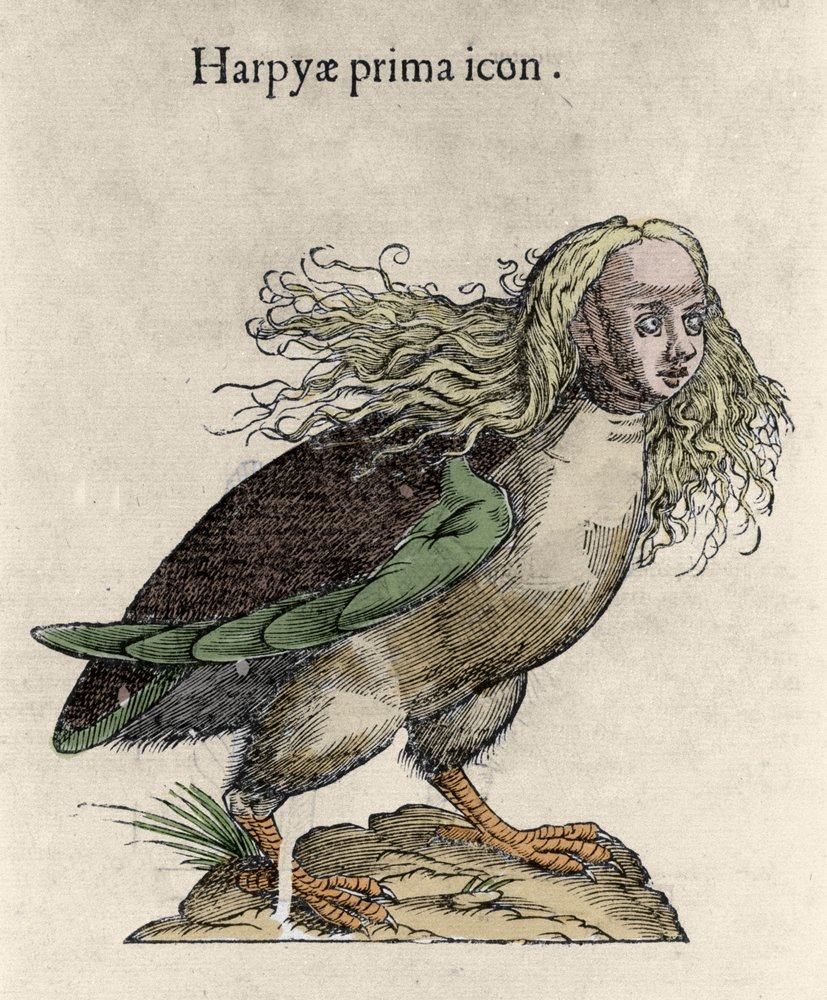
Ulisse Aldrovandi

Ulisse Aldrovandi (11 September 1522 – 4 May 1605) was an Italian naturalist, the moving force behind Bologna’s botanical garden, one of the first in EuropeCarl Linnaeus and the comte de Buffon reckoned him the father of natural history studies. He is usually referred to, especially in older scientific literature in Latin, as Aldrovandus; his name in Italian is equally given as Aldroandi.

Aldrovandi was born in Bologna to Teseo Aldrovandi and his wife, a noble but poor family. His father was a lawyer, and Secretary to the Senate of Bologna, but died when Ulisse was seven years old. His widowed mother wanted him to become a jurist. Initially he was sent to apprentice with merchants as a scribe for a short time when he was 14 years old, but after studying mathematicsLatinlaw, and philosophy, initially at the University of Bologna, and then at the University of Padua in 1545, he became a notary. His interests successively extended to philosophy and logic, which he combined with the study of medicine.[1]

In June 1549, Aldrovandi was accused and arrested for heresy on account of his espousing of the anti-trinitarian beliefs of the Anabaptist Camillo Renato. By September, he publicly abjured, but was nevertheless transferred to Rome, and remained in custody or house arrest until absolved in April, 1550. During this time, he befriended many local scholars. While in light captivity there, he became more and more interested in botanyzoology, and geology (he is credited for the invention/first written record of this word[2]). From 1551 onward, he organized a variety of expeditions to the Italian mountains, countryside, islands, and coasts to collect and catalogue plants.

He obtained a degree in medicine and philosophy in 1553 and started teaching logic and philosophy in 1554 at the University of Bologna. In 1559, he became professor of philosophy and in 1561 he became the first professor of natural sciences at Bologna (lectura philosophiae naturalis ordinaria de fossilibus, plantis et animalibus).[1] Aldrovandi was a friend of Francesco de’ Medici, Grand Duke of Tuscany (1574 – 1587), visiting his garden at Pratolino and travelling with him, compiling a list of the most valuable plants at Pratolino.[b] He also formed fruitful associations with botanical artists such as Jacopo Ligozzi, to further develop illustrated texts.[3] He died in Bologna on 4 May 1605, at the age of 82.

Aldrovandi’s wife Francesca Fontana was invaluable to his research. He utilized her dowry to build their massive country estate that ultimately included his natural history collection. She was a research partner who located texts for him to cite and use in his books, edited his books, and wrote sections of them as well. She wrote the preface for his posthumous book On the Remains of Bloodless Animals, which Suzanne Le-May Sheffield described as “their shared work”.[4]

Over the course of his life, he would assemble one of the most spectacular cabinets of curiosities: his “theatre” illuminating natural history comprising some 7000 specimens of the diversità di cose naturali, of which he wrote a description in 1595. Between 1551 and 1554, he organized several expeditions to collect plants for a herbarium, among the first botanizing expeditions. Eventually, his herbarium contained about 4760 dried specimens on 4117 sheets in sixteen volumes, preserved at the University of Bologna. He also had various artists including Jacopo Ligozzi, Giovanni Neri, and Cornelio Schwindt, compose illustrations of specimens.

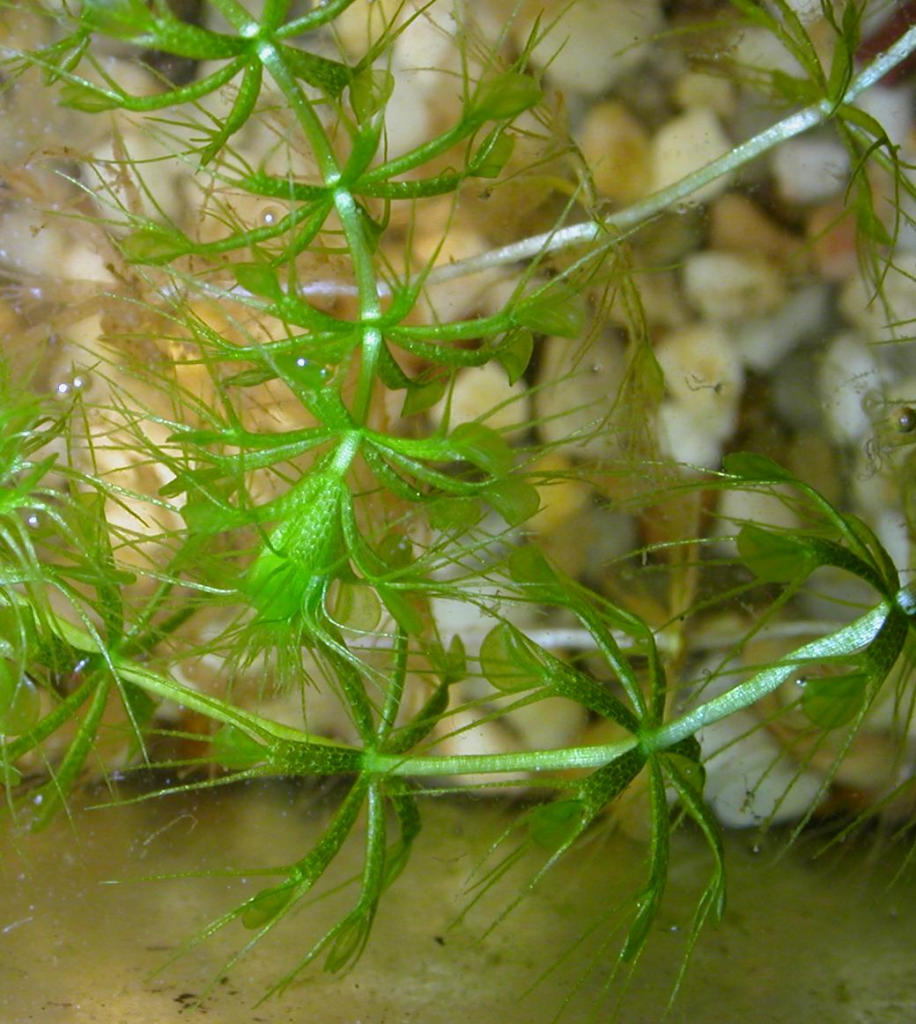
The plant genus Aldrovanda is named after him.

At his demand and under his direction, a public botanic garden was created in Bologna in 1568, now the Orto Botanico dell’Università di Bologna.[5] Due to a dispute on the composition of a popular medicine with the pharmacists and doctors of Bologna in 1575, he was suspended from all public positions for five years. In 1577, he sought the aid of Pope Gregory XIII (a cousin of his mother), who wrote to the authorities of Bologna to reinstate Aldrovandi in his public offices and request financial aid to help him publish his books.

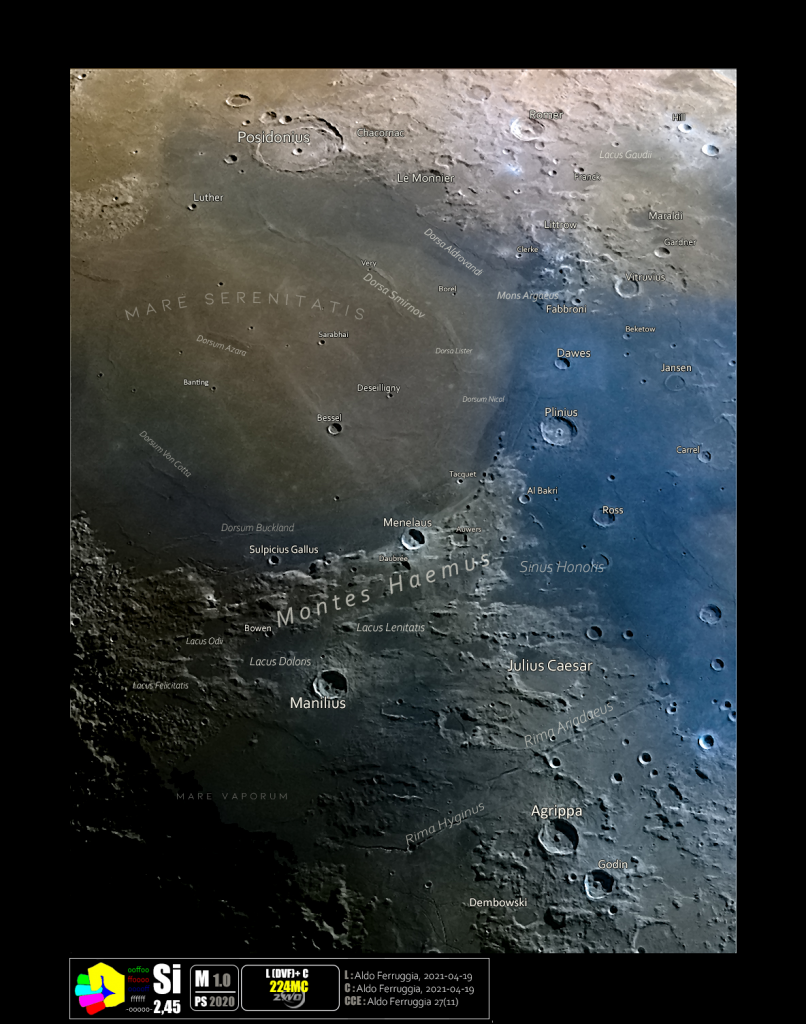
The wrinkle ridge Dorsa Aldrovandi on the Moon is named after him.

The Civico Orto Botanico “Ulisse Aldrovandi” in San Giovanni in Persiceto is named in his honor.

https://de.wikipedia.org/wiki/Ulisse_Aldrovandi

https://en.wikipedia.org/wiki/Ulisse_Aldrovandi


  • -

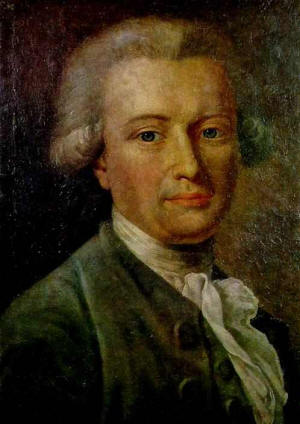
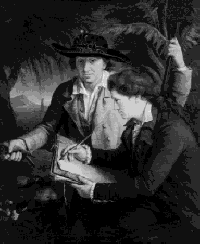
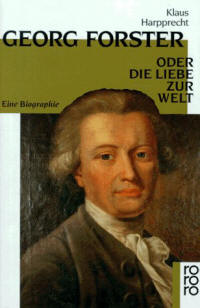
Johann Georg Adam Forster

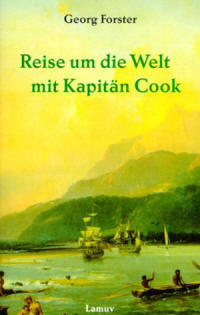
Johann George Adam Forster, also known as Georg Forster[nb 1] (German pronunciation: [ˈɡeːɔʁk ˈfɔʁstɐ], 27 November 1754 – 10 January 1794), was a German naturalistethnologisttravel writer, journalist and revolutionary. At an early age, he accompanied his father, Johann Reinhold Forster, on several scientific expeditions, including James Cook‘s second voyage to the Pacific. His report of that journey, A Voyage Round the World, contributed significantly to the ethnology of the people of Polynesia and remains a respected work. As a result of the report, Forster, who was admitted to the Royal Society at the early age of twenty-two, came to be considered one of the founders of modern scientific travel literature.

After returning to continental Europe, Forster turned toward academia. He taught natural history at the Collegium Carolinum in the OttoneumKassel (1778–84), and later at the Academy of Vilna (Vilnius University) (1784–87). In 1788, he became head librarian at the University of Mainz. Most of his scientific work during this time consisted of essays on botany and ethnology, but he also prefaced and translated many books about travel and exploration, including a German translation of Cook’s diaries.

Forster was a central figure of the Enlightenment in Germany, and corresponded with most of its adherents, including his close friend Georg Christoph Lichtenberg. His ideas, travelogues and personality influenced Alexander von Humboldt, one of the great scientists of the 19th century [5] who hailed Forster as the founder of both comparative ethnology (Völkerkunde) and regional geography (Länderkunde).[6] When the French took control of Mainz in 1792, Forster played a leading role in the Mainz Republic, the earliest republican state in Germany. During July 1793 and while he was in Paris as a delegate of the young Mainz Republic, Prussian and Austrian coalition forces regained control of the city and Forster was declared an outlaw. Unable to return to Germany and separated from his friends and family, he died in Paris of illness in early 1794, not yet 40. In 1785, Forster traveled to Halle where he submitted his thesis on the plants of the South Pacific for a doctorate in medicine.

web

wikipedia DE
wikipedia EN

youtube – vimeo

facebook – twitter – instagram

work


  • -

Samuel Heinrich Schwabe

Samuel Heinrich Schwabe (25 October 1789 – 11 April 1875) a German astronomer remembered for his work on sunspots. He also was Botaniker. His official botanic short code is „Schwabe“.

He studied pharmacy, chemistry, botanics and physics in Berlin. Coming back to Dessau in 1811 he ran the pharmacy of his grandfather. After selling the pharmacy in 1829 he dedicated himself to science and lived in the Schwabehaus.

Schwabe was born at Dessau. At first an apothecary, he turned his attention to astronomy, and in 1826 commenced his observations on sunspots. Schwabe was looking for a possible planet inside the orbit of Mercury. Because of the proximity to the Sun, it would have been very difficult to observe such a planet, and Schwabe believed one possibility to detect a new planet might be to see it as a dark spot when passing in front of the Sun. For 17 years, from 1826 to 1843, on every clear day, Schwabe would scan the Sun and record its spots trying to detect any new planet among them. He did not find any planet but noticed the regular variation in the number of sunspots and published his findings in a short article entitled “Solar Observations during 1843”.[1] In it he made the suggestion of a probable ten-year period (i.e. that at every tenth year the number of spots reached a maximum). This paper at first attracted little attention, but Rudolf Wolf who was at that time the director of Bern observatory, was impressed so he began regular observations of sunspots. Schwabe’s observations were afterwards utilized in 1850 by Alexander von Humboldt in the third volume of his Kosmos.[2] The periodicity of sunspots is now fully recognized; and to Schwabe is thus due the credit of one of the most important discoveries in astronomy.

In 1857 Schwabe was awarded the Gold Medal of the Royal Astronomical Society.

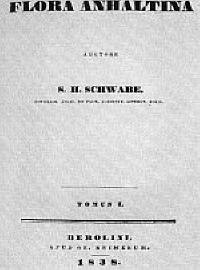
1838 he published Flora Anhaltina, a standard work about the flora of his country Anhalt. Remarkable is his Herbarium.

In 1841 he married Ernestine Amalie Moldenhauer.

A moon crater is named Schwabe after him.

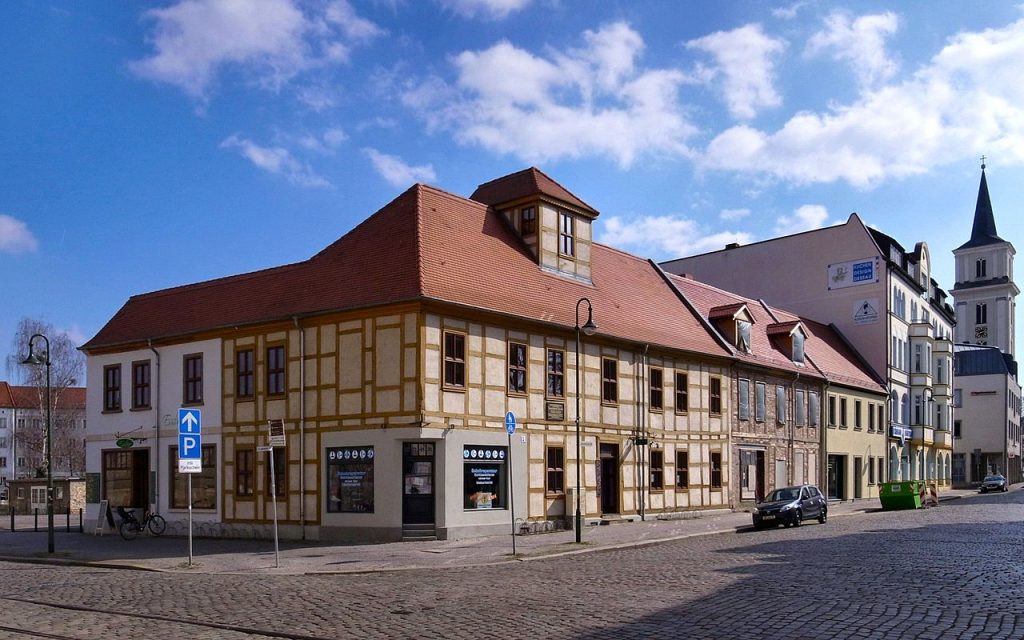
Schwabehaus

wikipedia DE

wikipedia EN

Deutsches Ärzteblatt

www.SchwabeHaus.de


  • -

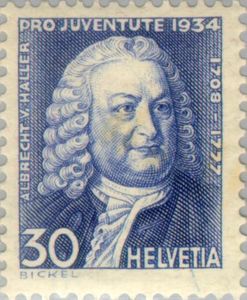
Albrecht von Haller

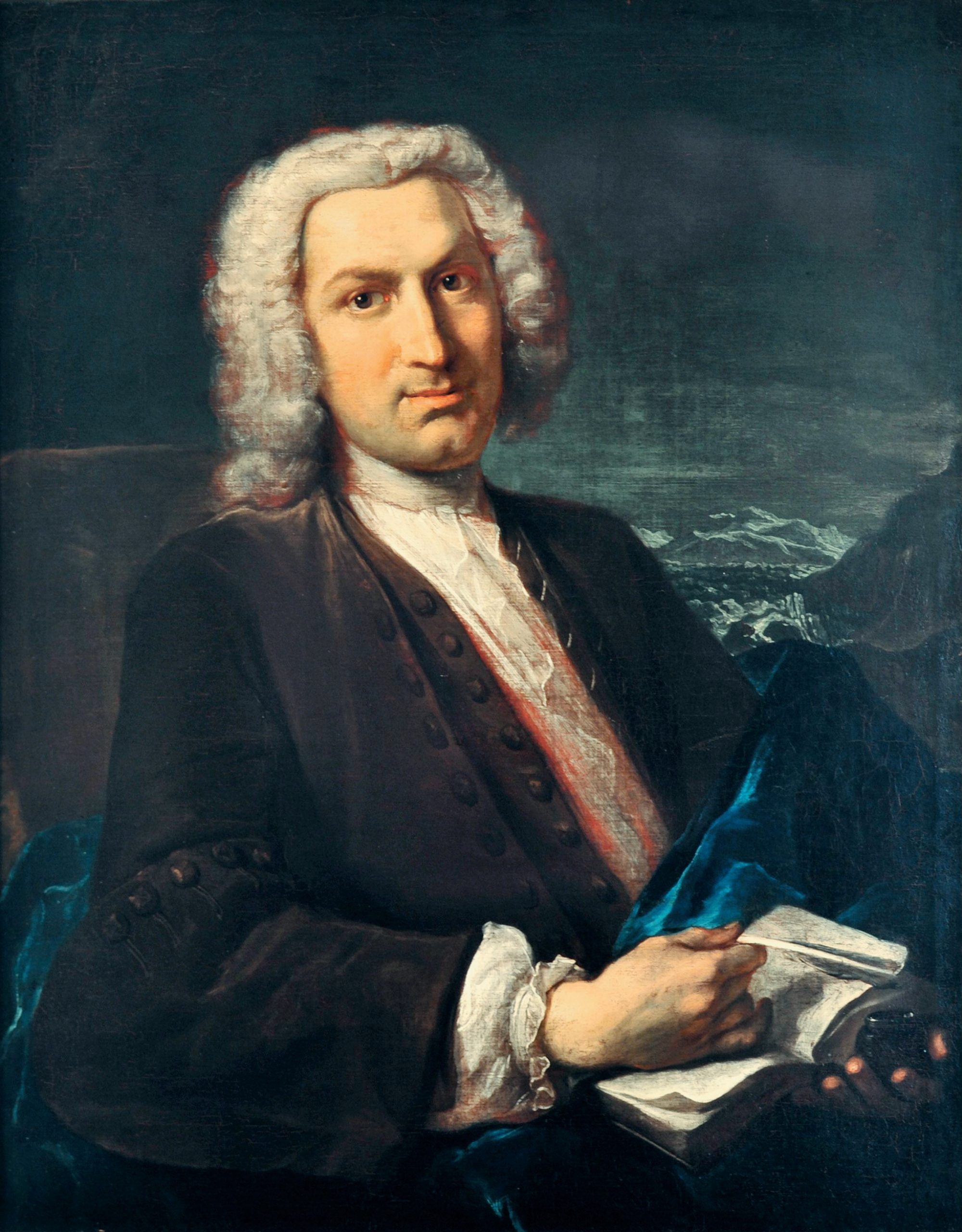
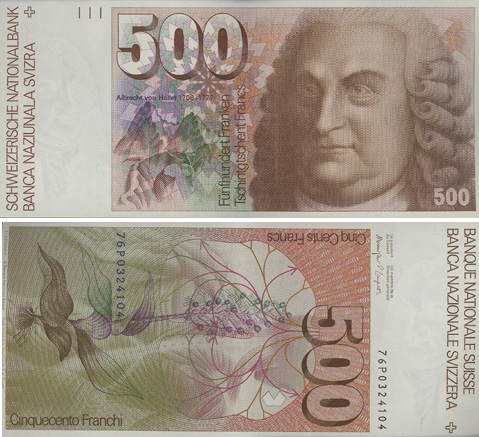
Albrecht von Haller (also known as Albertus de Haller; 16 October 1708 – 12 December 1777) was a Swiss anatomistphysiologistnaturalist, encyclopedist, bibliographer and poet. A pupil of Herman Boerhaave, he is often referred to as “the father of modern physiology.”[1][2]

His botanic abbreviation is “Haller”, also used as “Hall.”

AS author his monumental work is Die Alpen.

In “Die Alpen” are notes pointing out some plants of his main botanic work Enumeratio methodica stirpium Helvetiae indigenarum:

Botanics

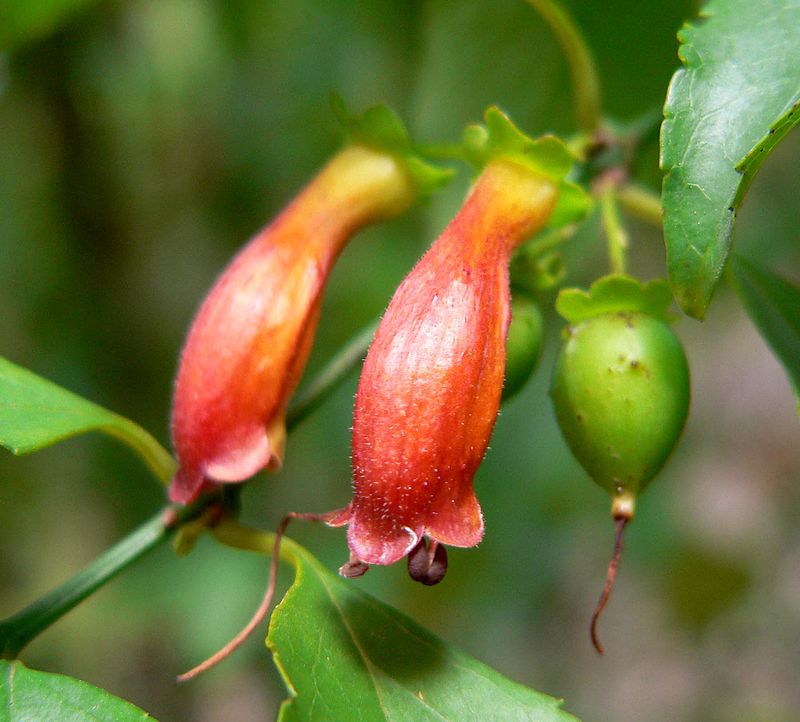
  • Die Gattung Halleria L. der Pflanzenfamilie der Stilbaceae wurde zu Ehren Hallers benannt.

Astronomy

Geography

  • The Haller Rocks, in the antarctic Palmer-Archipel, wear his name since 1960.

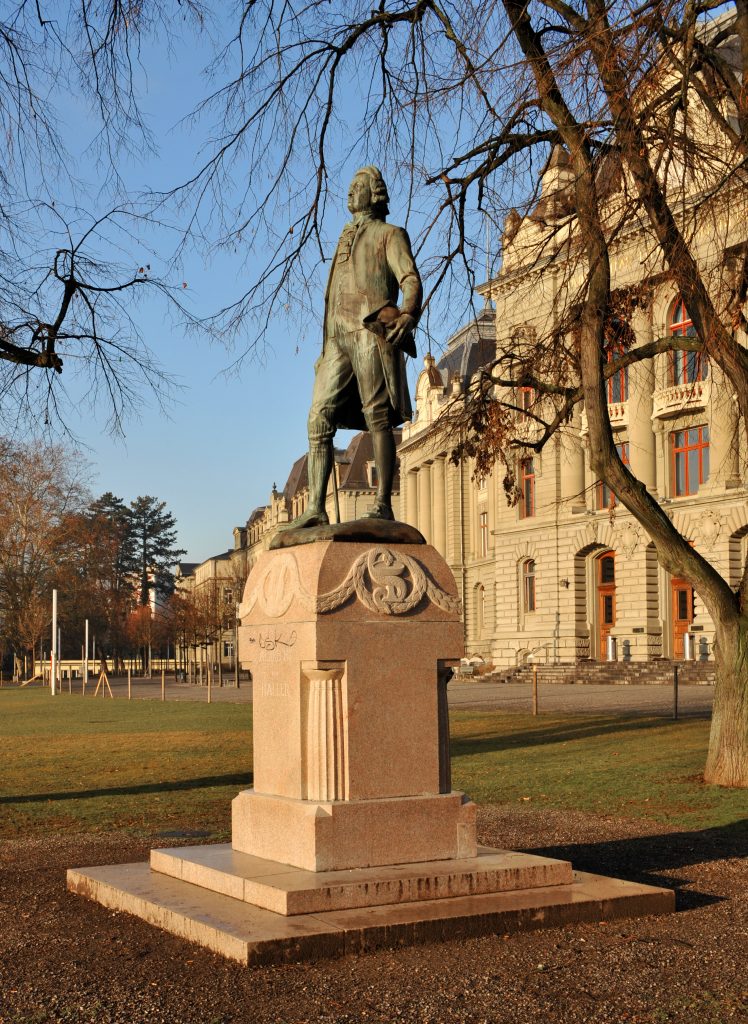
Street

wikipedia DE

wikipedia EN