Category Archives: EthnologyDocs

  • -

Vasos Ilias Vogiatzoglou

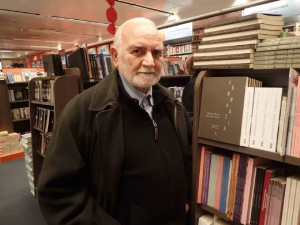
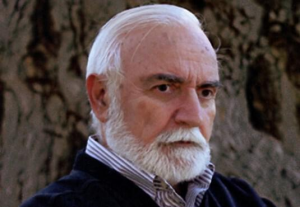
Vasos Vogiatzoglou, son of Elias, was born in 1935 in Nea Ionia, Attica. He is a pediatrician and member of the Doctors of the World organization, a researcher of the history and folk culture of the Greeks of Asia Minor, a poet, onomasticologist, and essayist.

His parents were refugees from Sparta (Isparta) in Pisidia. He studied medicine at the University of Athens and specialized in pediatrics. She provides voluntary pediatric care for children in the women’s prisons of Korydallos and Thebes.

Vasos Ilias Vogiatzoglou was born in 1935 in Nea Ionia, Attica. He is from Sparta, Greece, Asia. He is a pediatrician and an active member of the humanitarian organization “Doctors of the World.” They provide voluntary pediatric care for children in the women’s prisons of Korydallos and Thebes. As a researcher of the history and popular culture of the Greeks of Asia Minor, a poet, onomasticologist, and essayist, he has a particular interest in the philosophical essay. He has published 37 books and collaborated with numerous newspapers and magazines in Greece and Cyprus.

Since 2006, he has been director of the Kyklos School of Philosophical and Social Science Research in his hometown. He has received numerous honors and awards for his literary and humanitarian work, including one from the Academy of Athens in 1986 for his contribution to the study of Hellenism in Asia Minor. He is a full member of the National Society of Greek Writers, the Greek Onomatological Society, the Society of Medical Writers, and the Greek Society of Christian Letters.
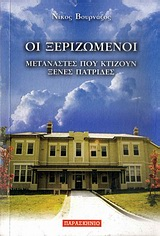
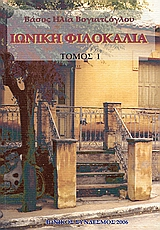
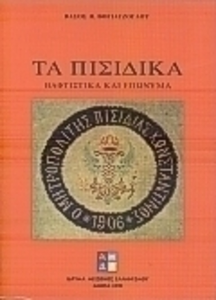
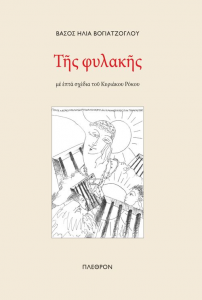
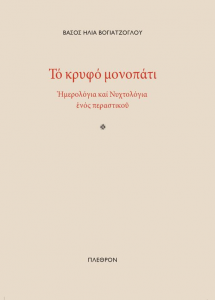
In addition to poetry, he studied the history and folklore of Hellenism in Asia Minor and published the studies Pisidia in Asia Minor (1978), Presences (1979), Neighborhoods of the Infidels (1981), Sparta in Asia Minor (1986), Surnames in Asia Minor: Turkish and Turkish Surnames in Greece (1992), Giannis and Giorgis (1994), Alaya in Asia Minor (1995) and Pisidian Baptismal and Surnames (1998).

Weitere Projekte

He has also published the aesthetic study The Faces of Janus (1991), the translation of the Psalms of David The Book of Psalms (1992), the travelogue about Mount Athos The Bells of Pantocrator (1992) and The Book of Job (2007); his short stories, chronicles, studies and essays have been published in magazines in Athens and Nicosia and his poems have been translated into Romanian and Polish.
https://www.vogiatzogloucollection.gr

https://el.wikipedia.org/wiki/%CE%92%CE%AC%CF%83%CE%BF%CF%82_%CE%97._%CE%92%CE%BF%CE%B3%CE%B9%CE%B1%CF%84%CE%B6%CF%8C%CE%B3%CE%BB%CE%BF%CF%85

https://www.liberal.gr/politismos/i-poreia-pros-fos


  • -

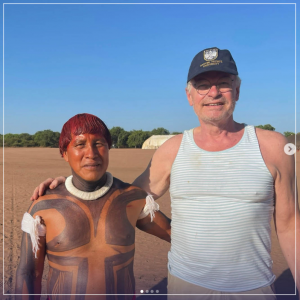
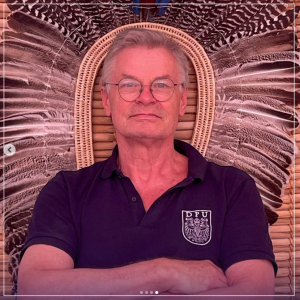
Roland Garve

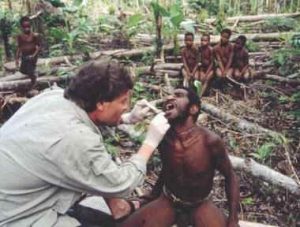
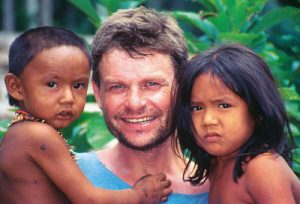
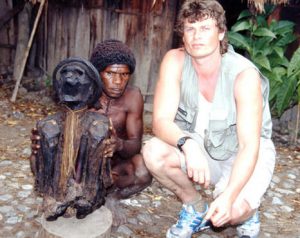
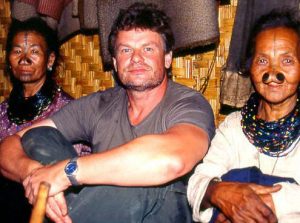
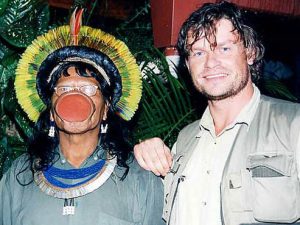
Roland Garve (born December 9, 1955 in Boizenburg/Elbe) is a German dentist and ethnomedical specialist.

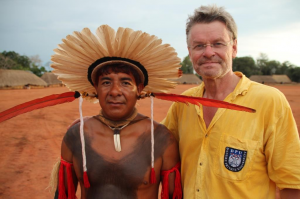
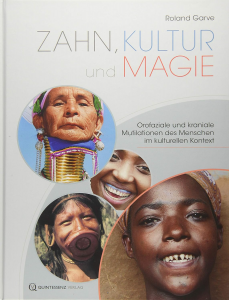
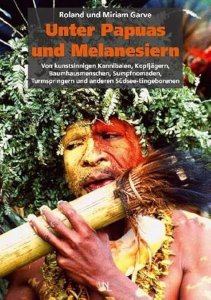
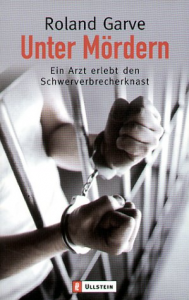
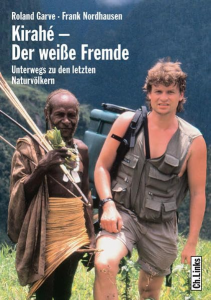
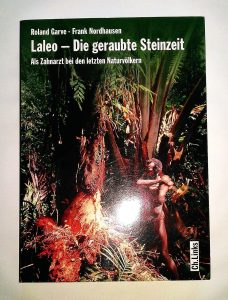
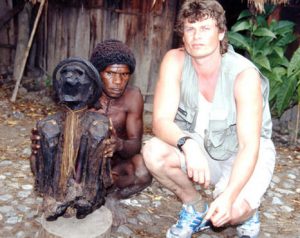
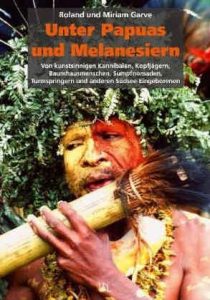
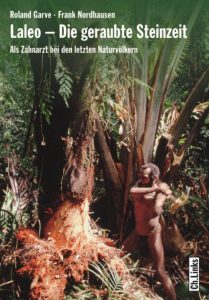
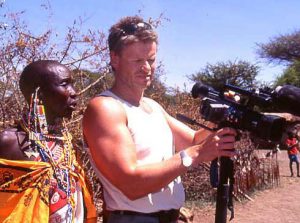
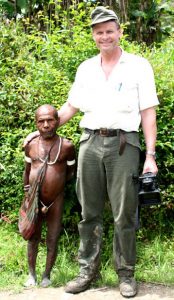
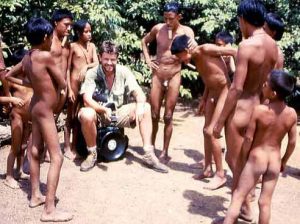
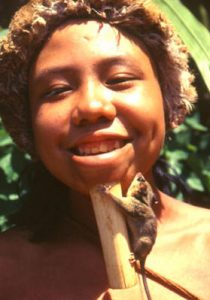
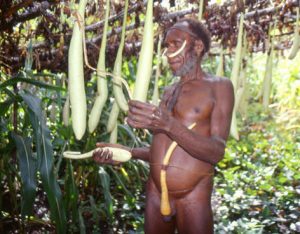
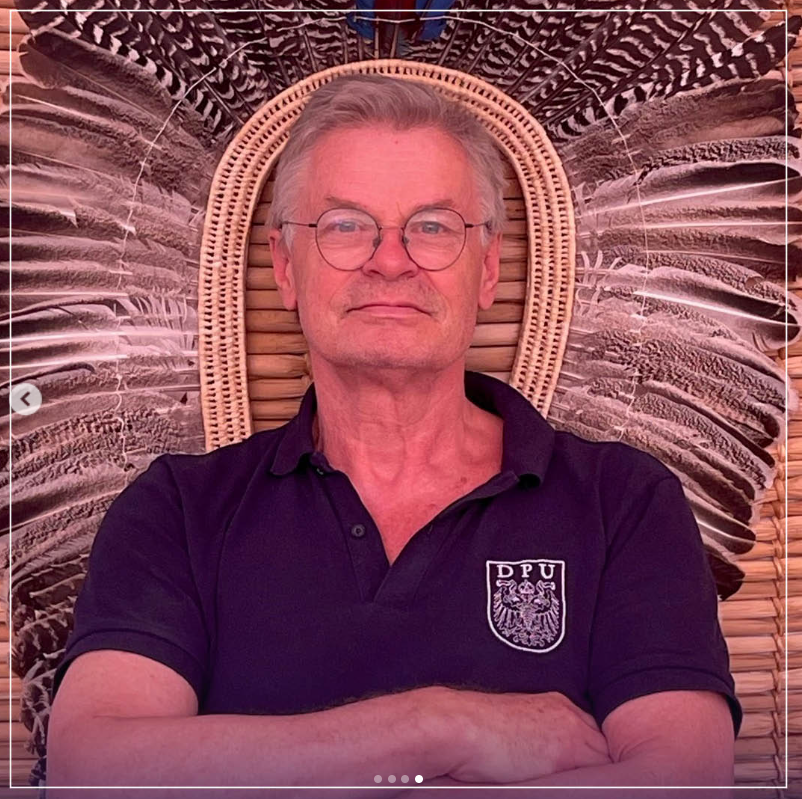
Garve, born and raised in Boizenburg/Elbe, attended the Polytechnic High School from 1962 to 1972 and then the extended High School Boizenburg, where he received his Abitur in 1974. After his military service, he studied dentistry at the University of Greifswald from 1976 and received his license to practice dentistry in 1981. From 1981 to 1983 he was imprisoned in Brandenburg-Görden for preparing an “illegal border crossing” from the GDR. During his imprisonment he treated fellow inmates as a trained dentist. Finally, after being expelled from the GDR in 1984, he left the GDR and received his doctorate from the University of Hamburg in 1986. After working as an assistant in a dentist’s office in Jesteburg, Garve ran a dental practice in Geesthacht in Schleswig-Holstein from 1985 to 2010. He subsequently retired from dental practice. He undertook numerous research trips (including Africa, Brazil, Thailand, Venezuela, and Papua New Guinea) to study indigenous peoples in collaboration with the Ethnological Museums in Dresden and Leipzig. Garve also gives lectures on ethnodentistry and ethnology. He has authored several books about his experiences. Garve also works part-time as a cameraman, photographer, and documentary film producer.

Since 2011, Roland Garve has been a lecturer at the Center for Human Cultural and Natural History, Faculty of Medicine/Dentistry, Krems (Austria), at the Danube Private University.[1]

In 2012, he received his diploma in Tropical Medicine from the Bernhard Nocht Institute for Tropical Medicine at the University of Hamburg.

In 2014, he was appointed Associate Professor and Head of the Department of Ethno-Dentistry at the Danube Private University Krems. Garve is considered the founder of the interdisciplinary research field of ethno-dentistry.

https://de.wikipedia.org/wiki/Roland_Garve

https://www.imdb.com/de/name/nm2672181

https://www.aufbau-verlage.de/autor-in/roland-garve

https://gutelehre.at/projekt/ethnozahnmedizin-ein-interdisziplinaeres-seminar-zur-bereicherung-der-zahnmedizinischen-forschung-und-lehre-um-ethnologische-und-kulturelle-aspekte


  • -

Antti Hernesniemi

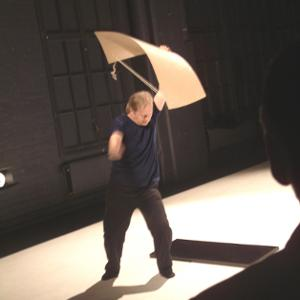
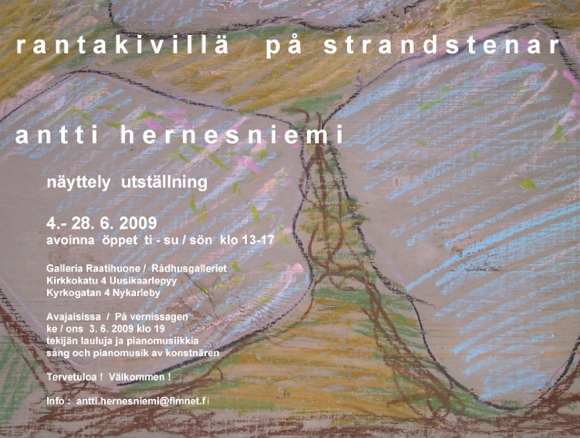
Antti Samuli Hernesniemi (born 1950 Kannus) is a Doctor of Medicine (M.D., University of Helsinki, Faculty of Medicine 1978; M.D., University of Oulu, Department of Public Health and General Medicine 1999) and a Master of Musicology (Åbo Akademi, Institute of Musicology 2016) and a composer-pianist.

He is artist

He is Ethnologist

https://personal.fimnet.fi/laakari/antti.hernesniemi/Antti_Hernesniemi/science-ethnomedicine.html

and last-not-least composer

website: profile

facebook

youtube


  • -

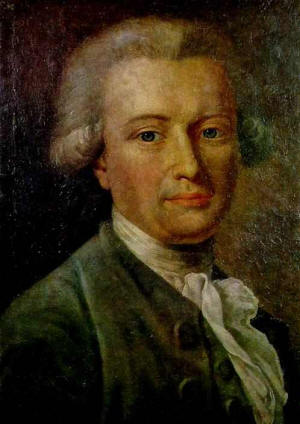
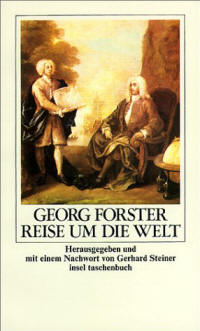
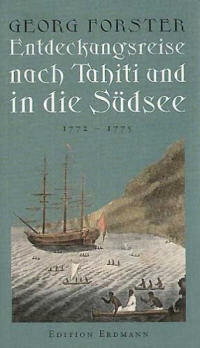
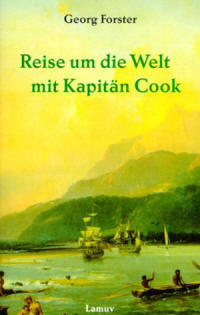
Johann Georg Adam Forster

Johann George Adam Forster, also known as Georg Forster[nb 1] (German pronunciation: [ˈɡeːɔʁk ˈfɔʁstɐ], 27 November 1754 – 10 January 1794), was a German naturalistethnologisttravel writer, journalist and revolutionary. At an early age, he accompanied his father, Johann Reinhold Forster, on several scientific expeditions, including James Cook‘s second voyage to the Pacific. His report of that journey, A Voyage Round the World, contributed significantly to the ethnology of the people of Polynesia and remains a respected work. As a result of the report, Forster, who was admitted to the Royal Society at the early age of twenty-two, came to be considered one of the founders of modern scientific travel literature.

After returning to continental Europe, Forster turned toward academia. He taught natural history at the Collegium Carolinum in the OttoneumKassel (1778–84), and later at the Academy of Vilna (Vilnius University) (1784–87). In 1788, he became head librarian at the University of Mainz. Most of his scientific work during this time consisted of essays on botany and ethnology, but he also prefaced and translated many books about travel and exploration, including a German translation of Cook’s diaries.

Forster was a central figure of the Enlightenment in Germany, and corresponded with most of its adherents, including his close friend Georg Christoph Lichtenberg. His ideas, travelogues and personality influenced Alexander von Humboldt, one of the great scientists of the 19th century [5] who hailed Forster as the founder of both comparative ethnology (Völkerkunde) and regional geography (Länderkunde).[6] When the French took control of Mainz in 1792, Forster played a leading role in the Mainz Republic, the earliest republican state in Germany. During July 1793 and while he was in Paris as a delegate of the young Mainz Republic, Prussian and Austrian coalition forces regained control of the city and Forster was declared an outlaw. Unable to return to Germany and separated from his friends and family, he died in Paris of illness in early 1794, not yet 40. In 1785, Forster traveled to Halle where he submitted his thesis on the plants of the South Pacific for a doctorate in medicine.

web

wikipedia DE
wikipedia EN

youtube – vimeo

facebook – twitter – instagram

work