Category Archives: CarDoc

  • -

Simon Heiniger

«Poor man’s E-Type» – very poor man!

Simon Heiniger: Born in 1962 and raised in Emmental, he studied medicine in Bern. Thanks to a curriculum from the FIAM Bern, he trained as a general practitioner. Since 1994, he has been a family doctor in Olten. Married to a very understanding and patient wife, with three adult children. He writes like a writer:

I would like to tell you something about my hobby. I restore. From a medical perspective, the problem of restoration is not yet fully understood. It is suspected that a relatively rare spontaneous mutation on the Y chromosome occurs (so the female readership can breathe a sigh of relief). This deviation from the original genome forces the male psyche to fight against natural aging with all its might. If a man fails to do this for himself, he turns his energies to, for example, his car.
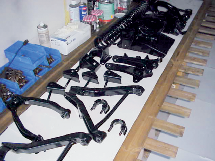
Divide and conquer – but be sure to make a sketch first!

The first symptoms appeared at an atypically young age, which I didn’t yet know how to interpret clearly at the time: I began restoring wooden furniture during my studies. I told everyone at the time that it was a mental balance, and I felt absolutely certain that I had found a survival tool and perhaps even a second source of income for future crises. After a few years, when our apartment looked like a stage set for a Gotthelf theater, my wife convinced me that it might not be very beneficial for the children to grow up in this antiquated living environment, and that, after all, something modern could also be very appealing. I recognized the seriousness of these objections and, somewhat offended, retreated to my workshop, gave away one piece after another, and patronizingly allowed modernity to slowly move into our household. I had the time and opportunity to choose a new hobby. For a brief moment, I even considered sports or reading.

As with many chronic illnesses, one tends to delude oneself into believing one’s health during symptom-free periods. However, when I saw a Triumph Spitfire shortly after opening my practice (for the more interested reader: Mk IV, Jg 72), I quickly added the price tag to the total investment expenditure, and since this didn’t result in a significant difference, I drove the Spitfire home. This spontaneity, often typical of me and equally overwhelming for those around me, didn’t meet with much approval this time either. Since then, I always discuss a car purchase with my wife beforehand, or at least mention such a project sometimes. The Spitfire was a good purchase. The engine almost always started, and only rarely did it let me down on the road. Every now and then, I curiously unscrewed something, marveled at the (still) nameless part, and screwed it back on. Apparently, it was fine; everything worked. The problem with this car was that there was nothing to restore. On a later occasion, I complained about this plight to the Triumph dealer. I think he wrestled with himself for a moment before telling me that instead of ruining the good car, he had an idea. His suggestion was a rather dilapidated Triumph GT6 (for the still-interested reader: Mk I, 1968, also known as the “poor-man’s E-Type”), parked behind the garage years ago and left to rot and rust.
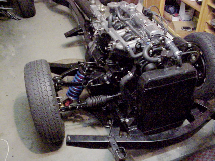
Runs, but doesn’t drive yet

My restoration heart leapt with pity, beat faster, and with much effort (I can’t go into the details, as the various violations may not have expired yet), I parked the “vehicle” in our backyard. I tried to counter my wife’s incomprehensible horror (had I really forgotten to inform her?) with arguments like “it’ll be a great car by spring” and “it looks terrible, but it’s solid.” Admittedly, spring had come several times, and the solidity wasn’t quite so great after all. To lend my determination a touch of credibility, I began the rather hectic disassembly that same day. This bold step in particular isn’t particularly suitable for imitation: even today, I still have a reproachful box of small parts for which, no matter how hard I tried to imagine, I simply couldn’t find room when putting them back together. Very quickly, an unexpected space problem arose. If the car, in drivable condition, has the dimensions of a small vehicle, the space required in a gutted state is about four times larger. I had to discreetly incorporate the now-modernized living space into the storage room, and even for this practical conversion of space, there was strangely no applause. Today I can talk about it; at that stage, I was almost desperate. Half the neighborhood was amused by the noise and chaos.

Give up? Those who restore cars don’t know that expression, and anyway, it’s part of the very nature of a family doctor to persevere, not to give up, even when no one believes in a happy ending anymore. I needed help and comfort, lots of comfort. The bookshelf was filled with specialist literature on British vehicles, rust treatment, engine construction, reports with tips and tricks from fellow sufferers. I discovered I wasn’t alone. Similar fates seem to be shared in many places, with many a self-proclaimed preserver of rusty cars suffering with brave perseverance in a small, unheated garage. The project progressed in small steps. There was a time when the various parts were spread out over a radius of many kilometers: the engine was at the cardiologist’s, the chassis at the orthopedist’s, and the body at the dermatologist’s. Our house was once again stress-free and livable. In this situation, I was once again able to benefit from my experience as a family doctor.
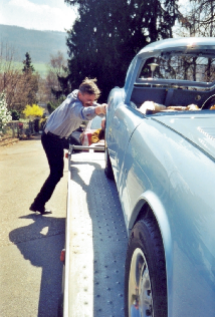
«Barba non facit philosophum», And a beautiful body doesn’t necessarily make a vehicle.

It took my persistent attention until my patient (still disassembled) was finally back home. Now all that was left was to reassemble it. With my now considerable experience and the painful experience of using many new tools, this should really only be the crowning achievement. The conclusion, and especially the crowning achievement, would have to wait for another spring. I became acquainted with the English understanding of precision. The majority of imported new parts rarely fit; where there should have been a recess, there wasn’t one. And the wiring harness had countless nerve endings that simply ended up somewhere without any reason (perhaps I should have paid more attention in neurology). Improvisation and courage were required.
Once all the holes and recesses on the freshly veneered dashboard were covered, I had the part x-rayed in the office. With the old bronchoscope, I was sometimes able to get a better overview of the depths of the engine or the body. And all the useful surgical instruments were briefly put to a different use (and, of course, later sterilized again).

One fall, the Triumph was finally finished, previously in “British racing green,” now in a more conciliatory “powder blue.” Everything worked, and even the motor vehicle inspection gave it its veteran’s blessing. For a short time, the symptoms disappeared, and everyone rejoiced in the miraculous healing. If only the Moto Guzzi hadn’t been at the motorcycle dealer,
or the sadly beautiful Saab on the internet, or the old Vespa in my father-in-law’s barn…

With time and experience, I’ve learned something very important. Before making any new purchase, I always talk to my wife first. She’s learned to live with my weakness and patiently stands by me (sometimes she still has a meltdown when there are so many vehicles in and around the house, so I just have to get rid of another restored object; never mind, I’ll find another one).

Dear reader, I have one final request: If you meet a man in a shiny, beautiful old car, be kind to him. He’s been through a lot.

PrimaryCare 2006;6: Nr. 51-52

Dr. med. Simon Heiniger
Ziegelfeldstrasse 25
4600 Olten
heiniger.simon@freesurf.ch

  • -

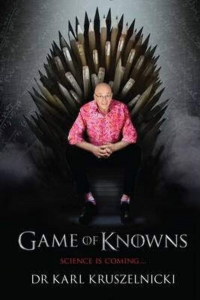
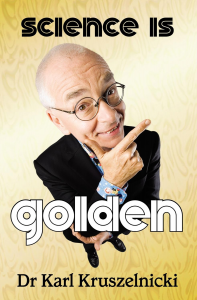
Karl Kruszelnicki

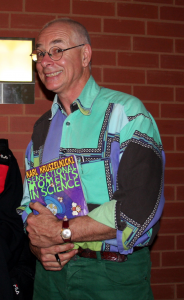
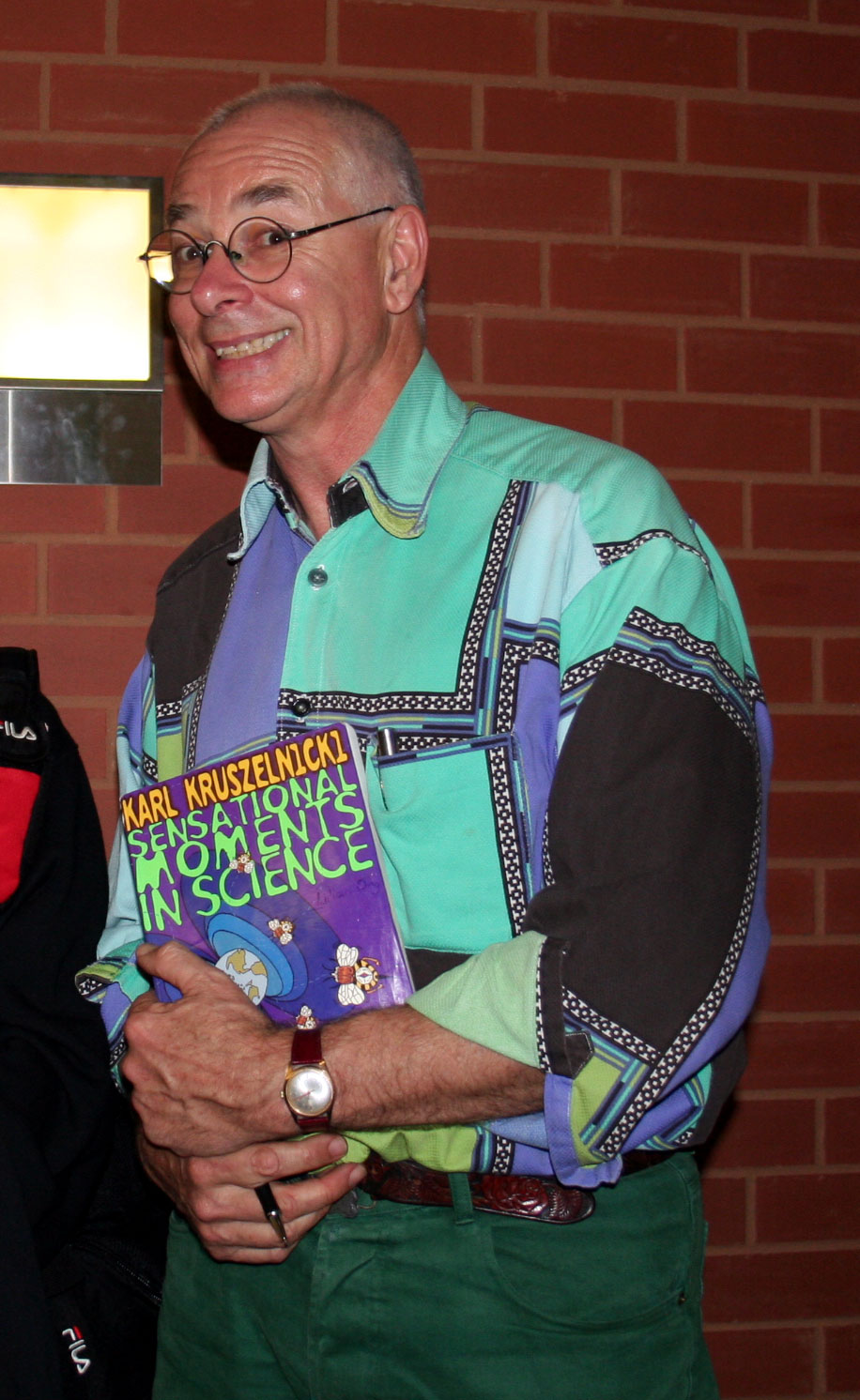
Karl Sven Woytek Sas Konkovitch Matthew Kruszelnicki AM (born 1948), often referred to as Dr Karl,[2] is an Australian science communicator and populariser,[2] who is known as an author and a science commentator on Australian radio, television, and podcasts.
Kruszelnicki is the Julius Sumner Miller Fellow in the Science Foundation for Physics at the School of PhysicsUniversity of Sydney.

Kruszelnicki was awarded a Master of Biomedical Engineering degree at the University of New South Wales. He completed his Bachelor of Medicine and Bachelor of Surgery degrees at Sydney University in 1986.
After primary school, Kruszelnicki’s first job was ditch digger in the Wollongong suburb of Dapto.[11] He also worked as a filmmaker, car mechanic, TV weatherman and as roadie for Slim DustyBo Diddley and Chuck Berry.[12] While working as a taxi driver in Sydney, he was beaten unconscious after picking up a passenger trying to escape a group of men.[1]

Kruszelnicki presented the first series of Quantum (replaced by Catalyst) in 1985. As a science communicator and presenter, he appears on the Seven Network’s Weekend Sunrise and on ABC TV. From early 2008 to 2010 he co-hosted a TV series called Sleek Geeks with Adam Spencer.

Kruszelnicki presented a program on ABC TV in January 2025 titled Dr Karl’s How Things Work.[16]

Kruszelnicki does a number of weekly radio shows and podcasts. His hour-long show on ABC radio station Triple J has been going on in one form or another since 1981; this weekly science talkback show, Science with Dr Karl, is broadcast on Thursday mornings from 11:00 am to midday and attracts up to 300,000 listeners; it is also available as a podcast.[17]

Kruszelnicki also often helps with other science and education Triple J promotions such as the Sleek Geek Week roadshow with Adam Spencer and Caroline Pegram. He and Adam Spencer released the Sleek Geeks podcast regularly until December 2015.[18] Also, Since 2016, he has hosted the podcast Shirtloads of Science.[19][20]

For many years, until March 2020, Kruszelnicki appeared on a live weekly late-night link-up on BBC Radio 5 Live‘s Up All Night, usually with Rhod Sharp, answering science questions.[21] In 2017, he hosted Dr. Karl’s Outrageous Acts of Science on Discovery Channel (Australia).[22]

Kruszelnicki writes a regular column for Australian Geographic magazine, called ‘Need to Know’, which is republished as a blog on the magazine’s website.[23] He has also written for the Sydney Morning Herald‘s Good Weekend magazine.[24]

In 1981, he appeared on an Australian radio documentary about death and near-death experiences that aired on the ABCAnd When I Die, Will I Be Dead?[25] It was adapted into a book in 1987.

Politics

Kruszelnicki was an unsuccessful candidate for the Australian Senate in the 2007 Australian federal election. He was placed number two on the Climate Change Coalition ticket in New South Wales.[27]

In 2015, Kruszelnicki appeared in an Australian Government advertising campaign for the recently published intergenerational report. He had previously agreed to do the campaign, believing it would be a “non-political, bipartisan, independent report.” After its publication, however, he backed away from the campaign, describing it as “flawed”. “How can you possibly have a report that looks at the next 40 years and doesn’t mention climate change? It should have acknowledged that climate change is real and we cause it and it will be messy.”

https://www.abc.net.au/news/karl-kruszelnicki/8462002

https://en.wikipedia.org/wiki/Karl_Kruszelnicki


  • -

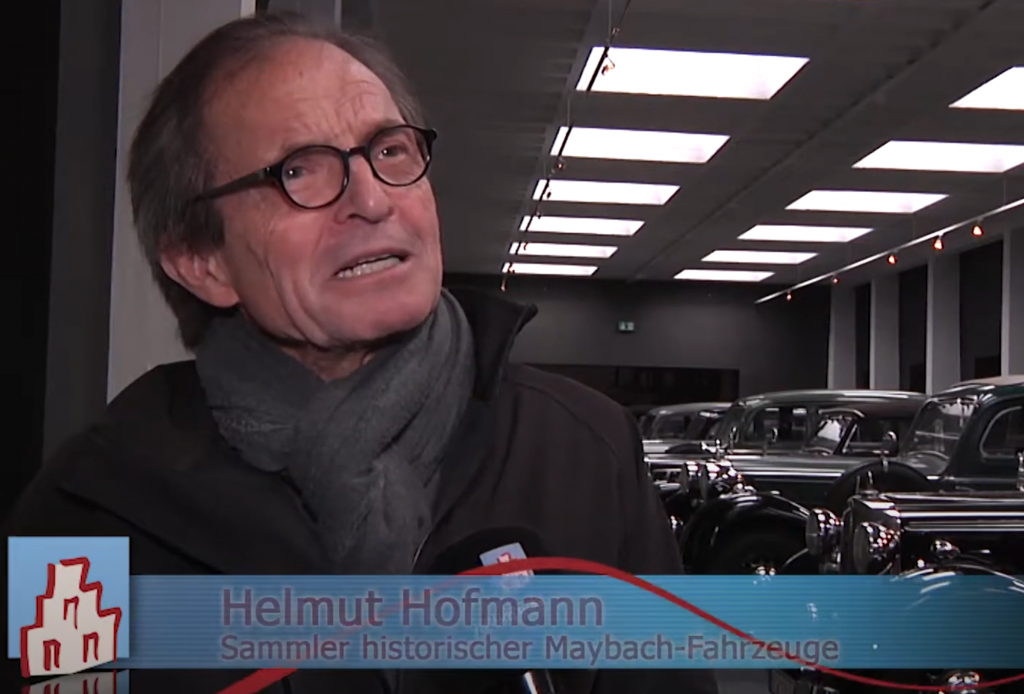
Helmut Hofmann

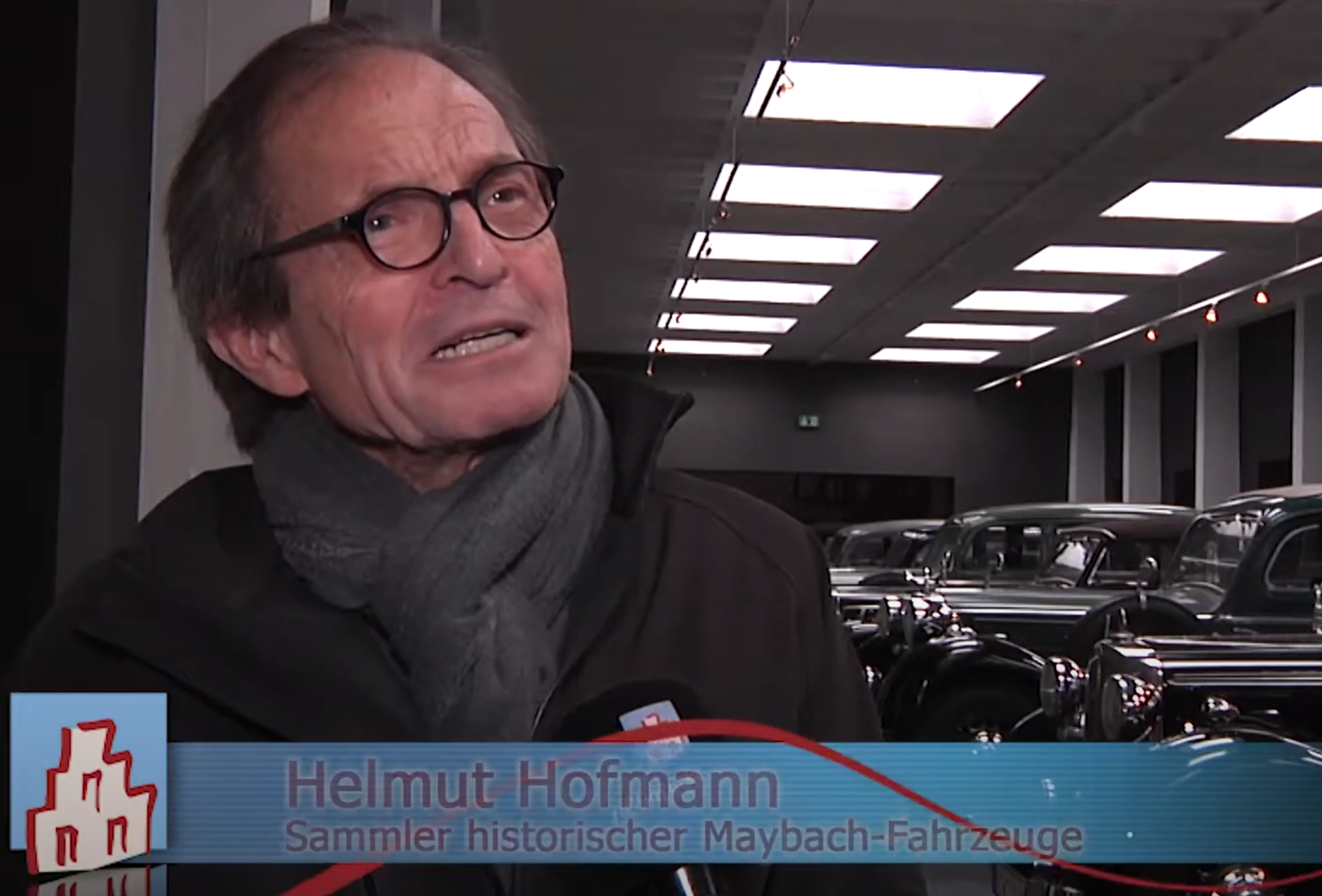
With the private Museum for Historic Maybach Vehicles, the Neumarkt-based collector couple Anna and Dr. Helmut Hofmann fulfilled a lifelong dream – and in 2009 opened a globally unique collection of these gleaming chrome luxury cars to the public. Around 20 historic Maybach vehicles – one-tenth of the world’s remaining stock – are housed in this attractive museum building. The museum tells the exciting story of the “Maybach myth” and the Maybach-Motorenbau GmbH owned by Wilhelm and Karl Maybach. Just 1,800 of these valuable vehicles were built to order between 1921 and 1941; around 160 remain around the globe – and almost 20 of them are located in Neumarkt. On approximately 2,500 square meters of exhibition space, the precious vehicles can be viewed in a chronologically structured display and in a wide variety of conditions – from sawn-up barn finds to concours classics. No less spectacular is the building complex, which grew out of the historic industrial buildings of a former bicycle and motorcycle factory from the Wilhelminian era, the famous Neumarkt Expresswerke. A small but impressive additional exhibition showcases several exhibits from the history of the Expresswerke.

https://www.automuseum-maybach.de

https://de.wikipedia.org/wiki/Museum_f%C3%BCr_historische_Maybach-Fahrzeuge

https://en.wikipedia.org/wiki/Museum_for_Historical_Maybach_Vehicles

https://www.kurier.de/inhalt.maybach-museum-10-jahre-mythos-maybach-in-der-oberpfalz.3e2a348b-96c1-44f5-9cca-f14a695470c5.html

https://www.fr.de/ratgeber/auto/einmaliges-maybach-museum-11495271.html

https://en.naturpark-altmuehltal.de/sehenswertes/museum_fuer_historische_maybac-4533

https://museen.de/maybach-museum-neumarkt.html


  • -

Fabio Colombo

Fabio is a Multi-Talent!

http://www.colombofabio.com

https://www.instagram.com/dr.fabiocolombo


  • -

Tom Tarter

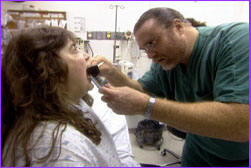
A decade out of med school, Tom was confident in his ability to handle any case that came into the emergency department at Bloomington Hospital.

In need of some doctoring

NOVA: Are you glad you became a doctor?

Tom Tarter: I couldn’t imagine myself doing anything else but what I do. Well, that’s not entirely true—I could be a mechanic. But I do love emergency medicine. I just love it.

Q: I can tell. You light up when you talk about it.

Tom: Yeah.

Q: Can you tell me a little bit about your own health?

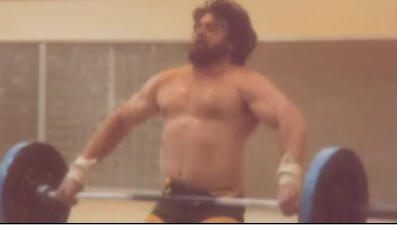
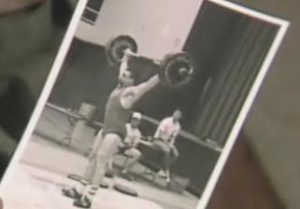
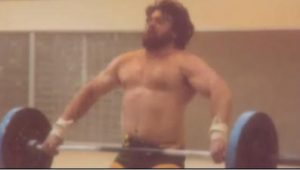
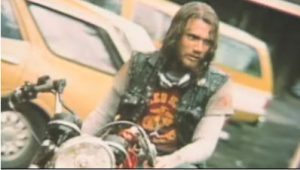
Tom: Sure. I’ve just been running so hard, trying to get my life together, that my health has really gone to hell in a handbasket. For the last three years, I haven’t had any health insurance. I’ve gained a monstrous amount of weight. And I smoke. So these are issues that I really have to address. I’ve had multiple orthopedic procedures for injuries from when I was involved in weight lifting and motorcycles. So I have quite a bit of pain to deal with. But I think everything will get a lot better when I lose 100 pounds and quit smoking.

Q: Why haven’t you had health insurance?

Tom: I couldn’t afford it.

Q: It seems ironic that you’re a physician and not able to afford health insurance.

Tom: Health insurance would cost my family close to $2,000 a month for the four of us. I just can’t do it. Now, my wife just got a job, and we’re gonna be able to get coverage under her policy at work. But I’m kind of like a freelance worker, so I have no insurance, haven’t had it for years.

Q: You must be able to relate to people you see in the hospitals without insurance.

Tom: Yeah. You’ve gotta do what you gotta do to get by. If it’s a choice between paying your mortgage, or getting your house foreclosed, or doing without health insurance, well, we all have to make those choices. I still am living in my house.

Q: Do you think our health-care system is broken?

Tom: The health-care system in this country is a mess. There’s a horrendous amount of waste and abuse on both sides of the line. I’m pretty familiar with both sides. The answer certainly isn’t as simple as just throwing a bunch of money at it. There has to be fundamental change in the way medicine is structured in this country. Really it would be best to throw the whole system out and start from scratch.

Fighting stereotypes

Q: When you were in medical school, you felt like the odd man out. Do you still feel that way as a doctor now?

Tom: Guys like me aren’t supposed to be in medicine. I’m from a poor family, broken home, and I didn’t go to any special schools. I’ve never fit in, really, for that reason. On top of that, I’m a bit of a freethinker.

Q: Has your tendency to challenge the status quo gotten you into trouble?

Tom: Lots of trouble.

Q: Talk about that.

Tom: I’ve gotten into trouble for all kinds of ridiculous things. For instance, I once had a patient who had bad sleep apnea, and on top of that, he had hay fever. He hadn’t slept for days and was virtually at the point of suicide. Well, I asked this nurse for a medication called Afrin, which you can buy at any drugstore. This would open up his sinuses, and he’d be able to sleep. The nurse said, “We don’t have it, and I’m not gonna even look for it.”

I happened to have an unopened bottle of this stuff in my bag. He tried it. It opened up his nose, and he was real happy. But I got read the riot act for giving home-brewed medications that weren’t approved by the hospital.

Basically, they didn’t want me there. I wasn’t the stereotypical doctor, and they wanted me out of there. I’ve had multiple experiences like that.

Q: It must be depressing at times.

Tom: It’s very depressing. [laughs] It is.

“A lot of people just don’t understand that everybody isn’t stamped out of the same cookie cutter…”

Q: Have you tried to conform to fit in?

Tom: I’ve done everything—I’ve cut my hair, I’ve worn the white coats, cleaned up my act as much as I possibly can. But there’s just something about me—the way I’ve been raised, the story of my life, the way I think, the way I am. It just says, “This guy isn’t your typical doctor.”

Q: Do you think it’s fair that people in management may judge you on superficial things like your tattoos?

Tom: Well, I don’t think people should judge me by my tattoos, by the way I wear my hair. These people have access to my CV. They see that I graduated from Harvard, that I’ve been working for 15 years as a board-certified, high-trauma emergency doctor. I’ve never been sued, never been named in a case. They see this stuff.

I think part of why the medical community, in general, doesn’t communicate well with the public is because most doctors were hand-selected from upper middle class families. They don’t relate to working-class people and don’t acknowledge working-class people as being worthwhile. You know? If you don’t enjoy golf, if you don’t hate tattoos, if you smoke cigarettes, you’re dirt. And if you think that way, well, you’re not going to like me.

Q: Are you angry?

Tom: I don’t think I’m particularly angry, no. I don’t blame anybody. It hurts and it’s depressing, absolutely.

A lot of people just don’t understand that everybody isn’t stamped out of the same cookie cutter, that people are different and that’s okay. It seems to be less so at my current job—in the VA [Veterans Affairs hospitals], soldiers are much more similar to myself. We seem to understand each other better. I think there’s less of a boundary between the socioeconomic classes, and a lot of the other physicians there were ex-soldiers themselves. So I think it’s a better spot for me. But in the private sector, it’s tough. It is tough.

Q: I’ve seen you with patients. You’re amazing with patients. They really respond to you.

Tom: Yeah, it’s funny. Patients seem to really gravitate towards me. It’s just the administrators and other doctors who sometimes have trouble with me.

Q: In the future, would you like to stay with the VA because it’s a better fit?

Tom: That’s pretty much what I’m thinking. I’ll probably continue working at the VA as long as they want me. And we’ll see.

One thing I like about the VA is we get to spend a decent amount of time with patients. The people who work at the VA, at least where I’m working, really care about giving good health care. These are vets who have served their country, and we want to do a good job of taking care of them.

Q: Are there other things you see ahead in your career?

Tom: I’d like to do some kind of activism. I really would. We live in the greatest country in the world, yet we’re falling apart. I’d love to get involved in some kind of activism, whether it’s in the health-care field or just political activism. I’m an old hippie, and I’ve always wanted to make some kind of positive change.

Q: You would make a great activist.

A downward spiral

Q: You were a pretty seasoned doctor when I last saw you here [in Bloomington, Indiana] in 2000.

Tom: Yeah. It took me about 15 years of medical training to really feel comfortable in the emergency department, to feel that I was a competent physician. But I did feel that way, and I do now.

Q: What started to go wrong after I last visited?

Tom: Well, I kind of had two crises going at the same time. My third marriage, of course, did not work out. It was probably a very poorly advised thing for the two of us to get married to start with. And my life in medicine was great in terms of my love of doing it, but it went downhill in other ways.

I had been recruited to what was at the time the only hospital in Bloomington, and after a falling-out with the people who run the emergency department, I no longer was able to work in Bloomington. That put me in a difficult situation, ’cause I’d bought this house, and I had begun to put down roots here.

“I have a wonderful wife. She’s just absolutely the greatest. I love her like nobody I’ve ever met before.”

Emergency department doctors have to work within the boundaries of a hospital. We don’t have the choice of just opening up a practice. After I left Bloomington Hospital, I took some jobs at hospitals here and there, essentially working for an agency that placed me at different facilities.

Q: So now you are something of an itinerant doctor.

Tom: Right. I’ve been bouncing around, from one job to another, sometimes having to drive four or five hours to get to a job. Currently, I’m taking planes to anywhere from Seattle, Washington to St. Thomas, Virgin Islands just to find work.

Q: Financially, it’s been tough for you. What’s happened to your credit rating?

Tom: Because of some circumstances surrounding the divorce, my credit rating has gone down the toilet, and right now I couldn’t get a credit card from Sears if I wanted to. During the divorce, I was court-ordered by the judge to turn over one of our cars to [my ex-wife]. She was court-ordered to pay the payments on the car and the insurance. Well, she didn’t.

When I heard that the car was impounded, I paid off what was owed and got the car back. I contacted the credit company and said, “Would it be possible to get some kind of forbearance, given that I was court-ordered to give this car to this woman?” They said, “No, it’s going on your credit score.” That set up a spiral where my credit has just gone so far down the toilet it’s laughable.

Q: Did you imagine when you were in med school that you might be in this place financially after you became a doctor?

Tom: I never expected that I would be almost as broke as I was before I went to medical school and possibly looking at bankruptcy. It blows my mind completely.

The business of emergency medicine

Q: Do you think that most emergency departments are managed with too much of a business mentality?

Tom: The doctors who run these groups [that have contracts to manage emergency departments] have become businessmen. They’ve adopted models of how medicine should be practiced based on corporate models.

They measure how well their business is doing like McDonald’s would. They issue questionnaires on patient satisfaction. Actually, they stop calling patients “patients.” They refer to them as customers. They talk about customer satisfaction. Well, unfortunately, medicine doesn’t fit that paradigm. You cannot use the same paradigm for selling hamburgers as for taking care of an ill patient.

You’re not always making people happy when you’re making them healthy. Sometimes you’re pissing them off. So these tools to measure patient satisfaction don’t measure the quality of the health care. Here’s a basic example: Every emergency physician deals with a patient who abuses prescription pain medicines, who is trying to get pain medicine to use or sell. If you say, “We’re not gonna give you narcotics,” this person blows a fit. When this person gets his exit questionnaire, and it says, “Are you happy with the care you got?” he’s gonna say no.

So these questionnaires can encourage physicians to do bad things-—give narcotics when they’re not warranted, give unnecessary antibiotics, order too many tests. Ordering lots of tests makes everybody happy, because you can bill more. These are all things that corporate emergency medicine encourages. And if you try to buck that system, you’re gone. You’re toast. You’re history.

Q: Do you think emergency departments are a particularly troubled part of the health-care system?

Tom: What’s happening in emergency medicine is really very dire, and there isn’t much appreciation for it. A lot of people don’t even know how emergency departments are run. They think that doctors from the hospital fill shifts, which hasn’t happened since the 1970s.

Still grateful

Q: Knowing what you do now about emergency medicine, would you go down this path again?

Tom: You bet I’d do it all over again. I love emergency medicine. I love it. I wouldn’t want to do anything else. I know that when somebody walks into my emergency department, no matter what’s wrong with them, I can give them their best shot at getting better. I wouldn’t trade that for the world.

Q: When you can’t save someone, how does it feel to have to tell their loved ones? Have you dealt with death so much by this point in your career that it feels normal?

Tom: It never feels normal or okay to inform someone that their loved one’s died or to inform someone that they have a terminal illness. It’s a horrible thing to do. I empathize with their pain, and I’d rather stick hot pins in my eyes than tell somebody that their life mate has died. Unfortunately, someone has to do it, and often that’s me. So I try to do it in the most compassionate way that I can.

“You take what life gives you. If I had a magic wand that could change it, believe me, I would.”

Q: Given all the difficulties in your life, are there still things for which you’re thankful?

Tom: I have a wonderful wife. She’s just absolutely the greatest. I love her like nobody I’ve ever met before. She’s so hardworking and level-headed and smart. She doesn’t even know how smart she is, how much insight she has. She’s just fantastic.

We live in a beautiful town. We have this beautiful land and beautiful house. I’m very grateful for all those things—I’m just afraid they’re all going to get taken away. Well, they’re not going to take away my wife, but we could end up living in refrigerator boxes. We always kid about that.

Q: How do you feel about participating in this series, our following you for 21 years?

Tom: I really am very happy to have done it. It’s been very therapeutic, allowed me get a lot of things off my chest. It’s almost like analysis or something.

Q: What would you say to a young person who thought he or she wanted to be an emergency-medicine doctor?

Tom: There’s a lot to think about. You can definitely get a better return for less investment working in other fields of medicine. You can do something like become a physician’s assistant or a certified nurse anesthetist. You don’t have to sell your soul for half your life to get there. So I advise people to strongly consider that they’re going to have to work very hard for many, many years for very little pay. They may have to borrow money for a good part of it, come out in debt. It’s a tough road.

Q: If you could do some things in your life differently, what are some of the life lessons you’ve learned?

Tom: Watch out for adjustable-rate mortgages, watch out for cars that don’t get good gas mileage. I don’t know. Try to smell good all the time. That’s about it.

Q: You have been under such stress in the last few years. I can’t even imagine it. It must be exhausting.

Tom: Yeah, but you take what life gives you. If I had a magic wand that could change it, believe me, I would. My wife and I constantly brainstorm to try to think of ways to turn things around. We’re doing the best we can. If anybody has a better idea, write to Tom Tarter, care of WGBH, and let me know. [laughs] I’m open for suggestions.


  • -

Thomas Edwin Ellenberger

Category : CarDoc

Wolfgang,

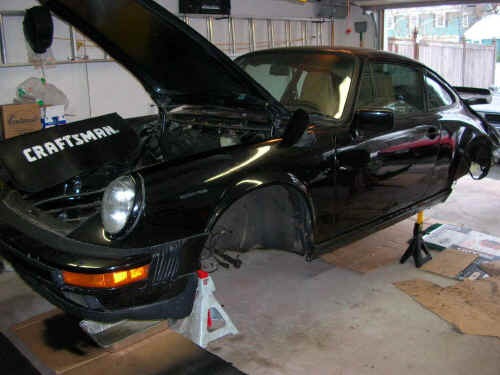
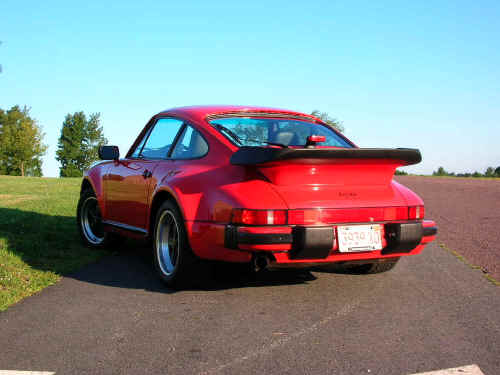
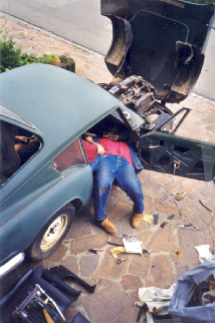
I enjoyed viewing the hobbies listed on your website.  Most are more high-minded than mine.  In recent years I have resumed an old hobby from my mispent youth that might be properly characterized as “grease monkey-doc.”  I restore old Porsche 911s in my spare time (attached photos) and find it to be very relaxing working with my hands.

With Regards,

Tom


  • -

Erik Brandenburg

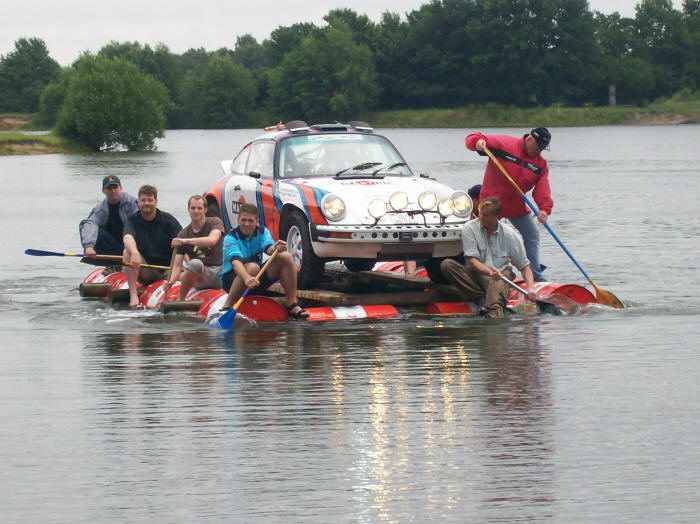
2007 Brandenburg made the second place in the Transsibiria-Rallye.

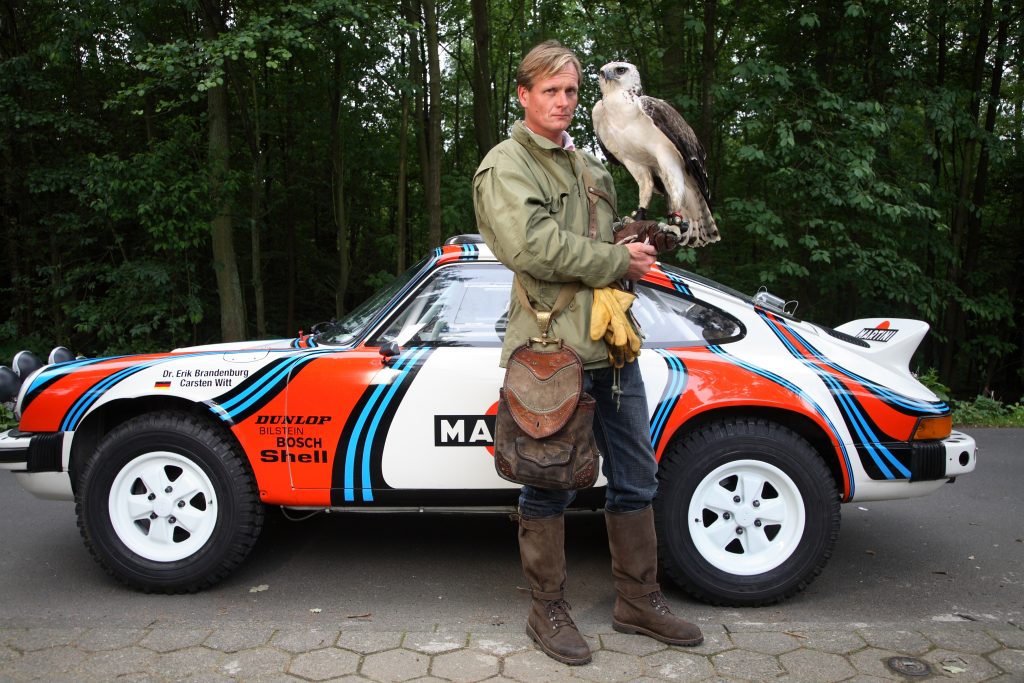
He is also FalconerDoc and drives with the eagle in the Porsche to flying places….

This fighting eagle is my co-pilote when I go for chase, the co-pilot seat is taken out and he is sitting in a big wooden box filling half of the 911 …..tough, what?? kind regards

Driver profile Transsibiria Rallye (DE):
Name, Vorname: Dr. Brandenburg, Erik
Alter: 40
Wohnort: Hamburg, Deutschland
Geburtsort: Hamburg, Deutschland
Beruf: Arzt
Fahrzeug: Porsche 911 Safari
Team: Dr. Brandenburg Racing
Beifahrer: Preuss, Stephan
Rallye-Erfahrung: Gewinner des Marlboro Adventure-Teams, USA, 1989
Camel Trophy Syberia, Sieger des ”Best Drivers Awards”,
Zweiter Platz Gesamtklassement 1990
Camel Trophy Malaysia, Urwald, 1993
Zahlreiche nationale Rallyes, Auto und Enduro
Rallye-Erfolge:
Art der Vorbereitung: Zwei Jahre Arbeit am Wagen…!
Grund der Teilnahme: Um das Land und tolle gleichgesinnte Kameraden kennen zu
lernen.
Selbsteinschätzung: Wir beißen…!!! Wir brauchen keinen Schlaf! Adrenalin pur und
Kameradschaft!
Hobbys: Falkenjagd mit Beizvogel und Adler, Rallye-Sport und
Katamaran-Wettbewerbe
Motto: Lasst uns Spaß haben, nette Leute treffen und Natur erleben!
Kommentar: Auf geht’s! Danke an Richard Schalber und seine Crew

youtube collection

Magazine-article

Der Hamburger

work


  • -

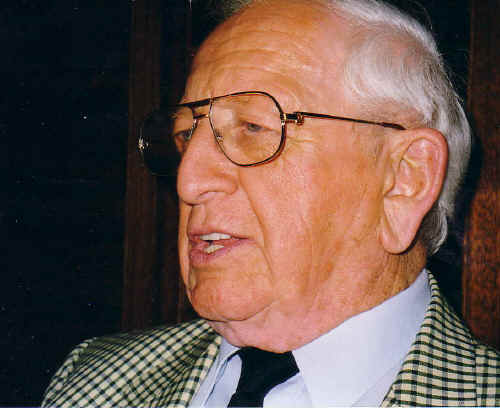
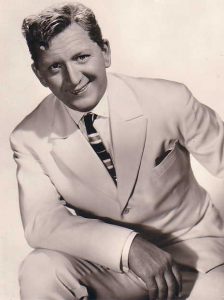
Gunther Philipp

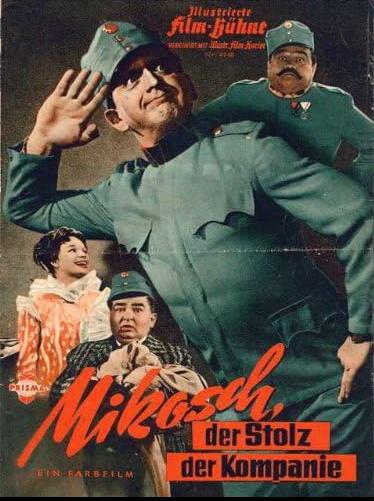
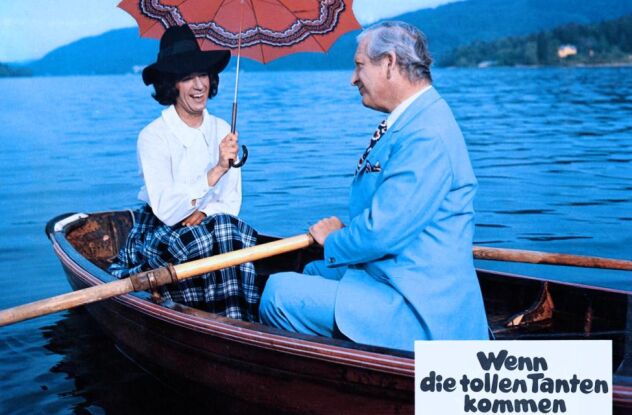
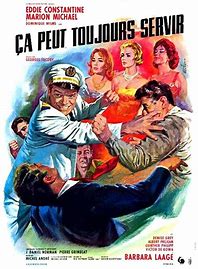
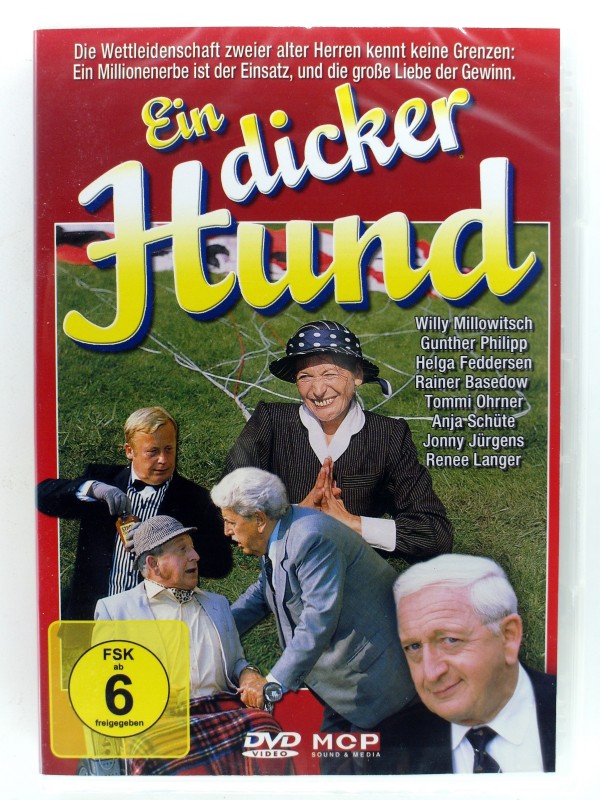
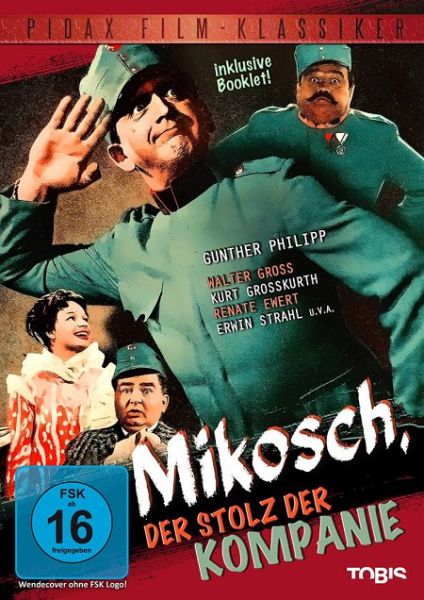
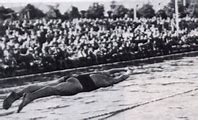
Gunther Philipp (8 June 1918 – 2 October 2003) was an Austrian film actor, physician and swimmer.[2]

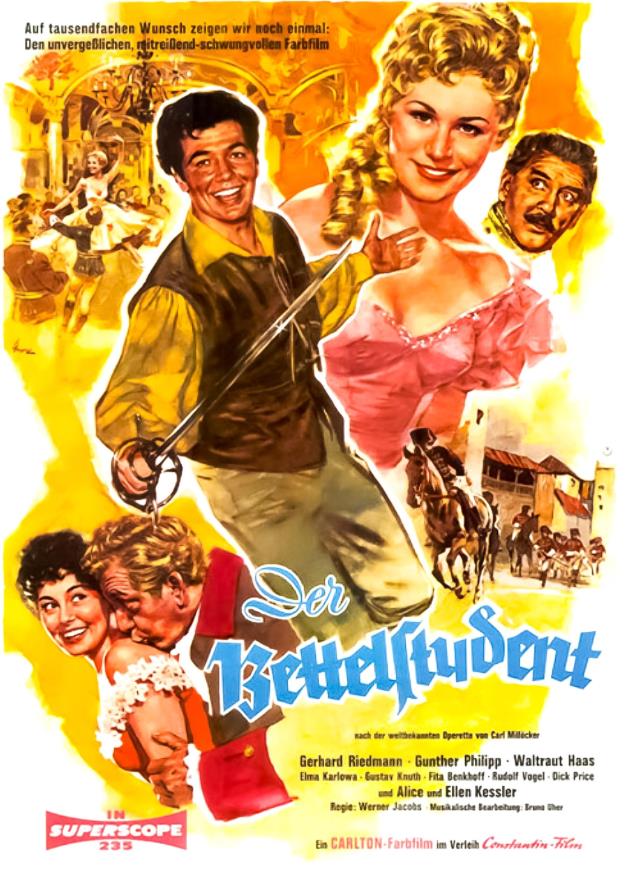
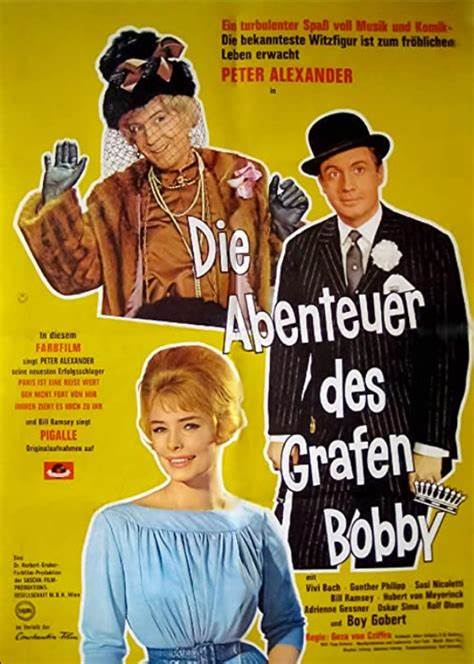
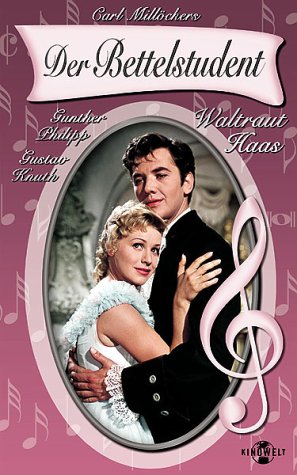
From 1949 to 2002 he appeared as an actor in 147 movies for cinema and television, mainly in comic roles. As an author, Philipp wrote 21 film scripts.

https://www.youtube.com/watch?v=37YfeJ6MoBY

During World War II, Philipp studied acting at the Max Reinhardt Seminar and at the University of Vienna philosophy, majoring in psychology and then medicine. In 1943 he received his doctorate in medicine (Dr. med. univ.) He held the Austrian record in the 100-meter breaststroke for 14 years. He was also in the squad of the Austrian Olympic team in Berlin in 1936, but was not nominated for political reasons because he did not want to join the National Socialist-dominated “First Vienna Amateur Sports Club”. After the war, he ran a practice in Eberstalzell in Upper Austria and was active until in the 1990s at the Vienna University Clinic for Neurology and Psychiatry.

Selected filmography

Sporting successes

  • 1935 Austrian record 100 m breaststroke
  • 1937 an Austrian record 100 m breaststroke
  • 1938 Austrian record 100 m breaststroke 3 x.
  • 1939 the Austrian record in the 100 m breaststroke (at the same time European year best performance: 1:11,3)
  • 1939 academic world record at the German University Championships in Schrießheim Mannheim / year highs 100 m breaststroke (second in the world rankings)
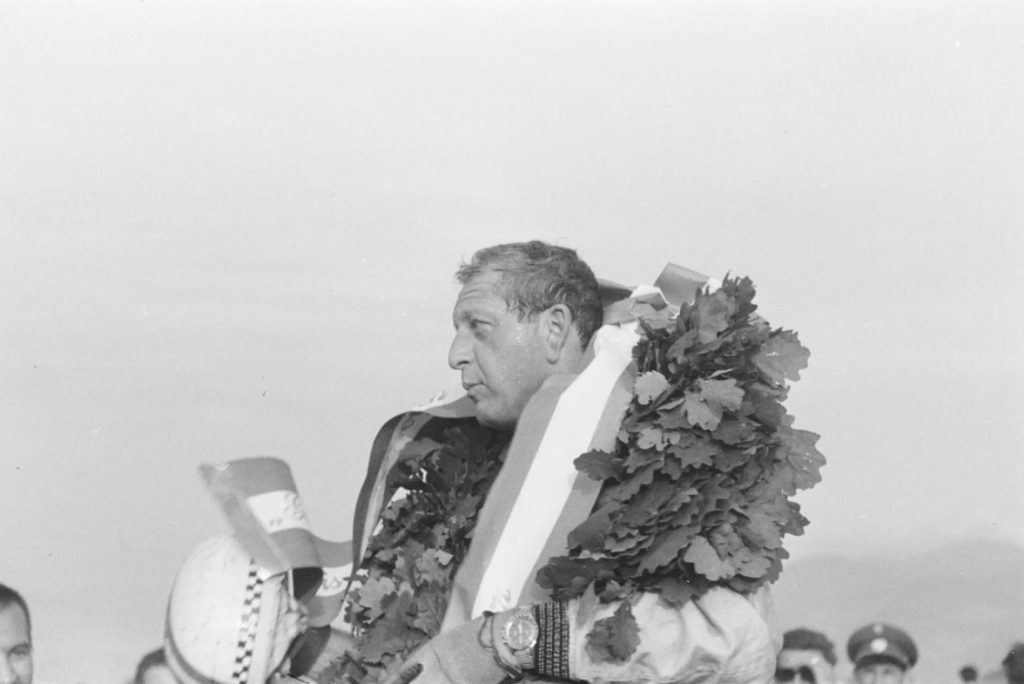
  • 1962 Austrian State Championship on Ferrari 250 GT
  • 1963 Austrian State Championship on Ferrari GTO
  • 1963 four times first in the Grand Prix of Austria (Zeltweg)

wikipedia DE
wikipedia EN
IMDb


  • -

Josef Schlömicher-Thier

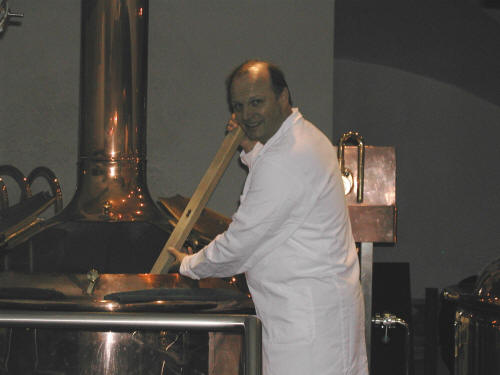
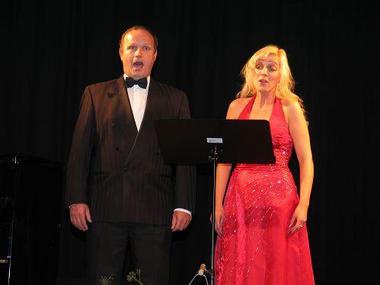
Josef Schlömicher-Thier (* 20. März 1954 in Vorau/Steiermark) is an austrian politician of  SPÖ, singer and medical doctor. From 2009 thru 2013 he was delegate of the Salzburger Landtag.

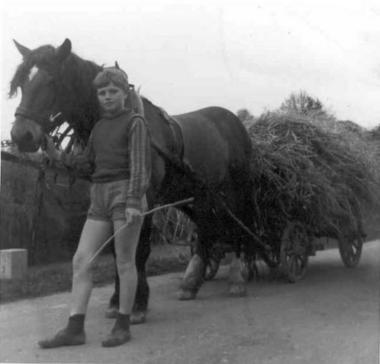
Josef grew up in a musical farmers family in the Steiermark/Austria.
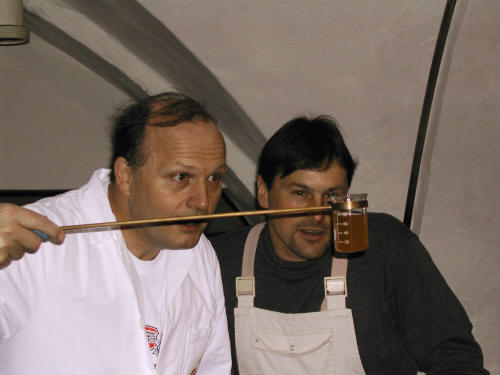
Later he was a professional beer brewer
and then studied medicine and singing in Graz. He specialized as general practitioner in Graz/Austria and Leoben/Austria.
He studied singing at the conservatory of Graz (Mag. Schmaranz) and at the music academy of Graz (Sologesang with Prof. Suttheimer and Liedgesang with Prof. Zeller). Opera Drama classes with Prof. Pöppelreiter, contracted for Don Carlos at the Graz Opera House.

Master class student of Walter Berry, manager of the cultural platform “Die Kuppel” in the Graz country hospital from 1987 to 1991. Member of the organisation “artists make music for ill people in the Steiermark”. Regular concerts as Baritone. Then he specialized in ear nose and throat doctor in Salzburg/Austria with Prof. Albegger, later even for occupational medicine in 1996/96.

Since 1996 he is ear nose and throat doctor in Neumarkt on Wallersee/Austria and also the medical doctor of the Salzburg Music festival.

He runs memberships in several important societies around voice and music therapy and founded the Austrian Voice Institute which organises congresses and speeches internationally. His professional focus is working with voice professionals (teachers and singers etc.)

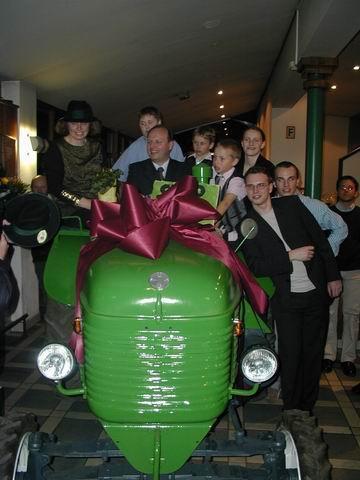
His Hobby: riding farm tractors!

www.Stimme.at (Stimme = Voice!)

wikipedia DE (only)