Rainer Bach

  • -

Rainer Bach

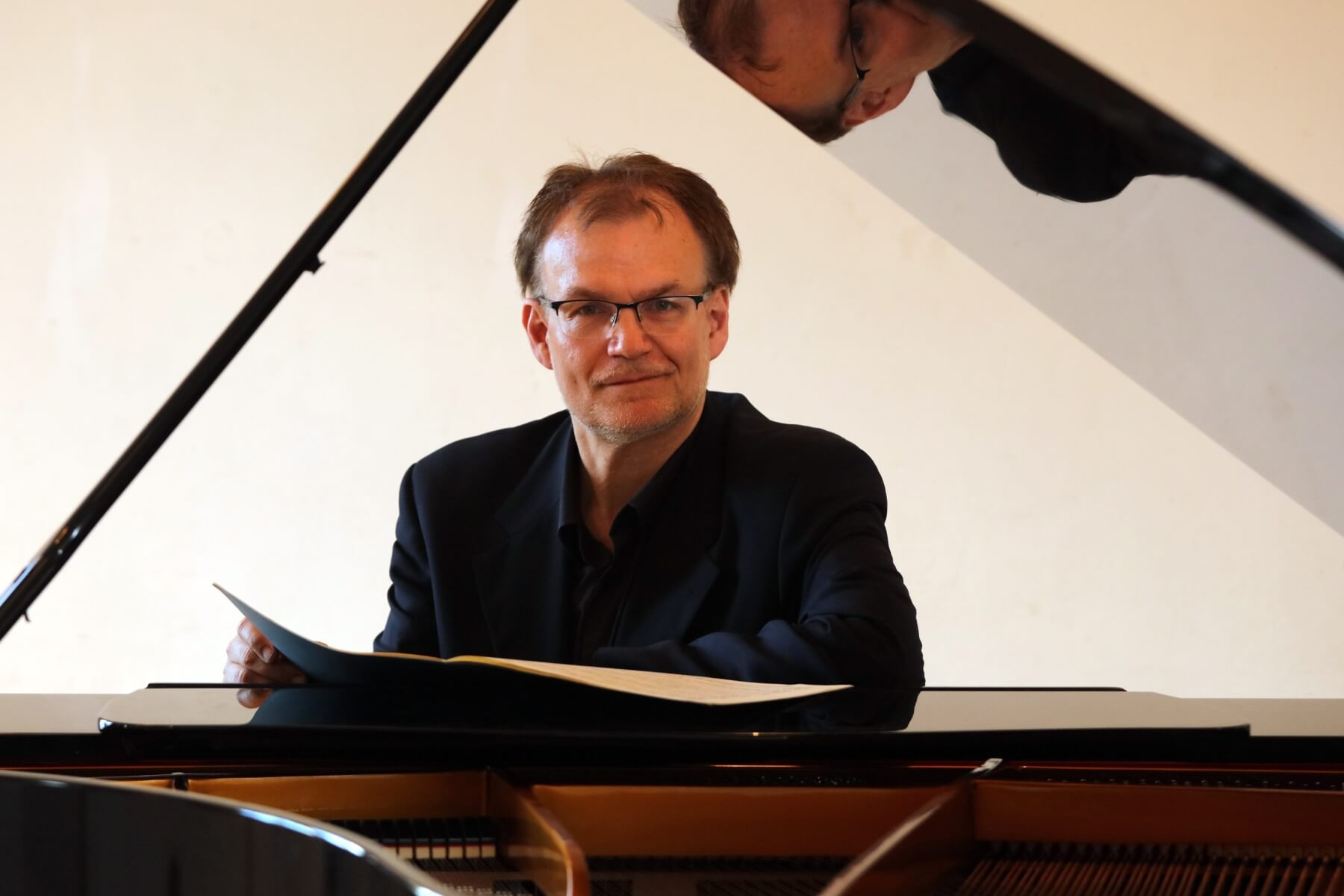
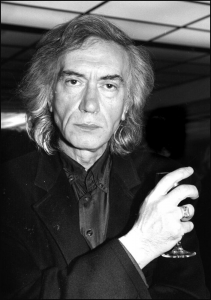
Rainer Bach (* December 14, 1947 in Bielefeld) is a German country singer and pedal steel guitarist. He was a founding member of the group Truck Stop, released solo albums, and worked as a dentist.

Musical Career

Rainer Bach began playing the piano at the age of seven. In April 1963, he discovered the Beatles and started learning to play the guitar, initially on an acoustic guitar. During his school years, he founded a beat band called The Misfits, which performed in front of audiences of up to 1000 people. After graduating from high school, the band broke up. Following his schooling, Bach joined the German Navy and served, among other places, on the Gorch Fock, whose choir he conducted in 1968. In 1971, he began studying dentistry in Hamburg.

In the autumn of 1972, he founded the band Truck Stop together with Günter “Cisco” Berndt, Burkhard “Lucius” Reichling, Erich Doll, Wolfgang “Teddy” Ibing, and Eckart Hofmann. He remained with the band for about ten years, singing and playing pedal steel guitar. He composed numerous hits, including their first chart success, “Ich möcht’ so gern Dave Dudley hör’n” (I’d really like to hear Dave Dudley), and the hit “Der wilde wilde Westen” (The Wild, Wild West) together with Erich Doll. In December 1983, he left the group because he was working as a dentist and needed more time for his patients. In addition to his work with Truck Stop, he also contributed as a steel guitarist to albums by Volker Lechtenbrink, Reinhard Mey, and Peter, Sue & Marc.

After Truck Stop

He opened his dental practice in Seevetal in 1982 and ran it until 2013. During this time, he composed music for other artists, among other things. He also wrote meditation music for a friend at the German Red Cross (DRK) health resort in Carolinensiel and composed the charity CD “I’d Really Like to Go to the Children’s Home” for their children’s center, the title track of which was based on the melody of “I’d Really Like to Hear Dave Dudley.”[2]

In 1992, he released his first solo album, “Auf meine Art” (My Way), through Dino Music; in 2014, his album “Ich bin nicht mehr der Alte” (I’m Not the Same Man Anymore) was released by DTM Musik. In addition to his solo albums, he is a member of the all-star country band Third Coast, which also included Nils Tuxen, Werner Becker, and Uwe Lost, among others.[3]

At the end of 2019, he participated in the second season of The Voice Senior and was eliminated in the sing-offs. His coach was Michael Patrick Kelly.

https://de.wikipedia.org/wiki/Rainer_Bach_(Musiker)

https://www.facebook.com/drrainerbach/?locale=de_DE
https://www.facebook.com/watch/?v=1085174399647662

https://www.bild.de/unterhaltung/tv/tv/truck-stop-gruender-country-comeback-fuer-rainer-bach-66369622.bild.html


  • -

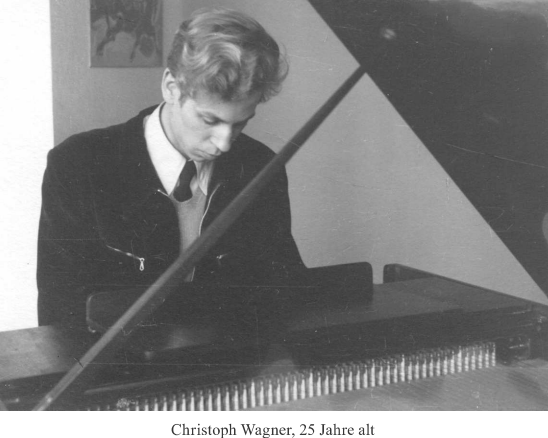
Christoph Wagner

Few people know the musician Christoph Wagner. Anyone who listened to him improvise on the piano understood that it was this immediate proximity to music that motivated and drove him to create a science for musicians.

Born on May 20, 1931, in Marburg, Christoph Wagner grew up in Weilburg/Lahn in a culturally diverse and stimulating home. Despite only sporadic piano lessons due to the war, the boy soprano developed into a sensitive pianist who mastered the great works of piano and violin literature. Even as a young man, he was a sensitive chamber music partner and accompanist. From early childhood, improvisation was also second nature to him. Throughout his life, it remained a source of spiritual balance – later in a musical language that was partly reminiscent of Bach, but often also of Brahms or Schumann.

1958 – 1963Music studies in Detmold – majoring in conducting with Martin Stephani, piano with Renate Kretschmar-Fischer, composition with Günter Bialas

Christoph Wagner’s longing for music was so constant that in 1958, after studying medicine (“out of reason”) and subsequently obtaining his doctorate, he began studying music with a major in conducting. In Detmold, he enjoyed a musically fulfilling time—but on the other hand, doubts crept in:
“The idea for a systematic investigation into the physiological foundations of music performance arose during my music studies, which followed my medical studies. Given the conceptual background of natural science, with its efforts to objectively validate insights and decisions as much as possible, it seemed strange that musical education relied solely on subjective experience, despite obvious contradictions in methods and results. Successes were admired, failures were usually explained away as a lack of talent, but their causes were not investigated. The increasing incidence of tendonitis and similar complaints remained consistently silent. It was obvious that many of my fellow students were unsure of themselves and suffered from self-doubt. As my studies progressed, it became increasingly clear to me that this dilemma could be significantly improved if the work of musicians and its physiological prerequisites were scientifically investigated. In 1963, at the end of his music studies in Detmold, he predicted to his then piano teacher Renate Kretschmar-Fischer while out for a walk: “There will be an institute dedicated to this task full-time.” – Eleven years later, the time had come.

http://www.christoph-wagner-musikphysiologie.de

https://dgfmm.org/nachruf-christoph-wagner


  • -

Krzysztof Komeda

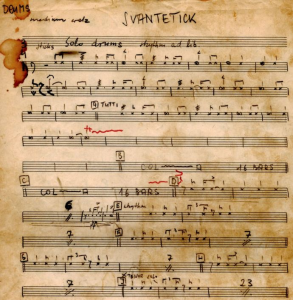
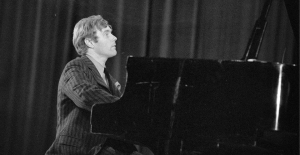
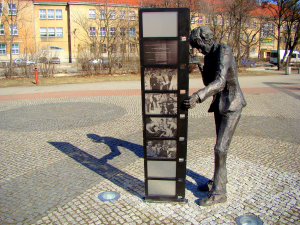
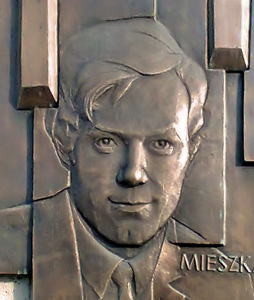
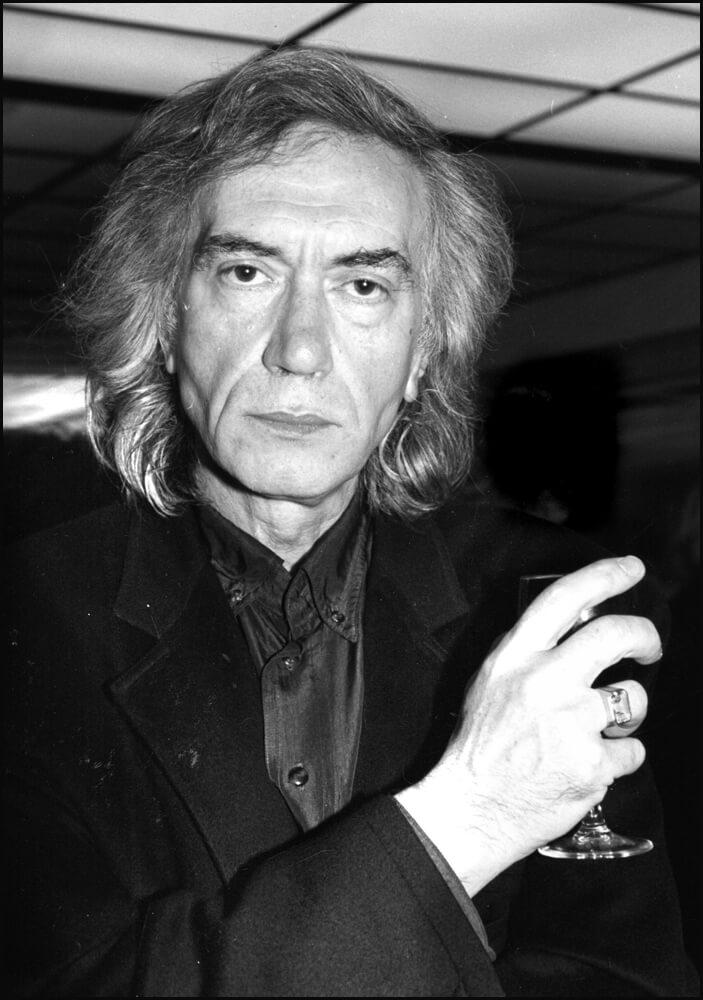
Krzysztof Komeda (born Krzysztof Trzciński; April 27, 1931 in Poznań – April 23, 1969 in Warsaw) was a Polish jazz pianist and composer of jazz and film music of international renown. According to Jan Wróblewski, Komeda occupies a similar musical rank in Poland to Chopin.

In his youth, he received piano lessons in Ostrów Wielkopolski (German: Ostrowo), where he lived from 1946 to 1951. Later, he became a student at the Conservatory in Poznań (piano lessons and music theory). He then decided to study medicine. His father, Mieczysław Trzciński, was a banker and took over the position of branch director of the National Bank of Poland in Poznań in December 1952. During his studies, he lived there with his parents from 1952 to 1956[2] and had his own piano.[3] As a student, he made contact with the Krakow underground jazz scene. They met in private apartments or nightclubs, the “catacombs of jazz”.[3] His interest in popular and dance music shifted from Dixieland to bebop and finally to contemporary jazz.

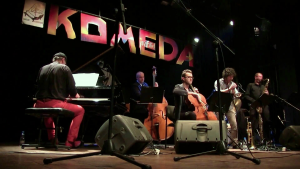
Komeda-Trzciński celebrated her first national success in August 1956 at the first jazz festival in Sopot with the Komeda Sextet. News of a jazz festival had spread like wildfire throughout Poland. The completely improvised event attracted approximately 30,000 to 50,000 young Poles, who spent the night on lawns, in parks, or in beach chairs.

The festival began with a parade similar to the New Orleans orchestra parades at Mardi Gras. The Komeda Sextet, in two boxes, symbolically buried the traditional Dixieland jazz and dance music. Since all the newspapers reported on the first free jazz festival, jazz music could no longer be banned from public view as easily as before.

https://de.wikipedia.org/wiki/Krzysztof_Komeda

https://en.wikipedia.org/wiki/Krzysztof_Komeda


  • -

Dannie Abse

Category : WriterDocs

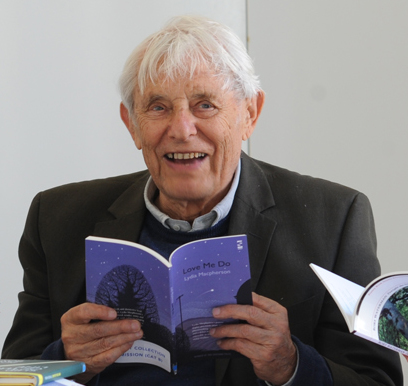
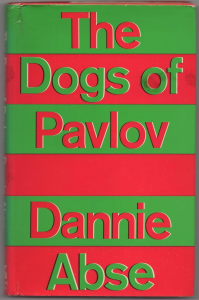
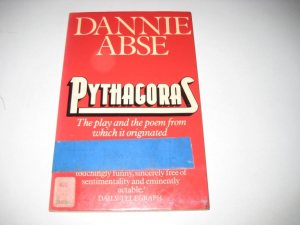
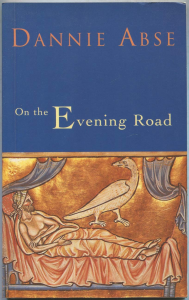
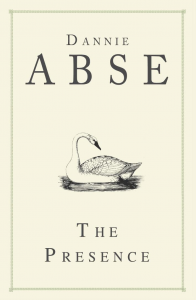
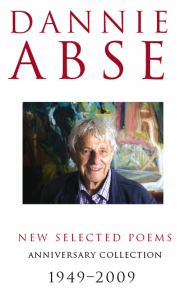
Dannie Abse, CBE (born Daniel Abse on 22 September 1923 in Cardiff, Wales; died on 28 September 2014[1] in Golders Green, London) was a British author and poet.
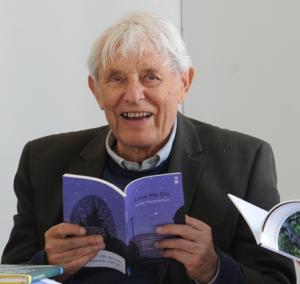
Dannie Abse at the Cheltenham Literature Festival 2013 | age 90

Dannie Abse grew up in his Jewish family with his brothers Leo Abse (1917–2008; lawyer, politician, author) and Wilfried Abse (1915–2005; psychoanalyst), who were about ten years older than him.[2] After successfully completing school in his hometown, he studied medicine at the University of Wales College of Medicine, the Westminster Hospital Medical School and at King’s College London. He received his doctorate in 1950. From 1954 to 1989 he worked in the breast clinic of the Central Medical Establishment in London. In 1989 he received an honorary doctorate from the University of Wales.

Poetry | Dannie Abse interview | Poet | Fusion | 1971

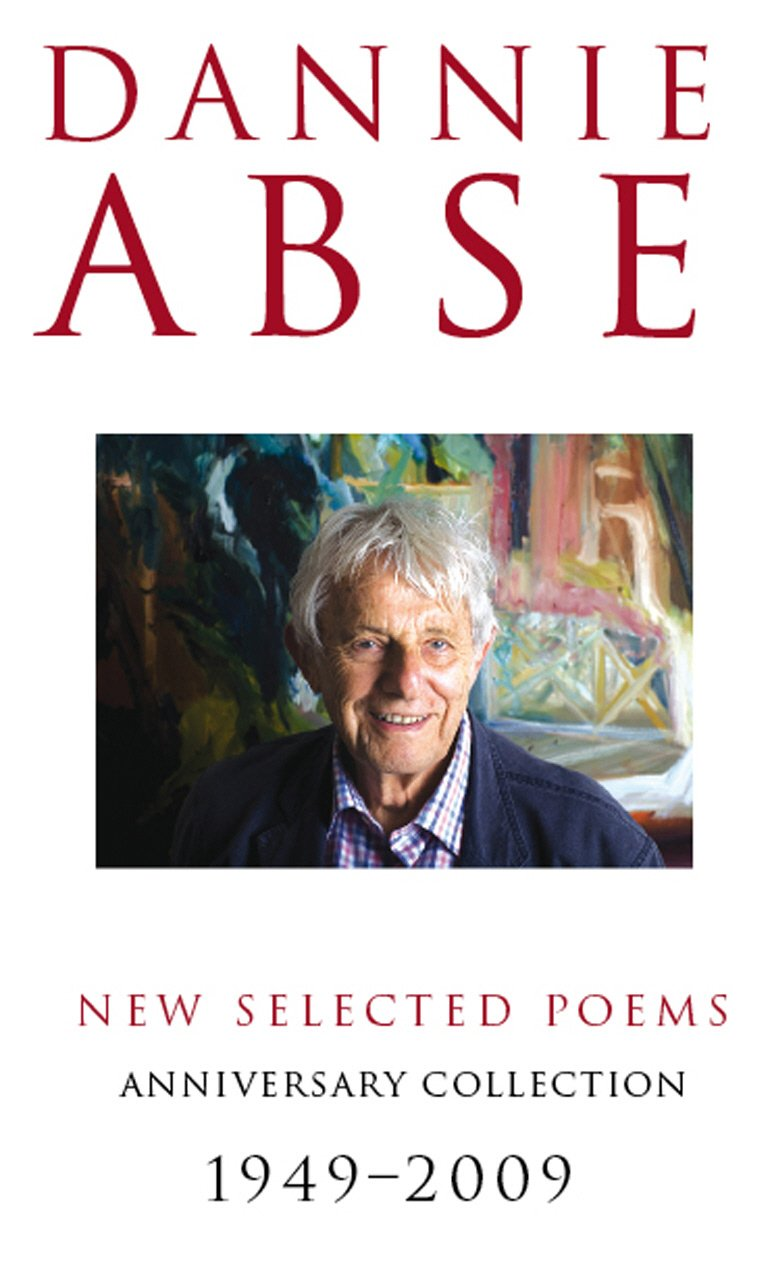
In 1954, his autobiography, Ash on a Young Man’s Sleeve, was published, in which he recounted his childhood experiences. He received the Welsh Arts Council Award and the Cholmondeley Award in 1985. Abse was a member of the British Poetry Society and had been a member of the Royal Society of Literature since 1983. Abse wrote several volumes of poetry—his first, After Every Green Thing, in 1949—as well as novels, plays, and essays. He was awarded the Commander’s Cross of the Order of the British Empire in the 2012 New Year Honours List.

Abse was married to art historian Joan Abse, née Mercer (1923–2005), with whom he had three children. She died in a car accident in which Dannie Abse broke a rib.

Dannie Abse was a lifelong fan of Cardiff City Football Club. He saw the first match in 1934; he references football in many of his works.

https://de.wikipedia.org/wiki/Dannie_Abse

https://en.wikipedia.org/wiki/Dannie_Abse


  • -

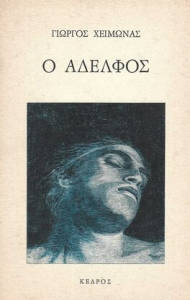
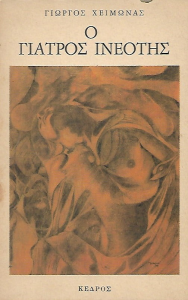
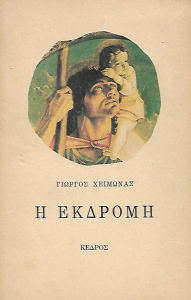
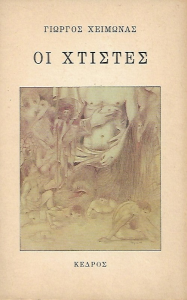
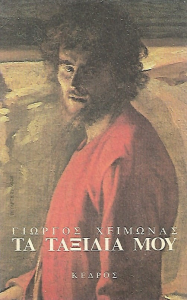
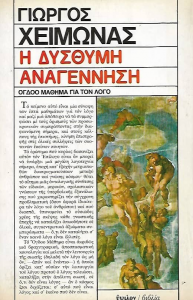
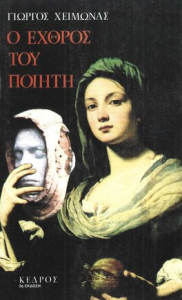
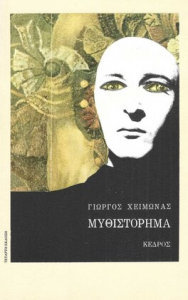
Giorgos Chimonas

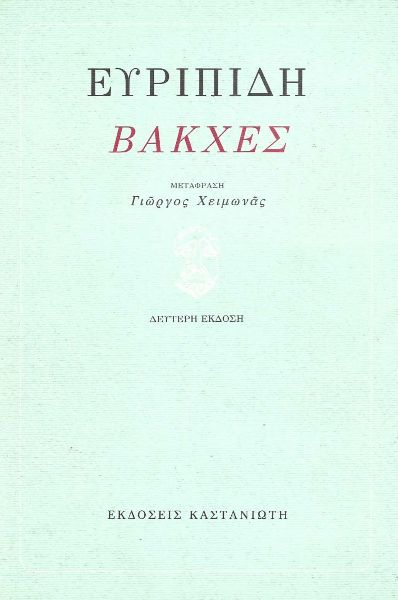
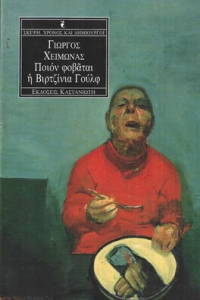
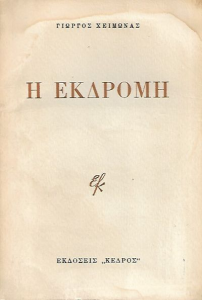
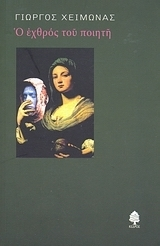
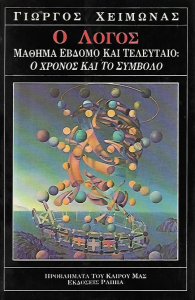
Giorgos Chimonas (Kavala, March 17, 1938 – Paris, February 27, 2000) was a Greek prose writer, translator and psychiatrist who became known and distinguished in the field of Greek literature in the 1960s.

Giorgos Himonas was born in Kavala in 1938 and grew up in Thessaloniki. There he studied medicine. He continued his studies in Paris, specializing in psychiatry and neurolinguistics. After completing his studies, he returned to Greece and lived in Athens.

In 1960, he published his first book, Peisistratos. He worked in prose, translation, and essay writing. He was married to the playwright Loula Anagnostaki, and together they had a son, the writer Thanasis Heimonas. He died on February 27, 2000, in Paris at the age of 61. He was buried in the First Cemetery of Athens.

His writings explore the inner aspects of consciousness in a psychoanalytic manner and are characterized by their modern style and many elements borrowed from the anti-novel, such as a flat writing style and the absence of dialogue. Professor Linos Politis describes him as “a writer who is not easy to understand.”

https://el.wikipedia.org/wiki/%CE%93%CE%B9%CF%8E%CF%81%CE%B3%CE%BF%CF%82_%CE%A7%CE%B5%CE%B9%CE%BC%CF%89%CE%BD%CE%AC%CF%82

https://www.hartismag.gr/hartis-30/afierwma/o-giwrgos-xeimwnas-metaxy-monternismoy-kai-metamonternoy

TV ERT Beitrag

https://eratobooks.gr/etiketes/productslist/%CE%B3%CE%B9%CF%8E%CF%81%CE%B3%CE%BF%CF%82-%CF%87%CE%B5%CE%B9%CE%BC%CF%89%CE%BD%CE%AC%CF%82

There is no doubt, in my opinion, that Giorgos Himonas embodies the purest and at the same time sharpest modernist spirit of modern Greek prose. His wild imagination, his fragmentary syntax, his broken words, the incessant, dreamlike flow of his sentences, but also his paranoid, demented, or even inherently aphasic expression. These characterize his work from the first moment to the last page, not only subverting numerous narrative conventions but also establishing a permanent and profound literary experimentation on his part.
[2] From whatever perspective we view his work and however we understand his language, his images, and his human forms, Heimonas is a convinced modernist who subjects things to multiple tests: from overcoming sequence, rational expression, and regulated (universally accepted and recognizable) meaning to disrupting the inductive order, but also releasing the unconscious with the consequent displacement and burial of the subject. There are certainly not many prose writers in post-war Greece who adhere so passionately to the dictates of formalism. Himonas transforms his texts into a mirror of his writing workshop, taking care to place all materials on a free-floating trajectory. Metaphorical transcendences and historical references, delusional monologues and an inner concentration laden with the speeches and phrases of others (on an ego inflamed by archaic passions and mystical fears or visions), incessant reversals and relapses of an always pretentious plot, unexpected (imaginary and apocalyptic) explosions of an apparently diffuse and perforated plot, surprising metonymies, and games of dazzling reflections through the intense interweaving of identities and heteroidentities make Heimonas’s prose resemble a lonely island in the vast sea, a literary act identified with a relentless struggle—the struggle to eliminate any regularity of meaning, to deprive its reception and acceptance of any legitimacy. And such an attitude naturally results in writing emerging as a concept without any genre label and assuming its function as a completely reduced and at the same time autonomous means of investigating the conditions of the production and creation of art in a regime of complete questioning.


  • -

Hiester Richard Hornberger Jr.

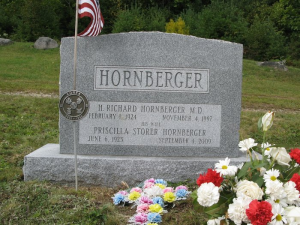
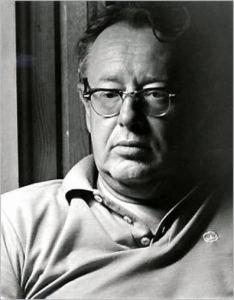
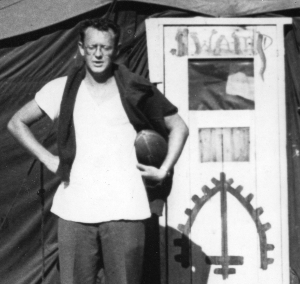
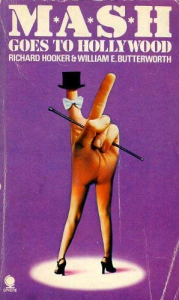
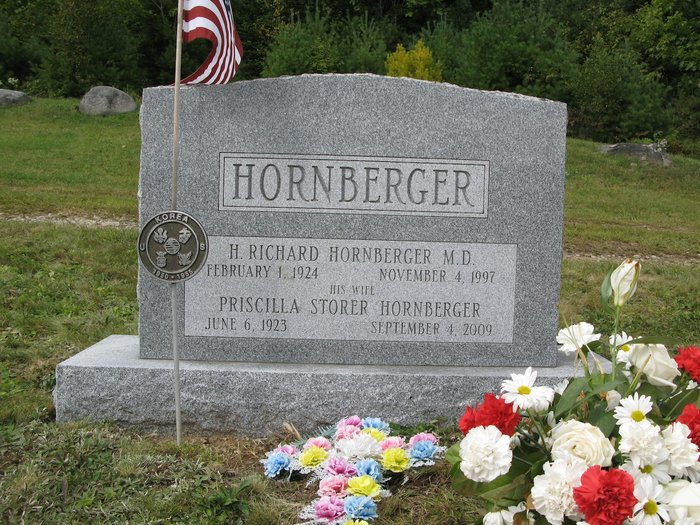
Hiester Richard Hornberger Jr. (February 1, 1924 – November 4, 1997) was an American writer and surgeon who wrote under the pseudonym Richard Hooker. Hornberger’s best-known work is his novel MASH (1968), based on his experiences as a wartime United States Army surgeon during the Korean War and written in collaboration with W. C. Heinz. It was used as the basis for the award-winning, critically and commercially successful movie M*A*S*H (1970) — and two years later, the acclaimed long running television series of the same title.

After graduating from medical school, he was drafted into the Korean War and assigned to the 8055 Mobile Army Surgical Hospital (M.A.S.H.). According to one doctor assigned to the unit, M.A.S.H. units “weren’t on the front lines, but they were close. They lived and worked in tents. It was hot in the summer and colder than cold in the winter.”[3] The operating room consisted of stretchers balanced on carpenter’s sawhorses.[4]

Many of the M.A.S.H. doctors were in their twenties, with few having advanced surgical training.[5] During battle campaigns, units could see “as many as 1,000 casualties a day”. “What characterized the fighting in Korea”, one of Hornberger’s fellow officers recalled, “was that you would have a period of a week or ten days when nothing much was happening, then there would be a push. When you had a push, there would suddenly be a mass of casualties that would just overwhelm us.” There were, another surgeon recalled, “‘long periods when not much of anything happened’ in an atmosphere of apparent safety—plenty of time to play … When things were quiet we would sit around and read. Sometimes the nurses would have a little dance.” Hornberger’s later assessment of his unit’s behavior was: “A few flipped their lids, but most just raised hell in a variety of ways and degrees.”

A colleague described Hornberger as “a very good surgeon with a tremendous sense of humor.” Hornberger did label his tent “The Swamp” as do the characters in the novel

After the success of his book and its screen adaptations, Hornberger continued to practice as a surgeon in Waterville until his retirement in 1988. During the later years of his practice, Hornberger did medical research and published his research in peer-reviewed medical journals. He died at the age of 73 on November 4, 1997, of leukemia.

https://en.wikipedia.org/wiki/Richard_Hooker_(author)

https://www.saturdayeveningpost.com/2020/01/five-things-you-didnt-know-about-the-4077th-mash


  • -

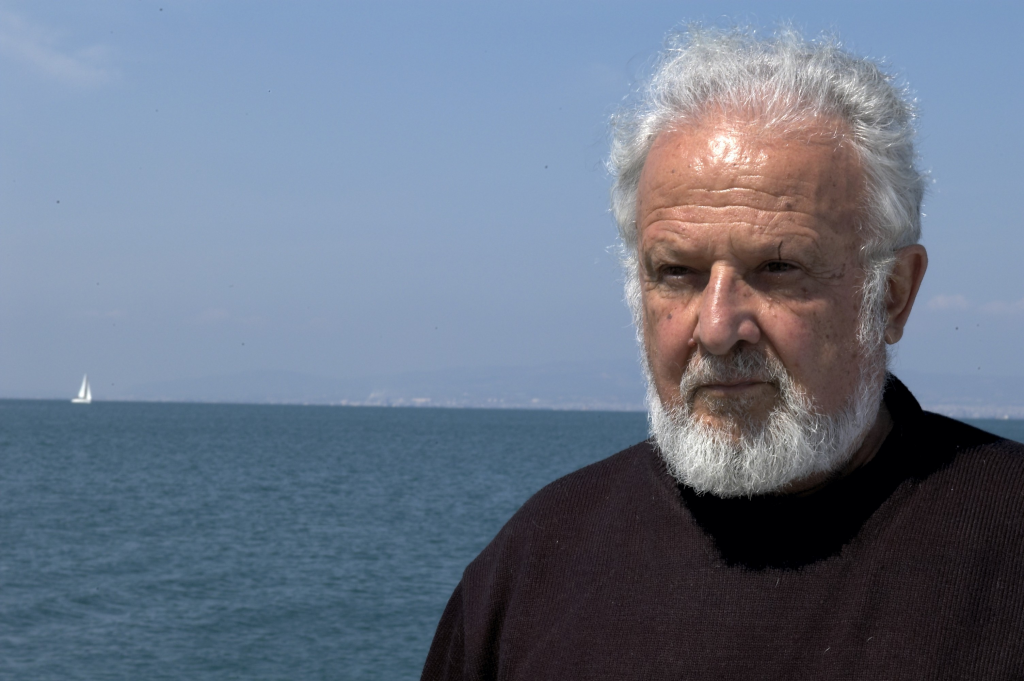
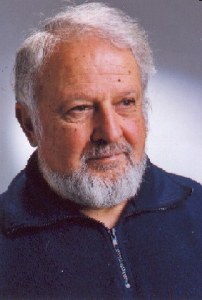
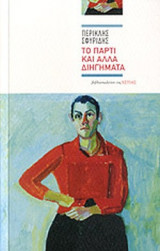
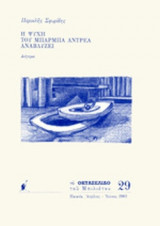
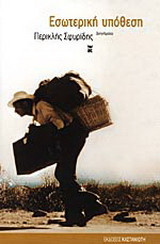
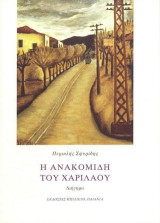
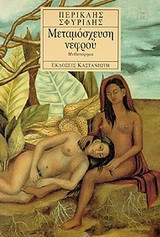
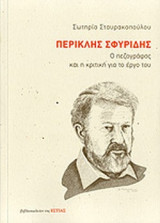
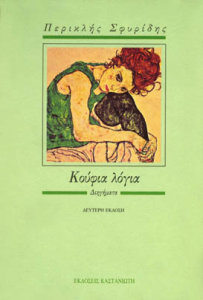
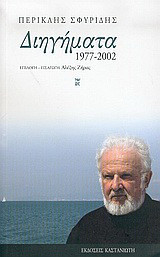
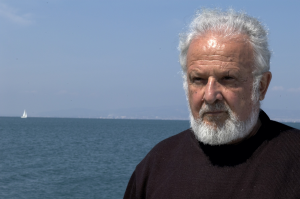
Periklis Sfyridis

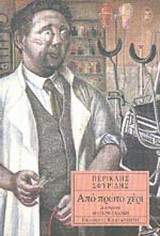
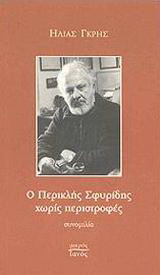
Periklis Sfyridis (born October 5, 1933, in Thessaloniki) is a contemporary Greek poet, prose writer, essayist, critic, and anthologist. His prose has been published in several languages.

Periklis Sfyridis was born in 1933 in Thessaloniki, where he lives. He graduated from the American College “Anatolia” in 1952. He studied medicine at the University of Thessaloniki (as a student of the Military Medical School) and worked as a cardiologist until 1994. From 1975 to 1981, he was president of the Thessaloniki Medical Association.

He appeared in letters in 1974 and worked closely with the literary magazine Diagonios. From 1985 to 1990, he edited Parafyada, an annual publication featuring unpublished anecdotal texts by Thessaloniki prose writers. From 1987 to 1996, he was the publishing consultant (content manager) for the magazine To Tram. In 1996, he organized the conference “Paramythia Thessaloniki” on the city’s prose from 1912 to 1995 and edited its proceedings. In 2001, he co-organized the conference “Poetry in Thessaloniki in the 20th Century” with the Department of Medieval and Modern Greek Studies at the Faculty of Philology, Faculty of Philosophy, Aristotle University of Thessaloniki, and the Thessaloniki Municipal Library, and edited its proceedings. In 2005, he organized the conference “Literary Nurseries in Thessaloniki: The City’s Literary Journals in the 20th Century and Their Editorships.” In 2008, he organized the fourth conference Criticism and Critics of Thessaloniki in the 20th Century at the Municipal Library of Thessaloniki, as part of the Demetrios Festival, and edited its proceedings (together with Sotiria Stavrakopoulou).

His short story “The Secret” is the basis for Tasos Psarras’ film “The Other Side”, the screenplay for which he wrote together with the director. Two other of his short stories have been made into television films. He also wrote the texts for the documentary series “Literature and Social Reality in Thessaloniki” by Tasos Psarras, which was broadcast by ET-3 in 1997, and for the same director’s “Literary Walks in Northern Greece” (these are the television/literary portraits of the following writers: Thanasis Markopoulos / Veria, Vasilis Karagiannis / Kozani, Lazaros Pavlidis / Kilkis, Sakis Totlis / Edessa, Vasilis Tsiambousis / Drama), a series that was broadcast repeatedly on state television in 1995.

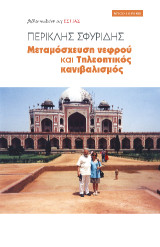
He has published two collections of poetry, fourteen short story collections, two novels, and a memoir about his spiritual journey. He has published studies on novelists, painters, and three anthologies on Thessaloniki’s prose writers, one of which has been translated into German and another into English. He has collaborated with most Greek literary magazines. His short stories have been translated into German, English, and Dutch, as have two of his books in the same language (Dutch): the short story collection First Hand and his novel Kidney Transplant. Over one hundred serious reviews and studies of his prose work have been published in individual volumes. In November 2007, he was honored by the Municipality of Thessaloniki for his prose and critical work. From 2009 to 2010, he was a member of the electoral committee of the Vafopoulio Cultural Center of Thessaloniki, responsible for speaking events. There he also created the literary series Vafopoulio Publications.

https://el.wikipedia.org/wiki/%CE%A0%CE%B5%CF%81%CE%B9%CE%BA%CE%BB%CE%AE%CF%82_%CE%A3%CF%86%CF%85%CF%81%CE%AF%CE%B4%CE%B7%CF%82


  • -

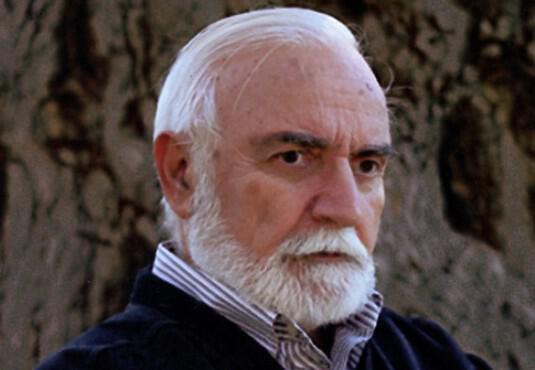
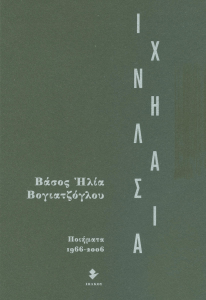
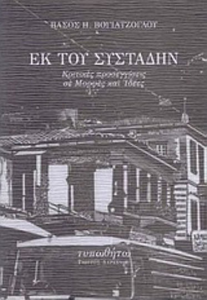
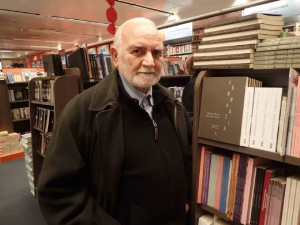
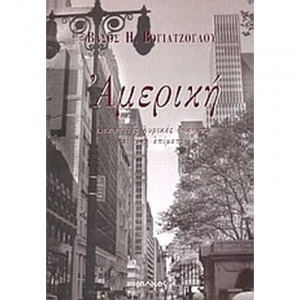
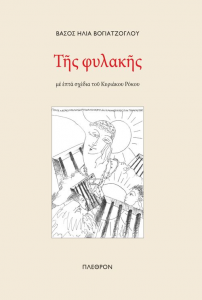
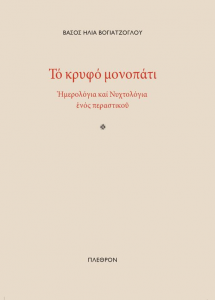
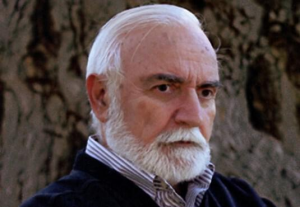
Vasos Ilias Vogiatzoglou

Vasos Vogiatzoglou, son of Elias, was born in 1935 in Nea Ionia, Attica. He is a pediatrician and member of the Doctors of the World organization, a researcher of the history and folk culture of the Greeks of Asia Minor, a poet, onomasticologist, and essayist.

His parents were refugees from Sparta (Isparta) in Pisidia. He studied medicine at the University of Athens and specialized in pediatrics. She provides voluntary pediatric care for children in the women’s prisons of Korydallos and Thebes.

Vasos Ilias Vogiatzoglou was born in 1935 in Nea Ionia, Attica. He is from Sparta, Greece, Asia. He is a pediatrician and an active member of the humanitarian organization “Doctors of the World.” They provide voluntary pediatric care for children in the women’s prisons of Korydallos and Thebes. As a researcher of the history and popular culture of the Greeks of Asia Minor, a poet, onomasticologist, and essayist, he has a particular interest in the philosophical essay. He has published 37 books and collaborated with numerous newspapers and magazines in Greece and Cyprus.

Since 2006, he has been director of the Kyklos School of Philosophical and Social Science Research in his hometown. He has received numerous honors and awards for his literary and humanitarian work, including one from the Academy of Athens in 1986 for his contribution to the study of Hellenism in Asia Minor. He is a full member of the National Society of Greek Writers, the Greek Onomatological Society, the Society of Medical Writers, and the Greek Society of Christian Letters.

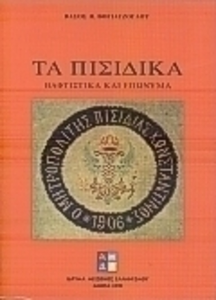
In addition to poetry, he studied the history and folklore of Hellenism in Asia Minor and published the studies Pisidia in Asia Minor (1978), Presences (1979), Neighborhoods of the Infidels (1981), Sparta in Asia Minor (1986), Surnames in Asia Minor: Turkish and Turkish Surnames in Greece (1992), Giannis and Giorgis (1994), Alaya in Asia Minor (1995) and Pisidian Baptismal and Surnames (1998).

Weitere Projekte

He has also published the aesthetic study The Faces of Janus (1991), the translation of the Psalms of David The Book of Psalms (1992), the travelogue about Mount Athos The Bells of Pantocrator (1992) and The Book of Job (2007); his short stories, chronicles, studies and essays have been published in magazines in Athens and Nicosia and his poems have been translated into Romanian and Polish.

https://www.vogiatzogloucollection.gr

https://el.wikipedia.org/wiki/%CE%92%CE%AC%CF%83%CE%BF%CF%82_%CE%97._%CE%92%CE%BF%CE%B3%CE%B9%CE%B1%CF%84%CE%B6%CF%8C%CE%B3%CE%BB%CE%BF%CF%85

https://www.liberal.gr/politismos/i-poreia-pros-fos


  • -

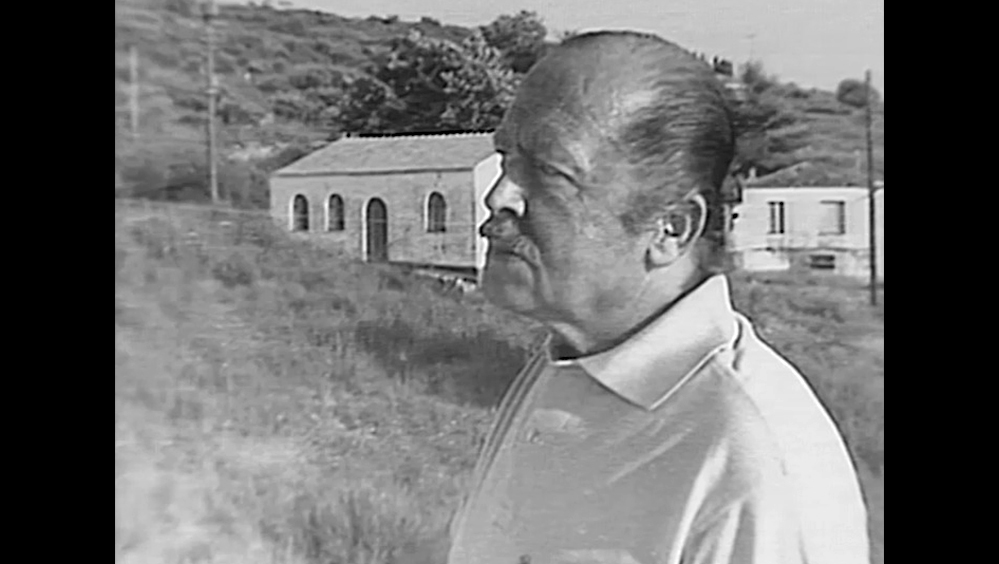
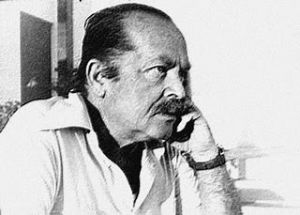
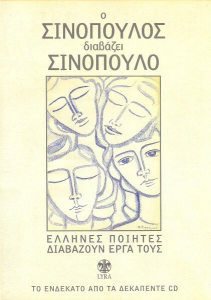
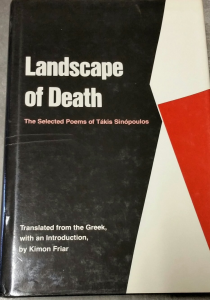
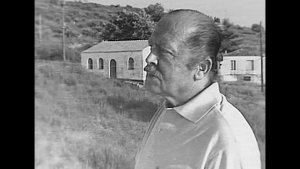
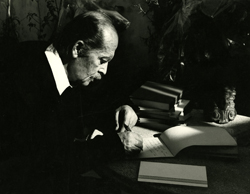
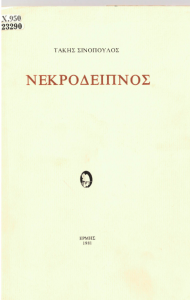
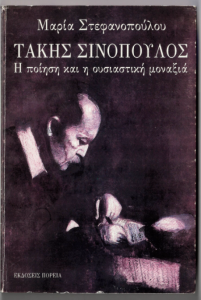
Takis Sinopoulos

Takis Sinopoulos was born in 1917 in the Peloponnese. He served as a military doctor in the Greek Civil War from 1946 to 1949; his experiences of fratricide and excessive violence had a lasting impact on him and his work. He died in 1981 in Pyrgos in the Peloponnese.

He was born in Agolinitsa, the first-born son of philologist Giorgos Sinopoulos and Roussa-Veneta Argyropoulou. He studied medicine at the University of Athens, graduating in 1944. In 1934, under the pseudonym Argyros Roubanis, he published the poem “Betrayal” and the short story “The Revenge of a Modest Man” in the Pyrgio newspaper “Nea Imara”. In 1941, he was drafted as a medical sergeant in Loutraki. [3] During the occupation, he published translations of French poets and some essays on poetry. In 1942, he was briefly imprisoned by the Italians as a resistance fighter. During the civil war, he was a doctor in an infantry battalion. After the end of the civil war, he began working as a doctor in the capital. In 1951 he published his first collection of poems, entitled Metaihmio. He was a member of the editorial staff of Eighteen Texts, New Texts 1-2, Deposition ’73, and the journal The Continuation. He also collaborated with numerous journals (Nea Estia, Filologika Chronika, Odysseas (Pyrgou), Kochlias, Piraika Grammata, Anglohelleniki Epitheoresis, Kainouria Epochi, Zygos, Epochen, Tram, O Tachydromos, etc.). He belonged to the first post-war generation. He was particularly influenced by T.S. Eliot, Seferis, and Ezra Pound. In general, his poetry is lyrical, epigrammatic, and characterized by tragic self-awareness and pessimism. In his final years, a shift in the use of linguistic material toward an anti-poetic, aggressive, and often ironic discourse was observable. He donated a large part of his library to the University of Thessaloniki.

Sinopoulos spent his student years in Pyrgos and went to Athens to study medicine in 1934. He made his first appearance in the literary world in 1934 with the publication of the poem “Betrayal” and the short story “The Revenge of a Modest Man” in the Pyrgos newspaper “Nea Imera” under the pseudonym Argyros Roubanis. His first book of poetry, titled “Metaihmio,” was published in 1951. The first poem in this volume, “Elpinor,” was written in 1944.

A pioneering figure of the “Generation of the 1950s,” Sinopoulos authored a number of poetry collections, essays, and book reviews throughout his creative career, which shaped the country’s intellectual life in the post-war years. He is a tragedian par excellence. The emphasis on the tragic “stigmatizes” his entire poetry, the drama, the decay, the death, the suffering and the alienation, and embodies the tragic historical events he experienced (the dictatorship of Metaxas, the war occupation, the civil war, the 1967 dictatorship, the coup and the invasion of Cyprus).

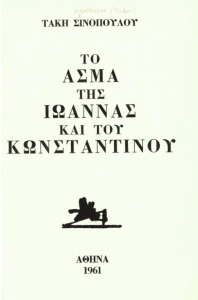
He also wrote the poetry collections “The Song of Joanna and Constantine,” which won the 1961 State Prize for Poetry, “Acquaintance with Max,” and “Night and Counterpoint,” as well as various studies and essays on the work of Seferis, such as “Strofi.” He was awarded the 2nd State Poetry Prize in 1962 for “The Song of Joanna and Constantine.”

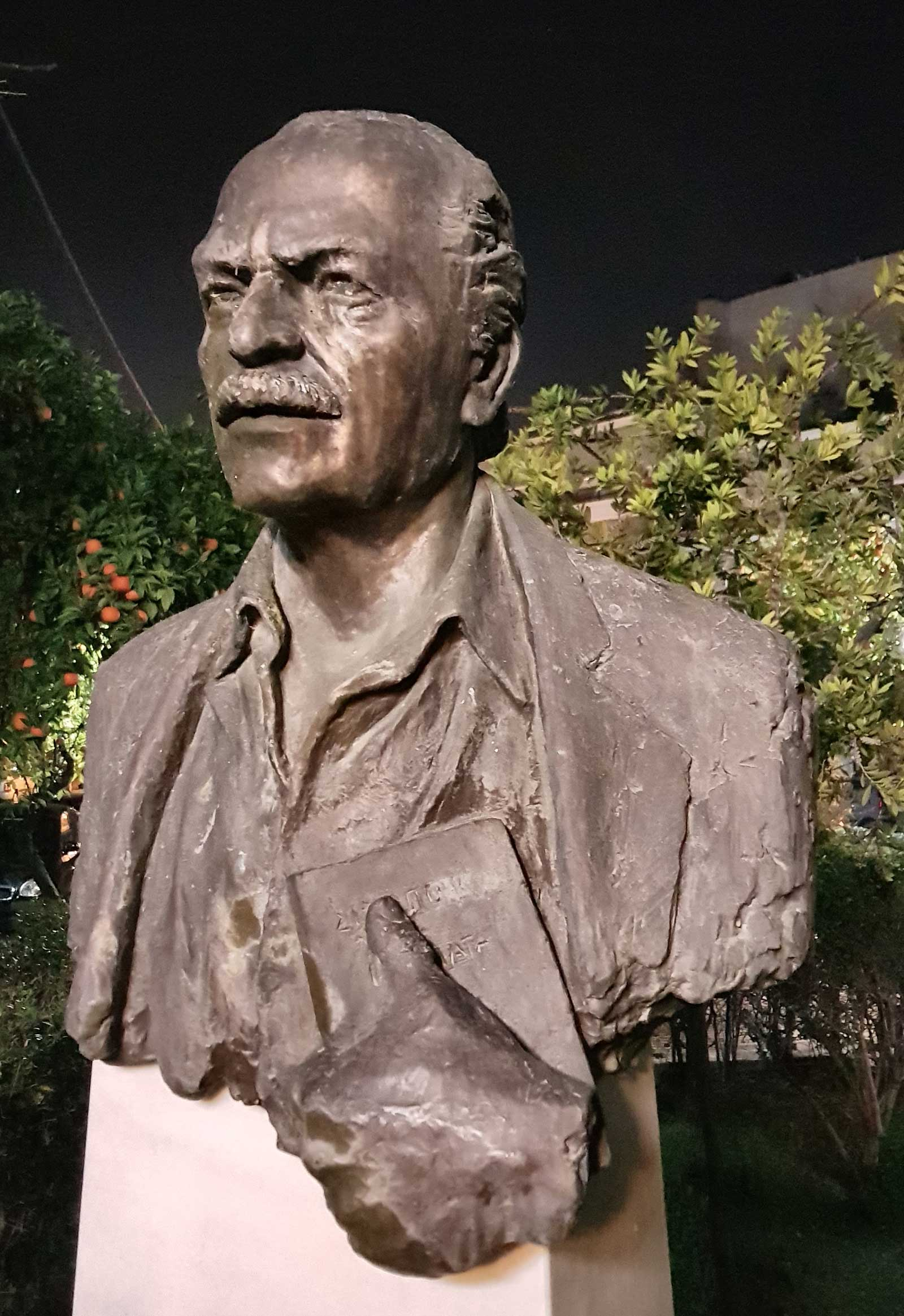
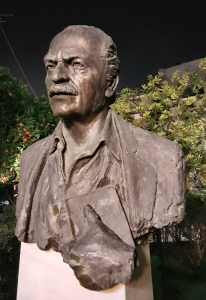
He died on April 25, 1981 (Easter Eve 1981) in Pyrgos. He was married to Maria Dotta, who in 1995 donated the house she lived in in the municipality of Nea Ionia to the Takis Sinopoulos Foundation as accommodation. A bust of the poet stands in the square in front of his house on Takis Sinopoulos Street in Perissos.

https://el.wikipedia.org/wiki/%CE%A4%CE%AC%CE%BA%CE%B7%CF%82_%CE%A3%CE%B9%CE%BD%CF%8C%CF%80%CE%BF%CF%85%CE%BB%CE%BF%CF%82

https://blogs.bl.uk/european/2017/03/poet-of-a-pitiable-time-takis-sinopoulos.html


  • -

Manolis Pratikakis

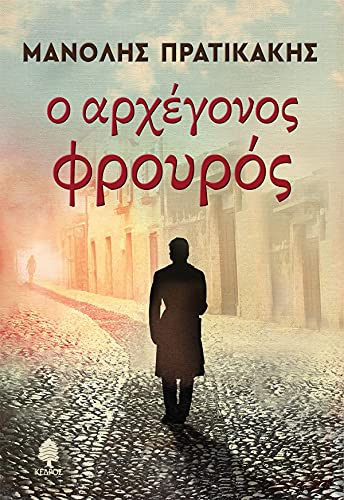
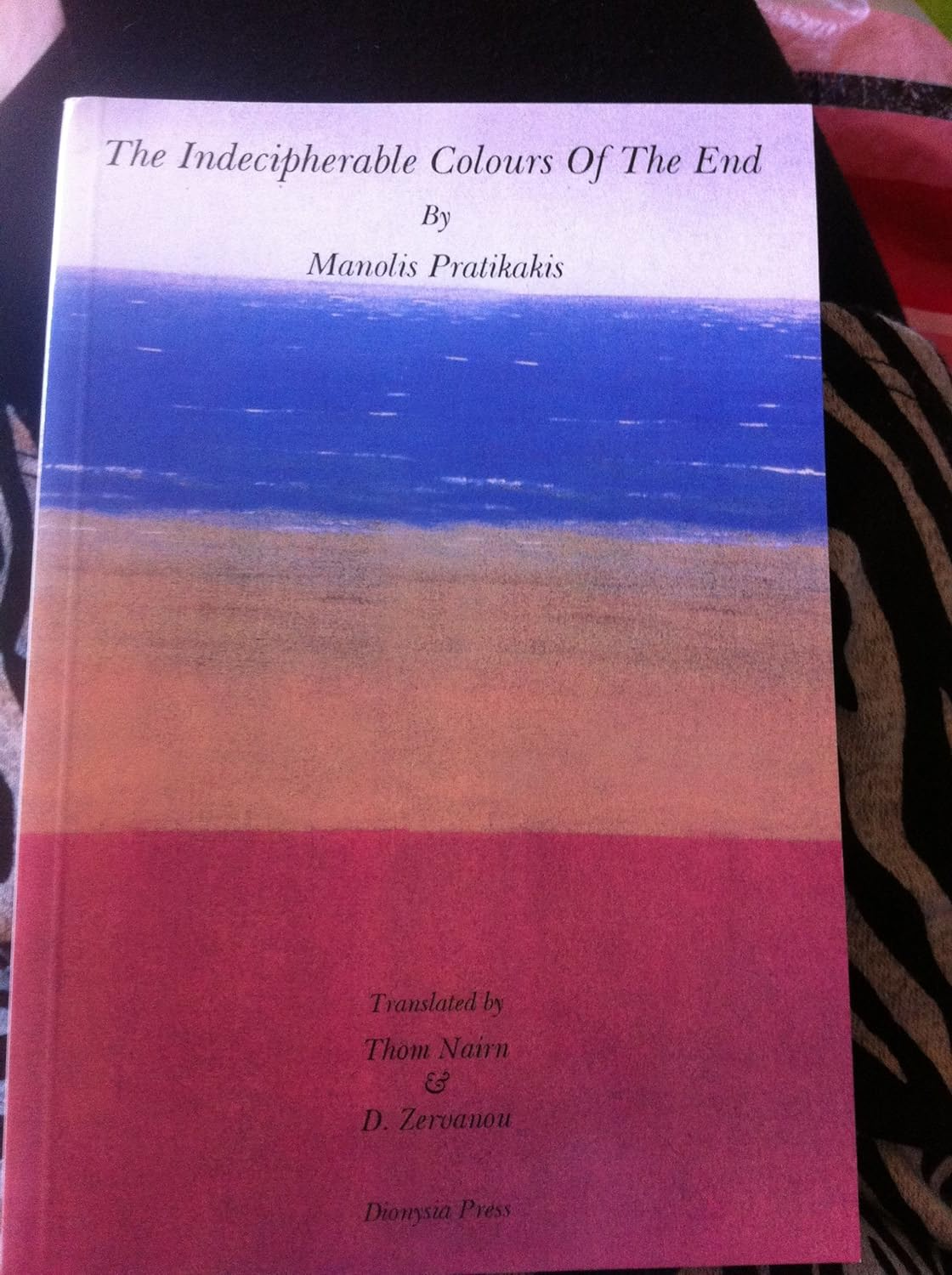
Manolis Pratikakis (Greek: Μανόλης Πρατικάκης; born 1943) is a Greek poet. He studied medicine at the University of Athens and is a practicing neurologist and psychiatrist. His first volume of poetry was published in 1974; he is one of the so-called “Genia tou 70,” a literary term for Greek authors who began publishing their works in the 1970s, particularly towards the end of the Greek military junta of 1967-1974 and during the early years of the “Metapolitefsi.” He received the Greek National Book Prize in 2003 for his collection of poems “To νερό.”

Selected poetry

  • Ποίηση 1971-1974 (Poetry 1971-1974), 1974
  • Οι παραχαράκτες (The Counterfeiters), 1976
  • Λιβιδώ (Libido), 1978
  • Η παραλοϊσμένη (The Demented), 1980
  • Γενεαλογία (Genealogy), 1984
  • Το νερό (The Water), 2002
  • Ποιήματα 1984-2000 (Poems 1984-2000), 2003

He is considered an important modern Greek poet. His writings first appeared in journals around 1970. He has written numerous collections of poems, critical texts, short stories, and articles. His poems have been translated into many languages. He has contributed to Greek and foreign anthologies and journals and participated in numerous conferences. In 1999, he was nominated for the European Prize for Literature for his work “The Assumption and Resurrection of the Bodies of Dominic.” Poems from his collection “Libido” were set to music by composer Yannis Markopoulos and released on a CD titled “Unseen Pulse.” Recently, the same composer wrote a symphonic work entitled “The Symphony of Healing,” based on the poetry collections “Genealogy,” “The Lekythos,” and “Left Quietly in the Grass,” which had its world premiere at the Concert Hall. In 2003, he received the State Poetry Award [3] for his collection of poems “The Water.” In 2012, he received an award from the Athens Academy for his body of work.

https://en.wikipedia.org/wiki/Manolis_Pratikakis

https://el.wikipedia.org/wiki/%CE%9C%CE%B1%CE%BD%CF%8C%CE%BB%CE%B7%CF%82_%CE%A0%CF%81%CE%B1%CF%84%CE%B9%CE%BA%CE%AC%CE%BA%CE%B7%CF%82