Category Archives: AnthropologyDocs

  • -

Gerhard Aumüller

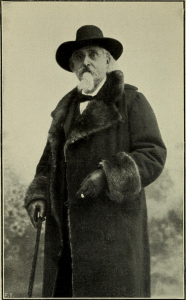
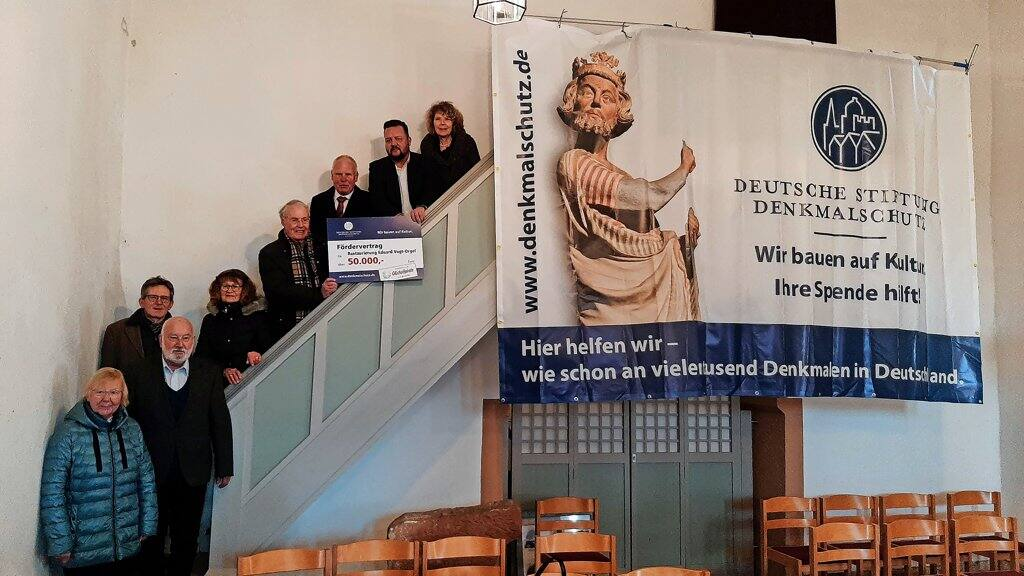
2nd from bottom: Gerhard Aumüller

Gerhard Aumüller (born November 19, 1942 in Arolsen) is a German physician and was a professor of anatomy and cell biology at the Philipps University of Marburg. He has also distinguished himself as an organ historian.

Aumüller has also researched historical organ building and published primarily on classical organ building in Hesse and Westphalia. He has been a member of the Historical Commission for Hesse since 2000 and was elected to the advisory board of the International Heinrich Schütz Society (ISG) in 2012. For his research in medical and music history, Gerhard Aumüller was awarded the Order of Merit of the Federal Republic of Germany (Federal Cross of Merit) in 2017.
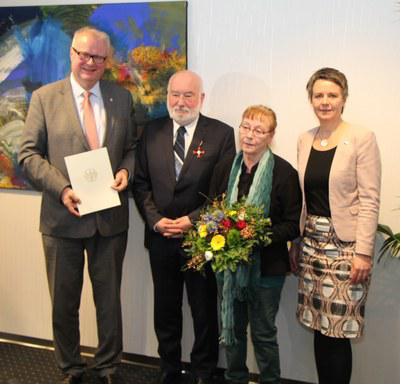
Gerhard Aumüller, born in 1942, studied medicine and anthropology in Mainz, Würzburg, and Marburg. He then earned his doctorate and habilitation in the field of anatomy. After a research stay in the USA, the honoree took over the Chair of Experimental Morphology at Philipps University in Marburg. He later assumed the Chair of Anatomy II there, a position he held until his retirement in 2007. In addition to medical history, Professor Aumüller is actively involved in the Waldeck Historical Society. He has been a volunteer there since 2012. Since 2013, he has edited the extensive review section of the academic journal “Geschichtsblätter für Waldeck.” Professor Aumüller is also passionate about music history. This is expressed, among other things, in his commitment to preserving listed church organs. He has supported numerous organ restorations within the Evangelical Church of Kurhessen-Waldeck. In addition, he regularly serves as organist in parishes in the Marburg region.

The honoree was admitted to the Historical Commission for Hesse in 2000. In 2002, he was elected to its main committee, where he served until 2012. As a board member of the Historical Commission for Hesse and the Association for Hessian History and Regional Studies, he serves as co-editor of the Journal for Hessian History and Regional Studies.

Article about court organ builders by Gerhard Aumüller (32 pages)

Aumüller lives in Münchhausen (on the Christenberg). The translator Uli Aumüller is his sister.

Honorary member of the Heinrich Schütz Society
Aumüller and his anatomy colleague Adolf Friedrich Holstein (speaking voice) ensured the installation of this Heinrich Schütz relief sculpture

Auszeichnung


  • -

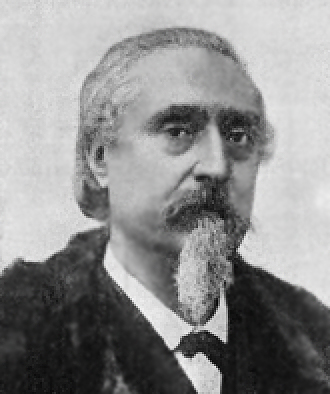
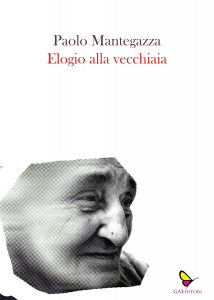
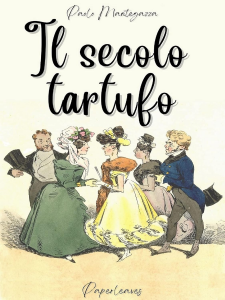
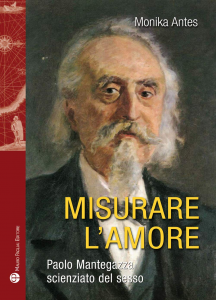
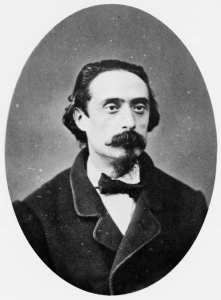
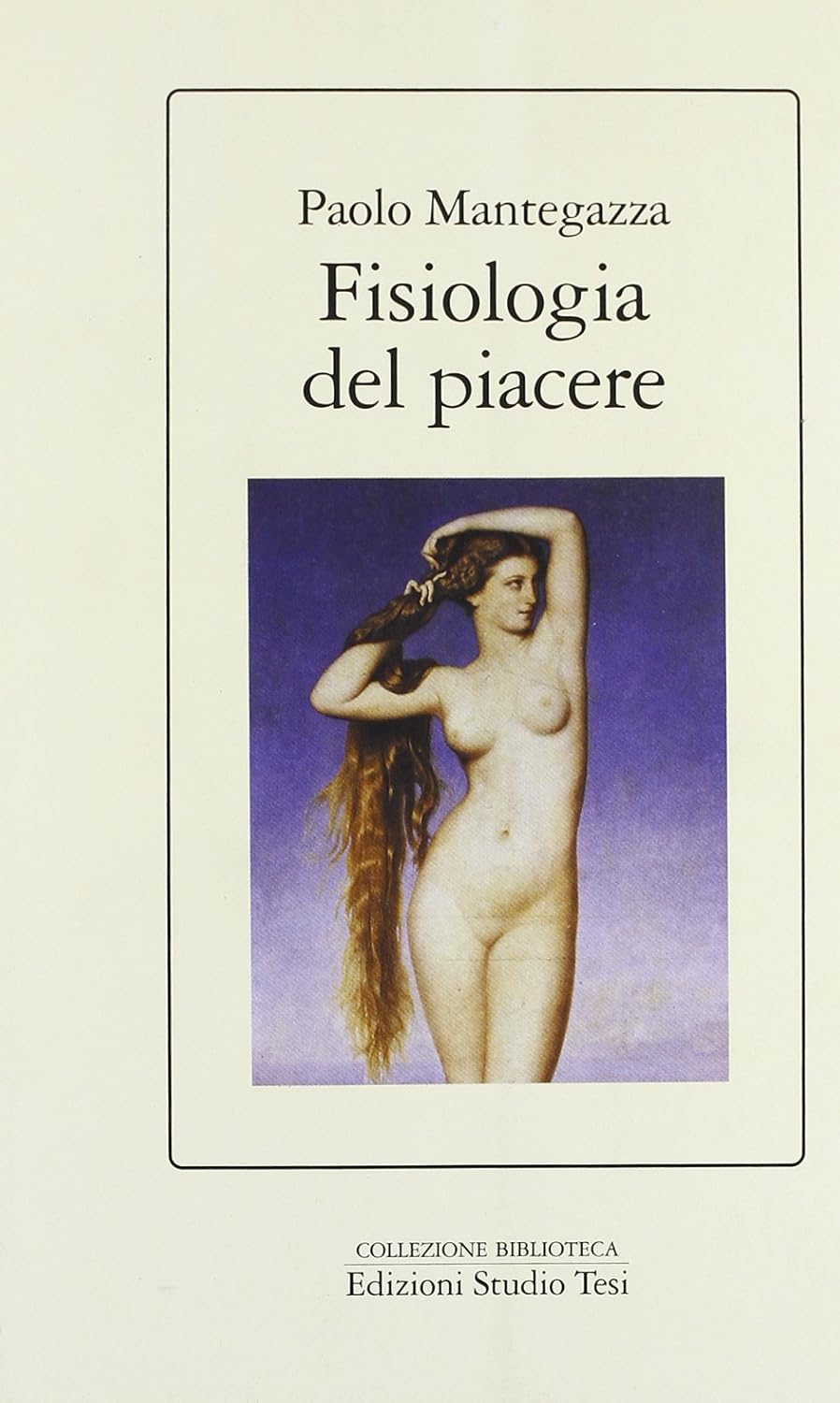
Paolo Mantegazza

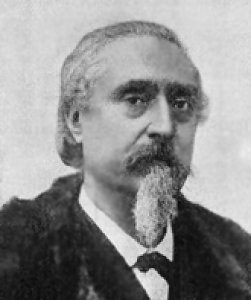
Paolo Mantegazza (October 31, 1831 in Monza, Austrian Empire – August 28, 1910 in San Terenzo) was an Italian neurologist, physiologist, and anthropologist, as well as a prominent physician and consciousness researcher. Mantegazza published several works on the effects of psychotropic plants on human consciousness, numerous other scientific writings, and several novels that were bestsellers in their time but have since been largely forgotten.

Mantegazza first studied medicine in Pisa and Milan, graduating in Pavia in 1854. He then traveled to India and South America, where he practiced medicine in Argentina and Paraguay. In 1858, he returned to Italy and worked as a surgeon in Milan. In 1860, he was appointed professor of pathology at the University of Pavia, where he founded the first Institute of General Pathology in Europe.
In 1870, Mantegazza became a professor of anthropology at the Istituto di Studi Superiori in Florence. There he founded the Museo Antropologico-Etnografico di Firenze (Anthropological and Ethnographic Museum) and, in 1871, the journal Archivio per l’Antropologia e l’Etnologia, which is still published today, with Felice Finzi. At that time, culture and science in Italy were far more influenced by the Catholic Church than they are today. Mantegazza was repeatedly attacked by ecclesiastical circles, particularly because he was an advocate of Darwinism and an atheist.[2] From 1868 to 1875, he had a lively correspondence with Charles Darwin.

Pioneer of psychedelic Drug research

During his several years working as a doctor in South America, Mantegazza observed the habit of local coca farmers chewing the leaves of the coca bush. In the “service of science” he began to imitate them, taking three daily doses of three grams of coca leaves. In 1859 he published the work Sulle virtù igieniche e medicinali della coca e sugli alimenti nervosi in generale (On the Hygienic and Medicinal Benefits of Coca and Nerve Food in General), for which he received an award and which caused a sensation both in Italy and abroad. Due to the fact that Mantegazza distinguishes between coca and cocaina in his writings, it is assumed that he had already extracted the alkaloid cocaine from the coca leaves and taken it himself in 1859. Mantegazza is therefore often associated with cocaine in literature, but his interest in the effects of psychotropic substances went much further, and he published numerous works with treatises on the intoxicating effects of various drugs such as alcohol, mate, guarana, opium, hashish, kava and ayahuasca (agahuasca), and classified them according to their effects in 1859, more than sixty years before Louis Lewin made his classification in his 1924 work Phantastica.

Sexual science

Almost forgotten, but outstanding in his time, were his numerous publications in the field of sexology, which only emerged later: Fisiologia del piacere (1854); Fisiologia dell’amore (1873); Igiene dell’amore (1886); Gli amori degli uomini – Saggio di una etnologia dell’amore (1886) and Fisiologia della donna (1893) – in which he summarized observations, his own experiments and anthropological-ethnological results of extensive collections, research and travels in the sense of a “phenomenology of heterosexual love… which is unparalleled in the history of sexology.” At just 22 years old, he wrote “Fundamentals of Edonology or the Science of Pleasure” (today understood as hedonism) and spoke out against “false puritans” and the “murky, stinking fog of hypocrisy” (Volkmar Sigusch in: Deutsches Ärzteblatt 7/2007 – see web link).

“Wherever a beautiful woman appears, all human energies bubble from their battle-tested sources: Everything best and worst in man springs forth to pay homage to her or to insult her with envy.”
(Paolo Mantegazza, The Concept of Woman Through the Ages, Nuova Antologia, January 15, 1893)

Politics

From 1865 to 1876, Mantegazza was a deputy from Monza in the Italian Chamber of Deputies and, from 1876, a senator in the Kingdom of Italy.


  • -

Martin Nweeia

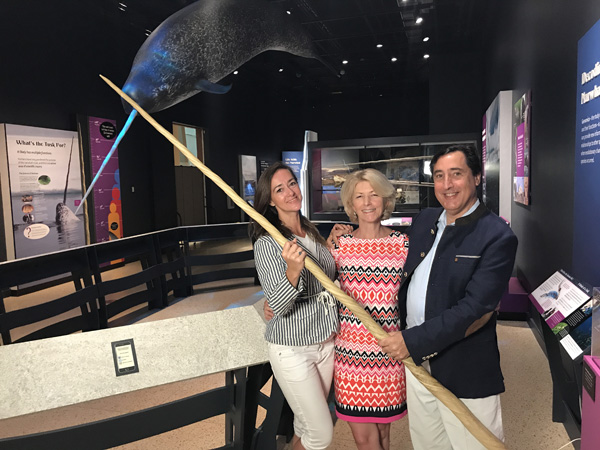
Jane O’Brien, an anchor of BBC World News, joins Martin Nweeia, D.D.S., ’77, right, and Nweeia’s wife, Pamela Peeters, at the Smithsonian. Photo by Ryan Lavery

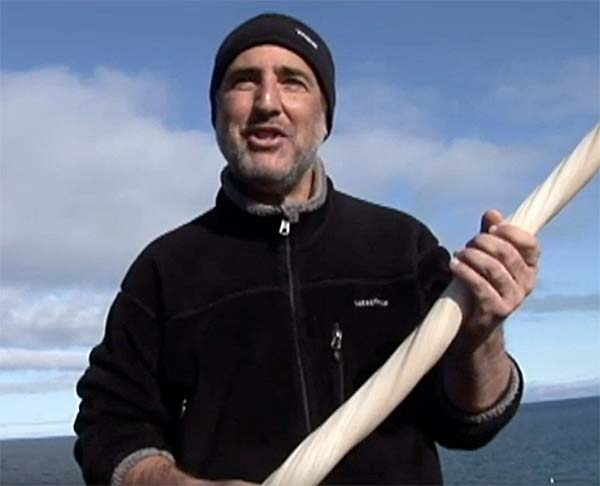
Dr. Martin Nweeia is the world’s leading expert on the narwhal’s tusk and tooth system. He is a National Foundation Scientist and has led over 20 High Arctic expeditions and carried 15 expedition flags to study the elusive narwhal. He holds doctorates in dentistry and surgery and is a member of the dental faculties of Harvard University and Case Western Reserve University. He also conducts research at the Canadian Museum of Nature and the Smithsonian Institution. The Smithsonian Institution has awarded him two fellowships: one in physical anthropology and one in vertebrate zoology.

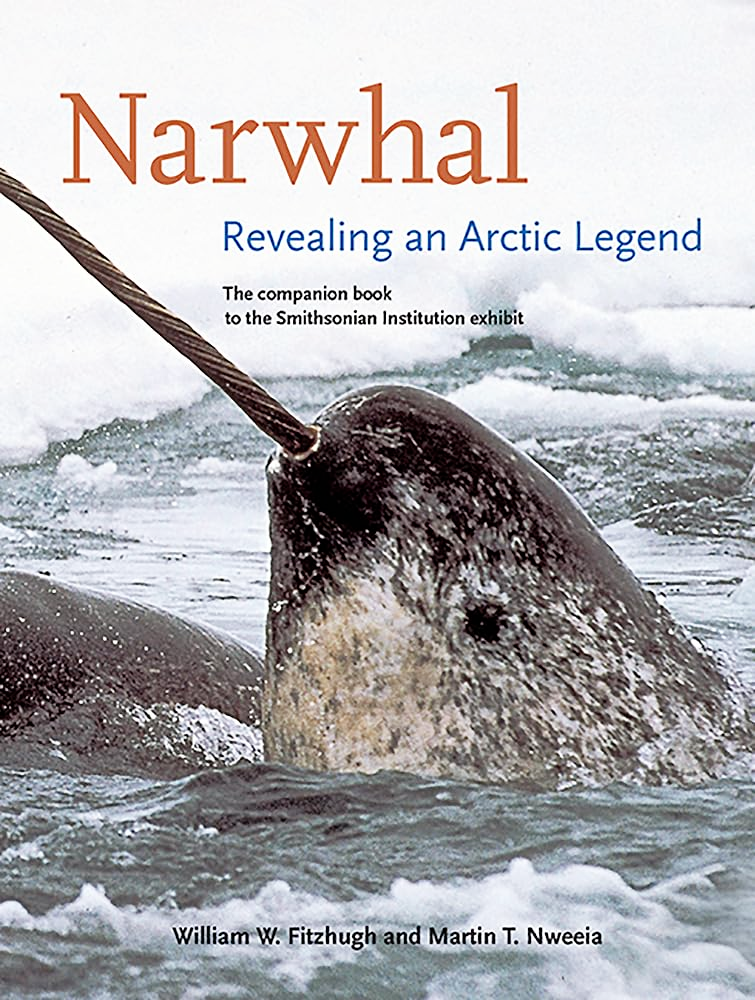
His work has been featured in The New York Times, NPR’s “Pulse of the Planet,” “A Beautiful World,” “Morning Edition,” “Earth Wise,” and documentaries by National Geographic, “Découverte” (French Discovery), and the BBC, including “Natural Curiosities” with Sir David Attenborough. Dr. Nweeia has received a CINE Golden Eagle for the NGS Wild Chronicles narwhal story, the William Mills Prize for his book “Narwhal: Revealing An Arctic Legend,” and the Lowell Thomas Award for Arctic Research. His 2020 scientific publications have been published in Nature, PNAS, and two Smithsonian books.

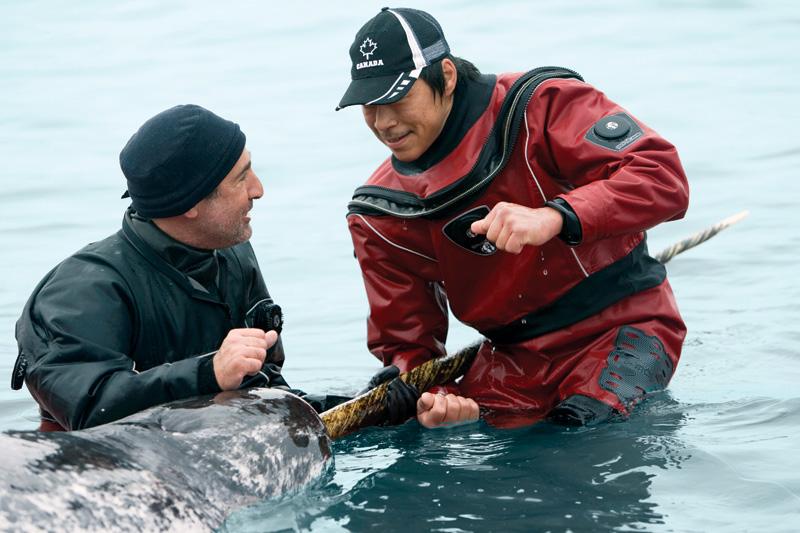
Martin Nweeia ’77 and research colleague Adrian Arnauyumayuq complete experiments on a live narwhal in Arctic Bay, Nunavut, Canada, in 2007. Photo by Gretchen Freund

Ein ziemlich ausgefallenes Hobby hat der amerikanische Zahnarzt Martin Nweeia: Er studiert den Stoßzahn des Narwals. Nweeia, niedergelassen in Sharon im US-Staat Connecticut und Lehrbeauftragter an der School of Dental Medicine der Harvard University, fährt seit Jahren im Frühjahr nach Kanada in die Arktis und untersucht die rätselhaften Wale mit dem einen großen Zahn, berichtet “New Scientist” online.

The narwhal’s tusk—the model for the unicorn’s horn—is unique in nature, says Nweeia. “It’s the only known straight tusk and the only spirally twisted one.” In stress tests, narwhal tusks have proven to be extremely flexible and tough—a combination that’s unusual for teeth.

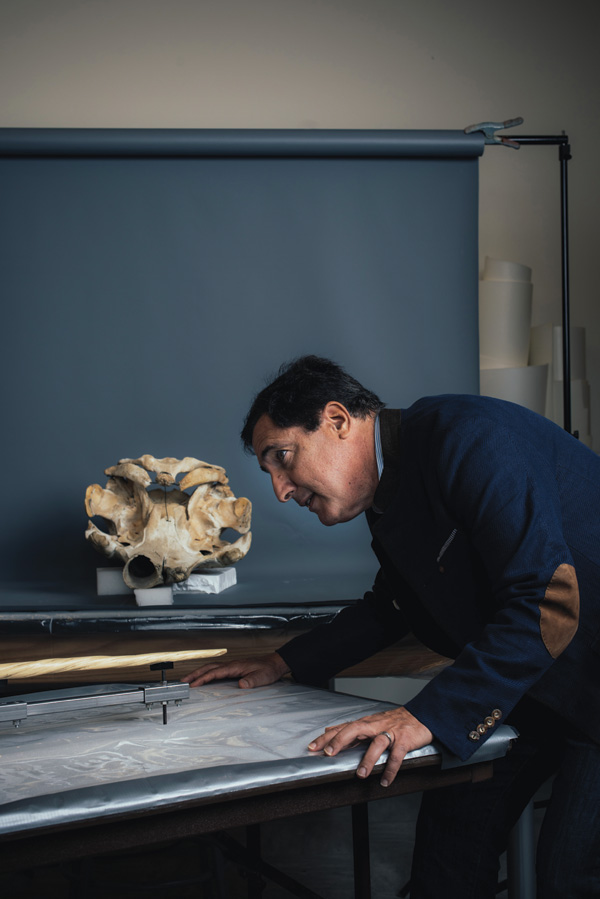
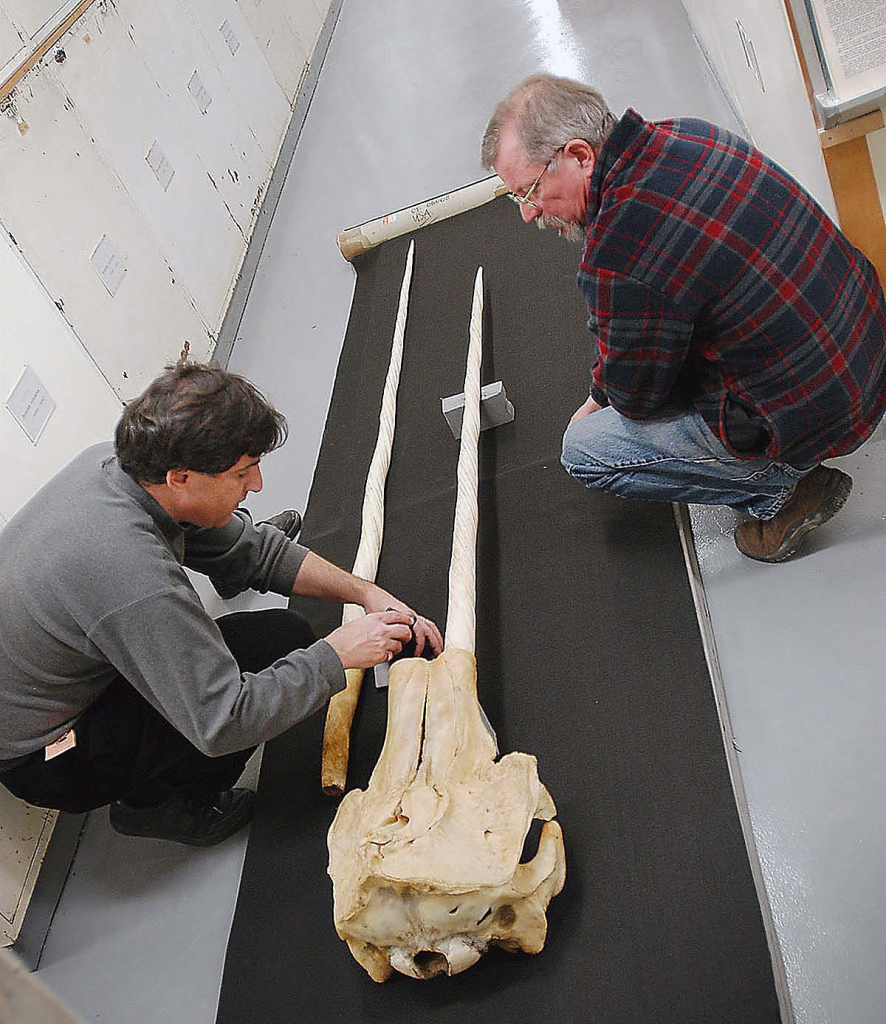
Nweeia examines a narwhal tusk and skull at the Smithsonian’s National Museum of Natural History before it is placed in a new exhibit, which opened in August. Photo by Stephen Voss

In male narwhals, one tusk grows to almost two and a half meters, while the other remains embedded in the jaw. Most females lack a tusk. The purpose of the tooth is still unclear. Weeia’s theory: “I think the tooth is a kind of sensor. It probably has something to do with detecting prey.” To test this, he is currently equipping whales with a sensor in their teeth.

https://narwhal.org/

https://www.aerztezeitung.de/Panorama/Dieser-Zahn-ist-ausserordentlich-und-einzigartig-in-der-Natur-331804.html

https://www.docseducation.com/blog/famed-dentist-studies-elusive-%27sea-unicorn%27-learn-more-about-human-teeth

https://www.si.edu/stories/understanding-narwhals-smile

https://www.glexsummit.com/explorers/martin-nweeia


  • -

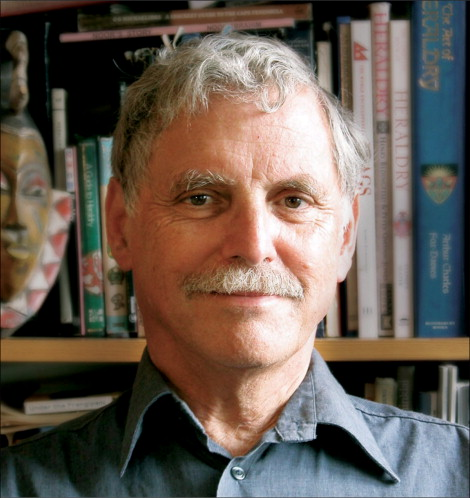
Cecil G. Helman

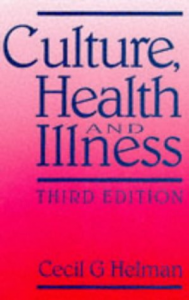
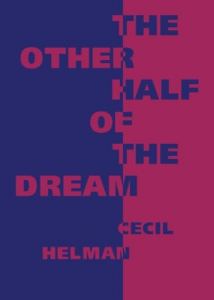
Cecil Helman (4 January 1944 – 15 June 2009) was a South African doctorauthor, and medical anthropologist.[1][2][3][4][5] He published poetryessays, and short stories, as well as academic books and papers.

Adam Kuper, a sometime professor of anthropology at Brunel University, was lecturing on the topic at UCL when he first got to know Helman. “It was very unusual then for a medical person to do a social science course”, he recalls. “But Cecil was always more than doctor. He wanted to develop a number of strands to his life.” These included painting and writing poetry and prose. It was Kuper who, in the late 1980s, hired Helman to work at Brunel on what was the first medical anthropology course in England. “As a teacher at Brunel he was very good. The course originally attracted mainly people with health backgrounds because health authorities had begun to struggle with the problems and ideas of immigrant groups with which they weren’t well equipped to deal. Cecil was particularly successful at Socratic teaching in small groups. He would get students to read things, talk about them, and then shape the discussion.”

https://en.wikipedia.org/wiki/Cecil_Helman

https://www.thelancet.com/journals/lancet/article/PIIS0140673609614033/fulltext

Dear Dr Ellenberger,
I am a doctor as well as a writer. You might be interested in my recent memoir: Suburban Shaman: Tales freom Medicine’s Frontline (see: www.hammersmithpress.co.uk/suburbanshaman ), which in March was selected for broadcast by the BBC as a ‘Book of the Week’.
Best wishes,
Cecil Helman