Category Archives: ArtDocs

  • -

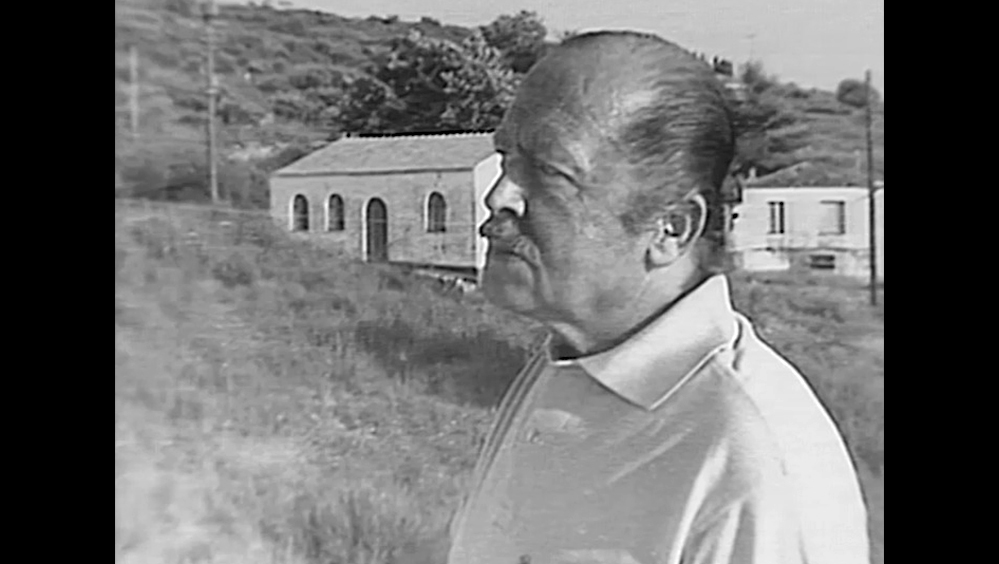
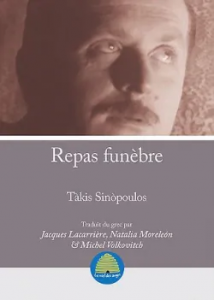
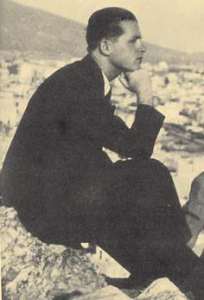
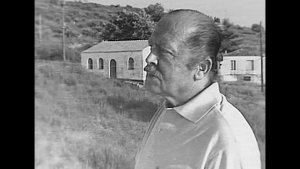
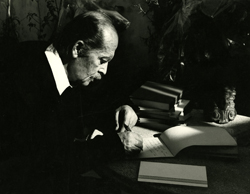
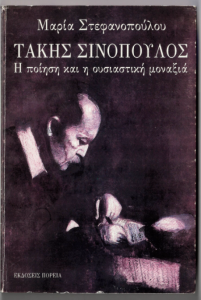
Takis Sinopoulos

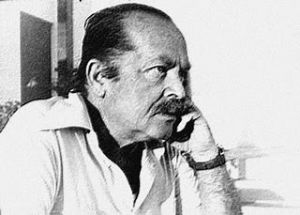
Takis Sinopoulos was born in 1917 in the Peloponnese. He served as a military doctor in the Greek Civil War from 1946 to 1949; his experiences of fratricide and excessive violence had a lasting impact on him and his work. He died in 1981 in Pyrgos in the Peloponnese.

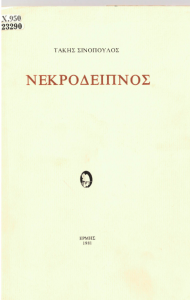
He was born in Agolinitsa, the first-born son of philologist Giorgos Sinopoulos and Roussa-Veneta Argyropoulou. He studied medicine at the University of Athens, graduating in 1944. In 1934, under the pseudonym Argyros Roubanis, he published the poem “Betrayal” and the short story “The Revenge of a Modest Man” in the Pyrgio newspaper “Nea Imara”. In 1941, he was drafted as a medical sergeant in Loutraki. [3] During the occupation, he published translations of French poets and some essays on poetry. In 1942, he was briefly imprisoned by the Italians as a resistance fighter. During the civil war, he was a doctor in an infantry battalion. After the end of the civil war, he began working as a doctor in the capital. In 1951 he published his first collection of poems, entitled Metaihmio. He was a member of the editorial staff of Eighteen Texts, New Texts 1-2, Deposition ’73, and the journal The Continuation. He also collaborated with numerous journals (Nea Estia, Filologika Chronika, Odysseas (Pyrgou), Kochlias, Piraika Grammata, Anglohelleniki Epitheoresis, Kainouria Epochi, Zygos, Epochen, Tram, O Tachydromos, etc.). He belonged to the first post-war generation. He was particularly influenced by T.S. Eliot, Seferis, and Ezra Pound. In general, his poetry is lyrical, epigrammatic, and characterized by tragic self-awareness and pessimism. In his final years, a shift in the use of linguistic material toward an anti-poetic, aggressive, and often ironic discourse was observable. He donated a large part of his library to the University of Thessaloniki.

Sinopoulos spent his student years in Pyrgos and went to Athens to study medicine in 1934. He made his first appearance in the literary world in 1934 with the publication of the poem “Betrayal” and the short story “The Revenge of a Modest Man” in the Pyrgos newspaper “Nea Imera” under the pseudonym Argyros Roubanis. His first book of poetry, titled “Metaihmio,” was published in 1951. The first poem in this volume, “Elpinor,” was written in 1944.

A pioneering figure of the “Generation of the 1950s,” Sinopoulos authored a number of poetry collections, essays, and book reviews throughout his creative career, which shaped the country’s intellectual life in the post-war years. He is a tragedian par excellence. The emphasis on the tragic “stigmatizes” his entire poetry, the drama, the decay, the death, the suffering and the alienation, and embodies the tragic historical events he experienced (the dictatorship of Metaxas, the war occupation, the civil war, the 1967 dictatorship, the coup and the invasion of Cyprus).
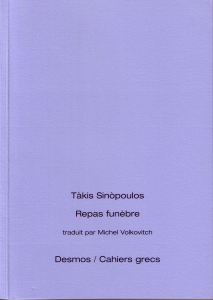
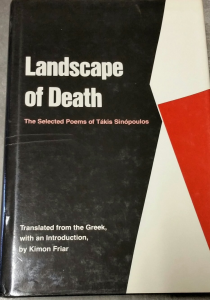
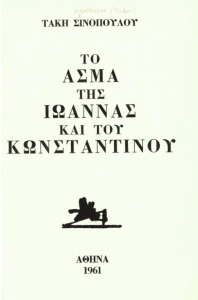
He also wrote the poetry collections “The Song of Joanna and Constantine,” which won the 1961 State Prize for Poetry, “Acquaintance with Max,” and “Night and Counterpoint,” as well as various studies and essays on the work of Seferis, such as “Strofi.” He was awarded the 2nd State Poetry Prize in 1962 for “The Song of Joanna and Constantine.”

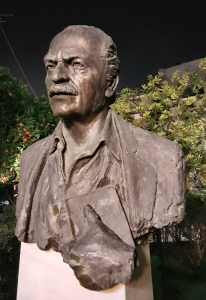
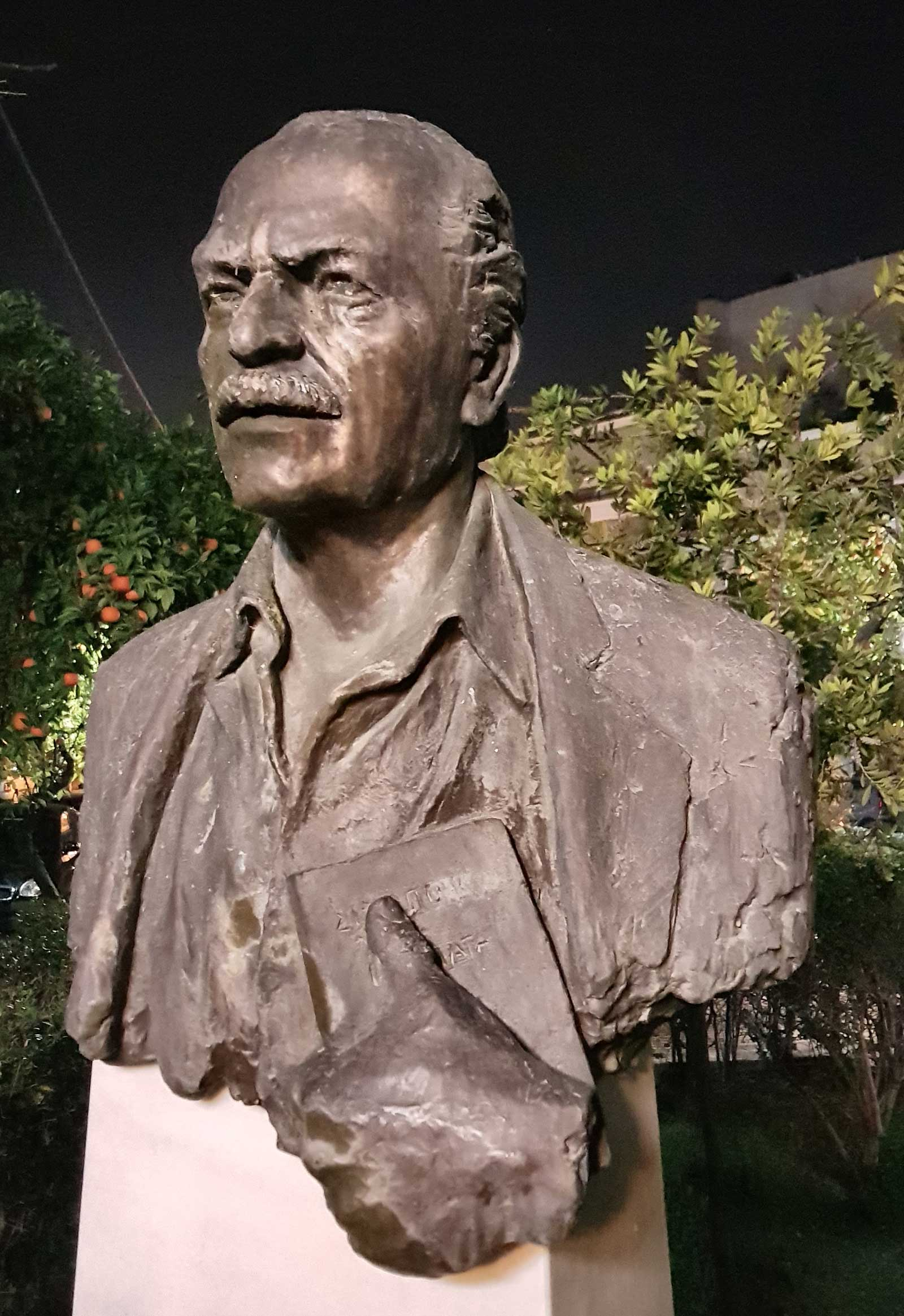
He died on April 25, 1981 (Easter Eve 1981) in Pyrgos. He was married to Maria Dotta, who in 1995 donated the house she lived in in the municipality of Nea Ionia to the Takis Sinopoulos Foundation as accommodation. A bust of the poet stands in the square in front of his house on Takis Sinopoulos Street in Perissos.

https://el.wikipedia.org/wiki/%CE%A4%CE%AC%CE%BA%CE%B7%CF%82_%CE%A3%CE%B9%CE%BD%CF%8C%CF%80%CE%BF%CF%85%CE%BB%CE%BF%CF%82

https://blogs.bl.uk/european/2017/03/poet-of-a-pitiable-time-takis-sinopoulos.html

  • -

Matthias Schrenk

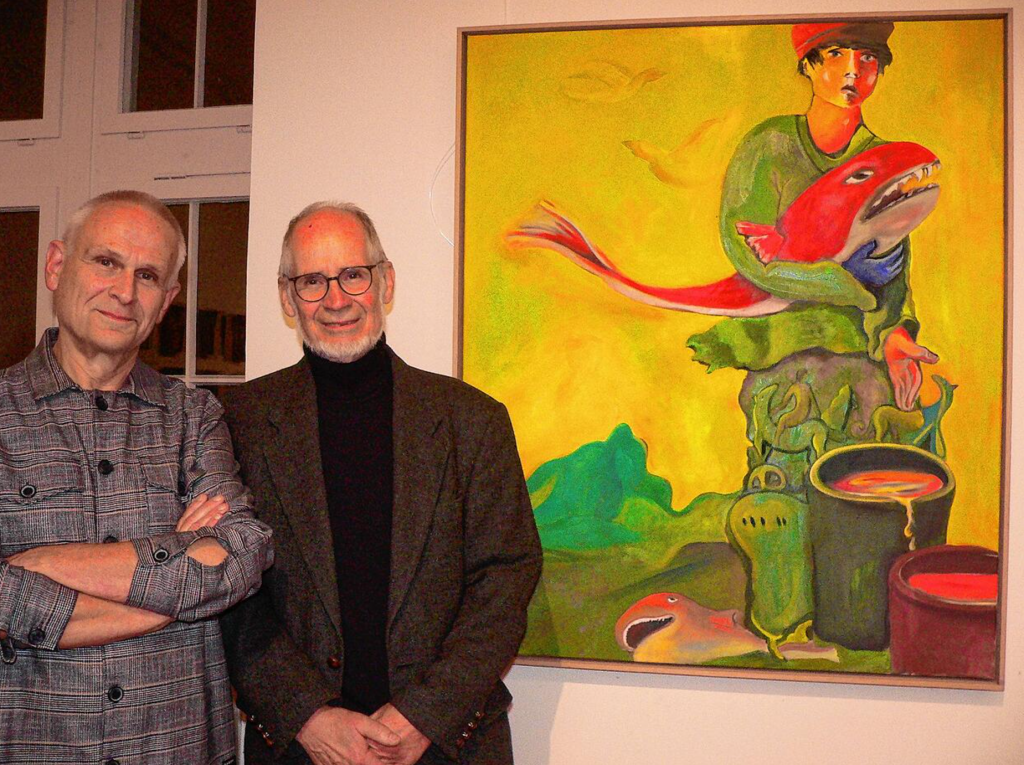
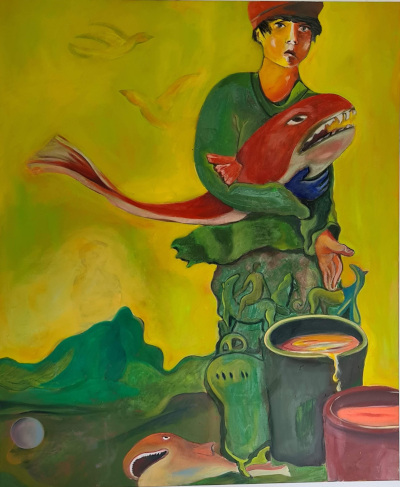
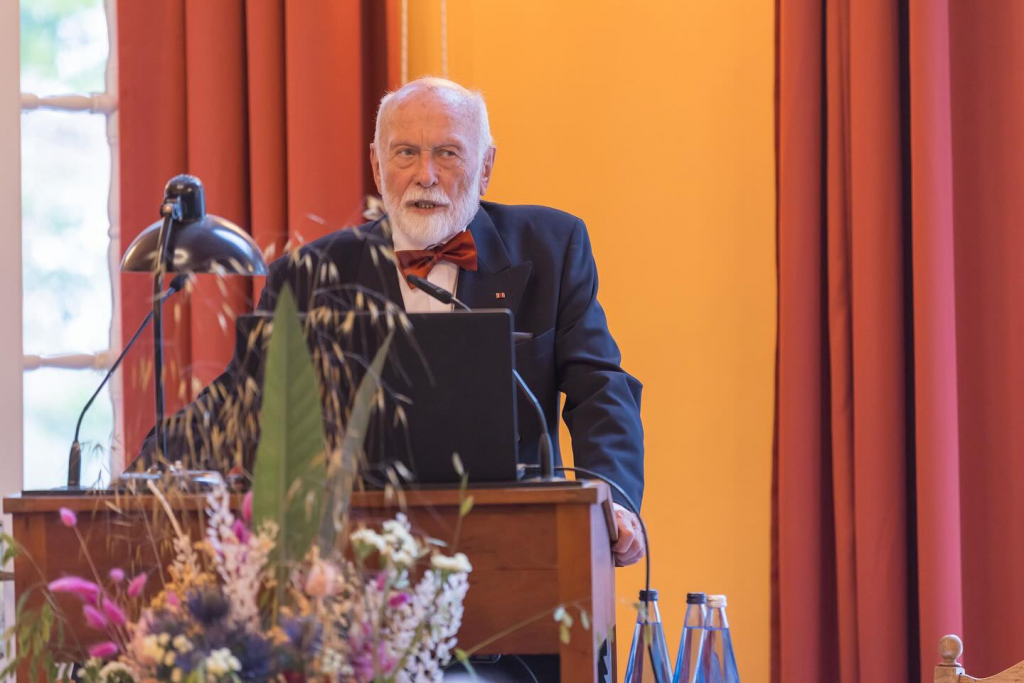
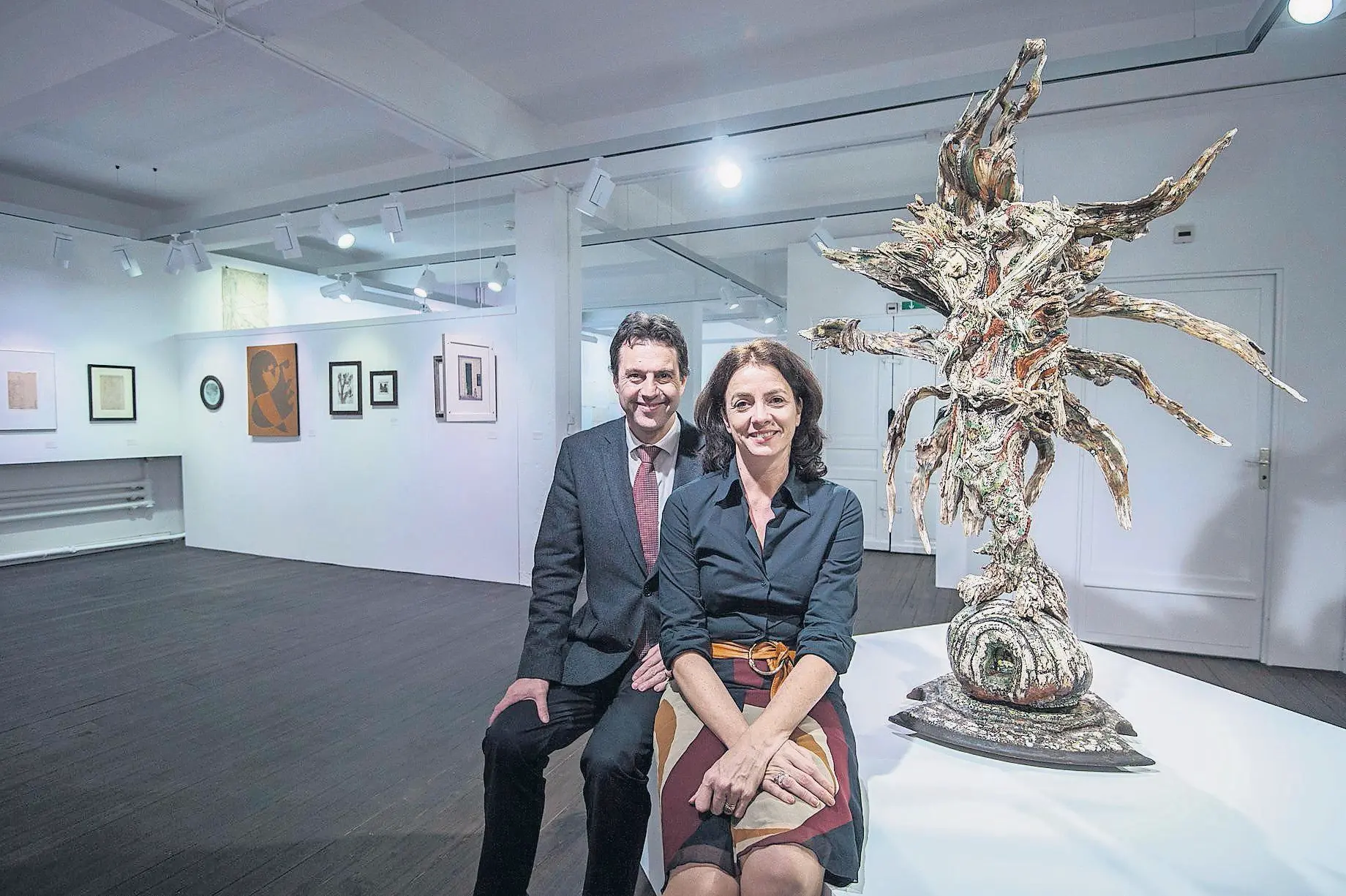
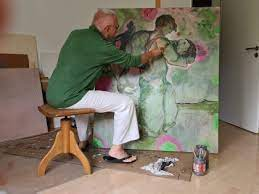
The artist Matthias Schrenk (left) and Bernd Salfner in front of the oil painting “Young Man with Fish.” Photos: Rosemarie Tillessen | Image: Rosemarie Tillessen

After graduating from Klettgau Gymnasium in Tiengen, he received a scholarship from Norway and began his artistic studies at the Ringsaker Folkehögsskole. While on a scholarship in Norway, he decided to perform civilian service at the Reichenau State Psychiatric Hospital instead of completing his military service. Following this, he studied art education for three semesters at the Freiburg University of Education, then transferred to the independent art school in Stuttgart. After passing the entrance exam at the Karlsruhe Art Academy, he was given the opportunity to continue his artistic studies in Gerd van Dülmen’s painting class.

He has been an ophthalmologist in Rheinfelden since 1996. All of the approximately 50 works on display in an exhibition in 2023 – except for one – were created in the past two years: “Thanks to the coronavirus, I had more time for the first time, not just at night or on weekends.” In conversation with Salfner, he explains how his paintings are created – without a fixed plan, from the subconscious: “I just start.” Then he often paints over them, changes them. Viewers frequently discover traces of overpainted work. “I always stick to the representational: here a head, a face, a figure. I’m not that interested in landscapes.” When asked whether his paintings are melancholic, he affirms: “There is always melancholy in art.”

https://www.suedkurier.de/region/hochrhein/waldshut-tiengen/wanderer-zwischen-zwei-welten;art372623,11803113

Praxis | office


  • -

Adolf-Friedrich Holstein

Statements spoken by Adolf Friedrich Holstein

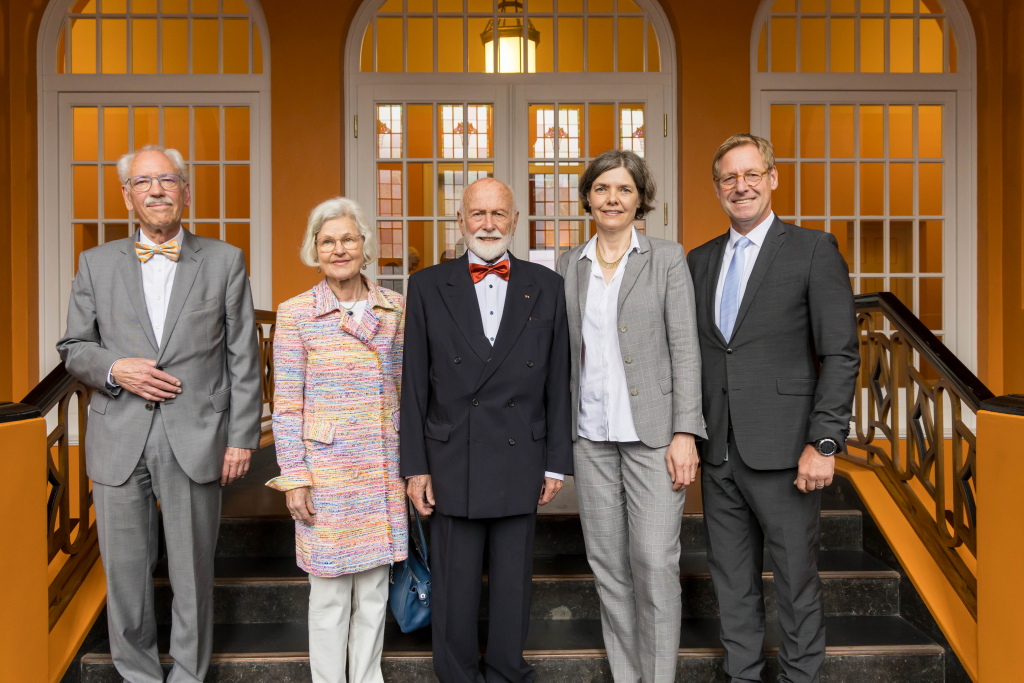
Wolfgang Ellenberger was one of Prof. Holstein’s anatomy students and was able to provide the musical accompaniment for his 80th birthday.

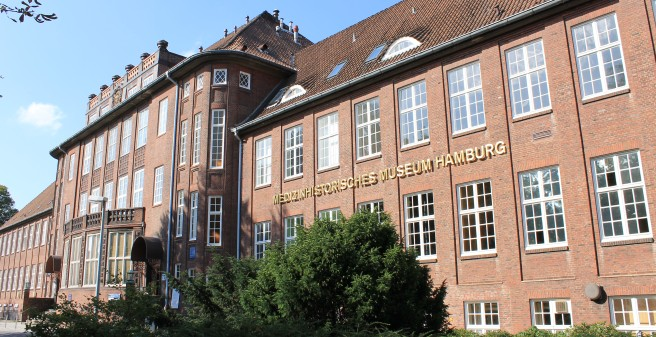
The history of the Hamburg Museum of Medical History began in 2007. The UKE board of directors asked the UKE’s Friends and Supporters Association to restore what is now the Fritz Schumacher House after the Institute of Pathology had moved out and to find a new use for it. The idea of ​​establishing a medical history museum in the restored building was welcomed by all involved. Prof. Holstein, the then chairman of the Friends and Supporters Association, took on the task and initially sought funding for the upcoming work and the museum’s establishment.
In close cooperation with the monument preservation authority, the individual construction phases were completed and presented to the public step by step. In 2010, the restored dissection room was unveiled, accompanied by an exhibition that provided an initial insight into the diversity of the exhibits. In October 2013, the first part of the permanent exhibition “The Emergence of Modern Medicine” opened. In December 2014, the museum opened the recently completed small dissection room and the rooms on the first floor.

https://www.uke.de/kliniken-institute/institute/geschichte-und-ethik-der-medizin/medizinhistorisches-museum/index.html
90. Geburtstag im UKE Erikahaus mit Feier. 2024
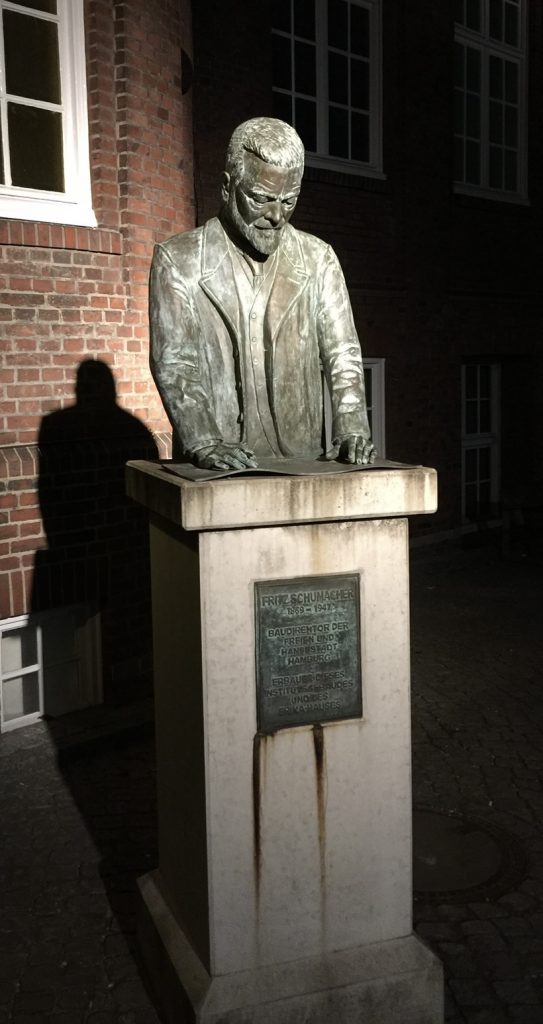
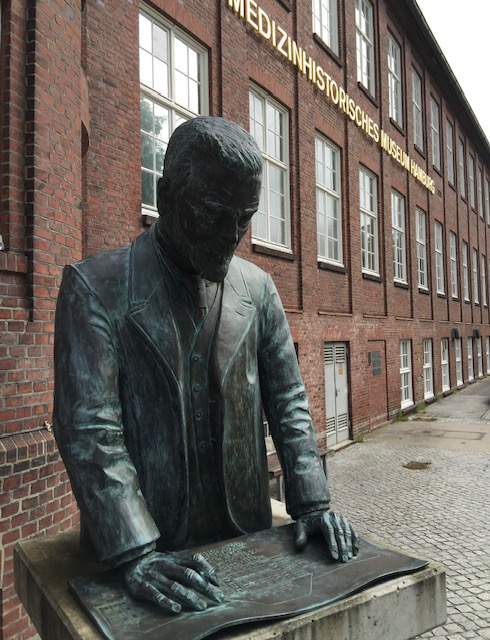
Sculpture of Fritz Schumacher, the builder of the building that now houses the Hamburg Museum of Medical History. Created by Adolf-Friedrich Holstein.

Dear Mr. Ellenberger,

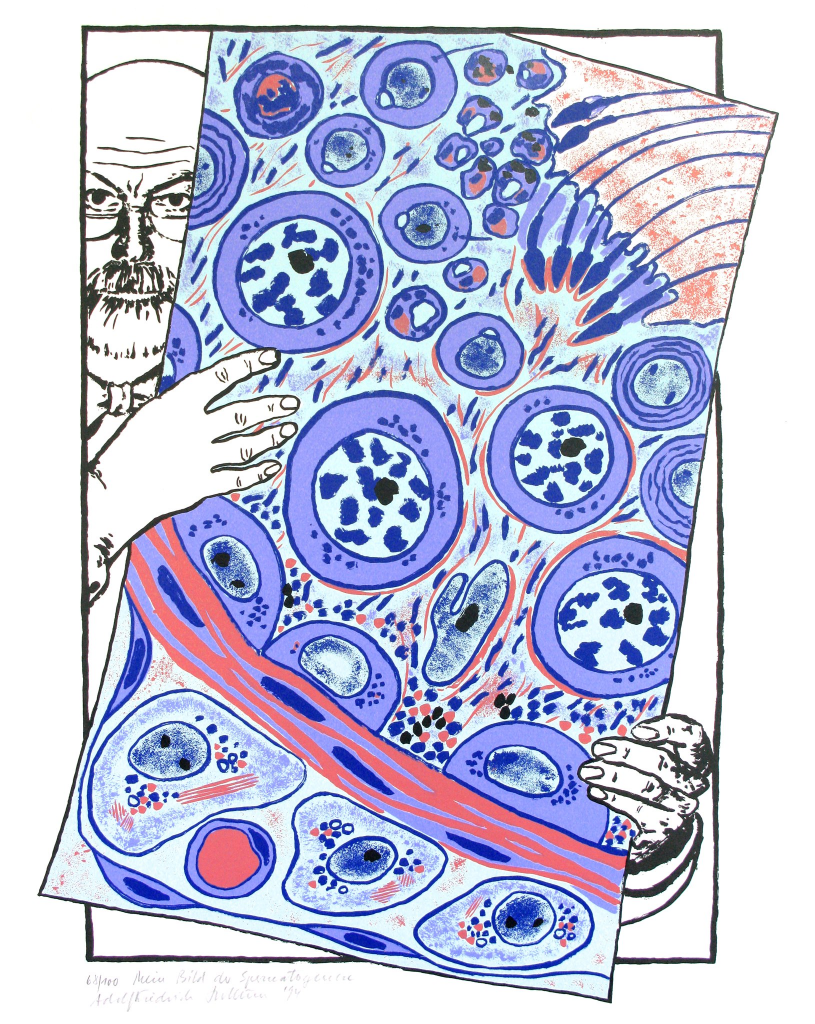
Thank you very much for your kind email. I am touched by everything you want to share about me. Of course, I agree. During my professional career, I was highly committed to medical teaching and research on spermatogenesis, and after my retirement, I devoted myself to monument preservation, painting, and sculpture. After restoring the rooms in the Erika House, I founded a center for communication and culture there. I then took over the task of restoring the pathology institute building from the medical director, Prof. Jörg Debatin. I created a new use for it as the Hamburg Museum of Medical History. At my request, the building was named Fritz Schumacher House after its builder, to house a new cultural institute. To illustrate this, I created a sculpture of the famous building director, which stands in front of the museum.

If you give me your address, I will be happy to send you a small booklet published by the Friends and Supporters Association for my 90th birthday.

But now I’d also like to know how you’re doing? How do music and medicine fit into your life?

Best regards

Adolf-Friedrich Holstein

Prof. Dr. Adolf-Friedrich Holstein
Medizinhistorisches Museum Hamburg
Martinistr.52
20246 Hamburg


  • -

Peter robert Berry

Peter Robert Berry (* September 11, 1864 in St. Moritz; † November 14, 1942 in St. Moritz) was a physician and painter from St. Moritz in the canton of Graubünden.

Peter Robert Berry was born the eldest son of the Chur physician Peter Berry I and his wife Cecilia Berry-Stoppani. Peter Berry came to St. Moritz on the advice of his brother-in-law, the hotelier Johannes Badrutt, and was one of the first spa physicians to work in the “New Kurhaus,” which opened in 1864.

Berry attended the cantonal school in Chur—together with Andrea Robbi. He then studied medicine at the universities of Zurich, Bern, Heidelberg, and Leipzig. After completing his dissertation, he worked for a short time at a London hospital; In 1892, he became chief physician of the “Heilquellen-Gesellschaft” (Healing Springs Society) in St. Moritz-Bad.

In 1895, he became engaged to the American Kitty Spalding, gave up his position as a spa doctor, and continued his education in Paris and Berlin. The engagement was broken off after a year, and Berry returned to the Engadine.

In November 1898, Berry vehemently opposed plans to develop the town into a health resort for tuberculosis sufferers in a detailed document addressed to the municipality of St. Moritz. He feared that the sophisticated, sports-loving public and other summer visitors would fear infection and stay away. Instead, he called for the “wellness offerings” such as spa treatments, which flourished in the summer, to be extended to the winter as well. The reputation of a sanatorium would ruin the upscale resort of St. Moritz: “Either sports or germs.”

In 1898, Berry met the painter Giovanni Segantini, whose project for an Engadin panorama for the 1900 Paris World’s Fair he strongly supported. At that time, Berry developed the desire to paint himself. Unsatisfied with his own experiments with colored pencils and pastels, he turned to his friend Giovanni Giacometti in 1898 and asked him to introduce him to the art of oil painting. Giacometti, however, was unavailable and put Berry off until winter. He supported his friend’s desire to paint, which strengthened Berry’s resolve to become a painter.

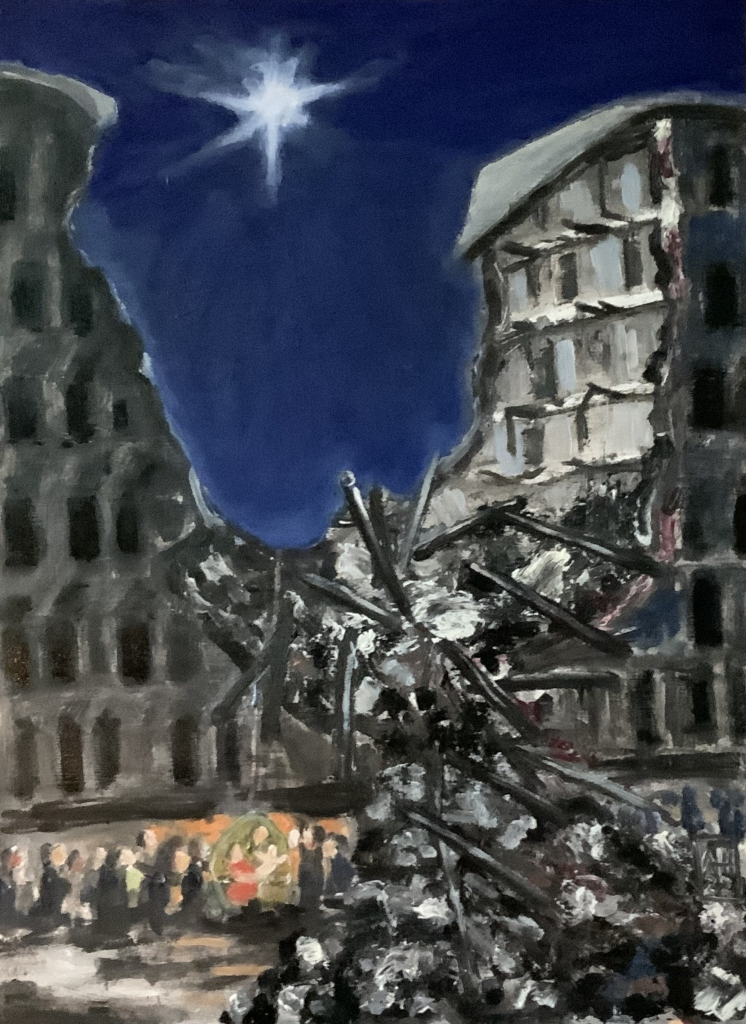
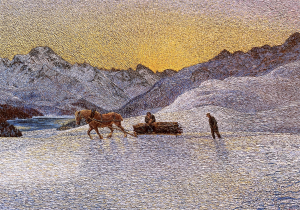
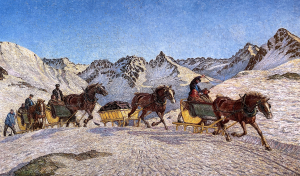
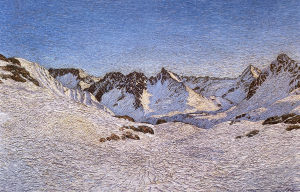
Between the winter of 1899 and 1901, one of Berry’s first large oil paintings was created. It is entitled “Christmas Eve” and, like other early works by Berry, is strongly influenced by Giovanni Segantini’s choice of motifs and divisionist painting technique.

In 1900, Berry began studying painting at the Académie Julian in Paris, presumably on the advice of his friends Giacometti and Andrea Robbi, who had previously attended the school. In 1901/1902, he learned precise drawing at Heinrich Knirr’s school in Munich and simultaneously took courses at the veterinary faculty, where he studied equine anatomy. In the following years, he continued his education in Paris at the Académie Julian and the Académie de Montparnasse.

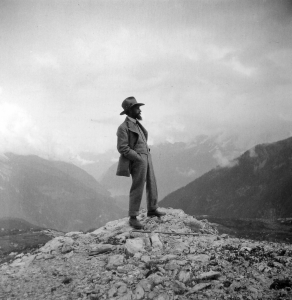
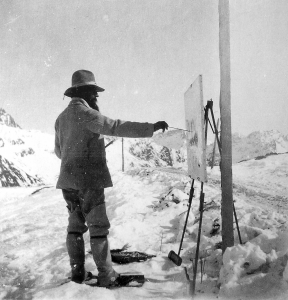
Between 1905 and 1914, Berry spent many winters on the Julier and Bernina Passes, painting in the open air and, in the evenings, playing the piano he had brought with him or reading in his hospice accommodations. He enjoyed works by Friedrich Nietzsche, whom he had met in St. Moritz. His brother often helped him carry his paintbox, paintings, and easel.

In 1907, Berry met Ferdinand Hodler, who was staying in the Engadine at the time. He, too, is said to have encouraged him to continue painting. In 1918, during the outbreak of the Spanish flu, Berry once again worked as a doctor, but otherwise devoted himself exclusively to painting.

Peter Robert Berry died on November 14, 1942, in St. Moritz. His works were not shown until after his death in 1945 as part of a memorial exhibition at the Graubünden Art Museum in Chur.

Berry had been married to Maria Rocco since 1908. One of his sons also worked as a doctor and painter in St. Moritz, and his granddaughter, Marietta Gianella-Berry, also became a painter.

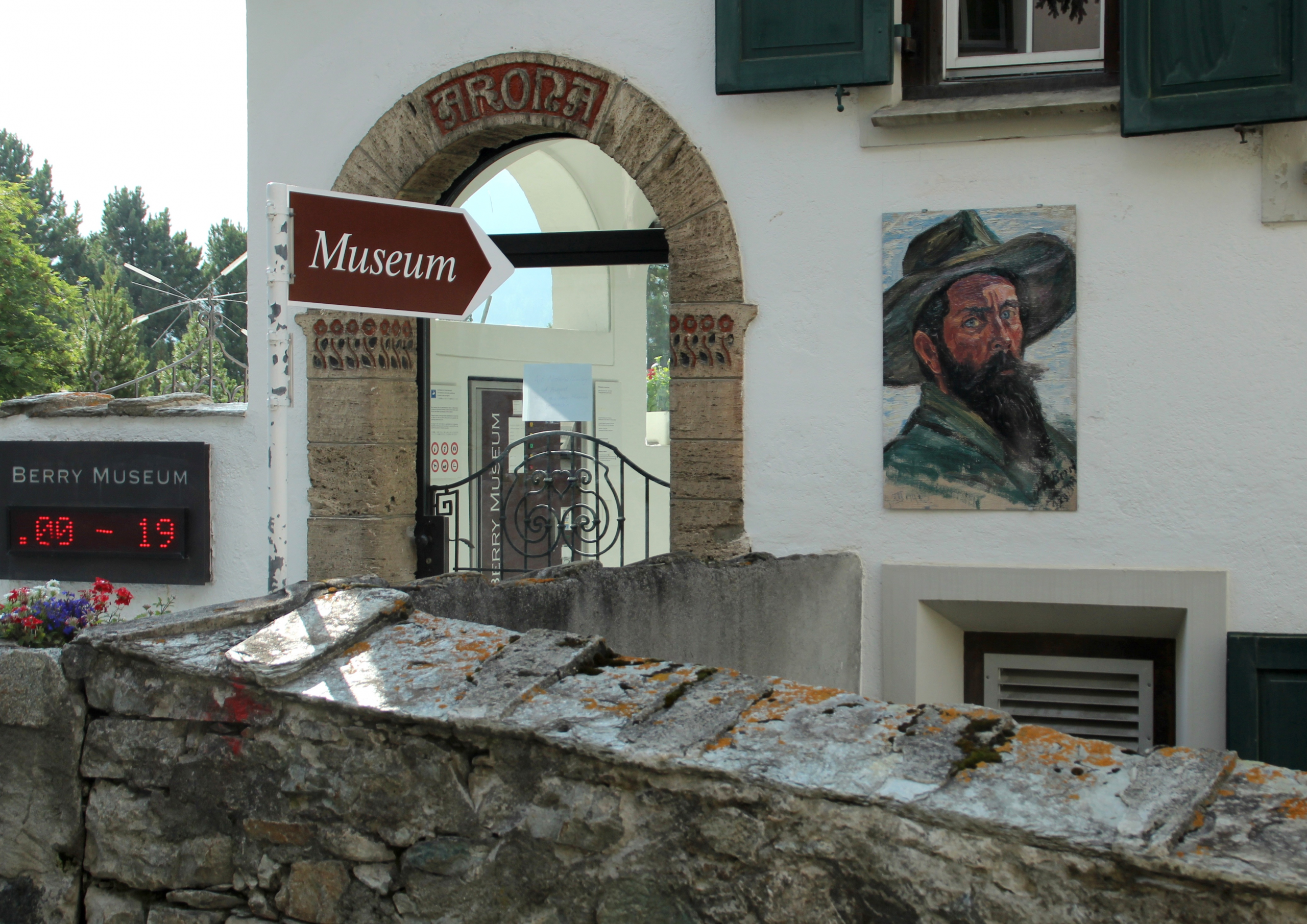
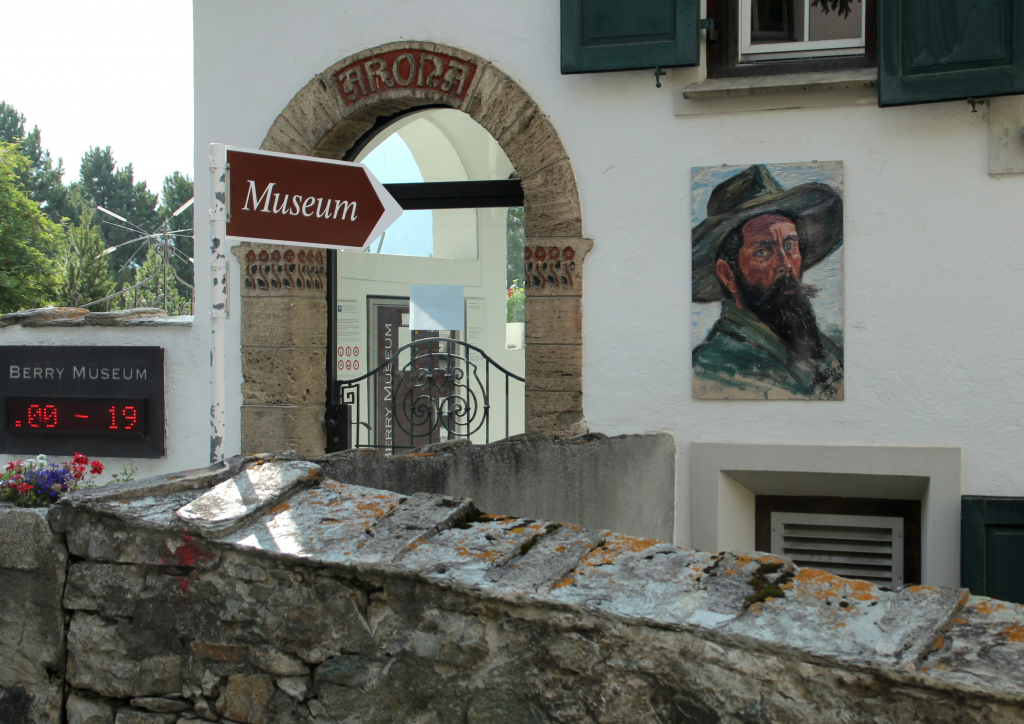
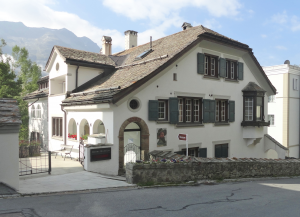
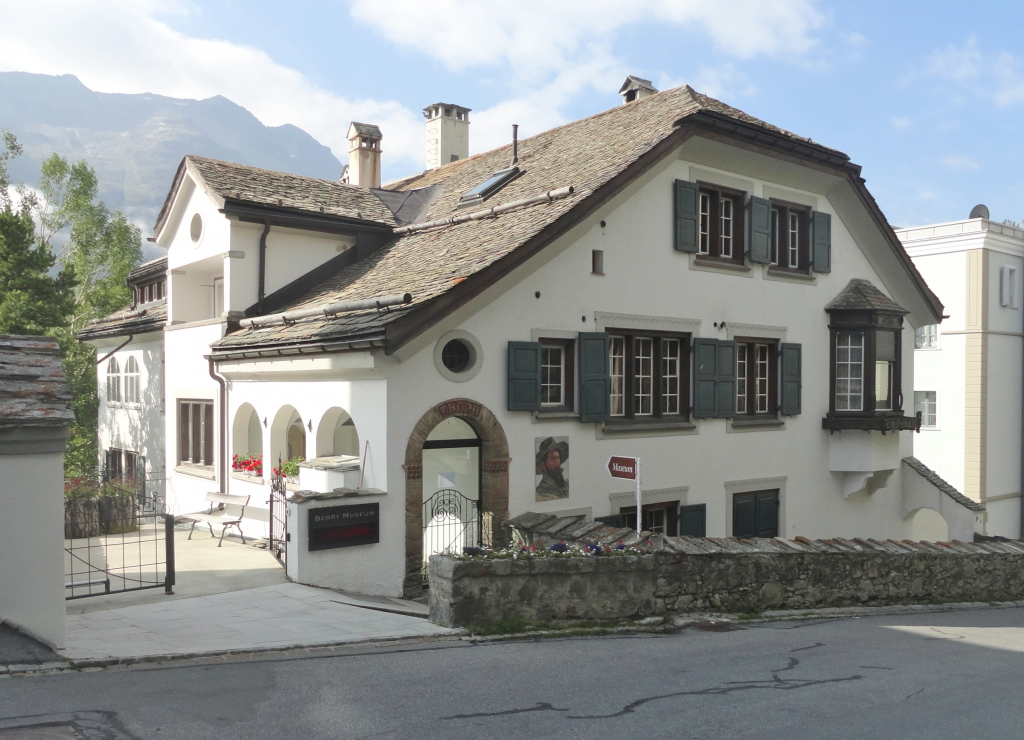
The “Villa Arona” in the center of St. Moritz was built around 1904[3] according to plans by Nicolaus Hartmann (1880–1956) by Berry’s brother Johannes, a dentist who lived there with his family.

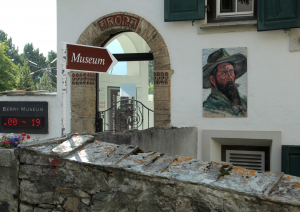
The Berry Museum, which opened there in 2004, exhibits numerous works by Berry, most of them family-owned. In addition to the paintings, the museum also houses Berry’s extensive estate. This consists of books, letters, notes, diaries, musical scores, and numerous documents relating to the founding and development of the spa town of St. Moritz.

https://de.wikipedia.org/wiki/Peter_Robert_Berry

https://berrymuseum.com


  • -

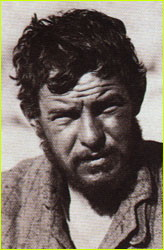
Theodore Howard Somervell

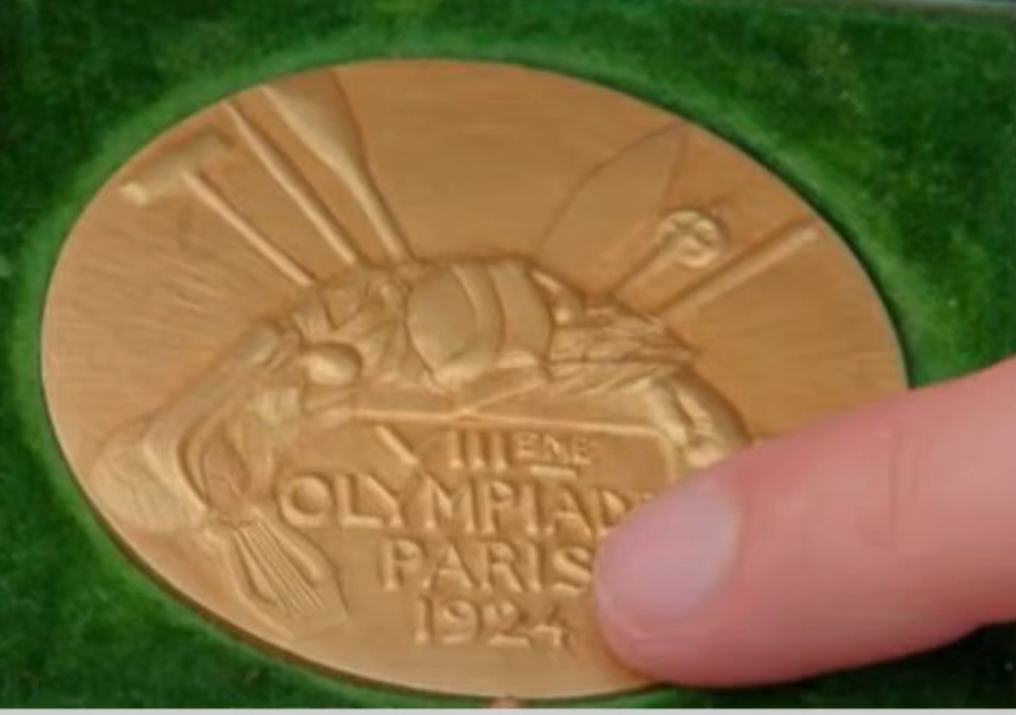
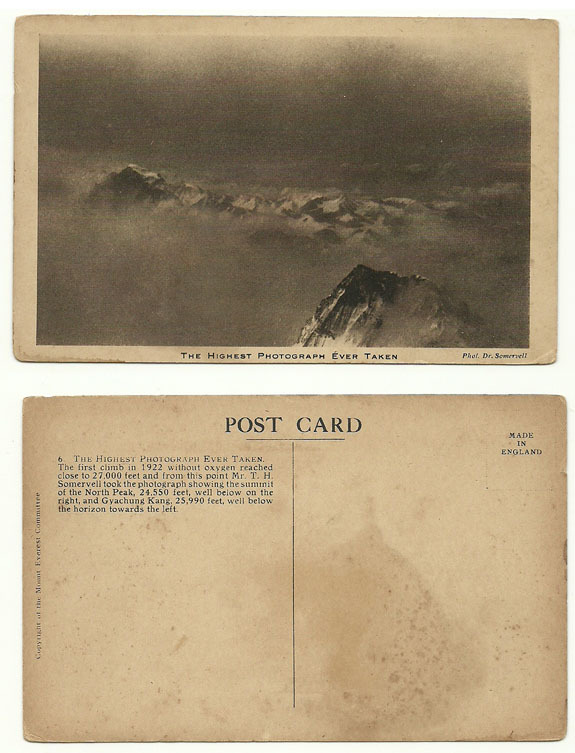
Theodore Howard Somervell OBEFRCS (16 April 1890 – 23 January 1975) was an English surgeon, mountaineer, painter and missionary who was a member of two expeditions to Mount Everest in the 1920s, and then spent nearly 40 years working as a doctor in India. In 1924 he was awarded an Olympic Gold Medal by Pierre de Coubertin for his achievements in mountaineering (Alpinism).

Somervell was born in KendalWestmorland, England, to a well-off family which owned the shoe-manufacturing business founded by two Somervell brothers in Kendal in 1845, that became K Shoes.[1] His father William Somervell (1860 – 1934) was a businessman, philanthropist and Liberal politician. He attended Rugby School, and at the age of eighteen joined the Fell and Rock Climbing Club, beginning an interest in climbing, art and mountaineering which would last a lifetime. He studied at Gonville and Caius College, Cambridge where he developed his strong Christian faith and gained First Class Honours in the Natural Sciences Tripos. He then began training as a surgeon at University College Hospital; eventually graduating in 1921 after his training had been interrupted by the First World War.

He married Margaret Hope Simpson (1899–1993), daughter of Sir James Hope Simpson, the general manager of the Bank of Liverpool. With Margaret he had three sons: James, David, and Hugh.

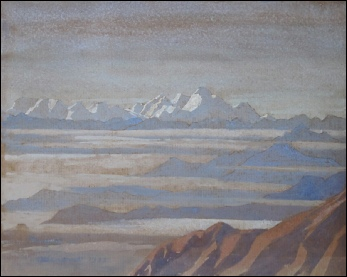
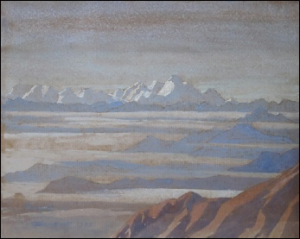
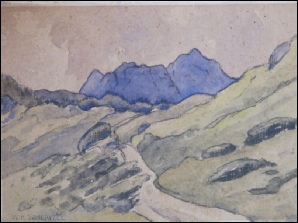
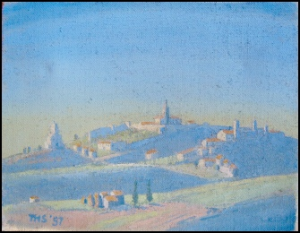
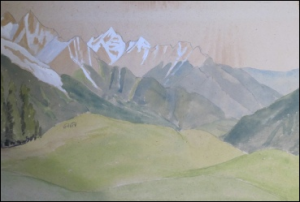
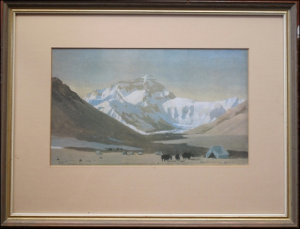
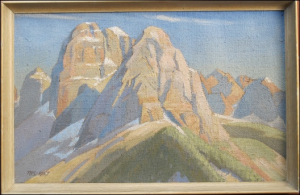
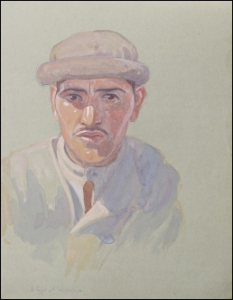
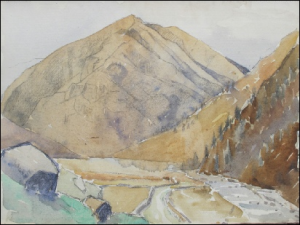
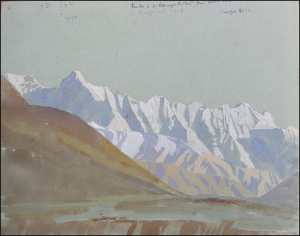
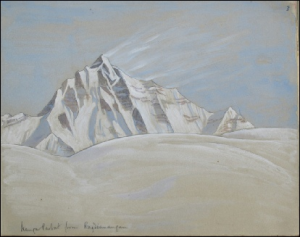
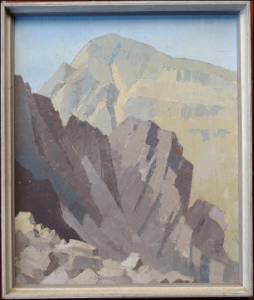
Somervell painted many hundreds if not thousands of paintings and has been described as a compulsive sketcher and painter.[23] The Himalayan Club identified some 600 titles, with at least 200 of them being representations of the Himalayas or Tibet. 126 of these relate to the 1922 and 1924 expeditions, many of which were exhibited at the Royal Geographical Society in April 1925 and at the Redfern Gallery, London, in 1926. He exhibited almost annually at the Lake Artists Society exhibitions in the Lake District after his return to England.

Many of his watercolours are painted on what has been described as no more than ‘cheap’ brown or off-white wrapping paper.[23] However, given that Somervell was a sometime commercial artist, this oft-repeated tale is largely apocryphal. He used this style of paper as early as 1913 and was still using it in the 1970s. It particularly lends itself to the dun colours of the Tibetan landscape. Other artists such as John Sell Cotman and Edith Collingwood[who?] used similar paper. He often used watercolour and body colour in preference to watercolour alone. He also used pastel, either alone or with watercolour. Watercolour seems to have been his favoured medium in Tibet, Himalaya and India.[citation needed]

The Alpine Club in London possesses thirty paintings by Somervell. The Abbot Hall Art Gallery in Kendal has thirteen Somervell watercolours and one oil painting while the Royal Geographical Society holds a large watercolour, Gaurisankar from the North West, dated 1924, although this may in fact be a painting of Menlungtse.[21] Somervell’s paintings of the Himalayas and of Westmorland were exhibited at the Abbot Hall Art Gallery in April 1979.

Somervell died in Ambleside in 1975. The Dr. Somervell Memorial Mission Hospital, established in 1975 at Karakonam, south of Trivandrum and the Dr. Somervell Memorial CSI Medical College, established in 2002, are named in his honour.

With the expedition over, Somervell set out to see India, travelling from the far north to Cape Comorin. He was shocked by the poverty he saw, and in particular the poor medical facilities. At the main hospital of the south Travancore medical mission in Neyyoor he found a single surgeon struggling to cope with a long queue of waiting patients, and immediately offered to assist. On his return to Britain, he abandoned his promising medical career, and announced his intention to work in India permanently after his next attempt on Everest. Most of his paintings sold today are from his travels in various parts of India. Even though most of his time was in Kerala where many landmarks to his name still remain.

A collection of his mountaineering equipment and other effects, including his 1924 Winter Olympics gold medal, and his sketchbooks and paintings, now in the possession of his grandson, was shown on an episode of the BBC Television programme Antiques Roadshow in April 2022.

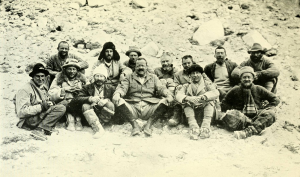
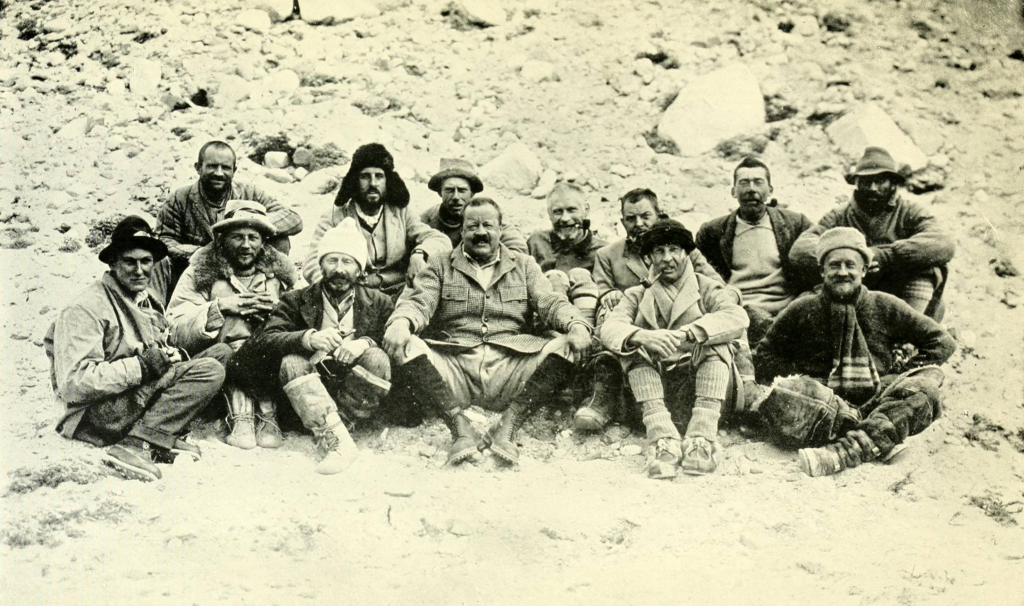
Expedition at Base Camp.
Back row: Morshead, G Bruce, Noel, Wakefield, Somervell, Morris, Norton
Front row: Mallory, Finch, Longstaff, General C  Bruce, Strutt, Crawford

https://en.wikipedia.org/wiki/1922_British_Mount_Everest_expedition

https://en.wikipedia.org/wiki/Howard_Somervell

https://www.mountainpaintings.org/T.H.Somervell.html

  • -

Gerhard Dammann

Gerhard Wolfgang Dammann (* 11 December 1963 in Oran, Algeria; † 20 June 2020 in Münsterlingen, Switzerland;[1] resident in Basel[2]) was a Swiss psychiatrist, psychologist and psychoanalyst.

Dammann studied medicine, psychology, and sociology in Tübingen, Frankfurt am Main, Basel, and Paris, graduating with the state examination in medicine (Germany, 1990), a diploma in psychology, and a diploma in sociology. From 1986, he was a member of the Catholic equestrian student association AV Guestfalia Tübingen.

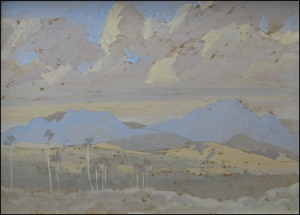
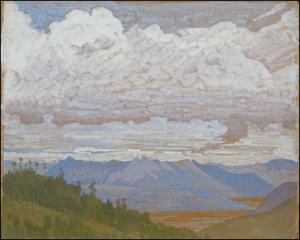
As a medical student, Gerhard Dammann explored the art of psychotics and those with psychiatric experience. During his clinical internship, he spent several months as an intern in the Prinzhorn Collection at Heidelberg University, acquiring his first works from the fields of “Outsider Art” and “Art Brut.” The collection began with a collage by Adolf Wölfli, a drawing by Louis Soutter, a painting by Johann Hauser, and a musical instrument by Gustav Mesmer. After his marriage, he and his wife Karin began collecting more and more systematically in the late 1990s.[1] From 1995 onwards, they placed the acquired works in their large Munich apartment. Initially, they acquired works by artists from the Art/Brut Center Gugging, including watercolors by Oswald Tschirtner and drawings by Franz Kamlander. From 2000 onwards, they supplemented the collection with further outsider art by Albert Louden, Sava Sekulić and Michel Nedjar. In 2003, they bought a large part of the works created in the “La Tinaia” studio, as well as historical Art Brut created in psychiatric hospitals.

In 2006, the collection comprised around 100 artistic works by self-taught artists in the fields of Naive Art and Outsider Art, and by 2014 had grown to around 300 works of “select quality.” In 2023, the collection consisted of over 1,000 exhibits. The core of the collection is a selection of Art Brut classics. These include series of works by the Gugging artists Johann Hauser, August Walla, and Oswald Tschirtner from the early 1970s, as well as works from the open studios of the “La Tinaia” psychiatric hospital in Florence. In addition, the Dammann Collection includes five of fifteen works donated from the original Prinzhorn Collection, three works by Else Blankenhorn[5], and two sheets by August Klett. There are also some unusual works: a carved bed made of solid oak, created around 1880 in an institution near Chartres, or a sheet dated 1720, which is considered the oldest known work of outsider art.

https://de.wikipedia.org/wiki/Gerhard_Dammann_(Mediziner)

https://de.wikipedia.org/wiki/Sammlung_Dammann

https://www.news.uzh.ch/de/articles/2007/2598.html
https://www.tagblatt.ch/kultur/leuchtender-wahnsinn-ld.922360


  • -

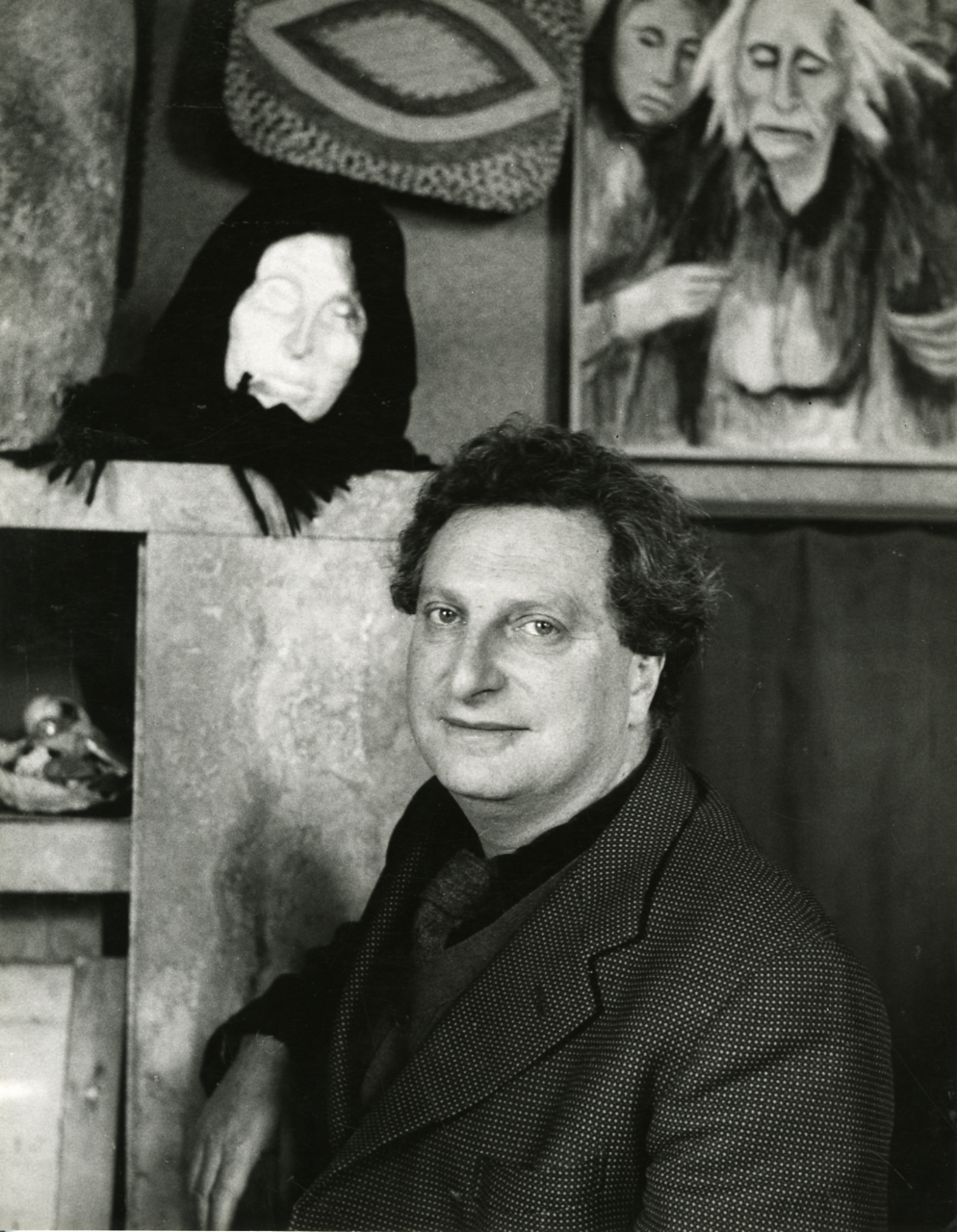
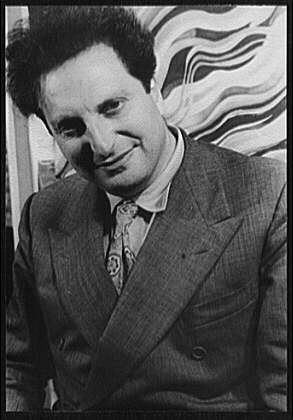
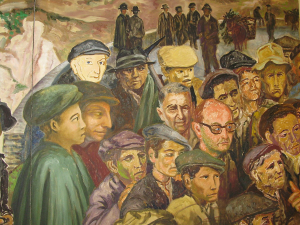
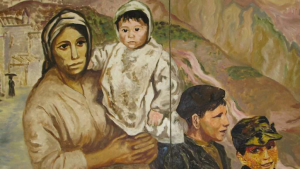
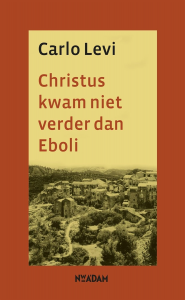
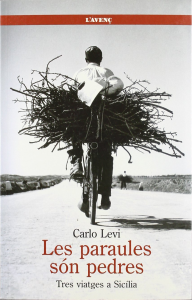
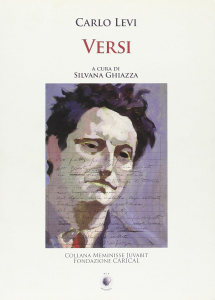
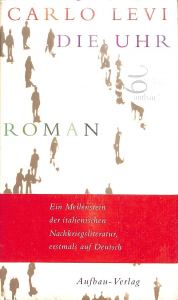
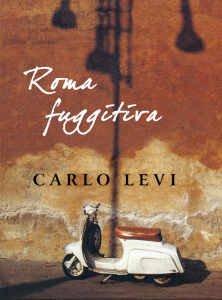
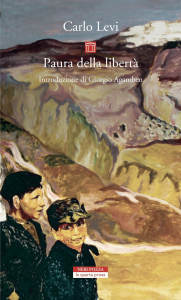
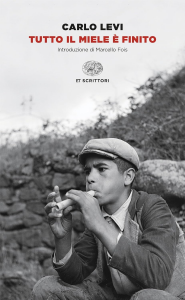
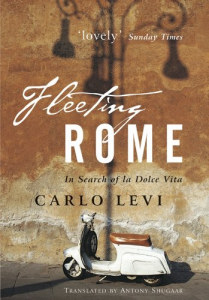
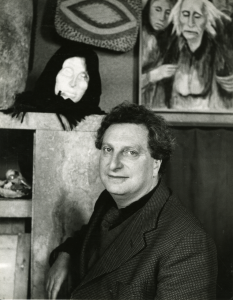
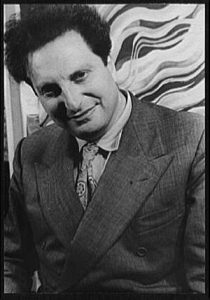
Carlo Levi

Graziadio Carlo Levi or Carlo Lèvi (born November 29, 1902 in Turin; died January 4, 1975 in Rome) was an Italian writer, painter, doctor and politician.

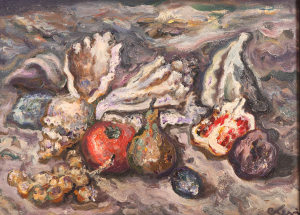
Carlo Levi came from an upper-class, assimilated Jewish family; his parents were Ercole Levi and Annetta Treves. In 1917 or 1918, he enrolled to study medicine at the University of Turin, graduating in 1924.[1] Although he worked as an assistant doctor at a Turin clinic from 1924 to 1928, he never practiced as a regular doctor, as he was more interested in politics and painting, to which he devoted himself intensively from 1923 onwards.[2] He became a member of the Rivoluzione liberale (“Liberal Revolution”) group led by Piero Gobetti, spent some time in Paris, and took part in the 1929 exhibition Sei pittori di Torino (“Six Turin Painters”).
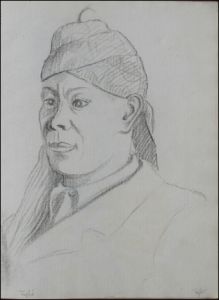
Because he had founded the anti-fascist group Giustizia e Libertà (“Justice and Freedom”) together with Carlo and Nello Roselli in 1929 and led it together with Leone Ginzburg, Levi was imprisoned in Rome for two months in the spring of 1934 and exiled to the southern Italian region of Lucania (now Basilicata) in May 1935. There, after some time in the small town of Grassano, he spent the period from September 1935 to May 1936 in the village of Aliano, where, due to the poverty of the inhabitants, he practiced as a doctor without pay and with limited resources. Until the provincial administration forbade this too and treatments could only be carried out in secret. On the side, he painted people and landscapes and explored the customs of the inhabitants, especially magic and superstition.
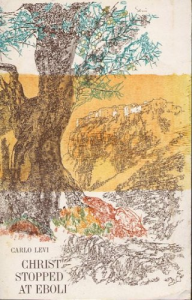
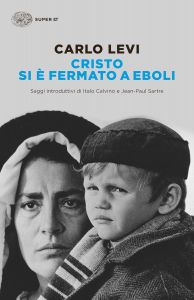
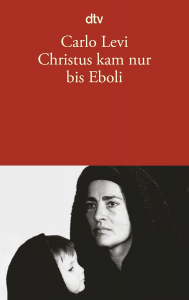
After his early release in 1936 through a general amnesty proclaimed by the fascist state to celebrate the annexation of Abyssinia during the Abyssinian War, Levi went into exile and took over the leadership of the Justice and Liberation group from Paris. In 1941, he returned to Italy, was arrested and imprisoned in Florence. After the fall of Mussolini, he was released, sought refuge in the Palazzo Pitti, and there, in 1943/1944, wrote his book Cristo si è fermato a Eboli (published in 1945, see below), in which he recorded his memories of his time in Aliano, choosing the slightly coded name Gagliano for Aliano.

After the end of the Second World War, Levi moved to Rome, where he lived and worked from then on in the Villa Strohl-Fern[3] and for some time as editor of the magazine Italia libera, which belonged to the Partito d’Azione (“Party of Action”). He continued to paint (his paintings were exhibited in various European countries and in the USA) and wrote more books (see below). In 1963, he was elected to the Senate as an independent on the Communist Party list, where he remained until 1972.

Carlo Levi died of pneumonia in a Roman hospital in 1975. In accordance with his express testamentary wish, he was buried in the cemetery of Aliano, which was one of his favorite places to stay during his exile there.

https://de.wikipedia.org/wiki/Carlo_Levi

https://en.wikipedia.org/wiki/Carlo_Levi


  • -

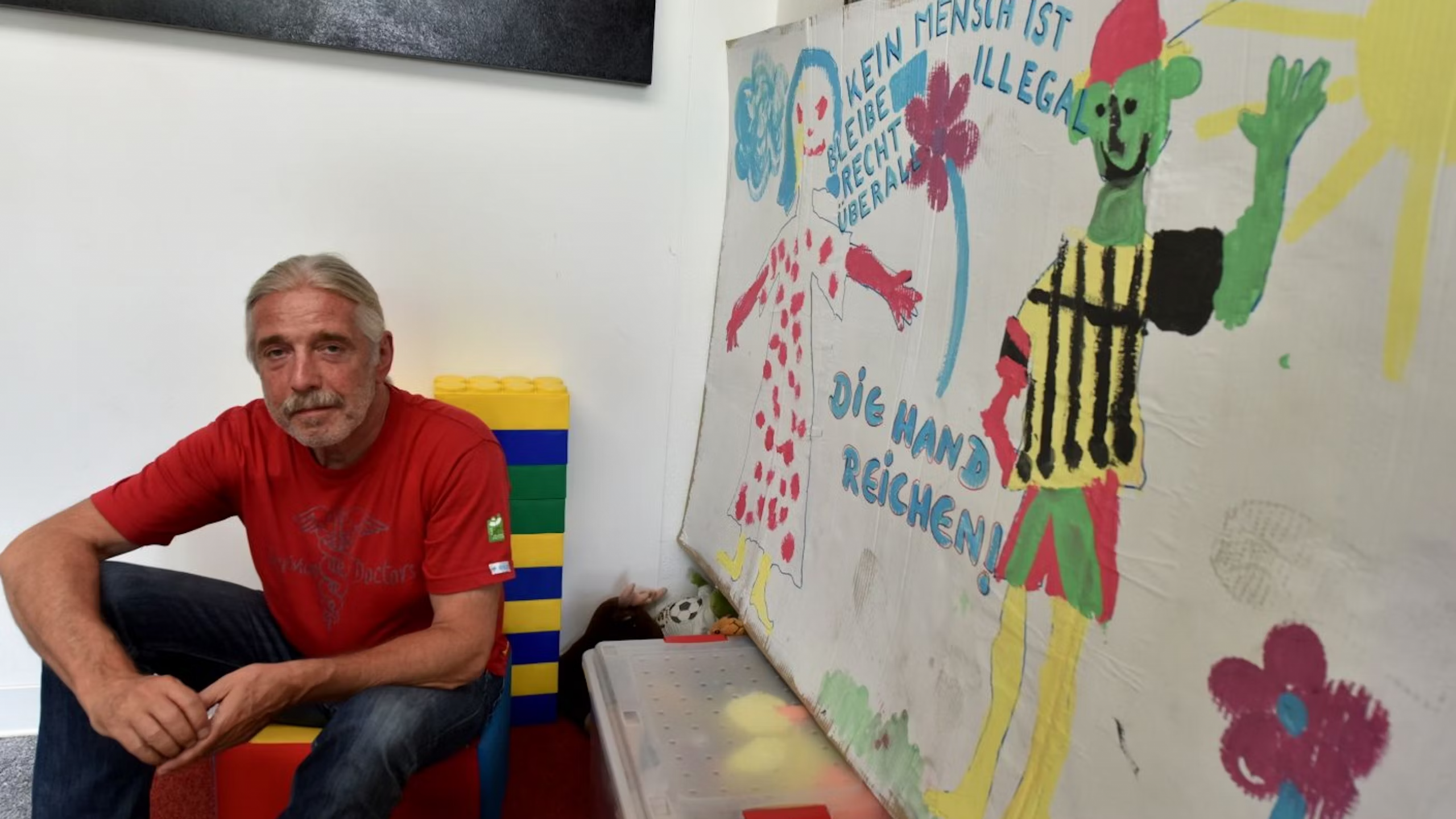
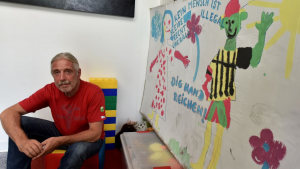
Andreas Sliwka

Andreas Sliwka is a gynecologist, psychotherapist, and yoga instructor in Unterföhring. He also holds consultations for refugees. Sliwka has traveled to crisis areas repeatedly.Foto: Catherina Hess

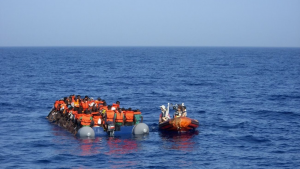
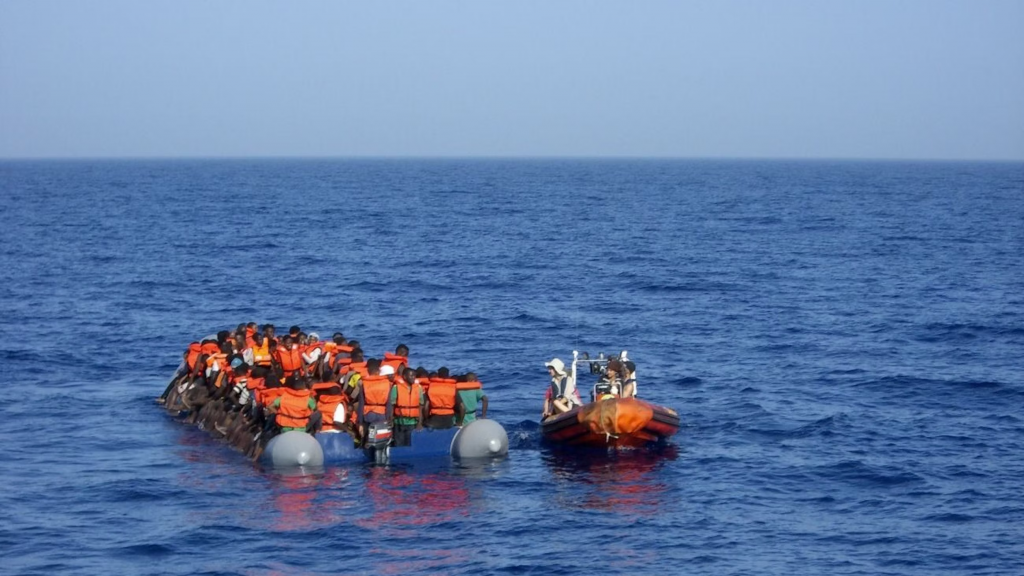
Multiple deployments as a doctor in various crisis areas in the Third World – in the Congo after the genocide in Rwanda, in the jungle clinic on Mindanao (Philippines), and most recently several deployments as a ship’s doctor in sea rescue operations off the coast of Libya – are expressions of my self-image as a physician.

My own search led me to the Eastern wisdom teachings. Training as a yoga teacher with my own yoga school for 10 years was an important step on this path. I currently practice Zen meditation according to the Soto school.

Wegmarken

My interest in philosophy and art arose in my youth. A milestone in this regard was Fritjof Capra’s book “Wendezeit” (The Turning Point) during my medical studies. He successfully established a connection between quantum physics and Eastern wisdom teachings, which has accompanied me throughout my life. About 20 years ago, Ken Wilber’s “Integral Theory” initiated a further development in my thinking. Integral Theory emerged from transpersonal psychology, a psychological development in the USA that integrated the spiritual aspects of human existence into psychotherapy. This form of therapy now also has a firm foothold in Germany (for example, at the Heiligenfeld Psychosomatic Clinic).

https://www.integrale-psychotherapie-muenchen.de

https://www.sueddeutsche.de/muenchen/landkreismuenchen/unterfoehringer-im-hilfseinsatz-die-fluechtlinge-kommen-so-oder-so-1.3619925


  • -

Rudolf Rehbach

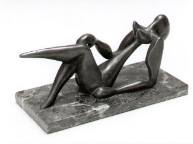
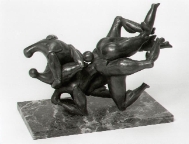
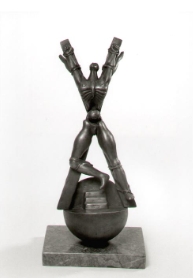
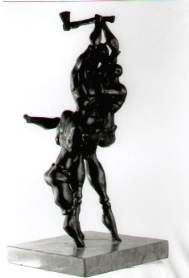
In his time as medical student ans assistant doctor Rehbach still had time for his artistic ambitions. Georg Brenninger and Emil Krieger were supporting him at the Munich Art Academy. He got further impulses from the Phantastic Realism of the Vienna School – Ernst Fuchs and Aric Brauer were protagonists here. But also surrealism – especially Salvador Dalí and Max Ernst wer influencing his visions of shape as well as Henry Moore.

Based on this he mainly makes small sculptures of bronce in the magical-mystical world between erotics and sexuality – as a free style of the new era.

Though his main work for the last 1 5years (2007) is obstetrics and cytology in Neufahrn near Munich/Bavaria/Germany. He is member of an art circle in Echingen and participated in several exhibitions and got a great response about his work.

Nachfolgerin der Praxis


  • -

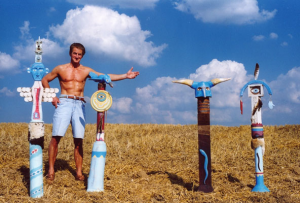
Frank Rawer

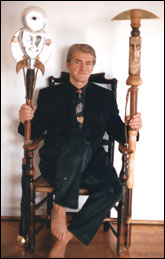
Frank Rawer, physician and artist, was born in Strasbourg. He grew up in Saarland and the Odenwald region; at the Odenwald School (near Heppenheim, Bergstrasse), he served as president of the school council, among other things. He received a travel scholarship from the Fondation des Bourses de Zellidja. He graduated with honors. He studied medicine in Frankfurt am Main, including an internship abroad in New York, USA. He passed the state examination (“very good”), received his doctorate (“magna cum laude”), and passed the ECFMG examination in 1971. He trained and continued his medical education (pediatric clinic, surgery, internal medicine, pathology, anesthesiology with helicopter rescue service, and radiology). He is a specialist in internal medicine and a specialist in radiology, specializing in nuclear medicine. He worked for many years as a senior radiologist.

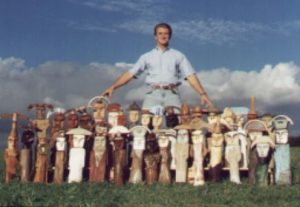
For a long time (over 40 years), however, he has also worked as an artist, with a now extensive body of work, largely outside the art world for many years.

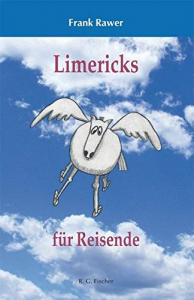
Frank Rawer has also won prizes in several photography competitions and participated in related exhibitions (including the International Book Fair Frankfurt 2000, Photokina Cologne 2004). Frank Rawer is also the author of the poetry collection “Limericks for Travelers” (R.G. Fischer Verlag).

On the occasion of an exhibition, journalist and art historian Ingrid Zehnder (St. Gallen) wrote: “… as a self-taught artist, he has not only achieved astonishing precision and perfection in his craftsmanship, but has also developed a distinctive, independent style in his invention and expressiveness.

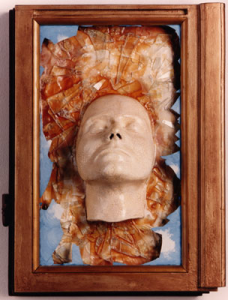
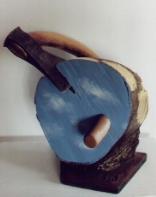
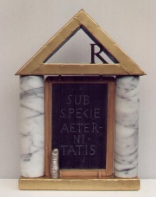
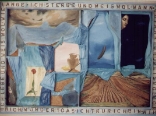
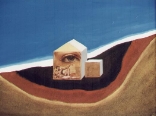
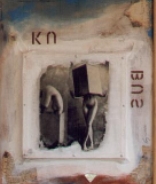
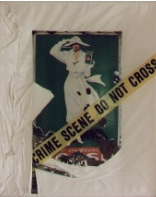
Frank Rawer works with a wide variety of materials: wood and plaster, Carrara marble and feathers, gold and sheet metal, precious woods and found objects from nature, canvas and paper. These are not random assemblages, however; the inherent quality of the material always plays a role.

Frank Rawer’s works are original and imaginative; they make allusions and set chains of ideas in motion. Sometimes they are cheerful and witty, ironic and playful, sometimes serious and critical, ambiguous and subtle.”

https://www.frank-rawer.de