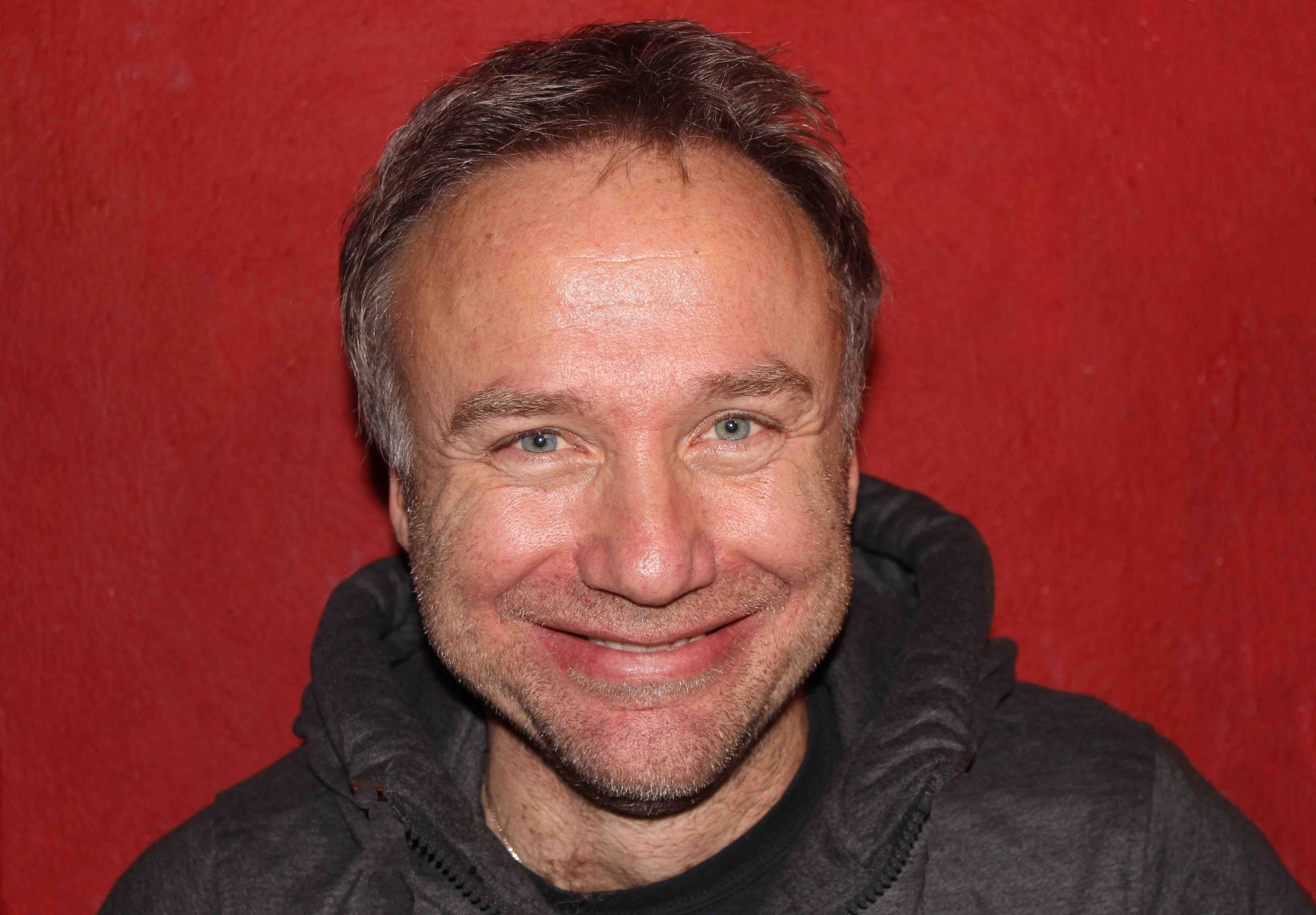
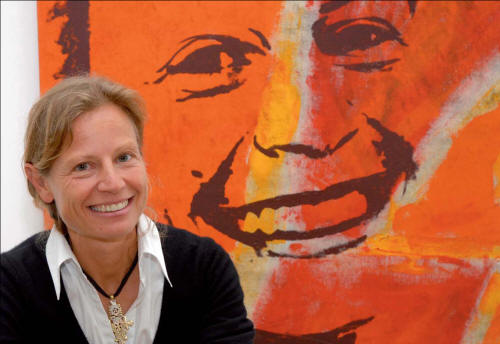
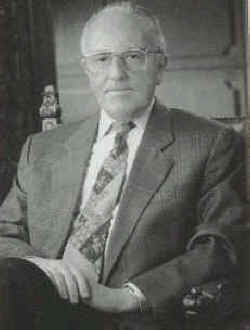
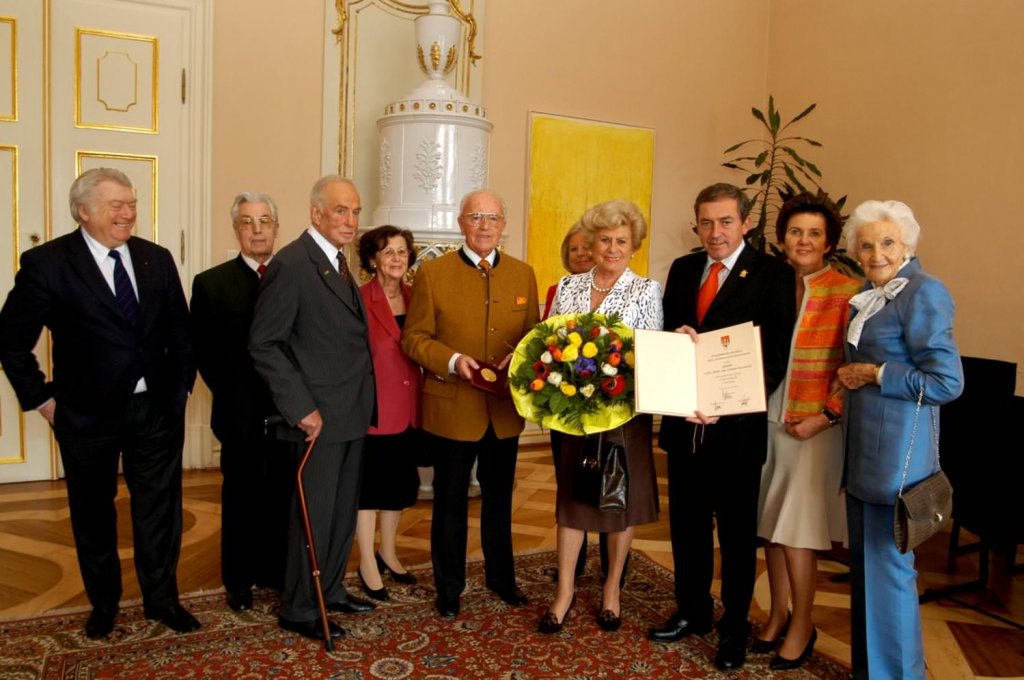
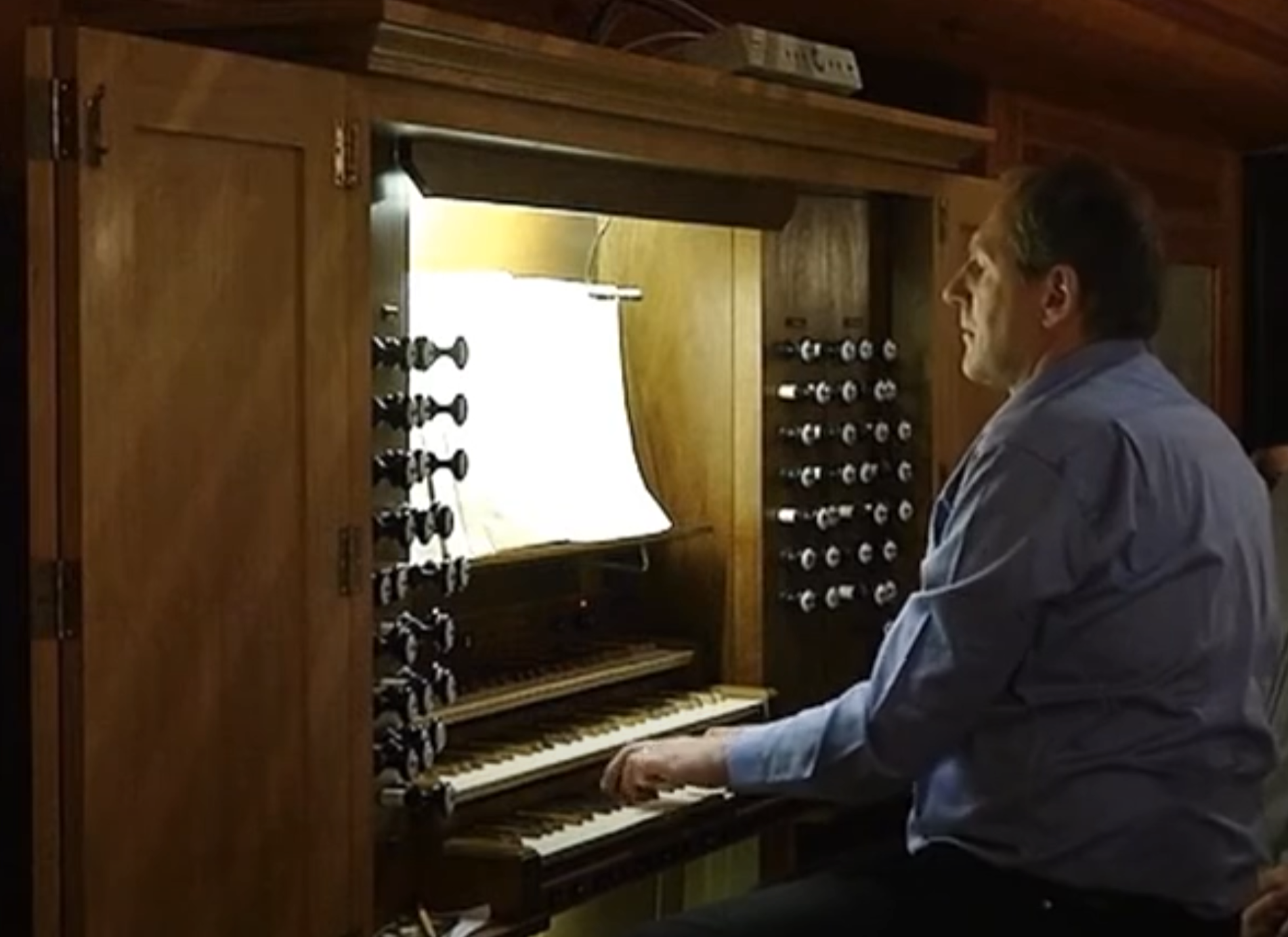
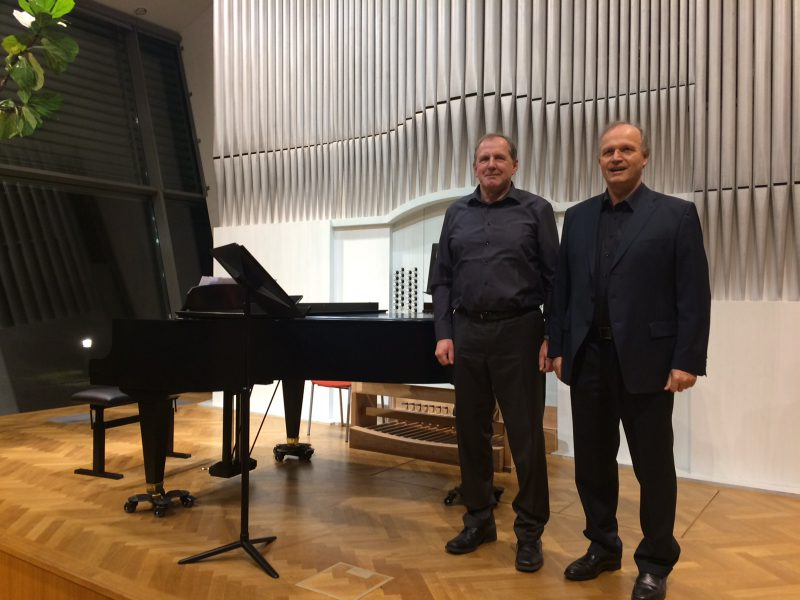
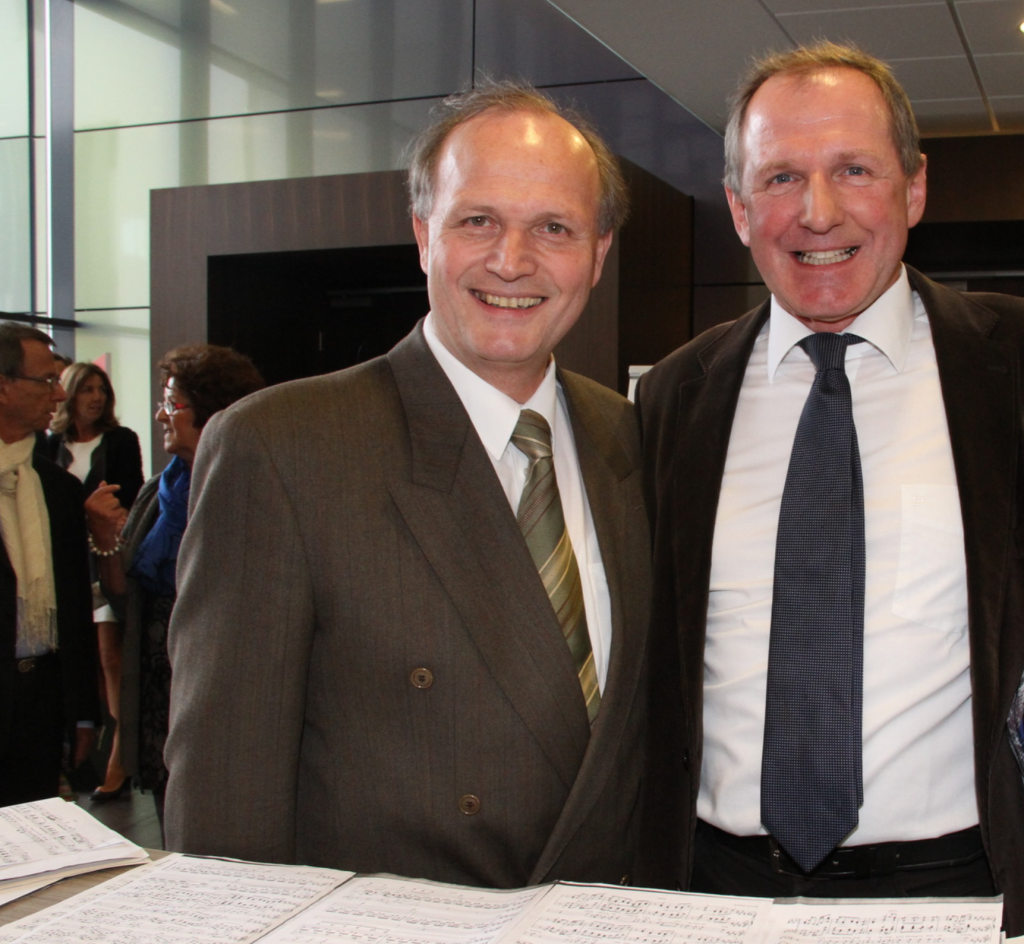
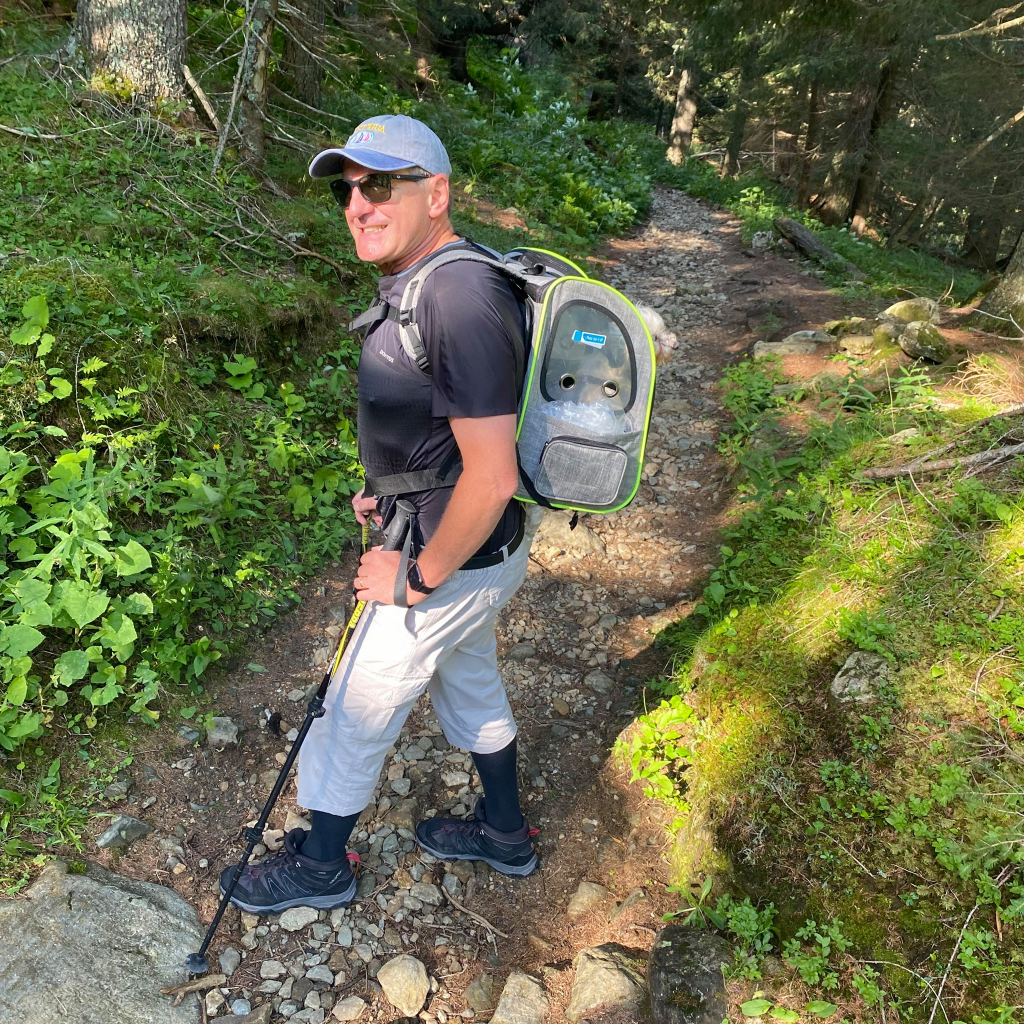
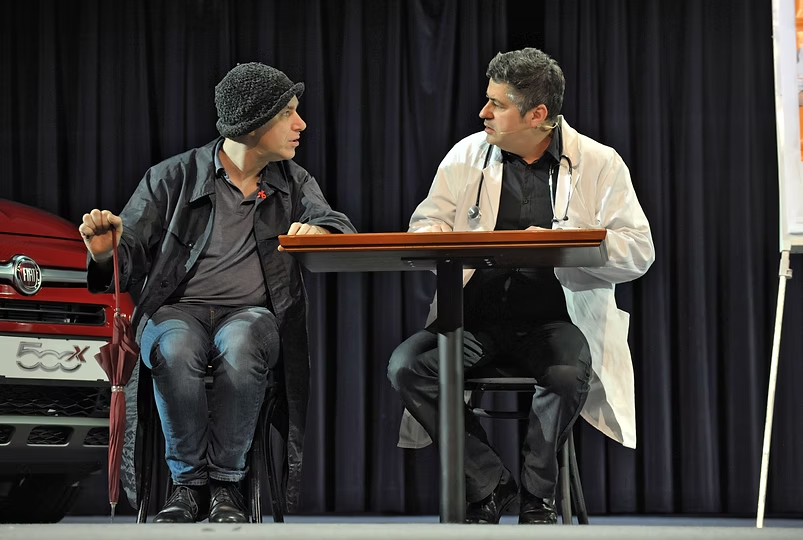
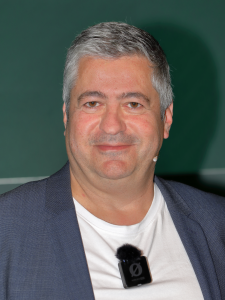
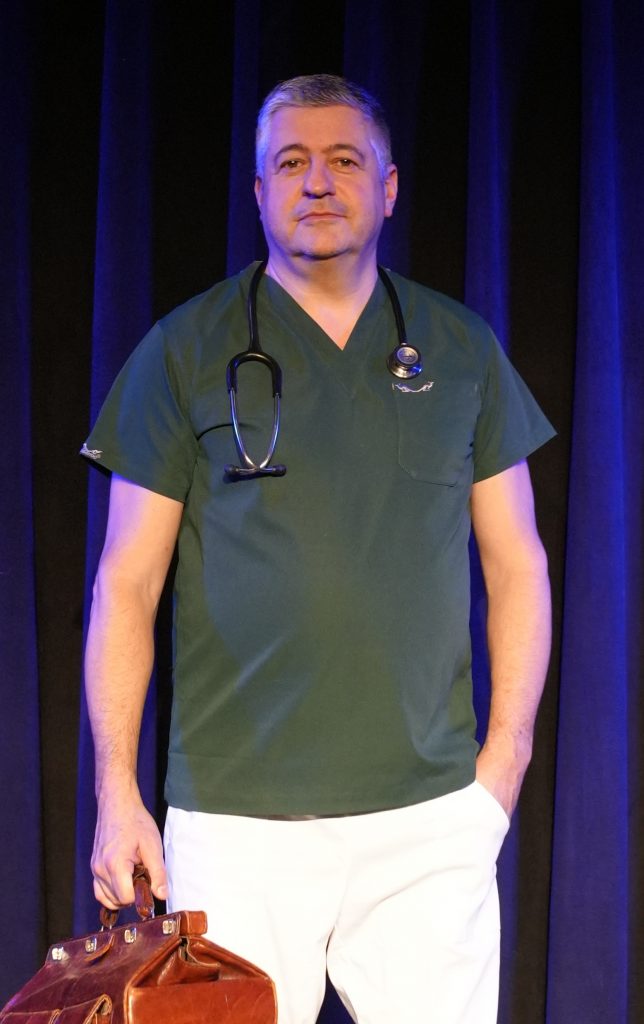
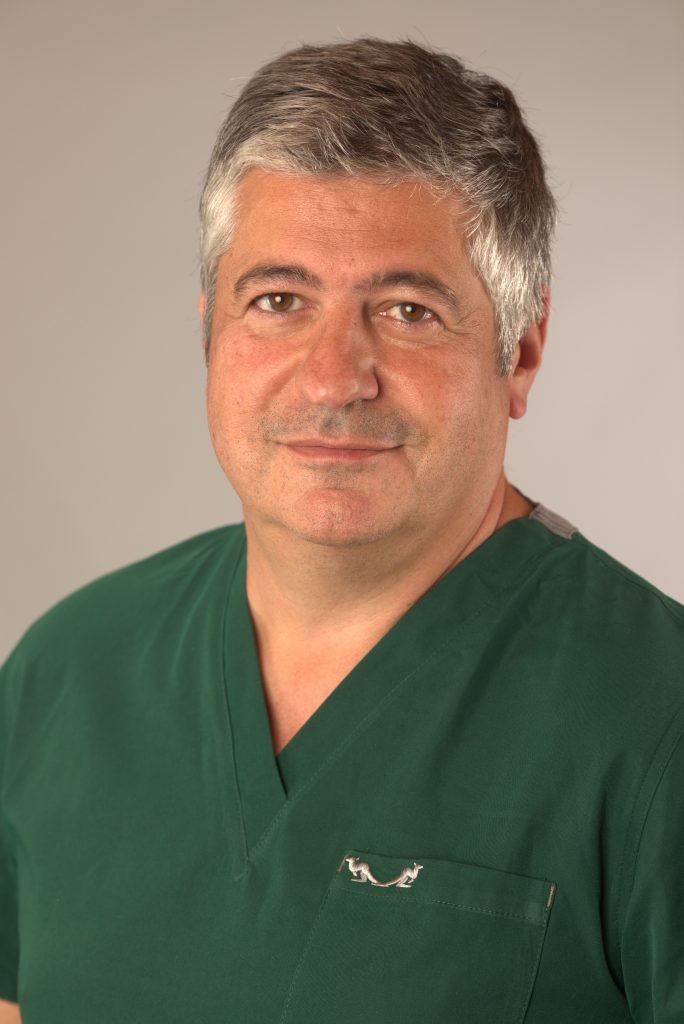
Since 1994, freelance composer and pianist, giving lectures on his own work and the Iannis Xenakis-Stochastics connection between scientific thought and composition, and lecturing on Traditional Chinese Medicine. Since 1996, practicing as a physician. In 1998, he founded the label “klaviermusik.at” and has released numerous CDs since then. In 2000, the CD “Vienna Concert 2000” was released by Extraplatte. Since 2002, he has had his own practice for Traditional Chinese Medicine in Vienna.
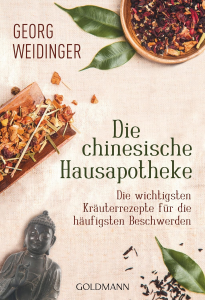
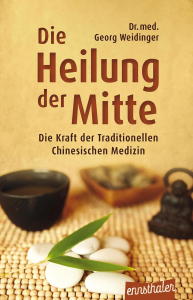
2004 CD “Quiet Nights” released on Ö1 2009 CD “Bright Side” released on Ö1 2011 Book “The Healing of the Center” 2013 Practice relocated to Wiener Neustadt 2014 Book “Daily Healing” and CD “Music for Healing the Center” (Ennsthaler) 2015 Book “The Chinese Medicine Cabinet”; founding of the Austrian Society for Traditional Chinese Medicine in Wiener Neustadt, President of the OGTCM
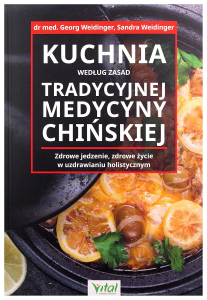
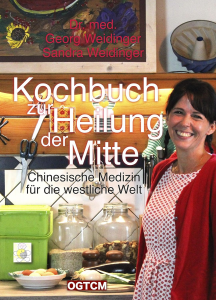
2016 Own TCM courses in Wiener Neustadt, CD “Quiet Moments” 2017 CD “Bach-Hindemith” on klaviermusik.at; book “The Golden Way of the Center” (self-published) 2018 Practice in Bad Sauerbrunn, CDs “Blossoms of Romanticism” and “Requiem for Franziska” and book “Cookbook for Healing the Center”
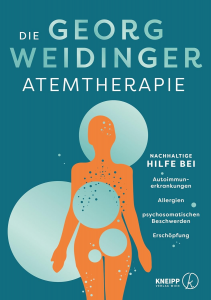
2019 CD “SONATA”, book and CD “The Sound of the Center”, CD “Games of Orchestra”, String Quartet I & II, Symphony No. 1 (“DISTROFIA”), debut novel “LAUFHAUS” with audio CD “LAUFHAUS Book Music” 2020 CD “Mozart Plus”, CD “Vienna Calling”, Symphony No. 2 (“FANFARA”); books: “Chinese Medicine Against Cancer”, “World Yoga” 2021 CD “Vienna Calling”, books: “The Miracle of the Immune System”, “Cookbook for Healing the Center II”
AWARDS AND RECOGNITIONS
1995: Lower Austrian Music Factory Prize and commission for a choral-orchestral piece 1996 and 1998: First Austrian to win the Luigi Russolo International Composition Competition in Varese, Italy.
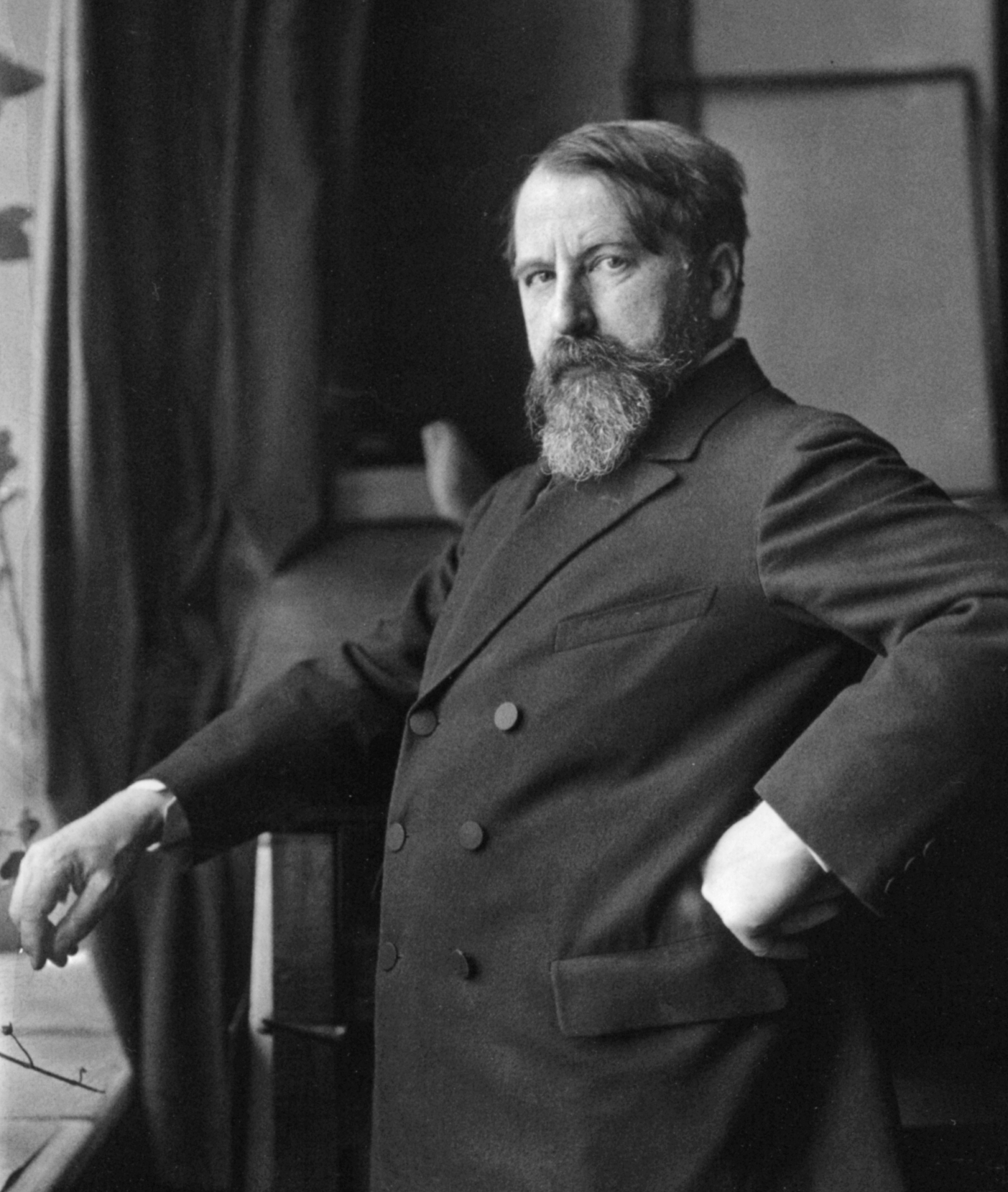
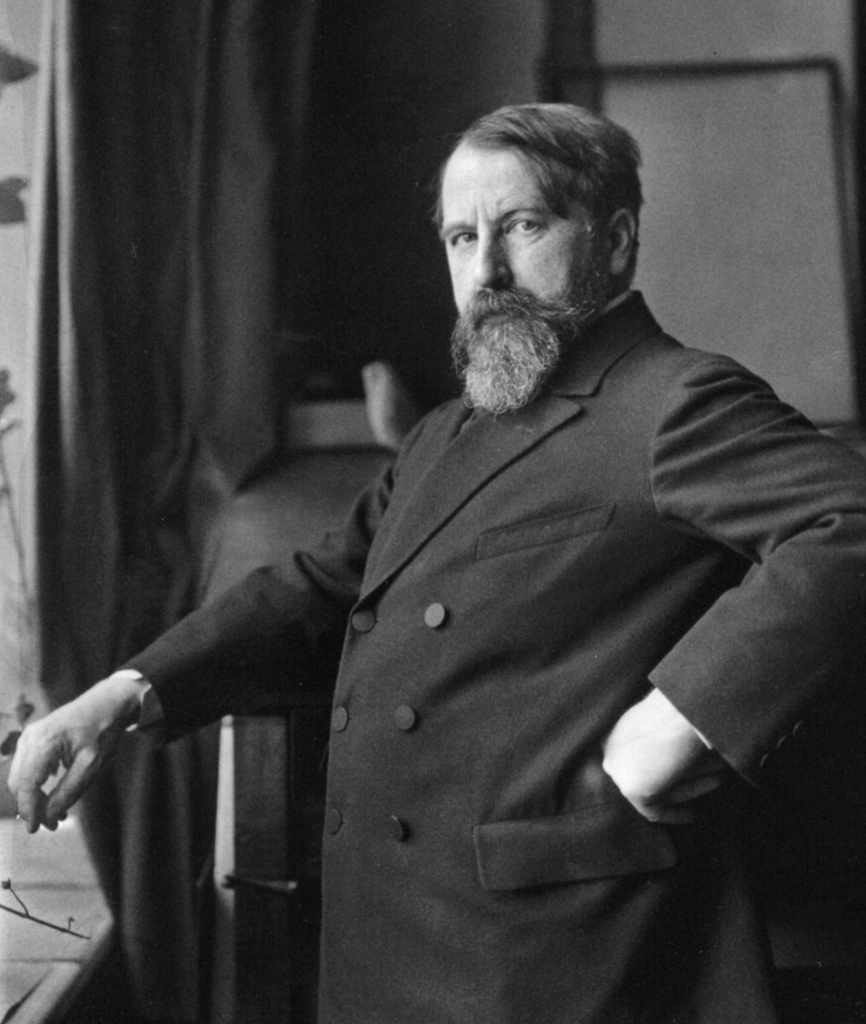
Arthur Schnitzler (May 15, 1862 in Vienna,[1] Austrian Empire; October 21, 1931, ibid.) was an Austrian physician, narrator, and playwright. He is considered one of the most important representatives of Viennese Modernism.
From 1871 to 1879, Arthur Schnitzler attended the Akademisches Gymnasium in the 1st district and graduated with honors on July 8, 1879.[2] Afterwards, at his father’s request, he studied medicine at the University of Vienna. On May 30, 1885, he received his doctorate in medicine. His younger brother Julius (1865–1939) also became a physician.
From 1885 to 1888 he worked as an assistant and secondary physician at the General Hospital of the City of Vienna in internal medicine and in the field of psychiatry and dermatology.[3] He then worked as his father’s assistant in the laryngological department of the polyclinic in Vienna until 1893. From 1886 to 1893 Schnitzler published on medical topics and wrote more than 70 articles, mostly reviews of specialist books, including as editor of the International Clinical Review founded by his father.[4] He authored one (only) scientific book publication: On functional aphonia and its treatment through hypnosis and suggestion (1889).
Although Schnitzler had been writing literary texts since childhood and made his literary debut in 1880 (Liebeslied der Ballerine in the magazine Der freie Landbote), his public literary activity only began to intensify in 1888, when he was in his mid-20s. He published poems, one-act plays, and short stories in the magazine An der Schönen Blauen Donau, edited by Fedor Mamroth and Paul Goldmann.[5] Around this magazine, but also in the Viennese coffee houses that Schnitzler frequented, including the Café Griensteidl, like-minded people began to gather who wanted to create a new, Austrian literary movement. The term “Jung Wien” soon became established for this, even though it did not describe a unified program and only partially shared aesthetic goals. Key figures with whom Schnitzler became friends around 1890/1891 were Hugo von Hofmannsthal, Hermann Bahr and Richard Beer-Hofmann.
In addition to this scandal, the publication of Reigen caused further controversy. First produced in 1900 as a private print in a small number of copies, it was freely published by Fritz Freund’s Viennese publishing house in 1903. The conversations it depicts before and after sexual intercourse between women and men from different social classes were denounced as pornography by Schnitzler’s opponents. The two themes of criticism of the army and eroticism, combined with Schnitzler’s obvious success, made him a popular target for anti-Semites.
Privately, Schnitzler documented several relationships with women in his diary for the period up to the age of 40, often conducted simultaneously without the partners’ knowledge. In particular, his largely platonic relationship with Olga Waissnix, the married landlady of the Thalhof (Reichenau an der Rax), as well as his relationships with Marie Glümer and Maria Reinhard, were considered more profound partnerships. Both Maria (often referred to in the diary as “Mizi I” and “Mizi II”), as well as others, hoped to legitimize their relationship through marriage. In Maria Reinhard’s case, this became even more pressing because she was pregnant with his child twice. The first child was stillborn, and she died of appendicitis during the second pregnancy.
His relationship with actress Olga Gussmann (1882–1970) led to a stabilization of his lifestyle. On August 9, 1902, she gave birth to their son, Heinrich Schnitzler. On August 26, 1903, the couple married. Their daughter, Lili, was born on September 13, 1909.[11] Schnitzler remained faithful for the duration of the marriage and ceased his promiscuous lifestyle.
From the beginning of the 20th century, the writer was one of the most frequently performed playwrights on German stages. With the outbreak of the First World War, interest in his works declined. This was also due to the fact that he was one of the few Austrian intellectuals who was not enthusiastic about warmongering and did not make any bellicose statements.
Reigen is Arthur Schnitzler’s most successful play for several decades. Largely unperformed during his lifetime at the author’s request, it describes in ten dialogues how a man and a woman talk to each other before and after sexual intercourse. In 1921, on the occasion of the premiere of the play Reigen, which led to a staged theater scandal in Berlin in 1920/1921 and then in Vienna, he was put on trial for causing public nuisance. The case was ultimately decided in the author’s favor by the Vienna Constitutional Court. After further performances in Vienna, however, Schnitzler asked his theater publisher in 1922 not to permit any more performances. His son only had the ban on performances lifted in 1982.
Während Schnitzler als jüdischer Autor in der Zeit des Nationalsozialismus verpönt war, setzte in der NIn the postwar period, a slow institutionalization as a classic began.[38]
In 1959/1960, the Arthur Schnitzler Courtyard in Vienna-Döbling (19th district) was named after him.
In 1971, a bust of Schnitzler by Sandor Jaray was unveiled at the Burgtheater in Vienna.
On May 13, 1982, a bust of Paul Peschke was unveiled in Vienna’s Türkenschanzpark (18th district).[39] The memorial was initiated by Viktor Anninger (1911–2004), who was a friend of Lili Schnitzler and frequented Schnitzler’s house at Sternwartestraße 71. Peschke, in turn, was the son-in-law of Ferdinand Schmutzer and, when he created the memorial, lived directly across from Schnitzler’s former residence in his father-in-law’s former house.
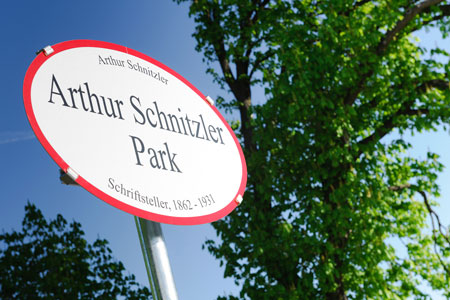
April 2012: The small park opposite the train station in Baden (Lower Austria) is named “Arthur Schnitzler Park.”[40]
May 6, 2017: Following a municipal council resolution from September 2016, the forecourt of the Volkstheater between Burggasse, Museumstraße, and Neustiftgasse in Vienna’s 7th district, Neubau, is named “Arthur Schnitzler Square.” The theater now uses the address Arthur Schnitzler Square 1, 1070 Vienna.
The Arthur Schnitzler Prize is awarded every four years by the Arthur Schnitzler Society. This prize is endowed with 10,000 euros by the Austrian Ministry of Education and the Cultural Department of the City of Vienna.
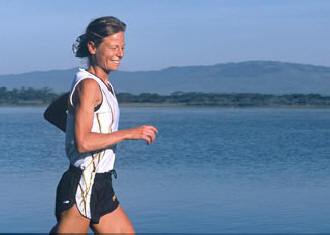
Dagmar Rabensteiner (born June 15, 1963 in Innsbruck) is a former Austrian long-distance runner.
As an elementary school student, she walked the seven-kilometer route from Sadrach, a district of Innsbruck, to school in the city center every day. As a high school student, she undertook climbing and ski tours, and later, with her husband and young son, she embarked on multi-week trips and trekking tours through jungles in Indonesia or into the highlands of Kashmir, all the way to the base of Mount Everest. She didn’t start running until she was 27.
At the age of 30, the medical doctor ran her first marathon in 3:28 hours. After recognizing her talent for the sport, she continually improved and in 1997, she finished sixth in the Florence Marathon with a time of 2:55:19, breaking the three-hour mark for the first time.
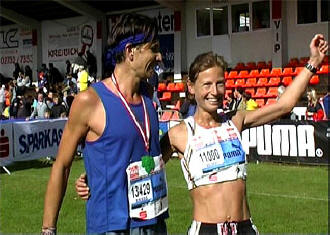
Competitive training led to further improvements. In 1999, she finished sixth in the Vienna City Marathon in 2:49:33 hours and won the Graz Marathon in 2:41:46 hours. In 2000, she became Austrian marathon champion, finishing sixth overall in the Vienna City Marathon in 2:39:08, won the Wachau Marathon half marathon, and then broke Carina Lilge-Leutner’s nearly 17-year-old national record by finishing third in the Amsterdam Marathon with a time of 2:35:42. A week later, she became Austrian half marathon champion in Salzburg.
She set her record by finishing third in the 2002 Vienna City Marathon in 2:35:42, beating the time limit for the marathon at the European Athletics Championships in Munich, where she finished 15th.
In 2003, she ran her third national marathon record, finishing tenth in the Berlin Marathon with a time of 2:34:35. However, she missed qualifying for the 2004 Olympic Games by 1:35 minutes, and so she retired from competitive sport after this race. She continues to run up to 150 kilometers per week, achieving sporting successes such as winning the half marathon at the 2004 Regensburg Marathon and finishing 14th (second in the 40-49 age group) at the 2005 Comrades Marathon over 89 km.
Dagmar Rabensteiner has been married to lawyer and entrepreneur Peter Rabensteiner since 1983; they have a son born in the same year. She is a specialist in internal medicine and a sports doctor, runs a practice in Vienna, and was the official race doctor at the Vienna City Marathon and the Austrian Women’s Run from 2004 to 2008.
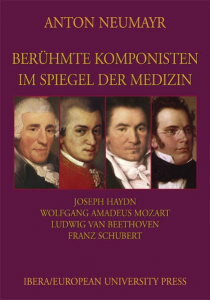
Hofrat University Professor Dr. Anton Neumayr Junior (* December 6, 1920 in Hallein; † March 18, 2017 in Vienna) was a specialist in internal medicine, chamber musician, and researcher.
As a historian, he studied the medical histories of famous musicians. He also hosted the television program “Diagnosis” from 1987 to 1994 and published numerous specialist publications.
Born in 1920 as the son of Mayor Anton Neumayer, he was distinguished from his early youth by his high intelligence and musical talent. His life was shaped by his love of music and his fascination with medicine. After graduating from high school in 1938, he abandoned his first career choice of pianist and began studying medicine, which he completed while stationed as a marine in Berlin in 1944. During his studies, he succeeded in freeing his father, who had been interned in Dachau.
His successful medical career led Neumayer to the Rudolfsstiftung Hospital in Vienna, where he headed the First Medical Clinic from 1975 to 1991. From 1963, Neumayer worked as a university professor specializing in gastroenterology in Vienna. From 1985 to 2000, he headed the Ludwig Boltzmann Research Center for Clinical Geriatrics. His reputation as an internist extended far beyond the borders of Austria.
Anton Neumayer also cultivated his musical talent and became a pianist, trained at the Mozarteum Salzburg, a chamber musician, and a music historian.
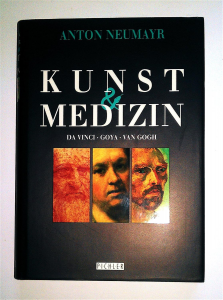
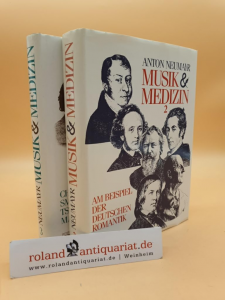
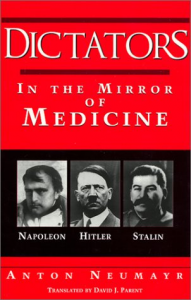
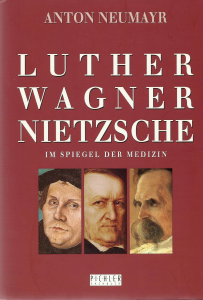
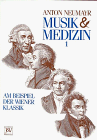
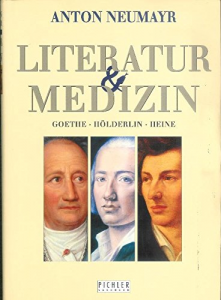
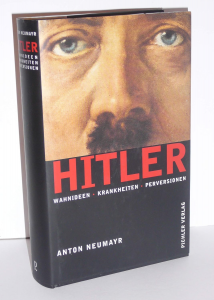
Since the 1990s, Prof. Neumayer has also published numerous books linking the worlds of art and medicine. Examples include his three-volume magnum opus “Music and Medicine” and “Literature and Medicine.” In “Dictators in the Mirror of Medicine,” he explored Hitler, Stalin, and Napoleon, among others. In “Hitler – Delusions, Illnesses, Perversions,” he created a biography from the perspective of a physician.
Neumayer always maintained close ties to Salzburg – for example, as president of the “Association of Salzburgers in Vienna.”
His personal biography: It was advantageous for my life that I was involved with music from my earliest youth. As we only now know, music develops additional neural pathways in the brain even in pre-pubescent years, and such children also fare much better in school. I learned to play music from the age of four and received pianist training at the Mozarteum from the age of seven to seventeen. I still play with the Philharmonic Orchestra today, and this led to many useful social contacts that also helped me in my medical career (among other things, I played for Brezhnev in the Kremlin and at the Music Academy in Albania. This is how many of my contacts were networked). Due to the political circumstances, I was unable to pursue a musical career, so I began studying medicine, which I completed with a doctorate in 1944 at the Charité Hospital in Berlin. I then became a military doctor and in the autumn of 1945 I joined the 2nd Medical University Clinic, where I worked (as a lecturer and professor) until 1964.
In the context of scientific activity, it was important not only at home but also abroad to become known through lectures and scientific publications, which required the ability to present complex issues clearly and understandably. This meant that it was essential to acquire rhetorical skills. As early as the 1950s, I was a founding member of the European Society for Liver Research (EASL), and in 1963, I was the first European to deliver the SEARL Lecture (an event for hepatologists) in Chicago. This distinction immediately made me a household name worldwide. The numerous lectures I gave abroad meant that I was almost better known in Germany than in Vienna. In 1964, I became head of the internal medicine department at the Elisabeth Hospital. In 1965, I also became head of the internal medicine department at the Sophien Hospital. In 1975, I took over the First Medical Clinic in the newly built Rudolfs Hospital, where I remained head of the clinic until 1988.
Since 1980, I have been the director of the Ludwig Boltzmann Institute (Research Center for Clinical Geriatrics). However, success doesn’t just depend on being a respected physician among one’s (international) colleagues. Much more important is being well-received by patients. This requires behaving appropriately and in a friendly manner toward patients. Word gets around among the patients, and eventually, prominent patients come, and the income automatically follows. I was Kreisky’s personal physician for four and a half years and cared for a number of famous figures from politics (which, as a doctor, you have to stay out of—I cared for bishops as well as the leader of the Communist Party of Austria), business, culture, etc. My most famous patients included Franz Jonas, Curd Jürgens, Hans Albers, Oskar Werner, and Helene Thimig. This reputation also spread abroad, and in addition to Ibn Saud and his family, numerous Arab sheikhs and super-rich Greek clans consulted me.
I was fortunate enough to grow up in an area where I could indulge in my greatest passion almost every day. I still occasionally visit and love the many small ski lifts and ski areas in the Chiemgau Alps, where everything from gentle slopes to hardcore freeride descents for insiders is offered. For me, these will always be my favorite mountains.
Ski
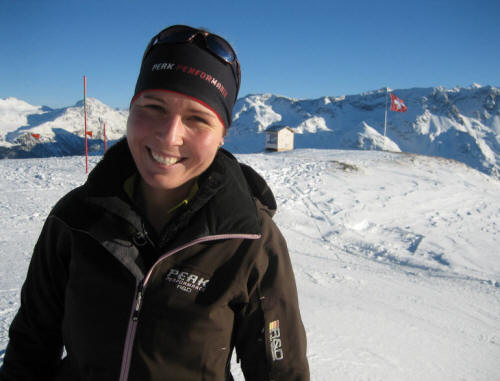
I discovered my passion for skiing when I was two and a half years old. Since then, I’ve been fascinated by the white splendor and the thrill of gliding down it. In my first year of school, I went on my first ski tours with my father – for the first eight years with simple alpine equipment, with Dad leading the way. To this day, every ascent and descent in unexplored mountain regions is a very special experience that quickly helped me recognize the important things in life.
My passion for skiing naturally led me to join the ski club – as a kindergarten child. At 18, I competed in my first World Cup race. After that, I competed for Germany in the World Cup circuit for five years in the speed disciplines of Super-G and Downhill. Today, I primarily ski for pleasure again, occasionally participating in race training and for state-certified ski instructor exams.
Med
At 23, I said goodbye to the Ski World Cup to begin my medical studies in Munich. I wouldn’t want to miss any of my days as a ski racer, but today I’m very happy with my decision because my work as a doctor brings me great satisfaction.
Pläne
If I had three wishes, I would like to grow old in good health and ski a lot, open my own general practice and teach my children (I don’t have any yet) how to ski.
Wichtig & gern
Fresh air is my most important fuel. Being out and about with my family and friends and occasionally retreating to the familiar tranquility of the mountains keeps me balanced and gives me strength for new adventures.
Yours, Lisi
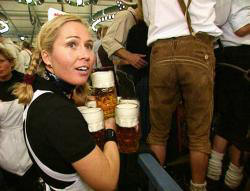
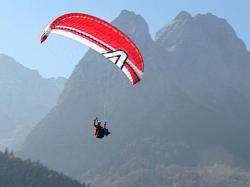
Press quote: For 16 days a year, Elisabeth H. is working as a WaiterDoc at the Oktoberfest in Munich. She says she is addicted to that job… 14 hours a day carrying beer and serving the guests, who are often out of control. Her strategy is permanence, team power among the waiters, and strong nerves. In Switzerland, she does paragliding and skiing; she has even been a member of the German national skiing team! In 2005, she took second prize in the Ski-Teacher World Championship in Finland.
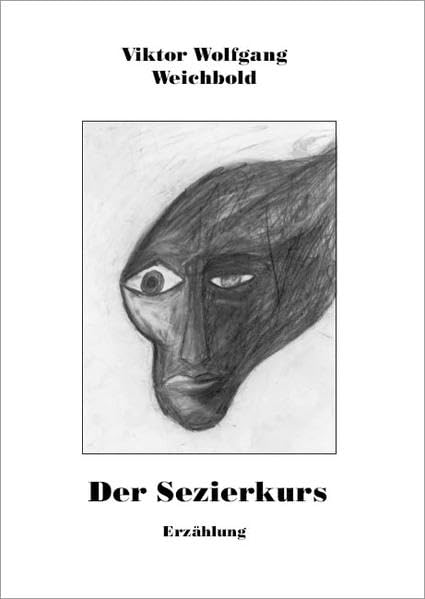
Funny that there are so many docs writing novels or poems… I too! As for me: I’m MD (specialized in hearing disorders), psychologist, statistician and theologist (you surely don’t believe it, but it’s true). – I wrote several novels, however, all of them in German. Among those published there is one dealing with a specifically medical subject: “The Dissection Course” – a kind of thriller.
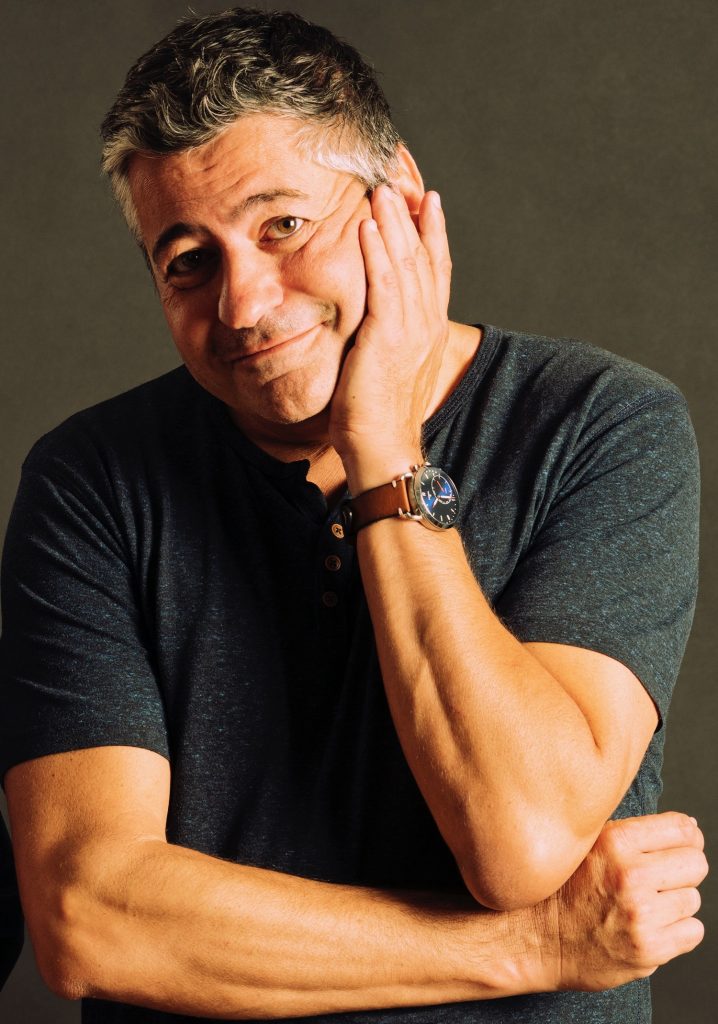
Ronny Tekal (born Ronny Teutscher on July 23, 1969 in Vienna) is an Austrian physician, cabaret artist, medical journalist, radio producer, author and co-founder of the medical cabaret Peter & Tekal.
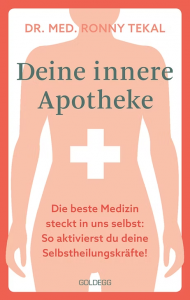
Dr. Ronny Tekal is a general practitioner, medical cabaret artist, radio producer, and author. His satirical columns appear in “Ärzte-Woche,” “Ärztemagazin,” the Swiss “Weltwoche,” and various health magazines. He is the Ö1 radio doctor for Austrian Broadcasting. He is a frequently booked keynote speaker, communications trainer, and moderator at medical symposia and conferences.
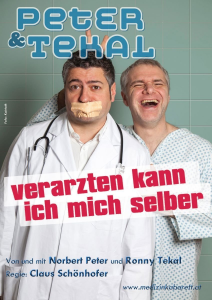
With the medical cabaret comedy duo Peter & Tekal, which he co-founded, he has brought laughter to around 500,000 patients (sorry, it’s a habit!) and audiences. He lives near Vienna.
Tekal studied medicine at the University of Vienna and received his doctorate in medicine in 1995. He has been a general practitioner since 2000. He lives in Mauerbach near Vienna.
Even during his studies, he composed sing-alongs for school classes, as well as the musical “Hospital,” which premiered in Vienna in 1992. This was followed by compositions for musicals by the children’s theater group “Die Stachelbären” at the Vienna Theater am Alsergrund, under the direction of Andreas Hutter, and for the play “Coccinella” by the Theater Impetus.
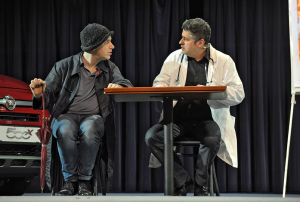
In 1995, he founded the cabaret duo Peter & Teutscher with communications scientist Norbert Peter. Since 2006, the group has focused exclusively on medical topics, choosing the name “Medical Cabaret.” Similar to the work of German physicians and cabaret artists Eckart von Hirschhausen, Lüder Wohlenberg, and Ludger Stratmann, their work focuses on satirical explorations of doctors, patients, and the medical system. Elements of the seminar cabaret created by Austrian psychologist Bernhard Ludwig also appear.
In 2000, they won the audience vote as the best Austrian participants at the Vienna Goldener Kleinkunstnagel (Golden Cabaret Nail) and twice received the Munich Kabarett Kaktus (Cabaret Kaktus). In 2013, the cabaret duo’s name was changed to Peter & Tekal.[2]
A portrait of the artists with excerpts from their programs was shown several times on ORF and 3sat in 2001, and the program Seitensprung (Side Jump) was also broadcast on Premiere Austria. In 2013, the program Patientenflüsterer (Patient Whisperer) was broadcast on ORF III as part of the Hyundai Cabaret Days. In 2016, he appeared on ORF with Echt krank! (Really Sick!) as part of Kabarett im Turm (Cabaret in the Tower).
Tekal is a member of the ORF radio science editorial team, an author, speaker, and creator of contributions for Ö1, primarily for Ö1 Radiodoktor.
His satirical column, “Side Effects,” has been published weekly in Ärzte-Woche (Springer-Verlag) since 2008.
As a founding member of PULS – Association for Combating Sudden Cardiac Death, Tekal headed the organization between 2008 and 2013. During this time, as part of this initiative, in addition to major first aid events in Vienna, the first publicly accessible defibrillators for laypersons (AEDs) were installed. The goal of making Vienna heart-safe was implemented jointly with the City of Vienna and the major emergency services. In 2013, there were over 300 defibrillators registered in the defibrillator network in Vienna at subway stations, shopping centers, the airport, public buildings, and police stations.[4] At the 4th German Interdisciplinary Emergency Medicine Congress in 2013, the presentation of the PULS campaign “Vienna Becomes HEART-Safe” was awarded first place.
Tekal, together with the second PULS founder, emergency physician Roman Fleischhackl, received the Vienna Helper Prize 2013 from the Vienna city government.
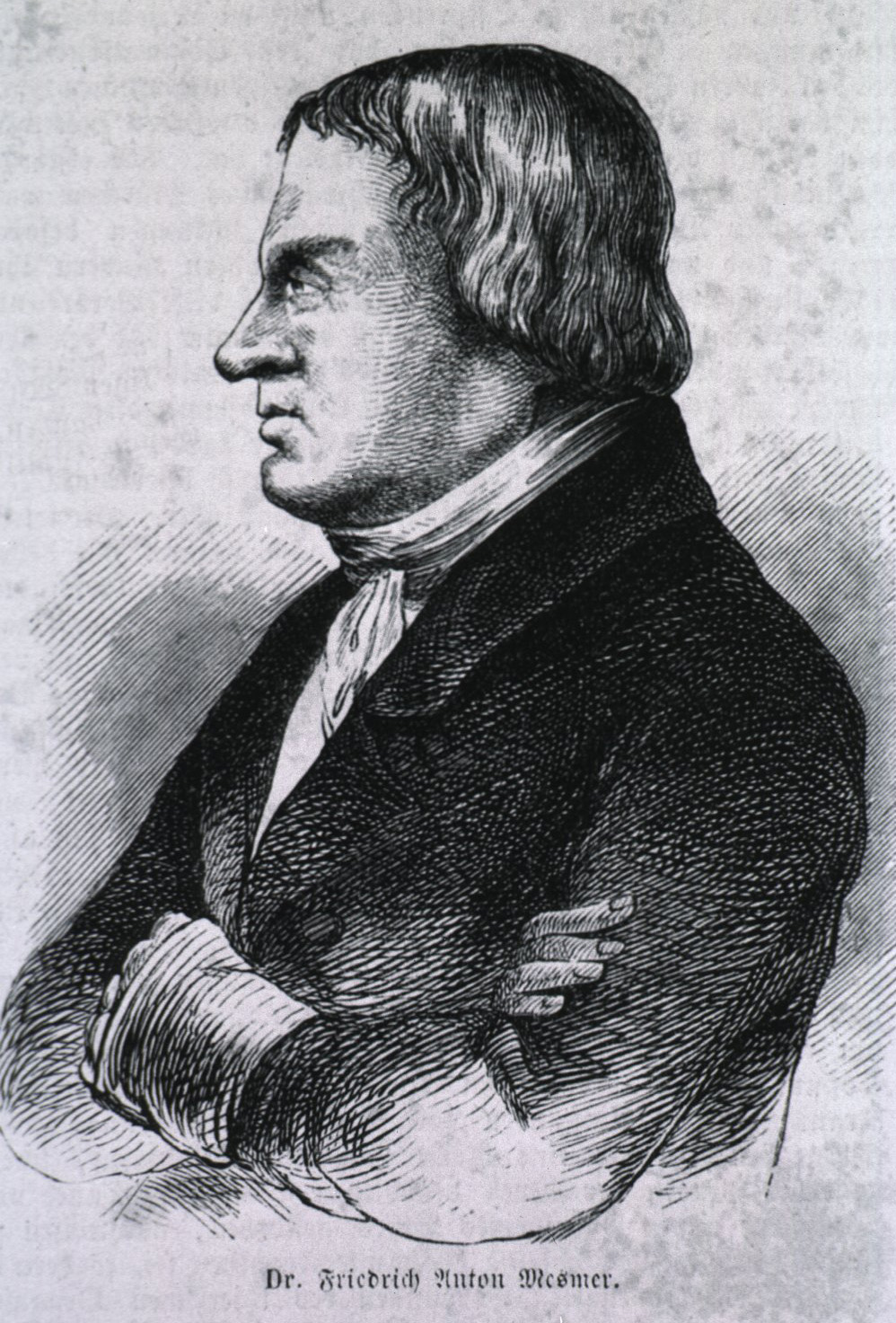
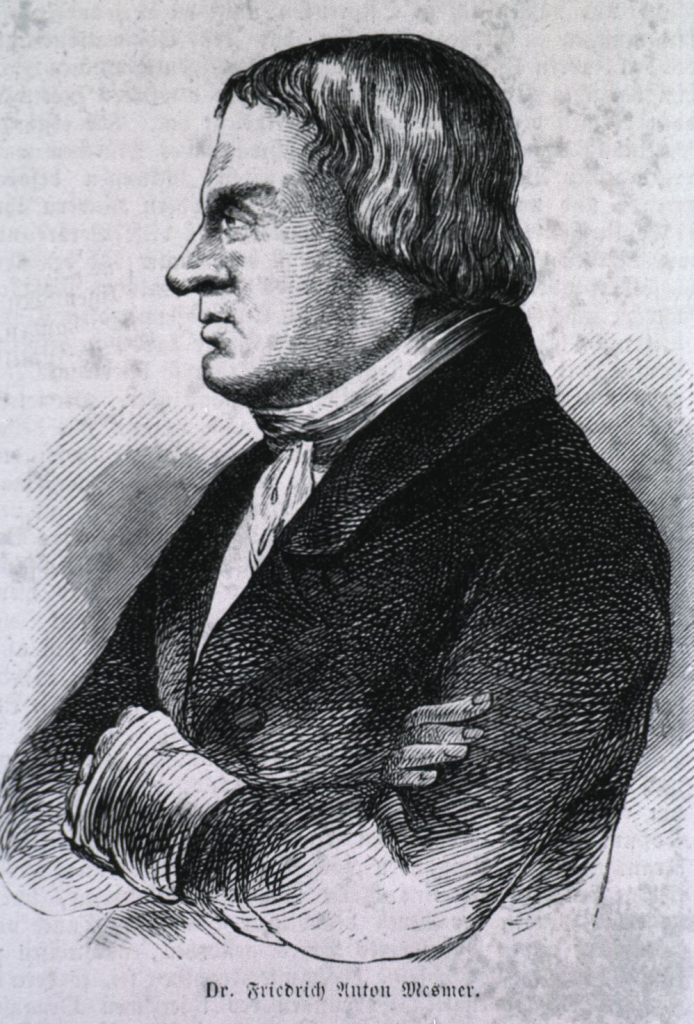
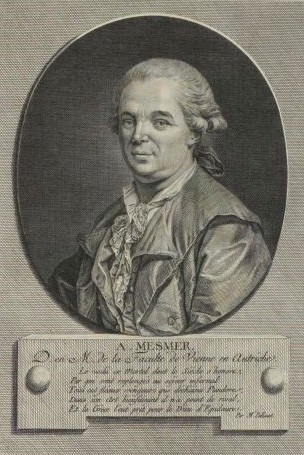
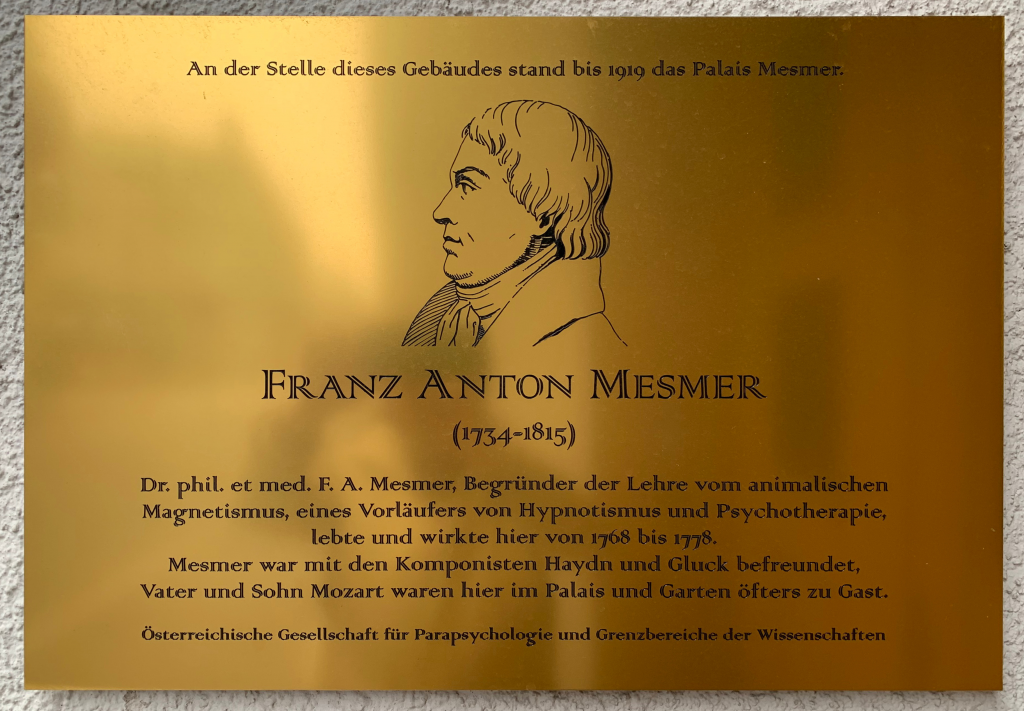
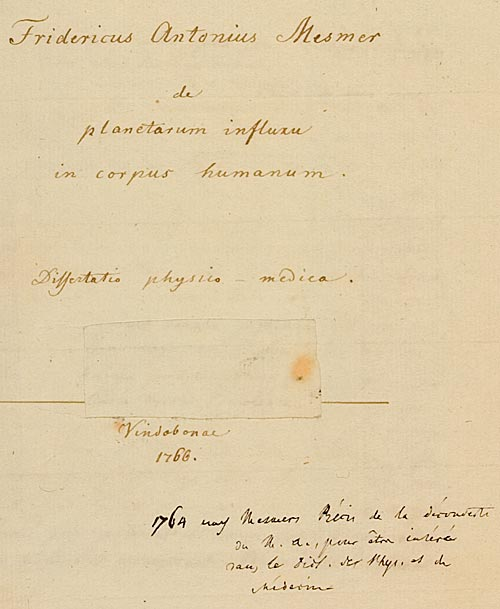
Franz Anton Mesmer (/ˈmɛzmər/MEZ-mər;[1] German: [ˈmɛsmɐ]; 23 May 1734 – 5 March 1815) was a German physician with an interest in astronomy. He theorized the existence of a process of natural energy transference occurring between all animate and inanimate objects; this he called “animal magnetism“, later referred to as mesmerism. Mesmer’s theory attracted a wide following between about 1780 and 1850, and continued to have some influence until the end of the 19th century.[2] In 1843, the Scottish doctor James Braid proposed the term “hypnotism” for a technique derived from animal magnetism; today the word “mesmerism” generally functions as a synonym of “hypnosis”. Mesmer also supported the arts, specifically music; he was on friendly terms with Haydn and Mozart.
Mesmer would often conclude his treatments by playing some music on a glass harmonica.
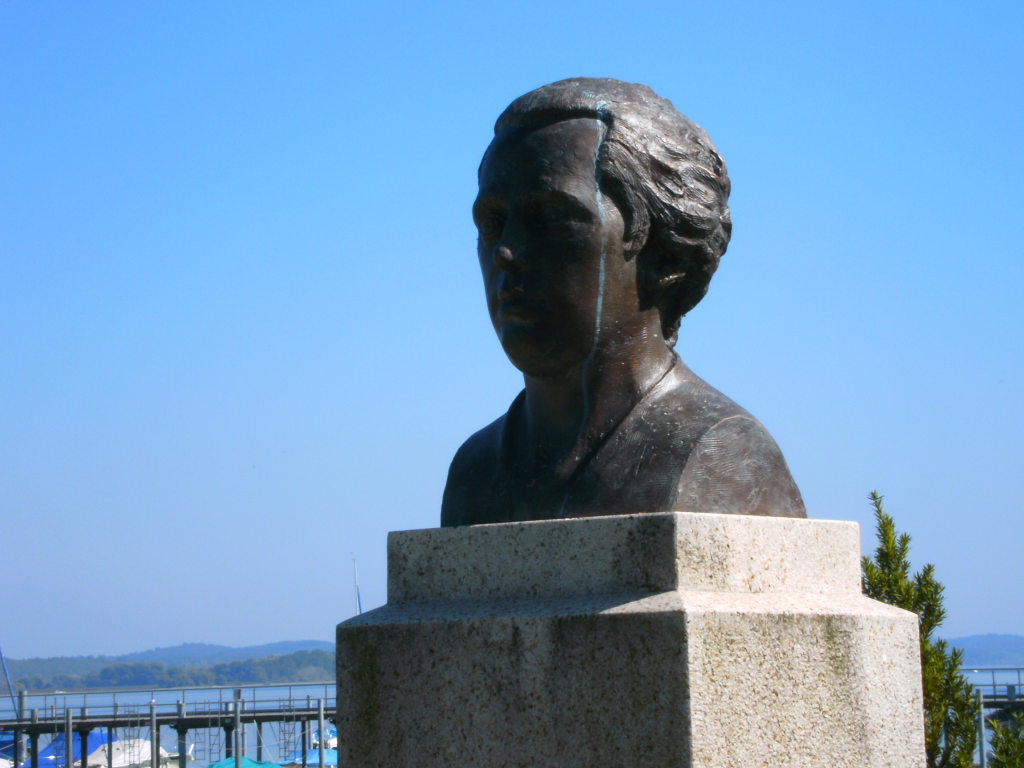
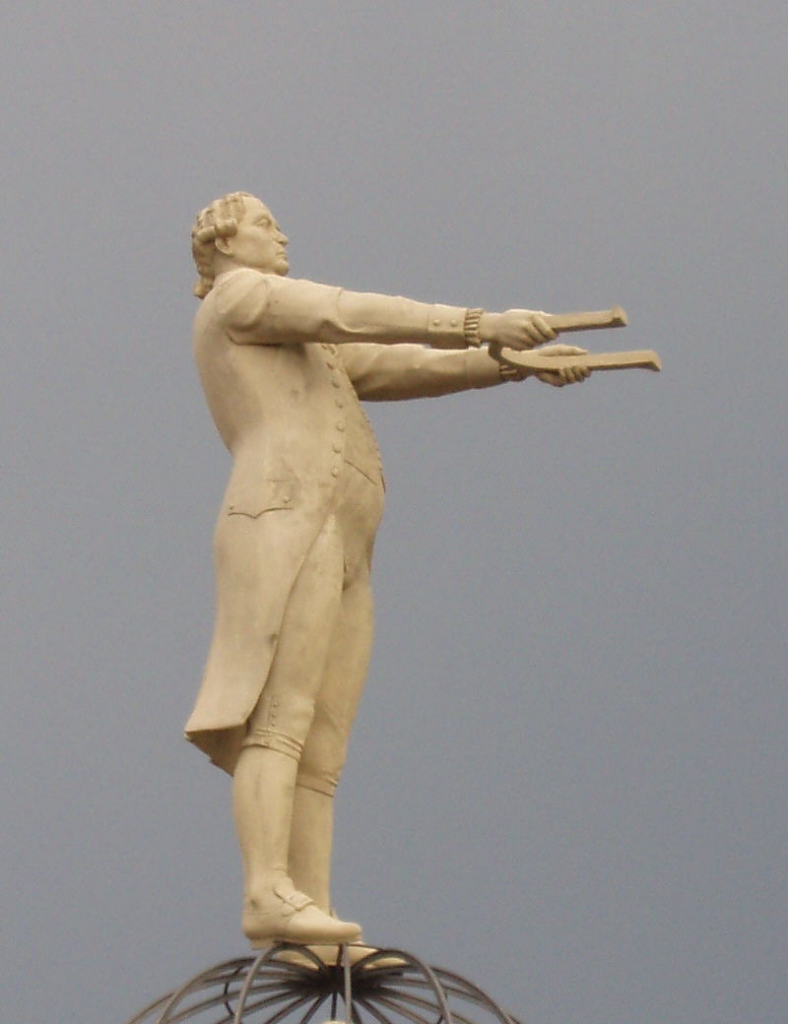
Glassharfe | glassharp in Film “Mesmer”Print of Franz Anton Mesmer (Musée de la Révolution française)Gedenktafel an der Stelle des Palais Mesmer in der Rasumofskygasse 29 in Wien-LandstraßeDe planetarum influxu in corpus humanumBüste Franz Anton Mesmer hergestellt im Jahr 2013 durch den Bildhauer Friedhelm Zilly in der Uferanlage beim Hafen in Moos (am Bodensee) Ortsteil Iznang. Profil.Mesmer. Plastik von Peter Lenk auf der Hafenmole von MeersburgFranz Anton Mesmer
Lukas Grafenauer has positioned himself at the forefront of tennis in Austria.
Tenniskarriere und Tennisausbildung
In addition to my medical training, I also completed the highest level of training in ÖTV tennis teaching to become a state-certified tennis instructor and state-certified tennis coach at the Austrian Federal Sports Academy. I have also achieved valuable tennis successes myself and, as a counterbalance to my medical activities, I still keep myself fit through sport. Discipline, punctuality, taking personal responsibility, commitment, consistency, stamina, focus, the ability to overcome obstacles, resilience, resistance to stress, dealing with disappointment and defeat, accepting defeat, not becoming arrogant because of victories, setting goals and working consistently towards them, practicing teamwork, lifelong friendships, and staying calm and overview in critical situations are positive aspects that I have also learned through tennis and that help me a lot in my professional and private life. For an incredible 40 years, from the age of 16, I played for the SV Sparkasse Leobendorf men’s tennis team in the general league (interrupted by three years of championship play for UTC Stockerau). I also served as team captain for several years and enjoyed great success in championship competitions, including in the state league. I’m still very active in sports, fortunately in top shape, passionate about skiing, and, of course, still playing tennis, as well as extensive, exciting bike rides.
1994 and 1995: Men’s Singles Tennis: National Physicians’ Championship in Schladming and Bad Waltersdorf
2001-2003: Men’s Singles Tennis: Bronze medalist at the World Medical Games in Evian, France, Tihany, Hungary, and Stirling, Scotland
2001-2003: Mixed Doubles Tennis: World Physicians’ Championship