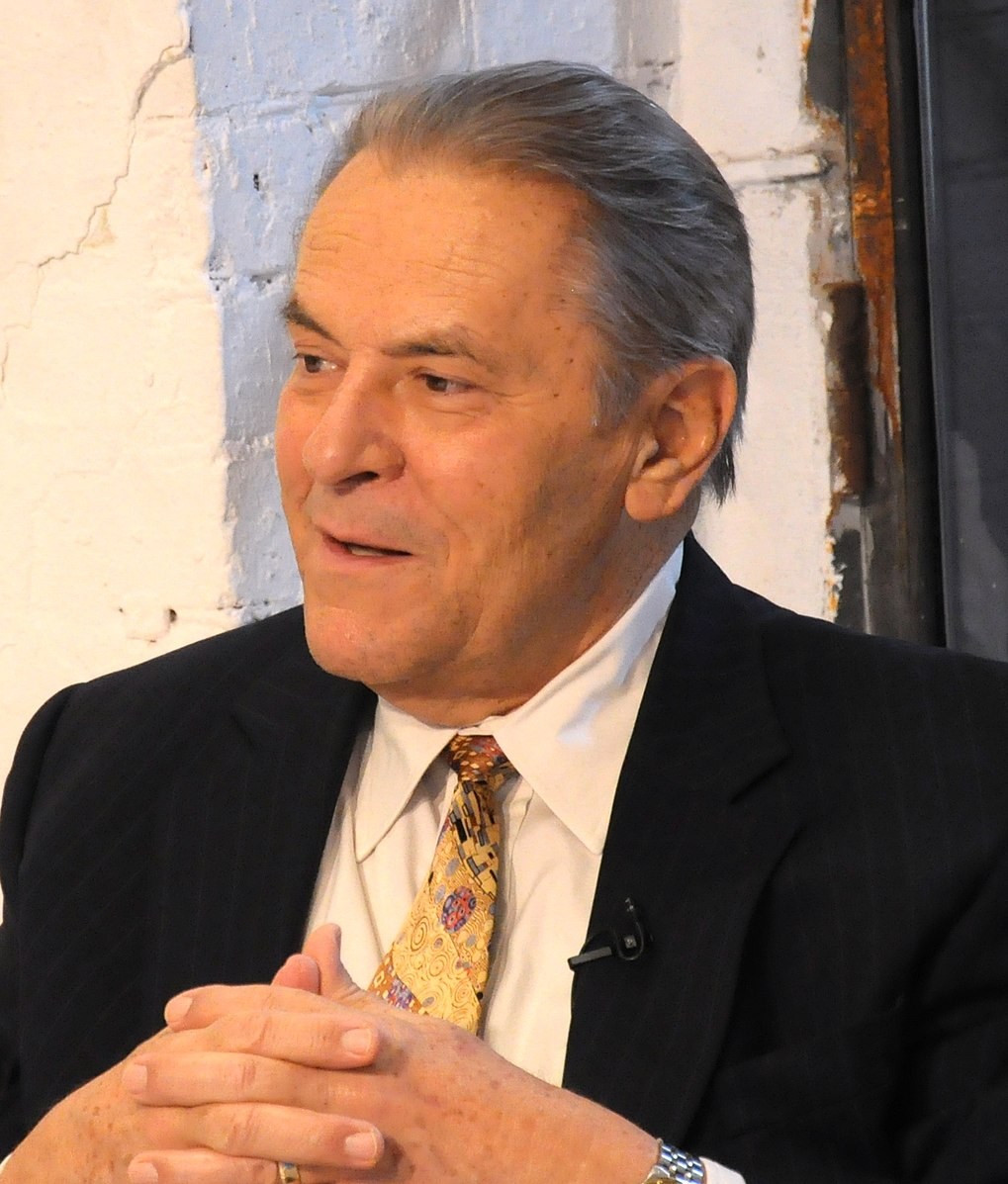
Stanislav Grof
Category : ArtDocs , philosophyDocs , SpiritualDocs , WriterDocs
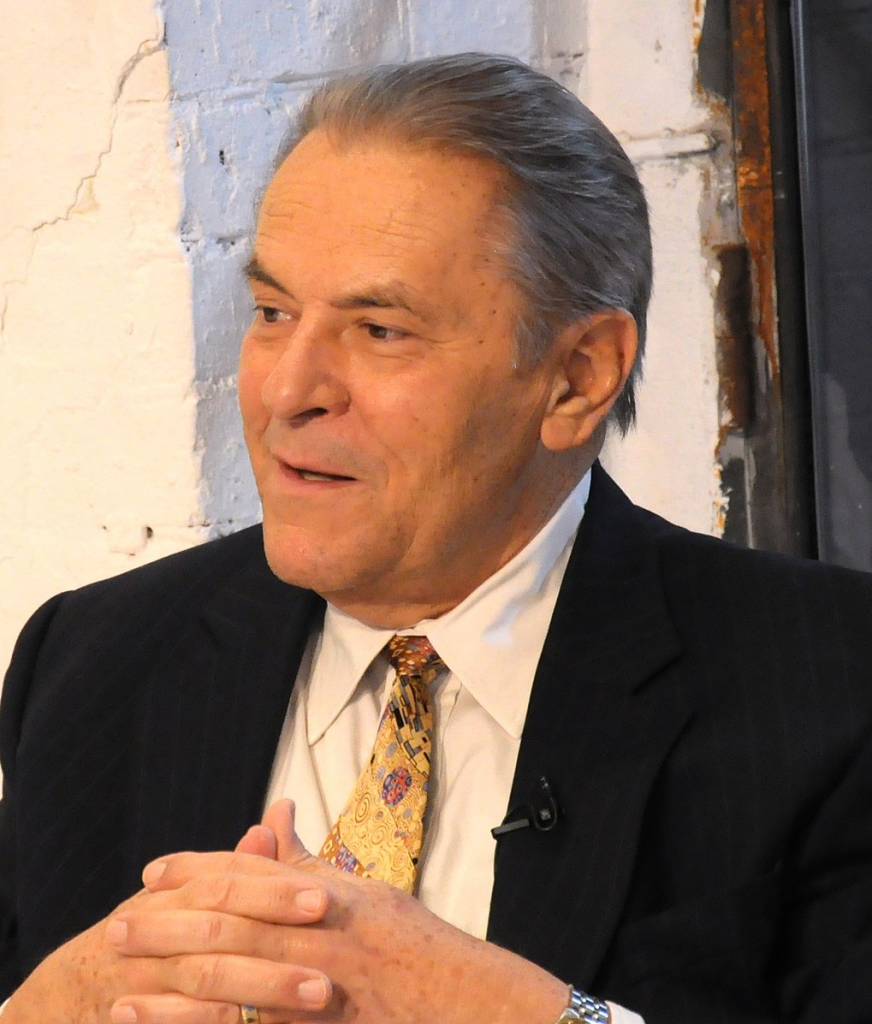
Stanislav Grof (born July 1, 1931) is a Czech-born American psychiatrist. Grof is one of the principal developers of transpersonal psychology and research into the use of non-ordinary states of consciousness for purposes of psychological healing, deep self-exploration, and obtaining growth and insights into the human psyche.
Stanislav Grof was born July 1, 1931 in Prague, Czechoslovak Republic.[1] Grof received his M.D. from Charles University in Prague in 1957 and then completed his Ph.D. in medicine at the Czechoslovak Academy of Sciences in 1965, training as a Freudian psychoanalyst at this time.
Czechoslovakia was the centre of psychedelic research behind the Iron Curtain during the 1950s and 1960s. Grof’s early research in the clinical uses of psychedelic substances was conducted at the Psychiatric Research Institute in Prague, where he was principal investigator of a program that systematically explored the heuristic and therapeutic potential of LSD and other psychedelic substances.[
In 1967, he received a scholarship from the Foundations Fund for Research in Psychiatry in New Haven, Connecticut, and was invited by Joel Elkes[3] to be a Clinical and Research Fellow at Henry Phipps Clinic, a part of Johns Hopkins University School of Medicine in Baltimore, United States. In 1969, he went on to become Chief of Psychiatric Research for the Spring Grove Experiment at the Research Unit of Spring Grove State Hospital (later part of the Maryland Psychiatric Research Center where he worked with Walter Pahnke. In 1969, Grof also became Assistant Professor of Psychiatry at the Johns Hopkins University.
In 1973 he was invited to the Esalen Institute in Big Sur, California, and lived there until 1987 as a Scholar-in-Residence, developing his ideas and conducting month-long workshops.[citation needed] In 1977, Grof was the founding president of the International Transpersonal Association, serving as president for several subsequent decades. He went on to become distinguished adjunct faculty member of the Department of Philosophy, Cosmology, and Consciousness at the California Institute of Integral Studies, a position he remained in until 2018.
In May 2020, he launched, with his wife Brigitte Grof, a new training in working with holotropic states of consciousness, the international Grof Legacy Training



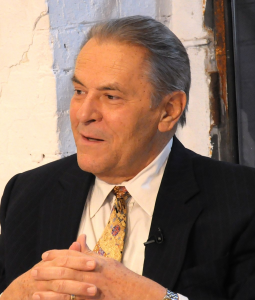
Bilder | Pictures Stanislav Grof
https://www.youtube.com/channel/UC8Z3Or4JY_K1Qort8uct4jA

