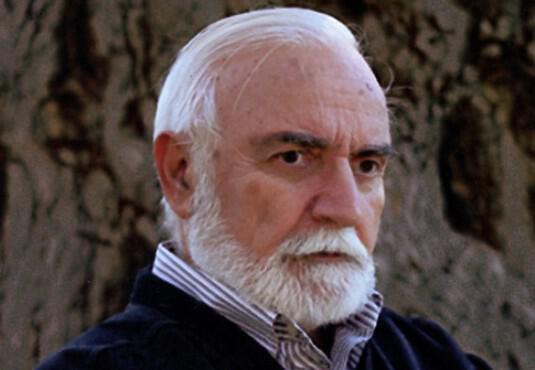
Giorgos Chimonas

  • -

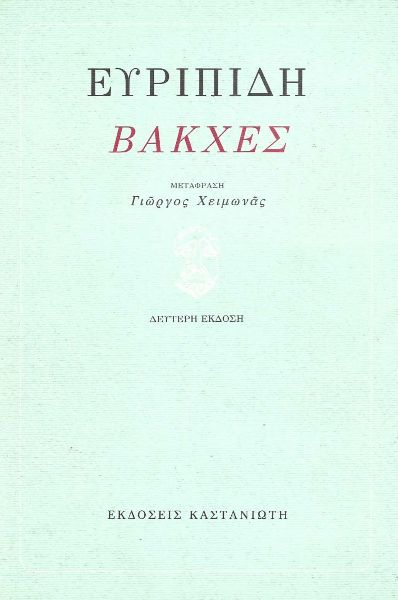
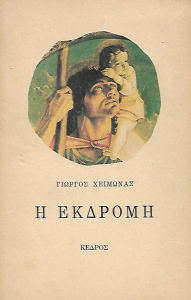
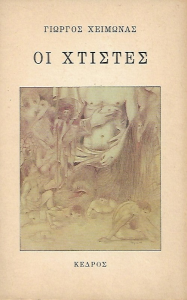
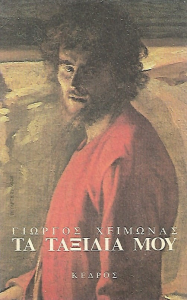
Giorgos Chimonas

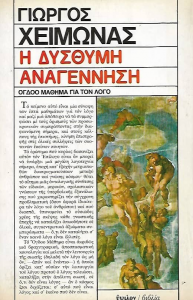
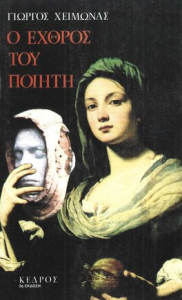
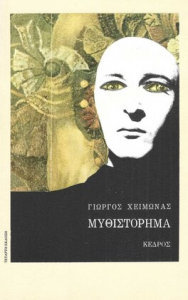
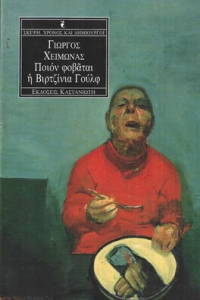
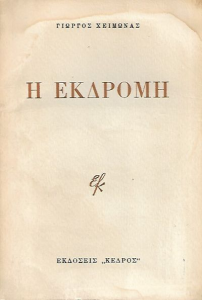
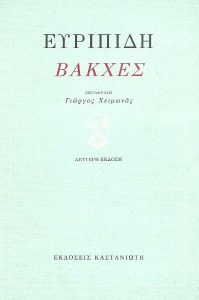
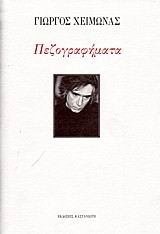
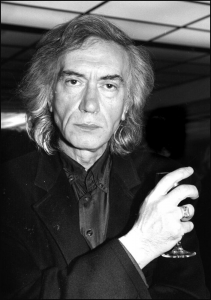
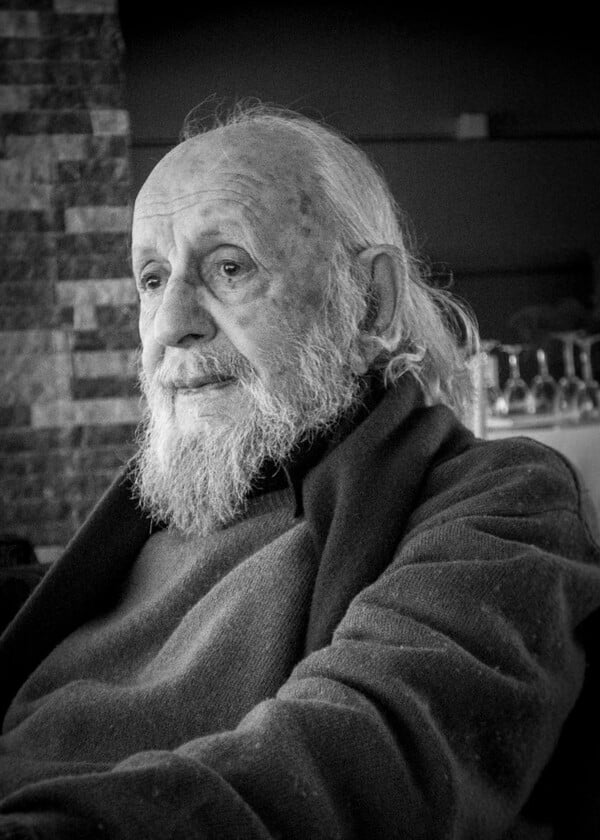
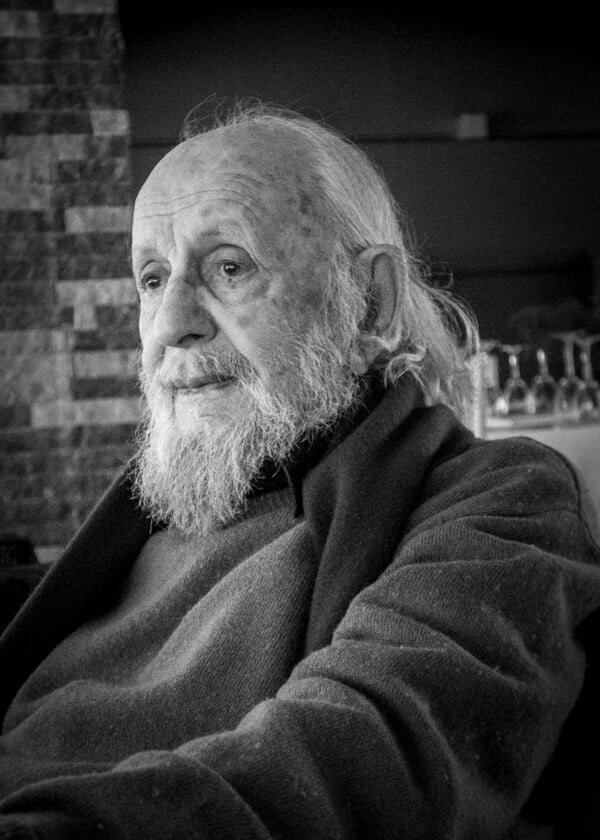
Giorgos Chimonas (Kavala, March 17, 1938 – Paris, February 27, 2000) was a Greek prose writer, translator and psychiatrist who became known and distinguished in the field of Greek literature in the 1960s.

Giorgos Himonas was born in Kavala in 1938 and grew up in Thessaloniki. There he studied medicine. He continued his studies in Paris, specializing in psychiatry and neurolinguistics. After completing his studies, he returned to Greece and lived in Athens.

In 1960, he published his first book, Peisistratos. He worked in prose, translation, and essay writing. He was married to the playwright Loula Anagnostaki, and together they had a son, the writer Thanasis Heimonas. He died on February 27, 2000, in Paris at the age of 61. He was buried in the First Cemetery of Athens.
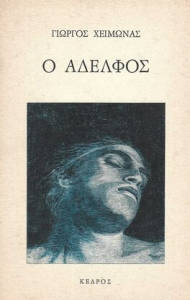
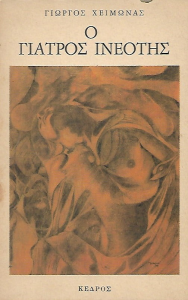
His writings explore the inner aspects of consciousness in a psychoanalytic manner and are characterized by their modern style and many elements borrowed from the anti-novel, such as a flat writing style and the absence of dialogue. Professor Linos Politis describes him as “a writer who is not easy to understand.”

https://el.wikipedia.org/wiki/%CE%93%CE%B9%CF%8E%CF%81%CE%B3%CE%BF%CF%82_%CE%A7%CE%B5%CE%B9%CE%BC%CF%89%CE%BD%CE%AC%CF%82

https://www.hartismag.gr/hartis-30/afierwma/o-giwrgos-xeimwnas-metaxy-monternismoy-kai-metamonternoy

TV ERT Beitrag

https://eratobooks.gr/etiketes/productslist/%CE%B3%CE%B9%CF%8E%CF%81%CE%B3%CE%BF%CF%82-%CF%87%CE%B5%CE%B9%CE%BC%CF%89%CE%BD%CE%AC%CF%82

There is no doubt, in my opinion, that Giorgos Himonas embodies the purest and at the same time sharpest modernist spirit of modern Greek prose. His wild imagination, his fragmentary syntax, his broken words, the incessant, dreamlike flow of his sentences, but also his paranoid, demented, or even inherently aphasic expression. These characterize his work from the first moment to the last page, not only subverting numerous narrative conventions but also establishing a permanent and profound literary experimentation on his part.
[2] From whatever perspective we view his work and however we understand his language, his images, and his human forms, Heimonas is a convinced modernist who subjects things to multiple tests: from overcoming sequence, rational expression, and regulated (universally accepted and recognizable) meaning to disrupting the inductive order, but also releasing the unconscious with the consequent displacement and burial of the subject. There are certainly not many prose writers in post-war Greece who adhere so passionately to the dictates of formalism. Himonas transforms his texts into a mirror of his writing workshop, taking care to place all materials on a free-floating trajectory. Metaphorical transcendences and historical references, delusional monologues and an inner concentration laden with the speeches and phrases of others (on an ego inflamed by archaic passions and mystical fears or visions), incessant reversals and relapses of an always pretentious plot, unexpected (imaginary and apocalyptic) explosions of an apparently diffuse and perforated plot, surprising metonymies, and games of dazzling reflections through the intense interweaving of identities and heteroidentities make Heimonas’s prose resemble a lonely island in the vast sea, a literary act identified with a relentless struggle—the struggle to eliminate any regularity of meaning, to deprive its reception and acceptance of any legitimacy. And such an attitude naturally results in writing emerging as a concept without any genre label and assuming its function as a completely reduced and at the same time autonomous means of investigating the conditions of the production and creation of art in a regime of complete questioning.


  • -

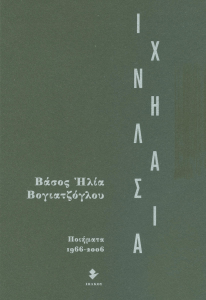
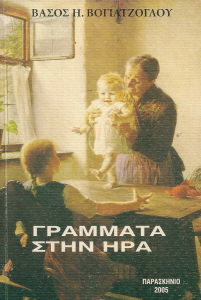
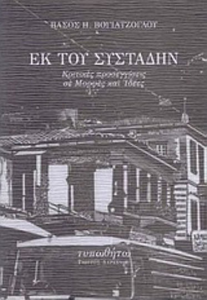
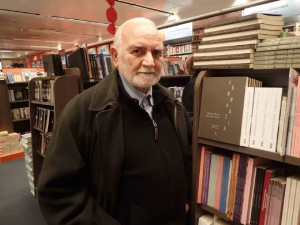
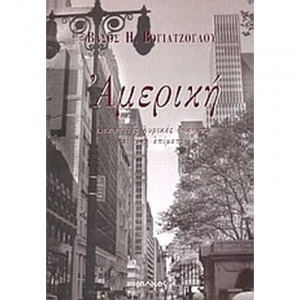
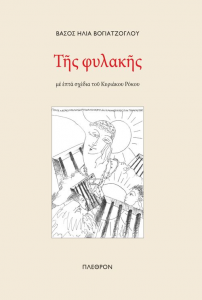
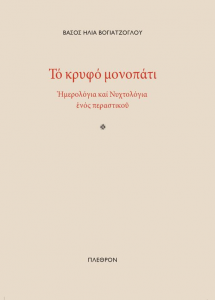
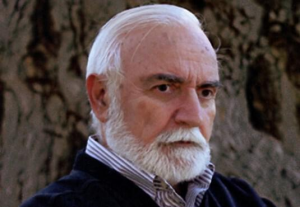
Vasos Ilias Vogiatzoglou

Vasos Vogiatzoglou, son of Elias, was born in 1935 in Nea Ionia, Attica. He is a pediatrician and member of the Doctors of the World organization, a researcher of the history and folk culture of the Greeks of Asia Minor, a poet, onomasticologist, and essayist.

His parents were refugees from Sparta (Isparta) in Pisidia. He studied medicine at the University of Athens and specialized in pediatrics. She provides voluntary pediatric care for children in the women’s prisons of Korydallos and Thebes.

Vasos Ilias Vogiatzoglou was born in 1935 in Nea Ionia, Attica. He is from Sparta, Greece, Asia. He is a pediatrician and an active member of the humanitarian organization “Doctors of the World.” They provide voluntary pediatric care for children in the women’s prisons of Korydallos and Thebes. As a researcher of the history and popular culture of the Greeks of Asia Minor, a poet, onomasticologist, and essayist, he has a particular interest in the philosophical essay. He has published 37 books and collaborated with numerous newspapers and magazines in Greece and Cyprus.

Since 2006, he has been director of the Kyklos School of Philosophical and Social Science Research in his hometown. He has received numerous honors and awards for his literary and humanitarian work, including one from the Academy of Athens in 1986 for his contribution to the study of Hellenism in Asia Minor. He is a full member of the National Society of Greek Writers, the Greek Onomatological Society, the Society of Medical Writers, and the Greek Society of Christian Letters.

In addition to poetry, he studied the history and folklore of Hellenism in Asia Minor and published the studies Pisidia in Asia Minor (1978), Presences (1979), Neighborhoods of the Infidels (1981), Sparta in Asia Minor (1986), Surnames in Asia Minor: Turkish and Turkish Surnames in Greece (1992), Giannis and Giorgis (1994), Alaya in Asia Minor (1995) and Pisidian Baptismal and Surnames (1998).

Weitere Projekte

He has also published the aesthetic study The Faces of Janus (1991), the translation of the Psalms of David The Book of Psalms (1992), the travelogue about Mount Athos The Bells of Pantocrator (1992) and The Book of Job (2007); his short stories, chronicles, studies and essays have been published in magazines in Athens and Nicosia and his poems have been translated into Romanian and Polish.

https://www.vogiatzogloucollection.gr

https://el.wikipedia.org/wiki/%CE%92%CE%AC%CF%83%CE%BF%CF%82_%CE%97._%CE%92%CE%BF%CE%B3%CE%B9%CE%B1%CF%84%CE%B6%CF%8C%CE%B3%CE%BB%CE%BF%CF%85

https://www.liberal.gr/politismos/i-poreia-pros-fos


  • -

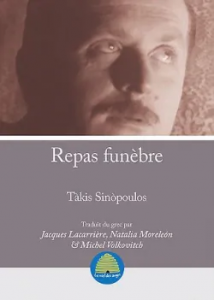
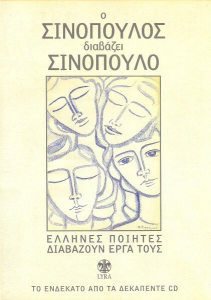
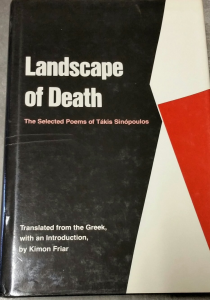
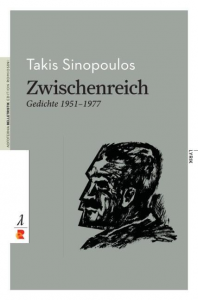
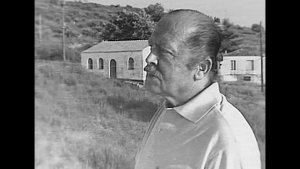
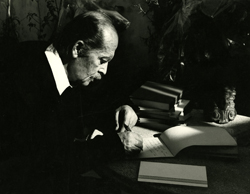
Takis Sinopoulos

Takis Sinopoulos was born in 1917 in the Peloponnese. He served as a military doctor in the Greek Civil War from 1946 to 1949; his experiences of fratricide and excessive violence had a lasting impact on him and his work. He died in 1981 in Pyrgos in the Peloponnese.

He was born in Agolinitsa, the first-born son of philologist Giorgos Sinopoulos and Roussa-Veneta Argyropoulou. He studied medicine at the University of Athens, graduating in 1944. In 1934, under the pseudonym Argyros Roubanis, he published the poem “Betrayal” and the short story “The Revenge of a Modest Man” in the Pyrgio newspaper “Nea Imara”. In 1941, he was drafted as a medical sergeant in Loutraki. [3] During the occupation, he published translations of French poets and some essays on poetry. In 1942, he was briefly imprisoned by the Italians as a resistance fighter. During the civil war, he was a doctor in an infantry battalion. After the end of the civil war, he began working as a doctor in the capital. In 1951 he published his first collection of poems, entitled Metaihmio. He was a member of the editorial staff of Eighteen Texts, New Texts 1-2, Deposition ’73, and the journal The Continuation. He also collaborated with numerous journals (Nea Estia, Filologika Chronika, Odysseas (Pyrgou), Kochlias, Piraika Grammata, Anglohelleniki Epitheoresis, Kainouria Epochi, Zygos, Epochen, Tram, O Tachydromos, etc.). He belonged to the first post-war generation. He was particularly influenced by T.S. Eliot, Seferis, and Ezra Pound. In general, his poetry is lyrical, epigrammatic, and characterized by tragic self-awareness and pessimism. In his final years, a shift in the use of linguistic material toward an anti-poetic, aggressive, and often ironic discourse was observable. He donated a large part of his library to the University of Thessaloniki.

Sinopoulos spent his student years in Pyrgos and went to Athens to study medicine in 1934. He made his first appearance in the literary world in 1934 with the publication of the poem “Betrayal” and the short story “The Revenge of a Modest Man” in the Pyrgos newspaper “Nea Imera” under the pseudonym Argyros Roubanis. His first book of poetry, titled “Metaihmio,” was published in 1951. The first poem in this volume, “Elpinor,” was written in 1944.

A pioneering figure of the “Generation of the 1950s,” Sinopoulos authored a number of poetry collections, essays, and book reviews throughout his creative career, which shaped the country’s intellectual life in the post-war years. He is a tragedian par excellence. The emphasis on the tragic “stigmatizes” his entire poetry, the drama, the decay, the death, the suffering and the alienation, and embodies the tragic historical events he experienced (the dictatorship of Metaxas, the war occupation, the civil war, the 1967 dictatorship, the coup and the invasion of Cyprus).

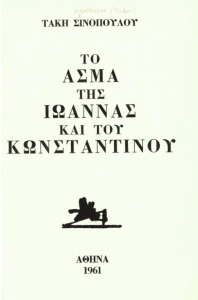
He also wrote the poetry collections “The Song of Joanna and Constantine,” which won the 1961 State Prize for Poetry, “Acquaintance with Max,” and “Night and Counterpoint,” as well as various studies and essays on the work of Seferis, such as “Strofi.” He was awarded the 2nd State Poetry Prize in 1962 for “The Song of Joanna and Constantine.”

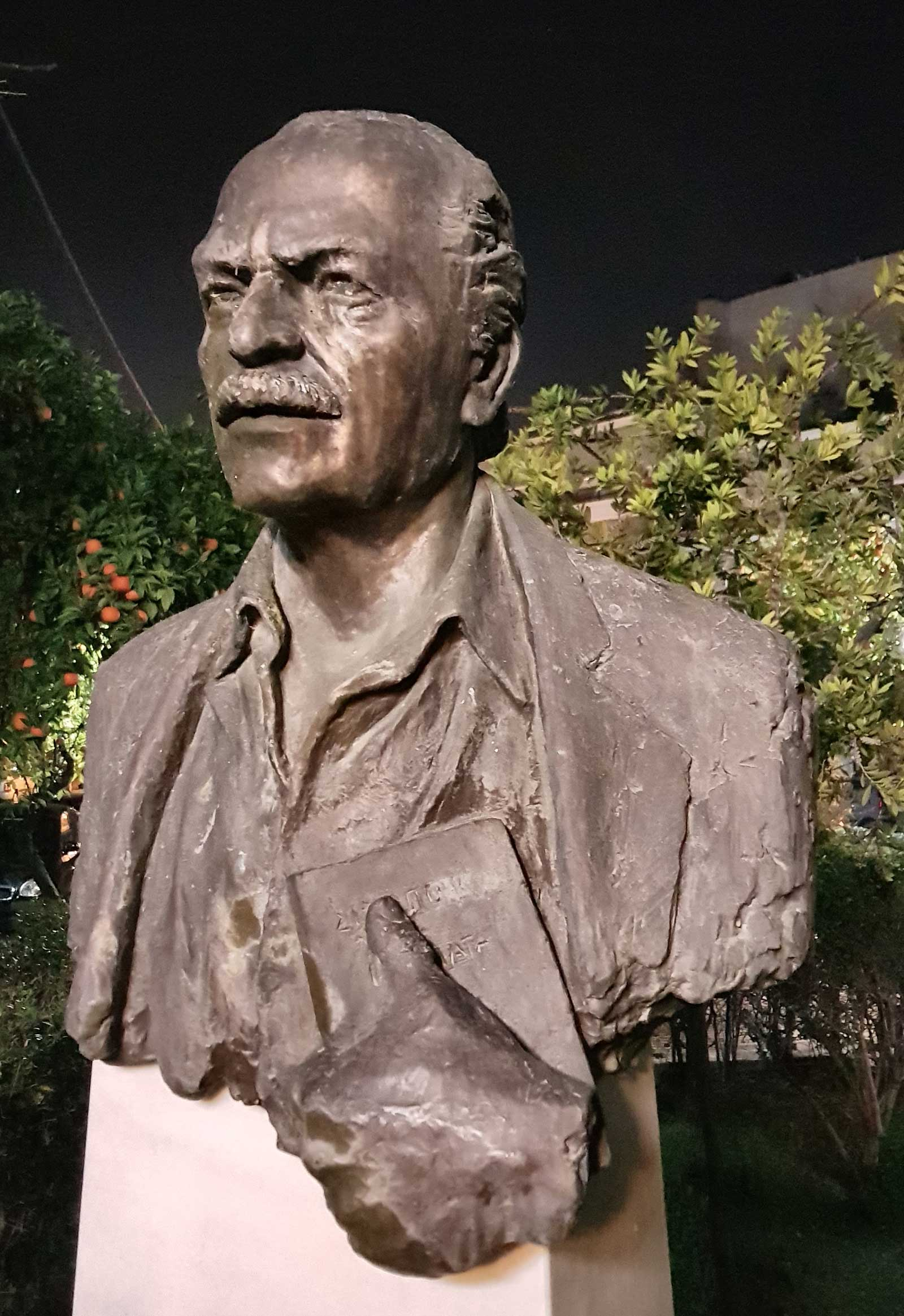
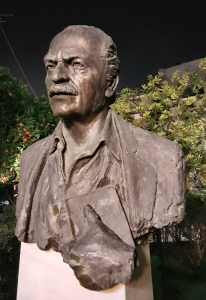
He died on April 25, 1981 (Easter Eve 1981) in Pyrgos. He was married to Maria Dotta, who in 1995 donated the house she lived in in the municipality of Nea Ionia to the Takis Sinopoulos Foundation as accommodation. A bust of the poet stands in the square in front of his house on Takis Sinopoulos Street in Perissos.

https://el.wikipedia.org/wiki/%CE%A4%CE%AC%CE%BA%CE%B7%CF%82_%CE%A3%CE%B9%CE%BD%CF%8C%CF%80%CE%BF%CF%85%CE%BB%CE%BF%CF%82

https://blogs.bl.uk/european/2017/03/poet-of-a-pitiable-time-takis-sinopoulos.html


  • -

Elias H. Papadimitrakopoulos

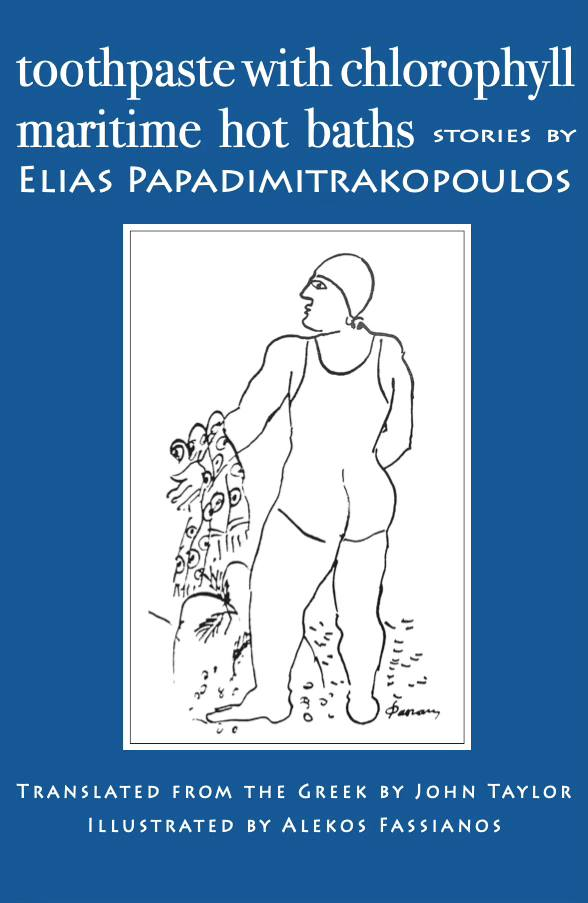
Elias H. Papadimitrakopoulos (Pyrgos, Ilia, August 23, 1930 – Athens, November 29, 2024) was a Greek novelist, prose writer, and military doctor.

He was born in Pyrgos, Elis, where he spent his childhood and youth. After the death of his father, a lawyer, in 1943, his family faced difficult times. As he later wrote, he studied at the Military Medical Faculty of the University of Thessaloniki from 1949 to 1955 out of necessity.

From 1959 to 1968 he served in Kavala. There he first appeared in mail advertising with the short story “O frakasanes”, which he published under a pseudonym in the Kavala magazine Argo in 1962. He also collaborated with the magazines Skapti Yli (Kavala), Tachydromos (Kavala), Dialogos (Thessaloniki), Dialogos (Lechenia), Anti, Harti, Chroniko and To Tetarto. In addition, he served for many years as editor-in-chief of the journal Medical Review of the Armed Forces. He retired from the army in 1983 with the rank of senior chief surgeon.

His work, considered part of Greek post-war literature, is characterized by linguistic simplicity, subtle irony, and tender nostalgia for the difficult years of youth. He was recognized in 1995 with the short story award from the magazine Diavázo.

He occasionally wrote articles for the newspapers Kathimerini and Eleftherotypia and also edited books by lesser-known authors such as Homer Pellas (1921–1962). [5] He is also responsible for the first critical presentation of the work of Nikos Kachtitsis in Greece, which appeared in a private publication in 1974. His most recent works are the short story collection The Treasure of the Nightingales (2009) and the story Symtopia of a Plane Tree (2010).

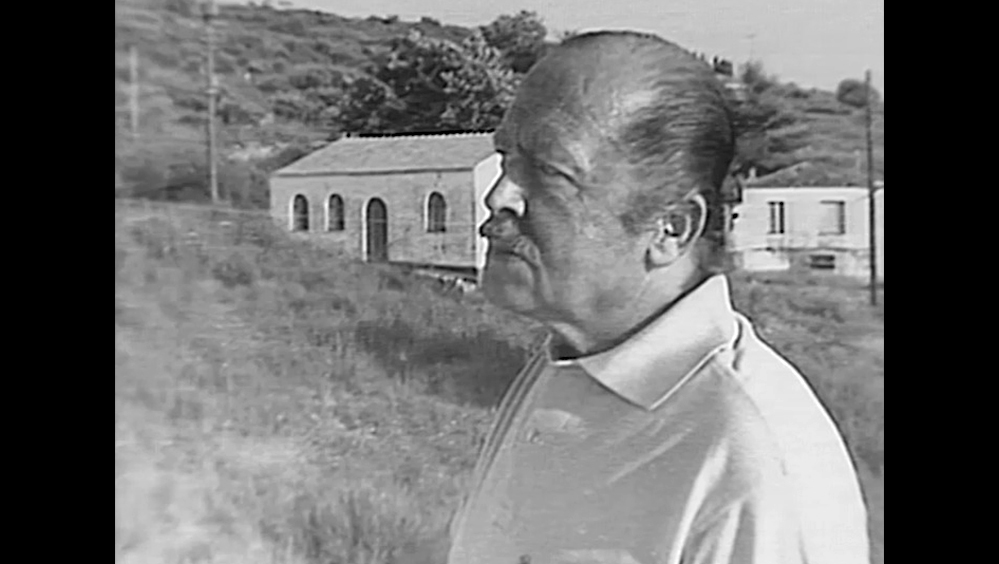
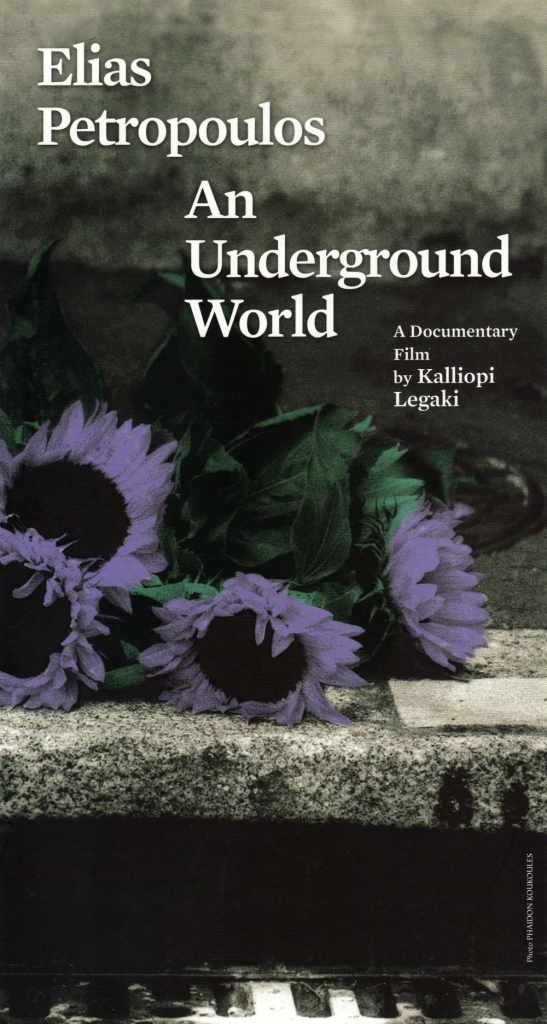
In 2007, the documentary film “House by the Sea” was made about him, directed by Lefteris Xanthopoulos.

His short stories have also been translated into French.

He died on November 29, 2024, at the age of 94. His body was buried in the 1st Cemetery of Pyrgos.

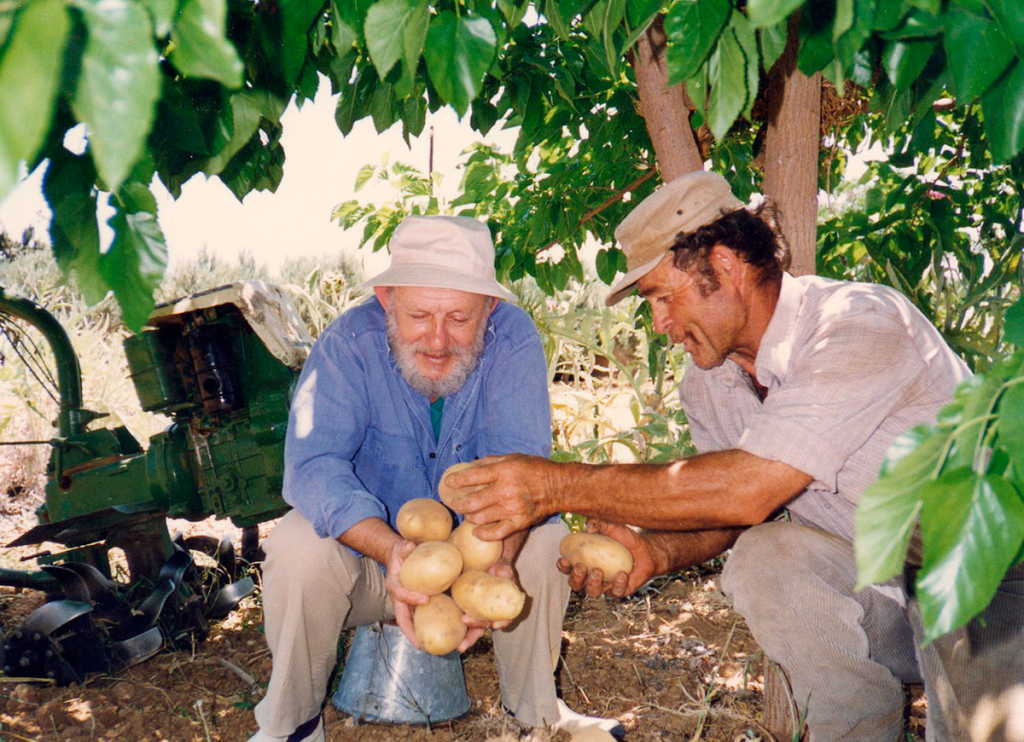
Elias Papadimitrakopoulos in his farm.

https://el.wikipedia.org/wiki/%CE%97%CE%BB%CE%AF%CE%B1%CF%82_%CE%A7._%CE%A0%CE%B1%CF%80%CE%B1%CE%B4%CE%B7%CE%BC%CE%B7%CF%84%CF%81%CE%B1%CE%BA%CF%8C%CF%80%CE%BF%CF%85%CE%BB%CE%BF%CF%82

https://m.imdb.com/de/title/tt1565416/?ref_=ttch_ov_i

Interview in English https://parola-paros-freepress.gr/en/elias-papadimitrakopoulos/


  • -

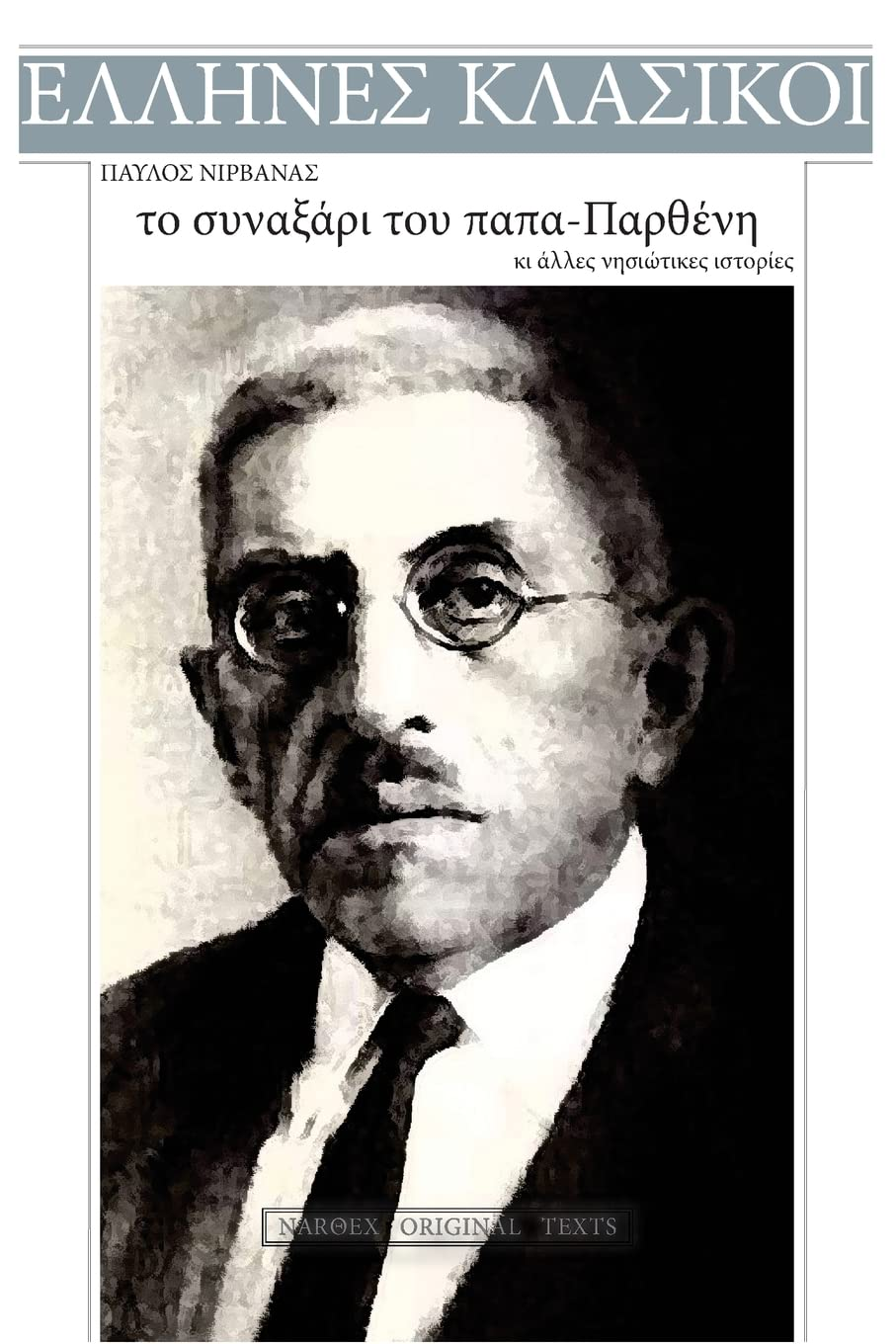
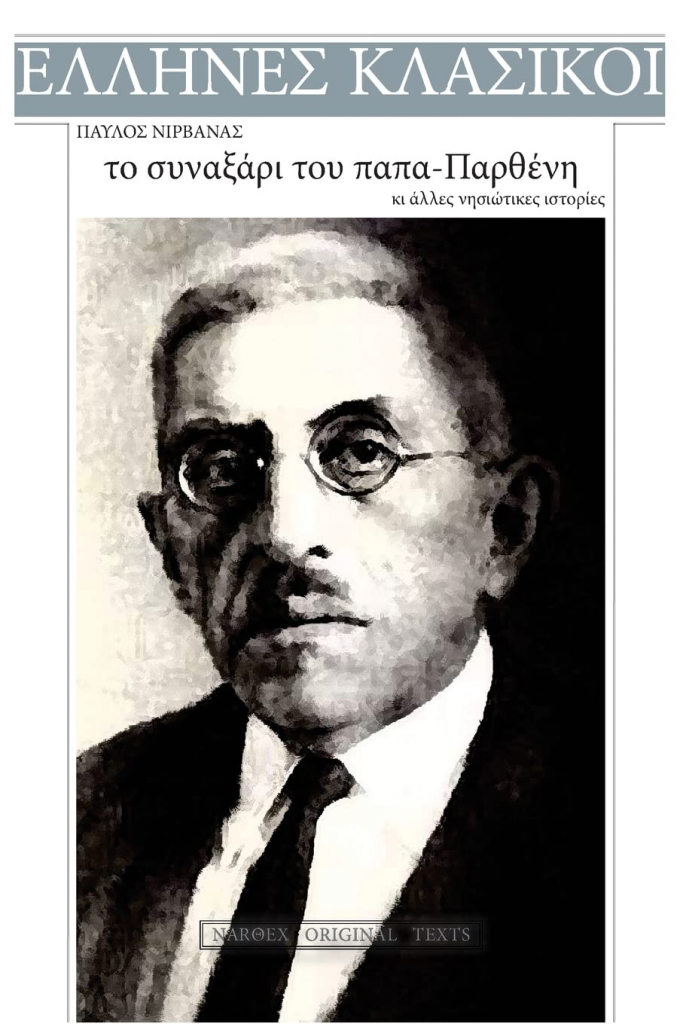
Pavlos Nirvanas

Pavlos Nirvanas (Greek: Parasloός Niρβάνας, * 1866 in Mariupol, Russian Empire; † 28 November 1937 in Athens, Greece) was a Greek writer whose real name was Petros K. Apostolidis.

Nirvanas’ father came from Skopelos, his mother from Chios. As a child, Pavlos Nirvanas moved from his then Russian hometown to Greece and lived in Piraeus. He studied medicine at the University of Athens and graduated in 1890. He joined the Navy and rose to the rank of senior physician (γενικός αρχίατρος). He left the service in 1922. He also worked as a journalist and was a member of the Academy of Athens from 1928. Although not born on Skopelos himself, he considered the Aegean island his home throughout his life.

https://www.youtube.com/watch?v=oCW4O7uO0BI
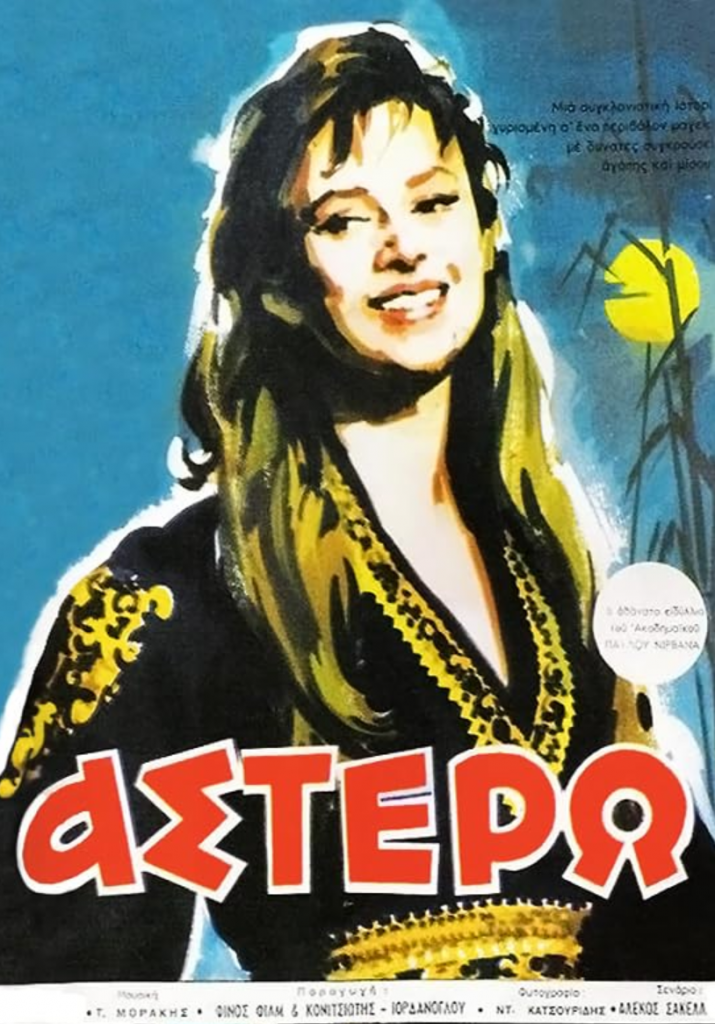
In a village in the Peloponnese, on the slopes of Mount Helmos, lives Astero, the beloved daughter of Lord Mitros, who falls in love with his son Thymios. However, Grandfather Mitros decides to marry his son to the rich Tselingo girl Maro, and Astero to the wealthy landowner Thanos. His wife Stamatina also contributes to this with her machinations. On their wedding day, however, Astero loses his mind and runs away, while Thymios goes off to search for her. Thymios’ father is filled with remorse, especially when the village elders remind him that he owes everything he has created to the Asteros estate, which he has exploited…

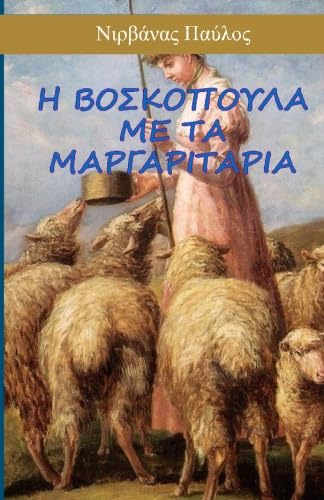
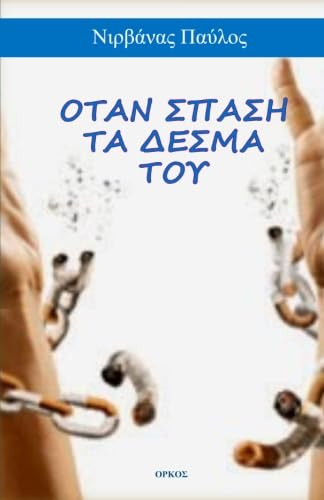
Pavlos Nirvanas explored almost all genres of literature: he wrote short stories, dramas, poems, essays, critiques, novels, satires, and contemporary historical texts; he also worked as a translator. He published his first volume of poetry in 1884. Of literary-historical significance, however, are less the poems in Nirvanas’s oeuvre than the richness of the work itself and certain individual works, such as the Linguistic Autobiography (Γλωσσική Αυτοβιογραφία) from 1905, in which Nirvanas takes a position on the Greek linguistic dispute.

In a first-person narrative, he describes the career of a young man who increasingly succumbs to the fascination of the standard language and rises to become an extremely atticized scholar. Even though his learned speeches are understood by few, he is admired for his expressive abilities. Only the encounter with some beautiful girls from the people makes him doubt his linguistic world view, because instead of ῥῖ�ες (rínes), ὄμματα (ómmata), ὦτα (óta) and χεῖρες (chíres) – in German something like: heads, faces, facial bays… –[1] he suddenly only sees in his mind their delicate μύτες (mýtes), μάτια (mátja), αυτιά (aftjá) and χέρια (chérja) – completely “natural” noses, eyes, ears and hands – and as a result he turns away from the madness of the standard language.

Pavlos Nirvanas was awarded for his literary work in 1923.

https://de.wikipedia.org/wiki/Pavlos_Nirvanas


  • -

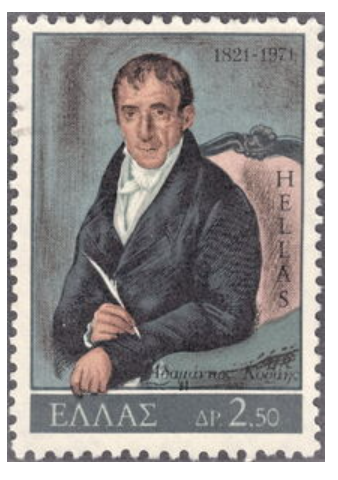
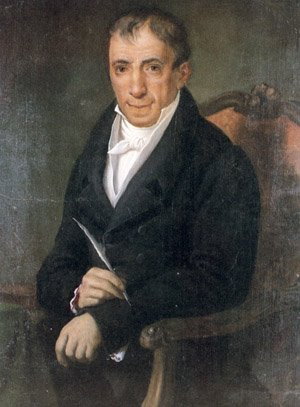
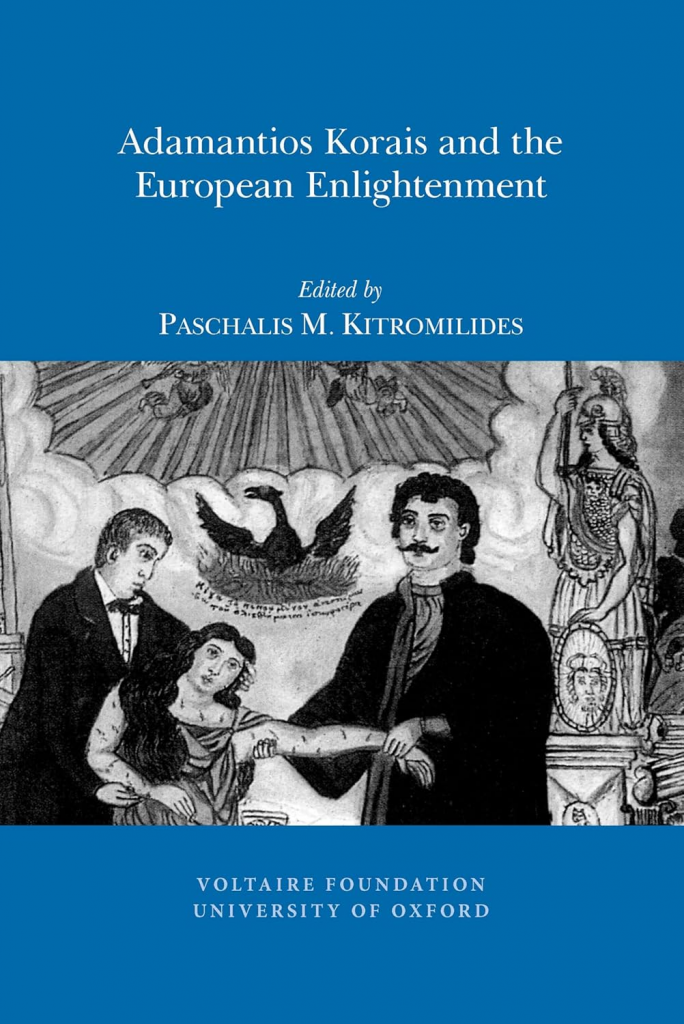
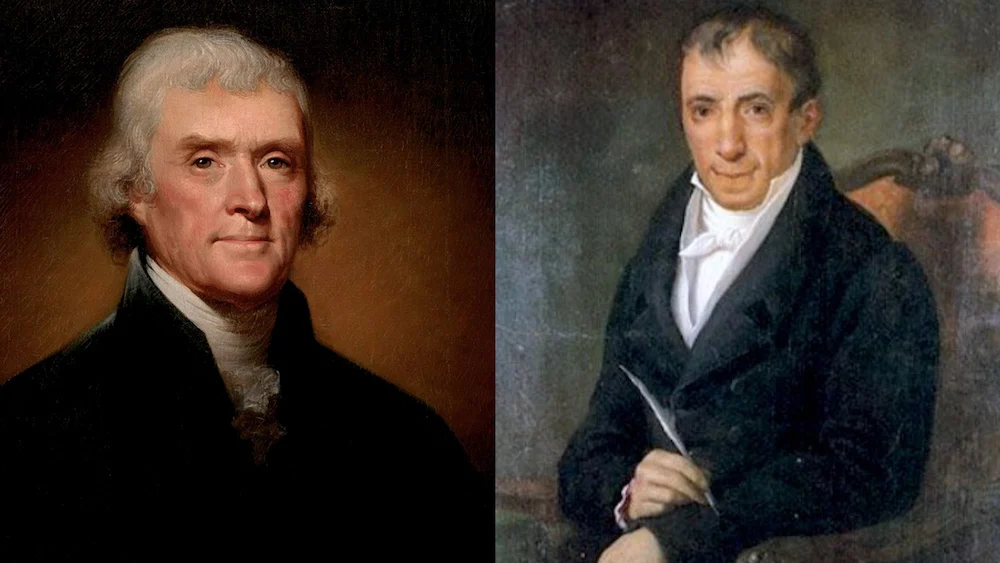
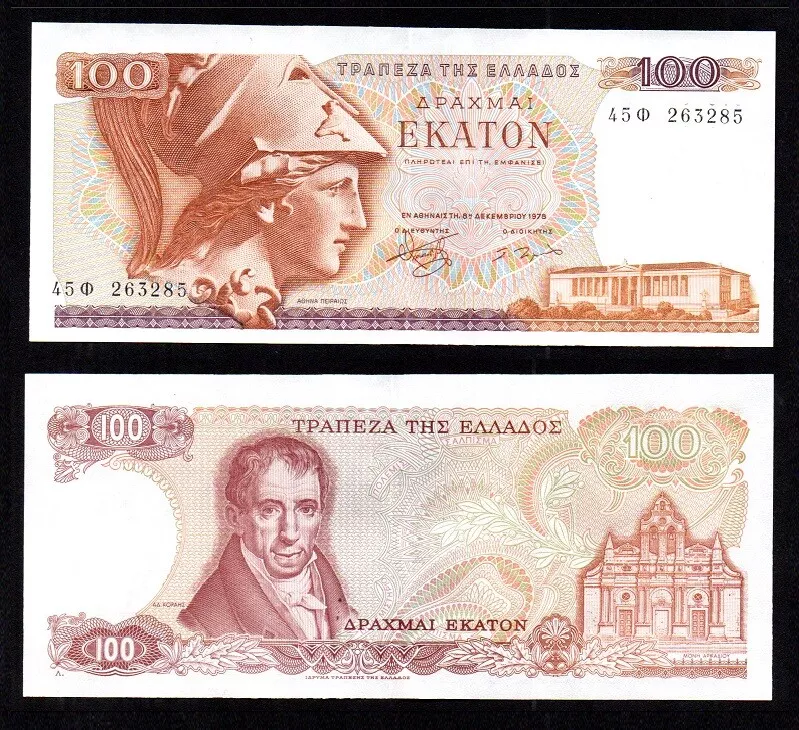
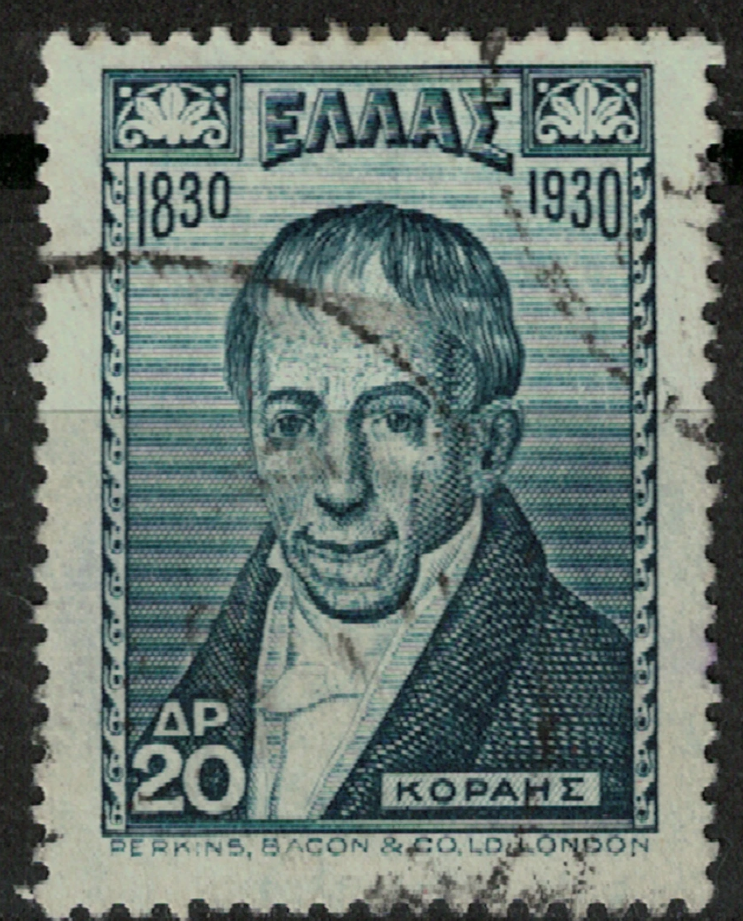
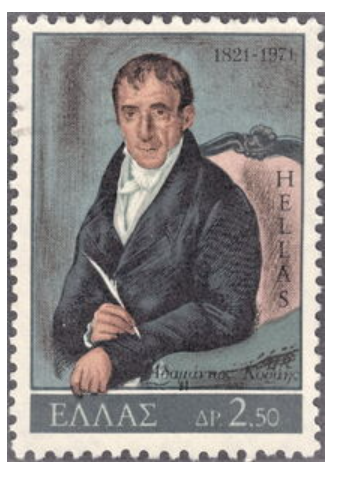
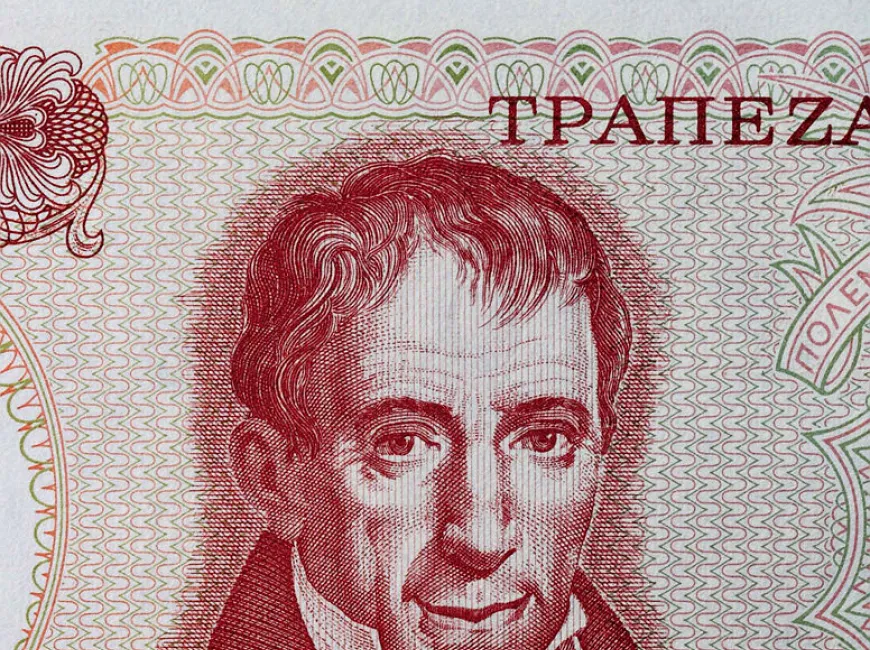
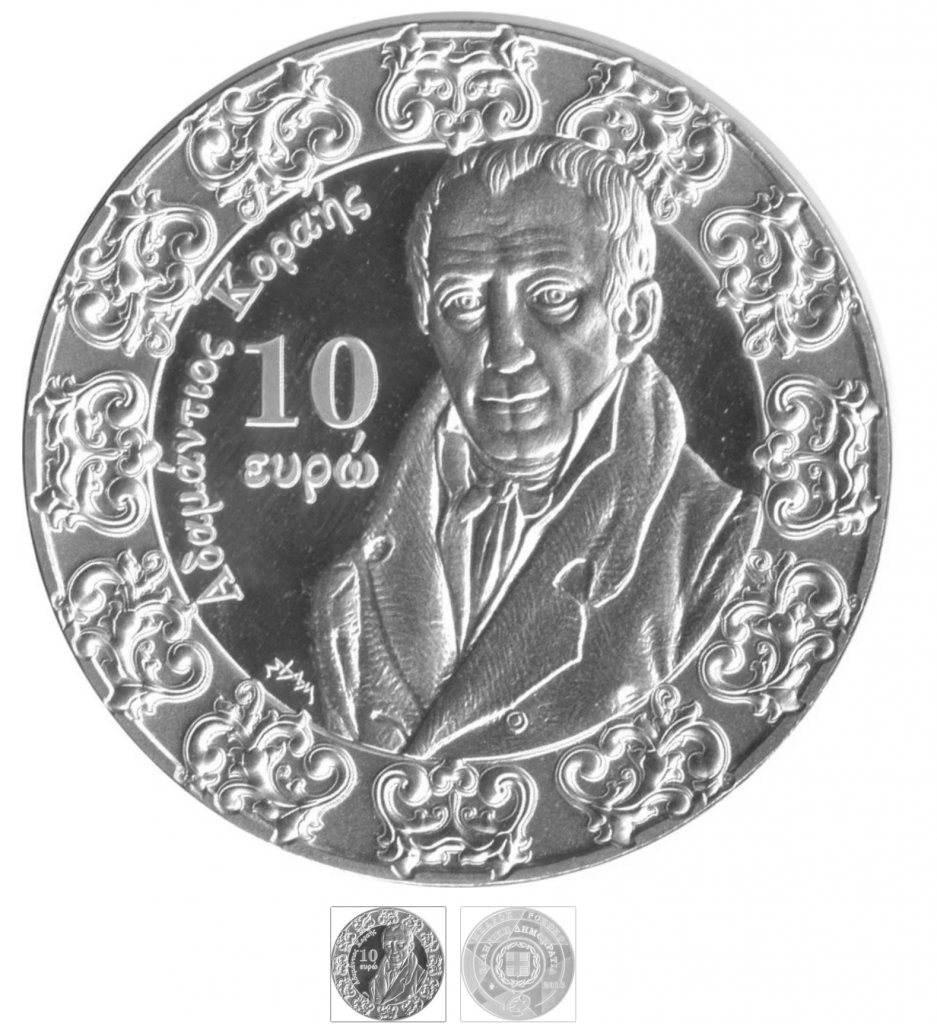
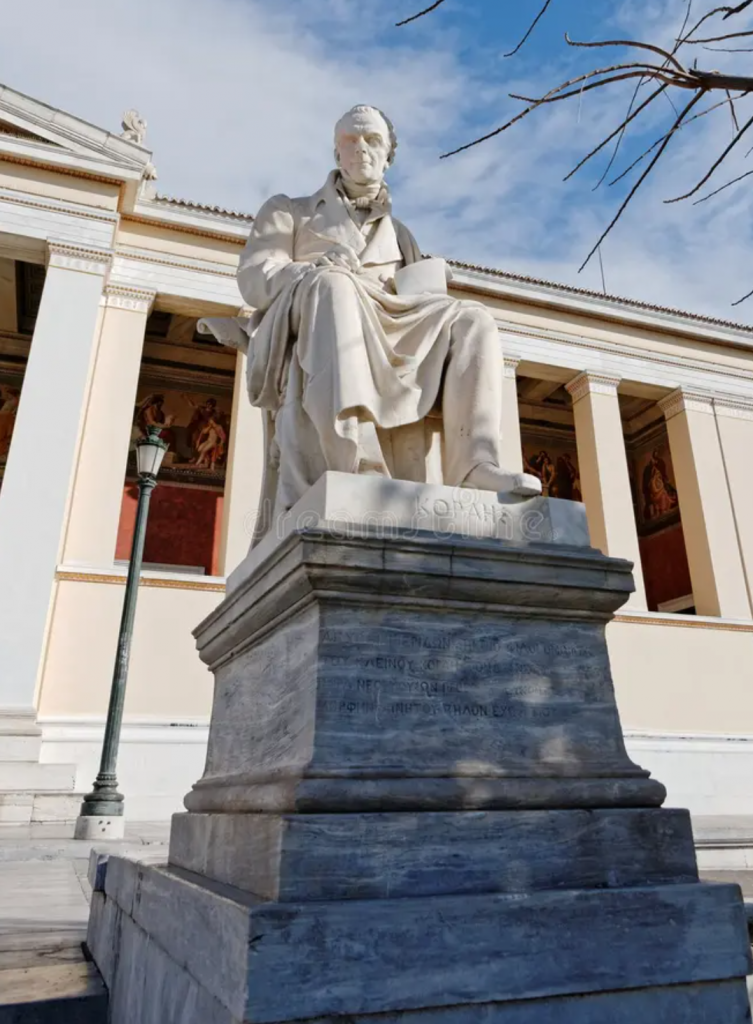
Adamantios Korais

Adamantios Korais (Greek: Αδαμάντιος Κοραής – Adamántios Koraís, also Koraés; April 27, 1748 in Smyrna, Asia Minor, Ottoman Empire – April 6, 1833 in Paris) was a Greek scholar and writer. Korais is considered a reformer of Greek literature.

Korais was born in Smyrna, but his father came from the island of Chios, and Korais felt a strong connection to the island. Korais graduated from the Evangelical School of Smyrna and spent most of his life not in Greece, but in Western Europe. He devoted himself early on to the study of ancient and modern languages, and then, at his father’s wish, learned the trade of merchant in Amsterdam. From 1782 onwards, he studied medicine and natural history in Montpellier. In 1788, Korais settled in Paris to devote himself entirely to literature. Although he became a French citizen, he remained true to his Greek origins. Korais was interested in the church, schools, science, and politics. From Paris, he fought verbally and in writing for the spiritual rebirth of Greece.

Adamantios Korais – Zante Ferries

His main goal was the development of a national, universal Greek language into a written language; the standards he established for this are still largely the authoritative ones today. Korais tried to raise Greek awareness of their historical heritage, their Hellenistic origins. He stated that general education was the key to an independent Greece. Above all, however, Korais is known for his decisive role in the Greek language question: He attempted to strike a balance between the antiquarian standard language and the popular language, and went down in Greek linguistic history as the inventor of the Katharevousa (= the pure; the purified popular language).

In his letters and publications, Korais criticized the Greek Orthodox Church, which dominated the lives of his countrymen in the Ottoman Empire. The church strictly opposed an independent Greece. Korais’s expertise in classical antiquity developed from his study of the works of ancient Greek writers. His marble bust adorns the Lyceum on the Greek island of Chios, to which Korais bequeathed his valuable library, the present Korais Library (Δημόσια Κεντρική Ιστορική Bιβλιοθήκη Χίου Κοραή), which bears his name.

Adamantios Korais died on April 6, 1833, in Paris and was buried in the Montparnasse Cemetery (Division 2). In 1877, at the request of King George I of Greece, he was reburied and now has an honorary grave in the First Cemetery of Athens. In 1895, a cenotaph was erected in his honor at the site of his grave in the Montparnasse Cemetery.
The chair of Byzantine and Modern Greek Studies at King’s College London, the Koraes Professor of Modern Greek and Byzantine History, Language and Literature, is named after him.


  • -

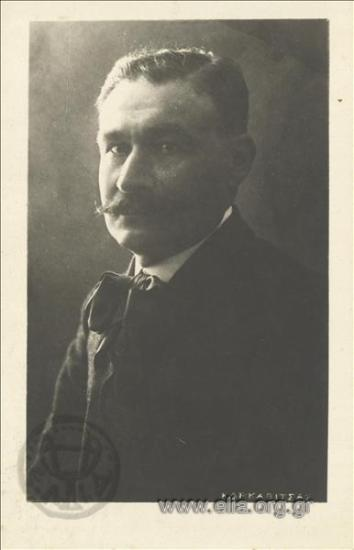
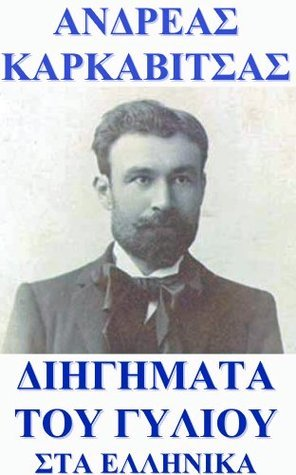
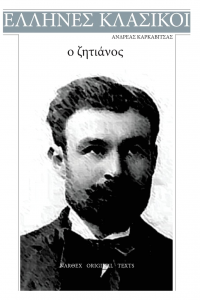
Andreas Karkavitsas

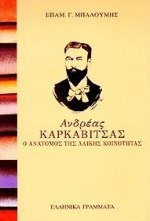
Andreas Karkavitsas or Carcavitsas (Greek: Ανδρέας Καρκαβίτσας; Lechaina, 1866 – Marousi, October 10, 1922) was a Greek novelist. He was a naturalist, like Alexandros Papadiamantis.

He was born in 1866 in the north-west Peloponnese, in the town of Lechaina in Elis. He studied medicine. As an army doctor, he travelled across a great range of villages and settlements, from which he recorded traditions and legends. He died on October 10, 1922, of laryngeal cancer. Several streets in Greece have been named after him, for instance in Pyrgos.

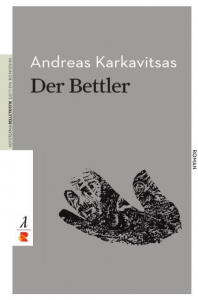
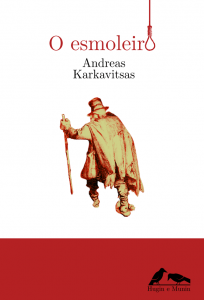
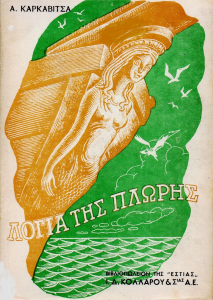
Karkavitsas wrote in the European tradition of naturalism (exemplified by Émile Zola), which does not shrink from portraying the seamier parts of life among humble people, rather than romanticising or embellishing reality. He was a folklorist with a gift for spinning tales full of authentic details of simple people’s lives, local customs, dialects and folktales, as well as psychological insights about them. He was more successful as a short-story and novella writer. “The Beggar” is a novella about con-men, violence and the grotesque practices of professional beggars (including purposely maiming children to turn them into profitable objects of pity). “Words from the prow” is about the lives of seafarers, fishermen and sponge-divers, full of arcane details of their craft as well as folk-tale-inflected plots of tragedy, shipwreck, hands lost at sea, murder, superstition and the supernatural, as well as the joys of making a living off the sea.

YearTitleEnglish meaningPublished in
1892Διηγήματα (Diiyimata)StoriesAthens
1896Η Λυγερή (I Liyeri)The willowy girlAthens
1897Θεσσαλικές εικόνες. Ο ζητιάνος (Thessalikes eikones. O zitianos)Thessalian images. The beggarAthens
1899Λόγια της πλώρης. θαλασσινά διηγήματα (Logia tis ploris. Thalassina diiyimata)Words from the prow. Sea storiesAthens
1900Παλιές αγάπες 1885-1897 (Palies agapes)Old loves 1885-1897Athens
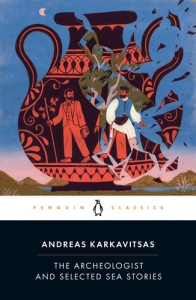
1904Ο αρχαιολόγος (O arheologos)The archeologistAthens
1922Διηγήματα του γυλιού(Diiyimata tou yiliou)Stories from the backpackAthens
1922Διηγήματα για τα παληκάρια μας (Diiyimata ya ta palikaria mas)Stories about our ladsAthens

https://www.searchculture.gr/aggregator/persons/-2028989646?language=en

https://en.wikipedia.org/wiki/Andreas_Karkavitsas


  • -

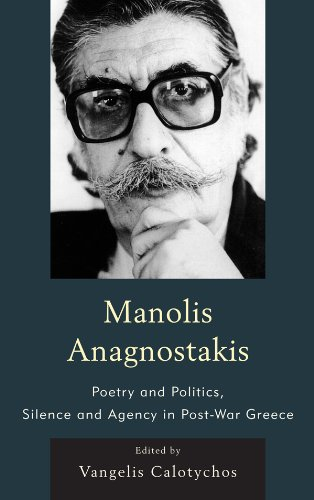
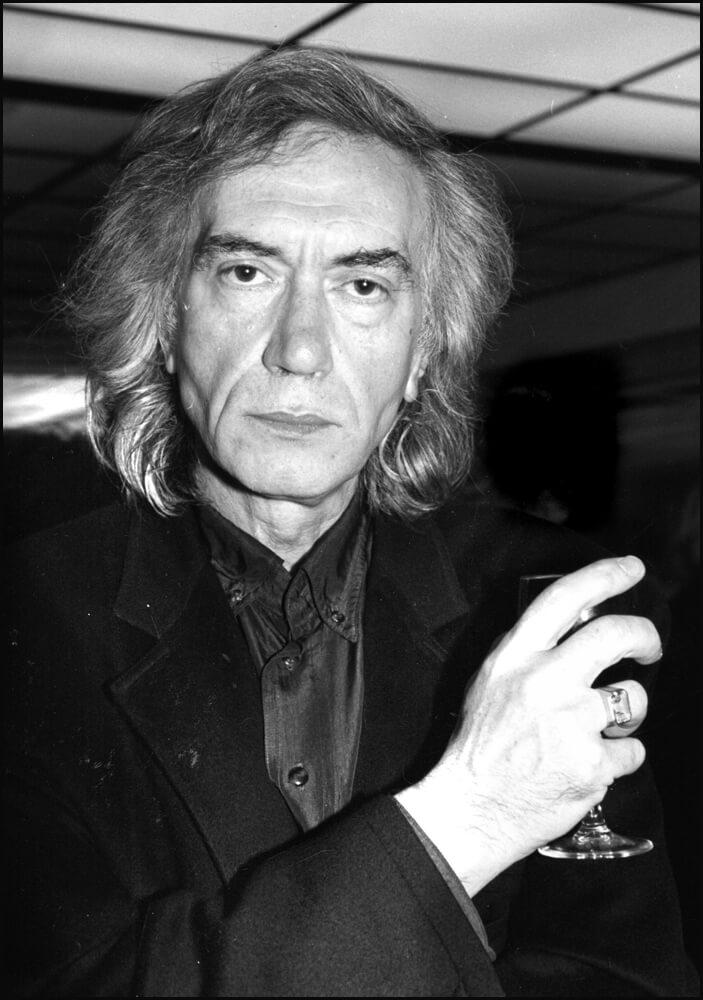
Manolis Anagnostakis

Category : WriterDocs

Manolis Anagnostakis (Greek: Μανώλης Αναγνωστάκης; * 10 March 1925 in Thessaloniki – 22 June 2005 in Athens) was a Greek existentialist poet.

Leben

Anagnostakis initially studied medicine at the Aristotle University of Thessaloniki and later practiced as a radiologist. During World War II and the subsequent civil wars, he was an active member of the resistance movement. After a military court sentenced him to death, he spent many years in prison and exile.

He began his writing career in 1944 with articles in the magazine Xekinima. His first volume of poetry, titled Epoch I, was published in 1945. Further volumes in this cycle followed in 1948 and 1951. He published a second series of poems between 1956 and 1962.

His works have been set to music by composers such as Mikis Theodorakis, Thanos Mikroutsikos, Angeliki Ionatou, and Michalis Grigoriou.

In 2002, he received the Greek Special Prize for Literature

https://de.wikipedia.org/wiki/Manolis_Anagnostakis

https://en.wikipedia.org/wiki/Manolis_Anagnostakis