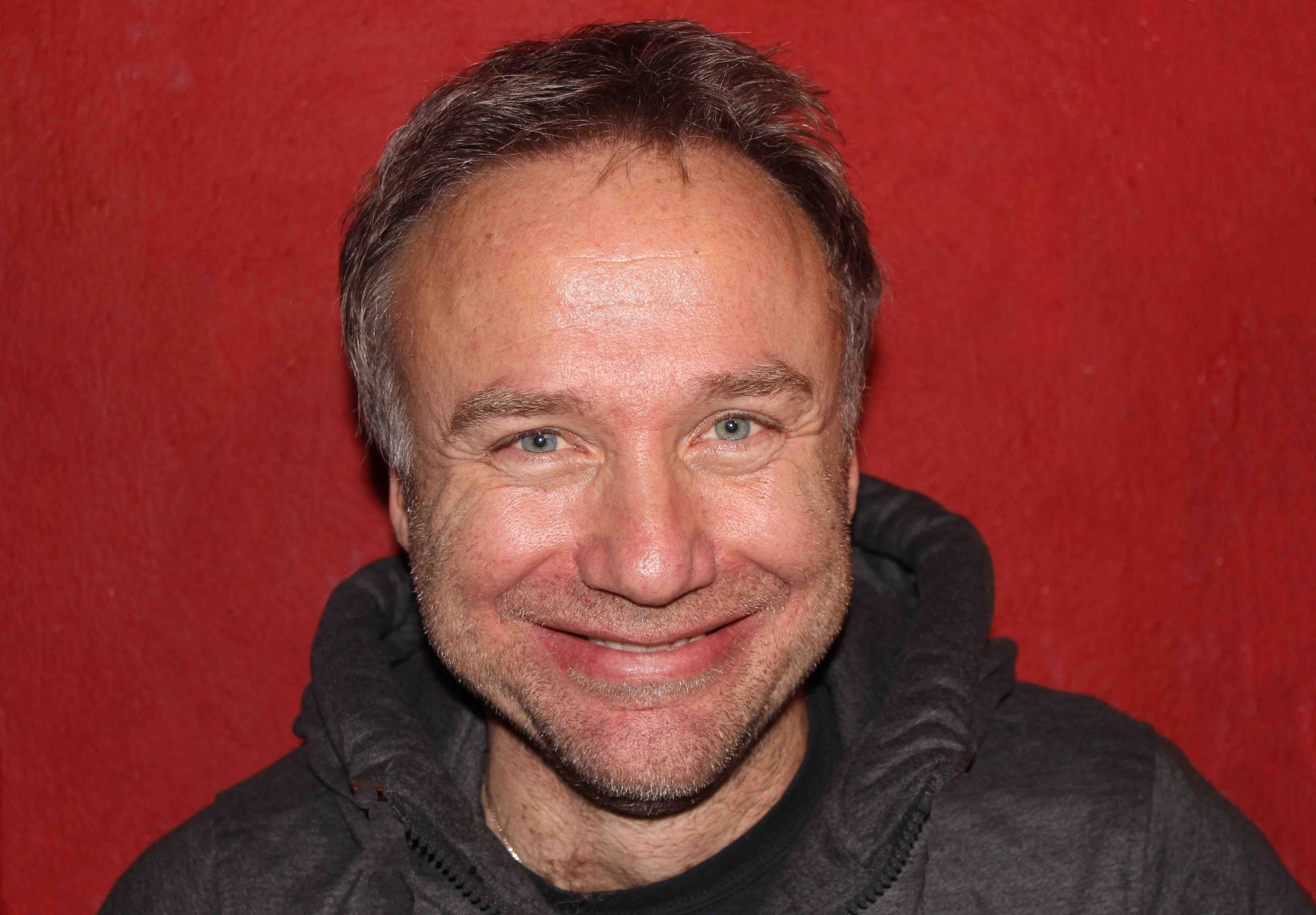
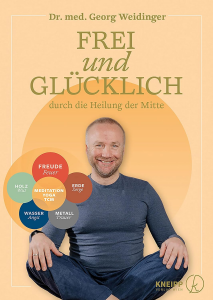
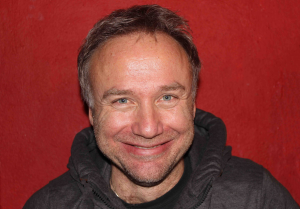
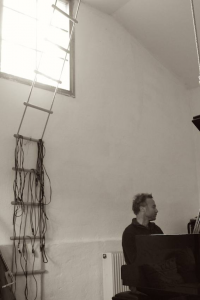
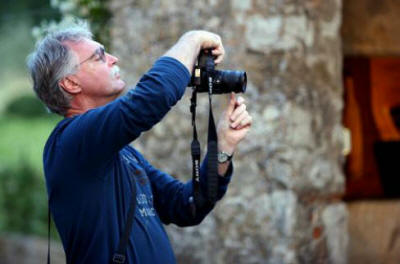
Since 1994, freelance composer and pianist, giving lectures on his own work and the Iannis Xenakis-Stochastics connection between scientific thought and composition, and lecturing on Traditional Chinese Medicine. Since 1996, practicing as a physician. In 1998, he founded the label “klaviermusik.at” and has released numerous CDs since then. In 2000, the CD “Vienna Concert 2000” was released by Extraplatte. Since 2002, he has had his own practice for Traditional Chinese Medicine in Vienna.
2004 CD “Quiet Nights” released on Ö1 2009 CD “Bright Side” released on Ö1 2011 Book “The Healing of the Center” 2013 Practice relocated to Wiener Neustadt 2014 Book “Daily Healing” and CD “Music for Healing the Center” (Ennsthaler) 2015 Book “The Chinese Medicine Cabinet”; founding of the Austrian Society for Traditional Chinese Medicine in Wiener Neustadt, President of the OGTCM
2016 Own TCM courses in Wiener Neustadt, CD “Quiet Moments” 2017 CD “Bach-Hindemith” on klaviermusik.at; book “The Golden Way of the Center” (self-published) 2018 Practice in Bad Sauerbrunn, CDs “Blossoms of Romanticism” and “Requiem for Franziska” and book “Cookbook for Healing the Center”
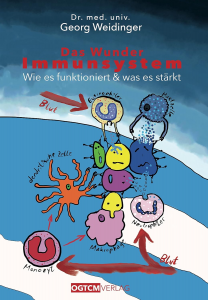
2019 CD “SONATA”, book and CD “The Sound of the Center”, CD “Games of Orchestra”, String Quartet I & II, Symphony No. 1 (“DISTROFIA”), debut novel “LAUFHAUS” with audio CD “LAUFHAUS Book Music” 2020 CD “Mozart Plus”, CD “Vienna Calling”, Symphony No. 2 (“FANFARA”); books: “Chinese Medicine Against Cancer”, “World Yoga” 2021 CD “Vienna Calling”, books: “The Miracle of the Immune System”, “Cookbook for Healing the Center II”
AWARDS AND RECOGNITIONS
1995: Lower Austrian Music Factory Prize and commission for a choral-orchestral piece 1996 and 1998: First Austrian to win the Luigi Russolo International Composition Competition in Varese, Italy.
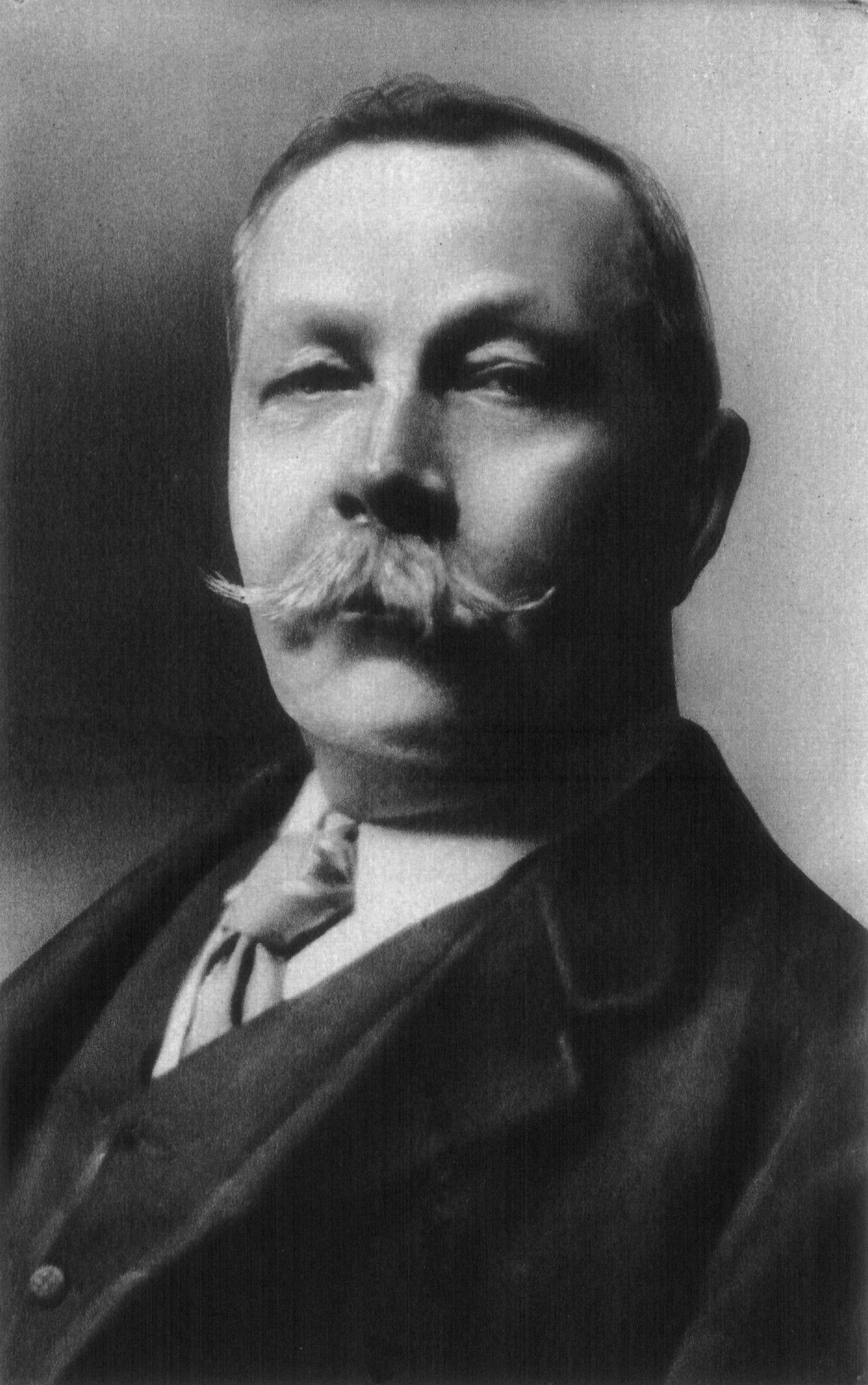
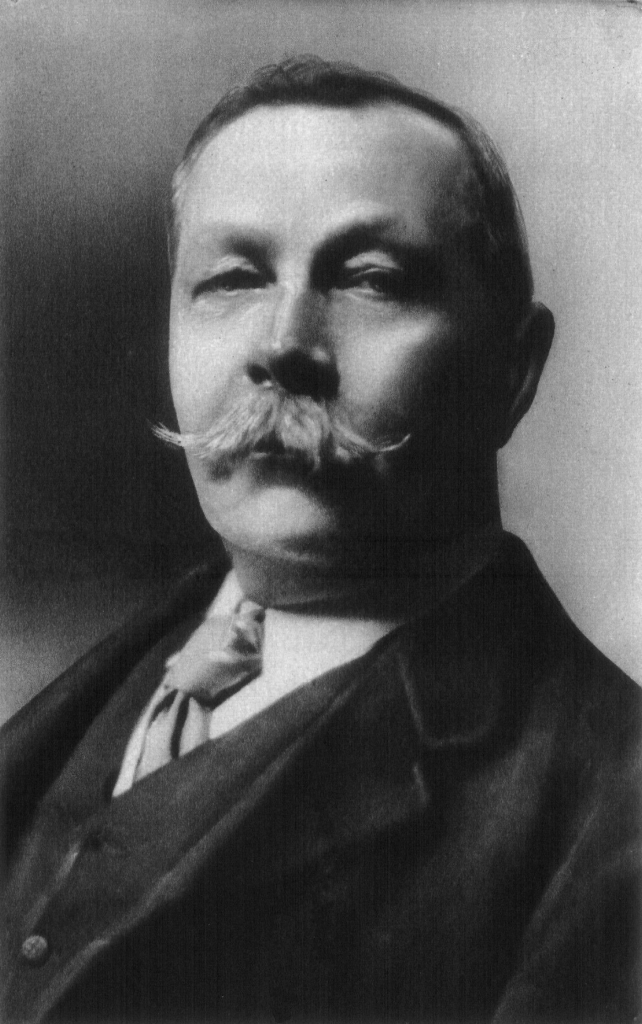
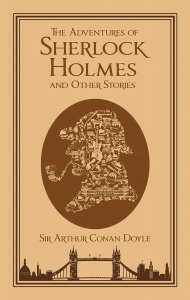
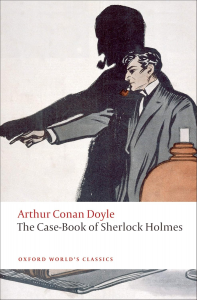
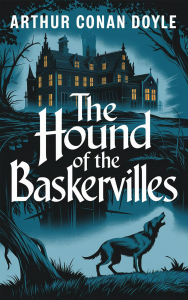
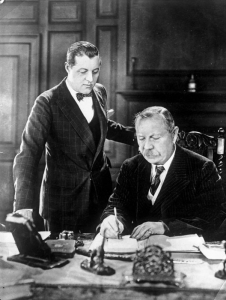
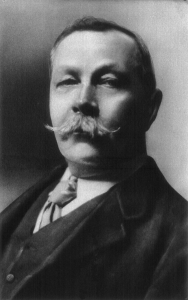
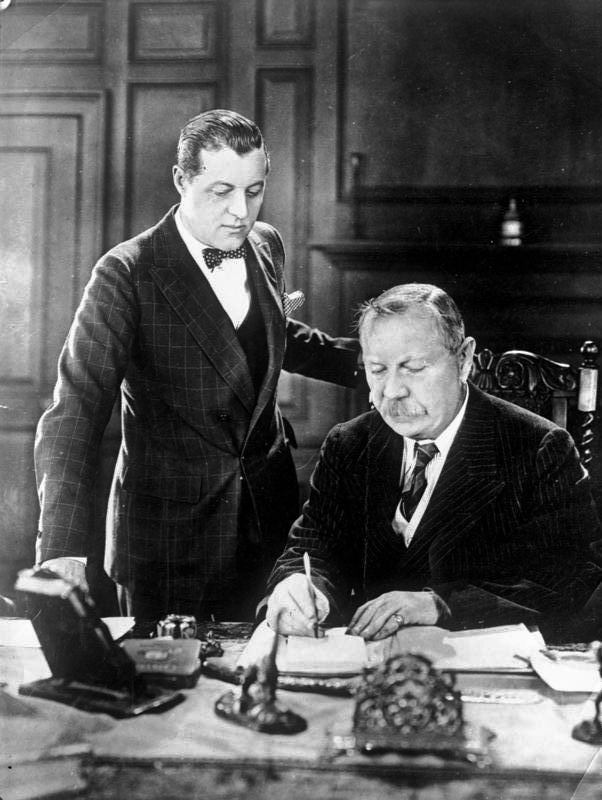
Sir Arthur Ignatius Conan Doyle (May 22, 1859 in Edinburgh, Scotland – July 7, 1930 in Crowborough, Sussex, England) was a British physician and author. He wrote about the adventures of Sherlock Holmes and his friend Dr. Watson. He is also known for the character Challenger from his novel The Lost World, which served as the basis for numerous films and a television series.
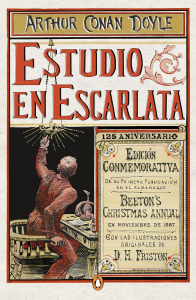
In 1880, Doyle traveled to the Arctic as a ship’s doctor on the whaler Hope, and a year later to West Africa on the Mayumba. From 1882 to 1890, he ran a medical practice in Southsea near Portsmouth. In his free time, he also wrote his first literary works. In 1883, while in Portsmouth, he wrote his first novel, The Narrative of John Smith (see below), which, however, remained unfinished and unpublished and was not published until 2011. In 1887, he published the first story about the detective Sherlock Holmes and his friend Dr. Watson: A Study in Scarlet.
In the following period, Conan Doyle created his second very popular character, Professor Challenger. The Lost World, in which she first appears, was published in 1912 and is considered his best-known novel alongside the Sherlock Holmes series. Doyle’s texts published during the First World War sometimes take a critical look at Germany at the time. In October 1918, a few months before the official end of the war, his son Kingsley died of the Spanish flu. Doyle then began to devote himself increasingly to science fiction novels in the tradition of Jules Verne, as well as to spiritualism and mysticism, and also undertook lecture tours (including to the USA and South Africa).
Among other things, he made the so-called Cottingley Fairies famous – fake photos of fairies in whose authenticity he firmly believed, made into a film in 1997 in The Fairy Garden. His public controversy with the magician Harry Houdini made headlines.[6] The friendship between Doyle and Houdini broke down due to differing ideas about spiritualism – Doyle accepted various mediums as genuine and believed that Houdini himself had supernatural abilities, while Houdini himself said that he never experienced a séance in his life whose effects he could not have imitated with magic tricks.
The deductive and criminal analysis method is characteristic of Doyle’s characters. He, himself a physician, created the role of Dr. Watson. He endowed Sherlock Holmes with characteristics of his teacher at the University of Edinburgh, Joseph Bell. The criminalistic methods described by Doyle in his novels, such as fingerprinting, were ahead of the police methods of their time. This is especially true of the fundamentally scientifically oriented methodology of crime investigation.
In 1890, his novel The Firm of Girdlestone (1890) was published, painting a picture of his hometown of Edinburgh in the age of imperialism. Father and son Girdlestone & Co. operate a lucrative African trade with poorly maintained sailing ships.
That same year, Doyle moved to London. From 1891 onward, he was able to earn a living through writing, following the publication of his first detective story, A Scandal in Bohemia, in The Strand Magazine that same year.
In 1893, Conan Doyle decided to end the life of his protagonist Holmes, as the regular writing of new Holmes stories took up too much of his time and he wanted to concentrate his literary work on other works. This led to protests from his audience.[1] The author’s mother, an avid reader of the stories, tried in vain to dissuade him from the plan. In the story “The Final Problem,” Sherlock falls from the Reichenbach Falls near Meiringen in Switzerland during a fight with his adversary, Professor Moriarty, and is pronounced dead by Watson.
In the same year, Doyle became Master of the Phoenix No. 257 Masonic Lodge in Portsmouth.
In March 1893, Doyle became the first Briton to complete a day’s cross-country skiing. In commemoration of this achievement, the UK Antarctic Place-Names Committee named the Doyle Glacier in Antarctica after him in 1959.
On March 23, 1894, in a daring attempt, he crossed the Maienfelder Furgga from Davos to Arosa on skis, accompanied by two locals, brothers Tobias and Johann Branger. The event helped popularize skiing in England. It was recreated a good century later by the Austrian Broadcasting Corporation (ORF) in a television film based on Conan Doyle’s article “An Alpine Pass on ‘Skiing’,” published in Strand Magazine in December 1894.
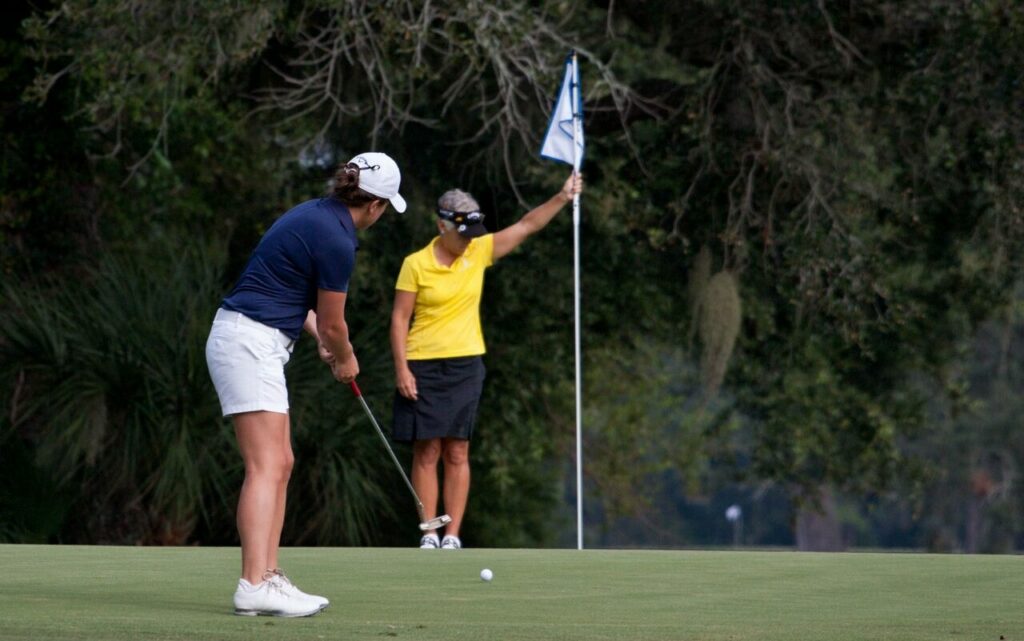
Doyle played football as a goalkeeper for the amateur Portsmouth Association Football Club. He used the pseudonym A.C. Smith. He was also a keen cricketer and was capped ten times by the famous Marylebone Cricket Club (MCC) in the first team between 1899 and 1907. As a golfer, he was captain of Crowborough Beacon Golf Club, East Sussex, in 1910. He also initiated the construction of the golf course at Davos during his stays there from 1893 to 1895.
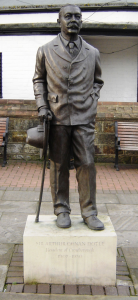
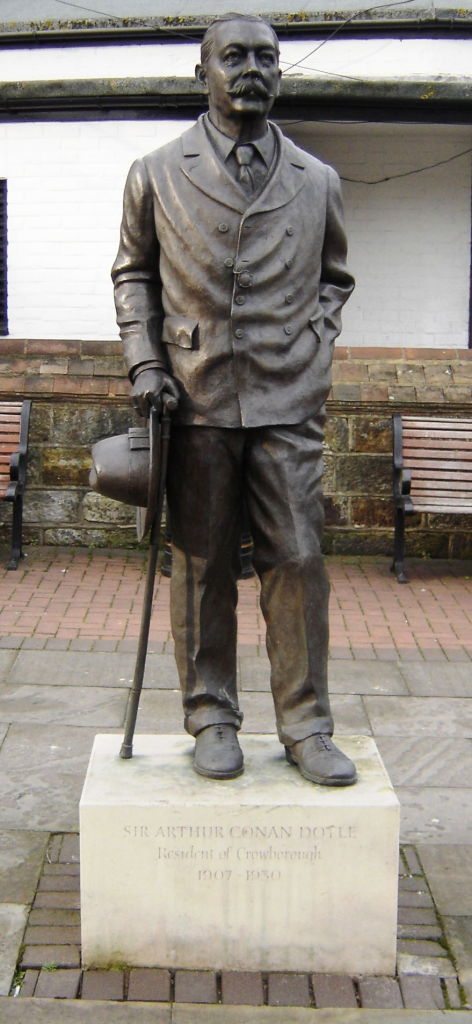
At the 1908 London Olympic Games, Arthur Conan Doyle reported on the marathon for the Daily Mail newspaper. Dorando Pietri was the first to cross the finish line, but because judges and doctors helped him across the finish line, the runner was disqualified. Doyle’s detailed and emotional report in the Daily Mail of July 25, 1908, about the weakened Italian’s finish, and a letter to the editor published at the same time as his article, in which Doyle appealed for donations for Pietri, are the basis of one of the most well-known myths of the modern Olympic Games. Doyle’s great commitment led to the widespread, but untrue, legend that Doyle himself helped Pietri across the finish line. Dr. Michael Bulger, who can be seen in one photograph as an assistant, was often mistaken for Doyle. A memorial to Sir Conan Doyle has stood at Cloke’s Corner in Crowborough since April 14, 2001. The bronze statue was created by sculptor David Cornell and funded by the Conan Doyle Statue Trust with grants from Crowborough Town Council and private donations. To finance the bronze casting, Cornell commissioned a limited edition of a scaled-down model.
In 2023, the Venezuelan frog Caligophryne doylei was named after Conan Doyle.
Fabian Unteregger graduated from ETH Zurich with a MSc in Food Science in 2003 and received his ETH teaching credential in 2004. From 2008 to 2014, he studied human medicine at the University of Zurich. He received his doctorate in medicine in 2017.
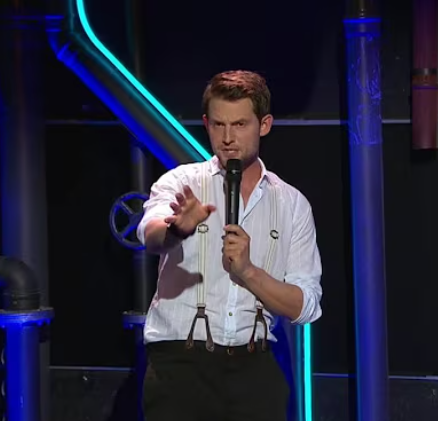
Unteregger can be found in theater sports, as an impersonator, or as a presenter on various stages. He imitates well-known Swiss personalities from politics and sports. In 2007, he answered viewer questions once a week on Radio Top as National Councilor Christoph Mörgeli. In 2008, he became known to a broad national audience with appearances on the Swiss TV satire show Giacobbo/Müller on SF 1. In addition to Mörgeli, he also parodies other Swiss personalities such as Roger Federer, Köbi Kuhn, and Moritz Leuenberger, the latter in his weekly radio column Moritz explains German on Radio 24 and Capital FM. From 2009, he toured cabaret stages in German-speaking Switzerland with his first solo show Showbiss. Since July 4, 2013, he has also been a weekly presenter of the TV comedy show Metzgete – Heiteres Prominentenraten on SRF 1. His second stage show premiered on October 7, 2015.
2005, 2007: Second place at the Swiss Theater Sports Championships (with Improvenös)
2008: European Theater Sports Champion[2]
2008: Winner of Best of Swiss Web Gold, Best Football Marketing Site (for Natifans.ch)[3]
2016: Prix Walo in the Comedy category
In December 2010, Fabian Unteregger organized the first “Christmas Medical Lecture” at the University of Zurich for the benefit of the ALS Association Switzerland and was subsequently appointed its ambassador.
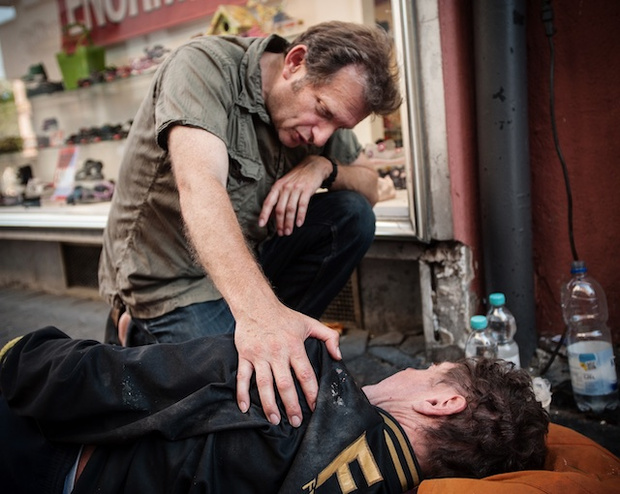
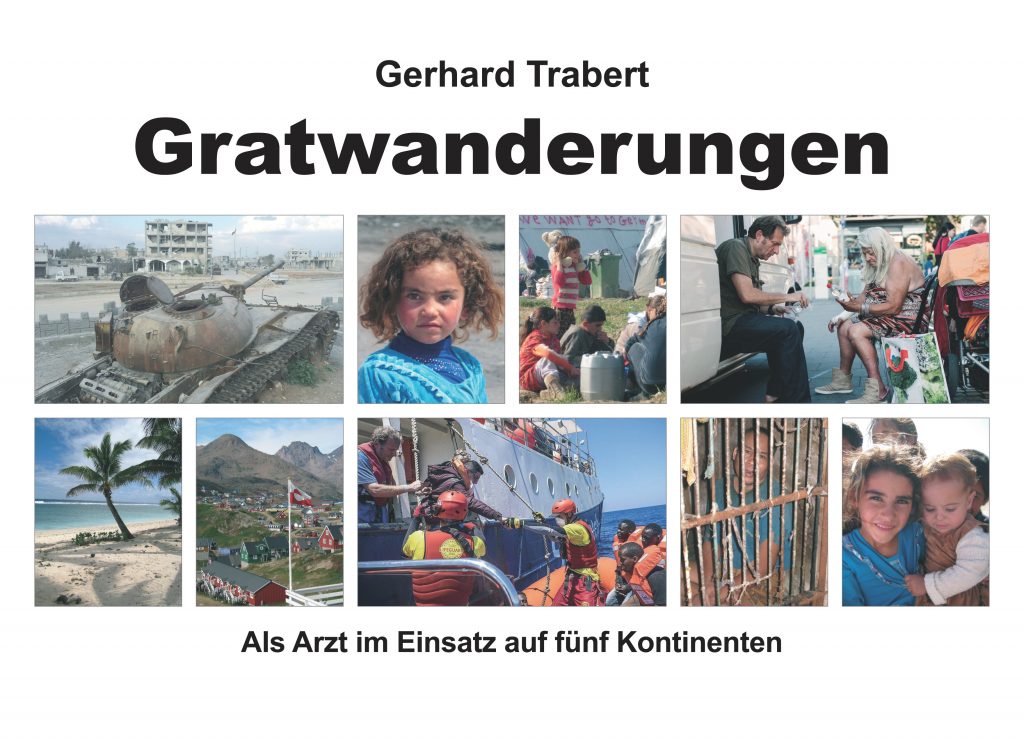
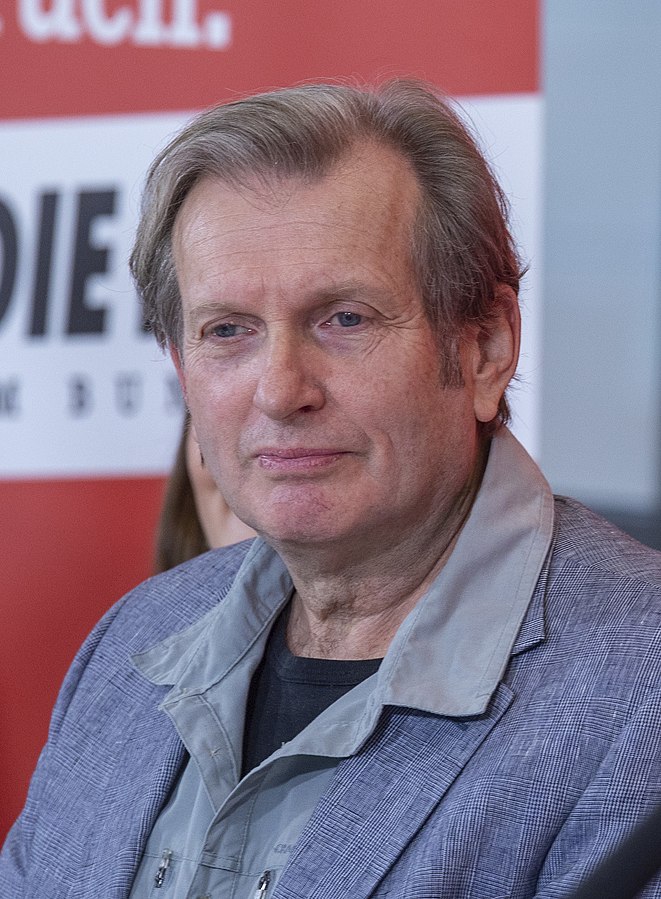
Gerhard Trabert (* 3. Juli1956 in Mainz) is a German MD for General medicine and emergency medicine, professor for social medicine and social psychiatry and author of several books.
He is founder and president of the association Armut und Gesundheit in Deutschland (Poverty and Health in Germany) as well in the association Flüsterpost. He is editor of the G. Trabert Verlag.
https://www.youtube.com/watch?v=KVENfQOIfp0
Gerhard Trabert, born in July 1956 in Mainz spend a lot of time in the orphanage since his father was working as educator. Thus he got sensitized.
1975 – 1979 he studied social working at Fachhochschule Wiesbaden and became Diplom-Sozialpädagoge, then worked in hospitals. There he got the impulse to study medicine from 1983 when he always heard the argument: “You cannot judge this or that because you are not medical doctor….”.
From the beginning of his work as MD he travelled a lot abroad to social focal points.
https://www.youtube.com/watch?v=JciFBxKZ7Nc
In India he got to know the concept of outreaching therapy which he then transferred to his city of Mainz where he was the first to get a permission to practise in a mobile van.
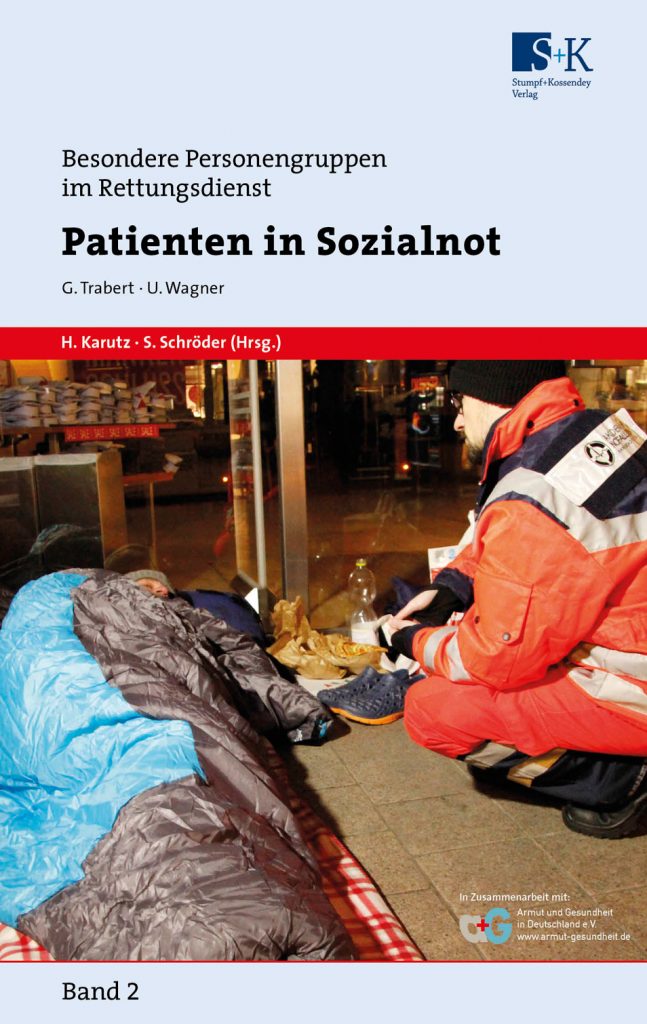
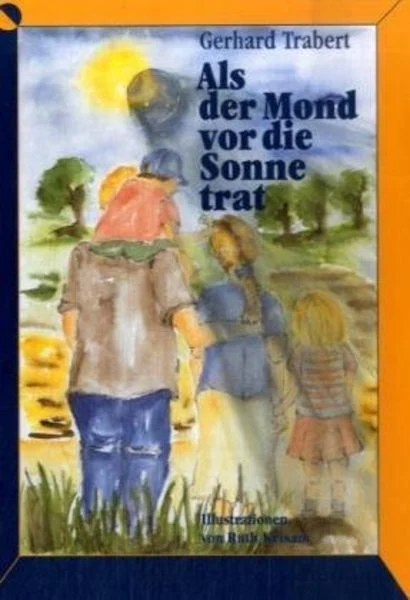
Trabert has published a lot of articles and books about poverty and health as well as books for children, having four children himself. He is professor for social medicine (1999-2009 @ Georg-Simon-Ohm-Hochschule Nürnberg, since 2009 @ Fachbereich Sozialwesen of the Hochschule RheinMain.
In 2013 he opened a “doctors office without borders” in Mainz with 20 doctors and nurses and social workers. homeless without health insurance are treated for free.
Der Strassen-Doc von Gerhard Trabert
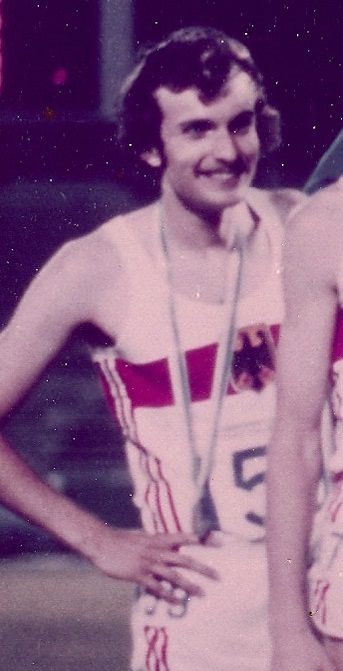
Gerhard Trabert was sportsman during his studies in the German Junior Team and won a silver medail at the Leichtathletik-Junioreneuropameisterschaften 1975 and bronce medal for 4-mal-400-Meter-Lauf in the Universiade 1977. His best time of 1:49,26 min auf 800 Meter from 1981 still in the eternal list of the top 10 of his club USC Mainz.
Bundespräsident Frank-Walter Steinmeier adressed him directly in his speach of 13th February 2022:
„Gestatten Sie mir, sehr geehrter Professor Trabert, noch ein zusätzliches Wort. Sie haben mit Ihrer Kandidatur auf ein Thema aufmerksam gemacht, das mehr Aufmerksamkeit verdient: die Lage der Ärmsten und Verwundbarsten in unserem Land. Dafür gebührt Ihnen nicht nur Respekt, sondern ich hoffe, dass Ihr Impuls erhalten bleibt.“
(Dear Prof. Trabert, with your candidacy you drew attention to the position of the poorest and most vulnerable people in our country. I respect this and hope that your impulse will be inforced.)
– Frank-Walter Steinmeier
Report Moria / Griechenland | Greece
Trabert has a long list of international charity travels:
Gesundheitsambulanz für bosnische Flüchtlinge in Ljubljana Slowenien
Gesundheitsversorgungsprogramm in den Slums von Dhaka Bangladesch
Date of birth: 07.04.1974 Place of birth: Berlin (Germany) Place of living: Berlin
Between school and university I worked for several months as a volunteer for the Missionaries of Charity (Mother Teresa) in the slums of Calcutta (India) . The strong impressions encouraged me to study Medicine…
1993: I started studying medicine at the Humboldt University of Berlin (Germany) 2003: Specialization in Sports Medicine 2004: Specialization in Nutritional Medicine 2004: PhD thesis under Prof. Dr. M. Obladen Department of Neonatology, Rudolph-Virchow Klinikum Berlin Study of minerals and trace elements in 10 infants with extremely low birth weight of less than 1000g 2006: Certification for Travel-and Tropical Medicine 2007: Specialization in General Medicine
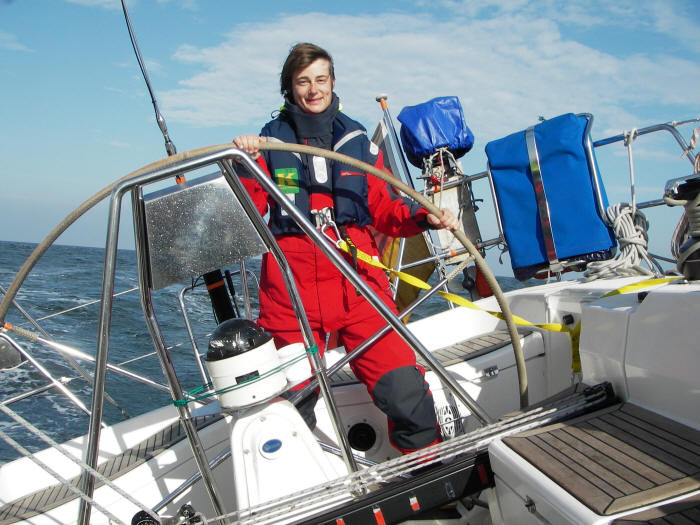
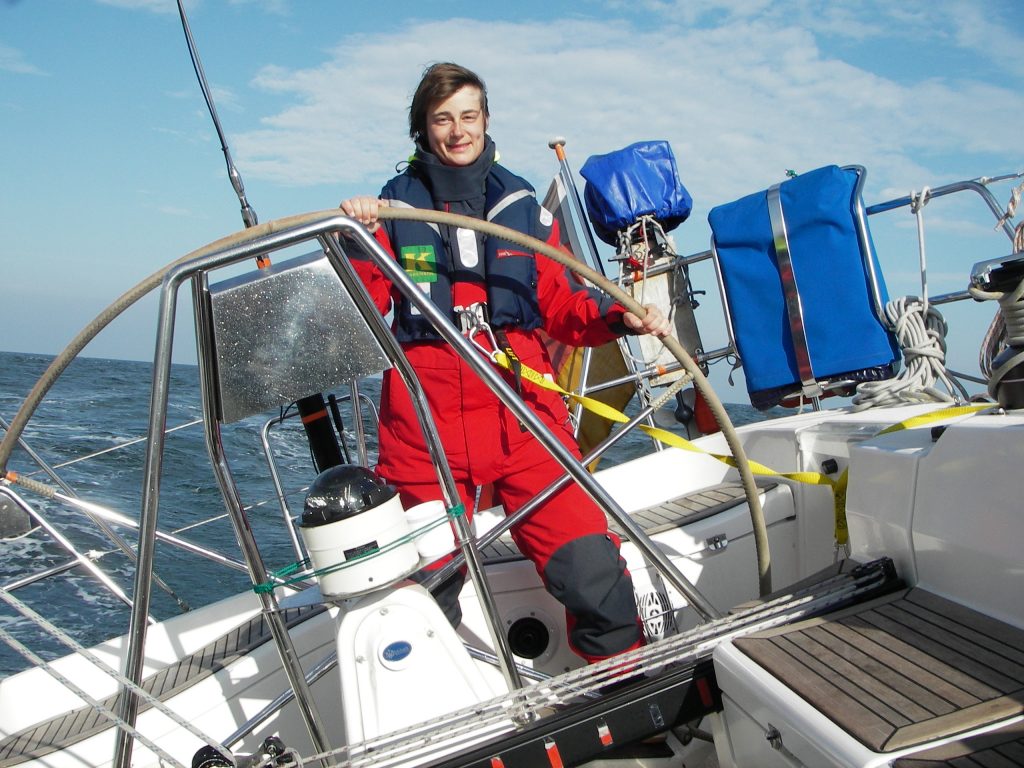
My main hobby is sailing:
Since my early childhood I have been sailing on the river Havel in Berlin. My passion for sailing has been passed on to me by my parents and grandparents. Since 1985: Member of “Segler-Verein Stößensee Berlin”
My highlights in offshore sailing:
1985: Hamburg – Reykjavik (Island)- Faeroe Islands – Shetlands – Hamburg 1989: Hamburg – North-Cape (Norway) – Hamburg (I did single-handed nightshifts in the age of 15) 1992: My twin sister and I celebrated our 18th birthday together in a heavy storm on the Atlantic Ocean on our way to Madeira (my parents and a few dolphins were our guests…) 1999: Crossed the South Atlantic in 29 days from Buenos Aires – Cape Town as a crewmember on board the 18m sailing yacht of the famous German sailor “Manfred Kerstan” 2006: Became member of the first German ladies-only team for the transatlantic race “HSH Nordbank blue-race” from Newport (USA) – Hamburg (Germany) My Job: helmsman, navigation, medicine on board, fitness trainer of the team
My highlights in racing:
2000: 10th place, European Championship, Laser-II, Travemünde (Germany) 2003: 17th place, World Championship, Laser-II class, Hoorn, (Netherlands) 2003/ 2005: 1st place, German open, Laser-II class, Warnemünder Woche 2006: HSH Nordbank pre blue race, X-482 class, as Co-Skipper in a ladies-only team 2006: 1st place, Berlin Yardstick Masters, Esse class, Berlin
….and I also have some other Hobbies:
Music 1987: I started playing Violin in a school orchestra since 2002: Member in the “Junges Sinfonie-Orchester Berlin-Spandau” Running 1996, 2003 and 2005: Ran the Berlin Marathon [Aalburg, Dr. Melanie 04:16:32 Berlin Marathon]