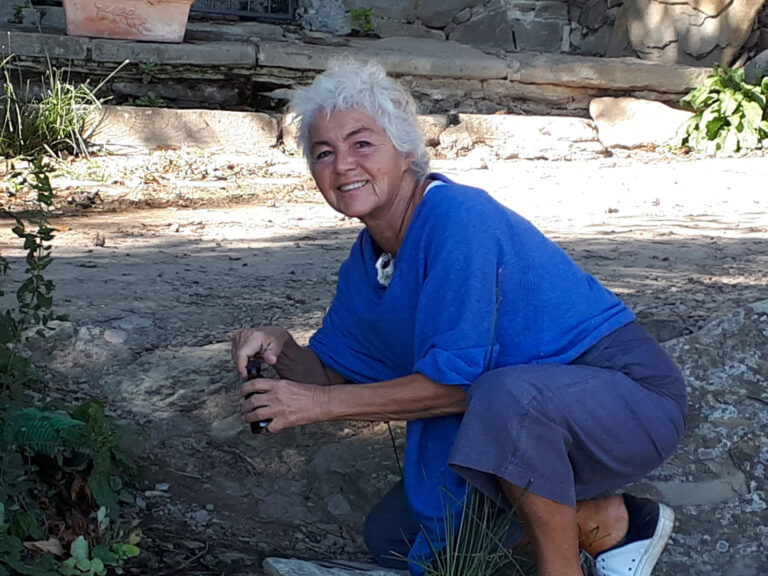
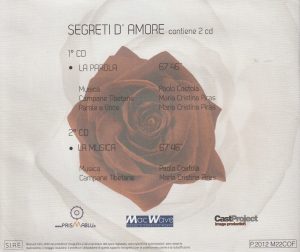
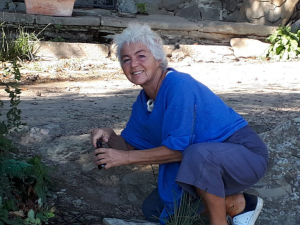
Maria Cristina Piras is a doctor and writer who works spiritually and gives seminars and various events in addition to publishing her books and CDs.
Maria Cristina Piras, a physician, graduated in Medicine and Surgery from the University of Pavia and specialized in Clinical Ophthalmology. Following a journey of soul-searching and professional exploration, she approached holistic medicine, including homeopathy, which she has practiced for approximately 40 years. Of particular interest are her studies on the waters of high-vibration places and the harmonic harmonies that led her to develop a unique working method for rebalancing the energy of the environment and humanity. Following her encounter with Bert Hellinger, she integrated the systemic constellations technique into a unique path of awareness: The Way of the SELF®. President of the Prismablu Cultural Association, she offers seminars and programs for reconnecting with the SELF.
Her multi-sensory arrangement “Freely based on Momo”:
Simon Heiniger: Born in 1962 and raised in Emmental, he studied medicine in Bern. Thanks to a curriculum from the FIAM Bern, he trained as a general practitioner. Since 1994, he has been a family doctor in Olten. Married to a very understanding and patient wife, with three adult children. He writes like a writer:
I would like to tell you something about my hobby. I restore. From a medical perspective, the problem of restoration is not yet fully understood. It is suspected that a relatively rare spontaneous mutation on the Y chromosome occurs (so the female readership can breathe a sigh of relief). This deviation from the original genome forces the male psyche to fight against natural aging with all its might. If a man fails to do this for himself, he turns his energies to, for example, his car.
Divide and conquer – but be sure to make a sketch first!
The first symptoms appeared at an atypically young age, which I didn’t yet know how to interpret clearly at the time: I began restoring wooden furniture during my studies. I told everyone at the time that it was a mental balance, and I felt absolutely certain that I had found a survival tool and perhaps even a second source of income for future crises. After a few years, when our apartment looked like a stage set for a Gotthelf theater, my wife convinced me that it might not be very beneficial for the children to grow up in this antiquated living environment, and that, after all, something modern could also be very appealing. I recognized the seriousness of these objections and, somewhat offended, retreated to my workshop, gave away one piece after another, and patronizingly allowed modernity to slowly move into our household. I had the time and opportunity to choose a new hobby. For a brief moment, I even considered sports or reading.
As with many chronic illnesses, one tends to delude oneself into believing one’s health during symptom-free periods. However, when I saw a Triumph Spitfire shortly after opening my practice (for the more interested reader: Mk IV, Jg 72), I quickly added the price tag to the total investment expenditure, and since this didn’t result in a significant difference, I drove the Spitfire home. This spontaneity, often typical of me and equally overwhelming for those around me, didn’t meet with much approval this time either. Since then, I always discuss a car purchase with my wife beforehand, or at least mention such a project sometimes. The Spitfire was a good purchase. The engine almost always started, and only rarely did it let me down on the road. Every now and then, I curiously unscrewed something, marveled at the (still) nameless part, and screwed it back on. Apparently, it was fine; everything worked. The problem with this car was that there was nothing to restore. On a later occasion, I complained about this plight to the Triumph dealer. I think he wrestled with himself for a moment before telling me that instead of ruining the good car, he had an idea. His suggestion was a rather dilapidated Triumph GT6 (for the still-interested reader: Mk I, 1968, also known as the “poor-man’s E-Type”), parked behind the garage years ago and left to rot and rust.
Runs, but doesn’t drive yet
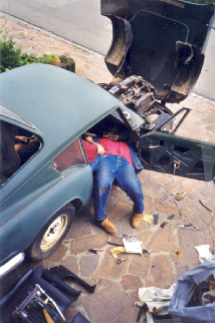
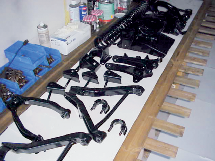
My restoration heart leapt with pity, beat faster, and with much effort (I can’t go into the details, as the various violations may not have expired yet), I parked the “vehicle” in our backyard. I tried to counter my wife’s incomprehensible horror (had I really forgotten to inform her?) with arguments like “it’ll be a great car by spring” and “it looks terrible, but it’s solid.” Admittedly, spring had come several times, and the solidity wasn’t quite so great after all. To lend my determination a touch of credibility, I began the rather hectic disassembly that same day. This bold step in particular isn’t particularly suitable for imitation: even today, I still have a reproachful box of small parts for which, no matter how hard I tried to imagine, I simply couldn’t find room when putting them back together. Very quickly, an unexpected space problem arose. If the car, in drivable condition, has the dimensions of a small vehicle, the space required in a gutted state is about four times larger. I had to discreetly incorporate the now-modernized living space into the storage room, and even for this practical conversion of space, there was strangely no applause. Today I can talk about it; at that stage, I was almost desperate. Half the neighborhood was amused by the noise and chaos.
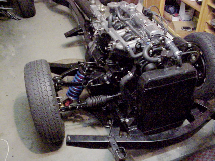
Give up? Those who restore cars don’t know that expression, and anyway, it’s part of the very nature of a family doctor to persevere, not to give up, even when no one believes in a happy ending anymore. I needed help and comfort, lots of comfort. The bookshelf was filled with specialist literature on British vehicles, rust treatment, engine construction, reports with tips and tricks from fellow sufferers. I discovered I wasn’t alone. Similar fates seem to be shared in many places, with many a self-proclaimed preserver of rusty cars suffering with brave perseverance in a small, unheated garage. The project progressed in small steps. There was a time when the various parts were spread out over a radius of many kilometers: the engine was at the cardiologist’s, the chassis at the orthopedist’s, and the body at the dermatologist’s. Our house was once again stress-free and livable. In this situation, I was once again able to benefit from my experience as a family doctor.
«Barba non facit philosophum», And a beautiful body doesn’t necessarily make a vehicle.
It took my persistent attention until my patient (still disassembled) was finally back home. Now all that was left was to reassemble it. With my now considerable experience and the painful experience of using many new tools, this should really only be the crowning achievement. The conclusion, and especially the crowning achievement, would have to wait for another spring. I became acquainted with the English understanding of precision. The majority of imported new parts rarely fit; where there should have been a recess, there wasn’t one. And the wiring harness had countless nerve endings that simply ended up somewhere without any reason (perhaps I should have paid more attention in neurology). Improvisation and courage were required. Once all the holes and recesses on the freshly veneered dashboard were covered, I had the part x-rayed in the office. With the old bronchoscope, I was sometimes able to get a better overview of the depths of the engine or the body. And all the useful surgical instruments were briefly put to a different use (and, of course, later sterilized again).
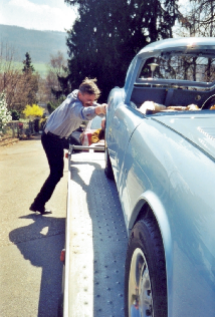
One fall, the Triumph was finally finished, previously in “British racing green,” now in a more conciliatory “powder blue.” Everything worked, and even the motor vehicle inspection gave it its veteran’s blessing. For a short time, the symptoms disappeared, and everyone rejoiced in the miraculous healing. If only the Moto Guzzi hadn’t been at the motorcycle dealer, or the sadly beautiful Saab on the internet, or the old Vespa in my father-in-law’s barn…
With time and experience, I’ve learned something very important. Before making any new purchase, I always talk to my wife first. She’s learned to live with my weakness and patiently stands by me (sometimes she still has a meltdown when there are so many vehicles in and around the house, so I just have to get rid of another restored object; never mind, I’ll find another one).
Dear reader, I have one final request: If you meet a man in a shiny, beautiful old car, be kind to him. He’s been through a lot.
PrimaryCare 2006;6: Nr. 51-52
Dr. med. Simon Heiniger Ziegelfeldstrasse 25 4600 Olten heiniger.simon@freesurf.ch
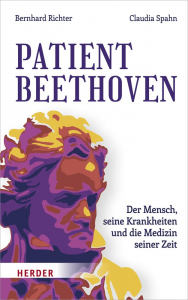
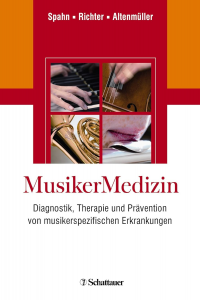
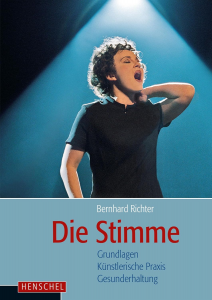
Bernhard Richter (* 1962) is a German physician-musician and director of the Freiburg Institute for Musicians’ Medicine.
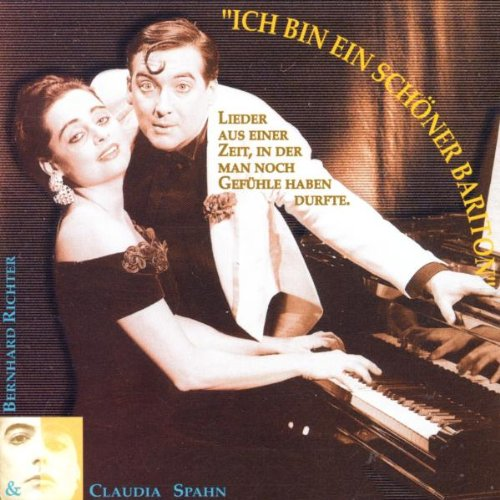
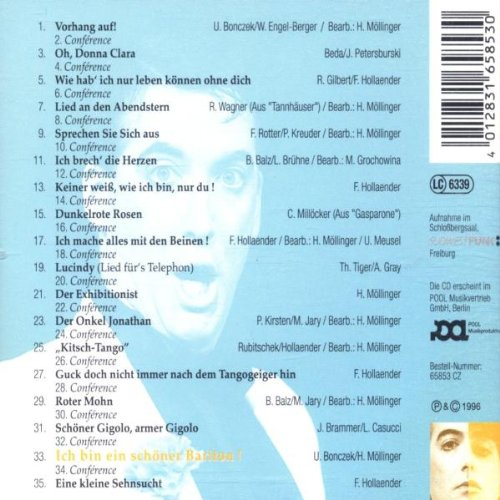
Richter received his musical training as a singer with the Stuttgart Hymnus Boys’ Choir and through violin lessons with Hedwig Pahl. He studied medicine at the universities of Freiburg im Breisgau, Basel, and Dublin. Parallel to his studies, Richter studied singing with Beata Heuer-Christen at the Freiburg University of Music from 1986 to 1991, culminating in a concert exam. Since 1992, Bernhard Richter has performed numerous times as a singer, including with pianist Claudia Spahn in the musical cabaret duo Die schönen Baritons.
After receiving his doctorate in medicine and completing two specialist training courses as an ENT specialist and a phoniatrist, Bernhard Richter qualified as a professor in 2002. In 2005, he was appointed professor of musician’s medicine with a focus on artistic voice training at the Faculty of Medicine at the Albert Ludwig University of Freiburg. He teaches voice physiology and hearing physiology at the University of Music and the Faculty of Medicine at the Albert Ludwig University.
Since its founding in 2005, Bernhard Richter has directed the Freiburg Institute for Musicians’ Medicine together with Claudia Spahn. He is responsible for the medical care of singers and musicians. He also cares for voice patients in speaking professions, such as actors and teachers.
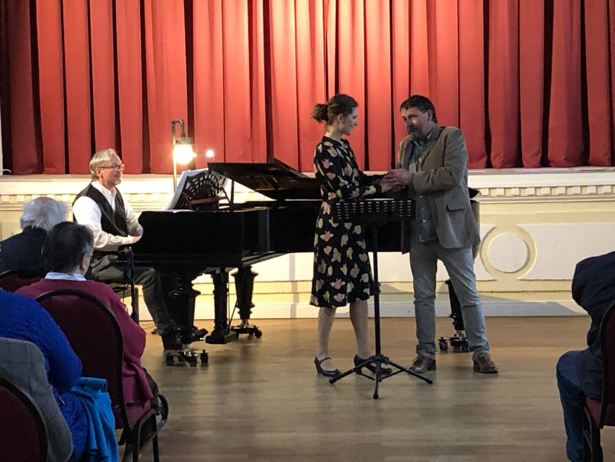
The qualified psychosomaticist with a full range of recorder skills and the singing speech therapist with the greasy curls love performing late at night and in small groups. Their late-night performances in front of a maximum of 150 guests feature irony, chansons, and also Lieder and Schubert evenings with classical music.
Although neither Spahn nor Richter come from families of musicians or doctors, they pursued a dual career from an early age.
Recorder, piano, and violin, and before graduating from high school, they also received a scholarship to the Würzburg Conservatory of Music with her, joined the boys’ choir (Hymnus Chorknaben Stuttgart) from eight until his high school graduation, and simultaneously took singing lessons for him as a community service paramedic.
Rüdiger Penthin, a member of the Music Working Group and the board, introduces himself below:
Born in 1959. Born in Cologne. Father of three children. He received his first piano lessons at the age of 6. At 17, he received a scholarship as a junior student at the Cologne University of Music, specializing in piano. At 18, however, he decided to study medicine from 1980 to 1986 at the University of Cologne. He received his doctorate in 1989.
After completing his specialist training (University Children’s Hospital Aachen) and working as a senior physician at the Satteldüne Children’s Pulmonology and Allergology Clinic (Amrum), he established his own pediatrician practice in Schönberg, Holstein, in 1993, specializing in behavioral problems in childhood and adolescence. He completed additional training in psychotherapy from 1992 to 1996. He is the author of several books on children and parents. He is the co-founder of the Probstei Parents’ Workshop, a parent education center.
In 2000, after a long break from performing as a soloist, he made his solo debut with a piano recital at “Schönberg Kulturell” featuring works by Bach, Mozart, Beethoven, Schubert, Chopin, and Brahms. In the following years, he presented a variety of chamber music programs, including the Mozart Piano Concerto in F major with the Kiel Chamber Orchestra in 2004, and song recitals with Matthias Klein since 2006. He has performed the major Schubert and Schumann song cycles jointly. In 2006, he founded the fusion jazz band “Delicious Date,” which was awarded the Bechstein Prize in 2008. Since 2018, he has been a member of the board of the Probstei Cultural Association.
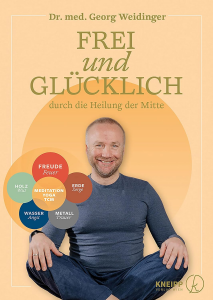
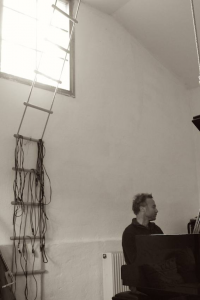
Since 1994, freelance composer and pianist, giving lectures on his own work and the Iannis Xenakis-Stochastics connection between scientific thought and composition, and lecturing on Traditional Chinese Medicine. Since 1996, practicing as a physician. In 1998, he founded the label “klaviermusik.at” and has released numerous CDs since then. In 2000, the CD “Vienna Concert 2000” was released by Extraplatte. Since 2002, he has had his own practice for Traditional Chinese Medicine in Vienna.
2004 CD “Quiet Nights” released on Ö1 2009 CD “Bright Side” released on Ö1 2011 Book “The Healing of the Center” 2013 Practice relocated to Wiener Neustadt 2014 Book “Daily Healing” and CD “Music for Healing the Center” (Ennsthaler) 2015 Book “The Chinese Medicine Cabinet”; founding of the Austrian Society for Traditional Chinese Medicine in Wiener Neustadt, President of the OGTCM
2016 Own TCM courses in Wiener Neustadt, CD “Quiet Moments” 2017 CD “Bach-Hindemith” on klaviermusik.at; book “The Golden Way of the Center” (self-published) 2018 Practice in Bad Sauerbrunn, CDs “Blossoms of Romanticism” and “Requiem for Franziska” and book “Cookbook for Healing the Center”
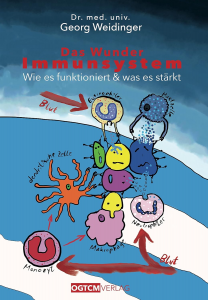
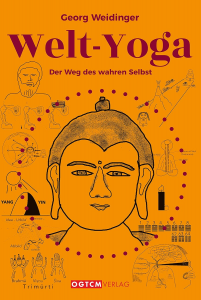
2019 CD “SONATA”, book and CD “The Sound of the Center”, CD “Games of Orchestra”, String Quartet I & II, Symphony No. 1 (“DISTROFIA”), debut novel “LAUFHAUS” with audio CD “LAUFHAUS Book Music” 2020 CD “Mozart Plus”, CD “Vienna Calling”, Symphony No. 2 (“FANFARA”); books: “Chinese Medicine Against Cancer”, “World Yoga” 2021 CD “Vienna Calling”, books: “The Miracle of the Immune System”, “Cookbook for Healing the Center II”
AWARDS AND RECOGNITIONS
1995: Lower Austrian Music Factory Prize and commission for a choral-orchestral piece 1996 and 1998: First Austrian to win the Luigi Russolo International Composition Competition in Varese, Italy.
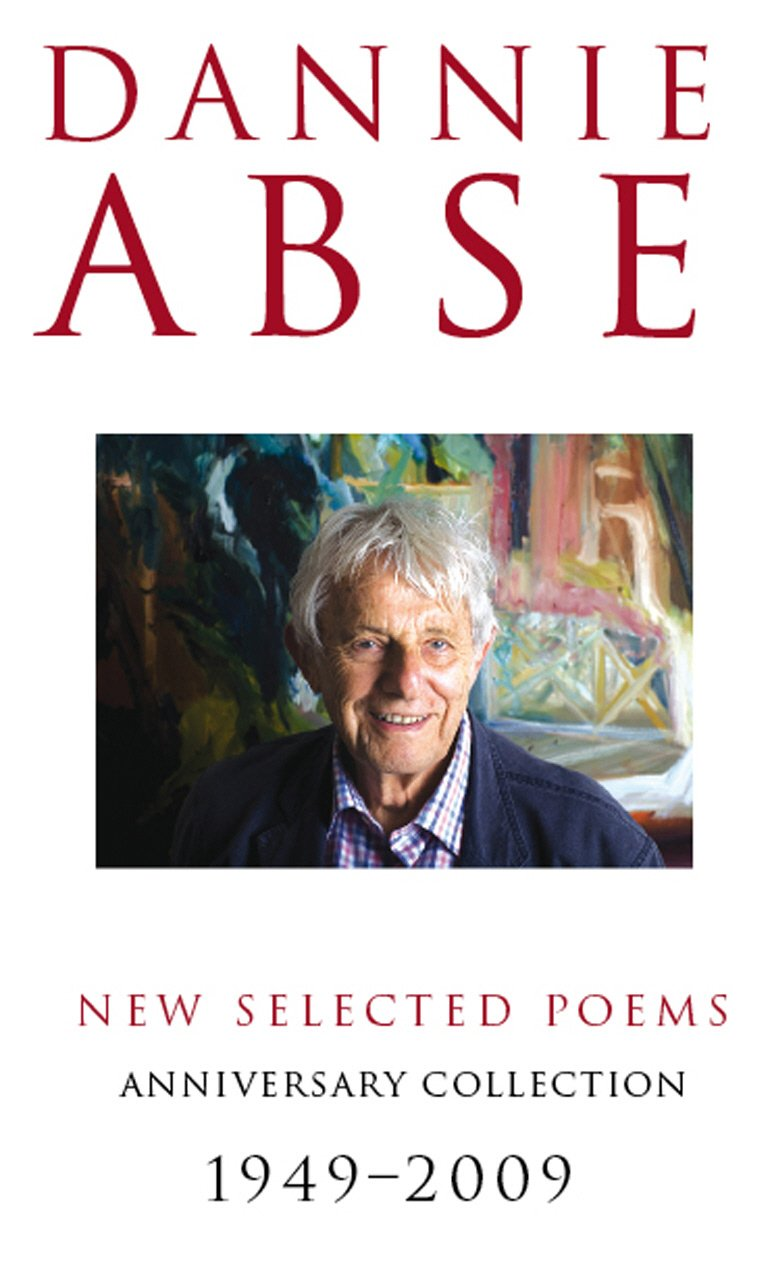
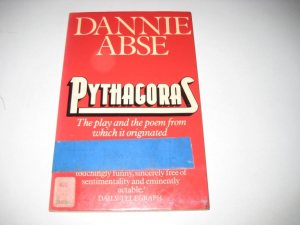
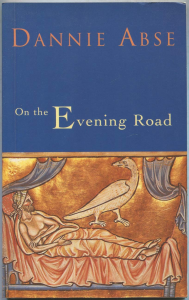
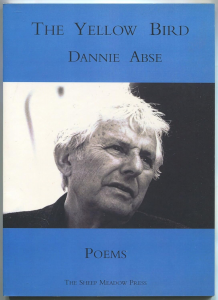
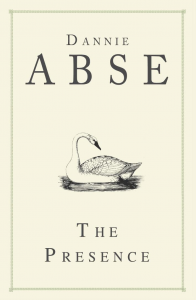
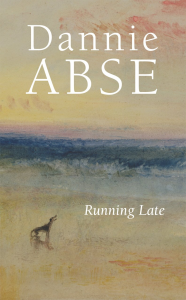
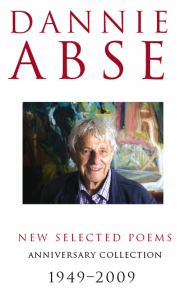
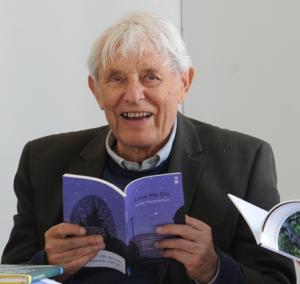
Dannie Abse, CBE (born Daniel Abse on 22 September 1923 in Cardiff, Wales; died on 28 September 2014[1] in Golders Green, London) was a British author and poet.
Dannie Abse at the Cheltenham Literature Festival 2013 | age 90
Dannie Abse grew up in his Jewish family with his brothers Leo Abse (1917–2008; lawyer, politician, author) and Wilfried Abse (1915–2005; psychoanalyst), who were about ten years older than him.[2] After successfully completing school in his hometown, he studied medicine at the University of Wales College of Medicine, the Westminster Hospital Medical School and at King’s College London. He received his doctorate in 1950. From 1954 to 1989 he worked in the breast clinic of the Central Medical Establishment in London. In 1989 he received an honorary doctorate from the University of Wales.
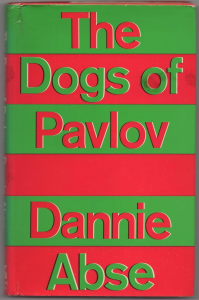
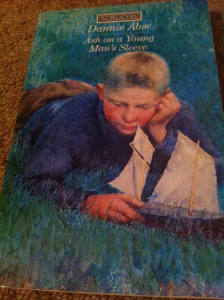
In 1954, his autobiography, Ash on a Young Man’s Sleeve, was published, in which he recounted his childhood experiences. He received the Welsh Arts Council Award and the Cholmondeley Award in 1985. Abse was a member of the British Poetry Society and had been a member of the Royal Society of Literature since 1983. Abse wrote several volumes of poetry—his first, After Every Green Thing, in 1949—as well as novels, plays, and essays. He was awarded the Commander’s Cross of the Order of the British Empire in the 2012 New Year Honours List.
Abse was married to art historian Joan Abse, née Mercer (1923–2005), with whom he had three children. She died in a car accident in which Dannie Abse broke a rib.
Dannie Abse was a lifelong fan of Cardiff City Football Club. He saw the first match in 1934; he references football in many of his works.
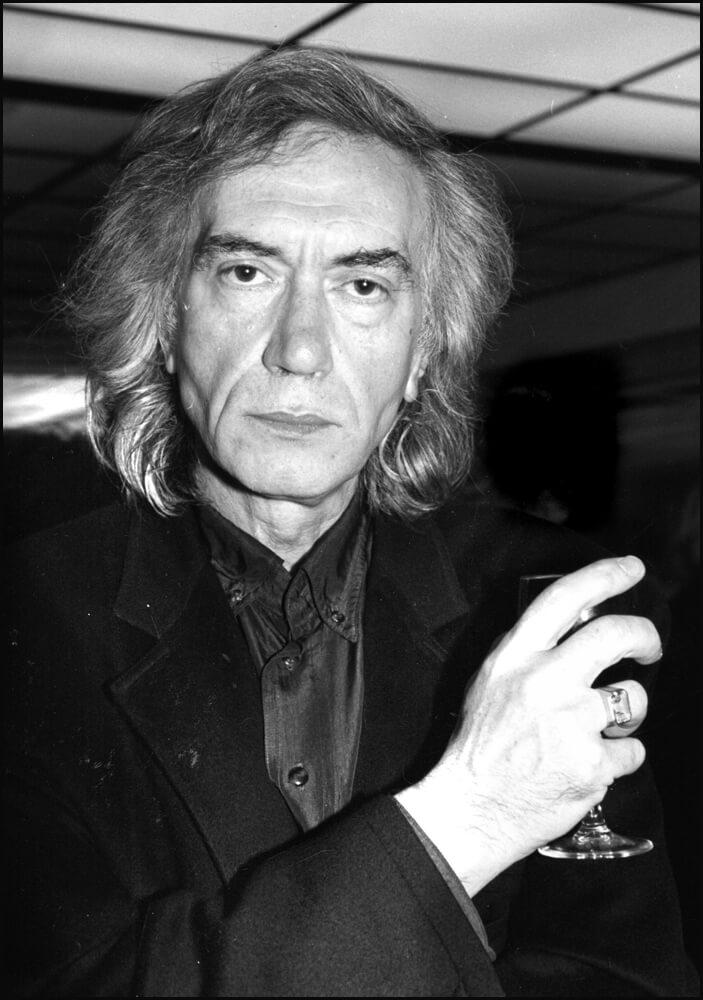
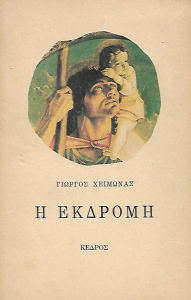
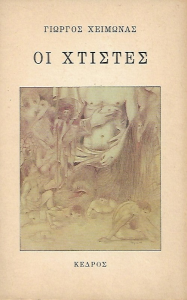
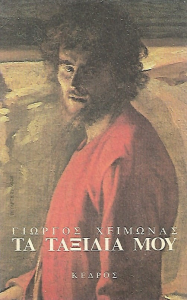
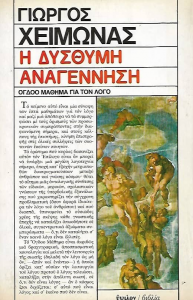
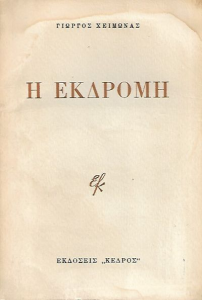
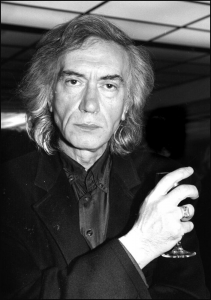
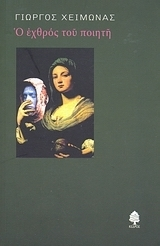
Giorgos Chimonas (Kavala, March 17, 1938 – Paris, February 27, 2000) was a Greek prose writer, translator and psychiatrist who became known and distinguished in the field of Greek literature in the 1960s.
Giorgos Himonas was born in Kavala in 1938 and grew up in Thessaloniki. There he studied medicine. He continued his studies in Paris, specializing in psychiatry and neurolinguistics. After completing his studies, he returned to Greece and lived in Athens.
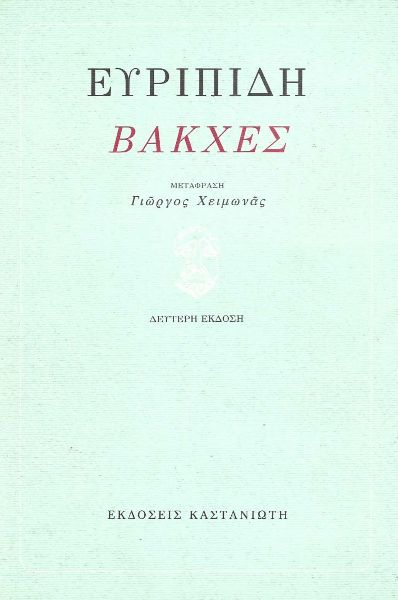
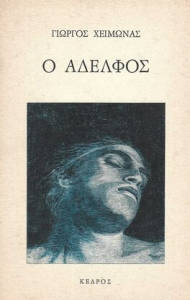
In 1960, he published his first book, Peisistratos. He worked in prose, translation, and essay writing. He was married to the playwright Loula Anagnostaki, and together they had a son, the writer Thanasis Heimonas. He died on February 27, 2000, in Paris at the age of 61. He was buried in the First Cemetery of Athens.
His writings explore the inner aspects of consciousness in a psychoanalytic manner and are characterized by their modern style and many elements borrowed from the anti-novel, such as a flat writing style and the absence of dialogue. Professor Linos Politis describes him as “a writer who is not easy to understand.”
There is no doubt, in my opinion, that Giorgos Himonas embodies the purest and at the same time sharpest modernist spirit of modern Greek prose. His wild imagination, his fragmentary syntax, his broken words, the incessant, dreamlike flow of his sentences, but also his paranoid, demented, or even inherently aphasic expression. These characterize his work from the first moment to the last page, not only subverting numerous narrative conventions but also establishing a permanent and profound literary experimentation on his part. [2] From whatever perspective we view his work and however we understand his language, his images, and his human forms, Heimonas is a convinced modernist who subjects things to multiple tests: from overcoming sequence, rational expression, and regulated (universally accepted and recognizable) meaning to disrupting the inductive order, but also releasing the unconscious with the consequent displacement and burial of the subject. There are certainly not many prose writers in post-war Greece who adhere so passionately to the dictates of formalism. Himonas transforms his texts into a mirror of his writing workshop, taking care to place all materials on a free-floating trajectory. Metaphorical transcendences and historical references, delusional monologues and an inner concentration laden with the speeches and phrases of others (on an ego inflamed by archaic passions and mystical fears or visions), incessant reversals and relapses of an always pretentious plot, unexpected (imaginary and apocalyptic) explosions of an apparently diffuse and perforated plot, surprising metonymies, and games of dazzling reflections through the intense interweaving of identities and heteroidentities make Heimonas’s prose resemble a lonely island in the vast sea, a literary act identified with a relentless struggle—the struggle to eliminate any regularity of meaning, to deprive its reception and acceptance of any legitimacy. And such an attitude naturally results in writing emerging as a concept without any genre label and assuming its function as a completely reduced and at the same time autonomous means of investigating the conditions of the production and creation of art in a regime of complete questioning.
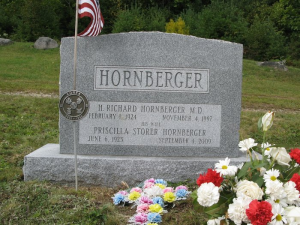
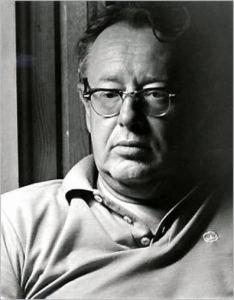
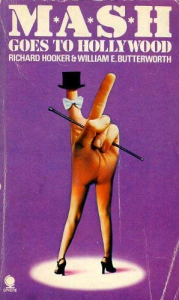
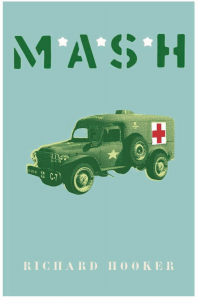
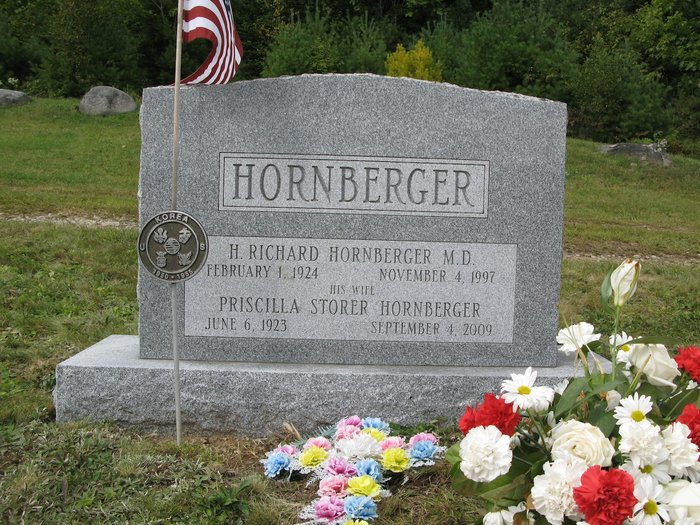
Hiester Richard Hornberger Jr. (February 1, 1924 – November 4, 1997) was an American writer and surgeon who wrote under the pseudonym Richard Hooker. Hornberger’s best-known work is his novel MASH (1968), based on his experiences as a wartime United States Army surgeon during the Korean War and written in collaboration with W. C. Heinz. It was used as the basis for the award-winning, critically and commercially successful movie M*A*S*H (1970) — and two years later, the acclaimed long running television series of the same title.
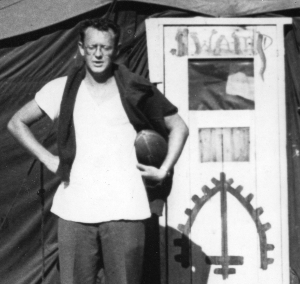
After graduating from medical school, he was drafted into the Korean War and assigned to the 8055 Mobile Army Surgical Hospital (M.A.S.H.). According to one doctor assigned to the unit, M.A.S.H. units “weren’t on the front lines, but they were close. They lived and worked in tents. It was hot in the summer and colder than cold in the winter.”[3] The operating room consisted of stretchers balanced on carpenter’s sawhorses.[4]
Many of the M.A.S.H. doctors were in their twenties, with few having advanced surgical training.[5] During battle campaigns, units could see “as many as 1,000 casualties a day”. “What characterized the fighting in Korea”, one of Hornberger’s fellow officers recalled, “was that you would have a period of a week or ten days when nothing much was happening, then there would be a push. When you had a push, there would suddenly be a mass of casualties that would just overwhelm us.” There were, another surgeon recalled, “‘long periods when not much of anything happened’ in an atmosphere of apparent safety—plenty of time to play … When things were quiet we would sit around and read. Sometimes the nurses would have a little dance.” Hornberger’s later assessment of his unit’s behavior was: “A few flipped their lids, but most just raised hell in a variety of ways and degrees.”
A colleague described Hornberger as “a very good surgeon with a tremendous sense of humor.” Hornberger did label his tent “The Swamp” as do the characters in the novel
After the success of his book and its screen adaptations, Hornberger continued to practice as a surgeon in Waterville until his retirement in 1988. During the later years of his practice, Hornberger did medical research and published his research in peer-reviewed medical journals. He died at the age of 73 on November 4, 1997, of leukemia.
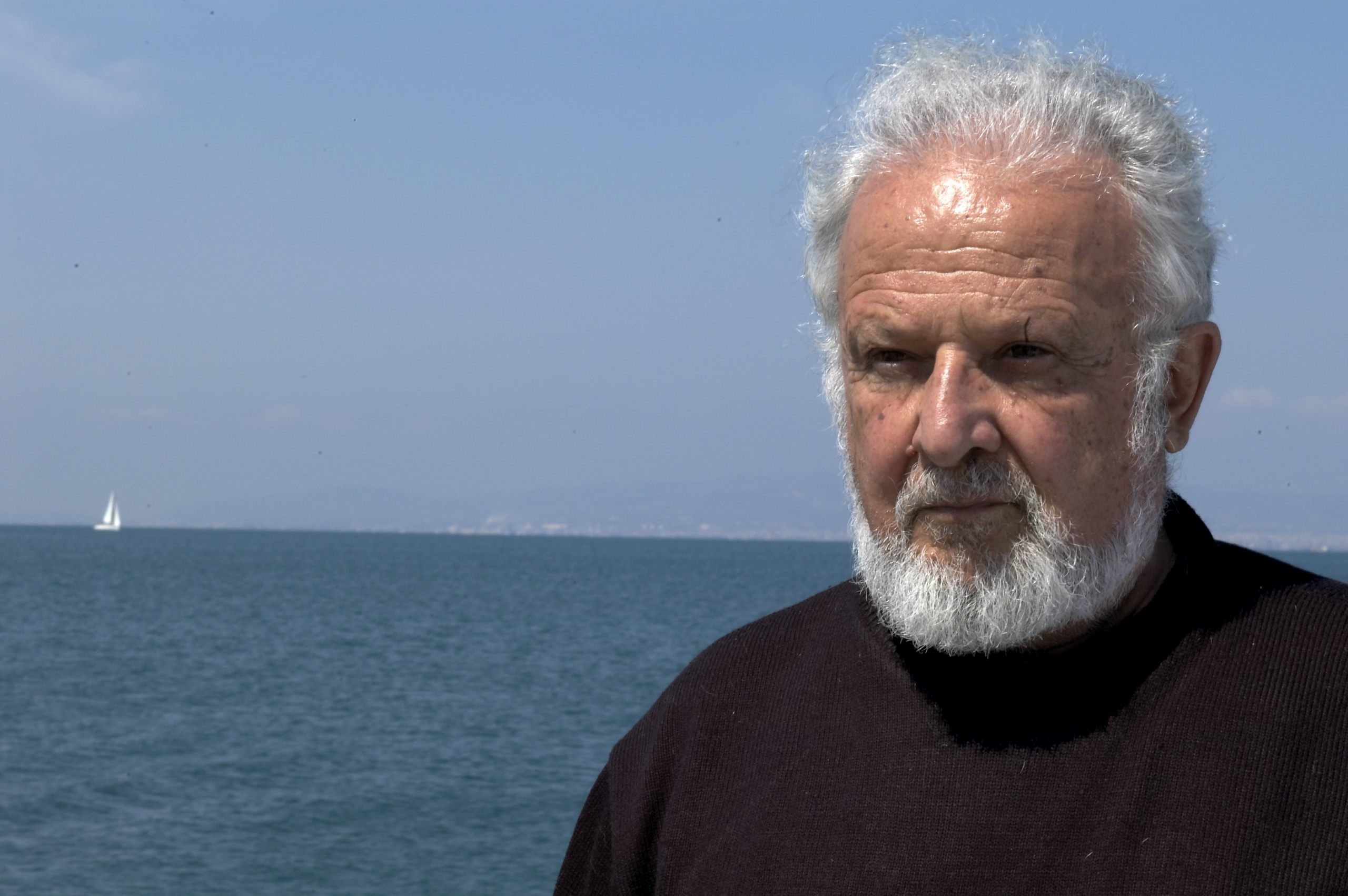
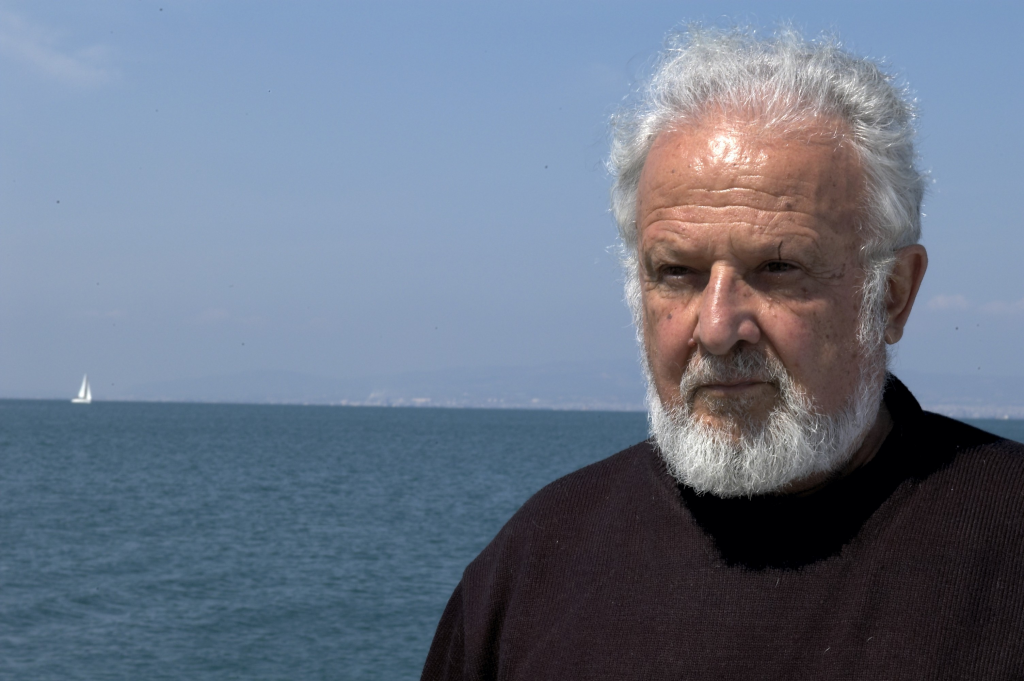
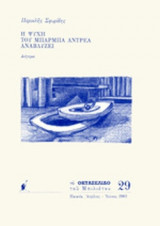
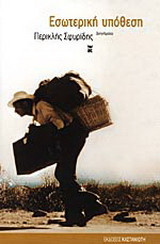
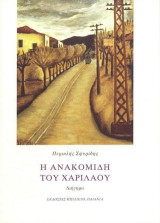
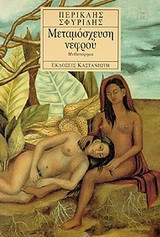
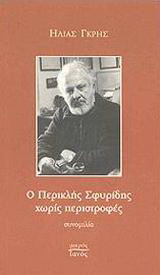
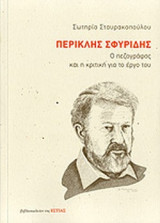
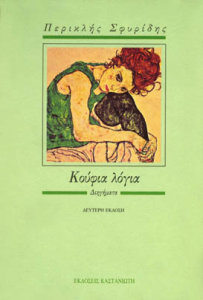
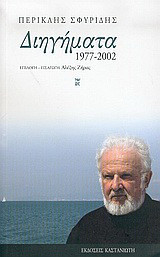
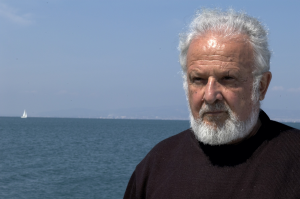
Periklis Sfyridis (born October 5, 1933, in Thessaloniki) is a contemporary Greek poet, prose writer, essayist, critic, and anthologist. His prose has been published in several languages.
Periklis Sfyridis was born in 1933 in Thessaloniki, where he lives. He graduated from the American College “Anatolia” in 1952. He studied medicine at the University of Thessaloniki (as a student of the Military Medical School) and worked as a cardiologist until 1994. From 1975 to 1981, he was president of the Thessaloniki Medical Association.
He appeared in letters in 1974 and worked closely with the literary magazine Diagonios. From 1985 to 1990, he edited Parafyada, an annual publication featuring unpublished anecdotal texts by Thessaloniki prose writers. From 1987 to 1996, he was the publishing consultant (content manager) for the magazine To Tram. In 1996, he organized the conference “Paramythia Thessaloniki” on the city’s prose from 1912 to 1995 and edited its proceedings. In 2001, he co-organized the conference “Poetry in Thessaloniki in the 20th Century” with the Department of Medieval and Modern Greek Studies at the Faculty of Philology, Faculty of Philosophy, Aristotle University of Thessaloniki, and the Thessaloniki Municipal Library, and edited its proceedings. In 2005, he organized the conference “Literary Nurseries in Thessaloniki: The City’s Literary Journals in the 20th Century and Their Editorships.” In 2008, he organized the fourth conference Criticism and Critics of Thessaloniki in the 20th Century at the Municipal Library of Thessaloniki, as part of the Demetrios Festival, and edited its proceedings (together with Sotiria Stavrakopoulou).
His short story “The Secret” is the basis for Tasos Psarras’ film “The Other Side”, the screenplay for which he wrote together with the director. Two other of his short stories have been made into television films. He also wrote the texts for the documentary series “Literature and Social Reality in Thessaloniki” by Tasos Psarras, which was broadcast by ET-3 in 1997, and for the same director’s “Literary Walks in Northern Greece” (these are the television/literary portraits of the following writers: Thanasis Markopoulos / Veria, Vasilis Karagiannis / Kozani, Lazaros Pavlidis / Kilkis, Sakis Totlis / Edessa, Vasilis Tsiambousis / Drama), a series that was broadcast repeatedly on state television in 1995.
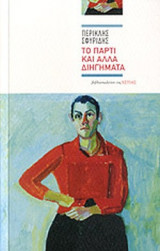
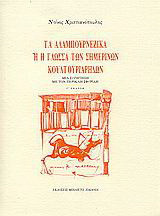
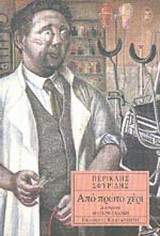
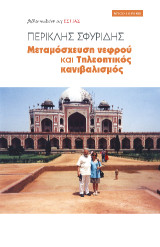
He has published two collections of poetry, fourteen short story collections, two novels, and a memoir about his spiritual journey. He has published studies on novelists, painters, and three anthologies on Thessaloniki’s prose writers, one of which has been translated into German and another into English. He has collaborated with most Greek literary magazines. His short stories have been translated into German, English, and Dutch, as have two of his books in the same language (Dutch): the short story collection First Hand and his novel Kidney Transplant. Over one hundred serious reviews and studies of his prose work have been published in individual volumes. In November 2007, he was honored by the Municipality of Thessaloniki for his prose and critical work. From 2009 to 2010, he was a member of the electoral committee of the Vafopoulio Cultural Center of Thessaloniki, responsible for speaking events. There he also created the literary series Vafopoulio Publications.
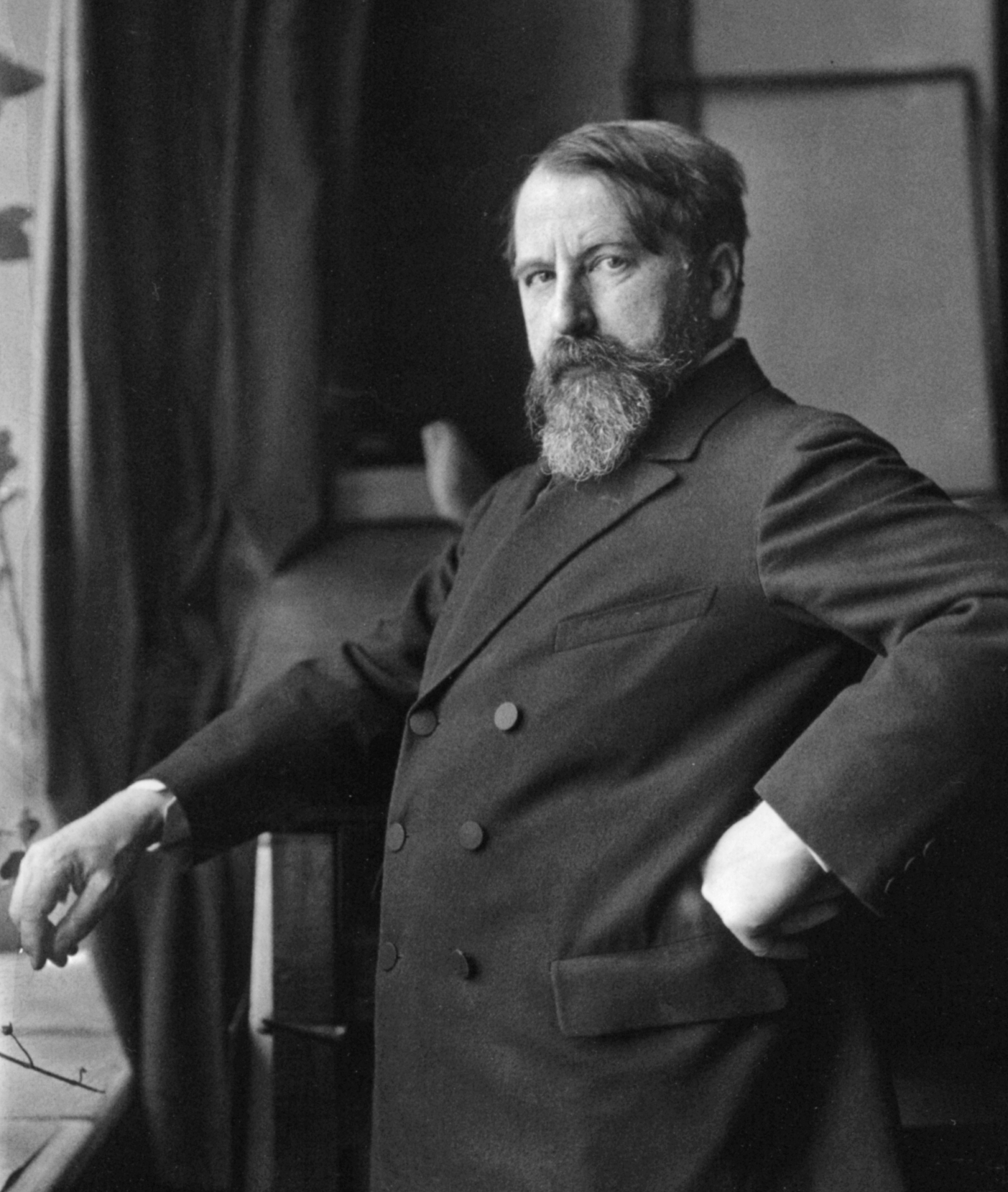
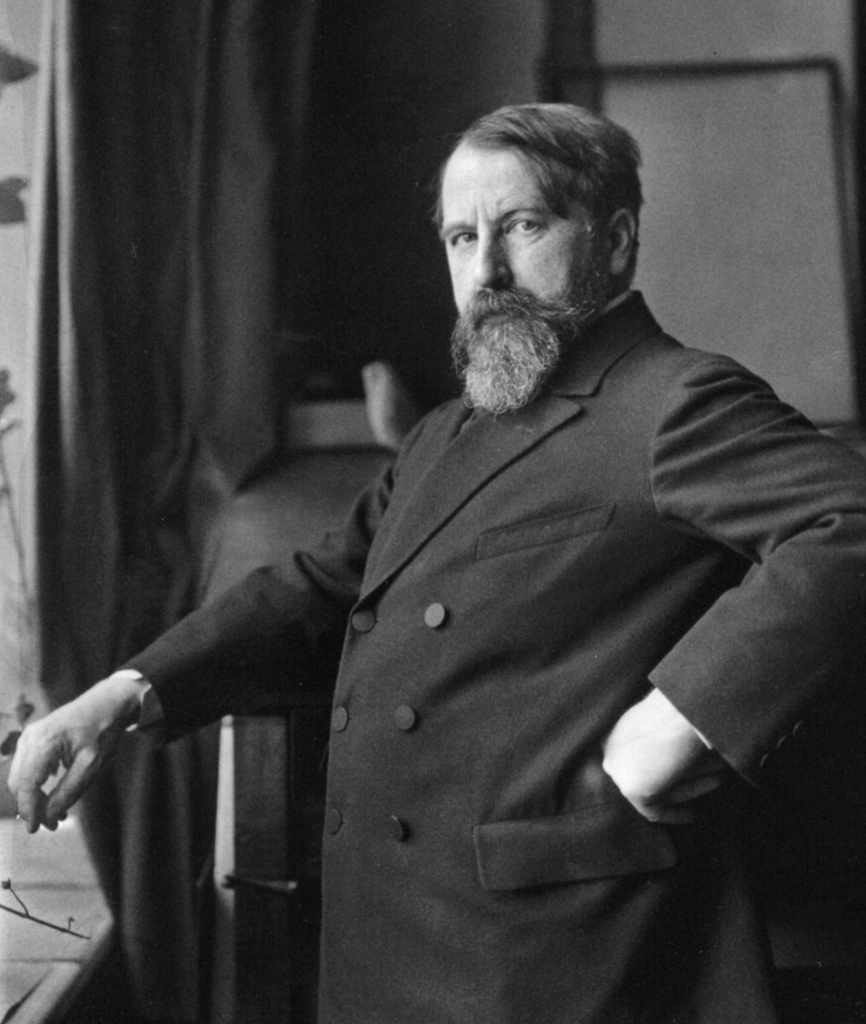
Arthur Schnitzler (May 15, 1862 in Vienna,[1] Austrian Empire; October 21, 1931, ibid.) was an Austrian physician, narrator, and playwright. He is considered one of the most important representatives of Viennese Modernism.
From 1871 to 1879, Arthur Schnitzler attended the Akademisches Gymnasium in the 1st district and graduated with honors on July 8, 1879.[2] Afterwards, at his father’s request, he studied medicine at the University of Vienna. On May 30, 1885, he received his doctorate in medicine. His younger brother Julius (1865–1939) also became a physician.
From 1885 to 1888 he worked as an assistant and secondary physician at the General Hospital of the City of Vienna in internal medicine and in the field of psychiatry and dermatology.[3] He then worked as his father’s assistant in the laryngological department of the polyclinic in Vienna until 1893. From 1886 to 1893 Schnitzler published on medical topics and wrote more than 70 articles, mostly reviews of specialist books, including as editor of the International Clinical Review founded by his father.[4] He authored one (only) scientific book publication: On functional aphonia and its treatment through hypnosis and suggestion (1889).
Although Schnitzler had been writing literary texts since childhood and made his literary debut in 1880 (Liebeslied der Ballerine in the magazine Der freie Landbote), his public literary activity only began to intensify in 1888, when he was in his mid-20s. He published poems, one-act plays, and short stories in the magazine An der Schönen Blauen Donau, edited by Fedor Mamroth and Paul Goldmann.[5] Around this magazine, but also in the Viennese coffee houses that Schnitzler frequented, including the Café Griensteidl, like-minded people began to gather who wanted to create a new, Austrian literary movement. The term “Jung Wien” soon became established for this, even though it did not describe a unified program and only partially shared aesthetic goals. Key figures with whom Schnitzler became friends around 1890/1891 were Hugo von Hofmannsthal, Hermann Bahr and Richard Beer-Hofmann.
In addition to this scandal, the publication of Reigen caused further controversy. First produced in 1900 as a private print in a small number of copies, it was freely published by Fritz Freund’s Viennese publishing house in 1903. The conversations it depicts before and after sexual intercourse between women and men from different social classes were denounced as pornography by Schnitzler’s opponents. The two themes of criticism of the army and eroticism, combined with Schnitzler’s obvious success, made him a popular target for anti-Semites.
Privately, Schnitzler documented several relationships with women in his diary for the period up to the age of 40, often conducted simultaneously without the partners’ knowledge. In particular, his largely platonic relationship with Olga Waissnix, the married landlady of the Thalhof (Reichenau an der Rax), as well as his relationships with Marie Glümer and Maria Reinhard, were considered more profound partnerships. Both Maria (often referred to in the diary as “Mizi I” and “Mizi II”), as well as others, hoped to legitimize their relationship through marriage. In Maria Reinhard’s case, this became even more pressing because she was pregnant with his child twice. The first child was stillborn, and she died of appendicitis during the second pregnancy.
His relationship with actress Olga Gussmann (1882–1970) led to a stabilization of his lifestyle. On August 9, 1902, she gave birth to their son, Heinrich Schnitzler. On August 26, 1903, the couple married. Their daughter, Lili, was born on September 13, 1909.[11] Schnitzler remained faithful for the duration of the marriage and ceased his promiscuous lifestyle.
From the beginning of the 20th century, the writer was one of the most frequently performed playwrights on German stages. With the outbreak of the First World War, interest in his works declined. This was also due to the fact that he was one of the few Austrian intellectuals who was not enthusiastic about warmongering and did not make any bellicose statements.
Reigen is Arthur Schnitzler’s most successful play for several decades. Largely unperformed during his lifetime at the author’s request, it describes in ten dialogues how a man and a woman talk to each other before and after sexual intercourse. In 1921, on the occasion of the premiere of the play Reigen, which led to a staged theater scandal in Berlin in 1920/1921 and then in Vienna, he was put on trial for causing public nuisance. The case was ultimately decided in the author’s favor by the Vienna Constitutional Court. After further performances in Vienna, however, Schnitzler asked his theater publisher in 1922 not to permit any more performances. His son only had the ban on performances lifted in 1982.
Während Schnitzler als jüdischer Autor in der Zeit des Nationalsozialismus verpönt war, setzte in der NIn the postwar period, a slow institutionalization as a classic began.[38]
In 1959/1960, the Arthur Schnitzler Courtyard in Vienna-Döbling (19th district) was named after him.
In 1971, a bust of Schnitzler by Sandor Jaray was unveiled at the Burgtheater in Vienna.
On May 13, 1982, a bust of Paul Peschke was unveiled in Vienna’s Türkenschanzpark (18th district).[39] The memorial was initiated by Viktor Anninger (1911–2004), who was a friend of Lili Schnitzler and frequented Schnitzler’s house at Sternwartestraße 71. Peschke, in turn, was the son-in-law of Ferdinand Schmutzer and, when he created the memorial, lived directly across from Schnitzler’s former residence in his father-in-law’s former house.
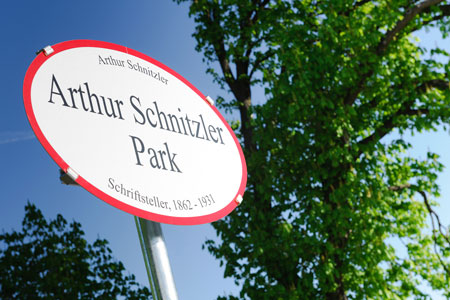
April 2012: The small park opposite the train station in Baden (Lower Austria) is named “Arthur Schnitzler Park.”[40]
May 6, 2017: Following a municipal council resolution from September 2016, the forecourt of the Volkstheater between Burggasse, Museumstraße, and Neustiftgasse in Vienna’s 7th district, Neubau, is named “Arthur Schnitzler Square.” The theater now uses the address Arthur Schnitzler Square 1, 1070 Vienna.
The Arthur Schnitzler Prize is awarded every four years by the Arthur Schnitzler Society. This prize is endowed with 10,000 euros by the Austrian Ministry of Education and the Cultural Department of the City of Vienna.