Category Archives: PianoDocs

  • -

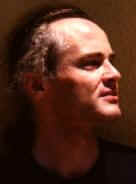
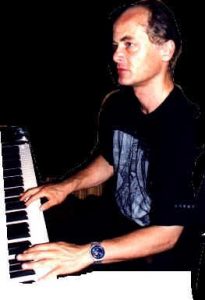
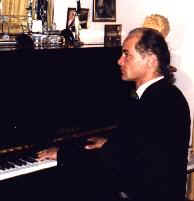
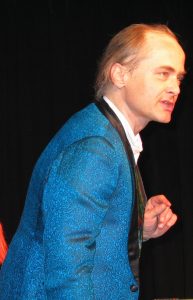
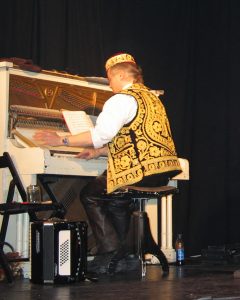
Hans Wolf

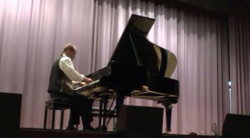
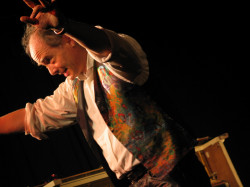
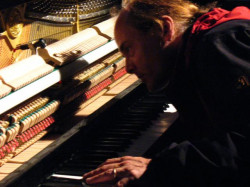
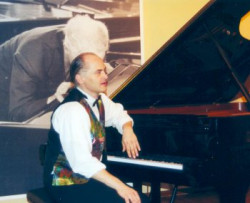
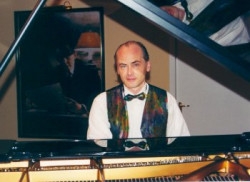
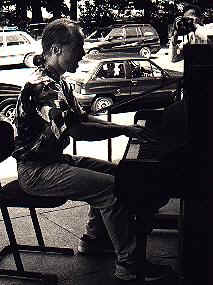
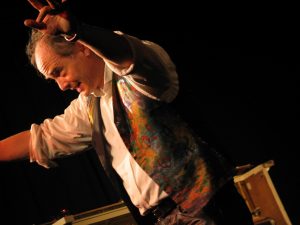
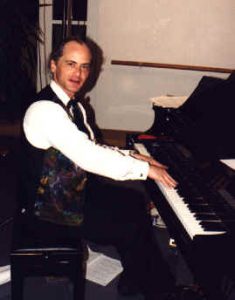
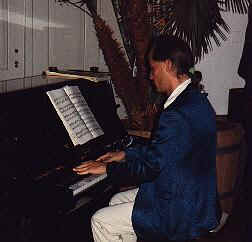
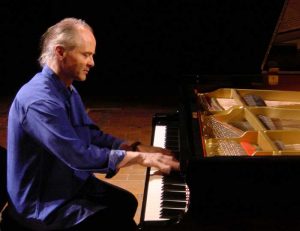
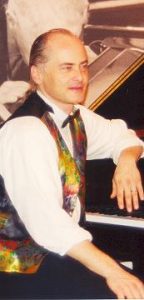
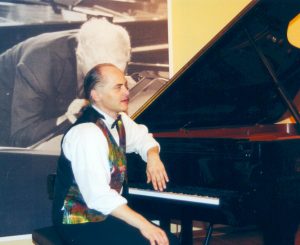
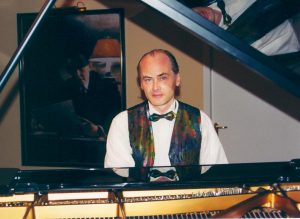
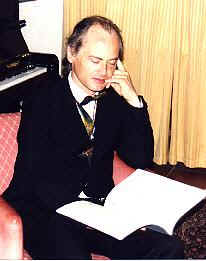
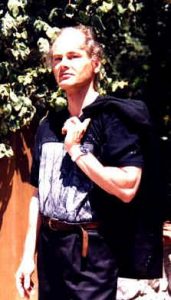
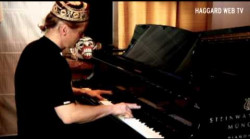
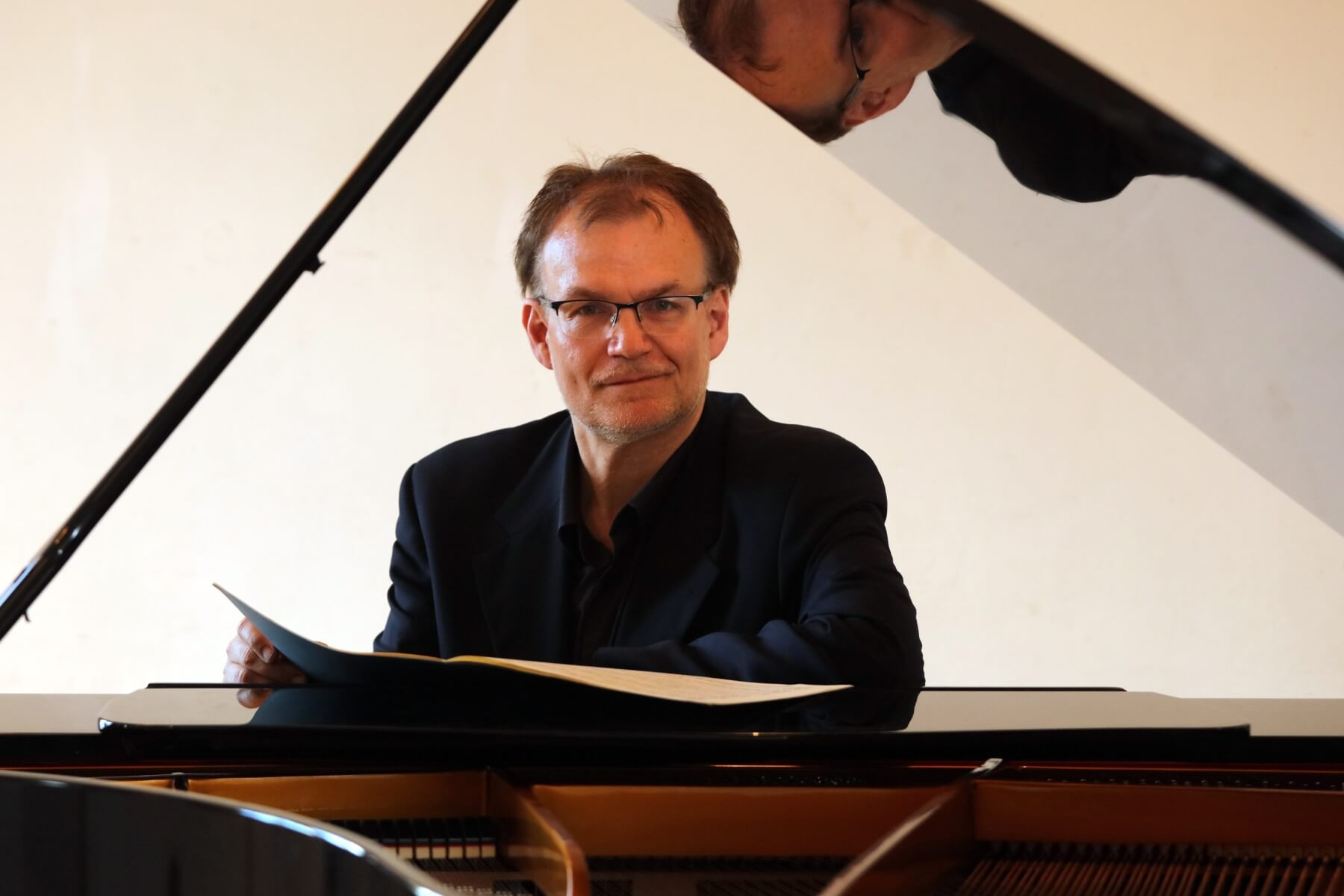
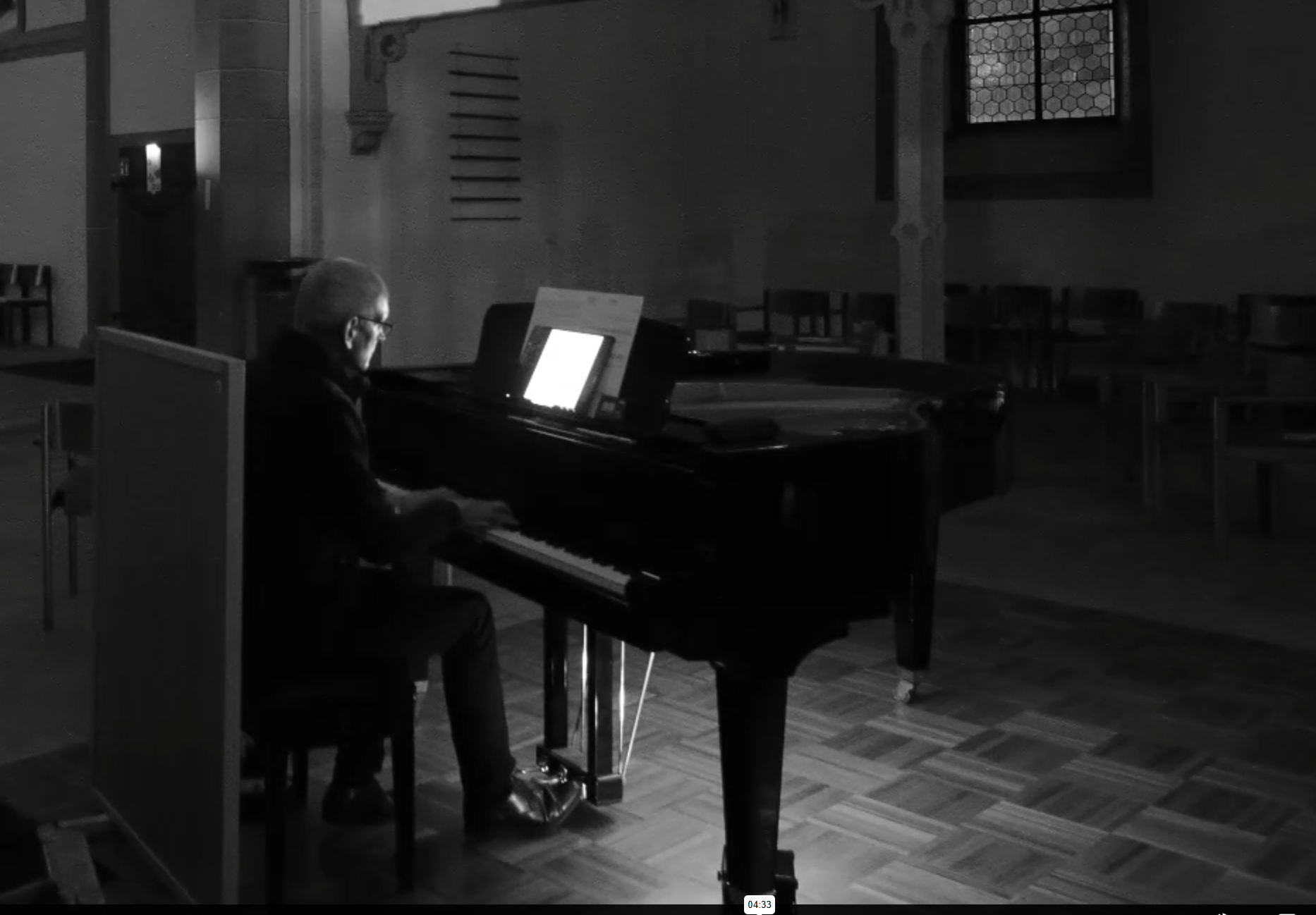
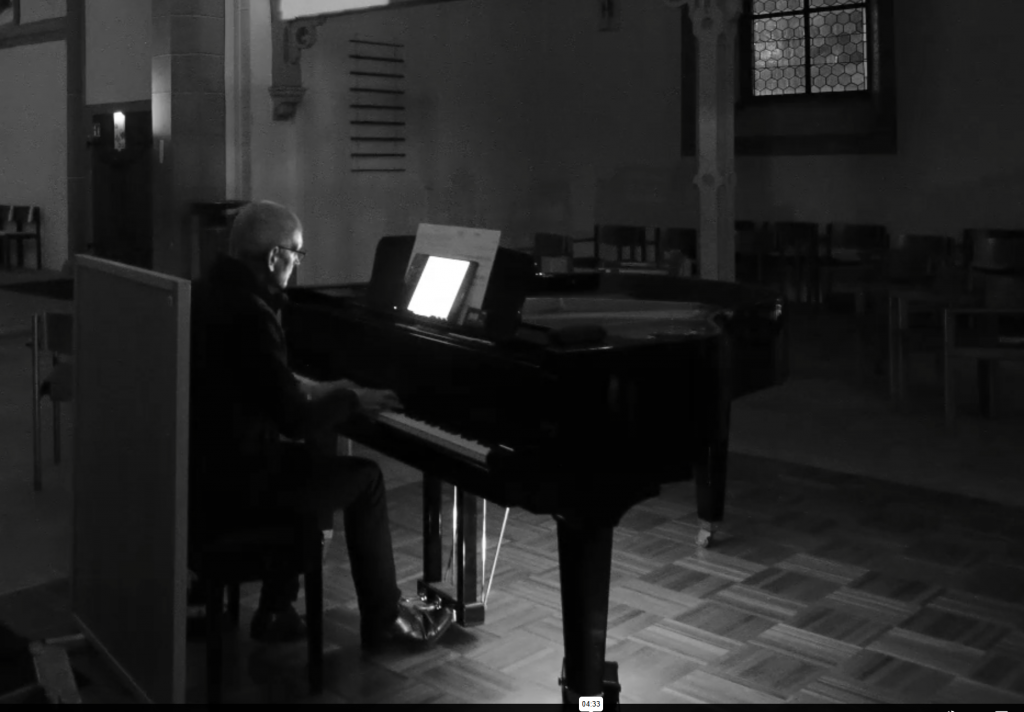
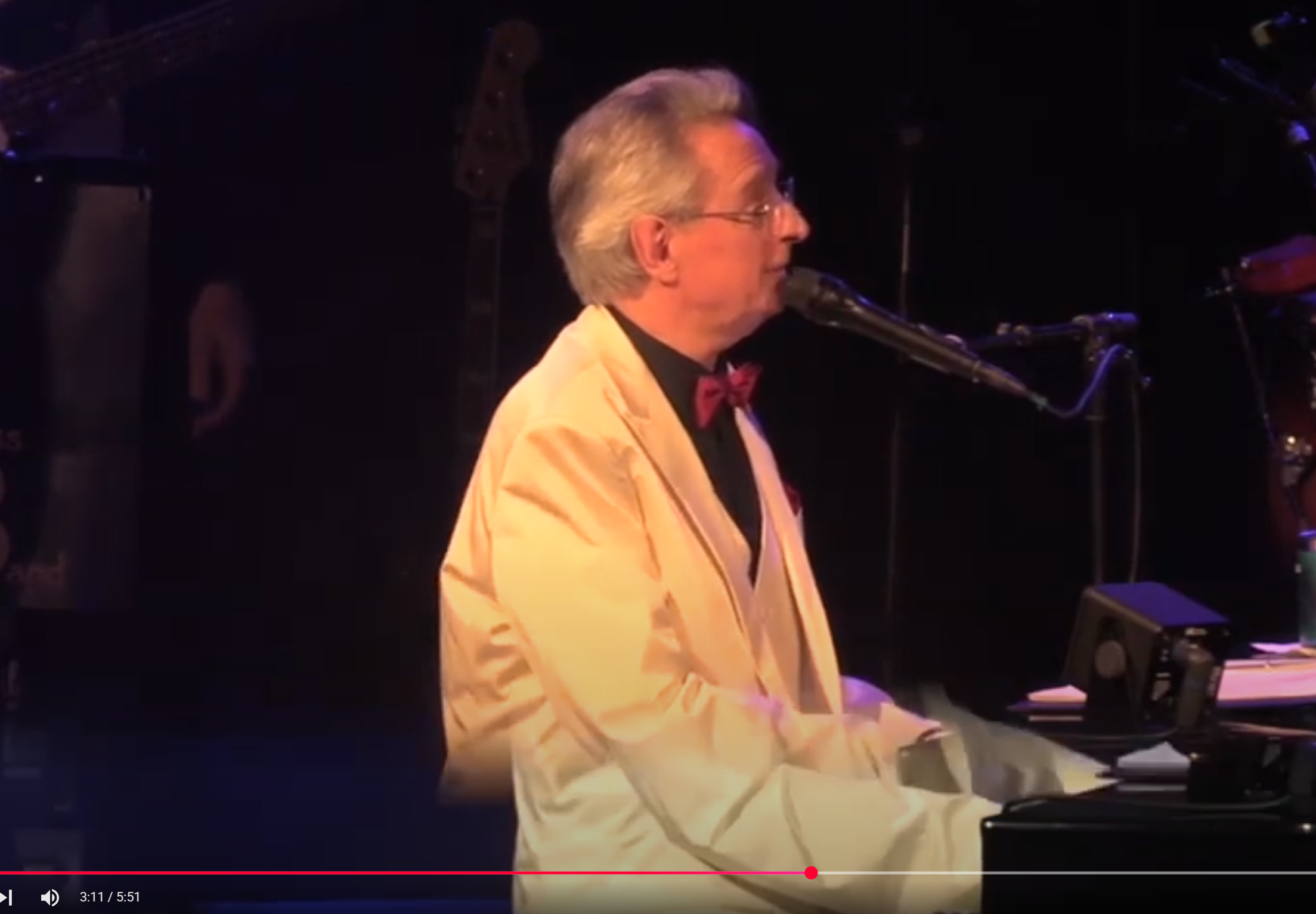
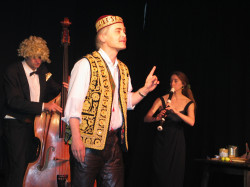
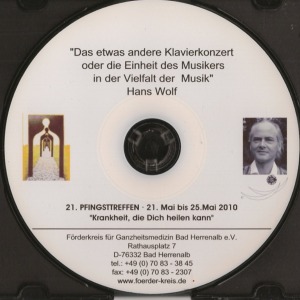
Hans Wolf, born May 31, 1958 in Braunschweig, is a German physician, concert pianist, and multimedia artist. From 1977 to 1985, he studied medicine and worked as a medical officer. He performed numerous cabaret shows at holistic medicine conferences in Bad Herrenalb.

He completed classical piano studies with Prof. Edith Picht-Axenfeld in Freiburg, receiving his diploma.

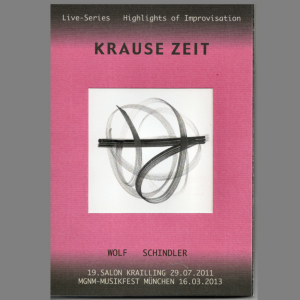
  • Premieres of his own compositions at the Munich Festivals for Contemporary Music/Art by the MGNM (Munich Society for New Music) and the Echtzeithalle group.
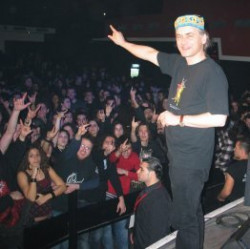
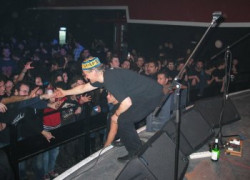
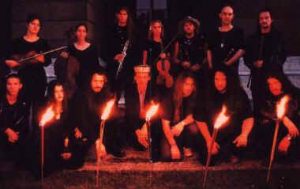
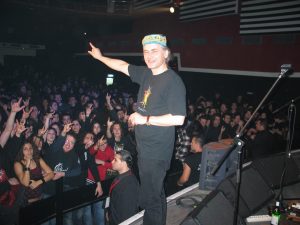
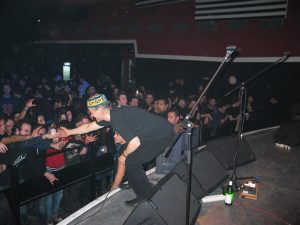
  • Member of well-known ensembles: Haggard: Medieval metal with classical influences, founded in 1993; tours across Europe and to Mexico (2001). Three CDs, one DVD
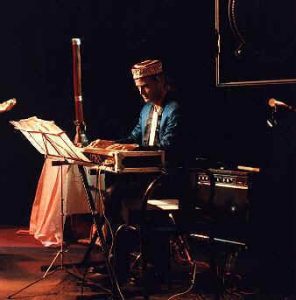
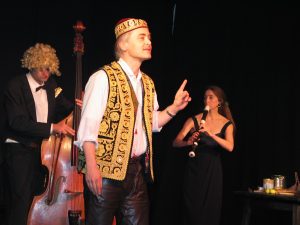
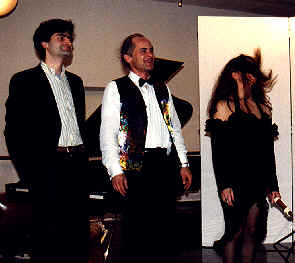
  • Trio Superstrada, founded in 1995 (here, in addition to piano, he also plays accordion, guitar, and djembe): polystylistic musical theater with Stephan Lanius (double bass) and Michaela Götz (vocals, flute). One CD, one demo video.
  • A brief member of the PHREN Music Theater in Munich.
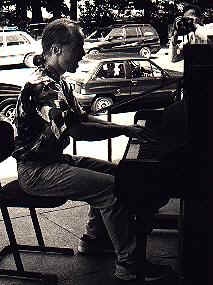
  • Ensembles for free improvisation from Munich’s avant-garde and jazz circles: With the well-known group N.I.E. (New Improvisors Ensemble), founded in 1993 and disbanded after a year, Wolf performed in concerts in public squares and at the Unterfahrt Jazz Club, among others. N.I.E. is partially continued in the following groups to which Wolf belongs:
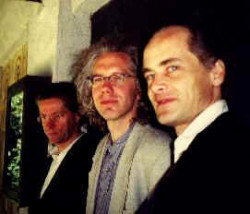
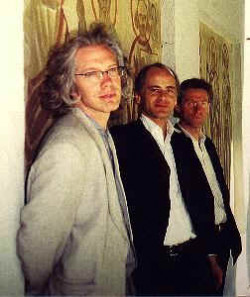
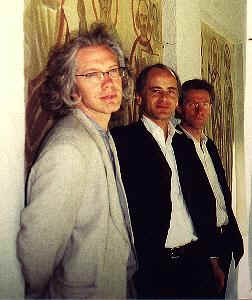
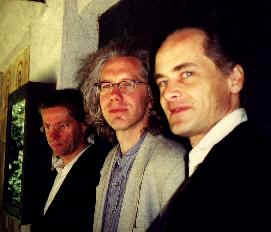
  • Trio Animali (founded in 1994, performances at Club 2 and the Munich Jazz Festival 1995, among others) with G. Geisse (g) and L. Hahn (from left), group ECHT (founded in 2000, performances at the Long Night of Music ’01, scoring computer-animated images at “Echtzeit 2001”, group Asyl-Art (founded in 2000, including poetry and image scoring at the Asylart Festivals ’00 and ’01).
  • Founding member of the jazz big band “Forum 2” (since 1993), Munich Olympic Village Cultural Association.
  • Duos: Duo Capriccioso with Andreas Suttner (cello), founded in 1999: Music “from entertaining to serious.”
  • Duo with Anne Greve (mezzo-soprano), founded in 2001: A swinging kind of music.
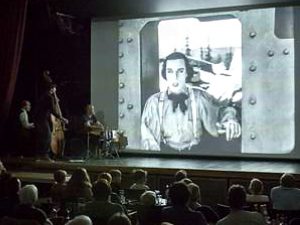
  • Live silent film scoring in a trio (founded in 1998) with Thomas Hüter (percussion, fl) and Stephan Lanius (bass): “Metropolis,” “Nosferatu,” and “Dr. Caligari.”
  • Collaboration with directors Javier Andrade and Martina Veh (Munich) since 1995, and with Alexander Schilling (Nuremberg) since 2001, as a composer and pianist in music theater and multimedia projects.
  • Collaboration with Dieter Trüstedt since 1999: Several lectures at the “Monday Talks” he organized, including on his own compositions; jointly creating the music for the performance “Genesis.”
  • Commissions for theater music, big bands, fashion shows, and musical settings for art and literature.
  • Commissions as a studio musician, especially for piano music in television films.
  • Performances as a versatile party pianist at all kinds of celebrations; regular pianist in bars and cafes, e.g., at the Cafe am Beethovenplatz and Cafe Giesing in Munich.
  • Engagements as an accompanist and keyboardist for touring musical productions.
  • Teaching activities: Piano teacher with new creativity-oriented concepts, piano technique based on the Langenhan-Serkin school, classical instruction, including preparation for the entrance exams to music colleges, including theory and ear training. Lessons in rock, pop, and jazz piano, as well as other piano improvisation; development and teaching of improvisation and composition courses, e.g., with the title “Discover Your Own Music.” Since 1995, instructor at the Grafing Adult Education Center; organization of student concerts for the Munich Pianists’ Club.
  • Active memberships: Society for New Music and Music Education Darmstadt, International Summer Courses for New Music Darmstadt, Bavarian Association of Musicians, Pianists’ Club, MGNM (Munich Society for New Music), Echtzeithalle e.V.
web

youtube


  • -

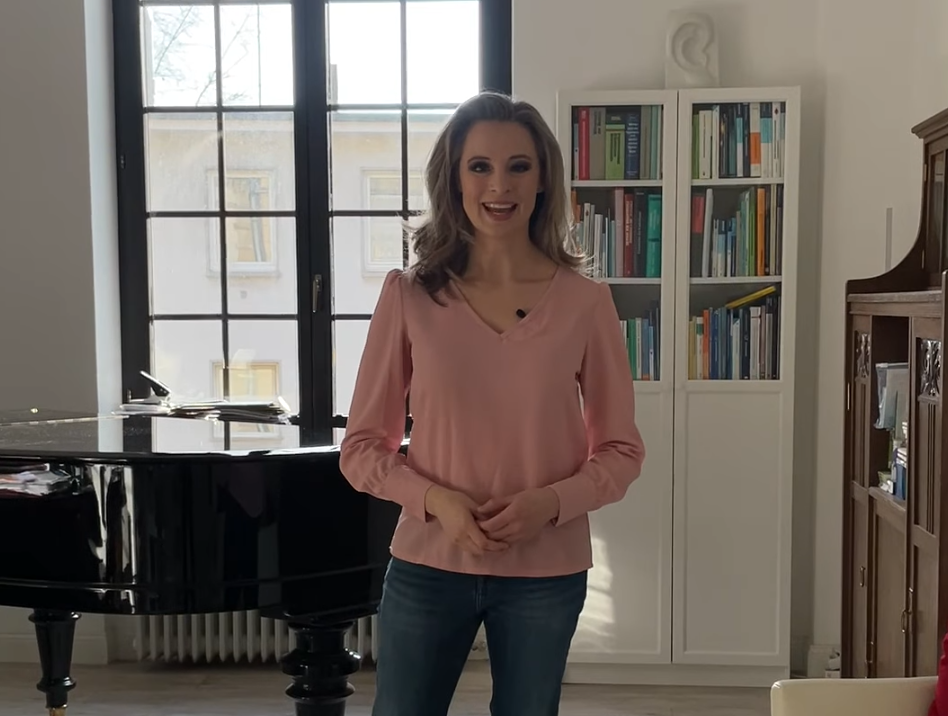
Maya Kokew

2010-2014
Host of the show “vigo TV”

since 2009
As an expert on ZDF, RTL, N24, Sat1, and HR for “Service:Gesundheit” and “Einfach gesund!”

2008
“Gesundheit!”, BR, working as an expert in nutritional medicine

Explanatory video with self-played piano transitions

2006-2007
“Die Sprechstunde” (The Consultation Hour), BR, Engagement: Nutrition Expert

2006-2007
“Weck Up” (SAT.1), Engagement as a Consulting Physician

Kokew impresses with her naturalness and freshness, as well as her excellent screen presence… (Logo Institute)
Member of the cabaret group “Comedizyniker” (KOMM-Kabarett) at the University Hospital Frankfurt; acting lessons

Anyma-channel https://www.youtube.com/channel/UC-OkCdkUZ3wPXQawjYuXs2g

Privatpraxis Frankfurt

Foto auf dieser Seite (click)


  • -

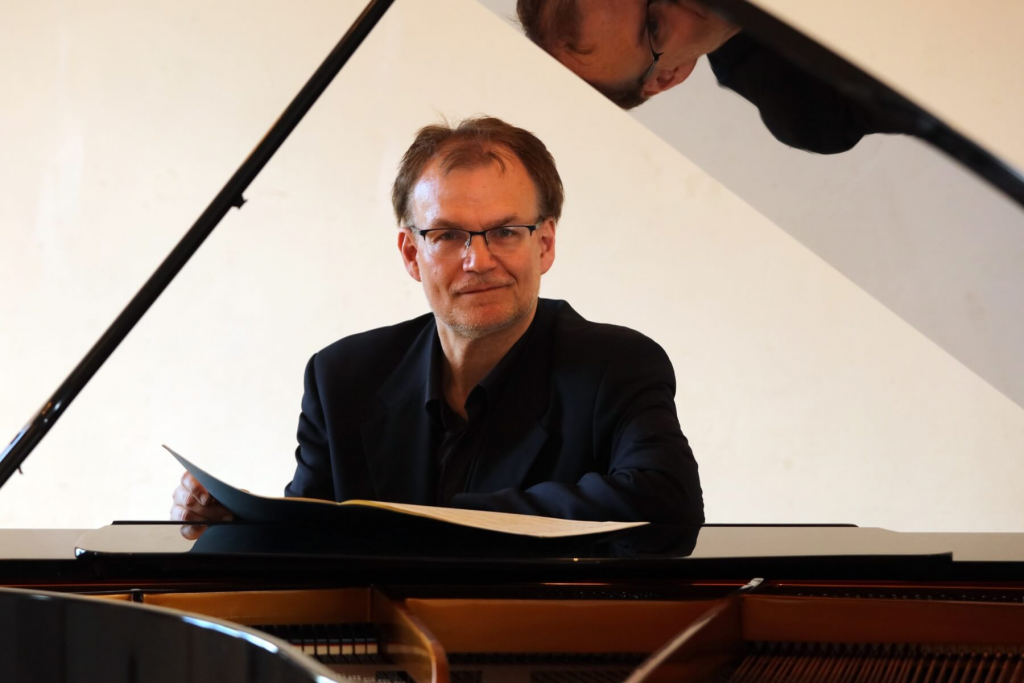
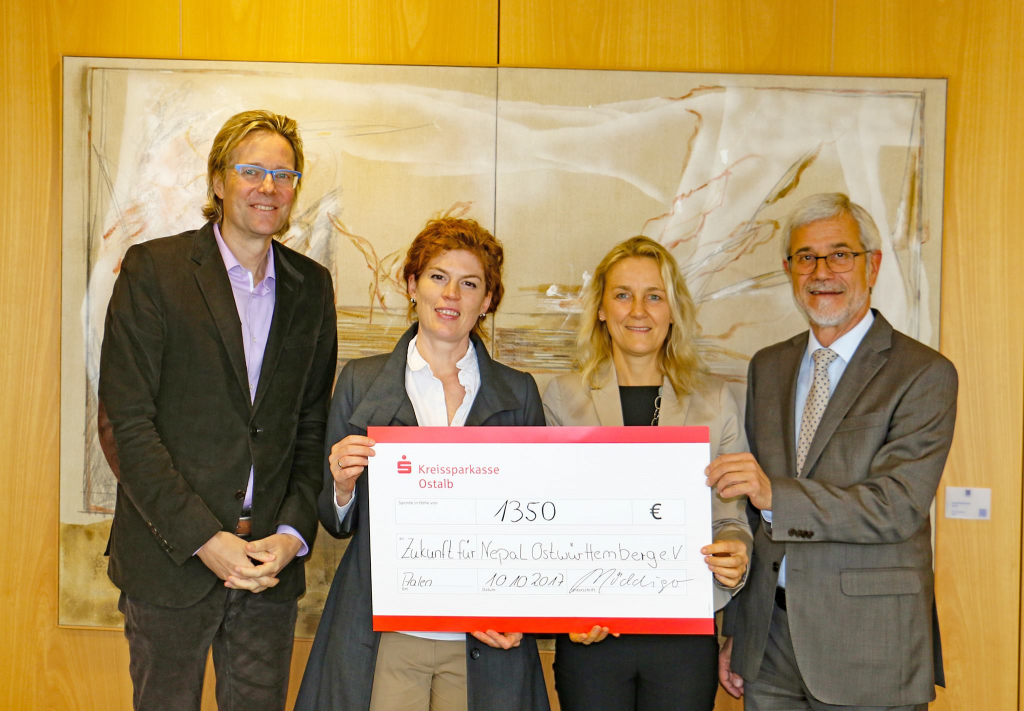
Hans-Roman Kitterer

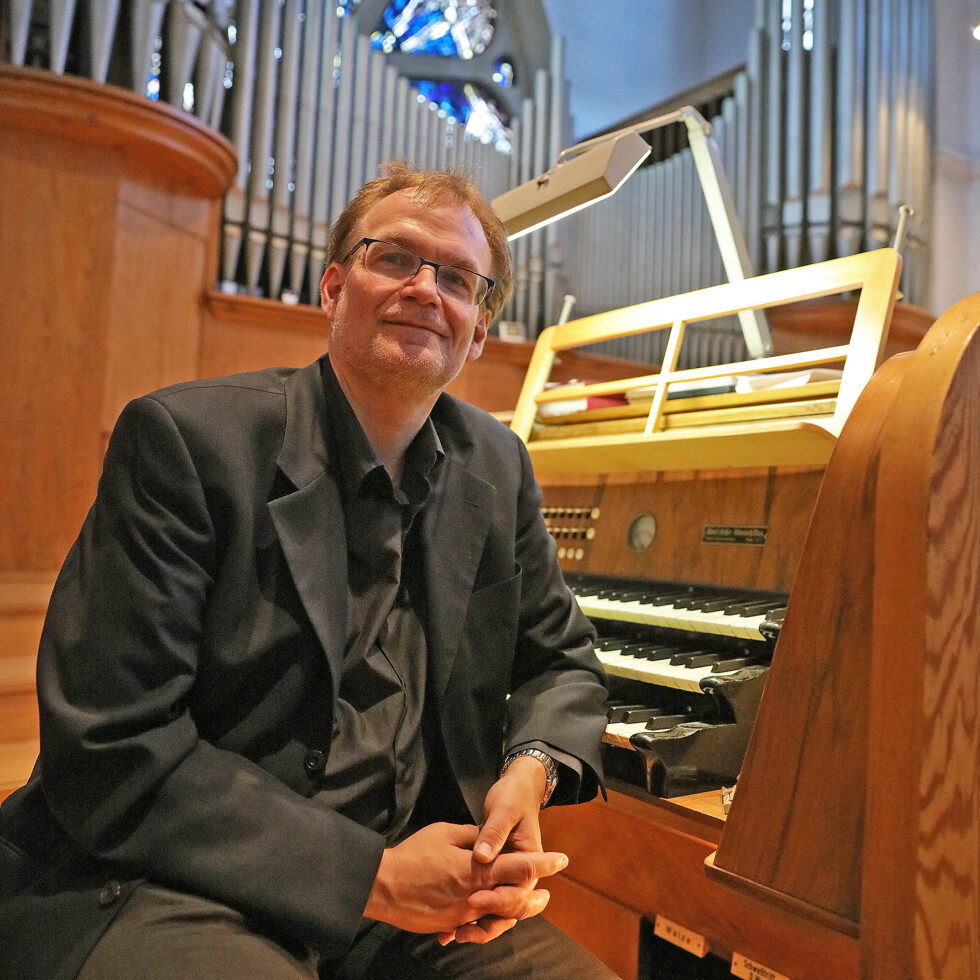
In addition to his work as a senior physician, Hans-Roman Kitterer leads an active musical life in and around Aalen as a pianist in the theater with solo and chamber music programs and on the organ solo or in ensembles such as here:

https://www.theateraalen.de/projekt/293-beethoven-252-vorsicht-ansteckend

https://www.schwaebische-post.de/ostalb/ostalb-kultur/konzert-in-gmuend-eine-wiener-musik-akademie-mit-mozart-93028679.html

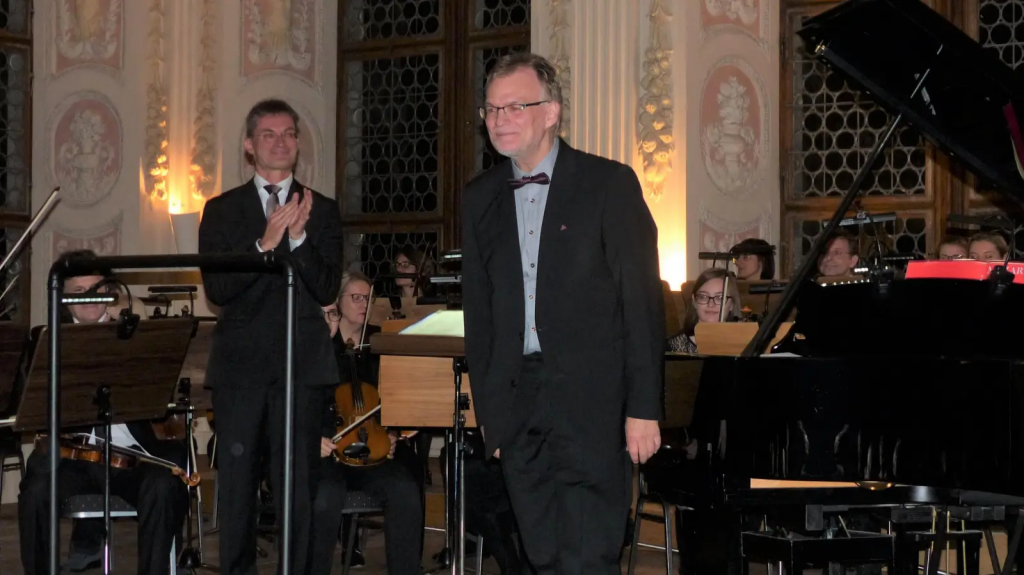
The Oettinger Residence Concerts Board concluded the concert season with a piano concerto by W. A. ​​Mozart, played by Hans Roman Kitterer from Aalen and the Oettinger Chamber Orchestra under the direction of Günter Simon.
  • -

Christoph Wagner

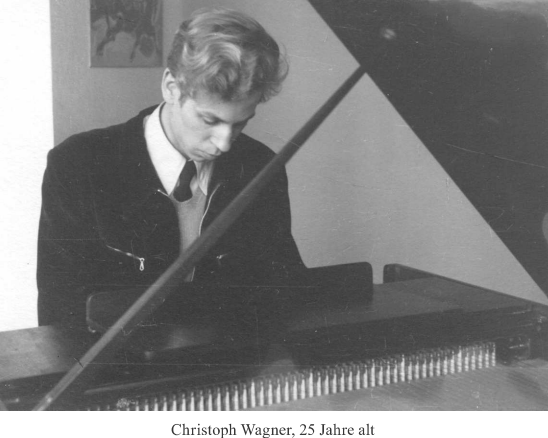
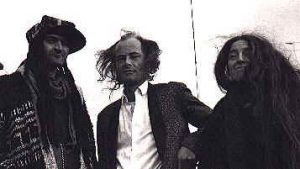
Few people know the musician Christoph Wagner. Anyone who listened to him improvise on the piano understood that it was this immediate proximity to music that motivated and drove him to create a science for musicians.

Born on May 20, 1931, in Marburg, Christoph Wagner grew up in Weilburg/Lahn in a culturally diverse and stimulating home. Despite only sporadic piano lessons due to the war, the boy soprano developed into a sensitive pianist who mastered the great works of piano and violin literature. Even as a young man, he was a sensitive chamber music partner and accompanist. From early childhood, improvisation was also second nature to him. Throughout his life, it remained a source of spiritual balance – later in a musical language that was partly reminiscent of Bach, but often also of Brahms or Schumann.

1958 – 1963Music studies in Detmold – majoring in conducting with Martin Stephani, piano with Renate Kretschmar-Fischer, composition with Günter Bialas

Christoph Wagner’s longing for music was so constant that in 1958, after studying medicine (“out of reason”) and subsequently obtaining his doctorate, he began studying music with a major in conducting. In Detmold, he enjoyed a musically fulfilling time—but on the other hand, doubts crept in:
“The idea for a systematic investigation into the physiological foundations of music performance arose during my music studies, which followed my medical studies. Given the conceptual background of natural science, with its efforts to objectively validate insights and decisions as much as possible, it seemed strange that musical education relied solely on subjective experience, despite obvious contradictions in methods and results. Successes were admired, failures were usually explained away as a lack of talent, but their causes were not investigated. The increasing incidence of tendonitis and similar complaints remained consistently silent. It was obvious that many of my fellow students were unsure of themselves and suffered from self-doubt. As my studies progressed, it became increasingly clear to me that this dilemma could be significantly improved if the work of musicians and its physiological prerequisites were scientifically investigated. In 1963, at the end of his music studies in Detmold, he predicted to his then piano teacher Renate Kretschmar-Fischer while out for a walk: “There will be an institute dedicated to this task full-time.” – Eleven years later, the time had come.

http://www.christoph-wagner-musikphysiologie.de

https://dgfmm.org/nachruf-christoph-wagner


  • -

Jochen Blum

Jochen Blum (born January 22, 1959 in Ludwigshafen) is a German specialist in surgery and trauma surgery, professor of music physiology, and author of specialist books.

He is a co-founder and long-standing board member of the German Society for Music Physiology and Musicians’ Medicine (DGFMM).

Excerpt from an interview:

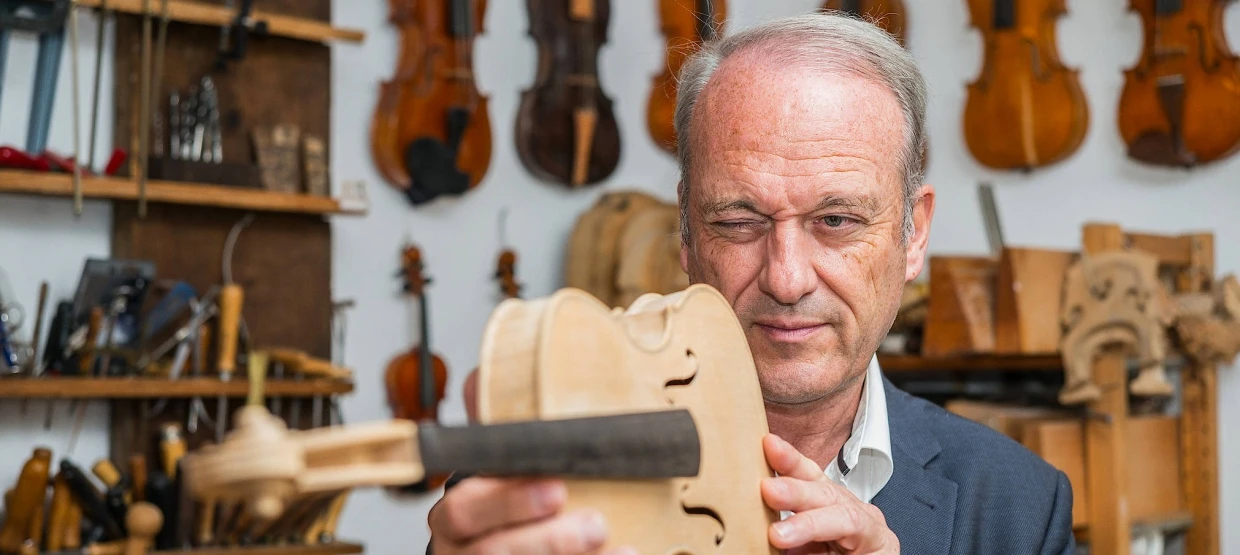
Back then, a violin maker and now chief physician for trauma surgery, orthopedics, and hand surgery, what motivated you to become a doctor—the decision to ultimately pursue a career in medicine?

It’s been around for a while; it was already an idea when I was at school. They’re two parallel worlds. I also studied instrument making during my school years.

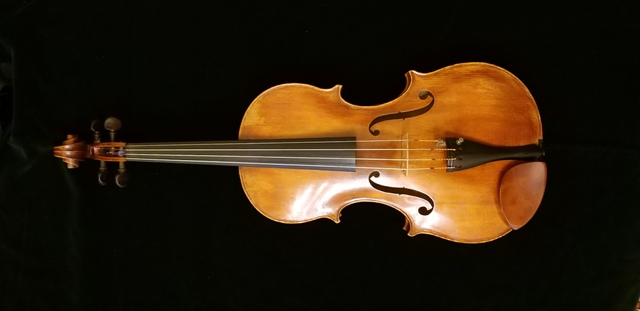
I trained with Stelio Rossi in Siena; this is what his instruments sound like:

Towards the end of this time, I also considered possibly going into music therapy, because I was an avid musician. However, I was already aware that working at a professional level, as a professional musician, was something I had a different view of. I didn’t necessarily want to eke out a life in the back row of a small orchestra, and I didn’t really have the skills to pursue a major solo career.

In addition to classical music, I did indeed play rock and jazz in bands, but that was simply for the joy of playing rather than the idea of ​​making it a career. But I knew that after finishing school and graduating from high school, I didn’t want to immediately continue on to university the next day, so to speak, but rather wanted to deepen my knowledge of this practical area, and I had the opportunity to learn the craft of violin making from a luthier in Italy.

Viola Stelio Rossi

Although it was already clear to me back then that I wanted to go on to university again, and that’s exactly what happened. During my time as a violin maker, I had a few customers – in this case, they weren’t patients, but customers who wanted things changed – and I asked myself whether it wasn’t more of a medical problem that was bothering them. But of course it was all a bit vague, so I’d say the roots of both were there early on, but ultimately it developed in such a way that after completing my violin making training, I definitely wanted to study medicine, and I was then able to combine the two areas a bit later on.

https://www.medpertise.de/musikerkrankheiten-krankheitsbilder-prof-blum

https://dgfmm.org/blum

https://de.wikipedia.org/wiki/Jochen_Blum


  • -

Thomas Scherb

Friday, April 18, 2025, 3 p.m.
Xenia Preiseberger, Thomas Scherb, Wolfgang Heilmann (piano)
Kurt-Laurenz Theinert (light installation)
Angela Fabian, Dietmar Zoller (liturgy)

Erik Satie’s “Vexations” is a very short work. However, the composer demands that the piece be repeated 840 times. The three pianists alternate every two hours, and the church will be open all night. It is possible to enter and leave the church at any time. In addition to the music and the two services, a slowly changing light installation bathes the Marktkirche in a new glow and illustrates the events. At the hour of death (Good Friday, 3 p.m.), the music fades into silence.

District Cantor Wolfgang Heilmann invites you to this musical-liturgical experiment on Maundy Thursday and Good Friday. Good Friday, a new imposition every year. This man on the cross. The world’s suffering is concentrated on him. Again and again the question of “why.” Endurance and compassion, vigil and prayer. That is the task.

Precisely this liminal experience is also intended to be conveyed by the liturgical format. The two services with Holy Communion in the Marktkirche Bad Bergzabern on Maundy Thursday (April 17, 7 p.m.) and Good Friday (April 18, 10 a.m.) will be unusual, disconcerting, reduced, and set to music by Erik Satie (1866-1925).

The doctor and medical journalist Thomas Scherb returned late but very successfully to his youthful profession as a pianist.

https://www.rheinpfalz.de/startseite_artikel,-thomas-scherb-mit-dem-ehrenamt-zur%C3%BCck-im-eigentlichen-leben-_arid,5503878.html

Programm 2024 mit vielen Beiträgen von Thomas Scherb


  • -

Kwame Boaten

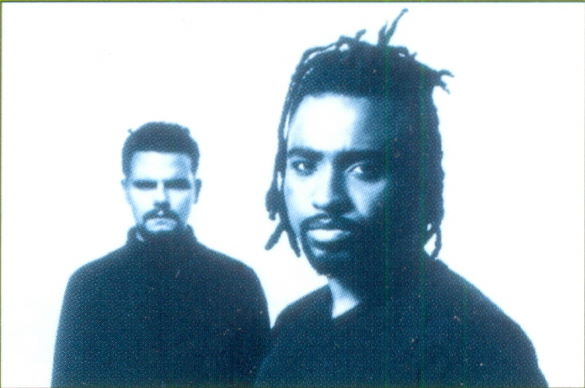
Kwame is something quite unusual, a collaboration between an African trumpeter and metal musician (Kwame Boaten) and a Swedish guitarist who has previously devoted himself primarily to classical music (Carl Ljungström). They met a few years ago in a music student dormitory in London. This would be the beginning of “Volatile.”

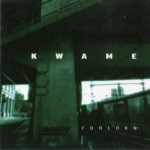
On the album cover, I see a blurry image of a dark-haired guy with dreadlocks. Yes, I think it’s another Swedish hip-hop artist hanging out with Ken and the guys. Oh, what a mistake I made. Ghanaian-born Kwame Boaten has brought new light into the pop fog with his calm, captivating music. After a few years, he found Calle Ljungström, a former metal musician, at music school in London. The two began a slow and cautious collaboration, and now we hear the final result. It quickly becomes clear: when you bring two musicians with such different backgrounds into a studio, it works really well.

The album Volatile is difficult to describe precisely, as it differs so markedly from other productions in this genre. Calle Ljungström is responsible for the beautiful strings and guitars, and Kwame for his wonderfully beautiful, bright voice. Also in the studio are names like Magnus Frykberg, Pontus Olsson, and Lars Halapi, who have also never performed in similar contexts before. An exciting collaboration that I’d like to learn more about. If it’s long enough for another album.

The danger of rehashing unbearable, sleazy music is in the air when a classical guitarist of Ljungström’s caliber is about to release an album. But to be blunt, that’s not a good way to get off. The sound is a bit too clean and suitable for a living room at times, but it also avoids unnecessary gimmicks.

Furthermore, this could probably be described as music for adults, and some songs have an almost baroque touch at times, but it never becomes intrusive. Ljungström, on the other hand, provides striking tones with his six nylon strings, which, together with Boaten’s tasteful voice, create cool, slightly melancholic songs of the quiet variety. One danger of this restrained music is that certain elements tend to become repetitive. This is partly the case here, as the same mood runs through almost the entire album. And it’s nice, isn’t it, but a little more variety wouldn’t have hurt.

The vocals are at times Jeff Buckley-esque and at least as intense and captivating. The fact that the strings also play a fairly large role makes the whole thing even more exquisite, and it’s impossible not to curl up and enjoy it—as is usually the case.

1993 he has worked at the theatre of Kiel / Germany.

https://www.smp.se/artikel/kwame-volatile

https://www.hungama.com/song/volatile/35229063

https://www.puls.no/937.html

https://ng.se/recensioner/musik/volatile


  • -

Richard Bauer

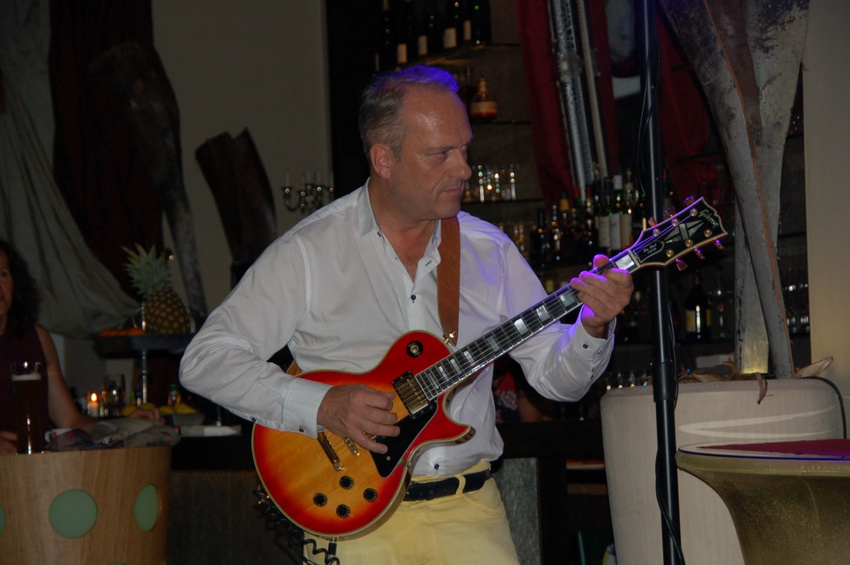
Seine erste Liebe, sagt der heute (2025) 72-Jährige, war jedoch immer die Musik. Und das begann schon im Kindesalter. Wenn seine älteren Schwestern Klavierunterricht hatten, dann hörte er zu und spielte die Melodien später selbst nach – ohne Noten, nur nach Gehör. Aber auch an der Gitarre war Richard Bauer talentiert: Schon 1972 hatte er einen Auftritt in der Saarlandhalle in Saarbrücken, mit der damals in der Region bekannten Band „Studio 64“.

Hauptberuflich ging es dann zwar mit der medizinischen Karriere weiter, aber daneben blieb die Kultur für Richard Bauer immer eine „Parallelwelt“, in die er sich gerne zurückzog. Nicht nur musikalisch, auch kabarettistisch war er aktiv, mit Programmen wie „Strapsodie in Bluff“. Jetzt, nachdem er seine Laufbahn als Arzt beendet hat, kann er sich ganz der Musik widmen.

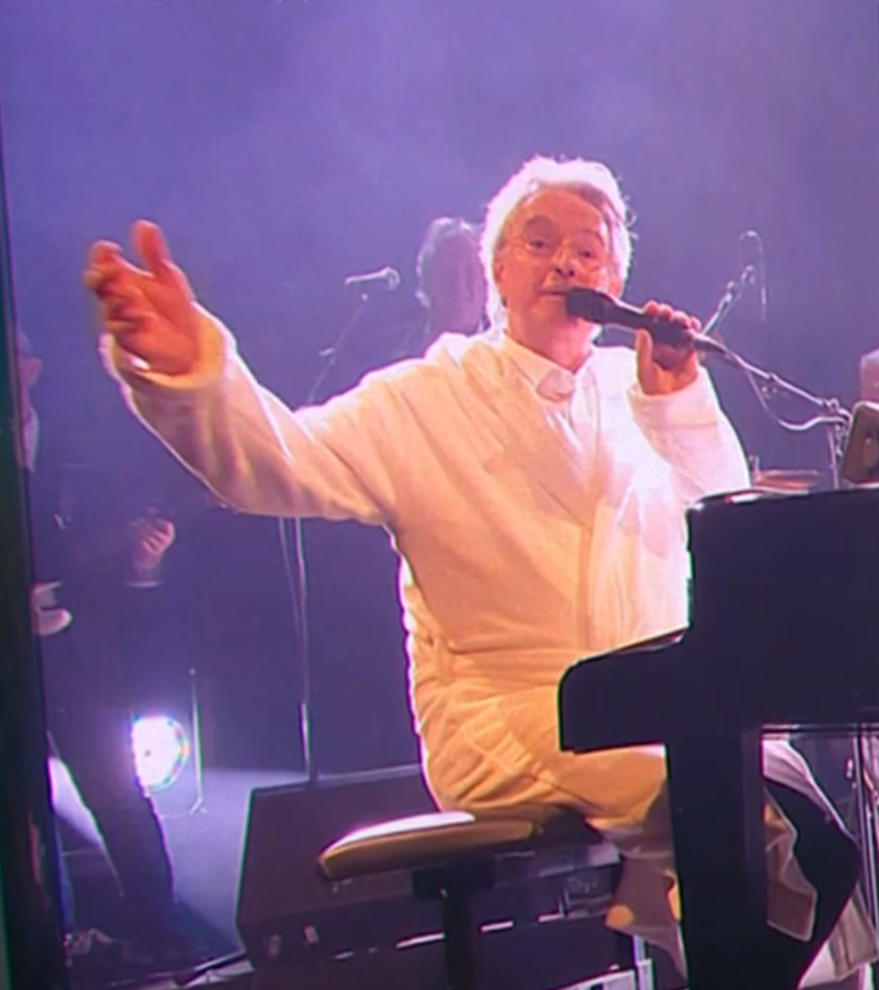
Für sein aktuelles Projekt hat Richard Bauer den Arztkittel gegen den Bademantel eingetauscht, das Markenzeichen von Udo Jürgens. Am 11. November 2014 besuchte er eines der letzten Konzerte des österreichischen Sängers.

„Sechs Wochen später die Todesnachricht von Udo, den ich zuvor noch zu präsent auf der Bühne erlebte. Der Wunsch, seine großen Lieder live mit meiner 2012 gegründeten BAUERS BRASS BAND in Szene zu setzen, wurde immer stärker gefühlvoll und authentisch interpretieren Udo, ich bin Deiner Meinung: „Die Welt braucht Lieder.“

Mit der im Jahr 2012 gegründeten Bauers Brass Band machte er sich daran, den Titel für sein neunköpfiges Ensemble zu bearbeiten. 2019 war es dann so weit: Zum fünften Todestag von Udo Jürgens erblickte das Programm „Hallo Udo“ in der Saarburger Stadthalle das Licht der Welt. „Der Saal war zum Brechen voll“, erinnert sich Richard Bauer. Alle Konzerte ausverkauft. „Wir hätten doppelt so viele Karten verkaufen können.“ In Richard Bauers Band spielt an der Querflöte auch seine Tochter Katharina. Mit ihr singt er natürlich auch das Duett „Liebe ohne Leiden“, das schon Udo Jürgens mit seiner Tochter sang.

https://www.halloudo.de/ueber-uns

https://www.volksfreund.de/die-woch/bademantel-statt-arztkittel-von-dr-bauer-zu-hallo-udo_aid-125740523

https://www.volksfreund.de/region/konz-saarburg-hochwald/saarburger-arzt-dr-richard-bauer-geht-in-ruhestand_aid-81820633


  • -

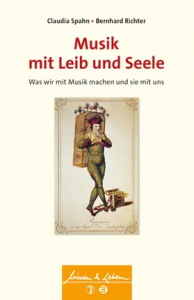
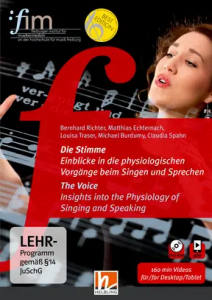
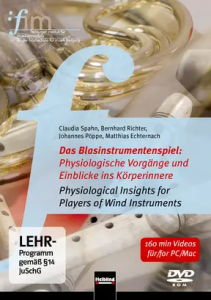
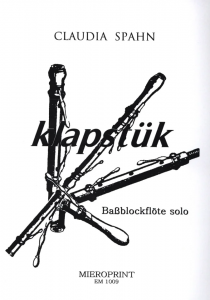
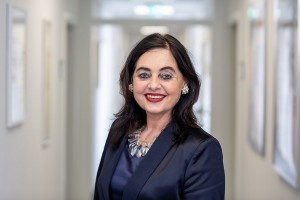
Claudia Spahn

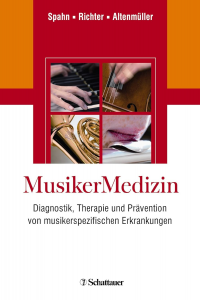
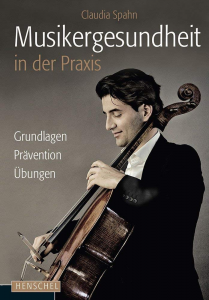
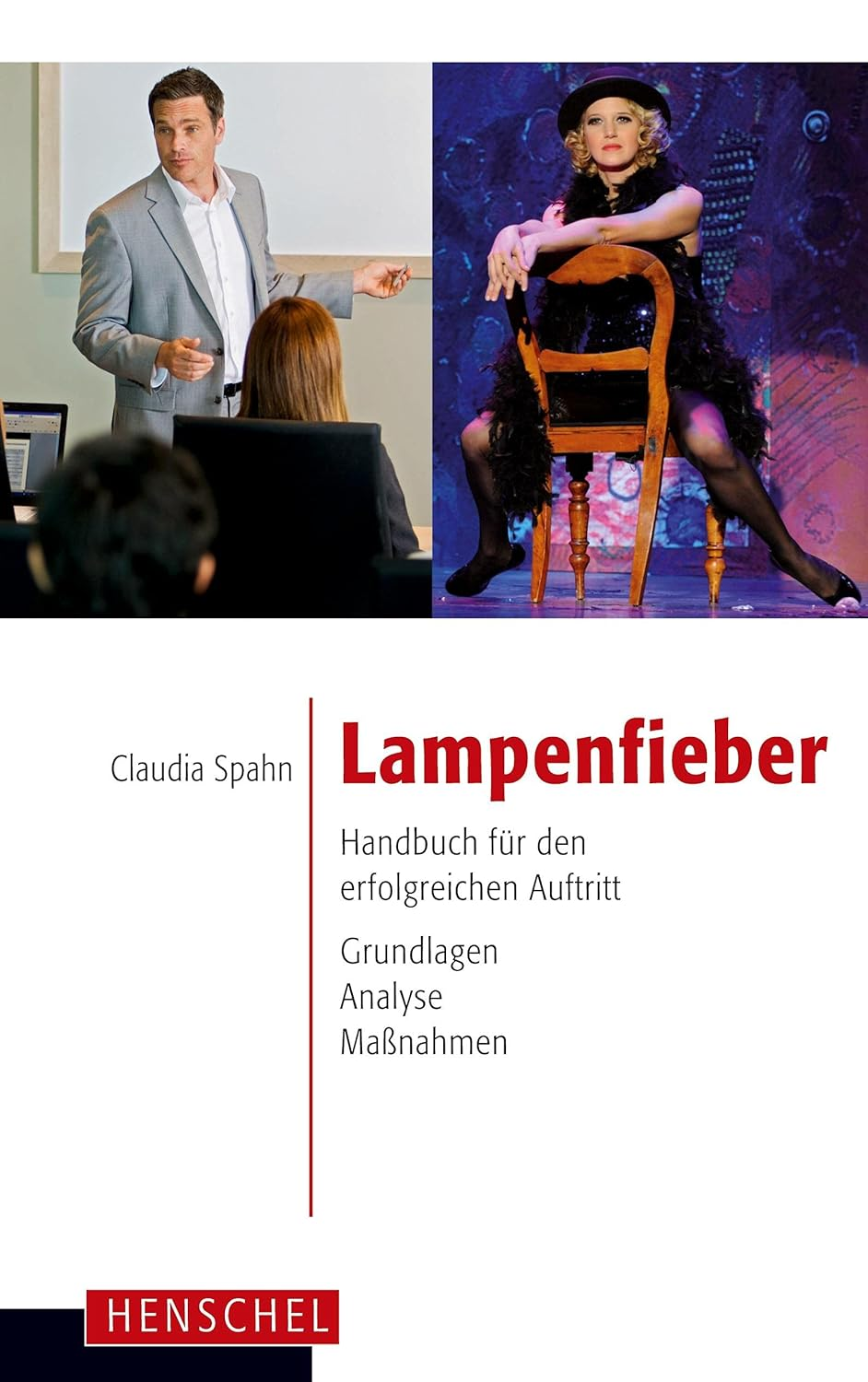
Claudia Spahn (*1963) is a German musician’s medicine specialist and director of the Freiburg Institute for Musicians’ Medicine. She is a leading researcher in the development of music physiology and musicians’ medicine, particularly in the field of stage fright and performance anxiety.

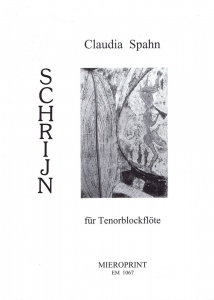
Claudia Spahn has received artistic training in recorder as a solo instrument, piano and violin since childhood. With the recorder and piano, she has won several prizes at the state competition Jugend musiziert. She has also trained in classical ballet, modern dance and tap dancing. Spahn studied medicine at the Albert Ludwig University in Freiburg, as well as in Paris and Switzerland. From 1986 onwards, she has also studied music teaching at the Freiburg University of Music, majoring in recorder, graduating in 1991 with a diploma in music teaching. Since 1992, Claudia Spahn has made numerous appearances as a pianist in the music cabaret duo Die schönen Baritons – together with baritone Bernhard Richter. From 1994 to 2004, she performed as a pianist and recorder player in musical theaters in France.

In 1992, Spahn began her medical training in the fields of psychosomatic medicine, internal medicine, and psychiatry. In 1993, she received her doctorate in medicine, and in 1999 she became a specialist in psychotherapeutic medicine. In 2004, she completed her habilitation at the Medical Faculty of the University of Freiburg on the topic of prevention in higher education for musicians. In the winter semester of 2005/2006, Claudia Spahn was appointed professor of musicians’ medicine at the Freiburg University of Music. Since then, she has headed the Freiburg Institute for Musicians’ Medicine (FIM) – an institution of the University of Music and the Medical Faculty of the Albert Ludwigs University of Freiburg – together with Bernhard Richter. In 2017, Claudia Spahn became Vice Rector for Research and International Relations at the Freiburg University of Music. In 2020, she received her doctorate in systematic musicology.

Claudia Spahn has significantly advanced the field of music physiology and musicians’ medicine, both structurally and in terms of content. She has written and edited several standard textbooks. She teaches music students the physical and psychological foundations of music-making, preventative body-oriented approaches, and how to deal with stage fright. Music physiology can be studied as a standalone minor at the Freiburg Research and Teaching Center for Music. She also teaches medical students in the preclinical and clinical study phases at the Freiburg Medical Faculty.

In the outpatient clinic of the Freiburg Institute for Musicians’ Medicine at Freiburg University Hospital, Spahn treats musicians with the full range of musicians’ medical conditions, particularly pain and strain syndromes. She offers a special consultation for patients with psychological problems, particularly performance anxiety.

https://www.mh-freiburg.de/personen/details/prof-dr-med-dr-phil-claudia-spahn

https://www.uniklinik-freiburg.de/musikermedizin/mitarbeiter/prof-dr-claudia-spahn.html

https://de.wikipedia.org/wiki/Claudia_Spahn

https://www.aerzteblatt.de/archiv/interview-mit-prof-dr-med-claudia-spahn-musikermedizinerin-lampenfieber-ist-ein-positives-phaenomen-ad161952-9c89-4068-91f4-536cb689f027


  • -

Uwe Ochs

1982 Passed the C-level examination in church music (choir conducting, organ, piano, vocals)

1984–2000 Organist and pianist of the Daimler-Benz Choir Stuttgart, the Esslingen Police Department Choir, and the Swabian Singers’ Selected Choir.

1976–2000 Temporary organist and choir director (St. Ulrich, Maria Königin, Kreuz- und Thomaskirche Kirchheim-Teck)

Singing, organ and piano playing, classical music, swimming, water polo, cycling, badminton, collecting model trains and old tin toys, model making (remote-controlled airplanes, trains)