Category Archives: BanknoteDocs

  • -

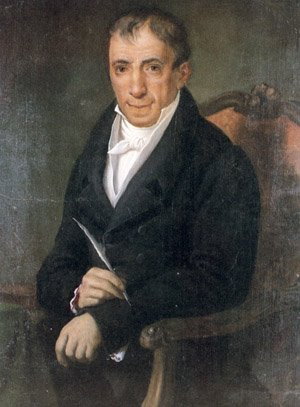
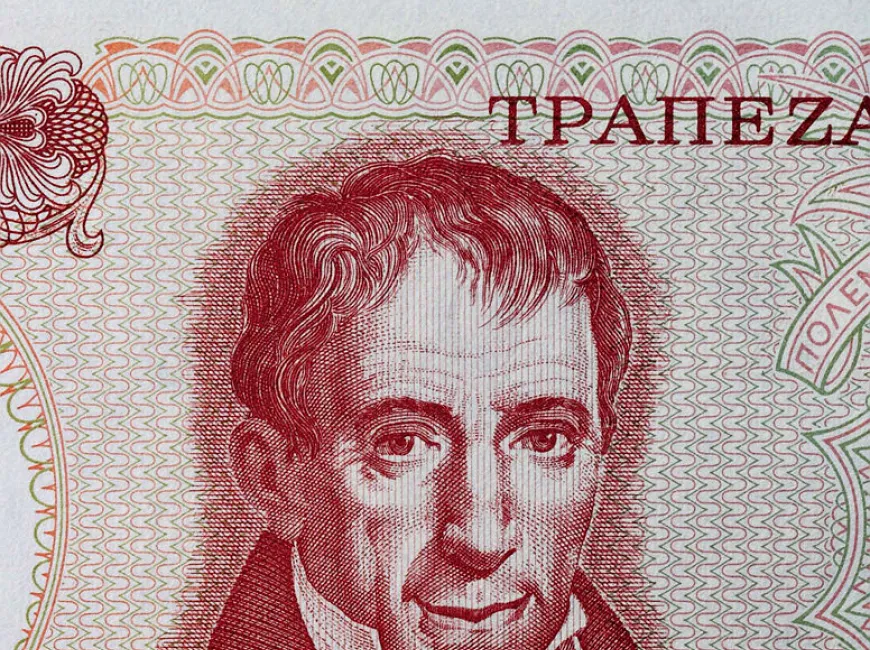
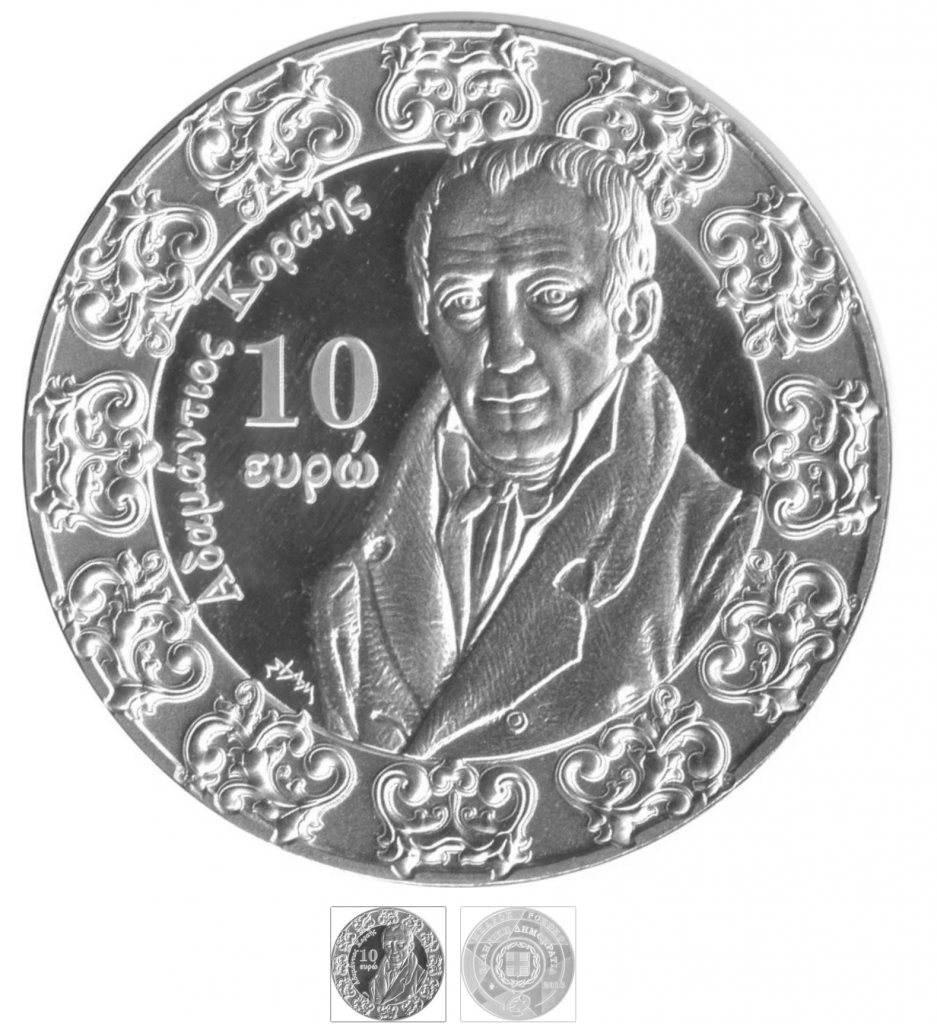
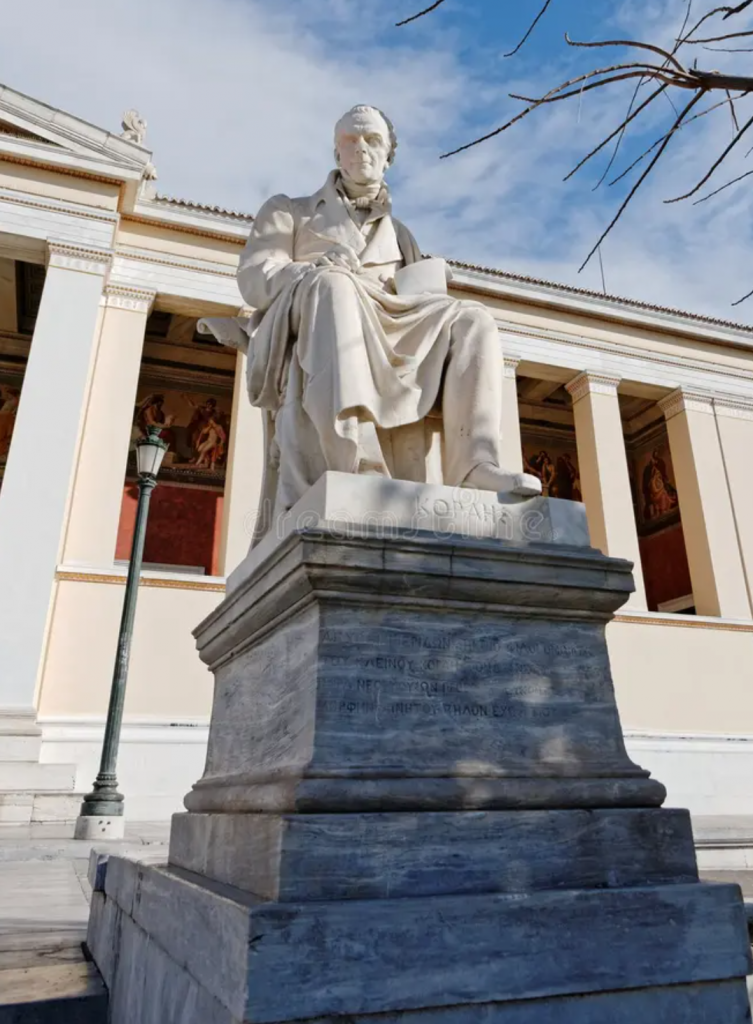
Adamantios Korais

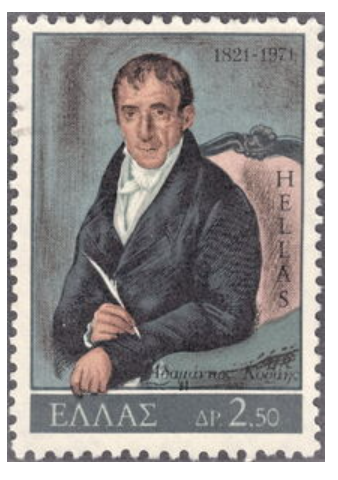
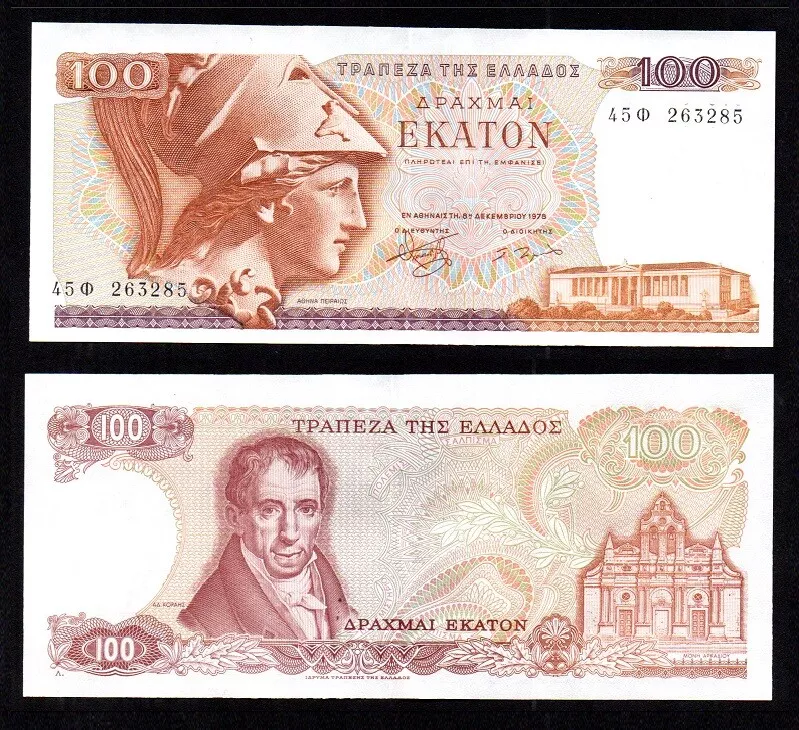
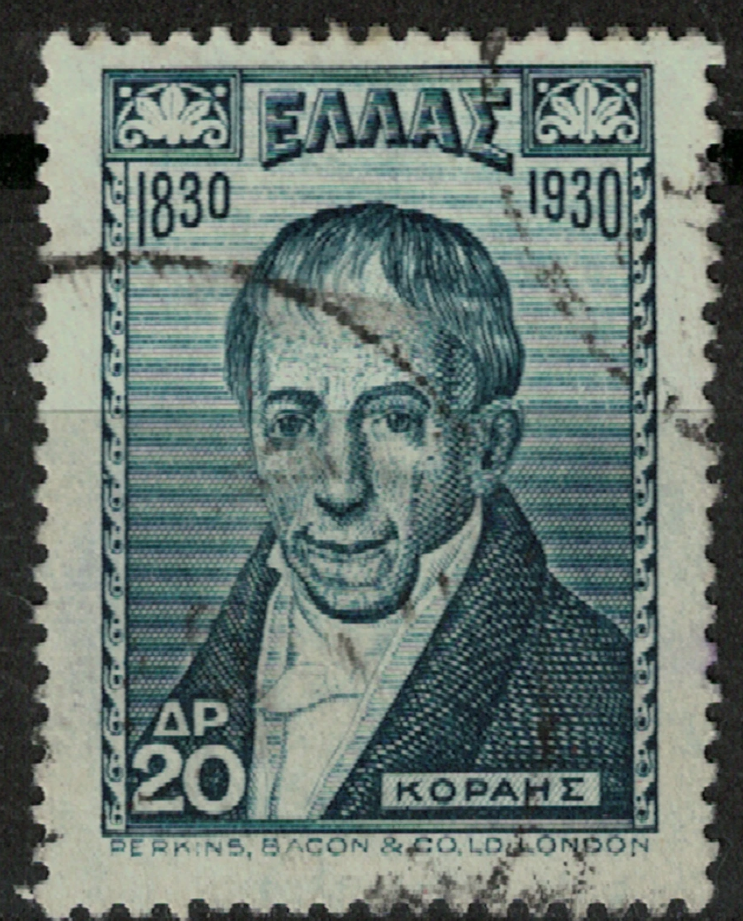
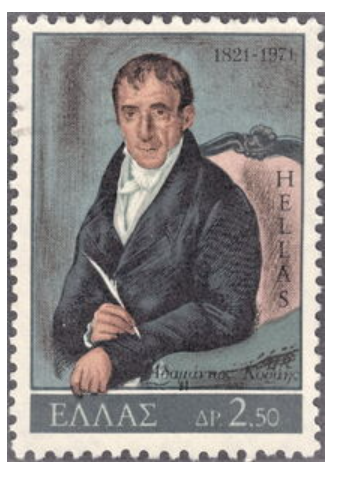
Adamantios Korais (Greek: Αδαμάντιος Κοραής – Adamántios Koraís, also Koraés; April 27, 1748 in Smyrna, Asia Minor, Ottoman Empire – April 6, 1833 in Paris) was a Greek scholar and writer. Korais is considered a reformer of Greek literature.
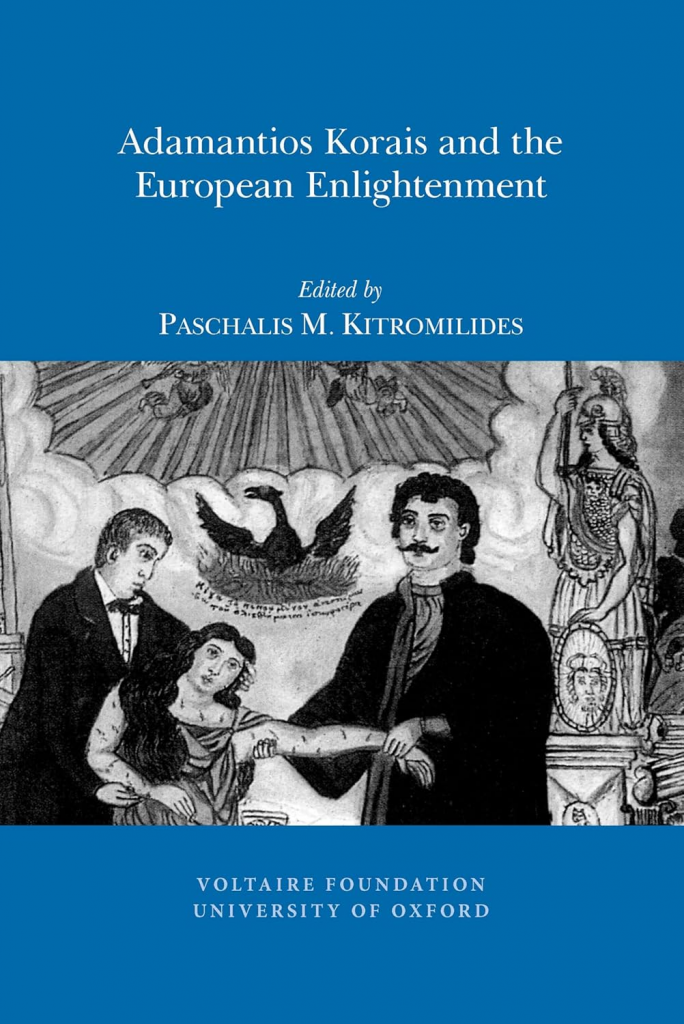
Korais was born in Smyrna, but his father came from the island of Chios, and Korais felt a strong connection to the island. Korais graduated from the Evangelical School of Smyrna and spent most of his life not in Greece, but in Western Europe. He devoted himself early on to the study of ancient and modern languages, and then, at his father’s wish, learned the trade of merchant in Amsterdam. From 1782 onwards, he studied medicine and natural history in Montpellier. In 1788, Korais settled in Paris to devote himself entirely to literature. Although he became a French citizen, he remained true to his Greek origins. Korais was interested in the church, schools, science, and politics. From Paris, he fought verbally and in writing for the spiritual rebirth of Greece.
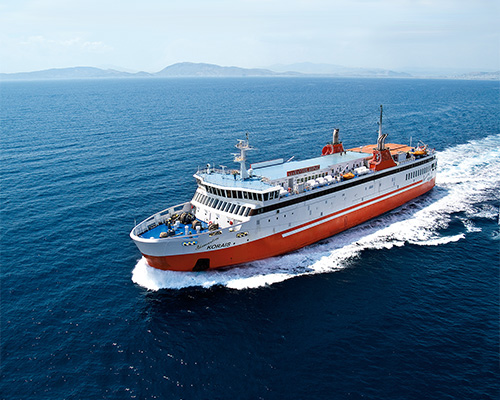
Adamantios Korais – Zante Ferries

His main goal was the development of a national, universal Greek language into a written language; the standards he established for this are still largely the authoritative ones today. Korais tried to raise Greek awareness of their historical heritage, their Hellenistic origins. He stated that general education was the key to an independent Greece. Above all, however, Korais is known for his decisive role in the Greek language question: He attempted to strike a balance between the antiquarian standard language and the popular language, and went down in Greek linguistic history as the inventor of the Katharevousa (= the pure; the purified popular language).
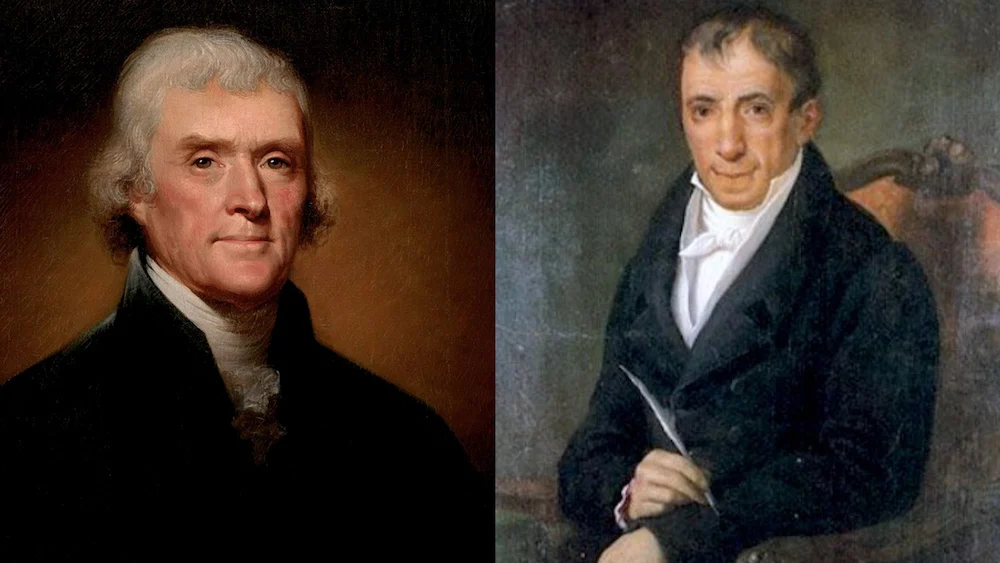
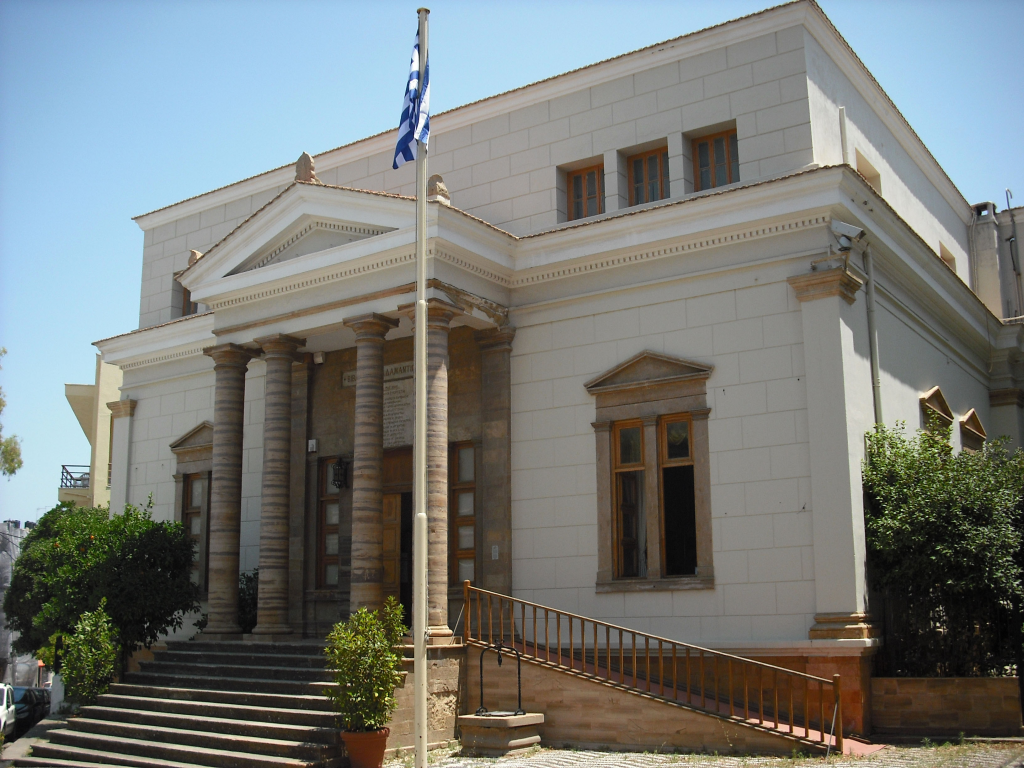
In his letters and publications, Korais criticized the Greek Orthodox Church, which dominated the lives of his countrymen in the Ottoman Empire. The church strictly opposed an independent Greece. Korais’s expertise in classical antiquity developed from his study of the works of ancient Greek writers. His marble bust adorns the Lyceum on the Greek island of Chios, to which Korais bequeathed his valuable library, the present Korais Library (Δημόσια Κεντρική Ιστορική Bιβλιοθήκη Χίου Κοραή), which bears his name.

Adamantios Korais died on April 6, 1833, in Paris and was buried in the Montparnasse Cemetery (Division 2). In 1877, at the request of King George I of Greece, he was reburied and now has an honorary grave in the First Cemetery of Athens. In 1895, a cenotaph was erected in his honor at the site of his grave in the Montparnasse Cemetery.

The chair of Byzantine and Modern Greek Studies at King’s College London, the Koraes Professor of Modern Greek and Byzantine History, Language and Literature, is named after him.
  • -

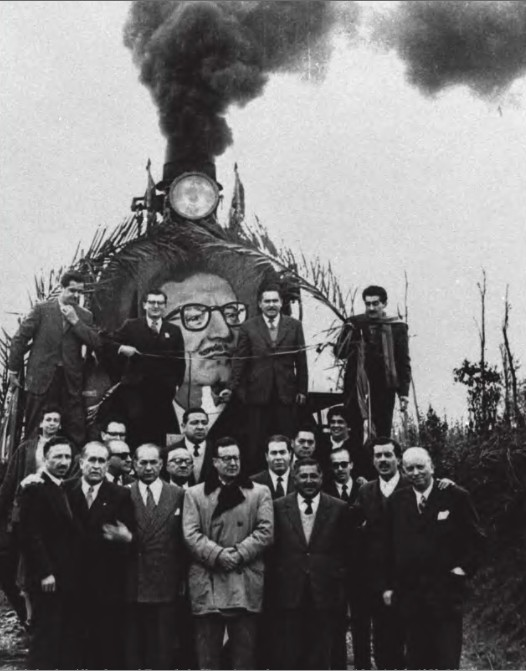
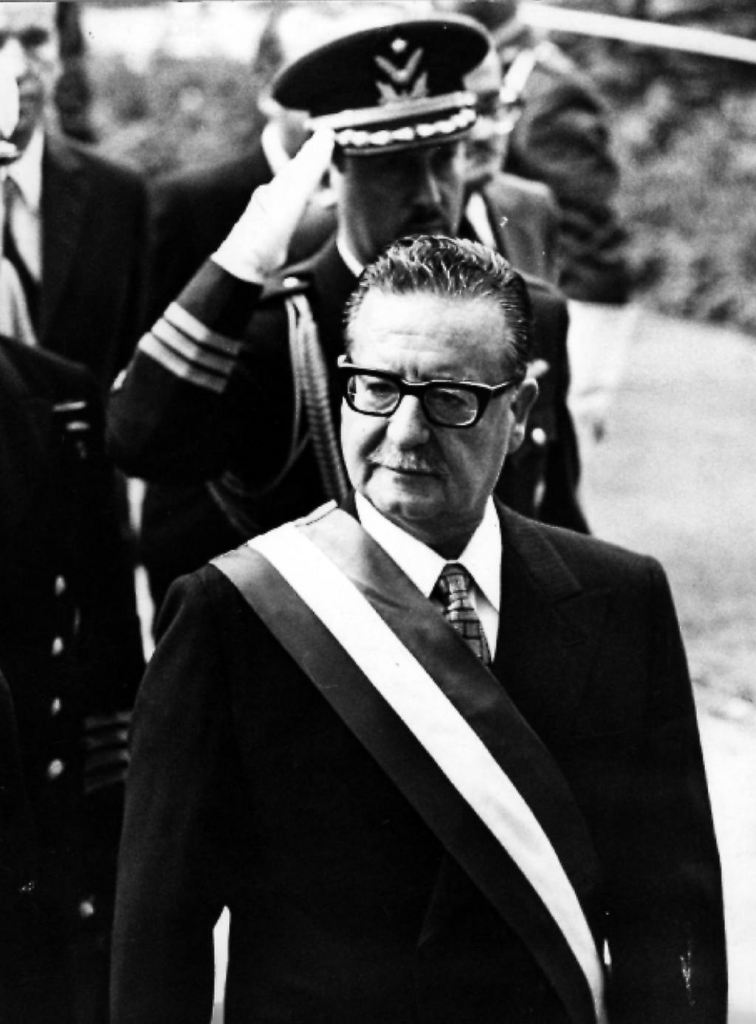
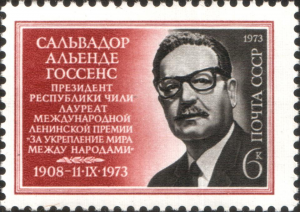
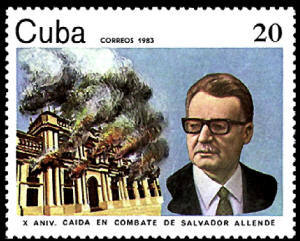
Salvador Allende

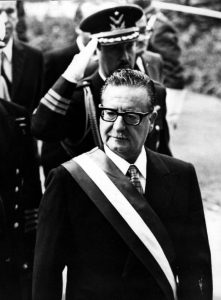
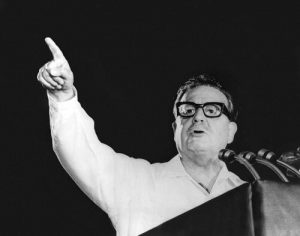
Salvador Guillermo Allende Gossens [salβaˈðoɾ ɣiˈjeɾmo aˈjende ˈɣosens] (June 26, 1908 in Valparaíso – September 11, 1973 in Santiago de Chile) was a Chilean physician and politician. He served as President of Chile from 1970 to 1973. His presidency was an attempt to establish a socialist society in Chile through democratic means. Allende was overthrown in a military coup in 1973, during which he committed suicide.

Allende became politically active in the late 1920s as a medical student at the University of Chile. He participated in protests against the dictatorship of Colonel Carlos Ibáñez del Campo and was elected vice president of the Federation of Chilean Students (FECH). In 1929, he joined both the Freemasons[5] and the group “Avance” (“Forward”).[6] In both organizations, he made important contacts for his later political career.

After the suppression of an uprising against the Ibáñez dictatorship led by Marmaduque Grove, Allende was arrested but later released. Shortly thereafter, he became secretary of the Socialist Party, founded in 1933, for the Valparaíso region.

In 1952, Allende ran for president for the first time, but only finished fourth. In 1954, he served as Deputy President of the Senate. In 1958, he was again the presidential candidate of the left-wing alliance Frente de Acción Popular (FRAP), but narrowly lost to the businessman Jorge Alessandri Rodríguez, who was supported by the right-wing parties. In 1964, he ran for president again, but was decisively defeated by the Christian Democrat Eduardo Frei. The reasons for this final electoral defeat were the last-minute support of the conservative parties for the more progressive Frei, as well as the massive support of the Christian Democrats by the CIA.[7]

In 1966, Allende was elected President of the Senate. In 1968, calls for his resignation followed his personal protection of the survivors of Che Guevara’s guerrilla force in Bolivia. In the same year he condemned the Soviet invasion of Prague.

Namegiving

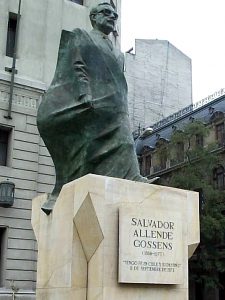
After the end of the military dictatorship in Chile, Allende’s body was transported from Valparaíso, where he had been buried behind closed doors after the coup, to Santiago de Chile and interred in the main cemetery. Several hundred thousand people attended the funeral. A statue of Allende stands next to the presidential palace, La Moneda.

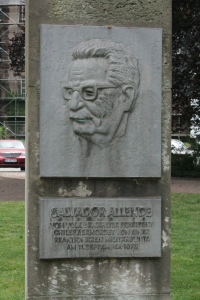
After his death, Salvador Allende was honored primarily in the socialist countries of Europe. In the Berlin district of Köpenick, the Salvador Allende Quarter is named after him. There is also an Allende Quarter in Wittenberge (Brandenburg). In the university town of Greifswald, in the GDR, the vocational school of the VEB Kombinat Ingenieur-Tief- und Verkehrsbau Rostock (State Industrial Estate Combine) bore the name Dr. Salvador Allende. An “Allende Memorial Stone” stood in the schoolyard. This educational institution was closed after the fall of the Berlin Wall. Two of the former buildings were converted into student housing and prop storage for the theater, in front of which the memorial stone is located. In Jena, a square in the Lobeda-Ost district, and streets in Bautzen, Chemnitz, Ludwigsfelde, Magdeburg, Neubrandenburg, Rostock, Frankfurt (Oder), Waltershausen, Weimar, Wittenberge, and Zwickau are named after Allende.
In Bernburg (Saale) in Saxony-Anhalt, the then new residential area on Kirschberg was named Dr. Salvador Allende Settlement in 1973, and a memorial plaque was erected at the corner of Dr. John Rittmeister Street, which was “stored indefinitely” in 2007.[33] The secondary school in Klötze (Saxony-Anhalt) bears the name “Dr. Salvador Allende,”[34] as does a primary school in Chemnitz.[35] A primary school in Rheinsberg (Brandenburg)[36] bore his name until 2018.[37]

In the Federal Republic of Germany, the former Bornplatz in the Hanseatic City of Hamburg was renamed Allende-Platz in 1983. It is located next to the grounds of the University of Hamburg, in the immediate vicinity of the former Talmud Torah School. In Oer-Erkenschwick, the Socialist Youth of Germany – The Falcons – has called its educational facility the Salvador Allende House since it opened in the late 1970s. There is also a Salvador Allende Street in Berlin, Bremen, and Frankfurt am Main. In Berlin, there is also the Salvador Allende Quarter.

https://de.wikipedia.org/wiki/Salvador_Allende

https://en.wikipedia.org/wiki/Salvador_Allende


  • -

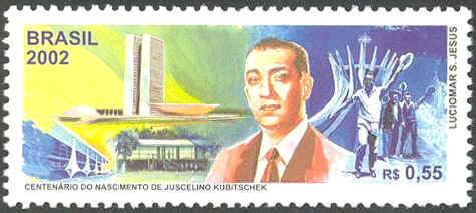
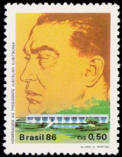
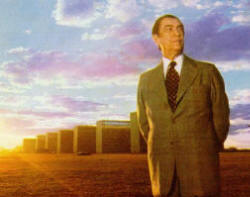
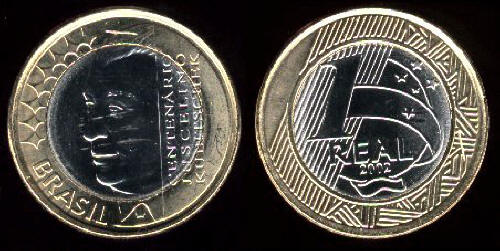
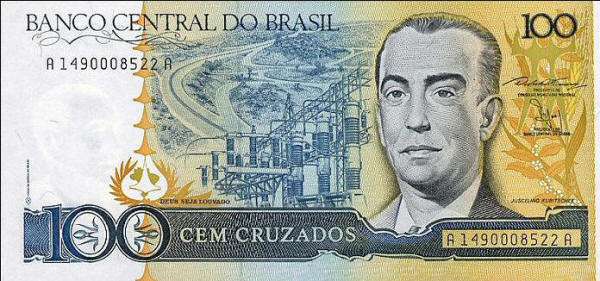
Juscelino Kubitschek

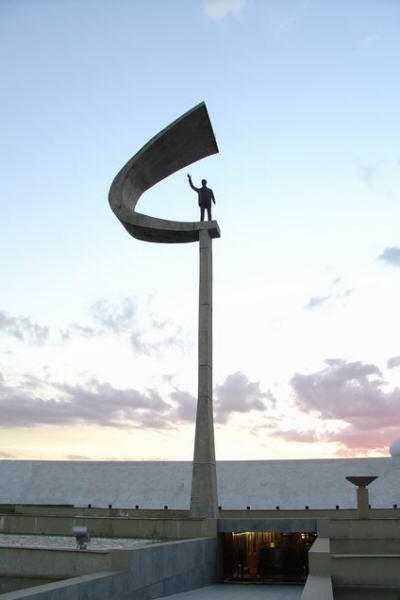
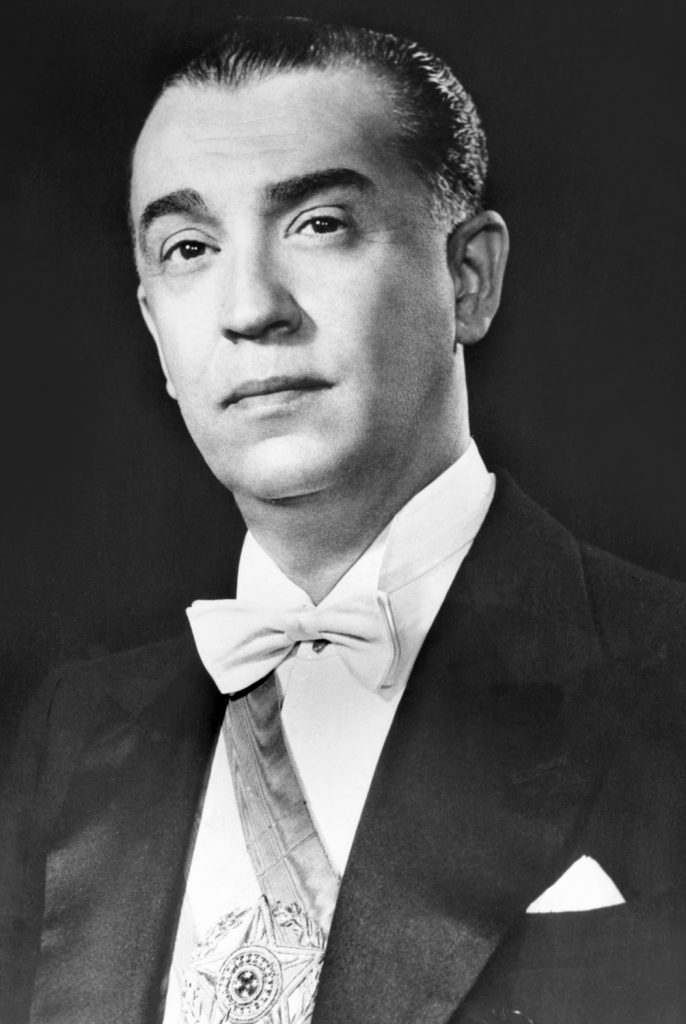
Juscelino Kubitschek de Oliveira (Portuguese pronunciation: [ʒuseˈlinu kubiˈʃɛk(i) dʒi oliˈve(j)ɾɐ]; 12 September 1902 – 22 August 1976), also known by his initials JK, was a prominent Brazilian politician who served as the 21st president of Brazil from 1956 to 1961. Kubitschek’s government plan, dubbed “50 years in 5”, was centered on economic and social development. During his term the country experienced a period of notable economic growth and relative political stability. However, there was also a significant increase in external debt, inflation, income concentration and wage erosion. At the time, there was no re-election and, on 31 January 1961, he was succeeded by Jânio Quadros, supported by the UDN. Kubitschek is best known for the construction of Brazil’s new capital: Brasília, which was inaugurated on 21 April 1960, replacing Rio de Janeiro.

Kubitschek was born in DiamantinaMinas Gerais, in 1902. His father, João César de Oliveira, died when he was only two years old. JK completed the humanities course at the Diamantina Seminary and moved to Belo Horizonte in 1920. In 1927, he graduated in medicine from the Federal University of Minas Gerais (UFMG), and in 1930 he specialized in urology in Paris. In December 1931, he married Sarah Lemos, with whom he had a daughter, Márcia, in 1943. The couple also adopted Maria Estela in 1947. In 1931, Kubitschek joined the Public Force of Minas Gerais as a doctor. During this period, he served on the Constitutionalist Revolution and became friends with politician Benedito Valadares who, upon being appointed federal intervenor in 1933, appointed Kubitschek as his chief of staff. In 1934, Kubitschek was elected federal deputy, but his term was revoked during the Estado Novo coup. With the loss of his term, Kubitschek returned to medicine. In 1940, he was appointed mayor of Belo Horizonte by Valadares, remaining in this position until October 1945. At the end of the same year he was elected constituent deputy for the Social Democratic Party (PSD). In 1950, he defeated Bias Fortes in the PSD caucuses to choose the party’s candidate for that year’s gubernatorial election in Minas Gerais. In the election, he defeated his brother-in-law Gabriel Passos and was sworn in as governor on 31 January 1951. As governor, he created the Companhia Energética de Minas Gerais, and also prioritized road building and industrialization.

wikipedia DE

wikipedia EN


  • -

Nikolaus Kopernikus

Nicolaus Copernicus (/koʊˈpɜːrnɪkəs, kə-/;[2][3][4] PolishMikołaj Kopernik;[b] Middle Low GermanNiklas KoppernigkGermanNikolaus Kopernikus; 19 February 1473 – 24 May 1543) was a Renaissance polymath, active as a mathematician, astronomer, and Catholic canon, who formulated a model of the universe that placed the Sun rather than Earth at its center. In all likelihood, Copernicus developed his model independently of Aristarchus of Samos, an ancient Greek astronomer who had formulated such a model some eighteen centuries earlier.[5][c][d][e]

The publication of Copernicus’s model in his book De revolutionibus orbium coelestium (On the Revolutions of the Celestial Spheres), just before his death in 1543, was a major event in the history of science, triggering the Copernican Revolution and making a pioneering contribution to the Scientific Revolution.[7]

Copernicus was born and died in Royal Prussia, a region that had been part of the Kingdom of Poland since 1466. A polyglot and polymath, he obtained a doctorate in canon law and was a mathematician, astronomer, physicianclassics scholartranslatorgovernordiplomat, and economist. From 1497 he was a Warmian Cathedral chapter canon. In 1517 he derived a quantity theory of money—a key concept in economics—and in 1519 he formulated an economic principle that later came to be called Gresham’s law.[f]

Some time before 1514, Copernicus wrote an initial outline of his heliocentric theory known only from later transcripts, by the title (perhaps given to it by a copyist), Nicolai Copernici de hypothesibus motuum coelestium a se constitutis commentariolus—commonly referred to as the Commentariolus. It was a succinct theoretical description of the world’s heliocentric mechanism, without mathematical apparatus, and differed in some important details of geometric construction from De revolutionibus; but it was already based on the same assumptions regarding Earth’s triple motions. The Commentariolus, which Copernicus consciously saw as merely a first sketch for his planned book, was not intended for printed distribution. He made only a very few manuscript copies available to his closest acquaintances, including, it seems, several Kraków astronomers with whom he collaborated in 1515–30 in observing eclipsesTycho Brahe would include a fragment from the Commentariolus in his own treatise, Astronomiae instauratae progymnasmata, published in Prague in 1602, based on a manuscript that he had received from the Bohemian physician and astronomer Tadeáš Hájek, a friend of Rheticus. The Commentariolus would appear complete in print for the first time only in 1878.[45]

aus | from manuskript
Tusi-Paar | tusi couple

In 1526 Kopernikus cooperated with Bernard Wapowski working out a map of the Königreich PolenGroßfürstentum Litauen, in 1529 he also made a map of Herzogtums PreußenGeorg Joachim Rheticus, professor in Wittenberg, came to work with Kopernikus for three years in Frauenburg, beginning in 1539.

POLAND – AUGUST 02: 1000 zloty banknote, 1982, obverse, Nicolaus Copernicus (1473-1543). Poland, 20th century. (Photo by DeAgostini/Getty Images)

wikipedia DE

wikipedia EN


  • -

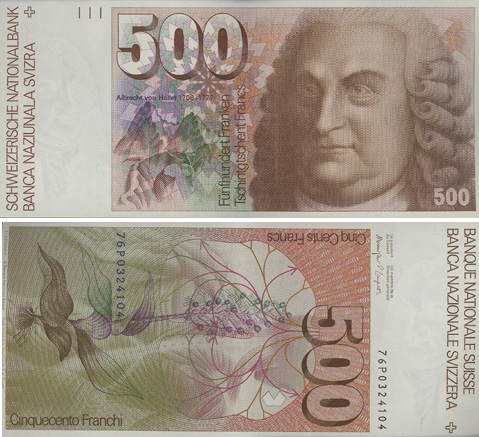
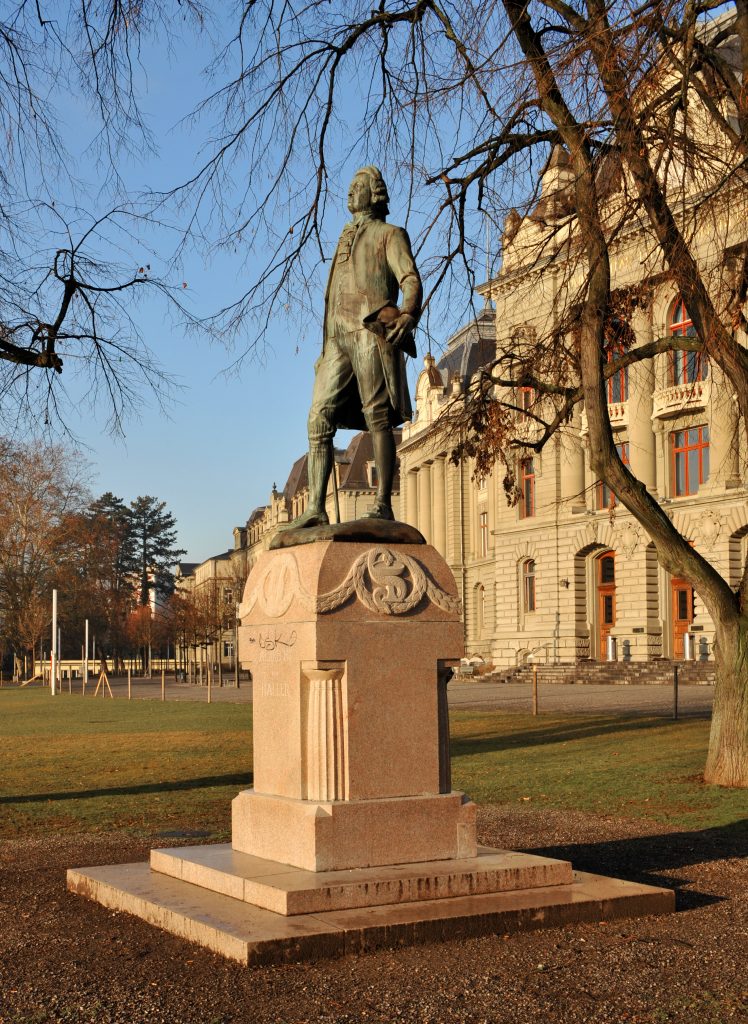
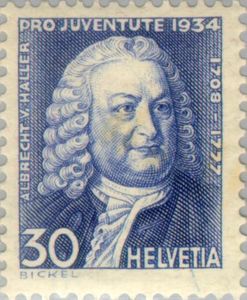
Albrecht von Haller

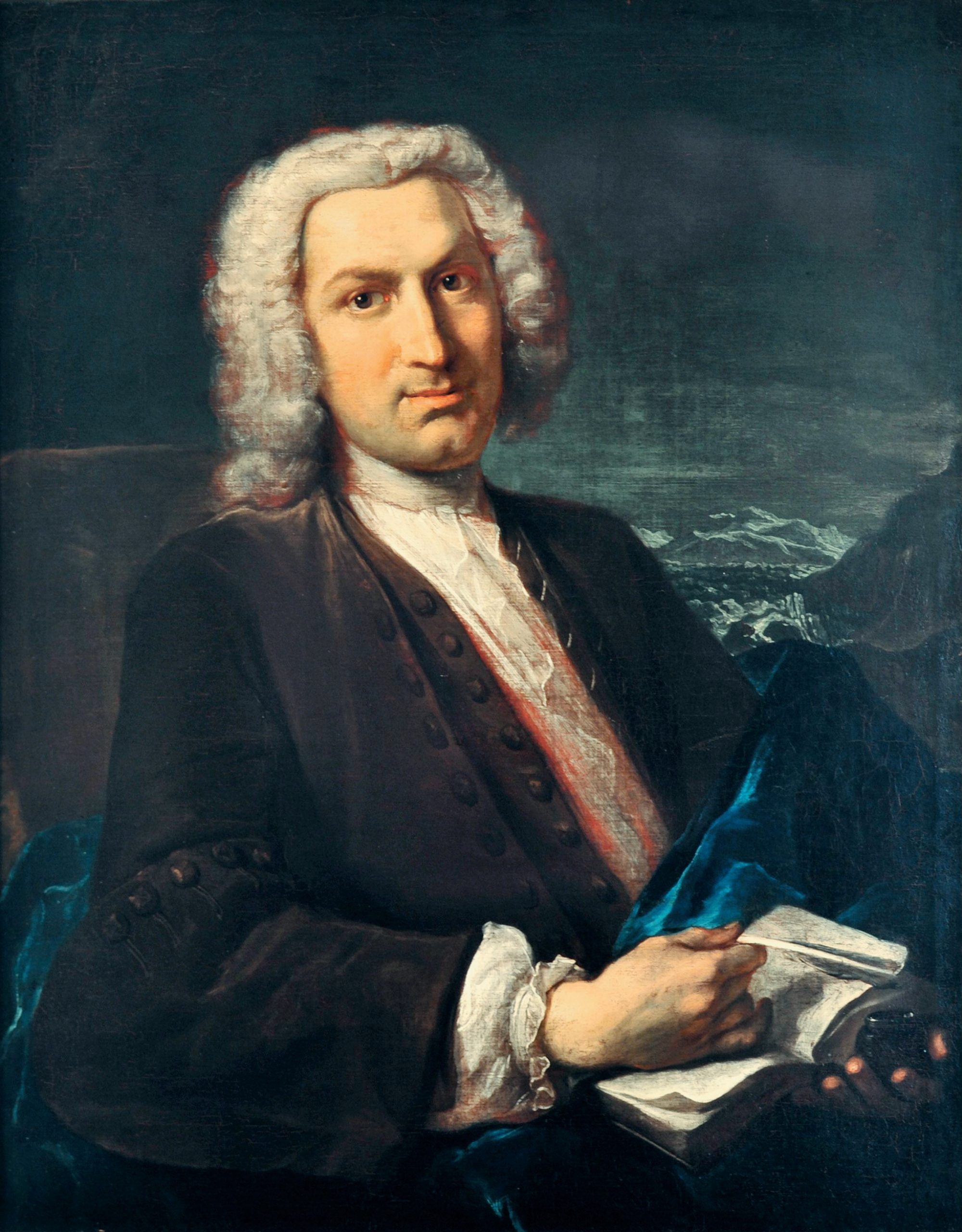
Albrecht von Haller (also known as Albertus de Haller; 16 October 1708 – 12 December 1777) was a Swiss anatomistphysiologistnaturalist, encyclopedist, bibliographer and poet. A pupil of Herman Boerhaave, he is often referred to as “the father of modern physiology.”[1][2]

His botanic abbreviation is “Haller”, also used as “Hall.”

AS author his monumental work is Die Alpen.

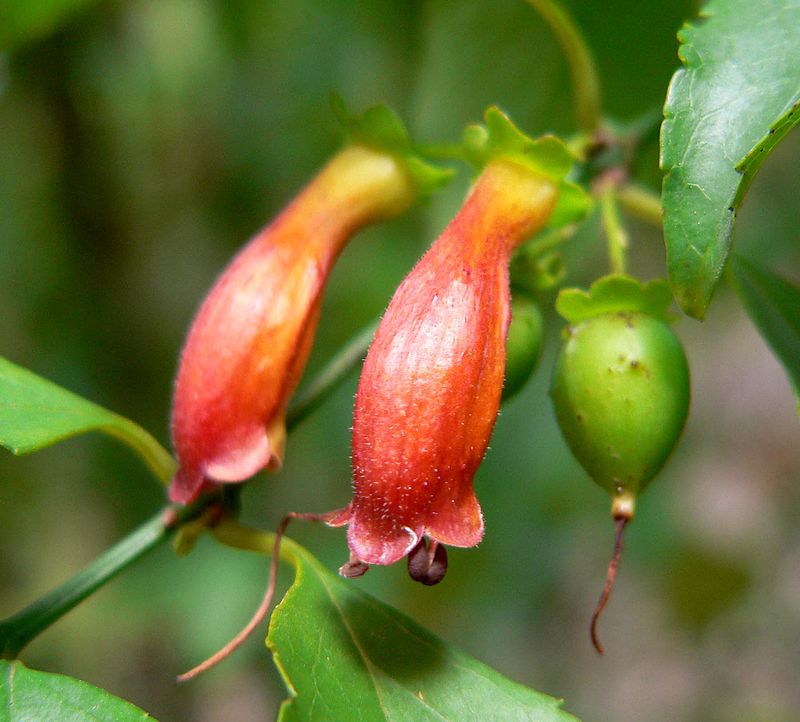
In “Die Alpen” are notes pointing out some plants of his main botanic work Enumeratio methodica stirpium Helvetiae indigenarum:

Botanics

  • Die Gattung Halleria L. der Pflanzenfamilie der Stilbaceae wurde zu Ehren Hallers benannt.

Astronomy

Geography

  • The Haller Rocks, in the antarctic Palmer-Archipel, wear his name since 1960.

Street

wikipedia DE

wikipedia EN