May 2010 – Certificate of Chinese Proficiency (new HSK level 4 – European CEF level B2) Score 201 May 2009 – Certificate of Chinese Proficiency HSK Test (Basic) – Score 173 (B) 2009-2010 Chinese language course (elementary), www.guavatalk.com) 2008-2009 Chinese language course (basic) 1981 – Scientific High School Diploma (56/60) (English language and literature being subject of the examination) German Language Study (Deutsch Institut, Via Cerino Zegna, 14 BIELLA (BI) Tel/Fax +39-015-20.307)
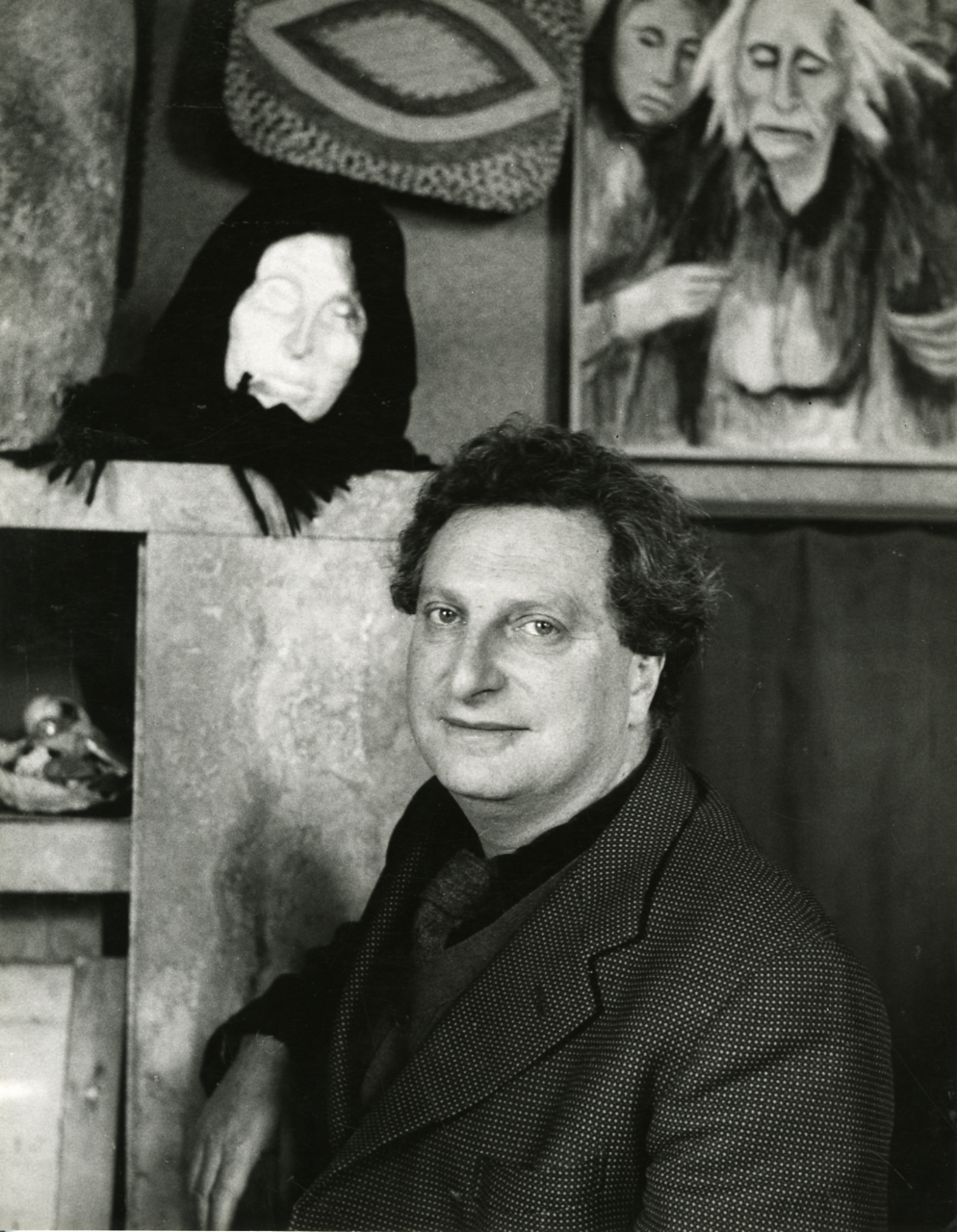
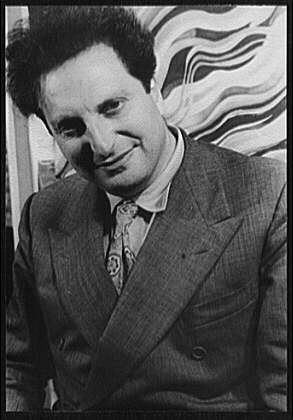
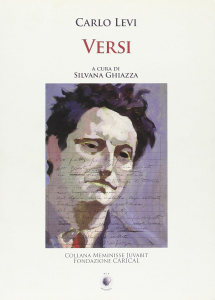
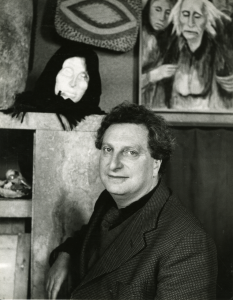
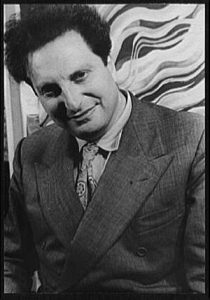
Graziadio Carlo Levi or Carlo Lèvi (born November 29, 1902 in Turin; died January 4, 1975 in Rome) was an Italian writer, painter, doctor and politician.
Carlo Levi came from an upper-class, assimilated Jewish family; his parents were Ercole Levi and Annetta Treves. In 1917 or 1918, he enrolled to study medicine at the University of Turin, graduating in 1924.[1] Although he worked as an assistant doctor at a Turin clinic from 1924 to 1928, he never practiced as a regular doctor, as he was more interested in politics and painting, to which he devoted himself intensively from 1923 onwards.[2] He became a member of the Rivoluzione liberale (“Liberal Revolution”) group led by Piero Gobetti, spent some time in Paris, and took part in the 1929 exhibition Sei pittori di Torino (“Six Turin Painters”).
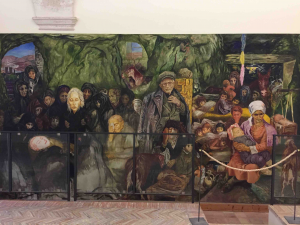
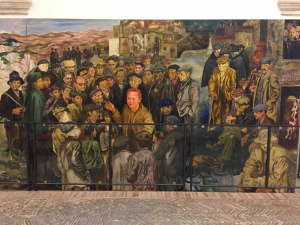
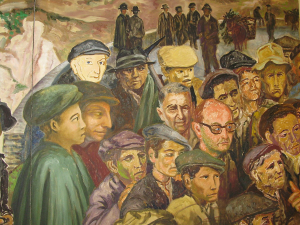
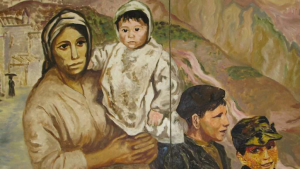
Because he had founded the anti-fascist group Giustizia e Libertà (“Justice and Freedom”) together with Carlo and Nello Roselli in 1929 and led it together with Leone Ginzburg, Levi was imprisoned in Rome for two months in the spring of 1934 and exiled to the southern Italian region of Lucania (now Basilicata) in May 1935. There, after some time in the small town of Grassano, he spent the period from September 1935 to May 1936 in the village of Aliano, where, due to the poverty of the inhabitants, he practiced as a doctor without pay and with limited resources. Until the provincial administration forbade this too and treatments could only be carried out in secret. On the side, he painted people and landscapes and explored the customs of the inhabitants, especially magic and superstition.
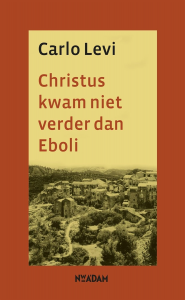
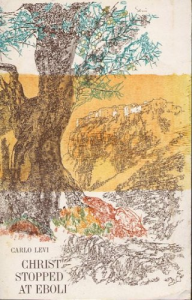
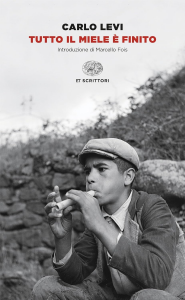
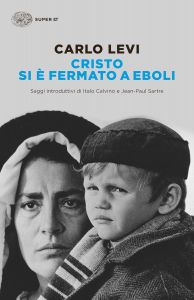
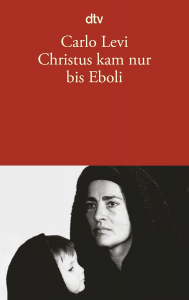
After his early release in 1936 through a general amnesty proclaimed by the fascist state to celebrate the annexation of Abyssinia during the Abyssinian War, Levi went into exile and took over the leadership of the Justice and Liberation group from Paris. In 1941, he returned to Italy, was arrested and imprisoned in Florence. After the fall of Mussolini, he was released, sought refuge in the Palazzo Pitti, and there, in 1943/1944, wrote his book Cristo si è fermato a Eboli (published in 1945, see below), in which he recorded his memories of his time in Aliano, choosing the slightly coded name Gagliano for Aliano.
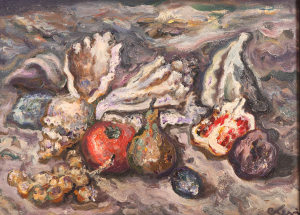
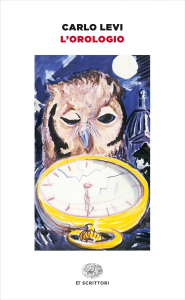
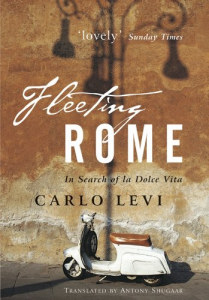
After the end of the Second World War, Levi moved to Rome, where he lived and worked from then on in the Villa Strohl-Fern[3] and for some time as editor of the magazine Italia libera, which belonged to the Partito d’Azione (“Party of Action”). He continued to paint (his paintings were exhibited in various European countries and in the USA) and wrote more books (see below). In 1963, he was elected to the Senate as an independent on the Communist Party list, where he remained until 1972.
Carlo Levi died of pneumonia in a Roman hospital in 1975. In accordance with his express testamentary wish, he was buried in the cemetery of Aliano, which was one of his favorite places to stay during his exile there.