since 2009 As an expert on ZDF, RTL, N24, Sat1, and HR for “Service:Gesundheit” and “Einfach gesund!”
2008 “Gesundheit!”, BR, working as an expert in nutritional medicine
Explanatory video with self-played piano transitions
2006-2007 “Die Sprechstunde” (The Consultation Hour), BR, Engagement: Nutrition Expert
2006-2007 “Weck Up” (SAT.1), Engagement as a Consulting Physician
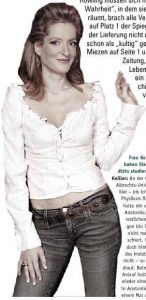
Kokew impresses with her naturalness and freshness, as well as her excellent screen presence… (Logo Institute) Member of the cabaret group “Comedizyniker” (KOMM-Kabarett) at the University Hospital Frankfurt; acting lessons
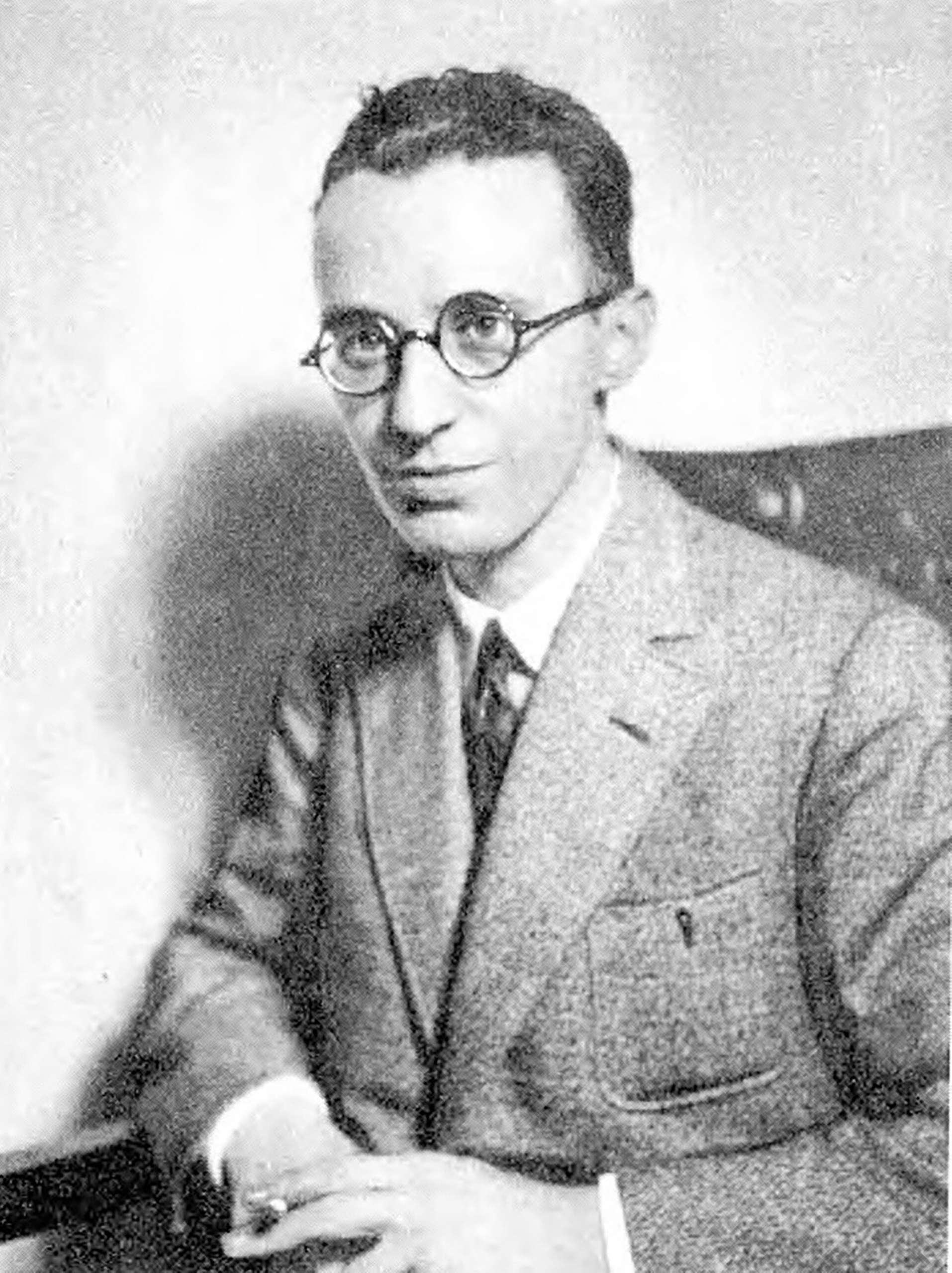
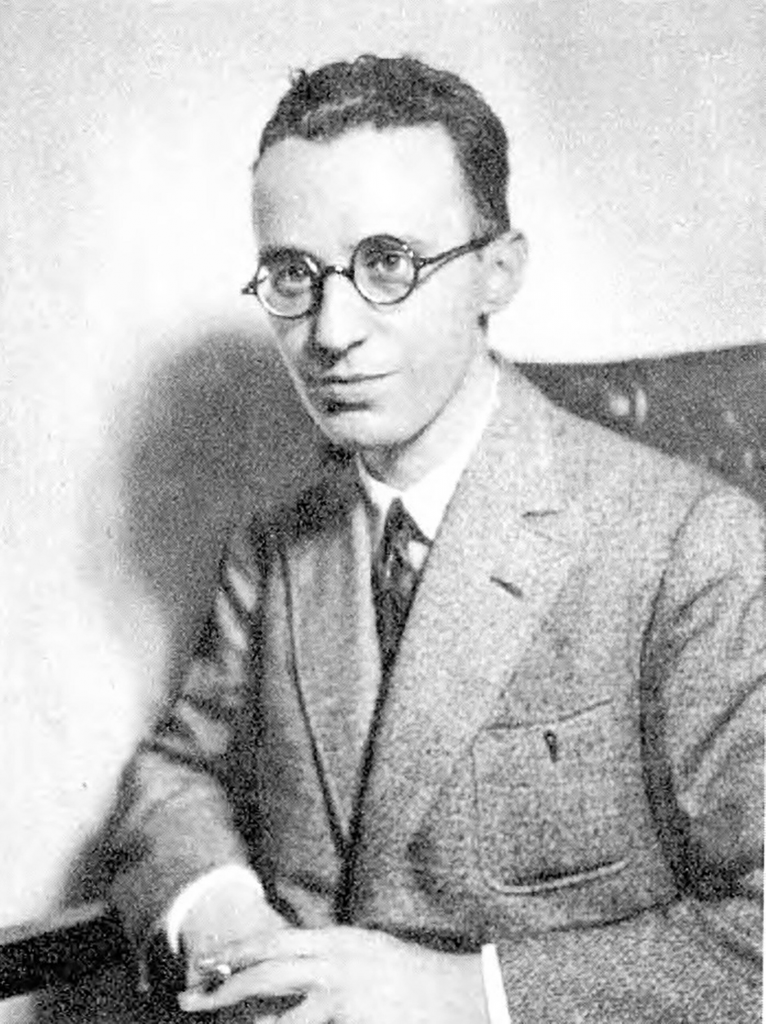
Reinhold Adolf Merten (June 6, 1894 in Wiesbaden; August 19, 1943 in Munich[1][2]) was a German conductor and physician.
Coming from a family of musicians, Merten initially attended the conservatory in Wiesbaden, but then studied medicine at the Philipps University of Marburg and the Johann Wolfgang Goethe University of Frankfurt am Main, and served as a medical officer in World War I. After the war, he received his doctorate from the University of Frankfurt with a dissertation on acid-fast, tubercle-like bacilli in wind instruments (1933).
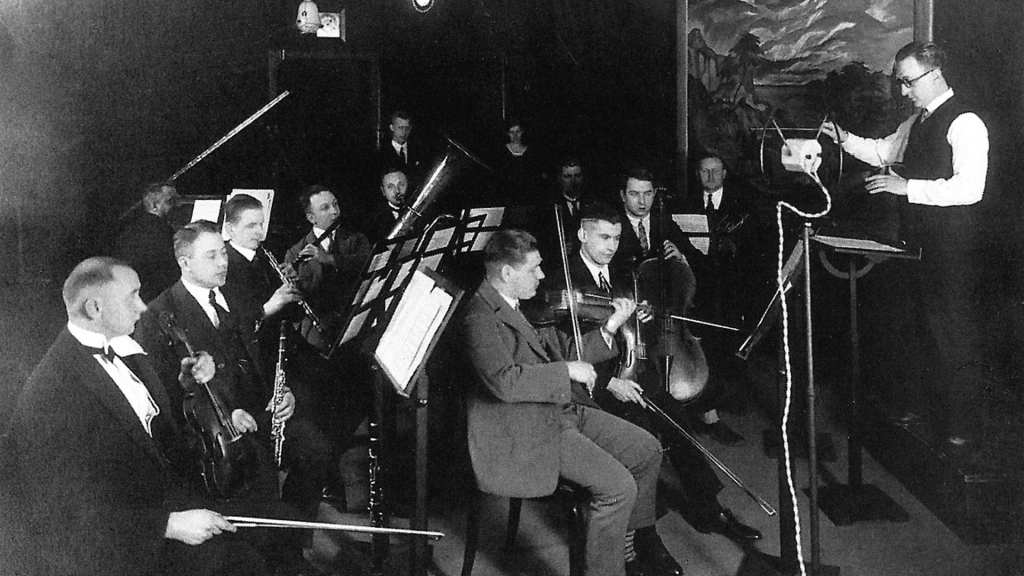
Merten did not work as a doctor, however, but became a solo répétiteur at the Frankfurt Opera in 1920. Together with Paul Hindemith, he founded the Frankfurter Gemeinschaft für Musik in 1922. After the Südwestdeutsche Rundfunkdienst AG (Radio Frankfurt) began operations in Frankfurt am Main in April 1924, several musicians gathered under Merten’s direction in the station’s studio in the old postal savings bank on Stephanstrasse and played ensemble music. From 1926, he worked in Frankfurt as an organist and pianist. In 1927, he joined the SPD, a party he remained a member of until 1931. On October 1, 1929, the Frankfurt Radio Symphony Orchestra was founded, with Hans Rosbaud as first and Reinhold Merten as second conductor.
In addition to his musical activities, he was a “music official” at the radio station. On April 1, 1933, he joined the Nazi Party (membership number 1,795,051). In 1934, he was tasked with establishing a sound engineering school in Berlin. In 1938, he became head of the acoustic-musical border areas department of the Central Technical Directorate within the Reich Broadcasting Company in Dresden. In 1939, he moved to the Great Orchestra of the Reichssender Leipzig as chief conductor. He remained there until the station was shut down in 1940 due to the war. He also taught applied musicology at the University of Freiburg.
In 1941, he went to the Reichssender Munich as first Kapellmeister. After a serious illness, he died in Munich in 1943.
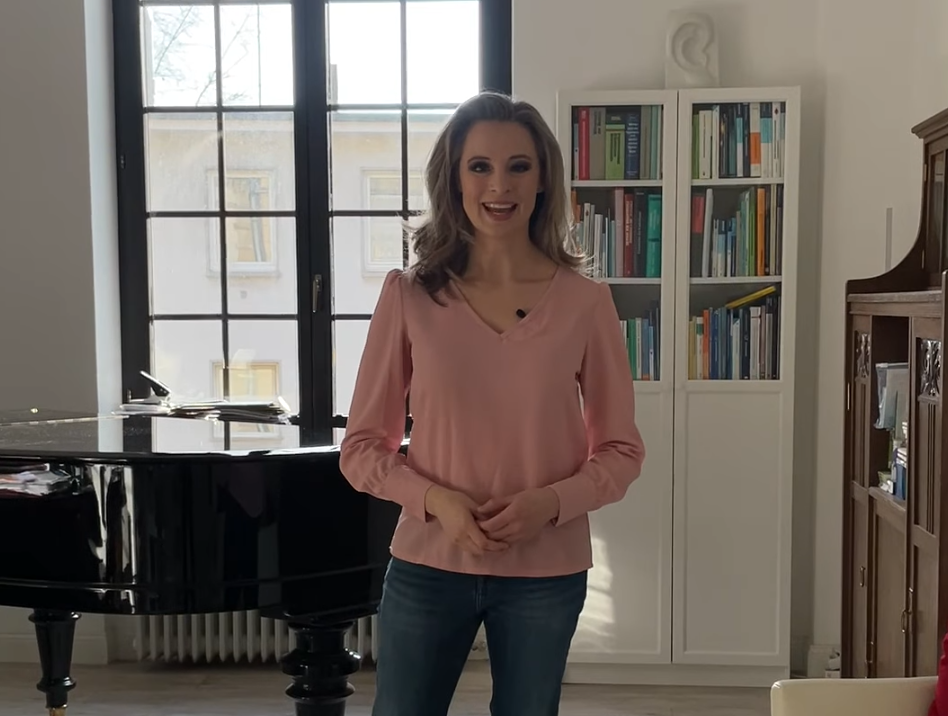
My name is Elisa, named after Beethoven’s “Für Elise,” a piece my mother loved. I started piano lessons at the age of 6, supported by my Korean mother and Sicilian father, and music has always been a big part of my life. After studying dentistry ???? and working as a dentist, I returned to the piano in 2020 after a 21-year hiatus.????????
Elisa Kafritsas played her debut piano concerto at the age of 7, won prizes at the “Jugend musiziert” competition, and performed with orchestras such as the Junge Süddeutsche Philharmonie Esslingen. While pursuing a career as a dentist, the pianist with Korean and Sicilian roots took a 21-year break, but then reactivated her dormant talent and received personal instruction from Professor Friedemann Rieger, Dean of Piano at the Stuttgart University of Music. This was followed by her viral Instagram channel “Pianotaste,” on which she participates in international piano competitions and presents her own neoclassical compositions. The premiere of her first composition, “Starlight,” took place in 2023 as a benefit for the Stelp e.V. Gala.
Sprecherin | Speaker
In 2023, I began composing to process the emotions I felt during a family member’s illness. ????Music has always been my way of expressing my soul. As a child, I recorded my favorite songs on cassettes, played them by ear, and modified them by adding new piano runs.
You can listen to my music under Elisa Kafritsas on all music platforms, and find sheet music for my compositions on my website.
Chopin
As a piano influencer, she has not only infected people around the world, but also her family: her little daughter now practices voluntarily, and her husband is also hitting the keys more often again. “We’re really totally into the piano, and it’s doing us all a lot of good.
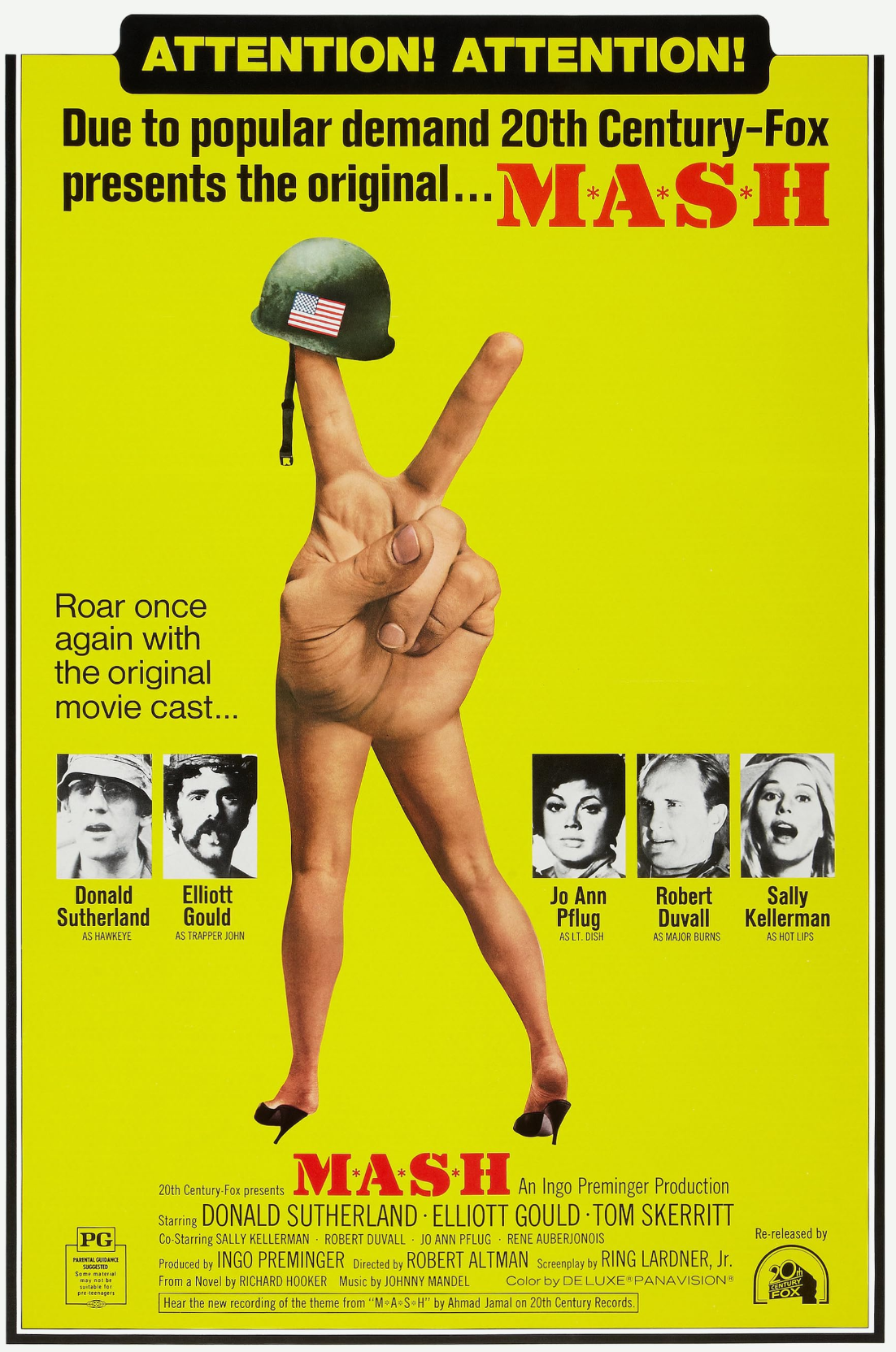
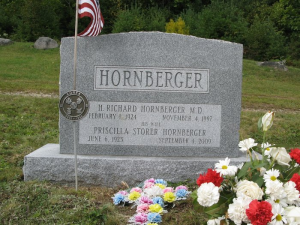
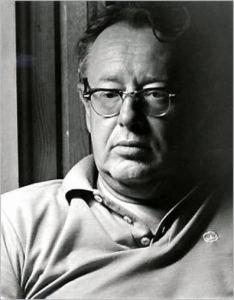
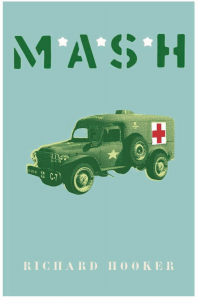
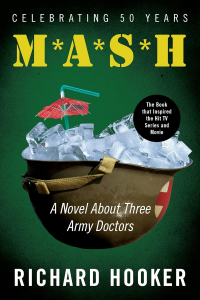
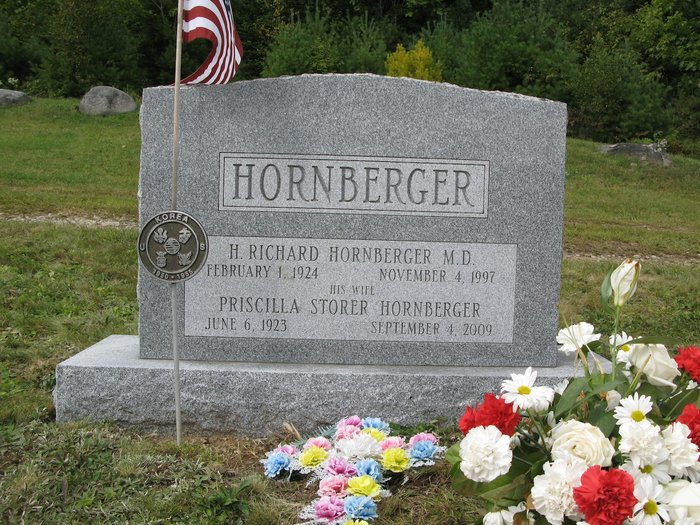
Hiester Richard Hornberger Jr. (February 1, 1924 – November 4, 1997) was an American writer and surgeon who wrote under the pseudonym Richard Hooker. Hornberger’s best-known work is his novel MASH (1968), based on his experiences as a wartime United States Army surgeon during the Korean War and written in collaboration with W. C. Heinz. It was used as the basis for the award-winning, critically and commercially successful movie M*A*S*H (1970) — and two years later, the acclaimed long running television series of the same title.
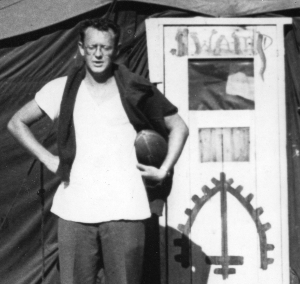
After graduating from medical school, he was drafted into the Korean War and assigned to the 8055 Mobile Army Surgical Hospital (M.A.S.H.). According to one doctor assigned to the unit, M.A.S.H. units “weren’t on the front lines, but they were close. They lived and worked in tents. It was hot in the summer and colder than cold in the winter.”[3] The operating room consisted of stretchers balanced on carpenter’s sawhorses.[4]
Many of the M.A.S.H. doctors were in their twenties, with few having advanced surgical training.[5] During battle campaigns, units could see “as many as 1,000 casualties a day”. “What characterized the fighting in Korea”, one of Hornberger’s fellow officers recalled, “was that you would have a period of a week or ten days when nothing much was happening, then there would be a push. When you had a push, there would suddenly be a mass of casualties that would just overwhelm us.” There were, another surgeon recalled, “‘long periods when not much of anything happened’ in an atmosphere of apparent safety—plenty of time to play … When things were quiet we would sit around and read. Sometimes the nurses would have a little dance.” Hornberger’s later assessment of his unit’s behavior was: “A few flipped their lids, but most just raised hell in a variety of ways and degrees.”
A colleague described Hornberger as “a very good surgeon with a tremendous sense of humor.” Hornberger did label his tent “The Swamp” as do the characters in the novel
After the success of his book and its screen adaptations, Hornberger continued to practice as a surgeon in Waterville until his retirement in 1988. During the later years of his practice, Hornberger did medical research and published his research in peer-reviewed medical journals. He died at the age of 73 on November 4, 1997, of leukemia.
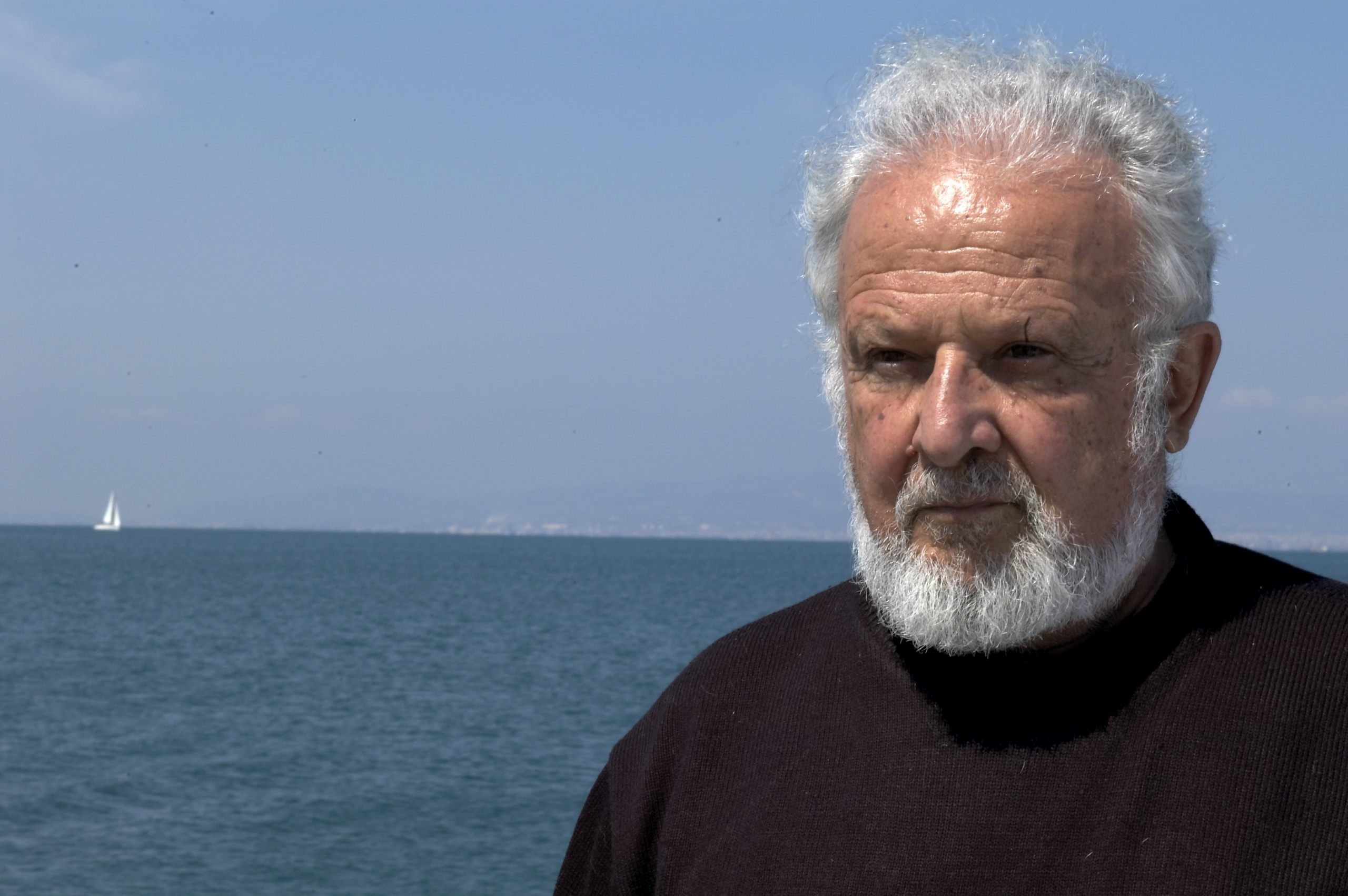
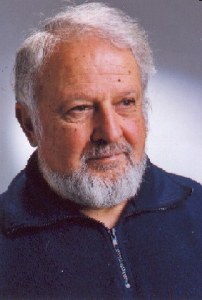
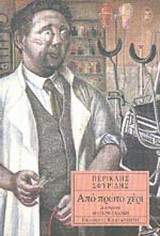
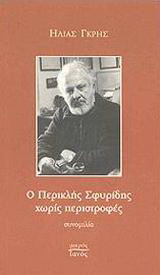
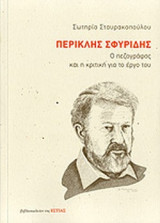
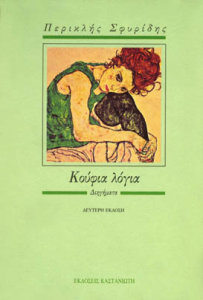
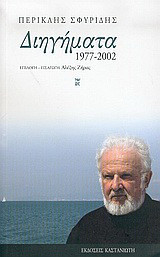
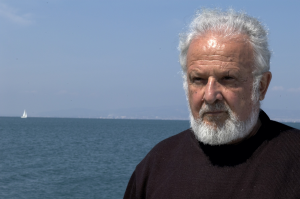
Periklis Sfyridis (born October 5, 1933, in Thessaloniki) is a contemporary Greek poet, prose writer, essayist, critic, and anthologist. His prose has been published in several languages.
Periklis Sfyridis was born in 1933 in Thessaloniki, where he lives. He graduated from the American College “Anatolia” in 1952. He studied medicine at the University of Thessaloniki (as a student of the Military Medical School) and worked as a cardiologist until 1994. From 1975 to 1981, he was president of the Thessaloniki Medical Association.
He appeared in letters in 1974 and worked closely with the literary magazine Diagonios. From 1985 to 1990, he edited Parafyada, an annual publication featuring unpublished anecdotal texts by Thessaloniki prose writers. From 1987 to 1996, he was the publishing consultant (content manager) for the magazine To Tram. In 1996, he organized the conference “Paramythia Thessaloniki” on the city’s prose from 1912 to 1995 and edited its proceedings. In 2001, he co-organized the conference “Poetry in Thessaloniki in the 20th Century” with the Department of Medieval and Modern Greek Studies at the Faculty of Philology, Faculty of Philosophy, Aristotle University of Thessaloniki, and the Thessaloniki Municipal Library, and edited its proceedings. In 2005, he organized the conference “Literary Nurseries in Thessaloniki: The City’s Literary Journals in the 20th Century and Their Editorships.” In 2008, he organized the fourth conference Criticism and Critics of Thessaloniki in the 20th Century at the Municipal Library of Thessaloniki, as part of the Demetrios Festival, and edited its proceedings (together with Sotiria Stavrakopoulou).
His short story “The Secret” is the basis for Tasos Psarras’ film “The Other Side”, the screenplay for which he wrote together with the director. Two other of his short stories have been made into television films. He also wrote the texts for the documentary series “Literature and Social Reality in Thessaloniki” by Tasos Psarras, which was broadcast by ET-3 in 1997, and for the same director’s “Literary Walks in Northern Greece” (these are the television/literary portraits of the following writers: Thanasis Markopoulos / Veria, Vasilis Karagiannis / Kozani, Lazaros Pavlidis / Kilkis, Sakis Totlis / Edessa, Vasilis Tsiambousis / Drama), a series that was broadcast repeatedly on state television in 1995.
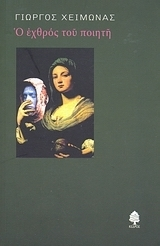
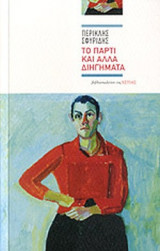
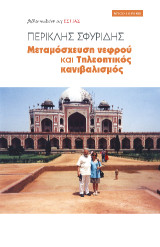
He has published two collections of poetry, fourteen short story collections, two novels, and a memoir about his spiritual journey. He has published studies on novelists, painters, and three anthologies on Thessaloniki’s prose writers, one of which has been translated into German and another into English. He has collaborated with most Greek literary magazines. His short stories have been translated into German, English, and Dutch, as have two of his books in the same language (Dutch): the short story collection First Hand and his novel Kidney Transplant. Over one hundred serious reviews and studies of his prose work have been published in individual volumes. In November 2007, he was honored by the Municipality of Thessaloniki for his prose and critical work. From 2009 to 2010, he was a member of the electoral committee of the Vafopoulio Cultural Center of Thessaloniki, responsible for speaking events. There he also created the literary series Vafopoulio Publications.
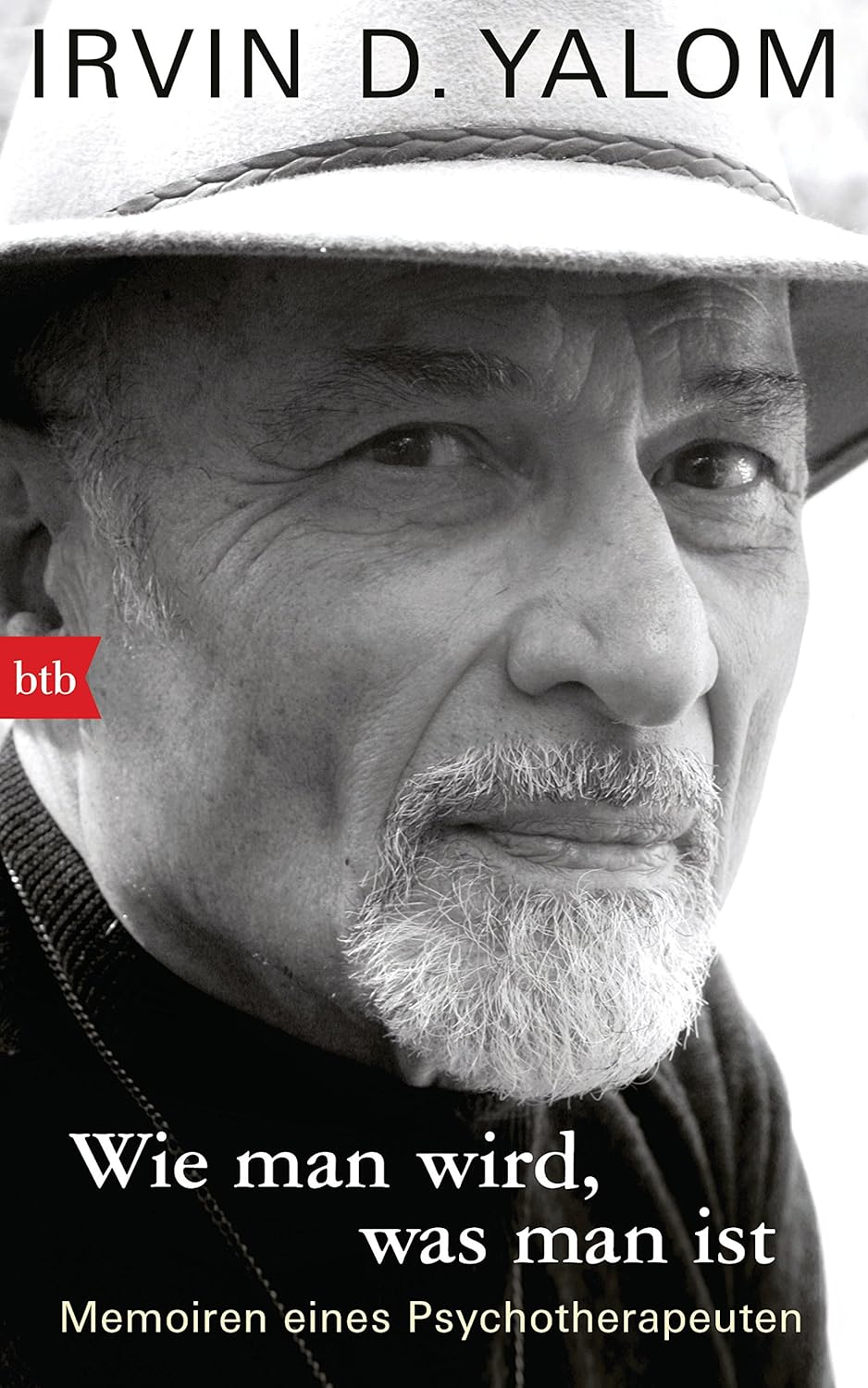
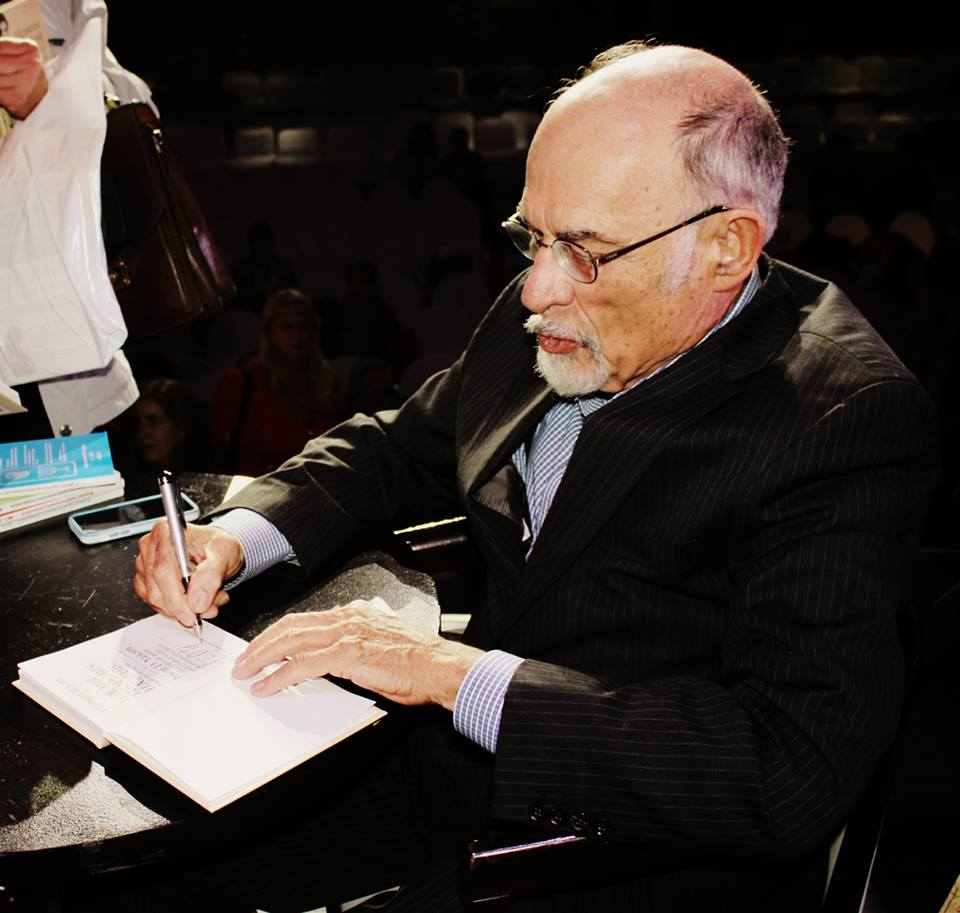
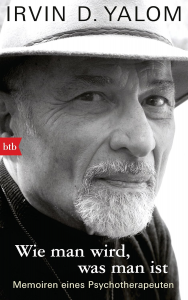
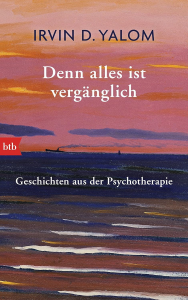
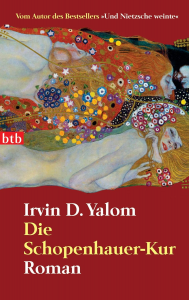
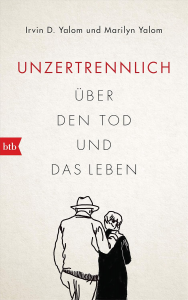
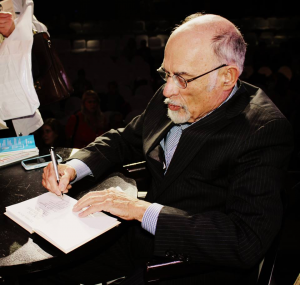
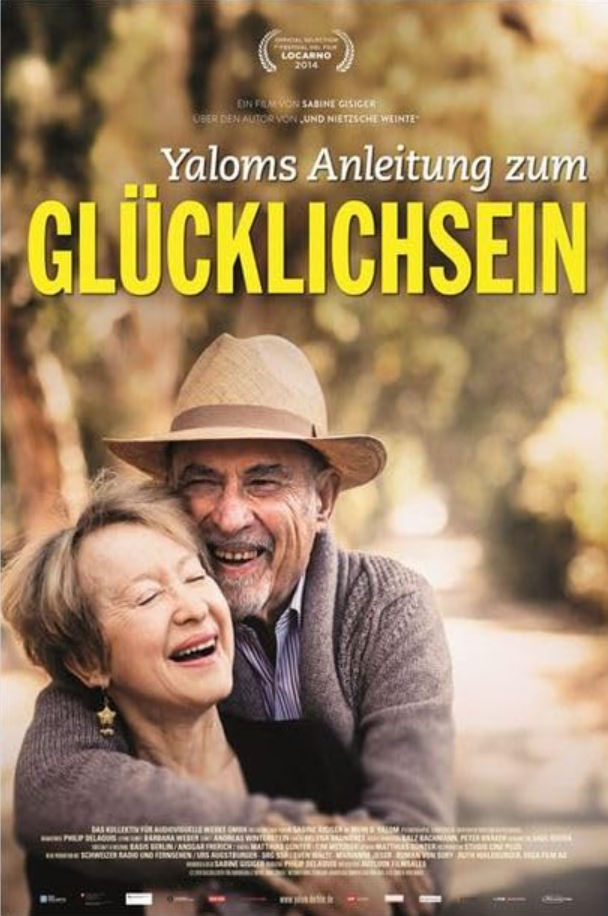
Irvin David Yalom (born June 13, 1931 in Washington, D.C.) is an American psychoanalyst, psychotherapist, psychiatrist, and writer. He is Professor Emeritus of Psychiatry at Stanford University and the author of numerous academic books and novels. Yalom is considered the most important living representative of existential psychotherapy. He is the recipient of the 2009 International Sigmund Freud Prize for Psychotherapy.
The book Every Day a Little Closer, which he published in 1974 in the form of an epistolary novel with Ginny Elkins [the pseudonym of his former client], is based on an unusual experiment. The client was a writer and her year-long participation in one of his therapy groups had been relatively unsuccessful. He therefore suggested individual therapy on the condition that, instead of paying him, she write a free-flowing, uncensored summary of each therapy session, in which she expressed all the feelings and thoughts she had not verbalized during the session. He did exactly the same. Exchanging notes every few months revealed the great discrepancies between sensations and memories regarding the same sessions. At first he used the notes in therapeutic teaching, then they were published as a book. The advice in his book The Panama Hat is based on notes from 45 years of clinical practice.
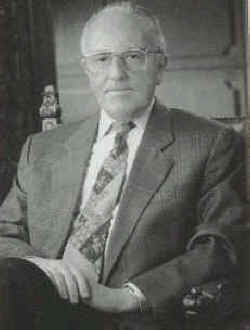
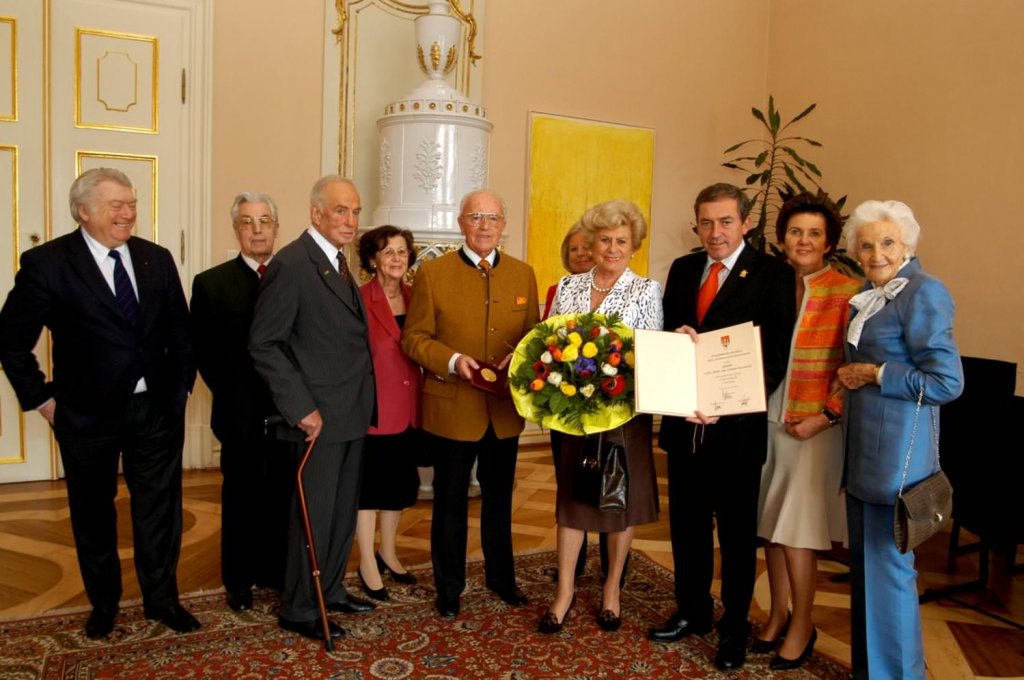
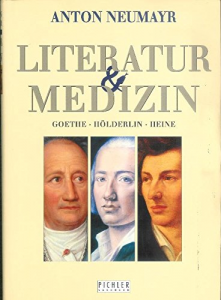
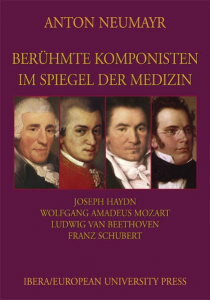
Hofrat University Professor Dr. Anton Neumayr Junior (* December 6, 1920 in Hallein; † March 18, 2017 in Vienna) was a specialist in internal medicine, chamber musician, and researcher.
As a historian, he studied the medical histories of famous musicians. He also hosted the television program “Diagnosis” from 1987 to 1994 and published numerous specialist publications.
Born in 1920 as the son of Mayor Anton Neumayer, he was distinguished from his early youth by his high intelligence and musical talent. His life was shaped by his love of music and his fascination with medicine. After graduating from high school in 1938, he abandoned his first career choice of pianist and began studying medicine, which he completed while stationed as a marine in Berlin in 1944. During his studies, he succeeded in freeing his father, who had been interned in Dachau.
His successful medical career led Neumayer to the Rudolfsstiftung Hospital in Vienna, where he headed the First Medical Clinic from 1975 to 1991. From 1963, Neumayer worked as a university professor specializing in gastroenterology in Vienna. From 1985 to 2000, he headed the Ludwig Boltzmann Research Center for Clinical Geriatrics. His reputation as an internist extended far beyond the borders of Austria.
Anton Neumayer also cultivated his musical talent and became a pianist, trained at the Mozarteum Salzburg, a chamber musician, and a music historian.
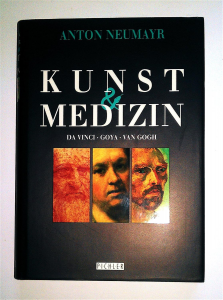
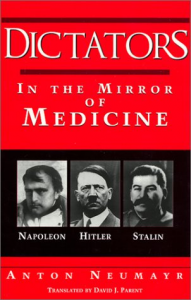
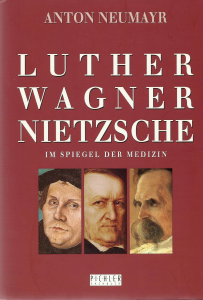
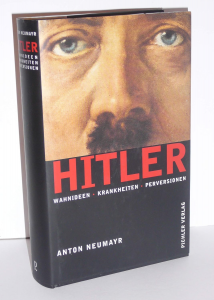
Since the 1990s, Prof. Neumayer has also published numerous books linking the worlds of art and medicine. Examples include his three-volume magnum opus “Music and Medicine” and “Literature and Medicine.” In “Dictators in the Mirror of Medicine,” he explored Hitler, Stalin, and Napoleon, among others. In “Hitler – Delusions, Illnesses, Perversions,” he created a biography from the perspective of a physician.
Neumayer always maintained close ties to Salzburg – for example, as president of the “Association of Salzburgers in Vienna.”
His personal biography: It was advantageous for my life that I was involved with music from my earliest youth. As we only now know, music develops additional neural pathways in the brain even in pre-pubescent years, and such children also fare much better in school. I learned to play music from the age of four and received pianist training at the Mozarteum from the age of seven to seventeen. I still play with the Philharmonic Orchestra today, and this led to many useful social contacts that also helped me in my medical career (among other things, I played for Brezhnev in the Kremlin and at the Music Academy in Albania. This is how many of my contacts were networked). Due to the political circumstances, I was unable to pursue a musical career, so I began studying medicine, which I completed with a doctorate in 1944 at the Charité Hospital in Berlin. I then became a military doctor and in the autumn of 1945 I joined the 2nd Medical University Clinic, where I worked (as a lecturer and professor) until 1964.
In the context of scientific activity, it was important not only at home but also abroad to become known through lectures and scientific publications, which required the ability to present complex issues clearly and understandably. This meant that it was essential to acquire rhetorical skills. As early as the 1950s, I was a founding member of the European Society for Liver Research (EASL), and in 1963, I was the first European to deliver the SEARL Lecture (an event for hepatologists) in Chicago. This distinction immediately made me a household name worldwide. The numerous lectures I gave abroad meant that I was almost better known in Germany than in Vienna. In 1964, I became head of the internal medicine department at the Elisabeth Hospital. In 1965, I also became head of the internal medicine department at the Sophien Hospital. In 1975, I took over the First Medical Clinic in the newly built Rudolfs Hospital, where I remained head of the clinic until 1988.
Since 1980, I have been the director of the Ludwig Boltzmann Institute (Research Center for Clinical Geriatrics). However, success doesn’t just depend on being a respected physician among one’s (international) colleagues. Much more important is being well-received by patients. This requires behaving appropriately and in a friendly manner toward patients. Word gets around among the patients, and eventually, prominent patients come, and the income automatically follows. I was Kreisky’s personal physician for four and a half years and cared for a number of famous figures from politics (which, as a doctor, you have to stay out of—I cared for bishops as well as the leader of the Communist Party of Austria), business, culture, etc. My most famous patients included Franz Jonas, Curd Jürgens, Hans Albers, Oskar Werner, and Helene Thimig. This reputation also spread abroad, and in addition to Ibn Saud and his family, numerous Arab sheikhs and super-rich Greek clans consulted me.
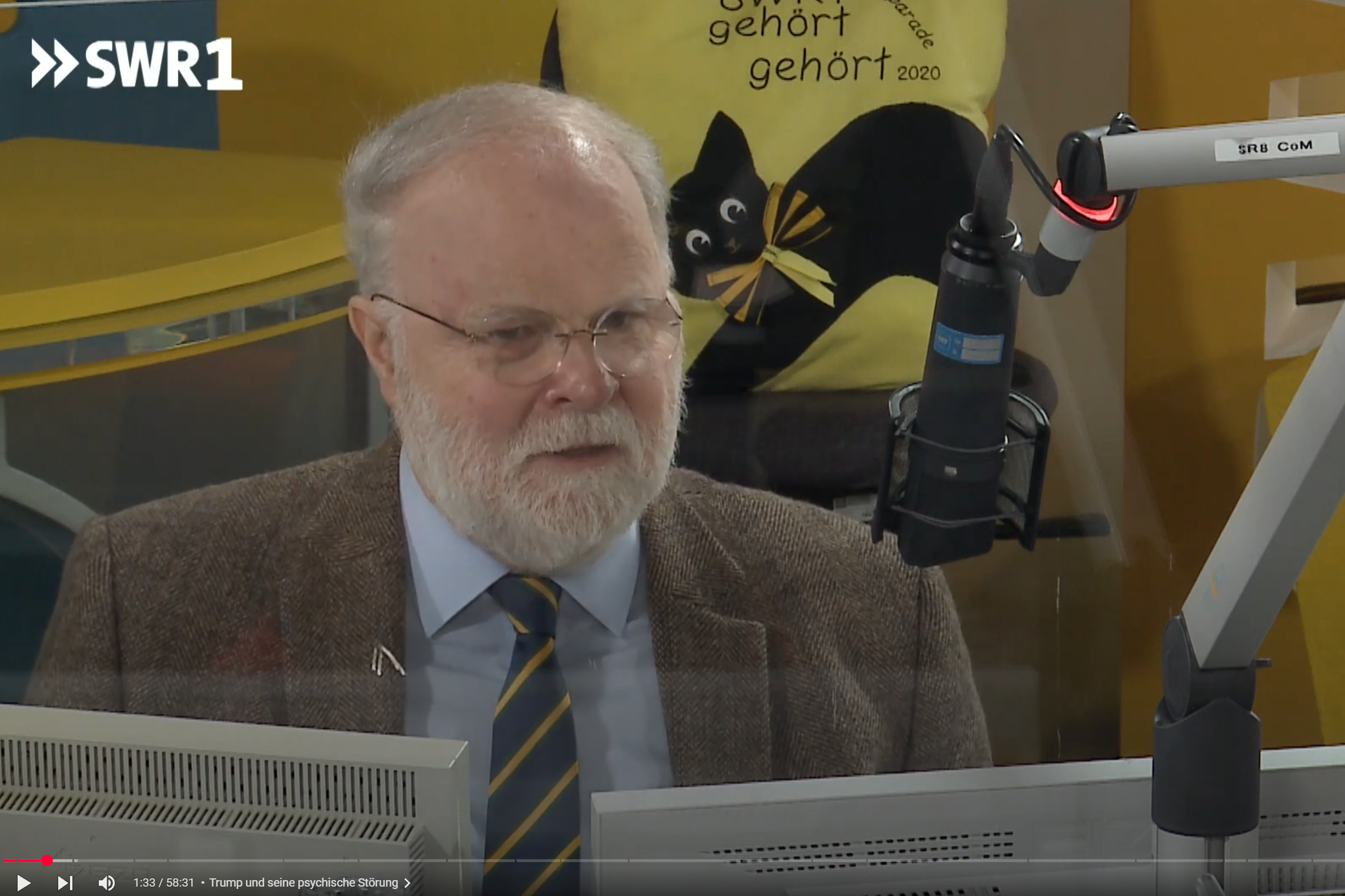
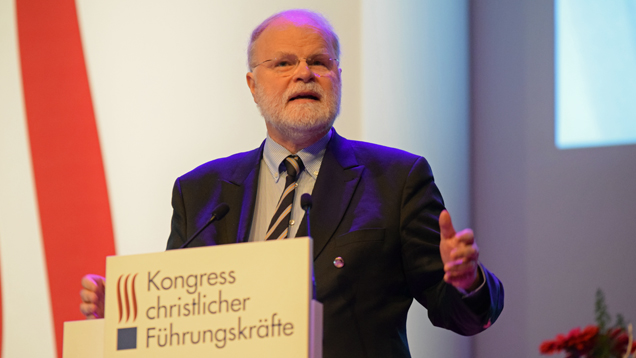
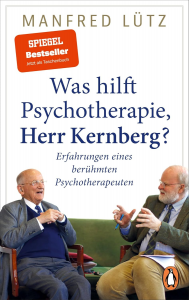
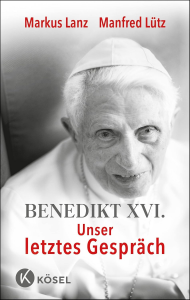
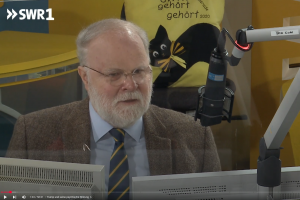
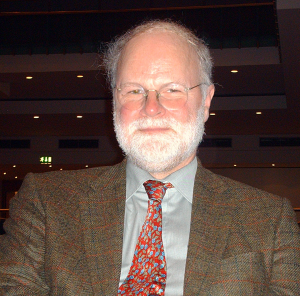
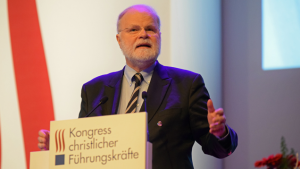
Manfred Lütz (born March 18, 1954 in Bonn) is a German psychiatrist, psychotherapist, Roman Catholic theologian, Vatican advisor, and author. He headed the Alexianer Hospital in Cologne from 1997 to 2019.[1]
Lütz studied medicine, philosophy, and Catholic theology in Bonn and Rome. He obtained his medical license in 1979 and his diploma in Catholic theology in 1982. During his studies, he became a member of the KDStV Bavaria Bonn in the CV.
Social Commitment
Manfred Lütz founded the inclusive youth group “Brücke-Krücke” in Bonn in 1981, in which disabled and non-disabled young people and young adults from Bonn and the surrounding area work together without professional supervision.[3][5] Since then, Lütz has volunteered for the initiative,[6] which is affiliated with the Catholic Youth Agency in Bonn. He organizes annual trips and participates in events. The group includes approximately 200 disabled and non-disabled people.
Church and Vatican Advisor
Pope John Paul II appointed Lütz a consultant to the Congregation for the Clergy in 2003.[7] In the same year, he organized a congress in the Vatican on the topic of “Abuse of Children and Young People by Catholic Priests and Religious.”[3] From 2006, he was part of the Pastoral Office’s working group in the Archdiocese of Cologne, responsible for processing and investigating cases of sexual abuse of minors by clergy and lay people in pastoral ministry.[8] Lütz himself served under three popes until 2016 as a member of the Pontifical Council for the Laity.[9] He contributed as an advisor to the creation of the Youth Catechism, Youcat.[10] He was a corresponding member of the Pontifical Academy for Life from the beginning of the 2000s, and a full member from 2004, to whose board he was appointed in March 2005 for a term until 2010.[12] After the restructuring of the Academy as part of the Curia reform, he was reappointed as a full member by Pope Francis in 2017 and is considered a supporter of the opening and renewal of the body implemented by the Pope.[13]
Pope Francis appointed him a member of the Dicastery for Laity, Family and Life on October 6, 2018.
Author and Media Presence
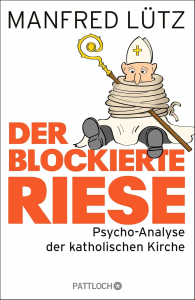
After his essay “The Blocked Giant: Psycho-Analysis of the Catholic Church” (1999), which received primarily internal attention, Manfred Lütz has been active as an author for a wider audience since 2002 and has gained greater recognition through several bestsellers.[2][3][9][16] In his books, he addresses general topics of lifestyle and modern culture, religion, and the conditions in the Catholic Church and psychiatry from the perspective of a psychotherapist, sometimes with humor and satirical slant. Manfred Lütz has also been active and in demand for many years as a lecturer, speaker, and interviewee. Lütz has also occasionally performed as a cabaret artist since 2006.[17] He has frequently participated in television programs as a discussion partner on psychiatric and psychotherapeutic topics and took part in prominent talk shows as a church expert in the run-up to the conclaves of 2005 and 2013.[18][19][20] In March 2013, he accompanied the live broadcasts of the papal election at the 2013 conclave and the subsequent events of the inauguration of the new pope in Rome as a commentator for ZDF and Phoenix.
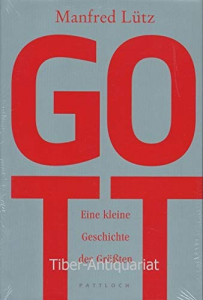
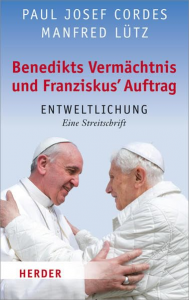
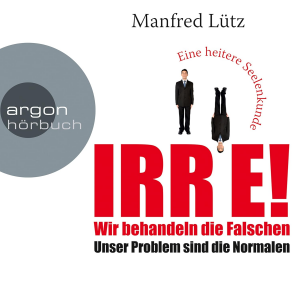
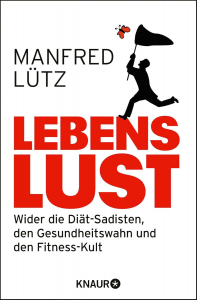
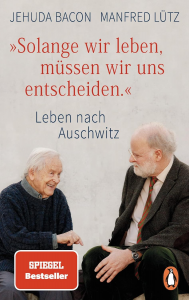
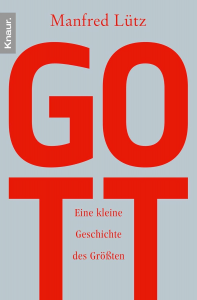
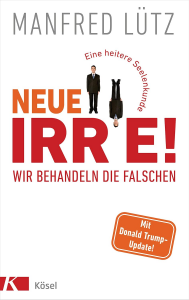
Manfred Lütz’s best-known book is entitled “Crazy! We Treat the Wrong People. Our Problem Are the Normal People” (2009), the paperback edition of which spent 106 weeks on the Spiegel bestseller list.[22] In 2013, it resulted in a television show with the Cologne cabaret artist Jürgen Becker.[23] His book “Bluff: The Falsification of the World” (2012) was also at the top of the Spiegel bestseller list.[16] Other frequently cited books are “Lust for Life: Against Diet Sadists, Health Craze, and the Fitness Cult” (2002), “God: A Short History of the Greatest” (2007), and “How You Will Inevitably Become Happy: A Psychology of Success” (2015). In 2016, he published a volume of conversations with the Auschwitz survivor Jehuda Bacon. His 2018 book The Scandal of Scandals was one of Herder Verlag’s two best-selling titles in 2018.
In various articles, for example in the Frankfurter Allgemeine Zeitung (FAZ), Lütz emphasized in 2010 that abuse by Catholic priests was worse than any other abuse, but at the same time rejected the idea of scapegoating the church and ignoring the social context of the 1970s. He sees the left-wing scene as the cause of the abuse. On the contrary, he argues that the “structures of the church are even helpful” when it comes to solving cases of abuse.[25] Society as a whole bears responsibility here.[26] In 2018, he commented on the so-called “MHG study”[27][28] published by the German Bishops’ Conference, calling it “spectacularly unsuccessful.”
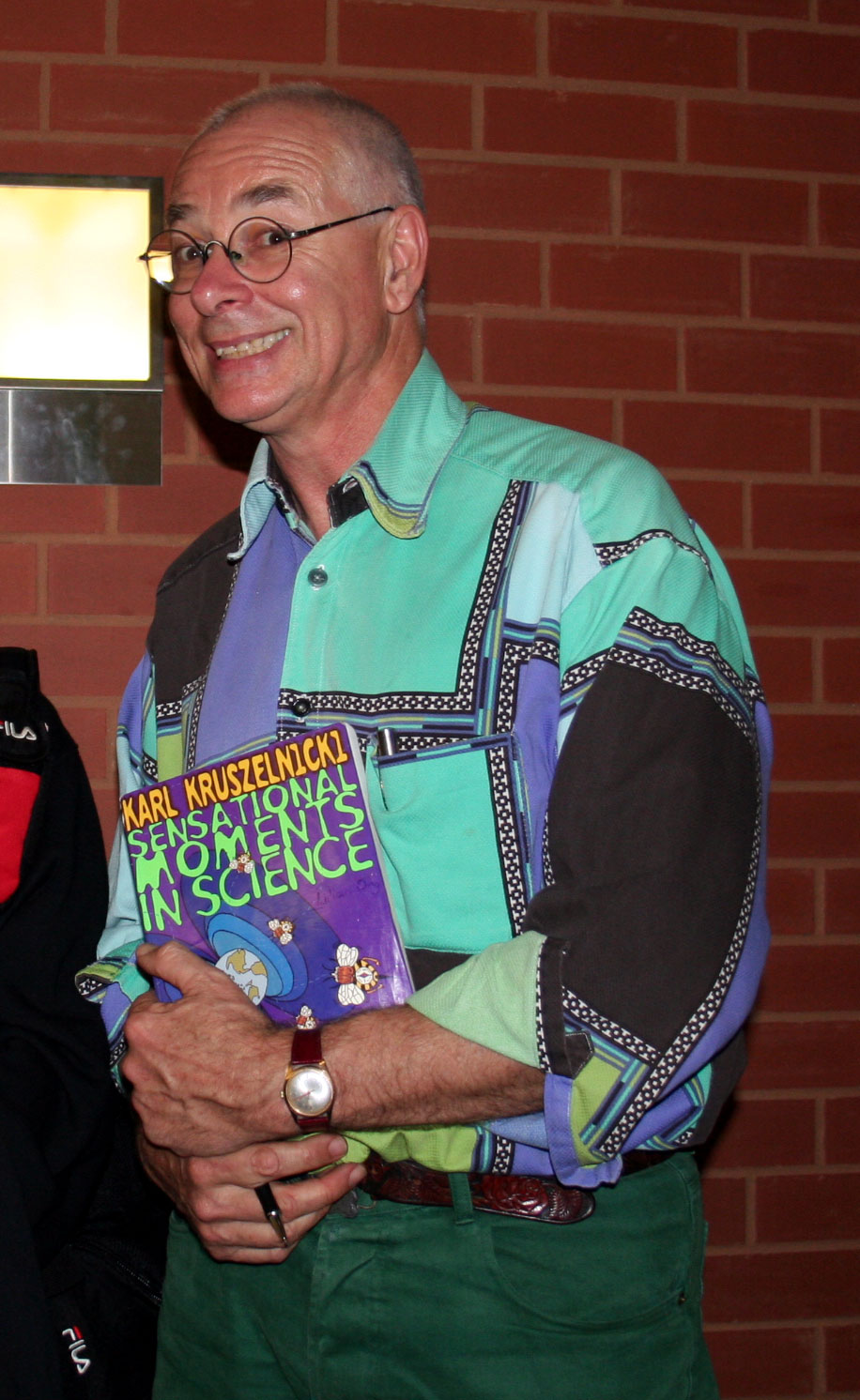
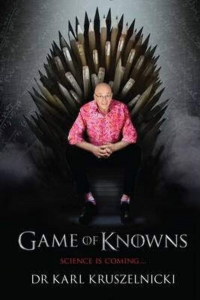
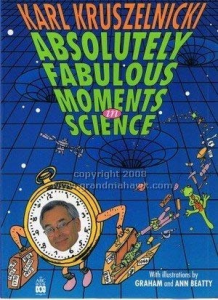
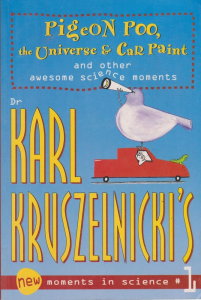
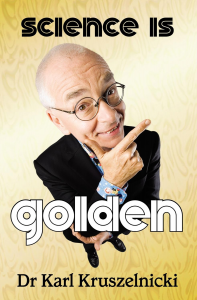
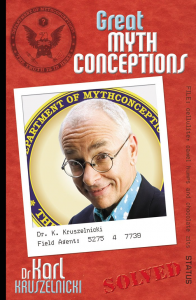
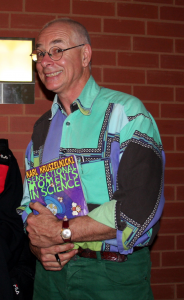
Karl Sven Woytek Sas Konkovitch Matthew KruszelnickiAM (born 1948), often referred to as Dr Karl,[2] is an Australian science communicator and populariser,[2] who is known as an author and a science commentator on Australian radio, television, and podcasts.
After primary school, Kruszelnicki’s first job was ditch digger in the Wollongong suburb of Dapto.[11] He also worked as a filmmaker, car mechanic, TV weatherman and as roadie for Slim Dusty, Bo Diddley and Chuck Berry.[12] While working as a taxi driver in Sydney, he was beaten unconscious after picking up a passenger trying to escape a group of men.[1]
Kruszelnicki presented the first series of Quantum (replaced by Catalyst) in 1985. As a science communicator and presenter, he appears on the Seven Network’s Weekend Sunrise and on ABC TV. From early 2008 to 2010 he co-hosted a TV series called Sleek Geeks with Adam Spencer.
Kruszelnicki presented a program on ABC TV in January 2025 titled Dr Karl’s How Things Work.[16]
Kruszelnicki does a number of weekly radio shows and podcasts. His hour-long show on ABC radio station Triple J has been going on in one form or another since 1981; this weekly science talkback show, Science with Dr Karl, is broadcast on Thursday mornings from 11:00 am to midday and attracts up to 300,000 listeners; it is also available as a podcast.[17]
Kruszelnicki also often helps with other science and education Triple J promotions such as the Sleek Geek Week roadshow with Adam Spencer and Caroline Pegram. He and Adam Spencer released the Sleek Geeks podcast regularly until December 2015.[18] Also, Since 2016, he has hosted the podcast Shirtloads of Science.[19][20]
Kruszelnicki writes a regular column for Australian Geographic magazine, called ‘Need to Know’, which is republished as a blog on the magazine’s website.[23] He has also written for the Sydney Morning Herald‘s Good Weekend magazine.[24]
In 2015, Kruszelnicki appeared in an Australian Government advertising campaign for the recently published intergenerational report. He had previously agreed to do the campaign, believing it would be a “non-political, bipartisan, independent report.” After its publication, however, he backed away from the campaign, describing it as “flawed”. “How can you possibly have a report that looks at the next 40 years and doesn’t mention climate change? It should have acknowledged that climate change is real and we cause it and it will be messy.”
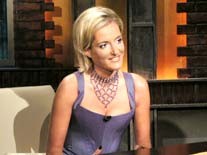
From a humanistic high school straight to dental school, then a career in journalism, later a bestselling author, and now a sought-after interior designer – Katja Kessler has reinvented herself several times over. In the podcast “Der Finanz-Gourmet,” she talks to Carolin Tsalkas and Oliver Morath about her unusual journey.
In the podcast, she provides fascinating insights into the world of design, exposes the most common mistakes in interior design, and reveals her three secrets to success. “The opportunity will present itself at some point,” she says, “but you have to seize it.”
Instead of taking over her father’s practice, Kessler interned at the Axel Springer publishing house and caused a stir with her front-page articles about nude photos of the BILD newspaper. She was given her own column and reported on high society at home and abroad for four years. In 2002, Kessler married Kai Diekmann, then editor-in-chief of Bild and later publisher of the Bild Group. The two have four children[1] and live in Potsdam.
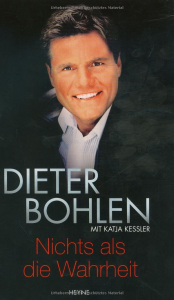
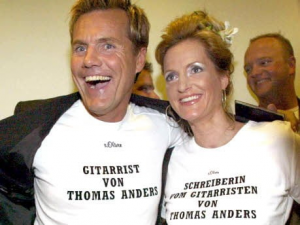
“I was bathed in dragon’s blood,” Kessler says of her path. Studying dentistry, which she completed at her father’s request, felt “like Carnival.” But the courage to change paid off: As a journalist for the Bild newspaper, she met celebrities such as the Dalai Lama and Brad Pitt, spent a year with Dieter Bohlen for his biography (sales: one million copies) and experienced bizarre moments with Prince Albert in Cannes.
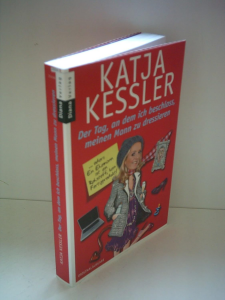
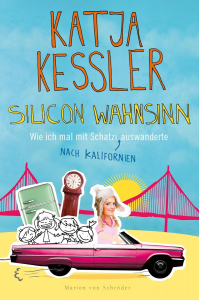
Kessler also published in the FAZ, the Für Sie and the Welt am Sonntag and wrote with Dieter Bohlen his biographies Nothing but the Truth (2002) and Behind the Scenes (2003). For her work she has been awarded, among other things, the Champagne Prize for Joie de Vivre[3] and – together with Bohlen – the Golden Feather. This prize was awarded because the book “was the first time that the feature sections of well-known newspapers dealt with the phenomenon of the tabloids”.[4] Her first novel, Heartbeats, was published in 2007, followed in 2008 by The Mommy Book: Pregnancy, Birth and the Ten Months After, and in 2009 she published Ask Me Honey, I Know Better, a novel in which she writes partly autobiographically about her marriage to Diekmann. On March 8, 2011, Kessler’s funny and factual stories, “The Schatzi Experiment or The Day I Decided to Train My Husband,” were published. In 2014, she published “Silicon Madness: How I Emigrated to California with Schatzi.”
Kessler also appeared as a “parenting expert” on the RTL program “Erwachsen auf Probe.”
She has been self-employed as an interior designer since 2018. In November 2023, four of her interior design projects—Villa Meeresstern and Das Kulm (both in the Baltic Sea resort of Heringsdorf), Berlin’s “Ullsteinhalle,” and the “H1” in Bielefeld—were nominated for the SBID Award in London, which Villa Meeresstern ultimately won.