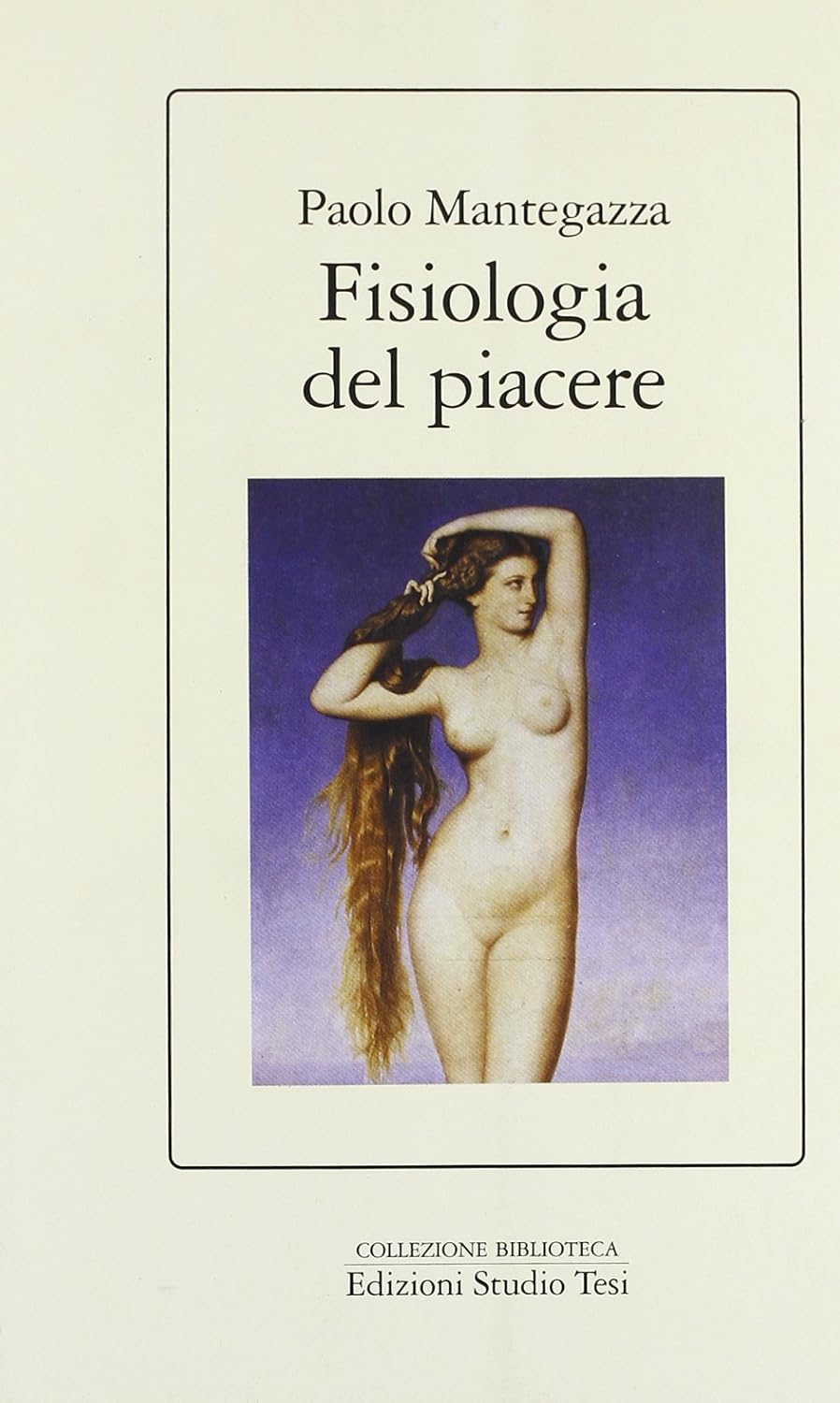
Paolo Mantegazza

  • -

Paolo Mantegazza

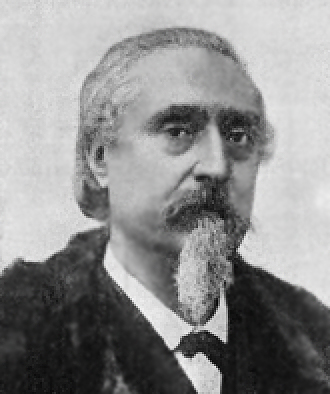
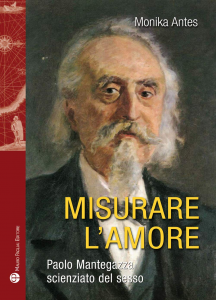
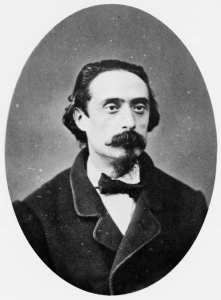
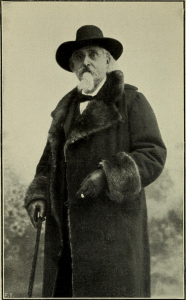
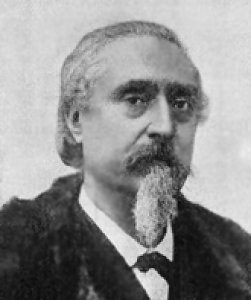
Paolo Mantegazza (October 31, 1831 in Monza, Austrian Empire – August 28, 1910 in San Terenzo) was an Italian neurologist, physiologist, and anthropologist, as well as a prominent physician and consciousness researcher. Mantegazza published several works on the effects of psychotropic plants on human consciousness, numerous other scientific writings, and several novels that were bestsellers in their time but have since been largely forgotten.

Mantegazza first studied medicine in Pisa and Milan, graduating in Pavia in 1854. He then traveled to India and South America, where he practiced medicine in Argentina and Paraguay. In 1858, he returned to Italy and worked as a surgeon in Milan. In 1860, he was appointed professor of pathology at the University of Pavia, where he founded the first Institute of General Pathology in Europe.
In 1870, Mantegazza became a professor of anthropology at the Istituto di Studi Superiori in Florence. There he founded the Museo Antropologico-Etnografico di Firenze (Anthropological and Ethnographic Museum) and, in 1871, the journal Archivio per l’Antropologia e l’Etnologia, which is still published today, with Felice Finzi. At that time, culture and science in Italy were far more influenced by the Catholic Church than they are today. Mantegazza was repeatedly attacked by ecclesiastical circles, particularly because he was an advocate of Darwinism and an atheist.[2] From 1868 to 1875, he had a lively correspondence with Charles Darwin.

Pioneer of psychedelic Drug research

During his several years working as a doctor in South America, Mantegazza observed the habit of local coca farmers chewing the leaves of the coca bush. In the “service of science” he began to imitate them, taking three daily doses of three grams of coca leaves. In 1859 he published the work Sulle virtù igieniche e medicinali della coca e sugli alimenti nervosi in generale (On the Hygienic and Medicinal Benefits of Coca and Nerve Food in General), for which he received an award and which caused a sensation both in Italy and abroad. Due to the fact that Mantegazza distinguishes between coca and cocaina in his writings, it is assumed that he had already extracted the alkaloid cocaine from the coca leaves and taken it himself in 1859. Mantegazza is therefore often associated with cocaine in literature, but his interest in the effects of psychotropic substances went much further, and he published numerous works with treatises on the intoxicating effects of various drugs such as alcohol, mate, guarana, opium, hashish, kava and ayahuasca (agahuasca), and classified them according to their effects in 1859, more than sixty years before Louis Lewin made his classification in his 1924 work Phantastica.

Sexual science

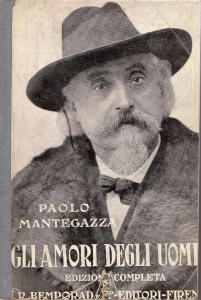
Almost forgotten, but outstanding in his time, were his numerous publications in the field of sexology, which only emerged later: Fisiologia del piacere (1854); Fisiologia dell’amore (1873); Igiene dell’amore (1886); Gli amori degli uomini – Saggio di una etnologia dell’amore (1886) and Fisiologia della donna (1893) – in which he summarized observations, his own experiments and anthropological-ethnological results of extensive collections, research and travels in the sense of a “phenomenology of heterosexual love… which is unparalleled in the history of sexology.” At just 22 years old, he wrote “Fundamentals of Edonology or the Science of Pleasure” (today understood as hedonism) and spoke out against “false puritans” and the “murky, stinking fog of hypocrisy” (Volkmar Sigusch in: Deutsches Ärzteblatt 7/2007 – see web link).

“Wherever a beautiful woman appears, all human energies bubble from their battle-tested sources: Everything best and worst in man springs forth to pay homage to her or to insult her with envy.”
(Paolo Mantegazza, The Concept of Woman Through the Ages, Nuova Antologia, January 15, 1893)

Politics

From 1865 to 1876, Mantegazza was a deputy from Monza in the Italian Chamber of Deputies and, from 1876, a senator in the Kingdom of Italy.
  • -

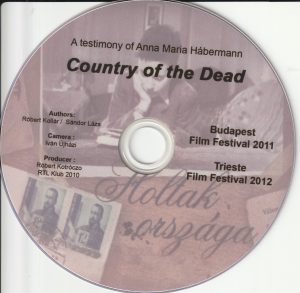
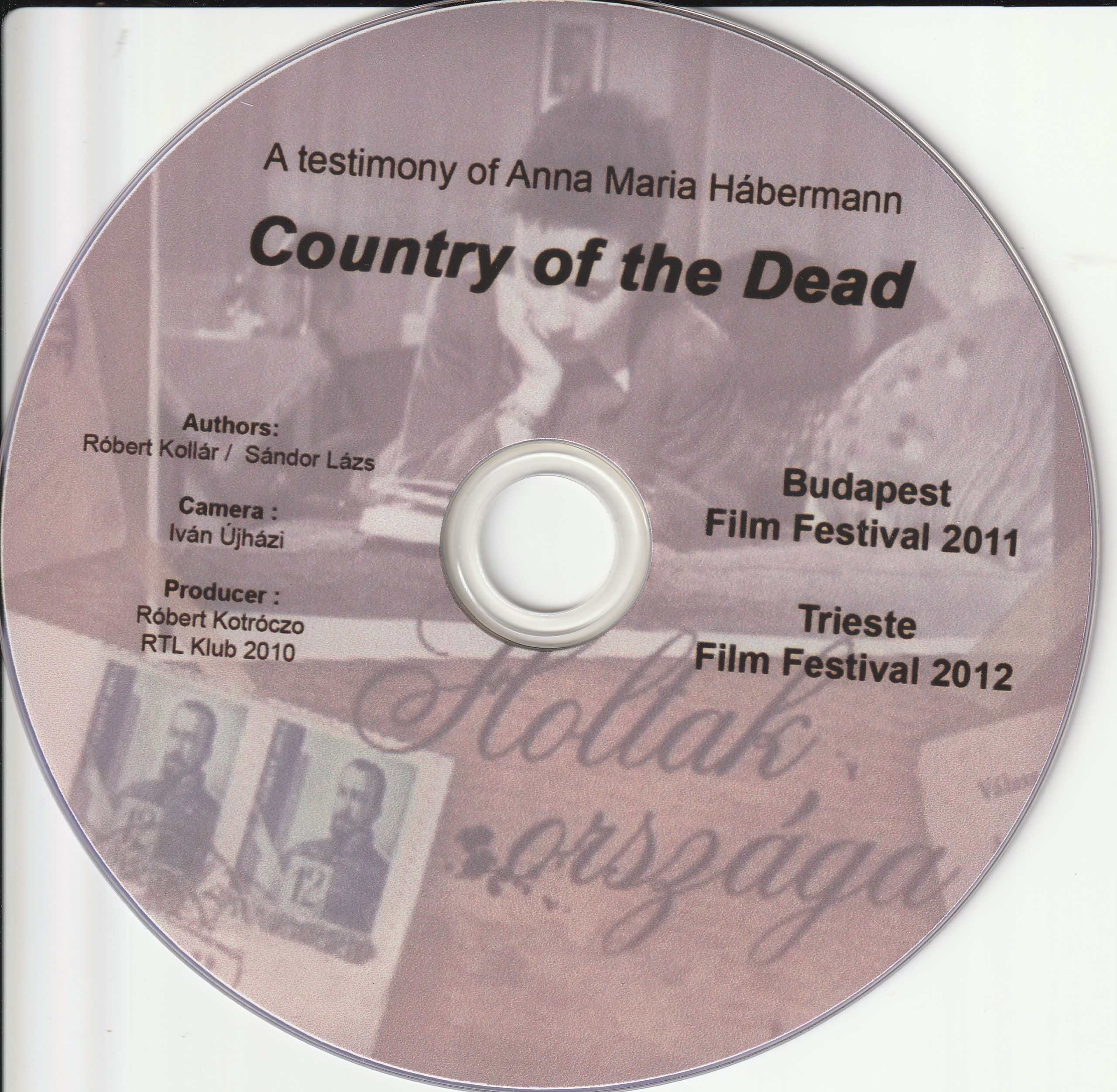
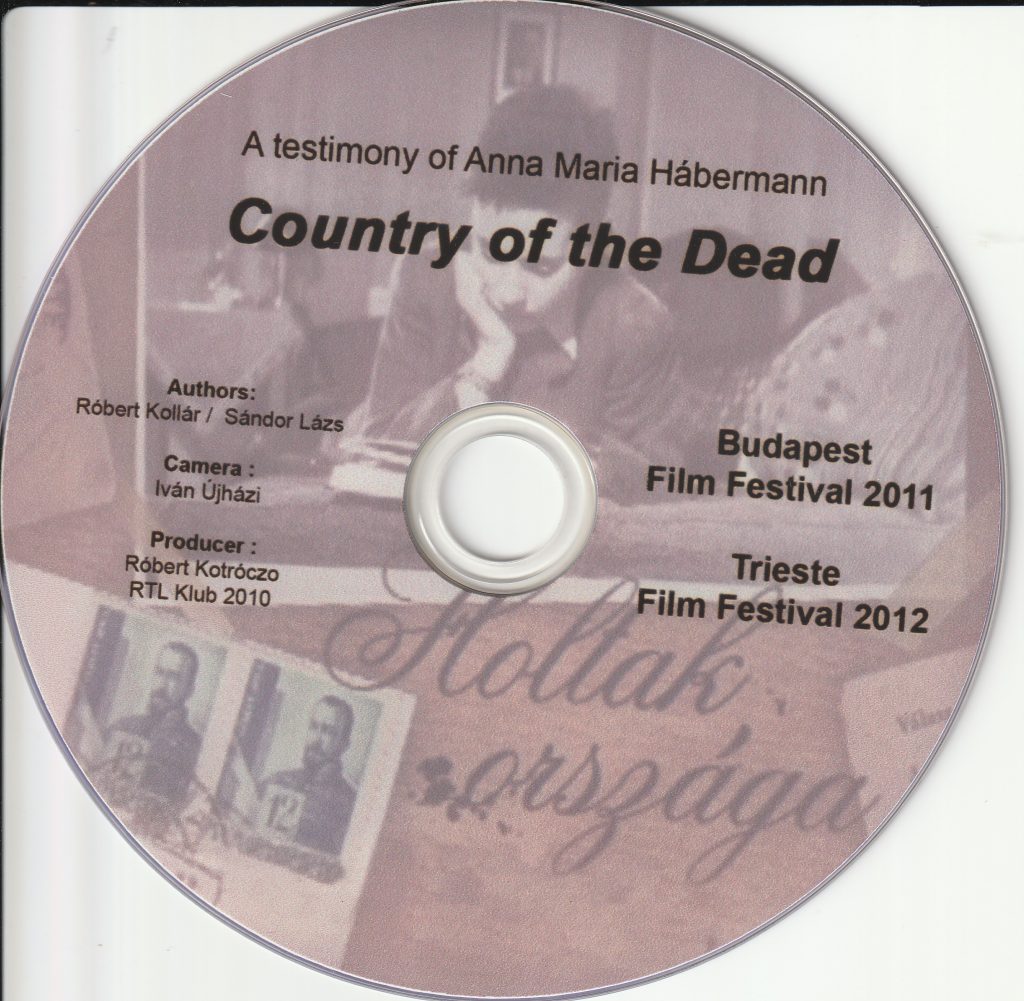
DVD Country of the Dead | Annamaria Habermann

DVD Country of the Dead | Annamaria Habermann

“Terra di morti” [Country of the Dead] is the film that will be screened today (Friday) at 6 pm at the Spazio Festival in Piazza San Giovanni, in the presence of the author and protagonist
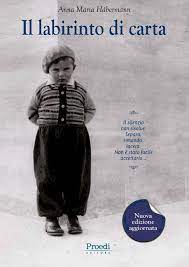
While waiting for the start of the twelfth edition of the BAFilm Festival, on Friday 28 March at 6 pm, the festival space in Piazza San Giovanni will host the screening of the film Terra di morti, based on the book Il labirinto di carta (www.proedieditore.it) by Anna Maria Hábermann. The event will be presented by the journalist from La Prealpina Angela Grassi. The underlying theme of the film – which unfolds between Italy and Hungary – is the search for the truth about the fate of the paternal family of the protagonist, the narrator of the feature film. Through original documents and photographs, current images of the places where the events took place and meetings with various witnesses, the film gradually leads the viewer to discover where Anna Maria’s paternal grandparents lived, their tragic story and that of her brother Tamás, who disappeared in ’44 together with the entire Hungarian family.

The protagonist questions above all the silence that has surrounded her since childhood: from the shocking truth about the Jewish origins of her father’s family, to the existence of Tamás, an unknown brother born from a previous marriage of her father. The most emotional moments of the film take place in Hungary, in Baja, where Tamás lived entrusted to his maternal grandmother, after his parents’ divorce sanctioned by the court in 1938. These moments are marked by Anna Maria’s meetings with Tamás’s friends who speak of him with affection, describing his personality and intelligence, illuminating – with some anecdotes – his young life full of interests, thus allowing his sister to make peace with her parents’ silence, which isolated her from a reality too painful to be faced. The story of Anna Maria Hábermann is well-known in Busto Arsizio: even recently, on March 6, on the occasion of the European Day of the Righteous, the municipal administration, the Friends of the Civic Temple and the Busto Arsizio hospital company dedicated a plaque to Dr. Aladar Hábermann, Anna Maria’s father, for the generosity with which he carried out his medical activity and for having saved dozens of people wanted by the Nazi-fascists.

Film profile
Land of the Dead (HOLTAK ORSZÁGA) 2010, Hungary (56’).
Directed by: Sándor Lázs and Róbert Kollár
The film was presented at the following festivals:
Hungary: Budapest Filmszemle 2011 / finalist in the documentary section (5-8 May 2011);
Trieste: Adria film festival 2012 / special event for the day of remembrance on 25 January 2012.
Cast: Anna Maria Hábermann, Imre Tax, Emöke Domsky, Adriano Bernocchi Crespi, Katalin Bakos, Magdi Mayer, Father Keve.
Soundtrack: Anna Maria Hábermann performs Chopin study op 25 n.1/op 10 n.3 / Beethoven sonata op

Artikel | article

https://DoctorsTalents.com/en/anna-maria-habermann-2

  • -

Livio Claudio Bressan

Livio Claudio Bressan writes:

I am a Milanese hospital Neurologist, specialized in Internal medicine, Nephrology and Neuropathology.
MUSIC CV:
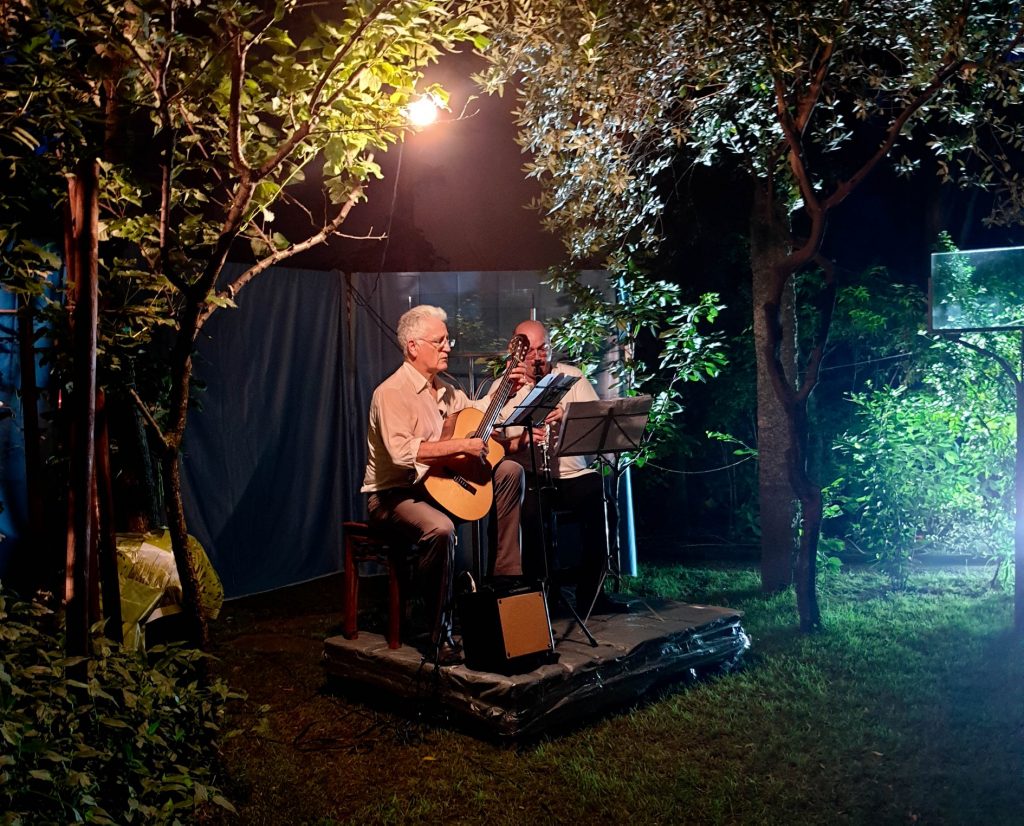
I have a degree in classical guitar from the Conservatory.
I’ve also studied the Piano and Composition in Conservatory . My compositions have been performed by important musical ensembles.
I have taught Classical Guitar for 15 years for Municipal Music Schools and Academies.
Some of my Students have won awards on the National and International Levels.
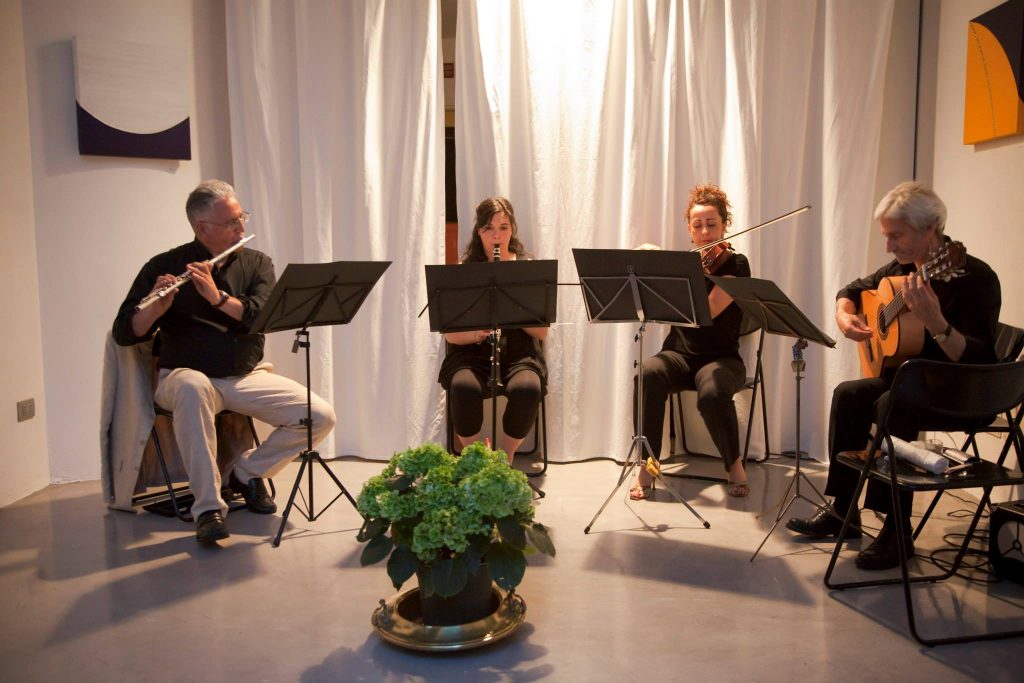
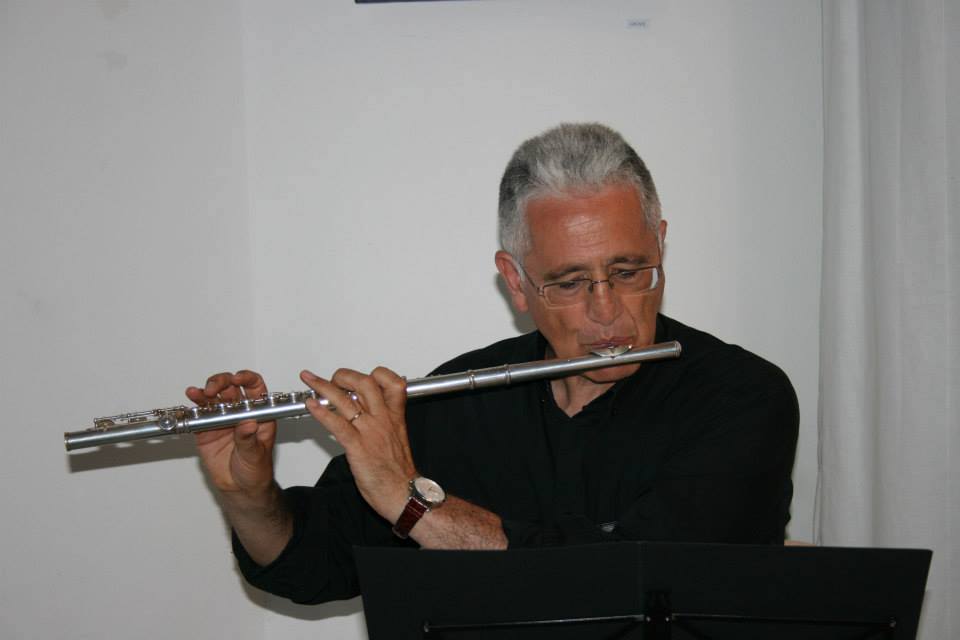
I’ve been studying the flute for eight years and I currently play flute in a chamber sextet (first flute, second flute, violin, viola, guitar, cello).
Our programme includes pieces I have composed and transcribed, as well as pieces by Astor Piazzolla, Ligeti, Berio, Morton Feldman, Hindemit, Smith Brindle.
In addition to executing pieces on the flute, I also orchestrate, transcribe and compose.
I would like to be a part of The Philharmonic Doctors Orchestra
Thank you, Livio Bressan

web

wikipedia DE
wikipedia EN

youtube – vimeo

facebook – twitter – instagram

work


  • -

Anna Maria Habermann

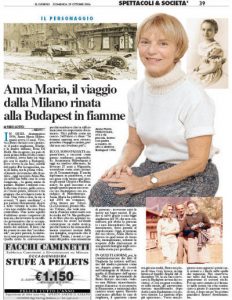
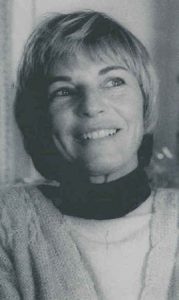
(EN:) Anna Maria Habermann, daughter of an italian mother and a hungarian father has studied different subjects:
She got her piano diploma in 1964 at the “conservatorio di musica Benedetto Marcello di Venezia” and plays as soloist and with her chamber music trio.

She got her medical degree with “summa cum laude” at the Siena university in 1969 and has worked as assistant doctor in anesthesia and surgery. Further on she specialized in orthopedics and traumatologics, practising these specialities in the Niguarda hospital of Milano.

Since 1990 she worke as free lance and researches about the deseases of musicians.

She gave classes of neuro-physiology of learning for musicians at the “Accademia Incontri con il Maestro di Imola” and at the
“conservatorio Giuseppe Verdi di Milano”.

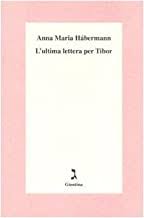
Her scientific publications are numerous. AND she writes prosa books like her last publication “L´Ultima Lettera Di Tibor”.

26 october 2002 “primo premio assoluto” of Literature Prize “Mario Tobino” for Italy given to Dr.med. Annamaria Habermann for her book: “L´Ultima Lettera Di Tibor”, published in italian and coming close to be a bestseller…

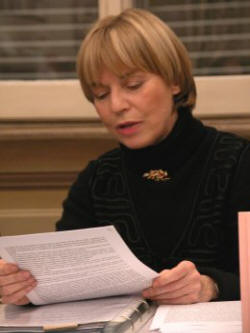
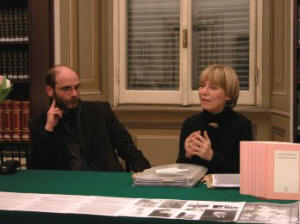
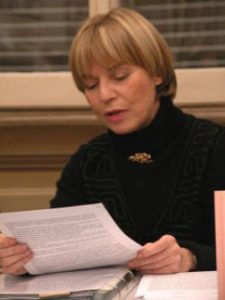
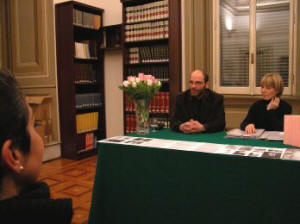
Dott. Sergio Nazzar and Dott. Anna Maria Habermann during a lecture of her book “L´Ultima Lettera Di Tibor”in Rome.

book Ungarn | Hungary
report IT
book in IT

web

wikipedia

youtube – vimeo

facebook – twitter – instagram

work

https://DoctorsTalents.com/cd00196en