Category Archives: AdvocateDocs

  • -

Ulisse Aldrovandi

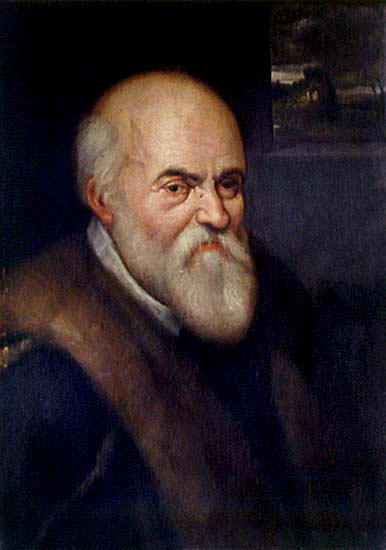
Ulisse Aldrovandi (11 September 1522 – 4 May 1605) was an Italian naturalist, the moving force behind Bologna’s botanical garden, one of the first in EuropeCarl Linnaeus and the comte de Buffon reckoned him the father of natural history studies. He is usually referred to, especially in older scientific literature in Latin, as Aldrovandus; his name in Italian is equally given as Aldroandi.
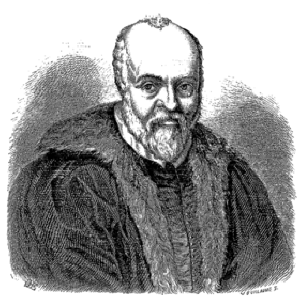
Aldrovandi was born in Bologna to Teseo Aldrovandi and his wife, a noble but poor family. His father was a lawyer, and Secretary to the Senate of Bologna, but died when Ulisse was seven years old. His widowed mother wanted him to become a jurist. Initially he was sent to apprentice with merchants as a scribe for a short time when he was 14 years old, but after studying mathematicsLatinlaw, and philosophy, initially at the University of Bologna, and then at the University of Padua in 1545, he became a notary. His interests successively extended to philosophy and logic, which he combined with the study of medicine.[1]
In June 1549, Aldrovandi was accused and arrested for heresy on account of his espousing of the anti-trinitarian beliefs of the Anabaptist Camillo Renato. By September, he publicly abjured, but was nevertheless transferred to Rome, and remained in custody or house arrest until absolved in April, 1550. During this time, he befriended many local scholars. While in light captivity there, he became more and more interested in botanyzoology, and geology (he is credited for the invention/first written record of this word[2]). From 1551 onward, he organized a variety of expeditions to the Italian mountains, countryside, islands, and coasts to collect and catalogue plants.

He obtained a degree in medicine and philosophy in 1553 and started teaching logic and philosophy in 1554 at the University of Bologna. In 1559, he became professor of philosophy and in 1561 he became the first professor of natural sciences at Bologna (lectura philosophiae naturalis ordinaria de fossilibus, plantis et animalibus).[1] Aldrovandi was a friend of Francesco de’ Medici, Grand Duke of Tuscany (1574 – 1587), visiting his garden at Pratolino and travelling with him, compiling a list of the most valuable plants at Pratolino.[b] He also formed fruitful associations with botanical artists such as Jacopo Ligozzi, to further develop illustrated texts.[3] He died in Bologna on 4 May 1605, at the age of 82.
Aldrovandi’s wife Francesca Fontana was invaluable to his research. He utilized her dowry to build their massive country estate that ultimately included his natural history collection. She was a research partner who located texts for him to cite and use in his books, edited his books, and wrote sections of them as well. She wrote the preface for his posthumous book On the Remains of Bloodless Animals, which Suzanne Le-May Sheffield described as “their shared work”.[4]
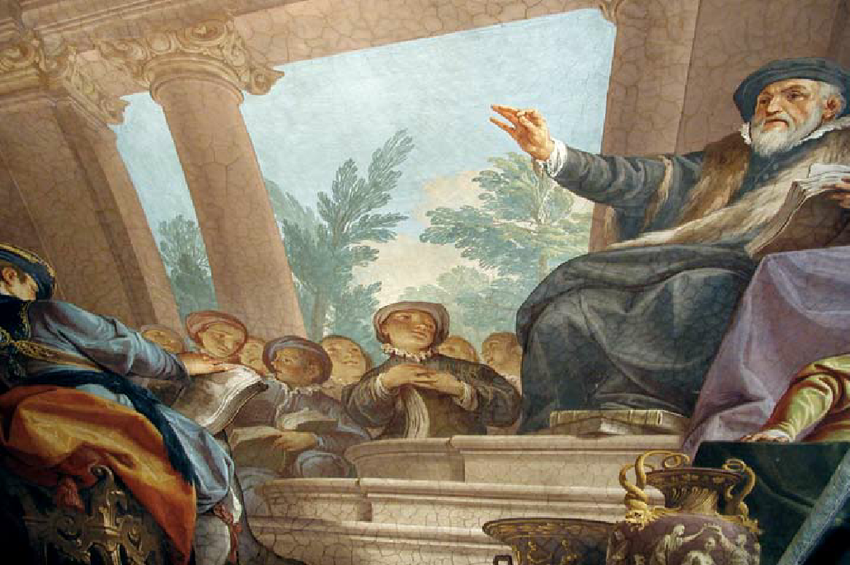
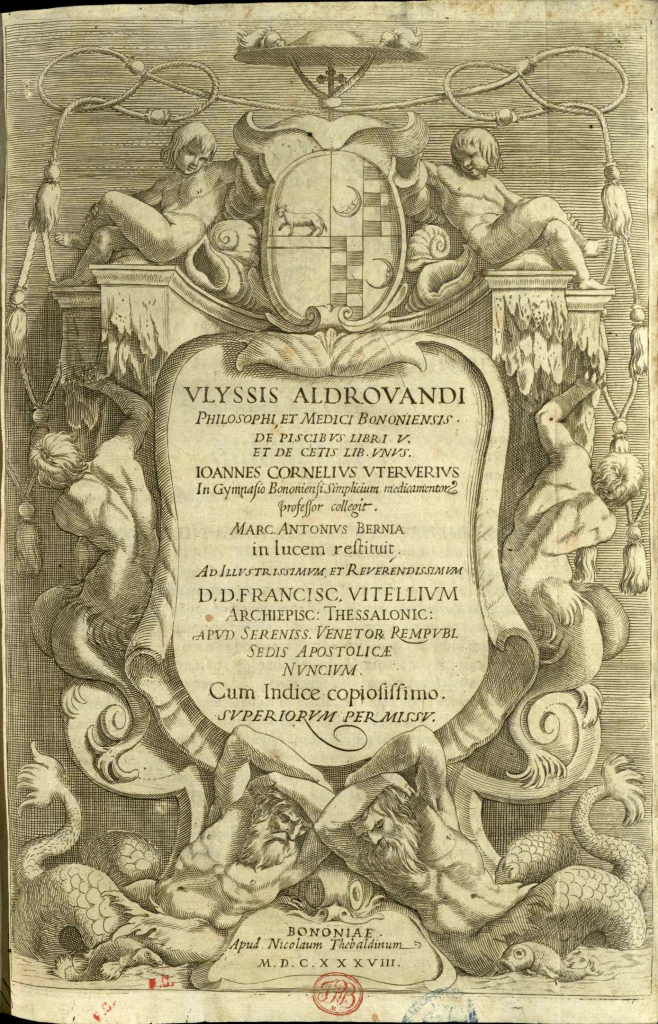
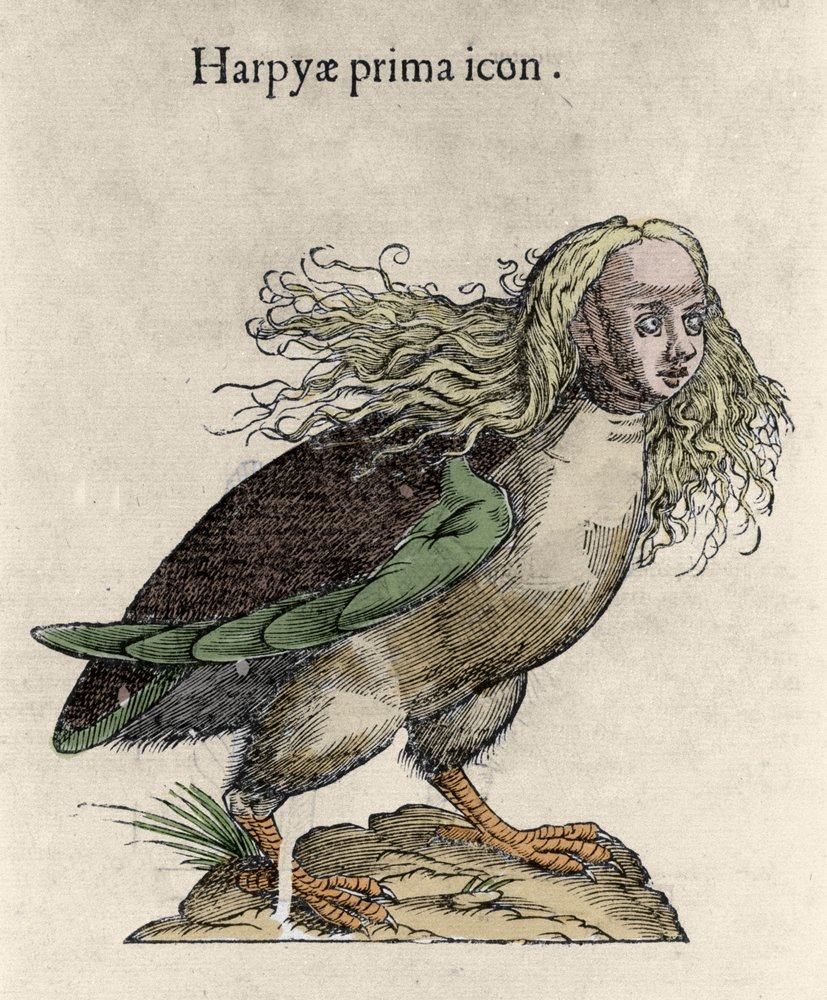
Over the course of his life, he would assemble one of the most spectacular cabinets of curiosities: his “theatre” illuminating natural history comprising some 7000 specimens of the diversità di cose naturali, of which he wrote a description in 1595. Between 1551 and 1554, he organized several expeditions to collect plants for a herbarium, among the first botanizing expeditions. Eventually, his herbarium contained about 4760 dried specimens on 4117 sheets in sixteen volumes, preserved at the University of Bologna. He also had various artists including Jacopo Ligozzi, Giovanni Neri, and Cornelio Schwindt, compose illustrations of specimens.
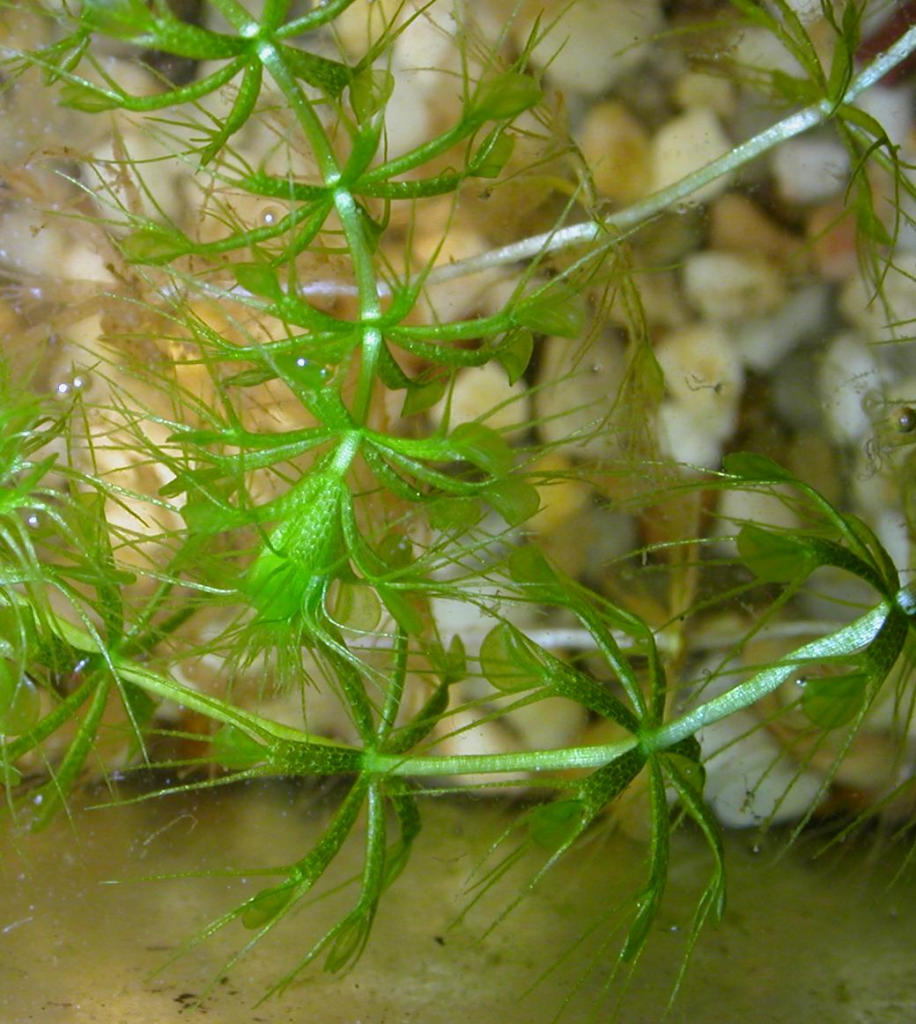
The plant genus Aldrovanda is named after him.

At his demand and under his direction, a public botanic garden was created in Bologna in 1568, now the Orto Botanico dell’Università di Bologna.[5] Due to a dispute on the composition of a popular medicine with the pharmacists and doctors of Bologna in 1575, he was suspended from all public positions for five years. In 1577, he sought the aid of Pope Gregory XIII (a cousin of his mother), who wrote to the authorities of Bologna to reinstate Aldrovandi in his public offices and request financial aid to help him publish his books.

The wrinkle ridge Dorsa Aldrovandi on the Moon is named after him.

The Civico Orto Botanico “Ulisse Aldrovandi” in San Giovanni in Persiceto is named in his honor.
https://de.wikipedia.org/wiki/Ulisse_Aldrovandi

https://en.wikipedia.org/wiki/Ulisse_Aldrovandi


  • -

Alexander Heisler

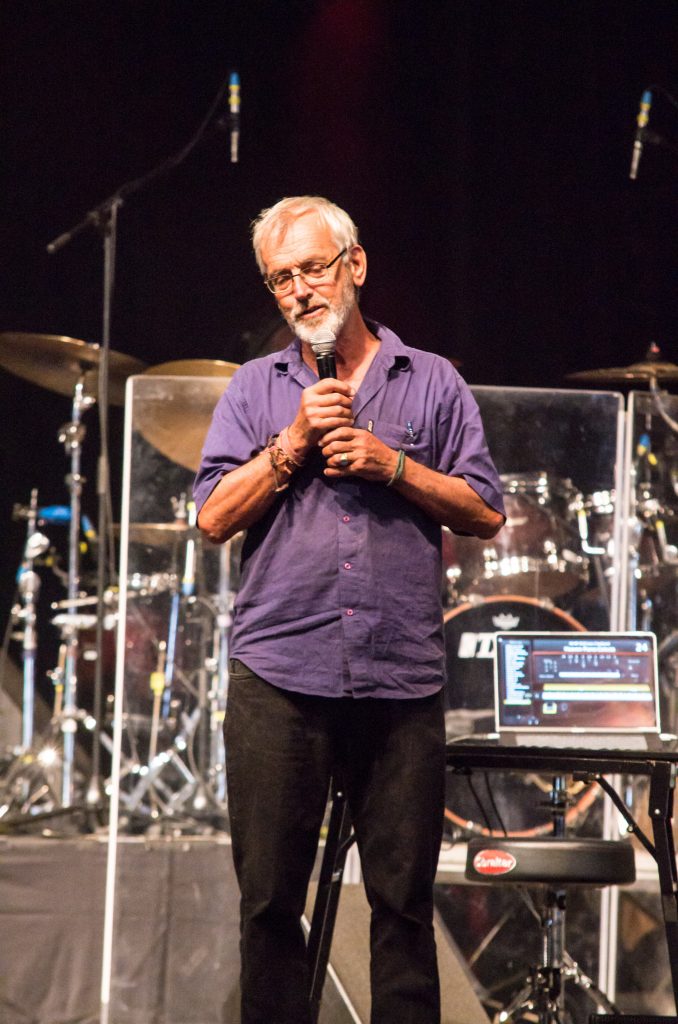
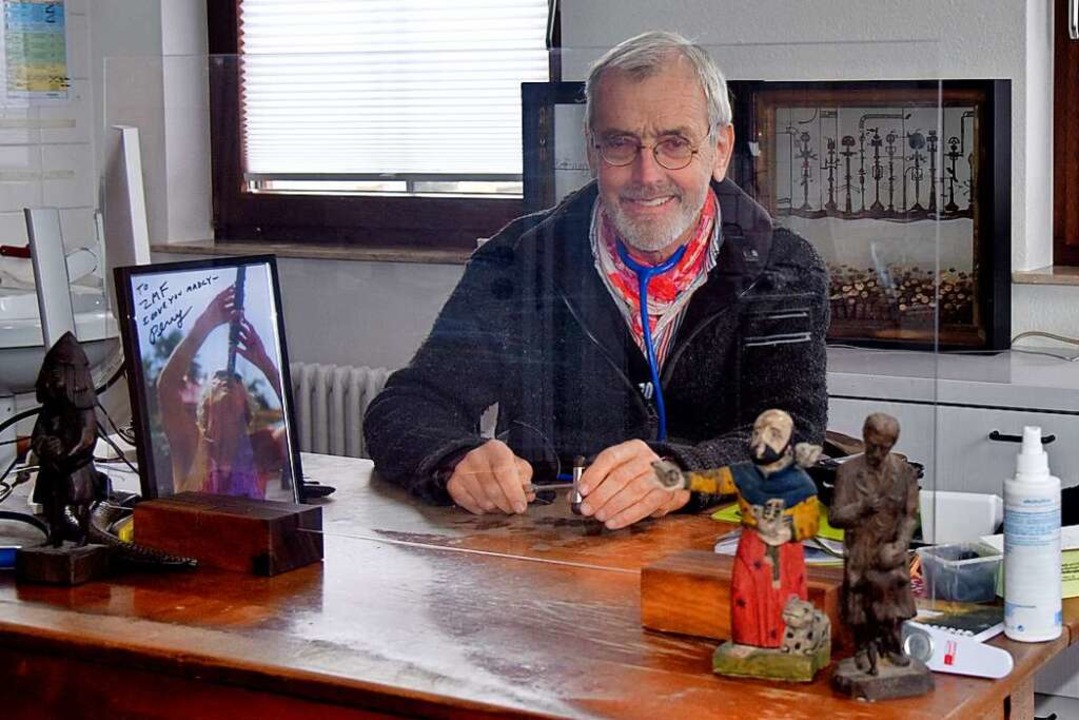
Alexander Heisler (* 21. Juni 1949 in Königsfeld im Schwarzwald) is a German event managerand founder of the Zelt-Musik-Festival in Freiburg and MD.

Heisler has grown up in a family of country doctors. He studied law, journalistics and behavioural science in Munich. 1970 he studied medicine in Freiburg. He was film assistant of Walter Frentz, who was camera-man of Leni Riefenstahl. At the  Olympic Games in Munich 1972 he was personal assistent of IOC-Vice president David Cecil, 6. Marquess of Exeter.

In 1972 he founded the Audimax classics and jazz concerts Freiburg until the ZMF – Zeltmusik-Festival Freiburg (Tent Music Festival) was founded in 1983. Roncalli chief Bernhard Paul borrowed him tents and internationale stars drew hundreds of thousands visitors. After high losses in 2006 because of the football championship in Germany he changed to the board and others took over the organisation.

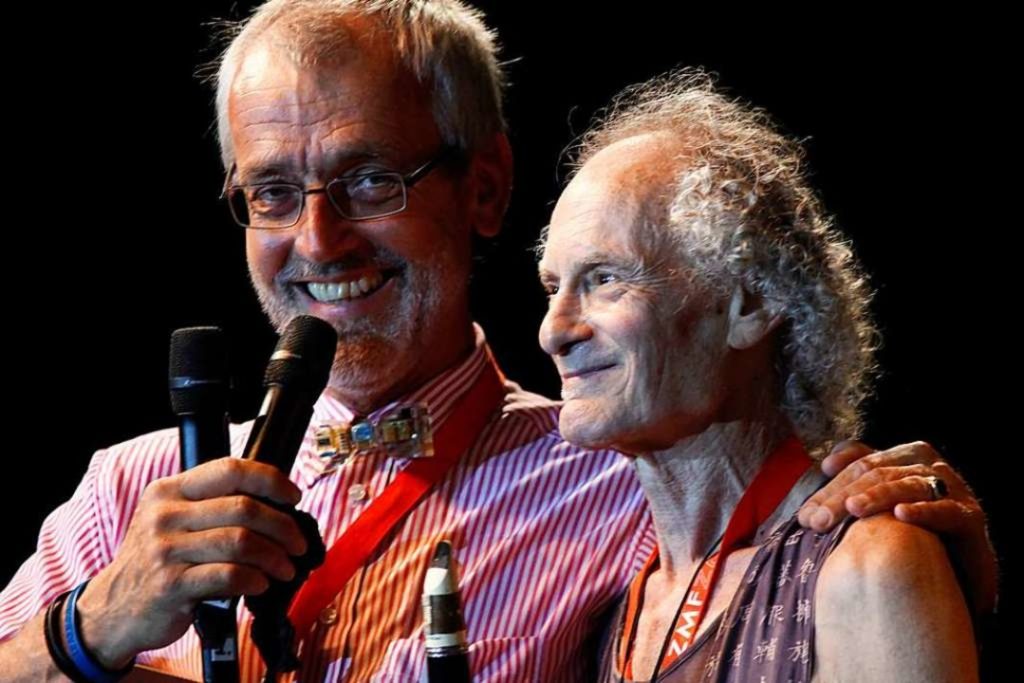
Heisler is friend with any artists of the ZMF as to Perry Robinson[3]Konstantin WeckerCab Calloway or Chick Corea. His son is the drummer Frederik Heisler.

From 1986 thru 2021 he had an office as GP in Teningen.

wikipedia DE

www.ZMF.de


  • -

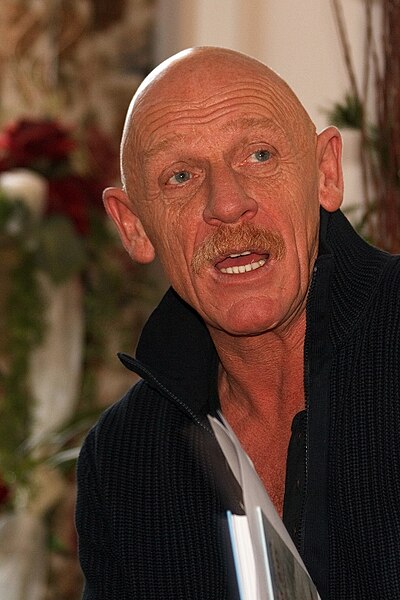
Joe Bausch

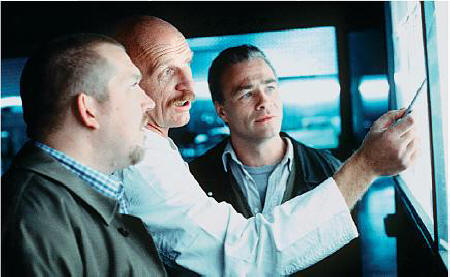
Tatort Köln: Freddy Schenk (Dietmar Bär), Joseph Roth (Josef Bausch-Hölterhoff) und Max Ballauf (Klaus J. Behrendt, von links) sind ein eingespieltes Team. Foto:WDR

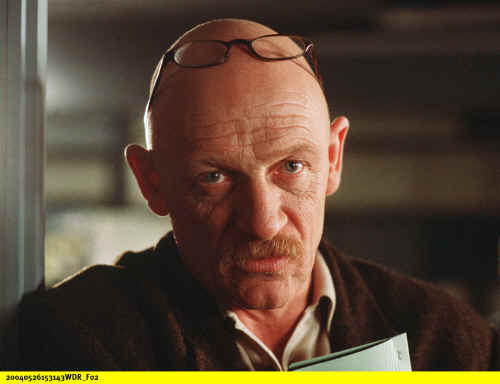
Joe Bausch (Hermann-Joseph Bernhard Anton Maria Bausch-Hölterhoff; * 19. April 1953 in Ellar) is a German MD, author, actor and speaker of audio books.

Bausch-Hölterhoff was born in the Westerwald as son of a farmer, later studied theatre sciences, politicc, germanistics and law, in 1985 he got his medical degree.

During his studies he founded a theatre group “TPI – theatre pathologic institute” and wrote the librettos of Mister Buffo nach Dario FoMein Traum …Hotel der verlorenen TräumeUnd sie legten den Blumen Handschellen an nach Fernando Arrabal.

He also acted in the Prinzregententheater Bochum.

Joes first appearance in the German criminal series “Tatort” in “Manila” underlined the problems of Philippinian children living in the streets. He and his colleagues founded the association “Tatort – Straßen der Welt” which is engaged for children´s rights world-wide.

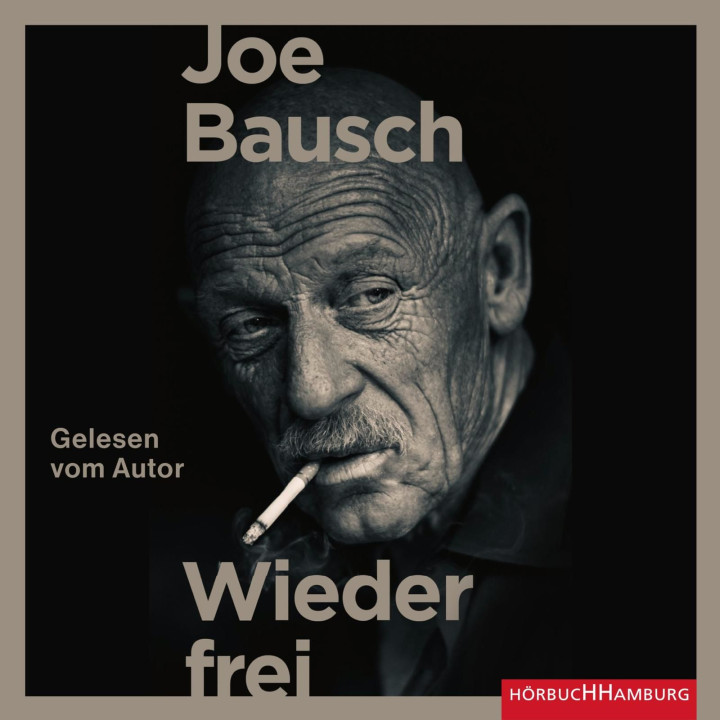
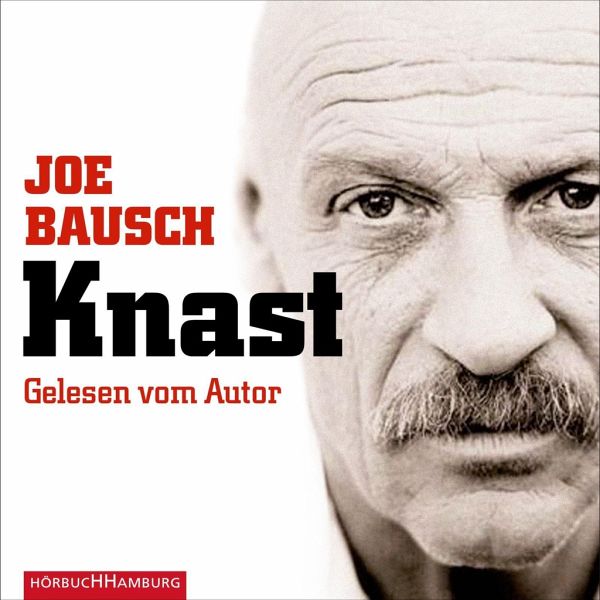
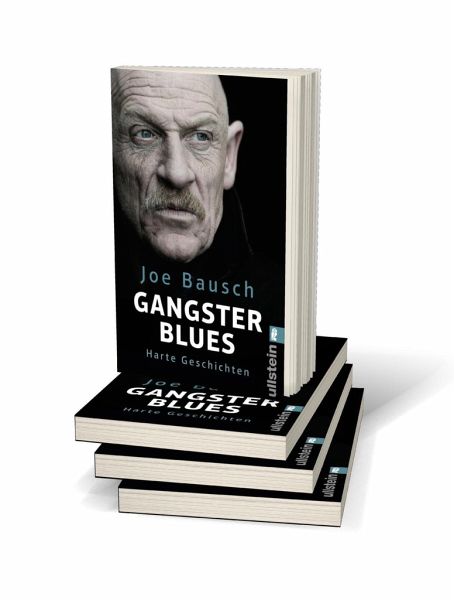
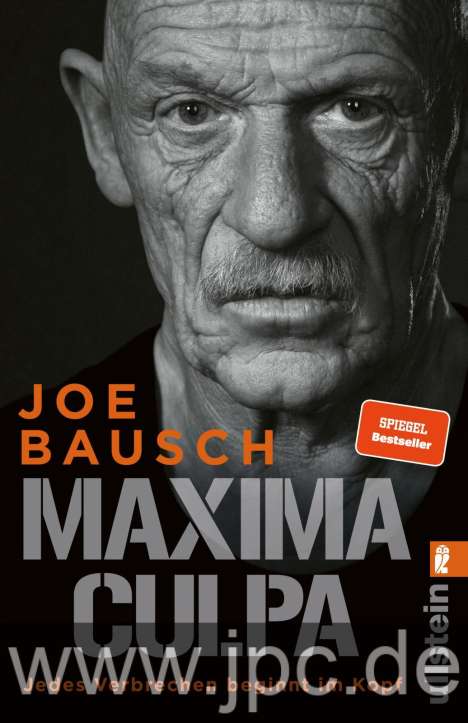
Having worked in the jail hospital of Werl he wrote som books about his experiences (see gallery).

wikipedia DE

Artikel | article Deutsches Ärzteblatt

news.de

Würth-Media


  • -

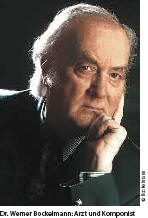
Werner Bockelmann

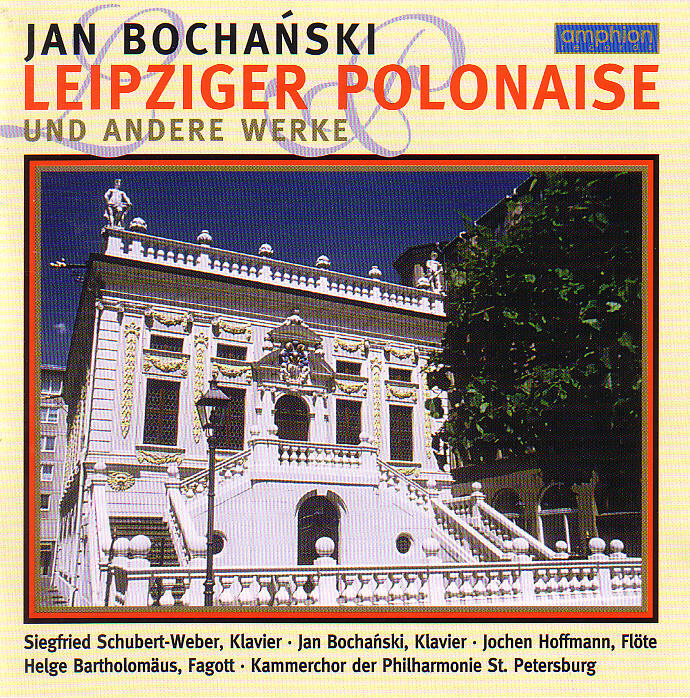
his CD “Leipzig Polonaise”, one of his major compositions.

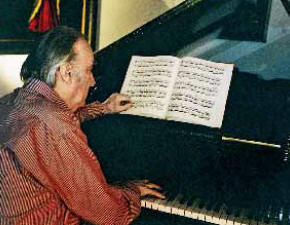
Jan Bochański (natural name Werner Bockelmann) was born in St. Wendel/Saar/Germany as son of a doctor family (5th generation). After World War II he was in Melsungen/Germany where he got rare piano lessons and did not have composition but made his first attempts to compose. 1947 to 1953 he studied medicine and law in Homburg/Saar, Paris and Heidelberg. After his MD, thesis and specialisation in ophthalmology he worked scientifically and got severyl patents atz the Battelle-Institute. He settled as ophthalmologist in Oberursel/Germany, later in Frankfurt (Main).

He was active Rallye-driver (seven participation at the “Tour d’Europe”), motor journalist and wrote a book about eye-glasses-cardriving, he was free lance for several car magazines and radio stations. Since 1975 he regularly writes compositions, mainly piano works in form of variations, dances and character pieces.

web

wikipedia DE
wikipedia EN

youtube – vimeo

facebook – twitter – instagram

work

https://DoctorsTalents.com/cd00157en

  • -

Maimonides

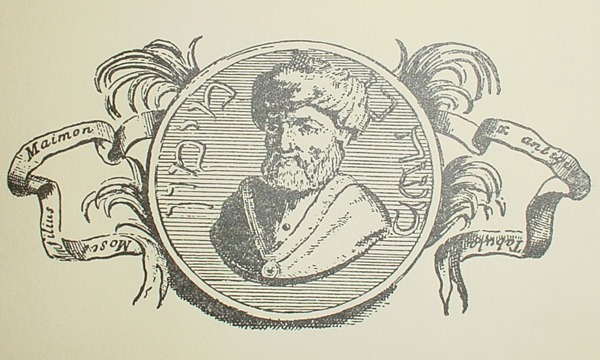
Moses ben Maimon[a] (1138–1204), commonly known as Maimonides (/maɪˈmɒnɪdiːz/)[b] and also referred to by the acronym Rambam (Hebrew: רמב״ם),[c] was a medieval Sephardic Jewish philosopher who became one of the most prolific and influential Torah scholars of the Middle Ages. In his time, he was also a preeminent astronomer and physician, serving as the personal physician of Saladin. Born in CórdobaAlmoravid Empire (present-day Spain), on Passover eve, 1138 (or 1135),[d][8][9][10] he worked as a rabbi, physician and philosopher in Morocco and Egypt. He died in Egypt on 12 December 1204, whence his body was taken to the lower Galilee and buried in Tiberias.[11][12]

During his lifetime, most Jews greeted Maimonides’ writings on Jewish law and ethics with acclaim and gratitude, even as far away as Iraq and Yemen. Yet, while Maimonides rose to become the revered head of the Jewish community in Egypt, his writings also had vociferous critics, particularly in Spain. Nonetheless, he was posthumously acknowledged as one of the foremost rabbinic decisors and philosophers in Jewish history, and his copious work comprises a cornerstone of Jewish scholarship. His fourteen-volume Mishneh Torah still carries significant canonical authority as a codification of Halacha. He is sometimes known as “ha’Nesher ha’Gadol” (The Great Eagle)[13] in recognition of his outstanding status as a bona fide exponent of the Oral Torah.

Aside from being revered by Jewish historians, Maimonides also figures very prominently in the history of Islamic and Arab sciences and he is mentioned extensively in studies. Influenced by AristotleAl-FarabiIbn Sina, and his contemporary Ibn Rushd, he became a prominent philosopher and polymath in both the Jewish and Islamic worlds. On his tomb is inscribed “From Moses to Moses there was none like Moses”.[14]

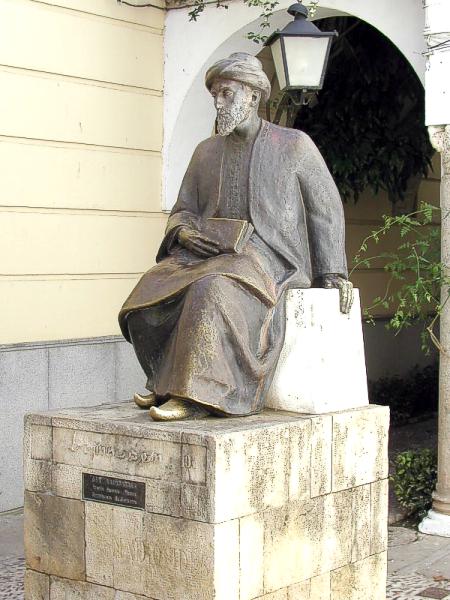
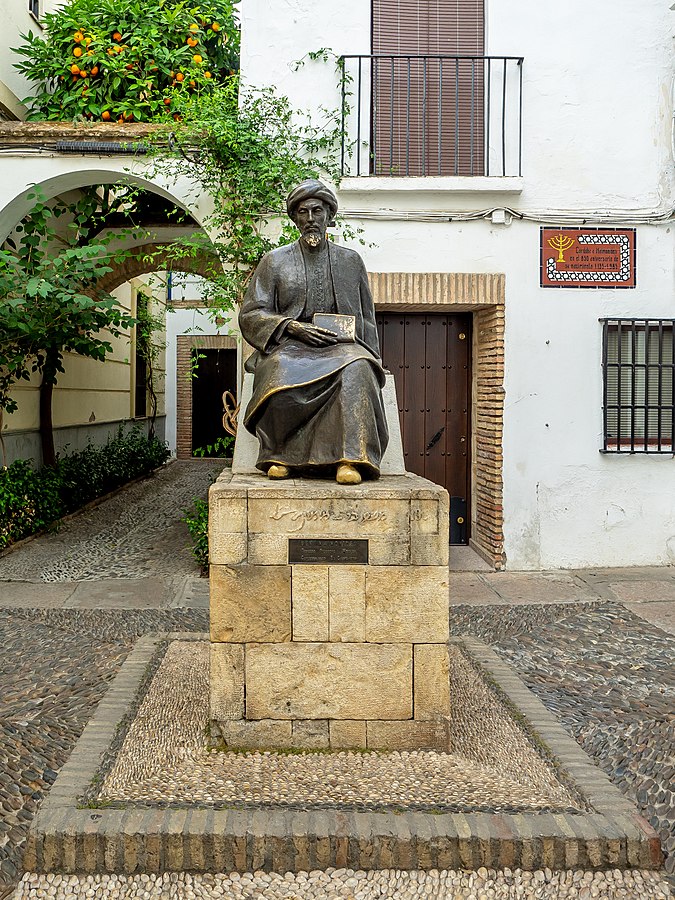
Denkmal | monument in Cordoba

wikipedia DE

wikipedia EN


  • -

Rainer Erlinger

Rainer Erlinger (* 1965 in Deggendorf) is a German MD, lawyer, column writer and book author

He studied law, then interrupted this and finished his medical studies in 1992. After working in medicine he took up his law studies and works as lawyer in Munich since 1999.

He became well known writing a column for Süddeutsche Zeitung Magazin .

Since 2006 he was moderator in a TV show.

With another columnist Harald Martenstein (Die Zeit) he performed in the Deutschen Theater Berlin.

He published Nachdenken über Moral as book.

Erlinger lives and works in Berlin.

wikipedia DE

Arbeit | work


  • -

Eckart Feifel

Lecturer at the University of Freiburg, studied health management,
lecturer in risk management.

| Vita
Born 1964 in Schwäbisch Gmünd.
medical studies in Freiburg and Leeds (GB), experience abroad in Portland (Oregon).

Working as MD at University of Freiburg in neurology. Law exams in 2000 and 2002.

Working nation-wide in medical law. Member of several professional associations.

work


  • -

Helge Hölzer

Born in 1953. First law exam 1979, second law exam 1982.

From 1986 medical studies with specialisation in surgery. Scholarship at the University of California, Los Angeles. 1991 – 1994 and working in Tübingen/Germany.

Since 1994 lawyer.

Herr Rechtsanwalt Dr. med. Hölzer wurde als Top-Anwalt für Medizinrecht im 2019er Ranking
der WirtschaftsWoche/Handelsblatt Research Institute ausgezeichnet.

work


  • -

Martin F. Siebert

(c) Paracelsus

… is lawyerDoc and managerDoc.

Martin Siebert (* 1960) is a German Doctor, lawyer and manager.

He managed Asklepios Kliniken, Median Kliniken, Rhön-Klinikum AG and Paracelsus Kliniken in top positions.

Read more from the German text:

Nach dem Abitur absolvierte Siebert parallel ein Doppelstudium der Medizin und der Rechtswissenschaften an der Freien Universität Berlin. 1991 wurde er mit der Dissertation zum Thema „Maternale und fetale Blutflussparameter: Vergleich der gepulsten Dopplersonographie mit kardiotokographischen, ultraschallbiometrischen und endokrinologischen Überwachungsverfahren in der Diagnostik der Risikogravidität“ zum Dr. med. promoviert. 1996 erwarb er zusätzlich einen Dr. jur. mit einer Dissertation zum Thema „Das Inzestverbot in der normativen Architektur früher Gesellschaften“. Siebert, der zunächst als Arzt und Rechtsanwalt in Berlin tätig war, trat 1994 in das heute in Hamburg ansässige Klinikunternehmen Asklepios Kliniken ein. Dort war er anfangs als Klinikgeschäftsführer und Regionalgeschäftsführer tätig. 1997 wurde er zum Konzerngeschäftsführer des Klinikkonzerns berufen, den er bis 2009 leitete. 2010 übernahm er den Vorsitz der Geschäftsführung (CEO) der in Berlin ansässigen Klinikgruppe Median Kliniken. Siebert wechselte zum 1. Oktober 2012 in den Vorstand des Krankenhauskonzerns Rhön-Klinikum AG. Von Januar 2013[1] bis Januar 2017 als Vorstandsvorsitzender tätig,[2] wurde Siebert am 28. März 2018 durch den Aufsichtsrat der Rhön-Klinikum AG einstimmig und mit sofortiger Wirkung als Vorstand der Gesellschaft abberufen. Seitdem ist er Vorstandsmitglied der Paracelsus-Kliniken.

wikipedia DE


  • -

Alexander P.F. Ehlers

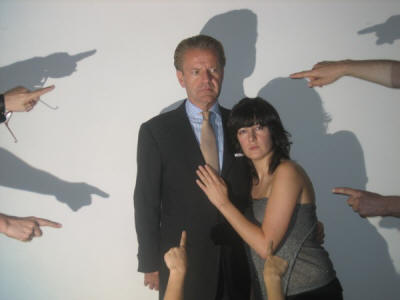
Posieren für ein Kunstprojekt | posing for an arts project

Dr. med. Dr. iur. Alexander P. F. Ehlers is lawyer and senior partner of the Rechtsanwaltssocietät Ehlers, Ehlers & Partner, Munich/Germany.

Alexander Paul Friedrich Ehlers (* 2. August 1955 in Berlin) is specialised in medical law and specialised in general medicine.

He studied medicine and law in DüsseldorfHeidelberg and München.

He was nominated as candidate for the German Bundestag by the party CSU.

wikipedia DE