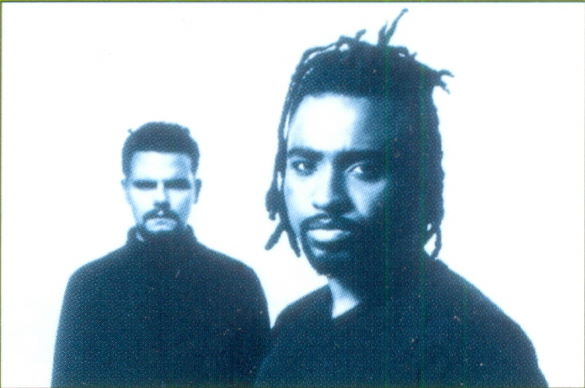
Kwame is something quite unusual, a collaboration between an African trumpeter and metal musician (Kwame Boaten) and a Swedish guitarist who has previously devoted himself primarily to classical music (Carl Ljungström). They met a few years ago in a music student dormitory in London. This would be the beginning of “Volatile.”
On the album cover, I see a blurry image of a dark-haired guy with dreadlocks. Yes, I think it’s another Swedish hip-hop artist hanging out with Ken and the guys. Oh, what a mistake I made. Ghanaian-born Kwame Boaten has brought new light into the pop fog with his calm, captivating music. After a few years, he found Calle Ljungström, a former metal musician, at music school in London. The two began a slow and cautious collaboration, and now we hear the final result. It quickly becomes clear: when you bring two musicians with such different backgrounds into a studio, it works really well.
The album Volatile is difficult to describe precisely, as it differs so markedly from other productions in this genre. Calle Ljungström is responsible for the beautiful strings and guitars, and Kwame for his wonderfully beautiful, bright voice. Also in the studio are names like Magnus Frykberg, Pontus Olsson, and Lars Halapi, who have also never performed in similar contexts before. An exciting collaboration that I’d like to learn more about. If it’s long enough for another album.
The danger of rehashing unbearable, sleazy music is in the air when a classical guitarist of Ljungström’s caliber is about to release an album. But to be blunt, that’s not a good way to get off. The sound is a bit too clean and suitable for a living room at times, but it also avoids unnecessary gimmicks.
Furthermore, this could probably be described as music for adults, and some songs have an almost baroque touch at times, but it never becomes intrusive. Ljungström, on the other hand, provides striking tones with his six nylon strings, which, together with Boaten’s tasteful voice, create cool, slightly melancholic songs of the quiet variety. One danger of this restrained music is that certain elements tend to become repetitive. This is partly the case here, as the same mood runs through almost the entire album. And it’s nice, isn’t it, but a little more variety wouldn’t have hurt.
The vocals are at times Jeff Buckley-esque and at least as intense and captivating. The fact that the strings also play a fairly large role makes the whole thing even more exquisite, and it’s impossible not to curl up and enjoy it—as is usually the case.
1993 he has worked at the theatre of Kiel / Germany.
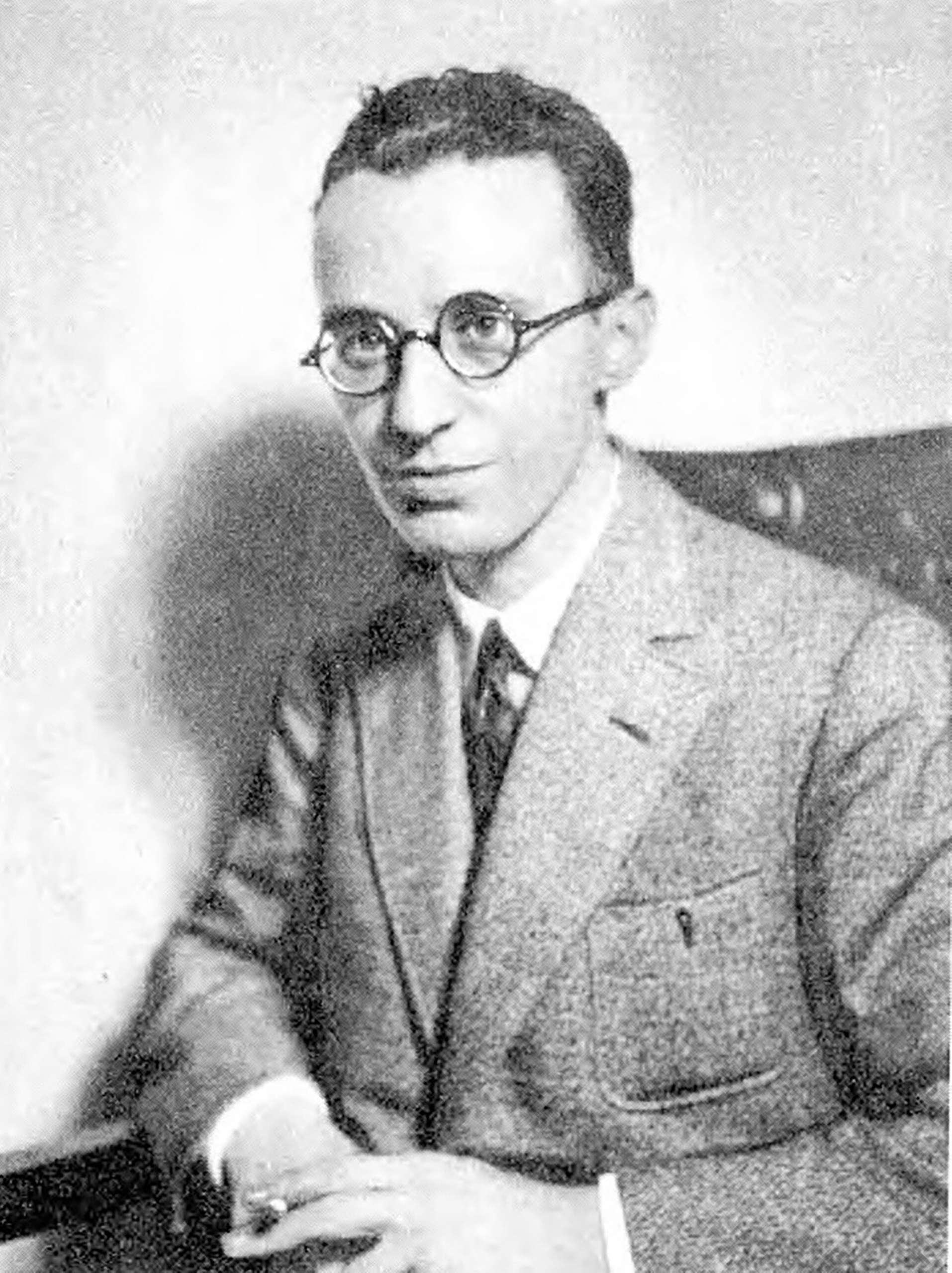
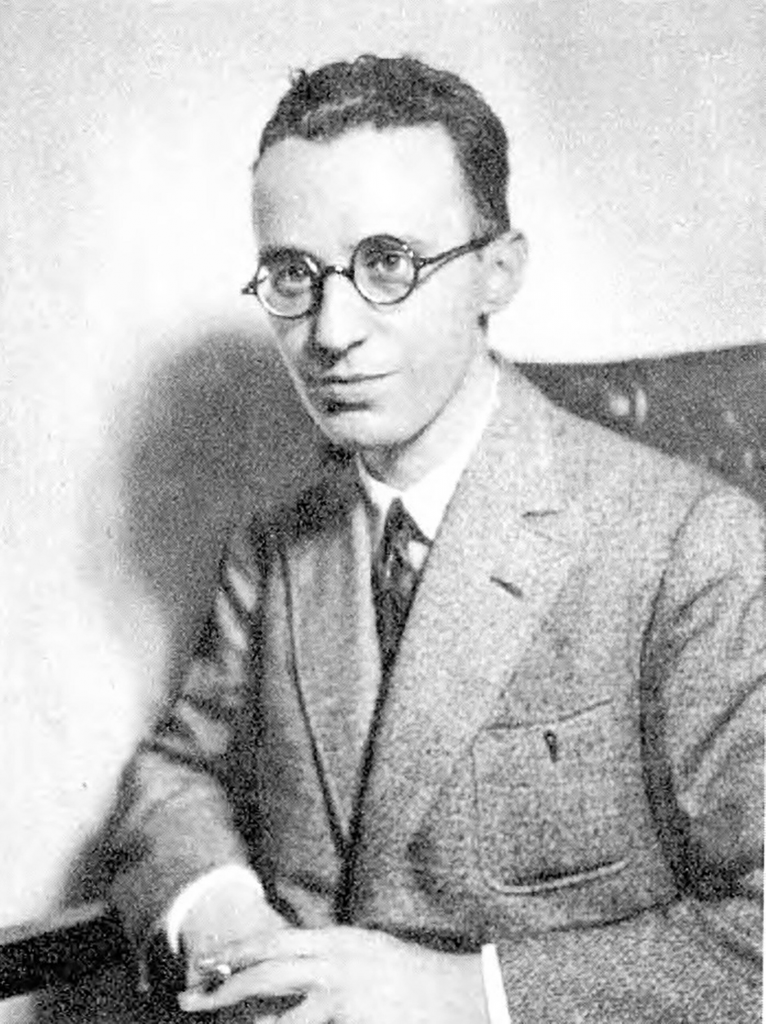
Reinhold Adolf Merten (June 6, 1894 in Wiesbaden; August 19, 1943 in Munich[1][2]) was a German conductor and physician.
Coming from a family of musicians, Merten initially attended the conservatory in Wiesbaden, but then studied medicine at the Philipps University of Marburg and the Johann Wolfgang Goethe University of Frankfurt am Main, and served as a medical officer in World War I. After the war, he received his doctorate from the University of Frankfurt with a dissertation on acid-fast, tubercle-like bacilli in wind instruments (1933).
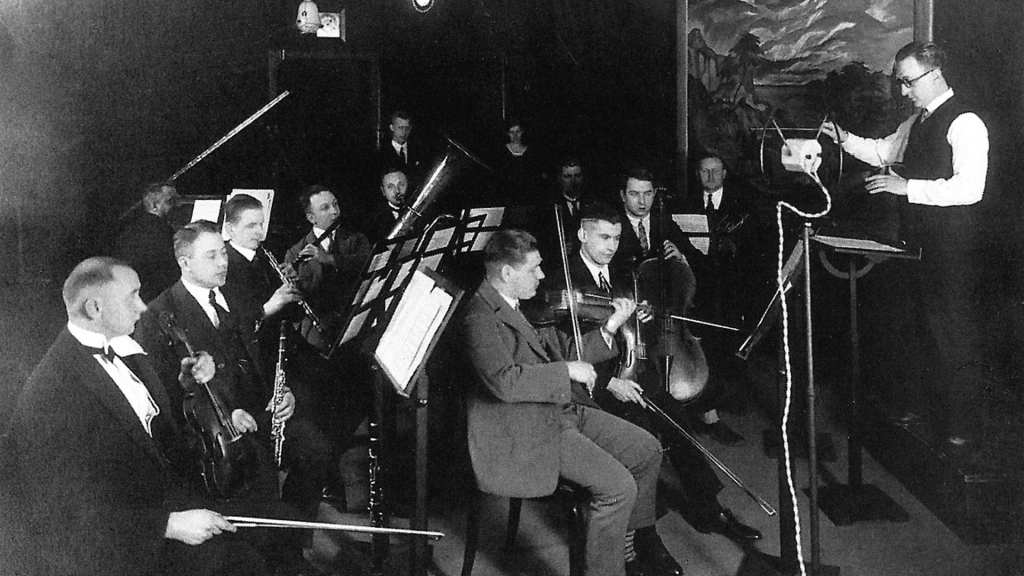
Merten did not work as a doctor, however, but became a solo répétiteur at the Frankfurt Opera in 1920. Together with Paul Hindemith, he founded the Frankfurter Gemeinschaft für Musik in 1922. After the Südwestdeutsche Rundfunkdienst AG (Radio Frankfurt) began operations in Frankfurt am Main in April 1924, several musicians gathered under Merten’s direction in the station’s studio in the old postal savings bank on Stephanstrasse and played ensemble music. From 1926, he worked in Frankfurt as an organist and pianist. In 1927, he joined the SPD, a party he remained a member of until 1931. On October 1, 1929, the Frankfurt Radio Symphony Orchestra was founded, with Hans Rosbaud as first and Reinhold Merten as second conductor.
In addition to his musical activities, he was a “music official” at the radio station. On April 1, 1933, he joined the Nazi Party (membership number 1,795,051). In 1934, he was tasked with establishing a sound engineering school in Berlin. In 1938, he became head of the acoustic-musical border areas department of the Central Technical Directorate within the Reich Broadcasting Company in Dresden. In 1939, he moved to the Great Orchestra of the Reichssender Leipzig as chief conductor. He remained there until the station was shut down in 1940 due to the war. He also taught applied musicology at the University of Freiburg.
In 1941, he went to the Reichssender Munich as first Kapellmeister. After a serious illness, he died in Munich in 1943.
In addition to regular benefit concerts with piano solo programs, I am dedicated to musicians’ medicine. Since 2019, I have been a board member of the German Society for Music Physiology and Musicians’ Medicine.
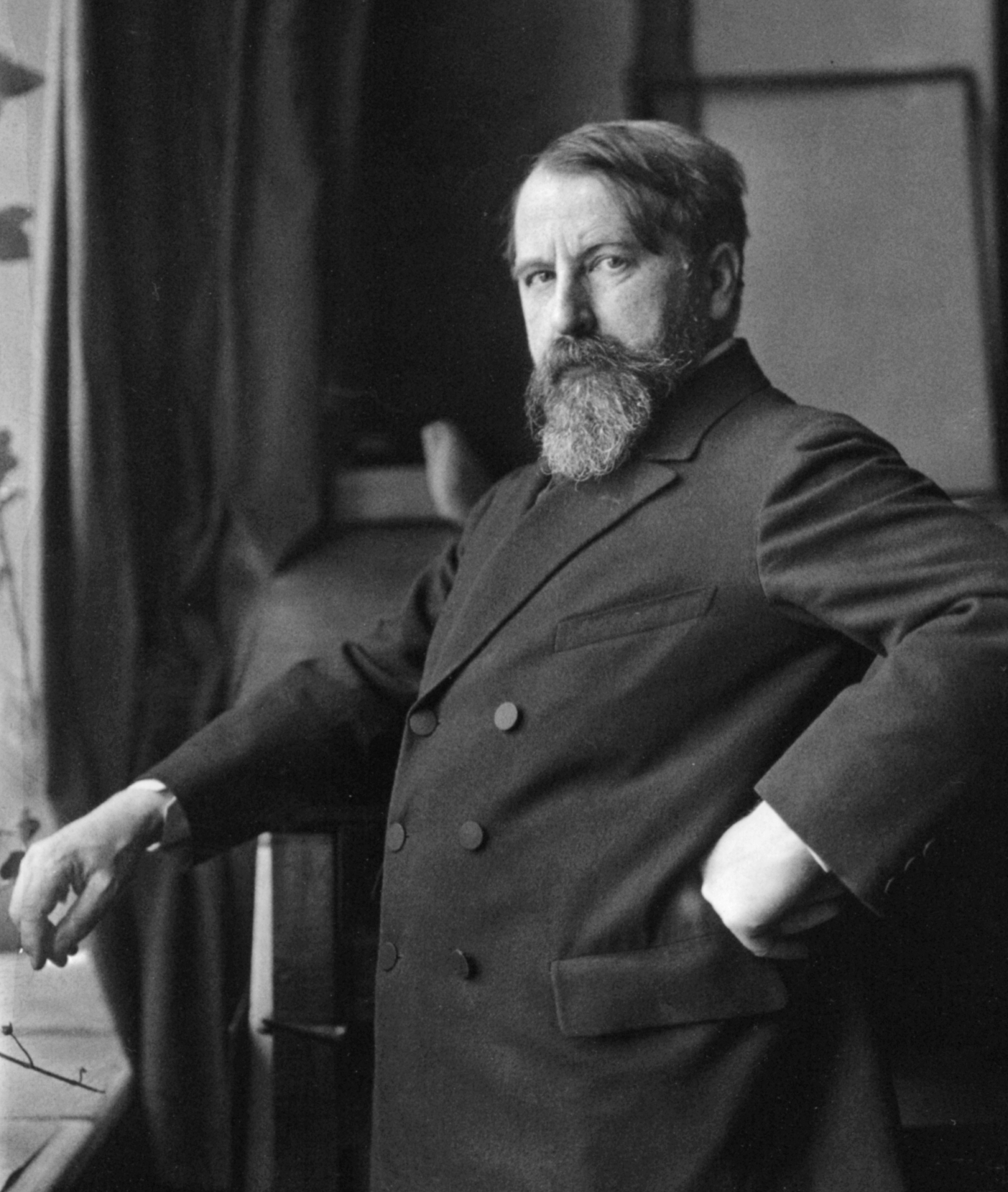
Arthur Schnitzler (May 15, 1862 in Vienna,[1] Austrian Empire; October 21, 1931, ibid.) was an Austrian physician, narrator, and playwright. He is considered one of the most important representatives of Viennese Modernism.
From 1871 to 1879, Arthur Schnitzler attended the Akademisches Gymnasium in the 1st district and graduated with honors on July 8, 1879.[2] Afterwards, at his father’s request, he studied medicine at the University of Vienna. On May 30, 1885, he received his doctorate in medicine. His younger brother Julius (1865–1939) also became a physician.
From 1885 to 1888 he worked as an assistant and secondary physician at the General Hospital of the City of Vienna in internal medicine and in the field of psychiatry and dermatology.[3] He then worked as his father’s assistant in the laryngological department of the polyclinic in Vienna until 1893. From 1886 to 1893 Schnitzler published on medical topics and wrote more than 70 articles, mostly reviews of specialist books, including as editor of the International Clinical Review founded by his father.[4] He authored one (only) scientific book publication: On functional aphonia and its treatment through hypnosis and suggestion (1889).
Although Schnitzler had been writing literary texts since childhood and made his literary debut in 1880 (Liebeslied der Ballerine in the magazine Der freie Landbote), his public literary activity only began to intensify in 1888, when he was in his mid-20s. He published poems, one-act plays, and short stories in the magazine An der Schönen Blauen Donau, edited by Fedor Mamroth and Paul Goldmann.[5] Around this magazine, but also in the Viennese coffee houses that Schnitzler frequented, including the Café Griensteidl, like-minded people began to gather who wanted to create a new, Austrian literary movement. The term “Jung Wien” soon became established for this, even though it did not describe a unified program and only partially shared aesthetic goals. Key figures with whom Schnitzler became friends around 1890/1891 were Hugo von Hofmannsthal, Hermann Bahr and Richard Beer-Hofmann.
In addition to this scandal, the publication of Reigen caused further controversy. First produced in 1900 as a private print in a small number of copies, it was freely published by Fritz Freund’s Viennese publishing house in 1903. The conversations it depicts before and after sexual intercourse between women and men from different social classes were denounced as pornography by Schnitzler’s opponents. The two themes of criticism of the army and eroticism, combined with Schnitzler’s obvious success, made him a popular target for anti-Semites.
Privately, Schnitzler documented several relationships with women in his diary for the period up to the age of 40, often conducted simultaneously without the partners’ knowledge. In particular, his largely platonic relationship with Olga Waissnix, the married landlady of the Thalhof (Reichenau an der Rax), as well as his relationships with Marie Glümer and Maria Reinhard, were considered more profound partnerships. Both Maria (often referred to in the diary as “Mizi I” and “Mizi II”), as well as others, hoped to legitimize their relationship through marriage. In Maria Reinhard’s case, this became even more pressing because she was pregnant with his child twice. The first child was stillborn, and she died of appendicitis during the second pregnancy.
His relationship with actress Olga Gussmann (1882–1970) led to a stabilization of his lifestyle. On August 9, 1902, she gave birth to their son, Heinrich Schnitzler. On August 26, 1903, the couple married. Their daughter, Lili, was born on September 13, 1909.[11] Schnitzler remained faithful for the duration of the marriage and ceased his promiscuous lifestyle.
From the beginning of the 20th century, the writer was one of the most frequently performed playwrights on German stages. With the outbreak of the First World War, interest in his works declined. This was also due to the fact that he was one of the few Austrian intellectuals who was not enthusiastic about warmongering and did not make any bellicose statements.
Reigen is Arthur Schnitzler’s most successful play for several decades. Largely unperformed during his lifetime at the author’s request, it describes in ten dialogues how a man and a woman talk to each other before and after sexual intercourse. In 1921, on the occasion of the premiere of the play Reigen, which led to a staged theater scandal in Berlin in 1920/1921 and then in Vienna, he was put on trial for causing public nuisance. The case was ultimately decided in the author’s favor by the Vienna Constitutional Court. After further performances in Vienna, however, Schnitzler asked his theater publisher in 1922 not to permit any more performances. His son only had the ban on performances lifted in 1982.
Während Schnitzler als jüdischer Autor in der Zeit des Nationalsozialismus verpönt war, setzte in der NIn the postwar period, a slow institutionalization as a classic began.[38]
In 1959/1960, the Arthur Schnitzler Courtyard in Vienna-Döbling (19th district) was named after him.
In 1971, a bust of Schnitzler by Sandor Jaray was unveiled at the Burgtheater in Vienna.
On May 13, 1982, a bust of Paul Peschke was unveiled in Vienna’s Türkenschanzpark (18th district).[39] The memorial was initiated by Viktor Anninger (1911–2004), who was a friend of Lili Schnitzler and frequented Schnitzler’s house at Sternwartestraße 71. Peschke, in turn, was the son-in-law of Ferdinand Schmutzer and, when he created the memorial, lived directly across from Schnitzler’s former residence in his father-in-law’s former house.
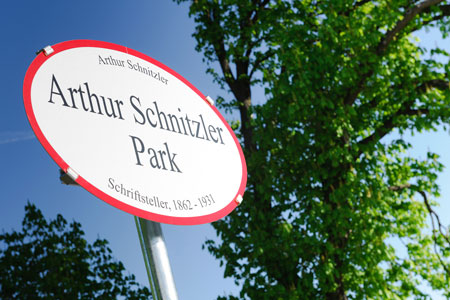
April 2012: The small park opposite the train station in Baden (Lower Austria) is named “Arthur Schnitzler Park.”[40]
May 6, 2017: Following a municipal council resolution from September 2016, the forecourt of the Volkstheater between Burggasse, Museumstraße, and Neustiftgasse in Vienna’s 7th district, Neubau, is named “Arthur Schnitzler Square.” The theater now uses the address Arthur Schnitzler Square 1, 1070 Vienna.
The Arthur Schnitzler Prize is awarded every four years by the Arthur Schnitzler Society. This prize is endowed with 10,000 euros by the Austrian Ministry of Education and the Cultural Department of the City of Vienna.
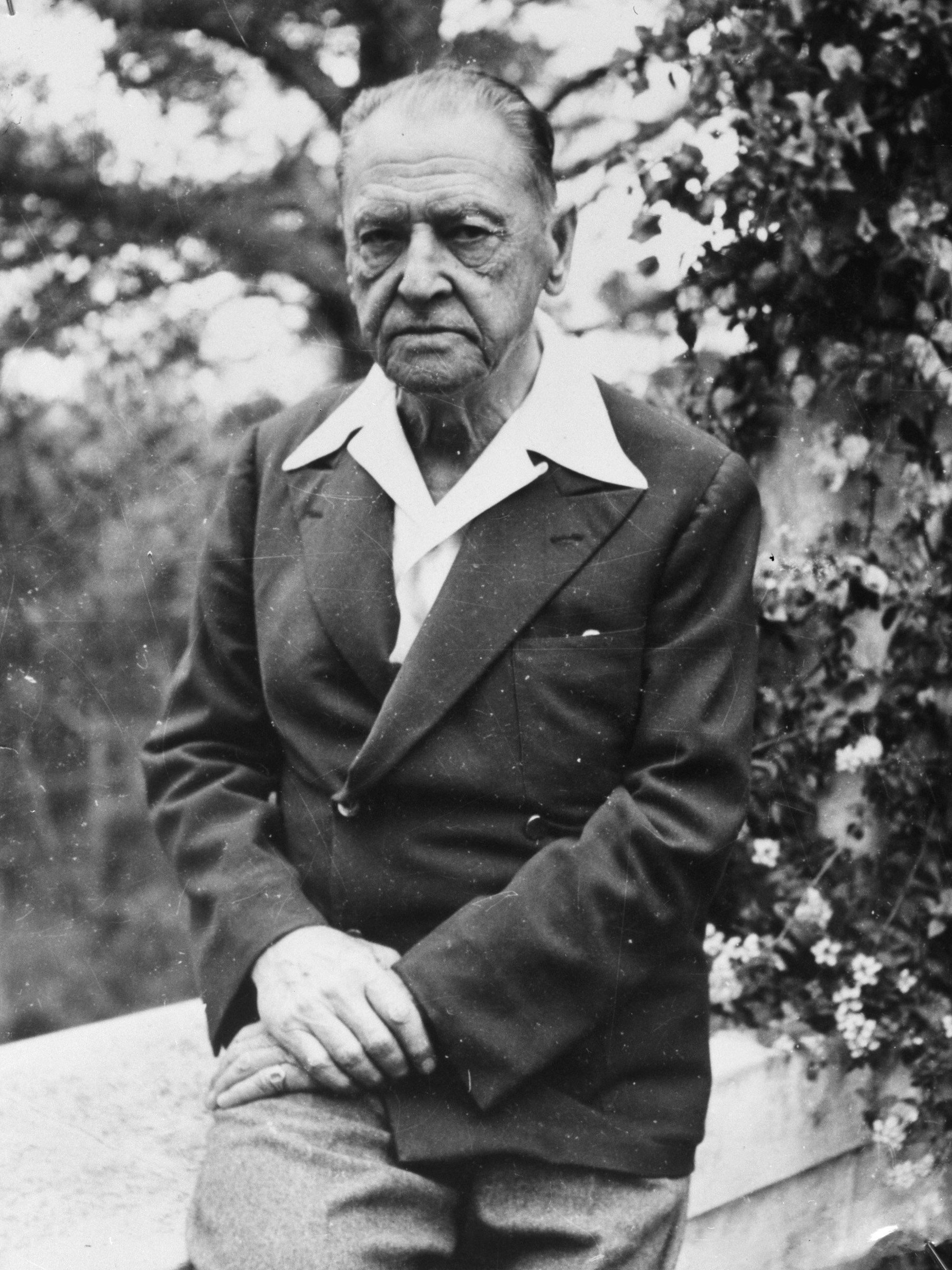
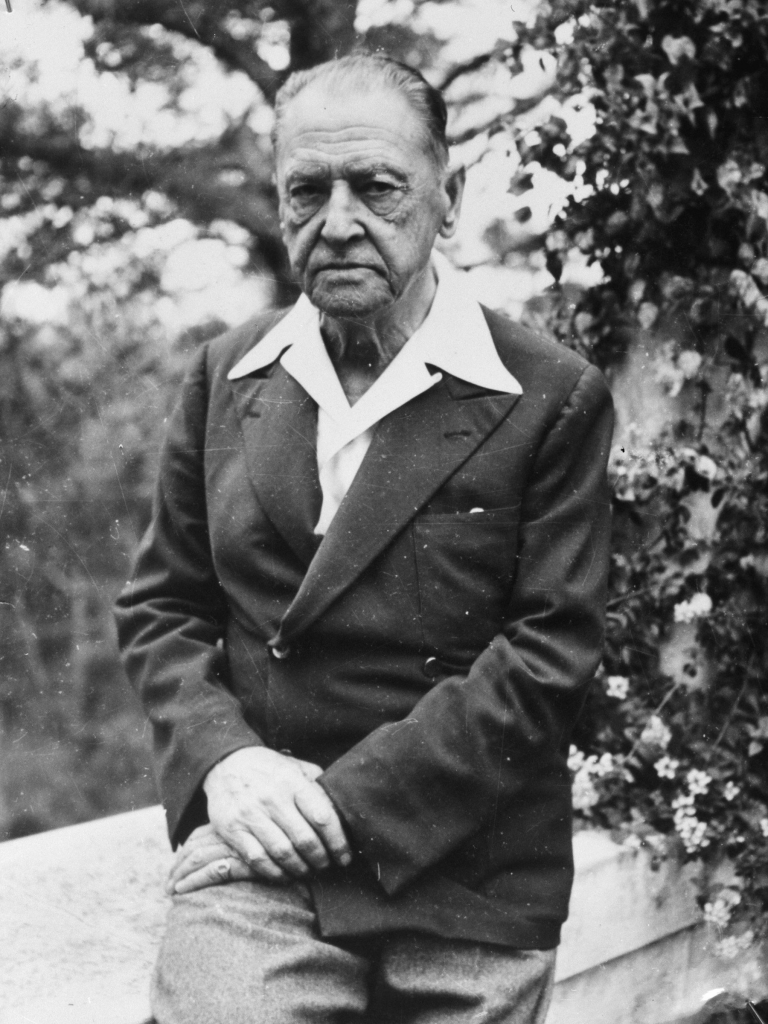
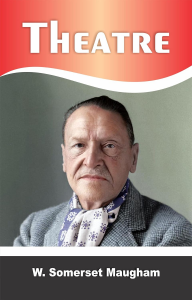
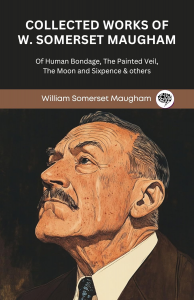
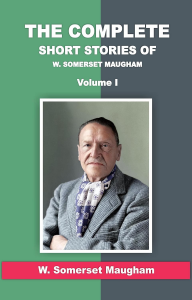
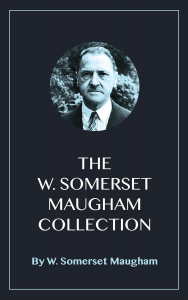
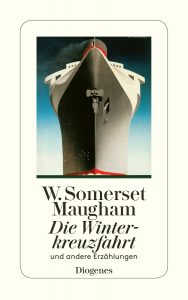
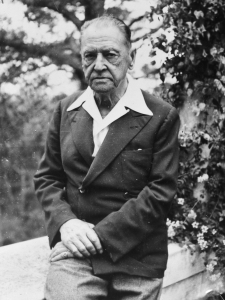
William Somerset Maugham [ˈsʌməsɪt mɔːm] (January 25, 1874 in Paris – December 16, 1965 in Saint-Jean-Cap-Ferrat near Nice), also known as W. Somerset Maugham, was an English novelist and playwright. He is one of the most widely read English-language authors of the 20th century.
William Somerset Maugham was the son of an English lawyer who worked for British clients in Paris. His older brother was the jurist Frederic Maugham. His parents died when he was still a child. As an orphan, he spent his youth under the supervision of a sanctimonious uncle and in boarding schools. He suffered from a stutter. He studied German, literature, and philosophy at the University of Heidelberg, and later medicine at King’s College London. Despite his passion for literature, Maugham successfully completed his medical studies in 1898—largely under pressure from his uncle.
William Somerset Maugham achieved early literary success with his first novel, Liza of Lambeth, published in 1897, and simultaneously caused a scandal. In the novel, Maugham processed experiences he had as a trainee doctor in the slums of London. The middle class considered it inappropriate to portray the world of the working class in such a naturalistic way.
The book was followed by years of self-determination as an author. At first, he worked as a playwright, writing plays such as The Circle, Our Betters, and The Constant Wife. In the early 20th century, four of his plays were performed simultaneously in London. His productivity was astonishing: he usually needed only a week to write each act and another week to edit the play. Later, he devoted himself to prose and wrote numerous novels and short stories.
Maugham’s most important work is generally considered to be the novel Of Human Bondage, an autobiographical story whose hero, Philip Carey, like Maugham, grows up as an orphan with his sanctimonious uncle and is handicapped by a clubfoot. Maugham himself stuttered.
In the English-speaking world, Maugham’s work is considered middle-brow literature, which, while easy to read and highly entertaining, nevertheless achieves a remarkable artistic and formal level.[2] A theme that repeatedly occupied Maugham in his dramatic and narrative work is adultery.
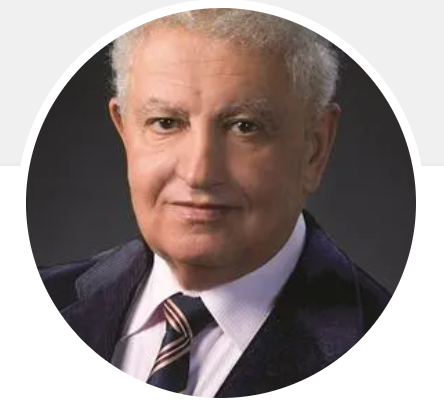
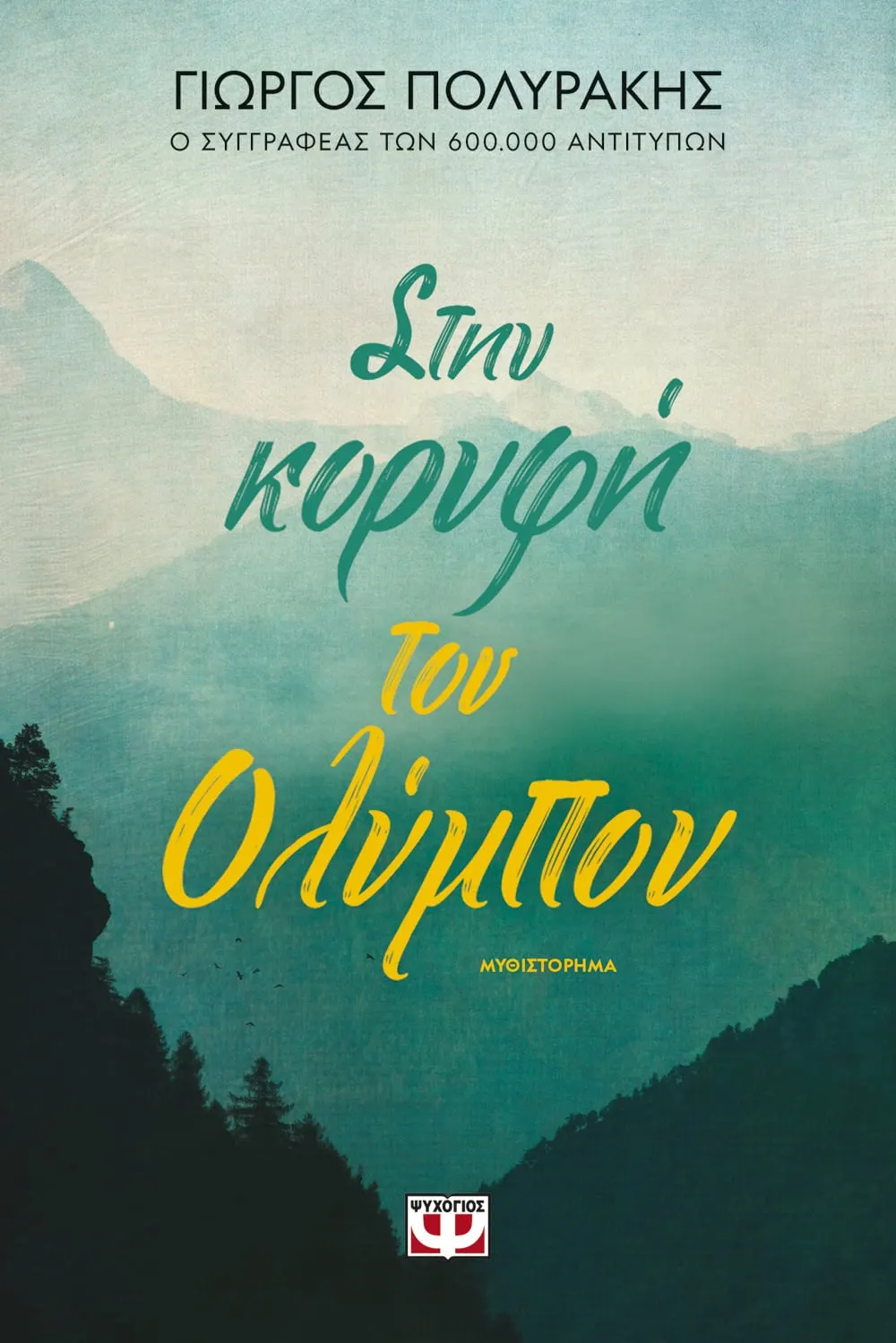
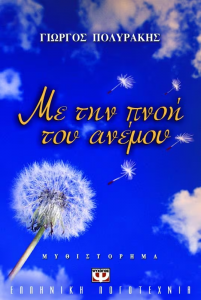
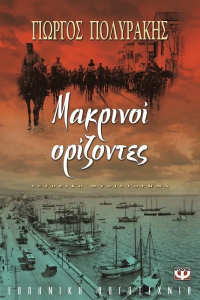
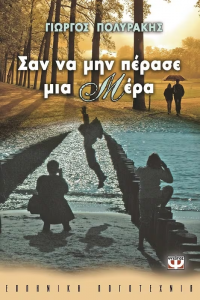
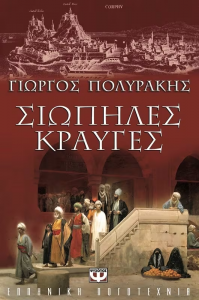
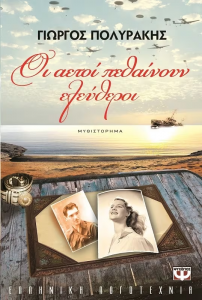
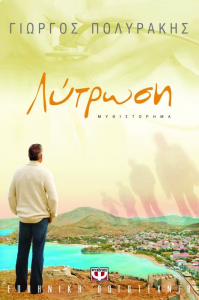
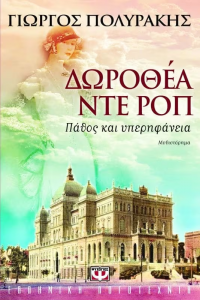
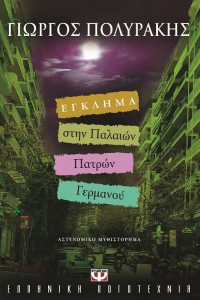
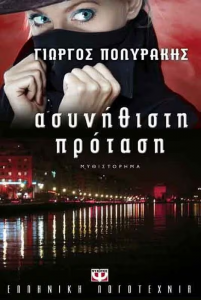
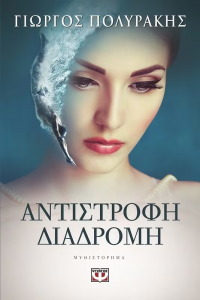
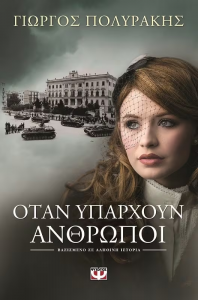
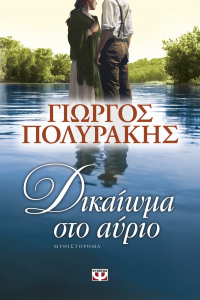
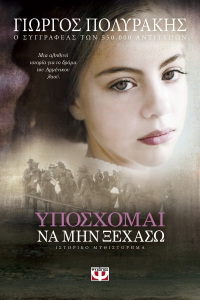
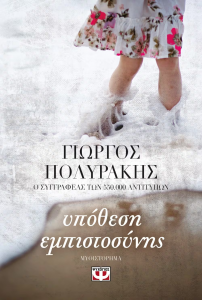
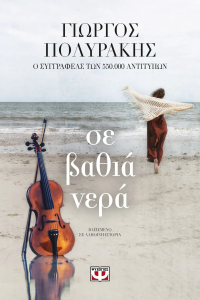
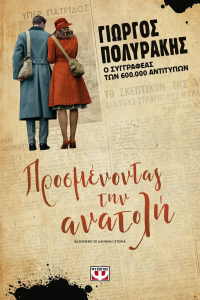
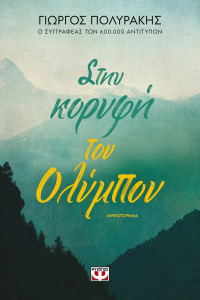
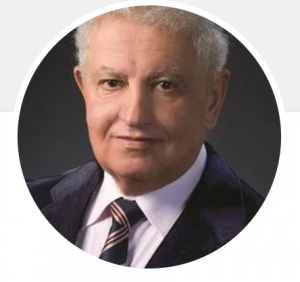
George Polyrakis was born in Sfakia, Crete. He studied military medicine and received his doctorate from the Aristotle University of Thessaloniki. He trained as a surgeon and subsequently specialized in vascular surgery at Hammersmith Hospital in London. He currently works as a surgeon in Thessaloniki, where he lives.
He has published 83 scientific articles in Greek and foreign medical journals, given dozens of presentations at medical conferences, and participated in the organization of numerous conferences. He is a member of the Hellenic Surgical Society, the Surgical Society of Northern Greece, the Medical Society of Thessaloniki, the Society of Physician Writers, and the Society of Writers of Northern Greece, and was a member of the International College of Surgeons.
During his studies, he worked as an amateur journalist in Chania and wrote two plays that were performed at student performances. During his studies, he wrote another play that was performed by students during Student Week.
Fabian Unteregger graduated from ETH Zurich with a MSc in Food Science in 2003 and received his ETH teaching credential in 2004. From 2008 to 2014, he studied human medicine at the University of Zurich. He received his doctorate in medicine in 2017.
Unteregger can be found in theater sports, as an impersonator, or as a presenter on various stages. He imitates well-known Swiss personalities from politics and sports. In 2007, he answered viewer questions once a week on Radio Top as National Councilor Christoph Mörgeli. In 2008, he became known to a broad national audience with appearances on the Swiss TV satire show Giacobbo/Müller on SF 1. In addition to Mörgeli, he also parodies other Swiss personalities such as Roger Federer, Köbi Kuhn, and Moritz Leuenberger, the latter in his weekly radio column Moritz explains German on Radio 24 and Capital FM. From 2009, he toured cabaret stages in German-speaking Switzerland with his first solo show Showbiss. Since July 4, 2013, he has also been a weekly presenter of the TV comedy show Metzgete – Heiteres Prominentenraten on SRF 1. His second stage show premiered on October 7, 2015.
2005, 2007: Second place at the Swiss Theater Sports Championships (with Improvenös)
2008: European Theater Sports Champion[2]
2008: Winner of Best of Swiss Web Gold, Best Football Marketing Site (for Natifans.ch)[3]
2016: Prix Walo in the Comedy category
In December 2010, Fabian Unteregger organized the first “Christmas Medical Lecture” at the University of Zurich for the benefit of the ALS Association Switzerland and was subsequently appointed its ambassador.
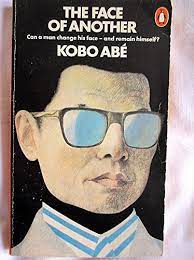
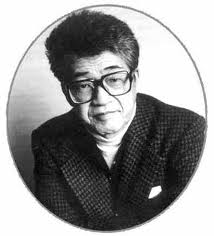
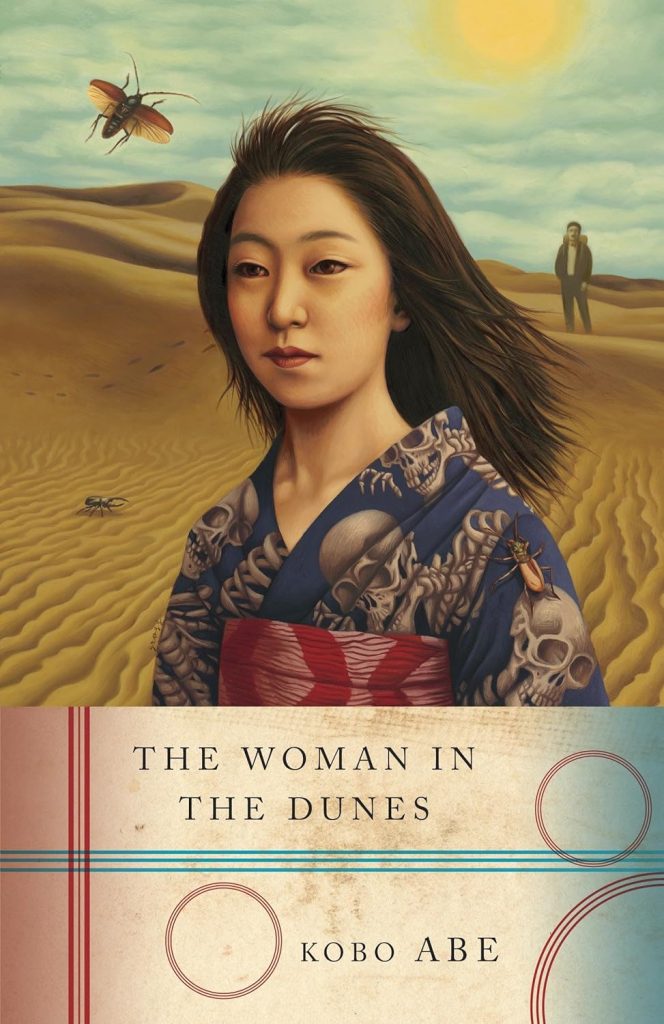
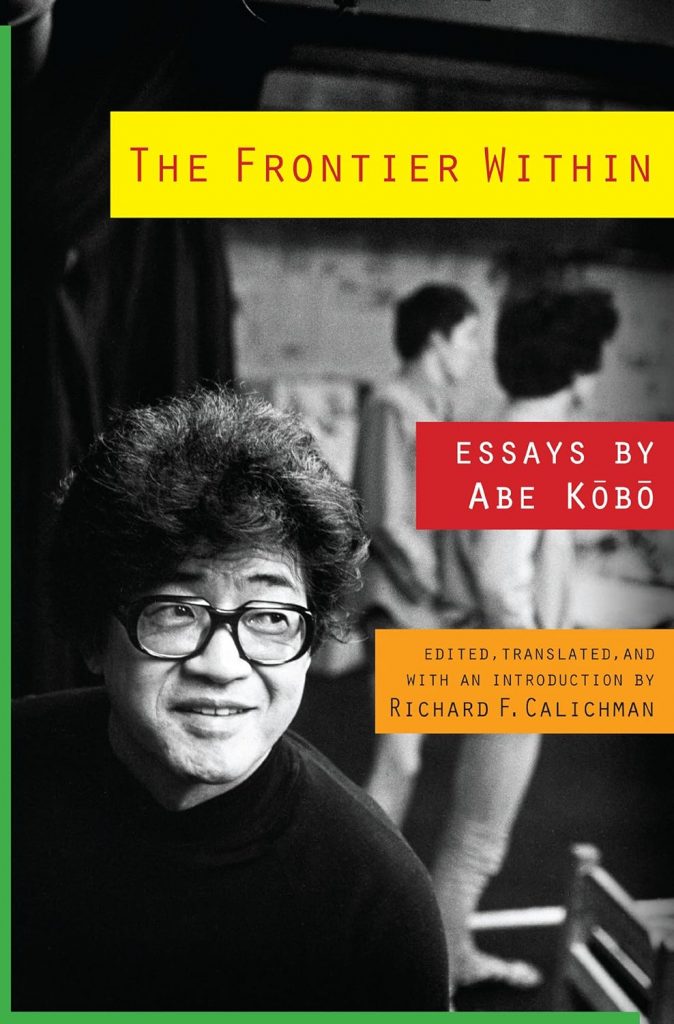
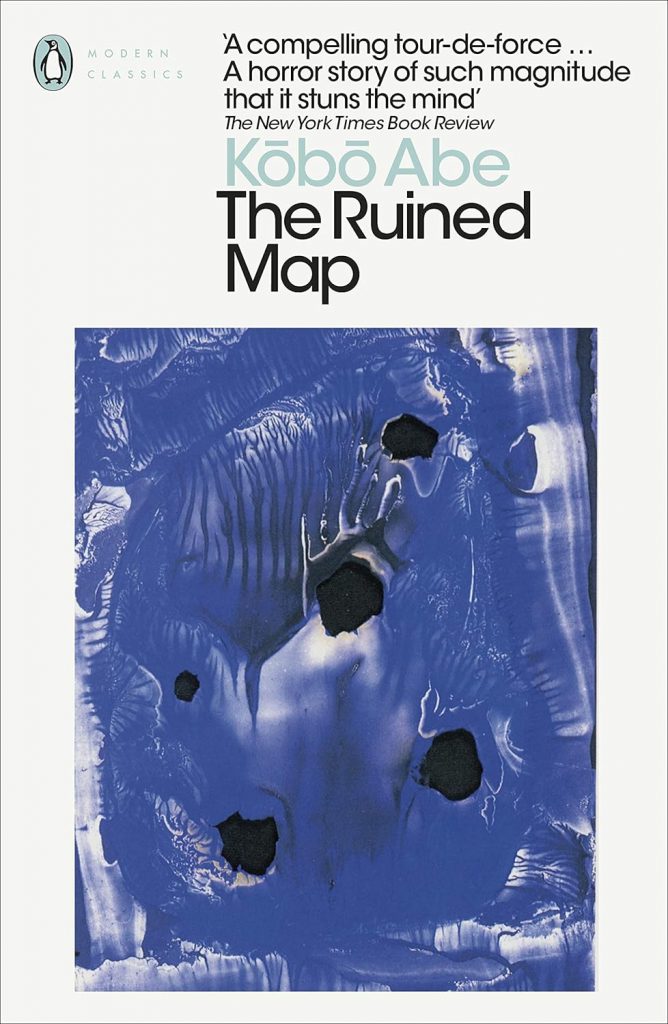
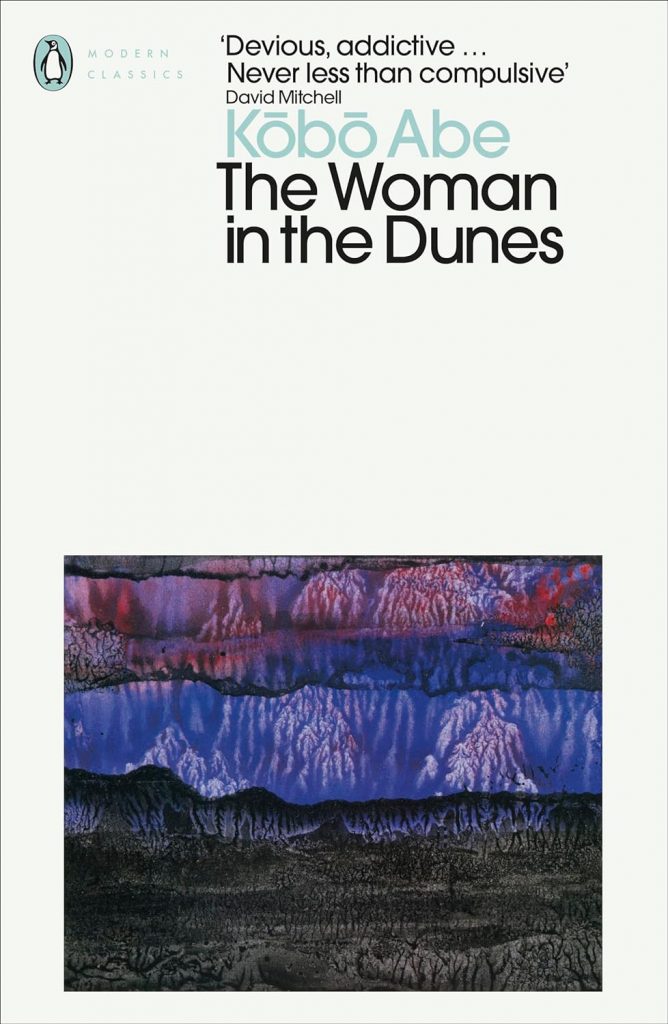
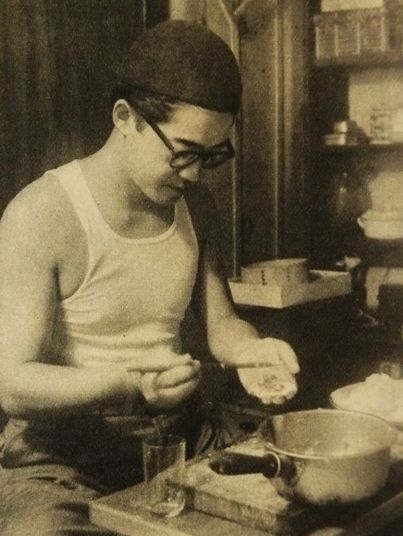
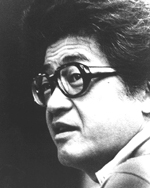
Kōbō Abe (安部 公房, Abe Kōbō), pen name of Kimifusa Abe (安部 公房, Abe Kimifusa, March 7, 1924 – January 22, 1993), was a Japanese writer, playwright, musician, photographer, and inventor. He is best known for his 1962 novel The Woman in the Dunes that was made into an award-winning film by Hiroshi Teshigahara in 1964.[2] Abe has often been compared to Franz Kafka for his modernist sensibilities and his surreal, often nightmarish explorations of individuals in contemporary society.
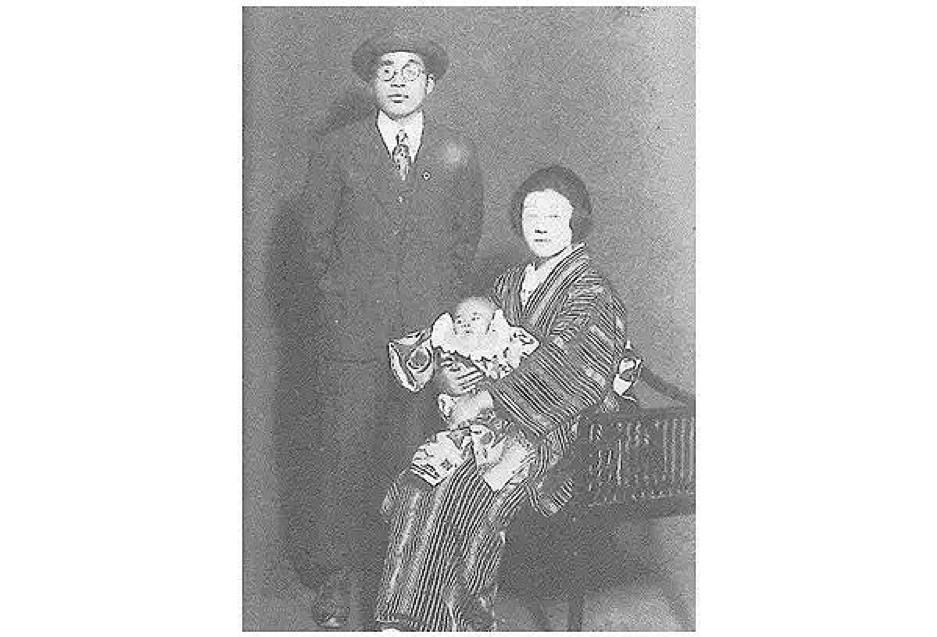
Abe was born on March 7, 1924[1][6] in Kita, Tokyo, Japan and grew up in Mukden (now Shenyang) in Manchuria.[2][1] Abe’s family was in Tokyo at the time due to his father’s year of medical research in Tokyo.[7] His mother had been raised in Hokkaido, while he experienced childhood in Manchuria. This triplicate assignment of origin was influential to Abe, who told Nancy Shields in a 1978 interview, “I am essentially a man without a hometown.[2] This may be what lies behind the ‘hometown phobia’ that runs in the depth of my feelings. All things that are valued for their stability offend me.”[7] As a child, Abe was interested in insect-collecting, mathematics, and reading. His favorite authors were Fyodor Dostoyevsky, Martin Heidegger, Karl Jaspers, Franz Kafka, Friedrich Nietzsche, and Edgar Allan Poe.
Abe returned to Tokyo briefly in April 1940 to study at Seijo High School, but a lung condition forced his return to Mukden, where he read Jaspers, Heidegger, Dostoyevsky, and Edmund Husserl. Abe began to study medicine at Tokyo Imperial University in 1943, partially out of respect for his father, but also because “[t]hose students who specialized in medicine were exempted from becoming soldiers. My friends who chose the humanities were killed in the war.”[7] He returned to Manchuria around the end of World War II.[1] Specifically, Abe left the Tokyo University Medical School in October 1944, returning to his father’s clinic in Mukden.[7] That winter, his father died of eruptive typhus. Returning to Tokyo with his father’s ashes, Abe reentered the medical school. Abe started writing novellas and short stories during his last year in university. He graduated in 1948 with a medical degree, joking once that he was allowed to graduate only on the condition that he would not practice.
In 1945 Abe married Machi Yamada, an artist and stage director, and the couple saw successes within their fields in similar time frames.[7] Initially, they lived in an old barracks within a bombed-out area of the city center. Abe sold pickles and charcoal on the street to pay their bills. The couple joined a number of artistic study groups, such as Yoru no Kai (Group of the Night or The Night Society) and Nihon Bungaku Gakko (Japanese Literary School). Their daughter, Abe Neri, was born in 1954.[8]
https://www.youtube.com/watch?v=MXPDlRLTSpg
screenplay and adaptation: Kobo Abe
As the postwar period progressed, Abe’s stance as an intellectual pacifist led to his joining the Japanese Communist Party, with which he worked to organize laborers in poor parts of Tokyo. Soon after receiving the Akutagawa Prize in 1951, Abe began to feel the constraints of the Communist Party’s rules and regulations alongside doubts about what meaningful artistic works could be created in the genre of “socialist realism.”[7] By 1956, Abe began writing in solidarity with the Polish workers who were protesting against their Communist government, drawing the Communist Party’s ire. The criticism reaffirmed his stance: “The Communist Party put pressure on me to change the content of the article and apologize. But I refused. I said I would never change my opinion on the matter. This was my first break with the Party.”[7]: 35 [a] The next year, Abe traveled to Eastern Europe for the 20th Convention of the Soviet Communist Party. He saw little of interest there, but the arts gave him some solace. He visited Kafka’s house in Prague, read Rilke and Karel Čapek, reflected on his idol Lu Xun, and was moved by a Mayakovsky play in Brno.[7]
The Soviet invasion of Hungary in 1956 disgusted Abe. He attempted to leave the Communist Party, but resignations from the party were not accepted at the time. In 1960, he participated in the Anpo Protests against revision of the US-Japan Security Treaty as part of the pan-ideological Young Japan Society.[10] He later wrote a play about the protests, The Day the Stones Speak, which was staged several times in Japan and China in 1960 and 1961.[11] In the summer of 1961, Abe joined a group of other authors in criticizing the cultural policies of the Communist Party. He was forcibly expelled from the party the following year.[12] His political activity came to an end in 1967 in the form of a statement published by himself, Yukio Mishima, Yasunari Kawabata, and Jun Ishikawa, protesting the treatment of writers, artists, and intellectuals in Communist China.[7] According to translator John Nathan, this statement led to the falling-out between Abe and fellow writer Kenzaburō Ōe.[13]
His experiences in Manchuria were also deeply influential on his writing, imprinting terrors and fever dreams that became surrealist hallmarks of his works. In his recollections of Mukden, these markers are evident: “The fact is, it may not have been trash in the center of the marsh at all; it may have been crows. I do have a memory of thousands of crows flying up from the swamp at dusk, as if the surface of the swamp were being lifted up into the air.”[7] The trash of the marsh was a truth of life, as were the crows, yet Abe’s recollections of them tie them distinctively. Further experiences with the swamp centered around its use as a staking ground for condemned criminals with “[their] heads—now food for crows—appearing suddenly out of the darkness and disappearing again, terrified and attracted to us.” These ideas are present in much of Abe’s work.
Abe was first published as a poet in 1947 with Mumei-shishū (“Poems of an unknown poet”), which he paid for himself,[1] and as a novelist the following year with Owarishi michi no shirube ni (“The Road Sign at the End of the Street”), which established his reputation.[1] When he received the Akutagawa Prize in 1951, his ability to continue publishing was confirmed.[7] Though he did much work as an avant-garde novelist and playwright, it was not until the publication of The Woman in the Dunes in 1962 that Abe won widespread international acclaim.[14]
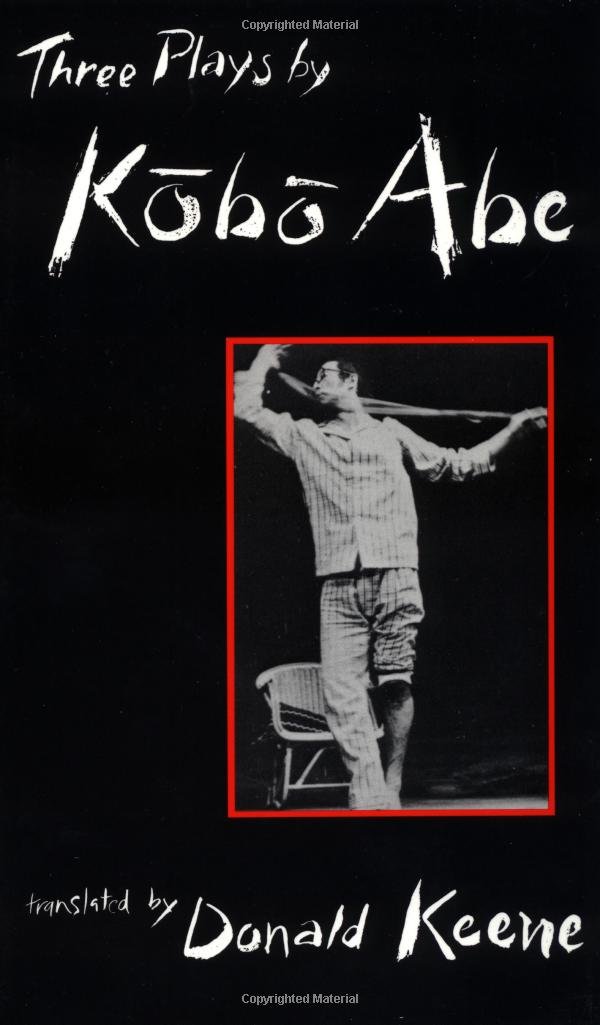
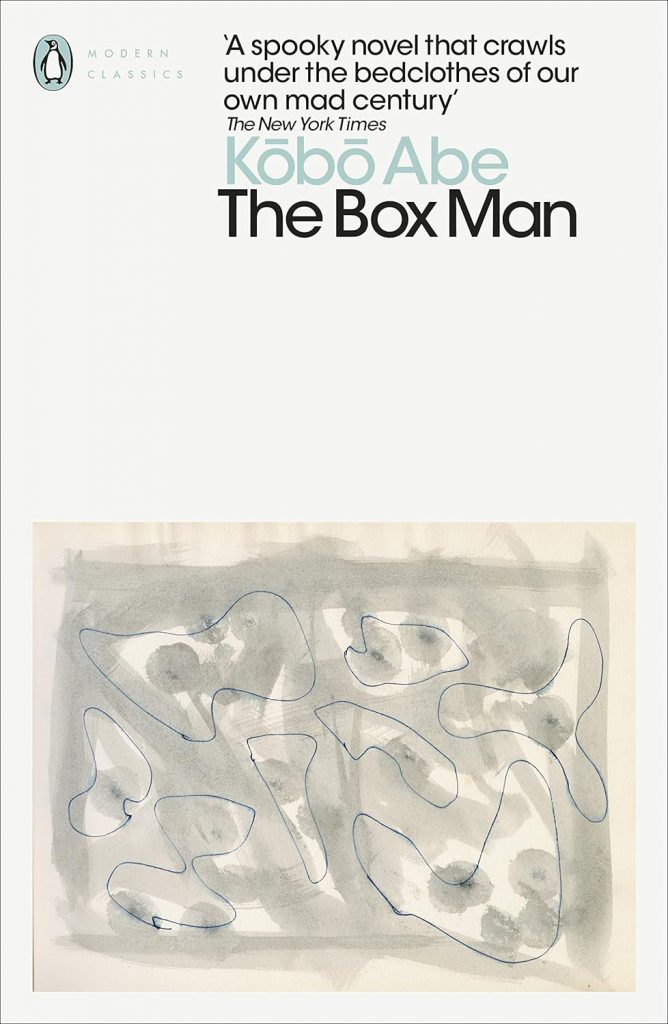
In 1971, he founded the Abe Studio, an acting studio in Tokyo.[7] Until the end of the decade, he trained performers and directed plays. The decision to found the studio came two years after he first directed his own work in 1969, a production of The Man Who Turned Into A Stick. The production’s sets were designed by Abe’s wife, and Hisashi Igawa starred. Abe had become dissatisfied with ability of the theatre to materialize the abstract, reducing it to a passive medium. Until 1979, he wrote, directed, and produced 14 plays at the Abe Studio. He also published two novels, Box Man (1973) and Secret Rendezvous (1977), alongside a series of essays, musical scores, and photographic exhibits.[7] The Seibu Theater, an avant-garde theater in the new department store Parco, was allegedly established in 1973 specifically for Abe, though many other artists were given the chance to use it. The Abe Studio production of The Glasses of Love Are Rose Colored (1973) opened there. Later, the entirety of the Seibu Museum was used to present one of Abe’s photographic works, An Exhibition of Images: I.[7]
The Abe Studio provided a foil for much of the contemporary scene in Japanese theater, contrasting with the Haiyuza‘s conventional productions, opting to focus on dramatic, as opposed to physical, expression. It was a safe space for young performers, whom Abe would often recruit from the Toho Gakuen College in Chofu City, on the outskirts of Tokyo, where he taught. The average age of the performers in the studio was about 27 throughout the decade, as members left and fresh faces were brought in. Abe “deftly” handled issues arising from difference in stage experience.
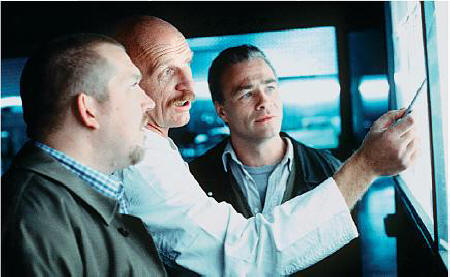
Tatort Köln: Freddy Schenk (Dietmar Bär), Joseph Roth (Josef Bausch-Hölterhoff) und Max Ballauf (Klaus J. Behrendt, von links) sind ein eingespieltes Team. Foto:WDR
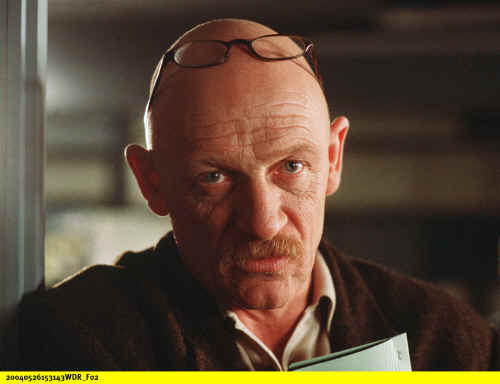
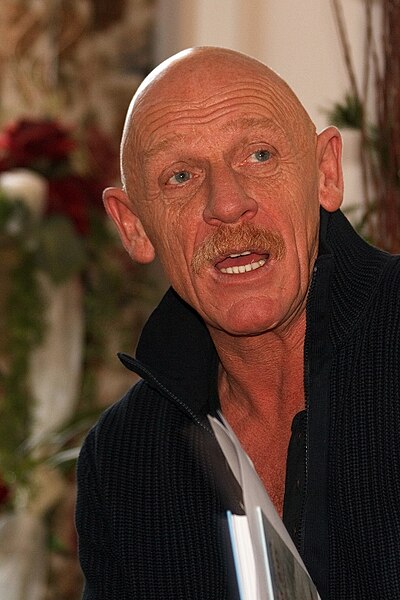
Joe Bausch (Hermann-Joseph Bernhard Anton Maria Bausch-Hölterhoff; * 19. April1953 in Ellar) is a German MD, author, actor and speaker of audio books.
Bausch-Hölterhoff was born in the Westerwald as son of a farmer, later studied theatre sciences, politicc, germanistics and law, in 1985 he got his medical degree.
During his studies he founded a theatre group “TPI – theatre pathologic institute” and wrote the librettos of Mister Buffo nach Dario Fo, Mein Traum …, Hotel der verlorenen Träume, Und sie legten den Blumen Handschellen an nach Fernando Arrabal.
He also acted in the Prinzregententheater Bochum.
Joes first appearance in the German criminal series “Tatort” in “Manila” underlined the problems of Philippinian children living in the streets. He and his colleagues founded the association “Tatort – Straßen der Welt” which is engaged for children´s rights world-wide.
Having worked in the jail hospital of Werl he wrote som books about his experiences (see gallery).
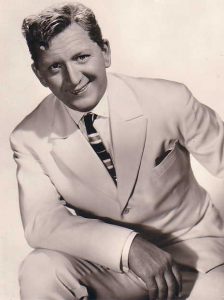
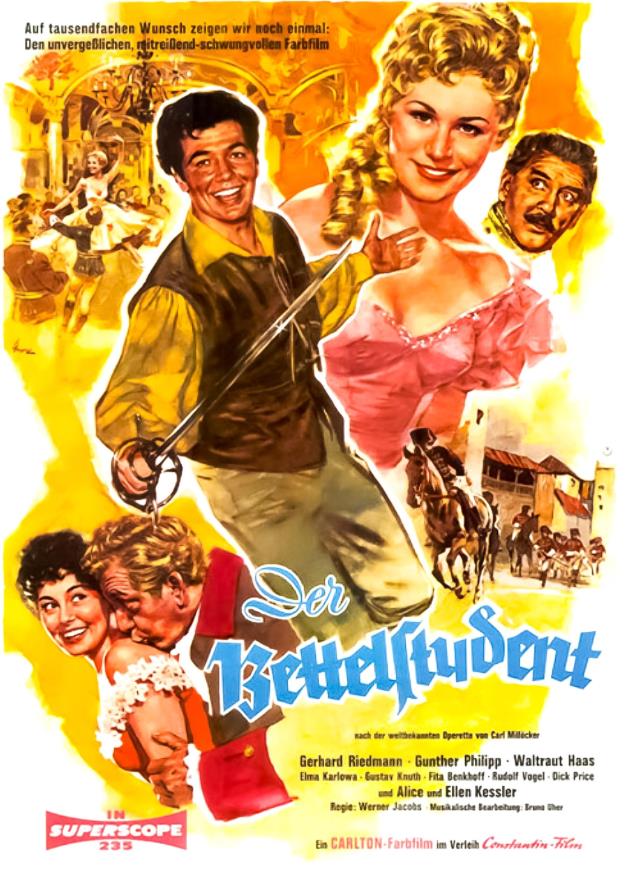
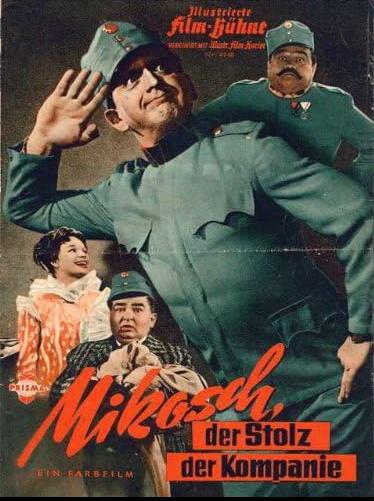
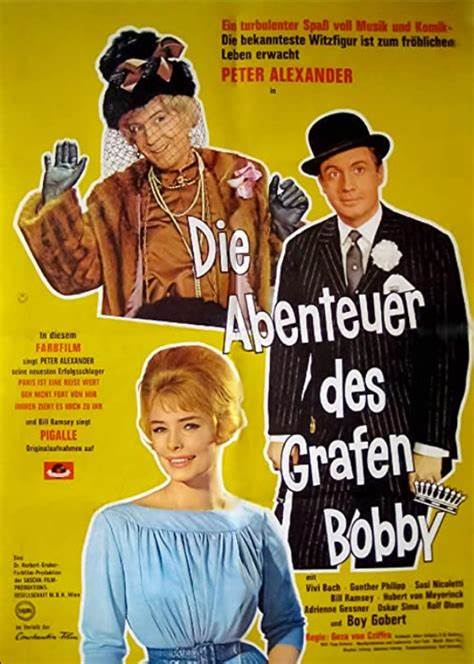
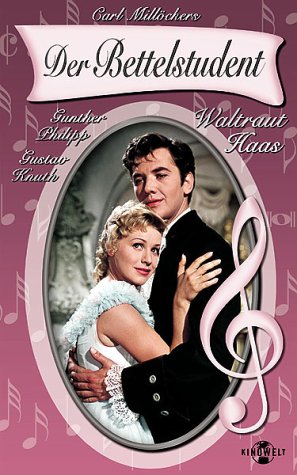
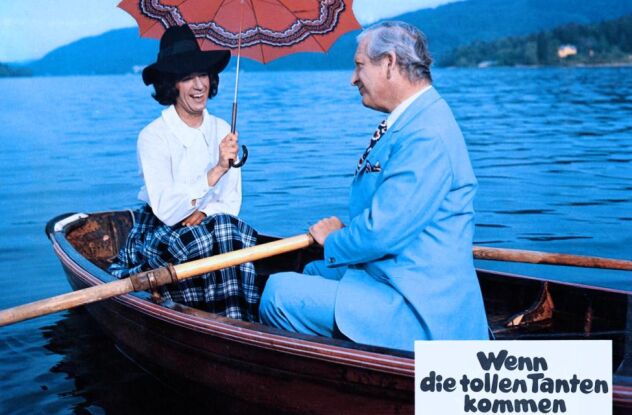
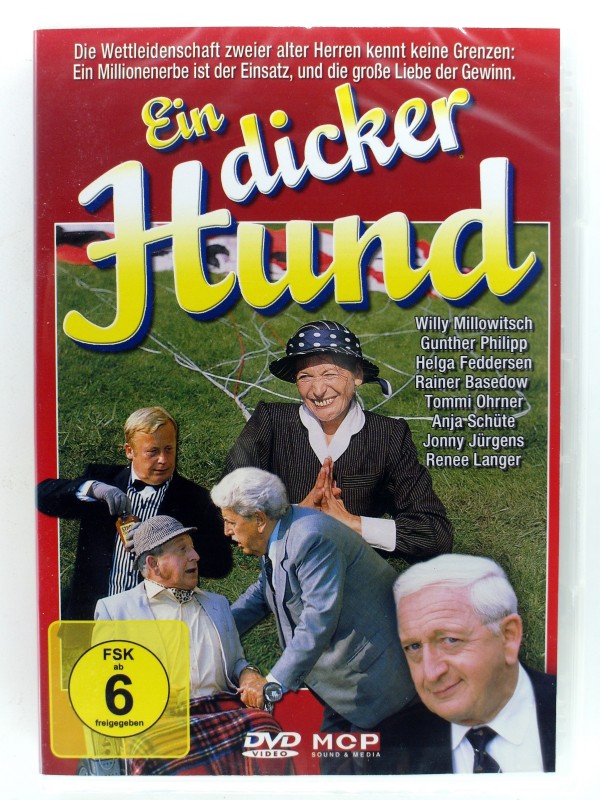
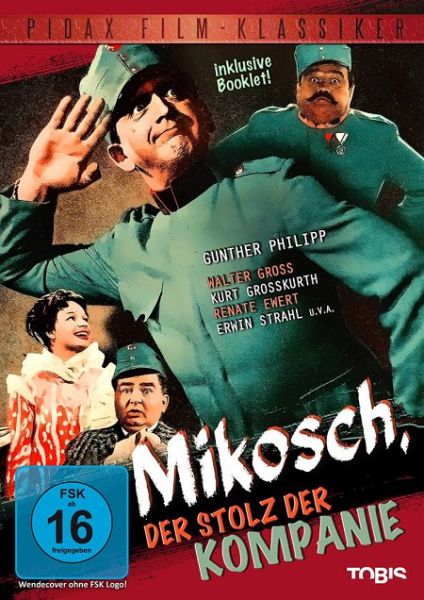
Gunther Philipp (8 June 1918 – 2 October 2003) was an Austrianfilm actor, physician and swimmer.[2]
From 1949 to 2002 he appeared as an actor in 147 movies for cinema and television, mainly in comic roles. As an author, Philipp wrote 21 film scripts.
https://www.youtube.com/watch?v=37YfeJ6MoBY
During World War II, Philipp studied acting at the Max Reinhardt Seminar and at the University of Vienna philosophy, majoring in psychology and then medicine. In 1943 he received his doctorate in medicine (Dr. med. univ.) He held the Austrian record in the 100-meter breaststroke for 14 years. He was also in the squad of the Austrian Olympic team in Berlin in 1936, but was not nominated for political reasons because he did not want to join the National Socialist-dominated “First Vienna Amateur Sports Club”. After the war, he ran a practice in Eberstalzell in Upper Austria and was active until in the 1990s at the Vienna University Clinic for Neurology and Psychiatry.
1939 the Austrian record in the 100 m breaststroke (at the same time European year best performance: 1:11,3)
1939 academic world record at the German University Championships in Schrießheim Mannheim / year highs 100 m breaststroke (second in the world rankings)
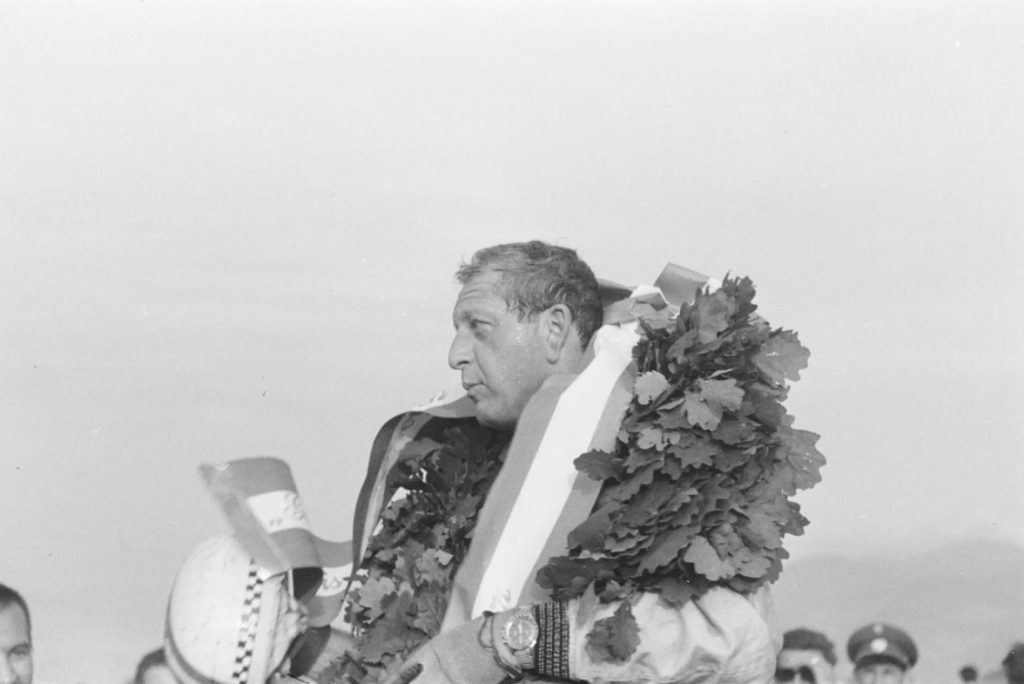
1962 Austrian State Championship on Ferrari 250 GT
1963 Austrian State Championship on Ferrari GTO
1963 four times first in the Grand Prix of Austria (Zeltweg)