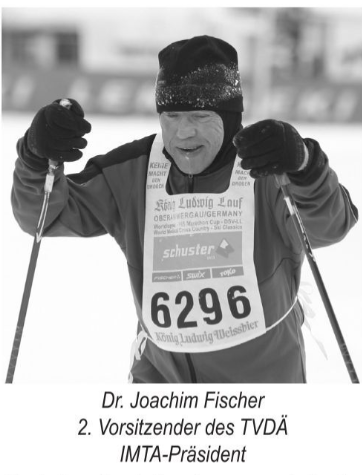
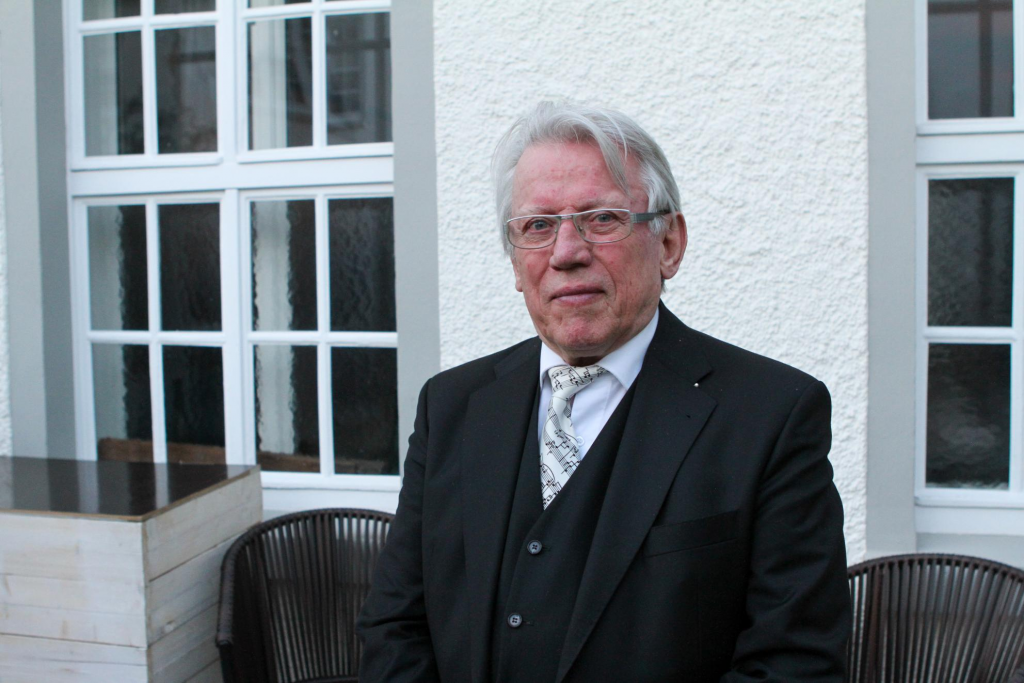
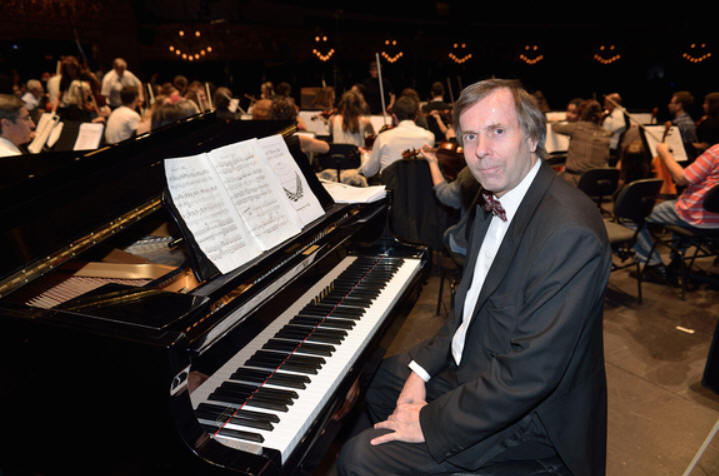
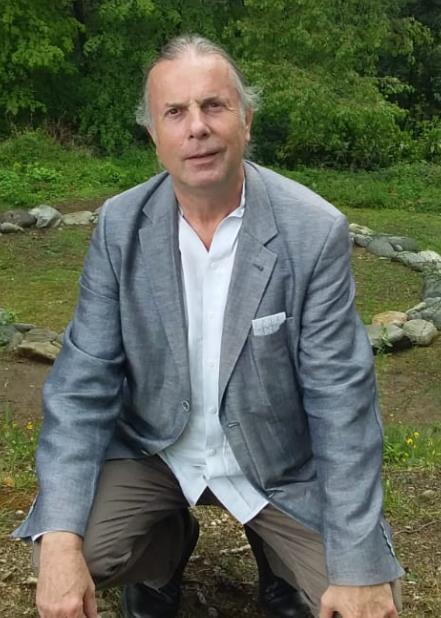
Joachim Fischer was president of the DTU German Triathlon Union, is involved in his local Heinatverein and in the Sterkel Society.
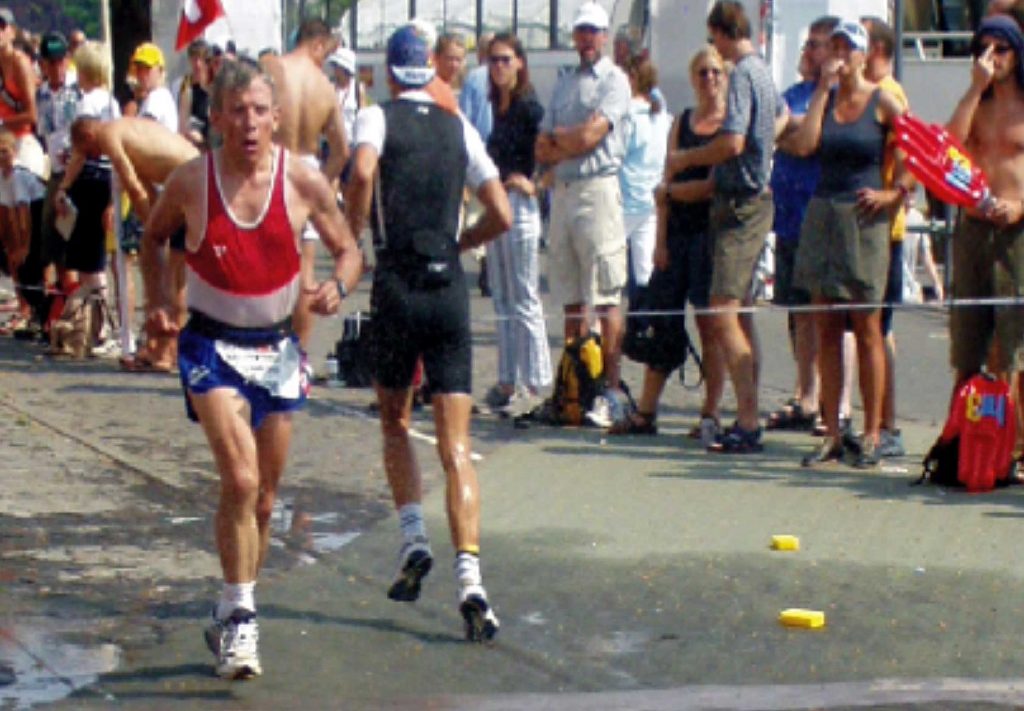
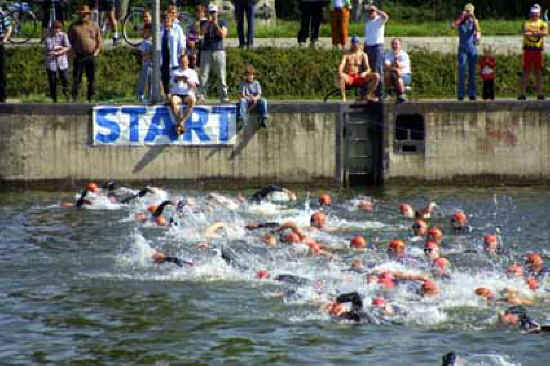
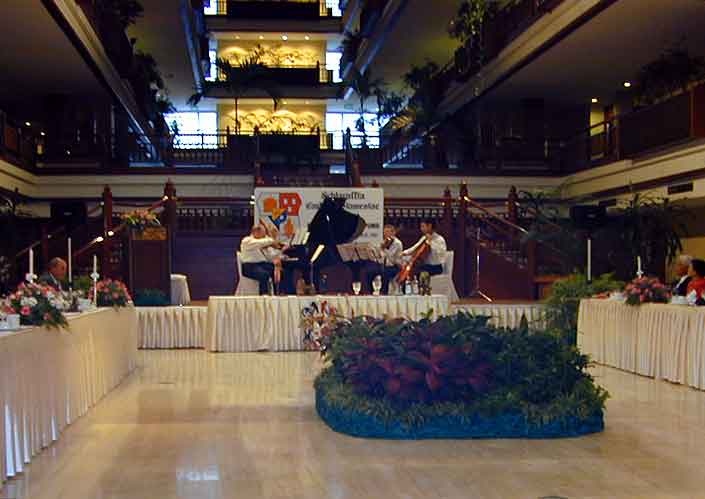
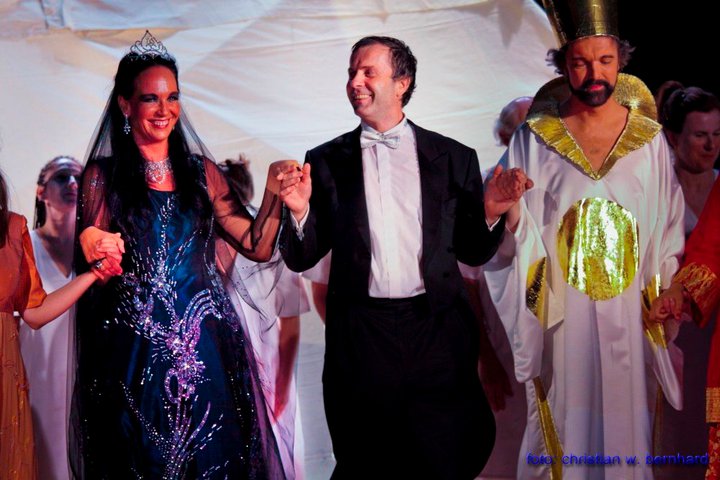
Dr. Fischer at the IronMan in Frankfurt! photo: Prof. Neumann from LeipzigTriathlon start in Regensburg august 12, 2001In Bangkog Dr. Fischer played in a Mendelssohn Piano Quartet with his colleagues during a nice festivity!https://hug-heigenbruecken.de/#ueber-uns
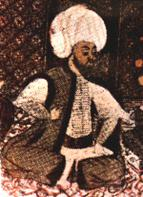
Al-Kindi was born in Kufa and educated in Baghdad.[7] He became a prominent figure in the House of Wisdom, and a number of Abbasid Caliphs appointed him to oversee the translation of Greek scientific and philosophical texts into the Arabic language. This contact with “the philosophy of the ancients” (as Hellenistic philosophy was often referred to by Muslim scholars) had a profound effect on him, as he synthesized, adapted and promoted Hellenistic and Peripatetic philosophy in the Muslim world.[8] He subsequently wrote hundreds of original treatises of his own on a range of subjects ranging from metaphysics, ethics, logic and psychology, to medicine, pharmacology,[9] mathematics, astronomy, astrology and optics, and further afield to more practical topics like perfumes, swords, jewels, glass, dyes, zoology, tides, mirrors, meteorology and earthquakes.
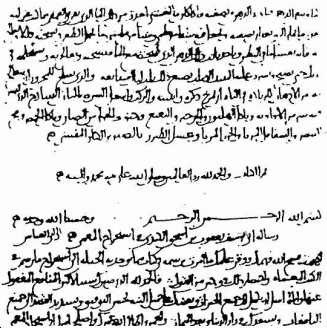
Die erste Seite al-Kindīs Manuskript über die Kryptanalyse
In the field of mathematics, al-Kindi played an important role in introducing Hindu numerals to the Islamic world, and their further development into Arabic numerals along with al-Khwarizmi which eventually was adopted by the rest of the world.[12] Al-Kindi was also one of the fathers of cryptography.[13][14] Building on the work of al-Khalil (717–786),[15] Al-Kindi’s book entitled Manuscript on Deciphering Cryptographic Messages gave rise to the birth of cryptanalysis, was the earliest known use of statistical inference,[16] and introduced several new methods of breaking ciphers, notably frequency analysis.[17][18] He was able to create a scale that would enable doctors to gauge the effectiveness of their medication by combining his knowledge of mathematics and medicine.
The central theme underpinning al-Kindi’s philosophical writings is the compatibility between philosophy and other “orthodox” Islamic sciences, particularly theology, and many of his works deal with subjects that theology had an immediate interest in. These include the nature of God, the soul and prophetic knowledge.[
Al-Kindi is credited with developing a method whereby variations in the frequency of the occurrence of letters could be analyzed and exploited to break ciphers (i.e. cryptanalysis by frequency analysis).[18] His book on this topic is Risāla fī Istikhrāj al-Kutub al-Mu’ammāh (رسالة في استخراج الكتب المعماة; literally: On Extracting Obscured Correspondence, more contemporarily: On Decrypting Encrypted Correspondence). In his treatise on cryptanalysis, he wrote:
One way to solve an encrypted message, if we know its language, is to find a different plaintext of the same language long enough to fill one sheet or so, and then we count the occurrences of each letter. We call the most frequently occurring letter the “first”, the next most occurring letter the “second”, the following most occurring letter the “third”, and so on, until we account for all the different letters in the plaintext sample. Then we look at the cipher text we want to solve and we also classify its symbols. We find the most occurring symbol and change it to the form of the “first” letter of the plaintext sample, the next most common symbol is changed to the form of the “second” letter, and the following most common symbol is changed to the form of the “third” letter, and so on, until we account for all symbols of the cryptogram we want to solve
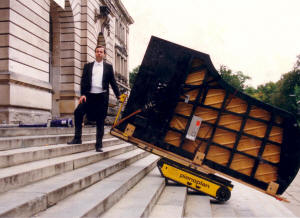
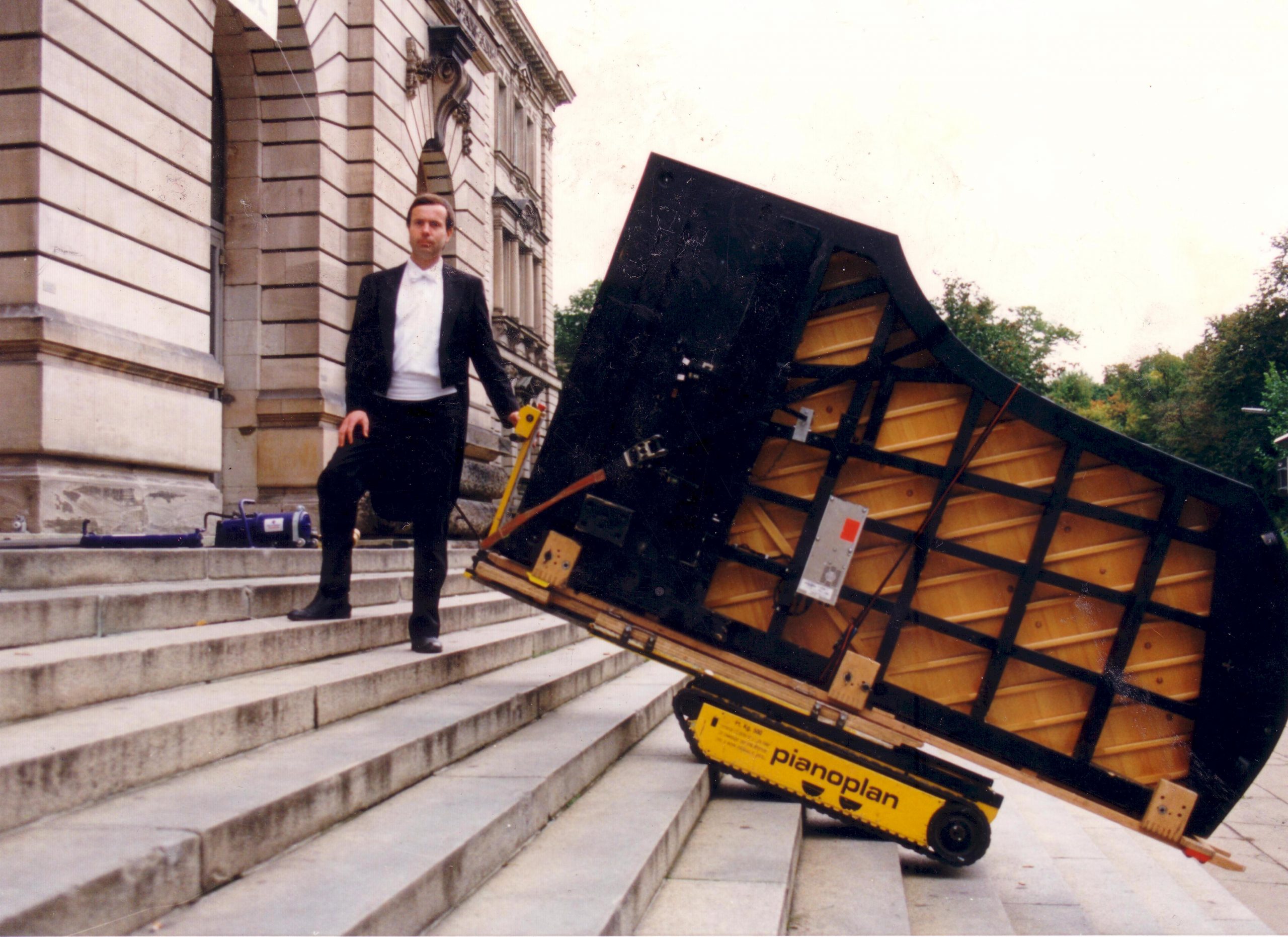
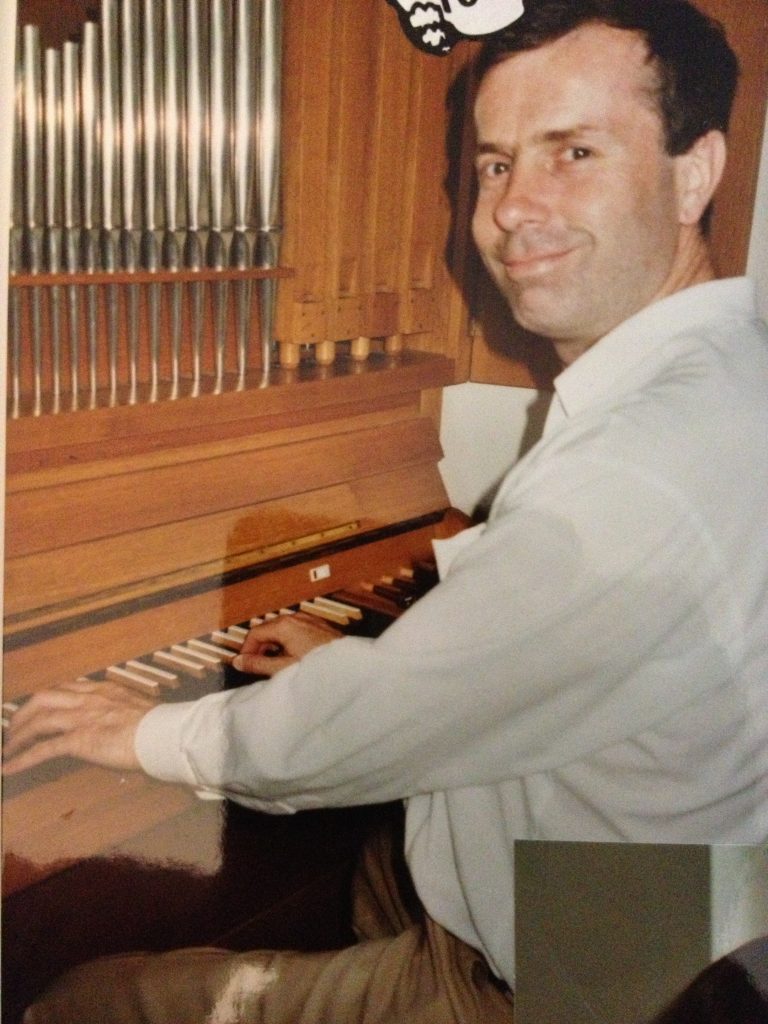
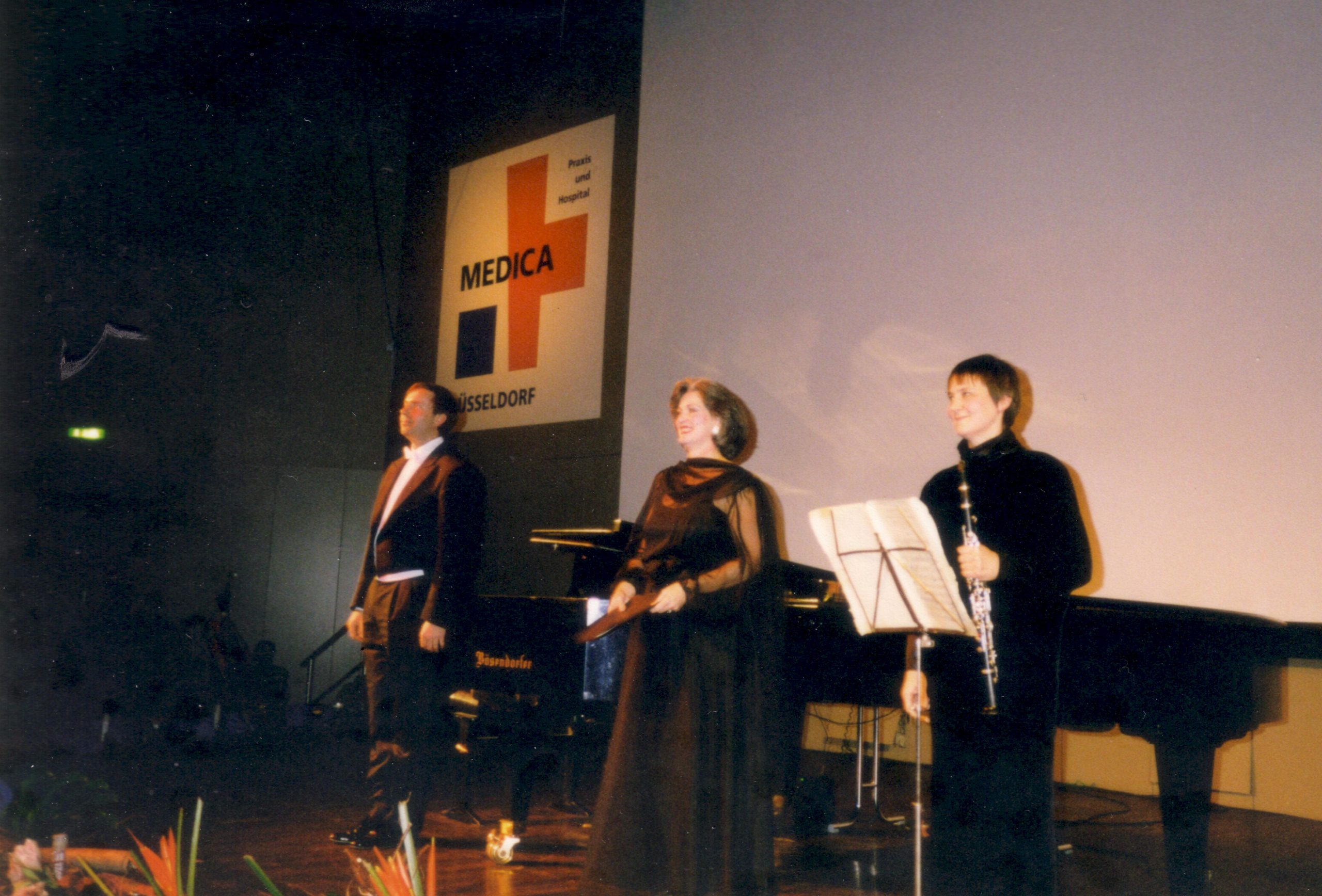
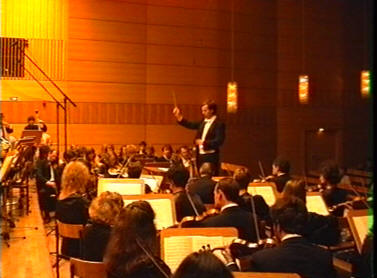
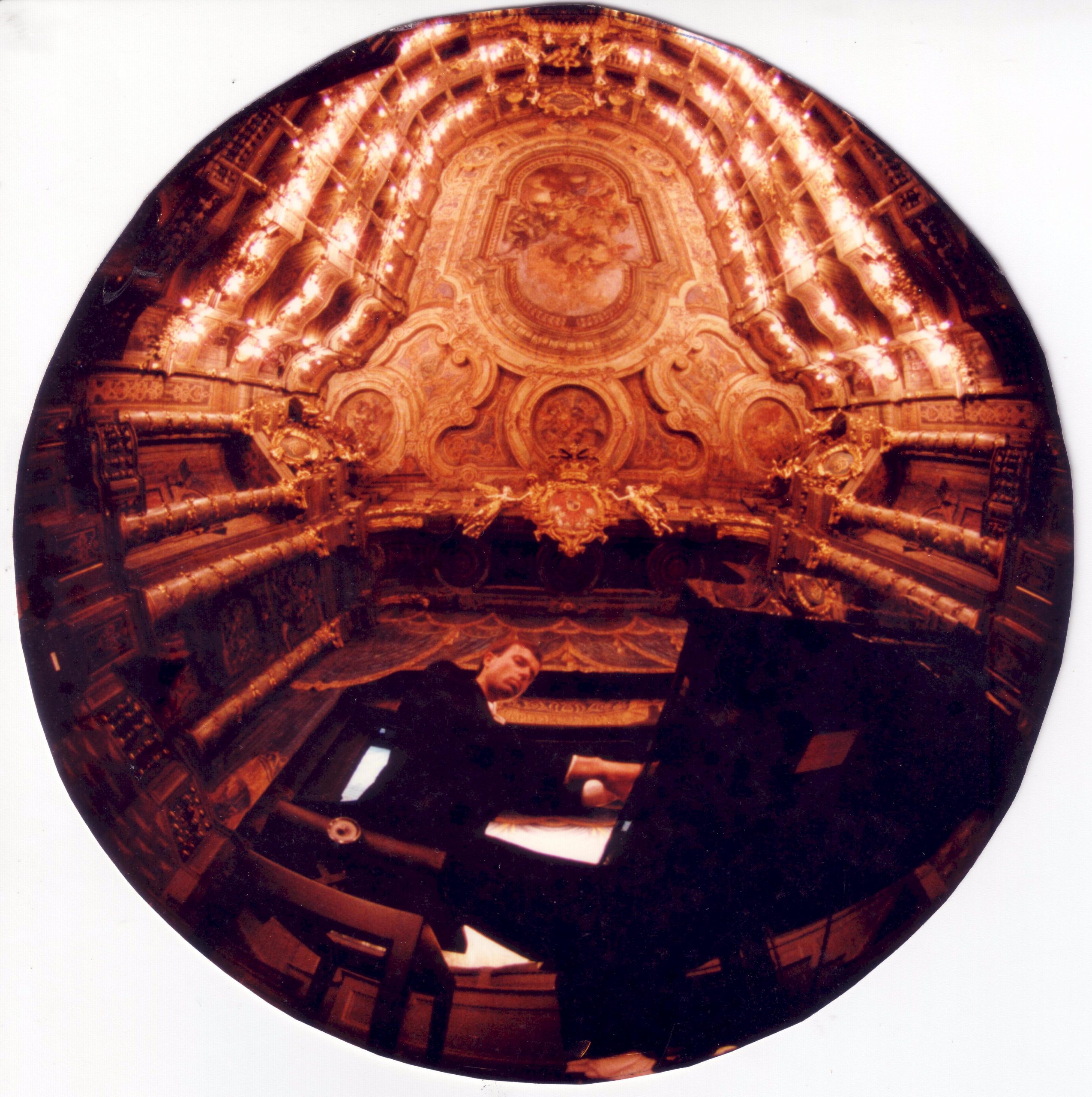
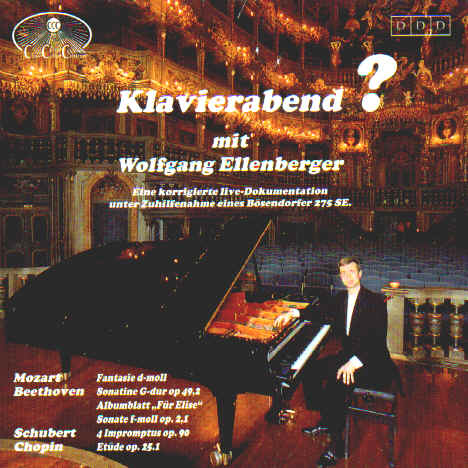
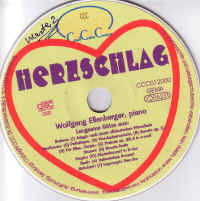
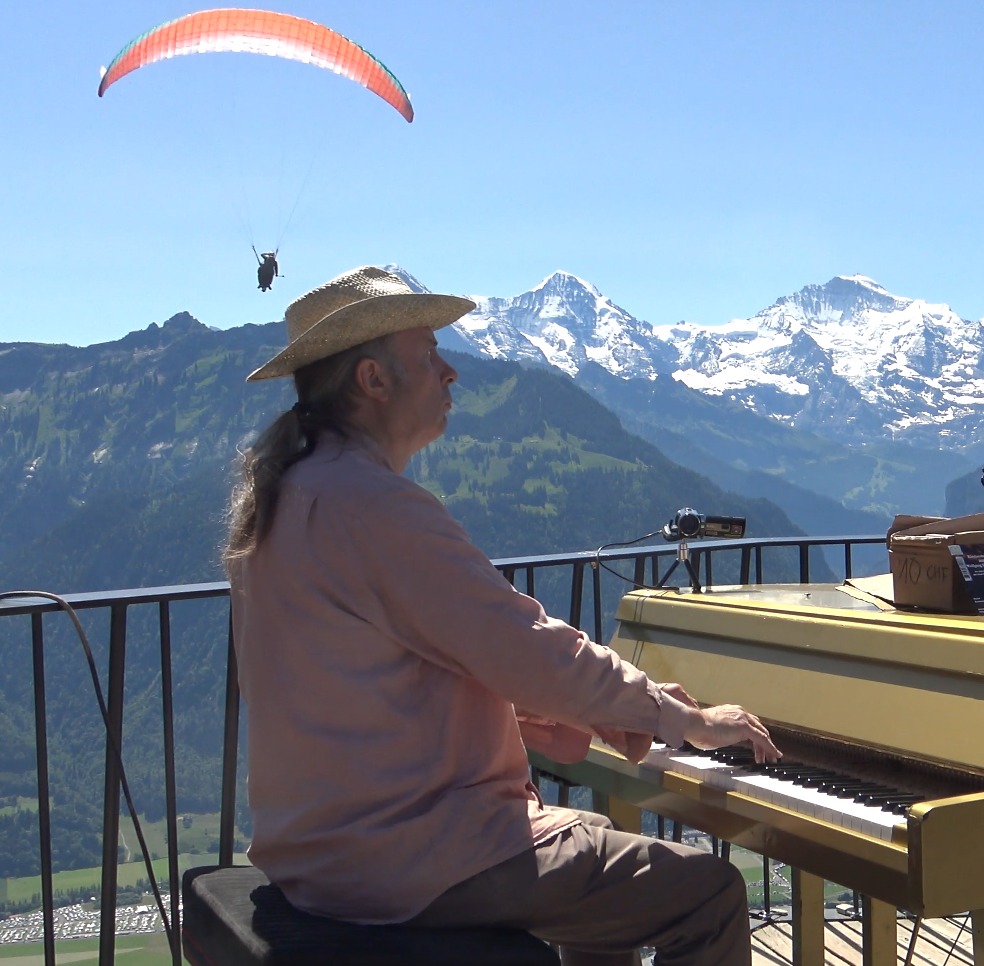
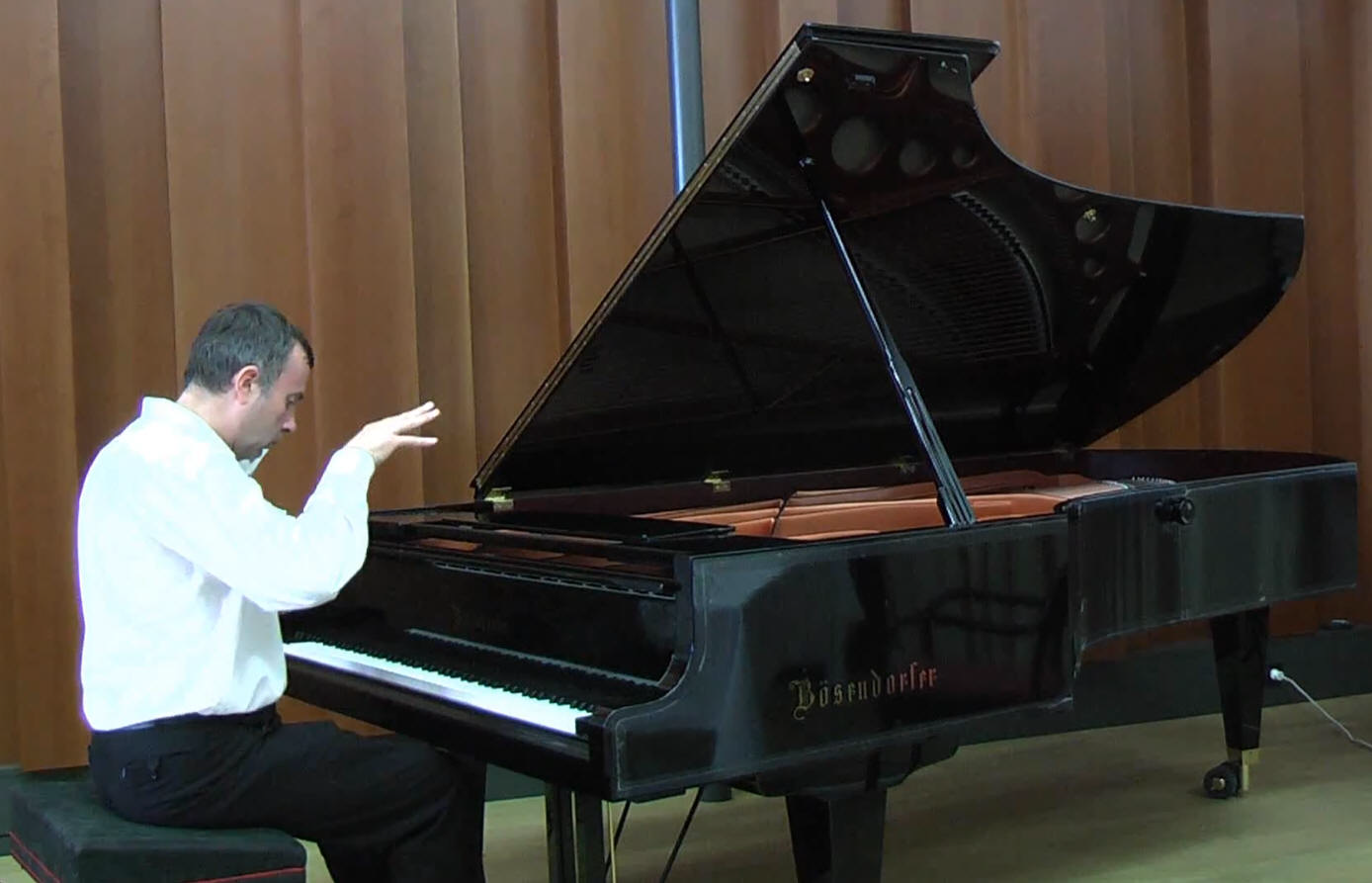
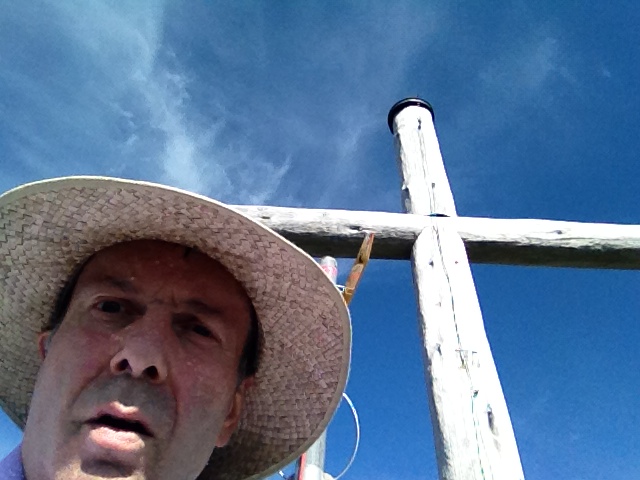
Wolfgang Ellenberger, the author of this web site has studied also piano diploma and concert exam besides music therapy. 1987-1989 he worked at the ballet of the Scala of Milano as pianist. 1994 debut as conductor with the Sibirian State orchestra Kemerovo. In the nineties he conducted three choirs and in the opera project Magic Flute. He has lived three years of his life in a camper on camping sites. He invented several things: piano-lift-hydraulics, piano fingering system and he introduced cinema therapy to a psychosomatic hospital. Since 1982 he manages an event service (see clients list). In his youth he played a pneumatic organ in a church in Hamburg Altona for 12 years. Since his workshop with Elisabeth Kübler-Ross he studied spirituality intensively and finally wrote a film script about the communication with the spiritual world according to the book of Johannes Greber. He produced many hundreds of films for his youtube account and other places. In 2011 he moved to Switzerland (with two interruptions in Germany) where he likes to hike in the mountains.
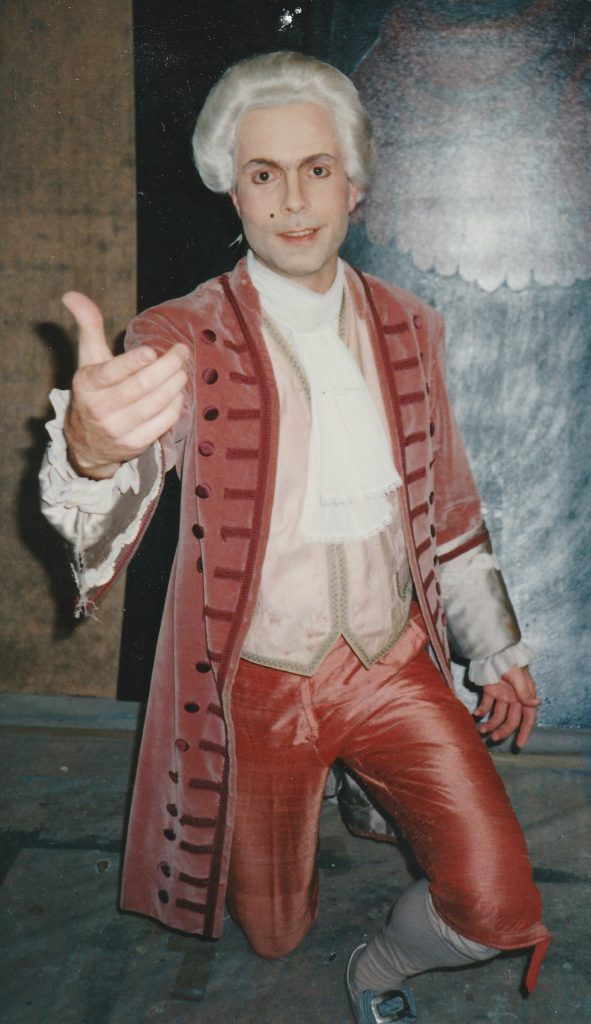
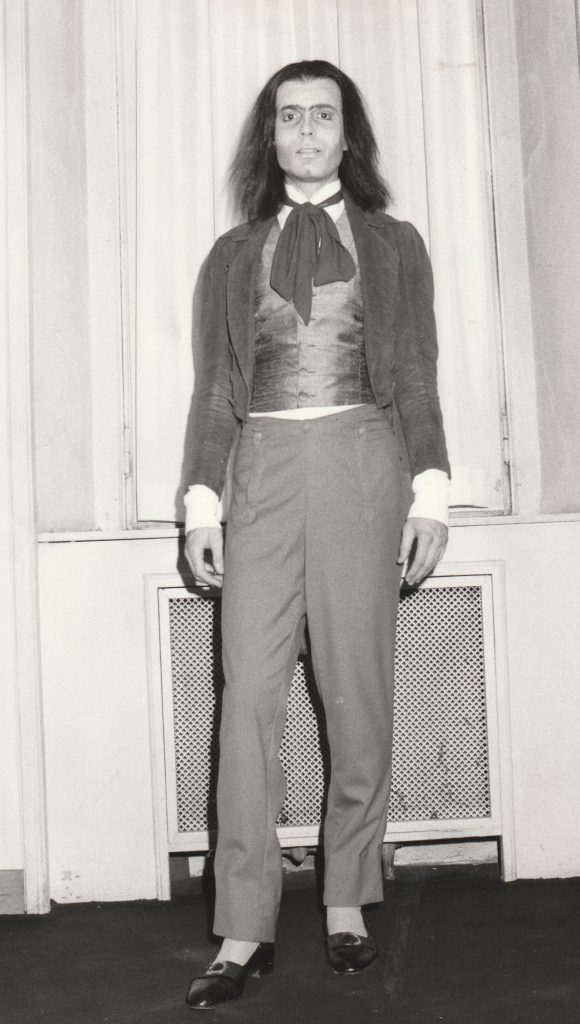
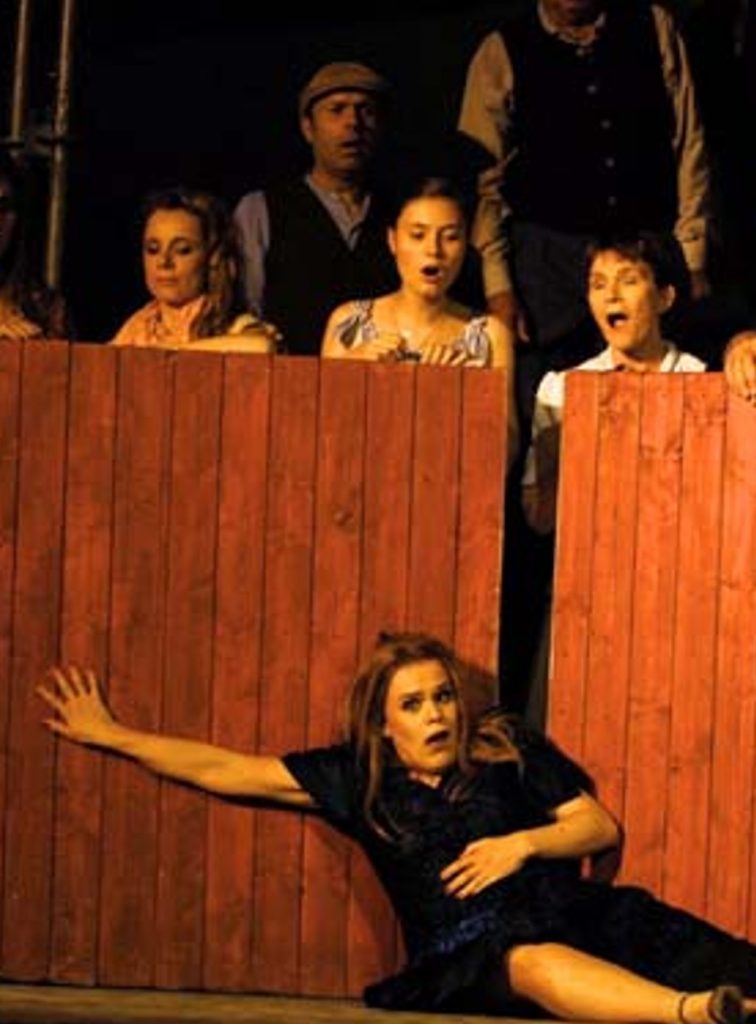
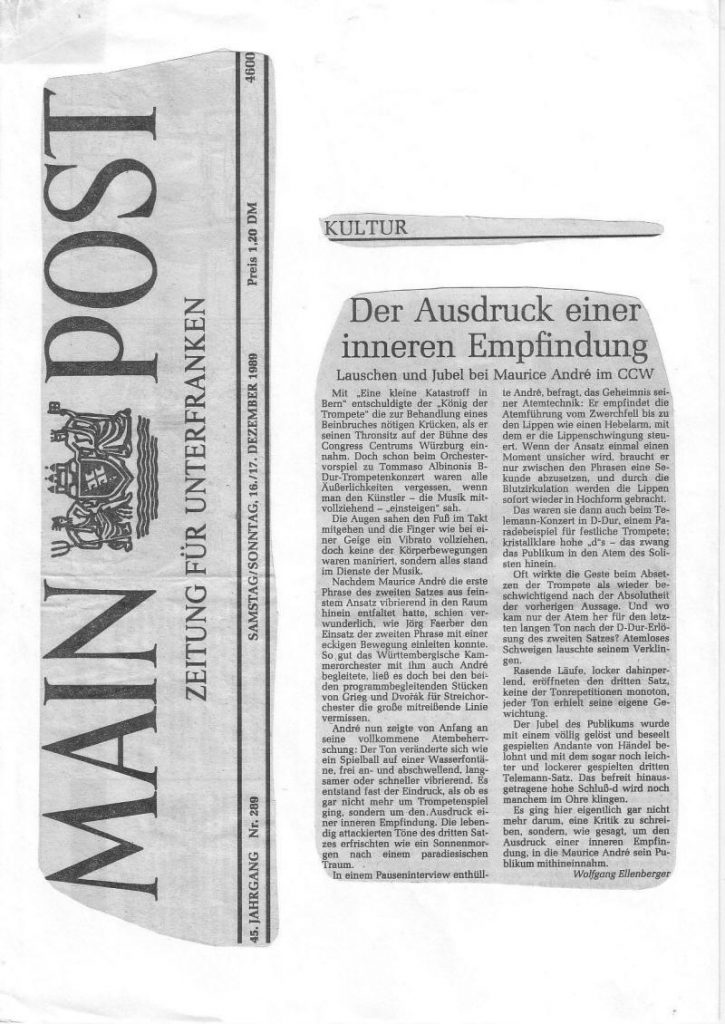
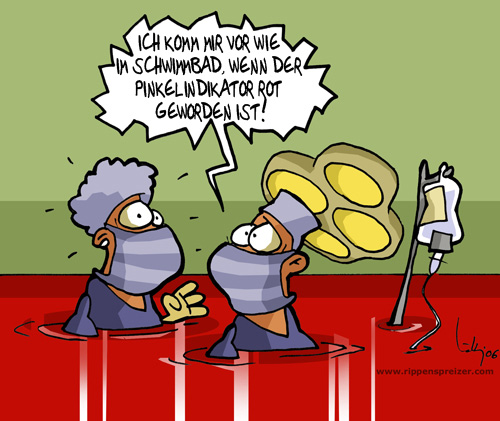
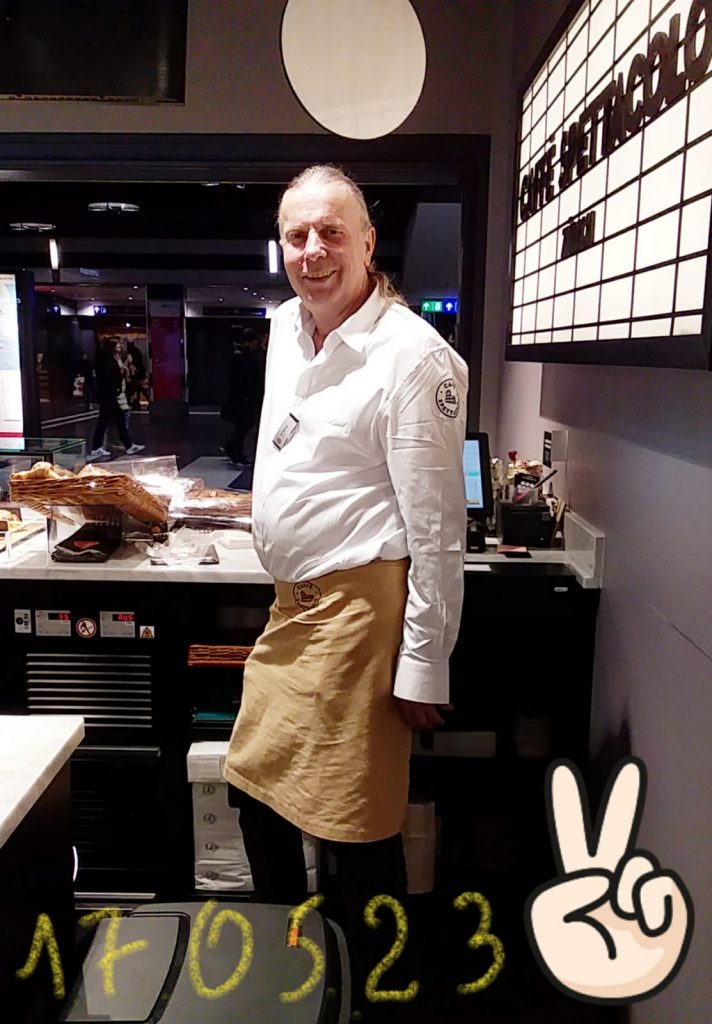
in baroque dance-groupEugen Onegin Teatro alla Scala 1986 Solo-StatistSinger in Opera-Choir (top)Journalist for Main-Post music criticsTexter for cartoons of Rippenspreizer12 years organ @Mennonitengemeinde HH-AltonaJob in storage companyJob as barista
Ellenberger worked as a waiter fully employed @ maritim hotel Würzburg for some months.
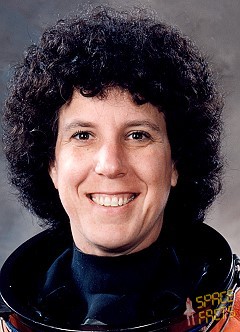
Bachelor of arts in geology from State University of New York at Buffalo, 1970; doctorate of medicine from Cornell University, 1978; masters in public health from University of Texas School of Public Health, 1994; prior to her selection she served as a physician in the Flight Medicine Clinic at the JSC; recreational interrests include swimming, skiing, running, softball, movies, music, and reading; was Lead Astronaut for Medical Issues, Johnson Space Center.
Colonel, USAF; bachelor of arts in biochemistry from San Francisco State University, 1981; doctorate of medicine from University of Washington, 1985; unsuccessful application for NASAastronaut group 15; hobbies: Music, jigsaw puzzling, juggling, skating, hiking, writing, public speaking, historical novels.