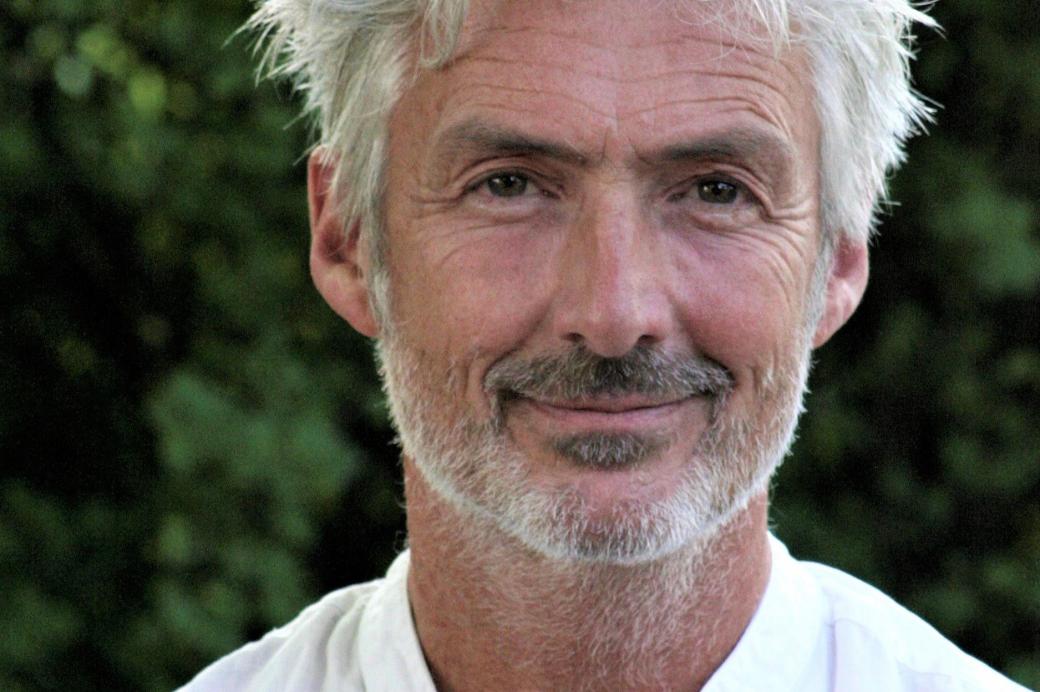
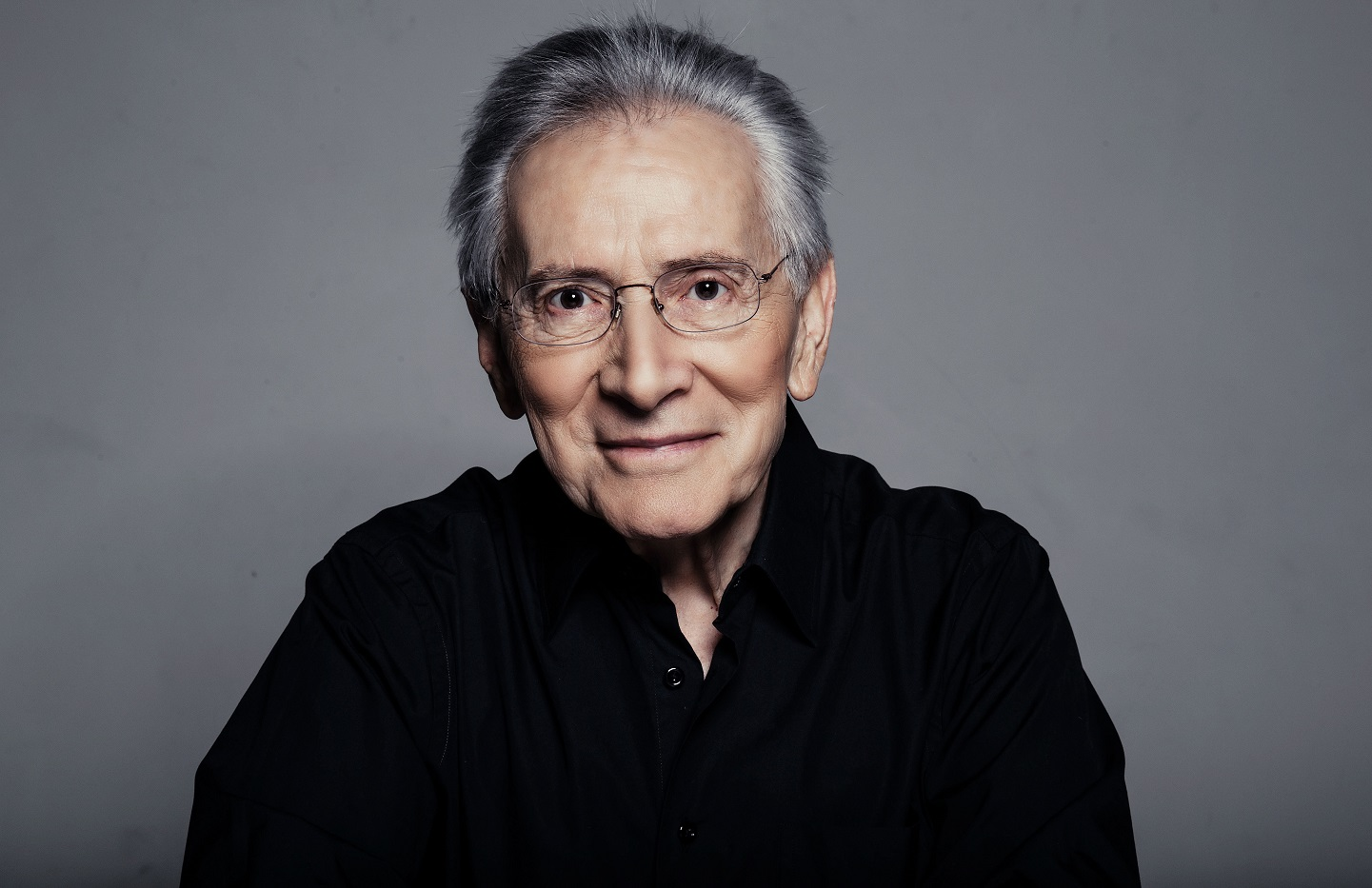
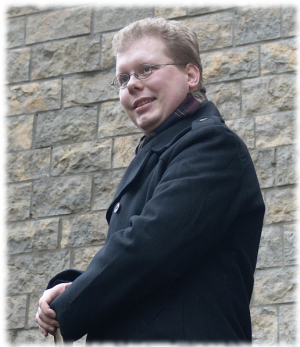
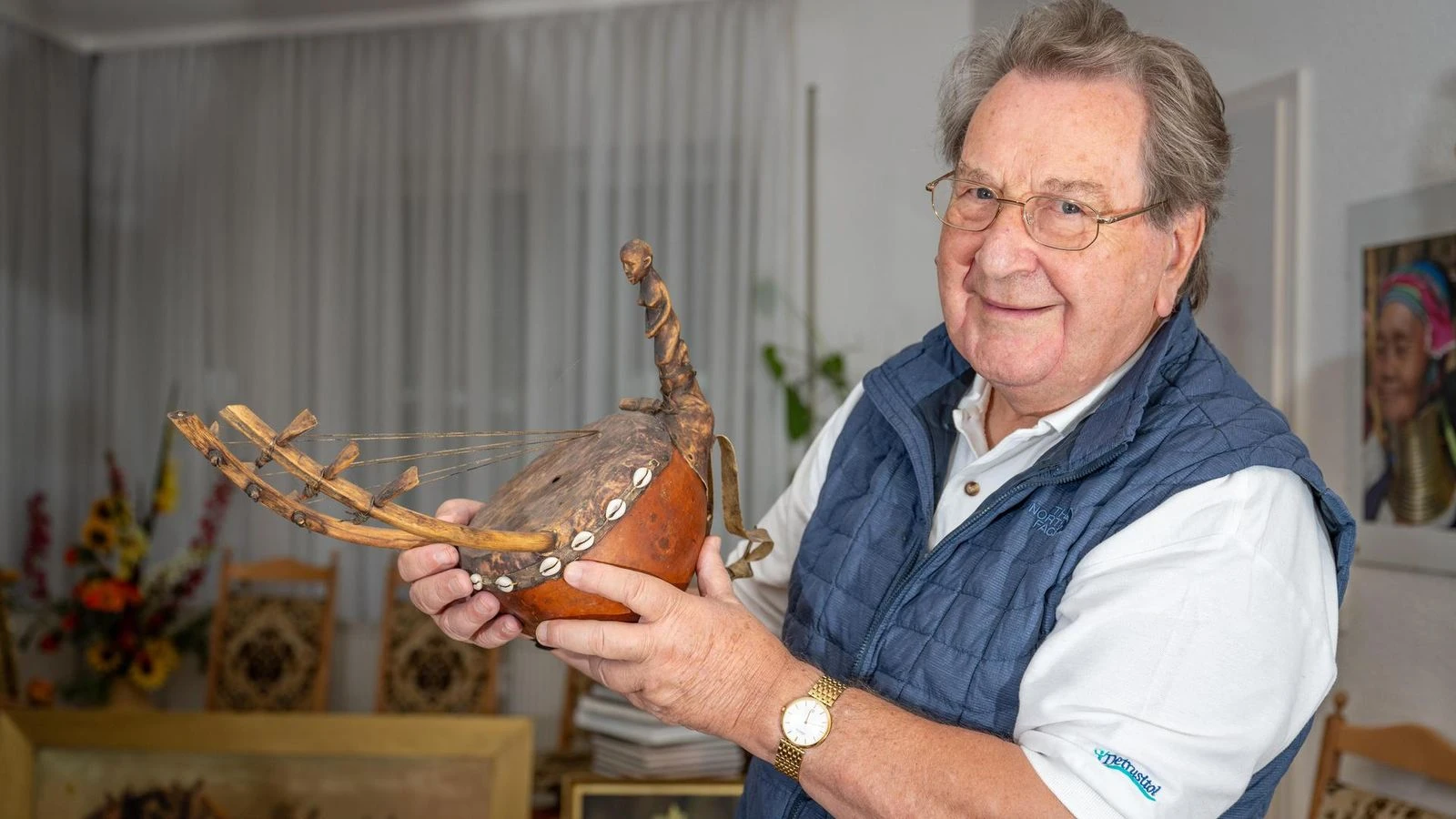
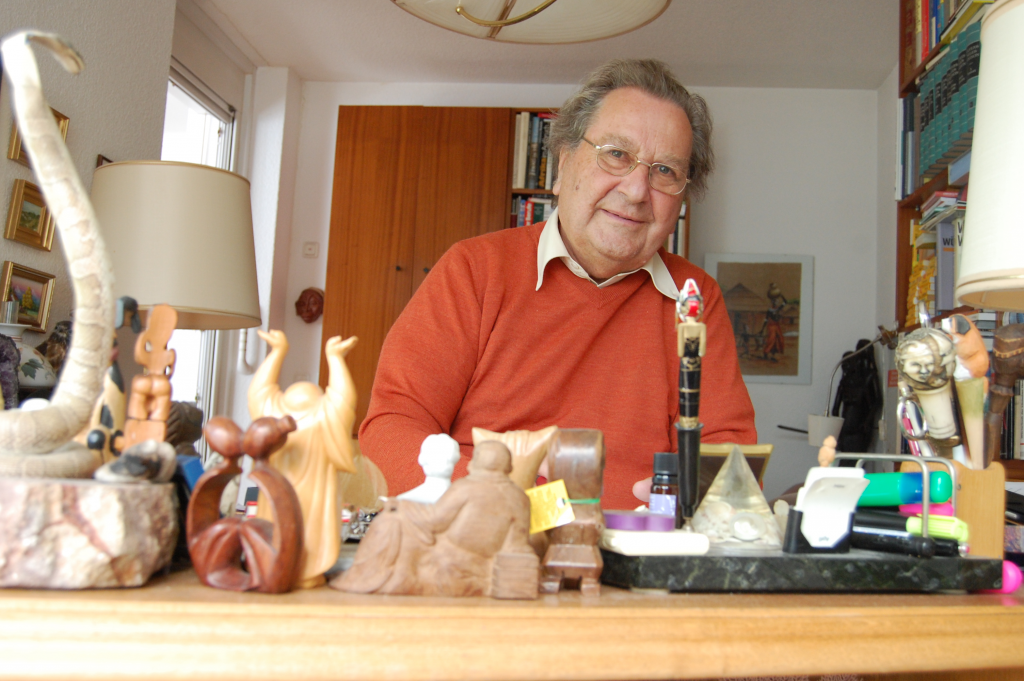
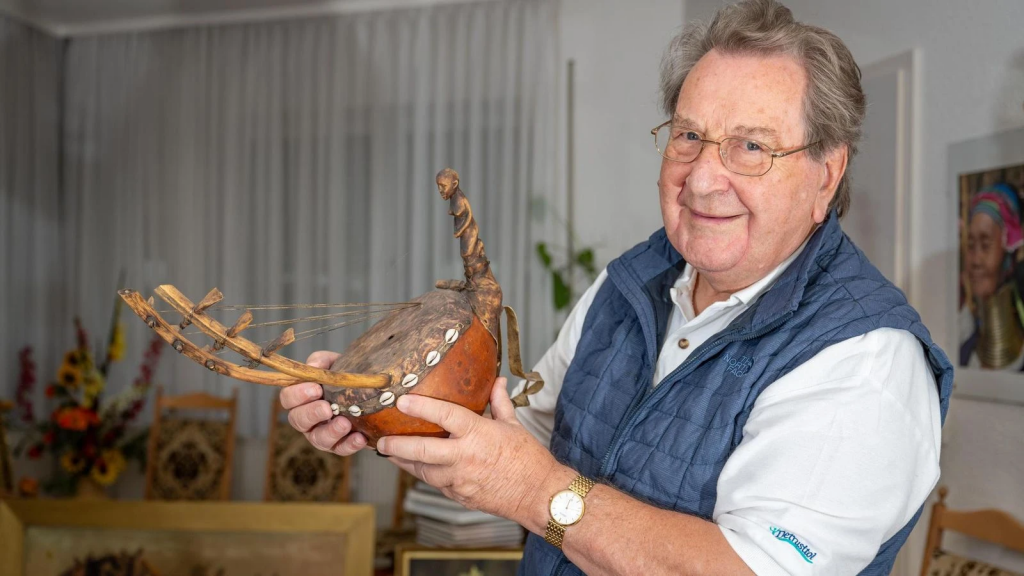
The son of an architect and a teacher, he began playing the piano at the age of five and considered pursuing a career as a pianist as a young man. But ultimately, he found that too uncertain. Music remains a favorite hobby to this day.
In addition to his music, which he enjoys pursuing with his children, he and his wife are often out in nature and, whenever possible, take outdoor trips in their vintage VW bus. They camp in the wilderness, cook soup and other delicacies on a gas stove, and canoe on lakes and rivers. This is why Sweden is one of his favorite countries, which he has often explored with his family. Sometimes, the Elbe River – or another body of water in Lower Saxony – is enough for a few days. Dr. Tom Steinmetz is connected to the region.
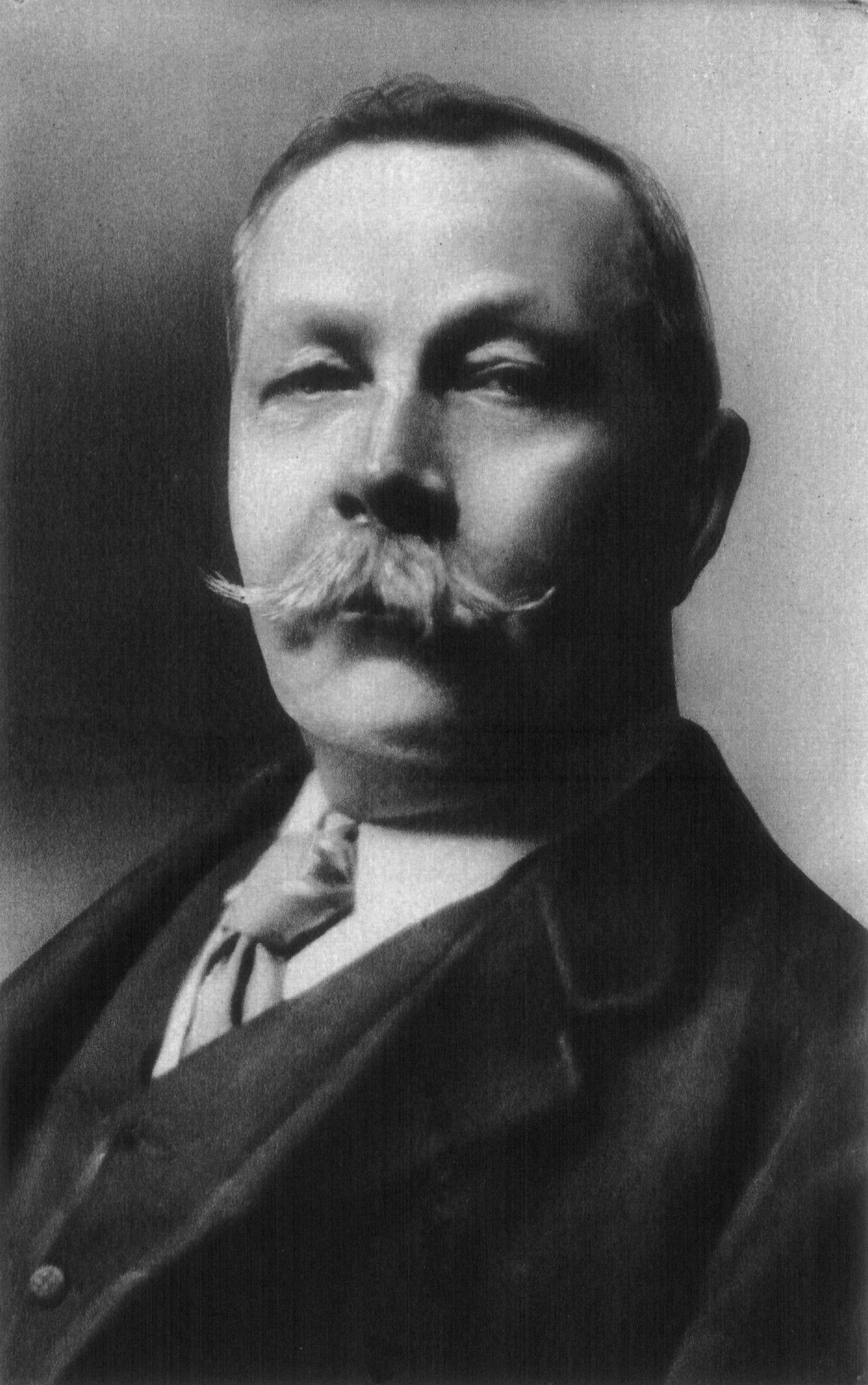
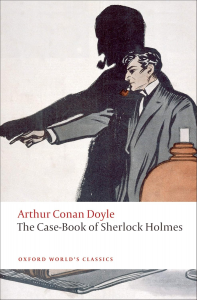
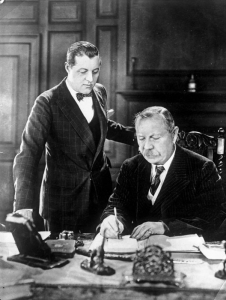
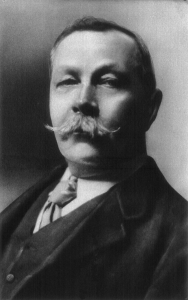
Sir Arthur Ignatius Conan Doyle (May 22, 1859 in Edinburgh, Scotland – July 7, 1930 in Crowborough, Sussex, England) was a British physician and author. He wrote about the adventures of Sherlock Holmes and his friend Dr. Watson. He is also known for the character Challenger from his novel The Lost World, which served as the basis for numerous films and a television series.
In 1880, Doyle traveled to the Arctic as a ship’s doctor on the whaler Hope, and a year later to West Africa on the Mayumba. From 1882 to 1890, he ran a medical practice in Southsea near Portsmouth. In his free time, he also wrote his first literary works. In 1883, while in Portsmouth, he wrote his first novel, The Narrative of John Smith (see below), which, however, remained unfinished and unpublished and was not published until 2011. In 1887, he published the first story about the detective Sherlock Holmes and his friend Dr. Watson: A Study in Scarlet.
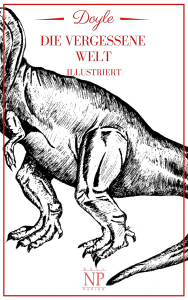
In the following period, Conan Doyle created his second very popular character, Professor Challenger. The Lost World, in which she first appears, was published in 1912 and is considered his best-known novel alongside the Sherlock Holmes series. Doyle’s texts published during the First World War sometimes take a critical look at Germany at the time. In October 1918, a few months before the official end of the war, his son Kingsley died of the Spanish flu. Doyle then began to devote himself increasingly to science fiction novels in the tradition of Jules Verne, as well as to spiritualism and mysticism, and also undertook lecture tours (including to the USA and South Africa).
Among other things, he made the so-called Cottingley Fairies famous – fake photos of fairies in whose authenticity he firmly believed, made into a film in 1997 in The Fairy Garden. His public controversy with the magician Harry Houdini made headlines.[6] The friendship between Doyle and Houdini broke down due to differing ideas about spiritualism – Doyle accepted various mediums as genuine and believed that Houdini himself had supernatural abilities, while Houdini himself said that he never experienced a séance in his life whose effects he could not have imitated with magic tricks.
The deductive and criminal analysis method is characteristic of Doyle’s characters. He, himself a physician, created the role of Dr. Watson. He endowed Sherlock Holmes with characteristics of his teacher at the University of Edinburgh, Joseph Bell. The criminalistic methods described by Doyle in his novels, such as fingerprinting, were ahead of the police methods of their time. This is especially true of the fundamentally scientifically oriented methodology of crime investigation.
In 1890, his novel The Firm of Girdlestone (1890) was published, painting a picture of his hometown of Edinburgh in the age of imperialism. Father and son Girdlestone & Co. operate a lucrative African trade with poorly maintained sailing ships.
That same year, Doyle moved to London. From 1891 onward, he was able to earn a living through writing, following the publication of his first detective story, A Scandal in Bohemia, in The Strand Magazine that same year.
In 1893, Conan Doyle decided to end the life of his protagonist Holmes, as the regular writing of new Holmes stories took up too much of his time and he wanted to concentrate his literary work on other works. This led to protests from his audience.[1] The author’s mother, an avid reader of the stories, tried in vain to dissuade him from the plan. In the story “The Final Problem,” Sherlock falls from the Reichenbach Falls near Meiringen in Switzerland during a fight with his adversary, Professor Moriarty, and is pronounced dead by Watson.
In the same year, Doyle became Master of the Phoenix No. 257 Masonic Lodge in Portsmouth.
In March 1893, Doyle became the first Briton to complete a day’s cross-country skiing. In commemoration of this achievement, the UK Antarctic Place-Names Committee named the Doyle Glacier in Antarctica after him in 1959.
On March 23, 1894, in a daring attempt, he crossed the Maienfelder Furgga from Davos to Arosa on skis, accompanied by two locals, brothers Tobias and Johann Branger. The event helped popularize skiing in England. It was recreated a good century later by the Austrian Broadcasting Corporation (ORF) in a television film based on Conan Doyle’s article “An Alpine Pass on ‘Skiing’,” published in Strand Magazine in December 1894.
Doyle played football as a goalkeeper for the amateur Portsmouth Association Football Club. He used the pseudonym A.C. Smith. He was also a keen cricketer and was capped ten times by the famous Marylebone Cricket Club (MCC) in the first team between 1899 and 1907. As a golfer, he was captain of Crowborough Beacon Golf Club, East Sussex, in 1910. He also initiated the construction of the golf course at Davos during his stays there from 1893 to 1895.
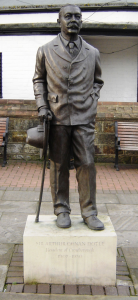
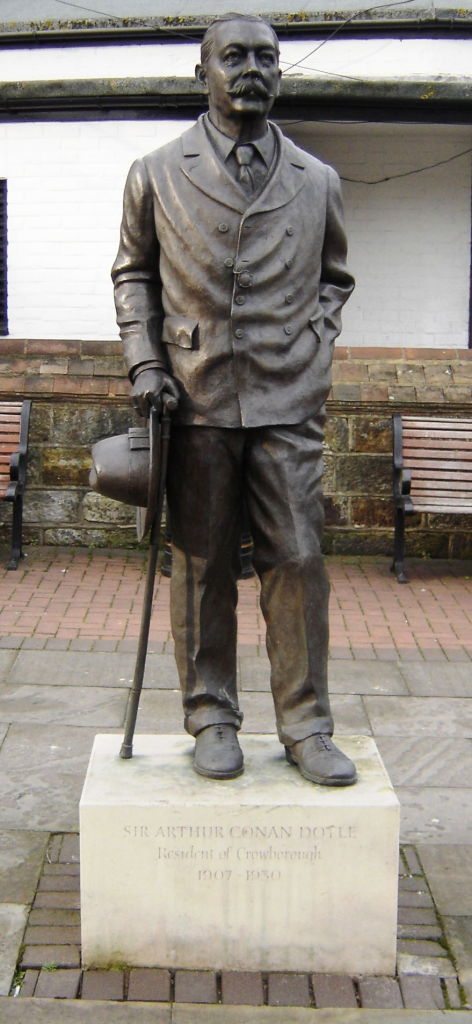
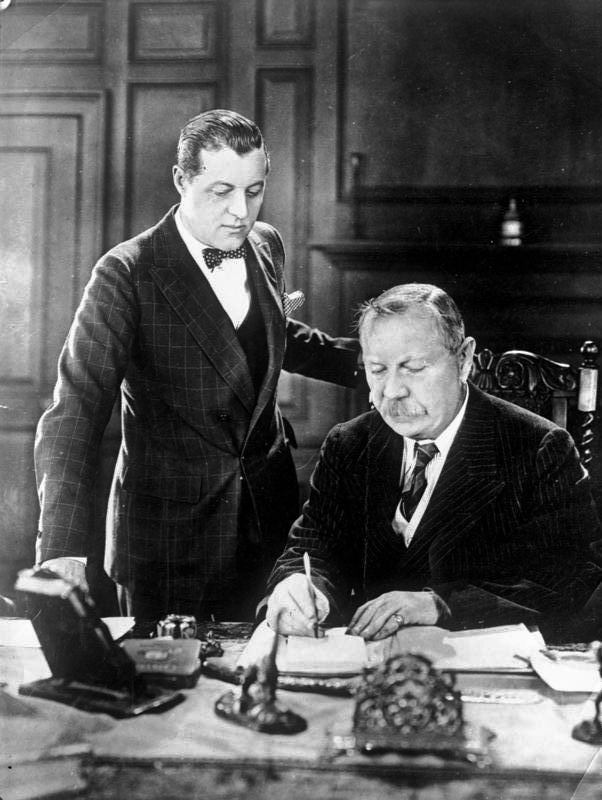
At the 1908 London Olympic Games, Arthur Conan Doyle reported on the marathon for the Daily Mail newspaper. Dorando Pietri was the first to cross the finish line, but because judges and doctors helped him across the finish line, the runner was disqualified. Doyle’s detailed and emotional report in the Daily Mail of July 25, 1908, about the weakened Italian’s finish, and a letter to the editor published at the same time as his article, in which Doyle appealed for donations for Pietri, are the basis of one of the most well-known myths of the modern Olympic Games. Doyle’s great commitment led to the widespread, but untrue, legend that Doyle himself helped Pietri across the finish line. Dr. Michael Bulger, who can be seen in one photograph as an assistant, was often mistaken for Doyle. A memorial to Sir Conan Doyle has stood at Cloke’s Corner in Crowborough since April 14, 2001. The bronze statue was created by sculptor David Cornell and funded by the Conan Doyle Statue Trust with grants from Crowborough Town Council and private donations. To finance the bronze casting, Cornell commissioned a limited edition of a scaled-down model.
In 2023, the Venezuelan frog Caligophryne doylei was named after Conan Doyle.
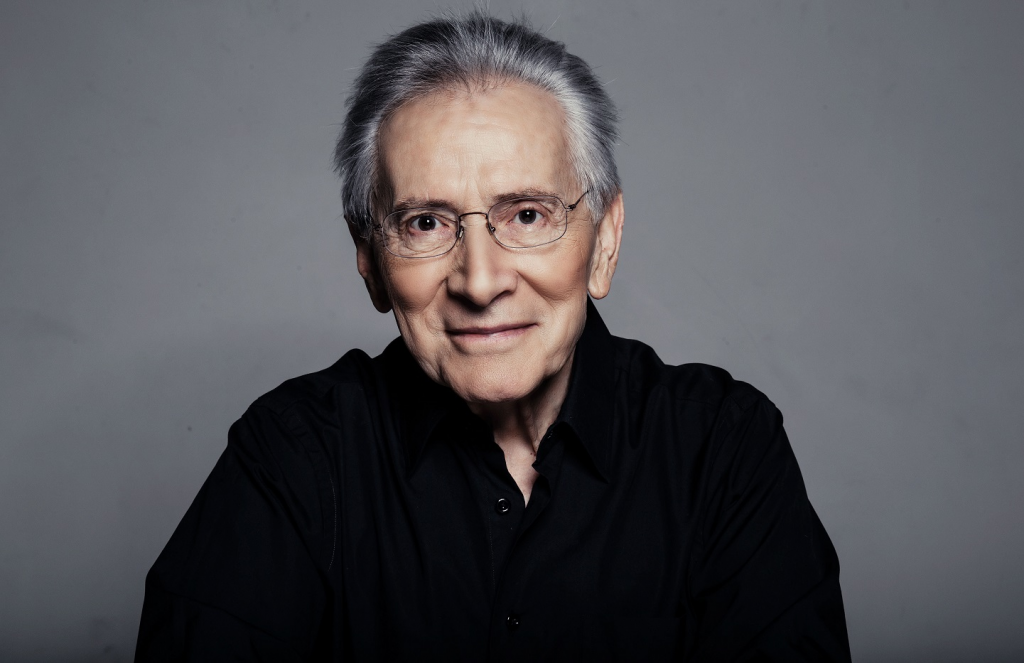
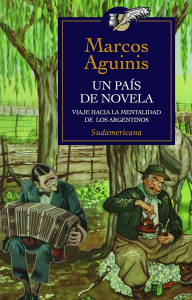
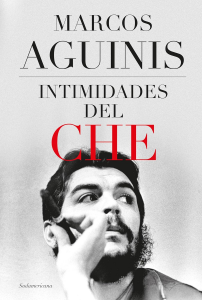
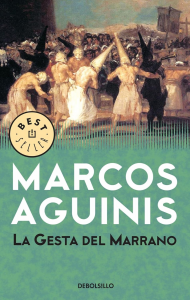
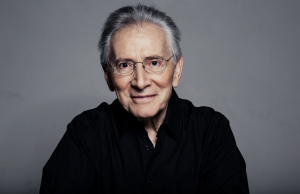
Marcos Aguinis (born January 15, 1935 in Córdoba, Argentina) is an Argentine neurosurgeon and writer.
Aguinis’ father immigrated to Buenos Aires from Bessarabia in 1928 and soon moved in with relatives living in Cruz del Eje in the province of Córdoba. As a schoolchild, Marcos Aguinis suffered discrimination from classmates and some teachers because of his Jewish heritage. During the persecution of Jews in Germany, all of his remaining family members in Europe were killed. After his bar mitzvah, he began to study literature and religion intensively. He borrowed books about the Bible and Israel from the public library. Among other works, he read Stefan Zweig, Julio Nin y Silva’s “History of the Religion of Israel,” Emil Ludwig’s “The Son of Man,” “Muhammad and the Koran” by the Spaniard Rafael Cansinos Assens, and Ernest Renan’s “The Life of Jesus.” Reading Renan’s book marked the beginning of his doubts about his faith. Today, Aguini is an agnostic.
He began writing short stories while still at school. After finishing school, he studied psychiatry, neurology, and psychoanalysis. At the age of 23, he received a scholarship to study neurosurgery in Buenos Aires. He continued his medical and psychiatric studies at the Hôpital de la Salpêtrière in France, as well as in Freiburg im Breisgau and Cologne with the help of a scholarship from the Alexander von Humboldt Foundation. After returning from Europe, he earned his doctorate at the University of Córdoba and initially worked as a neurosurgeon at the Southern Regional Clinic. During this time, he published his first short stories.
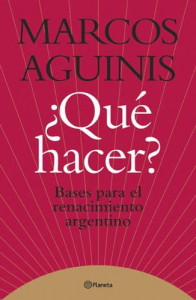
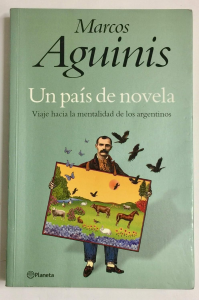
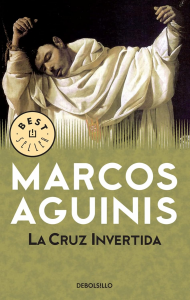
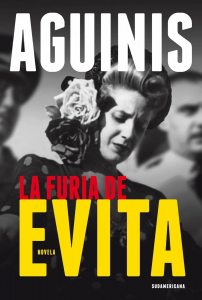
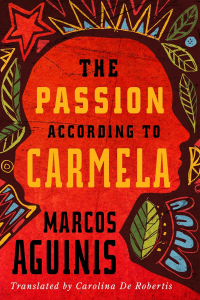
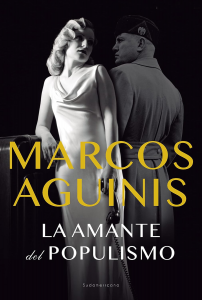
Aguinis published his first book in 1963. Since then, he has published numerous novels, essay collections, short story collections, and two biographies. His articles in newspapers and magazines in Latin America, the United States, and Europe cover a wide range of diverse topics. He has given numerous lectures and offered courses in Germany, Spain, the United States, France, Israel, Russia, Italy, and almost all Latin American countries.
During the dictatorship in Argentina, the distribution of Aguinis’s works was subject to restrictions. Some of his works could only be published abroad and were brought into the country illegally.
When Argentina returned to democracy in December 1983, Aguinis was appointed Secretary of State and then Secretary of Culture. He organized PRONDEC, a national program for the democratization of culture, supported by UNESCO and the UN. He launched intensive activities to raise public awareness of their rights, responsibilities, and opportunities for developing a genuine democracy. For his work, he was nominated by UNESCO for the Peace Education Prize.
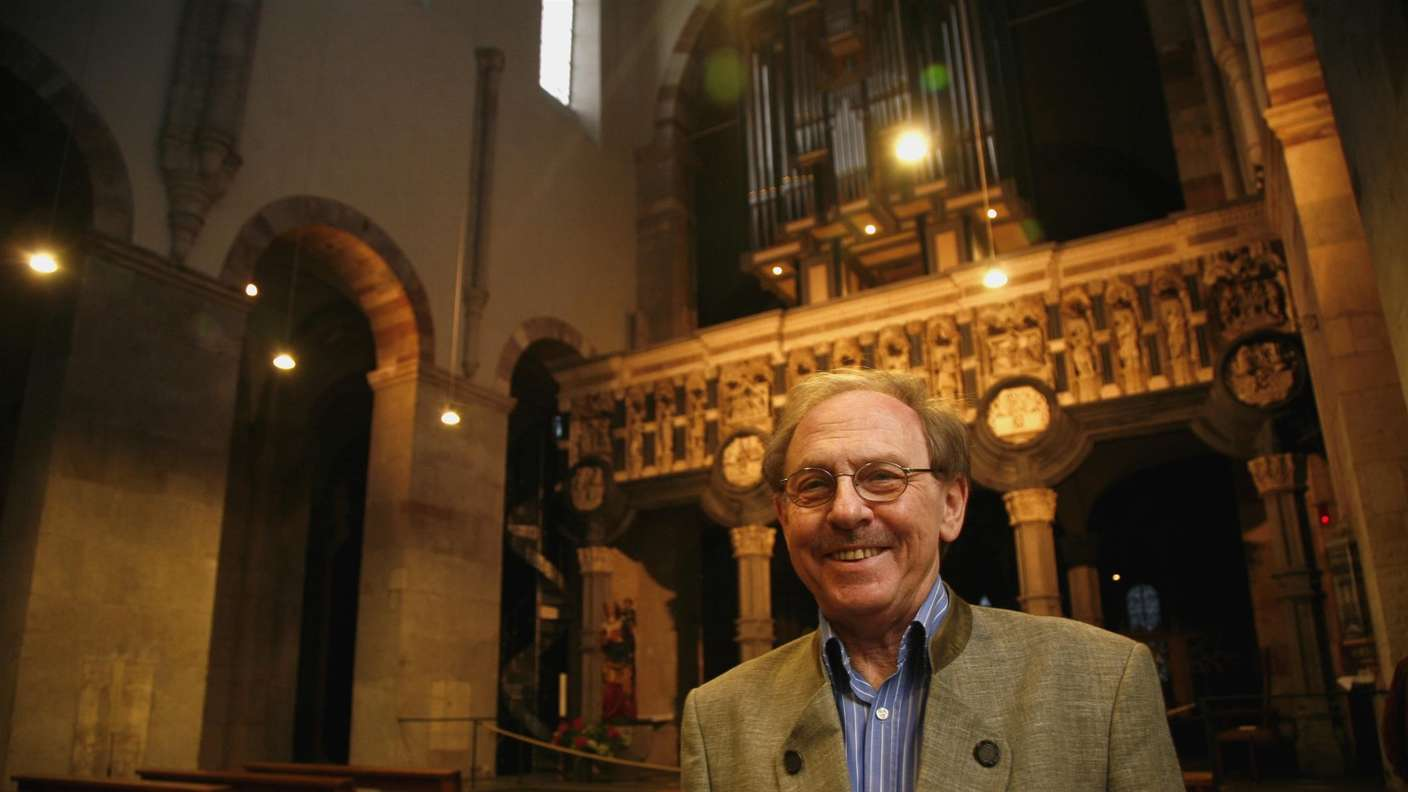
From the beginning of my medical studies, I had the desire to dedicate myself to both medicine and music. However, during my medical studies, I lacked the time for regular organ lessons. Therefore, I had no choice but to continue my education self-taught. After passing my medical state examination and receiving my doctorate, I began studying music in Cologne and completed my studies with a concert diploma in organ playing.
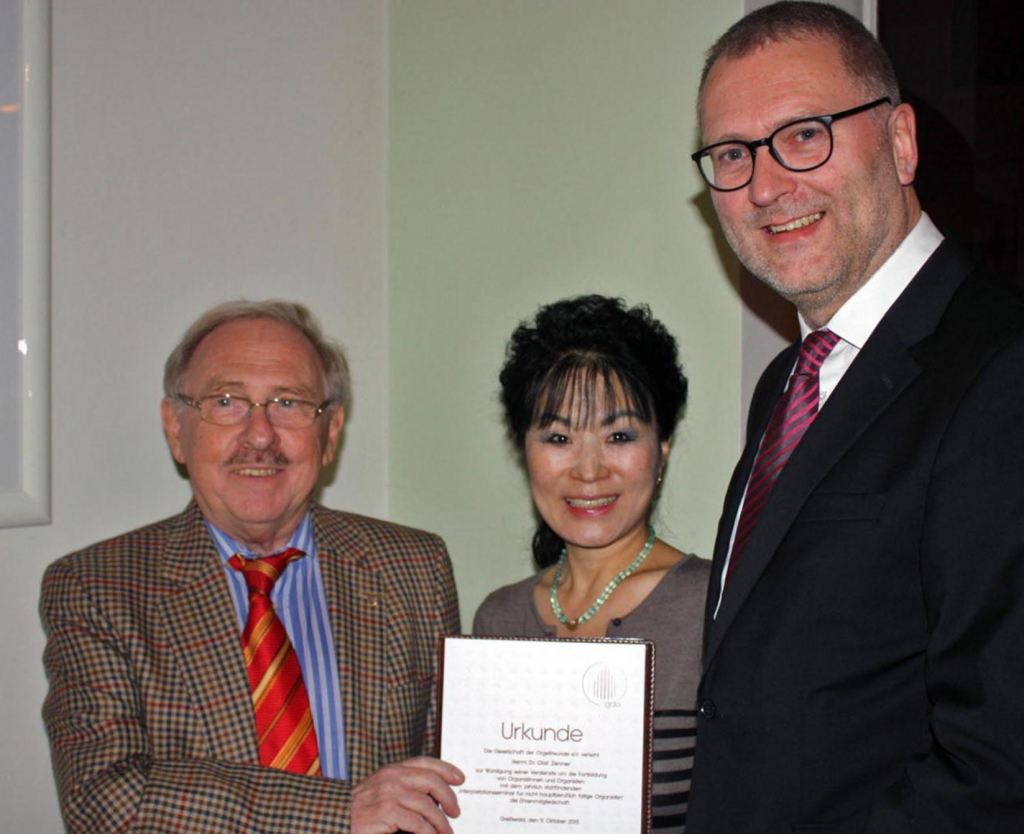
Dr. Olaf Zenner and his wife with the President of the GdO, Prof. Dr. Matthias Schneider, on the occasion of the award of honorary membership of the GdO. (Photo: Roland Behrens)
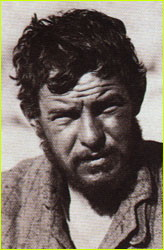
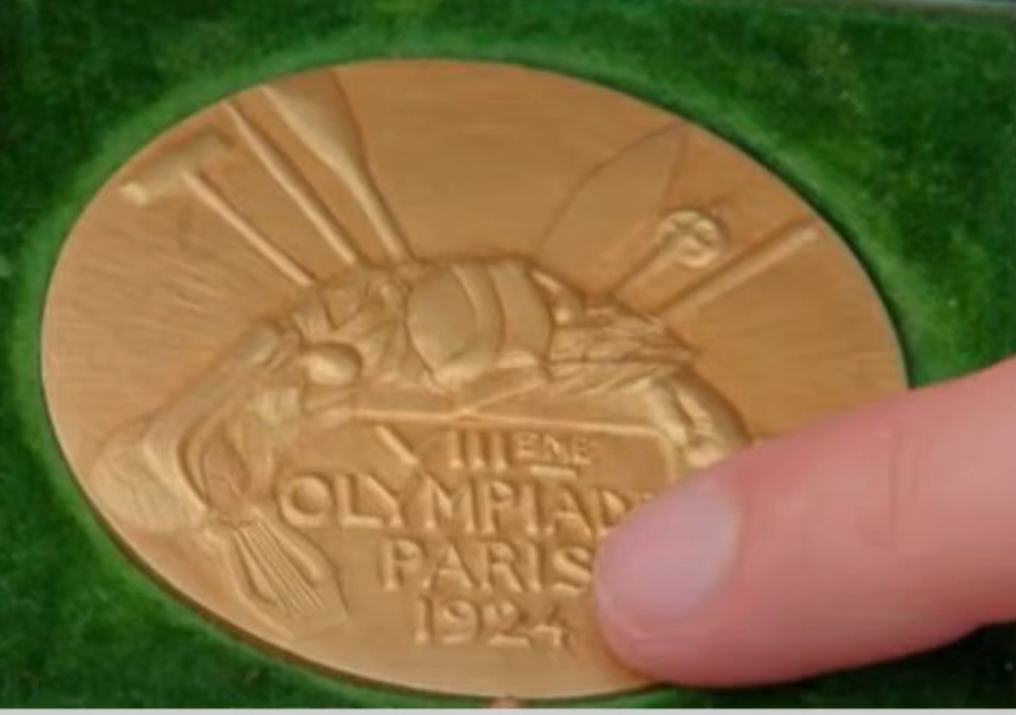
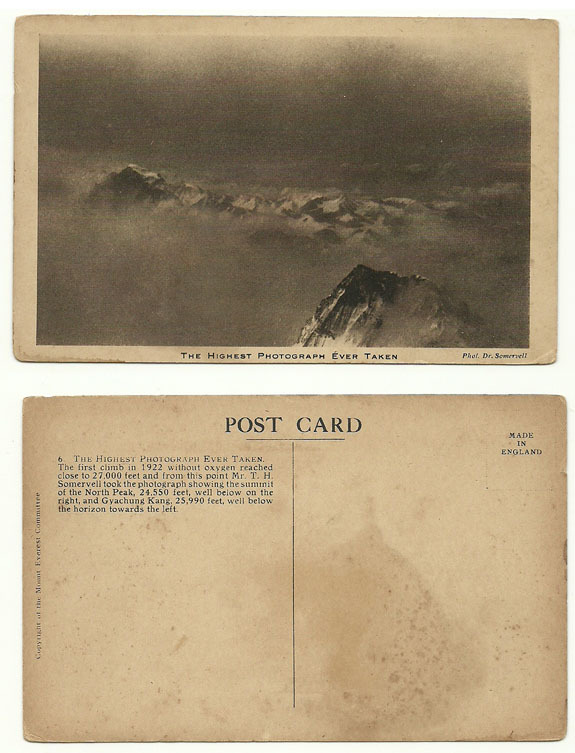
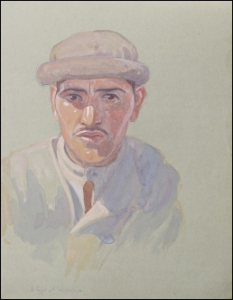
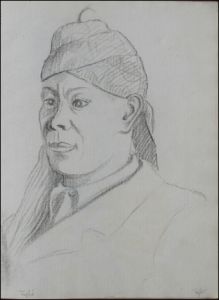
Theodore Howard SomervellOBE, FRCS (16 April 1890 – 23 January 1975) was an English surgeon, mountaineer, painter and missionary who was a member of two expeditions to Mount Everest in the 1920s, and then spent nearly 40 years working as a doctor in India. In 1924 he was awarded an Olympic Gold Medal by Pierre de Coubertin for his achievements in mountaineering (Alpinism).
He married Margaret Hope Simpson (1899–1993), daughter of Sir James Hope Simpson, the general manager of the Bank of Liverpool. With Margaret he had three sons: James, David, and Hugh.
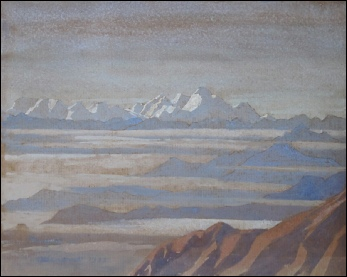
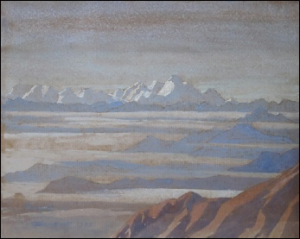
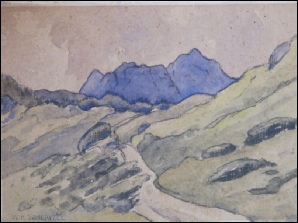
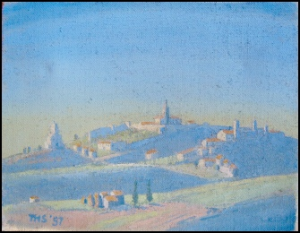
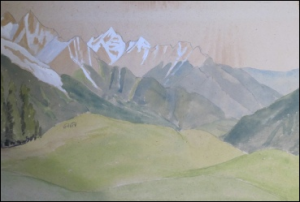
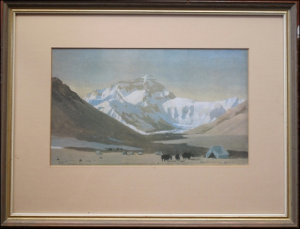
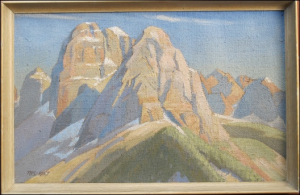
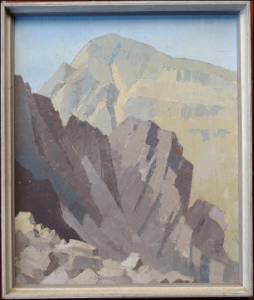
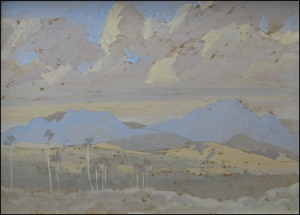
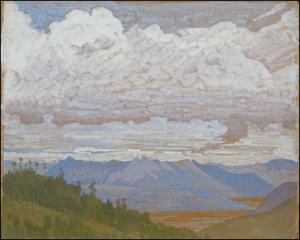
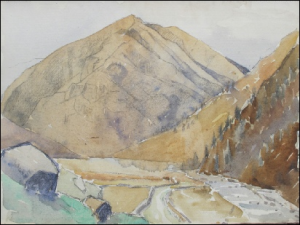
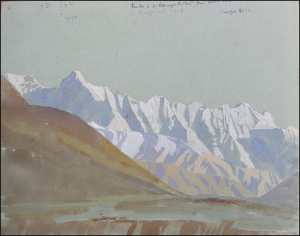
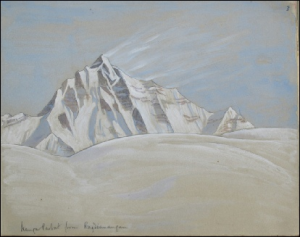
Somervell painted many hundreds if not thousands of paintings and has been described as a compulsive sketcher and painter.[23]The Himalayan Club identified some 600 titles, with at least 200 of them being representations of the Himalayas or Tibet. 126 of these relate to the 1922 and 1924 expeditions, many of which were exhibited at the Royal Geographical Society in April 1925 and at the Redfern Gallery, London, in 1926. He exhibited almost annually at the Lake Artists Society exhibitions in the Lake District after his return to England.
Many of his watercolours are painted on what has been described as no more than ‘cheap’ brown or off-white wrapping paper.[23] However, given that Somervell was a sometime commercial artist, this oft-repeated tale is largely apocryphal. He used this style of paper as early as 1913 and was still using it in the 1970s. It particularly lends itself to the dun colours of the Tibetan landscape. Other artists such as John Sell Cotman and Edith Collingwood[who?] used similar paper. He often used watercolour and body colour in preference to watercolour alone. He also used pastel, either alone or with watercolour. Watercolour seems to have been his favoured medium in Tibet, Himalaya and India.[citation needed]
The Alpine Club in London possesses thirty paintings by Somervell. The Abbot Hall Art Gallery in Kendal has thirteen Somervell watercolours and one oil painting while the Royal Geographical Society holds a large watercolour, Gaurisankar from the North West, dated 1924, although this may in fact be a painting of Menlungtse.[21] Somervell’s paintings of the Himalayas and of Westmorland were exhibited at the Abbot Hall Art Gallery in April 1979.
With the expedition over, Somervell set out to see India, travelling from the far north to Cape Comorin. He was shocked by the poverty he saw, and in particular the poor medical facilities. At the main hospital of the south Travancore medical mission in Neyyoor he found a single surgeon struggling to cope with a long queue of waiting patients, and immediately offered to assist. On his return to Britain, he abandoned his promising medical career, and announced his intention to work in India permanently after his next attempt on Everest. Most of his paintings sold today are from his travels in various parts of India. Even though most of his time was in Kerala where many landmarks to his name still remain.
A collection of his mountaineering equipment and other effects, including his 1924 Winter Olympics gold medal, and his sketchbooks and paintings, now in the possession of his grandson, was shown on an episode of the BBC Television programme Antiques Roadshow in April 2022.
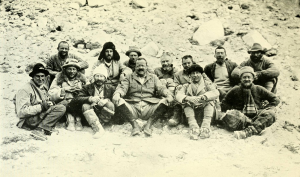
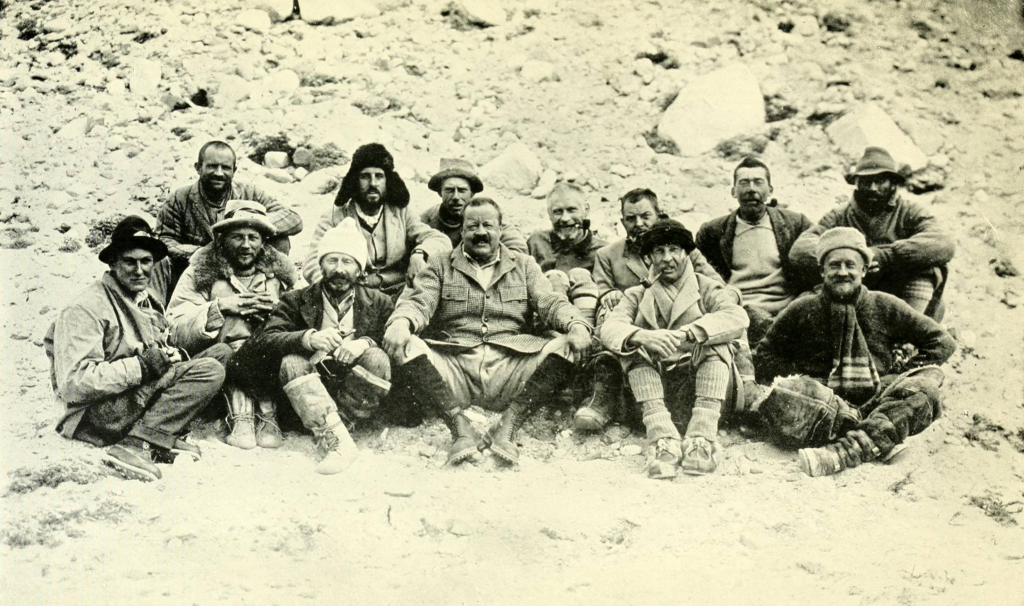
Expedition at Base Camp. Back row: Morshead, G Bruce, Noel, Wakefield, Somervell, Morris, Norton Front row: Mallory, Finch, Longstaff, General C Bruce, Strutt, Crawford
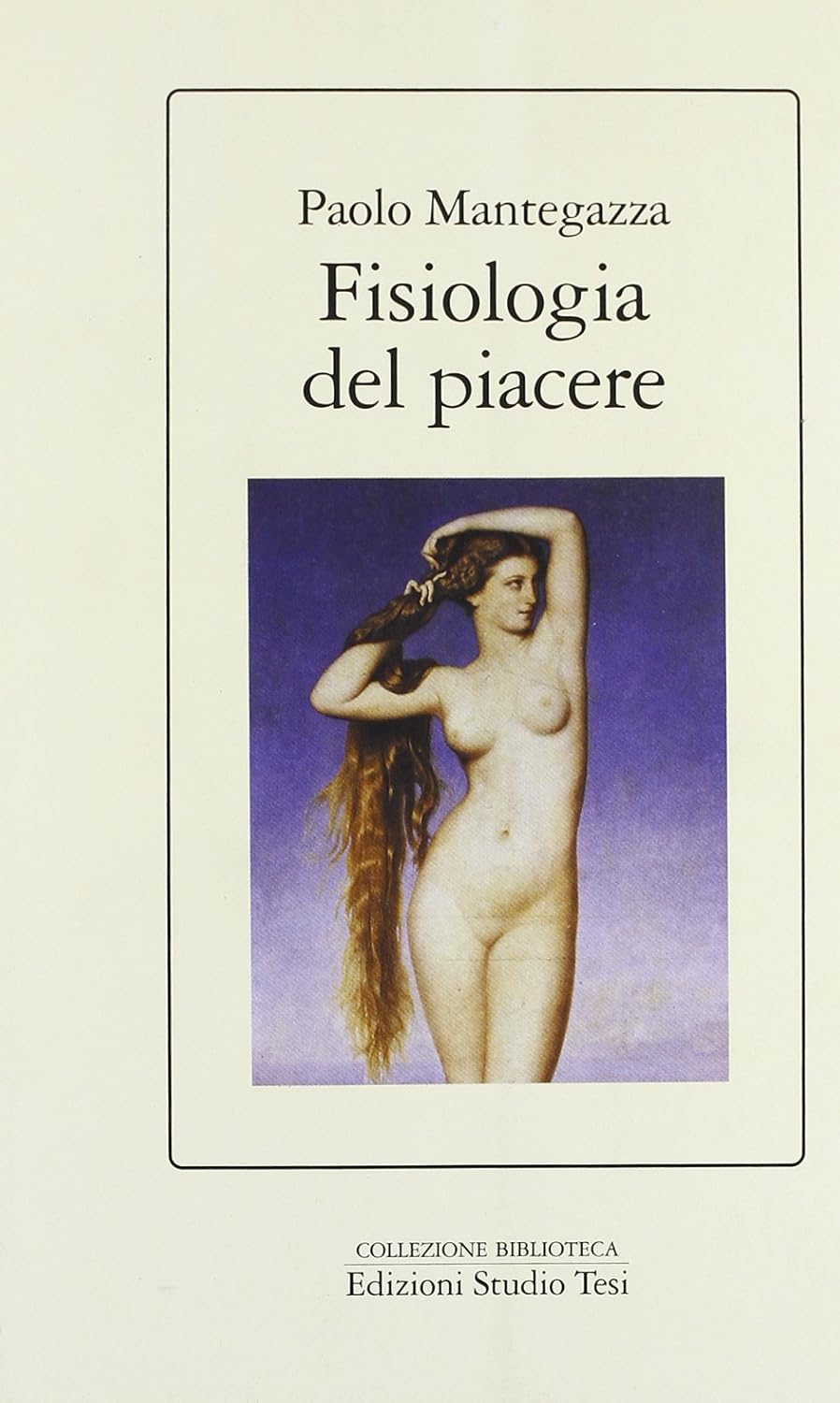
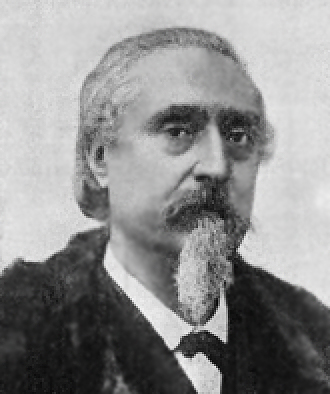
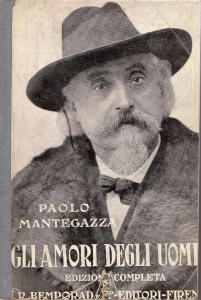
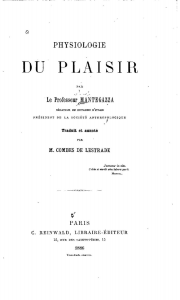
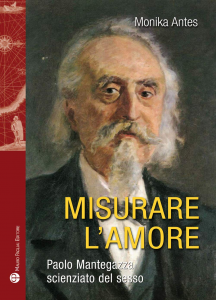
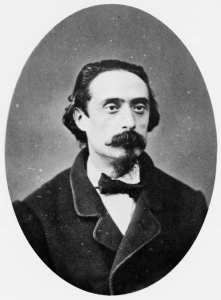
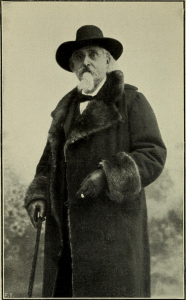
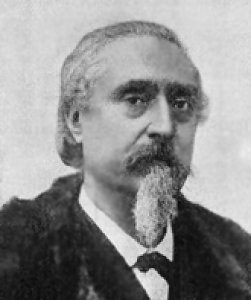
Paolo Mantegazza (October 31, 1831 in Monza, Austrian Empire – August 28, 1910 in San Terenzo) was an Italian neurologist, physiologist, and anthropologist, as well as a prominent physician and consciousness researcher. Mantegazza published several works on the effects of psychotropic plants on human consciousness, numerous other scientific writings, and several novels that were bestsellers in their time but have since been largely forgotten.
Mantegazza first studied medicine in Pisa and Milan, graduating in Pavia in 1854. He then traveled to India and South America, where he practiced medicine in Argentina and Paraguay. In 1858, he returned to Italy and worked as a surgeon in Milan. In 1860, he was appointed professor of pathology at the University of Pavia, where he founded the first Institute of General Pathology in Europe.
In 1870, Mantegazza became a professor of anthropology at the Istituto di Studi Superiori in Florence. There he founded the Museo Antropologico-Etnografico di Firenze (Anthropological and Ethnographic Museum) and, in 1871, the journal Archivio per l’Antropologia e l’Etnologia, which is still published today, with Felice Finzi. At that time, culture and science in Italy were far more influenced by the Catholic Church than they are today. Mantegazza was repeatedly attacked by ecclesiastical circles, particularly because he was an advocate of Darwinism and an atheist.[2] From 1868 to 1875, he had a lively correspondence with Charles Darwin.
Pioneer of psychedelic Drug research
During his several years working as a doctor in South America, Mantegazza observed the habit of local coca farmers chewing the leaves of the coca bush. In the “service of science” he began to imitate them, taking three daily doses of three grams of coca leaves. In 1859 he published the work Sulle virtù igieniche e medicinali della coca e sugli alimenti nervosi in generale (On the Hygienic and Medicinal Benefits of Coca and Nerve Food in General), for which he received an award and which caused a sensation both in Italy and abroad. Due to the fact that Mantegazza distinguishes between coca and cocaina in his writings, it is assumed that he had already extracted the alkaloid cocaine from the coca leaves and taken it himself in 1859. Mantegazza is therefore often associated with cocaine in literature, but his interest in the effects of psychotropic substances went much further, and he published numerous works with treatises on the intoxicating effects of various drugs such as alcohol, mate, guarana, opium, hashish, kava and ayahuasca (agahuasca), and classified them according to their effects in 1859, more than sixty years before Louis Lewin made his classification in his 1924 work Phantastica.
Sexual science
Almost forgotten, but outstanding in his time, were his numerous publications in the field of sexology, which only emerged later: Fisiologia del piacere (1854); Fisiologia dell’amore (1873); Igiene dell’amore (1886); Gli amori degli uomini – Saggio di una etnologia dell’amore (1886) and Fisiologia della donna (1893) – in which he summarized observations, his own experiments and anthropological-ethnological results of extensive collections, research and travels in the sense of a “phenomenology of heterosexual love… which is unparalleled in the history of sexology.” At just 22 years old, he wrote “Fundamentals of Edonology or the Science of Pleasure” (today understood as hedonism) and spoke out against “false puritans” and the “murky, stinking fog of hypocrisy” (Volkmar Sigusch in: Deutsches Ärzteblatt 7/2007 – see web link).
“Wherever a beautiful woman appears, all human energies bubble from their battle-tested sources: Everything best and worst in man springs forth to pay homage to her or to insult her with envy.” (Paolo Mantegazza, The Concept of Woman Through the Ages, Nuova Antologia, January 15, 1893)
Politics
From 1865 to 1876, Mantegazza was a deputy from Monza in the Italian Chamber of Deputies and, from 1876, a senator in the Kingdom of Italy.
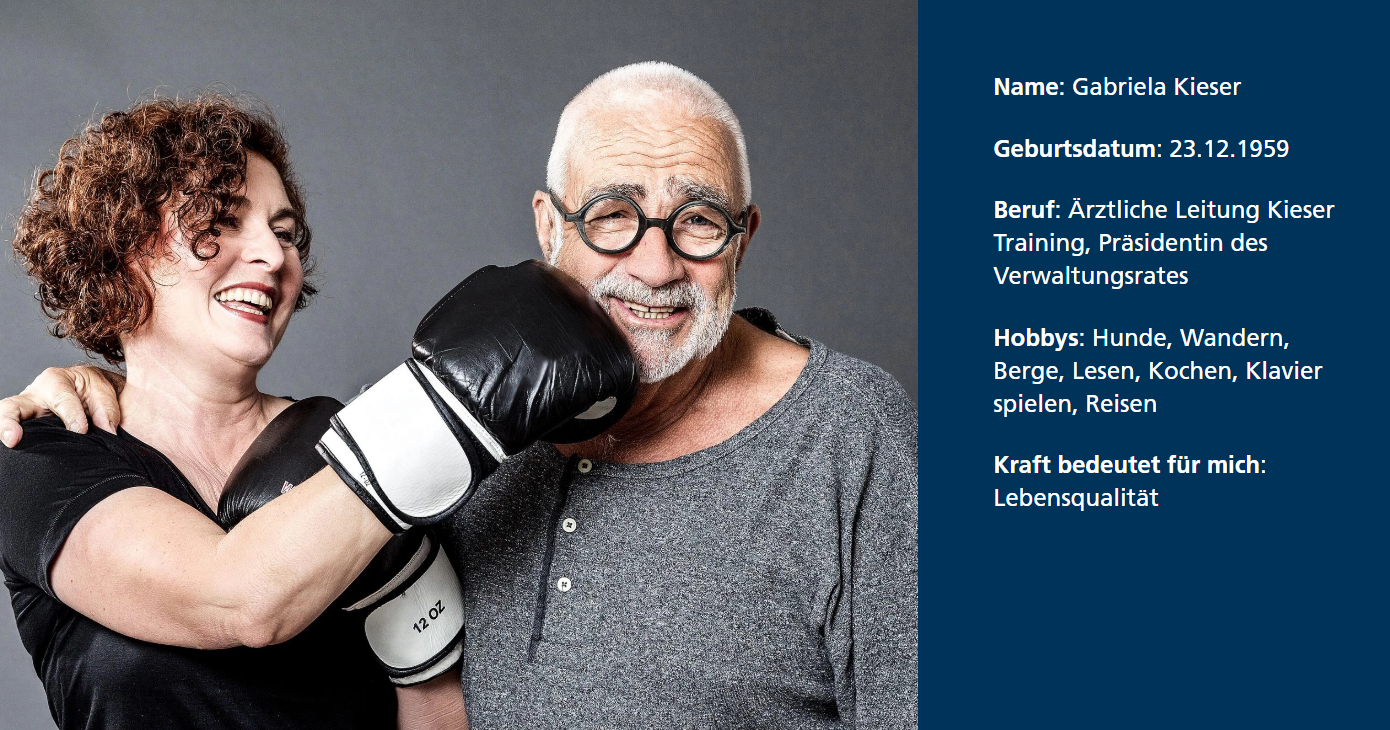
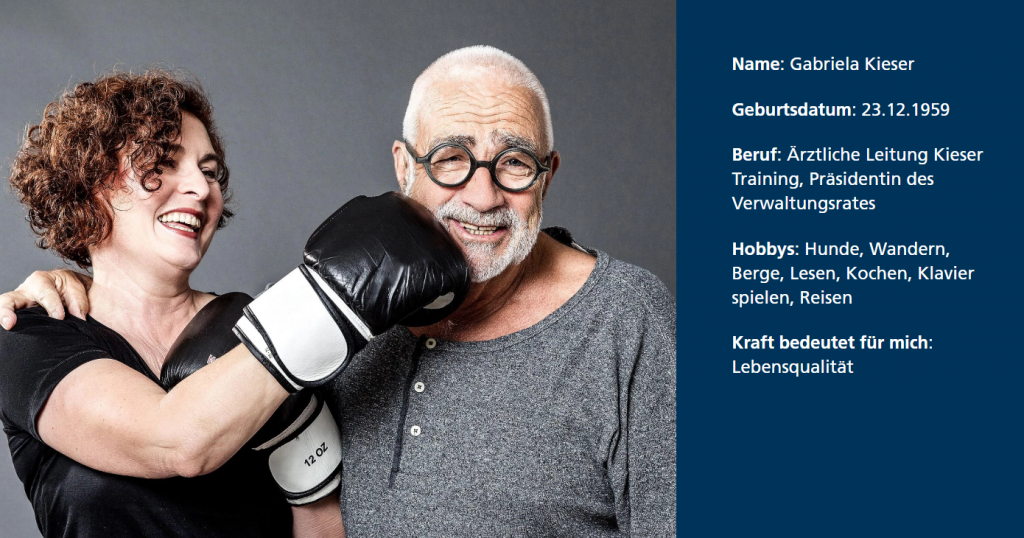
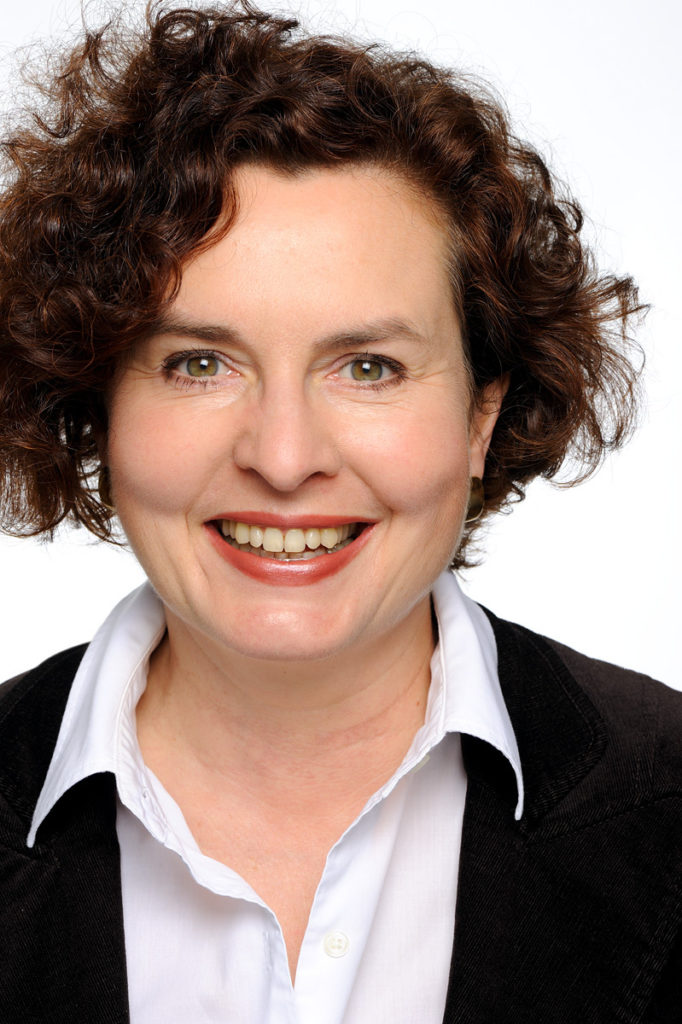
Dr. Gabriela Kieser studied medicine at the University of Zurich and earned her MBA from the Universities of Rochester, USA, and Bern. In 1990, the first European medical practice for medical strength therapy opened in Zurich. The practice demonstrated effective synergy with Kieser Training, located in the same building. Together with her husband, Werner Kieser (†), she developed the concept of health-oriented strength training and thus expanded internationally. Today, 280,000 customers train in 154 Kieser Training studios in five countries.
After more than twenty years in management and on the supervisory board, and since the sale of the company as part of an MBO in early 2017, she now conducts medical training consultations at three studios in Zurich. She also gives lectures on the preventative and therapeutic benefits of health-oriented strength training. She lives in Zurich and in the mountains with her dog.
Since she and her husband sold Kieser Training to their two successors, Michael Antonopoulos and Nils Planzer, Gabi Kieser has been working as an employee. She takes it in her stride. “I let the company consume me. Now I’m enjoying the new freedom and looking forward to wonderful years with Werner.” She’s just started learning Tai Chi. “The movements are so beautiful. It really helps you unwind.” She also wants to take up piano again. “You don’t play much,” Werner interrupts. “Let me finish,” she counters. “It’s on my agenda.” Does she argue well? “Well, yes. I come from a culture of debate. Werner is above things. That’s why things rarely escalate. But we have heated discussions. And we don’t always agree.”
Gabi Kieser loves spending time with her husband and dogs at their holiday home at 2,000 meters above sea level in Graubünden. Just as arguments are the spice of their relationship, she doesn’t always like sunshine when it comes to the weather. She raves about the fog in the mountains. “The fog is beautiful here. You simply feel peaceful. A fire by the fireplace. A good book. That’s all you need for happy moments with Werni and the dogs. You’re not alone, but you’re alone.”
Prof. Dr. Werner Schunk has traveled to more than 100 countries in his lifetime. His curiosity about people in other cultures, their way of life, and their art has repeatedly led him to board trains, cars, buses, airplanes, rickety helicopters, and the suspiciously light boats of the locals. He wanted to see with his own eyes how the indigenous people of Papua New Guinea, the Amazon, or Madagascar live, and always stayed for a while. Rich in impressions, insights, and the gratitude of the people, he returned home, bringing back rare works of art as souvenirs. He will exhibit some of these extraordinary mementos at the KunstForum Gotha from October 2, 2020, to March 28, 2021, combining them with interesting anecdotes and tips from his work as a physician and brain researcher.
The astonishingly universal life’s work of Professor Werner Schunk is anchored in his hometown of Gotha. He was born in Sundhausen, trained as a metalworker in railroad car manufacturing, and just a few years after completing his medical studies, became a company doctor. When practice space became scarce, he treated people from Gotha East in his apartment. For the rubber combine, he systematized poisons, their effects, and their treatment. Schunk shared the findings of his work with other researchers from Sweden, Great Britain, and America. He later traveled to Japan and India to help people suffering from Parkinson’s disease with his “Way of Schunk” treatment method. Thanks to his extensive knowledge and experience, he became Director of the Institute for Occupational Medicine and Vice-Rector of the Medical Academy in Erfurt, while also serving on the Gotha City Council and for the Perthes Forum in Gotha.
The core of Professor Werner Schunk’s research is the miracle of the brain. He knows it with incredible precision, down to the most complex biochemical processes, yet has never lost his sense of wonder. He calls this mysterious organ a work of art capable of thinking, feeling, and moving. He explored it so extensively and persistently that he became one of the first people in the world to discover that the brain’s own metabolism can be severely disrupted by manganese. From then on, he could have only hung around at receptions and accepted numerous prizes and honors. But then he swapped his fine suit for a doctor’s coat and tropical clothing to be where true art is created: among people.
He has published 800 scientific publications and lectures, as well as ten scientific books. He holds 68 patents, including those for biomaterials.
Wandlung des Lächelns
Jetzt huscht es über dein Gesicht, ein Lächeln, das die Starre bricht. Zeigt an die innere Verspannung, löst Körper, Geist aus der Verbannung.
Das Lächeln ist auf bestem Wege zur wundersamen Körperpflege. Verschenke es mit deinem Blick, es kommt in andrer Form zurück.
Diese äußerliche Handlung zeugt von innerer Verwandlung.
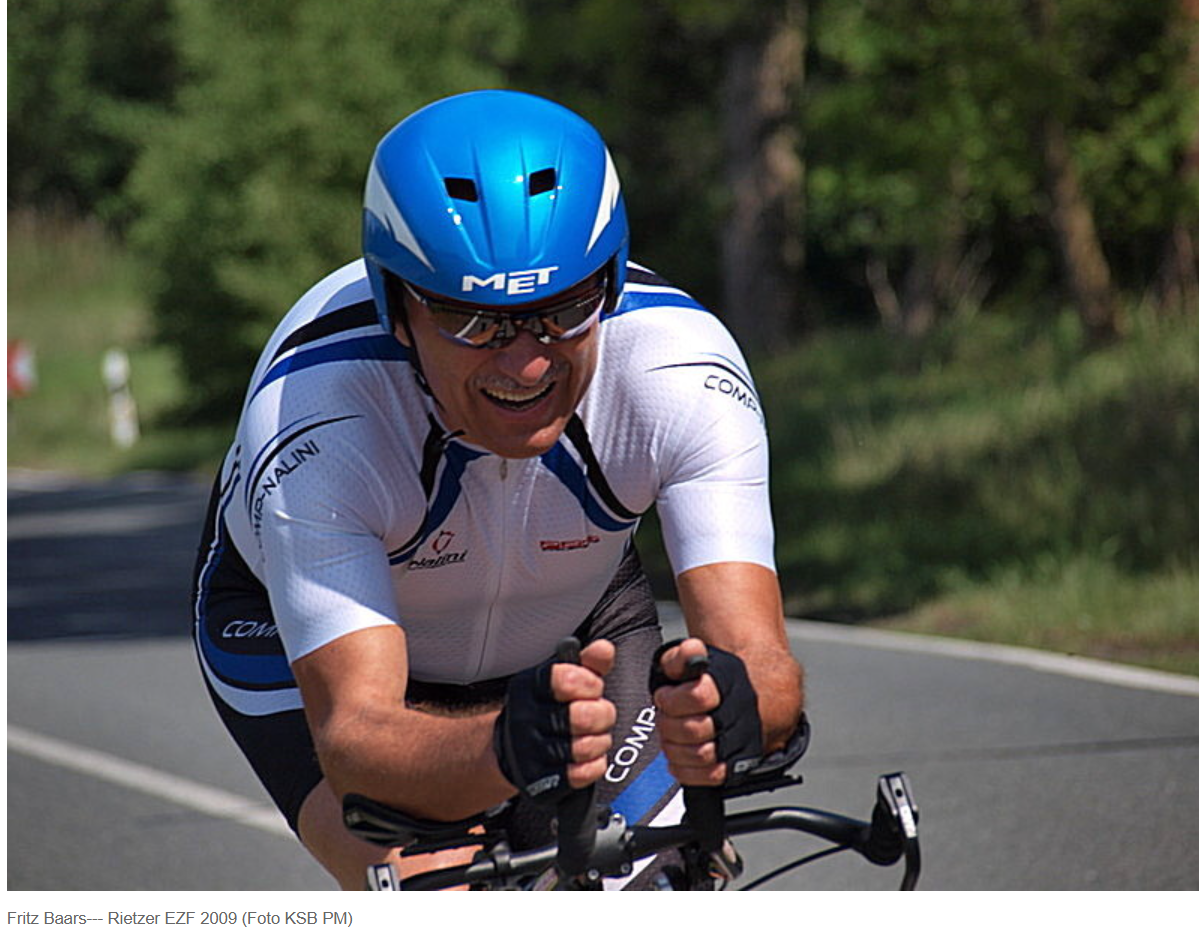
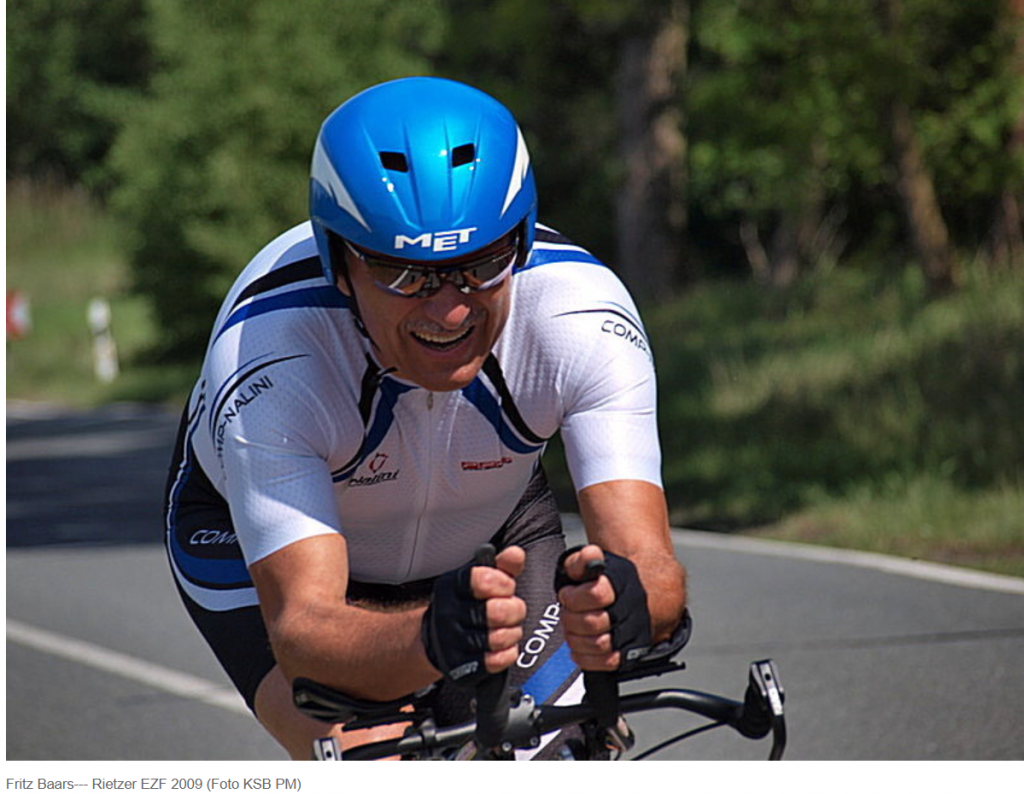
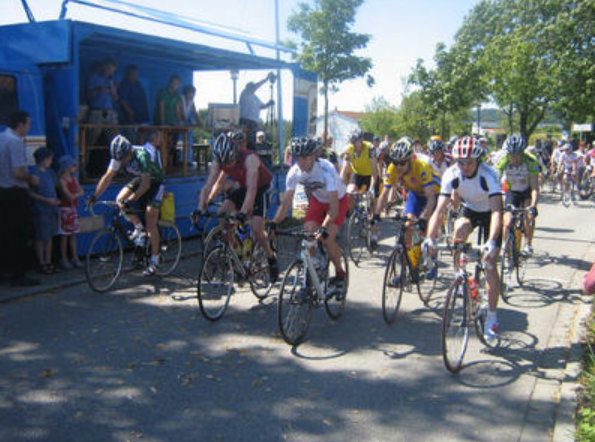
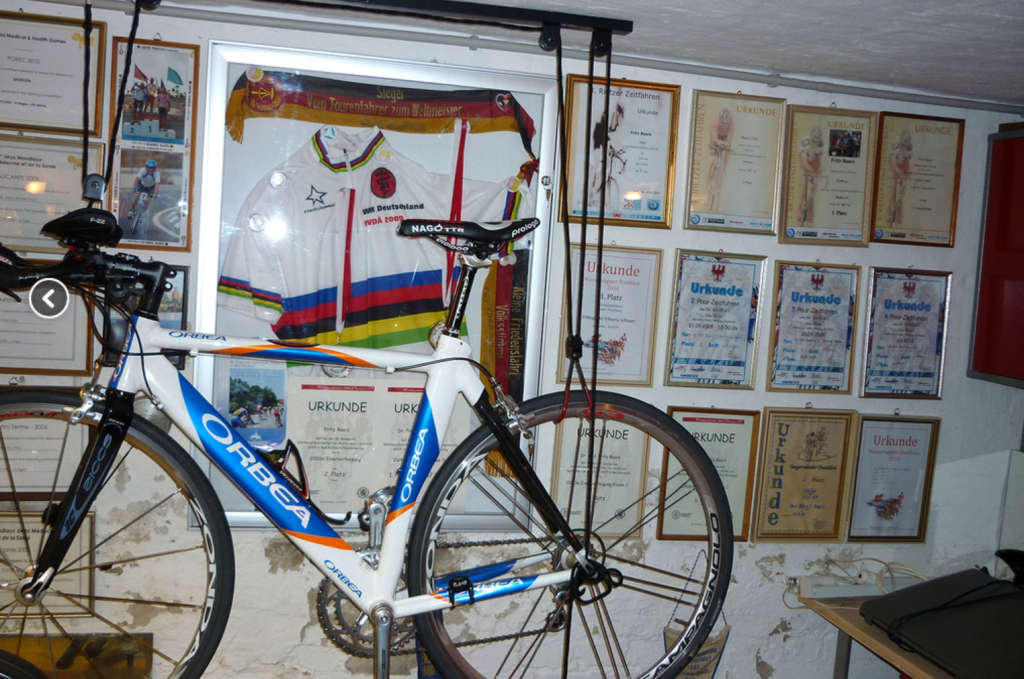
Fritz Baars is a cycling doctor. On his website, he reports extensively on the Cycling Association of German Doctors and Pharmacists.
As of January 1, 2013, I am now enjoying my professional retirement. It was initially a huge adjustment after a busy, interesting professional life. But now I finally have enough time for my hobbies! Active cycling played and continues to play an important role in that. Maintaining my website and compiling facts and information also requires a lot of time. And then, of course, there’s our bungalow with the surrounding garden, which demands my attention year-round. During the winter months, I sift through and sort through the vast amount of photos and film material that has accumulated over the years. Most of it can safely be disposed of. I edit short videos of the most interesting events, complete with music and text information. Since television programs are mostly boring and apparently only exist on repeat, we can instead watch beautiful memories of holidays, family celebrations, etc. from our stored archives.
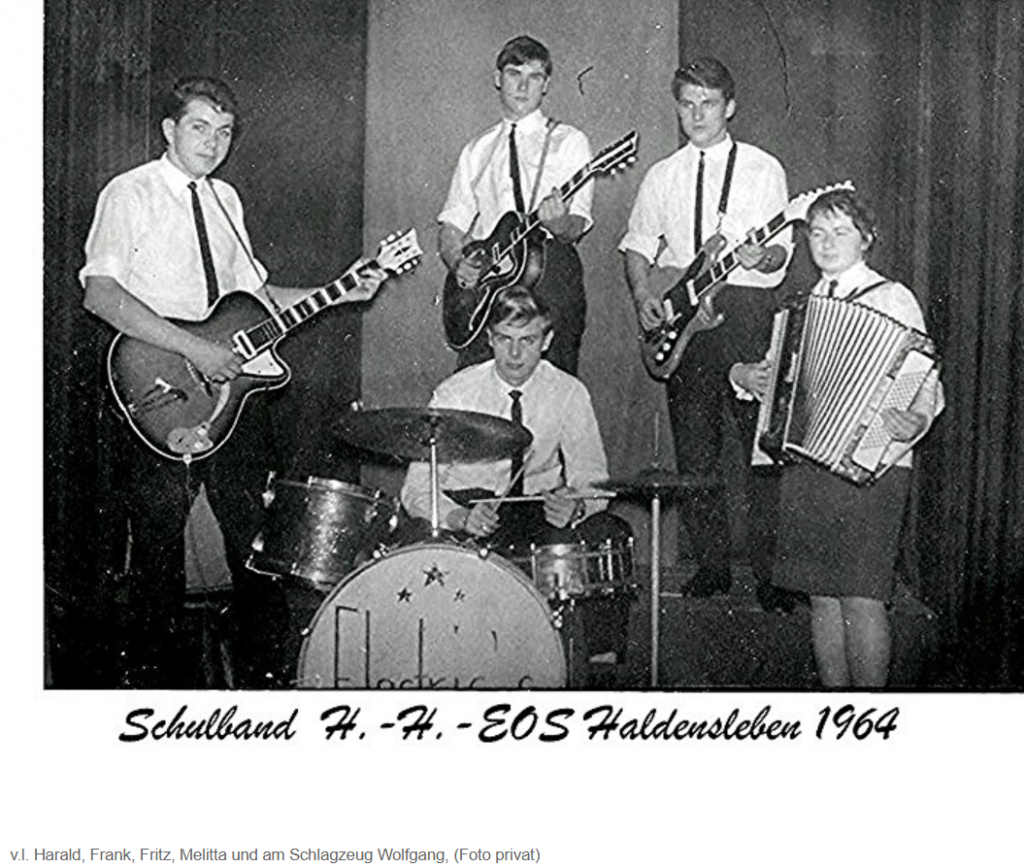
Other interests include: history, music, travel, occasional fishing, and ornithology near our bungalow. Favorite music: oldies, rock. Favorite films: historical and nature films. Languages: colloquial English, school-aged Russian (a bit of Arabic from a year-long stay in Libya).
Membership: RVDÄ (Cycling Association of German Doctors and Pharmacists) until its dissolution, which has now sadly disbanded after more than 30 years of existence. (Reports in Deutschen Ärzteblatt)
I also enjoy dancing. My wife and I took several dance classes after the fall of the Berlin Wall, which we really enjoyed. Dancing, by the way, is a physically demanding activity. Our dance teacher at the time told us that elite dancers in competitive sports often score better in sports medicine performance tests than athletes in other strenuous disciplines.
Since we spend a lot of time in our bungalow from March to October, hobby ornithology naturally developed. From morning to night, you can hear birdsong everywhere and see a variety of birds on the lawn, in the trees, bushes, and in the air. We count around 50 species throughout the year. Rarer specimens also occur. In 2004, we observed a pair of green woodpeckers foraging for food on our lawn for about 10 minutes, in a spot where there were lots of ants.