Category Archives: instrumentBuilderDocs

  • -

Jochen Blum

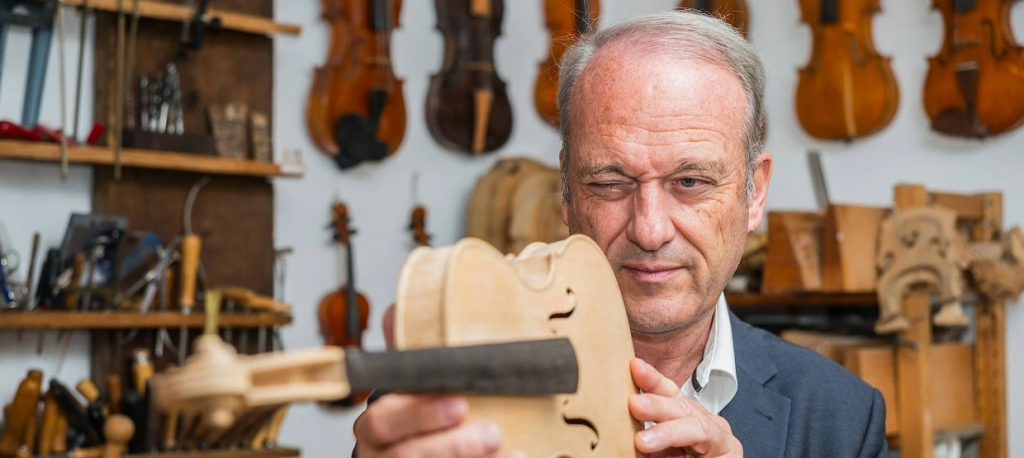
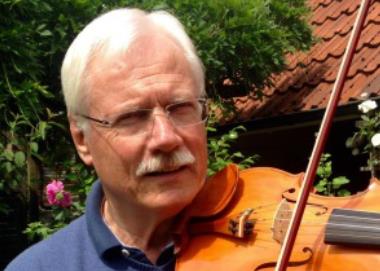
Jochen Blum (born January 22, 1959 in Ludwigshafen) is a German specialist in surgery and trauma surgery, professor of music physiology, and author of specialist books.

He is a co-founder and long-standing board member of the German Society for Music Physiology and Musicians’ Medicine (DGFMM).
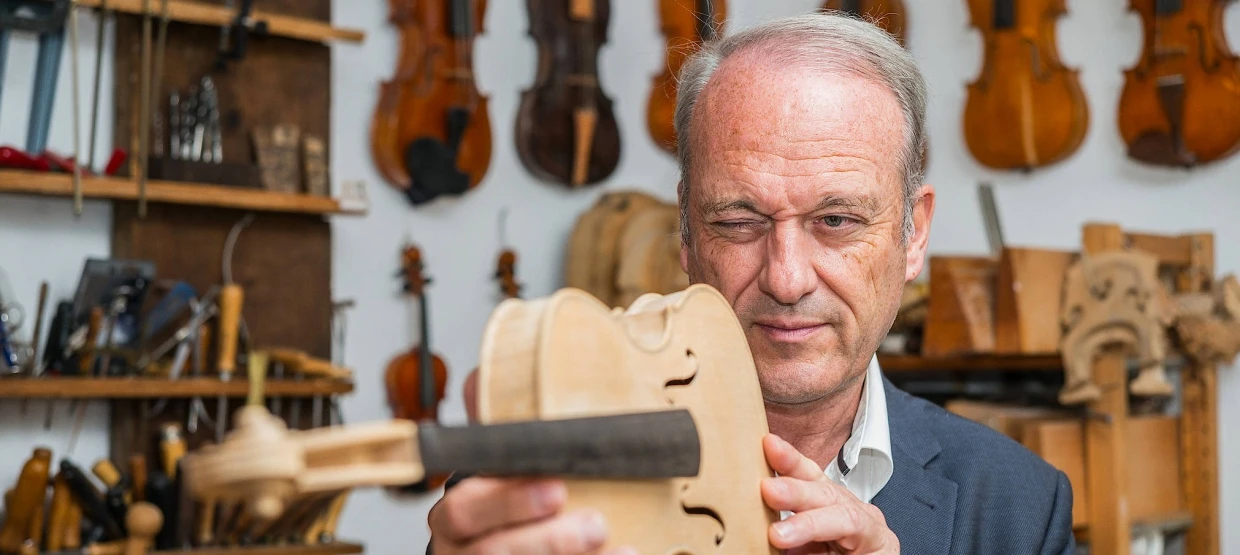
Excerpt from an interview:

Back then, a violin maker and now chief physician for trauma surgery, orthopedics, and hand surgery, what motivated you to become a doctor—the decision to ultimately pursue a career in medicine?

It’s been around for a while; it was already an idea when I was at school. They’re two parallel worlds. I also studied instrument making during my school years.

I trained with Stelio Rossi in Siena; this is what his instruments sound like:

Towards the end of this time, I also considered possibly going into music therapy, because I was an avid musician. However, I was already aware that working at a professional level, as a professional musician, was something I had a different view of. I didn’t necessarily want to eke out a life in the back row of a small orchestra, and I didn’t really have the skills to pursue a major solo career.

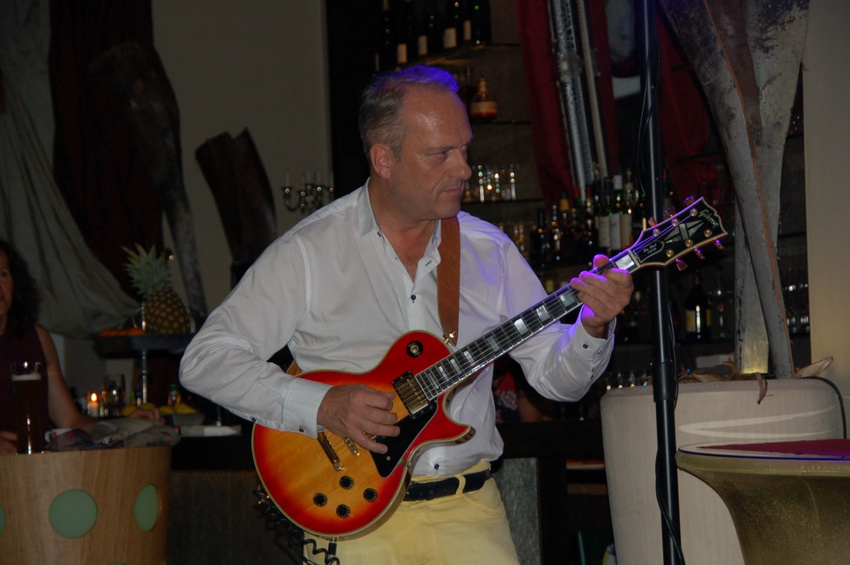
In addition to classical music, I did indeed play rock and jazz in bands, but that was simply for the joy of playing rather than the idea of ​​making it a career. But I knew that after finishing school and graduating from high school, I didn’t want to immediately continue on to university the next day, so to speak, but rather wanted to deepen my knowledge of this practical area, and I had the opportunity to learn the craft of violin making from a luthier in Italy.
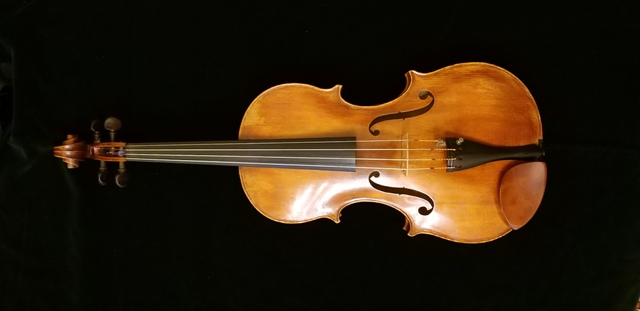
Viola Stelio Rossi

Although it was already clear to me back then that I wanted to go on to university again, and that’s exactly what happened. During my time as a violin maker, I had a few customers – in this case, they weren’t patients, but customers who wanted things changed – and I asked myself whether it wasn’t more of a medical problem that was bothering them. But of course it was all a bit vague, so I’d say the roots of both were there early on, but ultimately it developed in such a way that after completing my violin making training, I definitely wanted to study medicine, and I was then able to combine the two areas a bit later on.

https://www.medpertise.de/musikerkrankheiten-krankheitsbilder-prof-blum
https://dgfmm.org/blum

https://de.wikipedia.org/wiki/Jochen_Blum


  • -

Christoph Schreiber

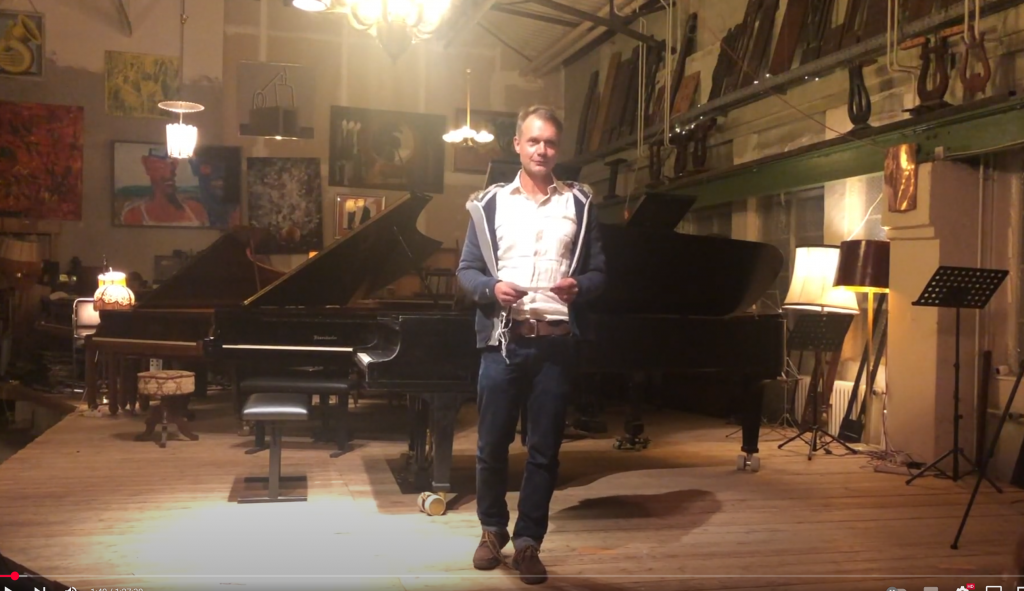
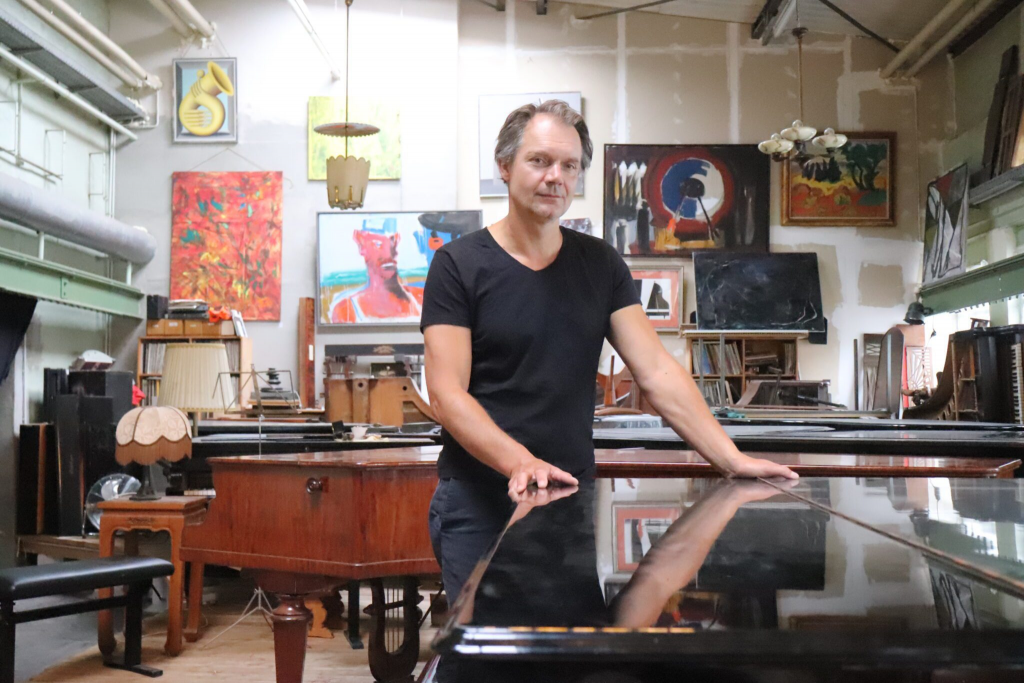
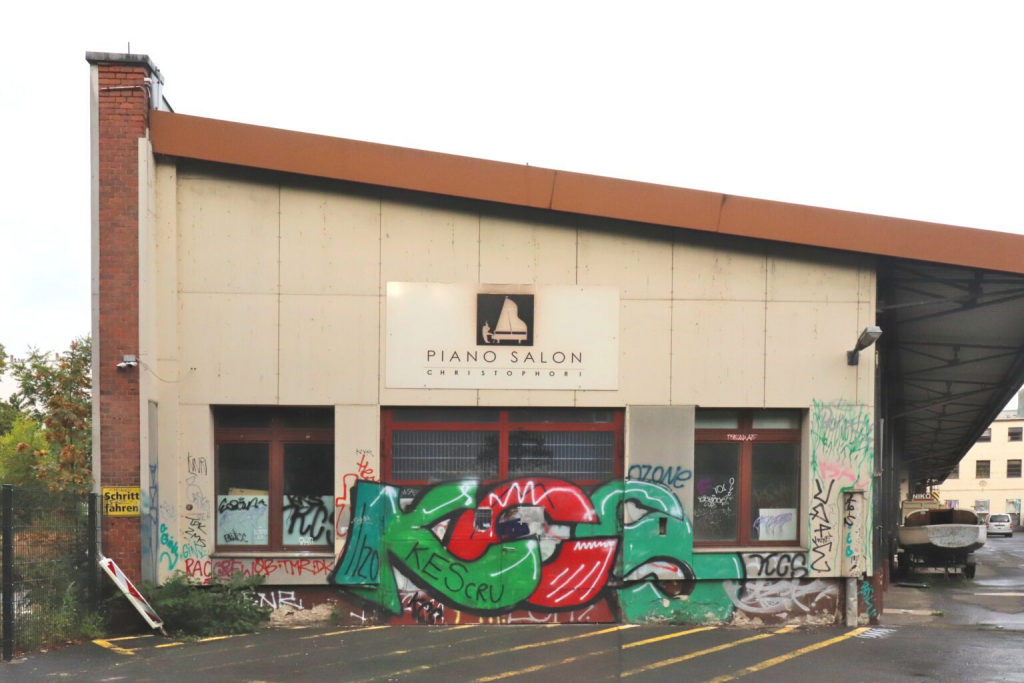
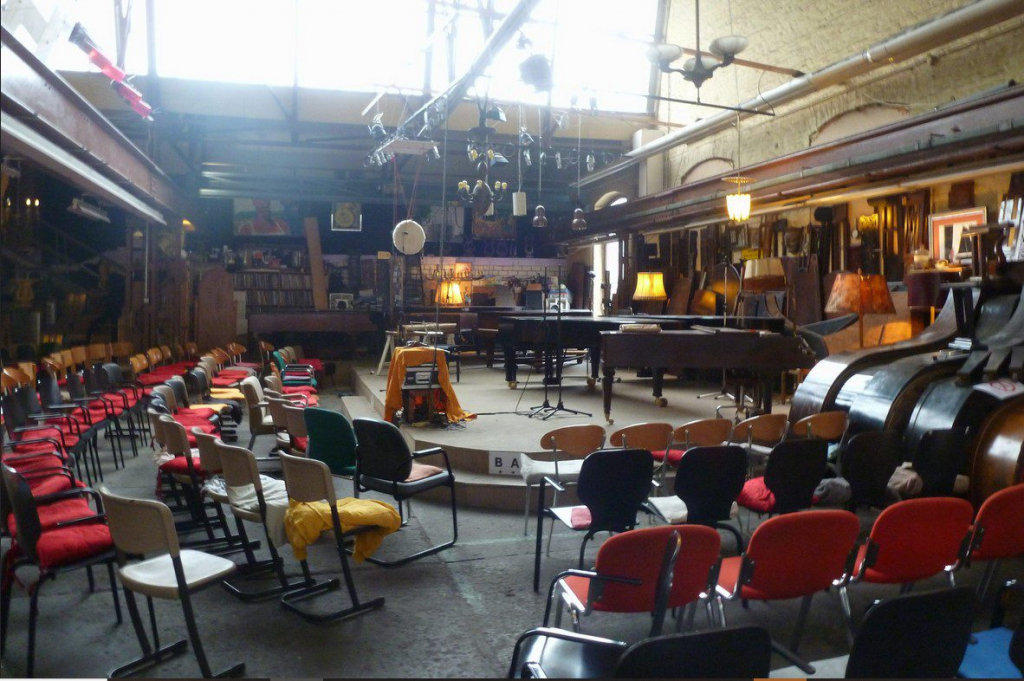
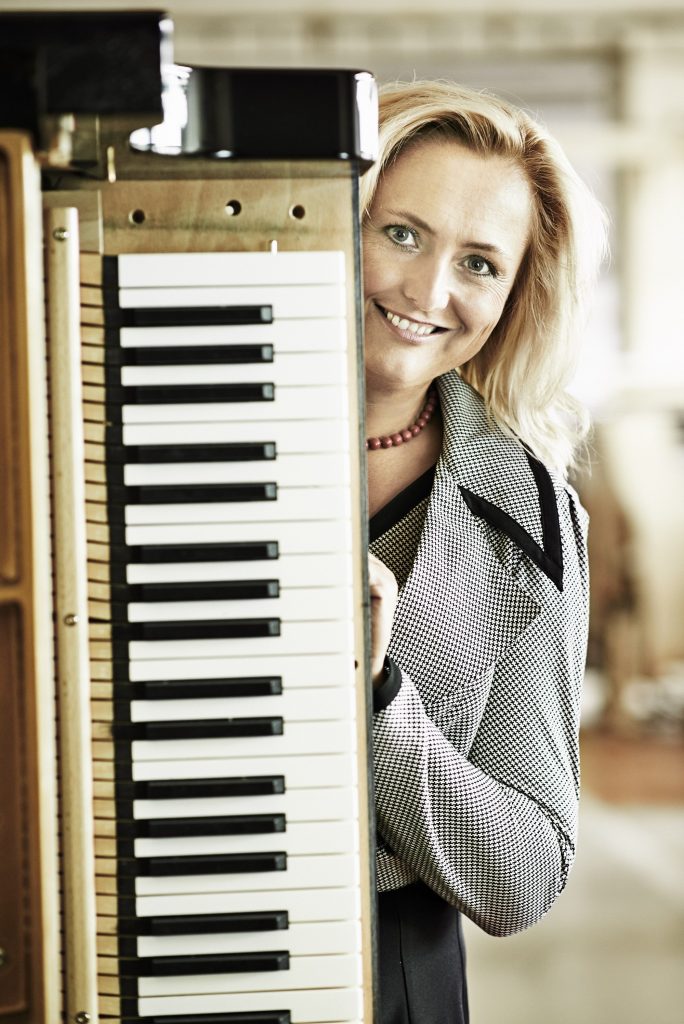
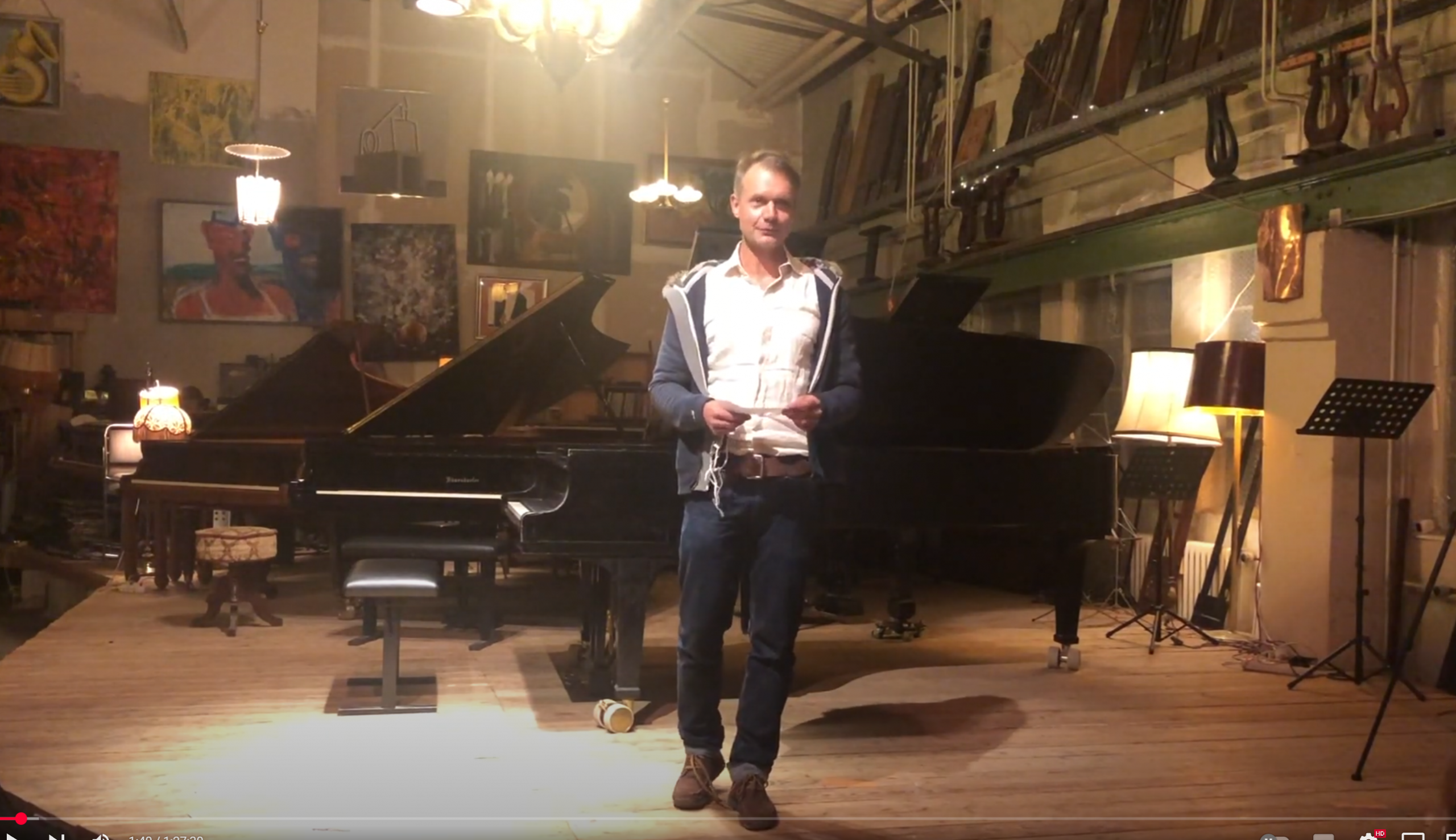
Founded in 1998, the Piano Salon Christophori in the listed Uferhallen in Berlin’s Gesundbrunnen district is a gem for piano lovers and those who aspire to become one. Solo, chamber, and jazz concerts with exquisite programs take place almost daily in the former tram depot, which salon founder Christoph Schreiber also uses as a workshop for the restoration of historic grand pianos. Numerous individual parts from the instruments adorn the walls of the 600-square-meter hall, which seats 199 spectators. Schreiber’s collection includes around 120 examples from two centuries of piano making, and just under a dozen are available to the artists in a playable state. The venue and workshop are named after Bartolomeo Cristofori, who developed the first fortepiano at the beginning of the 18th century.

Christoph Schreiber no longer works as a doctor. He speaks about this profession in a tone that makes it clear he would be extremely reluctant to put on the white coat again. Now he has time for his passion. But that also means having to make time for his passion. Being a music promoter is a 24/7 job. He’s on the phone an incredible amount, has music and musicians to manage. And, of course, the family is still there, says the father of three.

Christoph Schreiber’s true passion isn’t organizing concerts. His enthusiasm is for historical instruments. He’s gone from being a doctor for people to being a full-time doctor for pianos. In other words: Christoph Schreiber restores old grand pianos, upright pianos, and upright pianos. “I’d like to do more hands-on work,” he says. He sounds a bit regretful. But he doesn’t seem dissatisfied either. Apparently, life has now put him in the right place. Somewhere in a salon with over 100 historical pianos. Where he can afford to turn down commissioned restorations. Because it’s “too much effort to do it properly.”

So he restores historic grand pianos for his own purposes—for concerts, for performances. He calls this part of his daily work “keeping it in concert condition.” He considers which instrument is right for a guest musician’s performance in his salon and repairs it. But he relies on the audience. And that has changed his habits during the lockdown years. In the piano salon, he says, he’s fortunate to attract a diverse audience, “even if the mix is ​​less than before Corona.”

It’s noticeable that this sentence isn’t meant to sound plaintive, just descriptive. That’s why Christoph Schreiber speaks in the next sentence about responsibility and the task facing music promoters. As if to say, you have to bring people back. Convince them again. Re-engage them. His contribution: At the Piano Salon, students pay 15 euros for admission (the regular price is usually 25 euros). A drink is always included. And he encourages them to bring children. In his experience, most of them listen attentively.

The music facilitator has set up 160 chairs in the warehouse. Previously, there were 199. People today don’t want to sit as tightly as they normally would a few years ago. And he organizes concerts on a donation basis less frequently, now generally setting fixed prices. Has the coronavirus pandemic also eroded the willingness to financially reward good performance, even without being asked? It’s a question everyone has to ask themselves to answer. Christoph Schreiber has to raise a good 5,000 euros a month for rent. Covid hasn’t changed the system of space for rent.

https://www.konzertfluegel.com

https://de.wikipedia.org/wiki/Piano_Salon_Christophori

https://www.instagram.com/pianosalon_christophori/?hl=de

Artikel 2023


  • -

Wolfgang Adelung

Wolfgang Adelung (1 October 1920 in Berlin; 15 November 1994 in Singen, Baden-Württemberg) was a German physician and organ researcher.

Wolfgang Adelung studied medicine. He received his doctorate in Freiburg in 1948. Later, he ran a dermatology practice in Singen (Hohentwiel).

Adelung also became an organist and was one of the most important members of the Society of Organ Friends during his time. In 1952, he co-founded its organ journal, Ars Organi. He subsequently became editor (1957–1972), chairman (1973–1983), head of the office (1983–1987), and a member of the Advisory Committee of the Society of Organ Friends (1987–1994).

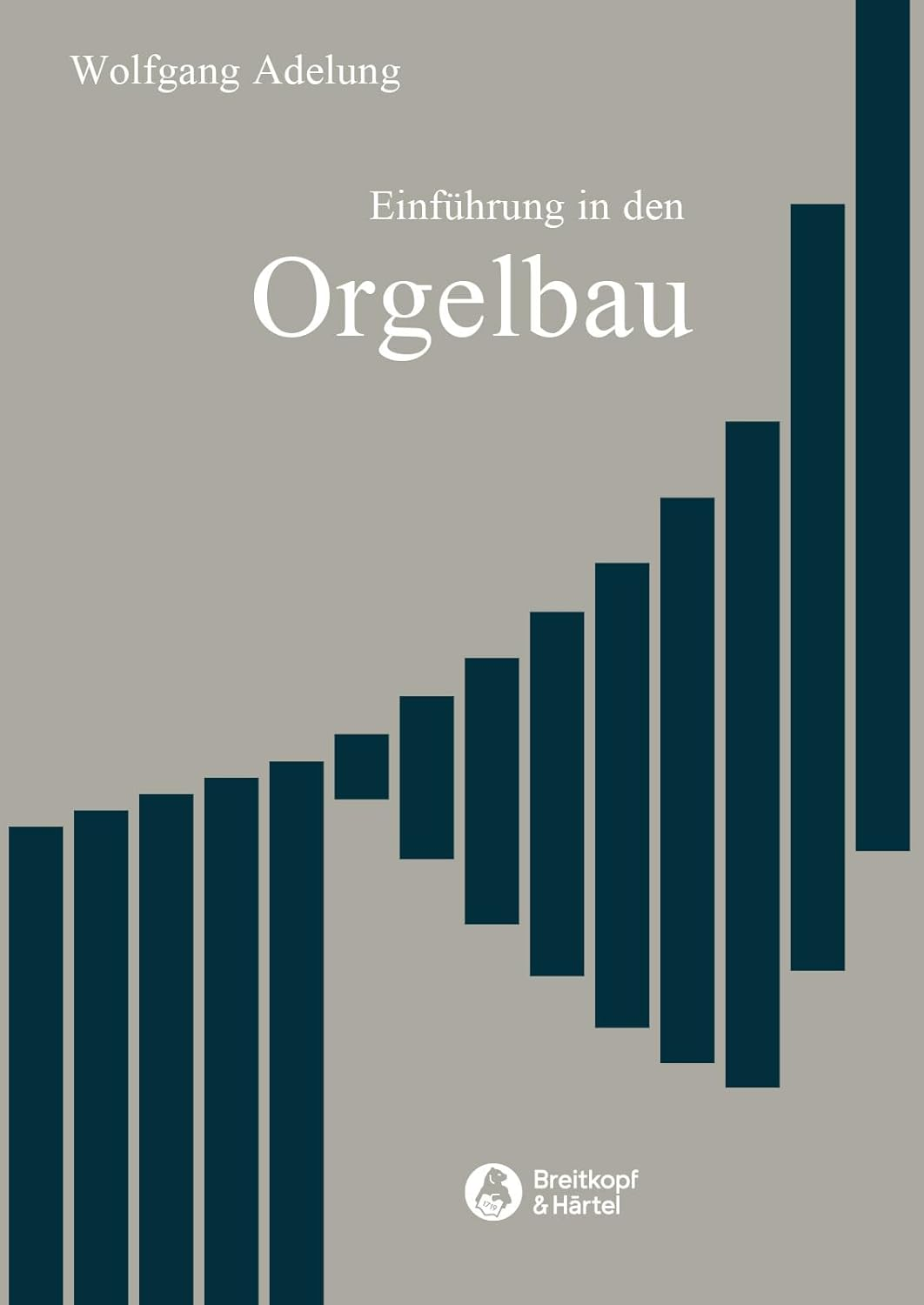
Wolfgang Adelung authored the standard work “Introduction to Organ Building,” which has been published in several revised editions. He also published other books and articles on organs. Monographs

Complete list

The Normal Blood Count of Freiburg, dissertation, Freiburg 1948
Introduction to Organ Building, Breitkopf & Härtel Leipzig 1955; subsequently six new editions, several of which have been expanded, most recently
Introduction to Organ Building, Breitkopf & Härtel Wiesbaden 1991
Electron Instrument and Pipe Organ, Merseburger, Berlin 1956
The Elektrium, Merseburger, Berlin 1964
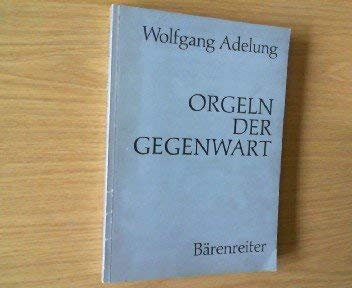
Organs of the Present, Bärenreiter, Kassel et al., 1972
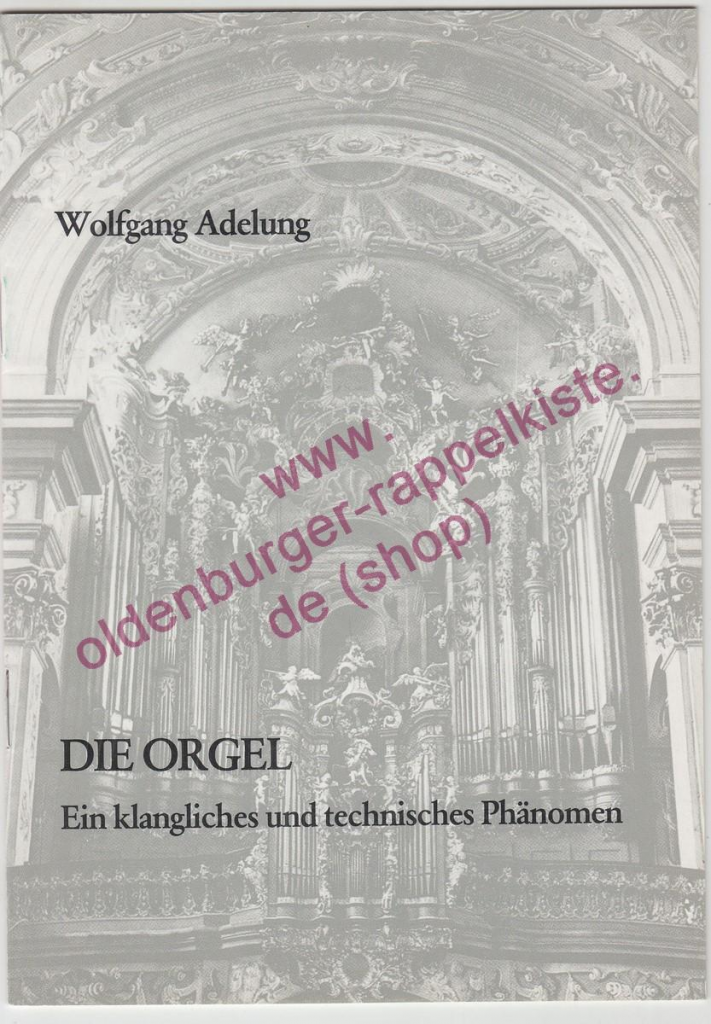
The Organ, Orgelbau-Fachverlag, 1977

https://de.wikipedia.org/wiki/Wolfgang_Adelung

https://www.gdo.de/ueber-uns/geschichte/personen


  • -

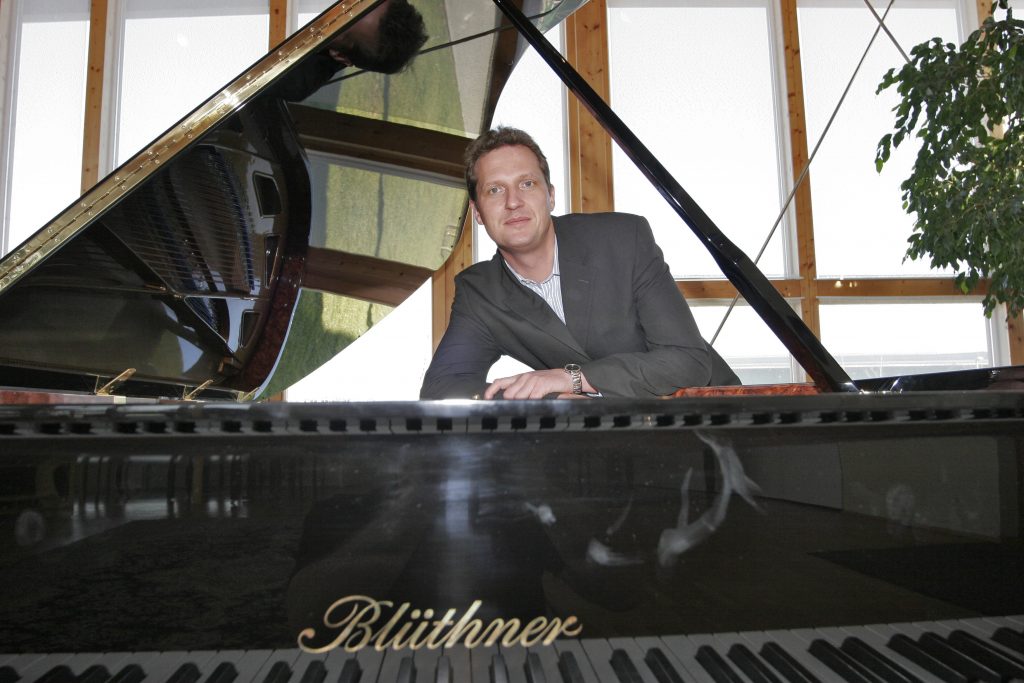
Christian Blüthner-Haessler

Since 1995 Ingbert Blüthner-Haessler shared the management of the company with his two sons, Dr. med. Christian Blüthner-Haessler and Knut Blüthner-Haessler.

In 2009, the piano company Karl Rönisch merged with Blüthner and Karl Rönisch production was moved to Blüthner factory in Leipzig.

Today, along with C. BechsteinBösendorfer and Steinway & Sons, Blüthner is frequently referred to as one of the “Big Four” piano manufacturers.

web

wikipedia DEwikipedia ENwikipedia ES

youtube – vimeo – soundcloud

facebook – twitter – instagram – XING

work

1972 – 1984 high school, College
1984 – 1987 Military service
1987 – 1990 medical school of University of Leipzig
1990 – 1993 medical school of University of Göttingen
1990 – 1995 business school of University of Hagen
1992 – 1996 several publication in Urology (Research and Medicine)
1994 Dissertation in urological oncology (PHD)
1993 – 1995 Kings College Hospital London (UK) as surgeon
1995 – 1996 Regional hospital Ilanz (Switzerland) as surgeon
1995 Diploma of Business administration
1996 – to now general manager and President of Julius Blüthner Pianofortefabrik GmbH
1998 – to now member of the Board of Presidents of the German piano manufacture association (BVK e.V.)
1999 – to now President of Irmler Piano GmbH
2000 – to now 1. President of the Board of Presidents of the German piano manufacture association (BVK e.V.)
2000 – to now member of the Board of Presidents of the Head organisation of the Associations of German Music Associations
2004 Vice president of the Head organisation of The Association of German Music Associations
2000 – to now member of Lions Club Cosmopolitan Leipzig
2003 – to now President of “OOO Blüthner” Moscow (Russia)
2003 – to now President of Blüthner Piano Centre Ltd. London (UK)
2003 – to now President of Blüthner USA
2004 – to now President of Blüthner Piano Center Benelux (NL)
2005 – to now President of Blüthner China
2005 – to now President of Blüthner France
2006 – to now President of Blüthner Poland
2005 – to now President of the Head organisation of The Association of German Music Associations


  • -

Zuzana Ceralová Petrofová

Zuzana Ceralová Petrofová (Susan Petrof) is a representative of the fifth generation of the Petrof family and is currently the head of the PETROF company. She is a very successful and respected manager not only within this branch of industry. In the course of her work at PETROF, she has gained many awards, particularly for her managerial skills. Among these is the honorary title MANAGER OF THE YEAR 2014, and she regularly appears in FORBES magazine’s list of the most influential women in the Czech Republic.

Zuzana Ceralová Petrofová has successfully continued the tradition of her predecessors and as a reward, her company is today the largest producer of acoustic pianos in Europe and has many significant awards to its credit.

1992: Graduate of the Pharmaceutical Faculty UK of Hradec Králové

web

wikipedia DEwikipedia ENwikipedia CZ

youtube – vimeo – soundcloud

facebook – twitter – instagram – XING

work


  • -

Julius Levin

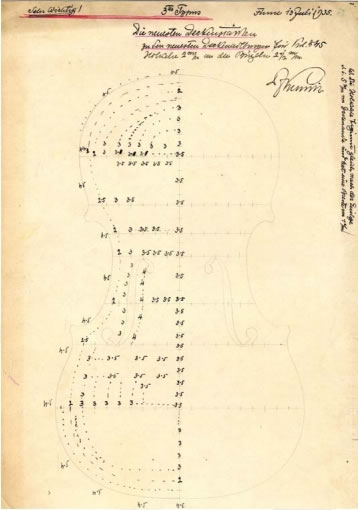
Julius Levin (* 21. Januar 1862 in Elbing; † 29. Januar 1935 in Brüssel) was a German MD, author and violin maker. He also wrote many books as author.

Moderne Modemaler, Berlin 1887

Die Hygiene und Diätetik des Wochenbettes, Berlin 1892

Was tut der deutschen Kunst not?, Berlin 1912

Das Lächeln des Herrn von Golubice-Golubicki, Berlin 1915

Zweie und der Liebe Gott, Berlin 1919

Wehrmann Ismer, Berlin 1920

Die singende Dame, Berlin 1921

Die Großfürstin, Berlin 1922

Der Panzer, Trier 1922

Johann Sebastian Bach, Berlin 1930

Gedichte, Berlin 1936

web

wikipedia DE
wikipedia EN

youtube – vimeo

facebook – twitter – instagram

work


  • -

Ekkehard Stammwitz

I was born in 1945 in Schlesien and my first violin teacher made me interested in building violins since he did himself. Before retiring as cardiologist I took classes since 2008 and learnt from Jozef Novak in Slowakia. Since my retirement in 2010 I fully work in building violins and also play in two orchestras.

web

wikipedia DE
wikipedia EN

youtube – vimeo

facebook – twitter – instagram

work


  • -

van Leeuwen

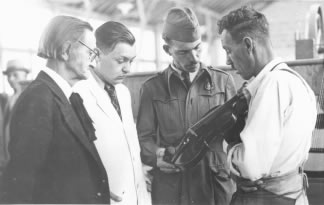
Born in 1872 Dr. van Leeuwen became MD in 1897. Besides he studied music and began working scientifically about building violins. After 5 years of learning he fully built violins, creating his own system and was well-known because of their sonority. In Brussels he got the silver medal in 1910.

web

wikipedia DE
wikipedia EN

youtube – vimeo

facebook – twitter – instagram

work


  • -

Franjo Kresnik

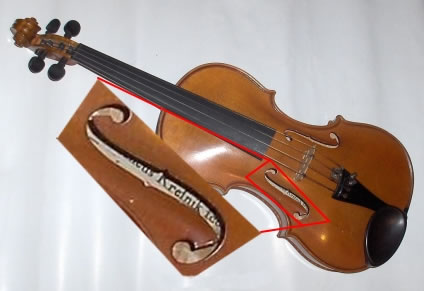
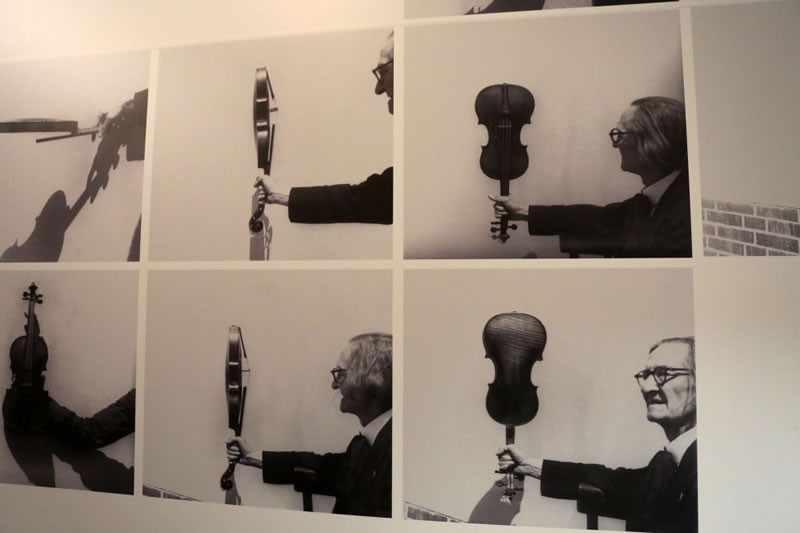
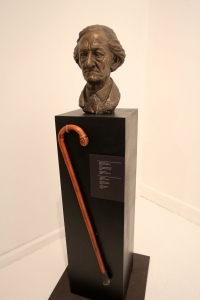
Dr. Franjo (Franz) Kresnik (born Wien 1869 – died Rijeka 1943) was an excellent physician and a Central European intellectual, a bohemian mind whose two loves in life made him very special. His passions were medicine and violin making. Most of his life was spent in Sušak (now a part of Rijeka, Croatia), where he worked, played music and studied the art of making stringed instruments. He visited Cremona on several occasions and studied a number of violins, drawings and tools made and used by old masters. For his profound knowledge of Cremonese violin making the Italians dubbed him “Uomo che legge violini” (The Man Who Can Read Violins). In his workshop he made fifty-two violins, two violas, two cellos and a string quartet. Some of these instruments are still played in Europe and America. The remaining violins and possessions (tools, manuscripts, drawings, literature and countless diplomas and certificates) have been kept in a memorial room at the Maritime and History Museum of the Croatian Littoral in Rijeka. In addition, a street near the Faculty of Medicine in Rijeka is named after Franjo Kresnik.

web

wikipedia DE
wikipedia EN

youtube – vimeo

facebook – twitter – instagram

work


  • -

Hans Walz

Instrument: Hillebille

Hans Walz had a DDR folk music group the “Stieger Walzmusikanten” and built historical instruments as this Hillebille with which his family band performed.

Folk music of the Harz (mountain chain in the middle of Germany) area has fascinated Dr.med. Hans Walz, especially when performed on historical Harz instruments like the “devils violin” or the “Hillebille”. The general practitioner and lung specialist who settled his office in the little town Stiege in the eastern Harz does not only like the music but builds these special instruments.

In 1997 he has received the “cultural reward Harz” for his activities as conductor of the “Stieger Walzmusikanten” (folk music group) and for maintaining old traditions.

Being 57 years old in 1997 he already moved to the east Harz in 1968 right after his medical degree and made his specialization there. After growing contacts to inhabitants of the area he began to make copies of the instrument “Rumpelpott” for children in 1976. Since then he intensified this new hobby always more. So he build instruments with strange historical names like “Harzer Köhlergeläut, Fadenreibtrommel, Hillebille, Gemshornschalmei or Teufelsgeige”. 

Mostly the instructions were not only retrievable through special literature but only over elder citizens who had inherited this knowledge.
Through his copies he not only saved these instruments from being forgotten but also helped them to get new popularity confirmed the regional authorities.

He not only performs in the Harz with his ensemble but they have done tours to Brasile, Estland, Finnland, Polen, Hungary and Russia.
In 1997 they even plan a tour to Peru.

Stieger Walzmusikanten. Dr. Hans Walz. Jahnstraße 10. 38899 Stiege. Tel. (03 94 59) 7 13 21

web

Ärzteblatt

wikipedia DE
wikipedia EN

youtube – vimeo

facebook – twitter – instagram

work