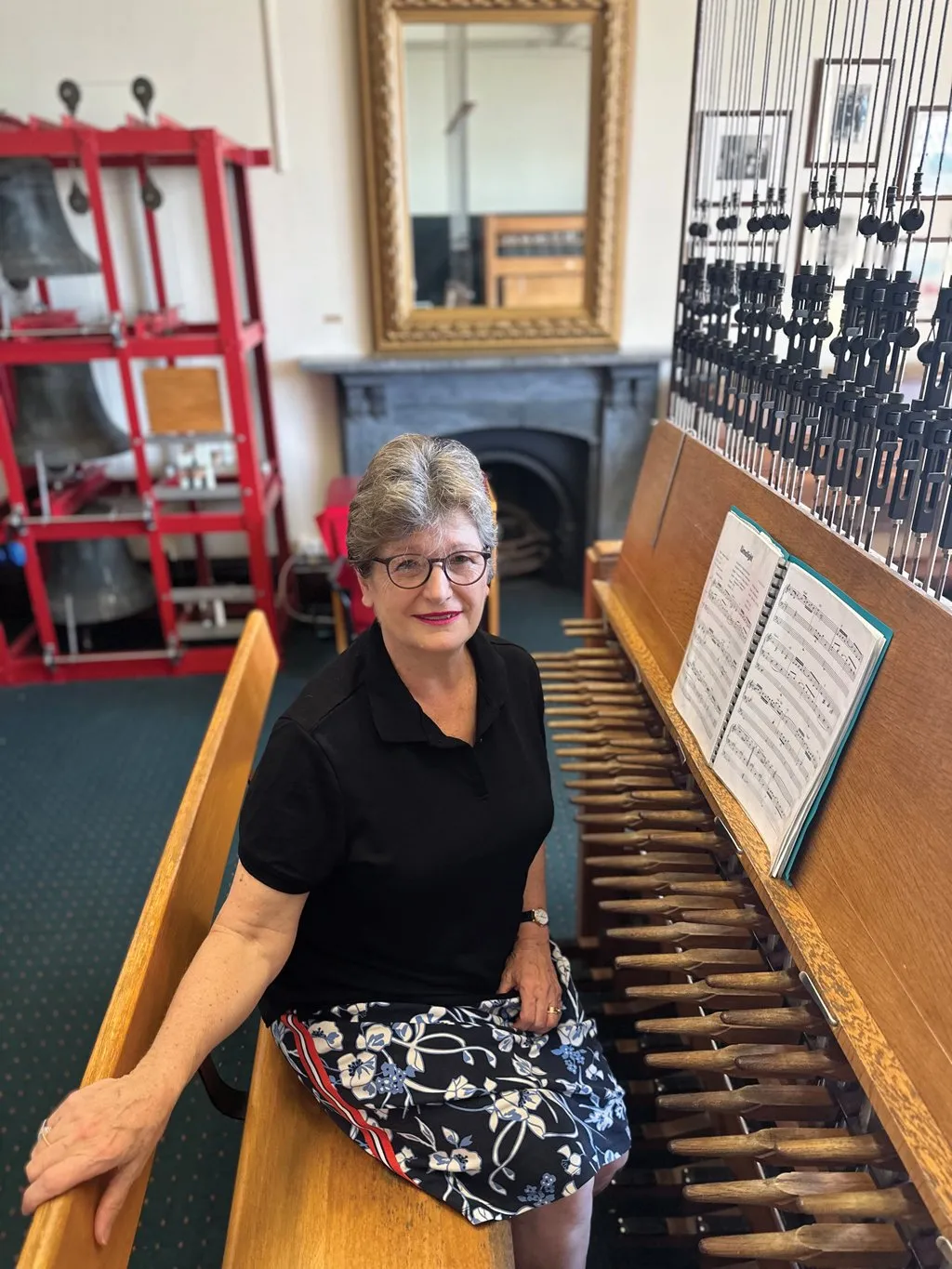
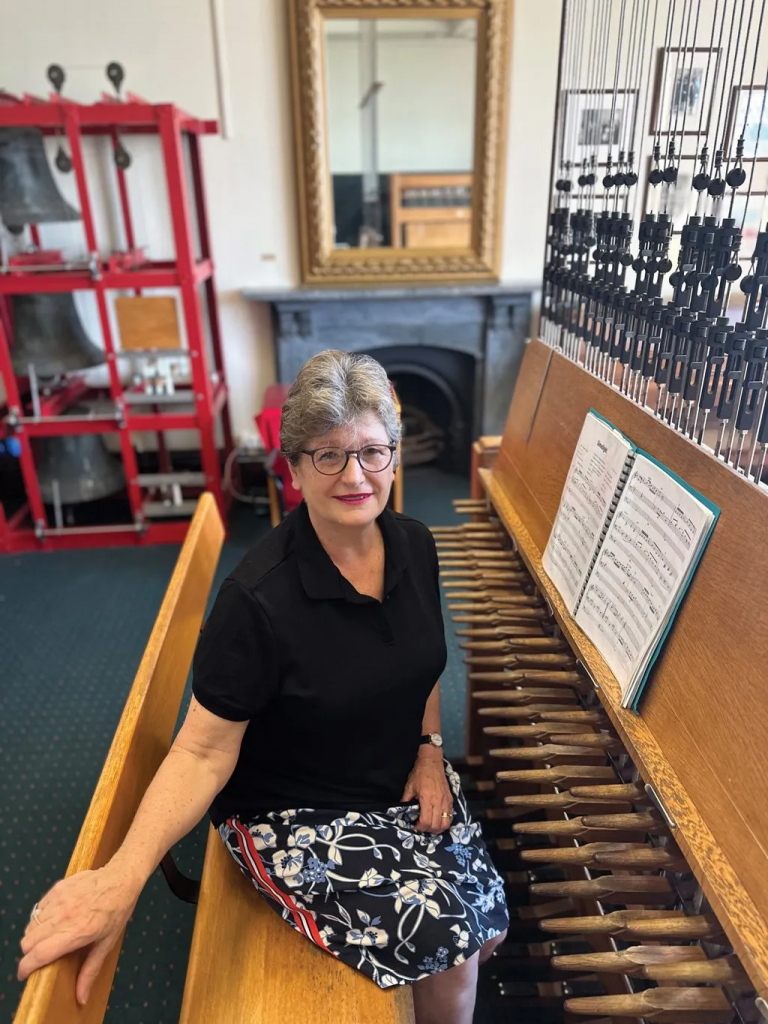
“I find the sound of a carillon very beautiful. It’s a joy to be making such wonderful music. I also like that during a performance, no-one actually sees you up in the tower. The audience is outside, enjoying the day and listening to the music.
Alongside her medical work, in 1978 Jill Forrest was appointed an Honorary Carillonist. In 1993 she was appointed University Carillonist through to her retirement in 2010. In this position Jill Forrest and the carillon have brought great prestige to the University. The War Memorial Carillon is the ceremonial voice of the University of Sydney, the only University in Australia to have such a splendid asset. It is played to celebrate festive occasions and to dignify solemn occasions and serves all faculties and organisations of the University. Jill Forrest has treasured the carillon and with distinction, made an outstanding contribution in her role as the University Carillonist. She is a highly accomplished performer and has represented Australia at International Carillon Festivals in Europe and America. During her tenure she played the carillon for well over a hundred graduations, Sunday recitals and festive occasions each year. She has maintained the fabric of the carillon, bell chamber and clavier at world standards and fostered strong links between the University and all other countries with carillons. She also founded and donated a library of carillon music, with the latest annual publications. She has published, edited, arranged and composed a vast quantity of high quality carillon music, and has educated carillonists to world standards, thus ensuring Australian carillonists for the future. She has hosted international carillonists all of whom have been immensely impressed with the instrument and the art of carillon in Australia. In addition, as Honorary Consultant to the Bathurst Council, she has advised on refurbishment and upgrading of the Bathurst War Memorial Carillon. Her dedication to Medicine and Music for over 50 years was recognised in 2011 by the Award of Member of the Order of Australia (AM). Chancellor, I present Consultant Physician Emeritus and Emeritus University Carillonist Dr Jill Forrest AM and invite you to confer the title of Honorary Fellow of the University upon her.
Interview: Katherine Connolly talks to Jill Forest, University Carillonist
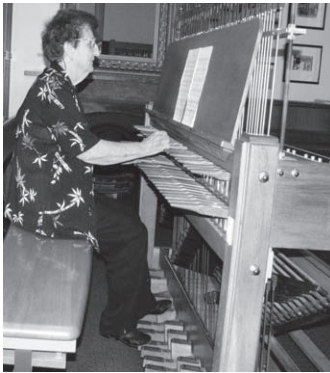
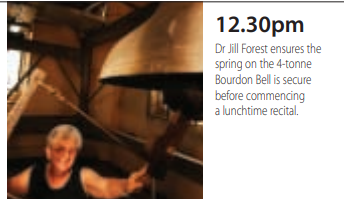
So what exactly is a Carillon and how does it work? Carillons are the largest musical instruments in existence. They consist of at least two chromatic octaves of tuned bells, made from an alloy of 80% copper and 20% tin, which sound when struck by internal clappers of soft iron. The Sydney carillon contains 54 bells (4 ½ octaves) that are hung in the clock tower in the main quadrangle. The bells are fixed in position; their clappers are connected by wires to a large keyboard in the room below the belfry. When the clapper strikes the inside of the bell, the bell’s diameter determines the frequency of the fundamental note. A number of overtones also sound, including the minor third; these add richness to the sound. The instrument is played from a keyboard of manual batons and pedals.
How did you get to become the University Carillonist?
In its early years, the carillon was played by a number of honorary carillonists. In 1944 John Douglas Gordon was appointed the first University Carillonist, a position that he held until his death in 1991. He taught me to play, and in 1978 I passed an exam and joined the group of enthusiasts who assisted him as Honorary Carillonists. Later I studied carillon in New Zealand and Holland. When John died senior Honorary Carillonist, Dr Reginald Walker, took over for a year, during which time auditions and interviews took place and I was fortunate enough to be appointed to the position.
What’s the history of the University’s Carillon?
The University of Sydney War Memorial Carillon commemorates the 197 undergraduates, graduates and staff who died in World War I. It was paid for by private subscription both inside and outside the university, and was dedicated on Anzac Day 25 April 1928. The original bells were cast in England by the famous bellfoundry of John Taylor and Co. of Loughborough, Leicestershire. In 1973, the Taylors recast the top bells, and in 2003 the top 33 treble bells were replaced by Whitechapel of London, the bellfoundry that cast Big Ben.
Is it difficult for players to access the Carillon to practice?
Yes, this certainly restricts the number of students. The Environmental Protection Act precludes playing the bells themselves before 8 am (if we were a chainsaw we could start at 7 am!), and of course during working hours and lectures they could be a distraction. So if you are jogging in the morning between 8 and 8.45 am, or in the evenings and weekends when there are no other functions in the vicinity, someone will be practicing.
What is the best time and place to hear the Carillon being played?
There are free recitals every Sunday afternoon at 2 pm, and every Tuesday at 1 pm, except when there are exams in the vicinity. However, to hear the bells at their joyful best one should listen on the front lawns or in the main quadrangle before and after each of the University graduation ceremonies because then, as the Ceremonial Voice of the University, the bells will rejoice with you.
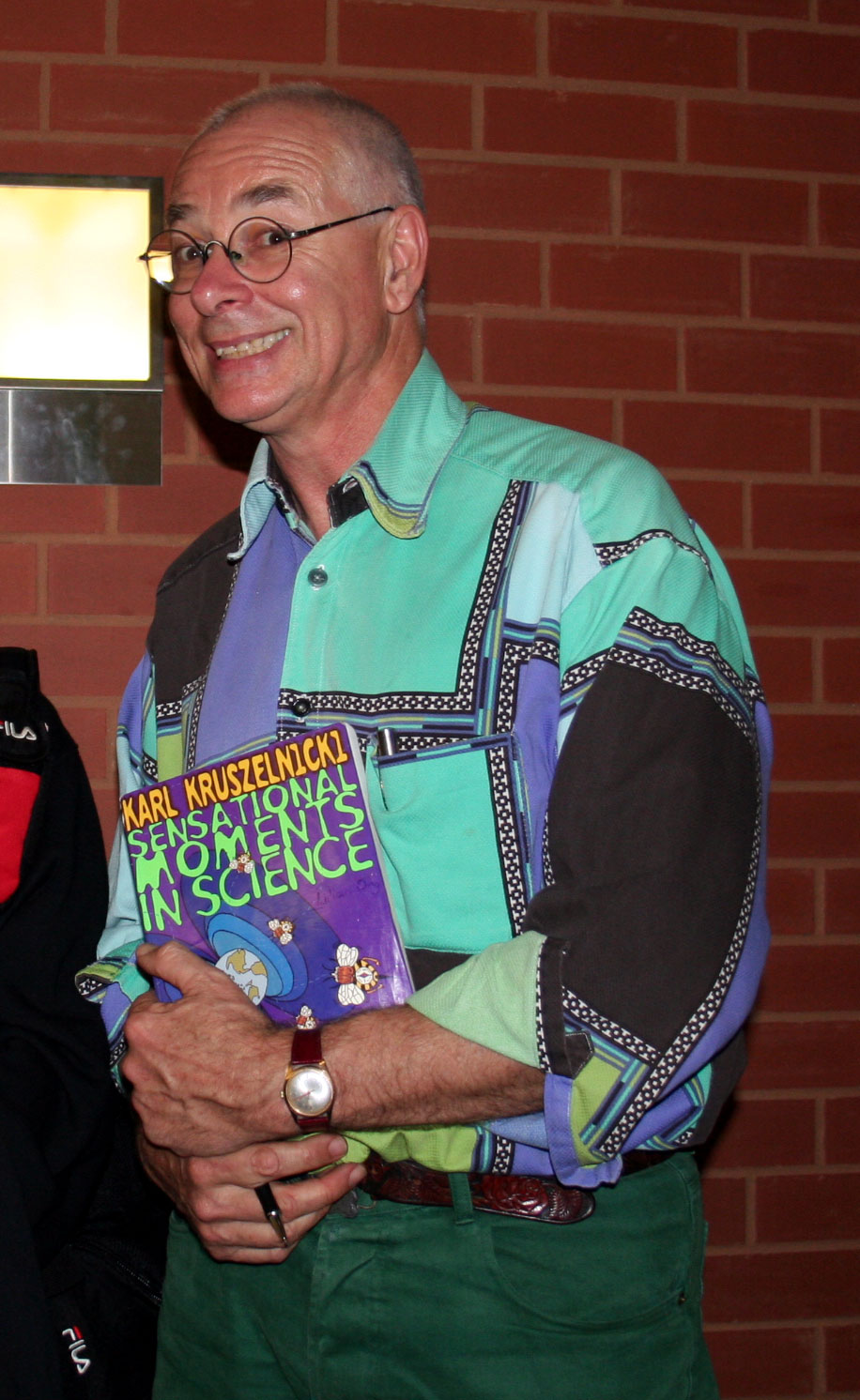
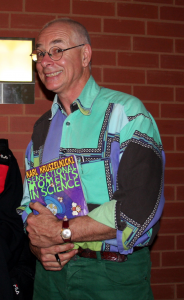
Karl Sven Woytek Sas Konkovitch Matthew KruszelnickiAM (born 1948), often referred to as Dr Karl,[2] is an Australian science communicator and populariser,[2] who is known as an author and a science commentator on Australian radio, television, and podcasts.
After primary school, Kruszelnicki’s first job was ditch digger in the Wollongong suburb of Dapto.[11] He also worked as a filmmaker, car mechanic, TV weatherman and as roadie for Slim Dusty, Bo Diddley and Chuck Berry.[12] While working as a taxi driver in Sydney, he was beaten unconscious after picking up a passenger trying to escape a group of men.[1]
Kruszelnicki presented the first series of Quantum (replaced by Catalyst) in 1985. As a science communicator and presenter, he appears on the Seven Network’s Weekend Sunrise and on ABC TV. From early 2008 to 2010 he co-hosted a TV series called Sleek Geeks with Adam Spencer.
Kruszelnicki presented a program on ABC TV in January 2025 titled Dr Karl’s How Things Work.[16]
Kruszelnicki does a number of weekly radio shows and podcasts. His hour-long show on ABC radio station Triple J has been going on in one form or another since 1981; this weekly science talkback show, Science with Dr Karl, is broadcast on Thursday mornings from 11:00 am to midday and attracts up to 300,000 listeners; it is also available as a podcast.[17]
Kruszelnicki also often helps with other science and education Triple J promotions such as the Sleek Geek Week roadshow with Adam Spencer and Caroline Pegram. He and Adam Spencer released the Sleek Geeks podcast regularly until December 2015.[18] Also, Since 2016, he has hosted the podcast Shirtloads of Science.[19][20]
Kruszelnicki writes a regular column for Australian Geographic magazine, called ‘Need to Know’, which is republished as a blog on the magazine’s website.[23] He has also written for the Sydney Morning Herald‘s Good Weekend magazine.[24]
In 2015, Kruszelnicki appeared in an Australian Government advertising campaign for the recently published intergenerational report. He had previously agreed to do the campaign, believing it would be a “non-political, bipartisan, independent report.” After its publication, however, he backed away from the campaign, describing it as “flawed”. “How can you possibly have a report that looks at the next 40 years and doesn’t mention climate change? It should have acknowledged that climate change is real and we cause it and it will be messy.”
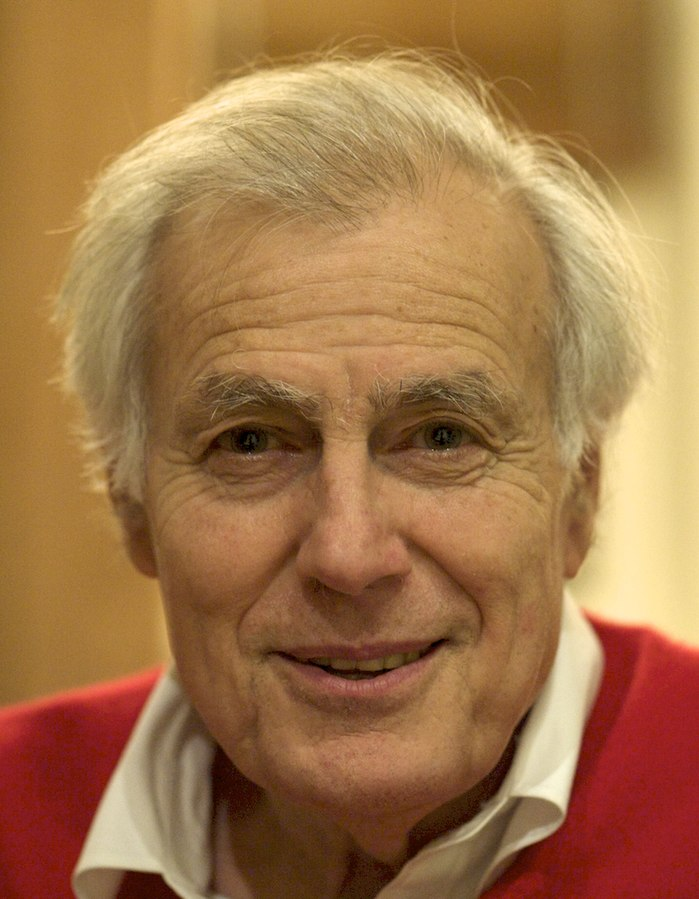
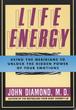
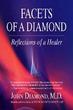
John Diamond (9 August 1934 – 25 April 2021) was a physician and author on holistic health and creativity
Diamond married three times. His first wife was Suzanne Gurvich, with whom he had three children, Ian, Kathie, and Peter. In the 1970s he married Betty Peele, and in 1994 the opera singer Susan Burghardt.[2] For many years, Diamond played drums in a jazz band which he founded, named the Diamond Jubilators. The band performed in hospitals and nursing homes.[2][1] He enjoyed photography and painting in the final years of his life.
ohne John Diamond, aber sicher ähnlich hat es MIT ihm geklungen! without John Diamond, but it surely sounded similarly WITH him!
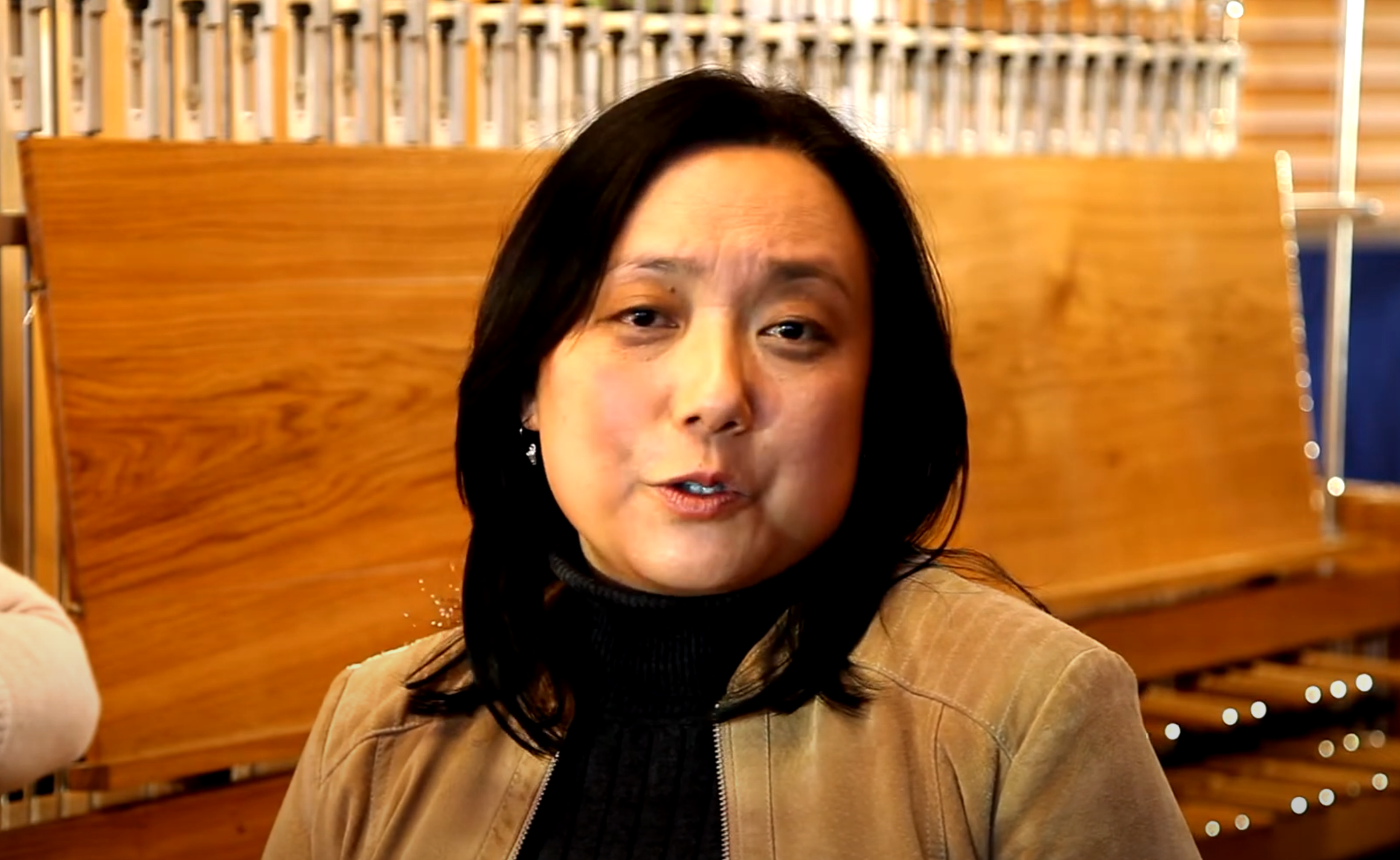
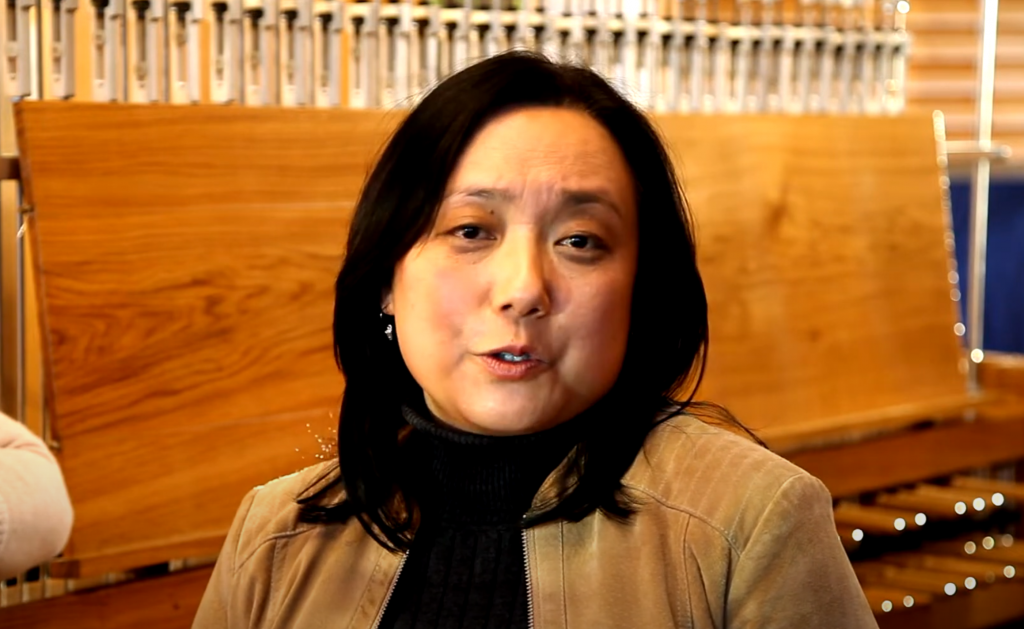
Organist and carillonist Grace Chan is a PhD Candidate at the Sydney Conservatorium of Music researching organ and carillon performance/ culture in Australia. Grace has performed on all three carillons Australia. She was a carillon student at the National Carillon, Canberra from 2018-2022. In July 2019, she was invited to perform the world premiere of an Australian carillon work at the Palau de la Generalitat Carillon, Barcelona. Grace has performed for Sydney University Graduation ceremonies and special occasions for the Faculty of Medicine. As a practicing medical doctor, she has had a longstanding interest in community wellbeing.
Grace Chan is the carillonist of the University of Sydney. As organ player she gives impressive recitals as well.
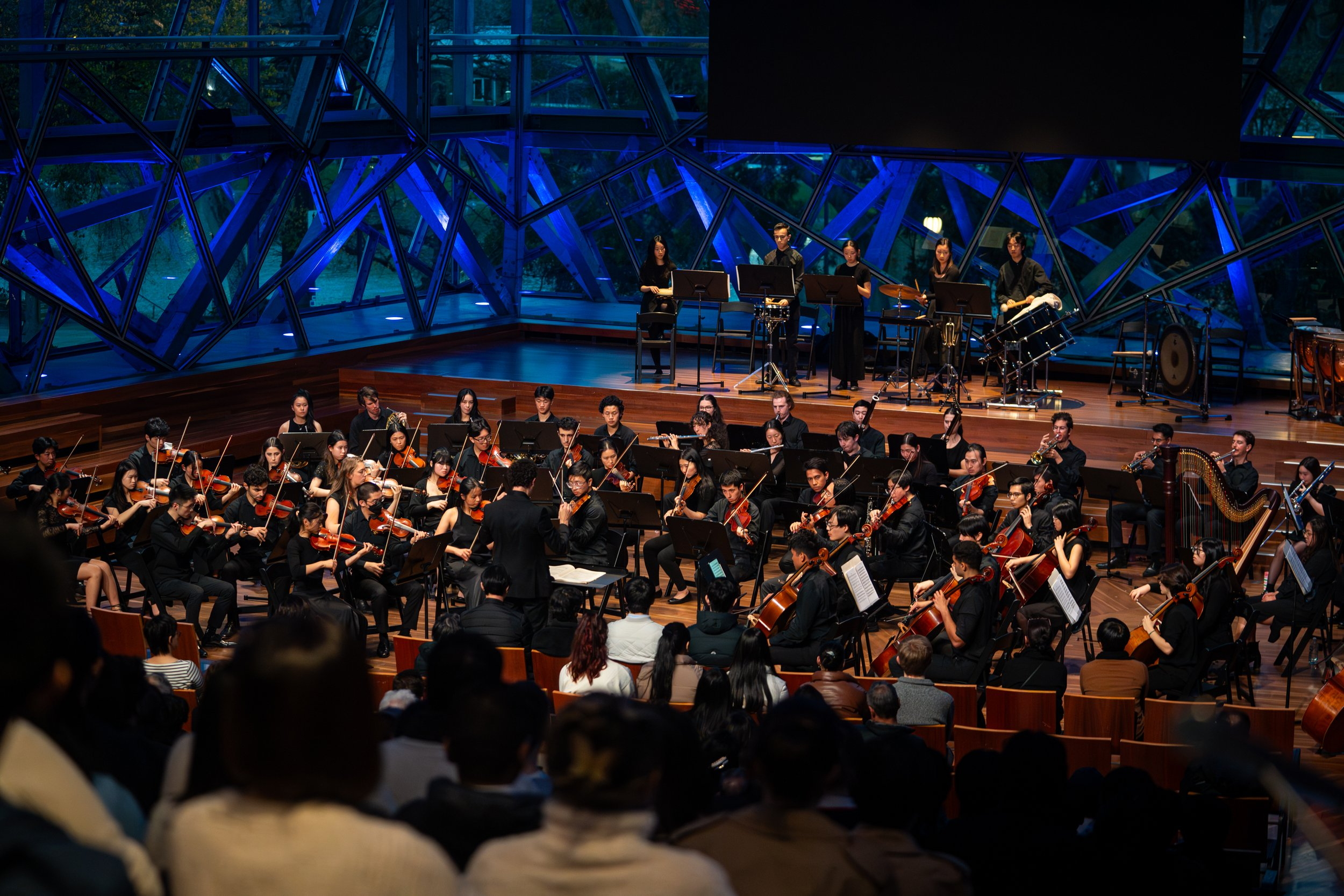
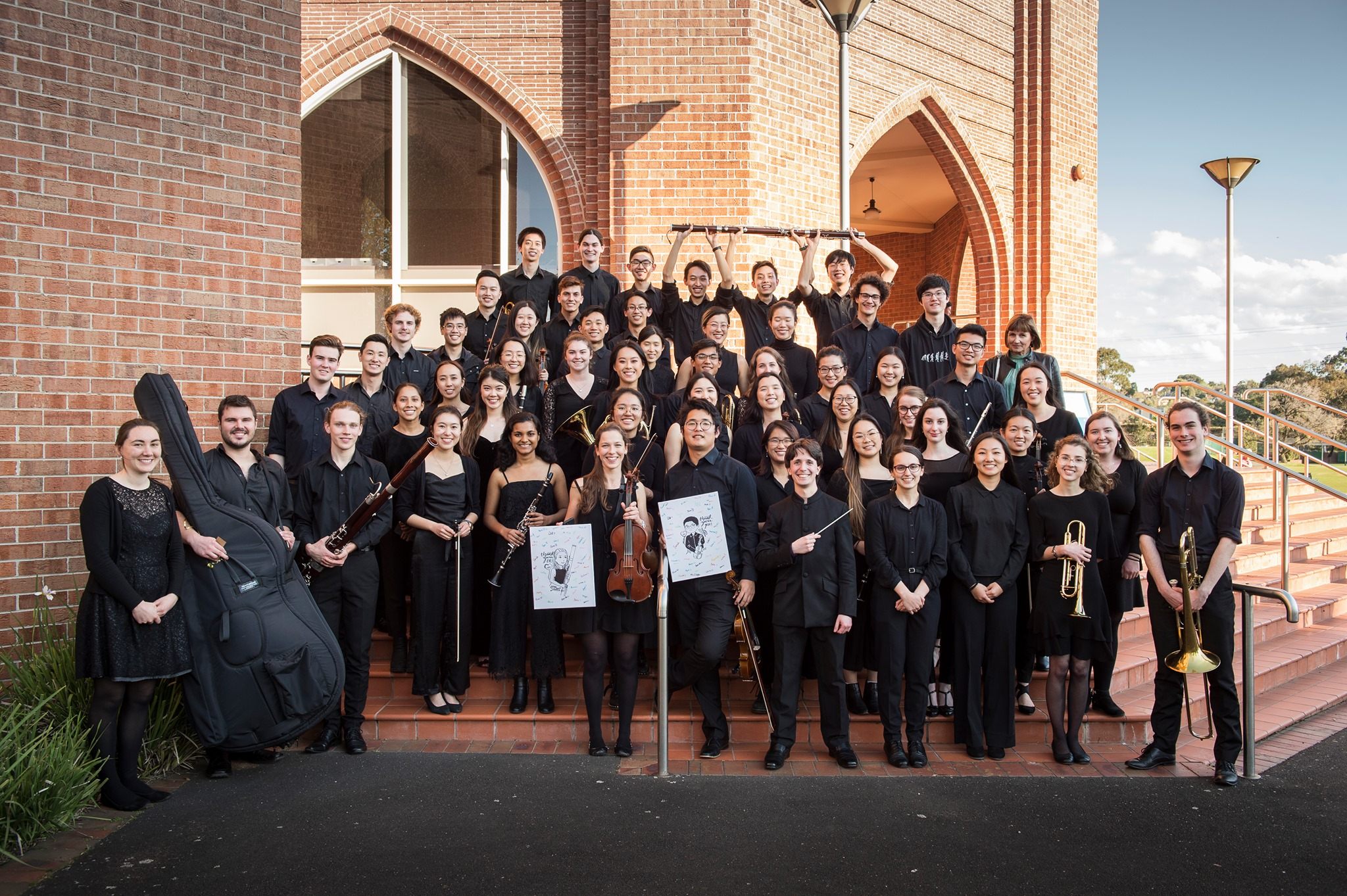
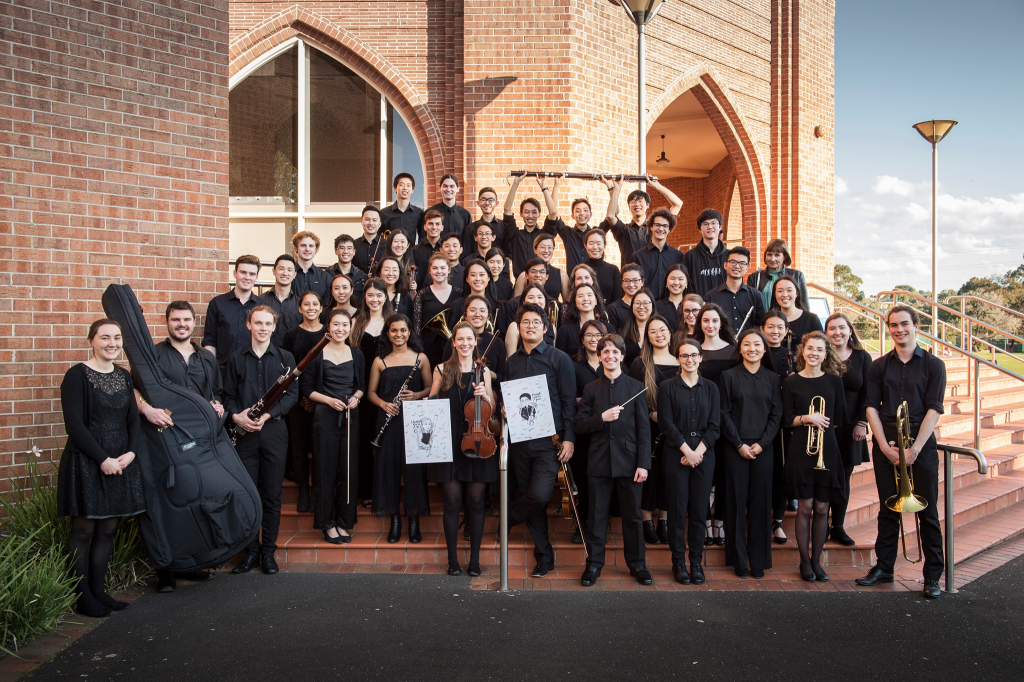
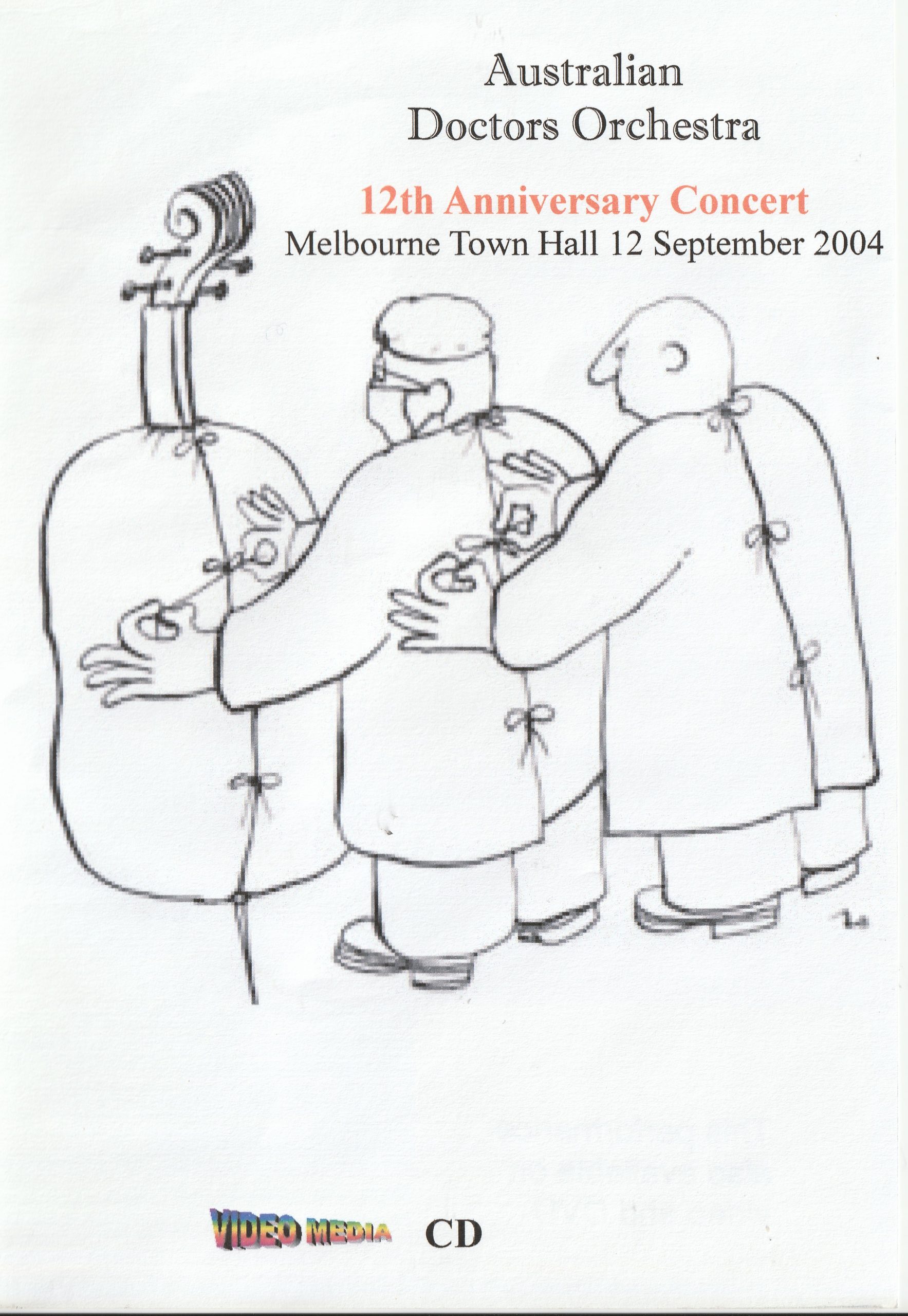
The Australian Medical Students’ Orchestra (AMSO) is a student-led orchestra formed in early 2016 by medical students from Monash University and the University of Melbourne. AMSO brings 90 medical students from across Australia to Melbourne for three days of intensive rehearsals, culminating in an inaugural concert on July 31, 2016. This concert raises funds for two outstanding charities: the Afghanistan National Institute of Music and Very Special Kids, Victoria’s only children’s hospice. We not only share a love of music, but are also passionate about using our music to help others.