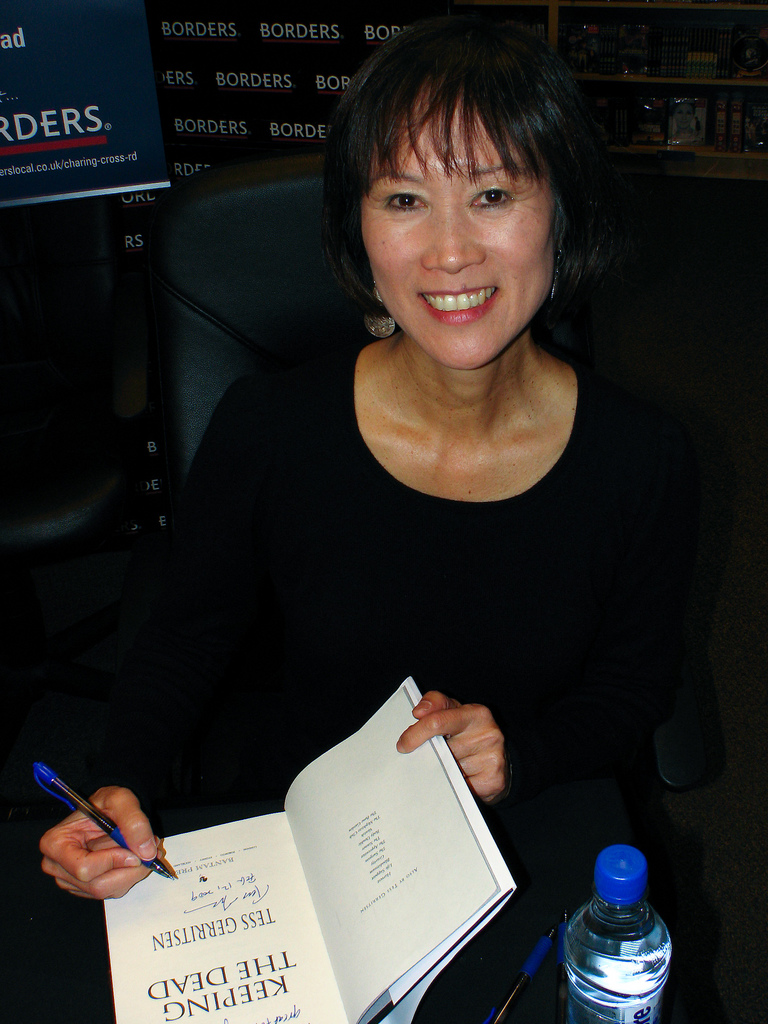
Tess Gerritsen (born Terry Tom; June 12, 1953[1]) is the pseudonym of Terry Gerritsen,[2] an American novelist and retired general physician.
Tess Gerritsen is the child of a Chinese immigrant and a Chinese-American seafood chef. While growing up in San Diego, California, Gerritsen often dreamt of writing her own Nancy Drew novels.[4] Her first name is Terry; she decided to feminize it when she was a writer of romance novels.[2] Although she longed to be a writer, her family had reservations about the sustainability of a writing career, prompting Gerritsen to choose a career in medicine.[5] In 1975, Gerritsen graduated from Stanford University with a BA in anthropology, intrigued by the ranges of human behavior.[6] She went on to study medicine at the University of California, San Francisco.[5] She received her medical degree in 1979 and started work as a physician in Honolulu, Hawaii.[7][8]
While on maternity leave, she submitted a short story to a statewide fiction contest in the magazine Honolulu. Her story, “On Choosing the Right Crack Seed“, won first prize and she received $500.[7][9] The story focused on a young male reflecting on a difficult relationship with his mother. Gerritsen claimed the story allowed her to deal with her own childhood turmoil, including the repeated suicide attempts of her mother.[7]
Inspired by the romance novels she enjoyed reading while working as a doctor, Gerritsen’s first novels were romantic thrillers.[7] After two unpublished “practice novels”, Call After Midnight was bought by publisher Harlequin Intrigue in 1986 and published a year later.[10] Gerritsen subsequently wrote eight romantic thrillers for Harlequin Intrigue and Harper Paperbacks.
In 1996, Gerritsen wrote Harvest, her first medical thriller.[10] The plot was inspired by a conversation with a retired homicide detective who had recently traveled in Russia. He told her young orphans were vanishing from Moscow streets, and police believed the kidnapped children were being shipped abroad as organ donors.[11]Harvest was Gerritsen’s first hardcover novel, and it marked her debut on the New York Times bestseller list at number thirteen.[12] Following Harvest, Gerritsen wrote three more bestselling medical thrillers: Life Support,[13]Bloodstream,[14] and Gravity.
In 2001, Gerritsen’s first crime thriller, The Surgeon, was published and introduced homicide detective Jane Rizzoli. Although a secondary character in The Surgeon, Rizzoli has been a central focus of 13 subsequent novels (see below) pairing her with medical examiner Dr. Maura Isles.[16] The books inspired the Rizzoli & Isles television series starring Angie Harmon and Sasha Alexander.[17] Gerritsen also made an appearance in the series’ final season as a writer who helps Isles establish herself in the literary field
Although most of her recent books have been in the Rizzoli/Isles series, in 2007 Gerritsen wrote a stand-alone historical thriller titled The Bone Garden. A tale of gruesome murders, the book is set primarily in 1830s Boston and includes a character based on Oliver Wendell Holmes.[19][20]
Gerritsen’s books have been published in 40 countries and have sold 25 million copies.
Gerritsen co-wrote the story and screenplay for Adrift, which aired on CBS as Movie of the Week in 1993 and starred Kate Jackson and Bruce Greenwood
She is also the composer of the musical piece “Incendio” for violin and piano, a waltz that features in the plot of her novel “Playing With Fire”.[24] The composition has been recorded by violinist Susanne Hou.
Gerritsen’s mother told her traditional Chinese stories, e.g. about Monkey King. Her novel The Silent Girl uses Chinese martial arts and traditional motives in contemporary Boston. One of the victims is a Chinese chef.
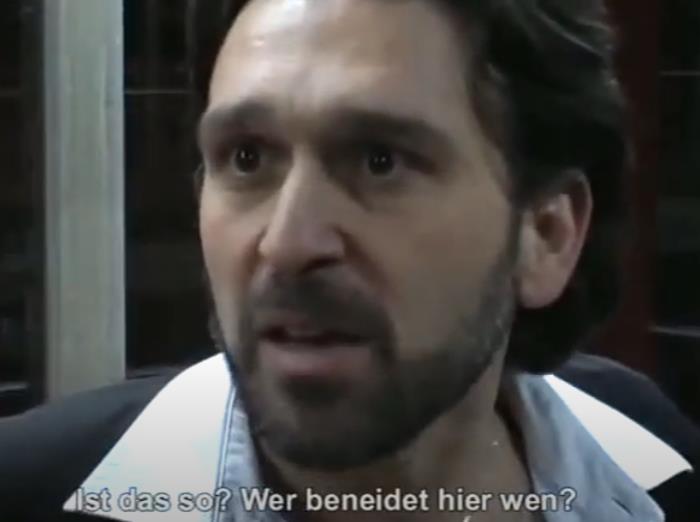
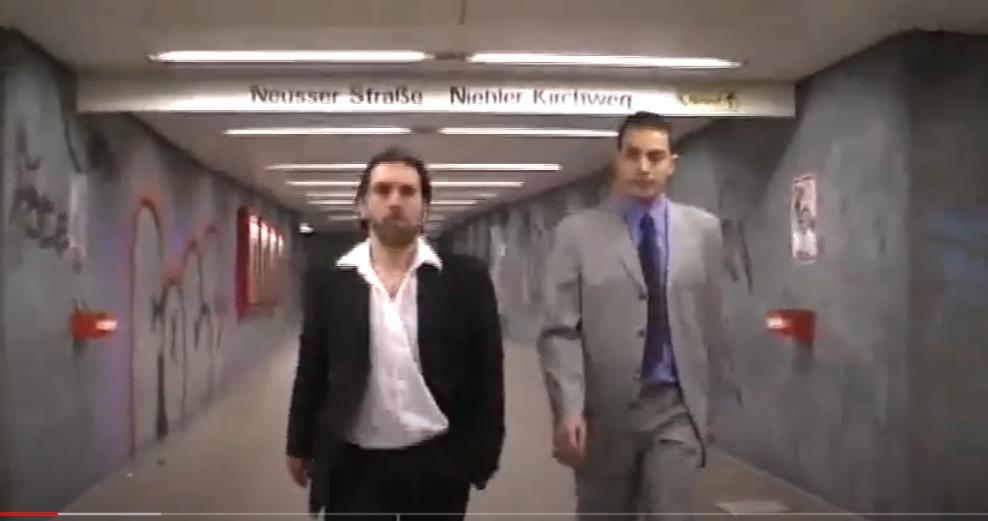
Klaus-Gregor Eichhorn is Anesthesist in Chemnitz and film director. He has produced several films which are nicely presented on his web site.
Born in Karl-Marx-Stadt. Grown up in Chemnitz. Practikum @ Michael Roth, MdB. Direction assistant @ Städtisches Theater Chemnitz. Studies of direction @ Filmakademie Baden-Württemberg. Stopped this study to become MD. Lives in Chemnitz and Leipzig.
Michael Verhoeven stems from a theatre and film family, the son of the German film director Paul Verhoeven (1901-1975, not to be confused with the Dutch film director of the same name) and actress Doris Kiesow (1902-1973), brother of actress Lis Verhoeven (1931-2019) who had been married to (and divorced from) actor Mario Adorf – and therefore uncle to actress Stella Maria Adorf.
Michael Verhoeven married Austrian actress Senta Berger in 1966 and stayed with her until his death in 2024 – in what is considered one of the longest-running scandal-free marriages in show business. Their sons are screenwriter/director/actor Simon Verhoeven (born 1972) and producer/actor Luca Verhoeven (born 1979). Verhoeven and Berger met at the Berlinale in 1960 and played together in front of the camera in the 1963 film Jack and Jenny, where he was supposed to kiss her in one scene. The two fell in love during filming. The couple had two sons, Simon Vincent (born 1972) and Luca Paul (born 1979). The children followed in their parents’ footsteps: Simon Verhoeven is a director and screenwriter, whereas Luca Verhoeven is a producer. Both sons started out as actors and also work in the family business Sentana Filmproduktion.
Verhoeven died in the presence of his family at his Grünwald home on 22 April 2024 at the age of 85 after a short, serious illness.[2]
As a young adult, however, Verhoeven decided to study medicine against the wishes of his parents, who encouraged him to continue his acting career. He obtained his doctorate in 1969 with a thesis on psychiatric masking of brain tumors with special consideration of misleading findings and worked as a doctor for several years – including in the USA, where he had followed his wife Senta Berger, who was acting in Hollywood films in the 1960s alongside stars like Charlton Heston, Dean Martin, Frank Sinatra, Richard Widmark, John Wayne, Kirk Douglas, and Yul Brynner.
Verhoeven’s political and experimental 1970 anti-Vietnam War film o.k. was entered into the 20th Berlin International Film Festival, but led to a scandal[6] that forced the collapse of the festival without the awarding of any prizes:[7] The then jury president George Stevens felt offended and threatened to remove the experimental film from the program because of its supposed anti-American invective[8]. The Berlinale regulations were subsequently reformed. Later that year o.k. went on to win the German Film Award in Gold. For its 50th anniversary, MoMA conducted a special screening in 2021[9].
In the 1970s, Verhoeven worked increasingly for television, including directing one of the first episodes of Germany’s longest running crime procedural series Tatort (for which he would direct another episode 33 years later in 2005). After becoming a father for the first time in 1972, he wrote and directed the anarchic children’s series Krempoli in 1975, in which he played a smaller part and also cast his father Paul Verhoeven and his sister Lis Verhoeven alongside Senta Berger. In 1980, he made the television film Die Ursache with Otto Sander. In the same year his theatrical release Sunday Children (Sonntagskinder) got screened at the Cannes Film Festival in 1980.
In 1982, he wrote, directed and co-produced the story of the resistance fighters against the Nazi regime, the siblings Hans and Sophie Scholl, in Die weiße Rose (The White Rose). The German Foreign Office banned official screenings abroad when Verhoeven refused to remove a critical commentary from the credits. The film won Silver at the German Film Awards. Based on the true story essay book “A Case of Resistance and Persecution, Passau 1933-39,” by Anja Romus, he wrote and directed The Nasty Girl ( Das schreckliche Mädchen) in 1990, which won the Silver Bear for Best Director at the 40th Berlinale, the BAFTA for Best Foreign Language Film, Best Foreign Language Film at the 56th New York Film Critics Circle Award, and gained an Oscar nomination for Best Foreign Language Film at the 63rd Academy Awards. These two films cemented his international reputation as an important political voice in European film. Along with his adaptation of George Tabori‘s memoireMy Mother’s Courage [de] (with music by his son Simon Verhoeven who also played a supporting part), and the documentary Der unbekannte Soldat (The Unknown Soldier), Verhoeven was praised for his relentless examination of the Nazi regime in Germany and its aftermath.
Promoting The Nasty Girl in the US in 1990, Verhoeven explained his interest in rememberence culture or rather the lack thereof: “The danger is that we will really forget. But we are very rich right now, and it could happen that we become not quite so rich. Many social problems will show up with the so-called reunification, and with the social problems it could be that Germans again look for enemies. This is what I am scared of. We know so little about Eastern Germany, and the eastern people also don’t know too much about our history. What they were told in school is even more wrong than what we were told.”[10]
Verhoeven became a professor at the Filmakademie Baden-Württemberg in Ludwigsburg in the 1990s, passing on his knowledge to the next generation of filmmakers. For decades, Verhoeven also ran movie theaters in Berlin: the Toni at Antonplatz and the Olympia Filmtheater in Prenzlauer Berg until he sold the properties in the late 2010s.
Together with wife Senta Berger he was awarded the Federal Cross of Merit in 1999 as well as the Bavarian Order of Merit in 2002. In 2005, Verhoeven received the Marion Samuel Prize, which honors particularly effective ways of combating the forgetting, suppression and relativization of the crimes committed by Germans during the Nazi era[13]. In 2006 he got an Honorary Lifetime Award from the Bavarian Film Awards[14].
In 2000, Verhoeven made his first documentary: Der Fall Liebl– Ein Bayer in Togo, about a late repatriate who was unfamiliar with German bureaucracy and was threatened with deportation. In 2006, after seven years of work, his second documentary The Unknown Soldier about reactions to the Wehrmacht exhibition was released. In his 2008 documentary Human Failure (Menschliches Versagen), Verhoeven dealt with the question of the extent to which the German civil population profited from the confiscation of Jewish assets during the Nazi era. The film was screened at the Jerusalem Film Festival[15]. In his 2011 documentary The Second Execution of Romell Broom (Die zweite Hinrichtung – Amerika und die Todesstrafe), made in collaboration with Bayerischer Rundfunk, Verhoeven took on the subject of Capital punishment, following the death sentence for Romell Broom, found guilty for rape and murder, and his execution on September 15, 2009 in Lucasville, Ohio, which failed 18 times and was finally aborted[16].
However, Verhoeven was no stranger to light entertainment, most notably with his 1989 – 2002 television series Die schnelle Gerdi (Fast Gerdi) which starred Senta Berger as a smart and self-reliant Munich cab driver.
His last directorial and screenwriting work, Let’s go!, was adapted in 2014 from the autobiographical novel Von Zuhause wird nichts erzählt by Laura Waco about her Jewish family in post-war Munich.
In 2015, Verhoeven co-produced Welcome to Germany (Willkommen bei den Hartmanns) written, directed and co-producted by son Simon Verhoeven, in which Senta Berger played the leading role. This sharp-tongued comedy about the 2015 refugee crisis became the most successful German cinema film of the year (3.8 million viewers) and won the German Film Award, the Bavarian Film Award for Best Production as well as the Audience Award, the Peace Prize of German Film, the Goldene Leinwand, and the Bambi Award, among others.
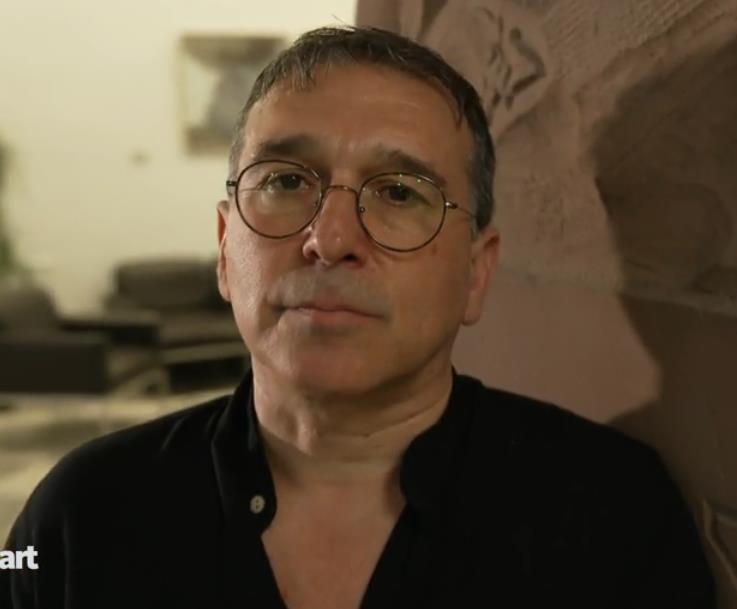
Tuğsal Moğul (* 1969 in Neubeckum) is a German-Turkish director, theatre author and MD.
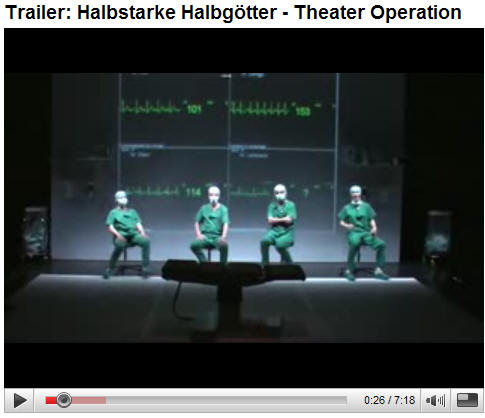
Parallel to his medical studies in Lübeck he studied acting in Hannover. Working as MD in Berlin he began writing works about medical questions as “Halbstarke Halbgötter” (2008), “Somnia” (2010) und “Die Angehörigen” (2014) which he realised with he realized with his ensemble THEATER OPERATION (Bettina Lamprecht, Carmen Dalfogo, Stefan Otteni, Dietmar Pröll und Ariane Salzbrunn).
Besides medical themes he worked about migration and racism as about the NSU killings:
Report in WDR about an actual film about the killings of Hanau:
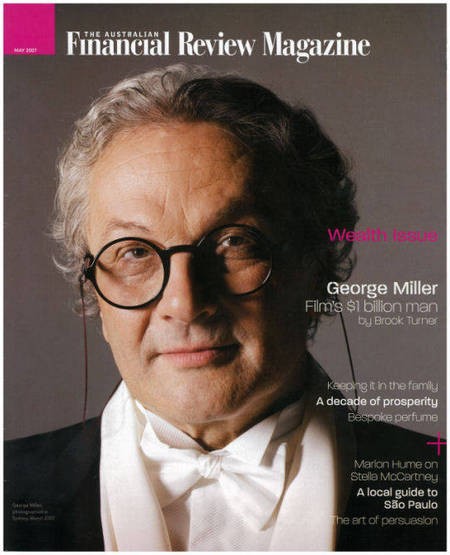
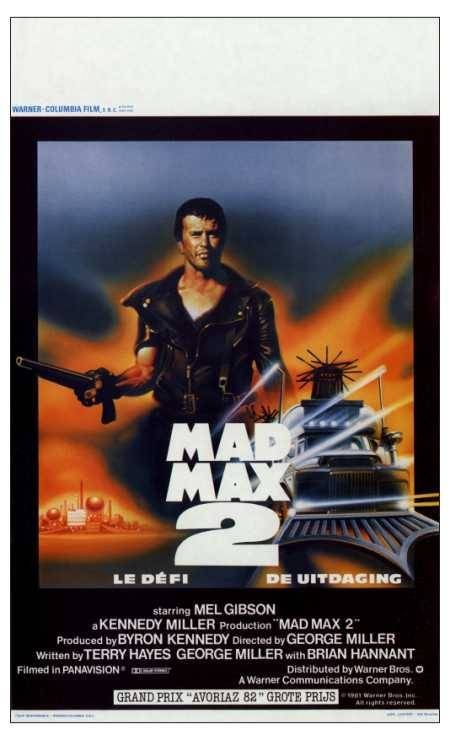
Miller’s first work, the short film Violence in Cinema: Part 1 (1971), polarised critics, audiences and distributors so much that it was placed in the documentary category at the 1972 Sydney Film Festival due to its matter-of-fact depiction of cinematic violence.[7] In 1979, Miller made his feature-length directorial debut with Mad Max. Based on a script written by Miller and James McCausland in 1975, the film was independently financed by Kennedy Miller Productions and went on to become an international success.[5] As a result, the film spawned the Mad Max series with two further sequels starring Mel Gibson: Mad Max 2 also released as The Road Warrior (1981) and Mad Max Beyond Thunderdome (1985). The third film in the series Mad Max: Fury Road (2015) stars Tom Hardy and Charlize Theron.
In 1987, Miller directed The Witches of Eastwick, starring Jack Nicholson, Susan Sarandon, Cher and Michelle Pfeiffer. The film proved to be a troubling experience for Miller. “I quit the film twice and Jack [Nicholson] held me in there,” said Miller. “He said, ‘Just sit down, lose your emotion, and have a look at the work. If you think the work is good, stick with the film.’ And he was a great man. I learnt more from him than anybody else I think I’d worked for – he was extraordinary.”[9] Nicholson also coached Miller to exaggerate his needs during the production, asking for 300 extras when he only needed 150, knowing that his producers would give him less than he requested.[10] The award-winning production designer Polly Platt also collaborated closely with Miller on The Witches of Eastwick. Cher later said that prior to working on the film, Miller called her at home, the day after her 40th birthday, to inform her that he and Nicholson didn’t want her in the film. She was deemed “too old and not sexy”.[11]
Following The Witches of Eastwick, Miller focused primarily on producing Australian projects.[12] His role as producer of Flirting, Dead Calm and the TV miniseries Bangkok Hilton and Vietnam, all starring Nicole Kidman, was instrumental in the development of her career.
In 1993, Miller was hired to direct Contact based on the story by Carl Sagan and Ann Druyan.[14] After working on the film for over a year, Warner Bros. and Miller mutually agreed to part ways and Robert Zemeckis was eventually brought on to direct.[15]
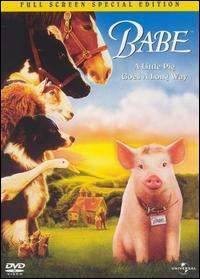
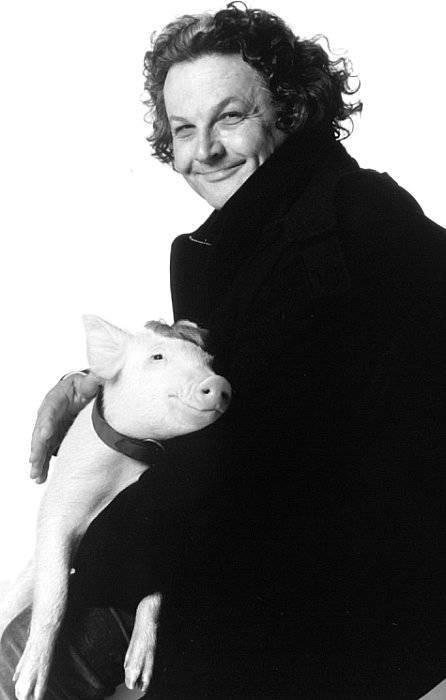
Miller also co-wrote the comedy-drama Babe (1995) and wrote and directed its sequel Babe: Pig in the City (1998).[16]
https://www.youtube.com/watch?v=Gch2Mm1wPEE
Miller was also the creator of Happy Feet, a musical epic about the life of penguins in Antarctica.[17] The Warner Bros.-produced film was released in November 2006. As well as being a runaway box office success, Happy Feet also brought Miller his fourth Academy Award nomination, and his first win in the category of Best Animated Feature.
In 2011, the Happy Feet sequel Happy Feet Two was released.[21] The following year, Miller began principal photography on Mad Max: Fury Road, the fourth film in the Mad Max series, after several years of production delays.[22]Fury Road was released on 15 May 2015.[23] The film was met with widespread critical acclaim and received 10 Academy Award nominations including Best Picture, while Miller himself was nominated for the Academy Award for Best Director.[24]
In April 2017, Miller said that he and co-writer Nico Lathouris have finished two additional post-Fury Road scripts for the Mad Max series. The Fury Road lead, Tom Hardy, is committed to the next sequel.[27] In 2015, and again in early 2017, Miller said “the fifth film in the franchise will be titled Mad Max: The Wasteland.”[27][28] In 2020, it was reported that Miller would next direct the Mad Max spinoff Furiosa.[29]
interview
Miller was married to actress Sandy Gore from 1985 to 1992; they have a daughter. He has been married to film editor Margaret Sixel since 1995; they have two sons. The two initially met during the production of Flirting,[dubious – discuss] and Sixel has since worked on all of Miller’s directorial efforts in some capacity.
Miller has said on multiple occasions that the 1940 version of Pinocchio is one of his favourite films.
Miller is a feminist, having told Vanity Fair in May 2015, “I’ve gone from being very male dominant to being surrounded by magnificent women. I can’t help but be a feminist.”
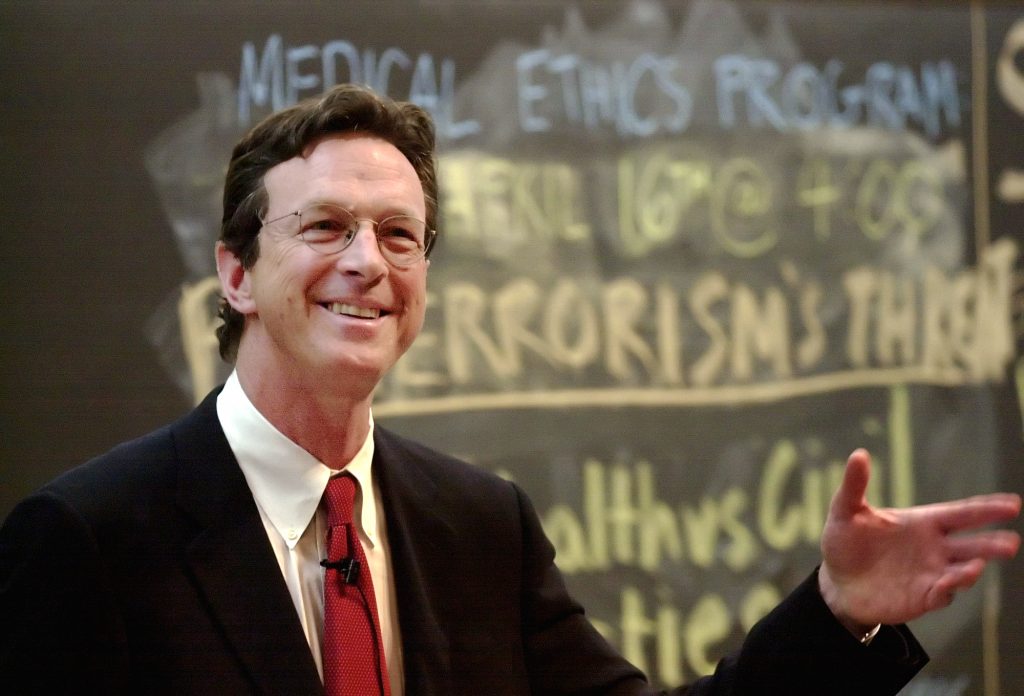
4/11/02 Michael Crichton ’64, HMS ’69 speaks on “The Media and Medicine” at Harvard Medical School in Boston, MA on Thursday, April 11, 2002. staff photo by Jon Chase/Harvard University News Office
John Michael Crichton (/ˈkraɪtən/; October 23, 1942 – November 4, 2008) was an American writer and filmmaker. His books have sold over 200 million copies worldwide, and over a dozen have been adapted into films. His literary works heavily feature technology and are usually within the science fiction, techno-thriller, and medical fiction genres.
John Michael Crichton[1] was born on October 23, 1942, in Chicago, Illinois,[2][3][4][5] to John Henderson Crichton, a journalist, and Zula Miller Crichton, a homemaker. He was raised on Long Island, in Roslyn, New York,[1] and he showed a keen interest in writing from a young age; at 16, he had an article about a trip he took to Sunset Crater published in The New York Times.[6][7]
Crichton later recalled, “Roslyn was another world. Looking back, it’s remarkable what wasn’t going on. There was no terror. No fear of children being abused. No fear of random murder. No drug use we knew about. I walked to school. I rode my bike for miles and miles, to the movie on Main Street and piano lessons and the like. Kids had freedom. It wasn’t such a dangerous world… We studied our butts off, and we got a tremendously good education there.”[8]
Crichton had always planned on becoming a writer and began his studies at Harvard College in 1960.[6] During his undergraduate study in literature, he conducted an experiment to expose a professor who he believed was giving him abnormally low marks and criticizing his literary style.[9]: 4 Informing another professor of his suspicions,[10] Crichton submitted an essay by George Orwell under his own name. The paper was returned by his unwitting professor with a mark of “B−”.[11] He later said, “Now Orwell was a wonderful writer, and if a B-minus was all he could get, I thought I’d better drop English as my major.”[8] His differences with the English department led Crichton to switch his undergraduate concentration. He obtained his bachelor’s degree in biological anthropologysumma cum laude in 1964[12] and was initiated into the Phi Beta Kappa Society.[12] He received a Henry Russell Shaw Traveling Fellowship from 1964 to 1965 and was a visiting lecturer in anthropology at the University of Cambridge in the United Kingdom in 1965.[12] Crichton later enrolled at Harvard Medical School.[9][page needed] Crichton later said “about two weeks into medical school I realized I hated it. This isn’t unusual since everyone hates medical school – even happy, practicing physicians.”[13]
According to Crichton’s brother Douglas, Crichton was diagnosed with lymphoma in early 2008.[118] In accordance with the private way in which Crichton lived, his cancer was not made public until his death. He was undergoing chemotherapy treatment at the time of his death, and Crichton’s physicians and relatives had been expecting him to recover. He died at age 66 on November 4, 2008.
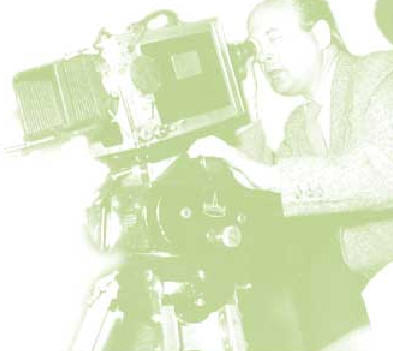
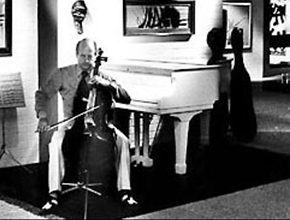
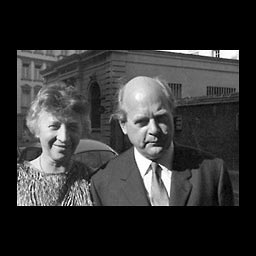
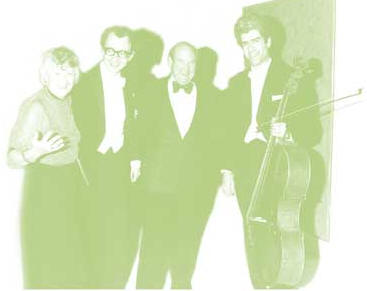
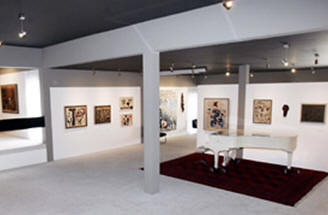
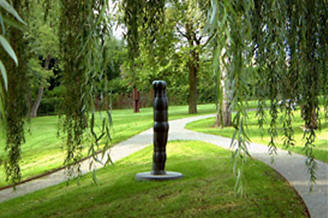
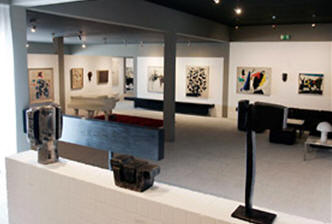
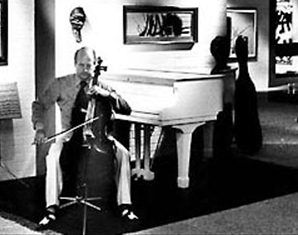
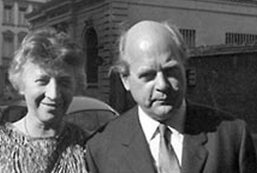
…has been specialised in neurology and psychiatry with an own hospital in Stuttgart/Germany. He was accomplished as one of the most active collectors and supporters of contemporary arts in Germany after WW II. He was author and director of several films, supported contemporary films. He played Cello and organised events with works of contemporanean music.
To continue his and his wife’s (1909-1991) work is the main task of his foundation.
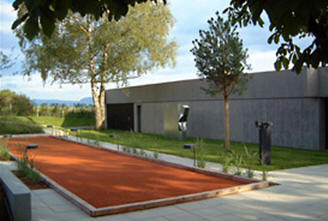
In memoriam of his 100th birthday on April 20, 2007 the foundation will present exhibitions about his different paths in life…
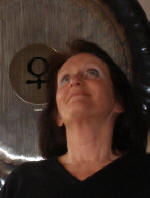
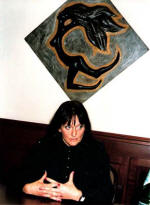
Michelle has studied Philosophy, Psychology and Theater sciences. At the Vienna Art School she studied painting, sculpturing and ceramics (2nd prize for ceramics at the 10-year-jubilee-festival of the school) Further she went to the actors school of Prof. Krauss studying acting and direction. Last not least she did medicine at Vienna University with doctorate degree in 1984.
Now she is working as coach and channelling high spiritual power for the benefit of her patients. You MUST visit her web site where she has photos of her art objects which mirror perfectly her high degree of inspiration
Miller began directing operas in the 1970s. His 1982 production of a “Mafia“-styled Rigoletto was set in 1950s Little Italy, Manhattan. In its early days, he was an associate director at the National Theatre. He later ran the Old Vic Theatre. As a writer and presenter of more than a dozen BBC documentaries, Miller became a television personality and public intellectual in Britain and the United States.