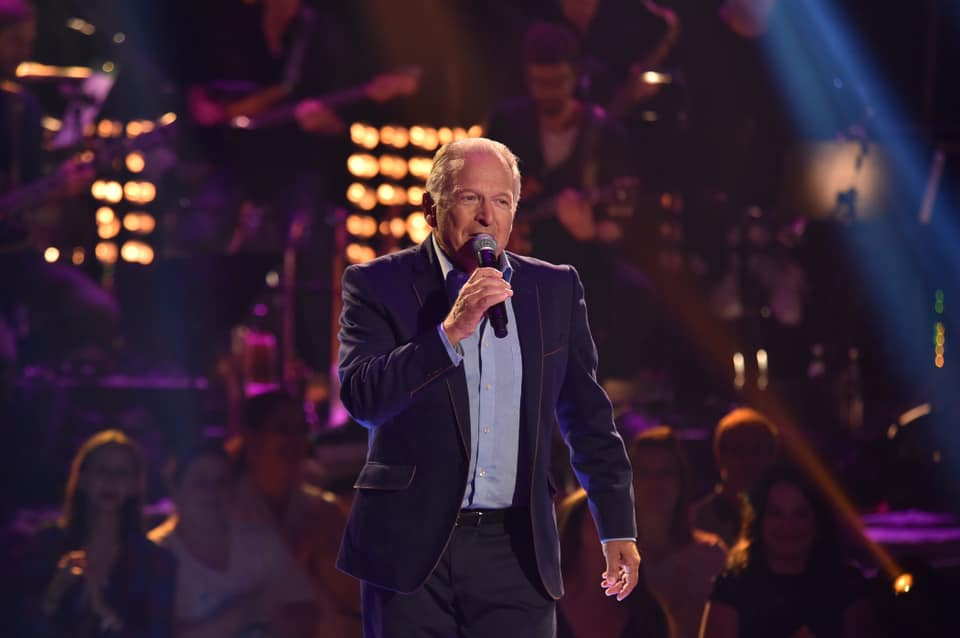
Rainer Bach

  • -

Rainer Bach

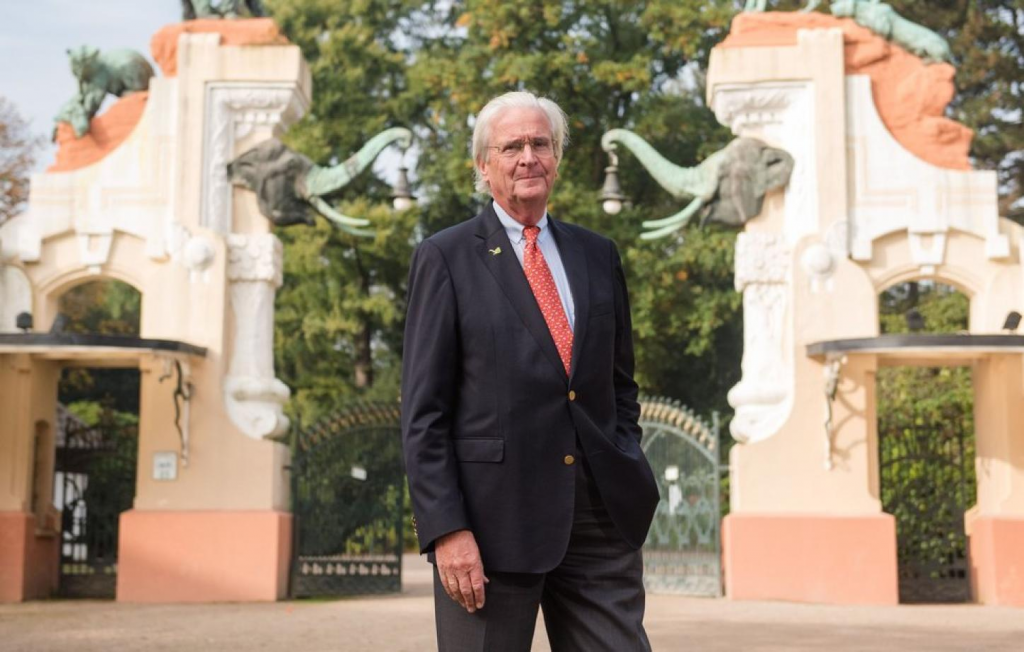
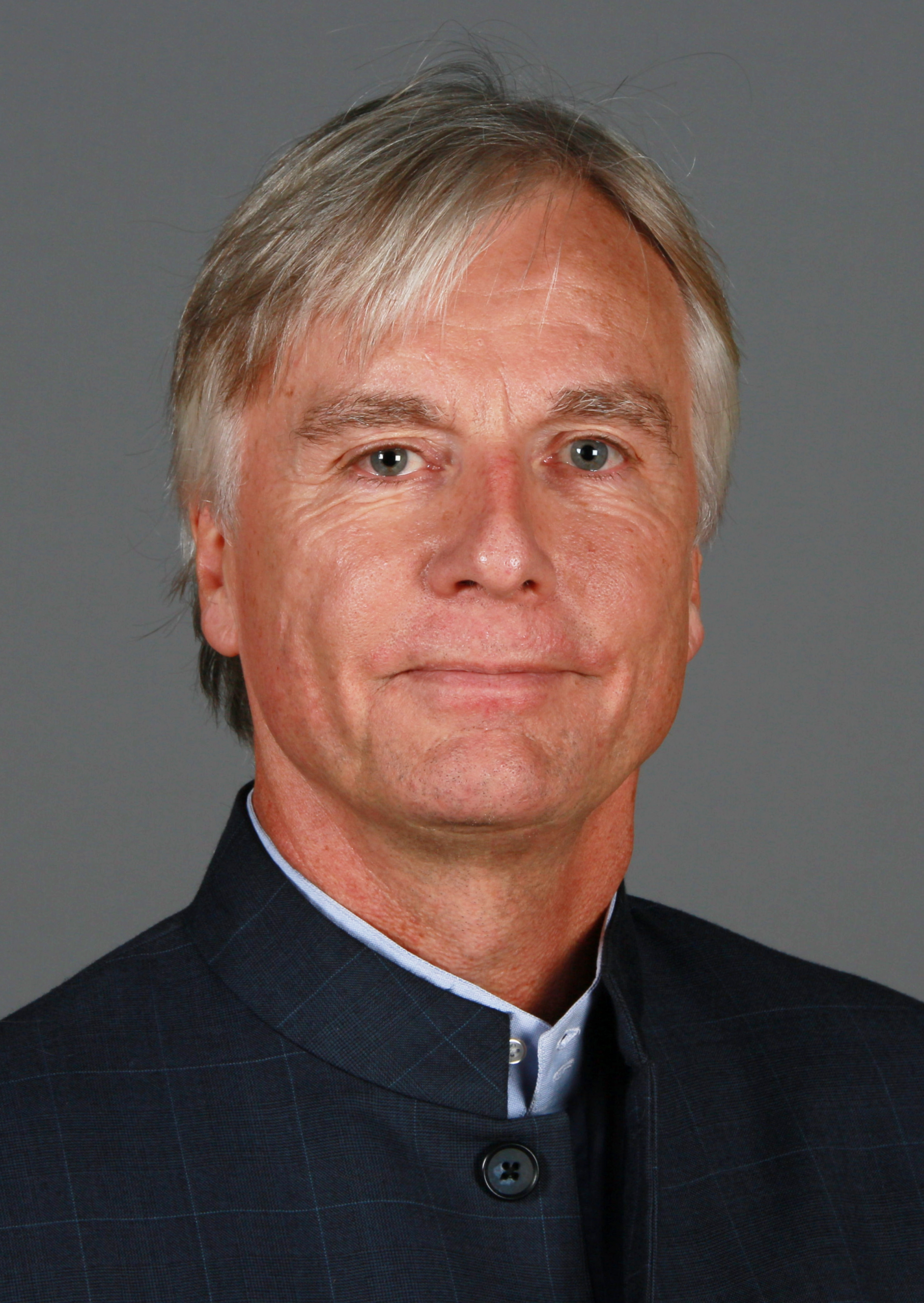
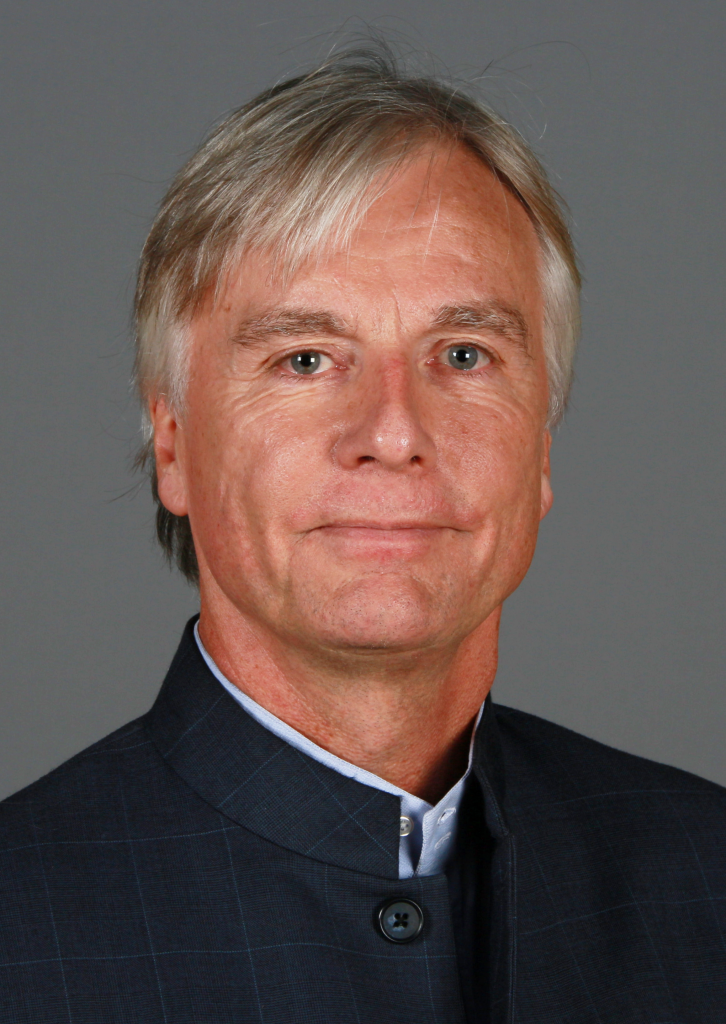
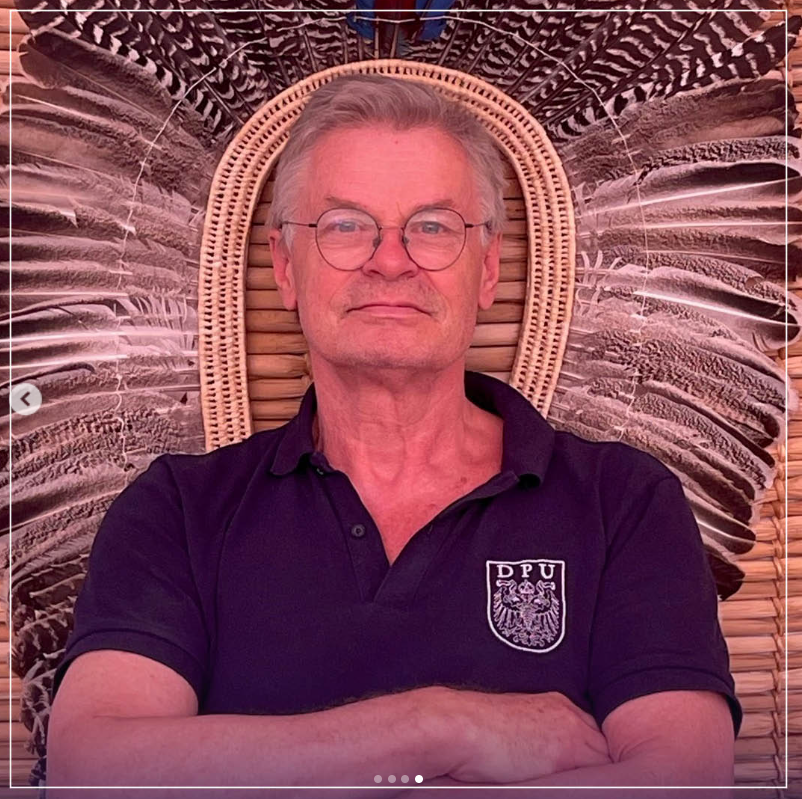
Rainer Bach (* December 14, 1947 in Bielefeld) is a German country singer and pedal steel guitarist. He was a founding member of the group Truck Stop, released solo albums, and worked as a dentist.

Musical Career

Rainer Bach began playing the piano at the age of seven. In April 1963, he discovered the Beatles and started learning to play the guitar, initially on an acoustic guitar. During his school years, he founded a beat band called The Misfits, which performed in front of audiences of up to 1000 people. After graduating from high school, the band broke up. Following his schooling, Bach joined the German Navy and served, among other places, on the Gorch Fock, whose choir he conducted in 1968. In 1971, he began studying dentistry in Hamburg.

In the autumn of 1972, he founded the band Truck Stop together with Günter “Cisco” Berndt, Burkhard “Lucius” Reichling, Erich Doll, Wolfgang “Teddy” Ibing, and Eckart Hofmann. He remained with the band for about ten years, singing and playing pedal steel guitar. He composed numerous hits, including their first chart success, “Ich möcht’ so gern Dave Dudley hör’n” (I’d really like to hear Dave Dudley), and the hit “Der wilde wilde Westen” (The Wild, Wild West) together with Erich Doll. In December 1983, he left the group because he was working as a dentist and needed more time for his patients. In addition to his work with Truck Stop, he also contributed as a steel guitarist to albums by Volker Lechtenbrink, Reinhard Mey, and Peter, Sue & Marc.

After Truck Stop

He opened his dental practice in Seevetal in 1982 and ran it until 2013. During this time, he composed music for other artists, among other things. He also wrote meditation music for a friend at the German Red Cross (DRK) health resort in Carolinensiel and composed the charity CD “I’d Really Like to Go to the Children’s Home” for their children’s center, the title track of which was based on the melody of “I’d Really Like to Hear Dave Dudley.”[2]

In 1992, he released his first solo album, “Auf meine Art” (My Way), through Dino Music; in 2014, his album “Ich bin nicht mehr der Alte” (I’m Not the Same Man Anymore) was released by DTM Musik. In addition to his solo albums, he is a member of the all-star country band Third Coast, which also included Nils Tuxen, Werner Becker, and Uwe Lost, among others.[3]

At the end of 2019, he participated in the second season of The Voice Senior and was eliminated in the sing-offs. His coach was Michael Patrick Kelly.

https://de.wikipedia.org/wiki/Rainer_Bach_(Musiker)

https://www.facebook.com/drrainerbach/?locale=de_DE
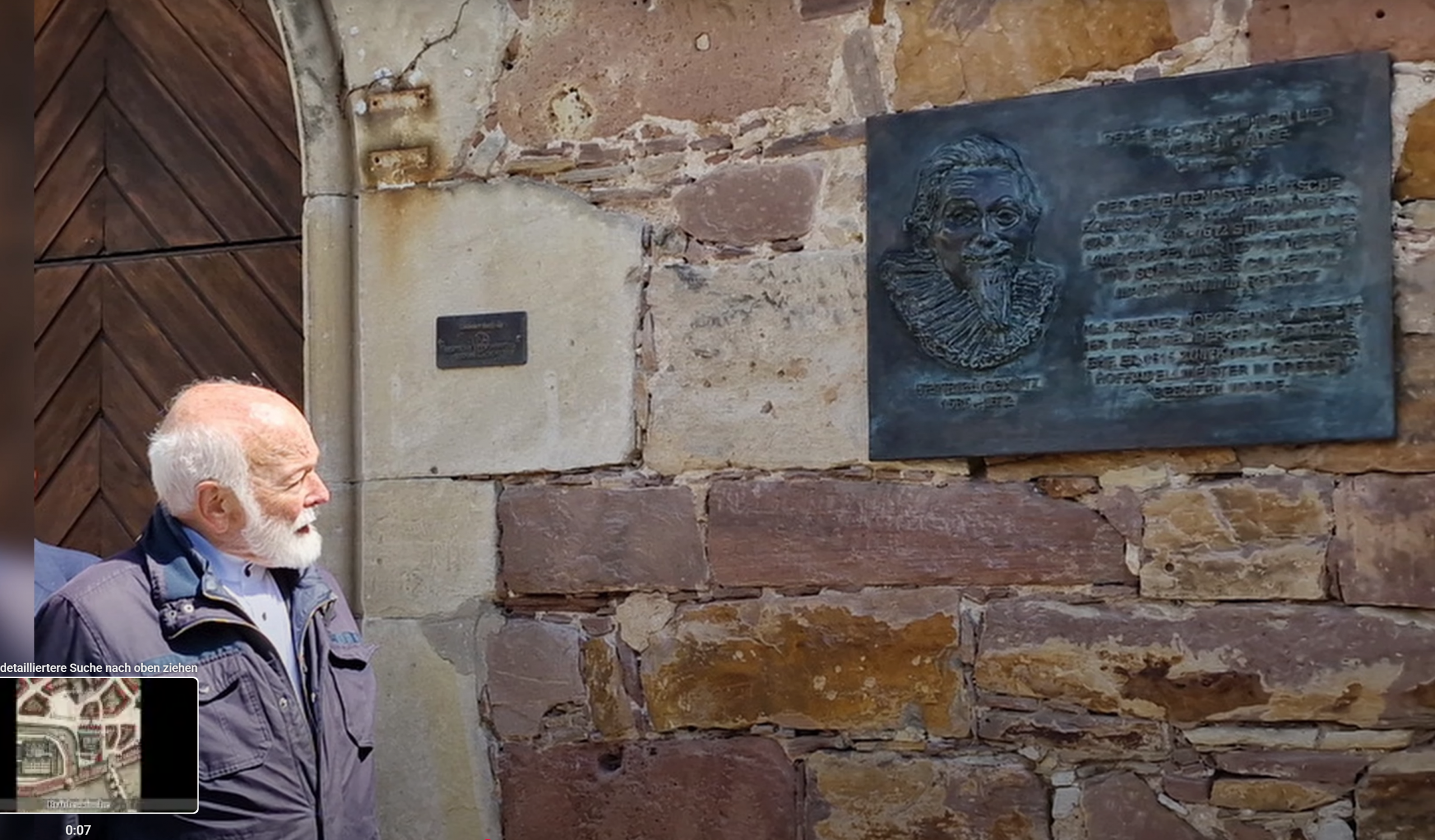
https://www.facebook.com/watch/?v=1085174399647662

https://www.bild.de/unterhaltung/tv/tv/truck-stop-gruender-country-comeback-fuer-rainer-bach-66369622.bild.html


  • -

Adolf-Friedrich Holstein

Statements spoken by Adolf Friedrich Holstein

Wolfgang Ellenberger was one of Prof. Holstein’s anatomy students and was able to provide the musical accompaniment for his 80th birthday.

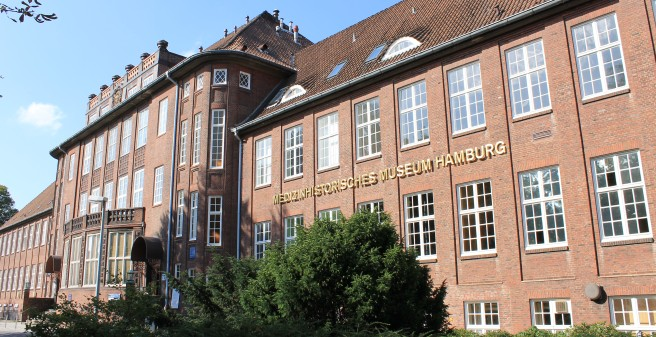
The history of the Hamburg Museum of Medical History began in 2007. The UKE board of directors asked the UKE’s Friends and Supporters Association to restore what is now the Fritz Schumacher House after the Institute of Pathology had moved out and to find a new use for it. The idea of ​​establishing a medical history museum in the restored building was welcomed by all involved. Prof. Holstein, the then chairman of the Friends and Supporters Association, took on the task and initially sought funding for the upcoming work and the museum’s establishment.
In close cooperation with the monument preservation authority, the individual construction phases were completed and presented to the public step by step. In 2010, the restored dissection room was unveiled, accompanied by an exhibition that provided an initial insight into the diversity of the exhibits. In October 2013, the first part of the permanent exhibition “The Emergence of Modern Medicine” opened. In December 2014, the museum opened the recently completed small dissection room and the rooms on the first floor.

https://www.uke.de/kliniken-institute/institute/geschichte-und-ethik-der-medizin/medizinhistorisches-museum/index.html

90. Geburtstag im UKE Erikahaus mit Feier. 2024
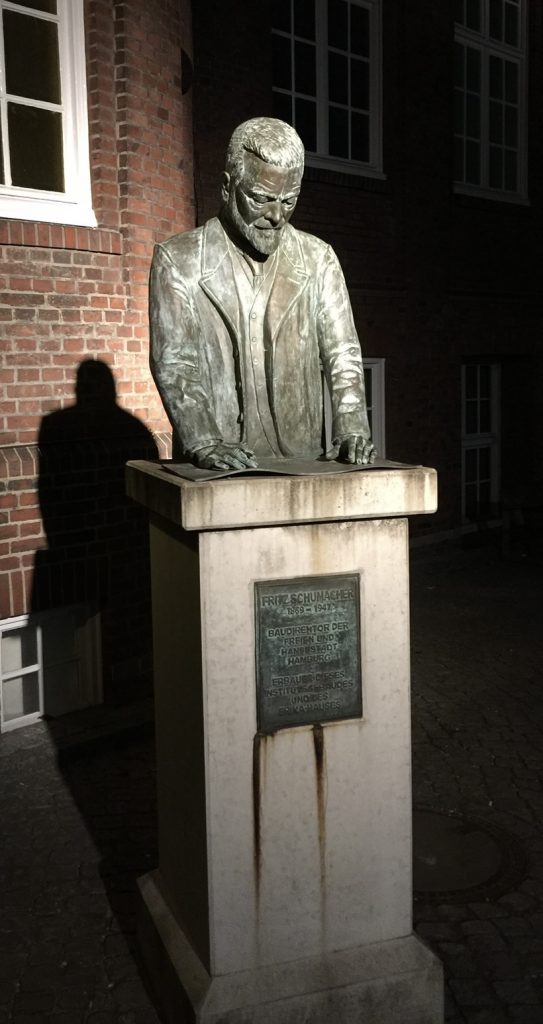
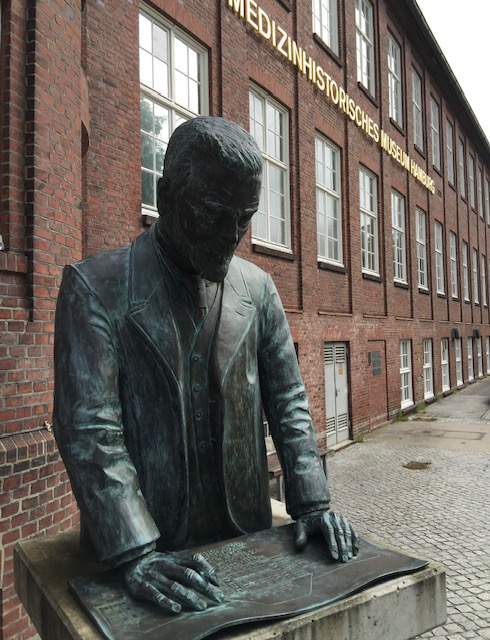
Sculpture of Fritz Schumacher, the builder of the building that now houses the Hamburg Museum of Medical History. Created by Adolf-Friedrich Holstein.

Dear Mr. Ellenberger,

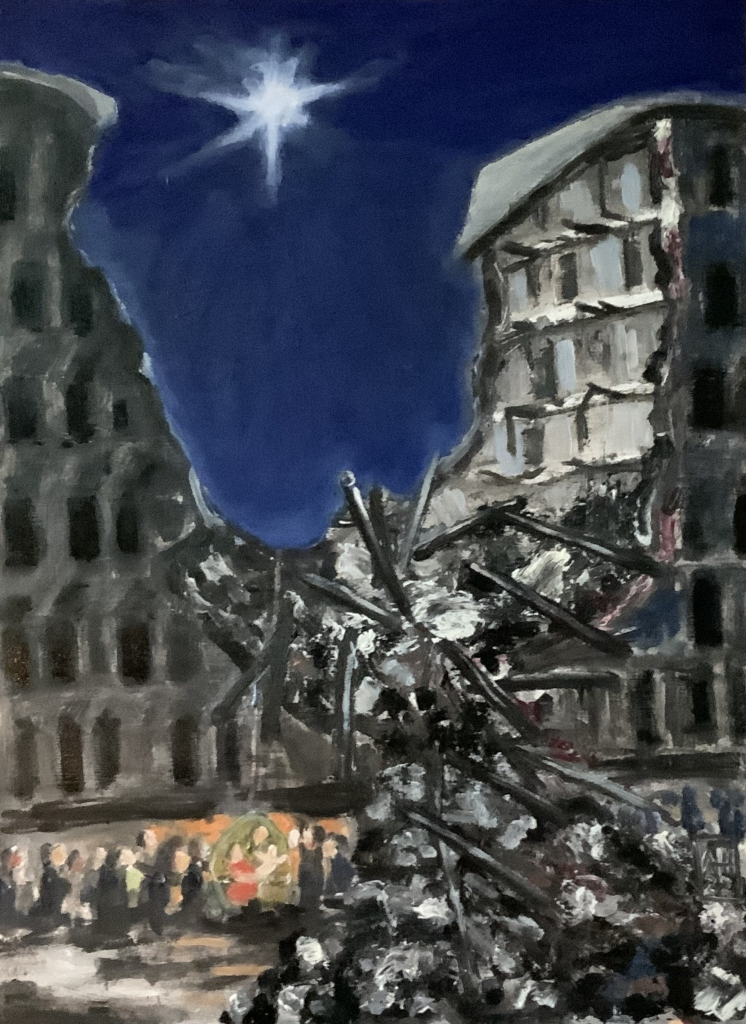
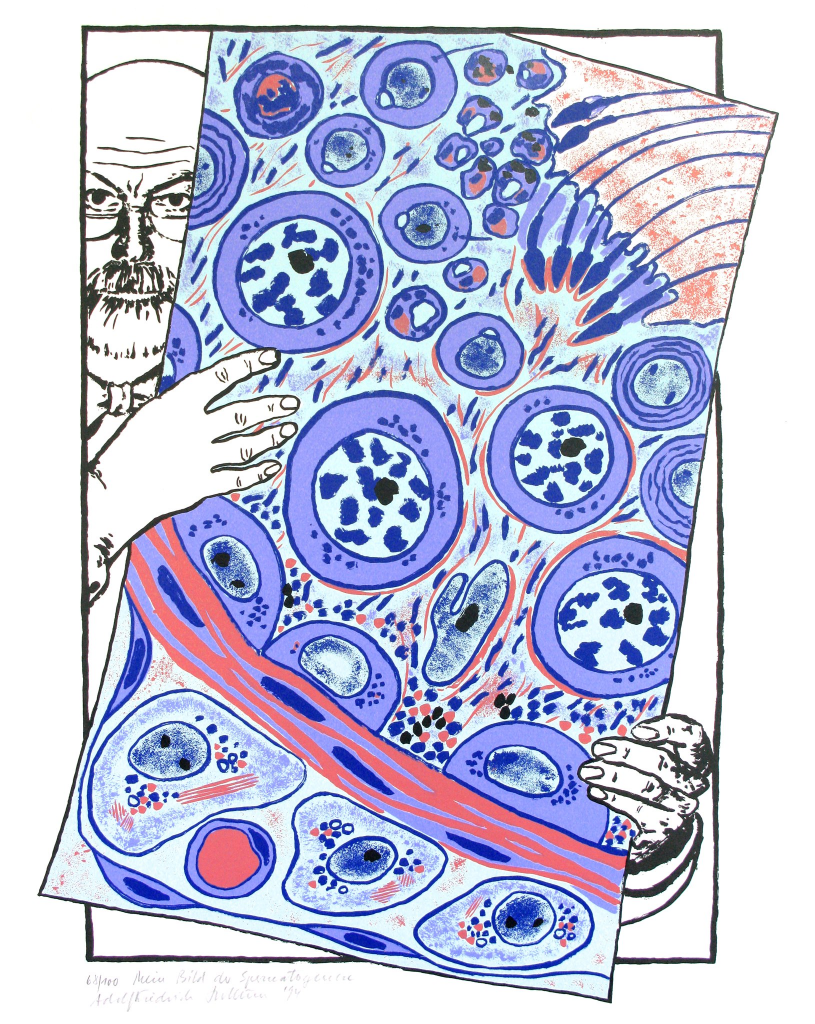
Thank you very much for your kind email. I am touched by everything you want to share about me. Of course, I agree. During my professional career, I was highly committed to medical teaching and research on spermatogenesis, and after my retirement, I devoted myself to monument preservation, painting, and sculpture. After restoring the rooms in the Erika House, I founded a center for communication and culture there. I then took over the task of restoring the pathology institute building from the medical director, Prof. Jörg Debatin. I created a new use for it as the Hamburg Museum of Medical History. At my request, the building was named Fritz Schumacher House after its builder, to house a new cultural institute. To illustrate this, I created a sculpture of the famous building director, which stands in front of the museum.

If you give me your address, I will be happy to send you a small booklet published by the Friends and Supporters Association for my 90th birthday.

But now I’d also like to know how you’re doing? How do music and medicine fit into your life?

Best regards

Adolf-Friedrich Holstein

Prof. Dr. Adolf-Friedrich Holstein
Medizinhistorisches Museum Hamburg
Martinistr.52
20246 Hamburg


  • -

Carlos Albert Schumacher

“The child’s soul is the greatest asset,” says Hamburg physician Dr. Carlos Schumacher. To help it develop and at the same time provide children with unforgettable moments, he relies less on the world of medicine than on the magic of imagination. He wants to enchant children with stories and has therefore founded his own publishing house. He presented the Hamburger Kinderbuch publishing house to the public for the first time at the Frankfurt Book Fair (2006).

The new venture, however, reflected an old dream of the 43-year-old. Since his studies, the Hamburg physician had thought about publishing books suitable for promoting child development. Last year, he fulfilled this dream and founded the Hamburger Kinderbuch publishing house.

In it, he focuses primarily on medical, psychological, and developmental topics. But he definitely doesn’t want to publish “boring textbooks with a wagging finger.” He wants to package the content in exciting and funny stories. He wants children to not just have the books read to them, but to discover the joy of browsing for themselves.

One of his first books is “The Story of the Little Kitten.” This classic by Christen Kold, the founder of the Danish adult education centers, is an encouraging book that Schumacher’s wife Katrin translated from Danish into German for the first time. The first publishing program also includes the interactive picture book “Alexandra, where are you going?” (Alexandra, where are you going?). In it, young readers can decide for themselves which path the protagonist should take – thereby influencing the further course of the story.

The doctor is also passionate about a project he developed with five colleagues. “The Drop Gang” – a book scheduled to be published in October 2007 – is a story about five children suffering from long-term illnesses: atopic dermatitis, asthma, epilepsy, cancer, and poor vision.

After completing his medical studies, Schumacher worked, among other things, as a research assistant in a pharmacology laboratory at the University Hospital of Aachen. The Hamburg-based children’s book publisher is not yet breaking even, so he currently works as a real estate entrepreneur.

https://www.aerztezeitung.de/Panorama/Arzt-verzaubert-Kinder-mit-Geschichten-388380.html

https://www.aerzteblatt.de/archiv/carlos-a-schumacher-vom-labor-zum-kinderbuchverlag-792b3025-b40c-4672-8736-1dd9a2cc0699


  • -

Carl Claus Hagenbeck

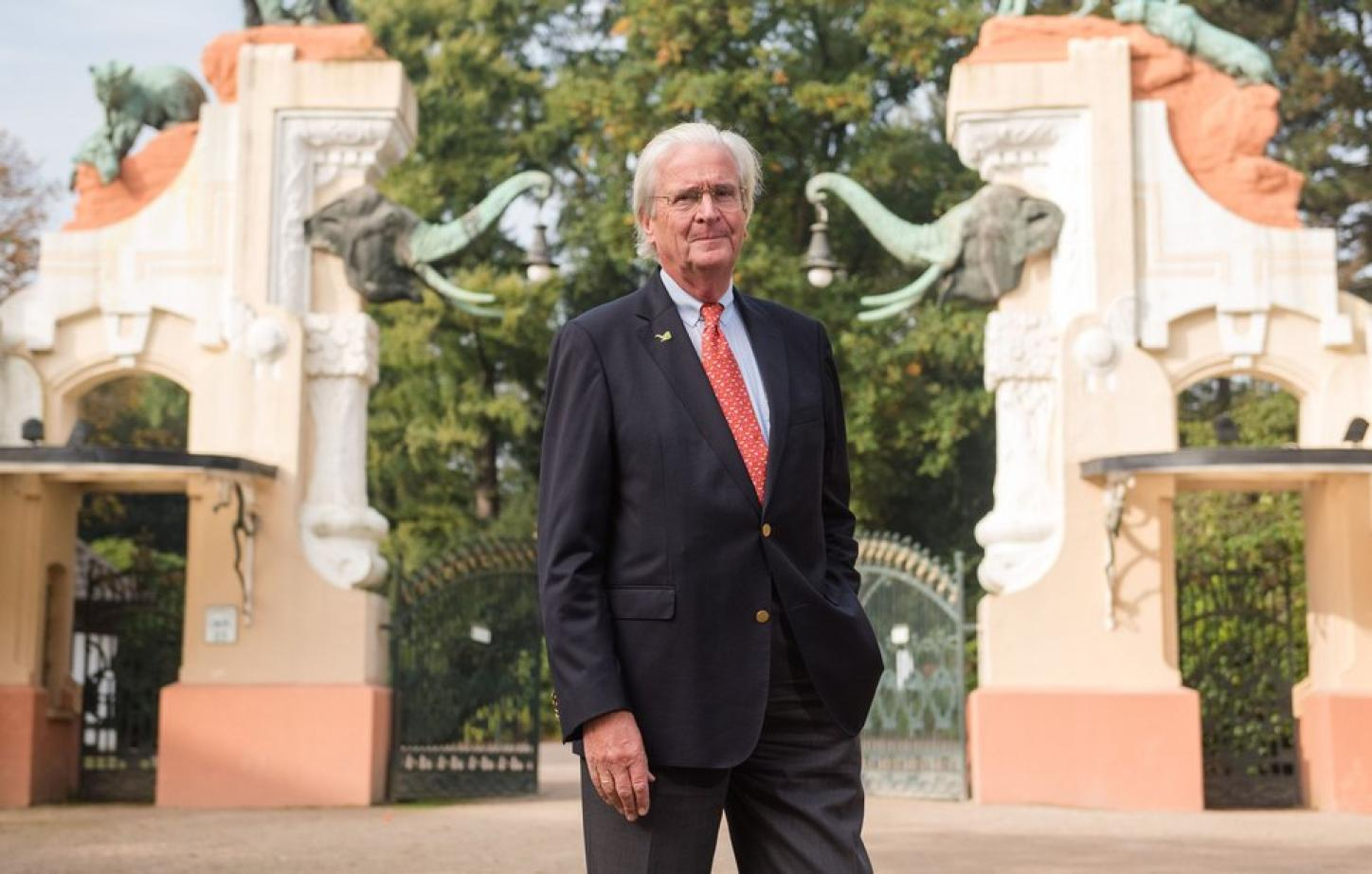
Carl Claus Hagenbeck (born 1 November 1941 in Hamburg) is a German veterinarian and former zoo director.

From 1962 to 1967 he studied veterinary medicine at the Hannover Veterinary School and received his doctorate in veterinary medicine. Hagenbeck is married and has two daughters. From 1977 to 1982 he was junior director of the Hagenbeck Zoo in Hamburg,[1] which he then directed from 1982 to 2004. Between 1982[2] and 1989 he directed the zoo together with his third cousin from the Lorenz Hagenbeck family, Caroline Hagenbeck (1959–2005),[3] and from 1989 onwards with her husband Joachim Weinlig-Hagenbeck (* 1956).

Carl Claus Hagenbeck was born as the son of Carl-Heinrich Hagenbeck (1911–1977); his grandfather was the Hamburg Zoo director Heinrich Hagenbeck (1875–1945), and his great-grandfather was the zoo founder Carl Hagenbeck.

In 1998, Carl Claus Hagenbeck founded the Hagenbeck Zoo Foundation together with Caroline Hagenbeck.[1] He handed over the position of zoo director to his son-in-law Stephan Hering-Hagenbeck (* 1967) in 2004.[4] From 2012[5] until the beginning of April 2015, he was once again managing director of the zoo together with Joachim Weinlig-Hagenbeck.[6] A falling out developed between the two.[4] Stephan Hering-Hagenbeck and Friederike Hagenbeck initially succeeded him, but in June 2015, Carl Claus Hagenbeck’s daughter Bettina[4] joined the management instead of Hering-Hagenbeck.

https://www.hagenbeck.de

1962Abitur
1962-1967Studium der Veterinärmedizin an der Tierärztlichen Hochschule Hannover mit Promotion zum Dr. med. vet.
1970Prokurist und Tierarzt der Firma Carl Hagenbeck
1971Einrichtung und Leitung des Delfinariums
1972-1979Modernisierung der Infrastruktur des Tierparks
1977-1982Juniorchef des Tierparks Hagenbeck in Hamburg-Stellingen
1982-2004Chef des Tierparks Hagenbeck
1997Hamburger Denkmalschutzamt erklärt die Gesamtanlage des Tierparks als schützenswert
1998150-jähriges Jubiläum des Tierparks
1998Gründung der Stiftung Tierpark Hagenbeck (zus. mit Caroline Hagenbeck)
2004Ablösung als Chef des Tierparks durch Joachim Weinlig-Hagenbeck und Stephan Hering-Hagenbeck
2012Rückkehr in die Geschäftsführung nach Differenzen innerhalb der Eigentümerfamilie

https://de.wikipedia.org/wiki/Carl_Claus_Hagenbeck

https://www.shz.de/deutschland-welt/kindernachrichten/artikel/carl-claus-hagenbeck-ein-leben-im-und-fuer-den-zoo-20988898


  • -

  • -

Detlef Strathmann

Detlef Strathmann (1941-2001) He financed his medical studies as a medical journalist – including for the Bild newspaper – and thus found his way into the pharmaceutical industry. His subsequent career then led him into advertising. In 1973, he founded the advertising agency Intramed, which is still part of the Strathmann Group today.

At the same time, he recommended the right medications as a mailbox doctor for several magazines. He advised readers of the women’s magazine “Petra” as family doctor Detlef Günther. In the television program “TV Hören und Sehen,” he offered his expert advice as physician Michael Falk, and in the rainbow newspaper “Neue Post,” he gave health tips under the pseudonym Dr. Bertram.

Strathmann reached the pinnacle of his doctorate in the illustrated magazine “Brigitte” when he wrote about the skin disease cellulite in the women’s breviary “Brigitte”: He coined the fruity name “orange peel” for this common female blemish, referring to a medication that he was soon able to offer from his own production.

https://strathmann.dermapharm.com/de-de

https://www.spiegel.de/wirtschaft/pillen-tanzen-a-3cc29831-0002-0001-0000-000041871435

https://www.pharmazeutische-zeitung.de/wuh1-42-1996

https://www.welt.de/print-welt/article453948/Detlef-Strathmann-erlag-Herzleiden.html


  • -

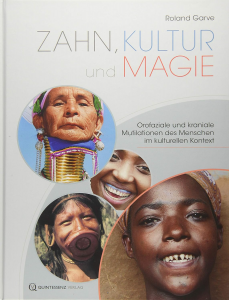
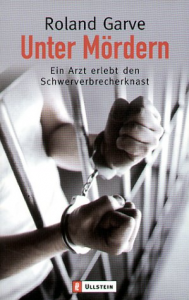
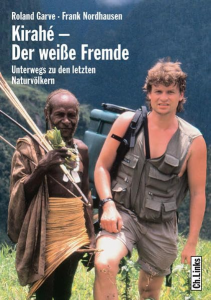
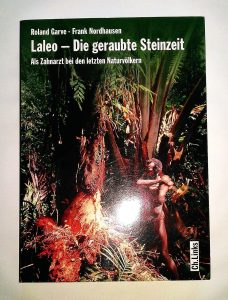
Roland Garve

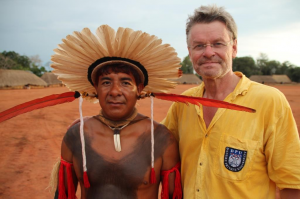
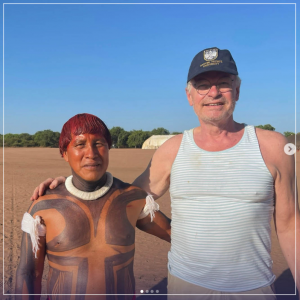
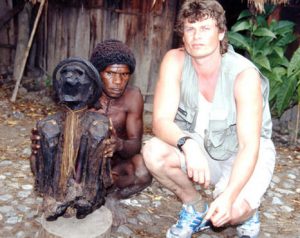
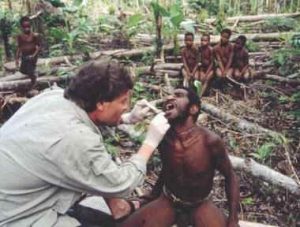
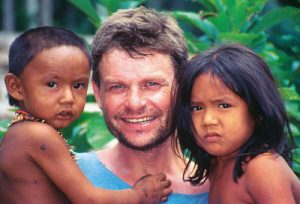
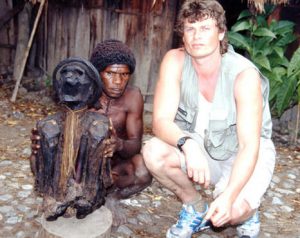
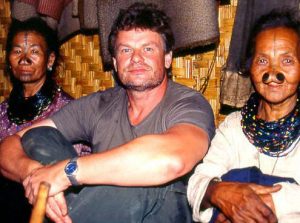
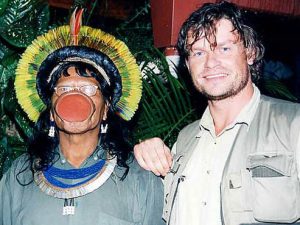
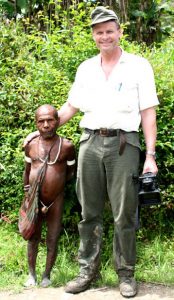
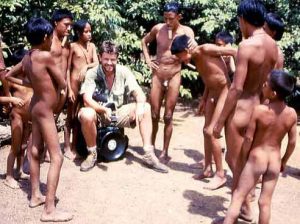
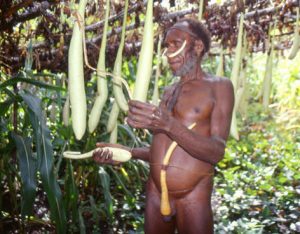
Roland Garve (born December 9, 1955 in Boizenburg/Elbe) is a German dentist and ethnomedical specialist.

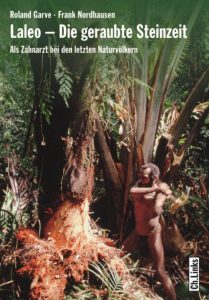
Garve, born and raised in Boizenburg/Elbe, attended the Polytechnic High School from 1962 to 1972 and then the extended High School Boizenburg, where he received his Abitur in 1974. After his military service, he studied dentistry at the University of Greifswald from 1976 and received his license to practice dentistry in 1981. From 1981 to 1983 he was imprisoned in Brandenburg-Görden for preparing an “illegal border crossing” from the GDR. During his imprisonment he treated fellow inmates as a trained dentist. Finally, after being expelled from the GDR in 1984, he left the GDR and received his doctorate from the University of Hamburg in 1986. After working as an assistant in a dentist’s office in Jesteburg, Garve ran a dental practice in Geesthacht in Schleswig-Holstein from 1985 to 2010. He subsequently retired from dental practice. He undertook numerous research trips (including Africa, Brazil, Thailand, Venezuela, and Papua New Guinea) to study indigenous peoples in collaboration with the Ethnological Museums in Dresden and Leipzig. Garve also gives lectures on ethnodentistry and ethnology. He has authored several books about his experiences. Garve also works part-time as a cameraman, photographer, and documentary film producer.

Since 2011, Roland Garve has been a lecturer at the Center for Human Cultural and Natural History, Faculty of Medicine/Dentistry, Krems (Austria), at the Danube Private University.[1]

In 2012, he received his diploma in Tropical Medicine from the Bernhard Nocht Institute for Tropical Medicine at the University of Hamburg.

In 2014, he was appointed Associate Professor and Head of the Department of Ethno-Dentistry at the Danube Private University Krems. Garve is considered the founder of the interdisciplinary research field of ethno-dentistry.

https://de.wikipedia.org/wiki/Roland_Garve

https://www.imdb.com/de/name/nm2672181

https://www.aufbau-verlage.de/autor-in/roland-garve

https://gutelehre.at/projekt/ethnozahnmedizin-ein-interdisziplinaeres-seminar-zur-bereicherung-der-zahnmedizinischen-forschung-und-lehre-um-ethnologische-und-kulturelle-aspekte


  • -

Arnold Backhaus

Hamburg’s port doctor!

Born on August 23, 1923, in Söcking above Starnberg on Lake Starnberg.
Enrolled in elementary school in 1929 in Krusemark in the Altmark region, later in Thielbeer (0-3552) near Arendsee.
Enrolled in high school in 1935 at the Walddörferschule in Hamburg-Volksdorf. Graduated from high school in the spring of 1942.
Drafted into the army in 1942 and, after four months, sent to the Russian front between Vitebsk and Smolensk.
Taken prisoner by the Russians in 1944.
Returned to Hamburg-Volksdorf on November 9, 1945.
Began studying philosophy in 1946 and medicine in 1948.
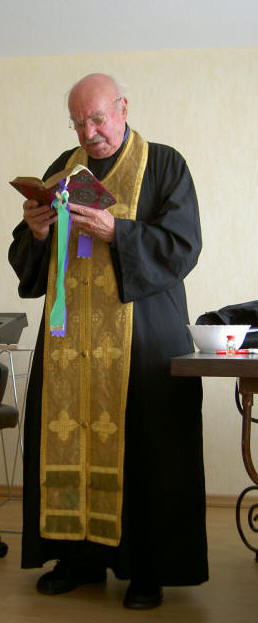
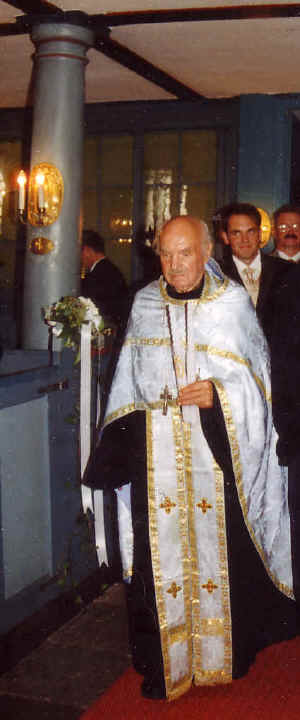
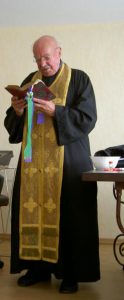
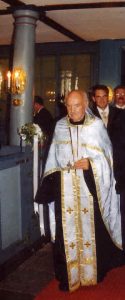
Ordained a priest of the Russian Orthodox Church in exile in 1950 (April 7; Annunciation, also Good Friday).
Married Ruth Domsch on February 12, 1950.
As a priest, I first served at St. Prokop’s Episcopal Church in Hamburg, later as a pastor at the Wentorf emigration camp. Since 1975, I have been a pastor in Lübeck at the small church of Blessed Prokop. In Hamburg, I hold services in German on the first weekend of every month. Baptisms, weddings, and funerals in Schleswig-Holstein and Hamburg.

State examination in 1952.
Over the next few years, he worked at the Ebenezer Hospital in Hamburg, later as a substitute, and in the surgical and psychiatric university clinics of Eppendorf Hospital.


From February 9, 1961, he worked part-time at the Port and Airport Medical Service in Hamburg, Seewartenstrasse 9a. His contract was extended on October 16, 1962, and again on February 1, 1963. From April 1, 1964, he worked full-time. His contract was extended again on January 1, 1966. He received his doctorate on April 30, 1968 (“Social Hygiene Surveys on the Problem of Seafarers’ Leisure Time”). He was promoted to civil servant on July 1, 1967.
In 1968, he visited the North Sea ports on behalf of the WHO: Amsterdam, Rotterdam, London, Liverpool, Oslo, Gothenburg, and Copenhagen.
On 1 November 1971, senior medical officer in the port and airport medical service.


December 19, 1978, Medical Director of the Port and Airport Medical Service and the Central Advisory Center for the Monitoring of Prostitution of Both Sexes in the Greater Hamburg Area.
Worked there from 1978 to August 31, 1988, simultaneously as Deputy Director of the Port and Airport Medical Service. From August 31, 1988 to August 31, 1990, Director of the Port and Airport Medical Service as a scientific employee.
From January 1, 1977, worked in the company medical service of the Hapag-Lloyd Group, partly as head of the company medical service, partly as a doctor in the company medical service, and also continued in the company medical service of Hapag-Lloyd AG beyond August 31, 1990 (until March 31, 1996).
To date:
As an Orthodox priest, he has held services in Lübeck, Schleswig-Holstein, and Hamburg; Lectures on the world of Orthodoxy in the Federal Republic of Germany and, after 1980, also in Mecklenburg-Western Pomerania.
As a doctor, he provided advanced training for ship officers and fumigation technicians on hygiene and current medical issues (organ transplantation, genetic engineering, AIDS).
Died 2005


  • -

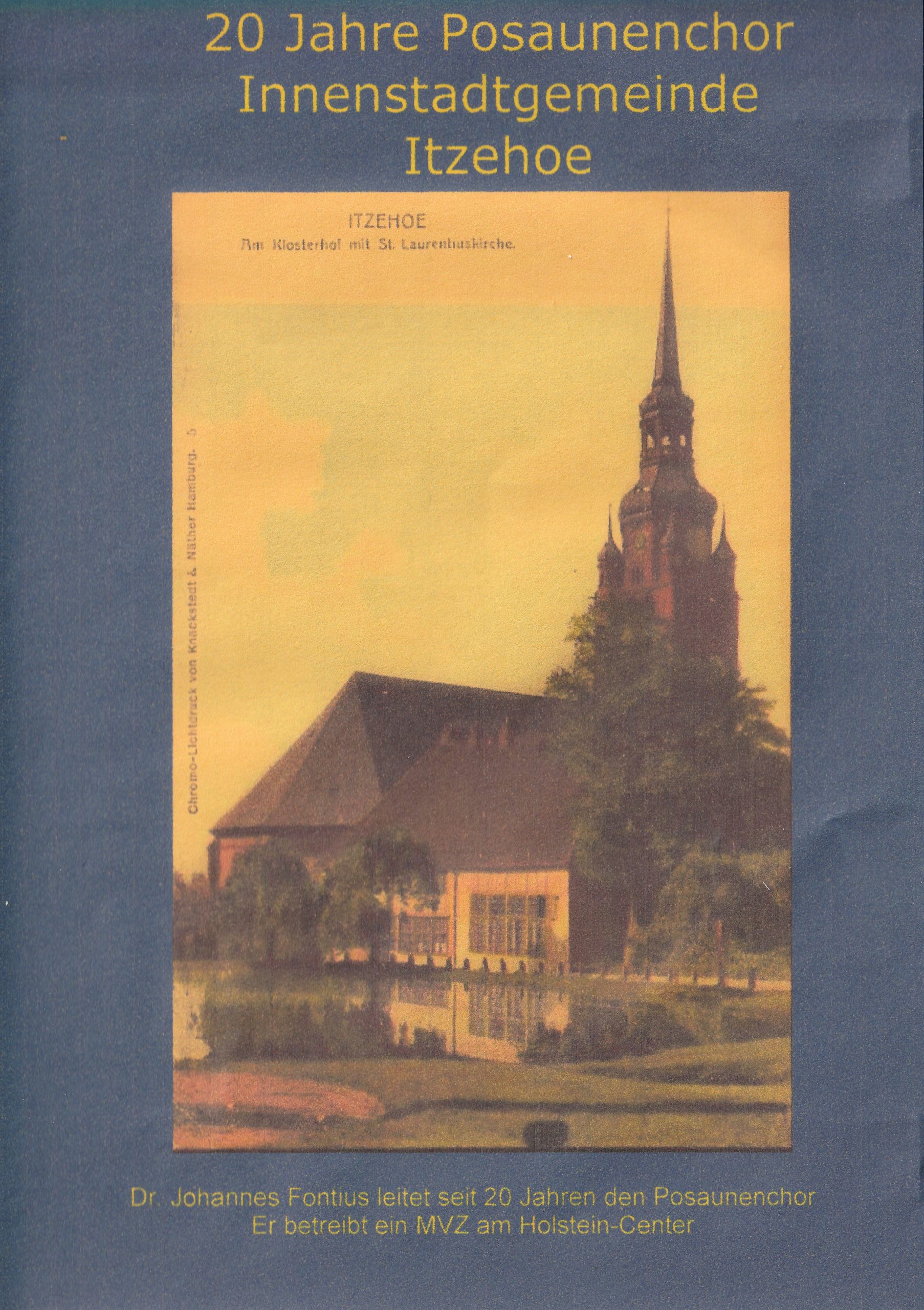
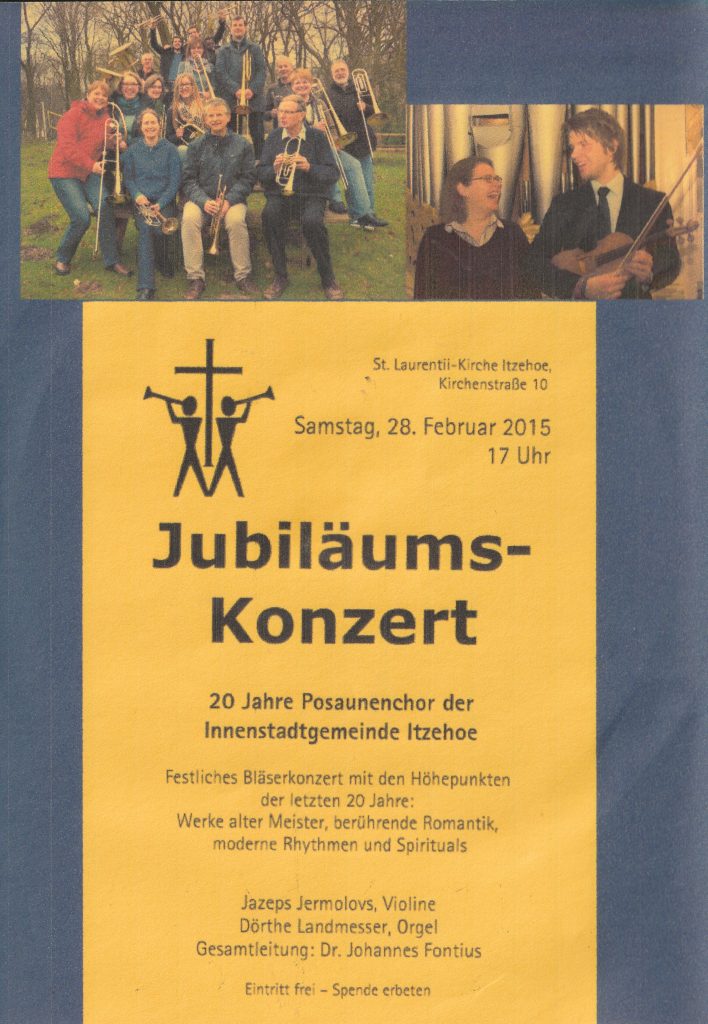
DVD 20 Jahre Posaunenchor | Fontius Johannes

DVD 20 Jahre Posaunenchor | Fontius Johannes

work

production: Wolfgang Ellenberger


  • -

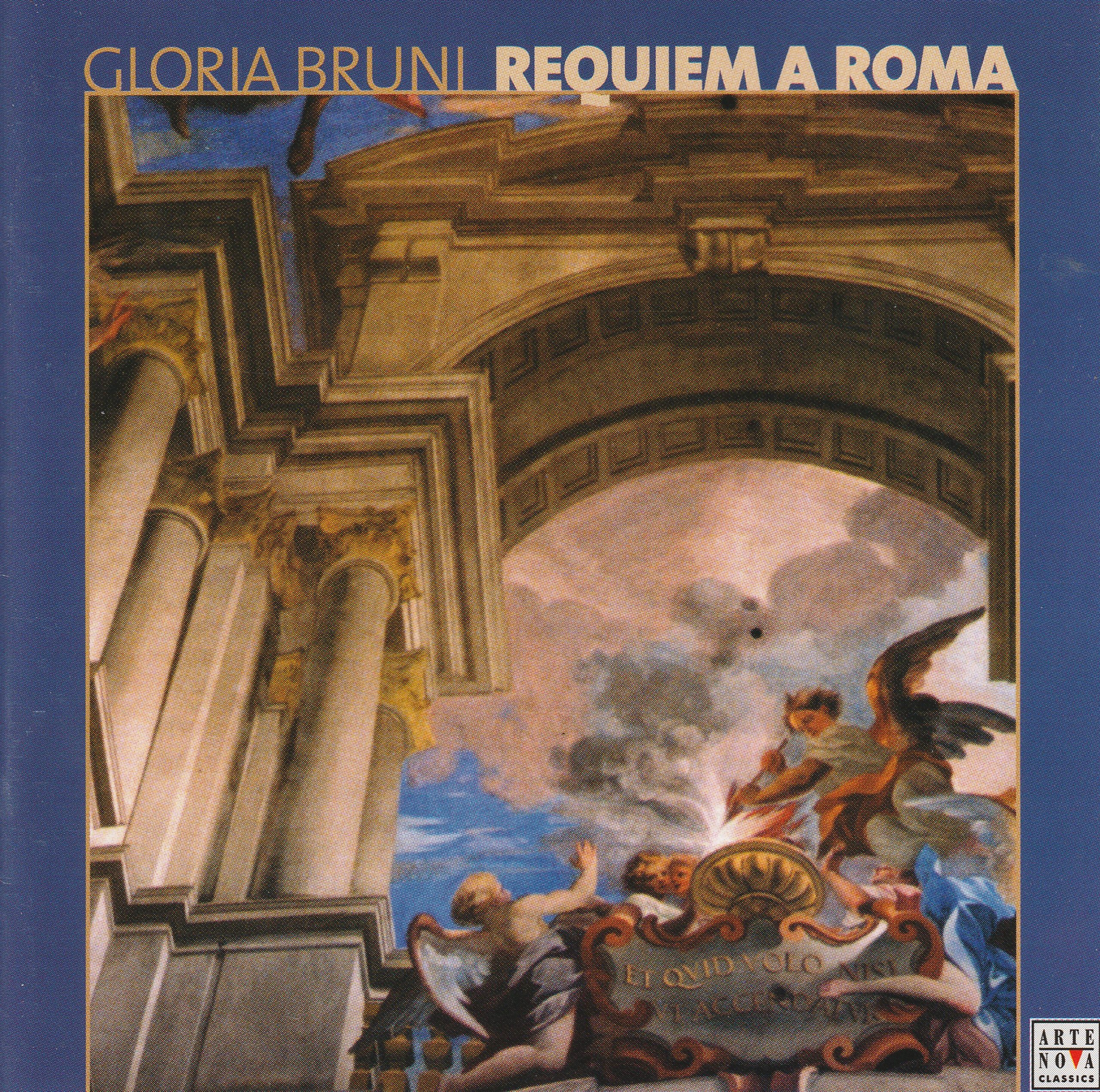
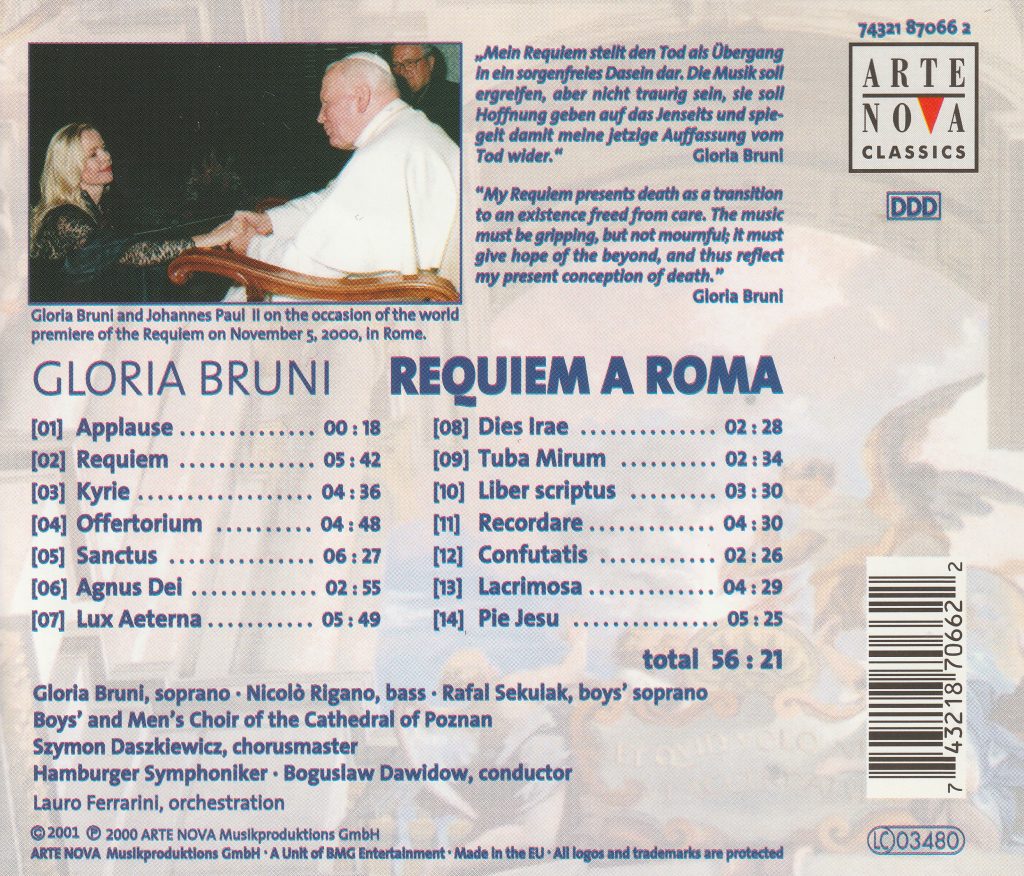
CD Requiem a Roma | Gloria Bruni

CD Requiem a Roma | Gloria Bruni

https://DoctorsTalents.com/en/gloria-bruni-2