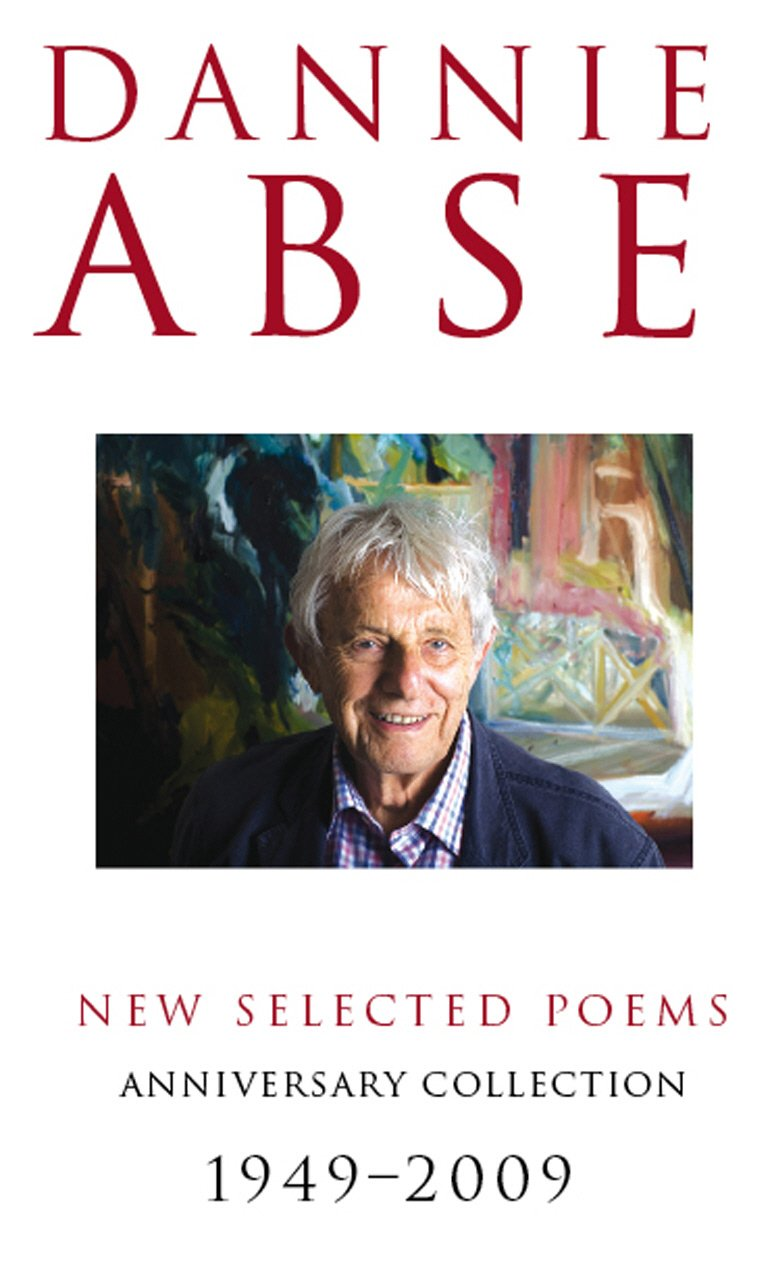
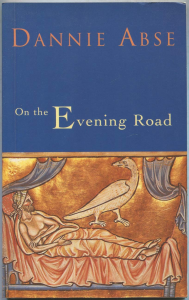
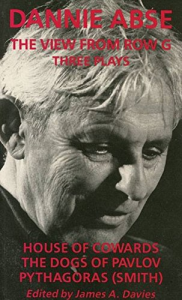
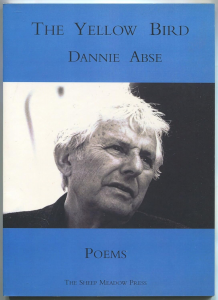
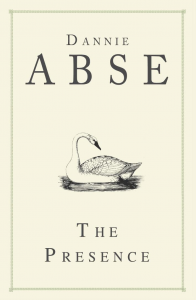
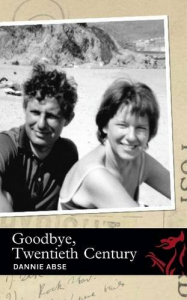
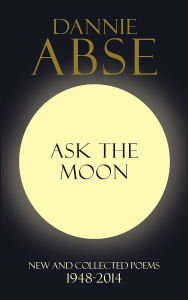
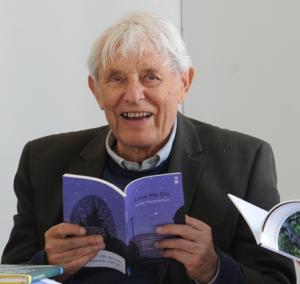
Dannie Abse, CBE (born Daniel Abse on 22 September 1923 in Cardiff, Wales; died on 28 September 2014[1] in Golders Green, London) was a British author and poet.
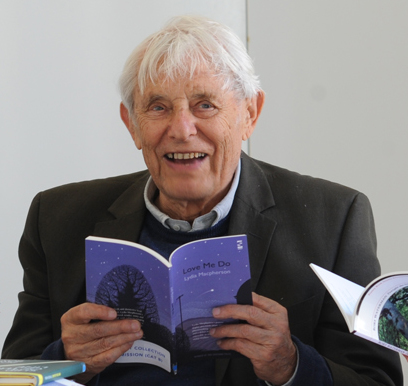
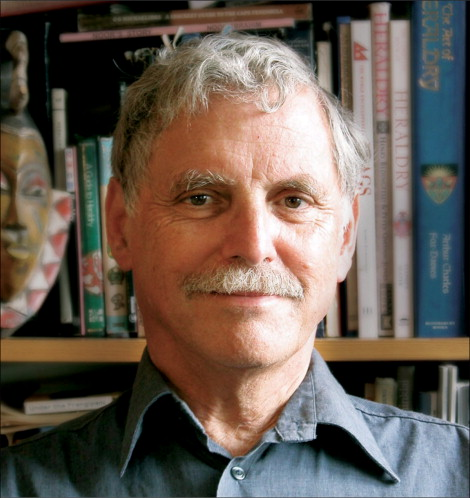
Dannie Abse at the Cheltenham Literature Festival 2013 | age 90
Dannie Abse grew up in his Jewish family with his brothers Leo Abse (1917–2008; lawyer, politician, author) and Wilfried Abse (1915–2005; psychoanalyst), who were about ten years older than him.[2] After successfully completing school in his hometown, he studied medicine at the University of Wales College of Medicine, the Westminster Hospital Medical School and at King’s College London. He received his doctorate in 1950. From 1954 to 1989 he worked in the breast clinic of the Central Medical Establishment in London. In 1989 he received an honorary doctorate from the University of Wales.
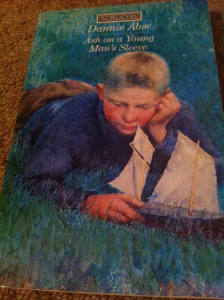
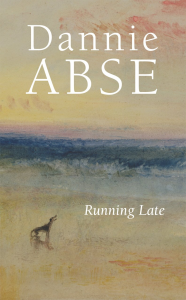
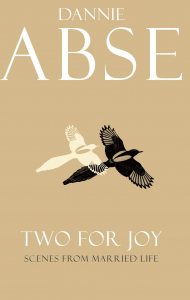
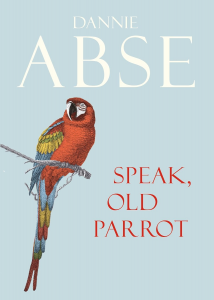
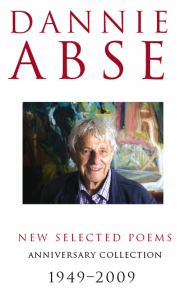
In 1954, his autobiography, Ash on a Young Man’s Sleeve, was published, in which he recounted his childhood experiences. He received the Welsh Arts Council Award and the Cholmondeley Award in 1985. Abse was a member of the British Poetry Society and had been a member of the Royal Society of Literature since 1983. Abse wrote several volumes of poetry—his first, After Every Green Thing, in 1949—as well as novels, plays, and essays. He was awarded the Commander’s Cross of the Order of the British Empire in the 2012 New Year Honours List.
Abse was married to art historian Joan Abse, née Mercer (1923–2005), with whom he had three children. She died in a car accident in which Dannie Abse broke a rib.
Dannie Abse was a lifelong fan of Cardiff City Football Club. He saw the first match in 1934; he references football in many of his works.
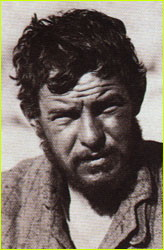
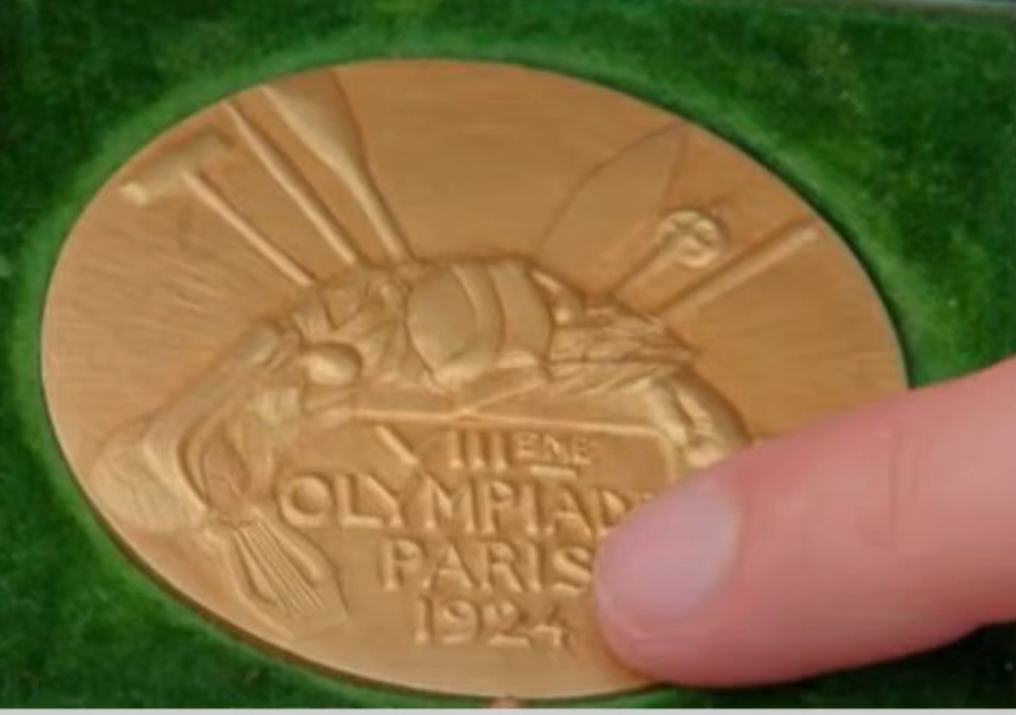
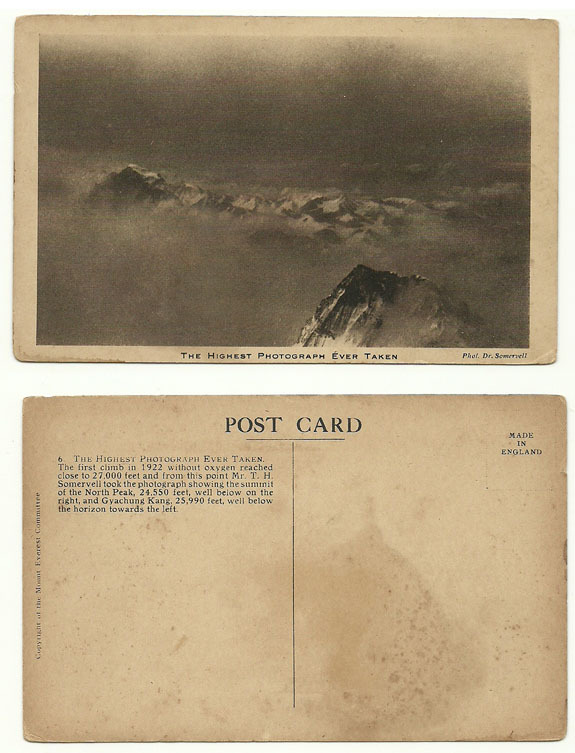
Theodore Howard SomervellOBE, FRCS (16 April 1890 – 23 January 1975) was an English surgeon, mountaineer, painter and missionary who was a member of two expeditions to Mount Everest in the 1920s, and then spent nearly 40 years working as a doctor in India. In 1924 he was awarded an Olympic Gold Medal by Pierre de Coubertin for his achievements in mountaineering (Alpinism).
He married Margaret Hope Simpson (1899–1993), daughter of Sir James Hope Simpson, the general manager of the Bank of Liverpool. With Margaret he had three sons: James, David, and Hugh.
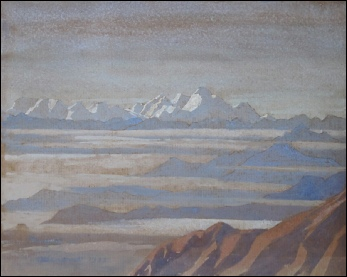
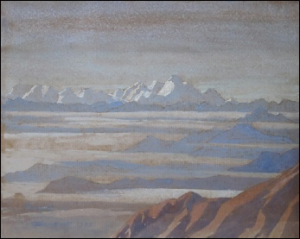
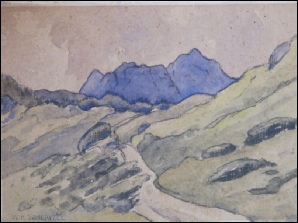
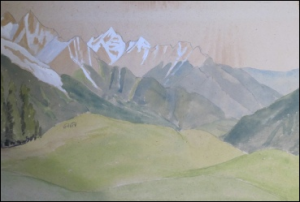
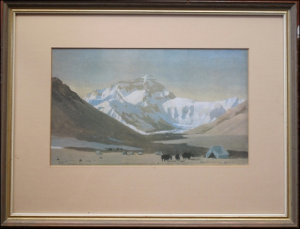
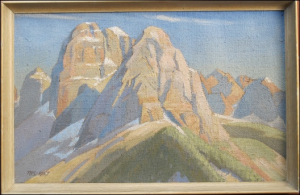
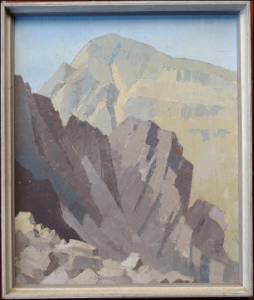
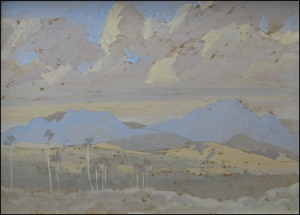
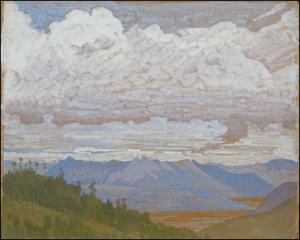
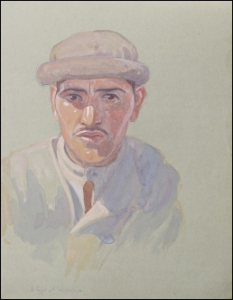
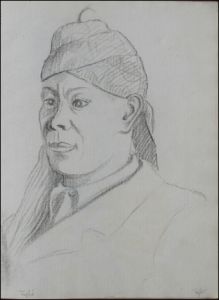
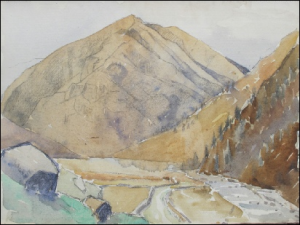
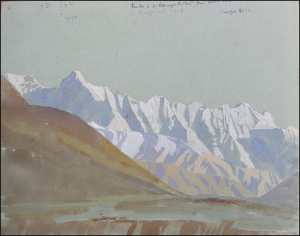
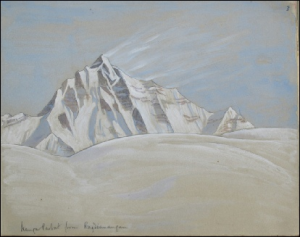
Somervell painted many hundreds if not thousands of paintings and has been described as a compulsive sketcher and painter.[23]The Himalayan Club identified some 600 titles, with at least 200 of them being representations of the Himalayas or Tibet. 126 of these relate to the 1922 and 1924 expeditions, many of which were exhibited at the Royal Geographical Society in April 1925 and at the Redfern Gallery, London, in 1926. He exhibited almost annually at the Lake Artists Society exhibitions in the Lake District after his return to England.
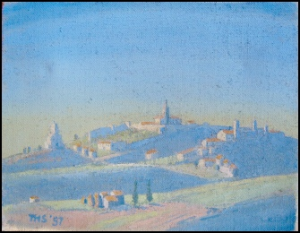
Many of his watercolours are painted on what has been described as no more than ‘cheap’ brown or off-white wrapping paper.[23] However, given that Somervell was a sometime commercial artist, this oft-repeated tale is largely apocryphal. He used this style of paper as early as 1913 and was still using it in the 1970s. It particularly lends itself to the dun colours of the Tibetan landscape. Other artists such as John Sell Cotman and Edith Collingwood[who?] used similar paper. He often used watercolour and body colour in preference to watercolour alone. He also used pastel, either alone or with watercolour. Watercolour seems to have been his favoured medium in Tibet, Himalaya and India.[citation needed]
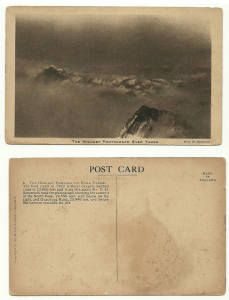
The Alpine Club in London possesses thirty paintings by Somervell. The Abbot Hall Art Gallery in Kendal has thirteen Somervell watercolours and one oil painting while the Royal Geographical Society holds a large watercolour, Gaurisankar from the North West, dated 1924, although this may in fact be a painting of Menlungtse.[21] Somervell’s paintings of the Himalayas and of Westmorland were exhibited at the Abbot Hall Art Gallery in April 1979.
With the expedition over, Somervell set out to see India, travelling from the far north to Cape Comorin. He was shocked by the poverty he saw, and in particular the poor medical facilities. At the main hospital of the south Travancore medical mission in Neyyoor he found a single surgeon struggling to cope with a long queue of waiting patients, and immediately offered to assist. On his return to Britain, he abandoned his promising medical career, and announced his intention to work in India permanently after his next attempt on Everest. Most of his paintings sold today are from his travels in various parts of India. Even though most of his time was in Kerala where many landmarks to his name still remain.
A collection of his mountaineering equipment and other effects, including his 1924 Winter Olympics gold medal, and his sketchbooks and paintings, now in the possession of his grandson, was shown on an episode of the BBC Television programme Antiques Roadshow in April 2022.
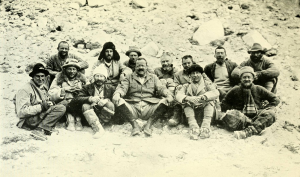
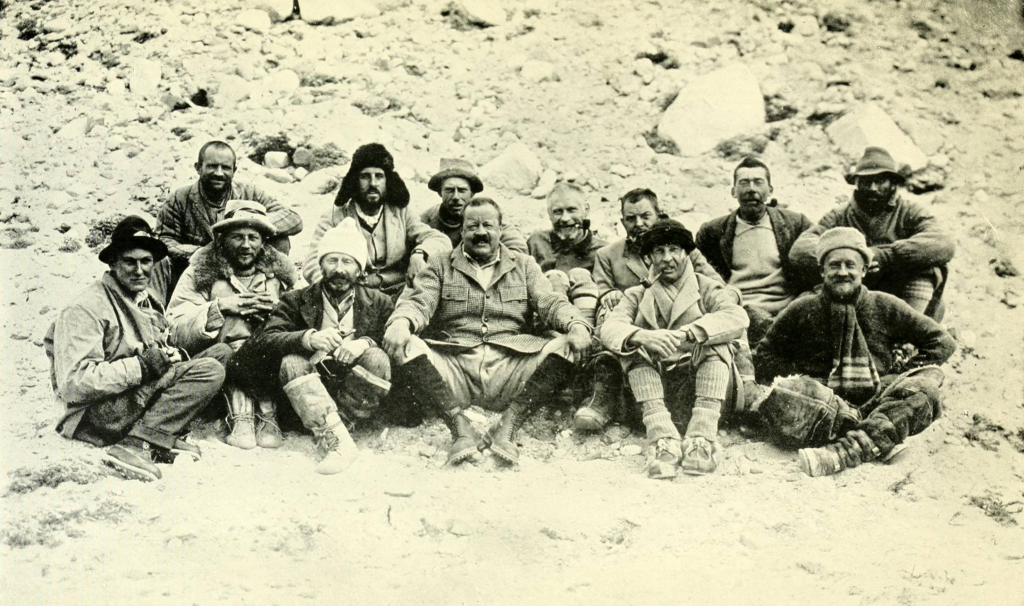
Expedition at Base Camp. Back row: Morshead, G Bruce, Noel, Wakefield, Somervell, Morris, Norton Front row: Mallory, Finch, Longstaff, General C Bruce, Strutt, Crawford
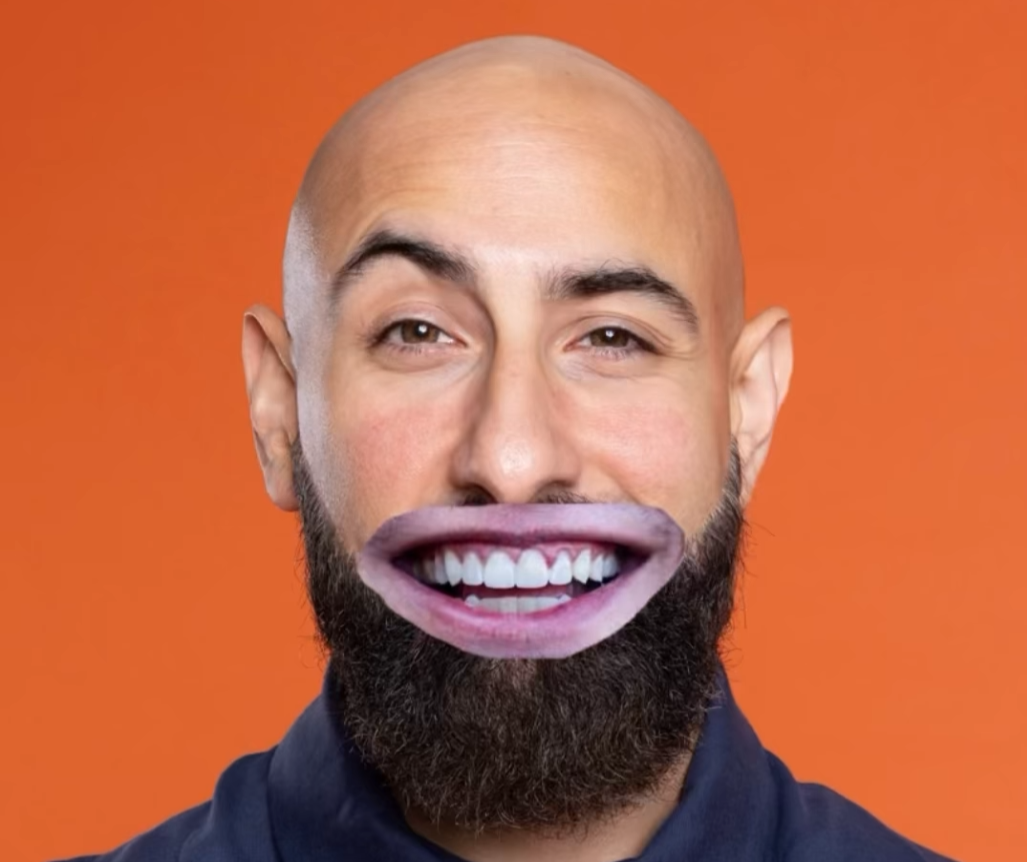
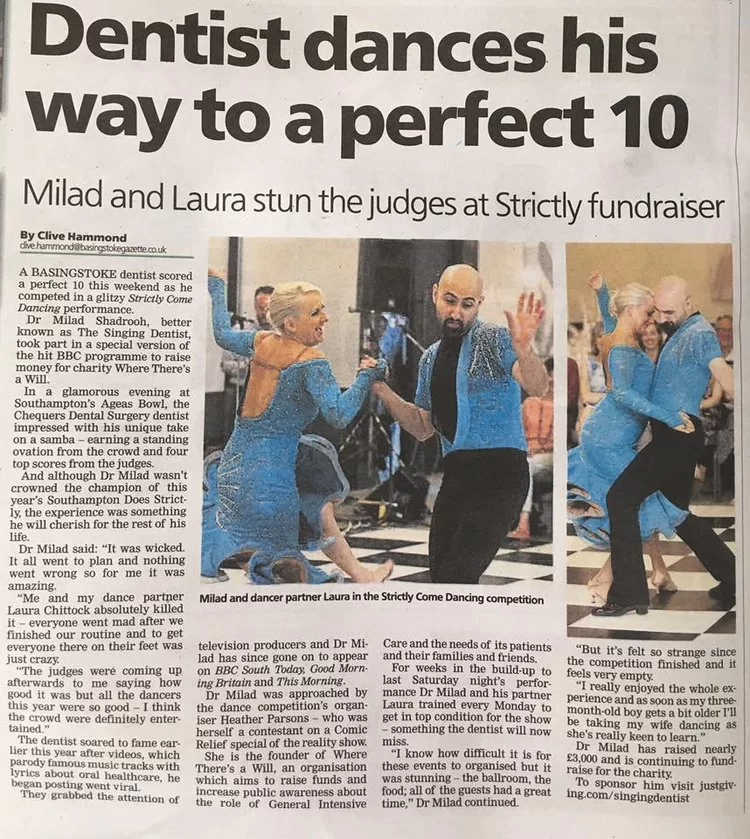
Dr. Milad begann 2012 mit seiner Tätigkeit als Dozent für Zahnmedizin und hat seitdem Tausende von Zahnärzten in Zahnschienen und kosmetischer Zahnheilkunde geschult. Darüber hinaus hält er Vorlesungen für Zahnmedizinstudenten an verschiedenen Universitäten in Großbritannien und im Ausland. Im Jahr 2020 gründete Dr. Milad gemeinsam mit seinem Freund und Kollegen Dr. Robbie Hughes, einem sehr erfolgreichen Zahnarzt und Unternehmer, Avantgarde Dentistry.
2024 führten sie „Same Day Smile“ ein, ein Konzept, das innerhalb eines Tages ein außergewöhnliches Lächeln ermöglicht.
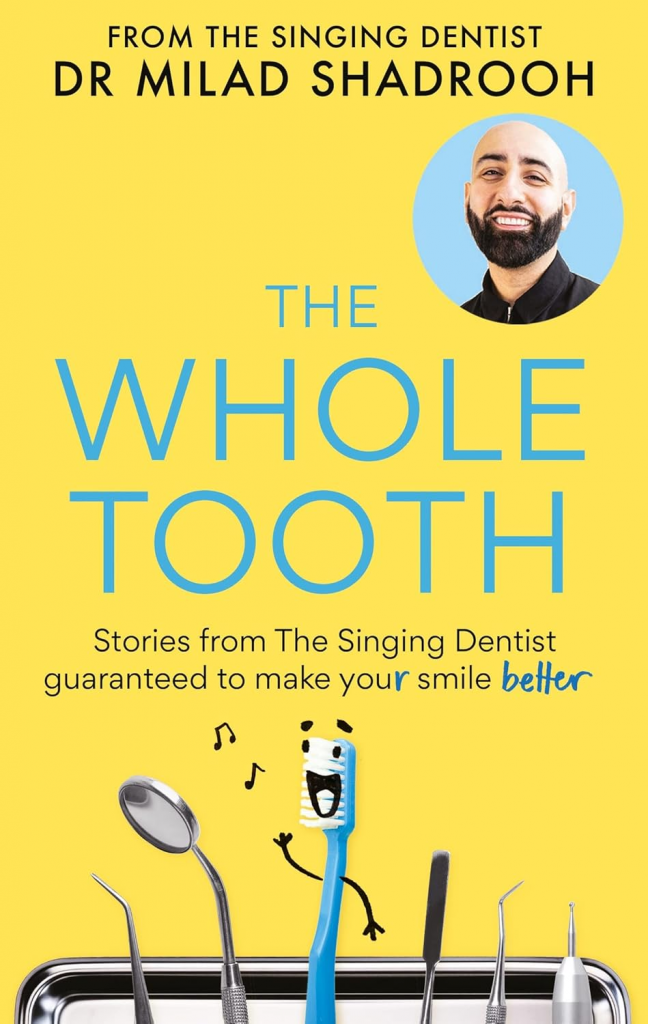
Dr Milad began lecturing in dentistry in 2012, and he has trained thousands of dentists in dental aligners and cosmetic dentistry since, as well as lecturing to dental students at various universities throughout the UK and abroad. In 2020, Dr Milad joined forces with his friend and colleague Dr Robbie Hughes, a very successful dentist and fellow entrepreneur, to establish Avantgarde Dentistry.
In 2024, they have launched Same Day Smile, a concept that can deliver outstanding smile makeovers in one day.
Adam Kuper, a sometime professor of anthropology at Brunel University, was lecturing on the topic at UCL when he first got to know Helman. “It was very unusual then for a medical person to do a social science course”, he recalls. “But Cecil was always more than doctor. He wanted to develop a number of strands to his life.” These included painting and writing poetry and prose. It was Kuper who, in the late 1980s, hired Helman to work at Brunel on what was the first medical anthropology course in England. “As a teacher at Brunel he was very good. The course originally attracted mainly people with health backgrounds because health authorities had begun to struggle with the problems and ideas of immigrant groups with which they weren’t well equipped to deal. Cecil was particularly successful at Socratic teaching in small groups. He would get students to read things, talk about them, and then shape the discussion.”
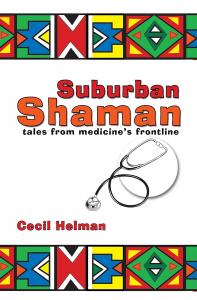
Dear Dr Ellenberger, I am a doctor as well as a writer. You might be interested in my recent memoir: Suburban Shaman: Tales freom Medicine’s Frontline (see: www.hammersmithpress.co.uk/suburbanshaman ), which in March was selected for broadcast by the BBC as a ‘Book of the Week’. Best wishes, Cecil Helman
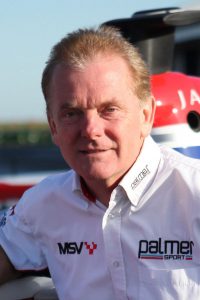
Jonathan Charles Palmer (born 7 November 1956) is a British businessman and former Formula Oneracing driver. Before opting for a career in motor racing, Palmer trained as a physician at London’s Guy’s Hospital. He also worked as a junior physician at Cuckfield and Brighton hospitals.
He is currently the majority shareholder and Chief Executive of MotorSport Vision (MSV), a company that runs six UK motorsport circuits, the PalmerSport corporate driving event at Bedford Autodrome and several racing championships including British Superbikes and GB3.[3]
Palmer joined Williams as a test driver for the 1982 and 1983 seasons whilst racing in F2, and made his Formula One debut at Brands Hatch on 25 September 1983, driving a Williams in the European Grand Prix. This drive was a ‘thank you’ from Frank Williams and Patrick Head. He finished 13th out of 26 starters. Moving to the Skoal Bandit RAM March team in 1984, his six finishes yielded one 8th place, three 9th, one 10th, and one 13th. He joined Zakspeed in 1985, starting in eight races and retiring from all except the 1985 Detroit Grand Prix, where he finished 11th. Sixteen starts with the same team in 1986 resulted in eight retirements and a best finish of 8th in Detroit.
In 1987, Palmer talked with McLaren boss Ron Dennis about becoming the team’s No. 2 driver to double World Champion Alain Prost. Dennis ultimately signed Stefan Johansson, and Palmer joined Tyrrell a week before the season’s opening race in Brazil. Although outpaced by its turbocharged competitors, Tyrrell’s naturally-aspirated Cosworth-powered car proved reliable, and it was nimble on tighter circuits. Palmer won championship points in three races, and it was in the Australian Grand Prix that he achieved his career-best fourth-place finish. He also won the Jim Clark Cup, a championship for drivers of normally aspirated cars. He stayed with Tyrrell for the next two seasons, during which his best results were two 5th-place finishes and three 6th. At the end of 1989 he signed as McLaren’s test driver.
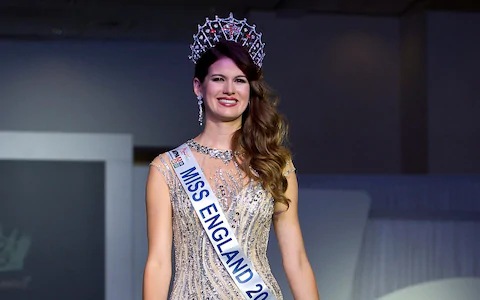
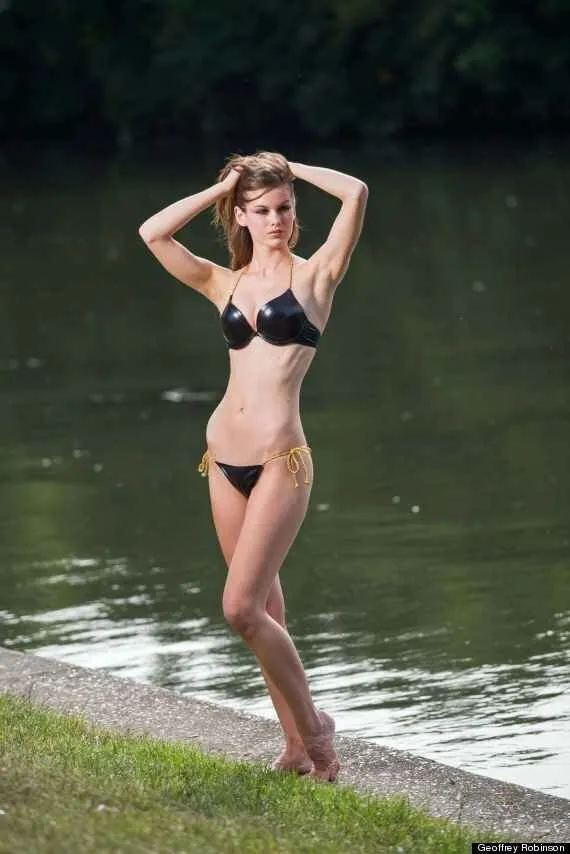
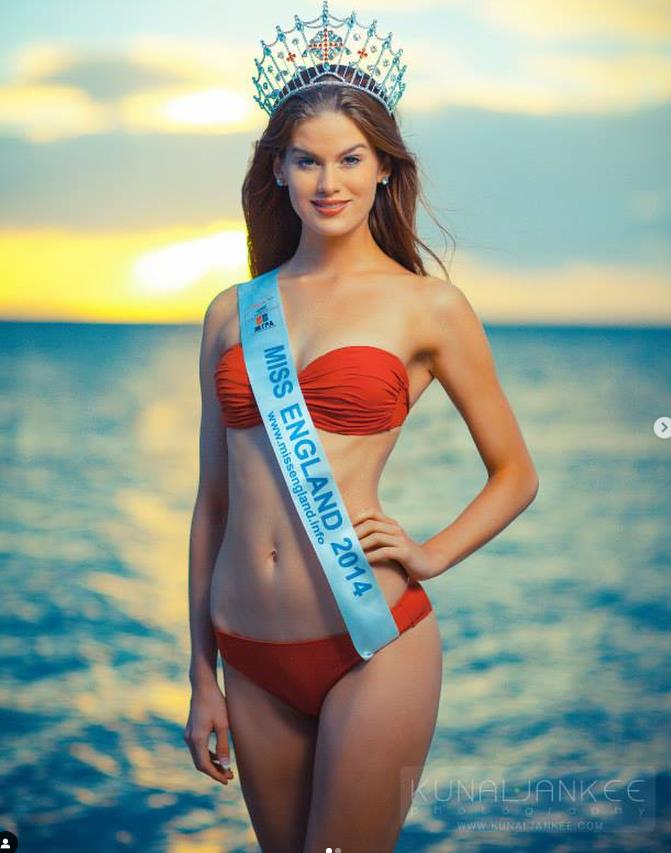
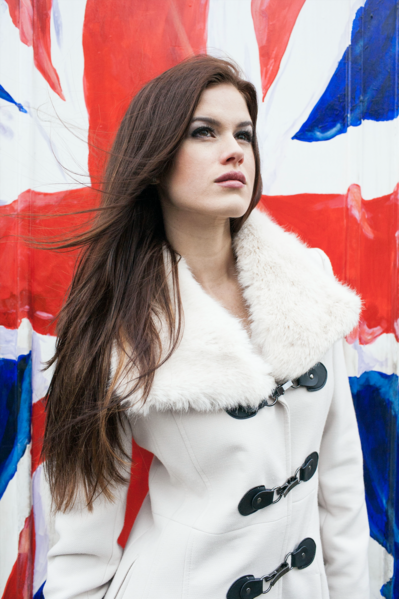
Dr. Carina Tyrrell (born 24 October 1989) is a British-Swiss public healthphysician,[1]investor,[2] and philanthropist who is a former Miss England and Miss United Kingdom. Tyrrell graduated from the University of Cambridge with first-class honours,[3] featured on the front page of The Times for her work to deliver the Oxford–AstraZeneca COVID-19 vaccine,[4] and is known for making international news for being the first woman from one of the world’s top universities, to participate in Miss World where she was in the top 5, and where another med student Rolene Strauss (presented on this web site) got the title.
A British-Swiss public health physician, she´s a healthcare and technology investor – formerly working at Goldman Sachs, and as an Investor and Chief of Staff to the former President of Samsung. She is committed to reducing health inequalities, enhancing access to care, and improving the quality of healthcare for patients and the population. She´s engaged in supporting populations to overcome the effects of COVID-19 as a research scientist at Cambridge University, where her research has focused on COVID-19 antibody detection and identifying COVID-19 vaccine and therapeutic trials.
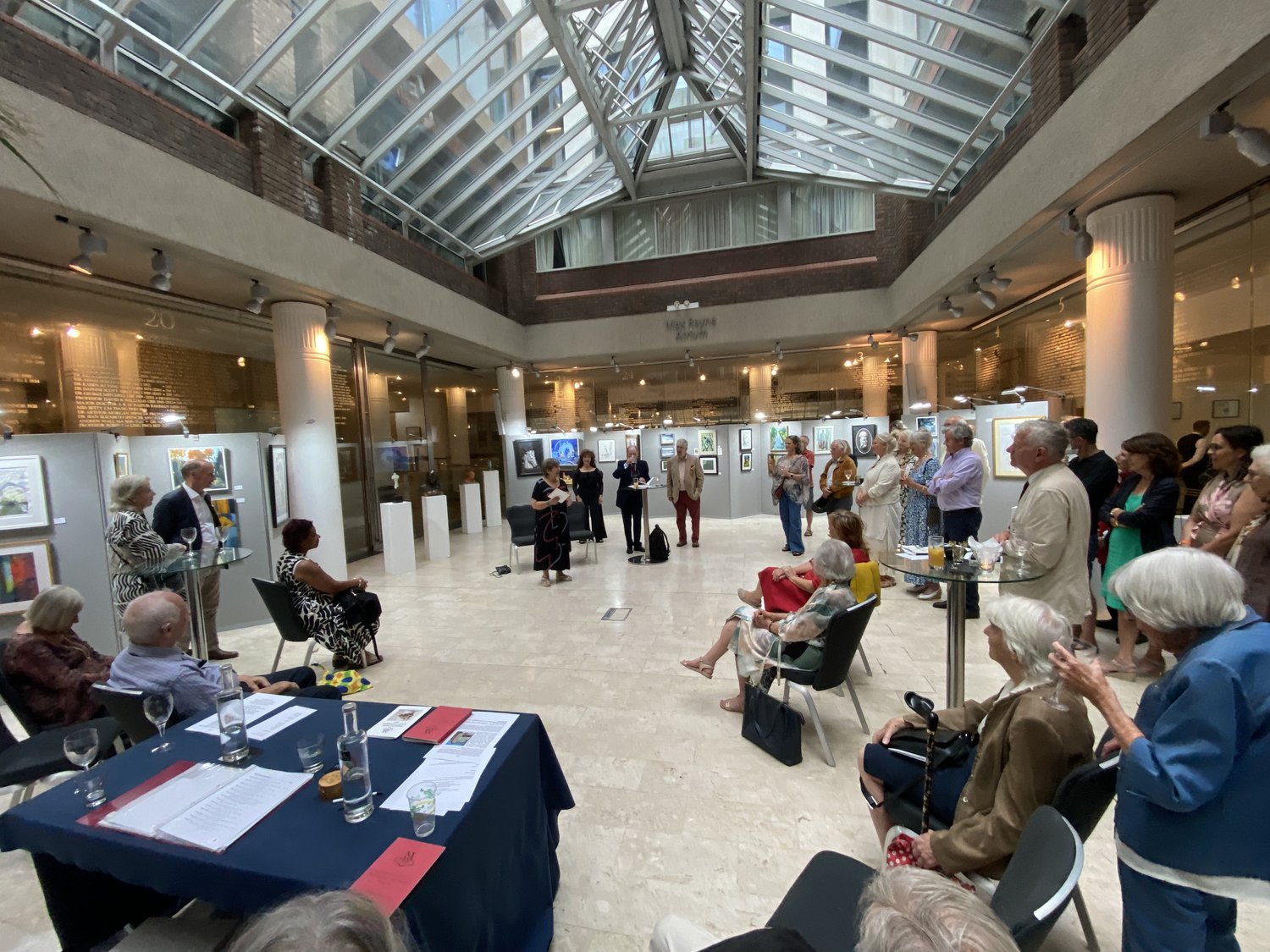
The Medical Art Society, founded in 1935, exists for doctors, dentists, veterinary surgeons, and recently all fully accredited healthcare professionals, whether working, retired or students, who enjoy drawing, painting and sculpture.
It is based in the UK, but welcomes medical artists living abroad as members and has links with similar medical art societies in other countries.
The Society’s programme includes lectures by well known artists, visits to studios and galleries, life drawing sessions, painting days and weekends, short breaks in UK and abroad, occasional conferences and always an Annual Exhibition .
The MAS is administered by its Officers and Committee. There is no joining fee and the annual MAS subscription is low.