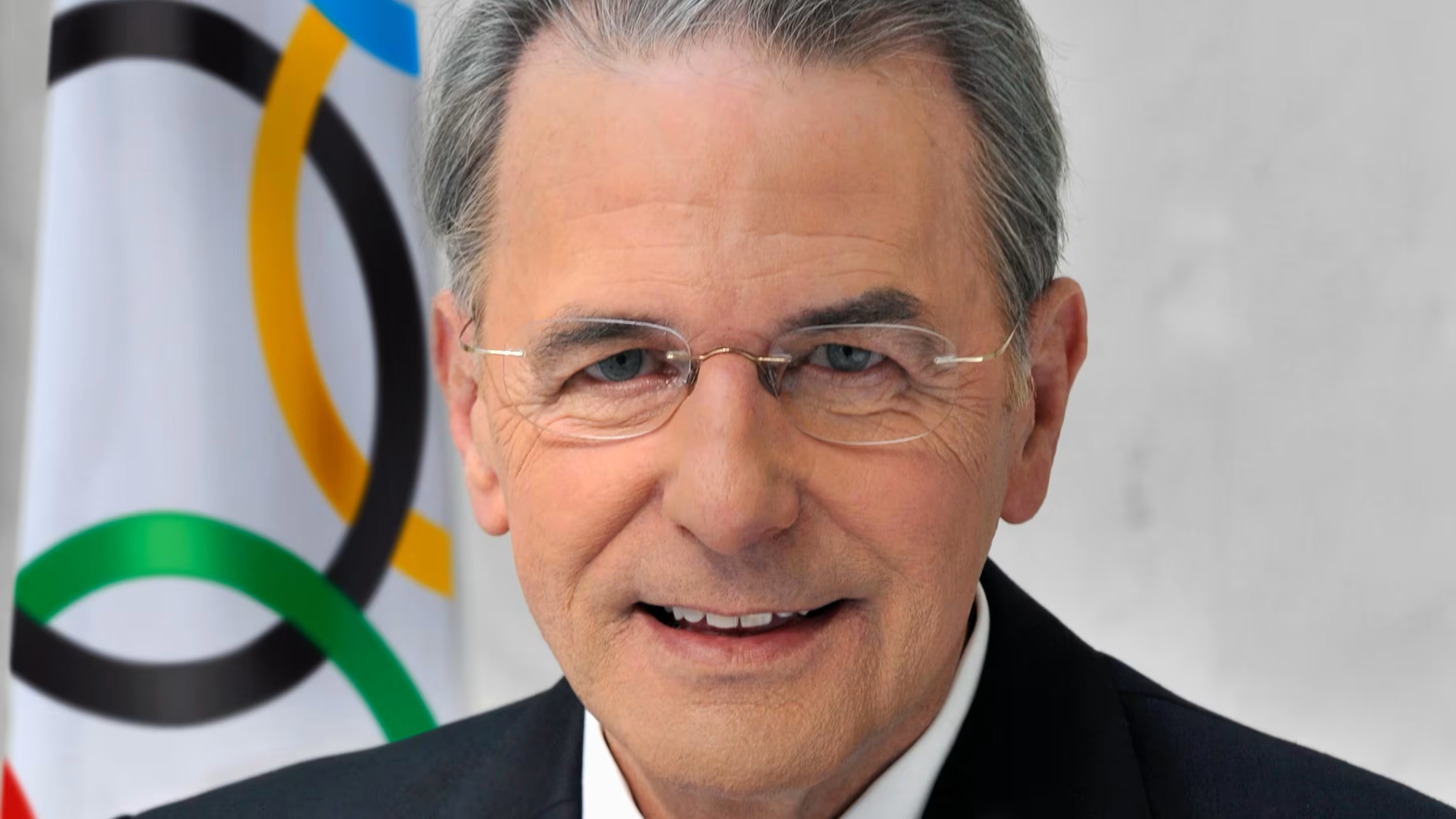
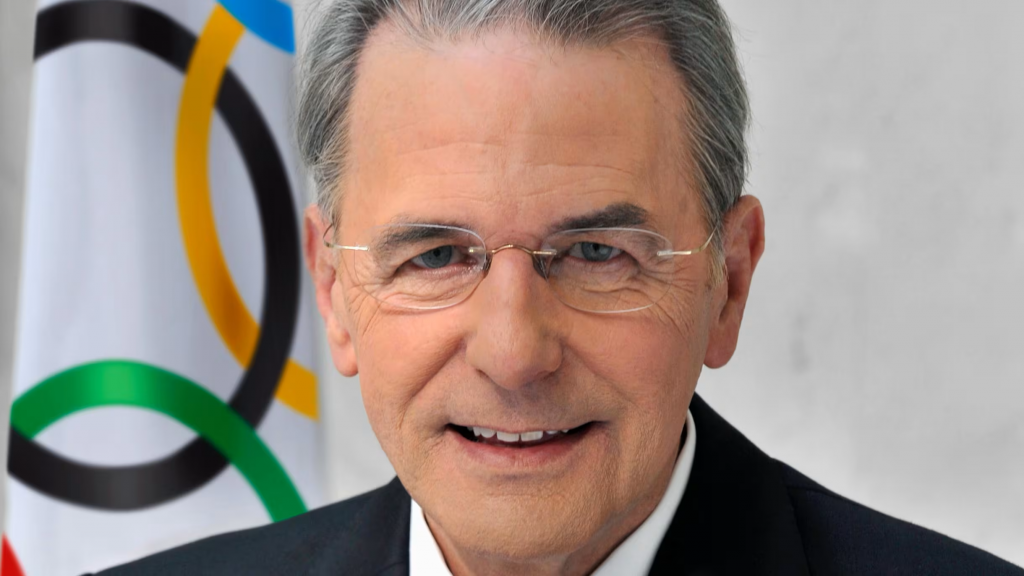
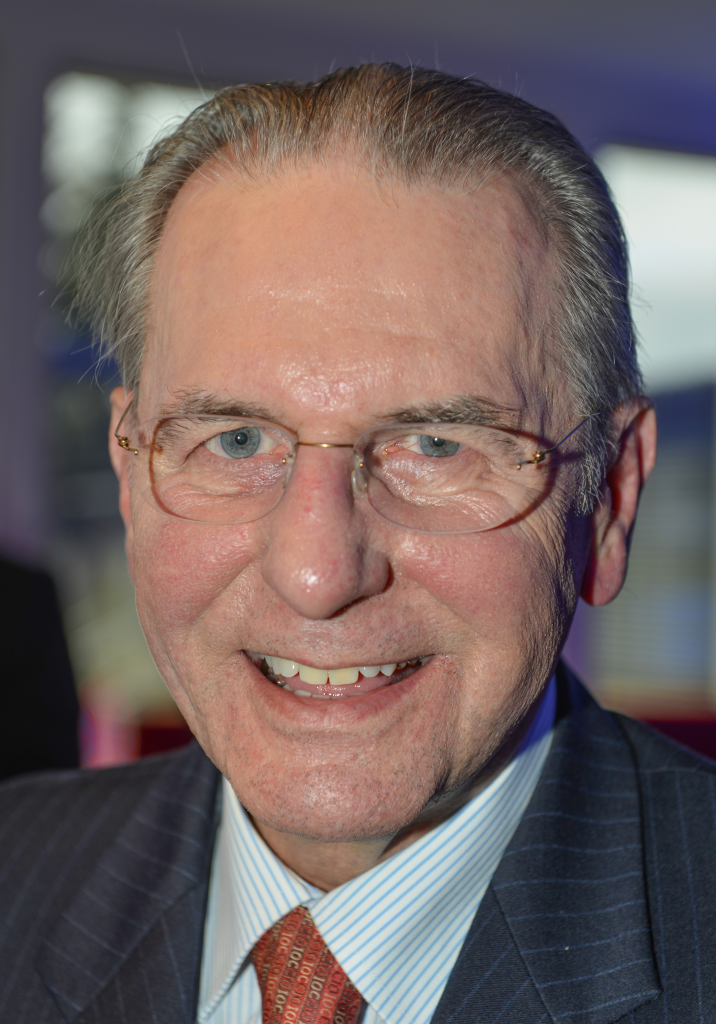
Jacques, Count Rogge KCMG (May 2, 1942 in Ghent; August 29, 2021 in Deinze) was a Belgian sports official. From 2001 to 2013, he was President of the International Olympic Committee (IOC) in Lausanne, Switzerland.
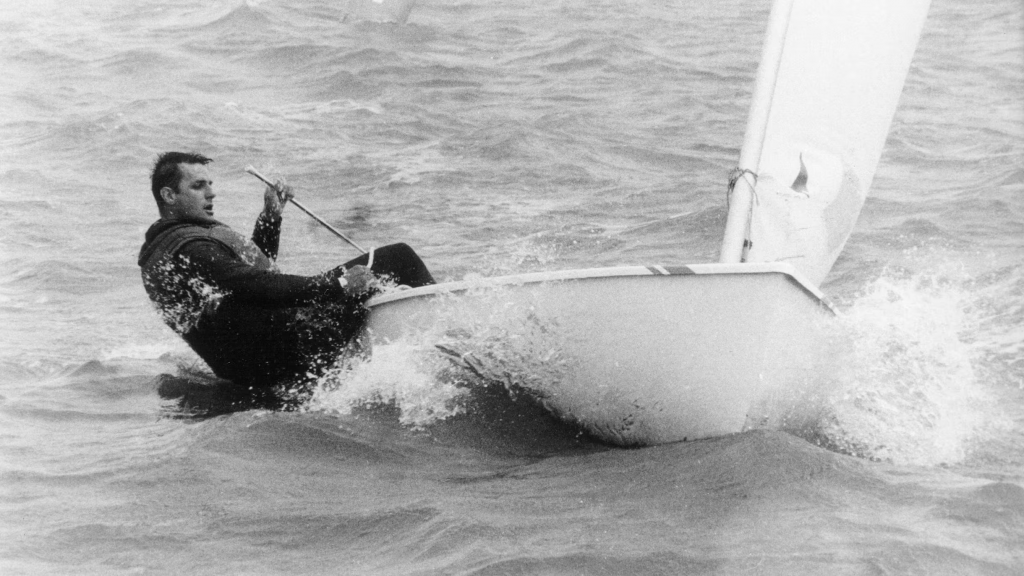
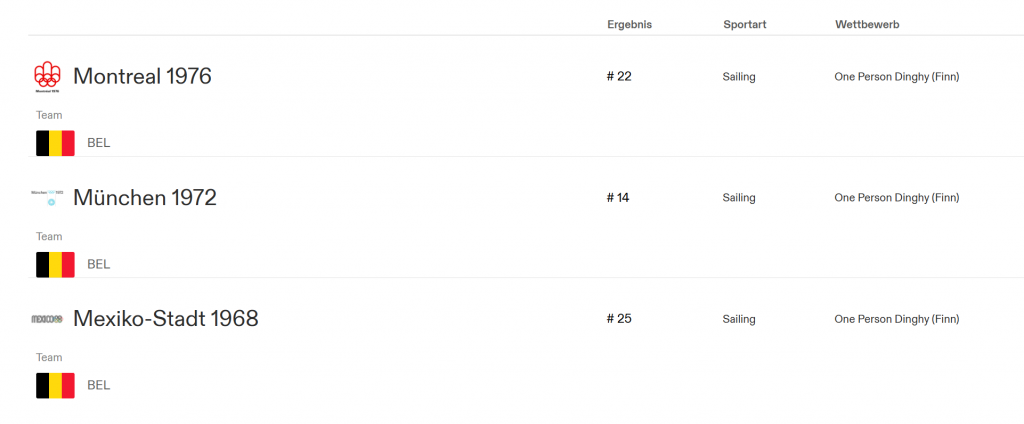
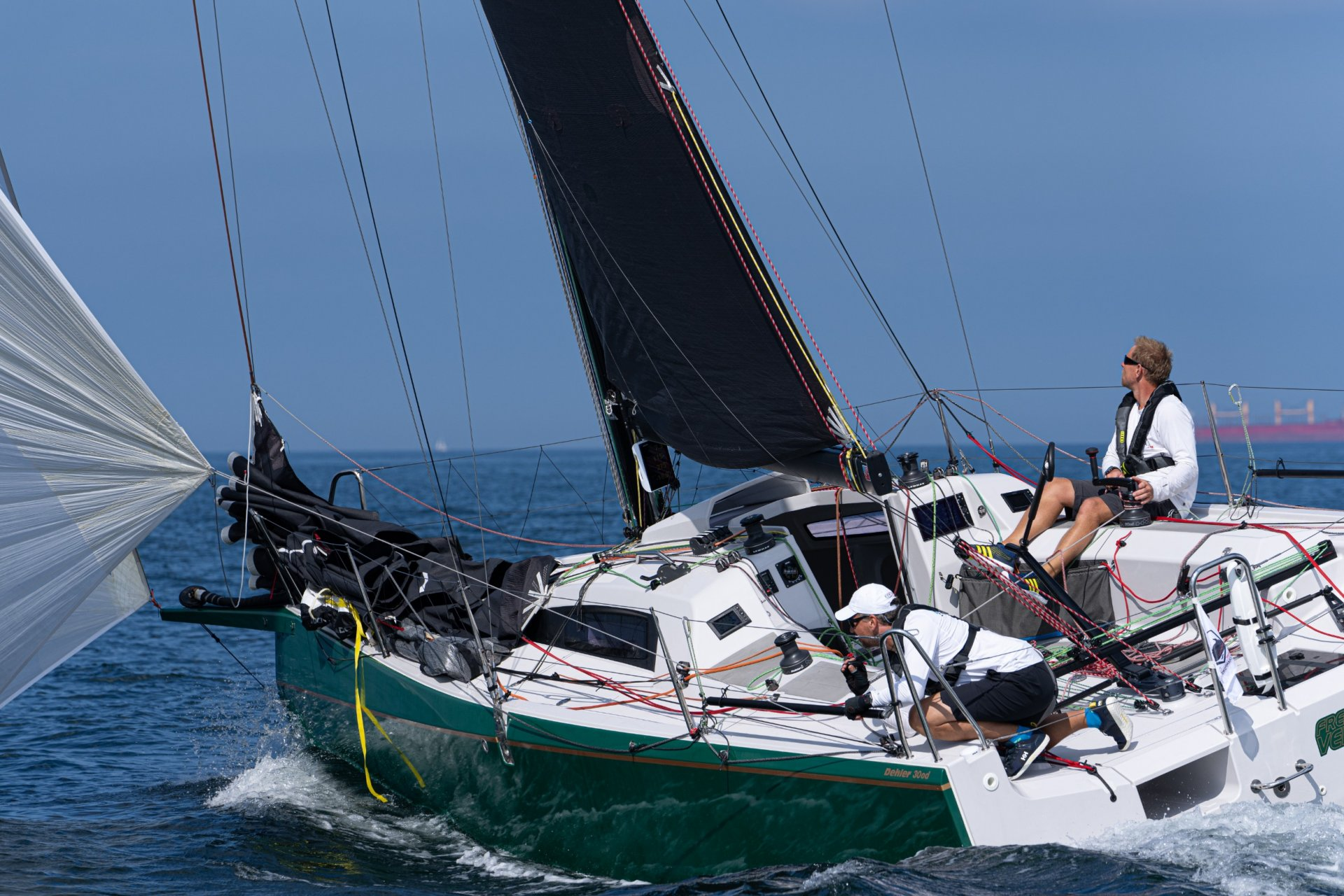
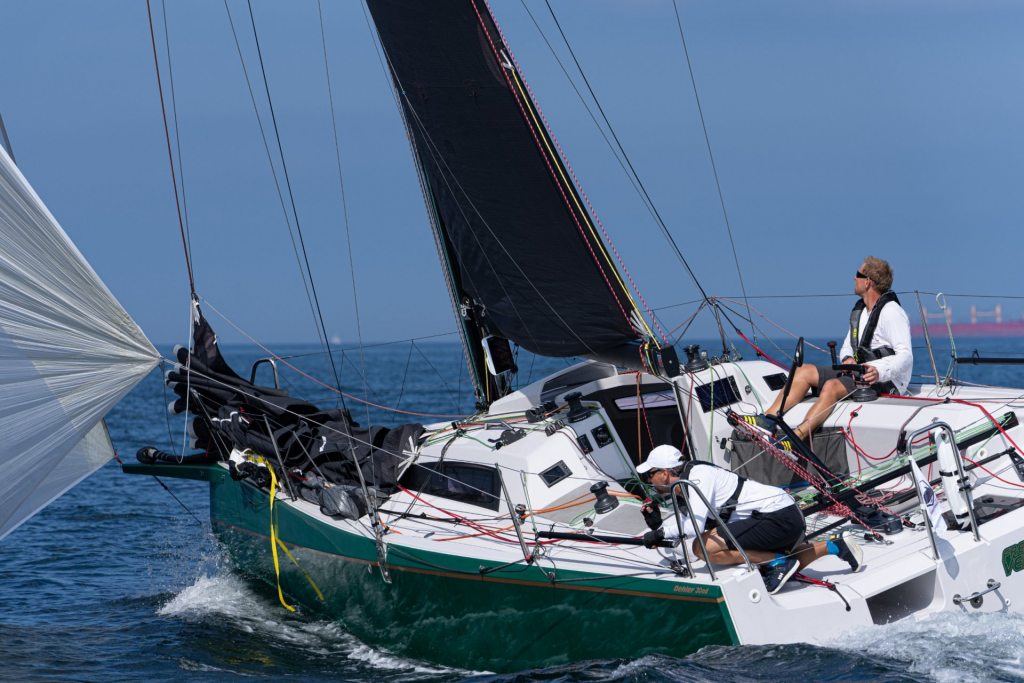
After completing his schooling at Sint-Barbaracollege, a Jesuit college in Ghent, Jacques Rogge studied at Ghent University, where he earned a doctorate in orthopedic surgery. He competed in sailing at the 1968, 1972, and 1976 Summer Olympics, achieving his best finish of 14th in the 1972 Finn Dinghy. He also played for the Belgian national rugby team.
In 1991, he became a member of the IOC and President of the Belgian National Olympic Committee. On July 16, 2001, at the 112th IOC General Assembly in Moscow, he was elected as the eighth President of the IOC, succeeding Juan Antonio Samaranch, for an initial term of eight years. The 2002 Winter Olympics in Salt Lake City were his first as IOC President, and that year he was also knighted by King Albert II of Belgium; his title was that of Comte (French) or Graaf (Dutch).
One of the core principles of his policy was limiting the number of Olympic participants to 10,000. He also campaigned against the increasing gigantism of construction projects and against commercialization.
On October 9, 2009, Jacques Rogge was re-elected for a second four-year term at the 121st IOC General Assembly in Copenhagen. A re-candidacy in 2013 was not permitted under the IOC Statutes. Thomas Bach, a German, was elected Rogge’s successor.
Jacques Rogge was married and had two children. He died at the end of August 2021 at the age of 79.
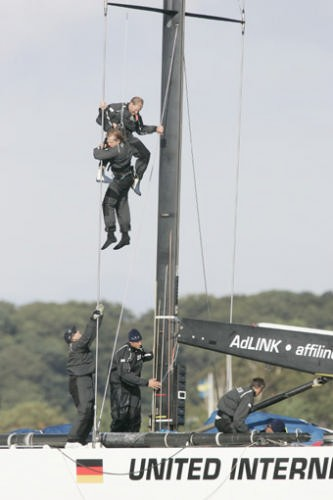
After the “United Internet Team Germany” won its first match race against the “China Team” in the Louis Vuitton Act 6 for the 32nd America’s Cup in Malmö, Sweden, an accident occurred aboard the “GER-72.” Crew member Christian Buck was at the masthead hoisting the mainsail. While lowering the sail, the 27-year-old lost control due to the strong waves and was thrown into the diver.
Immediately after the accident, Christian Buck received medical treatment on board from a doctor on the team and was then taken by tender and ambulance to the University Hospital in Lund.
Fortunately, after initial medical examinations, his injuries appear to be less severe than expected. The extent to which further medical treatment is required is currently unclear. Christian Buck is conscious and his condition is stable.
The sailor from Rostock is not in critical condition, but will remain in the intensive care unit overnight for further medical observation.
Skipper Jesper Bank and syndicate chairman Uwe Sasse were accompanied to the hospital by two crew members after the accident.
His family was also informed immediately after the accident. His brother, who is currently in Malmö, is also in the hospital.
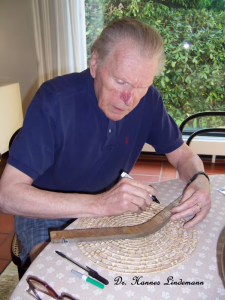
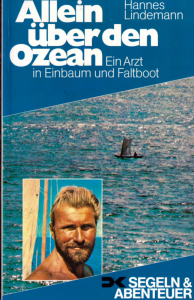
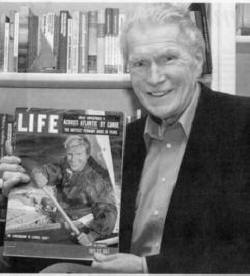
Hans-Günther[1] “Hannes” Lindemann (* 28 December 1922 – † 17 April 2015[2]) was a German physician, sailing pioneer, canoeist and author who became known for his Atlantic crossings in very small boats.
Interview with WDR5 on his 90th birthday in 2012 and report.
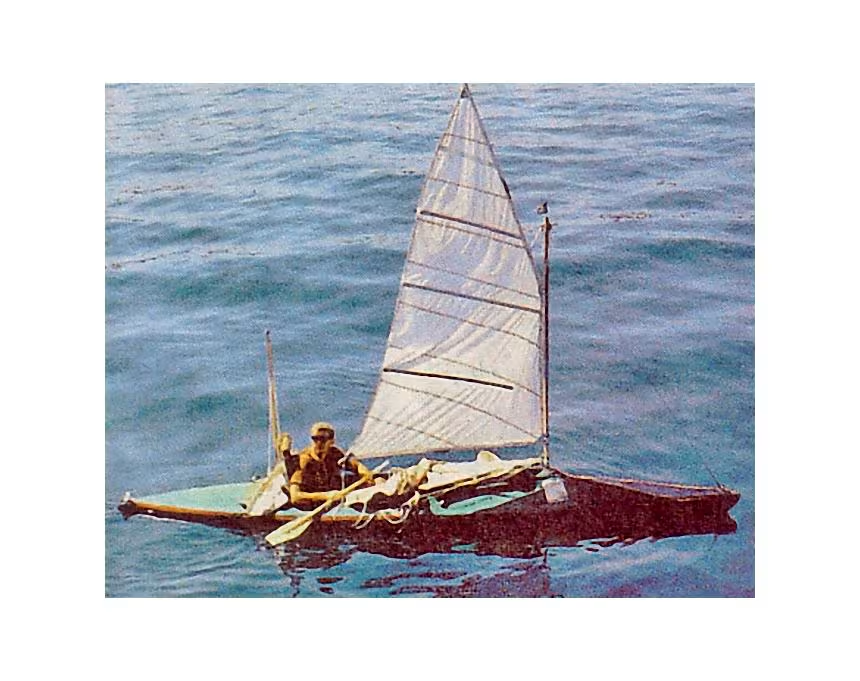
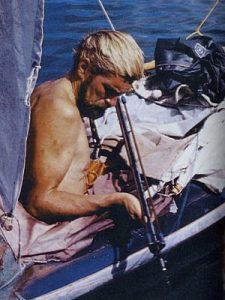
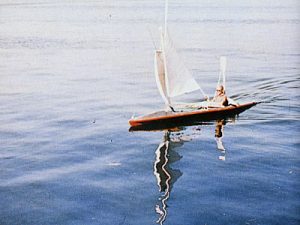
From 1955 onwards, he conducted several self-experiments to test the ability of a shipwrecked sailor to survive on the high seas under extreme psychological and physical stress. In 1955, he sailed the Atlantic in a dugout canoe, the Liberia, measuring 7.70 m x 0.70 m and weighing approximately 600 kg, specially built in Liberia. The following year, he sailed in an even smaller folding canoe (5.20 m x 0.87 m, 27 kg), the Liberia III.
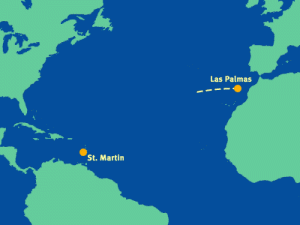
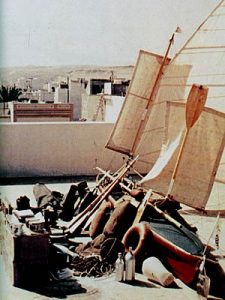
Lindemann equipped a standard two-seater Klepper folding boat of the Aerius II type with 60 cans of food, 96 cans of milk and 72 cans of beer, and 3 liters of water and crossed the Atlantic from the Canary Islands to St. Martin in the Netherlands Antilles. Although he carried a sextant for navigation, a floating anchor for rest breaks, and fishing tackle, he did not use a stove and ate the fish he caught raw. Lindemann cast doubt on Alain Bombard’s theory, which was discussed at the time, that shipwrecked sailors could meet their drinking water needs solely from salt water or the flesh of caught fish: he survived only by supplementing his supplies with collected rainwater. During the 72 days of the Atlantic crossing, he lost 25 kilograms of body weight and survived several hurricanes and two capsizes. He attributed his success to careful mental preparation for his journey through autogenic training and autosuggestion.
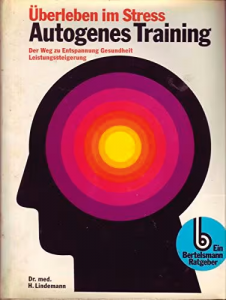
Lindemann subsequently enjoyed success as an author: “Alone Across the Ocean” is a logbook-like account of his first voyages. “One Man, One Boat, Two Continents” describes the experiences of a third Atlantic crossing in 1960 and summarizes conversations with African statesmen and with Albert Schweitzer, with whom he worked for a time as a doctor in Lambaréné (Gabon). He wrote several works on the subject of autogenic training, worked as a health educator for the German Red Cross, and taught at the University of Bonn on the topics of autogenic training and mental hygiene. His guidebooks have appeared in numerous editions.
Hannes Lindemann last lived in Bonn-Bad Godesberg. Wolfgang Ellenberger once had a telephone conversation with him.
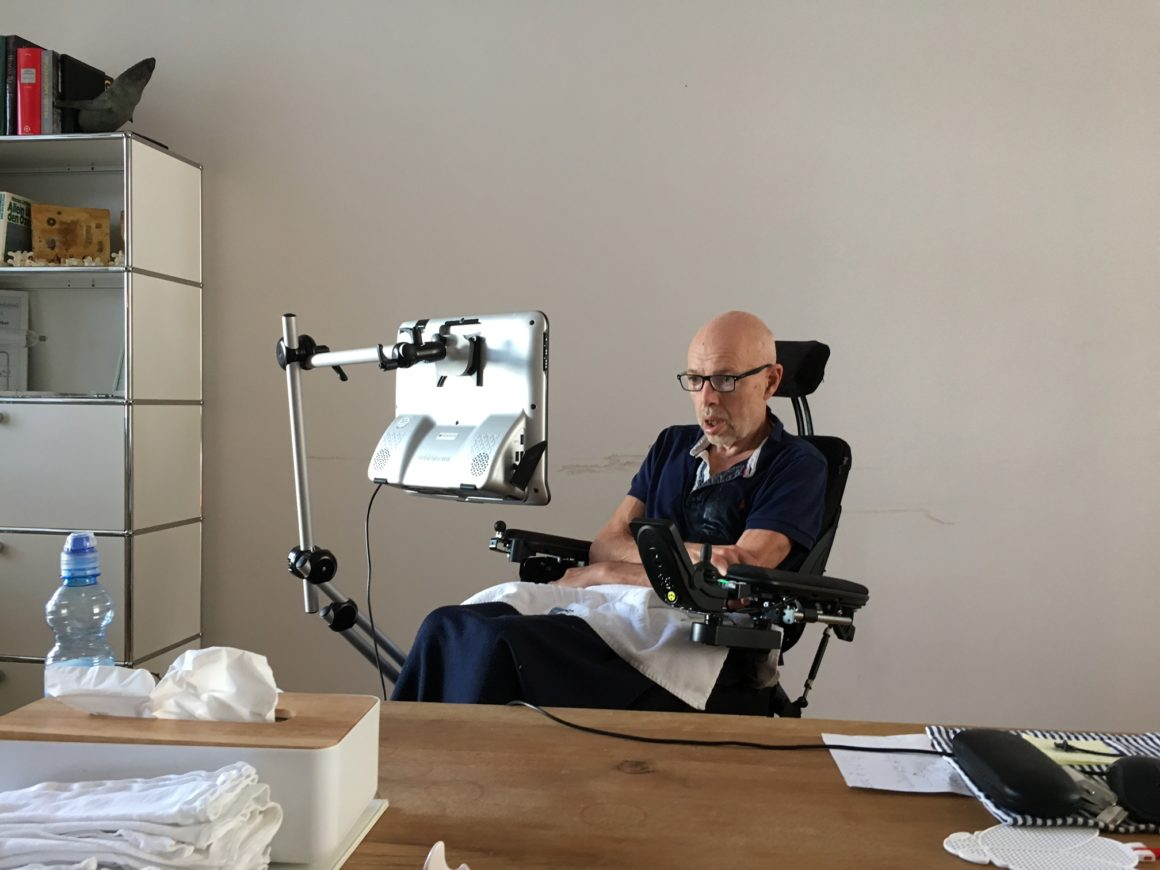
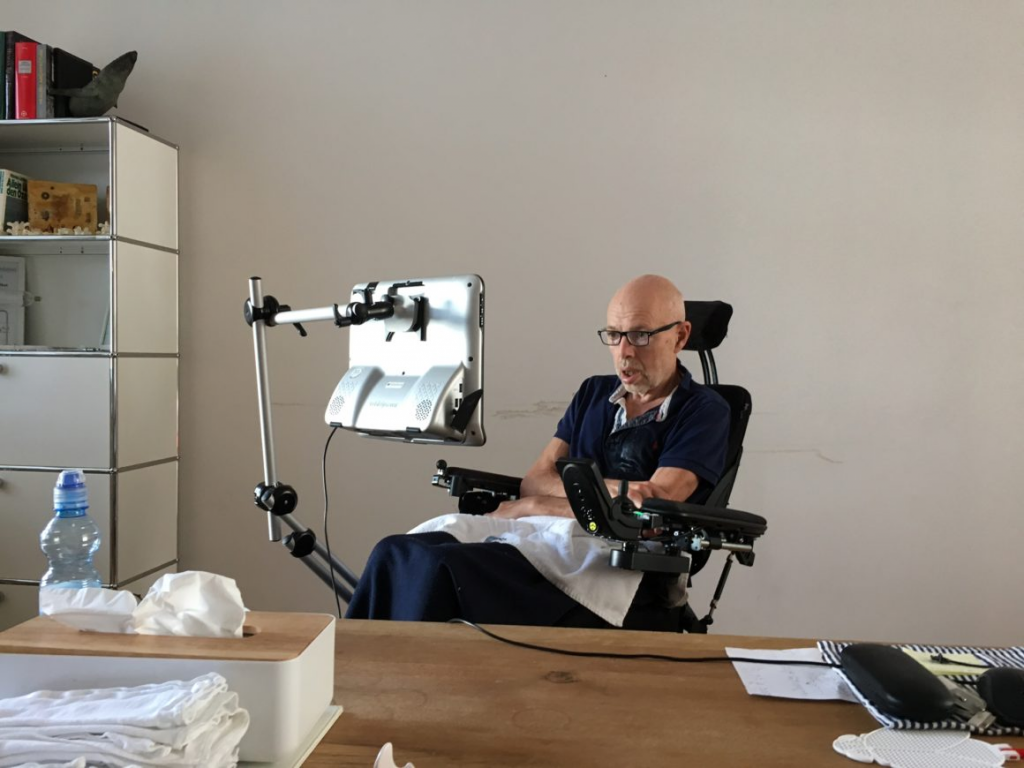
I’ve been ill since 2014, unfortunately with a rarer form of ALS with extreme spasticity and bulbar symptoms.
Unfortunately, I can no longer speak or swallow. I’m quadriplegic and anarthric, and can no longer move anything. Despite this, I still find quality of life.
I used to be an extreme athlete and did crazy things. I’m both a doctor and a patient myself. I made the diagnosis myself. I live in a normal family, and we have a young daughter. My wife is a nurse and takes care of her. We try to live and live as normally as possible. Unfortunately, I can no longer work and now I write books. Writing is tedious and exhausting. I have a good computer with infrared light control, and I write with my eyes. Not as fast anymore, but better than nothing. I founded a small publishing house for literature and art and support young artists and authors.
Das Leben ist anders als früher auch aber immer noch lebenswert.
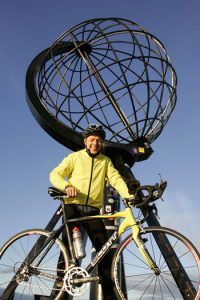
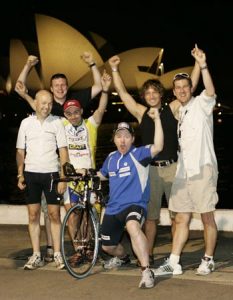
Endurance sports for 10 years:
More than 30 marathons (personal best 3:09), 5x Ironman, Marathon des Sables (250-kilometer ultramarathon through the Sahara), Climbing Mount Kilimanjaro Race Across America (5,000-kilometer non-stop cycling race across the USA from west to east); Trans-Australia non-stop by bike, 4,200 km in 7 days
and various other events
Ironman Klagenfurt Trans-Europe Tour Dragon Run Siebengebirge/Germany Race Across Germany (by bike from Flensburg to Oberammergau in 48 hours)
Other sports:
Diving, tennis, paragliding, sailing, skiing (and recently motorcycling and taekwondo)
Jürgen Reul trained as a police officer and subsequently worked for the police.
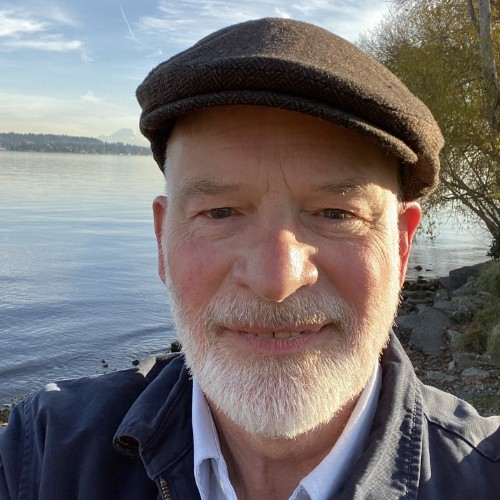
Hello! I am Eric Schendel, owner of The Lifestyle Doctor. I am a personal technology consultant and I also teach people how to successfully run a business from their home on their computer. Here is a brief summary of my background and interests.
My family moved down to Mexico when I was seven and we lived there eleven years, mostly in a little town called San Miguel de Allende. When we returned to the States we settled in Texas where I completed high school and attended college and medical school. In 1984, I fell in love with computers and what they could do to improve the practice of medicine. My first computer was a KayPro II and my second was a PC clone made by Heath, which came in a kit which had to be assembled—I even had to solder the components onto the circuit boards! Later I joined a locum tenens company (medical temporary agency) so that I could complete a Ph.D. in bioengineering with a major in computerized medical diagnostics. Now Big Planet offers me a chance to share some of my computer knowledge and my passion for technology with other people.
I live in Seattle with my wife Fionnuala and our son Keith. Recreational interests include writing, skiing, sailing, hiking and traveling.
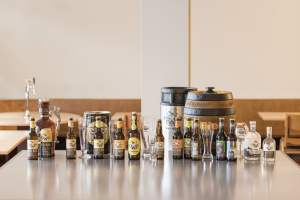
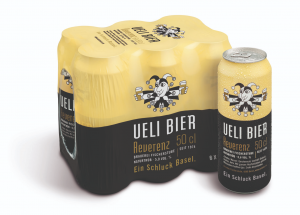
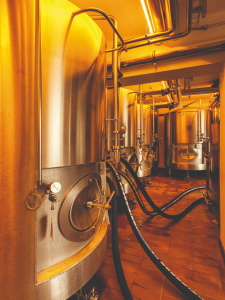
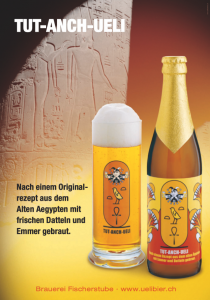
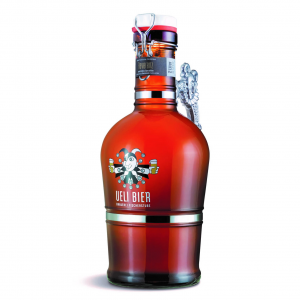
The Fischerstube Brewery AG is a Swiss brewery headquartered in Basel. It produces beer under the brand name “Ueli Bier.”
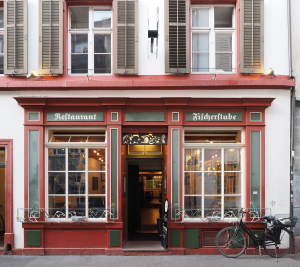
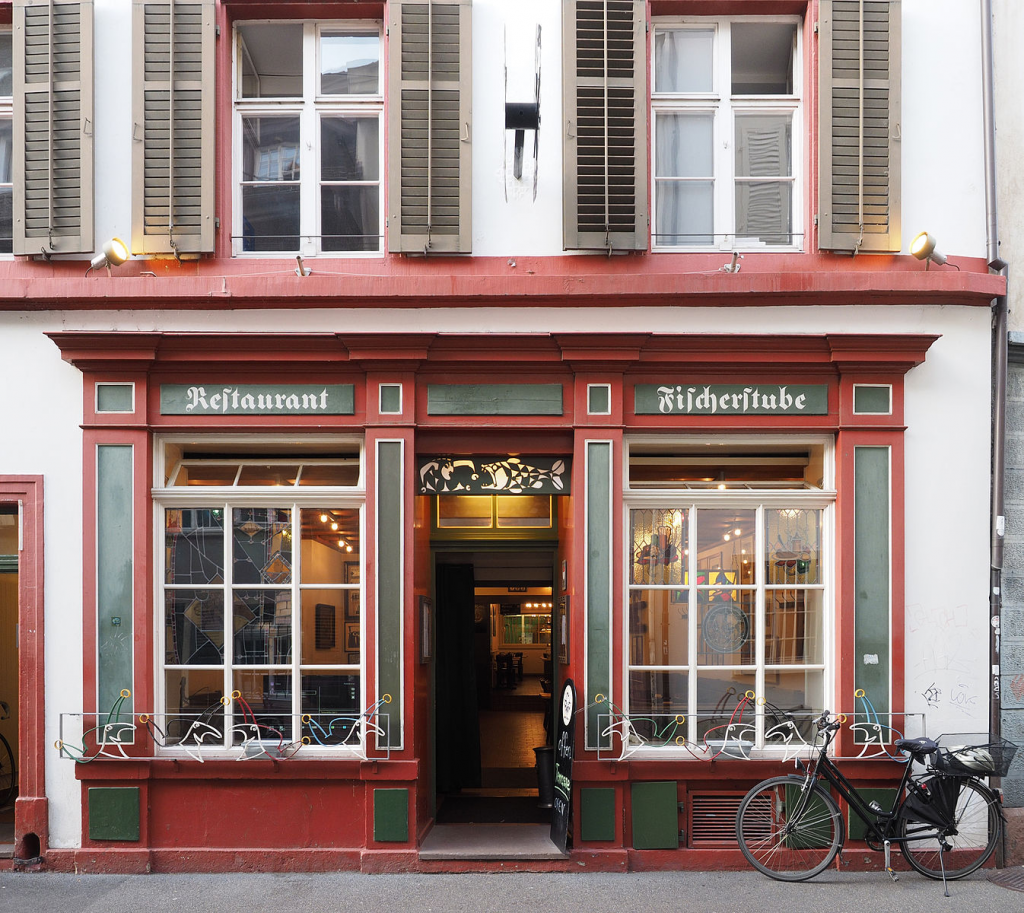
In 1974, the physician Hans-Jakob Nidecker (1919–2005)[4] acquired the Fischerstube restaurant at Rheingasse 45 in Kleinbasel, which had stood vacant for several years, in order to revive the local economy. Nidecker grew up on Rebgasse, had deep roots in Kleinbasel, and was a master of the Kleinbasel Rebhaus honorary society for several years. As early as 1970, Nidecker had rendered outstanding services to Basel’s traditions when he established a foundation specifically for the purpose of saving the Basel ferries from commercialization and an uncertain future. The first tenants of the newly opened Fischerstube were the innkeepers Silvia and Mike Künzli.
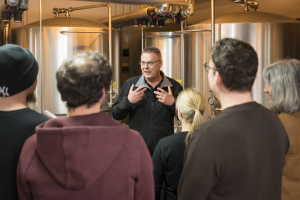
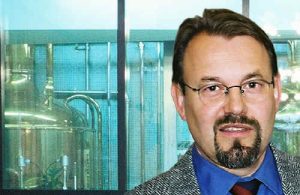
His son, Niklaus Nidecker, born in 1949, is a general practitioner and practices in Erlach on Lake Biel. He is married and has two adult daughters. His hobbies are beer and sailing. He serves as Chairman of the Board of Directors at the brewery and oversees customers and employees. The wife of another brother (a musician) is the managing director.
The other son, Dr. Andreas Nidecker, is a radiologist in Basel and a member of the brewery council. His presentation can be seen at the bottom of this page.
On November 13, 1974, the first beer flowed from the tap of the Fischerstube. Nidecker chose “Ueli” as the beer’s name,[8] a figure from the tradition of the three Kleinbasel honorary societies. The brewery began small, with an annual output of just 475 hectoliters, but with three varieties.[9] Nidecker quickly realized that he needed to hire a qualified master brewer. He hired Anton Welti, a native of Emmental, who had just returned from Ghana in West Africa, where he had worked for several years as a master brewer for a large brewery. The choice proved to be a stroke of luck, and Welti contributed significantly to the company’s success. He remained loyal to Ueli-Bier as a master brewer for 34 years and during this time repeatedly developed new and original beers until he retired in 2009.[10] In 2010, Jürgen Pinke became master brewer.
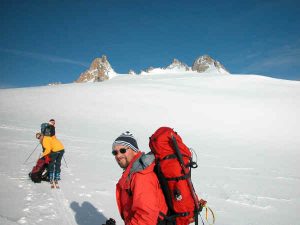
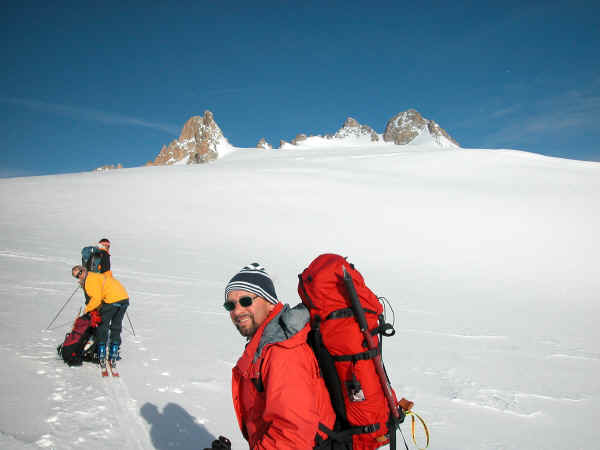
It is a pleasure for me to send you a photo for the DoctorsHobbies.com web. It has been shot in the Wallis Alps in the area of Trento.
My environmental activities consist of two groups, the medical doctors of environmental protection and with energy politics at the medical doctors of social responsibility. We are working against atomic war.
Even if not every colleague can be active politically it seems to be important to be active in one or another form. Since our profession still receives a lot of respect and doors open more easily we can achieve something!
Besides this I play tennis, sometimes also Alp Horn (!), I am singing as bass in the Basel Vocal Ensemble and I go jogging, apart from the mountain climbing. As founder and member of the Basel “association for medical cooperation” I visit our partner hospitals in Serbia and Zambia on a yearly basis and teach there.
An actual project is to supply 70 egyptian hospitals with x-ray equipment. My special task is to assure not only the correct installation of the machines but also the correct use by the staff!
Hoping that these informations are useful I send my warmest greetings
Andreas Nidecker
Prof. Dr. med. A. Nidecker Universität Basel
Thank you, Prof. Nidecker! This nice e-mail with information about your NON-medical activities is perfectly the spirit of DoctorsHobbies.com
Let us hope many others will think and act the same way! Yours
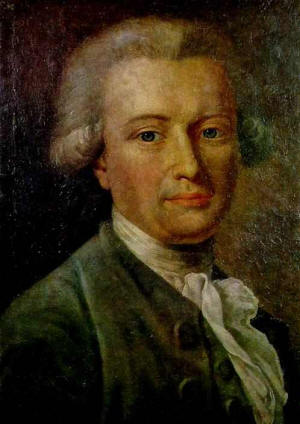
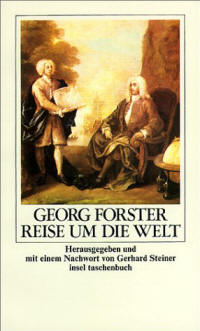
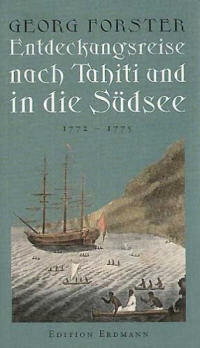
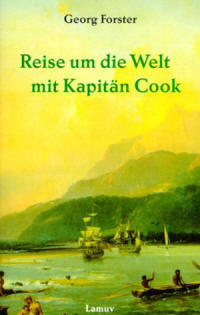
Johann George Adam Forster, also known as Georg Forster[nb 1] (German pronunciation: [ˈɡeːɔʁk ˈfɔʁstɐ], 27 November 1754 – 10 January 1794), was a German naturalist, ethnologist, travel writer, journalist and revolutionary. At an early age, he accompanied his father, Johann Reinhold Forster, on several scientific expeditions, including James Cook‘s second voyage to the Pacific. His report of that journey, A Voyage Round the World, contributed significantly to the ethnology of the people of Polynesia and remains a respected work. As a result of the report, Forster, who was admitted to the Royal Society at the early age of twenty-two, came to be considered one of the founders of modern scientific travel literature.
After returning to continental Europe, Forster turned toward academia. He taught natural history at the Collegium Carolinum in the Ottoneum, Kassel (1778–84), and later at the Academy of Vilna (Vilnius University) (1784–87). In 1788, he became head librarian at the University of Mainz. Most of his scientific work during this time consisted of essays on botany and ethnology, but he also prefaced and translated many books about travel and exploration, including a German translation of Cook’s diaries.
Forster was a central figure of the Enlightenment in Germany, and corresponded with most of its adherents, including his close friend Georg Christoph Lichtenberg. His ideas, travelogues and personality influenced Alexander von Humboldt, one of the great scientists of the 19th century [5] who hailed Forster as the founder of both comparative ethnology (Völkerkunde) and regional geography (Länderkunde).[6] When the French took control of Mainz in 1792, Forster played a leading role in the Mainz Republic, the earliest republican state in Germany. During July 1793 and while he was in Paris as a delegate of the young Mainz Republic, Prussian and Austrian coalition forces regained control of the city and Forster was declared an outlaw. Unable to return to Germany and separated from his friends and family, he died in Paris of illness in early 1794, not yet 40. In 1785, Forster traveled to Halle where he submitted his thesis on the plants of the South Pacific for a doctorate in medicine.